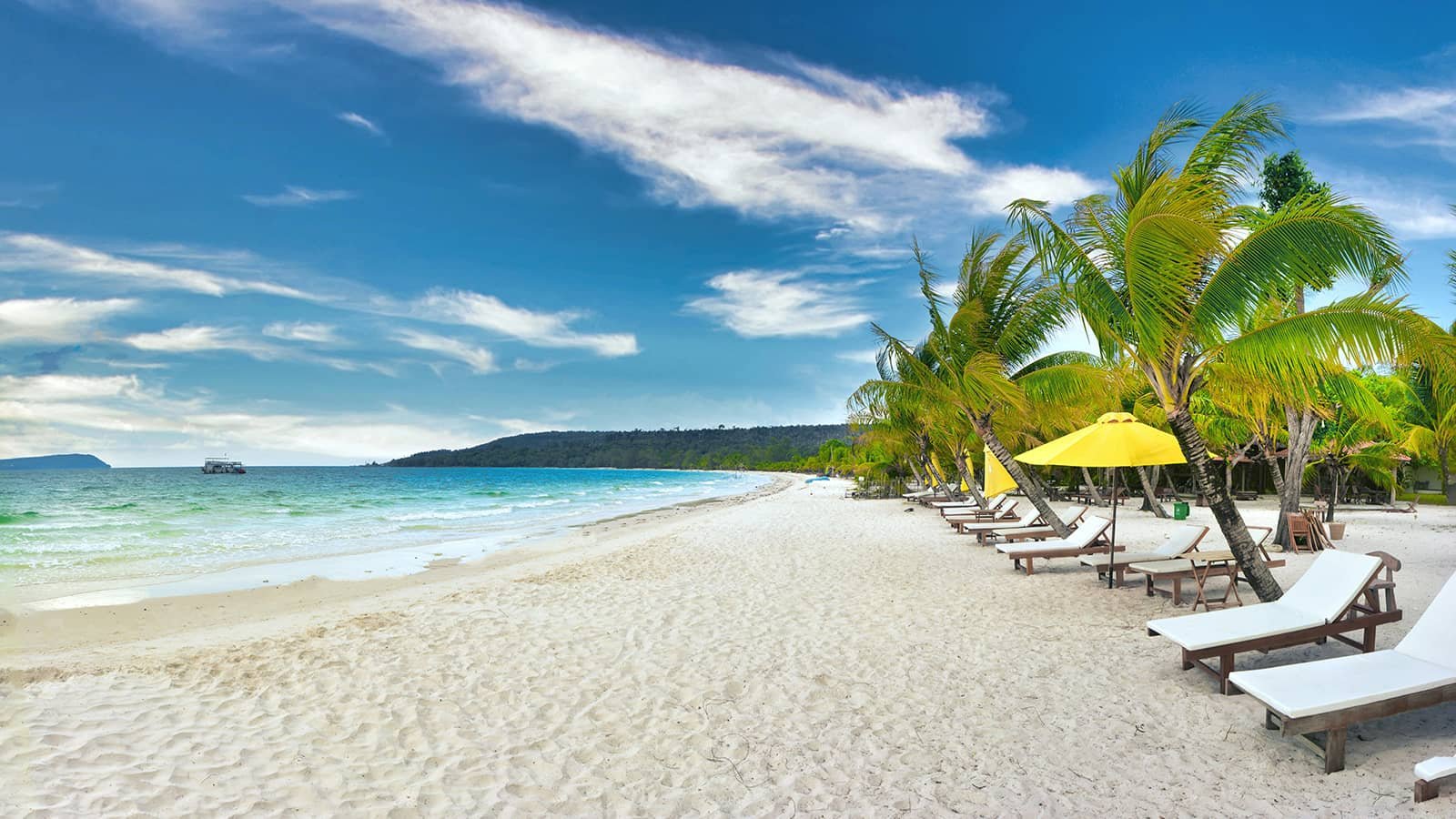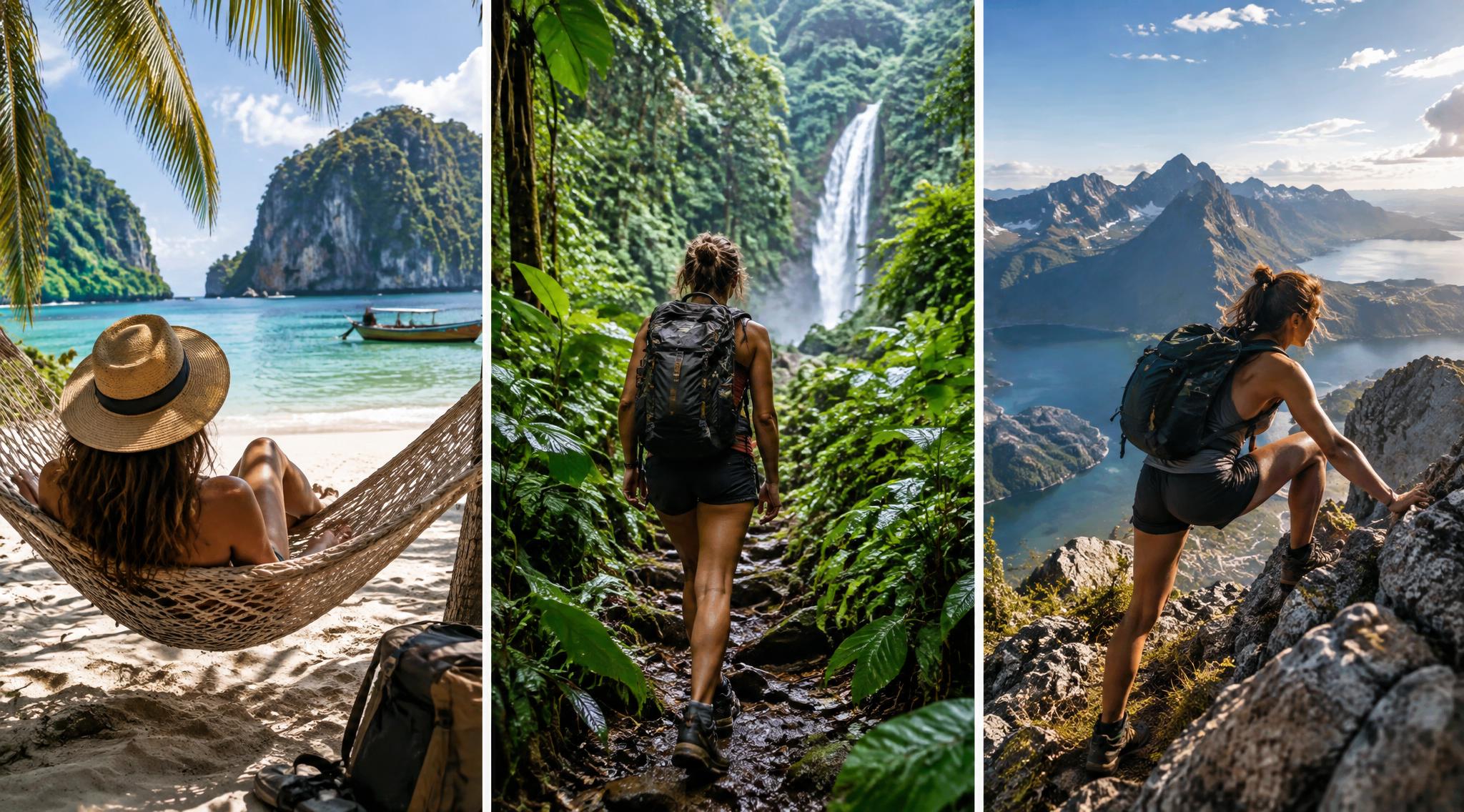


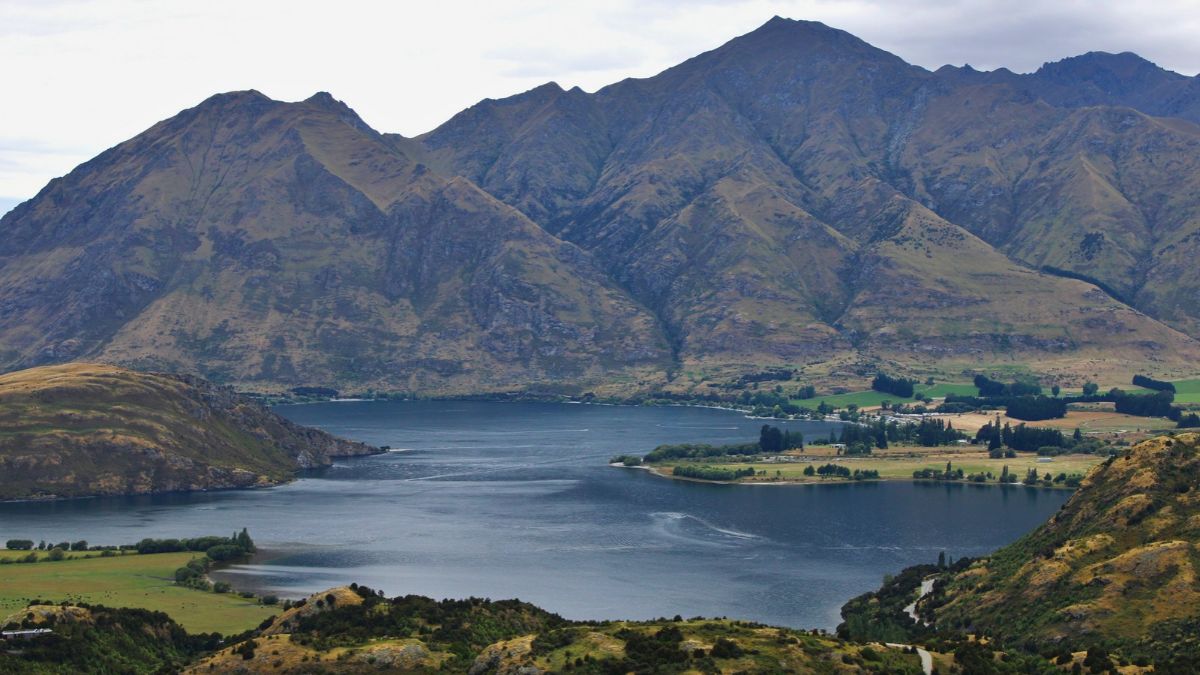
Wānaka is a lakeside mountain town in Otago on New Zealand’s South Island and the practical gateway to Mount Aspiring National Park. It combines free waterfront walks and serious alpine hikes with skiing, cycling, lake cruises and some wonderfully eccentric indoor attractions. The scenery feels wild, yet good coffee and dinner are rarely far away.
It is also more expensive—and more spread out—than dreamy photographs suggest. The centre is easy on foot, but trailheads, Lake Hāwea, Makarora and the ski fields are not. Accommodation sells quickly in summer, the ski season and New Zealand school holidays. Plan with those realities in mind and independent travel in Wānaka becomes a joy and one of the best places in Aotearoa to build memories of a lifetime.
This Wānaka travel guide for 2026 covers what is genuinely worth doing, realistic costs, safe outdoor planning, where to stay and how to visit with or without a car. Wānaka is often typed as Wanaka in searches and booking engines, so try both spellings when comparing results.
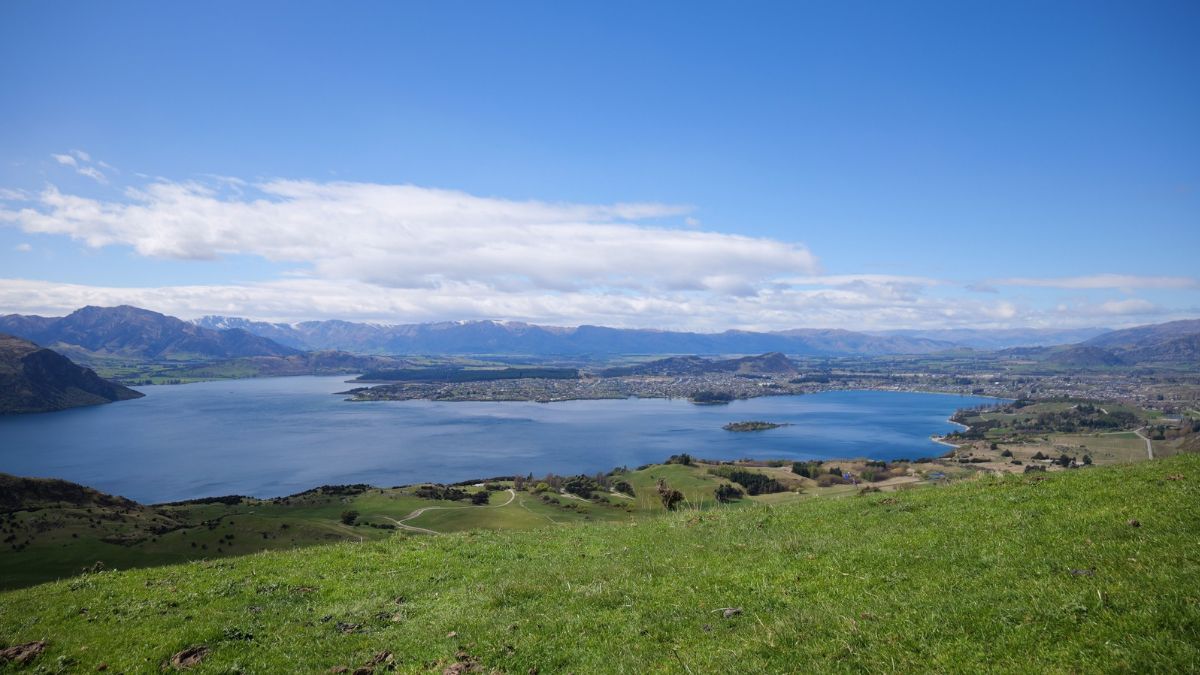
How long is needed in Wānaka? Quick answer: Allow three full days for the town, lakefront and one substantial outing. Four or five days is better if you want a weather buffer, a Mount Aspiring day trip, a ski day or time around Lake Hāwea and Makarora.
Wānaka at a glance
| Planning question | Honest answer for 2026 |
|---|---|
| Best length of stay | 3 days for highlights; 4–5 days for a relaxed trip |
| Best first visit | March–April for autumn colour, or late November–early December for long days before the Christmas peak |
| Main arrival airport | Queenstown Airport (ZQN), about 1–2 hours away depending on route, traffic and weather |
| Wānaka Airport | Scenic, charter and general-aviation flights; no regular scheduled passenger route as of September 2026 |
| Is a car essential? | No for the lakefront and town; very useful for major trailheads and regional exploring |
| Local public buses | No normal town network as of September 2026; regional coaches and prebooked shuttles do operate |
| Best free experiences | Lakefront, #ThatWanakaTree, Mount Iron, Diamond Lake, Blue Pools and many cycling/walking trails |
| Biggest budget traps | Peak accommodation, one-person car hire, rental-car excess cover, ski transport and gear, restaurant drinks, holiday-home cleaning fees |
| Emergency number | 111 for police, fire or ambulance |
All prices below are in New Zealand dollars (NZD), include GST where a provider displays it and were checked on 14 September 2026. Accommodation, transport and tour prices move with demand, so ranges are planning figures rather than promises.
1. Things to See and Do in Wānaka
Wānaka’s strength is variety. You can spend almost nothing on an excellent day beside the lake, or commit hundreds of dollars to a skydive, via ferrata or flight into the Southern Alps. Choose one or two signature experiences and leave enough open time for weather.
Start with Lake Wānaka and the town waterfront
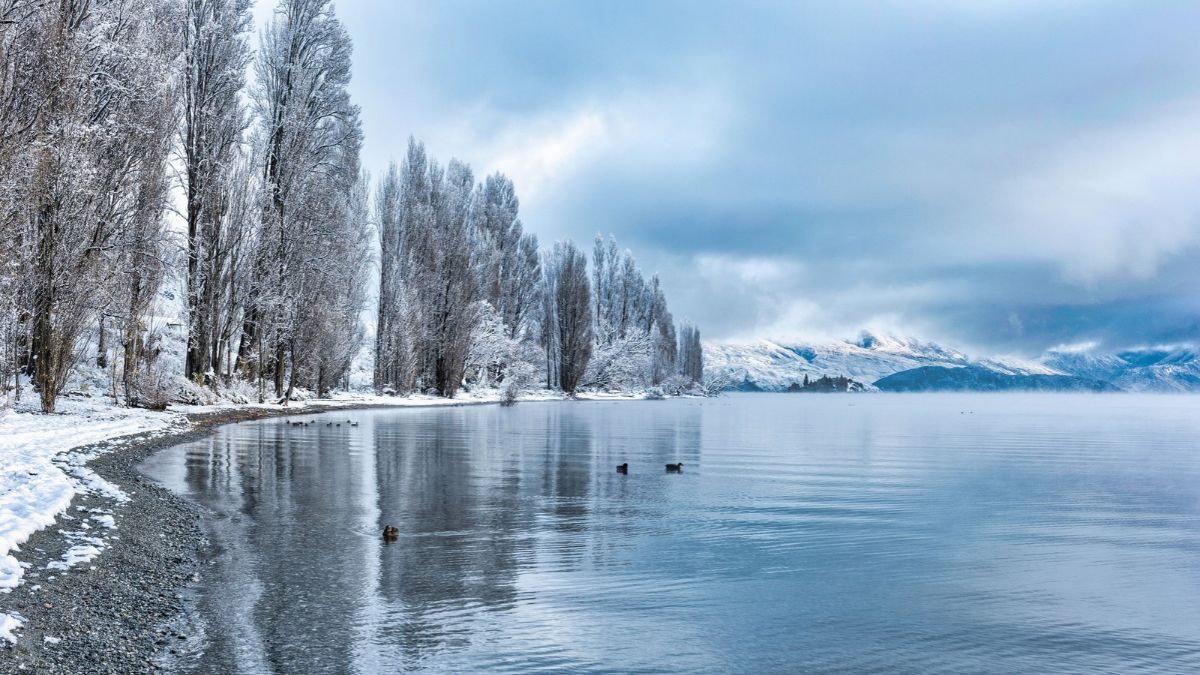
The lakefront is Wānaka’s best introduction and it is free. Walk west from the centre toward the much-photographed #ThatWanakaTree, continue around Waterfall Creek if the weather is inviting, or head east toward the lake outlet and the beginning of the Clutha/Mata-Au River. Sunrise is quiet; late afternoon brings warm light across the ranges.
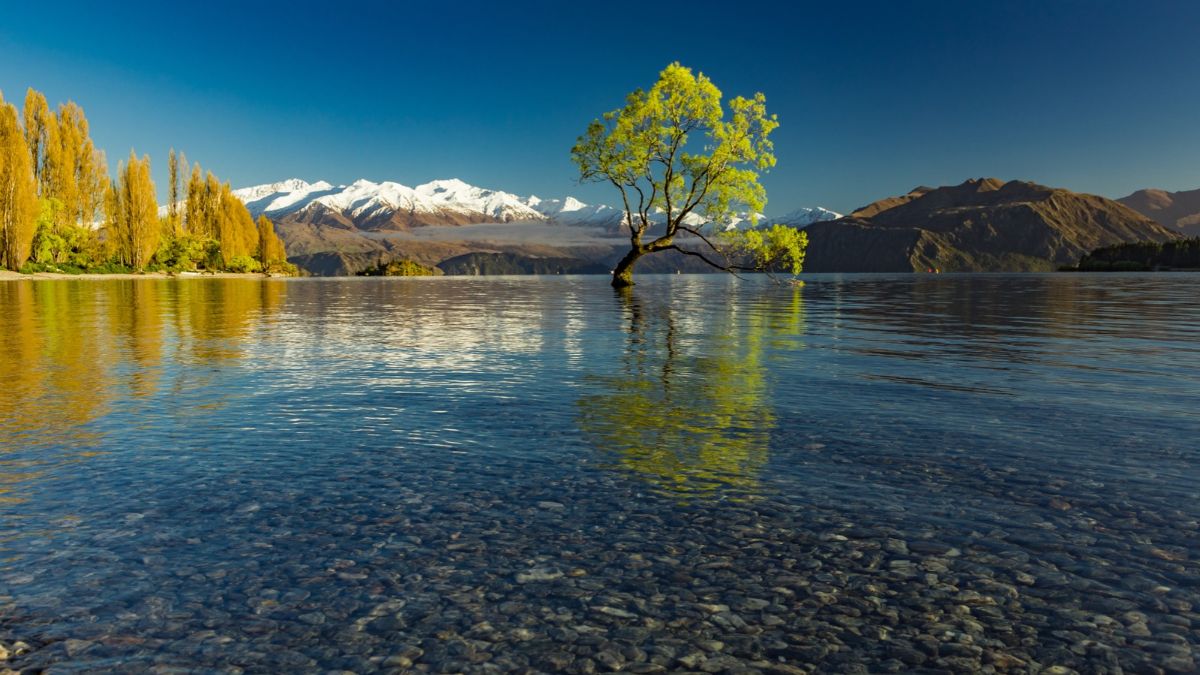
The lone willow is a living tree in shallow water, planted over 70 years ago to be a fencepost. But, as willow often does, it grew and the rest is history. Dennis Radermacher, a photographer from Christchurch, captured the tree on a misty day in June. The photograph later won him the 2014 New Zealand Geographic Photograph of the Year award. Following this impressive debut, the tree became something of a social media celebrity. Today, photographers visit to capture the perfect shot of #thatwānakatree.
Time: 45 minutes to half a day
Cost: Free
Best for: First evenings, recovery days, families and car-free travellers
Hike Roys Peak—but understand the commitment
Roys Peak earns its fame: the upper track opens to a sweeping view over Lake Wānaka, islands and the Southern Alps. It is not, however, a casual sunrise viewpoint. Roys Peak is also New Zealand’s most photographed hike, and it is easy to see why. A 16-kilometre return trail climbs steeply above Lake Wanaka, ending at a viewpoint that has become an icon of South Island travel. The switchback route passes through farmland and tussock grassland before opening to sweeping views of the lake, Wanaka township, and the snow-capped peaks of Mount Aspiring National Park. It is a demanding climb, but the reward explains why Roys Peak Track appears on so many South Island bucket lists.
Most walkers complete the out-and-back hike in five to seven hours. The elevation gain is significant, rising approximately 1,228 metres from the car park to the official summit. DOC rates Roys Peak Track as strenuous. The climb is relentless rather than technical, with no ropes, ladders, or scrambling sections. Instead, the trail follows a wide, well-formed path that climbs steadily from start to finish.
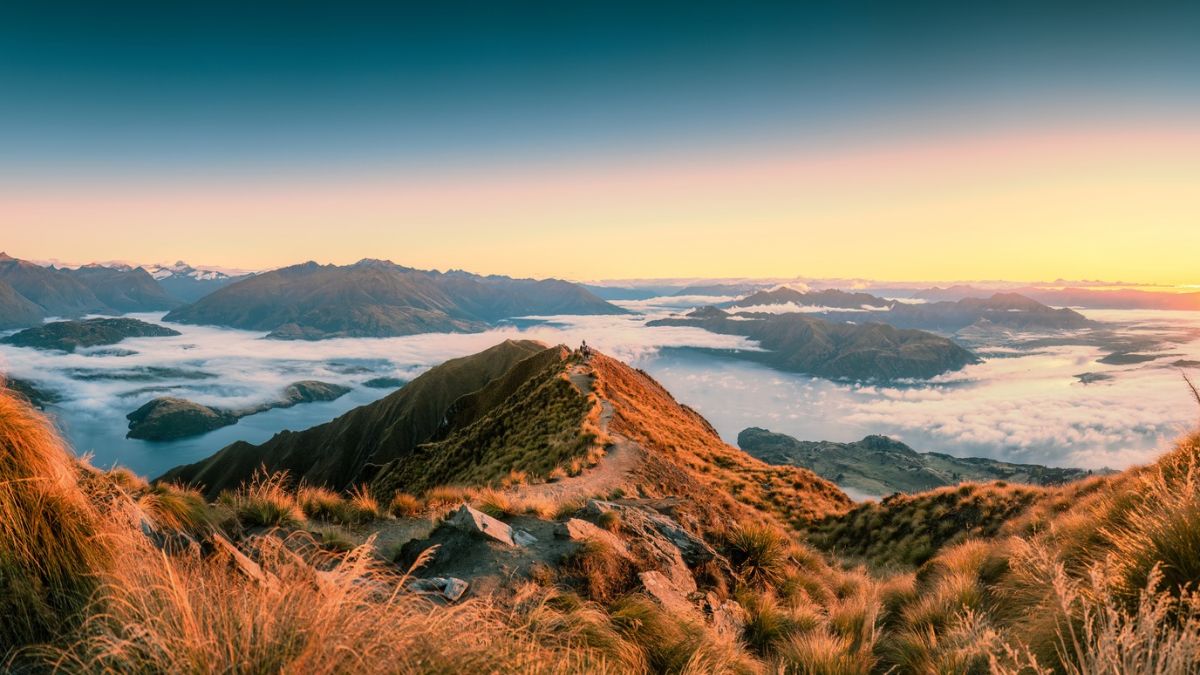
Many hikers turn around at the famous Roys Peak viewpoint instead of continuing to the true summit. The viewpoint is about 6.5 kilometres along the trail and provides the classic view over Lake Wanaka. From there, the actual summit is another 1.5 kilometres away, requiring roughly 30 minutes of additional climbing. The summit offers wider views across the surrounding mountains. I however, was not one of the brave and was perfectly happy to reach the viewpoint and end my uphill trek there. As do many others.
Importantly, the Department of Conservation (DOC) closes Roys Peak every year from 1 October to 10 November for lambing. Mountain bikes are not allowed, and drones require a permit and are prohibited without one.
Time: Full day
Cost: Free; but budget for a shuttle or taxi to the starting point if you do not have a car
Honest verdict: Spectacular for fit walkers in suitable conditions, but not the only—or always the best—Wānaka viewpoint
Choose a shorter summit: Mount Iron
Mount Iron is a good option for when Roys Peak is closed, hidden in cloud, or just too much for someoine in the group. Mount Iron is a striking, glacier-carved rocky knoll rising nearly 250 m above the surrounding countryside. From the summit, enjoy outstanding 360-degree views across the Pisa Range, Upper Clutha Basin, Lake Wānaka, and the Southern Alps/Kā Tiritiri o te Moana. The track begins at the stile beside the car park. Take the left fork and climb confidently through low kānuka shrubland on Mount Iron’s western side to the summit. After taking in the views and reading the information panels, descend via the eastern side and follow the track around the base of the hill to return to the car park.
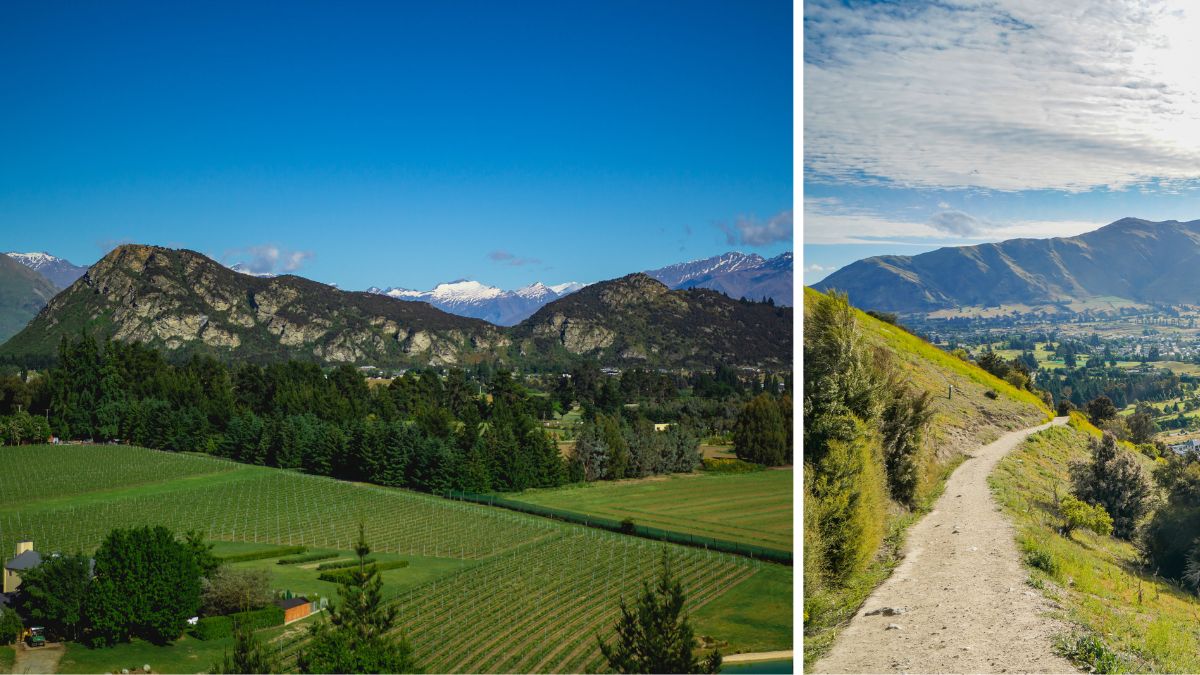
It is close to town, but the path is still steep, loose in places and icy on cold mornings. Dogs must be on a lead. Go early or late for cooler temperatures and softer light.
Time: 1.5–2 hours
Cost: Free
Best for: A first-day overview or a compact weather window
Walk Diamond Lake and Rocky Mountain
This network, about 20 minutes west of town by road, lets you match the walk to your energy. The Diamond Lake circuit is approximately 2.5 kilometres and 45 minutes; the lake lookout is around one hour; the Lake Wānaka viewpoint about two hours; and the full Rocky Mountain summit route roughly 7 kilometres and three hours.
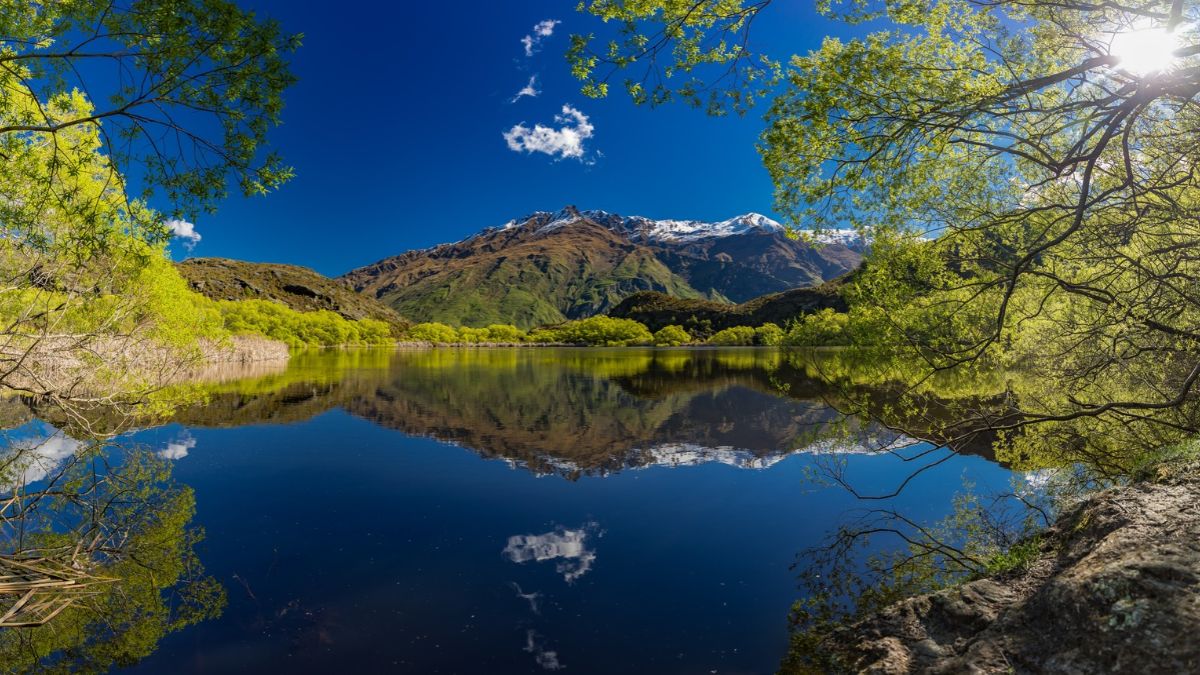
Tucked just off Mount Aspiring Road near Wānaka, Diamond Lake lies before Rocky Mountain and stands as more than a scenic stop; it’s a destination rich in natural beauty and local memory. Renowned for its reflective stillness, dramatic cliffs, and Southern Alps views, Diamond Lake becomes even more captivating in winter, when temperatures can drop low enough to freeze its surface. When this happens, the lake transforms into a rare icy playground.
Only a short walk winding through native bush, you’ll find yourself at the edge of Diamond Lake in about 20 minutes. You can walk around the lake in 20 minutes. From the northwestern end, a steep climb takes you about 100 metres up to Diamond Lake Lookout, and rewards you with sweeping views of the lake and surrounding hills and mountains. From this point you have 3 options. You can head back to Wānaka after enjoying your time at Diamond lake.
Or you can follow the trail until it divides, offering a choice of left or right. Choosing the right-hand route you’ll head east for a further 15 minutes and arrive at the Lake Wānaka Lookout for panoramic views of Lake Wānaka, its islands, and the wider alpine landscape.
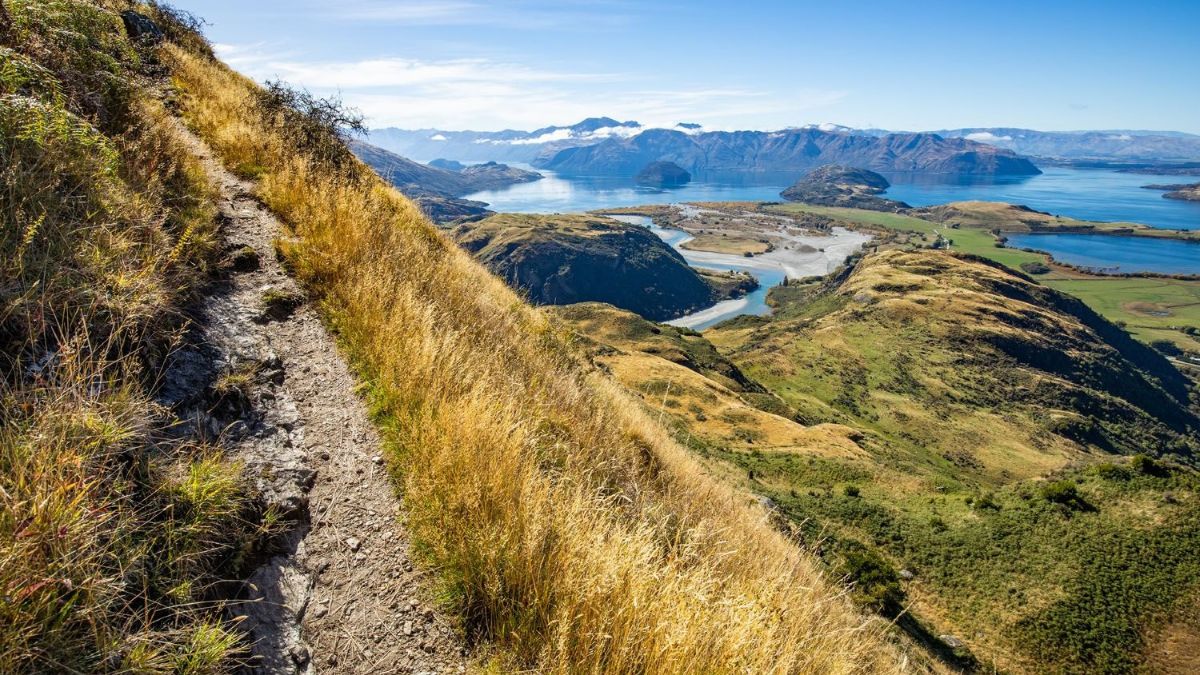
If you are feeling very energetic then choose the left-hand western route to the summit of the Rocky Mountain. Expect a few short, rough sections and more steps, with an additional 300 metres of climbing overall. Once you reach the relatively flat summit, you’ll enjoy easy, rolling grassland and mountain tussock. The peak rises to 775 metres and delivers 360-degree views of the region. The Rocky Mountain summit is a 7 km loop and takes around 2.5 to 3 hours to complete.
Time: 45 minutes to 3 hours, depending on your choice of route.
Cost: Free
Best for: Flexible hikers, photographers and families with older children
Make a day of Rob Roy Glacier Track and the Matukituki Valley
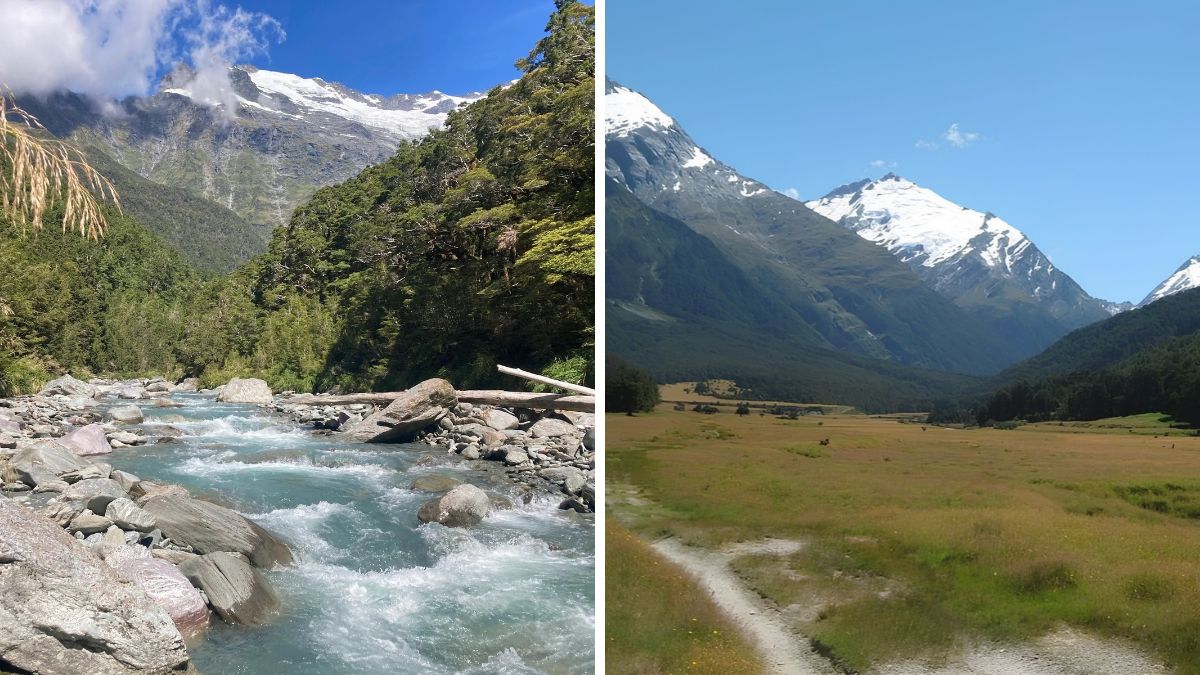
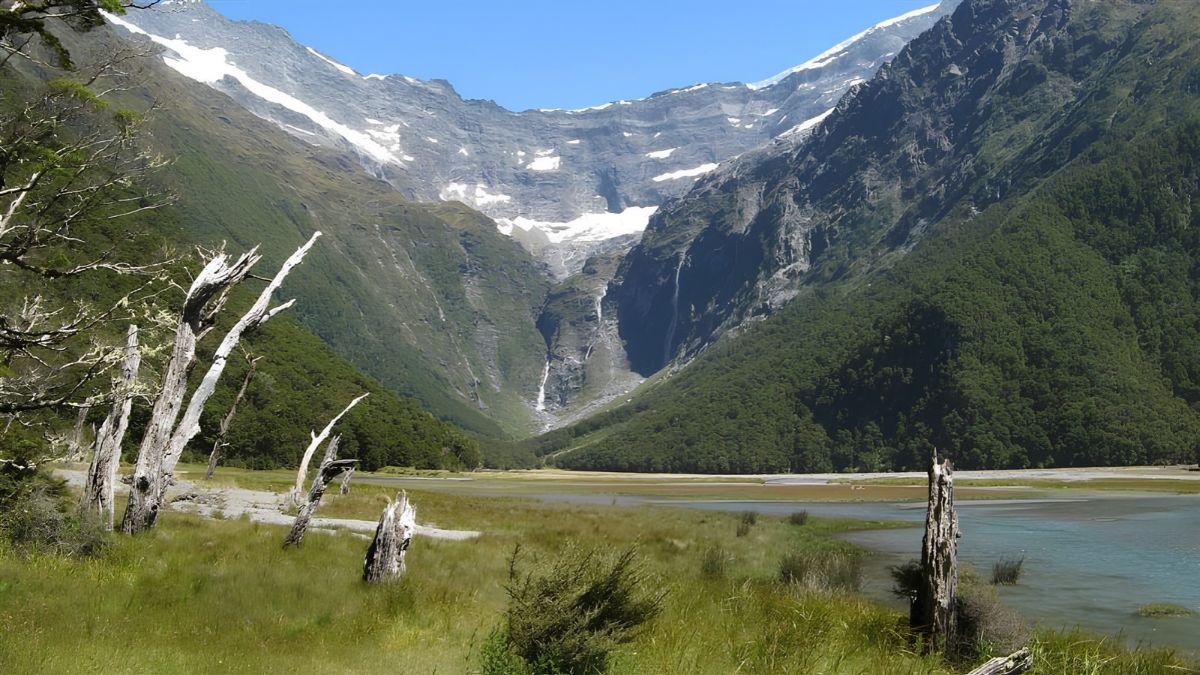
Rob Roy Glacier Track is one of the region’s most exciting day walks: swing bridges, beech forest, waterfalls and glacier views without an alpine summit. The walk is about 10 kilometres return and normally takes 3–4 hours.
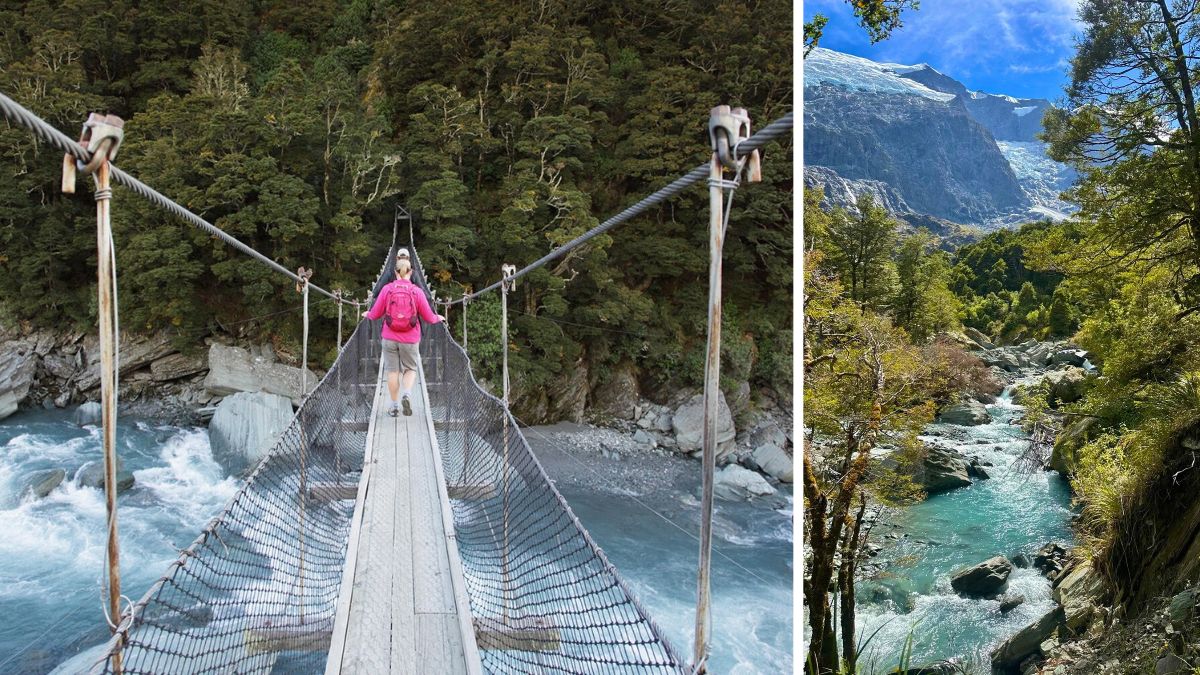
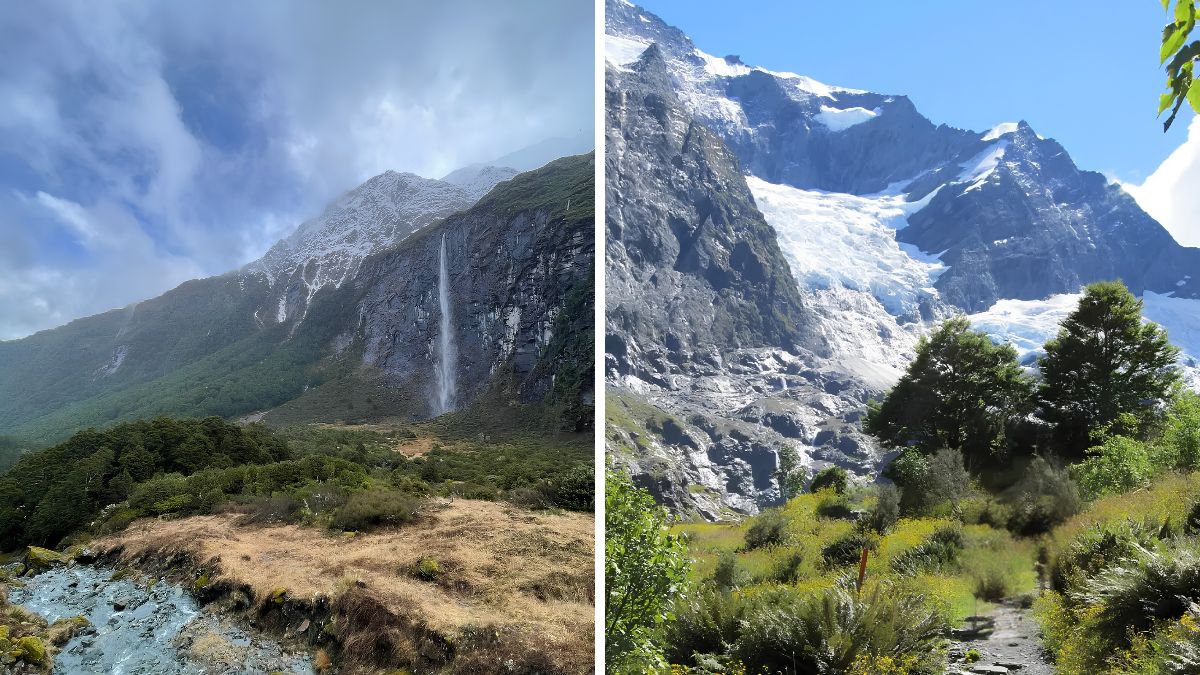
The access is the hard part. Raspberry Creek car park is 54 kilometres from Wānaka, and DOC advises allowing about 1 hour 20 minutes. The final 30 kilometres are gravel and several fords cross the last section. After rain they may be impassable even in a four-wheel-drive vehicle. Rental contracts can also restrict unsealed-road or ford travel, so check your agreement. A guided excursion or trail transfer is a good solution if you are not comfortable driving there. Download the Rob Roy Glacier Track and Matukituki trails pdf.
From May to November the route between the lower and upper lookouts crosses active avalanche paths. DOC strongly recommends ending at the lower lookout during that period and not to go beyond the upper lookout.
Time: Full day including the drive
Cost: Track free; transport extra
Honest verdict: A standout Wānaka day when the road, rivers, forecast and avalanche conditions all cooperate
For a gentler valley day, the West Matukituki route from Raspberry Creek to Aspiring Hut is about 9 kilometres one way and 2–2.5 hours. That is not a short return stroll: turn around at a time that fits your daylight and transport, or arrange an overnight hut plan through DOC.
See Blue Pools and Makarora
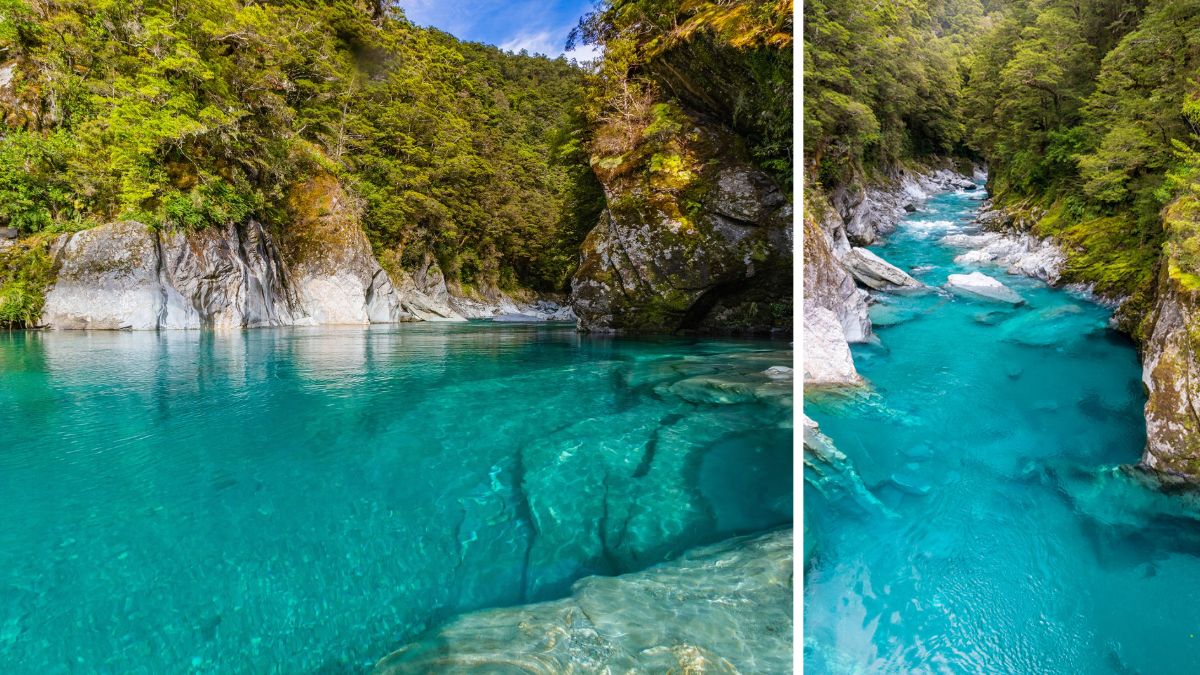
The Blue Pools are glacial-fed river pools beneath native beech forest on State Highway 6, about 1 hour 10 minutes from Wānaka by car. It takes around 30 minutes to reach the first swing bridge and another couple of minutes to the bridge above the pools. The water looks most intensely blue after a dry spell and in sunlight; after heavy rain it can look brown and turbulent. If you have used our West Coast travel guide these are the same Blue Pools and where our West Coast and Otago guides overlap.
Entry and parking are free, and no booking is needed. Summer parking is busy, there is no drinking water or rubbish collection, and sandflies can be ferocious so bring horse strength repellent and bottled water. Pair the walk with Makarora, Cameron Flat or a lakeside stop at the Neck. Download the Blue Pools trails guide.
Time: Half to full day from Wānaka
Cost: Free, plus fuel or tour transport
Best for: An easy nature walk and a scenic Haast Pass road trip
Cruise to Mou Waho Island
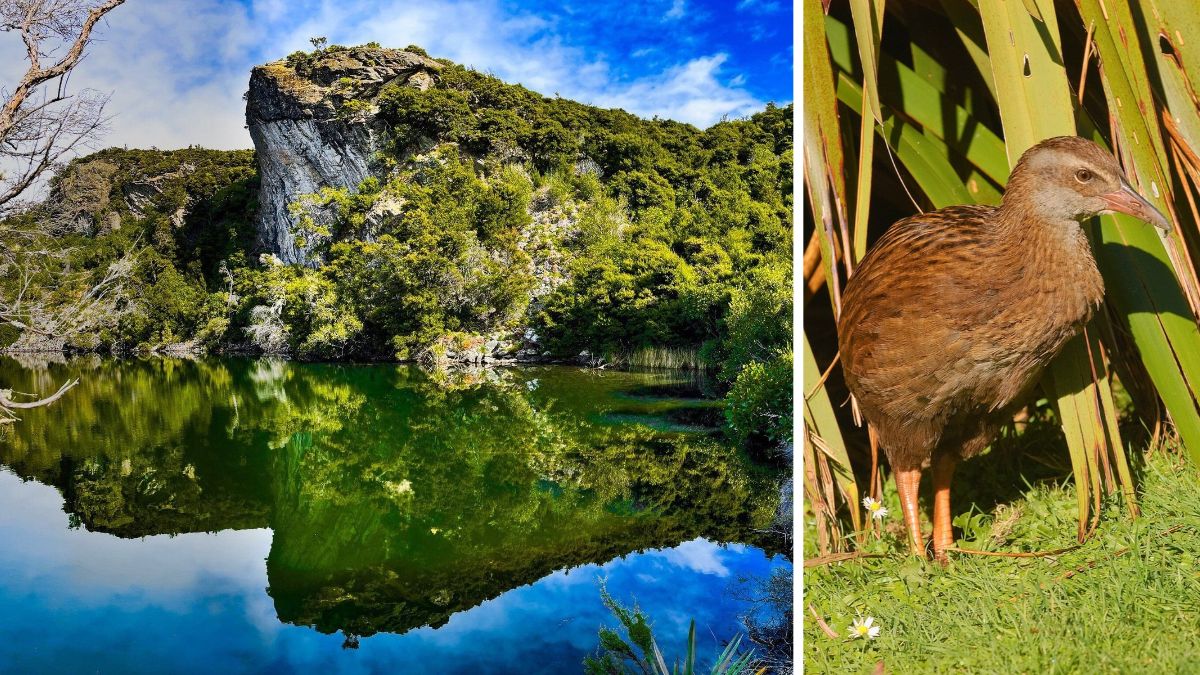
Mou Waho is a predator-free island in Lake Wānaka with the delightful geographic oddity of a lake on an island in a lake. Boat trips usually include time for a short, uneven climb to Arethusa Pool and a lookout. You may see the flightless buff weka. The weka is a large, flightless land bird and are known for being nosey and feisty.
Like the warnings I gave you about the Kea in the West Coast travel guide, Weka also need to be watched. These birds won’t wreck your car but they may ruin your lunch. They are torn between nosey greeting or doing a snatch and grab. More than one person will have lost a sandwich or sausage roll straight from their hands! Weka are often preyed upon by stoats and ferrets, so significant conservation efforts have been made to protect the Mou Waho population from predators. In fact, they have been so successful that the island has now reached its maximum weka capacity!
The small, sheltered beach on Mou Waho near the jetty is an ideal spot to unwind after your hike or cool down with a swim in the refreshing waters of Lake Wanaka on hot, dry days. Of course, you can also swim in the lake at the summit of the island! Basic boat transport with Wānaka Water Taxi was NZ$135 per adult and NZ$60 per child aged 5–15 when checked; guided conservation-focused trips can cost more. Weather and minimum passenger numbers matter, so keep the rest of the day flexible.
Time: Roughly 3–4 hours
Cost: From about NZ$135 adult for a standard island trip
Best for: Lake scenery, conservation and a memorable half-day without a car
Cycle the lake and river trails
Wānaka’s walking and cycling network is an excellent middle ground between a free stroll and a full mountain-bike mission. The lakeside trail toward Glendhu Bay has beautiful open views; the Outlet Track follows the Clutha/Mata-Au River; and the network around Albert Town can be joined into longer rides.
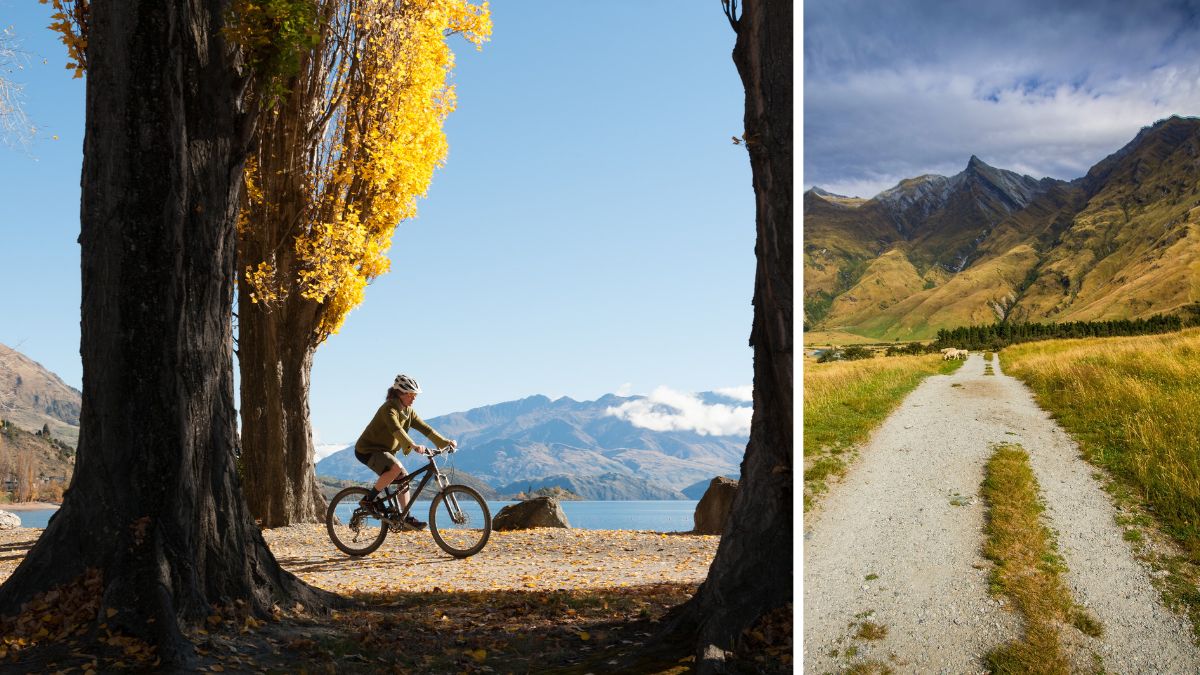
Regular bicycle hire commonly lands around NZ$50–90 per day and e-bikes around NZ$100–160, depending on model and duration. Ask whether a helmet, lock, repair kit and trail-side support are included. Shared paths can be busy: keep left, moderate speed near walkers and give a clear bell warning before passing.
Time: 1 hour to full day
Cost: Free with your own bike; hire extra
Best for: Covering more ground without committing to a car
Ski Cardrona or Treble Cone
Wānaka is a genuine winter base. Cardrona has broad beginner and intermediate terrain and extensive park facilities; Treble Cone is loved for steeper terrain, long views and a 700-metre vertical. Conditions decide which mountain shines on a given day.
Cardrona is the ultimate destination for beginners and intermediate skiers, featuring wide-open trails, easy-to-use surface lifts, New Zealand’s first cabin-style ski lift, and specialised beginner packages. Advanced skiers and thrill-seekers will find their perfect challenge in Arcadia, with secret powder stashes, chutes, and cliff drops. Home to the NZ Park & Pipe Team, Cardrona delivers the Southern Hemisphere’s most extensive terrain park facilities, including four terrain parks, two half pipes, and a gravity-cross course.
Treble Cone is renowned for its long, uncrowded groomed runs, legendary off-piste terrain, and unbeatable views of Lake Wanaka and the Southern Alps. Located just a 35-minute scenic drive from Wanaka and a 90-minute drive from Queenstown via the Crown Range Road, Treble Cone is a must-visit for skiers and snowboarders. With 700 metres of vertical, it offers some of New Zealand’s longest groomed trails and finest freeride terrain.
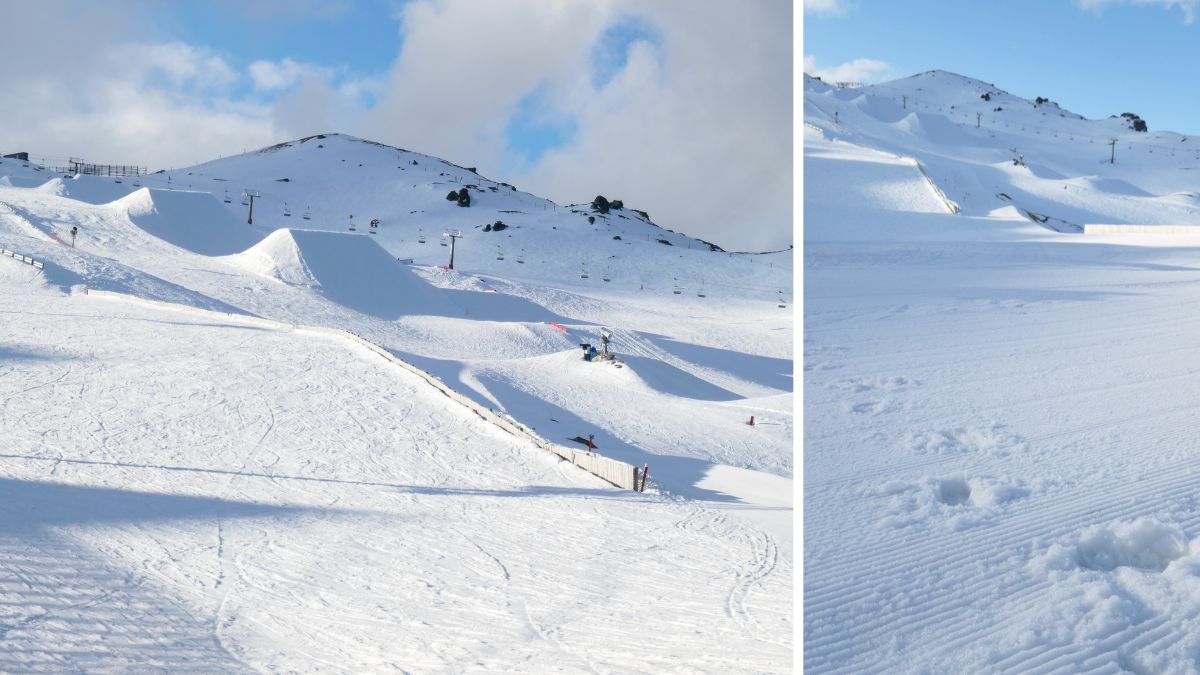
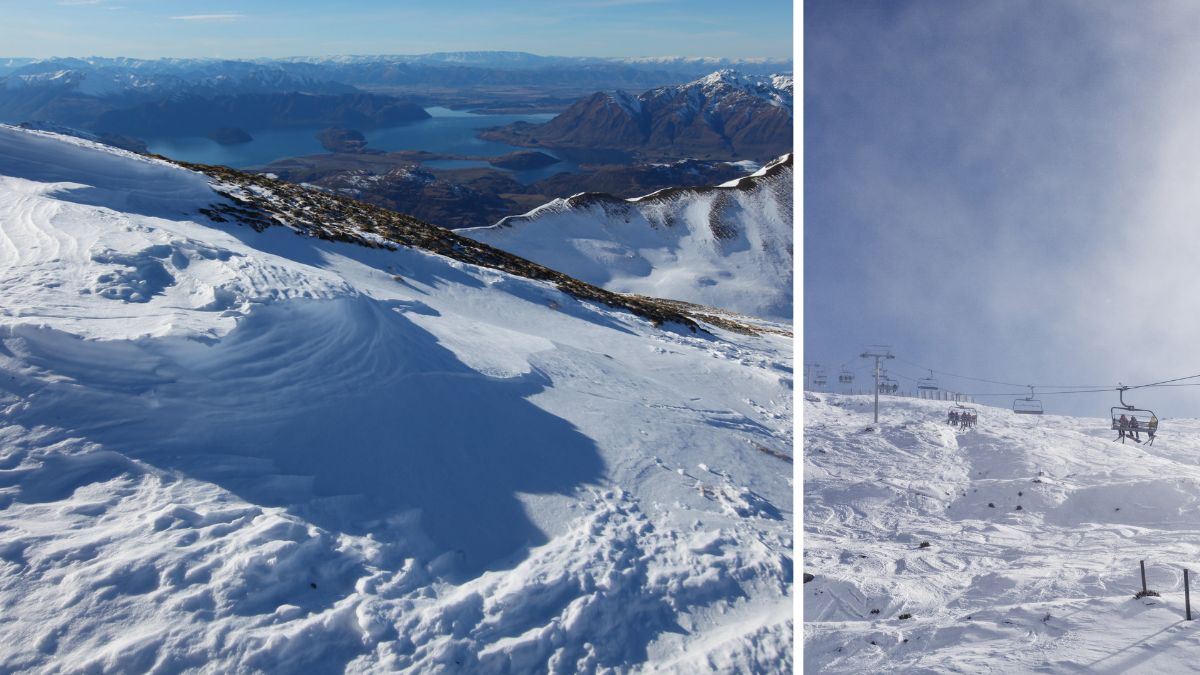
In 2026, an adult single-day pass started at NZ$184 online, an adult learner pass was NZ$99, a half-day pass started at NZ$145, and an adult lift-and-rental combination started at NZ$247. Day passes are date- and mountain-specific and can sell out fast during the school holidays. The official Wānaka ski bus was NZ$45 return for an adult, with advance booking recommended. See the current Cardrona and Treble Cone lift prices and mountain transport.
Driving is not automatically cheaper for one person. Cardrona is about 35 kilometres from Wānaka with a 14-kilometre unsealed mountain road; Treble Cone is roughly 30 kilometres away with its own steep, unsealed access. Carry chains and know how to fit them. The bottom-of-road mountain shuttles are free and operate as first come, first served.
Time: Full day
Realistic adult cost: Around NZ$275–430 with lift pass, return bus, food and some or all equipment; lessons raise the total
Best for: June–September snow trips, subject to the season and daily mountain report
High-adrenaline Independent Travel In Wānaka Adventures
This is where you could go crazy and budgets get blown, but the landscape makes the splurge feel distinctive and almost necessary.
| Experience | Published 2026 adult price | What to know |
|---|---|---|
| Skydive Wānaka | NZ$359 at 9,000 ft; NZ$449 at 12,000 ft; NZ$549 at 15,000 ft | Photos/video cost extra; weather can delay or cancel; some card payments attract a surcharge |
| Wildwire via ferrata Level 1 | From NZ$205 | About 3 hours; minimum age 10; ladder-like climbing and exposure |
| Wildwire Level 2 | From NZ$389 | Around 5 hours; more exposed; reasonable fitness and a head for heights needed |
| Wildwire Level 3 | From NZ$769 | 5–6 hours, full waterfall climb and helicopter descent; minimum age 15 |
| Wānaka River Journeys jet boat and wilderness walk | From NZ$359 adult from 1 October 2026 | About 4 hours; weather and river conditions apply |
| Siberia Experience from Makarora | NZ$639 adult through 30 September 2026 | Scenic flight, unguided 7 km walk and jet boat; new-season rate must be checked after that date |
The Skydive Wānaka, Wildwire and Siberia Experience pages publish current requirements. Read the cancellation, weight, age, fitness and medical rules before paying. “No experience necessary” does not mean “suitable for everybody.”
Keep a wet-weather list
Wānaka is not ruined by rain. It simply needs a different plan.
- Puzzling World: optical-illusion rooms and a maze with more wit than the name suggests. The adult combined ticket is NZ$32.50, valid through 31 March 2027; advance booking is not required.
- National Transport & Toy Museum: a huge, sometimes gloriously cluttered collection beside Wānaka Airport. Adult entry is NZ$23, and it is about 9 kilometres from town.
- Wānaka Lavender Farm: gardens, animals and tea-room treats. Adult admission ranges from NZ$8 in May–September to NZ$18 in December–February; peak lavender is normally December–February.
- Cinema Paradiso: couches, character and fresh cookies during the intermission. A standard ticket averages about NZ$19.50 before food.
- Food and drink: linger over brunch, visit a brewery or make dinner the main event. Book popular restaurants for Friday and Saturday nights.
A practical “what should I do?” chooser
| If you have… | Choose… | Why |
|---|---|---|
| 2 hours | Lakefront + #ThatWanakaTree, or Mount Iron | Easy to fit around weather and arrival times |
| Half a day | Diamond Lake/Rocky Mountain, Mou Waho or a cycle ride | Big scenery without consuming the whole day |
| One full day | Rob Roy, Roys Peak, Blue Pools/Makarora or a ski field | Each needs transport, conditions and enough daylight |
| One paid splurge | Mou Waho, Wildwire, skydive or Siberia Experience | Pick the landscape and intensity you value most |
| Bad weather | Puzzling World, museum, Cinema Paradiso and a long meal | Flexible and genuinely enjoyable, not consolation prizes |
2. How to stay safe when you travel in Wānaka
Wānaka town is generally relaxed, but the surrounding terrain is real backcountry. The most serious mistakes begin with treating an alpine day as a normal park walk or assuming a the drive time given on maps includes the necessary time needed to sccoun for gravel, ice, fords and photo stops.
Use the forecast for the place you are actually going
Town weather is not summit weather. Check MetService, the relevant DOC track alert and, from roughly May to November, the New Zealand Avalanche Advisory. Ask the Tititea/Mount Aspiring National Park Visitor Centre about current track and road conditions when your plan goes above the bush line or into the Matukituki Valley.,, , .
Have an alternative ready. Turning back because of cloud, wind, rising water or ice is sound travel judgment—not a failed day.
Apply the New Zealand Land Safety Code
Before a hike use the NZLSC to plan. The steps to consider and plan for are:
- Choose a route that matches the least-experienced person.
- Understand the route, elevation and daylight—not only the distance.
- Tell a trusted person your plan and when to raise the alarm.
- Take warm layers, a waterproof shell, sun protection, food and more water than a city walk requires.
- Know your limits and turn around early.
Plan My Walk is useful for route alerts, gear lists and trip planning. For remote routes with patchy mobile reception, hire or carry a personal locator beacon. A phone is helpful but is not a distress beacon. New Zealand has surprisingly poor cell phone service once out of urban areas.
Treat snow, ice, avalanches and rivers seriously
- Roys Peak has challenging avalanche terrain above 1,000 metres.
- Rob Roy’s upper section crosses avalanche paths; DOC recommends stopping at the lower lookout from May to November.
- Frozen mornings make Mount Iron, Diamond Lake and shaded forest paths slippery.
- Never drive a flooded ford because another vehicle crossed it. Water depth and force change quickly.
- Do not cross a river on foot when it is discoloured, rising or moving faster than you can safely withstand.
If you do not have avalanche knowledge and rescue equipment, choose a lower walk or a professional guide. Microspikes improve grip on some icy paths but do not make avalanche terrain safe.
Independent Travel in Wānaka – Be cautious around cold water
Compared to the warm and sun soaked beaches of Nelson Bays and Tasman, these alpine lakes may get plenty of sun, but the water never seems to notice. Lake Wānaka and alpine rivers stay cold. Wind can build waves quickly and make the return leg, when paddling a kayak, much harder. Wear a correctly fitted personal flotation device, check the marine forecast, stay within your ability and tell someone your route.
Protect yourself from sun and exposure
New Zealand ultraviolet radiation can burn skin quickly, even in cool air. Carry broad-spectrum sunscreen, sunglasses, a hat and clothing coverage. Roys Peak has no shade or water. Reapply sunscreen after sweating or swimming, and keep drinking before you feel thirsty.
Drive for the road, not the itinerary
Drive on the left. Allow faster traffic to pass at safe pull-offs, never stop in a traffic lane for a photograph, and do not start the Crown Range or Haast Pass tired after a long flight. In winter carry chains where required and practise fitting them. Obey closure, chain and no-stopping signs; penalties can apply when chains are mandated but not fitted.
Check Waka Kotahi’s Journey Planner and the QLDC winter road report before leaving. Download offline maps, because reception fades in the Matukituki Valley, around Makarora and on parts of the passes.,
Know the camping rules
Freedom camping does not mean parking anywhere. Under the QLDC Freedom Camping Bylaw 2025, urban freedom camping is prohibited. Only certified self-contained vehicles may use the limited designated spaces and eligible rural locations, subject to site-specific arrival, departure and length-of-stay rules. Fines start at NZ$400. Allenby Place in Wānaka is temporarily prohibited through 31 January 2027.
Read the live QLDC responsible-camping map and conditions on the day you arrive. A paid campground is usually calmer and more practical once showers, charging, waste disposal and certainty are valued honestly.
Keep emergency and health details handy
- 111: police, fire or ambulance in an emergency
- 105: non-emergency police reporting
- Healthline 0800 611 116: free health advice in New Zealand
Buy travel insurance that explicitly covers your planned hiking altitude, skiing or snowboarding, via ferrata, skydiving, mountain biking and rental-vehicle excess. “Adventure activities included” can still hide important exclusions.
3. Where to Stay in Wānaka
The best area depends on whether you will drive. A cheaper room 15 kilometres away can cost more after taxis, transfers and lost flexibility; a central room may remove the need for a car on two out of four days.
| Area | Best for | Advantages | Trade-offs |
|---|---|---|---|
| Central Wānaka and lakefront | First visits, short stays, travellers without a car | Walk to restaurants, shops, cruises and shuttle pick-ups | Highest rates, more evening noise, parking constraints |
| Meadowstone, west Wānaka and Waterfall Creek | Couples, lake walkers, quieter stays | Near #ThatWanakaTree and the westbound lake trail; residential feel | 15–30 minute walk to parts of the centre; fewer nearby meals |
| Albert Town | Drivers, cyclists, families and budget hunters | Clutha/Mata-Au trails, bakery and pub; often better value | 5–10 minute drive from central Wānaka; no regular local bus |
| Lake Hāwea | Slow travel, families, lakeside quiet | Beautiful shore, access toward Makarora, more space | Roughly 15–20 minutes by car; limited dining and no town bus |
| Cardrona Valley or Cardrona village | Ski trips, retreats and romantic rural stays | Character, mountain access and dark skies | Limited groceries; 20–30 minutes to Wānaka; winter road logistics |
| Glendhu Bay | Camping, cycling, lake time and Matukituki access | Glorious setting near Bike Glendhu and the road to Rob Roy | About 15–20 minutes by car; little retail; extremely popular in summer |
| Makarora | Wilderness, Blue Pools and Siberia Experience | Immediate access to northern Mount Aspiring landscapes | Around an hour from Wānaka; limited fuel, food and mobile service |
| Luggate | Drivers, rural quiet, airport-area activities | Often less expensive; close to Wānaka Airport attractions | About 15 minutes from town; not practical without a vehicle |
Which accommodation type is right?
Hostels work for solo travellers who will use the kitchen and value social space. Read whether linen, towel, locker and quiet hours are included. A private hostel room can cost as much as a motel during a busy week.
Motels and serviced apartments are often the practical sweet spot for couples and families. A kitchenette and parking can save more than a cheaper hotel room once breakfasts and restaurant meals are counted.
Holiday parks range from unpowered sites to compact cabins and motel-style units. Compare total price for every guest, powered-site fees, linen and kitchen equipment—not just the headline site rate.
Holiday homes suit longer stays and groups, but cleaning and service fees can add NZ$80–200 or more. Check heating, bed configuration, cancellation terms and the actual distance from town.
Lodges and upscale hotels trade economy for lake views, space and service. In peak weeks they can rise sharply; the experience may still be worthwhile, but it is rarely a spontaneous bargain.
Where should you stay when you travel in Wānaka?
The accommodation types included here are to provide you with an example of the different types and styles of accommodation to be found in Wānaka. They are of course real venues and all of them I have stayed at before, so if you in Wānaka and looking for accommodation these are places I would highly recommend.
Edgewater Hotel, Wānaka
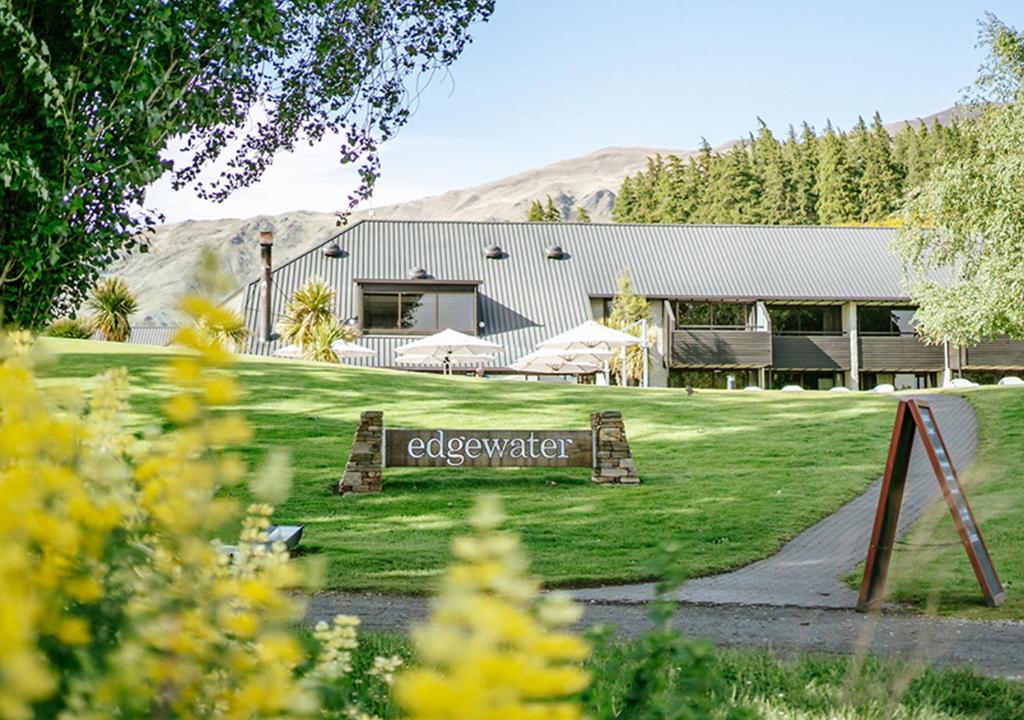
The Edgewater is an example of hotel/lodges style accommodation, a lakeside hotel located approximately 1.2 miles (2 km) from Wānaka town center with views across the lake and mountains. The hotel is particularly popular with couples, who rate its location 9.5 out of 10 for a two-person trip.
The hotel has a restaurant and a café, both offering lake views, and offering contemporary cuisine inspired by the local land. The menu is centered around sustainability, changing every season to match the abundance of quality ingredients found in the Central Otago region.
Edgewater’s accommodation is spread across large resort grounds. Because of the layout, views differ from room to room. If a lake view, balcony, or ground-floor room is important to you, request your preference in advance. Specific views and room features will depend on availability.
The location provides easy access to Wānaka’s restaurants, cafés, breweries, shops, and outdoor activities while maintaining a quiet, scenic setting away from the center.
Facilities and amenities: * Picturesque lake views * Spacious green lawns * Spas * Sauna * Tennis court * On-site restaurant * On-site café * Concierge service
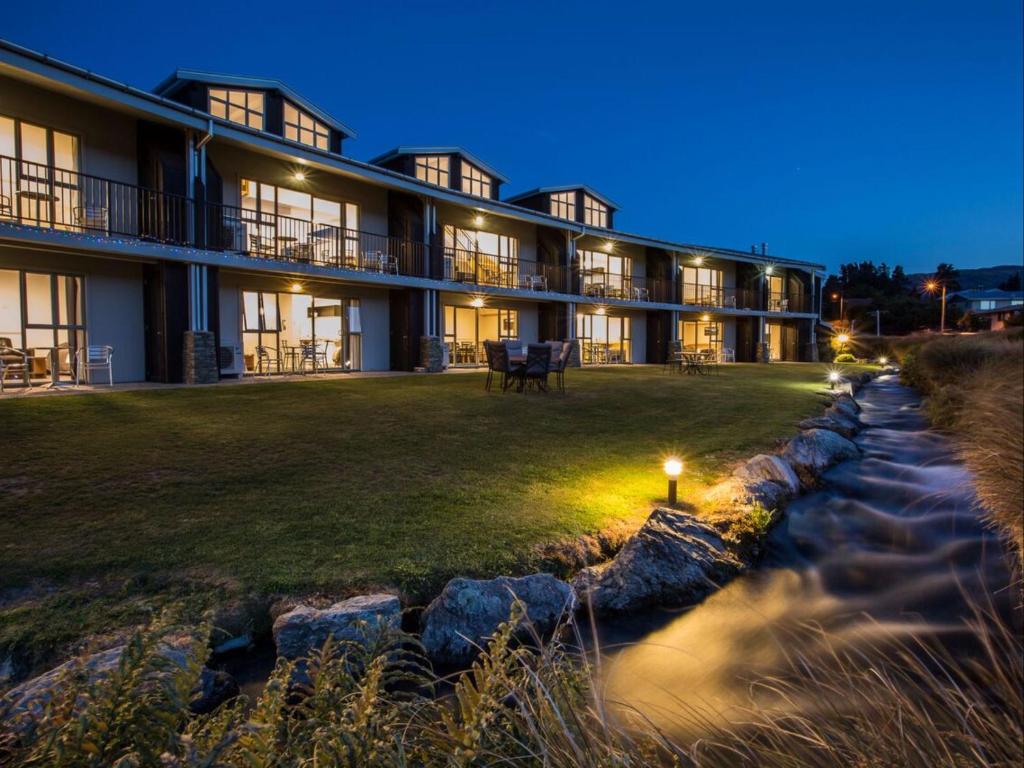
Clearbrook Motel & Serviced Apartments
This is an example of the motel style accommodation.
Clearbrook Serviced Motels & Apartments offers a range of well-appointed studios and apartments in the heart of Wanaka, just a short walk from Lake Wanaka and the town’s shops and restaurants. Each apartment features a private balcony or patio with stunning mountain views.
The self-contained apartments include fully equipped kitchens, washing machines, and dryers. They also offer spacious living areas with flat-screen TVs, My Sky HDI, and 50 digital channels. Guests can enjoy unlimited free WiFi. Free off-street parking is available at Clearbrook, along with heated ski lockers on site.
Lake Wanaka is only a 2-minute walk away, while Treble Cone Ski Field can be reached within a 25-minute drive. Queenstown International Airport is a 55-minute drive from the property.
Couples especially appreciate the location, rating it 9.4 for a two-person stay.
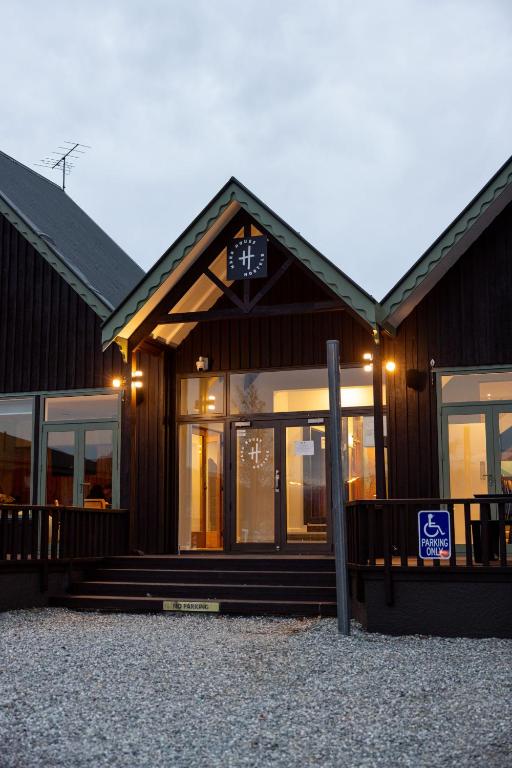
Haka House Wanaka
This is an example of a hostel / dorm
Surrounded by breathtaking views, Haka House Wanaka is a friendly hostel and the perfect base for exploring the Southern Alps.
Natural attractions such as Pembroke Park and Lake Wanaka are just minutes away, allowing you to enjoy the beauty of the outdoors.
Modern facilities and comfortable rooms offer an ideal mix of convenience and relaxation, helping every guest feel at home.
Couples especially appreciate the location, rating it 9.4 for a two-person stay.
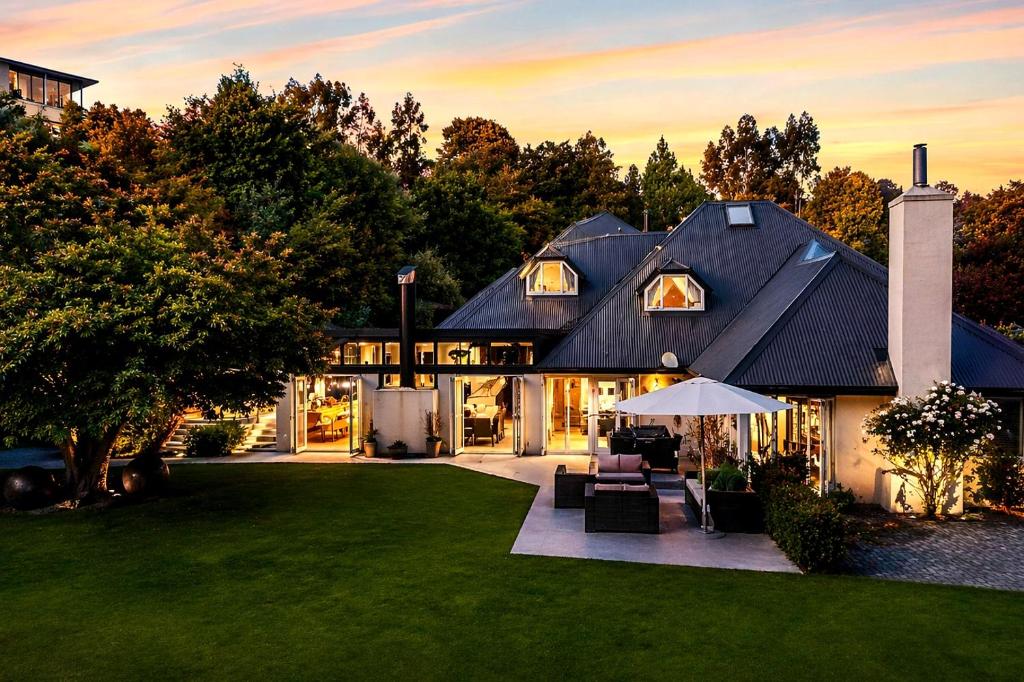
Mishika Retreat and Lodge
This is an example of a lodge/retreat
Mishika Retreat and Lodge in Wanaka offers a hotel with a sun terrace, garden, outdoor swimming pool, and free WiFi. Guests can enjoy private check-in and check-out, a lounge, and an outdoor fireplace.
The property features family rooms, a hot tub, and an indoor play area. Other amenities include a shared kitchen, laundry service, barbecue facilities, and free private parking on site.
Puzzling World is approximately 1.5 miles away, The Wanaka Tree is about 1.2 miles away, and Cardrona is around 22 miles from the hotel. Wanaka Airport is roughly 5.5 miles away. Guests can take in scenic views of the lake, garden, pool, and mountains.
Couples especially appreciate the location, rating it 10 for a two-person trip.
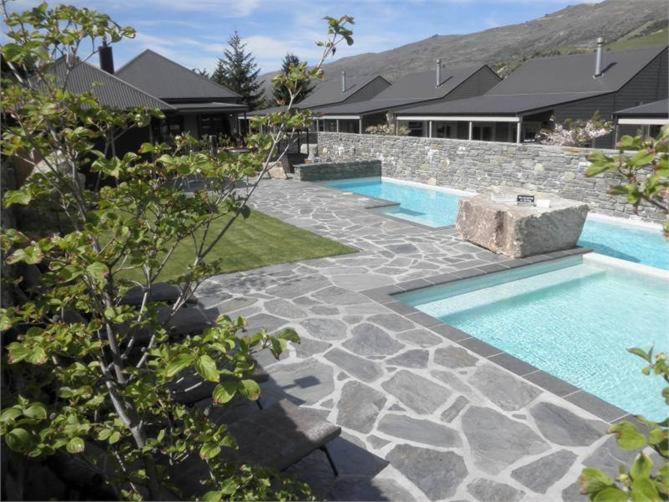
Cardrona Ski Apartment
This is an example of apartment/holiday home.
Cardrona Ski Apartment in Wanaka offers a three-bedroom villa with two bathrooms. The property includes a spa and wellness center, a swimming pool with a view, a sun terrace, and a beautiful garden. Free WiFi is available throughout the apartment.
Guests can enjoy private check-in and check-out, a hot tub, an outdoor seating area, a picnic area, family rooms, bike hire, barbecue facilities, and ski storage. Free private parking is available on-site.
Situated 23 mi from Queenstown Airport, the apartment is highly rated for its convenient location. Nearby attractions include Cardrona Valley Road and Benbrae Resort. Guests can enjoy activities such as fishing, skiing, hiking, cycling, and snorkeling.
Camping choices that are genuinely legal
Wānaka and its surrounding settlements have commercial holiday parks, council campgrounds and DOC sites. Kidds Bush Reserve on Lake Hāwea, for example, was NZ$15 per adult and NZ$7.50 per child when checked. It is about 40 minutes from Wānaka, the access is unsuitable for large campervans, and it can book out from late December to early February. A central holiday-park site costs more but gives easier access to showers, shops and town.
Do not build an itinerary around finding a free urban space at dusk. The legal inventory is deliberately limited and, like most laws and riules in New Zealand, is robustly enforced.
Booking strategy by season
- Late December–February: reserve 2–5 months ahead for good-value central rooms and lakeside camping.
- July–August: reserve early if your dates overlap New Zealand or Australian school holidays; check heating and ski-storage details.
- March–April: autumn weekends and events fill earlier than ordinary weekdays.
- May, late September and November: often better value, but some seasonal businesses reduce hours.
Book a refundable option early, then recheck the same room and terms closer to the trip. Do not cancel the first reservation until the replacement is confirmed.
4. Typical and True Costs in Wānaka for 2026
Wānaka is not a cheap destination, but it is not expensive in the same way every day. Lakefront walks and major tracks are free; the costly layers are sleeping, reaching remote starts, eating out and adding weather-dependent adventures. A reminder: New Zealand uses the GST tax, which stands for Goods and Services. So when you budget remember to factor in the extra 15% GST.
Accommodation per night
| Accommodation | Realistic 2026 planning range | Notes |
|---|---|---|
| Hostel dorm bed | NZ$45–90 per person | Can exceed NZ$100 when availability is scarce |
| Basic DOC/council campsite | NZ$15–30 per adult | Facilities and booking rules vary; transport needed |
| Holiday-park tent or powered site | NZ$35–90+ per site/night | Per-person supplements may apply |
| Hostel private room or simple cabin | NZ$140–260 | Shared bathroom may still apply |
| Motel or self-contained apartment | NZ$220–400 | Kitchens and parking improve value |
| Three- to four-star hotel | NZ$250–500 | Lake view and central position lift prices |
| Peak-period private room | NZ$350–650+ | Christmas/New Year, school holidays and strong ski weekends |
| Upscale lodge or premium holiday home | NZ$600–1,500+ | Cleaning/service charges may be additional |
These bands are a planning synthesis, not a rate card. A last-minute Tuesday in May and a Saturday in early January are different markets.
Food and drink
| Item | Typical 2026 cost |
|---|---|
| Self-catered breakfast | NZ$5–12 |
| Bakery lunch or filled roll | NZ$8–16 |
| Barista coffee | NZ$5–7 |
| Food-truck/takeaway meal | NZ$17–32 |
| Café breakfast or brunch | NZ$20–35 |
| Casual pub or restaurant main | NZ$28–45 |
| Upscale shared dinner | NZ$60–120+ per person |
| Beer or glass of wine | NZ$12–18 |
| Cocktail | NZ$20–25 |
For real anchors, Big Fig’s current menu lists plates at NZ$17 small, NZ$25 medium and NZ$32 big. Kika’s current menu lists its tasting-style “Just Feed Me” option at NZ$115 per person, while cocktails are around NZ$22–23. Public-holiday surcharges are common; Kika, for example, discloses 15%. Check the menu and surcharge before ordering rather than being surprised at payment.
Local and regional transport
| Transport | Typical 2026 cost |
|---|---|
| Queenstown Airport–Wānaka shared shuttle | Around NZ$42.50 one way on the fixed-schedule service; private transfers cost much more |
| Compact rental car | Roughly NZ$65–160 per day in ordinary periods; NZ$180–250+ at peaks |
| Rental excess reduction | Often NZ$30–70 per day |
| Fuel | Around NZ$3 per litre for 91 octane in September 2026; alpine-town prices can be higher |
| Wānaka ski bus | NZ$45 adult return in 2026 |
| Local taxi | Metered or quoted; short trips can feel expensive because supply is limited |
| Regular bicycle | Roughly NZ$50–90 per day |
| E-bike | Roughly NZ$100–160 per day |
Parking in and around central Wānaka is often free but time-limited. Read every sign. A rental car advertised at NZ$79 can become NZ$150 after insurance choice, extra driver, young-driver charge and fuel.
Attractions and activities
| Experience | 2026 adult cost |
|---|---|
| Lakefront, #ThatWanakaTree, Mount Iron, Diamond Lake, Blue Pools | Free |
| Puzzling World combo | NZ$32.50 |
| National Transport & Toy Museum | NZ$23 |
| Lavender Farm | NZ$8–18 by season |
| Cinema ticket | About NZ$19.50 |
| Mou Waho standard boat trip | From about NZ$135 |
| Cardrona/Treble Cone single-day lift pass | From NZ$184 online |
| Cardrona/Treble Cone lift + rental | From NZ$247 |
| Wildwire via ferrata | From NZ$205–769 by level |
| Tandem skydive | NZ$359–549 before photo/video packages |
| Siberia Experience | NZ$639 adult through 30 September 2026; check the new rate after that |
Costs travellers commonly miss
- Airport or trailhead transfers
- Rental-car excess cover, fuel and one-way fees
- Ski clothing, helmet, lessons, chains and mountain transport
- Holiday-home cleaning and platform service charges
- Credit-card or foreign-exchange fees
- Public-holiday restaurant surcharges
- Photo and video packages for adventure activities
- Travel insurance that actually covers the activity
- A weather-buffer night when a flight or alpine experience is important
Independent traveler?
Check our recommeded travel insurance.
Looking for great travel insurance that can be issued in 15 minutes with no medical checks, no hassle payments when needed!
Get the Travel Insurance that makes sense5. Suggested Wānaka Budget
The clearest budget is a daily average per person, excluding flights to New Zealand. Lodging assumes a dorm for the lean budget and two people sharing a private room for the private-room budgets. Solo travellers who want a private room should add roughly NZ$80–220 per day.
| Travel style | Suggested daily budget | What it realistically includes |
|---|---|---|
| Lean independent traveller | NZ$140–220 | Dorm/camping, groceries, free walks, occasional café, walking/cycling and shared transport |
| Budget-plus explorer | NZ$220–330 | Better dorm or shared budget room, mixed self-catering/eating out, shuttle or car share, one modest paid experience |
| Mid-range traveller | NZ$350–550 | Shared motel/apartment, one restaurant meal daily, car share or transfers, one or two paid activities |
| Comfortable adventure trip | NZ$600–900 | Strong central accommodation, rental vehicle, good meals and frequent premium activities |
| Luxury or flight-heavy trip | NZ$1,000+ | Premium lodge, private transfers and scenic flight, heli or high-end guided experiences |

Four-day trip examples
Lean, four days: NZ$600–900 per person. Stay three nights in a dorm, cook most meals, walk Mount Iron and the lakefront, cycle or take one shared shuttle, and choose one low-cost attraction. This works best outside New Year and peak ski weeks.
Mid-range, four days: NZ$1,400–2,200 per person. Share a good motel or apartment, split a rental car, eat well without making every meal a restaurant event, and add Mou Waho, Rob Roy transport or another signature activity.
Adventure-focused, four days: NZ$2,600–3,800 per person. Use comfortable central accommodation, hire a car or private transfers, dine out and combine a skydive, via ferrata, scenic flight or ski days. Bad-weather insurance and cancellation terms matter at this level.
A strong first-trip allocation
For most travellers, a satisfying four-night budget prioritises:
- 35–45% accommodation
- 20–25% food
- 15–25% transport
- 15–30% activities
- 5–10% contingency
Do not divide the activity budget equally across every day. One special experience plus excellent free walks usually feels richer than four rushed, medium-priced tours.
6. Money-Saving Tips for Independent travel in Wānaka

Stay central before automatically renting a car
Price the whole trip two ways. A central room plus airport shuttle, trail transfer and one taxi may cost less than an outlying room plus four days of car hire, insurance, fuel and parking anxiety. If only one day needs a car, hire it for one day.
Build days around one direction
Combine Diamond Lake, Glendhu Bay and the Matukituki Valley on the western side. Pair Lake Hāwea, Makarora and Blue Pools to the north. Group Wānaka Airport, Puzzling World, the transport museum and Luggate to the east. Fewer backtracks mean less fuel and more time outside.
Use supermarkets strategically
Cook breakfast, pack a trail lunch and spend on dinner. This pattern keeps a social food experience without paying café prices three times a day. Buy trail food and fuel in town before Makarora or the Matukituki Valley, where choice is limited.
Book a room with a real kitchen
“Kitchenette” may mean a kettle and microwave. For a longer stay, confirm there is a hob, refrigerator, cookware and enough table space. Paying NZ$20 more for the right setup can save NZ$50–80 a day for two people.
Compare the final price, not the first number
For hotels, compare the same room, dates, taxes, cancellation terms and payment currency on booking.com, Agoda, Expedia, Hotels.com and the property’s own website. For activities, compare Klook, Viator, Getyourguide and the operator. A lower price with no cancellation may be worse value in changeable alpine weather.
Travel just outside the pressure points
March, late April, May, late September and November can produce better room rates than New Year, July school holidays and peak summer. The trade-off is shorter daylight, variable weather or reduced seasonal schedules. Remember that Roys Peak closes 1 October–10 November.
Share the expensive logistics
A rental car, private trail transfer or apartment changes dramatically when split between two to four people. Use hostel noticeboards and reputable traveller groups carefully, agree costs before leaving.
Prebook ski passes and buses
Online lift passes start below the on-day maximum, and popular dates can sell out. The bus avoids fuel, chains and mountain-road stress. Multi-day passes lower the daily price, but only buy days you will plausibly use.
Check last-minute activity inventory selectively
The multiple marketplace tour operators sometimes release meaningful discounts on cruises and other experiences. Use them for planning, not for the one weather window or must-do activity on which the trip depends. Read inclusions and the operator’s cancellation conditions.
Our recommended multi-marketplace tour operators are:
Fill your day with free highlights
Lakefront sunset, Mount Iron, Diamond Lake, the Outlet Track and Blue Pools can form the backbone of the trip. Paying more does not automatically produce a more Wānaka-like day.
Bring reusable essentials
A refillable bottle, coffee cup, shopping bag, lunch box and insect repellent cut small repeat purchases. Tap water is drinkable unless a local notice says otherwise.
Avoid false freedom-camping economy
An illegal overnight can cost from NZ$400. A legitimate campground with a shower, charge point and kitchen is cheaper than a fine and far more restful.
7. How to Get Around Wānaka
Flying to Wānaka: use Queenstown Airport
As of September 2026, Wānaka Airport has scenic, charter and general-aviation flights but no scheduled passenger service. Sounds Air’s Christchurch–Wānaka route ended on 28 September 2025. The practical commercial gateway is Queenstown Airport (ZQN). The current Wānaka destination guidance also lists Christchurch and Dunedin as longer road gateways and describes Wānaka Airport for charter and scenic flights.
Prebooked shared shuttles link Queenstown Airport and the Wānaka lakefront. The published daily pattern at fact-check was:
- Wānaka departures: 8:00am, 11:00am, 2:00pm and 4:15pm
- Queenstown Airport departures: 9:15am, 11:15am, 2:45pm and 5:00pm
- Journey: approximately 1.5–2 hours, depending on the route
Timetables change. Confirm on the official Wānaka bus information page and do not pair the last shuttle with a tight international check-in.
There is no normal local bus network—yet
This is the most important car-free planning fact. Wānaka, Albert Town, Three Parks and Lake Hāwea did not have a regular public-transport network in September 2026. Otago Regional Council endorsed a business case for a possible trial, but stated that it remained subject to consultation and funding and could begin in 2028 at the earliest. That is a proposal, not a service travelers can use now.
Regional coaches, airport shuttles, ski buses, activity transfers and taxis still operate. They are different from a frequent hop-on town bus and often need advance reservation.
Walk the centre
Central Wānaka, the lakefront, marina, shops and restaurants are comfortably walkable. A central base lets you spend one or two days car-free. Paths become dark and icy in winter, so carry a small light and wear shoes with grip.
Cycle for local range
The lake and river trail network reaches Waterfall Creek, Glendhu Bay, Albert Town and the Outlet Track. An e-bike makes headwinds and rolling sections much easier. It does not solve every trip: highway shoulders, winter ice and darkness can make a seemingly short connection inappropriate.
Rent a car for regional freedom
A car is most useful for Diamond Lake, Glendhu Bay, Lake Hāwea, Makarora, Blue Pools and the Matukituki Valley. Book an automatic if that is what you normally drive; unfamiliar roads are not the place to learn a transmission. If you are headed to Queenstown or Milford Sound a car is useful, so consider your full itinerary.
Before accepting the keys, check:
- Insurance excess and the cost to reduce it
- Windscreen, tyre, underbody and gravel-road cover
- Whether the Matukituki road and water fords are permitted
- Chain provision and roadside assistance in winter
- Additional-driver and one-way charges
- Fuel policy and opening hours for return
Approximate road times from Wānaka
| Destination | Normal planning time | Important caveat |
|---|---|---|
| Queenstown Airport via Crown Range | About 1 hr 10 min | Steep, weather-sensitive; traffic and winter conditions add time |
| Queenstown via Cromwell | About 1.5–2 hours | Longer but avoids the steepest Crown Range section |
| Lake Hāwea | 15–20 min | Easy day trip, but no regular town bus |
| Makarora | About 1 hour | Limited fuel/food; mobile gaps |
| Blue Pools | About 1 hr 10 min | Summer parking pressure; allow stops |
| Raspberry Creek/Rob Roy start | About 1 hr 20 min | Long gravel section and rain-sensitive fords |
| Christchurch | About 5–6 hours without long stops | Alpine highway; do not treat as a same-day sightseeing sprint |
| Dunedin | About 3–3.5 hours | Weather and roadworks can add time |
Map applications usually assume movement, not breaks, queues, chain fitting or fords. Add margin.
A workable Wānaka trip without a car
Yes, you can visit Wānaka without driving if you design around the limitation:
- Prebook the Queenstown Airport shuttle.
- Stay within walking distance of the lakefront pickup, supermarket and restaurants.
- Use walking days for the waterfront, Mount Iron and the Outlet Track.
- Book a ski bus, Mou Waho cruise or an activity that includes central pickup.
- Reserve a dedicated Rob Roy, Roys Peak or Makarora transfer in advance.
- Keep a taxi number and enough budget for a changed plan.
This is not as spontaneous as having a car, but it can be cheaper for a solo traveller and lets someone else handle winter or gravel-road driving.
8. When to Go to Wānaka
There is no universally best month. The best time depends on whether your priority is hiking, swimming, autumn colour, skiing or price.
| Season | What it feels like | Best for | Watch for |
|---|---|---|---|
| Summer: December–February | Long days, warm afternoons, lively lakefront | Hiking, cycling, paddling, camping | Highest accommodation pressure around Christmas/New Year; exposed tracks get hot; summer crowds |
| Autumn: March–May | Crisp mornings, golden colour, generally calmer | Photography, walking, road trips, food | Shortening daylight; cold snaps and early snow possible by May |
| Winter: June–August | Ski-town energy, frost, snow on the ranges | Cardrona, Treble Cone, fireplaces and alpine views | July school holidays, icy roads, chains, expensive ski days; snow in town is not guaranteed |
| Spring: September–November | Skiing can continue early; blossom and rapid weather changes | Mixed snow/walk trips, shoulder-season value | Avalanche and ice can linger; Roys Peak closed 1 Oct–10 Nov; strong winds and variable conditions |
Best time for hiking
Late November through April usually offers the most daylight and the least persistent snow on high tracks. Start early in hot weather. Autumn can be superb, but a sunny lakefront does not rule out snow or ice at elevation.
Best time for skiing
July and August are the core winter months, while September often brings longer, softer spring days. Snow quality and mountain operations vary every season. Book changeable accommodation if skiing is the sole purpose, and check daily snow reports rather than relying on historical averages.
Best time for lower prices
May, late September and much of November often give more accommodation choice. This is value with a trade-off: some activities run less frequently, weather is changeable and Roys Peak is unavailable during its annual spring closure.
Dates that tighten availability
New Zealand school holidays, Christmas–New Year, Easter, long weekends and major events such as Challenge Wānaka or the Wānaka A&P Show can raise room prices. Warbirds Over Wānaka is held at Easter in even-numbered years and creates exceptional demand. Search the local event calendar before assuming an ordinary weekend rate.
9. Best Places to Book Your Wānaka Trip
No single booking website is cheapest for every room, date or activity. The reliable method is to use comparison platforms for discovery, then compare the final payable price, terms and support against the direct provider.
| Need | Good places to compare | Best use | Check before paying |
|---|---|---|---|
| Hotels, motels and apartments | Klook, Booking.com, Agoda, Expedia, Hotels.com | Compare many sellers and room types quickly | Which company takes payment, currency, taxes, room name, cancellation and local support |
| Hostels | Hostelworld plus the hostel’s own site | Dorm availability, facilities and recent traveller context | Towel/linen, lockers, age policies, quiet hours and private-room bathroom type |
| Holiday homes | Airbnb, Vrbo and local property managers | Groups, kitchens and longer stays | Cleaning/service fees, heating, exact location, bed setup and checkout duties |
| Tours and activities | Klook, Viator Wānaka, Get Your Guide, KK Day | Compare inclusions, times, reviews and occasional inventory discounts | Operator identity, pickup, minimum numbers, weather policy and refund deadline |
| Hikes, campsites and huts | Department of Conservation | Authoritative alerts, closures, safety and official bookings | Track status, booking requirement, hut/camp facilities and access road |
| Cardrona and Treble Cone | Official resort site | Lift passes, ski bus, rental and lessons | Date/mountain restrictions, sell-outs, refund/change rules and road status |
| Airport shuttle | SkyDrive or the operator linked by Wānaka’s official visitor site | Fixed-schedule Queenstown Airport transfer | Flight buffer, pickup point, luggage, child seat and missed-service terms |
| Intercity coaches | InterCity and Ritchies | Connections to Christchurch, the West Coast, Cromwell and Dunedin | Transfer point, total duration and final Wānaka stop |
| Flights | Destinations Uncovered Flights, Google Flights or Skyscanner, then the airline direct | Search Queenstown, Christchurch and Dunedin gateways | Baggage, schedule-change support and road connection after landing |
| Travel insurance | A regulated insurer or specialist adventure policy | Medical, cancellation, activity and rental-excess cover | Named activities, altitude, off-piste rules, alcohol exclusions and excess |
A five-point booking check
Before pressing “pay,” verify:
- The date, start time and meeting point.
- Whether transport, equipment, food and park fees are included.
- Who charges the card and in which currency.
- The exact cancellation deadline and weather procedure.
- Whether your insurance covers the activity and non-refundable amount.
A Flexible Four-Day Wānaka Itinerary
Day 1: Arrive and understand the landscape
Settle into central Wānaka, walk the lakefront to #ThatWanakaTree and continue toward Waterfall Creek if daylight allows. Buy breakfast and trail supplies, then enjoy dinner in town. This quiet opening avoids wasting the best-weather day on admin.
Day 2: Choose the day’s best major outing
Use the forecast to choose Roys Peak, Rob Roy, Mou Waho or a ski field. Do not lock Roys Peak to a cloudy day simply because it was written first in an itinerary. In winter, check mountain and road reports before breakfast.
Day 3: Explore the wider region
Drive or take a tour north through Lake Hāwea to Makarora and Blue Pools, or head west for Diamond Lake, Glendhu Bay and an e-bike ride. Keep the distances realistic and stop for the landscape rather than treating every location as a checklist.
Day 4: Add one splurge or keep it beautifully simple
Choose a skydive, Wildwire climb, river journey or scenic flight if budget and weather align. Otherwise walk Mount Iron, visit Puzzling World, have a long lakeside lunch and leave unhurried. Both versions feel like Wānaka.
Independent Travel in Wānaka Frequently Asked Questions
Is Wānaka worth visiting if I am already going to Queenstown?
Yes. Wānaka has a calmer, more outdoors-led rhythm and better immediate access to the Matukituki Valley, Mount Aspiring National Park, Lake Hāwea and Makarora. A rushed day trip shows the lakefront; two or more nights reveal why it feels different.
How many days do I need in Wānaka?
Three days covers the lakefront, one major walk or activity and one regional day. Four or five days gives a valuable weather buffer and time to enjoy the town without rushing.
Is Wānaka expensive in 2026?
Accommodation and premium adventures are expensive; many of the best walks and lake views are free. A realistic backpacker budget is NZ$140–220 per person per day, while a mid-range couple should expect roughly NZ$350–550 per person per day when sharing a room and car.
Can I visit Wānaka without a car?
Yes, if you stay centrally and prebook airport, ski and trail transfers. There is no regular local town-bus network in September 2026, so Lake Hāwea, Makarora and remote trailheads require deliberate transport planning.
What airport do I use for Wānaka?
Use Queenstown Airport for the most convenient scheduled flights. Wānaka Airport handles scenic, charter and general-aviation activity but has no scheduled passenger airline service as of September 2026.
Is Roys Peak open all year?
No. It closes every year from 1 October to 10 November for lambing. Winter and early spring can also bring ice, snow and avalanche terrain; check DOC before going.
Is the Blue Pools walk free?
Yes. The walk and parking are free and no reservation is required. Allow about 1 hour 10 minutes to drive each way from Wānaka, arrive early in summer and carry insect repellent.
When is the best month for Wānaka?
March and April are excellent for autumn colour and walking. Late November and early December bring long days before the Christmas peak. July and August are best for a winter ski atmosphere, but usually cost more.
Can I freedom camp in Wānaka?
Not in ordinary urban parking. Certified self-contained vehicles may use only designated or otherwise permitted locations under QLDC conditions. Check the live map; fines start at NZ$400.
What should I book first?
Book accommodation first for New Year, school holidays and event weekends. Next secure the Queenstown Airport connection and any capacity-limited ski day, skydive, flight or guided trip. Leave ordinary lake walks and weather-independent attractions flexible.
Is Wānaka safe for solo travellers?
The town is generally easy for solo travel. The main risk is outdoor remoteness: poor reception, changing weather and no companion to raise the alarm. Share a trip plan, carry suitable gear, consider a personal locator beacon and join a guided outing when conditions or experience justify it.
Final Thoughts: Plan Less, Experience More
Wānaka rewards travellers who leave room for the day in front of them. The lake can be glassy at breakfast, the summit hidden by lunch and the evening suddenly brilliant. Reserve the essentials, keep one weather day movable and let the free landscapes carry as much of the trip as the paid adventures.
The honest formula is simple: stay close enough to the centre for easy evenings, solve remote transport before arrival, budget properly for one unforgettable experience and be willing to turn around in the mountains. Do that, and independent travel in Wānaka feels not only possible, but exhilarating.
Research Notes and Primary Sources
Prices and operating details were checked on 14 September 2026. Dynamic rates, track conditions and transport timetables should be reconfirmed for the reader’s exact travel date.
- DOC: Roys Peak Track
- DOC: Rob Roy Track
- DOC: Blue Pools Track
- DOC: Wānaka avalanche information
- Otago Regional Council: proposed Wānaka–Upper Clutha bus service
- Wānaka official visitor site: regional buses
- Wānaka official visitor site: airport information
- Sounds Air: current scheduled destinations
- Marlborough Airport: Wānaka route cessation
- QLDC: responsible camping rules
- Cardrona and Treble Cone: lift passes
- Cardrona and Treble Cone: transport and mountain roads
- Puzzling World: 2026–27 admission prices
- Skydive Wānaka: prices and conditions
- Wildwire: Lord of the Rungs levels and prices
- Siberia Experience: itinerary and rates
- Wānaka Water Taxi: Mou Waho fares
- Wānaka River Journeys: itinerary and prices
- Wānaka Lavender Farm: seasonal admission
- National Transport & Toy Museum: admission
- Kidds Bush Reserve campsite: prices and access
26 Works Cited
avalanche.net.nz. New Zealand Avalanche Advisory. New Zealand Avalanche Advisory, 2026, www.avalanche.net.nz/.
Baker, B. How the Sun Affects Your Skin in New Zealand: Risks & Prevention. Skin Institute, 2026, www.skininstitute.co.nz/how-the-sun-affects-your-skin-in-new-zealand-risks-prevention/.
DOC. Rob Roy Glacier Track. 2025, www.doc.govt.nz/parks-and-recreation/places-to-go/otago/places/mount-aspiring-national-park/things-to-do/tracks/rob-roy-track/.
—. Apply for a recreational drone permit. 2026, www.doc.govt.nz/get-involved/apply-for-permits/all-permissions/drone-use-on-conservation-land/recreational-drone-use/.
—. Aspiring Hut Prices and Bookings. 2026, www.doc.govt.nz/parks-and-recreation/places-to-go/otago/places/mount-aspiring-national-park/things-to-do/huts/aspiring-hut/.
—. Blue Pools Track. 2026, www.doc.govt.nz/parks-and-recreation/places-to-go/otago/places/mount-aspiring-national-park/things-to-do/tracks/blue-pools-track/.
—. Kidds Bush Reserve Campsite. 2026, www.doc.govt.nz/parks-and-recreation/places-to-go/otago/places/hawea-conservation-park/things-to-do/kidds-bush-reserve-campsite/.
—. Mount Iron Track. 2026, www.doc.govt.nz/parks-and-recreation/places-to-go/otago/places/wanaka-area/things-to-do/mount-iron-track/.
—. Parks & recreation. 2026, www.doc.govt.nz/parks-and-recreation/.
—. Roys Peak Track. 2026, www.doc.govt.nz/parks-and-recreation/places-to-go/otago/places/wanaka-area/things-to-do/roys-peak-track/.
—. Tititea/Mount Aspiring National Park Visitor Centre. 2026, www.doc.govt.nz/footer-links/contact-us/visitor-centres/tititea–mount-aspiring-national-park-visitor-centre/.
—. West Matukituki Valley Track. 2026, www.doc.govt.nz/parks-and-recreation/places-to-go/otago/places/mount-aspiring-national-park/things-to-do/tracks/west-matukituki-track/.
lightforge.co.nz. Dennis Radermacher. 2026, lightforge.co.nz/about/.
metservice.com. MetService – Te Ratonga Tirorangi. 2026, www.metservice.com/.
mountainsafety.org.nz. NZ Land Safety Code | Resources | NZMSC. NZMSC, 2026, www.mountainsafety.org.nz/learn/resources/land-safety-code.
newzealand.com. Treble Cone Ski Area. 2026, www.newzealand.com/nz/plan/business/treble-cone-ski-area/.
nzta.govt.nz. NZTA Journey Planner. 2026, www.journeys.nzta.govt.nz/.
ourlakesourfuture.co.nz. Explore Diamond Lake. 2026, ourlakesourfuture.co.nz/lakes/diamond-lake/.
qldc.govt.nz. Freedom Camping Bylaw 2025 adopted in Queenstown Lakes District. 2025, www.qldc.govt.nz/2025/october/25-10-10-freedom-camping-bylaw-2025-adopted-in-queenstown-lakes-district.
—. Radware Captcha Page. 2026, www.qldc.govt.nz/services/transport-and-parking/winter-road-reports.
—. Responsible Camping in the Queenstown Lakes District. 2026, www.qldc.govt.nz/recreation/responsible-camping.
uppercluthatrackstrust.org.nz. Tracks & maps. 2026, uppercluthatrackstrust.org.nz/tracks-maps/.
wanaka.co.nz. Cardrona Alpine Resort. 2026, www.wanaka.co.nz/explore/cardrona-alpine-resort/.
—. Here’s Why You Need To Go To Mou Waho Island. 2026, www.wanaka.co.nz/wanaka-stories/heres-why-you-need-to-go-to-mou-waho-island/.
—. The Wānaka Tree. 2026, www.wanaka.co.nz/explore/that-wanaka-tree/.
—. Waterfall Creek Track. 2026, www.wanaka.co.nz/explore/waterfall-creek-track/.