Travel Planner
Top Italy Itinerary 2026: Unlocking Rome, Florence, and Venice
Discover the Top Italy Itinerary 2026, a 10-day luxury journey through Rome, Florence and Venice. Explore ancient ruins, Renaissance masterpieces, Tuscan vineyards, Cinque Terre, Pisa, Siena and the Venetian Lagoon, with efficient high-speed trains, private transfers and carefully chosen day trips. Ideal for first-time visitors seeking culture, art, exceptional food and varied Italian experiences.
Italy rewards slow travel, but when you have only ten days, choosing the right route makes an enormous difference. Our top Italian Itinerary brings together three of the country’s most compelling cities—Rome, Florence and Venice—without wasting valuable time on complicated connections or unnecessary hotel changes. Over ten days and nine nights, the route moves north from the ancient streets of Rome to Renaissance Florence and finally into the canals and islands of Venice. Along the way, it ventures beyond the cities for a taste of Tuscany, the coastal villages of Cinque Terre and the famous Leaning Tower of Pisa.
It is an ambitious itinerary, but it is also remarkably varied. One morning you are walking through the ruins of the Roman Forum; a few days later you are tasting Chianti among Tuscan vineyards; and by the end of the trip, you are crossing the Venetian Lagoon towards the colourful houses of Burano.
The Top Italy Itinerary at a Glance
- Duration: 10 days and nine nights
- Route: Rome → Florence → Venice
- Overnight bases: Four nights in Rome, three nights in Florence and two nights in Venice
- Day trips: Cinque Terre, Pisa, Siena, San Gimignano, Monteriggioni and Chianti
- Best for: First-time visitors, couples, art lovers, food travellers and luxury escapes
- Travel style: Culture-rich, comfortable and moderately fast-paced
- Main transport: High-speed trains, private transfers, walking and boats
The route works particularly well because Rome, Florence and Venice are connected by fast trains. There is no need to rent a car for the main journey, while guided tours or private drivers can take care of the more complicated countryside days. Below you will find a summary of the top Italian Itinerary. Scroll down further to get the day by day, detailed activity planned and printable itinerary with exportable google maps.
Days 1–4: Ancient History, Baroque Streets and Roman Food
The adventure begins in Rome, where four nights allow enough time to see the essential landmarks while still experiencing the city beyond its archaeological sites.
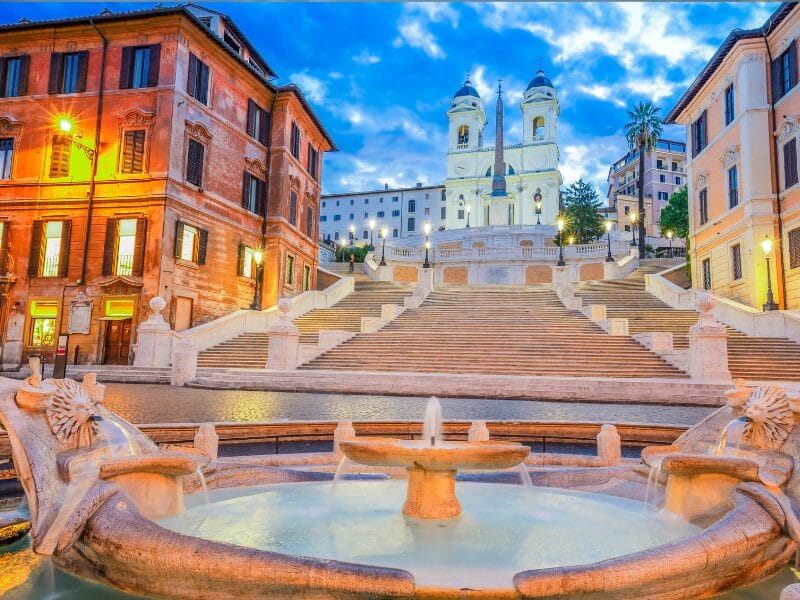
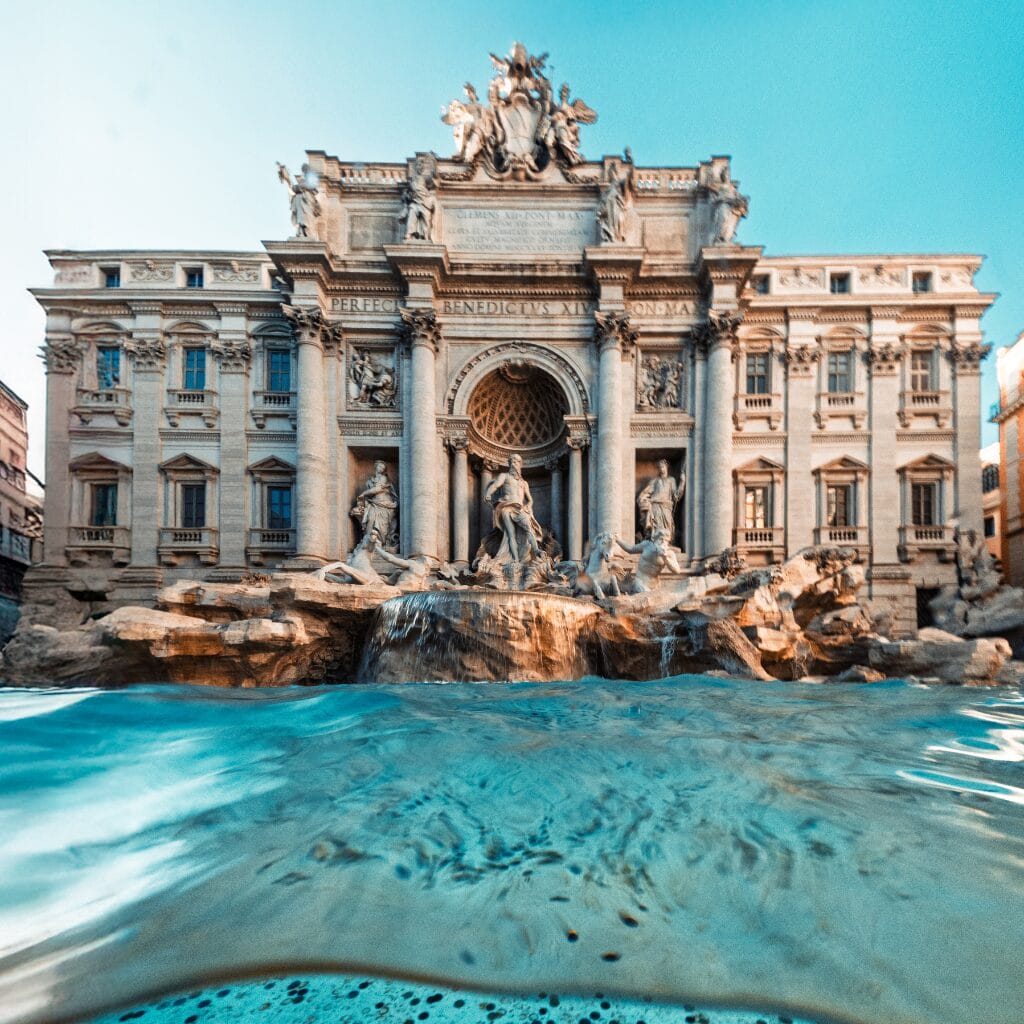
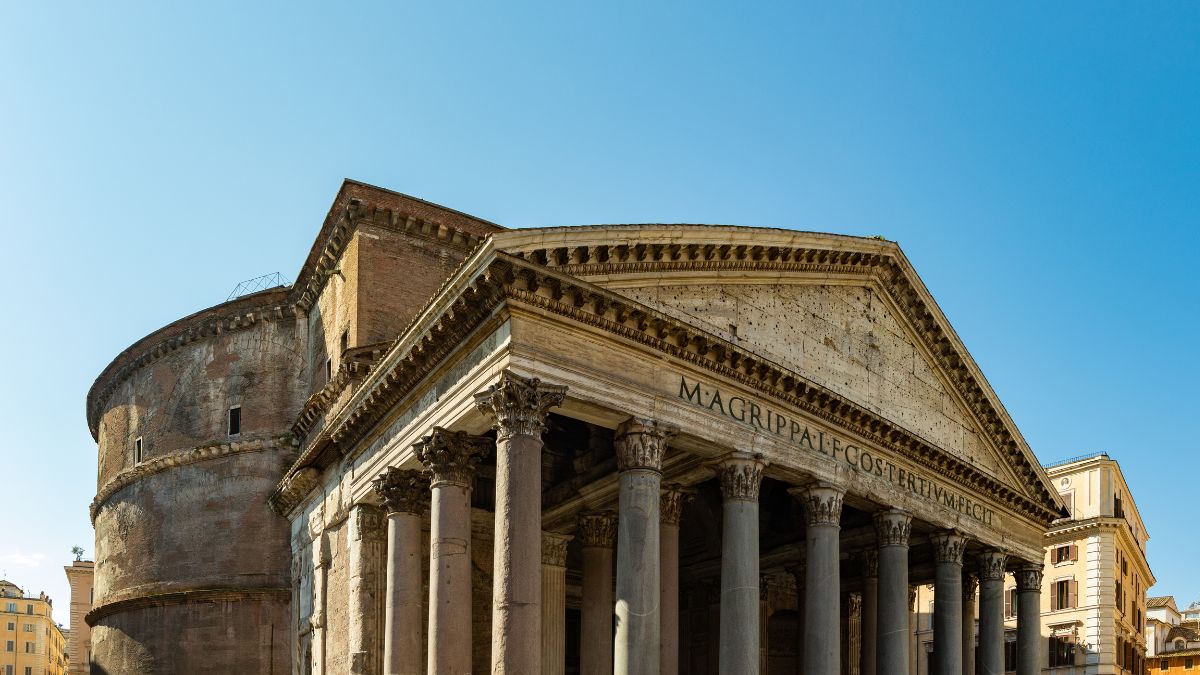
After arriving and checking into the hotel, the first afternoon is devoted to Rome’s historic centre. The Spanish Steps, Via Condotti, Trevi Fountain, Pantheon and Piazza Navona introduce the extraordinary way Rome layers modern life over almost three thousand years of history.
These landmarks are relatively close together, making this a manageable orientation walk after a long journey. There is no need to rush. Stop for an espresso, look inside an unexpected church and allow time to watch the evening light settle over Rome’s fountains and ochre buildings.
Day two travels much further into the past with a guided visit to the Colosseum, Roman Forum and Palatine Hill. Although the ruins are impressive on their own, a knowledgeable guide helps transform broken columns and foundations into stories of emperors, senators, gladiators and ordinary Roman citizens.
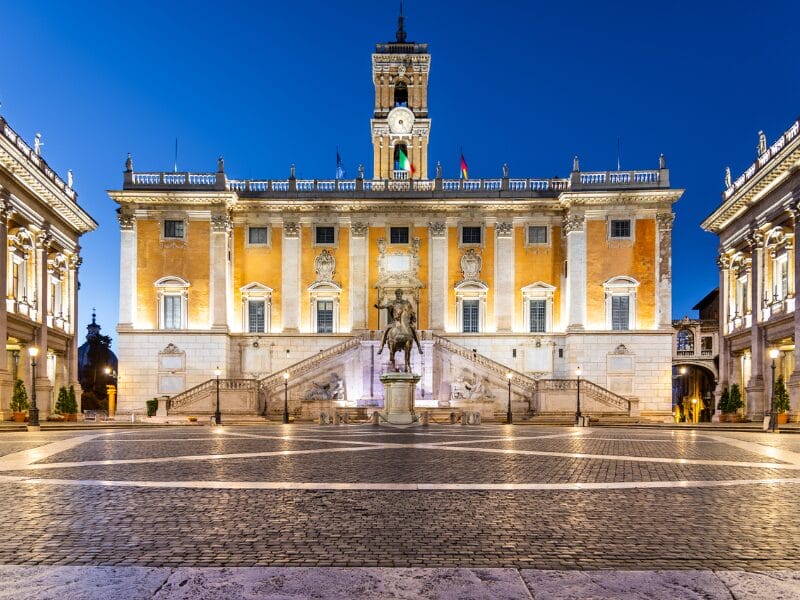
The day finishes with more of Rome’s living culture. There is time for lunch at Roscioli, sunset from Piazza del Campidoglio and dinner near the Pantheon or in one of the city’s atmospheric historic neighbourhoods.
Day three belongs to Vatican City. An early entrance to the Vatican Museums provides the best chance of appreciating its immense collections before the busiest part of the day. The route culminates in the Sistine Chapel before continuing to the monumental interior of St Peter’s Basilica.
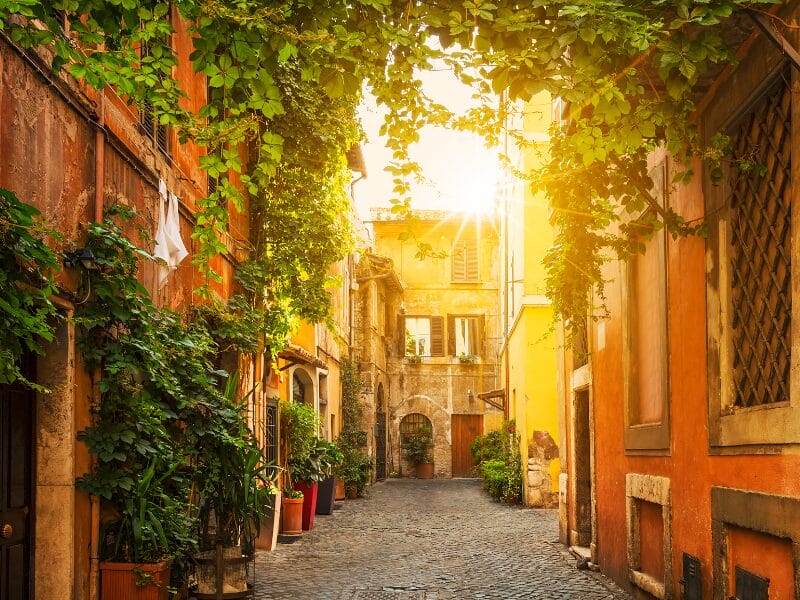
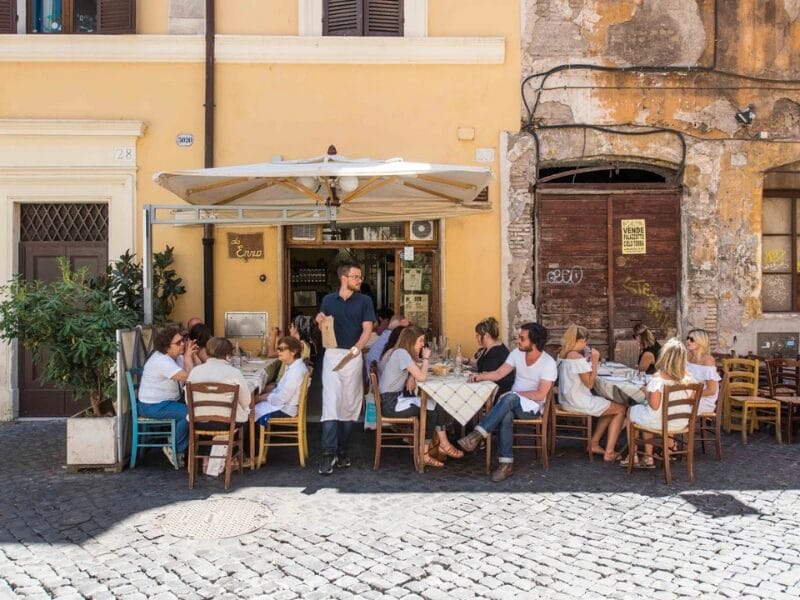
After the formality and grandeur of the Vatican, Trastevere offers a welcome change of rhythm. Its cobbled lanes, ivy-covered buildings, neighbourhood squares and Roman trattorias create a more intimate side of the capital.
The final day in Rome slows the pace among the gardens of Villa Borghese before a timed visit to the Galleria Borghese. The gallery’s Bernini sculptures and Caravaggio paintings make it one of the most rewarding art experiences in Rome.
The afternoon can be personalised with either a private cooking class or a guided shopping experience. A rooftop dinner overlooking the city provides a suitably memorable farewell before the journey continues north.
Days 5–7: Florence, Cinque Terre and the Tuscan Countryside
On the morning of Day 5, a high-speed train connects Rome with Firenze Santa Maria Novella in approximately 90 minutes. From the station, Florence’s historic centre is easily reached on foot or by a short taxi ride.
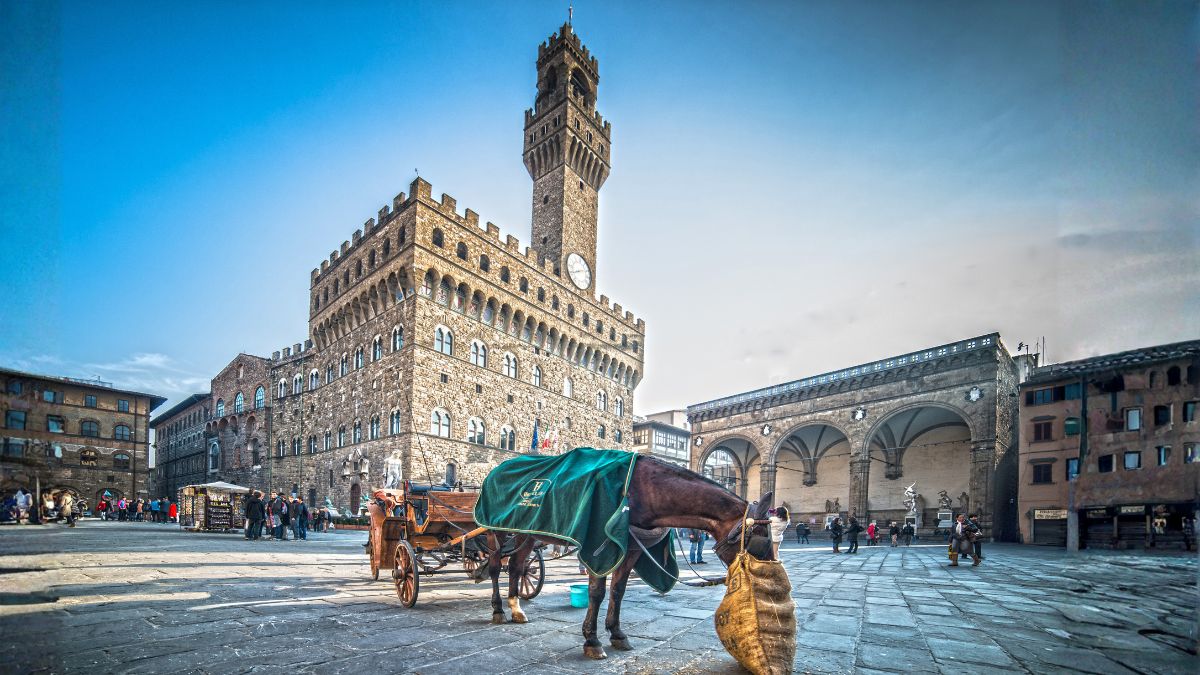
Florence is compact, but its concentration of architecture and art can make even a single day feel overwhelming. The Duomo, Piazza della Signoria, Ponte Vecchio and the banks of the Arno provide an exceptional introduction to the birthplace of the Renaissance.
Art lovers can reserve a timed visit to either the Accademia Gallery, home to Michelangelo’s David, or the Uffizi Gallery, where works by Botticelli, Leonardo da Vinci, Raphael and Caravaggio fill the former Medici offices. Travellers determined to see both should book carefully and expect an intensive day.
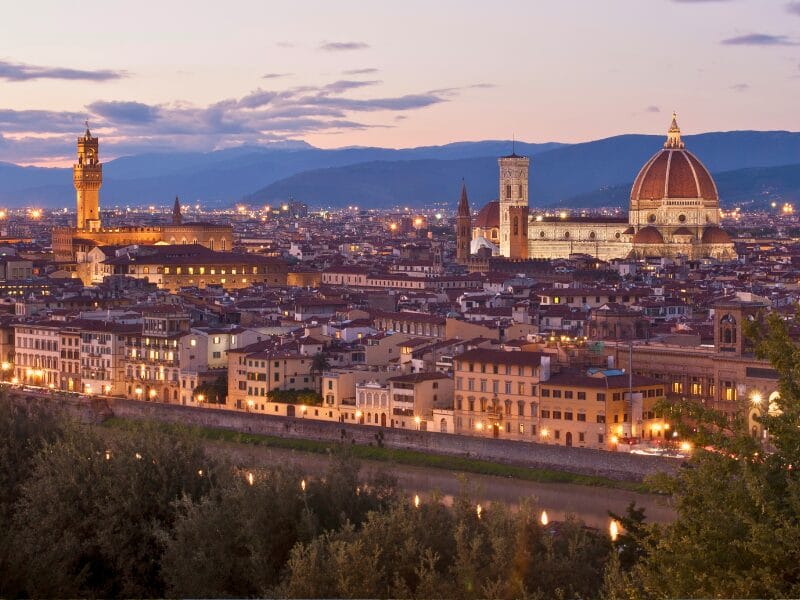
As evening approaches, walk beside the Arno or climb to Piazzale Michelangelo for the classic view across Florence’s terracotta rooftops and cathedral dome.
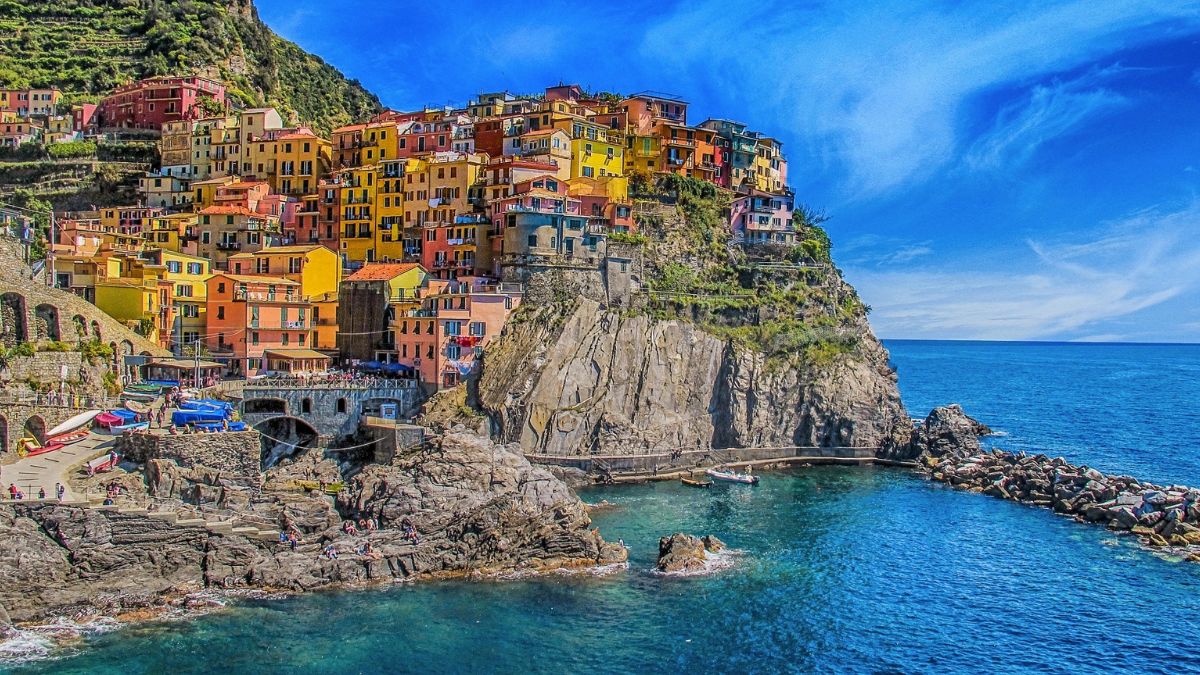
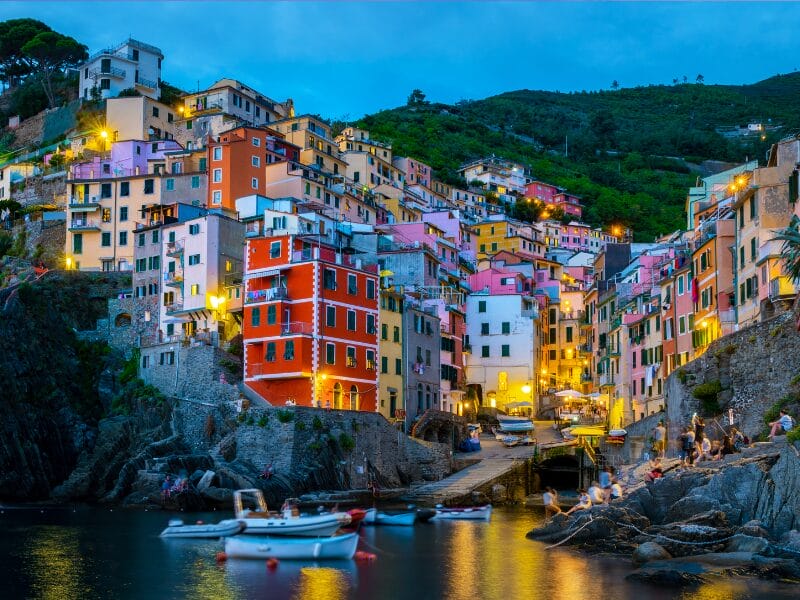
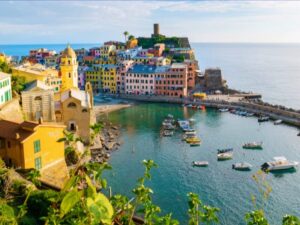
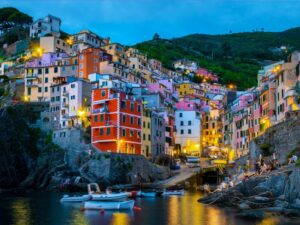
Day 6 leaves Florence for the Ligurian coast. Cinque Terre is formed by five historic villages squeezed between steep vineyard terraces and the sea. This itinerary concentrates on Riomaggiore, Manarola and Vernazza, using local boats when weather and seasonal schedules permit.
Pastel houses rise above tiny harbours, footpaths climb through coastal vineyards and the Mediterranean appears around almost every corner. The day also includes Pisa, where the Leaning Tower, cathedral and baptistery stand together in the Piazza dei Miracoli.
Combining Cinque Terre and Pisa creates a long but spectacular excursion. I would choose a private or small-group trip, start early and keep the following evening free.
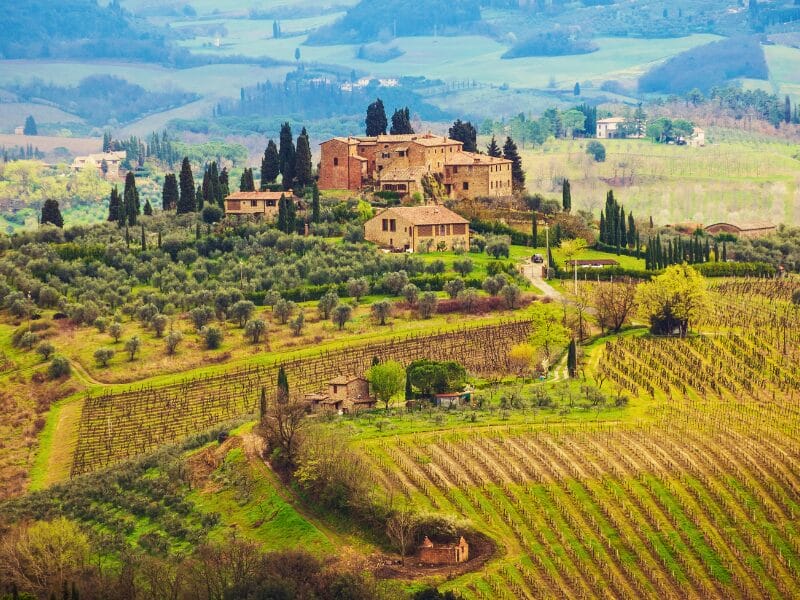
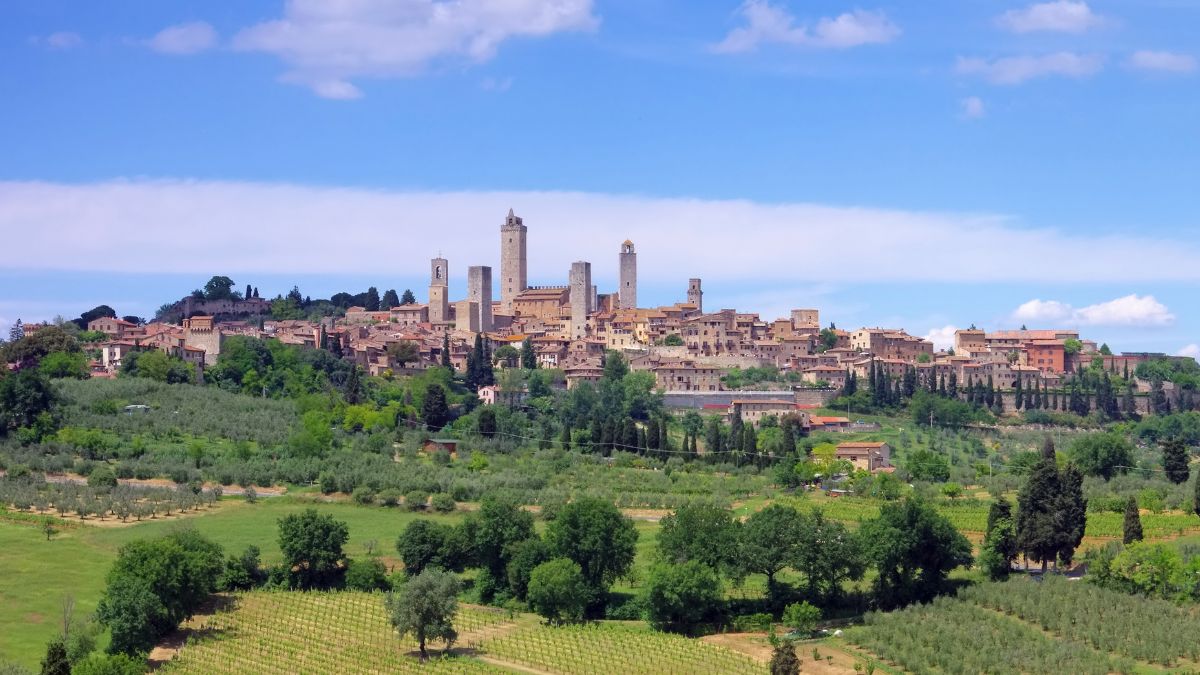
The scenery changes again on Day 7 as the journey moves into rural Tuscany. San Gimignano supplies medieval towers and far-reaching hilltop views, while the tiny walled village of Monteriggioni feels almost untouched by the modern world.
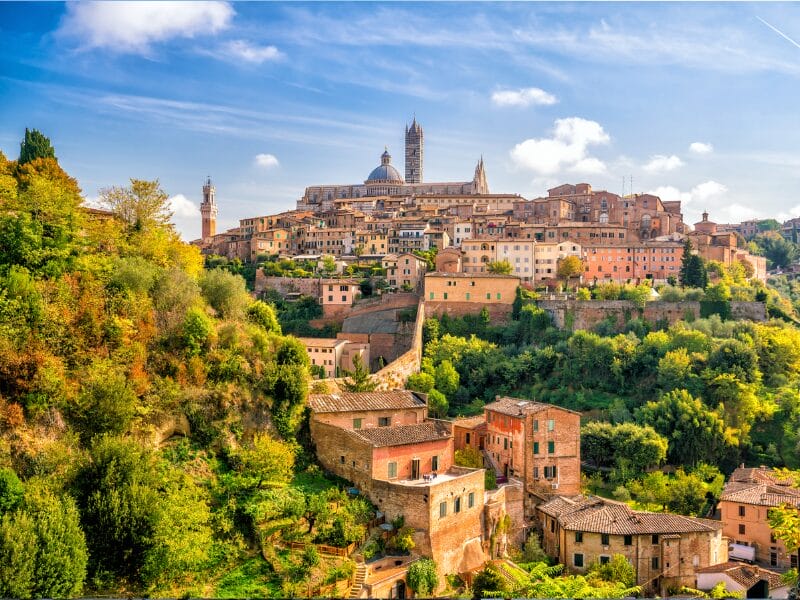
A Chianti Classico wine tasting introduces the region’s vineyards before the day continues to Siena. The shell-shaped Piazza del Campo and striped marble cathedral make Siena one of Italy’s most distinctive medieval cities.
This is another full day, so travellers who prefer a gentler experience can choose Siena and Chianti or San Gimignano and a winery instead of attempting every stop.
Days 8–10: Canals, Palaces and the Venetian Lagoon
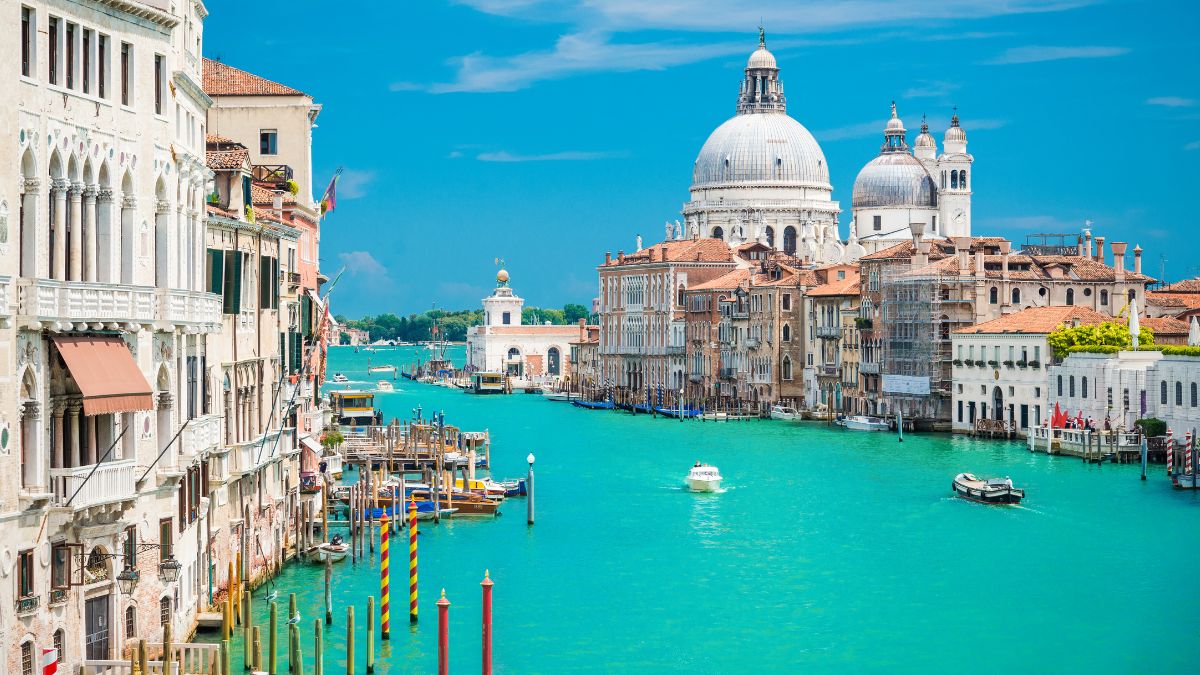
The final stage begins with another high-speed train, this time from Florence to Venezia Santa Lucia. Arriving by rail is one of the great entrances in European travel: leave the station and the Grand Canal is suddenly directly in front of you.
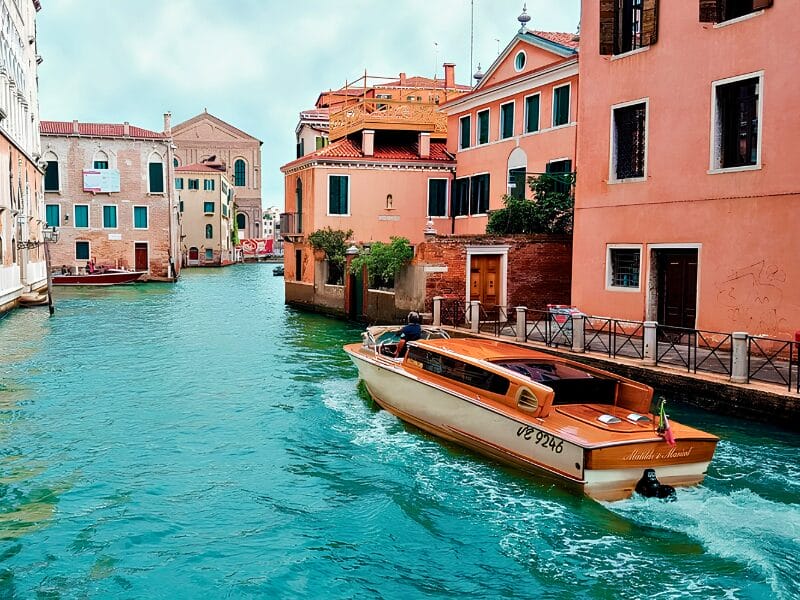
A private water taxi delivers the most glamorous arrival, but the vaporetto is affordable, atmospheric and part of the Venetian experience.
The first afternoon is intentionally unstructured. Venice is a city that rewards getting lost, particularly once you move away from the busiest route between the station, Rialto Bridge and St Mark’s Square. Wander across small bridges, follow lanes that appear to lead nowhere and stop when a quiet canal or neighbourhood bacaro catches your attention.
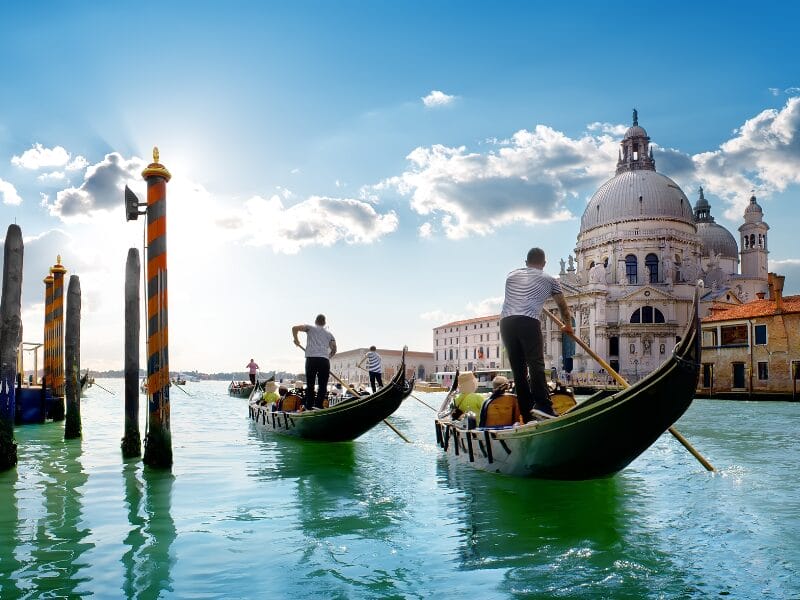
A gondola ride offers a completely different perspective from the water. The Grand Canal provides palaces and spectacle, while the smaller canals reveal worn brickwork, waterside doorways and quieter residential corners.
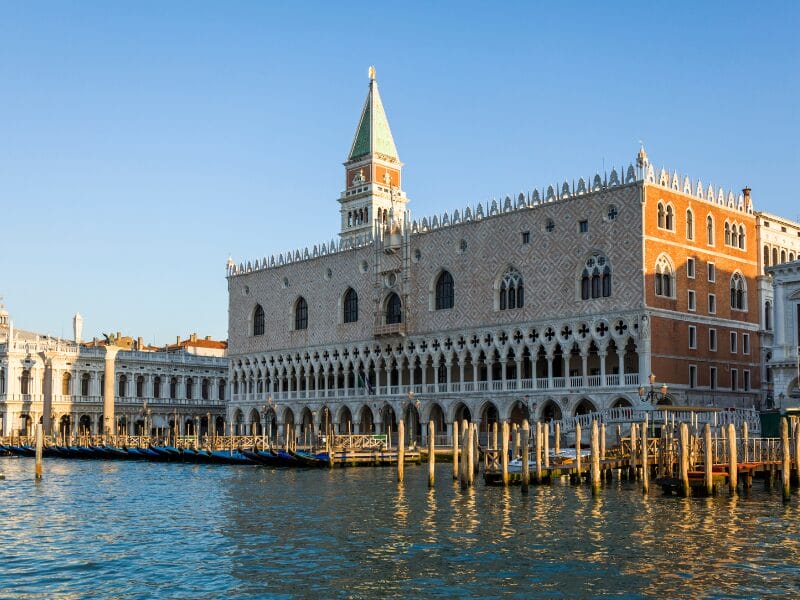
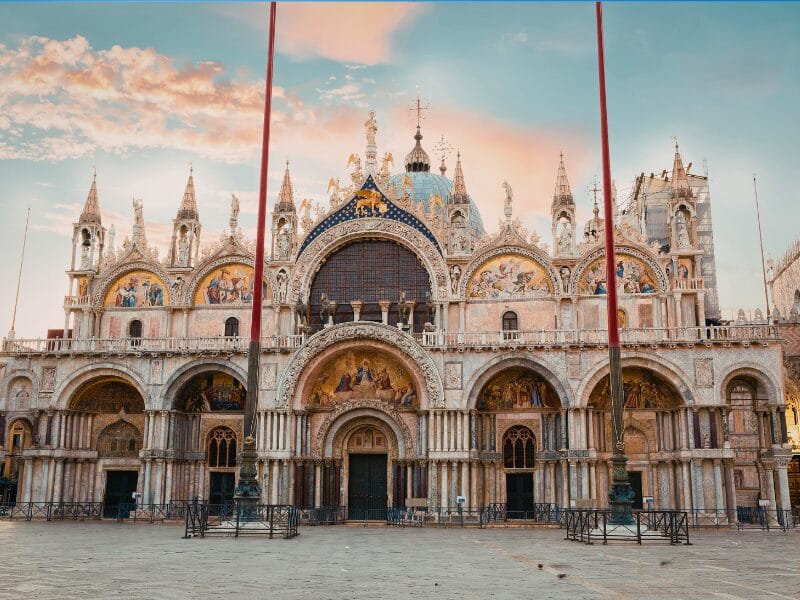
Day 9 concentrates on Venice’s great landmarks. St Mark’s Basilica glows with mosaics and Byzantine detail, while the neighbouring Doge’s Palace reveals the wealth, political power and darker machinery of the Venetian Republic.
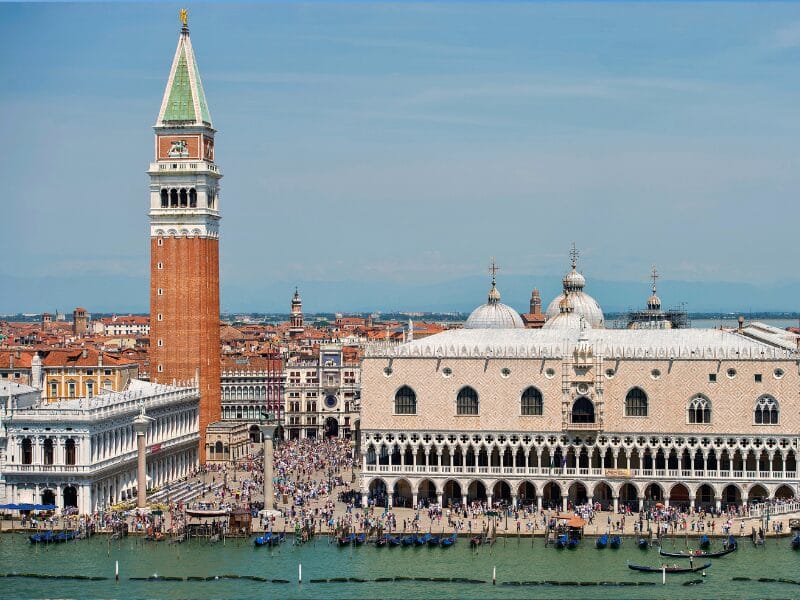
From St Mark’s waterfront, take a vaporetto across to San Giorgio Maggiore. Its bell tower provides a superb panoramic view back towards the Doge’s Palace and the domes of Venice. Later, seek out the delightfully eccentric Libreria Acqua Alta, where books are stored in boats, bathtubs and waterproof containers.
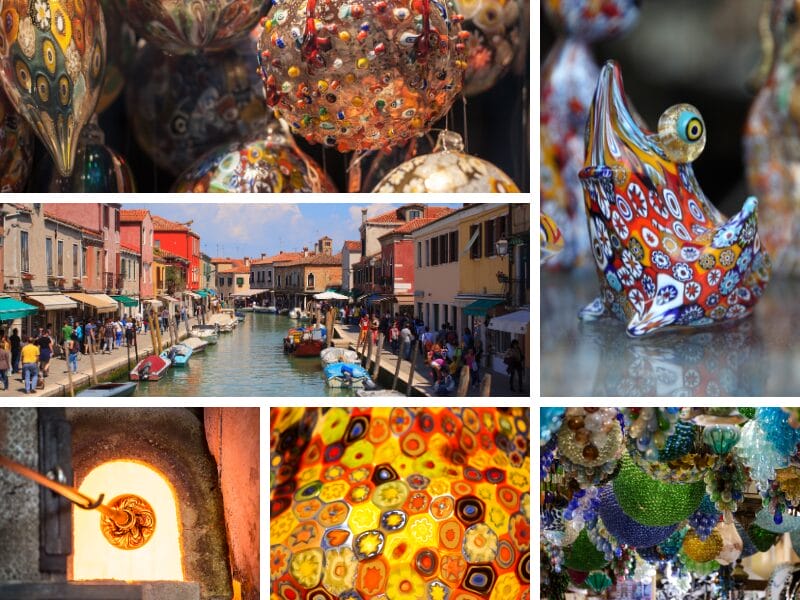
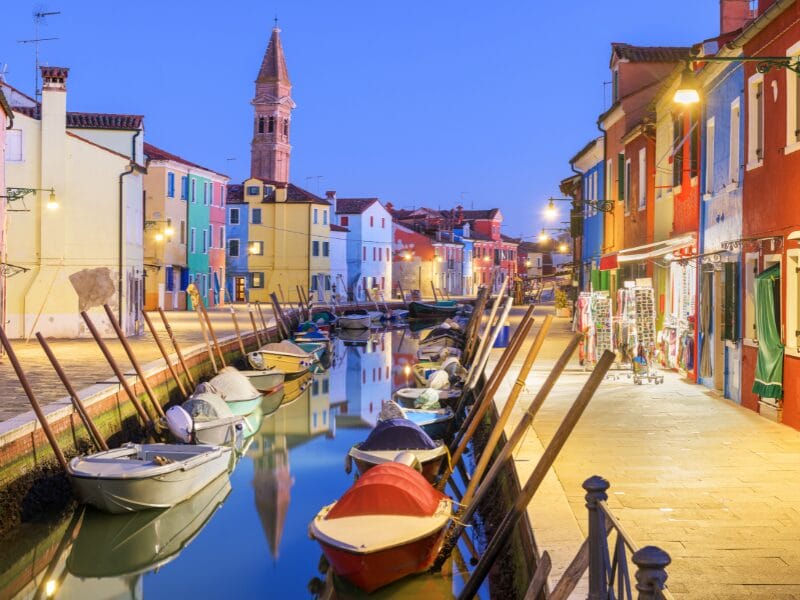
The final day crosses the lagoon to Murano and Burano. Murano is celebrated for glassmaking traditions dating back centuries, while Burano’s brilliantly painted houses line canals once shaped by a working fishing community. Both islands offer a different atmosphere from central Venice and make a colourful ending to the trip.
Only attempt both islands before departure if you have a late flight. With a morning or early-afternoon flight, visit them on Day 9 or add one more night in Venice.
Why This 10-Day Top Italy Itinerary Works
The strongest feature of this itinerary is its variety. Rome supplies ancient history and monumental architecture. Florence brings Renaissance art and access to the Tuscan countryside. Venice ends the trip somewhere that feels entirely different from any other European city.
Using only three overnight bases also prevents the journey from becoming a constant cycle of packing, checking out and finding another hotel. High-speed rail handles the long-distance travel, while guided day trips make the rural and coastal sections easier to manage.
This is not the right itinerary for someone who wants long, empty afternoons every day. It suits travellers who want to experience a great deal in ten days and are comfortable balancing major sights with early starts. Fortunately, the route is easy to adapt. Remove one day trip, choose one Florence gallery instead of two or add an extra night in Venice to create a slower version.
Trip essentials
Plan with confidence
See
Luxury Top Italy Itinerary (10 Days)
The Colosseum
From $50 USD
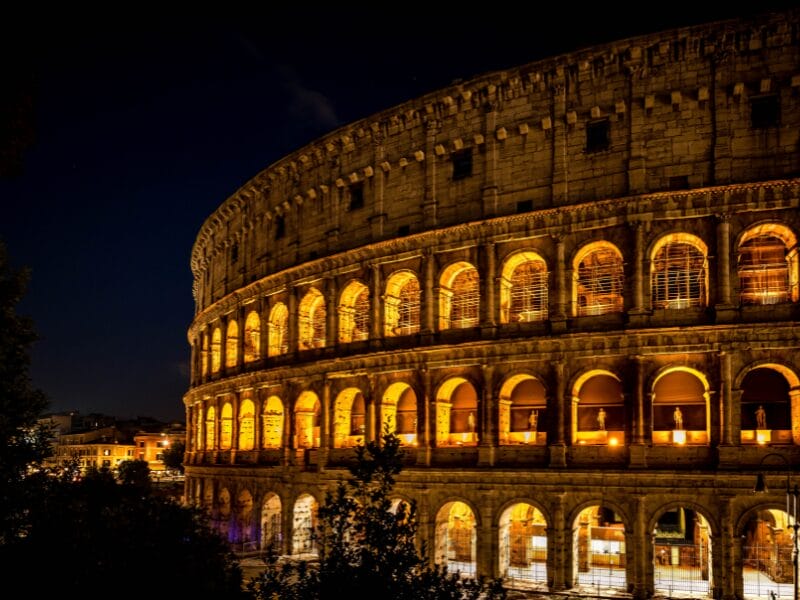
Completed in 80 CE, it is the largest amphitheater ever built and one of the most iconic symbols of Imperial Rome. The structure remains a major archaeological and tourist landmark, drawing millions of visitors annually.
The Roman Forum
From $58 USD
Vatican City
From $40 USD
Villa Borghese
From $70 USD
Florence Duomo
From $42 USD
Uffizi Gallery
From $45 USD
Accademia Gallery
From $50 USD
Siena, Tuscany
From $77 USD
Tuscany Wine Tasting
From $60 USD
Private water taxi arrival Venice
From $140 USD
Gondola ride on Grand Canal
From $50 USD
The Doge’s Palace
From $70 USD
Murano
From $40 USD
Burano
From $40 USD
Cinque Terre and Pisa Tower
from $100 USD
San Gimignano, Siena, Monteriggioni, Chianti Day Trip
From $89 USD
Do
Spanish Steps
Free
Piazza del Campidoglio
Free
Trastevere
Free
Piazzale Michelangelo
Free
Piazza della Signoria
Free
St. Mark’s Basilica
10 Euro
Sr Mark's Square
Free
Rialto Bridge
Free
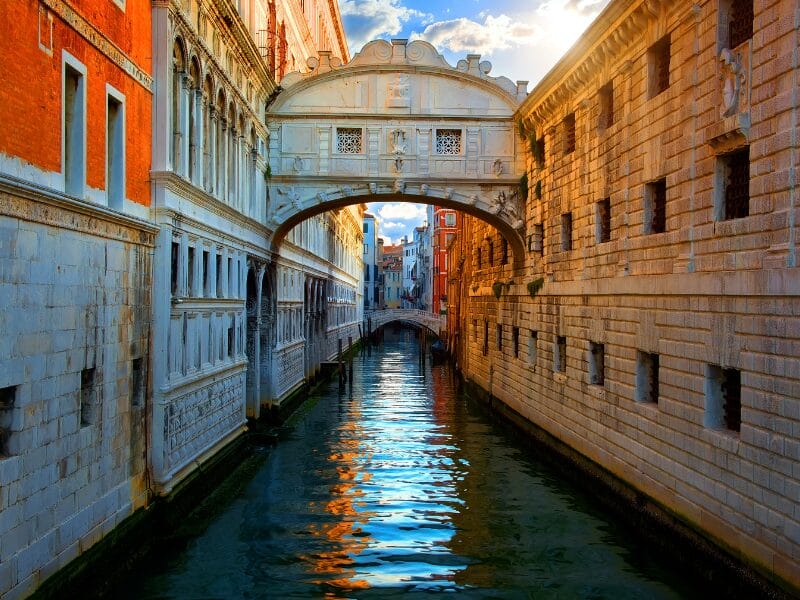
Bridge of Sighs
Free
Eat
Ristorante Aroma
$$$$
Roscioli
$$$$
Da Enzo al 29
$$$
La Giostra
$$$$
Enoteca Pinchiorri
$$$$
Ristorante Quadri
$$$$
Stay
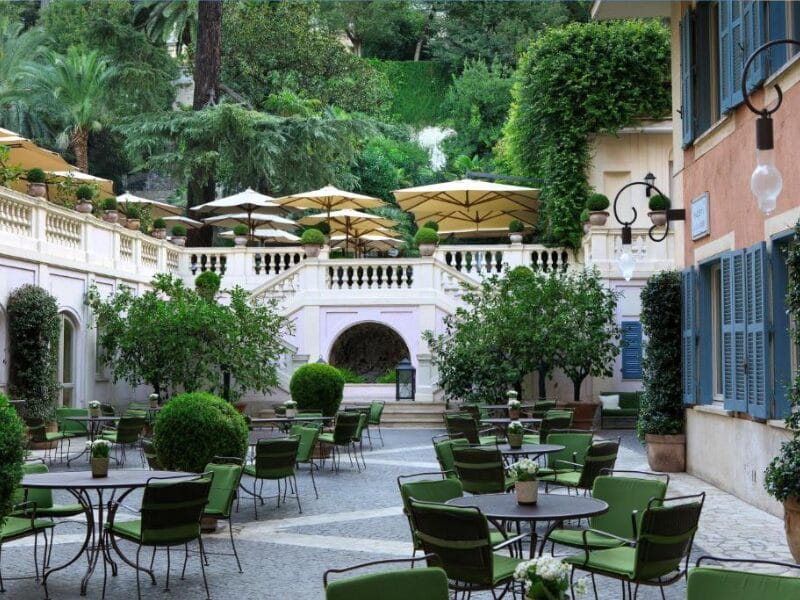
Hotel de Russie, a Rocco Forte hotel
$$$$$
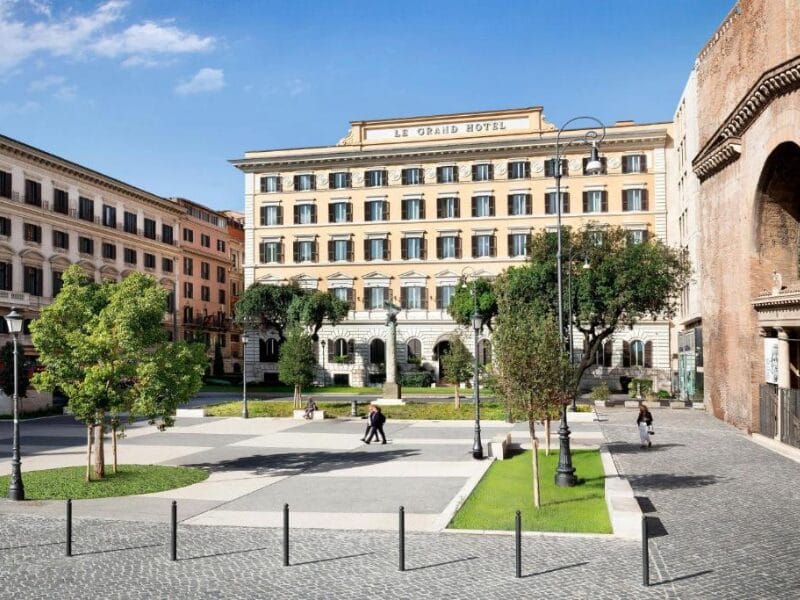
The St. Regis Rome
$$$$$
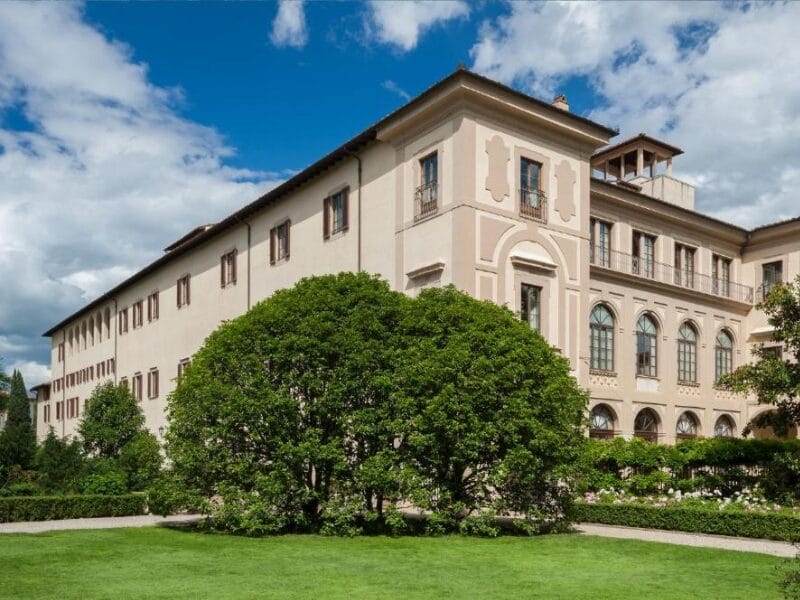
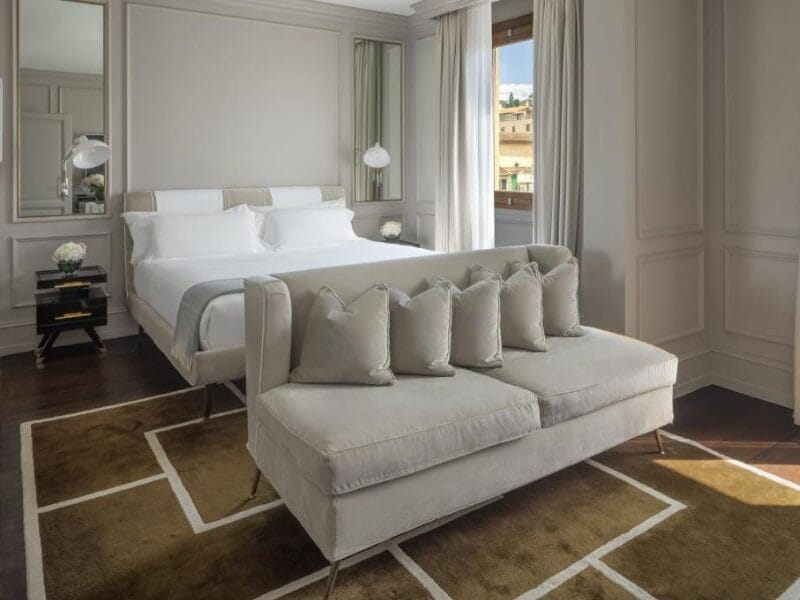
Four Seasons Hotel Firenze
$$$$$
Portrait Firenze
$$$$$
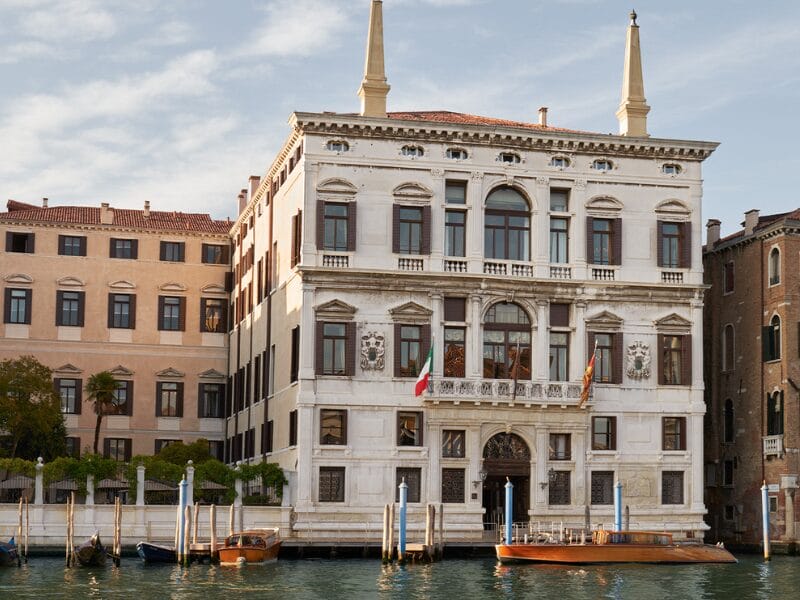
Aman Venice
$$$$
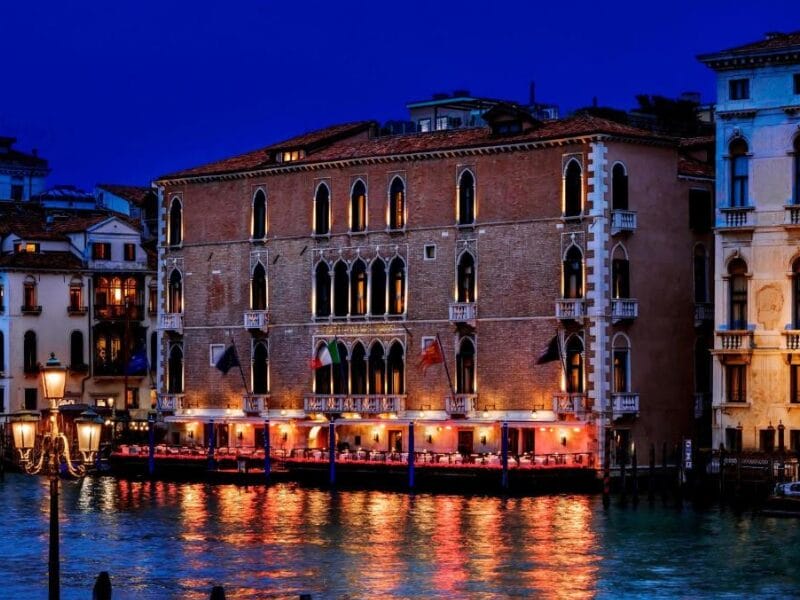
Gritti Palace
$$$$
Destinations Uncovered
Plan the journey
Day-by-day itinerary
Top Italy Itinerary Orientation.
A relaxed first afternoon wandering through Piazza Navona, the Pantheon, and the Trevi Fountain helps visitors understand how ancient ruins coexist with modern storefronts
-
1
Arrival in Rome.
Arrival in Rome. Take a private airport transfer to your hotel to check-in.The St. Regis Rome, Via Vittorio Emanuele Orlando, Rome, Metropolitan City of Rome Capital, Italy
-
2
Spanish Steps
In the afternoon take a light stroll to the Spanish steps. The Spanish Steps are a famous 18th-century, 135-step Baroque staircase in Rome, Italy, connecting the Piazza di Spagna at the base to the Trinita dei Monti church at the top. Built between 1723–1725, they serve as a major tourist, meeting spot, and cultural landmark decorated with flowers in spring.
They were designed by architects Francesco de Sanctis and Alessandro Specchi, the staircase features a series of curved steps and terraces. The bottom of the steps leads to the Via dei Condotti, a famous luxury shopping street.
Why "Spanish" Steps? They are named after the Spanish Embassy to the Holy See, which was located in the square below, even though they were funded by a French diplomat. At the base of the steps is the Fontana della Barcaccia ("Fountain of the Ugly Boat"), designed by Pietro Bernini.Spanish Steps, Piazza di Spagna, Rome, Metropolitan City of Rome Capital, Italy
-
3
Trevi Fountain
The Trevi Fountain (Fontana di Trevi) is an iconic 18th-century Baroque masterpiece in Rome, Italy, designed by Nicola Salvi and completed in 1762. As the city's largest fountain, it depicts the god Oceanus on a chariot, built against the Palazzo Poli. It serves as a popular tourist landmark for coin-tossing, photography, and nighttime viewing.
Visitors throw a coin with their right hand over their left shoulder to ensure a return to Rome; additional coins are said to bring love or marriage. The Lover's Fountain: A small rectangular basin on the right side is known as the "fountain of lovers," where couples drink to stay faithful forever.Trevi Fountain, Piazza di Trevi, Rome, Metropolitan City of Rome Capital, Italy
-
4
Piazza Navona
Piazza Navona is one of Rome’s most famous and vibrant Baroque squares, known for its distinct elongated oval shape, stunning fountains, and lively, artistic atmosphere.
Located in the heart of Rome, it was built in the 1st century AD on the site of the Stadium of Domitian, retaining the shape of the ancient athletic arena. The square is dominated by three magnificent fountains, primarily the central Fontana dei Quattro Fiumi (Fountain of the Four Rivers) designed by Bernini, featuring a massive obelisk.Piazza Navona, Rome, Metropolitan City of Rome Capital, Italy
-
5
The Pantheon
The Pantheon in Rome is a 2nd-century Roman temple, and now a Catholic church (Basilica of St. Mary and the Martyrs), famous as the best-preserved ancient building with the world's largest unreinforced concrete dome.
Built by Hadrian (c. 118–125 AD) to replace Agrippa's original temple, it features a massive dome with a central opening called the oculusPiazza della Rotonda, 00186 Roma RM, Italy
-
6
Via Condotti
Finish the day with some shopping. Via Condotti (Via dei Condotti) is Rome’s most prestigious, high-fashion street located at the foot of the Spanish Steps.
It is renowned for luxury shopping, featuring flagship stores for brands like Gucci, Prada, Valentino, and Bulgari, acting as a Roman equivalent to Milan's Via Montenapoleone or Paris's Rue du Faubourg Saint-Honoré.Via Condotti, Rome, Metropolitan City of Rome Capital, Italy
-
7
Dinner
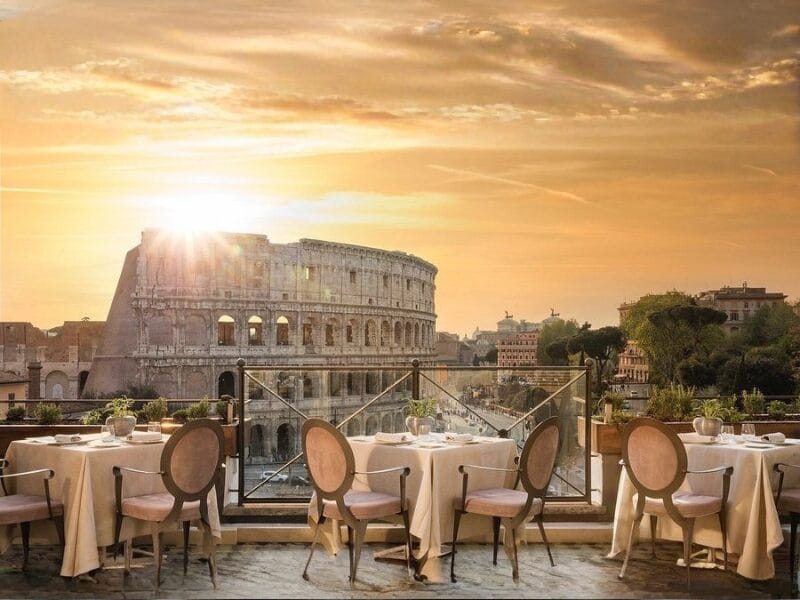
Finish the day in style with dinner at Ristorante Aroma. Aroma is a highly exclusive 28-seat restaurant on the top floor of the Palazzo Manfredi hotel. The restaurant offers a Roman menu and is located in a prime spot in Rome, with its outdoor terrace providing stunning views of the Colosseum.Aroma Restaurant, Via Labicana, Rome, Metropolitan City of Rome Capital, Italy
A guided tour of the Colosseum, Roman Forum, and Palatine Hill provides necessary context to connect “stone and crowds” into a story of daily life and political power. The evening on day 2 of your Top Italy Itinerary is best spent in Trastevere for a food-focused experience
-
1
The Colosseum
Start your day with a private guided tour of the Colosseum with a VIP underground access pass. Commissioned by Emperor Vespasian of the Flavian dynasty, the Colosseum was built on the site of Nero's Domus Aurea as a gift to the Roman people. Its construction symbolized the return of civic life to the city after Nero’s reign. It hosted gladiator combats, animal hunts, and re-enactments of famous battles for over four centuries.
The amphitheater’s elliptical structure, built from travertine limestone, tuff, and concrete, measures about 189 by 156 meters. It featured a complex system of vaults, corridors, and seating tiers. The arena floor, once made of wood and sand, concealed the hypogeum—an underground network for animals, scenery, and stage machinery. The design influenced modern stadium architecture worldwide.Colosseum, Piazza del Colosseo, Rome, Metropolitan City of Rome Capital, Italy
-
2
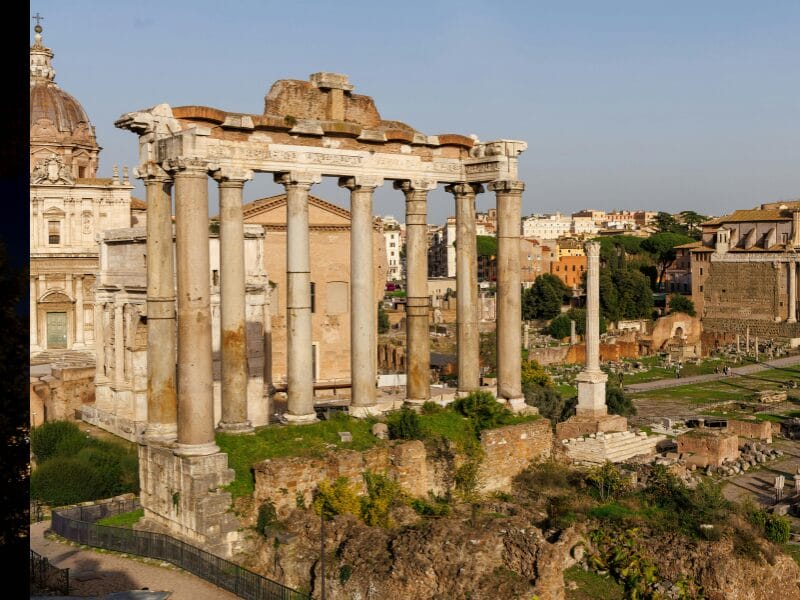
Roman Forum
The amphitheater’s elliptical structure, built from travertine limestone, tuff, and concrete, measures about 189 by 156 meters. It featured a complex system of vaults, corridors, and seating tiers. The arena floor, once made of wood and sand, concealed the hypogeum—an underground network for animals, scenery, and stage machinery. The design influenced modern stadium architecture worldwide.
Key surviving structures include the Temple of Saturn—once the state treasury—the Curia Julia, home of the Senate, and the triumphal Arches of Titus and Septimius Severus. The Basilica of Maxentius and Constantine, dating to the early 4th century CE, dominates the site’s northern end with immense vaulted halls. Religious buildings such as the circular Temple of Vesta and the House of the Vestal Virgins underscored the Forum’s sacred role.Roman Forum, Rome, Metropolitan City of Rome Capital, Italy
-
3
Palatine Hill
Monte Palatino is the centermost of Rome’s seven hills and one of the city’s most ancient inhabited areas. Overlooking both the Roman Forum and the Circus Maximus, it is regarded as the legendary birthplace of Rome and later became the seat of imperial power. The hill’s layered ruins, gardens, and panoramic terraces make it a key archaeological and cultural landmark of the Eternal City.
According to Roman legend, twins Romulus and Remus were nurtured by a she-wolf in the Lupercal cave at the foot of this hill. Archaeological discoveries of Iron Age huts confirm habitation around the period traditionally linked to Rome’s founding (753 BC). Romulus is said to have traced the first walls of the city here, establishing the Palatine as Rome’s cradle.Palatine Hill, Via di San Gregorio, Rome, Metropolitan City of Rome Capital, Italy
-
4
Lunch at Roscioli
Roscioli (gourmet Roman classics): Lunch at Roscioli, a restaurant which is one of the best food outlets in Rome. It offers delicacies such as typical Roman pastas, cooked and raw fish, meat, an impressive selection of cured hams and cheeses, as well as top-quality ingredients such as anchovies and mozzarella.
Excellent home-baked bread and a varied wine list complete the picture. Make sure you book ahead, as it’s hard to get a table here without a reservation.Roscioli Salumeria con Cucina, Via dei Giubbonari, Rome, Metropolitan City of Rome Capital, Italy
-
5
Piazza del Campidoglio
After lunch head back to the hotel for relaxation or a spa treatment. Then walk to Piazza del Campidoglio to watch the sunset before heading for dinner around the Pantheon.
Piazza del Campidoglio is a monumental square located on the Capitoline Hill in Rome, Italy. Designed by Michelangelo Buonarroti in the 16th century, it stands as one of the most important civic spaces of the Italian Renaissance and a symbol of Rome’s political and artistic heritage.Piazza del Campidoglio, Rome, Metropolitan City of Rome Capital, Italy
Early entry to the Vatican Museums, St. Peter’s Basilica and the Sistine Chapel is essential to avoid peak crowds. The rest of the day we spend in Trastevere and exploring its charming streets.
-
1
Vatican Museums
The Vatican Museums are a vast complex of art and archaeological museums located within Vatican City.
They house one of the world’s most important art collections, assembled by the Roman Catholic Church over centuries, including masterpieces by Michelangelo, Raphael, and Leonardo da Vinci.Vatican Museums, Vatican City
-
2
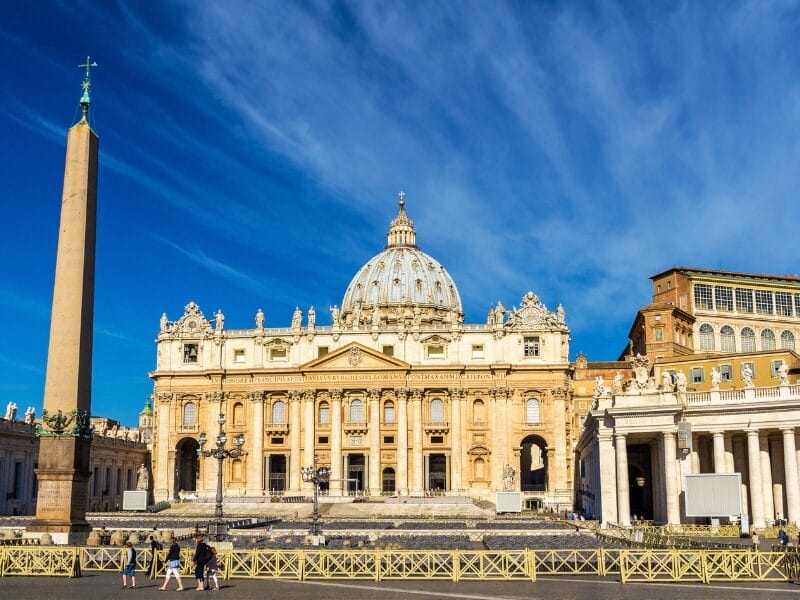
St. Peter's Basilica
St. Peter’s Basilica is a Renaissance-era Catholic church located in Vatican City.
It stands as one of the holiest sites in Christianity, traditionally regarded as the burial place of Saint Peter, the apostle and first pope. The basilica’s architectural and artistic grandeur make it a centerpiece of global religious pilgrimage and cultural heritage.St Peter's Basilica, Piazza San Pietro, Vatican City
-
3
Sistine Chapel
The Sistine Chapel is a renowned chapel within the Apostolic Palace in Vatican City, best known for its monumental frescoes painted by Michelangelo.
Completed in the early 16th century, its ceiling and altar frescoes are masterpieces of Renaissance art and theology, attracting millions of visitors each year.Sistine Chapel, Vatican City
-
4
Trastevere
Trastevere: Take a cab from Vatican City and head to Trastevere for lunch and exploration of its charming architecture and shopping streets before heading for dinner at Da Enzo al 29.
Trastevere is a picturesque, bohemian neighborhood in Rome, located on the west bank of the Tiber River. Known for its narrow, ivy-covered cobblestone streets, it features a lively mix of traditional trattorias, artisan shops, and vibrant nightlife centered around Piazza di Santa Maria.
Key attractions include the Basilica di Santa Maria, known for its mosaics, the Janiculum Hill (Gianicolo) for panoramic city views, and the Villa Farnesina. The area is famous for its spontaneous, often political, poster-art, including works near the former Cinema America.Trastevere, Rome, Metropolitan City of Rome Capital, Italy
Our top Italy Itinerary final day in Rome we spend time at Villa Borghese gardens and a private gallery visit (skip-the-line). In the afternoon you have a choice of a Personal shopper experience or cooking class before a fond farewell to Rome with a rooftop dinner.
-
1
Villa Borghese gardens
We start the final day of our Rome journey with a visit to the magnificent Villa Borghese gardens.
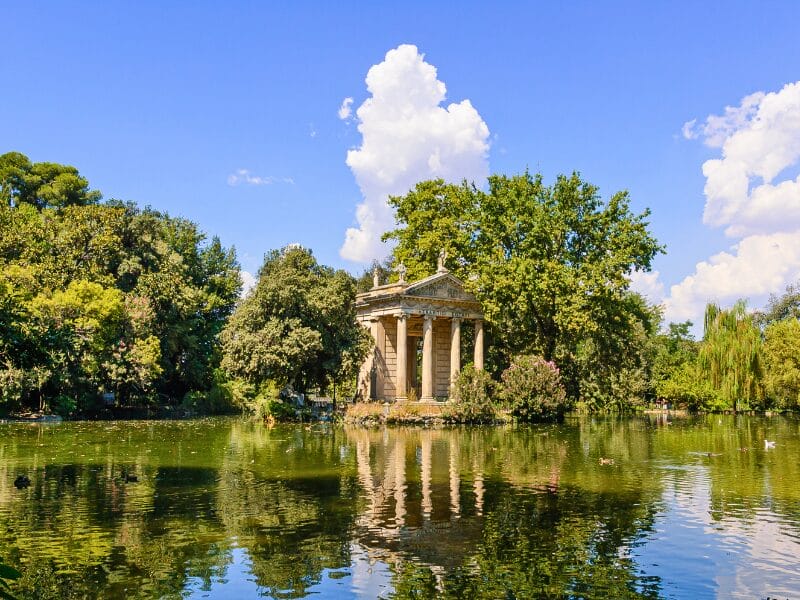
Villa Borghese gardens are a vast 80-hectare (200-acre) public park in Rome, Italy, known as the city's "green heart". Originally developed for Cardinal Scipione Borghese in 1605, it features a mix of English-style landscaping, Italian gardens, fountains, museums, and temples, offering a scenic escape near the Spanish StepsVilla Borghese, Rome, Metropolitan City of Rome Capital, Italy
-
2
Galleria Borghese
Skip the queue. Your next visit is The Galleria Borghese (Borghese Gallery) a renowned art museum, housed in a 17th-century villa within the Villa Borghese gardens. Originally the private collection of Cardinal Scipione Borghese, it features masterpieces by Bernini and Caravaggio, along with paintings by Raphael and Titian.
Other features are famous sculptures like Bernini’s Apollo and Daphne, David, and Rape of Proserpina. The museum operates with strict timed entry (2-hour slots) and limited visitors (360 per session) to provide an intimate experience.Galleria Borghese, Piazzale Scipione Borghese, Rome, Metropolitan City of Rome Capital, Italy
-
3
Personal VIP shopping experience or cooking class
Option A: Personal Shopper - An Exclusive VIP experience Make the most of your time in one of the world's shopping capitals on this private morning shopping tour in Rome.
Take your pick of four different itineraries—luxury, vintage, contemporary, or arts and crafts—to customize your treasure hunt in the Eternal City. Learn the secrets of Italian style and design from a personal shopper while visiting boutiques, antique dealers, vintage shops, avant-garde studios, and artist ateliers.Piazza di Spagna, Rome, Metropolitan City of Rome Capital, Italy
-
4
Option B: Cooking Class
Discover the secrets to making authentic homemade pasta and tiramisu from a local chef with this VIP cooking class in Rome. The cooking class takes place in a locally loved restaurant, in the foodie neighborhood of Rome near to Vatican City.
This cooking class will offer you not only the best quality but also the best value. Expect an expert chef, the finest quality ingredients, free-flowing fine wine, and Prosecco, as well as unlimited soft drinks. These sessions are limited and very popular so book now to join this amazing private cooking class with expert chef in Rome!Via Germanico, 61x/63k, 00192 Rome, Roma RM, Italy
-
5
Terrazza Cielo Restaurant
Bid farewell to Rome in style with a farewell rooftop dinner at Terrazza Cielo Restaurant on its stunning rooftop deck overlooking Rome With a 360-degree panoramic view of the wonders of the Capital, from the Baths of Diocletian to the Dome of St. Peter's to the Roman castles on the clearest days, Terrazza Cielo provides a rewarding experience that will remain in your memories.The Independent Hotel, Via Volturno, 48, Rome, Metropolitan City of Rome Capital, Italy
Begin with the Duomo and a visit to the Accademia to see Michelangelo’s David. A sunset stroll along the Arno River or a visit to Piazzale Michelangelo provides iconic views of the city’s red rooftops
-
1
To Florence
Take the early morning High-speed train from Rome Termini station (~1.5 hrs, Executive Class recommended) to Florence.Rome Termini station, Via Giovanni Giolitti, Rome, Metropolitan City of Rome Capital, Italy
-
2
Arrive Florence
Florence is an excellent arrival station as it literally lands you in the heart of the city and directly outside the Duomo. Take a cab to you chosen hotel.Florence train station, Piazza della Stazione, Florence, Metropolitan City of Florence, Italy
-
3
Duomo
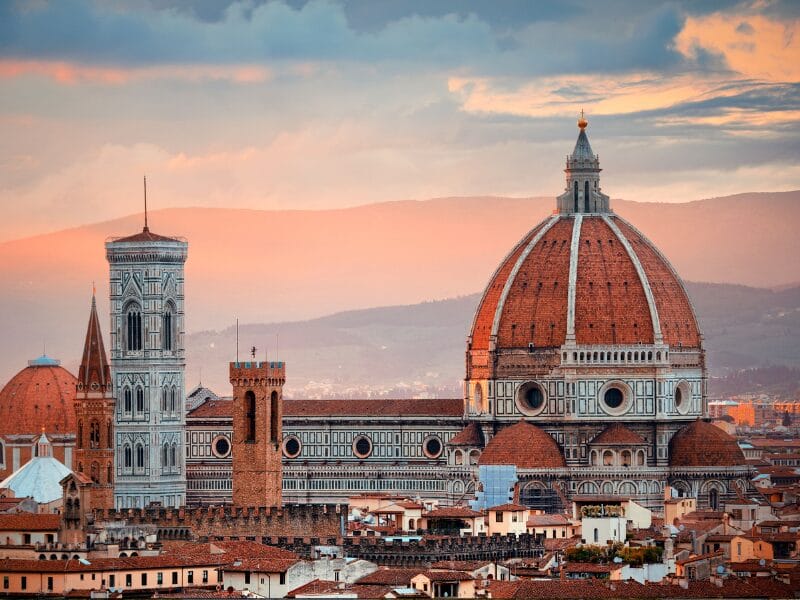
The Florence Duomo, officially named the Cattedrale di Santa Maria del Fiore (Cathedral of Saint Mary of the Flower), is the main cathedral of Florence, and a UNESCO World Heritage Site. Famous for its iconic 15th-century dome designed by Filippo Brunelleschi, it is one of the world's largest churches, featuring a distinctive Gothic, green, white, and red marble facadeCathedral of Santa Maria del Fiore, Piazza del Duomo, Florence, Metropolitan City of Florence, Italy
-
4
Piazza della Signoria
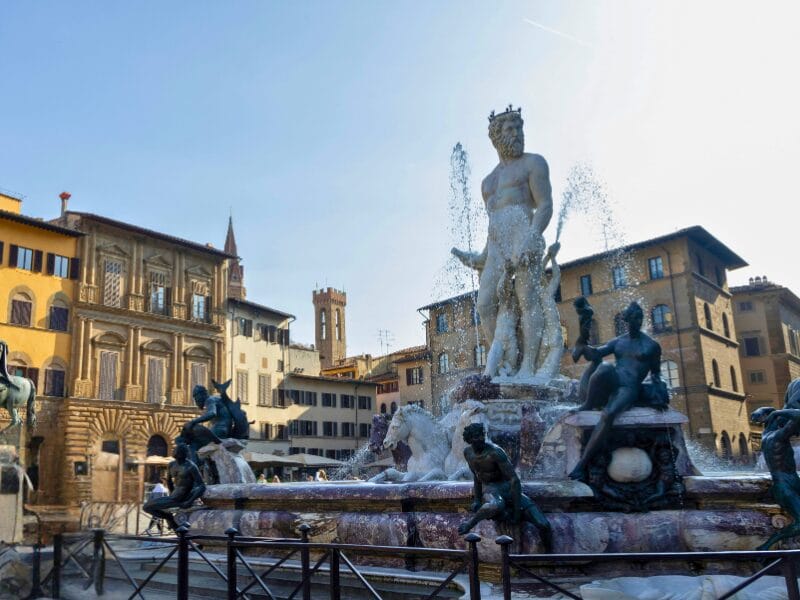
Piazza della Signoria is the political heart and main L-shaped square of Florence, serving as a free, open-air museum of Renaissance art and history since the Middle Ages. It is famously anchored by the Palazzo Vecchio (City Hall), the Loggia dei Lanzi sculpture gallery, and the Fountain of Neptune.Piazza della Signoria, Florence, Metropolitan City of Florence, Italy
-
5
Accademia Gallery
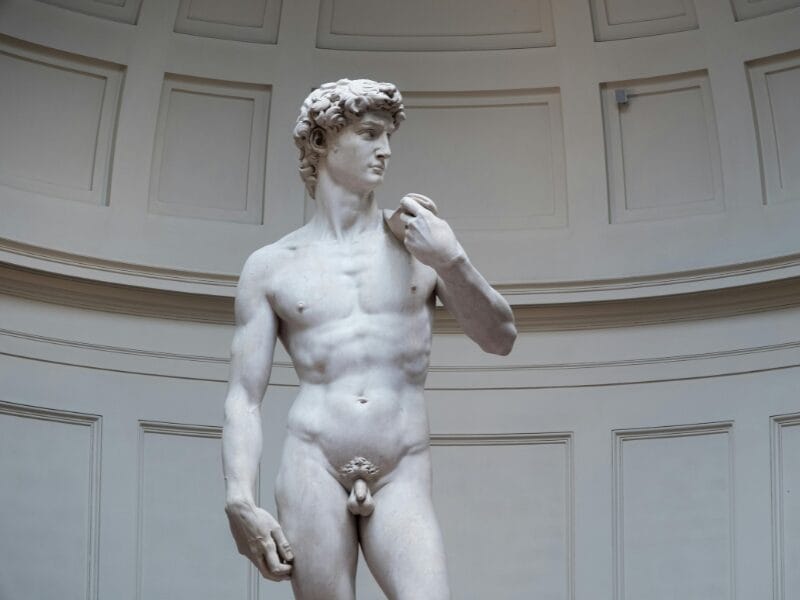
The Accademia Gallery (Galleria dell’Accademia di Firenze) is a renowned art museum in Florence, best known as the home of David. It holds a premier collection of Renaissance art and serves as a major destination for visitors exploring the artistic legacy of Michelangelo and his contemporaries.Accademia Gallery, Via Ricasoli, Florence, Metropolitan City of Florence, Italy
-
6
Uffizi Gallery
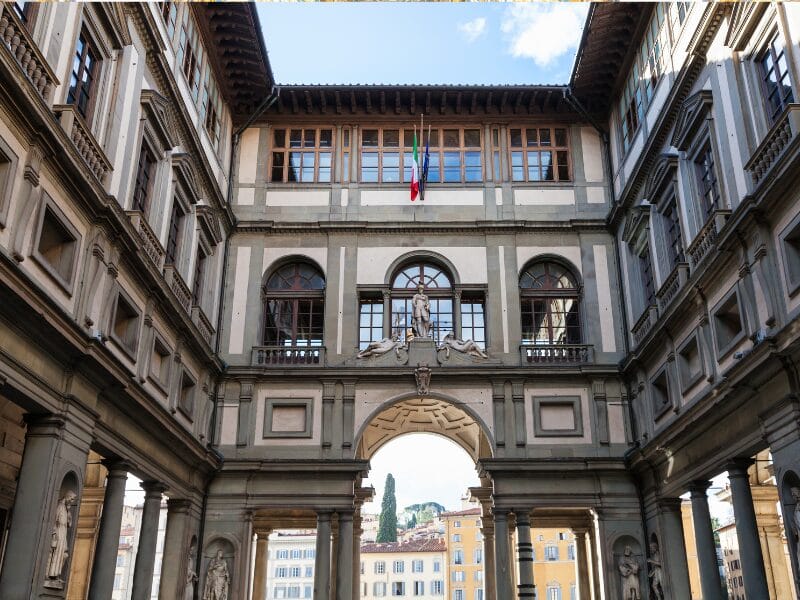
(Optional depending on time). The Uffizi Gallery is a world-renowned art museum in Florence, Italy, housed in a 16th-century building originally designed by Giorgio Vasari for the Medici family’s administrative offices. It holds one of the most significant collections of Renaissance art globally, drawing millions of visitors each year for its masterpieces and historical setting.Uffizi Gallery, Piazzale degli Uffizi, Florence, Metropolitan City of Florence, Italy
-
7
Arno River Walk
The Arno River is the principal river of Tuscany, flowing 241 km from the Apennine Mountains through Florence and Pisa into the Ligurian Sea. It is the defining, central waterway of Florence, creating iconic vistas, dividing the city, and providing historical, cultural, and scenic value. Stroll along the Lungarno (the streets lining the riverbanks), especially during sunset, and visit the Ponte Vecchio bridge, which is lined with jewelry shops.Ponte Vecchio, Florence, Metropolitan City of Florence, Italy
-
8
Sunset at Piazzale Michelangelo
Piazzale Michelangelo is a 19th-century terrace and viewpoint overlooking Florence, Italy. Built on a hill south of the Arno River, it offers the city’s most celebrated panoramic view, encompassing Florence Cathedral (Duomo di Firenze), Ponte Vecchio, and the Tuscan hills. It is a free, open-air public space and a defining highlight for visitors to the Renaissance capital.Piazzale Michelangelo, Piazzale Michelangelo, Florence, Metropolitan City of Florence, Italy
-
9
Dinner at La Giostra
Twenty years ago, the Hapsburg Lorena princes decided to open a restaurant in Florence: La Giostra. The news of a noble family managing with dishes and napkins made headlines, but it was not a surprise to everyone.
Friends who were accustomed to gathering around the Princes table at the castle of Barberino Val d'Elsa, in Chianti, had often suggested he open a restaurant. What better start to your time in Florence than having your dinner cooked by a PrinceLa Giostra, Borgo Pinti, Florence, Metropolitan City of Florence, Italy
Today requires an early departure, a late return and a private or small-group tour. Depart from central Florence in a private car or minivan, and enjoy the scenery en route to the Cinque Terre. Learn about these ‘five lands,’ including the area’s famous hiking trails, unique local wines, and some of its traditional dishes.
Arrive in the Cinque Terre National Park, which was designated a UNESCO World Heritage Site in 1997, and encompass the five towns of Riomaggiore, Manarola, Corniglia, Vernazza, and Monterosso al Mare. Buildings cling to a remote stretch of the Riviera coastline, along with with vineyard and orchard terraces.
Take in the wonderful views on a boat ride (weather permitting), this is the best way to see villages and get photos, then on to a very light hike on an almost level trail through seaside vineyards. Enjoy a chance to admire the coastal panorama from a high vantage point as well, to really get a feel for the elevation.
-
1
Cinque Terre
Pick up from hotel heading to Cinque Terre Cinque Terre are five coastal villages in eastern Liguria that make up a UNESCO World Heritage site!Cinque Terre National Park, Vernazza, SP, Italy
-
2
Riomaggiore
Arrive at Riomaggiore. The town climbs up along the ridges overlooking the sea and it is characterized from typical stone houses by their colored façades and slate-roofs.Riomaggiore, SP, Italy
-
3
Manarola
From Riomaggiore we will take the Public boat to Manarola. Public boats operate subject to weather conditions and along the Cinque Terre from April until about the 3rd week of October. If the boat isn't running we take the van.Manarola, SP, Italy
-
4
Vernazza
Our final village stop. Take some free time to stroll through the charming, narrow streets of the town center. Wander through the alleys of this quaint seaside village and let yourself be enchanted by the magic hidden behind the pastel-colored houses that define Cinque Terre. Breathe in the fresh sea breeze as you take in breathtaking viewsVernazza, SP, Italy
-
5
Pisa
Pisa, a city world-renowned for its historical and artistic heritage. Here, you'll have the chance to visit the famous Piazza dei Miracoli, home to the iconic Leaning Tower of Pisa, the impressive Cathedral, and the beautiful Baptistery. Explore these architectural masterpieces at your own pace and capture unforgettable photos with the Leaning Tower, one of Italy’s most recognizable symbols.Pisa, Province of Pisa, Italy
-
6
Piazza dei Miracoli
Stroll through the city's most famous square and let yourself be captivated by the timeless beauty of its monuments.Piazza dei Miracoli, Pisa, Province of Pisa, Italy
-
7
Leaning Tower of Pisa
Admire the beauty of one of Italy’s most iconic symbols. Take the opportunity to snap some photos and, why not, climb the tower! Make the most of your time in the city and enjoy the wonders of the tower.Tower of Pisa, Piazza del Duomo, Pisa, Province of Pisa, Italy
-
8
Florence
Relax as you return to Florence. The evening is unscheduled. You can relax at the hotel or head into Florence to explore.Florence, Metropolitan City of Florence, Italy
Use Florence as a base to explore the Chianti countryside, Siena, or San Gimignano without repacking your bags
-
1
San Gimignano
Discover the UNESCO-listed “town of towers,” a perfectly preserved medieval hilltop gem with panoramic views, artisan boutiques, and photogenic alleys. Enjoy ample free time for your own exploring, from award-winning gelato to snapshots of the skylineSan Gimignano, Province of Siena, Italy
-
2
Monteriggioni
Step inside a storybook fortress village encircled by intact walls and ramparts, beloved by filmmakers and history fans alike. Enjoy free time to browse tiny craft shops, stroll the piazza, and soak up authentic medieval Tuscany.Monteriggioni, Province of Siena, Italy
-
3
Wine Tasting
Begin with a winery in the heart of Chianti Classico, enjoy exceptional red wines and learn about the art of winemaking. Indulge in a tasting of 3 to 4 top-tier wines, representing the best that Tuscany has to offer.Strada Statale 222 Chiantigiana, Siena, Province of Siena, Italy
-
4
Siena
Siena is a stunning medieval city in the heart of Tuscany, famous for its UNESCO-listed historic center, the shell-shaped Piazza del Campo, and the thrilling Palio horse race. Known for stunning Gothic architecture, panoramic views from the Torre del Mangia, and a deep, 14th-century atmosphere, it offers top attractions like the Siena Cathedral.Siena, Province of Siena, Italy
High speed train from Florence to Venezia Santa Lucia, take a water taxi to your hotel and check in. When you are ready begin with gentle exploration from St. Mark’s Square to the Rialto Bridge, allowing the city to reveal itself through wandering. Finish with a Gondola ride on the Grand Canal.
-
1
Venezia
Your highspeed train from Florence will arrive in at Venezia Santa Lucia terminal.Venezia Santa Lucia, Venice, Metropolitan City of Venice, Italy
-
2
Explore Venice
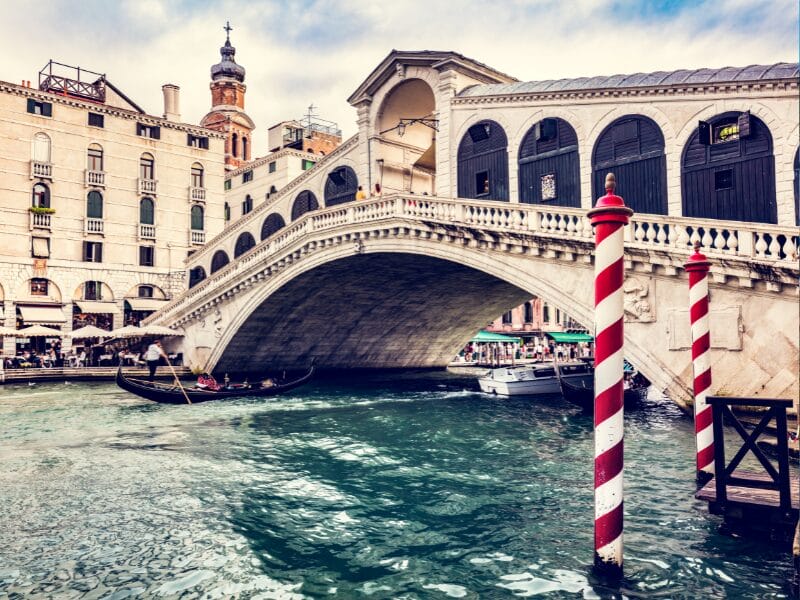
Take some time to wander around Venice, Every corner is a new sight you'll be amazed over. If this is your first time to Venice lucky you! It's a time in your life where you will revert to childhood and everything takes on a new sense of wonder. So just relax and love the experience. End at the Rialto Bridge.Rialto Bridge, Venice, Metropolitan City of Venice, Italy
-
3
Gondola
Take a Gondola from Rialto Bridge - do the full tour asking the Gondolier to finish at Hotel Gritti Palace. There's nothing quite like being dropped off at the hotel entrance in a gondola,The Gritti Palace, Campo Santa Maria Del Giglio, Venice, Metropolitan City of Venice, Italy
-
4
Dinner at Ristorante Quadri (St. Mark’s Square)
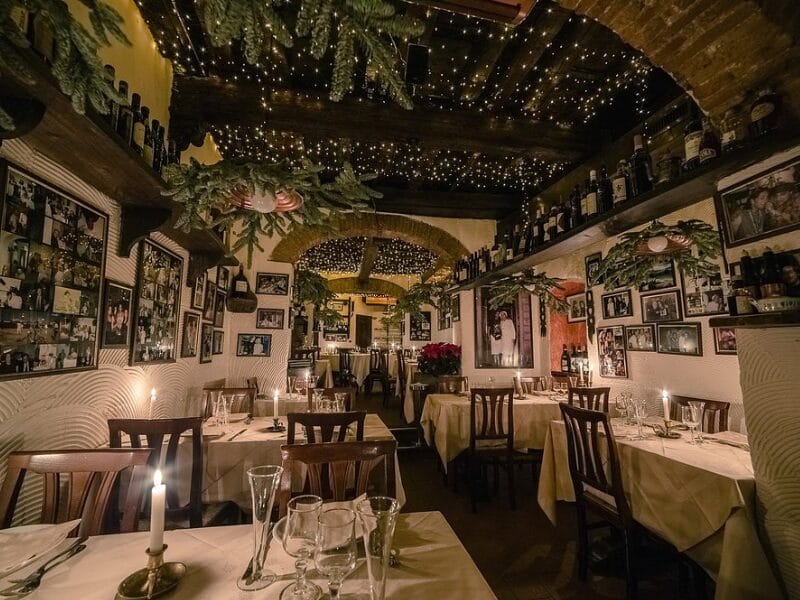
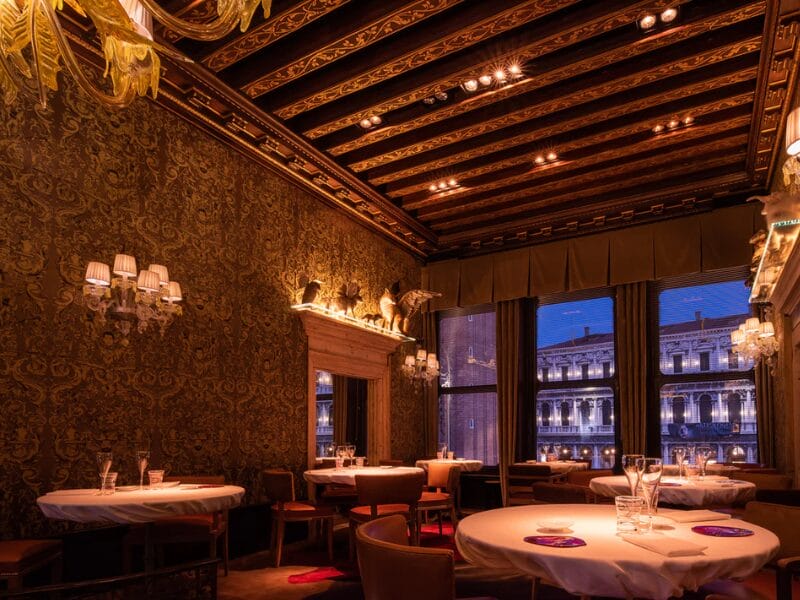
Refreshen and head to the Ristorante Quadri on St. Mark’s Square. Or if you feel like something light walk through town and stop whenever you spot the food that you fancy, There a lots of options and nearly all are great!Ristorante Quadri, Piazza San Marco, Venice, Metropolitan City of Venice, Italy
Experience a private gondola ride or climb the bell tower at San Giorgio Maggiore for panoramic views. This is a good time to visit unique spots like the Libreria Acqua Alta bookstore
-
1
St. Mark’s Basilica
Walk into St. Mark's Square and visit the Basilica. St. Mark’s Basilica is the cathedral church of Venice, celebrated for its opulent Italo-Byzantine design and extensive mosaics. Located on Piazza San Marco beside the Doge’s Palace, it has symbolized Venetian wealth and power since the Middle Ages and remains one of Italy’s most visited landmarks.Saint Mark's Basilica, Piazza San Marco, Venice, Metropolitan City of Venice, Italy
-
2
Doge’s Palace
Next it's the Doge’s Palace (Italian: Palazzo Ducale), a Gothic-style palace that served for centuries as the residence of the Doge—the chief magistrate and leader of the Venetian Republic. It is one of Venice’s most iconic landmarks, symbolizing the city’s political power, architectural innovation, and artistic heritage.Doge's Palace, Piazza San Marco, Venice, Metropolitan City of Venice, Italy
-
3
San Giorgio Maggiore
San Giorgio Maggiore is a small island in Venice, located across the lagoon from St. Mark's Square, featuring a renowned 16th-century Benedictine church designed by Andrea Palladio. It is known for its dramatic white marble facade, a bell tower offering panoramic city views, and as a quieter alternative to central Venice, housing art, culture, and a monastery complex.San Giorgio Maggiore, Venice, Metropolitan City of Venice, Italy
-
4
Libreria Acqua Alta
Libreria Acqua Alta is a famously quirky, "flood-proof" bookstore in Venice, Italy, founded in 2004 by Luigi Frizzo. Known as the "most beautiful bookstore in the world," it creatively stores books in bathtubs, waterproof bins, canoes, and a full-size gondola to protect them from Venice's seasonal high tides (acqua alta).Libreria Acqua Alta, Calle Longa Santa Maria Formosa, Venice, Metropolitan City of Venice, Italy
Use a vaporetto pass to visit the colorful houses of Burano, the glass-making furnaces of Murano, or the quiet monastery of San Lazzaro degli Armeni
-
1
Burano
Burano is a small, vibrant island in the Venetian Lagoon of Northern Italy, famous for its intensely colorful, brightly painted houses and traditional, intricate lacemaking. Located about 40 minutes from Venice by boat, this picturesque fishing village is a popular for its photogenic canals, leaning bell tower, and authentic, quiet atmosphere.Burano, Venice, Metropolitan City of Venice, Italy
-
2
Murano
Murano is a series of islands linked by bridges in the Venetian Lagoon, Italy, world-renowned for its centuries-old tradition of handmade glassmaking. Since 1291, it has been the center for skilled artisans crafting artistic glass using specialized techniques, such as millefiori and glassblowing.Murano, Venice, Metropolitan City of Venice, Italy
-
3
Time to head for home
Back to the hotel, check out and head to the Aeroporto di Venezia Marco Polo in your private water taxi. Taking one or two glances back at the magical city of Venice. Happy travels!Aeroporto di Venezia Marco Polo, Viale Galileo Galilei, Venice, VE, Italy