Vineyards rolling towards dry golden hills. Sheltered sounds filled with forested islands. Seafood pulled from the water almost within sight of your table. Walking tracks that disappear over ridges towards quiet bays.
Marlborough is much more than New Zealand’s Sauvignon Blanc capital.
Sitting at the top of New Zealand’s South Island, Marlborough combines the vineyard country around Blenheim, the harbour town of Picton, the extraordinary Marlborough Sounds, seafood-focused Havelock, the wild Awatere Valley and some surprisingly remote high-country landscapes.
For independent travelers, it is also a region that rewards good planning. Attractions are spread out, public transport is limited outside the main towns, and places that appear close together on a map can involve winding roads or boat journeys.
This Marlborough travel guide for 2026 covers the best things to see and do, where to stay, realistic costs, suggested daily budgets, transport, safety, money-saving strategies and the best time to visit.

Marlborough Travel Guide: Quick Answers
| Question | Quick answer |
|---|---|
| Where is Marlborough? | At the northeastern top of New Zealand’s South Island, around Blenheim, Picton and the Marlborough Sounds. |
| Best base for wine? | Blenheim or nearby Renwick. |
| Best base for the Marlborough Sounds? | Picton for Queen Charlotte Sound; Havelock for Pelorus Sound/Te Hoiere. |
| How long do you need? | 3–4 days is a good introduction; 5–7 days lets you explore much more slowly. |
| Do you need a car? | Not necessarily in Picton, but a car makes vineyard country, Havelock, the Awatere Valley and rural attractions much easier. |
| Best time to visit? | November–April for warmer weather; March–April is especially attractive for wine country. |
| Can you visit without drinking wine? | Absolutely. The Sounds, kayaking, hiking, cycling, aviation history, wildlife, seafood and scenic drives are reasons to visit in their own right. |
| Typical daily budget? | Roughly NZ$110–190 budget, NZ$230–400 mid-range, or NZ$450+ for higher-end travel, before major intercity transport. |
Marlborough’s geography means there is no single perfect base. Blenheim makes the most sense for vineyards and the Wairau Valley, while Picton is much more convenient for boats, water taxis and the Queen Charlotte Track. Havelock provides access to quieter Pelorus Sound/Te Hoiere.
If you’re trying to decide whether you need to hire a car, think about your travels focus.
- If you are there for the wine you may want to think about a small group tour (who wants to drive when you could be drinking wine).
- If you are there for hiking you probably dont want to pay for a rental car which then sits in an isolated car park. You’d be better off spending the money on water taxis and track transfers.
- If you’re intending to visit several towns, the entire region and/or other areas of New Zealand as part of a longer trip, you likely will want to get a rental.
Why Visit Marlborough? Things to See and Do.
Wine may have put Marlborough on the international travel map, but restricting a visit to winery tastings misses much of what makes the region interesting.
Marlborough Tourism describes more than 30 cellar doors, while the Marlborough Sounds contain an extraordinary maze of coastline, secluded bays, marine environments and forest-covered ridges.
You can spend one morning tasting Sauvignon Blanc and the next travelling by water taxi towards an isolated walking track.
You can eat locally farmed Greenshell mussels in Havelock, paddle through sheltered bays, examine historic aircraft at Omaka, walk beside the Wairau Lagoons or drive into the austere high country of Molesworth.
That variety makes Marlborough particularly good for independent travelers who enjoy combining food, landscapes and outdoor activities rather than following a single sightseeing circuit.
1. Explore Marlborough Wine Country
For many visitors, this is the obvious place to begin.

Marlborough is New Zealand’s largest wine region, with its cellar doors concentrated particularly around the Wairau Valley, Renwick, Rapaura and Blenheim. Sauvignon Blanc is the famous name, but don’t assume that is all you will find. Expect Pinot Noir, Chardonnay, Riesling, Pinot Gris, sparkling wine and other varieties.
Marlborough Tourism currently lists more than 30 cellar doors, and many vineyards around Rapaura and Renwick are close enough together to make cycling practical.
How should independent travelers visit Marlborough wineries?
You have four realistic options:
- Guided wine tour: Probably the easiest option if everyone wants to taste. Transport is handled for you, although tours can be one of the more expensive activities in the region.
- Self-drive with a designated driver: Gives you maximum flexibility but only works if the driver genuinely stays alcohol-free.
- Cycling or e-biking: Particularly attractive around Renwick and Rapaura, where many cellar doors are relatively close together. Marlborough’s official tourism site highlights a roughly 6 km cellar-door cycling area containing multiple wineries and food stops.
- Taxi/private transfer: More flexible than a tour for a small number of carefully selected wineries, although costs can accumulate.


How many wineries should you visit in one day?
Don’t do what I see many try, and turn it into a race. You’ll never actually have the proper vineyard experience when you allow 30 minutes each.
Three or four carefully chosen cellar doors with lunch is often a better day than trying to squeeze in six or seven. And, one or two with friends, a decent amount of time allowed for the sampling, and then a leisurely sun-soaked meal. Perfection!
Opening days vary, some tastings require reservations, and smaller producers may not open every day. Check directly before building your route.
2. Enjoy Blenheim, Marlborough District Capital
Blenheim is Marlborough’s capital, officially replacing Picton as the regional capital in 1865, and depending on whom you ask, some may say is New Zealand’s sunshine capital. The annual contest over sunshine hours sits with Marlborough and ajoining district, Nelson Bays, and is taken very seriously in both towns, and by no one else. Being a born and bred Nelson boy my vote stays with Nelson.

Around 29,000 people live in Blenheim surrounded by what Marlborough is best known for: the sauvignon blanc vineyards of the Wairau Valley, stretching towards the hills in every direction like the world’s most profitable wallpaper.
The town itself is flat, relaxed, and centred on Seymour Square, where the clock tower and gardens perform most of the civic duties. Along the Taylor River path, locals walk their dogs, train for the half-marathon, or walk their dogs while insisting they’re training for the half-marathon. Blenheim is a great base for wineries, museums, parks, and local markets, with many of the “must-do” attractions centered around the town itself.
What are the best things to do in Blenheim?
- Omaka Aviation Heritage for its immersive World War I aviation displays and dramatic dioramas; it is repeatedly listed as a top Blenheim highlight.
- Marlborough Museum, a key place for learning about the region’s history, early settlement, and local industries.
- Millennium Public Art Gallery: a compact but worthwhile art stop in central Blenheim, featuring contemporary works and rotating exhibitions.
- Pollard Park: Blenheim’s best-known park, praised for landscaped gardens, open space, and family-friendly walking and picnic areas.
- Seymour Square: a central green space and one of the town’s classic places to relax, right in the heart of Blenheim.
- Taylor River Reserve: a popular walkway area for easy walking and cycling close to town.
- Marlborough Farmers’ Market: a standout local and one of the region’s most loved food markets, where visitors can buy local produce, baked goods, and artisan foods directly from growers and makers.


Why Blenheim is worth visiting
- Blenheim is especially well known for wine tourism, with many wineries and cellar doors within easy reach of town.
- It also works well for short, low-effort sightseeing, since many attractions are close together and easy to combine in a half-day or full-day visit.
- For visitors interested in culture as well as outdoors, the town offers a nice mix of museums, public art, parks, and markets.
If I only have one day in Blenheim what should I do?
- Morning: Omaka Aviation Heritage Centre.
- Late morning: Marlborough Museum or Millennium Public Art Gallery.
- Lunch: central Blenheim cafés or a market visit if it is market day.
- Afternoon: Pollard Park and a walk along the Taylor River Reserve (or a vineyard)
3. Discover Picton
Picton is a small harbour town at the head of Queen Charlotte Sound, about 30 km north of Blenheim. It serves as the South Island terminal for the Interislander and Bluebridge ferries from Wellington, welcoming most North Island travellers who arrive in the South Island by road or rail. The town has a population of roughly 4,500.

Picton is built around the waterfront at the head of the sound. The ferry terminals are located at the eastern end, while the town centre stretches along High Street and the foreshore. Picton Marina is home to charter boats, water taxis serving Queen Charlotte Sound, and a small commercial fishing fleet. At Dunbar Wharf, the Edwin Fox Maritime Museum features the Edwin Fox, the world’s ninth-oldest surviving ship, which was built in 1853.
The Queen Charlotte Sound and the wider Marlborough Sounds are the area’s main attractions. Running for 70 km along the coast, the Queen Charlotte Track can be reached from Picton by water taxi and is open to walkers and cyclists. It is one of New Zealand’s nine Great Rides.
It is the principal gateway to Queen Charlotte Sound/Tōtaranui and one of the easiest places in Marlborough to enjoy without a car.
The compact waterfront has cafés, restaurants, galleries and harbour views, while walking and cycling tracks climb into the surrounding bush. Picton is also the departure point for many water taxis, cruises, kayaking trips and Queen Charlotte Track transfers.
Allow some time simply to walk the waterfront rather than rushing straight from ferry to car.


What should you consider in Picton? Marlborough Travel Guide.
- Picton Foreshore
- Edwin Fox Maritime Museum and dry dock: Housing the Edwin Fox, the only surviving sailing ship that brought settlers to New Zealand. It is also the only surviving Australian convict ship, the only surviving troop transporter for the Crimean War, and the oldest merchant sailing ship still afloat.
- Picton harbour cruises
- kayaking, wildlife and scenic boat trips
- water taxi excursions into the Sounds
- short bush walks around the town: One of the best walks to do in Picton is the Tirohanga Track. This scenic climb winds through beautiful bush and leads to wide-ranging views over Picton, Waikawa, and the Marlborough Sounds. Reaching the lookout takes around 45 minutes. You can then retrace your steps or descend the other side and walk back through Picton’s streets.

Other short bush walks in Picton include:
- Essons Valley
- Humphries Dam: from Garden Terrace Gate, Moderate 80min return
- Barnes Dam: Moderate 90min return
- Tirohanga Track
- Garden Terrace or Newgate St to Hilltop View – 90min return
- Garden Terrace to Newgate St returning via Picton Streets – 4hr, 30mins return
- Picton to Waikawa Track
- Picton Marina to Waikawa Marina via Endeavour Park, 90min return
- Picton Marina to Waikawa Marina (steeper section), 100min return
- Waikawa Bay
- Karaka Point Pa Track (10kms from Picton), 20min return
For travelers passing through to the North Island, spending time in the Queen Charlotte Sound or hiking the track, Picton may be your best choice as a Marlborough base.
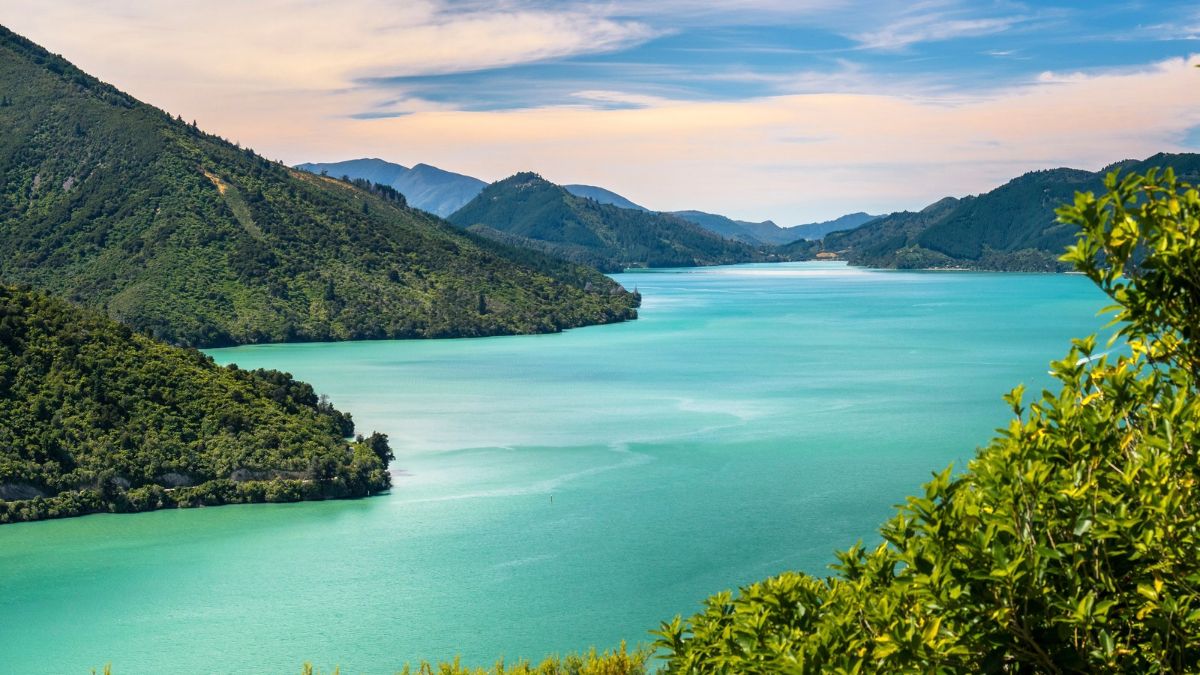
4. Walk the Queen Charlotte Track
The Queen Charlotte Track is one of Marlborough’s great outdoor experiences.
DOC lists the route as 73.5 km, about 45 miles, from Meretoto/Ship Cove to Anakiwa, normally taking around 3–5 days on foot. It can also be ridden by mountain bike, and road and boat access make it unusually easy to tackle just one section rather than committing to the complete route.
That flexibility is perfect for independent travelers. You could take a morning water taxi from Picton to a trailhead, walk one section through coastal forest and over a ridge, then be collected from another jetty later in the day.
Queen Charlotte Track extends nearly the full length of the Queen Charlotte Sound, through breathtaking scenery, including historic locations, hidden bays, and dense coastal bush.
The track is not especially steep, but its length makes it demanding. Daily distances can be tiring, particularly on the section between Camp Bay and Anakiwa. The route is classified as undulating, rising from sea level to a maximum height of 400 metres. Most of the path is 1 to 1.5 metres wide, and bridges cross all major streams. The mainly clay-based surface is firm and solid in dry weather but may become slippery after rain.
Although walking is often associated with summer, the Marlborough Sounds has a pleasant temperate climate year-round. As a result, the Queen Charlotte Track is a great destination in spring, autumn, and even winter. The busiest period is usually from November to May. Mountain biking is allowed throughout the year, with most cyclists finishing the route in two to three days, depending on their ability, fitness, and bike.


Queen Charlotte Track costs to know about
As of September 2026, the Queen Charlotte Track Land Cooperative lists:
- NZ$20 for a one-day pass
- NZ$50 for a multi-day pass of up to five consecutive days
- NZ$75 for a season pass
These charges are separate from accommodation, campsite and water-taxi costs.
DOC campsites on the track require advance bookings throughout the year. DOC also warns that water availability can be limited, particularly during drought, and untreated track water should be filtered, boiled or otherwise treated. You can make online Queen Charlotte track campsites boolings at: https://bookings.doc.govt.nz/Web/Default.aspx#!park/869/


Is the Queen Charlotte Track difficult?
It is not a technical alpine tramp, but neither should it be dismissed as an effortless coastal stroll.
There are long days, climbs, exposed ridges, slippery sections in wet weather and cumulative elevation.
Wear proper footwear, carry water, take sun and rain protection and check DOC alerts before setting out.
5. Kayak the Marlborough Sounds
Few activities put you quite as close to the landscape as kayaking.
From water level, the Sounds feel very different: wooded slopes fall directly towards the sea, small beaches appear around corners and boats become much less dominant.
Both guided and independent rentals are available.

Marlborough Tourism suggests anything from short trips near Picton to multi-day kayaking journeys through Queen Charlotte and Pelorus Sounds. Beginners are particularly well served by guided trips because local operators can advise on tides, wind, routes and paddling conditions.
Dolphins, fur seals and seabirds may be encountered, but wildlife is never guaranteed.
The important variable is weather. Calm sheltered water can become quite different when wind develops, so take operator advice seriously.
6. Take a Marlborough Sounds Cruise
If kayaking feels too energetic, take a boat.
There are scenic cruises, mail-boat journeys, wildlife trips, seafood cruises and boat transfers to lodges and walking tracks.
This is not simply sightseeing transport. Boat travel gives you a sense of how communities scattered throughout the Sounds actually connect with Picton and Havelock.
A cruise can also work extremely well for families, older travelers or anyone trying to experience the landscape within a limited amount of time.

7. Eat Greenshell Mussels in Havelock
Havelock sits between the inland road network and Te Hoiere/Pelorus Sound, and it deserves more than a fuel stop.
The town is closely associated with New Zealand Greenshell mussels. According to Marlborough Tourism, about 70% of New Zealand’s Greenshell mussels are grown in the Marlborough Sounds, and Havelock styles itself as the Greenshell Mussel capital of the world.
Try them in town or take a seafood cruise that explores the aquaculture industry on the water.
Even travelers who aren’t interested in seafood have reason to stop. Havelock is the jumping-off point for Pelorus and Kenepuru Sounds and has a very different, quieter atmosphere from Picton.
8. Drive Queen Charlotte Drive

The road between Picton and Havelock is only a relatively short distance, but don’t treat it as a quick transfer. Queen Charlotte Drive winds above bays, forest and sections of the Sounds, with numerous opportunities to stop.
Possible detours include short walks, beaches and viewpoints.
The road is curving and can be slow, however. Allow considerably more time than the distance suggests, particularly in wet weather or if you plan frequent stops.
9. Visit Pelorus Bridge Scenic Reserve
About 18 km west of Havelock on State Highway 6, Pelorus Bridge Scenic Reserve protects one of Marlborough’s remaining areas of river-flat forest.
This makes an excellent break if you are travelling between Marlborough and Nelson.
There are easy forest walks, picnic areas and access to the Te Hoiere/Pelorus River. The short Circle Walk includes a wheelchair-standard section to a suspension bridge, while other tracks venture deeper into the forest.
Film fans may recognise the wider Pelorus area as a location used for the barrel sequence in The Hobbit: The Desolation of Smaug.


10. Visit Omaka Aviation Heritage Centre
You do not need to be obsessed with aircraft to enjoy Omaka.
The Omaka Aviation Heritage Centre near Blenheim combines historic First and Second World War aircraft with dramatic displays and cinematic presentation.
Its WWI collection includes aircraft and artefacts associated with Sir Peter Jackson, while exhibits were created with involvement from film and special-effects craftspeople.
It is an especially useful option on a rainy day or when you need a break from wine and outdoor activities. Allow roughly two hours, potentially longer if aviation history interests you.

11. Walk the Wairau Lagoons
For something completely different, head south of Blenheim to the Wairau Lagoons.
A flat route follows the wetland environment towards the rusting remains of the Waverley. The lagoons also provide important habitat for birdlife and contain a much deeper Māori history than many visitors realise.
DOC describes the track as virtually flat and particularly good for birdwatching.
Marlborough Tourism notes that the wider lagoon area contains evidence of long-established Māori food gathering and waterways, with present-day kaitiakitanga associated with Ngāti Rārua, Ngāti Toa and Rangitāne.
It is exposed, so bring sun protection and water even though the walk itself is not difficult.
12. Explore the Awatere Valley and Molesworth
Travel south and Marlborough changes dramatically.
Vineyards give way to dry hills and eventually immense high-country landscapes, similar to those in cental Otago. The Awatere Valley is one of Marlborough’s best high-country drives, known for vineyards, mountain scenery, and access to Molesworth Station.


Features of Awatere Valley and Molesworth Station
- Nearby Awatere Valley attractions: Vineyards of mention include Yealands Estate, Tūpari Wines, Barewood Garden, and many scenic Awatere Valley stops, making the area a mix of wine, heritage, and high-country touring
- Molesworth Station / Recreation Reserve: New Zealand’s largest high-country farm and “biggest farm in New Zealand,” managed as a place where conservation, farming, and recreation overlap.
- Scenery and landscape: The route features golden hills, snow-capped mountains, river valleys, tussock slopes, and dramatic high-country views; Marlborough tourism also notes views toward Mount Tapuae-o-Uenuku and the Pacific Ocean from the Awatere Valley.
- Historic features: Key heritage stops include the Acheron Accommodation House and the Molesworth Cob Cottage, both are examples of early settler cob cottage buildings with heritage significance.
- Outdoor activities: There are a number of hiking tracks, places for picnicing and camping, cycling the Molesworth Road, and driving through the reserve during summer open-access periods.
- Wildlife and plants: The area is noted for rare alpine plants and high-country vegetation such as matagouri, mānuka, beech, and other native species.
The Molesworth Recreation Reserve is for travelers who have time, a suitable vehicle and an appetite for more remote travel.
DOC describes Acheron Road as a challenging, unsealed high-country route rather than an easy shortcut. For the 2026–27 season, the road’s normal opening period begins 1 October and extends until Easter Monday or the second Monday in April, whichever is later, subject to conditions.
This is not a casual diversion. There can be no mobile reception, distances are significant and road conditions can change. But for properly prepared travelers, Molesworth shows a completely different side of Marlborough.


How to Stay Safe in Marlborough
Marlborough is generally straightforward to travel independently, but its main risks come from driving, changing weather, water activities and underestimating remote areas.
Driving Safety
New Zealand drives on the left. NZ Transport Agency warns international visitors that New Zealand journeys frequently take longer than expected because roads can be narrow, hilly, winding and sometimes unsealed.
In Marlborough this matters particularly on:
- Queen Charlotte Drive
- rural Sounds roads
- Kenepuru-area roads
- the Awatere Valley
- Molesworth routes
- smaller vineyard roads
Take corners conservatively and let faster local traffic pass at safe opportunities. Do not drive tired immediately after a long-haul flight.

Hiking Safety
Before a longer walk:
- check DOC alerts
- check the weather forecast
- carry water
- take warm and waterproof layers
- wear suitable shoes
- tell someone your plan
- download offline maps where appropriate
- carry essential medication
Conditions in the Sounds can change quickly despite apparently calm weather.
DOC specifically advises Queen Charlotte Track users to carry waterproof clothing, warm layers, sun protection, water and basic first aid.
Wasps can also be a problem in late summer and autumn, particularly for anyone with an allergy.

Water Safety
The Marlborough Sounds often look exceptionally sheltered. That does not mean conditions are always benign.
Wind, tides and changing marine weather matter for kayakers, swimmers and small-boat users. DOC repeatedly advises visitors to check marine forecasts and carry appropriate safety equipment before going onto the water.
Use a life jacket where required and follow operator instructions. If you are inexperienced, a guided kayaking trip is a much better introduction than simply renting equipment and improvising.
Emergency Number
For police, fire or ambulance emergencies anywhere in New Zealand, call: 111
For remote hiking, boating or cycling, don’t rely on having continuous mobile reception.
Where to Stay in Marlborough
Blenheim: Best for Wine and First-Time Visitors
Choose Blenheim if: wine country, restaurants, supermarkets and straightforward road access are priorities.
Blenheim has the largest range of urban services in the region and works particularly well if you have a rental car.
Accommodation includes:
- hostels
- motels
- hotels
- B&Bs
- vineyard cottages
- holiday parks
- boutique accommodation
If you intend to visit several wineries, you may prefer to stay closer to Renwick or Rapaura rather than in central Blenheim.
Best for: food and wine travelers, road trippers and first visits.
Marlborough Sounds Lodges: Best for Escaping
For a very different experience, spend at least one night inside the Sounds.
Accommodation ranges from simple cabins to expensive waterfront lodges.
The views can be wonderful, but logistics matter far more than they do in town.
Before booking, check:
- how you reach the property
- water-taxi schedules
- luggage charges
- whether meals are included
- whether there is a shop nearby
- cancellation rules
- the final boat back to Picton or Havelock
A cheaper room can become expensive if reaching it requires private transfers.
Picton: Best for the Queen Charlotte Sound Sounds
Choose Picton if: you want boats, water taxis, hiking or don’t intend to rent a car.
Picton’s compact centre makes it one of the easiest places in Marlborough to navigate independently.
Stay near the harbour if you have an early ferry, water taxi or tour.
Best for: backpackers, walkers, ferry passengers, solo travelers and car-free visitors.
Havelock: Best for Pelorus Sound and a Slower Pace
Choose Havelock if: seafood, boating and quieter surroundings appeal more than nightlife or a large choice of shops.
Havelock is small but extremely well positioned for exploring Pelorus Sound/Te Hoiere.
Best for: couples, slow travelers, seafood lovers and people exploring Pelorus Sound.
Where can I find well priced Marlborough accommodation?
Check the following online booking sites for great deals on accommodation
Typical Marlborough Travel Costs in 2026
Prices vary significantly by season, location and how early you book, so think of these as realistic planning ranges rather than fixed prices.
| Expense | Typical 2026 planning range |
|---|---|
| Campsite/basic camping | NZ$15–45 pp |
| Hostel dorm | NZ$35–70 |
| Budget private room/cabin | NZ$80–150 |
| Motel / mid-range hotel | NZ$150–280 |
| Higher-end hotel or lodge | NZ$280–500+ |
| Coffee | NZ$5–7 |
| Bakery/light lunch | NZ$10–20 |
| Casual main meal | NZ$22–40 |
| Restaurant dinner | NZ$40–80+ |
| Cellar-door tasting | roughly NZ$10–30+ |
| Full wine tour | roughly NZ$180–400+ |
| Self-guided bike hire/wine cycling | roughly NZ$60–100+ |
| Queen Charlotte private-land day pass | NZ$20 |
| Queen Charlotte multi-day land pass | NZ$50 |
| Water taxi | roughly NZ$50–150+ depending on route |
| Rental car | often NZ$60–150+ per day before fuel/insurance |
| Cook Strait foot passenger | variable by date and fare |
These numbers need context.
For example, a current full-day Taste Marlborough wine tour for the October 2026–April 2027 season is listed at NZ$380 per adult including lunch, illustrating how premium guided wine days can now sit well above older NZ$150–200 estimates.
At the other end, current Queen Charlotte private-land access is only NZ$20 for one day or NZ$50 for up to five consecutive days.
Air New Zealand’s own Marlborough visitor guidance suggests allowing around NZ$100–150 per person per day for food and entertainment alone, excluding accommodation and flights.
The biggest mistake is therefore building a Marlborough budget around accommodation alone. Wine tours, boats, water taxis and rental vehicles can cost more than the room.
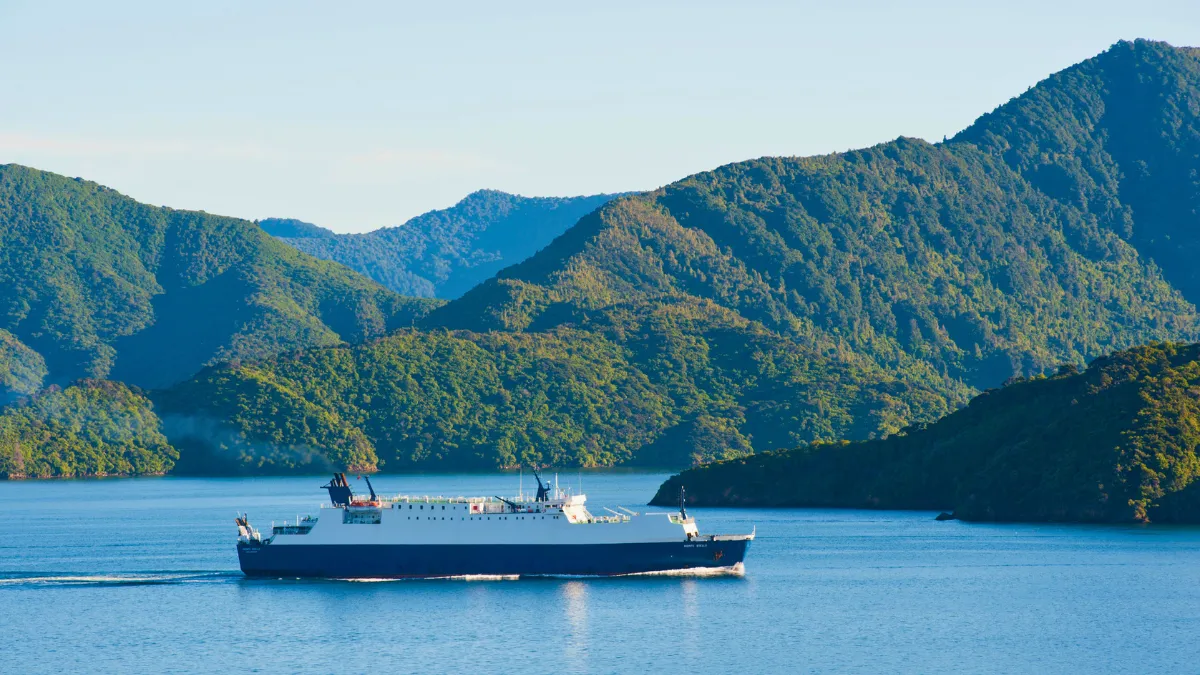
Cook Strait Ferry Costs
Prices change according to dates, vehicle type and fare conditions.
Interislander announced revised fares in May 2026 and currently advertises winter foot-passenger fares from around NZ$50 per adult, but travelers should search their exact date rather than treating that as a year-round fare.
Taking a vehicle across Cook Strait substantially increases the cost. At present you’re looking at paying at least $400 one way for a vehicle. If you only need a vehicle while in the South Island, compare:
Wellington → Picton as a foot passenger + South Island rental against taking your existing vehicle on the ferry before booking. In reality its likely to be far cheaper to hire a car in the South Island and then another in the North Island.
Suggested Marlborough Daily Budget
Budget Traveler: NZ$110–190 per person per day
Possible if you:
- use hostels or campsites
- cook some meals
- concentrate on free walks
- use public transport where practical
- limit expensive tours
- split vehicle costs
A solo traveler renting a car every day will find this much harder.
Mid-Range Traveler: NZ$230–400 per person per day
This gives considerably more flexibility for:
- motel or mid-range hotel
- cafés and restaurants
- shared rental car
- cellar-door visits
- occasional boat trip or guided experience
Couples sharing accommodation and transport usually achieve much better per-person value than solo travelers.
Higher-End Traveler: NZ$450+ per person per day
This can include:
- boutique vineyard accommodation
- Marlborough Sounds lodge stays
- premium wine tours
- seafood cruises
- restaurant dining
- private transfers
- specialist activities
High-end Marlborough can become expensive quickly because many premium experiences combine accommodation, food and transport.
A Realistic Four-Day Marlborough Itinerary

Day 1 – Blenheim and Wine Country
Base yourself in Blenheim or Renwick.
Visit two or three cellar doors rather than rushing between wineries and allow time for a vineyard lunch.
If wine isn’t your thing, substitute Omaka Aviation Heritage Centre and the Wairau Lagoons.
Day 3 – Queen Charlotte Track
Take a water taxi to a suitable trailhead
Walk a section of the Queen Charlotte Track.
Alternatively, spend the day on the water, take a boat tour of the Marlnboroihgh sounds, or visit a lodge inside the Sounds.
Stay in Picton or one of the Sounds lodges. If staying at one of the Sounds lodges get a water taxi to Picton early tomorrow,.
Day 2 – Picton and Queen Charlotte Sound
Drive or take transport to Picton.
Explore the waterfront, then choose:
- scenic cruise
- kayaking trip
- wildlife excursion
- short Picton walk
Stay in Picton.
Day 4 – Havelock and Pelorus
Drive Queen Charlotte Drive to Havelock.
- Stop at viewpoints and beaches along the way.
- Head to Havelock and enjoy greenshell mussels for lunch,
- Explore Havelock and continue to Pelorus Bridge Scenic Reserve.
- Walk across the Pelorus Bridge before hiking on of the shorter trails, go white water rafting or or swim in deep river pools
- Travel onward towards Nelson or return to Blenheim.
How to Save Money in Marlborough

Travel Outside Peak Summer
December through February brings the greatest pressure on accommodation and vehicles.
Late spring and autumn can offer an excellent compromise between weather, availability and cost.
Stay Somewhere With a Kitchen
Even preparing breakfast and one evening meal can save a substantial amount over several days.
This is particularly useful in Picton and Blenheim, where supermarkets are readily accessible.
Mix Expensive Days With Free Days
A premium wine tour or Sounds cruise can easily dominate one day’s budget.
Balance it with:
- Wairau Lagoons
- Picton waterfront
- Pelorus Bridge walks
- beaches
- short DOC tracks
- scenic drives
- local parks
Marlborough has enough free outdoor attractions that you don’t need to purchase a major activity every day.
Don’t Assume a Wine Tour Is More Expensive
For two people, independent winery touring can involve:
- vehicle rental
- fuel
- individual tasting fees
- taxis
- lunch
- the need for a sober driver
Compare the whole cost against a tour rather than comparing only the headline price.
Use Marlborough’s Public Bus Where It Fits
One useful 2026 development for budget travelers is the Blenheim–Picton Route 3 bus.
The Marlborough District Council currently lists the adult Blenheim–Picton fare at just NZ$5.10, although services are limited to off-peak periods on Tuesdays, Thursdays and Saturdays, so this is not a complete replacement for a car.
For the right itinerary, however, it is extremely good value.
Book Water Transport Carefully
A water taxi is sometimes unavoidable, particularly for the Queen Charlotte Track.
Plan your walking route and accommodation together so you don’t accidentally pay for unnecessary additional transfers.
Many of the lodges will provide transport as part of your booking,
How to Get to Marlborough
Fly to Blenheim
Marlborough Airport is near Blenheim.
Air New Zealand currently operates direct flights from Auckland and Wellington, with onward connections through the domestic network.
As of September 2026, example one-way fares displayed by Air New Zealand included around NZ$99 from Wellington and NZ$139 from Auckland on selected dates, although airfares fluctuate continuously.
Ferry From Wellington to Picton
The Cook Strait ferry is one of New Zealand’s classic journeys.
Both Interislander and Bluebridge operate between Wellington and Picton.
Book early if travelling:
- over Christmas/New Year
- during school holidays
- around Easter
- with a vehicle
- during major events
Weather can affect Cook Strait sailings, so avoid scheduling a tightly timed international flight immediately after your ferry arrival.

Travel by Train
The Coastal Pacific scenic train connects Christchurch with Picton via Kaikōura and Blenheim.
The current service runs north towards Picton and south towards Christchurch, stopping in Marlborough along the way.
This is much more a scenic travel experience than a comprehensive regional transport network.
Check operating dates before relying on it.
Driving to Marlborough
State Highway 1 takes you down the East Coast and links Marlborough with Kaikōura, Christchurch, Dunedin and all the way down to Invercargill and Bluff
State Highway 6 heads west towards Nelson, and then travels down into the West Coast, Wānaka, Queenstown and Bluff. It also conmnects with state highway 94 to Te Anau and Milford Sound.
A vehicle offers the most freedom once you start exploring vineyards, rural beaches and smaller settlements.
How to Get Around Marlborough Without a Car
Yes, Marlborough can be visited without a car—but choose your base carefully.
Picton
Very manageable without one.
You can walk around town and use:
- water taxis
- cruises
- tour pickups
- track transfers
- the limited Picton–Blenheim bus
Blenheim
Central Blenheim is walkable, and local bus routes operate, but wineries are spread across the surrounding countryside.
Use:
- wine tours
- taxis
- cycling
- shuttle services
Havelock
More difficult without independent transport unless your accommodation or activity includes transfers.
When Is the Best Time to Visit Marlborough?
There is no bad month to visit, but the experience changes substantially through the year.
Marlborough has a comparatively dry, sunny climate. Historical climate data describes hot, dry summers around inland Marlborough and cooler winters, while Blenheim is among New Zealand’s sunniest urban areas. In 2024, Blenheim recorded the country’s highest annual sunshine total at 2,769 hours.
Typical summer daytime maximums around Blenheim fall roughly in the 20–26°C range, with occasional temperatures above 30°C. Typical winter daytime highs are around 10–15°C.
Remember, however, that the Marlborough Sounds are wetter than the Wairau Valley. Conditions in Blenheim do not necessarily tell you what a day on the outer Sounds will feel like.

Summer: December–February
Best for: boating, kayaking, beaches and long days.
Advantages
- warmest weather
- long daylight hours
- full range of activities
- excellent boating conditions when weather cooperates
Downsides
- busiest period
- higher accommodation demand
- popular tours can sell out
- strong sun
- drought conditions are possible
Book well ahead.
Autumn: March–May
Best for: wine, food, walking and photography.
Autumn can be one of Marlborough’s most enjoyable seasons.
Vineyards change colour, vintage activity adds atmosphere and temperatures are generally comfortable for walking and cycling.
Late summer and autumn can bring increased wasp activity in forest areas, so anyone with a significant allergy should plan accordingly. DOC specifically warns Queen Charlotte and Pelorus visitors about this.
Winter: June–August
Best for: quieter travel, food, wine and lower-key weekends.
Blenheim can have cold frosty mornings followed by clear days.
Expect:
- fewer daylight hours
- cooler conditions
- reduced activity schedules
- some seasonal businesses operating limited hours
Winter is less suitable for a trip built entirely around boating, but excellent for a relaxed Blenheim break.
Spring: September–November
Best for: gardens, cycling, walking and shoulder-season travel.
Spring brings greener landscapes and increasing daylight.
Weather can be less settled than summer, so leave some flexibility for outdoor plans.
By November, Marlborough starts feeling increasingly summery without always having the peak holiday crowds of late December and January.
So, What Is the Best Month for Marlborough?
For the best balance of weather, wine, landscapes and manageable crowds, consider March or early April
For water-based adventures and maximum daylight: November – Feb
For fewer visitors and potentially better-value accommodation: October – November, and April – May
The right answer depends more on your priorities than on a single “best” month.
Marlborough Travel FAQ
Is Marlborough worth visiting if I don’t drink wine?
Yes. Wine is only one part of the region. Picton, Queen Charlotte Sound, kayaking, hiking, Pelorus Bridge, Havelock, Omaka Aviation Heritage Centre, Wairau Lagoons and Molesworth provide plenty to do without drinking alcohol.
Is Blenheim or Picton better?
Blenheim is better for vineyards, food and road trips. Picton is better for the Marlborough Sounds, walking, boats and car-free travel. If you have at least three or four nights, splitting your stay between the two often makes more sense than choosing one.
How many days do you need in Marlborough?
Three to four days is a good minimum. A suggested split is:
- 1 day wine country
- 1 day Marlborough Sounds
- 1 day Queen Charlotte Track or kayaking
- 1 flexible day for Havelock, Omaka or Pelorus
With a week, you can slow down and explore much more of the region.
Can you see Marlborough in two days?
Yes, but you will need to choose priorities. A classic two-day visit would combine: Day 1: Blenheim wine country. Day 2: Picton and the Marlborough Sounds. Don’t attempt to cover every part of the region.
Do I need to book Marlborough wineries?
Not always, but booking is increasingly sensible for popular cellar doors, restaurants, larger groups and peak periods. Always check current opening days before driving out.
Can you walk the Queen Charlotte Track in one day?
Not the complete track, but one-day sections are easy to organise. Water taxis from Picton serve several access points, making the Queen Charlotte Track particularly suitable for independent day walkers.
Is Marlborough expensive?
It can be. Walking, beaches and scenic drives are inexpensive, but wine tours, water taxis, cruises and remote lodge accommodation can push daily spending considerably higher. A carefully planned budget traveler can keep costs down, while a premium Marlborough itinerary can easily exceed NZ$500 per person per day.
Can you travel around Marlborough without a car?
Yes, easier in Picton or central Blenheim. However, a vehicle makes Havelock, remote Sounds roads, wine country and the Awatere Valley so much easier. My advise is hire a car for the parts of your visit that make sense. Outside of Auckland, Christchurch and Wellington there is very limited public transport so its car hire or tours, uber or taxis.
Final Tips for Independent Travel in Marlborough
Before arriving:
- decide whether Blenheim or Picton or Havelock should be your main base
- reserve peak-season accommodation early
- check ferry availability if crossing Cook Strait
- pre-book important wine tours and boat trips
- check Queen Charlotte Track conditions
- arrange water taxis before remote walks
- download offline information for remote areas
- plan a safe alternative to driving after wine tasting
- keep one activity flexible in case of weather
- add a contingency amount to your budget.
You can use our travel budget calculator and other travel planning tools.
Most importantly, don’t rush Marlborough. The region looks compact on a map, but that is misleading. Its appeal lies in the contrast between vineyard country and the sea, between busy cellar doors and bays accessible only by boat, between polished restaurants and empty forest tracks.
Spend a little longer in Picton than the ferry timetable requires. Stop beside the water on Queen Charlotte Drive. Have lunch rather than racing through another tasting. Walk into a quiet bay. Try mussels in Havelock. Watch the light move across the vineyards.
Marlborough rewards independent travelers who leave enough room in the itinerary for the region itself to become part of the journey.
31 Works Cited
alltrails.com. alltrails.com. 2025, www.alltrails.com/trail/new-zealand/marlborough/tirohanga-track-trailhead-to-hiltop-view.
churnewzealand.com. ESSONS VALLEY TRACKS TO HUMPHRIES & BARNES DAM. CHUR NEW ZEALAND, 2025, churnewzealand.com/esson-valley-humphries-barnes-dam-track/.
Contributors to Wikimedia projects. 2013 epic fantasy adventure film directed by Peter Jackson. Wikimedia Foundation, Inc., 2012, en.wikipedia.org/wiki/The_Hobbit:_The_Desolation_of_Smaug.
DOC. Marlborough alerts. 2025, www.doc.govt.nz/parks-and-recreation/places-to-go/marlborough/alerts/.
—. Acheron Road. 2026, www.doc.govt.nz/parks-and-recreation/places-to-go/marlborough/places/molesworth-reserve/things-to-do/tracks/acheron-road/.
—. Marlborough. 2026, www.doc.govt.nz/parks-and-recreation/places-to-go/marlborough/.
—. Queen Charlotte Track. 2026, www.doc.govt.nz/parks-and-recreation/places-to-go/marlborough/places/queen-charlotte-sound-totaranui-area/things-to-do/tracks/queen-charlotte-track/.
—. Wairau Lagoons Walkway. 2026, www.doc.govt.nz/parks-and-recreation/places-to-go/marlborough/places/blenheim-area/things-to-do/tracks/wairau-lagoons-walkway/.
edwinfox.nz. Edwin Fox Maritime Museum | Historic Ship Museum in Picton NZ. 2025, www.edwinfox.nz/.
havelocknz.com. Havelock Marlborough Sounds | local businesses, community, activities, accommodation. 2025, www.havelocknz.com/.
Hayden Gillette Lockett, and Hayden Gillette Lockett. Karaka Point Walk Picton: Short Coastal Walk with Marlborough Sounds Views and History. Wyld Peak, 2026, www.wyldpeak.com/blogs/hikes-in-new-zealand/karaka-point-walk-picton-easy-coastal-walk-with-history.
interislander.co.nz. Fares, fare conditions & payment options – Interislander – Cook Strait Ferries. 2026, www.interislander.co.nz/book/cook-strait-ferry-fares-and-payment-options.
Marlborough District Council. Marlborough Sounds. 2025, www.marlborough.govt.nz/environment/coastal/places-and-values/marlborough-sounds.
marlboroughmarinas.co.nz. Picton Marina – Marlborough Marinas. Marlborough Marinas, 2018, marlboroughmarinas.co.nz/picton/.
marlboroughnz.com. Food & Drink. Marlborough NZ, 2025, marlboroughnz.com/explore-marlborough/eat/.
—. Wairau Lagoons Walkway. Marlborough NZ, 2025, marlboroughnz.com/explore-marlborough/see-do/walks/wairau-lagoons-walkway/.
New Zealand Wine. Discover: Marlborough. 2025, www.nzwine.com/en/media/story/marlborough/.
nzcycletrail.com. The Queen Charlotte Track Great Ride. Ngā Haerenga New Zealand Cycle Trails, 2025, www.nzcycletrail.com/find-your-ride/23-great-rides/queen-charlotte-track.
NZTA. Driving in New Zealand. 2026, www.nzta.govt.nz/travelling-on-our-roads/visitors-and-new-residents/visiting-new-zealand.
omaka.org.nz. Omaka Aviation Heritage Centre A World-Class Aviation Museum. 2025, www.omaka.org.nz/.
Paradise. Discover the most spectacular view in Picton – Tirohanga Track. Picton Paradise Cottages, 2024, pictonparadise.co.nz/tirohangatrack/.
pictonnz.co.nz. Picton to Waikawa Track — Picton walking track | Picton NZ. Picton NZ, 2024, pictonnz.co.nz/walks/picton-to-waikawa-track/.
—. Essons Valley: Humphries Dam Track | Picton NZ. Picton NZ, 2025, pictonnz.co.nz/walks/essons-valley-humphries-dam/.
qctlc.com. QCTLC – Queen Charlotte Track Land Cooperative. 2026, www.qctlc.com/.
ridepal.app. Picton Marina – Waikawa Marina MTB Trail Map in Picton | RidePal. RidePal, 2025, www.ridepal.app/trails/nz/marlborough/picton/picton-marina-waikawa-marina-4002c1.
RNZ | Te Reo Irirangi o Aotearoa. 'Chuffed': New Zealand's sunniest region celebrates. RNZ, 2025, www.rnz.co.nz/news/weather/538532/chuffed-new-zealand-s-sunniest-region-celebrates.
Tineke. Blenheim, Marlborough — Suburb Guide. Suburb, 2026, suburb.co.nz/suburb/blenheim.
visitpicton.com. Visit Waitohi / Picton, Marlborough, New Zealand. Visit Picton, 2025, www.visitpicton.co.nz/.
QCTrack. Walk the Track | QCTrack. QCTrack, 2025, www.qctrack.co.nz/walk-the-track/.
Wikimedia. town in New Zealand. Wikimedia Foundation, Inc., 2004, en.wikipedia.org/wiki/Blenheim,_New_Zealand.
winenz.com. New Zealand Sauvignon Blanc Wines. 2026, winenz.com/new-zealand-marlborough-sauvignon-blanc-wine/.