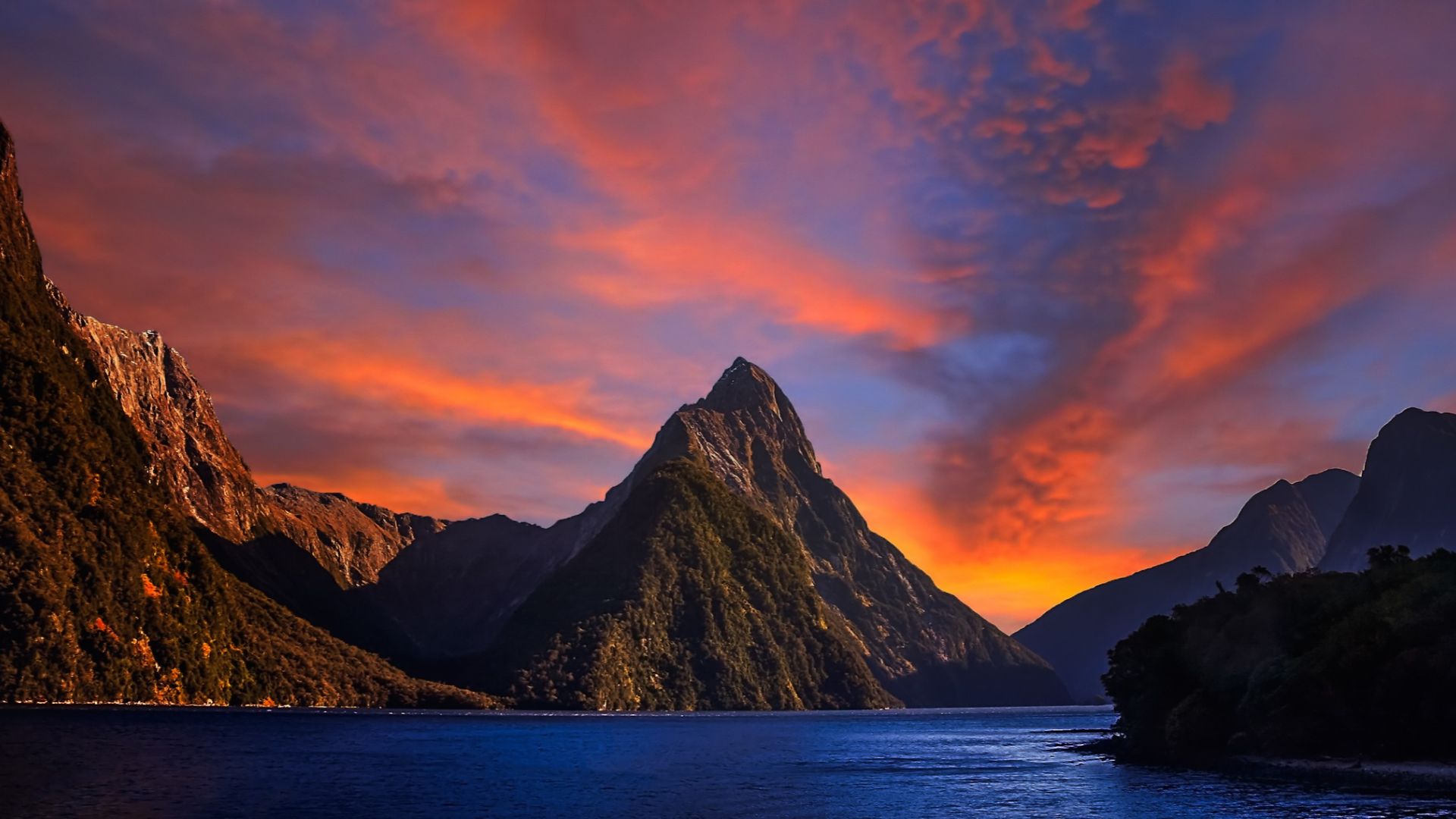

Piopiotahi / Milford Sound is not a conventional resort town. It is a remote fiord at the end of State Highway 94, surrounded by rainforest and glacier-carved mountains in Fiordland National Park. Most travelers come for the cruise, but trust me on this, the road from Te Anau, its short forest walks, kayaking and the wider Fiordland region are all part of the experience, and not to be missed.
For most independent visitors, the best plan is to spend at least two nights in Te Anau, add at least another full day for Milford Sound and book your cruise in advance. The 118–120-kilometre drive from Te Anau when viewed in online maps suggests it’s about two hours without stops, but 2.5–3 hours each way is more realistic once roadworks, traffic and scenic pauses are included. From Queenstown, the road journey is about 287 kilometres each way and a your coach day normally lasts 12–13 hours.
This guide uses prices checked on 23 September 2026. All amounts are in New Zealand dollars and are planning figures rather than promises: operators use dynamic pricing, promotions expire and weather can change a trip at short notice. We update our guides at least every 3 months, so check back regularly.
Milford Sound at a glance
| Question | Honest answer |
|---|---|
| Is Milford Sound worth visiting? | Yes. The combination of vertical cliffs, rainforest, waterfalls and open-sea views is extraordinary, even in rain. |
| Is it a sound or a fiord? | A fiord, carved by glaciers. “Milford Sound” is the established English name; Piopiotahi is the Māori name. |
| Best base | Te Anau for services, value and a less exhausting day. |
| Time needed | One long day from Te Anau; two nights in the region is better; three nights lets you add another Fiordland experience. |
| Essential paid experience | A 1-hour-45-minute to 2-hour-15-minute scenic cruise. |
| Typical 2026 cruise price | Roughly NZ$143–199 per adult for a self-drive daytime cruise booked direct. Promotional departures can be cheaper. |
| Road distance from Te Anau | About 118–120 km each way; allow 2.5–3 hours with modest stops. |
| Road distance from Queenstown | About 287 km each way; allow roughly 4.5 hours each way and do not build a tight schedule around it. |
| Best months for long days | November to April, with the largest crowds in December–February. |
| Best weather strategy | Expect rain, carry waterproofs and leave slack in the itinerary. |
| Mobile coverage | Do not rely on it. There is no dependable mobile coverage along much of the Milford Road. |
| Fuel and groceries | Fill up and shop in Te Anau. There are no reliable retail fuel or grocery services between Te Anau and Milford. |
Important 2026 update: the Milford Sound Underwater Observatory is closed until further notice. Some old articles and third-party listings still describe it as available. Confirm directly with the operating company before paying for any package that appears to include it.
1. Things to See and Do in Milford Sound and Fiordland

Take a Milford Sound cruise
A cruise is the best way to understand the shere scale of Piopiotahi. Most sail from the freshwater basin to the mouth of the fiord and back, passing landmarks such as Mitre Peak, 160-metre Bowen Falls, 155-metre Stirling Falls, Copper Point, Seal Rock and the entrance to the Tasman Sea when conditions permit.
Cruises typically last from 1 hour 45 minutes to 2 hours 15 minutes. Larger vessels usually have more indoor seating and may feel steadier in rough water. Smaller boats carry fewer people and can feel more intimate, but “small boat” does not automatically mean better or more expensive. Compare the actual capacity, route, deck space, commentary, food and duration.
Wildlife is a bonus, not a guarantee. New Zealand fur seals are probab;y almost guarnateed. But if you get to see a bottlenose dolphin, tawaki / Fiordland crested penguin or kororā / little blue penguins its a fantastic bit of good luck. Choosing a cruise is for landscape first and then wildlife is an added extra! Believe me, the landsape is enough. It’s mind blowing!
Rain isn’t a failed day in Milford Sound. Piopiotahi receives around seven metres of rain in a typical year, and wet weather can bring hundreds of the smaller temporary waterfalls to life. Cruises rarely cancel for ordinary rain. Severe wind or a road closure is likely the only thing that may disrupt your day.

Which cruise should you choose?
| Cruise style | Best for | Watch for |
|---|---|---|
| Standard scenic cruise | First visits, families and value | Headline fare may exclude lunch, transport and parking |
| Nature-focused cruise | More commentary and time on deck | You’ll get the same route, with added time around seal rock and the other likely wildlife spots. |
| Boutique or lower-capacity boat | Travelers who prefer smaller numbers and a quieter atmosphere | Check wet weather areas as some small boats have limited indoor space. |
| Coach-and-cruise | A relaxed day without driving or finding a parking space | Fixed timings and less freedom at the road stop points along the way. |
| Fly-cruise-fly | Limited time and spectacular aerial views | Expensive and highly weather-dependent |
| Coach-cruise-fly | A one-way road journey plus aerial return | Confirm the contingency planning if the flight cannot operate |
Morning and late-afternoon sailings can be quieter than the midday window when many Queenstown coaches arrive. Staying in Milford or Te Anau makes those departures easier to use.
Kayak beneath the cliffs
Guided kayaking offers a low, quiet perspective on the fiord. Rosco’s Milford Kayaks advertised 2026 trips from about NZ$195 to NZ$335, with minimum ages ranging from 8 to 16 depending on distance and difficulty.
Introductory trips for beginners involve roughly 1.5–2 hours on the water; for those experienced, the trips can run for five hours or longer.
Note: This is not a casual warm-water paddle like you’d find in the Nelson Bays or Abel Tasman. The water is cold, winds can rise quickly and launch plans depend on conditions.
My advise, if you decide to kayak be up front about your experience and fitness levels. For those independent travelers wanting to kayak without a tour, arrange your kayaks and gear before getting to Milford.

Walk the Milford Foreshore and Lookout tracks
The Milford Foreshore Walk is a short, easy wander through beech forest and along the edge of the fiord, with classic views towards Mitre Peak. Allow 20–30 minutes, more if you want photographs. The Milford Sound Lookout Track is another short option near the visitor area.
These are useful before or after a cruise, but leave a comfortable boarding margin. Sandflies can be intense near still water, so apply repellent before leaving the car.


Turn the Milford Road into part of the trip
The drive is an attraction in its own right. Do not try to stop everywhere on the outbound journey when you have a fixed cruise. Pick three or four stops, then use the return trip for anything missed.
| Stop from Te Anau towards Milford | Why stop | Approximate time |
|---|---|---|
| Te Anau Downs | Lake views and the Milford Track boat departure point | 5–10 minutes |
| Eglinton Valley | A broad, glacier-shaped valley and an easy photo stop | 10 minutes |
| Mirror Lakes | Short boardwalk with mountain reflections in calm weather | 10–20 minutes |
| Knobs Flat | Public toilets and a sensible rest stop | 10 minutes |
| Lake Gunn Nature Walk | Mossy red-beech forest and lake shore | About 45 minutes |
| The Divide / Key Summit | A rewarding alpine side trip in good conditions | About 3 hours return |
| Hollyford Road / Lake Marian Falls | Swing bridge and powerful cascades | About 20 minutes return |
| Monkey Creek | Mountain scenery and kea sightings are possible | 10 minutes |
| Homer Tunnel | A remarkable 1.2-km tunnel; stop only where signs permit | Allow for traffic-control delays |
| The Chasm | Sculpted rock and rushing water; access can change after storm damage | Check the live DOC status |

Eglinton Valley
The Eglinton Valley, one of Fiordland National Park’s first highlights when travelling to Milford Sound, was carved by glaciers thousands of years ago. Today, steep, beech-covered mountains surround its golden tussock-covered floor, alongside the Eglinton River and Milford Road. The valley also contains the famous Mirror Lakes and Knobs Flat.
European explorers arrived in 1861 and named the valley and river after the British Earl of Eglinton. The road was built in 1935, opening the area to more visitors.
The valley’s lowland beech forest supports diverse wildlife, including over 30 rare, threatened, or endangered species and New Zealand’s only land mammals, pekapeka (bats). The short-tailed bat is unique for foraging on the forest floor.
The Eglinton Valley also featured in The Lord of the Rings, with its mountains representing the Misty Mountains. Its contrasting beech forest and golden tussock make it a popular photo stop.

Mirror Lakes
A highlight of Milford Road, the world-famous Mirror Lakes reflect the surrounding scenery. Located in the Eglinton Valley, they offer breathtaking views of the Earl Mountains on calm days.
Thousands of tourists visit each year, but the lakes are also home to rare wildlife, including New Zealand’s smallest duck, the scaup or pāpango, and the grey duck or pārera. Beneath the surface live long-finned native eels, along with brown and rainbow trout introduced in the 1800s.
The lakes formed when the Eglinton River changed course, leaving two bends that became oxbow lakes. Along with the river, they form part of New Zealand’s largest inland waterway system, stretching almost unbroken from Martins Bay/Kotuku to Te Wawae Bay. From the roadside car park, a short, well-maintained 400 m (437 yd) boardwalk leads through native forest to the lakes.
Mirror Lakes photography tips
- Get down low for an interesting reflection angle.
- Avoid wide-angle lenses, which can overpower the foreground and diminish the mountains.
- Use trees and greenery to frame your shot.

Knobs Flat
Another scenic stop in the Eglinton Valley, Knobs Flat served as a workers’ camp while the road to Milford Sound and the Homer Tunnel were being built through the 1980s. Today, it provides accommodation, visitor information and essential facilities.
It has the final flush toilets before Milford Sound, so it is a common rest stop for day tours. Visitors can also find a public telephone, panels with wildlife and avalanche information, and a road-conditions update point. Snow chains can be fitted here when required.
Camping is available, with nearby options for walking, fishing and birdwatching. Opposite the Visitor Centre are small hills that gradually decrease in size, created by glaciers cutting through the valley.

The Divide
The Divide lies 532 metres above sea level and serves as the starting or finishing point for several of Fiordland’s most impressive walks. It is particularly famous as one end of the Routeburn Track, one of New Zealand’s Great Walks, passing through mountain passes, valleys, and waterfalls.
The Key Summit Track is another popular route from The Divide—a short return walk with panoramic views of snow-covered peaks and native alpine gardens. Interpretive signs along the trail offer information about the area’s distinctive ecosystems and history.

Monkey Creek
Located in the Hollyford Valley, Monkey Creek is a glacier-fed spring with water so pure that you can drink it straight from the source. You may be wondering how a small spot in Fiordland—where there are certainly no monkeys—came to be called Monkey Creek. Apparently, the area was named after William Henry Homer’s dog, Monkey! Homer was a European settler who worked as a surveyor in Fiordland during the 1800s. He also gave his name to the Homer Saddle in the Southern Alps, as well as the Homer Tunnel, which runs beneath the saddle.

Homer Tunnel
The Milford Road passes through the 1.2-kilometre Homer Tunnel before descending to Milford Sound. Cut through solid rock over 19 years, it opened in 1954, giving Milford Sound its first road access. The tunnel has a steep 1:10 gradient, runs east to west, and uses traffic lights in summer for safety.
It passes beneath the Homer Saddle through the Darran Range, emerging at 945 metres above sea level. Named after William Henry Homer, who discovered the saddle in 1889 and suggested building a tunnel there.

The Chasm
Near the Homer Tunnel, the Chasm is a scenic stop featuring powerful waterfalls, just a short walk from the road. An easy track through native forest leads from the car park to the waterfalls, where the roar grows louder as you approach.
The Chasm formed as the Cleddau River forced through a narrow valley from the Darran Mountains. Stones carried by the fast-moving water gradually carved swirling patterns and smooth basins into the bedrock.
The waterfalls are impressive but difficult to photograph, especially in wet weather, when they become even more spectacular.
Hike Key Summit—but give it its own time
The Key Summit side trip begins at The Divide on the Routeburn Track. Key Summit provides stunning views across Fiordland National Park. If you can do only one walk while traveling to Milford Sound and the weather is clear, Key Summit is an excellent choice. Begin at The Divide car park and follow the Routeburn Track for around an hour, then take the Key Summit Track. A further 20-minute ascent brings you to Key Summit, offering sweeping views of the Humboldt and Darran Mountains.
The alpine nature trail winds through a range of native habitats, from beech forest and subalpine shrublands to alpine tarns and bogs. The area is rich in birdlife, and you may spot tomtits, robins, kererū and bellbirds.
About 14,000 years ago, during the last ice age, an enormous glacier moved down the Hollyford Valley and rose to 500 metres above Key Summit. Its branches also reached into the Eglinton and Greenstone Valleys.

Don’t combine Key Summit with a midday cruise unless your schedule has a generous buffer. A better plan is to walk it early in the morning for an afternoon cruise, on a separate day from Te Anau, or stay overnight near Milford.
See Lake Marian Falls—or attempt the full track only if prepared
The short walk to Lake Marian Falls is an easy-to-fit Milford Road stop. From the Lake Marian car park, cross the swing bridge and follow the track for around 10 minutes to reach the impressive waterfalls. Make sure to take care as Marian Creek flows rapidly, and the rocks along its edge can be slippery. Remain on the track and keep clear of the water’s edge. Children should stay close and be supervised.


The Marian Falls Track ends where the Lake Marian Track begins. Lake Marion track is an advanced tramping track and should be reserved for experienced and well-prepared hikers. It requires good fitness, along with moderate to high levels of backcountry (remote-area) experience and skills, including navigation and survival abilities.
Treat Gertrude Saddle as an expert route
Gertrude Saddle is sometimes presented online as a scenic “hike near Milford,” but it includes rocky alpine terrain and should only be attempted by experienced trampers and in good weather. It is not a wet-weather alternative or a casual add-on. Attempt it only with the experience, equipment, forecast and current DOC advice to manage the terrain. For those considering this hike, download the Gertrude Saddle safety guidebook.

Understand what the Milford Track involves
Experience the “finest walk in the world” by following in the footsteps of early explorers along the renowned Milford Track. Journey through glacier-carved valleys, walk among ancient rainforests and take in spectacular waterfalls. This historic route passes through Fiordland National Park, within Te Wāhipounamu, South West New Zealand World Heritage Area, before ending at the breathtaking Milford Sound/Piopiotahi.
The Milford Track is walked in one direction only. Although it is clearly marked and signposted, some sections are steep and uneven, and the track can be muddy and slippery. Even during the Great Walks season, poor weather may make the hike demanding.

For more details about the Milford sound you can download the Milford Sound Great Walks information booklet as well as the Milford Track walking guide.
Add the best attractions around Te Anau and Manapouri
Milford is only one part of Fiordland. These experiences justify spending two or three nights in the region:
- Punanga Manu o Te Anaū / Te Anau Bird Sanctuary: free for self-guided visitors, with donations encouraged. It is an easy place to learn about takahē and other native birds.
- Te Anau Glowworm Caves: a boat journey across Lake Te Anau followed by a guided cave visit; RealNZ advertised trips from about NZ$145 in September 2026.
- Ata Whenua – Shadowland: a short locally made film at Fiordland Cinema that shows landscapes inaccessible by road.
- Kepler Track day walks: choose a forest or lakeside section from Te Anau rather than committing to the full Great Walk.
- Lake Te Anau waterfront: free, easy and especially lovely around sunset.
- Doubtful Sound / Patea: a much longer wilderness day beginning at Manapouri, usually involving a lake crossing and Wilmot Pass before the fiord cruise. RealNZ advertised day trips from about NZ$359 before promotions.
- Manapouri: a quiet base about 20 minutes south of Te Anau and the departure point for most Doubtful Sound trips.


2. How to Stay Safe in Milford Sound and on the Milford Road

Milford Sound is accessible, but it is still a remote alpine and coastal environment. Preparation matters more here than in a city day trip.
Before leaving Te Anau
- Fill the fuel tank. Don’t rely on the small fuel facility at Milford and fill up before you start.
- Buy food, water and any medication in Te Anau; Milford has no supermarket.
- Download maps, confirmations and emergency numbers for offline use.
- Check the Waka Kotahi Journey Planner, the Milford Road status and your operator’s alerts.
- Tell someone your plan if you are taking a longer walk.
- Carry a waterproof jacket, warm layer and sturdy footwear in every season.
DOC identifies public toilets at Te Anau, Knobs Flat and Milford. You can also get detailed weather information from the Met Service, and more specific Milford Sound alerts from DOC.
Drive for the conditions
Keep left, use signed pull-offs and allow faster traffic to pass. The Milford Road can be wet, icy or affected by rockfall, treefall and avalanches. Winter conditions can occur outside the calendar winter, and snow chains become compulsory when signs say so. Never stop in an avalanche no-stopping zone or inside the Homer Tunnel.
If driving from Queenstown, fatigue is the major avoidable risk. Ten or more hours behind the wheel plus a cruise and photo stops is not a relaxed sightseeing day. Stay in Te Anau or take a coach.
Know what to do in an earthquake
Large earthquakes, landslides and tsunami are low-probability but high-consequence hazards at Piopiotahi. During shaking, Drop, Cover and Hold. When the shaking stops, follow staff directions and move uphill and away from the fiord and rivers as soon as it is safe. Do not wait for a phone alert after a long or strong earthquake.
Take remote walks seriously
Weather changes quickly and mobile coverage is poor. For longer or less formed routes, carry the New Zealand outdoor essentials: navigation, insulation, rain protection, light, first aid, food and emergency shelter. A personal locator beacon is sensible for remote independent hikes. Turn back early if rivers rise, visibility collapses or snow and ice exceed your experience.
Protect yourself from the small annoyances too
- Sandflies: use repellent and cover ankles and wrists. Keep campervan doors and windows screened.
- Kea: never feed them. Secure loose gear and expect these intelligent alpine parrots to investigate rubber trim and unattended bags.
- Sun: UV is strong in New Zealand, even on a cool or cloudy day; use sunscreen and sunglasses.
- Motion sickness: the road is winding and the fiord can be choppy. Take suitable medication early and if on a coach sit near the front.
- Cold water: wear operator-supplied equipment when kayaking and disclose medical concerns.
Call 111 for police, fire or ambulance in an emergency, but understand that reception may be unavailable and definitive medical care can take time. Follow operator and road-crew instructions rather than social-media reports.
Milford Sound travel guide: Heritage and protection
Fiordland National Park is protected land. Stay on tracks, pack out rubbish, use toilets, do not feed wildlife and keep drones grounded unless you have the required DOC authorisation. Dogs are not permitted in the national park. Freedom camping is restricted: use a legal holiday park, the Milford lodge campervan park or a designated DOC campsite, and check current rules for the exact site. Download the guide to walks in Fordland National Park.
3. Where to Stay

Te Anau: best for most independent travellers
Te Anau has supermarkets, fuel, restaurants, an i-SITE visitor centre, hostels, motels, hotels and tour pickups. It is the most practical base for a first visit and makes an early Milford start manageable.
Stay two nights if Milford is your only Fiordland priority: arrive in Te Anau, spend the next full day at Piopiotahi, then leave after a second night. Three nights gives you room for Key Summit, the glowworm caves, a Kepler Track walk or a weather buffer.
Te Anau Accommodation
Looking for accommoation in Te Anau? Here are some of our favorites
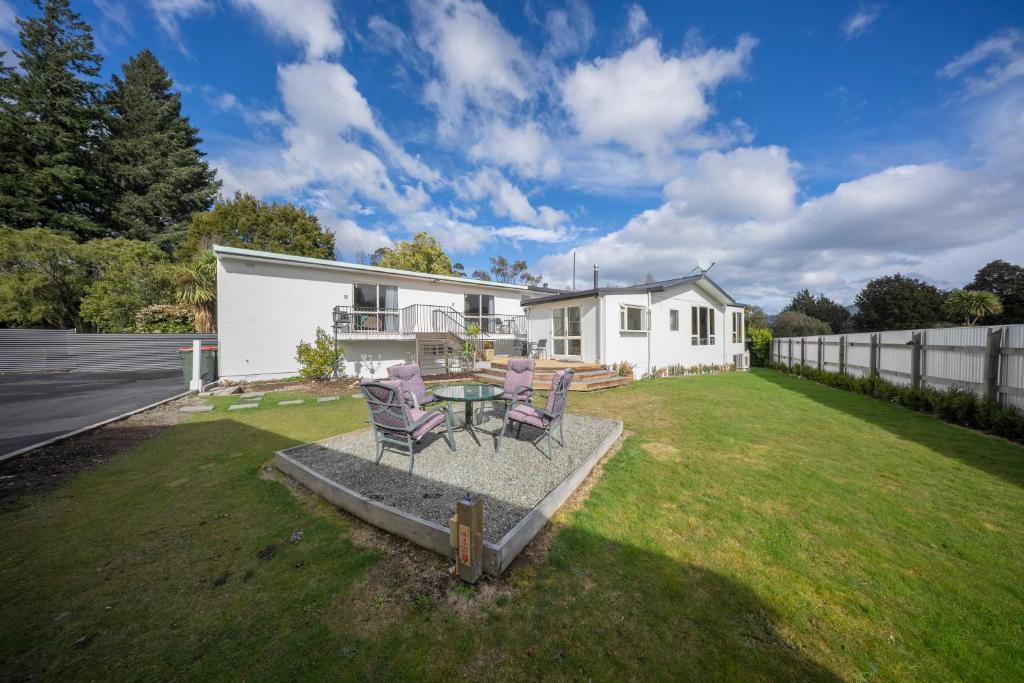
Water Park Lodge
Waterpark Lodge in Te Anau offers recently renovated guest house accommodations with private bathrooms, garden views, and mountain views. Each room includes a refrigerator, TV, and complimentary toiletries.
Guests can unwind on the sun terrace or in the garden while enjoying free WiFi. Additional amenities include a shared lounge, communal kitchen, outdoor seating, and a picnic area. Complimentary private parking is available on site.
Enjoy a continental or à la carte breakfast featuring hot dishes, juice, and fresh fruit. Special-diet menus are also available upon request. The property is located near several hiking trails.
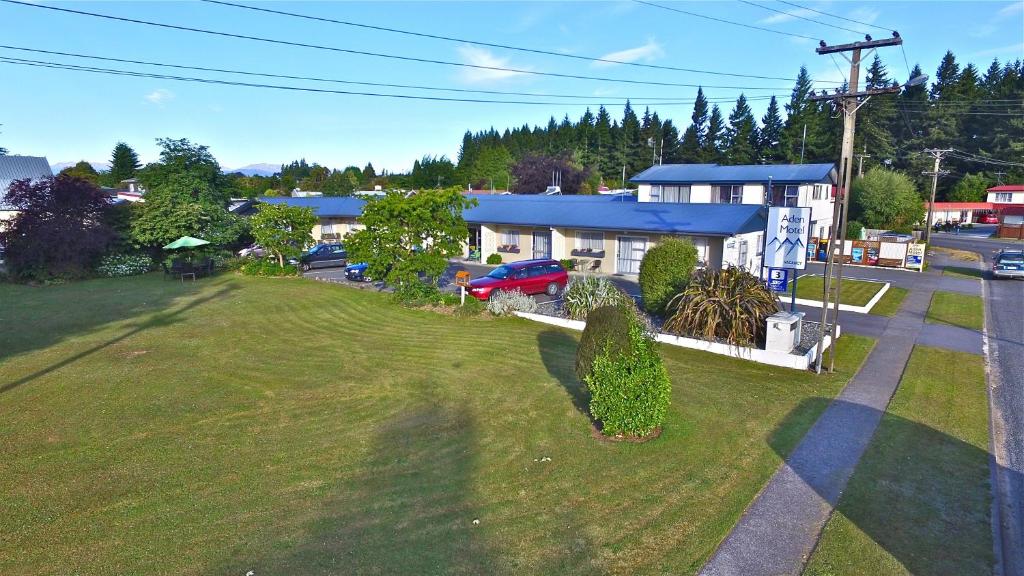
Aden Motel
Just a 2-minute walk from Lake Te Anau, Aden Motel provides self-contained accommodation with free unlimited WiFi. Set among beautiful gardens, this eco-friendly motel features an outdoor seating area, a children’s playground, and BBQ facilities.
All apartments include a kitchen or kitchenette with a microwave and refrigerator, as well as satellite TV, a DVD player, and access to a secure WiFi network. Some apartments also offer air conditioning and heat pumps.
Aden Motel Te Anau is a 5-minute walk from Te Anau Memorial Gardens and a 14-minute walk from the town center, where boat trips to the Glow Worm Caves depart. The tour desk can arrange local activities, including jet boating and horse riding. A guest laundry is also available.
Milford Sound Lodge: best for quiet mornings and evenings
Milford Sound Lodge is the only conventional accommodation at Milford. It offers chalets and 20 powered campervan sites in the rainforest, plus a guest kitchen, laundry, Wi-Fi and Pio Pio Restaurant. There are no tent sites and no nearby grocery shop. Dinner reservations and early booking are wise.
The reward is rare time in Milford after most day visitors leave, plus easier access to an early cruise. The trade-off is a much higher price, very limited availability and exposure to road or flight disruption. Lodge terms state that weather-related flight problems do not automatically produce a last-minute refund or date change, so read the conditions before booking.
Manapouri: best for Doubtful Sound
Manapouri is roughly 20 minutes south of Te Anau. It has a quieter lakeside feel and puts you near the Doubtful Sound departure point, but has fewer restaurants and shops. It works well for travelers combining Milford and Doubtful over two separate days.
Milford Road DOC campsites: best for equipped road-trippers
Designated DOC sites include Henry Creek, Kiosk Creek, Walker Creek, Deer Flat, Mackay Creek, Cascade Creek, Lake Gunn and Upper Eglinton. Facilities are basic, weather can be wet and sandflies are enthusiastic. Some sites require bookings while others operate differently, so use the DOC campsite finder for current status, fees, vehicle restrictions and seasonal closures.
Do not confuse a self-contained vehicle certificate with permission to sleep anywhere. National park and local freedom-camping rules still apply. Download the Fiordland Campsites map and guide.
Queenstown: convenient, but not the closest base
Queenstown has the greatest range of flights and accommodation, but it is not near Milford by road. It is a good base for a coach tour or scenic flight, not for a relaxed self-drive day. If you have a car, move to Te Anau the night before. Other areas such as Wānaka, Dunedin, and the West Coast are doable but need planning to find overnight stays before reaching Milford Sound.
Honest 2026 accommodation ranges
These are realistic planning ranges for busy dates, not fixed tariffs:
| Accommodation | Typical 2026 planning range per night | Notes |
|---|---|---|
| Te Anau hostel dorm bed | NZ$40–75 per person | Summer and event dates can sell out |
| DOC or holiday-park camping | NZ$25–60 | Charging basis varies by person, site and facilities |
| Basic cabin or private hostel room | NZ$120–220 | Bathroom may be shared |
| Te Anau motel or apartment | NZ$180–350 | Kitchenettes can reduce food costs |
| Te Anau hotel or lodge | NZ$220–500 | Lake views and peak dates cost more |
| Upscale Fiordland stay | NZ$500–1,000+ | Inclusions differ greatly |
| Milford Sound Lodge | Dynamic and usually premium | Compare chalet rates and campervan packages directly |
Milford Sound Lodge advertised a camper package from NZ$239 per person including a cruise during the September 2026 check. Treat that as a package lead-in, not the price of every site or date.
4. Typical and True Milford Sound Costs in 2026

The cheapest advertised cruise is not the true trip cost. Add transport, parking, fuel, food and the previous or following night in Te Anau.
2026 activity prices checked with operators
| Experience | Realistic adult planning range | Examples seen on 17 September 2026 |
|---|---|---|
| Self-drive daytime cruise | NZ$143–199 | Southern Discoveries from NZ$143.20; Pure Milford from NZ$152; Mitre Peak from NZ$169; RealNZ from NZ$175; Cruise Milford from NZ$189 |
| Te Anau coach and cruise | NZ$199–299 | Large-coach promotions at the lower end; small-group products at the upper end |
| Queenstown coach and cruise | NZ$243–389 | Usually a 12–13-hour day |
| Guided kayaking | NZ$195–335 | Minimum age and difficulty vary by trip |
| Milford cruise plus track day walk | From about NZ$360 | Confirm water-taxi and walking inclusions |
| Queenstown fly-cruise-fly | NZ$730–795 | Weather-dependent; premium aircraft options cost more |
| Coach-cruise-fly | About NZ$899–923 | Check which direction is flown and the cancellation plan |
| Te Anau Glowworm Caves | From about NZ$145 | Includes the lake crossing and guided cave visit |
| Doubtful Sound day trip | From about NZ$359 | Usually starts in Manapouri; promotions may be lower |
Promotional aggregators sometimes show a particular Milford cruise below NZ$100. That can be genuine for a selected date or time, but it is not a safe baseline for every day. Check taxes, age category, departure time, cancellation terms and whether transport is included.
Food, fuel and parking
| Cost | Sensible 2026 allowance |
|---|---|
| Coffee | NZ$5–7 |
| Bakery breakfast or snack | NZ$8–16 |
| Café lunch | NZ$20–35 |
| Pub or casual dinner main | NZ$28–45 |
| Full restaurant dinner | NZ$50–100+ per person |
| Packed day food from Te Anau | NZ$15–30 per person |
| Cruise lunch add-on | Often NZ$25–45 |
| Te Anau–Milford return fuel | Roughly NZ$40–75 per vehicle, depending on consumption and pump price |
| Queenstown–Milford return fuel | Roughly NZ$100–170 per vehicle |
| Main Milford car park | NZ$10 per hour for entry before 3pm; NZ$5 per hour after 3pm at the 2026 check |
The main visitor car park is around a 10–15-minute walk from the terminal. For a cruise, a realistic stay often creates a NZ$30–50 parking bill. Arrive about 45 minutes before departure so paying, walking and check-in do not become a sprint. Alternative parking and shuttle arrangements can change; check the official Milford parking page immediately before travel.
Rental vehicle costs
A compact rental car may cost roughly NZ$70–180 per day before fuel, insurance, one-way fees and extras. Campervans vary much more. In winter, confirm snow-chain rules and whether the rental agreement permits their use. An apparent NZ$50 saving is not worthwhile if the vehicle, excess or road restrictions do not suit the journey.
A note on child and family costs
Operators use different child ages, infant rules and family products. A family should price the complete cart for its exact date rather than multiply an adult “from” fare. Check car-seat provision on coaches and minimum ages for kayaking and longer walks.
5. Suggested Milford Sound Budgets

These budgets are per adult and exclude international or domestic flights to Queenstown. Vehicle figures assume two adults share one car; solo self-drivers should allow more.
Day-trip budgets
| Trip style | Suggested budget per person | What it can cover |
|---|---|---|
| Te Anau self-drive value day | NZ$230–340 | Shared fuel and parking, standard cruise, packed food |
| Te Anau coach-and-cruise | NZ$230–340 | Return coach, cruise and simple food; premium small groups cost more |
| Queenstown coach-and-cruise | NZ$275–430 | Day package plus food |
| Te Anau self-drive plus kayak | NZ$290–440 | Shared road costs, guided paddle and food; add a cruise if desired |
| Queenstown fly-cruise-fly | NZ$760–900 | Flight/cruise product plus food and contingency |
Two-night Fiordland budgets
| Travel style | Suggested total per person | Assumptions |
|---|---|---|
| Budget | NZ$500–850 | Dorm or camping, self-catering, shared car/coach and standard cruise |
| Mid-range | NZ$850–1,500 | Shared private room, restaurant meals, cruise and flexible transport |
| Comfort | NZ$1,500–2,800+ | Premium lodging, small-group or flight component, generous dining budget |
A realistic mid-range example for two people
| Item | Cost for two |
|---|---|
| Two Te Anau motel nights | NZ$500 |
| Two cruise tickets | NZ$340 |
| Rental car for two days | NZ$240 |
| Milford return fuel and parking | NZ$115 |
| Two days of meals and snacks | NZ$300 |
| Contingency | NZ$125 |
| Estimated total | NZ$1,620, or NZ$810 per person |
This example is intentionally more honest than adding a bargain cruise to a dorm bed. It includes the mundane costs that actually reach the card statement.
6. Milford Sound Travel Guide Money-Saving Tips

- Base yourself in Te Anau. It shortens the day, expands the accommodation choice and lets you buy food at normal town prices.
- Compare the whole journey. For two people already renting a car, self-driving may be economical. For a solo traveller, a coach can beat car hire, fuel, insurance and parking.
- Try early or late cruises. Selected departures may cost less and can feel calmer than midday.
- Take breakfast, lunch and snacks from Te Anau. Do not depend on limited terminal or onboard food.
- Book a refundable room early. Summer and holiday weekends become expensive. A flexible reservation protects you while plans firm up.
- Look at operator specials, Klook, Viator and Get Your Guide, but compare the final checkout. A third-party fare is useful only if the operator, date, pickup and cancellation terms are clear.
- Skip unnecessary add-ons. Tea and coffee are included on several cruises, while lunch and premium lounges may not add enough value for every traveller.
- Stay longer instead of racing back to Queenstown. One Te Anau night can cost less than the time, fatigue and fuel of a same-day self-drive.
- Use the free attractions. The Milford Road viewpoints, foreshore, Te Anau waterfront and self-guided bird sanctuary are genuinely worthwhile.
- Keep a weather buffer. A non-refundable onward booking immediately after Milford can turn a road closure into a much larger expense.
The best saving is not the lowest price; it is avoiding a booking that does not fit the route. A NZ$20 discount is poor value if it forces a 4am start or leaves no legal place to sleep.
7. How to Get Around

Self-drive from Te Anau
Self-driving gives the most freedom for road stops and short walks. Leave far earlier than the navigation app suggests. For a 1pm cruise, a cautious plan is to leave Te Anau around 8:30–9am, depending on the live road status and how many stops you want. Confirm the operator’s check-in time.
There is only one road in and out. A closure can strand travellers on either side, which is why the previous night in Te Anau and a flexible next day are valuable.
Coach from Te Anau
This is often the best balance of comfort, cost and time. The driver manages the alpine road, provides commentary and chooses safe stops. Typical trips take around 7–9 hours return. Check whether lunch, hotel pickup and a particular boat are included.
Coach from Queenstown
Queenstown tours are easy to book and remove the driving burden, but expect a 12–13-hour day. Bring water, snacks, medication and a power bank. Small-group vans usually cost more than large coaches and may offer hotel pickup or more personal commentary.
Scenic flight from Queenstown
Flights show the scale of the Southern Alps and dramatically reduce travel time. They are also the least reliable choice in low cloud. Keep the rest of the day flexible, and ask whether a cancelled flight receives a refund, a rebooking or a coach alternative.
Campervan
A campervan suits a longer South Island road trip, not just this one day. Large vehicles take longer on narrow, winding sections, and only legal campsites may be used overnight. Milford Sound Lodge has the only powered campervan sites at Milford itself; reserve well ahead.
Public transport and cycling
There is no regular urban-style public transport around Milford and no local rideshare network to rely on. Book a coach, transfer or tour in advance.
Cycling State Highway 94 is possible for capable touring cyclists, but distances, rain, fast traffic, the tunnel and limited shoulders make it a specialist trip. The Homer Tunnel prohibits or tightly controls some non-motorised access arrangements; get current road authority advice rather than improvising.
8. When to Go

There is no reliably dry month. The best time depends on whether you prioritise daylight, quieter boats, hiking conditions or snowy scenery.
| Period | Conditions and trade-offs | Best for |
|---|---|---|
| December–February | Long daylight, milder temperatures, highest demand, busy midday cruises | First visits, families and longer walks |
| March–April | Cooler, often calmer visitor numbers, good daylight early in the period | Photography and a balanced road trip |
| May–August | Short days, snow and ice possible, road closures and chain controls more likely | Flexible travellers who accept disruption and want winter scenery |
| September–November | Waterfalls, fresh growth, highly changeable alpine conditions; snow can linger | Shoulder-season value and dramatic landscapes |
Best months for a first visit
March, April and November can offer a good compromise between daylight and crowd levels, but no month guarantees a clear Mitre Peak. December–February is easiest for linking Milford with major walks, provided you book early.
Is Milford Sound good in the rain?
Yes—often spectacularly so. Permanent falls become fuller and temporary falls stream down almost every wall. Pack a real waterproof shell, not only an umbrella. The honest downside is that cloud may hide the highest peaks, the road may become slower and scenic flights may cancel.
Winter reality
Milford cruises operate through winter, but the road is the determining factor. Check avalanche control, ice, chains and daylight. A winter self-driver should have alpine-road confidence and a vehicle permitted and equipped for the conditions. Otherwise, use a coach.
9. Best Places to Book Your Milford Sound Trip
Book the component with the source best able to answer for it. Direct suppliers are strongest for operational details; comparison sites are useful for seeing combinations and promotions.
Cruises, coaches and flights
- Southern Discoveries — nature cruises, longer cruise products, coach combinations and flight packages.
- RealNZ — Milford cruises, coach options, flights, Te Anau Glowworm Caves and Doubtful Sound.
- Mitre Peak Cruises — lower-capacity cruises, coach trips and Milford Track day-walk combinations.
- Pure Milford — self-drive cruises plus Te Anau and Queenstown coach-cruise products.
- Cruise Milford — boutique, limited-capacity cruising.
- Rosco’s Milford Kayaks — guided kayaking with clear age and fitness levels.
Book direct when you need a detailed answer about accessibility, children, food, mobility, a tight connection or bad-weather policy.
Tracks, campsites and road conditions
- Department of Conservation — Great Walks, DOC campsites, track closures and safety information.
- Waka Kotahi Journey Planner — state-highway incidents and closures.
- Milford Road — route-specific conditions, avalanche controls and driving updates.
- MetService — New Zealand forecasts and warnings.
- Visit Fiordland — regional planning, itineraries and local services.
Flights and rental vehicles
Use Destinations Uncovered flight booking or Skyscanner to compare routes into Christchurch, Queenstown or Invercargill, then check the airline’s direct price and baggage rules. For rental vehicles, compare the excess, glass-and-tyre cover, snow-chain policy, roadside assistance and whether the office is open when your flight arrives—not only the daily rate.
Suggested Milford Sound Itineraries

One day from Te Anau
- Check weather, the Milford Road and cruise status at breakfast.
- Leave 2.5–3 hours before you need to reach the terminal.
- Stop at Eglinton Valley, Mirror Lakes and one additional short stop.
- Arrive around 45 minutes before departure.
- Take a two-hour cruise.
- Walk the foreshore, then return with stops at The Chasm or Lake Marian Falls if open and daylight allows.
- Eat and sleep in Te Anau rather than driving on tired.
Two nights in Fiordland
Day 1: Arrive in Te Anau, visit the bird sanctuary or glowworm caves and walk the lakefront.
Day 2: Drive or take a coach to Milford, cruise, enjoy short road walks and return to Te Anau.
Day 3: Walk part of the Kepler Track or visit Manapouri before continuing your South Island trip.
Three nights for walkers and slow travellers
Day 1: Settle into Te Anau.
Day 2: Milford Road and cruise.
Day 3: Key Summit in good weather, or use the glowworm caves / Ata Whenua as a poor-weather alternative.
Day 4: Depart after a relaxed morning.
Do not plan Milford Sound and Doubtful Sound on the same day. Each deserves a full day, and both are vulnerable to weather and transport delays.
Milford Sound Packing List
- Waterproof jacket with a hood
- Warm fleece or insulated layer
- Quick-drying trousers and spare socks
- Grippy closed shoes
- Insect repellent and sunscreen
- Food, water and essential medication
- Power bank, offline maps and offline confirmations
- Sunglasses and a secure camera strap
- Motion-sickness treatment if needed
- Small rubbish bag
- Personal locator beacon and full hiking kit for remote tracks

Frequently Asked Questions
Can you visit Milford Sound without a tour?
Yes. You can drive from Te Anau, pay for parking and join a cruise booked directly. A tour is not compulsory, but a cruise is the most rewarding way to see the fiord and a coach removes road and parking stress.
Can you see Milford Sound for free?
The road viewpoints, foreshore and lookout are free, apart from vehicle costs and parking where applicable. You can see part of the fiord from shore, but the full scale and Tasman Sea end are best experienced by boat or kayak.
Is Te Anau or Queenstown better for Milford Sound?
Te Anau is much better for a relaxed road trip. Queenstown is more convenient for flights and broad accommodation choice, but its Milford coach day is very long. Stay in Te Anau if the itinerary allows.
How early should I arrive for a cruise?
Aim for about 45 minutes before departure when self-driving. That allows time to park, pay, walk to the terminal, use the toilets and check in. Follow the specific operator instruction if it asks for longer.
Does Milford Sound have phone reception, fuel or shops?
Do not rely on mobile reception on the Milford Road. Fill up and buy groceries in Te Anau. Milford Sound Lodge has a restaurant for guests and visitors with reservations, and some cruises sell food, but Milford does not have ordinary town services.
Is the Milford Sound Underwater Observatory open in 2026?
No. At the time of this fact check, it is closed until further notice following storm damage. Ignore older descriptions unless an operator provides a clear reopening announcement.
Will rain cancel a Milford Sound cruise?
Ordinary rain usually does not. Strong wind, extreme weather, a road closure or another safety issue can. Scenic flights cancel more often than cruises because of cloud and visibility.
How far ahead should I book?
For December–February, school holidays or a small boat, book several weeks ahead where possible. Milford Sound Lodge and Great Walk places may need far earlier planning. Shoulder-season visitors can sometimes find late deals, but should not depend on them.
Is one day enough?
One full day from Te Anau is enough for the road and a cruise. Two nights in Te Anau make that day much more enjoyable. Add another night if you want a significant walk, Doubtful Sound or protection against weather disruption.
Final Advice
The strongest Milford Sound itinerary is simple: sleep in Te Anau, leave room in the schedule, book a cruise you can comfortably afford and treat the road as part of the experience. Pack for rain, not disappointment. In Fiordland, cloud and water do not spoil the landscape; they animate it.
The honest constraints—distance, limited services and unpredictable weather—are also what keep Piopiotahi feeling so powerful. Prepare well, resist the urge to race every viewpoint, and the journey can be one of the most memorable days of an independent New Zealand trip.
Fact-check sources
Prices and operating details were checked on 23 September 2026. Recheck before booking.
- Visit Fiordland: Milford Road distances, services and safety
- Department of Conservation: Milford Foreshore Walk
- Department of Conservation: Milford Sound Lookout Track
- Milford Sound Tourism: visitor and parking information
- Milford Sound tourism information and observatory status
- Milford Sound Lodge
- Southern Discoveries
- RealNZ
- Mitre Peak Cruises
- Pure Milford
- Cruise Milford
- Rosco’s Milford Kayaks
20 Works Cited
Contributors to Wikimedia projects. Scottish peerage title. Wikimedia Foundation, Inc., 2004, en.wikipedia.org/wiki/Earl_of_Eglinton.
DOC. Bats/pekapeka. 2026, www.doc.govt.nz/nature/native-animals/bats-pekapeka/.
—. Fiordland National Park. 2026, www.doc.govt.nz/parks-and-recreation/places-to-go/fiordland/places/fiordland-national-park/.
—. Fiordland National Park. 2026, www.doc.govt.nz/parks-and-recreation/places-to-go/fiordland/places/fiordland-national-park/.
—. Gertrude Saddle Route. 2026, www.doc.govt.nz/parks-and-recreation/places-to-go/fiordland/places/fiordland-national-park/things-to-do/tracks/gertrude-saddle-route/.
—. Lake Marian Falls Track. 2026, www.doc.govt.nz/parks-and-recreation/places-to-go/fiordland/places/fiordland-national-park/things-to-do/tracks/lake-marian-falls-track/.
—. Milford Track. 2026, www.doc.govt.nz/parks-and-recreation/places-to-go/fiordland/places/fiordland-national-park/things-to-do/tracks/milford-track/.
—. Mirror Lakes Walk. 2026, www.doc.govt.nz/parks-and-recreation/places-to-go/fiordland/places/fiordland-national-park/things-to-do/tracks/mirror-lakes-walk/.
—. Routeburn Track: Key Summit Track. 2026, www.doc.govt.nz/parks-and-recreation/places-to-go/fiordland/places/fiordland-national-park/things-to-do/tracks/routeburn-track-key-summit-track/.
—. The Chasm Walk. 2026, www.doc.govt.nz/parks-and-recreation/places-to-go/fiordland/places/fiordland-national-park/things-to-do/tracks/the-chasm-walk/.
getready.govt.nz. Earthquakes. Get Ready — Emergency preparedness in New Zealand, 2025, getready.govt.nz/emergency/earthquakes.
milford-sound.co.nz. Eglinton Valley – Milford Sound. Milford Sound, 2025, www.milford-sound.co.nz/travel-info/milford-road-highlights/eglinton-valley/.
—. Homer Tunnel – Milford Sound. Milford Sound, 2025, www.milford-sound.co.nz/travel-info/milford-road-highlights/homer-tunnel/.
—. Knobs Flat New Zealand – Milford Sound. Milford Sound, 2025, www.milford-sound.co.nz/travel-info/milford-road-highlights/knobs-flat/.
natlib.govt.nz. Terra Incognita Australis : William Henry Homer and Charles Homer's migration to New Zealand from London, England / George C. Homer. 2013, natlib.govt.nz/records/32966018.
newzealand.com. The Divide – Hike the Routeburn Track in Fiordland. Go New Zealand, 2025, www.newzealand.com.au/explore/south-island/southland/fiordland-national-park/the-divide.
puremilford.co.nz. About Piopiotahi / Milford Sound » Pure Milford. 2026, puremilford.co.nz/about-piopiotahi-milford-sound.
southlandnz.com. Manapouri | Southland, New Zealand. 2025, southlandnz.com/places-to-visit/fiordland/manapouri/.
Tasha Amy. Monkey Creek: BEST Stop On The Way To Milford Sound. Backpackers Wanderlust, 2025, www.backpackerswanderlust.com/monkey-creek-milford-sound-nz/.
UNESCO World Heritage Centre. Te Wahipounamu – South West New Zealand. 1990, whc.unesco.org/en/list/551/.