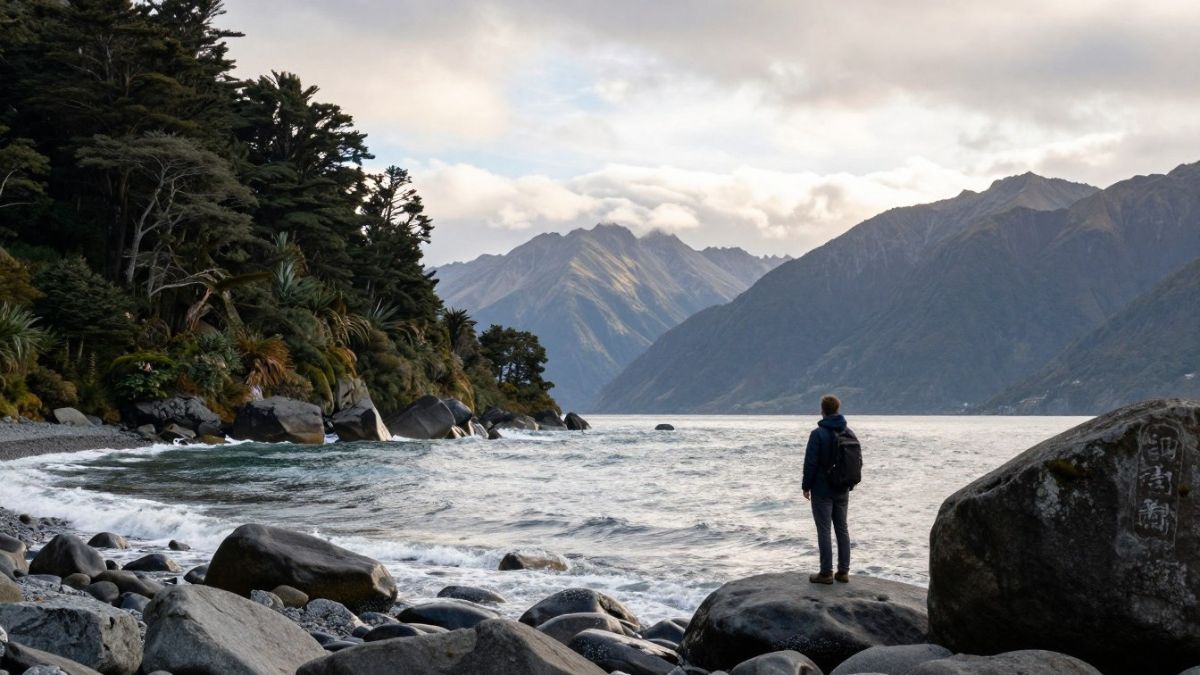

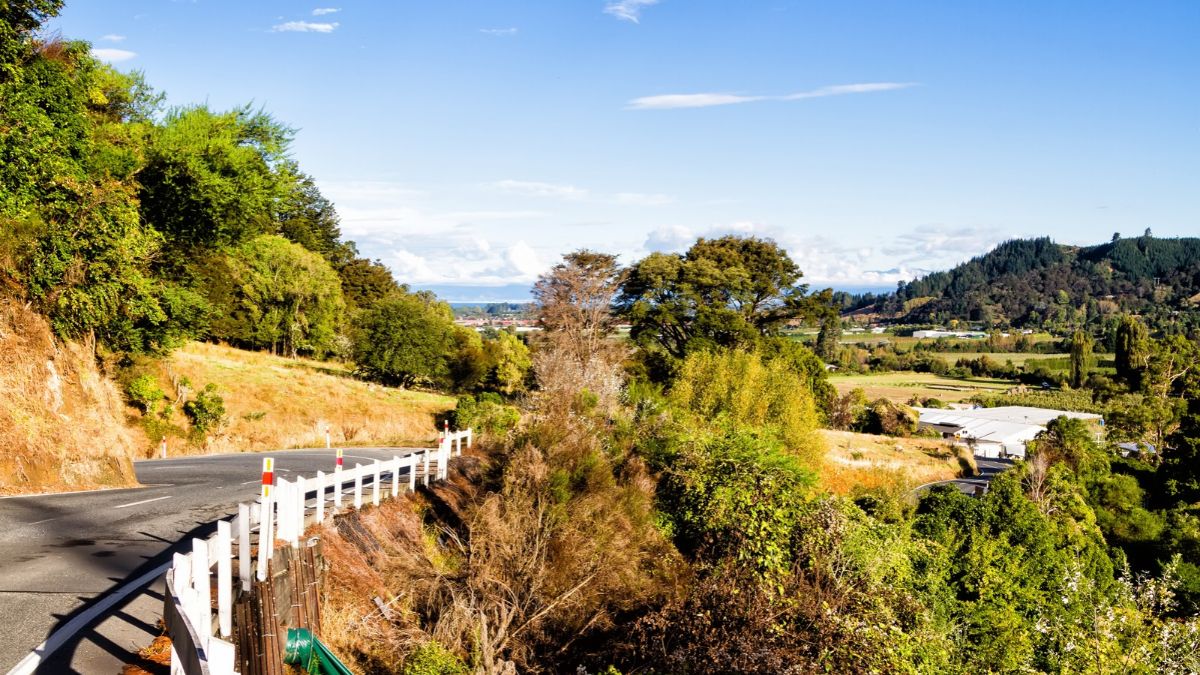
New Zealand’s West Coast, Te Tai Poutini, is where rainforest meets the Tasman Sea and glaciers descend from the Southern Alps. State Highway 6 threads between limestone cliffs, tannin-dark rivers, luminous blue gorges and tiny settlements. It is one of the country’s great road trips—but its magic lies in slowing down, not racing from one famous viewpoint to the next.
Independent travel here is straightforward with preparation. A compact rental car is enough for the sealed main highway, plenty of excellent walks cost nothing, and friendly towns break up the route. The honest caveat is that rain, road closures and limited public transport can reshape a day. Build in breathing room and the same weather that changes your plans may deliver thundering waterfalls, mist curling through rimu forest and a sudden clear view of Aoraki/Mount Cook.
This guide covers the coast from Westport and Karamea in the north to Haast and the Haast Pass in the south. Prices are in New Zealand dollars (NZD), include GST where normally advertised, and were checked on 9 September 2026. Treat fares and room rates as realistic planning ranges rather than promises: dates, demand, vehicle class and cancellation terms matter.
New Zealand’s West Coast at a glance
| Planning question | Practical answer |
|---|---|
| Ideal time | 5–7 days for Westport/Punakaiki to Haast; 8–10 days with Karamea, longer walks or weather flexibility |
| Best all-round months | November and March–April, outside the busiest holiday weeks |
| Best transport | Rental car or compliant campervan; coaches work for a simpler town-to-town trip |
| Road | State Highway 6 is sealed, scenic and slow; side roads and passes need separate checks |
| Budget sweet spot | About NZ$180–300 per person per day for two people sharing a value-focused road trip |
| Biggest planning risk | Treating map times as a schedule and leaving no margin for weather or road disruption |
| Essential checks | NZTA Journey Planner, MetService and DOC alerts |
1) Things to See and Do On The West Coast of New Zealand
How long do you need?
Three or four days can cover Punakaiki, Hokitika and Glacier Country, but it will feel brisk. Five to seven days lets you add walks, coastal detours and a rain contingency. Allow eight to ten days if you want Karamea and the Oparara Basin, the West Coast Wilderness Trail, a Great Walk, or unhurried time around Haast.
The most satisfying approach is to choose two or three anchor experiences and let the smaller stops fill the route between them. These are the standouts, roughly north to south.
Karamea and the Oparara Basin
Karamea is an intentional detour north of Westport, not a quick roadside stop. The reward is The Oparara Basin: honey-coloured rivers, rainforest and vast limestone arches in Kahurangi National Park. The short walk to Oparara Arch is independent and free. Access to Honeycomb Hill Caves is by an authorised tour only, protecting fragile formations and threatened species.
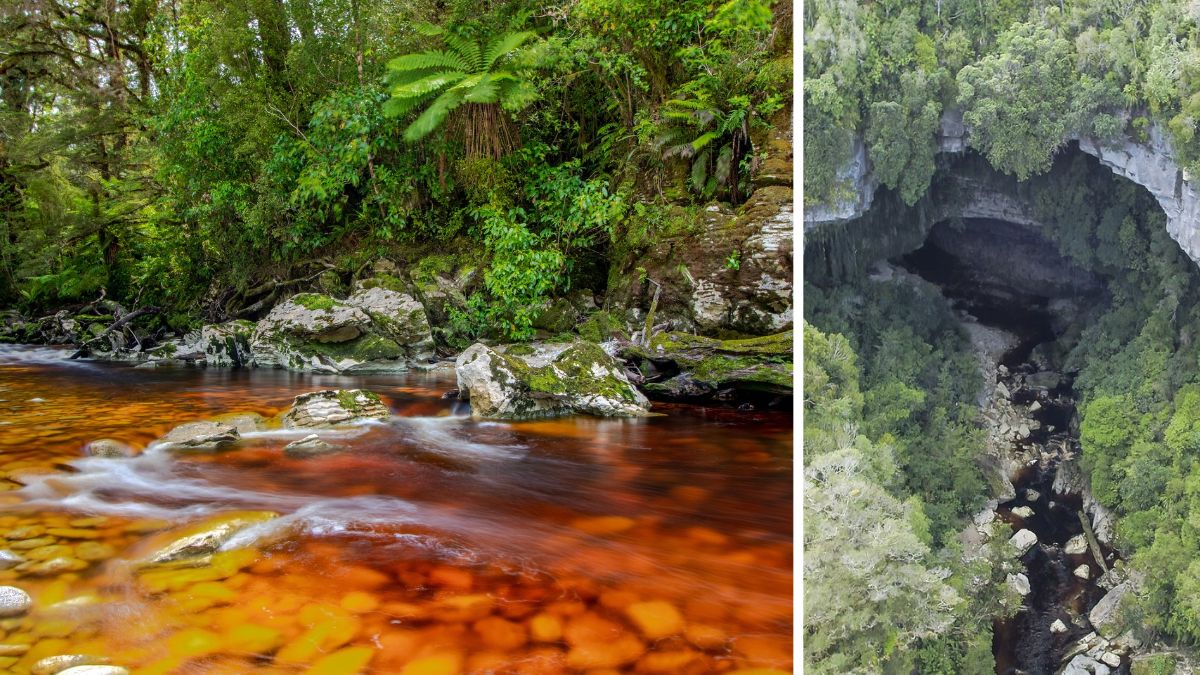
The access road is narrow and unsealed. The local operator says motorhomes and buses are not suitable on McCallums Mill Road, so arrange a tour or transport from Karamea if your vehicle is restricted. In 2026, Oparara guided tours are about NZ$170 for a shorter cave experience and NZ$220 for the full-day option. Check road and tour status before making the drive.
The western end of the 78.4-kilometre Heaphy Track is at Kōhaihai, north of Karamea. The complete walk takes several days and requires hut bookings, transport at two distant trailheads and proper backcountry preparation; it is not a casual add-on.
Some West Coast tours we recommend are:
- Full Day Tour of the Sights and Tastes of the West Coast
- Greymouth to Franz Josef via Hokitika Small Group Tour One Way
- TranzAlpine Train Journey from Greymouth to Christchurch
Westport, Cape Foulwind and Charleston
Westport is a useful resupply base. Nearby, the Cape Foulwind Walkway combines Tasman Sea views, a lighthouse and a New Zealand fur seal/kekeno colony. From Tauranga Bay, the return walk to the lighthouse is 5.8 kilometres and about two hours. The colony is active year-round, with the liveliest breeding period generally from September to February. Stay on the viewing platform and at least 20 metres from seals.
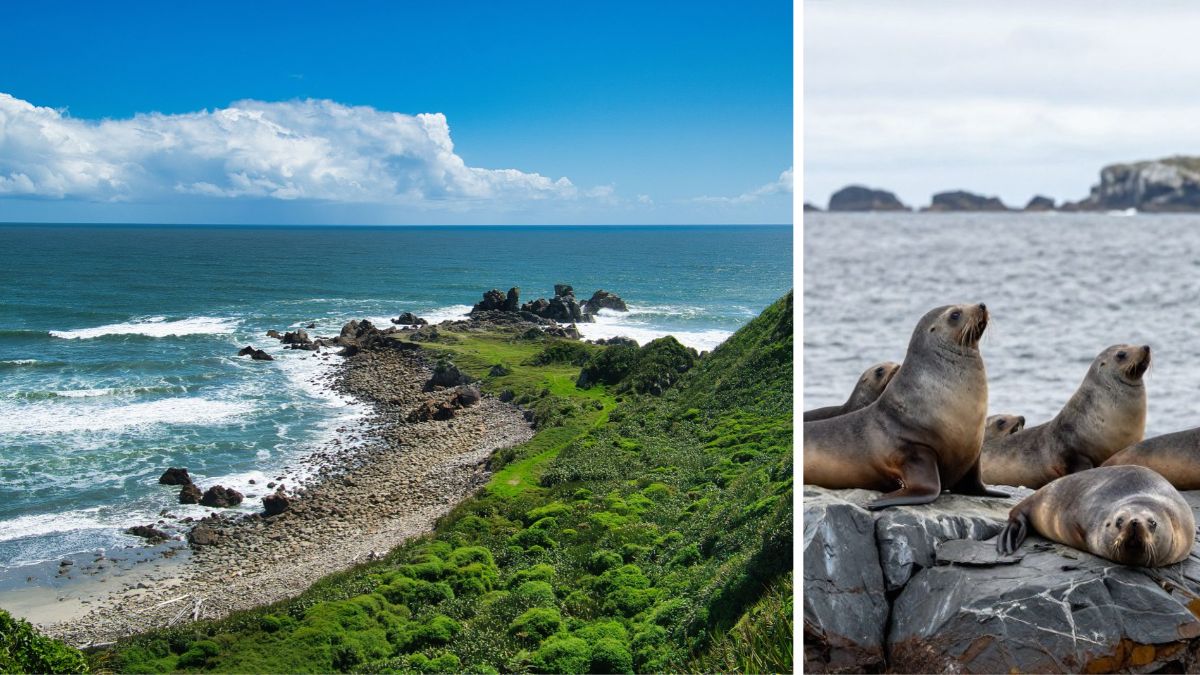
Allow extra time for the coastal road south. At Charleston, glowworm caves and underground rafting offer a memorable paid adventure; the current Underworld Rafting price is NZ$245. Inland, Denniston’s plateau tells the story of a once-remote coal settlement, while the Charming Creek area combines industrial history, forest and river scenery. Check current track access rather than relying on an old blog or map.
- Cape Foulwind is best known for its fur seal colony, scenic coastal cliffs, and the historic lighthouse on the walkway. It is an awesome palce for brisk walks in fresh sea air, coastline exploring, and viewing kekeno, blue penguins, and sooty shearwaters.
- The seal colony is especially notable because it is part of a series of colonies along the Tauranga Bay–Cape Foulwind–Steeples coastline and is New Zealand’s largest colony of NZ fur seals.
- The Cape Foulwind Walkway is one of the region’s top short walks, with viewing platforms, ocean cliffs, and access from both Tauranga Bay and Cape Foulwind ends.
- Westport is the main service town and heritage base for the area; check out the Coaltown Museum for coal-mining history and broader story of pioneering hardship and the district’s mining past.
- Other West Coast experiences include the Kawatiri Experience Centre and Pounamu Pathway to learn about coal mining history and Māori heritage, and Denniston Plateau for dramatic views and miner history.
- Charleston is the nearby small town most associated with glowworms, caves, and underground adventure; take guided glow-worm cave tours, underground rafting tours, and rainforest train journeys through the operators based there.
Punakaiki and Paparoa National Park
Punakaiki’s Pancake Rocks and blowholes are free and accessible on a short loop. Blowhole action depends on swell, wind and tide—not simply high tide—so there is no guaranteed performance. The sculpted limestone and coastal forest are worthwhile in their own right.
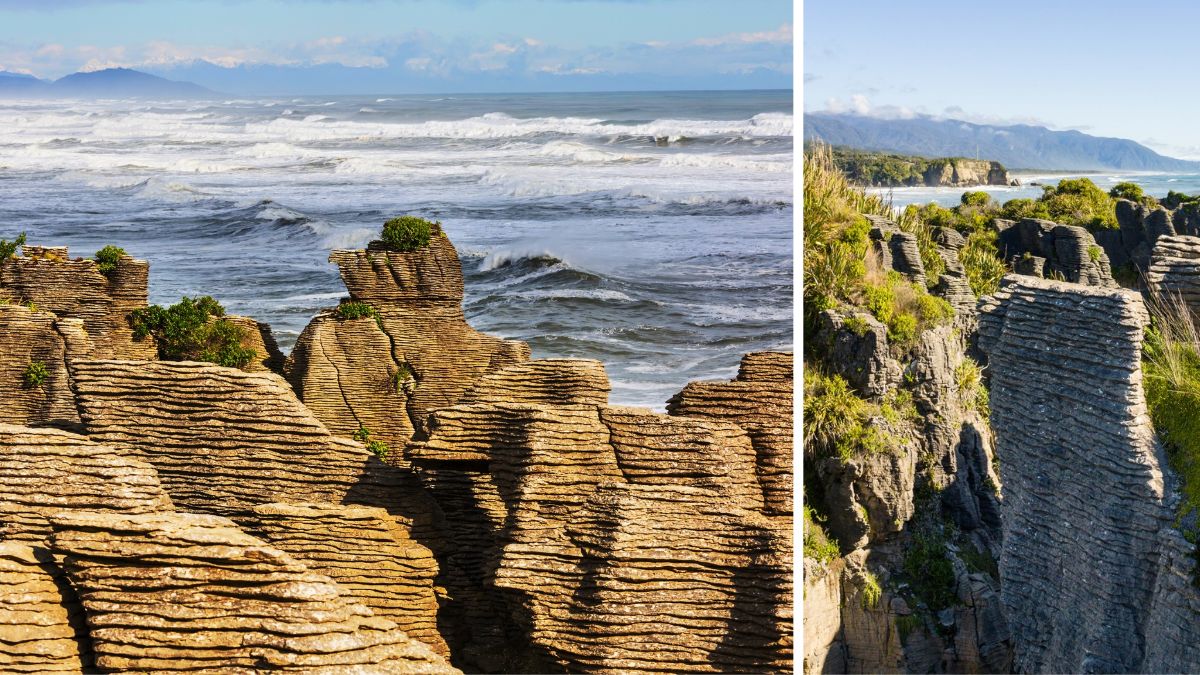
For more time outside, follow the lower Pororari River Track into a gorge of limestone walls, nīkau palms and rainforest, or walk the Punakaiki–Pororari Loop. Heavy rain can make sections impassable. Truman Track is another beautiful short outing, but its beach has serious surf and rockfall hazards: admire it from safe ground and never turn your back on the sea.
Experienced walkers and mountain bikers can tackle the 55-kilometre Paparoa Track. It is a one-way Great Walk with compulsory logistics and exposed weather; cyclists need Grade 4 ability, and e-bikes are not permitted.
Greymouth/Māwhera and the Grey Valley
Greymouth is the coast’s main transport hub and the western terminus of the TranzAlpine. It is practical for groceries, fuel, rental-car collection and a first or final night. Shantytown Heritage Park provides a family-friendly introduction to gold-rush history, while nearby Blackball has mining history and access logistics for the Paparoa Track.
The Pounamu Pathway cultural centres would ordinarily be another option, but the official Pounamu Pathway site reports them temporarily closed following the July 2026 floods. Check for a reopening update rather than building a day around them.
If you have a spare day, Lake Brunner offers forest walks, fishing and a quieter lakeside stay. Situated at the edge of Lake Brunner is Moana, a tiny settlement with a camping ground and a store. The TranzAlpine railway (voted one of the top six train journeys in the world) stops here and guests can board or depart the train. Greymouth itself is more useful than glamorous, but that usefulness can make the rest of an independent trip much easier.
Greymouth attractions include:
- Monteith’s Brewery: Take a guided brewery tour, try a tasting tray, and enjoy a meal.
- Shantytown Heritage Park: Step back into a 19th-century gold mining town with steam train rides and gold panning.
- Point Elizabeth Walkway: Walk along a coastal track featuring clifftop views and native bush.
- Coal Creek Falls: Enjoy an easy bush walk leading to a lovely waterfall and a pool at the base
Hokitika, pounamu and Hokitika Gorge
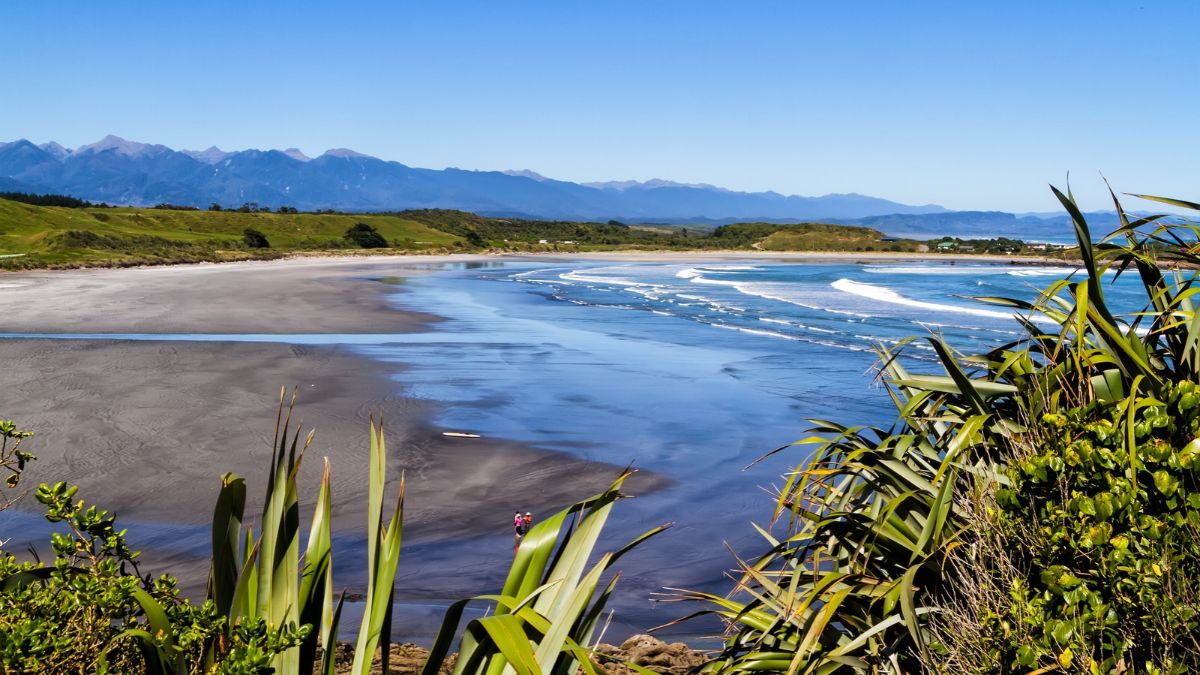
Hokitika is one of the coast’s most enjoyable bases: compact, creative and close to several free attractions. Walk the driftwood-strewn beach at sunset, visit the Glow Worm Dell after dark without shining torches directly at the insects, and browse local studios. When buying pounamu/greenstone, ask who carved it and where the stone came from; Ngāi Tahu Pounamu provides an authentication system for genuine South Island stone.
Hokitika Gorge is an easy inland detour, celebrated for water that can glow blue-green with suspended glacial flour. Its colour varies with rain and sediment, and a spectacular photograph is never guaranteed. The forest, swing bridges and river remain worth the trip. Keep to the barriers: the water is cold, swift and unsafe for swimming.
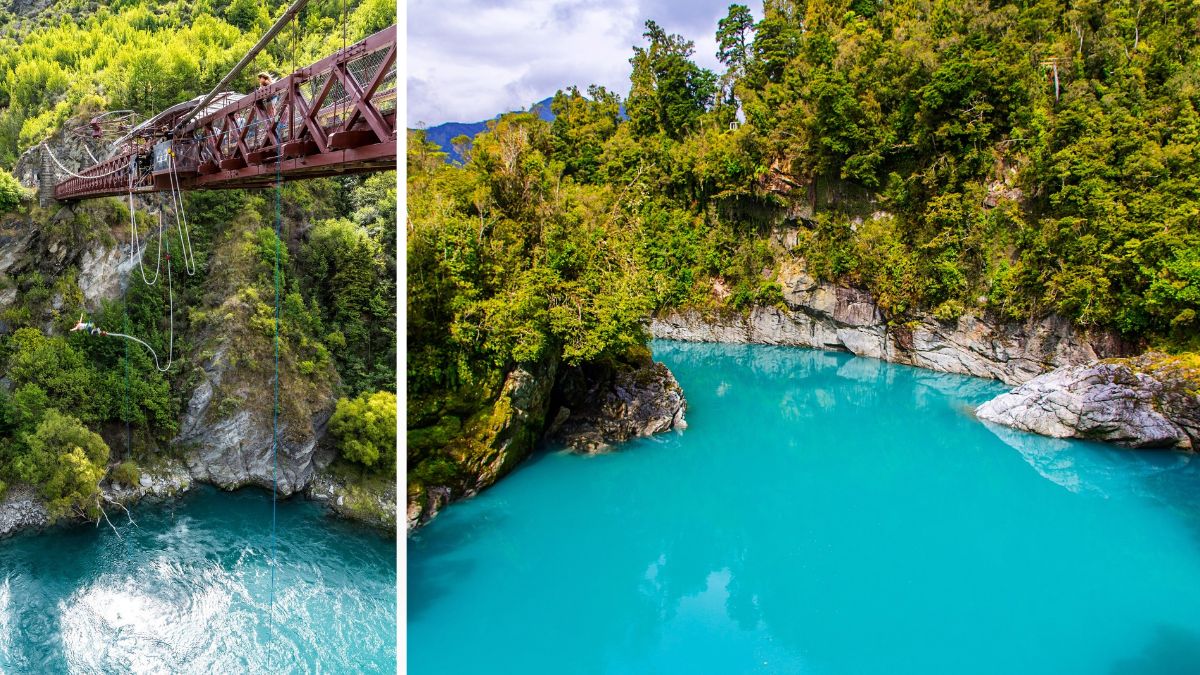
Other worthwhile nearby stops include Lake Kaniere, Lake Mahinapua and the elevated West Coast Treetop Walk. The 133-kilometre West Coast Wilderness Trail runs between Greymouth and Ross via Kumara and Hokitika. Ride it over several days, or use local hire and shuttle companies for a single stage.
Franz Josef/Waiau
Franz Josef is the busier Glacier Country base, with a wider range of rooms, restaurants and tours. The free Franz Josef Glacier/Kā Roimata o Hine Hukatere Walk is a 1.7-kilometre, roughly 30-minute return walk to a distant valley viewpoint. It does not reach the ice. The Franz Josef Glacier is one of the most impressive glaciers in New Zealand’s West Coast of the South Island. Renowned for its easy accessibility, the glacier is just south of Franz Josef/Waiau village in the Westland Tai Poutini National Park. Peter’s Pool, where conditions may deliver mountain reflections, is another easy option.
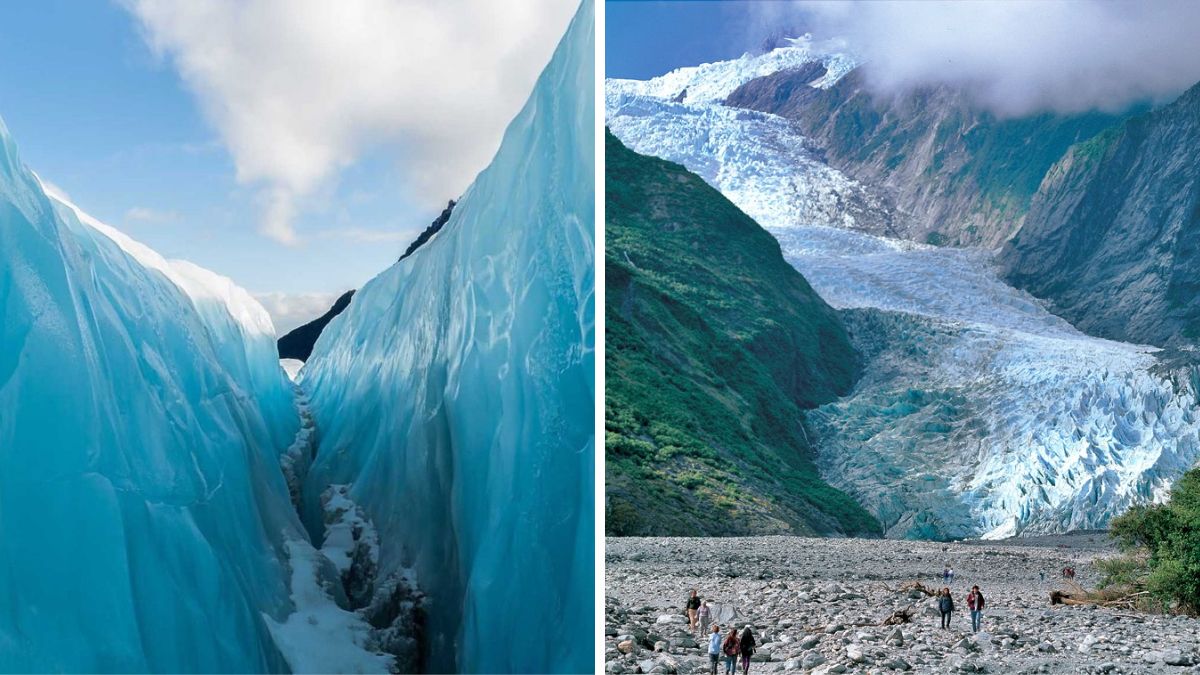
For an on-ice experience, book an approved heli-hike. Independent glacier access is not safe or permitted: the surface shifts, crevasses are concealed and rock or ice can fall without warning. Flights are weather-dependent, so place a cancellable night on either side if the activity is a priority. Current examples are NZ$899 with Franz Josef Glacier Guides and NZ$795 for a Fox Glacier heli-hike through 30 September 2026.
Some of our recommended glacier tours are:
- Franz Josef Glacier Heli-Hike
- Franz Josef Glacier 25-Minute Helicopter Flight with Snow Landing
- Franz Josef Nature Tour
- Pilot’s Choice: 2 Glaciers & Snow Landing – 35min
- 3 Days, Glaciers & TranzAlpine: Christchurch to Queenstown
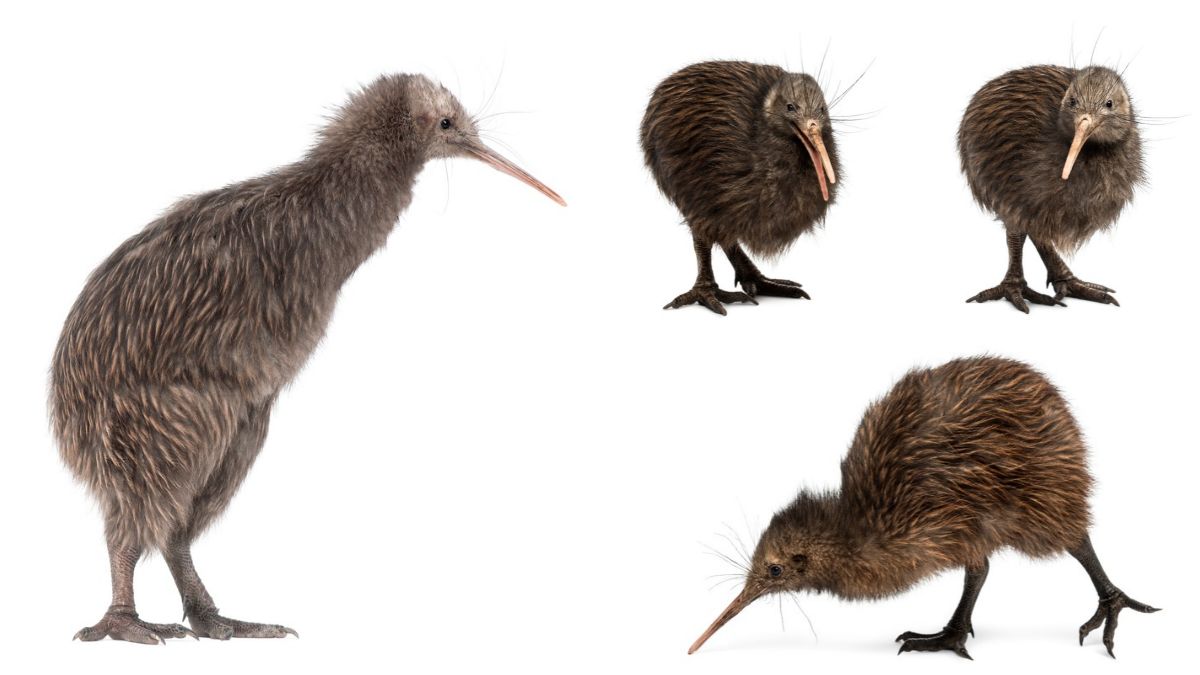
Lake Mapourika is a scenic glacial kettle lake, about a 10-minute drive north of Franz Josef Glacier, and offers kayaking and boat trips in a calm, isolated setting. A little north, Ōkārito Lagoon is superb for guided kayaking and birdlife. It is home to over 70 bird species, including the rare kōtuku (white heron) and royal spoonbill. The nearby forests also protect the endangered rowi kiwi (Ōkārito brown kiwi). The Ōkārito Lagoon village also has coastal walks and a sense of beautiful isolation.
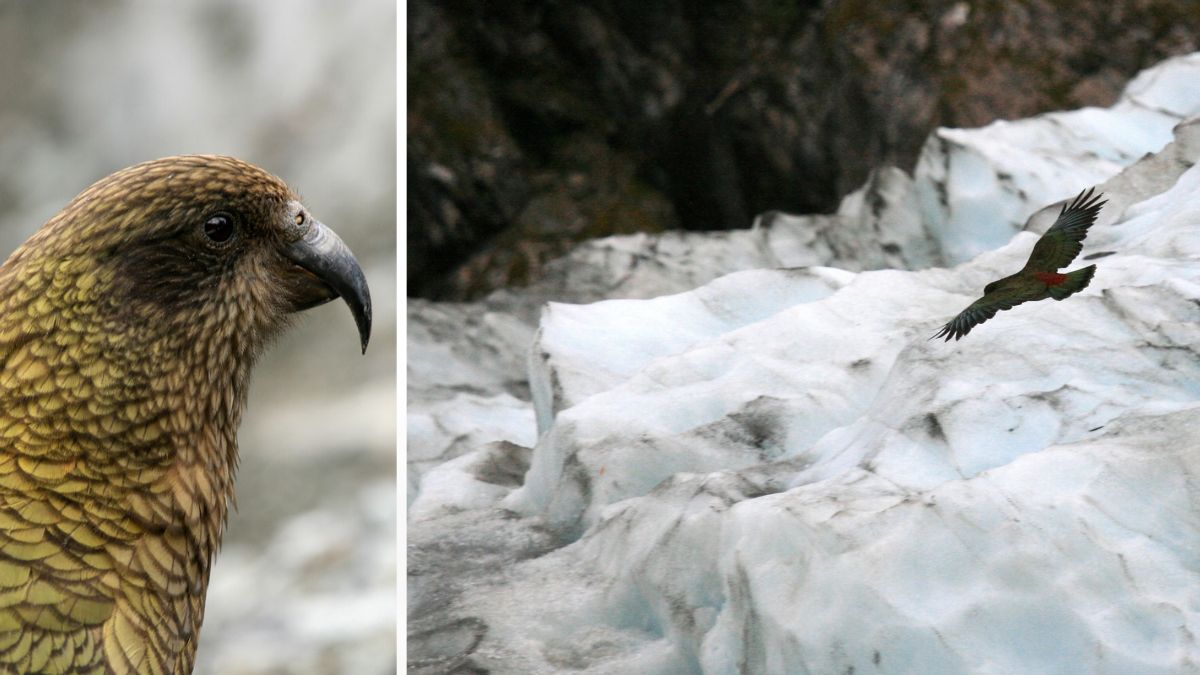
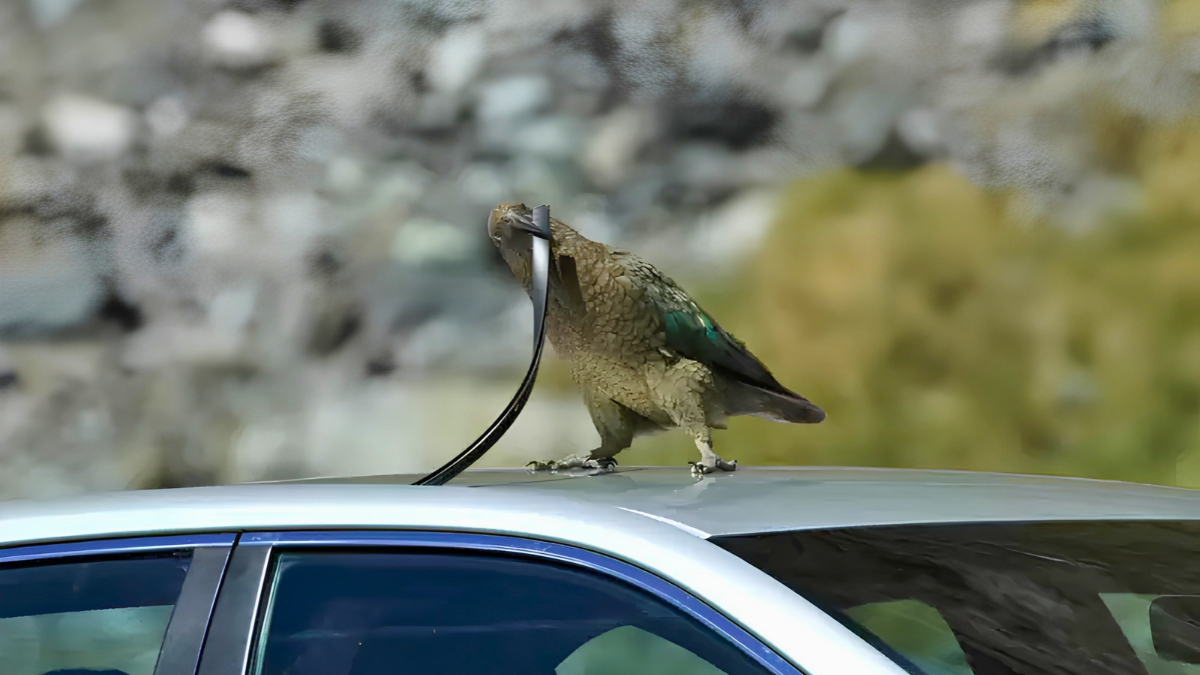
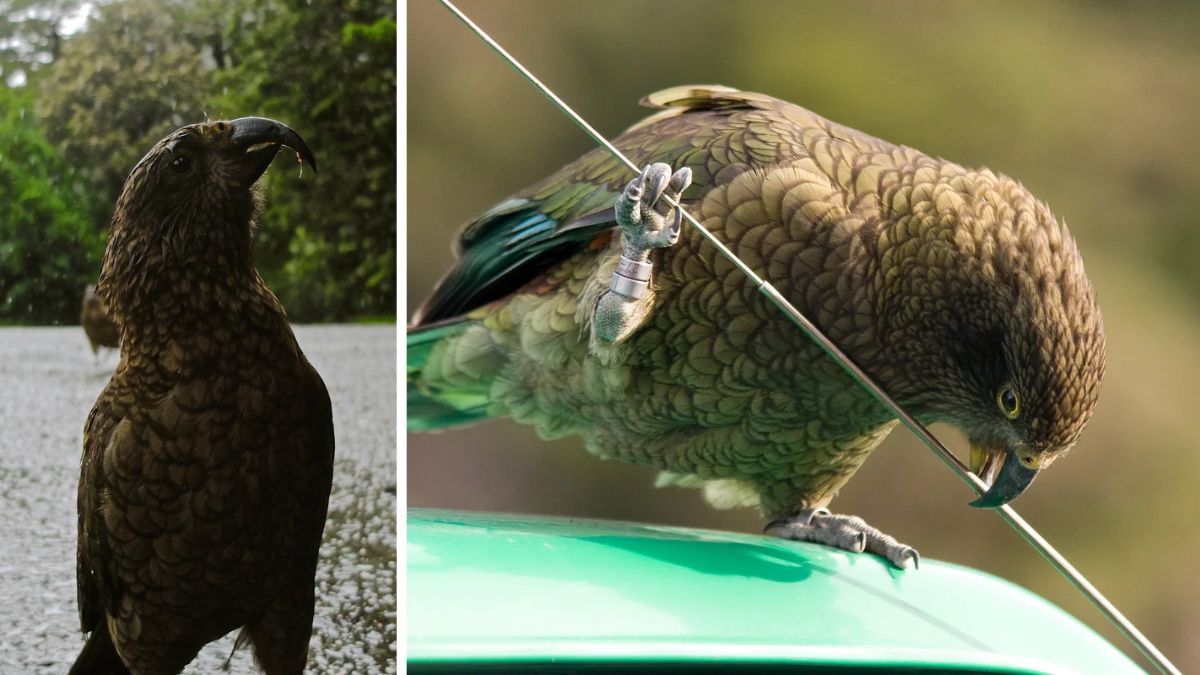
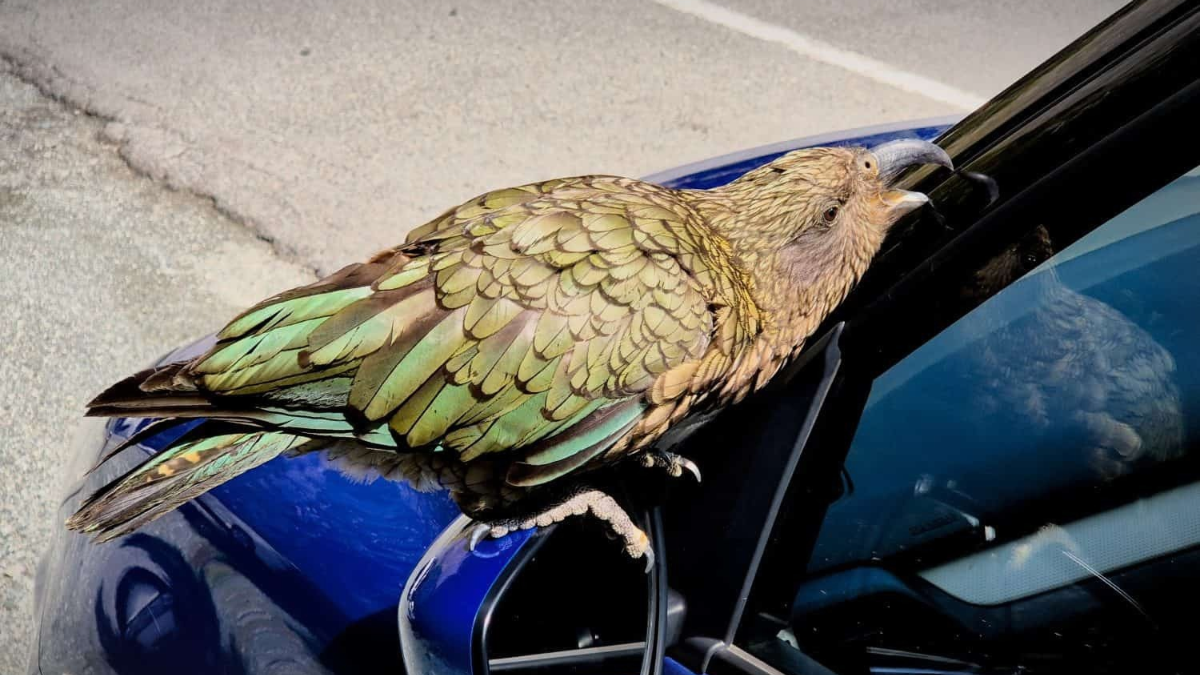
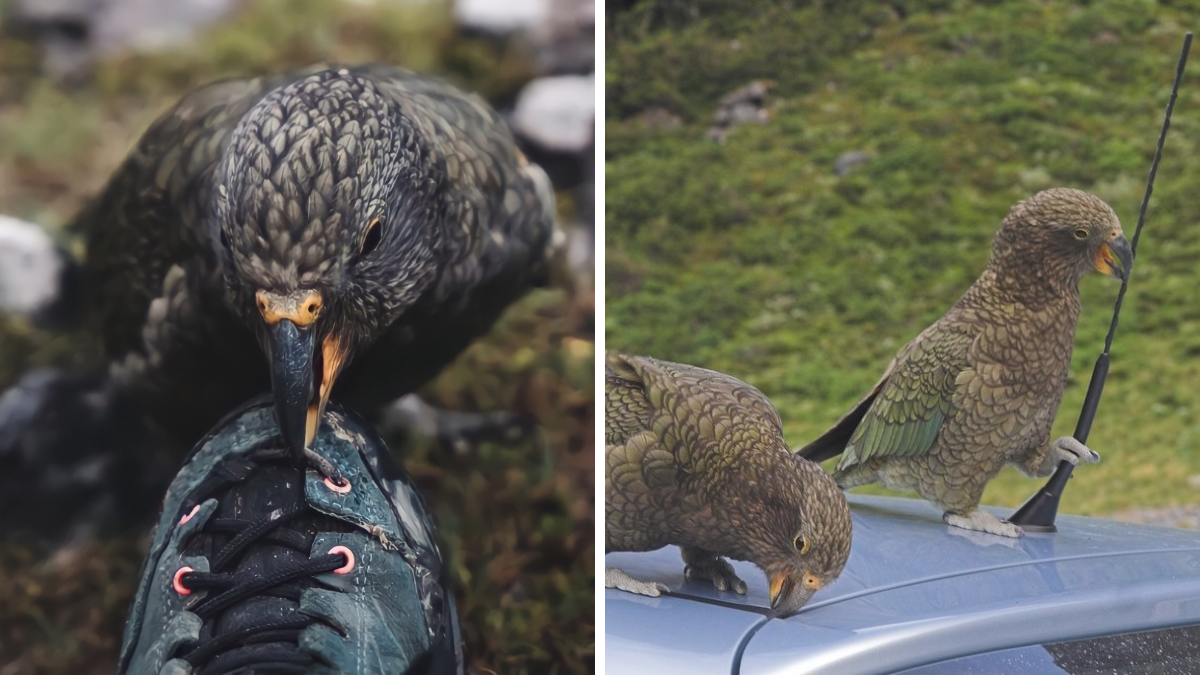
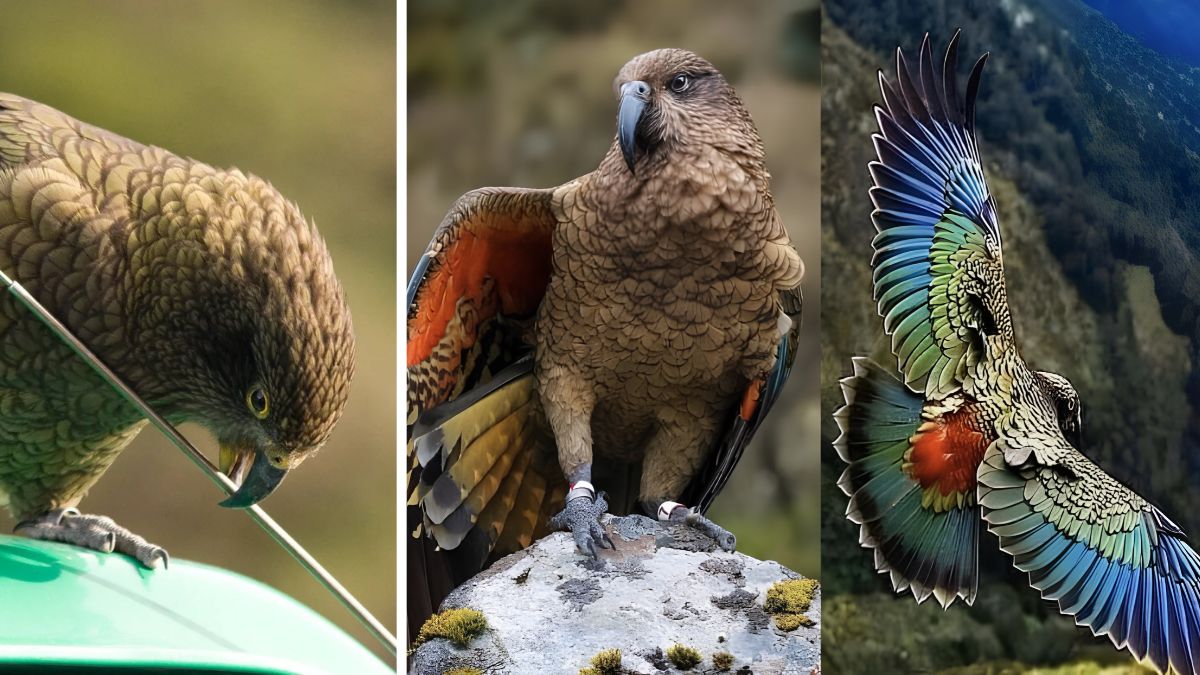
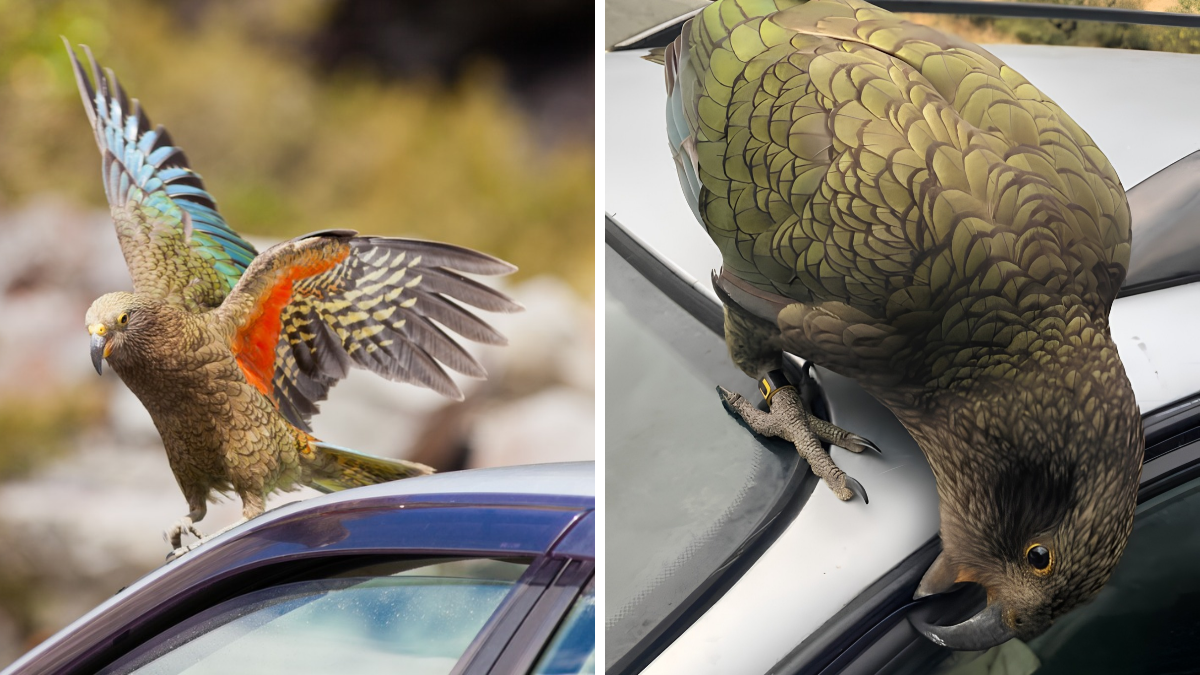
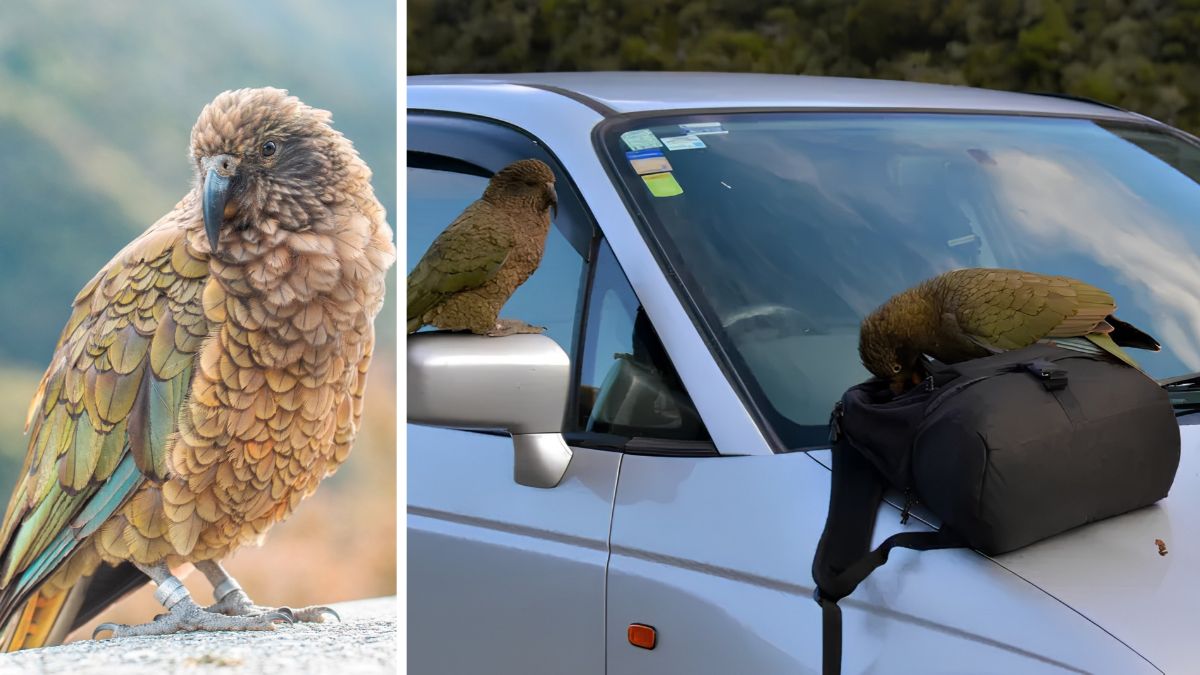
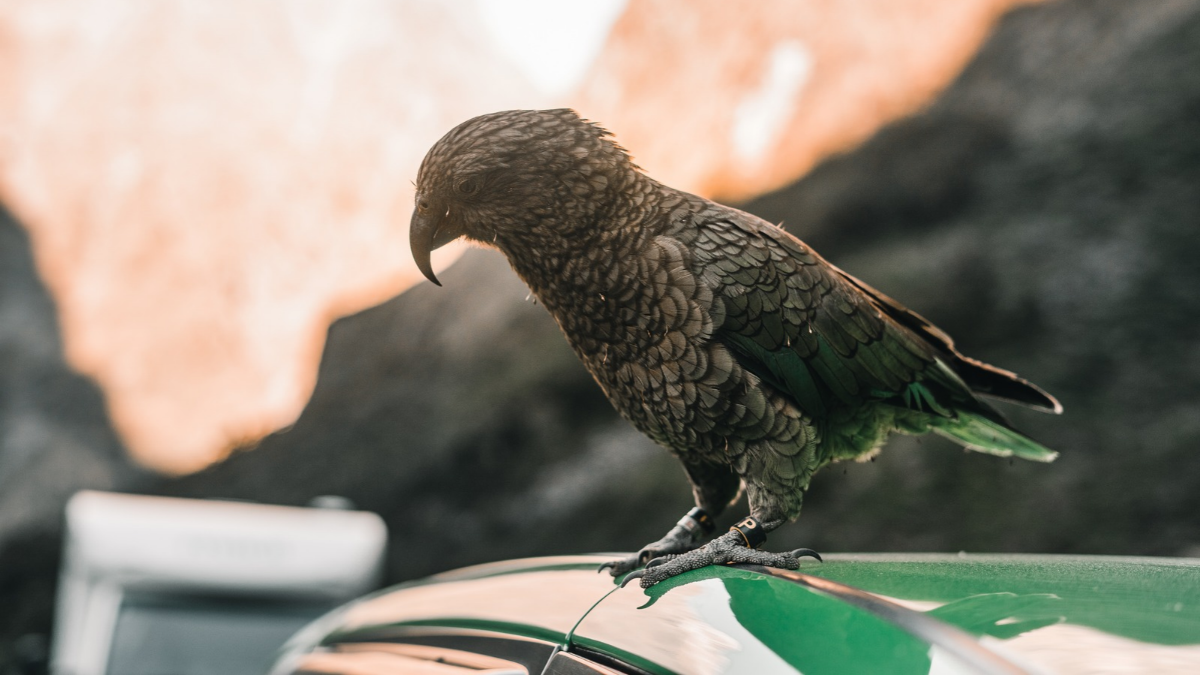
A quick note about our native parrots the Kea. You’ll likely see them whenever you visit a alpine areas in New Zealand. They are naturally very inquisitive and love anything shiny. So make sure to wind up the windows in your car and remove anything in shiny wrapper (crisps/potato chips, house keys, candy etc) if you are leaving the vehicle parked and unattended. If not, more than one person has returned to find the interior of their car in peices thanks to these cute critters.
Have a look at the Kea beak and claws, and then imagine this really determined bird has decided the shiny thing in your front seat is his! They have been known to pull chrome strips from car panels and around the headlamps. So any classic car collectors – leave it at home, today take the totota or nissan. (the kea images above will open in lightbox if clicked)
Fox Glacier/Weheka and Lake Matheson
Fox Glacier is smaller and quieter than Franz Josef. Lake Matheson is its classic independent experience: the full loop is about 4.4 kilometres and commonly takes 1.5 hours. On calm, clear mornings, reflection viewpoints can frame Aoraki/Mount Cook and Mount Tasman. Cloud and wind may erase the mirror, but the forest walk still rewards the early start.
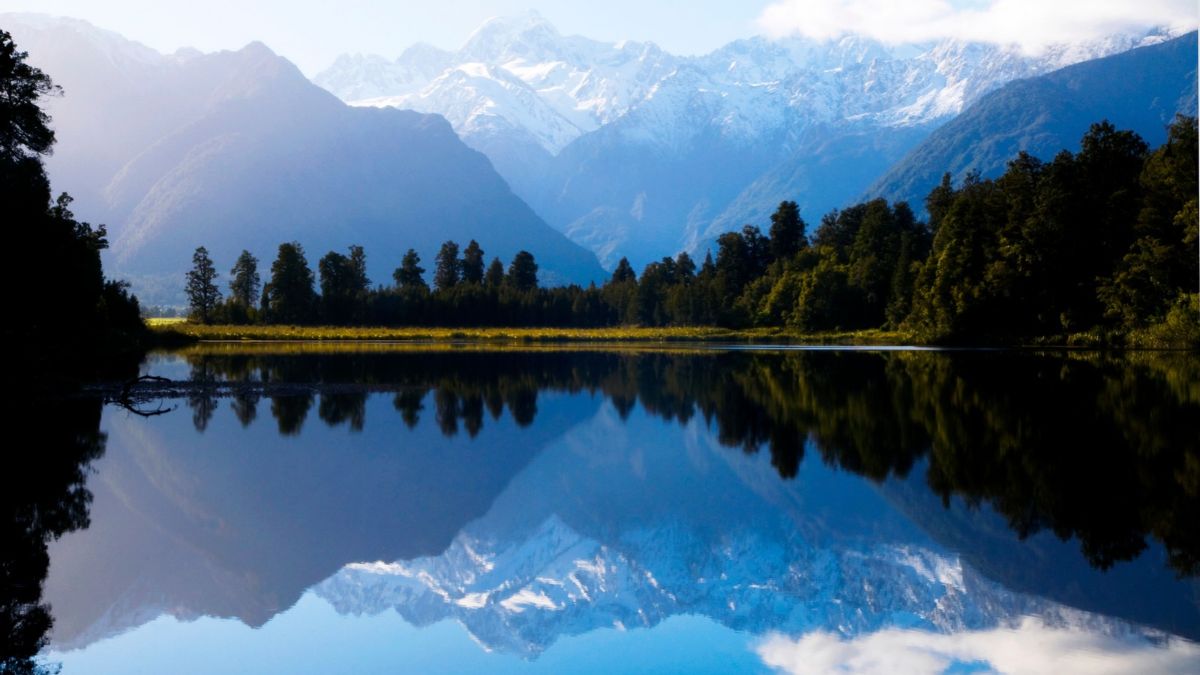
Do not follow outdated directions to the former Fox Glacier main valley road or old terminal-face route. Public access and landscapes have changed. Use current marked options such as Te Kopikopiko o te Waka and the Fox Glacier South Side Walkway/Cycleway, and check DOC’s Fox Glacier information on the day.
Attractions and activities near Fox Glacier incude:
- Book a guided Heli-hike ice adventure with Fox Glacier Guiding. Fly up to Fox Glacier by helicopter and hike across its blue ice features and caves.
- Gillespies Beach is a wild coastal detour, but rewards you with a remote black sand beach. It is a historic gold mining area on the New Zealand’s West Coast, located 21 kilometres from Fox Glacier township.
- Fox Glacier Viewpoint (Te Kopikopiko o te Waka) is a cultural and scenic site off Cook Flat Road that offers panoramic views of the peaks.
- Minnehaha Walk for an easy, family-friendly rainforest stroll near the township. Go in the evening and you’ll see the glow worms after dark.
Bruce Bay, Lake Moeraki and Haast
South of Fox, the road feels progressively wilder. Bruce Bay is a good leg-stretch, not a safe swimming beach. It is an open coastal beach famous for white marble/quartz stones and local history. Great for short beach walks, wave watching, and seasonal food.
At Lake Moeraki you’ll find a pristine, forest-fringed lake in the Te Wāhipounamu World Heritage Area. Great place for kayaking or quiet boating. There are plenty of short rough access tracks for picnicing. Take time for the Monro Beach Walk, a 30-minute bush walk each way starting near Lake Moeraki. Make sure to keep an eye out for wildlife and you may also spot Tawaki (Fiordland crested penguins) breeding from July to November (best in afternoons)
Ship Creek pairs an accessible coastal viewpoint with a swamp-forest walk, while Thunder Creek Falls is an easy stop beside the Haast Pass road.
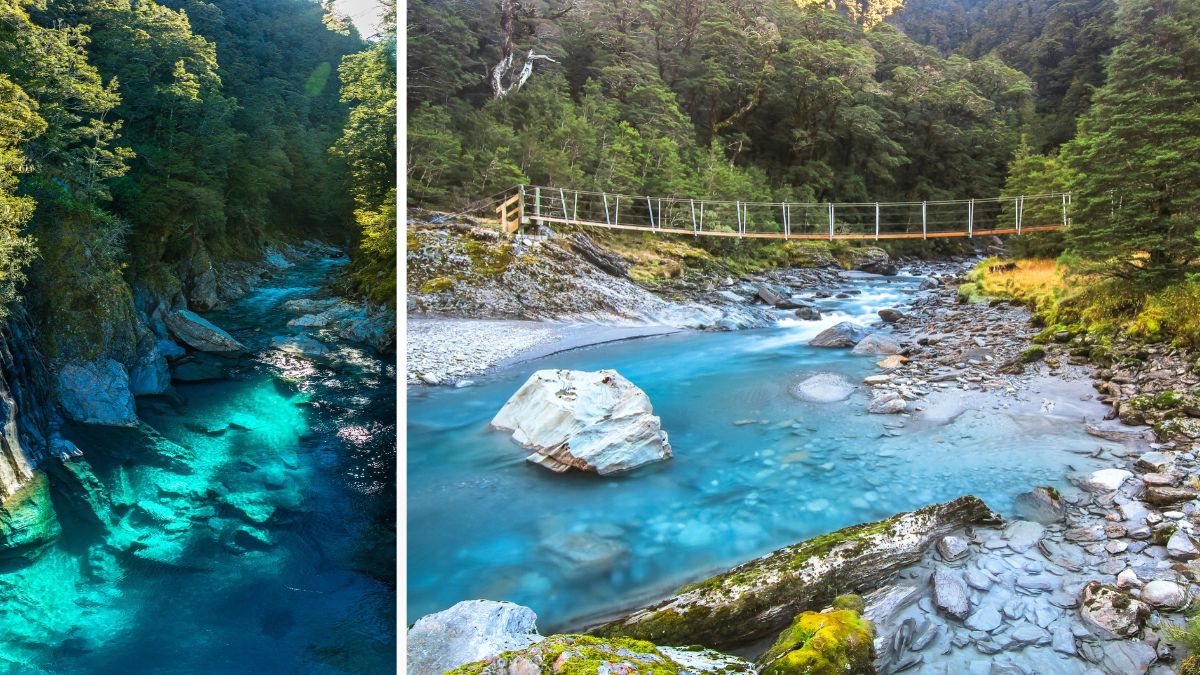
Haast is less about a single attraction than the scale of Te Wāhipounamu, the UNESCO-listed south-west New Zealand wilderness. The road to Jackson Bay/Okahu adds fishing-coast atmosphere and a famously remote food stop when open. Heading inland toward Wānaka, Thunder Creek, Fantail Falls and Blue Pools are natural pauses—but tracks and bridges can close, so check DOC before setting expectations.
Your Haast quick check list:
- Haast Township
- Ship Creek (dune walks, swamp forest, and ancient kahikatea trees).
- Jackson Bay (remote coastal settlement with fresh seafood at The Craypot).
- Wharekai-Te Kou Walk, a 20-minute easy walk from Jackson Bay to Ocean Beach rocky shore. Look for tidal pools and tawaki (Fiordland crested penguins) in season.
- Smoothwater Bay Track, a 1.5 to 2-hour track featuring pioneer trail and riverbed walking.
- Lake Ellery Track is a 1-to-2-hour return walk through beech forest.
- Arawhata Pioneer Cemetery is a historic colonial site past Neils Beach.
Pick a route that fits your time
| Time | A sensible independent route |
|---|---|
| 3–4 days | Greymouth → Punakaiki → Hokitika → Franz Josef/Fox; finish at Greymouth or continue to Wānaka only if the one-way logistics work |
| 5–7 days | Westport → Punakaiki → Hokitika → Glacier Country → Haast/Wānaka, with one flexible weather day |
| 8–10 days | Add Karamea/Oparara, the Grey Valley, Ōkārito or a full-day cycling stage; stay two nights in Glacier Country |
| 10+ days | Add the Paparoa or Heaphy Track, the full Wilderness Trail, or slower nature stays rather than simply adding road kilometres |
On wet days, and there are many on the South Isands West Coast, lean into sheltered or low-commitment activities: local museums and galleries, pounamu studios, the National Kiwi Centre, the West Coast Wildlife Centre, a café lunch, or a short forest walk only where DOC says conditions are safe.
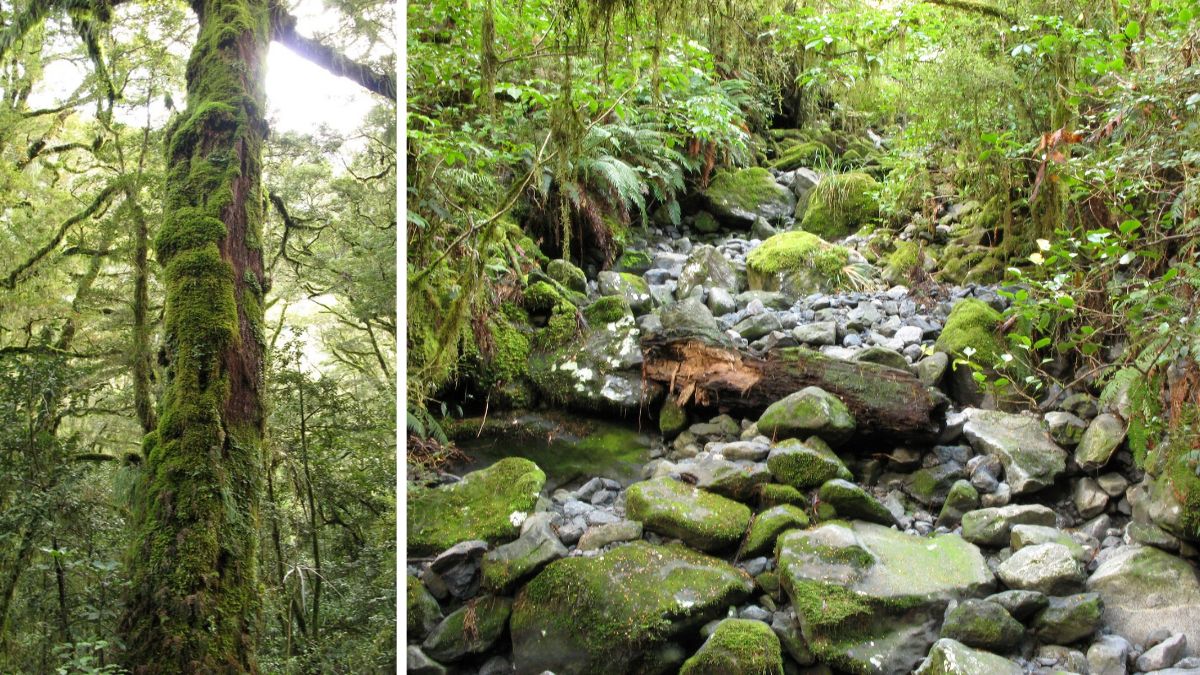
2) How to Stay Safe
The West Coast is welcoming, but it is not a theme park. Distances, weather and water deserve respect. Most problems are prevented by checking conditions, carrying layers and turning around early.
Check three sources every travel day
Use the NZTA Journey Planner for state-highway incidents and closures, MetService for warnings and forecasts, and DOC alerts for tracks, campsites and bridges. Local visitor centres add valuable context, but social posts and old trip reports do not replace official status pages.
Download offline maps and booking details before leaving town. Coverage is patchy on remote roads and tracks. Tell someone your route and return time; for tramps, leave a detailed intention and know the New Zealand Land Safety Code. A personal locator beacon is sensible beyond easy, well-trafficked walks and can be hired for roughly NZ$15 a day or NZ$40 a week.
Drive for the road, not the speed-limit sign
Visitors drive on the left. West Coast roads are often narrow and winding, with one-lane bridges, shaded ice in winter, rockfall zones and few safe passing places. Heavy rain can trigger slips or flooding; the alpine approaches at Arthur’s Pass and Haast Pass can be icy or closed.
- Add at least 20–30% to navigation time estimates, plus time for stops.
- Pull fully off the road only at signed viewpoints or safe bays.
- Never cross floodwater.
- Rest before you are tired; long-haul flights and scenic roads are a dangerous combination.
- Confirm whether your rental permits unsealed roads and whether snow chains are supplied, permitted or required.
- Read NZTA’s visitor-driving guidance before collecting a vehicle.
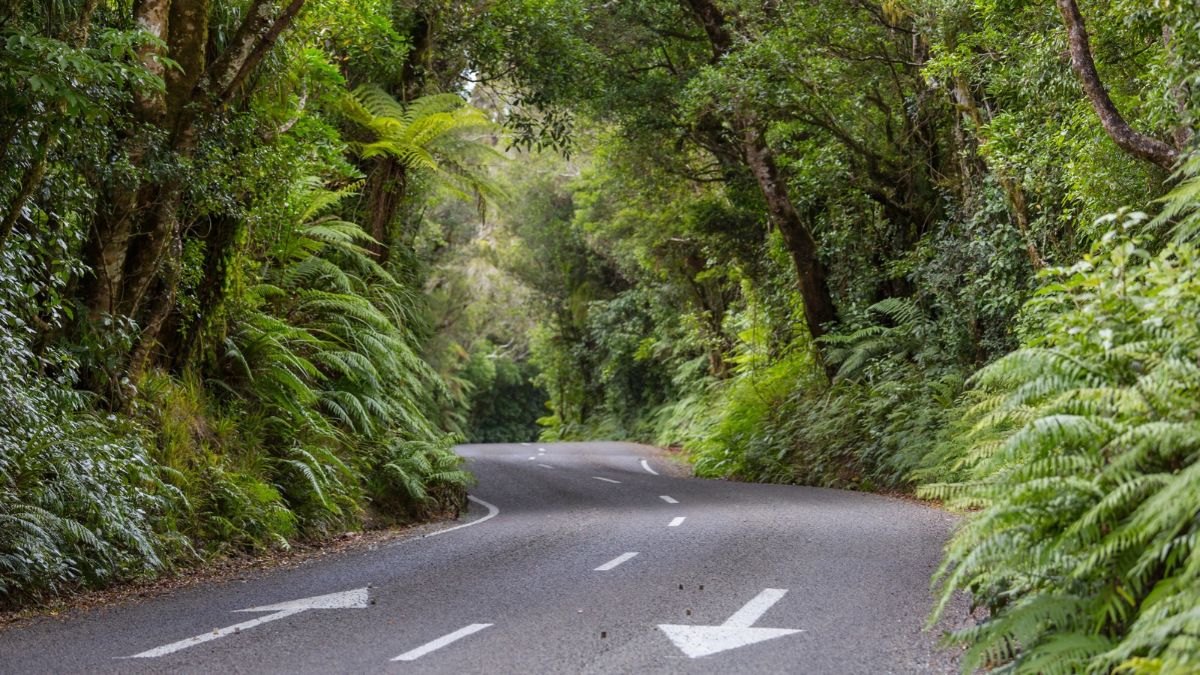
Treat rivers, beaches and glaciers seriously
Rain can make a ford or unbridged river unsafe within minutes. If a crossing is brown, fast, rising, above knee height or simply doubtful, stay out. Turn back or wait. New Zealand coastal shelves can be cut off by tide, and Tasman swells produce powerful surges; check tides, obey warning signs and never scramble beyond a barrier for a photograph.
See glaciers only from open public viewpoints or with a licensed operator. Do not enter closed valleys or approach the ice. On any longer hike, carry waterproofs, an insulating layer, food, water, a charged phone and navigation independent of mobile service—even if the morning is warm.
Manage the smaller hazards too
Sandflies are persistent around wetlands, rivers and shaded forest. Use repellent, cover ankles and close insect screens. Seriously, don’t underestimate sandflies. They are the mosquitos big brother. I am allergic to them and unfortunately they love me. Even when noone else is being bothered by them, I am usually being eaten alive! And, each bite swells up like a baseball. Use Deet! We also have mosquitos. And leeches.
New Zealand ultraviolet levels are strong. You might not think you are in burning sun like the Nelson or Marlborough beaches, but you are! Add SPF 30+ sunscreen, sunglasses and a hat even on cool or cloudy days. Do not feed wildlife. Keep at least 20 metres from seals and give them a clear route to the sea.
Drink treated tap water where accommodation says it is potable; on tracks, boil, filter or chemically treat water unless DOC says otherwise. If travelling alone, avoid advertising an empty room or vehicle and keep valuables out of sight.
Call 111 for police, fire or ambulance in an emergency. New Zealand’s ACC scheme can cover treatment for accidental injuries to visitors, but it does not replace travel insurance: illness, disrupted bookings, rental-vehicle excess, evacuation and repatriation can still be costly. Buy suitable cover before departure and declare pre-existing conditions and planned activities accurately.
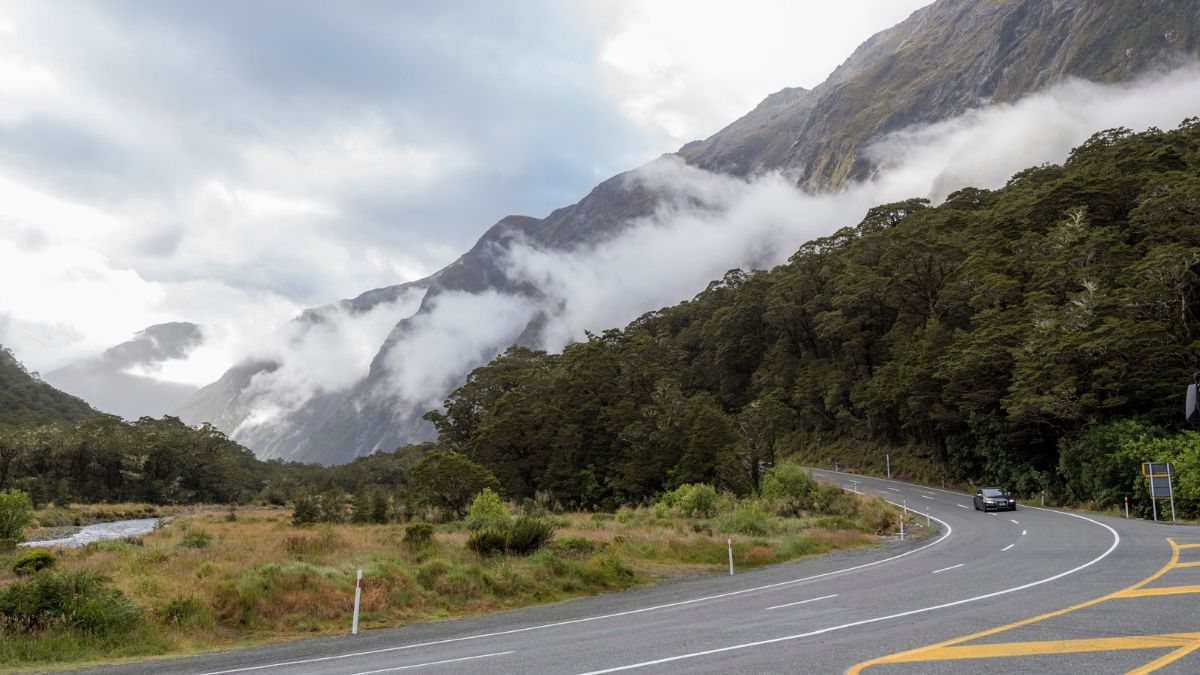
3) Where to Stay
There is no single best base. Choose towns that reduce backtracking and match the experience you want. A two-night stay in Glacier Country and one flexible night elsewhere is usually more relaxing than changing rooms every evening.
| Base | Best for | Honest trade-off |
|---|---|---|
| Westport | Cape Foulwind, Charleston, supplies, northern gateway | Less atmospheric than Punakaiki; Karamea still requires a separate detour |
| Karamea | Oparara Basin, Kōhaihai, Heaphy access, true remoteness | Long out-and-back drive; limited late dining and transport |
| Punakaiki | Pancake Rocks, coastal sunsets, Paparoa walks | Small room and restaurant supply; fill fuel tank before arrival |
| Greymouth | TranzAlpine, buses, car hire, supermarkets, Paparoa logistics | A practical hub rather than the coast’s prettiest overnight stop |
| Hokitika | Arts, beach, gorge, cycling and strong food options | Hokitika Gorge requires an inland drive |
| Franz Josef | Broadest Glacier Country choice, tours and coach access | Busy at peak times; glacier flights remain weather-dependent |
| Fox Glacier | Lake Matheson, quieter village, glacier tours | Fewer rooms, restaurants and transport departures |
| Haast/Jackson Bay | Wildlife, wilderness and breaking the long southern drive | Very limited services; advance booking and food planning matter |
What the room categories really mean
Hostels are not just dormitories; many have private rooms and shared kitchens, which can be excellent value. Holiday parks combine campsites, basic cabins and motel units. A low-cost cabin may have no linen, ensuite or cooking equipment, so compare the finished price rather than the first number shown. Motels include a kitchenette and parking, saving money on food. Remote lodges offer setting and comfort, but dinner may need to be reserved.
Hotels, outside the main city centers, usually means a pub (Public House) where people go to drink. These hotels traditionally would have offered accomodation but many nowdays do not. If you turn up expecting the Hilton you are in for a surprise.
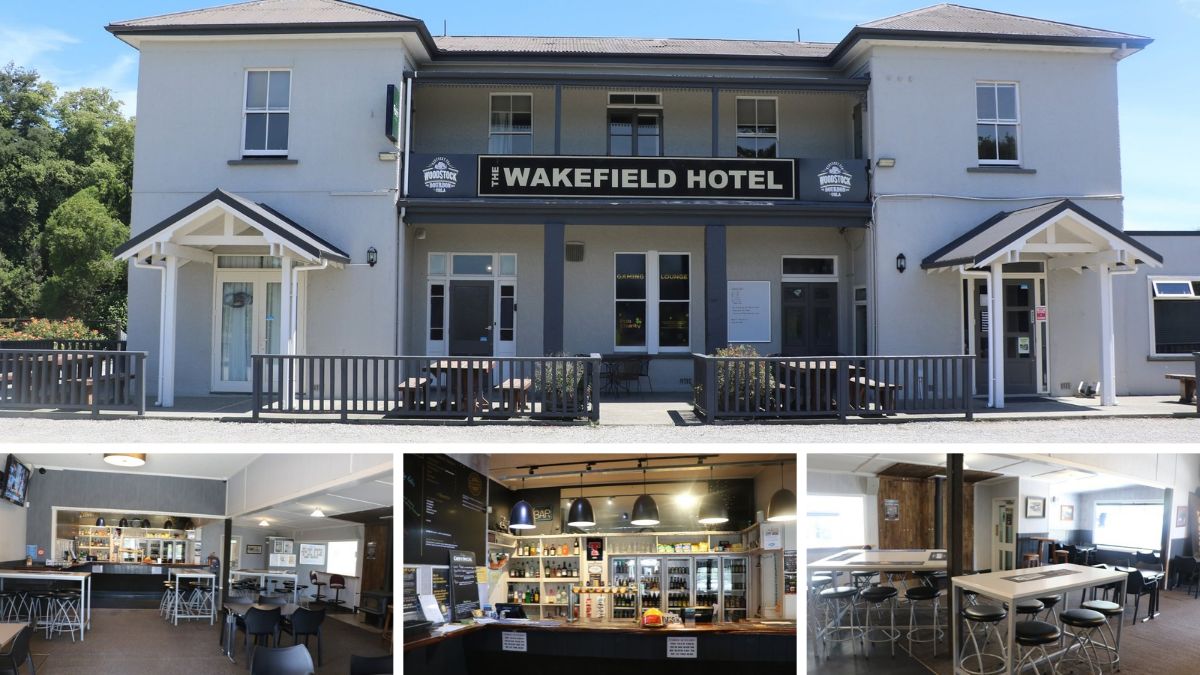
I’ll explain the term hotel in New Zealand context further. The above photos are of the Wakefield Hotel (not on the West Coast). This hotel is in Wakefield, Tasman near Nelson and the Abel Tasman national park. It’s the hotel in the village I grew up in. The point of adding the images here is to show you what the term hotel means in most of rural New Zealand. They are great fun and I reckon everyone who visits NZ should definitely spend a night or two at the hotel. You just won’t be sleeping!
That said many country hotels may have accommodation available. Many however don’t. So, always check before you book!
Before booking, also check:
- whether the bathroom, kitchen and linens are private, shared or extra;
- heating quality and drying space for wet gear. Thiis is especially important on the West Coast;
- check-in cut-off, especially after a long drive;
- parking and vehicle-height limits;
- cancellation terms and if weather disruption is covered;
- walking distance to an open evening meal, not merely a pin labelled “town centre.”
In summer and around New Zealand school holidays, reserve Punakaiki, Glacier Country, Haast and Karamea early. In quieter months, some cafés, tours and accommodation close or reduce operating days, so booking ahead still helps.
4) Typical and True Costs 2026
The West Coast can be affordable because its national parks and best short walks are free. What raises the bill is moving through a sparsely populated region: a car, fuel, remote accommodation and weather-sensitive activities. These ranges reflect prices available in 2026, including peak-season variation.
Accommodation per night
| Stay type | Realistic 2026 range | What to check |
|---|---|---|
| Hostel dorm bed | NZ$40–70 per person | Linen, locker, kitchen, late check-in |
| DOC or basic campsite | NZ$18–30 per adult | Facilities vary; some sites need advance booking |
| Holiday-park powered site | About NZ$20–35 per adult, or NZ$45–80 for two | Per-person fees, power, showers and dump station |
| Basic cabin/private hostel room | NZ$65–160 per room | Shared bathroom, linen and cooking facilities |
| Motel or self-contained studio | NZ$140–300 per room | Seasonal minimum stays and cancellation policy |
| Premium lodge or deluxe room | NZ$250–650+ per room | Dinner, breakfast and local transfers may be extra |
These are not invented “from” prices. Examples checked for this guide include dorms from NZ$40 and deluxe rooms from NZ$250 at Rainforest Retreat, while Hokitika Holiday Park lists powered sites at NZ$20 per adult, cabins from NZ$65 and a motel unit from NZ$138. Prime summer dates can cost substantially more.
Food and drink
| Item or style | Typical 2026 cost |
|---|---|
| Coffee | NZ$5.50–7 |
| Bakery lunch or simple snack | NZ$8–15 |
| Café breakfast | NZ$14–28 |
| Casual pub/café main | NZ$25–40 |
| Restaurant dinner | NZ$40–70 before alcohol |
| Mostly self-catering | NZ$30–50 per person per day |
| Groceries plus one café/pub meal | NZ$60–100 per person per day |
| Restaurant-heavy day | NZ$110–160+ per person |
Supermarkets in Westport, Greymouth and Hokitika are generally better places for a full shop than the glacier villages or Haast. While still encouraging local spending, be aware that you will find many stores in rural NZ locations are highly overpriced in comparrison to the bigger centers. Pack lunch before driving long sections; limited competition and freight costs make remote convenience food far more expensive.

Vehicle, fuel and overland transport
| Cost | Realistic 2026 range |
|---|---|
| Small rental car | NZ$30–150 per day before excess reduction |
| Lower-excess cover from rental company | Commonly NZ$25–50 per day |
| Compact campervan | Roughly NZ$100–350 per day; larger peak-season vehicles can exceed NZ$400 |
| Unleaded 91 petrol planning price | About NZ$3.00–3.40 per litre on the route |
| Diesel/electric road-user charge | NZ$76 per 1,000 km for common light vehicles; PHEVs NZ$38 per 1,000 km |
| TranzAlpine Christchurch–Greymouth | From NZ$249 one way |
| InterCity coach segment | Roughly NZ$30–150, depending on route and date |
| Christchurch–Hokitika flight | Often NZ$149–355 close to travel; lower advance fares can appear |
MBIE’s weekly monitoring put the national average board price for regular 91 petrol at NZ$3.02 per litre on 30 August 2026; remote stations can be higher, so the planning range above is safer. Diesel’s lower pump price excludes the road-user charge. Rental firms may recover RUC by kilometre and add an administration fee—read the agreement. Also price one-way relocation fees, young-driver fees, airport surcharges, additional drivers, child seats and ferry transport if relevant.
Activities
| Experience | Indicative adult price checked in 2026 |
|---|---|
| National parks, Pancake Rocks and most short walks | Free |
| West Coast Treetop Walk | NZ$39 standard adult price; the official site advertises 10% off online |
| National Kiwi Centre, Hokitika | NZ$39 |
| West Coast Wildlife Centre | About NZ$38–43 |
| Underworld rafting, Charleston | NZ$245 |
| Oparara cave/full-day tours | NZ$170 / NZ$220 |
| Glacier scenic helicopter flight | About NZ$385 for 25 minutes; NZ$485–655 for longer options |
| Grand Traverse fixed-wing scenic flight | NZ$495 through 30 September 2026 |
| Fox or Franz Josef heli-hike | NZ$795–899 |
| Personal locator beacon hire | About NZ$15/day, NZ$30/3 days or NZ$40/week |
Flight length, landing conditions, age limits, passenger weights and cancellation rules differ. A cheap-looking flight may not include a landing; a heli-hike includes more time and specialist equipment but can be cancelled even in otherwise pleasant weather.
Costs international visitors often omit
Eligible visa-waiver travellers generally need an NZeTA: NZ$17 through the official app or NZ$23 online, plus the NZ$100 International Visitor Conservation and Tourism Levy. Travellers who need a Visitor Visa face a different application and fee structure; the official starting price is currently NZ$441. Use Immigration New Zealand only, and do not make non-refundable bookings before permission to travel is confirmed.
Also allow for travel insurance, mobile data, laundry, parking, hut or campsite bookings, rental excess, RUC, foreign-card charges and a possible extra night if weather disrupts a signature activity. Declare food and outdoor equipment honestly on arrival using MPI’s entry guidance; a forgotten apple is not a money-saving strategy. It could be a very expensive mistake. New Zealand takes border control very seriously and objects that have been in contact with foreign soil or are organic in nature must be declared.
Tipping in New Zealand is not obligatory, even in restaurants and bars. However, tipping for good service or kindness is at your discretion. Hotels and restaurants in New Zealand do not add service charges to their bills.
All goods and services in New Zealand are subject to a Goods and Services Tax (GST) of 15%, which should be included in the displayed price. Here’s a hint! Visitors cannot claim GST back, but if the shop ships a major purchase to your home address the GST will not be charged.
Due to the discontinuation of 1c, 2c and 5c pieces, purchases made in New Zealand are subject to “rounding” of amounts either up or down. Most retailers adopt the Swedish Rounding System. Under this system, prices ending in 1 to 4 cents will be rounded down, and prices ending in 6 to 9 cents will be rounded up.
5) Suggested Budget
These daily figures include accommodation, ordinary food, local transport and a modest allowance for paid attractions. They exclude international flights, immigration fees, major multi-day hikes and heli-hikes. Sharing a room and car changes the calculation dramatically.
| Travel style | Suggested daily budget | What that looks like |
|---|---|---|
| Solo backpacker using coaches | NZ$135–230 | Dorms, supermarket meals, free walks, pre-booked buses, occasional paid sight |
| Solo self-driver | NZ$240–400 | Small car, hostel/private-room mix, mostly simple food, a few paid activities |
| Value road trip for two | NZ$180–300 per person | Shared car and motel/cabin, breakfast or dinner cooked, free nature plus selected experiences |
| Comfortable road trip for two | NZ$270–460 per person | Better rooms, restaurant meals, stronger insurance cover, more tours |
| Premium trip | NZ$500+ per person | Lodges, upgraded vehicle, frequent dining and scenic flights |

Sample seven-day totals
These estimates assume six nights and are for the West Coast portion of the trip.
| Trip | Seven-day planning total |
|---|---|
| Solo, coach and hostel | NZ$950–1,450 |
| Solo, rental car and mostly private rooms | NZ$2,200–3,500 |
| Two people, value-focused road trip | NZ$3,200–5,000 total |
| Two people, comfortable road trip | NZ$4,800–7,000 total |
Add NZ$385–655 per person for a scenic helicopter flight or NZ$795–899 for a heli-hike. Keep a further 10–15% contingency for fuel variation, a changed route, a meal bought when the kitchen is closed, or an extra night after bad weather. If that buffer makes the trip unaffordable, shorten the route before stripping away insurance or safe accommodation.
6) Money-Saving Tips
- Travel just outside peak summer. November and March–April often combine useful daylight with better room and vehicle availability. Avoid assuming a shoulder month will be dry; flexibility is the saving.
- Book the expensive bottleneck first. Secure a reasonably cancellable car or campervan, then the scarcest nights in Punakaiki, Karamea, Haast and Glacier Country.
- Compare the final vehicle price. Add insurance, one-way fees, RUC recovery, extra drivers, bedding, kitchen kits and campground fees before declaring one supplier cheaper.
- Use supermarkets strategically. Stock up in Westport, Greymouth or Hokitika. Carry breakfast and lunch, then enjoy one good local dinner rather than buying every meal in a remote village.
- Choose a room with the right facilities. A kitchenette and drying space may save more than a cheaper room with neither. Hostel private rooms and holiday-park cabins are useful middle ground.
- Build days around free highlights. Pancake Rocks, Cape Foulwind, Lake Matheson, Hokitika Gorge and many DOC walks cost nothing. Pay for the experiences that cannot be replicated independently, such as a guided cave or glacier trip.
- Do not chase every viewpoint. Fuel and one-night stays add up. Two nights in one base can be cheaper and more enjoyable than constant relocation.
- Use refundable rates for weather-sensitive plans. The lowest non-refundable rate becomes expensive if a road closes or a flight shifts by a day.
- Refuel before the remote legs. Competition and opening hours thin south of Hokitika and north of Westport. A half-full tank is a sensible trigger, not an invitation to gamble.
- Rent outdoor safety gear. A PLB, poles or specialist equipment may be cheaper to hire locally than buy or fly with, provided you reserve it.
7) How to Get Around
Rental car: best for most independent travellers
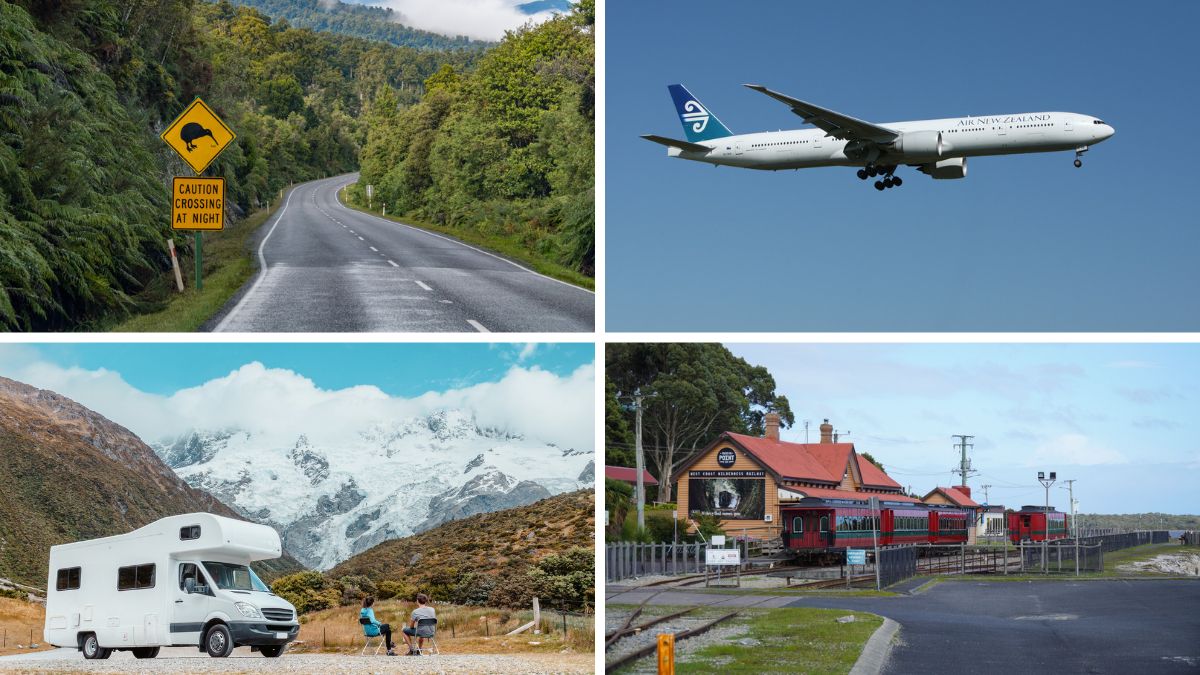
A compact two-wheel-drive car is adequate for sealed State Highway 6 in ordinary conditions. It provides access to early-morning walks and small detours that a coach cannot. A four-wheel drive is not automatically safer and is unnecessary for the main road. The important upgrades are sensible insurance, good tyres, a driver who rests, and terms that allow your intended side roads.
One-way trips, Christchurch to Greymouth/Hokitika, or Christchurch to Queenstown via the coast—save backtracking but can carry relocation fees or limited vehicle availability. Confirm the exact depot, opening hours and after-hours process.
For great prices on rental care we recommend:
- Klook Rentals
- QEEQ car and bike rentals
- “Get rent a car” rentals
- Klook Ferries
- Best priced travel insurance
- eSims
Campervan: flexible, but not free accommodation
A campervan works well if you enjoy holiday parks and remote DOC campsites. It does not create a universal right to sleep anywhere. From 7 June 2026, a blue self-containment sticker is no longer valid for freedom camping; the national rules require the green warrant issued under the new certification system. Check the vehicle itself, not just the booking description.
Local bylaws still decide where camping is allowed. Westland District limits responsible camping to designated sites and prohibits it on council reserves; Buller District generally requires certified self-containment and applies stay limits. Rules and sites can change, so verify them before each night. Budget for proper campsites, dump only at authorised stations and follow the Tiaki Promise.
Coach: possible, with a simpler itinerary
InterCity connects core stops including Greymouth, Hokitika, Franz Josef and Fox Glacier, with onward routes toward Wānaka/Queenstown. It is viable for a town-based trip, but services may be once daily and do not reach many gorges, beaches or trailheads. Build around the timetable first, then select accommodation within walking distance and book local tours with pickup.
Train and air gateways
The TranzAlpine runs between Christchurch and Greymouth, normally daily except Christmas Day, with 2026 Scenic Class fares from NZ$249 one way. It is an experience as well as transport. Reserve a Greymouth rental car only after checking that its collection time fits the train.
Air New Zealand operates daily Christchurch–Hokitika service; advance fares can start below NZ$100, while September 2026 examples closer to travel were roughly NZ$149–355. Flights are fast, but baggage and car-hire costs decide whether they beat the train or coach overall.
Cycling and EV travel
The West Coast Wilderness Trail is the easiest way to make cycling the main event: luggage transfers, shuttles and rentals can turn it into a supported independent ride. State Highway 6 itself has fast traffic, narrow shoulders and one-lane bridges, so it is for experienced touring riders.
An electric road trip is possible, but cold, rain, hills and detours reduce range. Plan chargers before the day begins using the NZTA Journey Planner, keep a comfortable reserve and confirm accommodation charging rather than assuming an outdoor socket is available.
Honest driving-time guide
These are wheel-turning estimates in normal conditions, not suggested daily schedules. Add sightseeing, food, roadworks and weather.
| Route | Allow at least |
|---|---|
| Westport → Punakaiki | 1 hour |
| Punakaiki → Greymouth | 45 minutes |
| Greymouth → Hokitika | 35–40 minutes |
| Hokitika → Franz Josef | 1 hour 45 minutes–2 hours |
| Franz Josef → Fox Glacier | 25 minutes |
| Fox Glacier → Haast | About 2 hours |
| Haast → Wānaka | About 2 hours 15 minutes |
The last two can easily occupy most of a day once you add Ship Creek, waterfalls, meals and short walks. Never plan a tight airport connection after a long West Coast drive.
8) When to Go
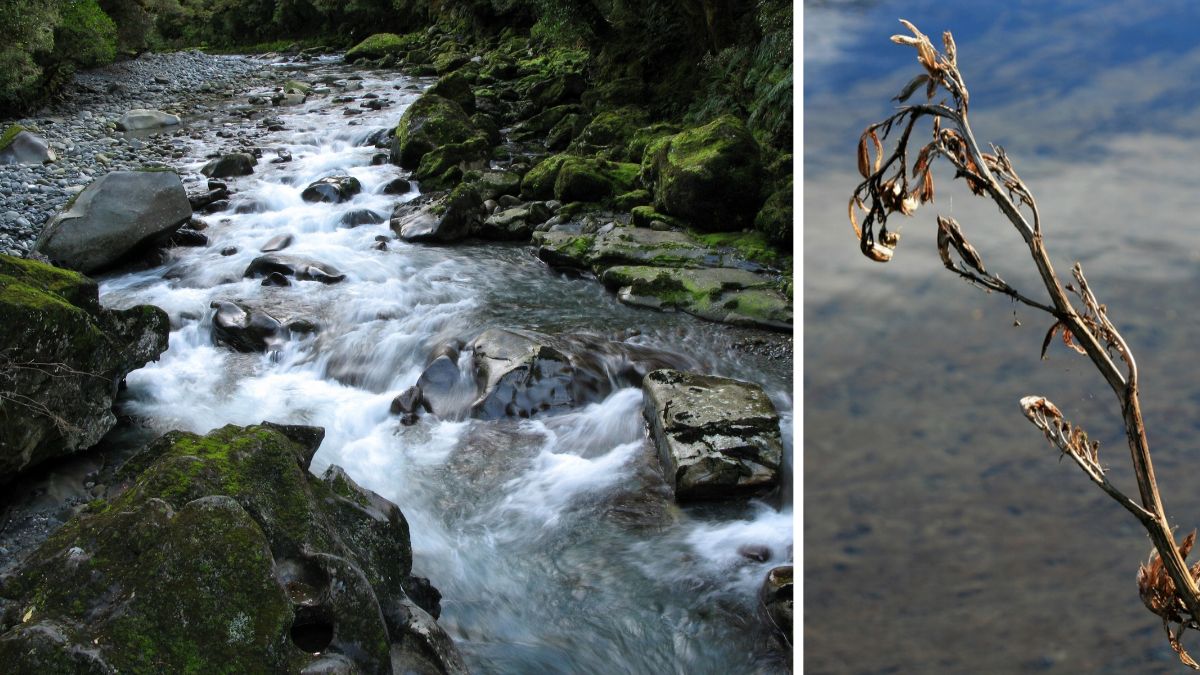
There is no reliably dry season. Earth Sciences New Zealand’s West Coast climatology reports roughly 2,000–3,000 millimetres of annual rain in the coastal lowlands, with more than 10,000 millimetres at high elevations. Rain falls year-round, lowland temperatures are generally mild, and conditions can change quickly.
| Season | What to expect | Best for | Watch for |
|---|---|---|---|
| Summer, Dec–Feb | Long daylight, mild-to-warm days, full activity schedules | Road trips, cycling, long days outside | Highest room and vehicle prices; busy late Dec–Jan; rain still possible |
| Autumn, Mar–May | Cooler nights, calmer pace, often good availability | Photography, walking, value-focused road trips | Shortening daylight; reduced hours later in the season |
| Winter, Jun–Aug | Quiet towns, snow on peaks, dramatic atmosphere | Lowland walks, cosy stays, flexible travellers | Ice and snow on passes, short days, limited services and track hazards |
| Spring, Sep–Nov | Waterfalls, fresh forest, increasing daylight | Wildlife, shoulder-season touring | Fast-changing weather, wind and lingering alpine snow |
Best overall: November and March–April are strong compromises if you can travel outside school-holiday and Easter peaks. January offers the longest days and widest opening hours but demands early bookings. Winter can be wonderful for an adaptable self-driver who checks the passes daily; it is a poor time to improvise an alpine tramp without the skills and equipment.
Whatever the month, carry a waterproof shell and warm mid-layer in the day bag. A wet forecast does not ruin the West Coast; it does mean choosing tracks conservatively and leaving room for the sky to change.
9) Best Places to Book Your Trip
“Best” means the source with the clearest terms and the strongest control when something changes—not always the first result or the lowest headline price.
| What to book | Start here | Why |
|---|---|---|
| Track alerts, Great Walk huts and DOC campsites | Department of Conservation | Authoritative conditions, facilities, fees and official booking inventory |
| Regional planning and local operators | West Coast NZ and official i-SITEs | Route context, seasonal status and smaller businesses |
| Coaches | InterCity | Official timetable, stops, luggage rules and changes |
| TranzAlpine | Great Journeys New Zealand | Official fare classes, timetable and conditions |
| Christchurch–Hokitika flights | Air New Zealand | Direct disruption support and baggage terms |
| Glacier, cave and wildlife experiences | Operator’s official website | Current safety requirements, weather decisions and direct rebooking |
| Accommodation comparison | Booking.com, Agoda, Hotels.com, and Expedia. | Broad availability plus a direct-rate and policy check |
| Cars and campervans | Rentalcars.com, Discover Cars or Motorhome Republic, then the supplier | Efficient comparison, followed by verification of exclusions and road rules |
| Day tours | GetYourGuide or Viator | Useful comparison and reviews; direct booking may offer clearer local support |
| Entry permission | Immigration New Zealand | Avoid unofficial fees and fraudulent sites |
For insurance, compare policies in your country of residence and read the wording, not just the score. Confirm medical and evacuation limits, rental-vehicle excess, hiking altitude, cycling or glacier activities, cancellation, weather disruption and pre-existing-condition rules.
Book in this order
- Confirm entry requirements and do not lock in non-refundable travel before approval.
- Reserve the scarce transport item: one-way rental car, campervan, train or flight.
- Book remote nights and any Great Walk huts.
- Place a weather-sensitive glacier activity early enough to allow a second attempt.
- Add flexible accommodation around that activity.
- Book caves, shuttles and cycle logistics that have small capacities.
- Recheck every operator directly one week before departure and road/weather status the day before.
Take screenshots or download confirmations, because reception may disappear precisely when you need an address or booking number.

Destinations Uncovered
Jason Baigent
Travel writer, researcher and publisher
“I’ve found that the best travel experiences happen when you venture beyond the standard circuit. My detailed Dunedin Otago travel guide reveals lesser-known routes, secret beaches, and authentic cultural experiences that will transform your understanding of this incredible region.”
Frequently Asked Questions
Is the West Coast suitable for solo independent travel?
Yes. Towns are welcoming and the main route is simple, but solo travellers need stronger communication plans and may pay more for cars and rooms. A coach-and-hostel trip is possible if you accept fewer side trips. For remote walks, share intentions and carry appropriate emergency equipment.
Should I stay in Franz Josef or Fox Glacier?
Franz Josef suits travellers wanting more dining, room and tour choice or arriving by coach. Fox is quieter and puts Lake Matheson close at hand. If glacier activities are central and time allows, two nights in one village—or one in each—creates useful weather flexibility.
Can I see a glacier for free?
Yes, from open public viewpoints, but the ice is distant and visibility varies. Reaching or walking on a glacier requires an approved guided flight-based trip. Old photographs and old walking directions no longer represent current safe access.
Can I travel without a car?
Yes, by combining the TranzAlpine or a Hokitika flight with InterCity coaches and tours that collect from town. The compromise is a timetable-led route and limited access to Hokitika Gorge, Lake Kaniere, Gillespies Beach and other side trips.
What should I pack?
Bring a waterproof jacket, warm insulating layer, quick-dry trousers, sturdy shoes, sun protection, insect repellent, reusable water bottle, small first-aid kit, car charger/power bank and offline maps. Add a PLB and full backcountry kit for remote tramps.
Final Thoughts
New Zealand’s West Coast on the South Island rewards a different kind of ambition. The West Coast is not flashy like Auckland and Queenstown but rather it is unique and totally authentic, a bit like the Coasters themselves. That’s why it is one of my most favorite parts of New Zealand to visit. The goal is not to collect every stop; it is to give a dynamic landscape enough time to reveal itself. Plan conservatively, spend selectively and keep one day flexible. You may arrive at Lake Matheson under cloud, then watch the peaks appear over dinner. You may swap a cancelled flight for a rainforest walk and discover that the waterfalls are at their loudest.
That uncertainty is not a flaw in the journey. It is part of travelling independently through one of New Zealand’s most exhilarating regions—with the freedom to pause when the coast gives you a reason.
22 Works Cited
DepartmentofConservation. Heaphy Track. 2026, www.doc.govt.nz/parks-and-recreation/places-to-go/nelson-tasman/places/kahurangi-national-park/things-to-do/tracks/heaphy-track/.
—. Punakaiki – Pororari Loop. 2026, www.doc.govt.nz/parks-and-recreation/places-to-go/west-coast/places/paparoa-national-park/things-to-do/tracks/punakaiki-pororari-loop/.
DOC. Alerts. 2026, www.doc.govt.nz/parks-and-recreation/know-before-you-go/alerts/.
—. Paparoa Track. 2026, www.doc.govt.nz/parks-and-recreation/places-to-go/west-coast/places/paparoa-national-park/things-to-do/tracks/paparoa-track/.
—. Thunder Creek Falls. 2026, www.doc.govt.nz/parks-and-recreation/places-to-go/otago/places/mount-aspiring-national-park/things-to-do/tracks/thunder-creek-falls/.
—. Truman Track. 2026, www.doc.govt.nz/parks-and-recreation/places-to-go/west-coast/places/paparoa-national-park/things-to-do/tracks/truman-track/.
GlacierCountry. Tales from Glacier Country Okarito Lagoon – Jewel of the West. 2026, www.glaciercountry.co.nz/okarito-lagoon-jewel-of-the-west/.
—. Walking & Hiking Lake Mapourika. 2026, www.glaciercountry.co.nz/gct_walks/lake-mapourika/.
hokitika.org. Welcome to Hokitika, the Place to Regenerate. 2026, hokitika.org/.
ImmigrationNZ. New Zealand Electronic Travel Authority (NZeTA). 2026, www.immigration.govt.nz/visas/new-zealand-electronic-travel-authority-nzeta/.
—. Paying the International Visitor Levy. 2026, www.immigration.govt.nz/process-to-apply/applying-for-a-visa/fees-processing-times-and-refunds/paying-the-international-visitor-levy/.
KarameaInformation. Oparara Guided Tours. 2026, www.oparara.co.nz/guided-tours.
MBIE. Weekly fuel price monitoring. 2026, www.mbie.govt.nz/building-and-energy/energy-and-natural-resources/energy-statistics-and-modelling/energy-statistics/weekly-fuel-price-monitoring.
MetService. Severe weather outlook and forecast. 2026, www.metservice.com/.
NZTA. About RUC (Road User Charge). 2026, www.nzta.govt.nz/vehicles/road-user-charges/about-ruc.
NZTRansportAgency. Traffic and travel table. 2026, www.journeys.nzta.govt.nz/highway-conditions/traffic-and-travel-list-view.
TranzAlpine. TranzAlpine train, Experience the world-famous TranzAlpine scenic train from Christchurch to Greymouth. 2026, www.greatjourneysnz.com/scenic-trains/tranzalpine-train/.
treetopsnz. West Coast Treetops Venture Where the Forest Meets the Sky. 2026, treetopsnz.com/.
UNESCO. Te Wahipounamu – South West New Zealand. whc.unesco.org/en/list/551/.
WestCoast. DISCOVER THE TRUE COLOURS OF THE GREY DISTRICT. 2026, westcoast.co.nz/visit/discover/regions/grey-district/.
WestportNZ. Westport. Real Coast. Real People. Real Good. 2026, westport.nz/.
Wikipedia. Cash rounding or Swedish rounding. 2026, en.wikipedia.org/wiki/Cash_rounding.