
New Zealand, or Aotearoa, the “Land of the Long White Cloud,” is a place that effortlessly lives up to its mythic reputation. From the snow-capped peaks of the Southern Alps to the subtropical beaches of the North Island, its landscapes are the stuff of fantasy. But beyond the stunning scenery lies a rich Māori culture, a spirit of adventure, and a laid-back charm that captures the heart of every traveler. It’s a destination that promises not just a vacation, traveling through New Zealand is a true adventure for the soul.
Planning a trip to a country this diverse can feel overwhelming, but that’s where this guide comes in. We’re here to walk you through every step of the process, from deciding when to go and what to pack, to navigating the winding roads and understanding local customs. Think of this as your personal roadmap to an unforgettable journey, packed with practical advice and insider tips.
Our goal is simple: to provide a comprehensive, valuable resource that empowers you to craft the New Zealand trip of your dreams. Whether you’re a first-time visitor ready to bungee jump in Queenstown or a seasoned explorer looking for hidden gems, this guide is designed to help you make the most of every single moment in this incredible corner of the world.
Traveling through New Zealand Key Takeaways
- Plan for the Seasons: New Zealand’s seasons are opposite to the Northern Hemisphere. Summer (December-February) is ideal for beaches and hiking, while winter (June-August) is perfect for skiing. Shoulder seasons (autumn and spring) offer fewer crowds and pleasant weather.
- Visas and Entry: Many visitors, including those from the US, UK, and most of Europe, will need a New Zealand Electronic Travel Authority (NZeTA) before arriving. Always check the latest requirements for your nationality.
- Driving is Key: Renting a car or campervan offers the ultimate freedom to explore. Remember to drive on the left, be prepared for winding roads, and understand the rules for one-lane bridges.
- Embrace Both Islands: The North Island is known for its volcanic landscapes, geothermal activity, and rich Māori culture, while the South Island boasts dramatic mountains, fjords, and glaciers. Allow at least three to four weeks to experience both.
- Budget Accordingly: New Zealand can be expensive, but there are options for every budget. Save money by traveling in the off-season, self-catering, and enjoying the abundance of free natural attractions like hiking trails and beaches.
- Stay Sun Safe: The UV radiation in New Zealand is extremely strong due to the clear air and low ozone levels. Sunscreen, a hat, and sunglasses are non-negotiable, even on cloudy days.
- Practice Responsible Tourism: Embrace the Tiaki Promise, a commitment to care for New Zealand’s land, sea, and culture for future generations. Respect the environment, follow local guidelines, and leave no trace.
Planning Your Dream New Zealand Trip
The secret to a flawless New Zealand adventure lies in the planning. With two main islands offering vastly different experiences and a climate that can change in the blink of an eye, a little preparation goes a long way. This section covers the foundational elements of your NZ travel planning, from picking the perfect season for your interests to understanding visa requirements and packing the right gear. Getting these details right sets the stage for a smooth, stress-free journey through one of the world’s most spectacular destinations.
Best Time to Visit
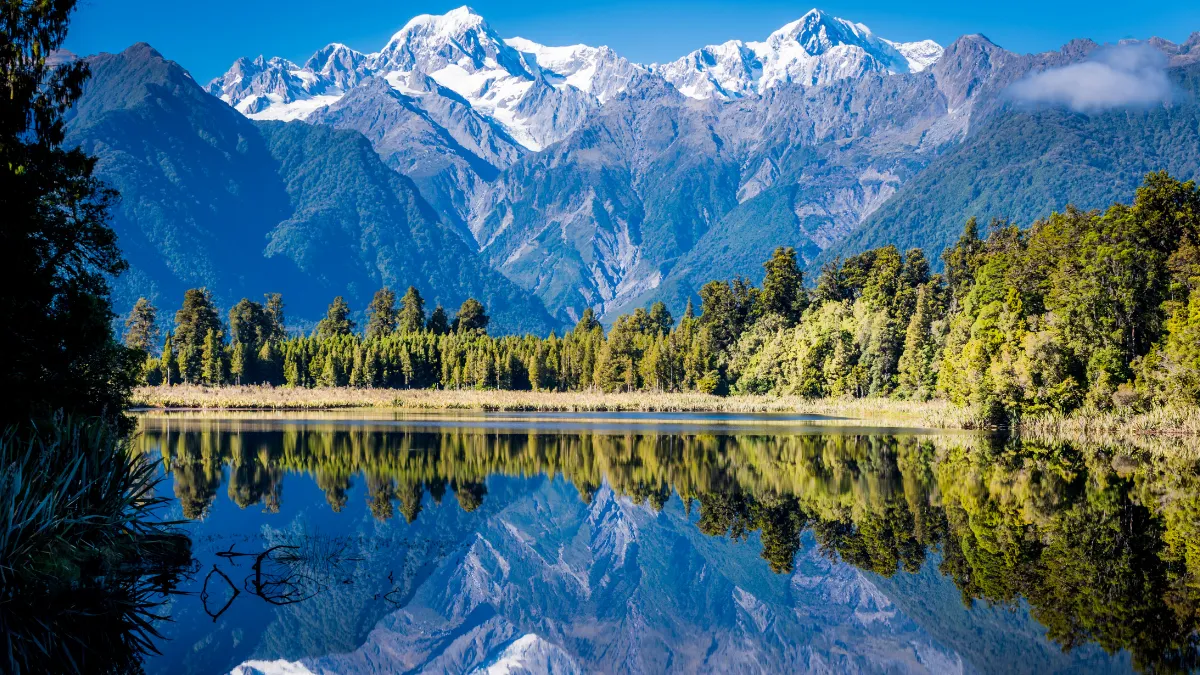
New Zealand’s weather is famously variable, but its seasons each offer a unique appeal. Summer (December to February) is the peak season, boasting long, sunny days perfect for hitting the golden beaches of Abel Tasman or hiking the Tongariro Alpine Crossing. Expect warm temperatures, bustling towns, and higher prices for accommodation and activities. Autumn (March to May) is a favorite for many, with settled, sunny weather, comfortable temperatures, and stunning fall colors, especially in the Central Otago region. The crowds begin to thin, making it a fantastic time for road-tripping.
Winter (June to August) transforms the South Island into a snowy paradise, making it the prime season for skiing and snowboarding in Queenstown and Wanaka. The North Island remains milder, though cooler and wetter. Spring (September to November) sees the country burst into life with blooming flowers, cascading waterfalls from melting snow, and adorable lambs dotting the green hills. It’s a fantastic time for outdoor activities, though be prepared for “four seasons in one day” as the weather can be unpredictable.
Visa and Entry Requirements
For many travelers, entering New Zealand is a straightforward process. Visitors from visa-waiver countries—which include the USA, UK, Canada, and most of the European Union—do not need a visa for stays of up to three months (or six months for UK citizens). However, these visitors must hold a New Zealand Electronic Travel Authority (NZeTA) before they travel. The NZeTA is an electronic permit that is valid for multiple entries over two years. You can apply online or through a mobile app, and it’s essential to do this well in advance of your departure.
When you apply for the NZeTA, you will also pay for the International Visitor Conservation and Tourism Levy (IVL), which helps fund tourism infrastructure and conservation projects. For nationalities not on the visa-waiver list, a Visitor Visa will be required. Regardless of your nationality, your passport must be valid for at least three months beyond your intended departure date from New Zealand. Australian citizens and permanent residents are generally exempt from needing an NZeTA or a visa.
Crafting Your Itinerary
Deciding between the North and South Islands is a classic traveler’s dilemma, as each offers a distinct character. The North Island is defined by its volcanic heart, with geothermal wonders in Rotorua, vibrant Māori culture, and the bustling city life of Auckland and Wellington. The South Island, on the other hand, is a playground of raw, dramatic landscapes, home to the majestic fjords of Milford Sound, the adventure capital of Queenstown, and the colossal glaciers of the West Coast.
For a trip of two weeks, it’s best to focus on one island to avoid rushing. This allows you to delve deeper into a region. With three to four weeks, you can comfortably explore the highlights of both islands, creating a truly epic road trip. A sample adventure-focused itinerary might start in Auckland, head to the Waitomo Glowworm Caves and Rotorua, then fly to Queenstown for bungee jumping and jet boating, finishing with a cruise on Milford Sound. A relaxation-themed trip could involve wine tasting on Waiheke Island, soaking in geothermal pools, and then exploring the golden beaches and coastal walks of Abel Tasman National Park in the South.
To help plan your itinerary use our free digital travel planner tool, keep your trip orgainised and your budget on track. Go to the build my trip travel itinerary templates.
Packing Essentials
Packing for New Zealand requires one key strategy: layers. The weather can change rapidly, so being able to add or remove clothing is crucial. A waterproof and windproof jacket is non-negotiable, regardless of the season. Sturdy hiking boots are another must-have, as you’ll want to explore the country’s incredible network of trails. Even if you’re not a serious hiker, comfortable walking shoes are essential for everyday sightseeing.
Other vital items include swimwear for the beautiful beaches and hot pools, insect repellent (especially for sandflies in the South Island), and high-SPF sunscreen. The UV rays in New Zealand are particularly harsh, so a hat and sunglasses are also vital for protection. For electronics, a universal power adapter and a portable power bank are highly recommended, as you’ll often be out exploring for long periods. Finally, don’t forget any personal medications and a basic first-aid kit for minor scrapes and blisters on the trail.
Want to generate your own packing list. Use our online tool to automatically create your travel packing list for any destination.
Essential New Zealand Travel Tips for First-Timers
Once the planning is done and your bags are packed, it’s time to get acquainted with the practicalities of being on the ground and traveling in New Zealand. From handling money and staying connected to navigating the roads and understanding local customs, these essential NZ travel tips will help you feel like a seasoned pro from the moment you arrive. A little bit of local knowledge can make a huge difference, ensuring your trip is as smooth and enjoyable as possible.
Money Matters and Connectivity
New Zealand’s currency is the New Zealand Dollar (NZD). Credit and debit cards (Visa and Mastercard) are widely accepted in cities, towns, and most tourist spots, so you won’t need to carry large amounts of cash. However, it’s always a good idea to have some cash on hand for smaller purchases at local markets or in more remote areas. ATMs are readily available in urban centers and towns. Before you leave, inform your bank of your travel plans to avoid your card being blocked, and inquire about foreign transaction fees.
Staying connected is relatively easy. Free Wi-Fi is common in accommodations, cafes, and libraries in larger towns. For constant connectivity, especially if you’re using GPS for navigation, purchasing a local SIM card upon arrival is the most cost-effective option. Major providers like Spark, One NZ, and 2degrees offer prepaid travel packs with generous data allowances that can be picked up at the airport or in any of their stores.
Driving in New Zealand
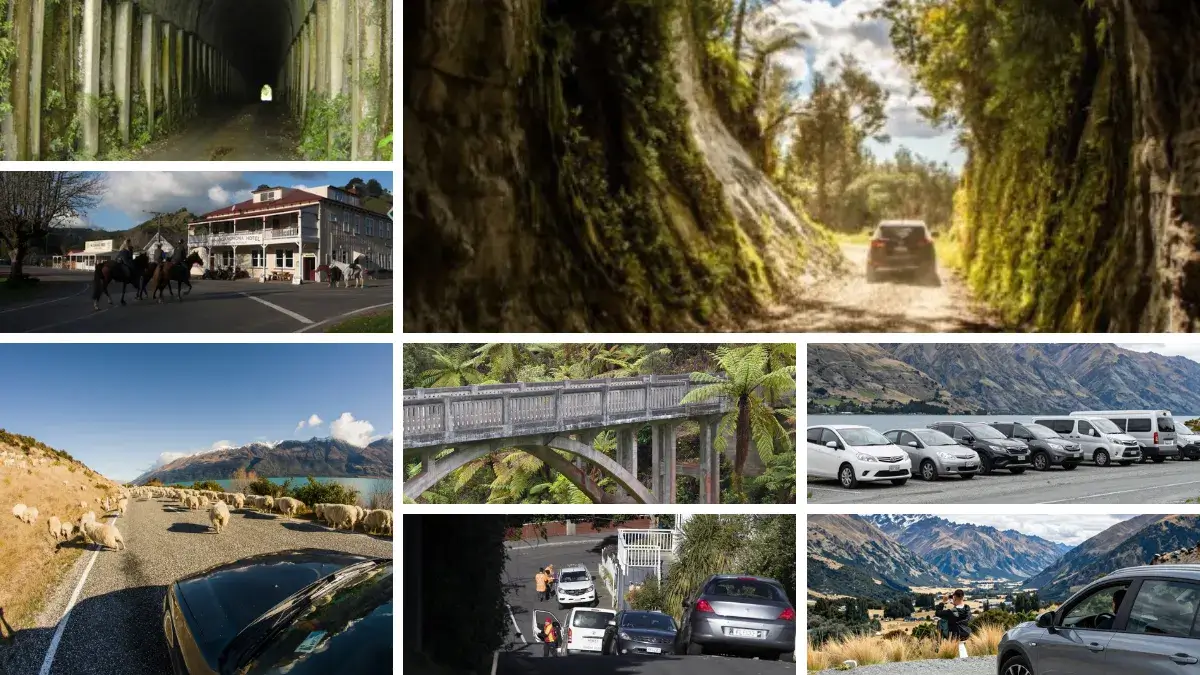
Driving is arguably the best way to see New Zealand, but it requires your full attention. First and foremost, remember to drive on the left-hand side of the road. Roads can be narrow, winding, and hilly, especially on the South Island’s West Coast and in the Coromandel Peninsula. Distances can be deceptive; a short trip on the map can take longer than expected due to the terrain, so always allow extra travel time.
Be prepared for unique road features like one-lane bridges, where you must yield to oncoming traffic based on signage. Gravel roads are also common when accessing more remote trailheads or beaches. Weather conditions can change rapidly, so always check the forecast before a long drive, particularly when crossing mountain passes like Arthur’s Pass or the Haast Pass. If your driver’s license is not in English, you will need an International Driving Permit (IDP) to legally drive in New Zealand.
Health and Safety
New Zealand is a very safe country, but it’s important to be prepared. In case of a life-threatening emergency, the number to call for police, fire, or ambulance is 111. This call is free from any phone. For non-emergency police matters, you can call 105.
The biggest health risk for many visitors is the sun. New Zealand has a very high UV index due to its clear air and position under the ozone hole. Sunscreen (SPF 30 or higher), a wide-brimmed hat, and sunglasses are essential every day, even when it’s cloudy. When heading into the outdoors, always follow the Land Safety Code: check the weather forecast, tell someone your plans, be aware of your limits, and take sufficient supplies. Nature is powerful, and being prepared is key to a safe adventure.
Cultural Etiquette and Respect
New Zealanders, or “Kiwis,” are known for being friendly, down-to-earth, and welcoming. A casual “hello” or “kia ora” (hello in Māori) goes a long way. Tipping is not customary or expected in New Zealand, as staff are paid a fair living wage. If you receive exceptional service, a small tip will be appreciated but is not required.
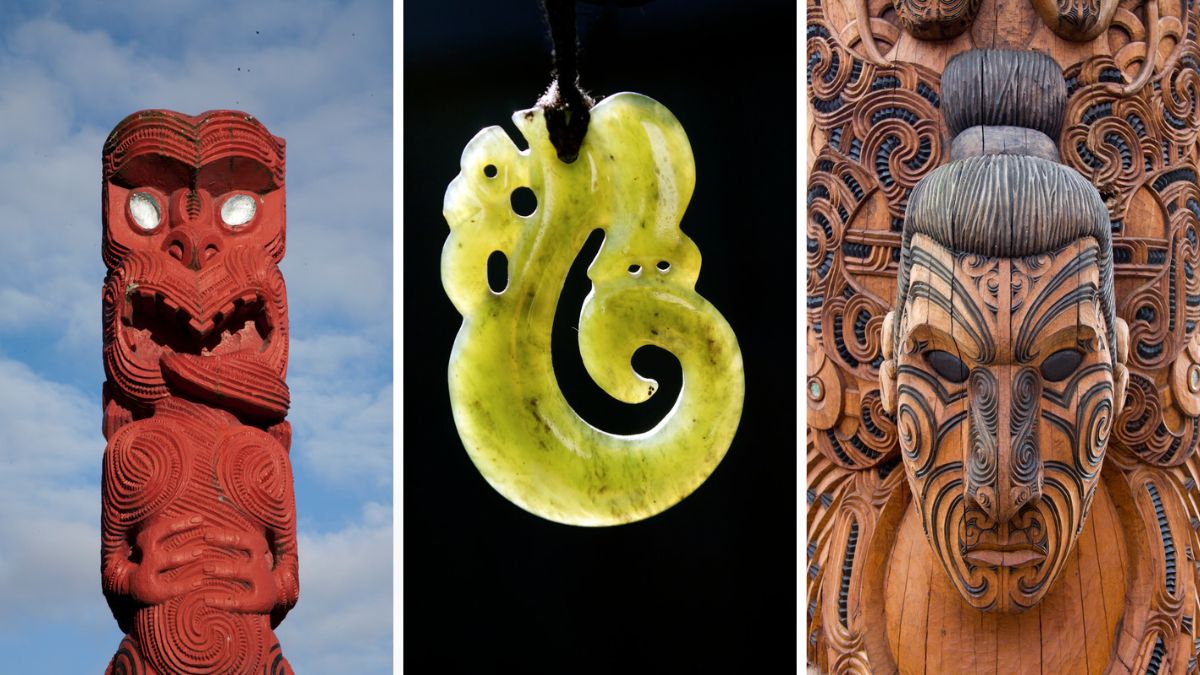
Respect for Māori culture is paramount. Māori are the tangata whenua, the indigenous people of the land, and their culture is a vital part of New Zealand’s identity. If you visit a marae (a traditional Māori meeting ground), do so with a licensed guide who can explain the protocols. Always ask for permission before taking photos of people or their carvings. Showing respect for sacred sites and traditions is a fundamental part of experiencing the country’s rich heritage.
Exploring New Zealand’s North Island: Must-See Destinations
Welcome to the heart of your New Zealand travel guide, where we dive into the incredible destinations that make this country a world-class attraction. The sheer diversity packed into its two main islands is breathtaking. You can start your day exploring a vibrant city, spend the afternoon hiking through an ancient rainforest, and end it by gazing at a star-filled sky from a remote beach. This section will guide you through the iconic highlights and hidden gems of both the North and South Islands, encouraging you to embrace the spirit of exploration and discover your own slice of paradise.
The North Island offers a captivating blend of cosmopolitan cities, unique geothermal landscapes, and deep cultural roots. It’s a place where you can experience the buzz of modern life and the ancient traditions of the Māori people, often in the same day.
Auckland: The City of Sails
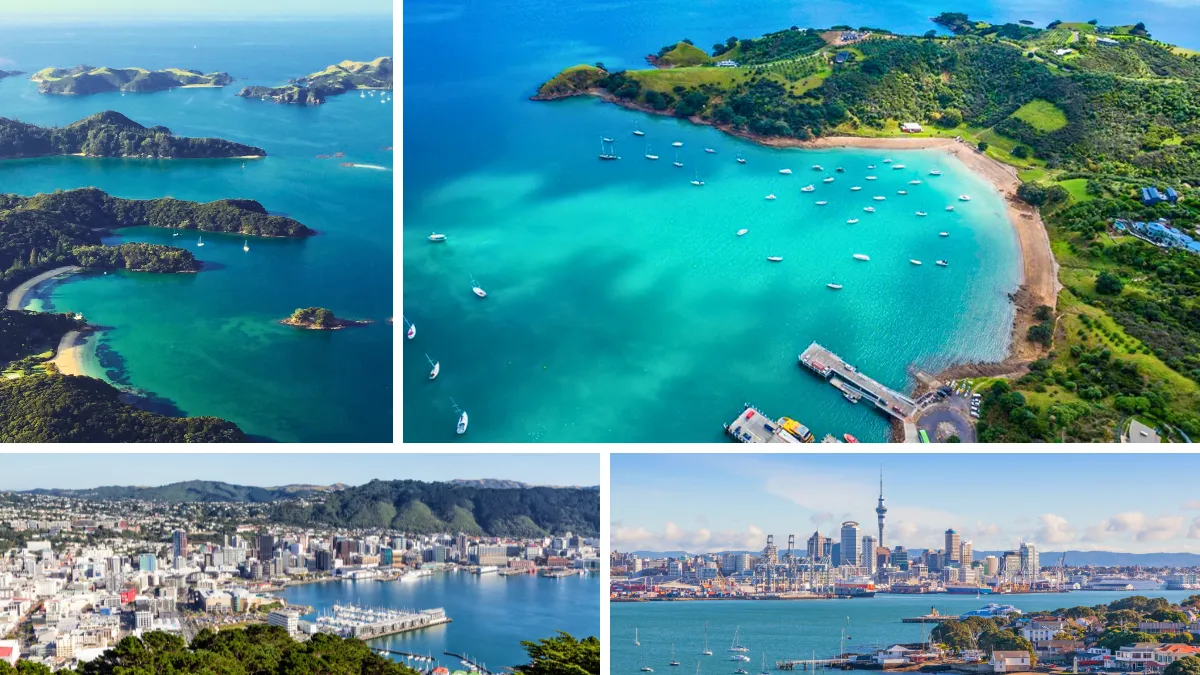
As New Zealand’s largest city, Auckland is a vibrant hub built around two sparkling harbors. For panoramic views, head up the iconic Sky Tower. A short ferry ride will take you to Waiheke Island, a haven of vineyards, olive groves, and beautiful beaches. The Viaduct Harbour is the perfect spot for waterfront dining, while the hip neighborhoods of Ponsonby and Parnell offer boutique shopping and trendy cafes. Don’t miss the chance to experience the city’s nickname by getting out on the water, whether it’s a thrilling ride on an America’s Cup yacht or a relaxing harbor cruise.
Rotorua: Geothermal Wonderland and Māori Culture
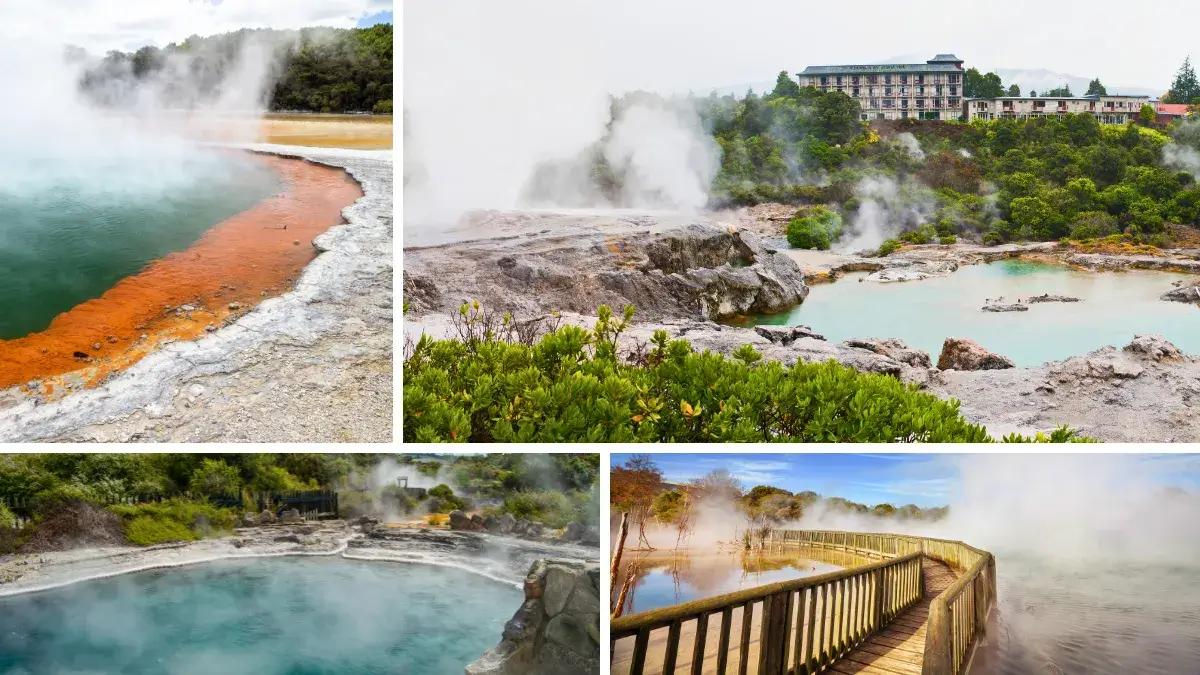
Rotorua is a place that engages all the senses, with its bubbling mud pools, shooting geysers, and the distinct smell of sulfur in the air. Visit geothermal parks like Te Puia or Wai-O-Tapu to witness the raw power of the earth. Rotorua is also the heartland of Māori culture. Immerse yourself in the experience by visiting a living Māori village like Whakarewarewa or Tamaki Māori Village, where you can witness powerful cultural performances and feast on a traditional hāngi, a meal cooked in an earth oven.
Wellington: The Coolest Little Capital
Nestled between a stunning harbor and rolling green hills, Wellington is a compact and creative capital with a world-class culinary scene. It’s home to Te Papa Tongarewa, New Zealand’s outstanding national museum, which offers fascinating insights into the country’s history, art, and culture. Film fans will love a tour of the Weta Workshop, the special effects and props studio behind “The Lord of the Rings.” The city is also famous for its vibrant laneway culture, craft beer breweries, and excellent coffee shops.
Other North Island Gems
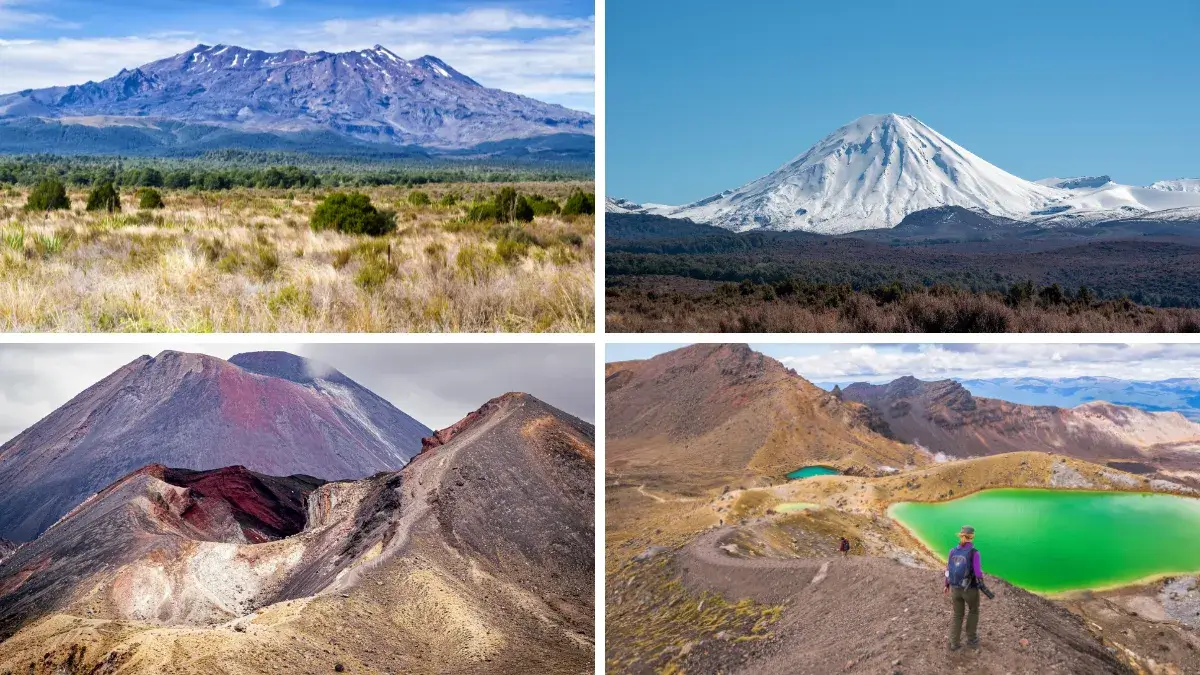
No trip to the North Island is complete without a visit to the Hobbiton Movie Set, where the idyllic Shire comes to life for fans of Middle-earth. For a truly magical experience, take a boat tour through the Waitomo Glowworm Caves, where thousands of tiny lights illuminate the darkness. And for the adventurous, Tongariro National Park, a dual World Heritage site, offers incredible hiking, including the famous Tongariro Alpine Crossing, which traverses a dramatic volcanic landscape.
Traveling through New Zealand: South Island Wonders
The South Island is a masterpiece of nature, a place of epic proportions with landscapes that will leave you speechless. From jagged peaks and serene fjords to ancient glaciers and turquoise lakes, it’s an outdoor enthusiast’s dream come true.
Queenstown: The Adventure Capital
Set on the shores of the stunning Lake Wakatipu and surrounded by the dramatic Remarkables mountain range, Queenstown is the world’s home of adventure. It’s the birthplace of commercial bungee jumping, and you can still take the plunge at the historic Kawarau Bridge. Other adrenaline-fueled activities include jet boating through narrow canyons, skydiving over the lake, and white-water rafting. But Queenstown isn’t just for thrill-seekers; it also offers world-class wineries, excellent dining, and breathtaking scenic drives.
Milford Sound / Fiordland National Park: Majestic Fjords
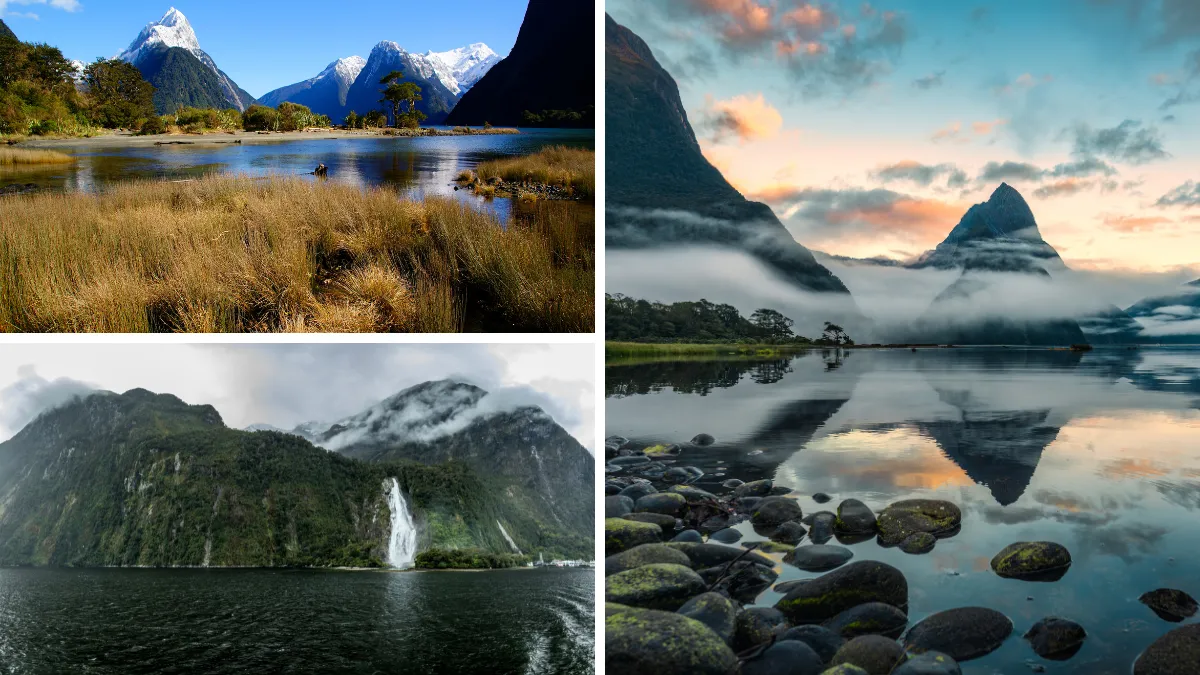
Described by Rudyard Kipling as the “eighth wonder of the world,” Milford Sound is a place of staggering beauty. Carved by glaciers during the ice ages, the fjord’s sheer cliffs rise dramatically from dark waters, with waterfalls tumbling down from great heights. The best way to experience it is on a cruise, which gets you up close to landmarks like Mitre Peak and Stirling Falls. For an even more epic perspective, consider a scenic flight over the vast and untouched wilderness of Fiordland National Park.
Christchurch: The Garden City Reimagined
Known as the Garden City, Christchurch is a testament to resilience and creativity. Following the 2011 earthquake, the city has been rebuilding with innovation and spirit. Explore the beautiful Botanic Gardens, admire the vibrant street art that has brought color to the city center, and punt down the tranquil Avon River. The Re:START container mall has evolved into a permanent retail precinct, symbolizing the city’s forward-looking energy and reimagined urban landscape.
Nelson Tasman: Coast, Forests, and Mountain Landscapes
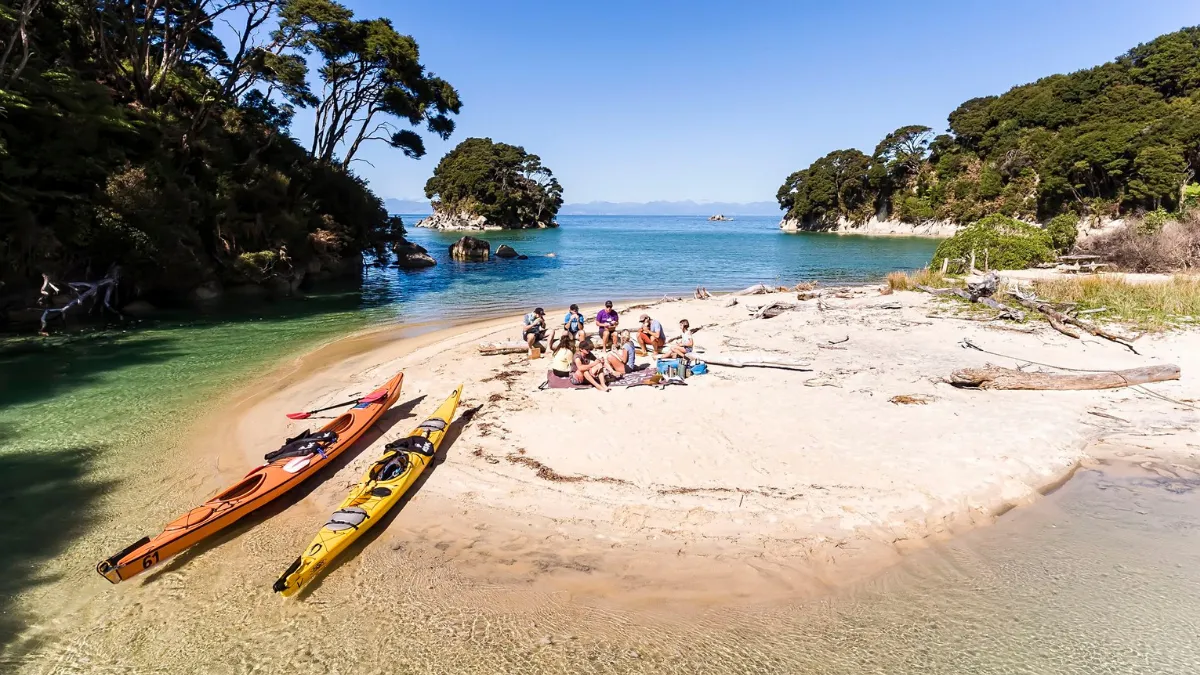
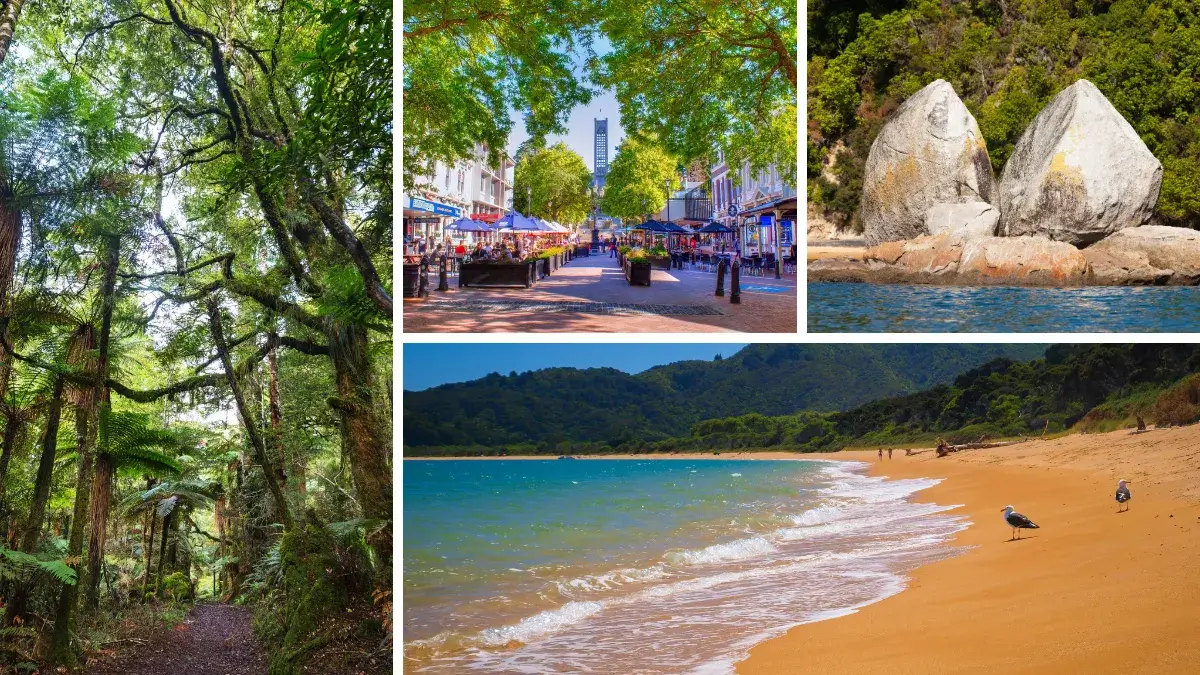
Nelson Tasman is one of New Zealand’s most varied and rewarding regions, combining sunny coastal scenery with native forests, mountain ranges, vineyards, and welcoming small towns. The region’s main highlight is Abel Tasman National Park, where golden beaches, sheltered bays, and clear waters can be explored by water taxi, kayak, or on foot along the famous Abel Tasman Coast Track. Nearby Kaiteriteri is a popular starting point for park excursions, while Mapua offers relaxed waterfront cafés, galleries, and local produce.
Beyond the coast, Kahurangi National Park provides opportunities for hiking through dramatic mountain and forest landscapes, while Nelson Lakes National Park features beautiful alpine lakes, peaceful walking tracks, and impressive views. Food and wine lovers should allow time for the Moutere and Waimea areas, known for vineyards, orchards, artisan producers, and cellar doors. With its mix of beaches, wilderness, outdoor activities, and local food, Nelson Tasman is an ideal stop for travelers exploring New Zealand’s South Island.
Marlborough: Vineyards, Sounds, and Coastal Wilderness
Marlborough is best known for its world-famous Marlborough wine region, particularly its crisp Sauvignon Blanc, but this corner of New Zealand’s South Island offers much more than vineyards. Base yourself in Blenheim to explore the region’s cellar doors, food producers, and scenic countryside, or visit Picton, a charming harbour town and the gateway to the Marlborough Sounds. The winding waterways, forested hills, quiet coves, and island sanctuaries are perfect for kayaking, boating, fishing, and wildlife cruises.
Outdoor enthusiasts should explore the Queen Charlotte Track, which winds through native bush and along ridgelines overlooking the Sounds. Boat trips from Picton are an excellent way to discover secluded bays and spot dolphins, seals, and seabirds, while the Marlborough Sounds offer plenty of peaceful places to swim, walk, and enjoy the coastal scenery. With its combination of renowned wine, fresh local cuisine, sheltered waterways, and beautiful walking trails, Marlborough is an essential stop when traveling through New Zealand’s South Island.
Other South Island Gems
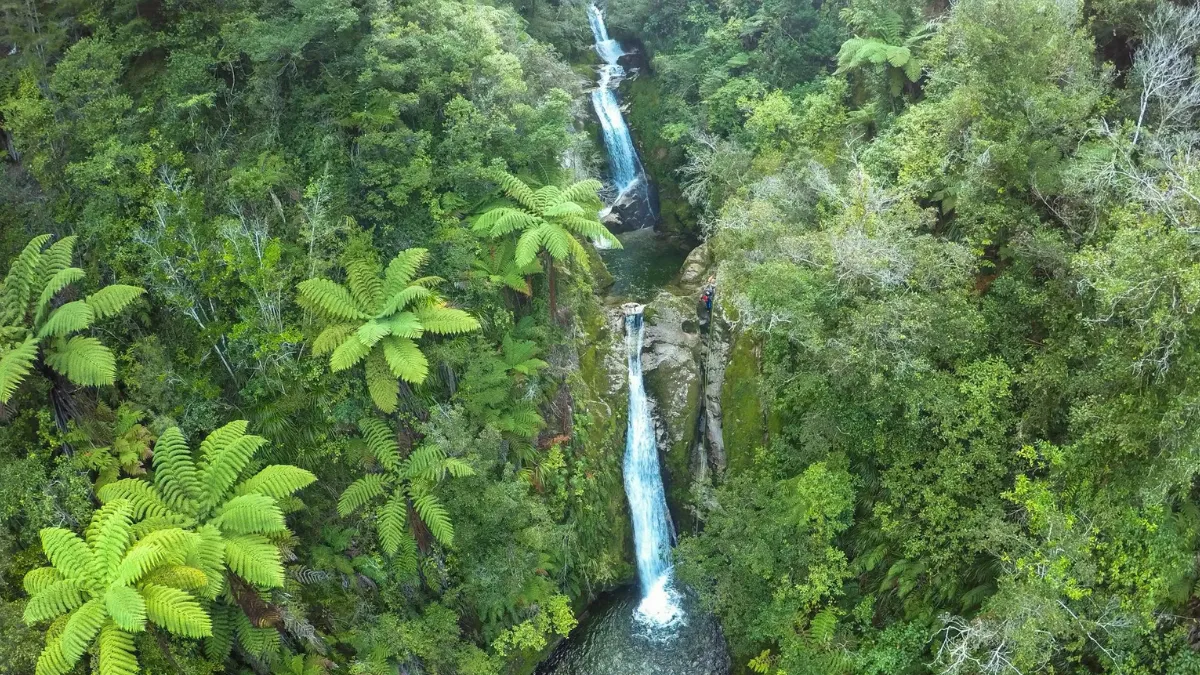
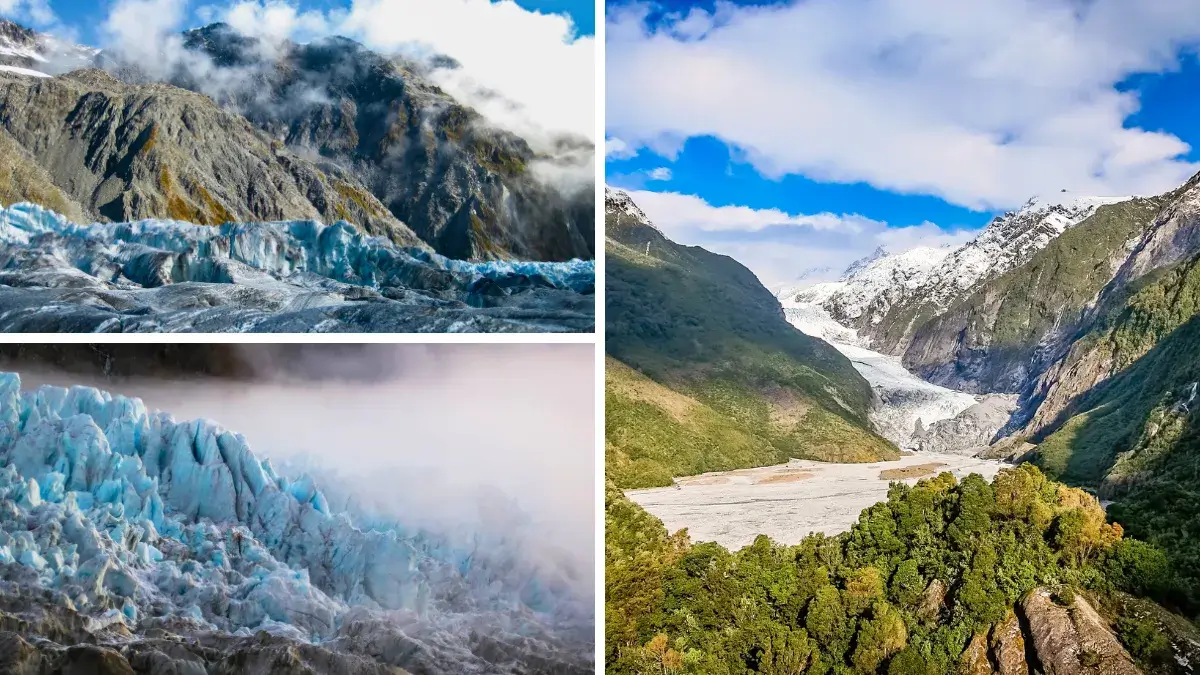
For a truly cool experience head to the West Coast of New Zealands South Island to hike on the Franz Josef or Fox Glaciers, two of the most accessible glaciers in the world. The nearby town of Wanaka offers a more relaxed vibe than Queenstown, with its famous and highly photographed lakeside tree. Another option is Dunedin Otago which provides great beaches and wildlife. In the north, Abel Tasman National Park beckons with its golden-sand beaches, turquoise waters, and a stunning coastal track perfect for hiking and kayaking.
Getting Around New Zealand: Transport Options
New Zealand is a country made for road trips. The freedom of having your own wheels is unparalleled, allowing you to stop at every scenic lookout and explore hidden corners at your own pace. However, driving isn’t the only way to see the country. A network of buses, trains, flights, and ferries provides excellent alternatives depending on your budget, timeframe, and travel style. Understanding your NZ transport options is key to designing a seamless and enjoyable journey from top to bottom.
Rental Cars and Campervans
Renting a car or a campervan provides the ultimate flexibility. A campervan, in particular, is a classic New Zealand experience, combining your transport and accommodation in one. This can be a cost-effective way to travel, especially if you make use of the many holiday parks and Department of Conservation (DOC) campsites. The main trade-off is the higher daily rental cost and fuel consumption. It’s crucial to book well in advance, especially during the peak summer season, to secure the best rates and availability. Always opt for full insurance coverage for peace of mind on the winding roads. Be aware that fuel can be expensive and less available in remote areas like the West Coast, so plan your fill-ups accordingly.
Buses and Trains
For budget-conscious travelers, InterCity buses offer an extensive network connecting virtually every town and city across both islands. It’s a reliable and affordable way to get around, though it offers less flexibility than a private vehicle. New Zealand also boasts some of the world’s most scenic train journeys. The TranzAlpine, which crosses the Southern Alps from Christchurch to Greymouth, is consistently ranked among the best rail trips globally. The Coastal Pacific runs between Picton and Christchurch, offering stunning views of the Kaikōura coastline, while the Northern Explorer connects Auckland and Wellington. These train journeys are experiences in themselves, not just a means of transport.
Domestic Flights
To cover the long distances between major hubs or to hop between the North and South Islands, domestic flights are the most time-efficient option. The main domestic carriers are Air New Zealand and Jetstar, with smaller regional airlines like Air Chathams and Sounds Air servicing other destinations. Major hubs include Auckland, Wellington, Christchurch, and Queenstown. Booking flights in advance, especially for travel during peak season, is essential to secure reasonable fares. A flight can turn a full day of driving or a ferry journey into a one-hour trip, freeing up valuable time for more exploration.
Inter-Island Ferries
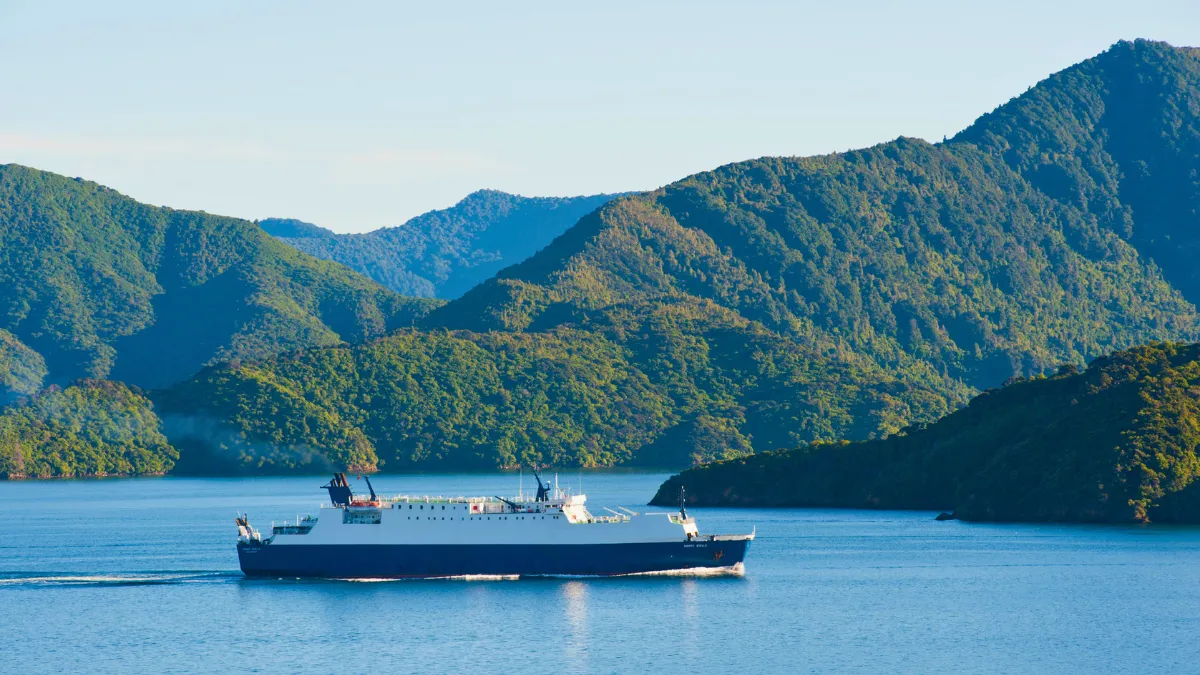
The journey between the North and South Islands is an iconic part of any New Zealand itinerary. The Cook Strait ferry travels between Wellington and Picton, a trip that takes about three and a half hours and is often described as one of the most beautiful ferry rides in the world. The two main operators are the Interislander and Bluebridge. The passage through the Marlborough Sounds on the South Island side is particularly breathtaking. It is crucial to book your ferry crossing well in advance, especially if you are taking a vehicle across, as sailings fill up quickly during holidays and the summer months.
Accommodation and Dining Across New Zealand
From cozy backpacker hostels to luxurious lodges, New Zealand offers a place to stay for every type of traveler and budget. The country’s accommodation is as diverse as its landscapes. Similarly, the New Zealand food scene is a delightful journey of its own, blending fresh, local ingredients with a vibrant café culture and world-class wines. Whether you’re indulging in a gourmet meal or enjoying classic fish and chips on the beach, you’ll find that food is an essential part of the Kiwi experience.
Types of Accommodation
You’ll be spoiled for choice when it comes to accommodation. Hotels and motels are widely available, ranging from budget-friendly chains to boutique luxury properties. For social and budget-minded travelers, hostels offer dorm beds and private rooms, often with communal kitchens and lounges. Bed & breakfasts and guesthouses provide a more personal touch, with local hosts offering hospitality and insider tips.
For those traveling by campervan or with a tent, holiday parks are a fantastic option, providing powered sites, kitchen facilities, and often amenities like laundry and playgrounds. For a more rustic experience, the Department of Conservation (DOC) operates a network of scenic campsites in national parks and reserves. To truly connect with the landscape, consider unique stays like glamping tents, farm stays, or remote eco-lodges.
Accommodation Options New Zealand
The places listed here are my favorite places to stay in New Zealand. They are intended for this post to act as an example of the different styles of accommodation available in New Zealand but if you ever find yourself in the area I highly recommend them to you!
Mt Cook View Motel – Fox Glacier
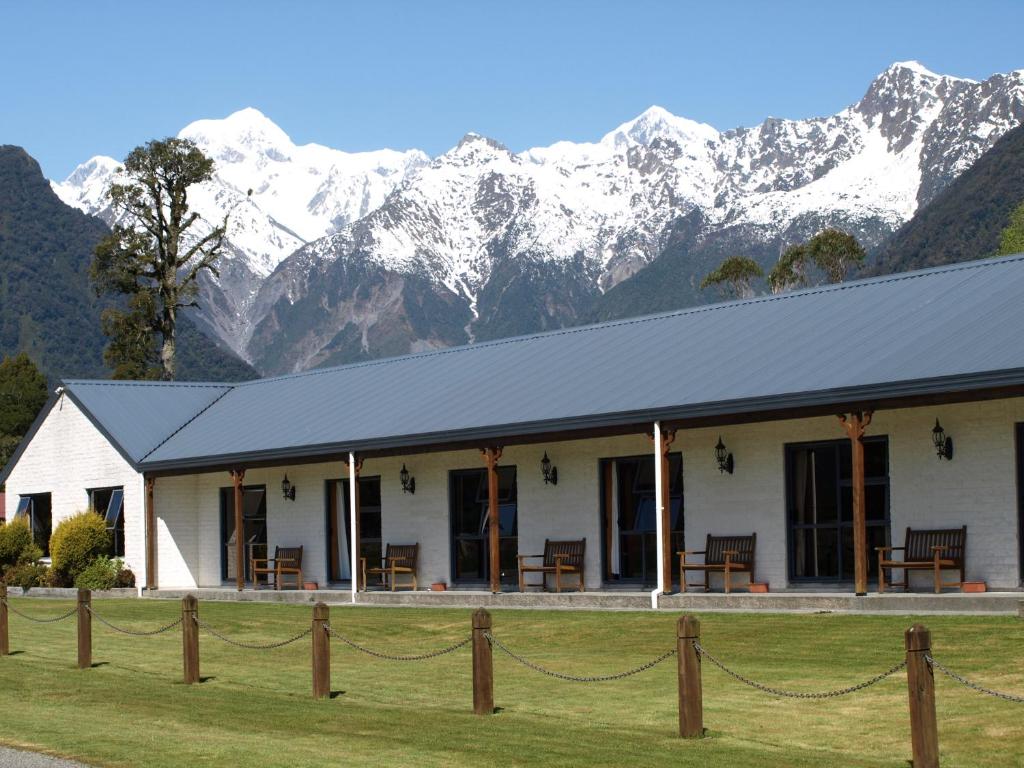
The first accommodation type is the New Zealand Motel. Mt. Cook View Motel offers self-contained accommodation in Fox Glacier, featuring breathtaking views of Aoraki (Mt. Cook) and Mt. Tasman. Guests can enjoy free Wi-Fi, barbecue facilities and complimentary parking.
Every unit at Mt. Cook View includes a flat-screen TV with satellite channels, along with a kitchen or kitchenette equipped with cooking facilities. Electric blankets and tea and coffee-making facilities are also provided. Most rooms feature a spa bath.
The tour desk offers travel advice and can arrange helicopter flights or walks on Fox Glacier. Fax and photocopying services are available, as are laundry facilities for guests.
Motel Mount Cook View is only a 5-minute drive from Lake Matheson, while Fox Glacier Car Park is 10 minutes away by car. Hokitika can be reached in a 2-hour drive. Couples rate it 9.6 for a two-person stay.
The Coal Miners Hut
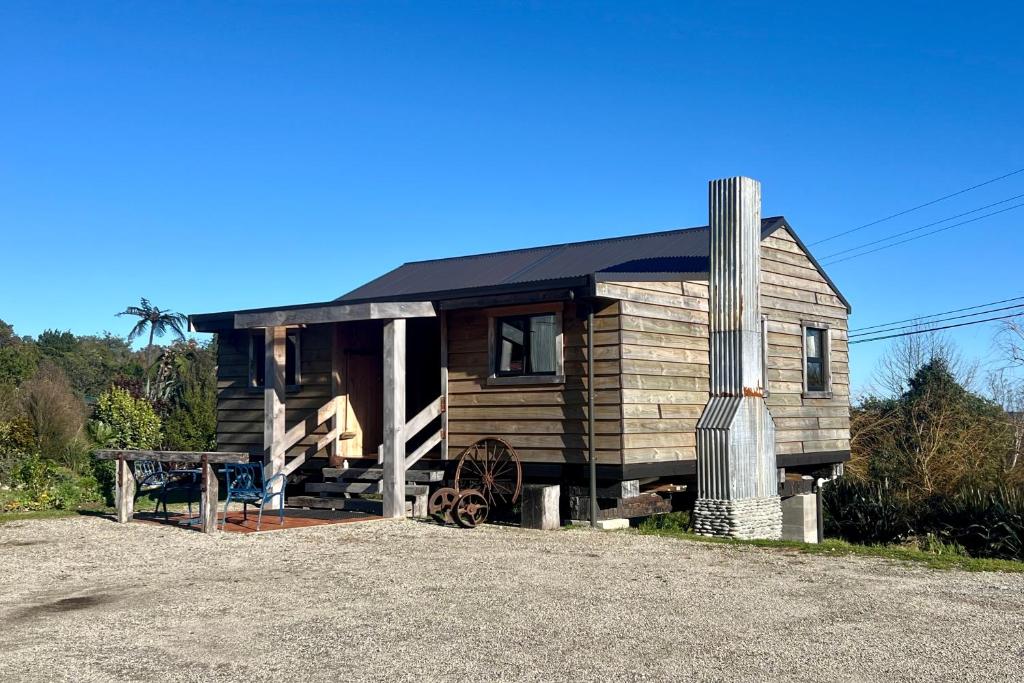
The second accommodation type is the New Zealand Bach. Bach is kiwi for holiday home. This type of accommodation gets you the whole place for a self service vacay.
The Coal Miners Hut in Waimangaroa offers a cozy guest house with one bedroom and a living room. The property includes a sun terrace and a beautiful garden, creating a relaxing setting for guests. Guests can enjoy a fully equipped kitchenette, a washing machine, and free private parking on site. Other facilities include an outdoor fireplace, laundry service, an outdoor seating area, and barbecue facilities.
A vegetarian breakfast with fresh fruit is served to you in your bach each morning. The outdoor dining area provides a pleasant place to enjoy meals and unwind. The coal miners hut is close to fishing, hiking, and cycling spots, offering plenty of activities for outdoor enthusiasts.
Couples especially enjoy the location, rating it 9.9 for a two-person trip.
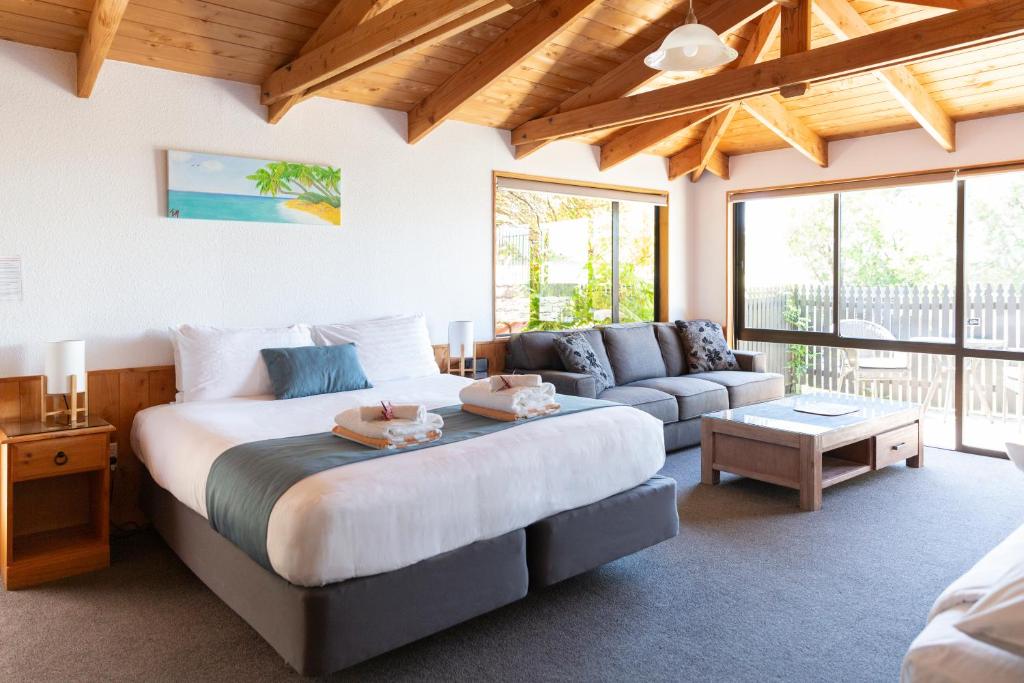
Kimi Ora Eco Resort
This accommodation type is your typical resort / hotel. Just a 10-minute walk from Kaiteriteri Beach, Kimi Ora Eco Resort offers rooms with balconies and sea views. Guests enjoy free WiFi, complimentary breakfast, and facilities including a spa and wellness center. Kimi Ora is a 10-minute drive from Abel Tasman National Park and a 50-minute drive from Golden Bay. Nelson Airport is one hour away by car.
All rooms include a kitchen or kitchenette, as well as a dining and lounge area with a satellite flat-screen TV and DVD player. Some rooms also feature a spa bath or air conditioning. Guests can swim in the heated indoor or outdoor pools, or relax in the hot tubs, steam room, or saunas. The games room includes billiards and table tennis tables. Free guest bicycles are available for exploring the famous Kaiteriteri Mountain Bike Park.
Kimi Ora Restaurant serves vegetarian cuisine. The complimentary continental buffet breakfast includes cereals, organic cheese and yogurt, fresh fruit salad, toast, spreads, nuts, juice, and organic tea and coffee. Breakfast is served daily from 7:30 am to 10:30 am. Dinner is available Tuesday through Saturday from 5:30 pm to 9:00 pm; the restaurant is closed on Sunday and Monday evenings.
Couples especially like the location, rating it 9.6 for a two-person trip.
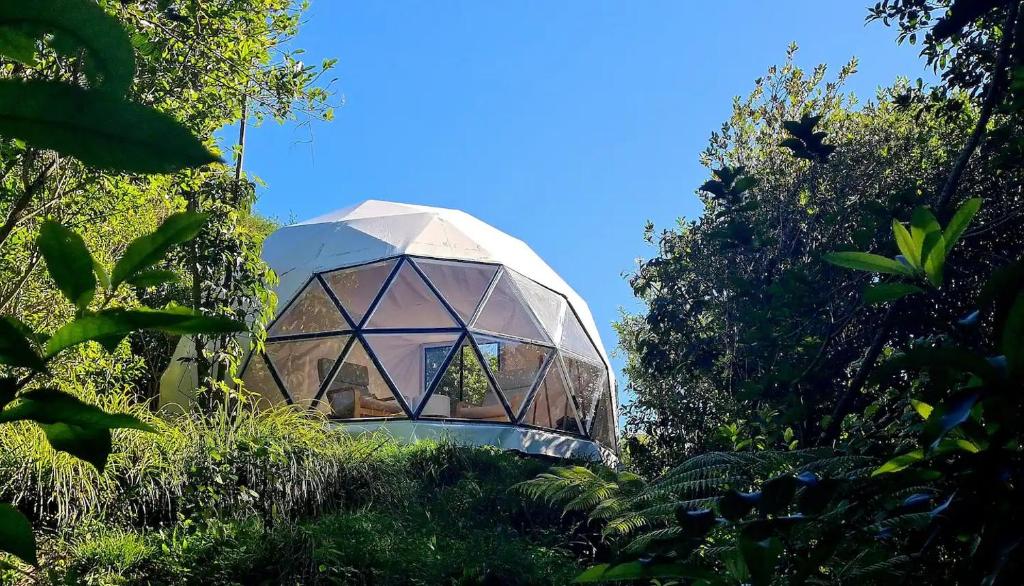
The Geodesic Dome in Pohara Golden Bay
This accommodation type is Glamping. Yes its a tent, but a very glamorous tent!
The Geodesic Dome in Pohara, Golden Bay, offers a luxurious tent experience with a private garden. Guests can enjoy sea and mountain views, along with the peaceful sound of a nearby stream.
The property includes a fully equipped kitchenette, private bathroom, and outdoor dining area. Other amenities include a barbecue, refrigerator, and outdoor furniture.
Situated 65 mi from Nelson Airport, the dome offers easy access to local attractions. The surrounding area features beautiful landscapes and a variety of activities.
Couples especially appreciate the location, rating it a perfect 10 for a two-person stay.
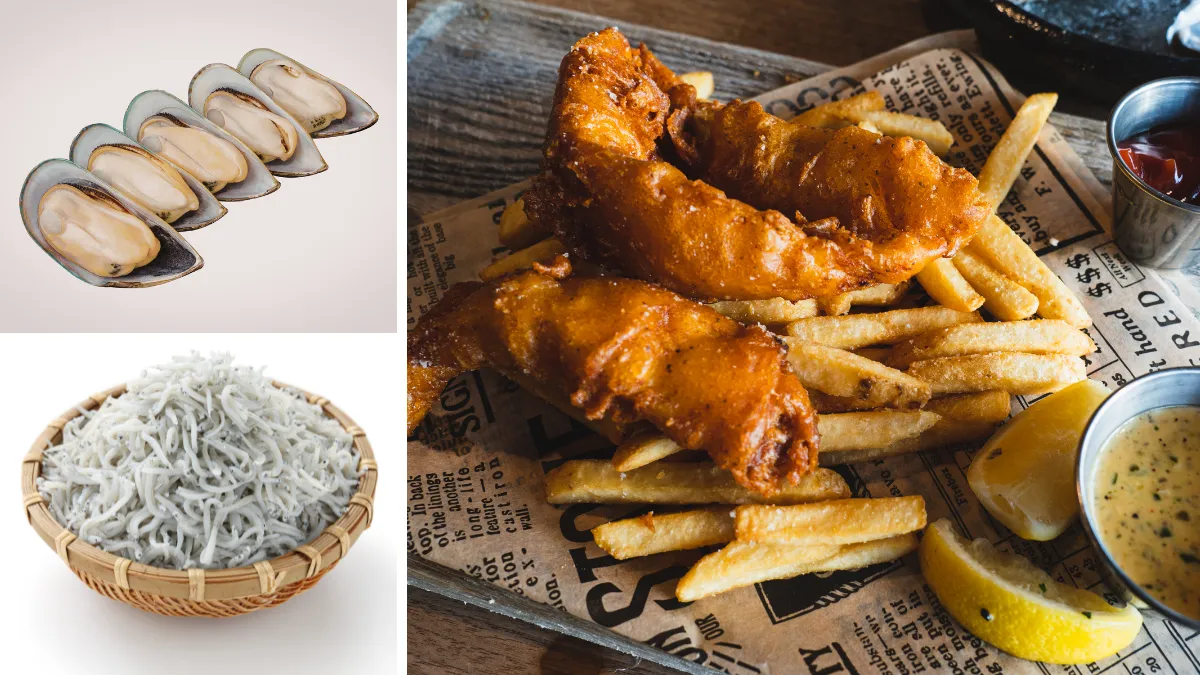
Exploring the New Zealand Food Scene
New Zealand’s culinary identity is built on its incredible natural bounty. A must-try cultural experience is a Māori hāngi, where meat and vegetables are slow-cooked in an underground oven, resulting in tender, smoky flavors. Given its vast coastline, fresh seafood is a staple. Be sure to sample green-lipped mussels, Bluff oysters, and a classic takeaway parcel of fish and chips. New Zealand lamb is world-renowned for its quality and flavor. For dessert, indulge in a slice of pavlova, a meringue-based cake that is a subject of friendly rivalry with Australia.
The country is also a major wine producer. The Marlborough region is famous for its crisp and aromatic Sauvignon Blanc, while Central Otago is celebrated for its elegant Pinot Noir. Beyond wine, New Zealand has a thriving café culture. Kiwis take their coffee seriously—a flat white is the unofficial national drink—and brunch is a beloved weekend ritual.
Dining on a Budget
Eating well in New Zealand doesn’t have to break the bank. Supermarket shopping is the most effective way to save money, especially if your accommodation has kitchen facilities. Major chains like Pak’nSave, Countdown, and New World are found in most towns. Visiting local farmers’ markets is another great way to find fresh, seasonal produce while supporting local growers. For affordable meals on the go, look for food trucks, which offer a diverse range of delicious options. Classic takeaways like fish and chips or a savory meat pie from a local bakery are also budget-friendly and quintessentially Kiwi experiences.
Budgeting for Your New Zealand Adventure
Understanding the cost of travel in New Zealand is a crucial step in planning your trip. While it’s generally considered an expensive destination, especially compared to parts of Southeast Asia or South America, there are plenty of ways to manage your spending and travel comfortably on various budgets. Your New Zealand travel budget will largely be determined by your choices in accommodation, transport, activities, and dining. This section breaks down the typical costs and offers practical tips to help you save money without sacrificing the experience.
Typical Cost Breakdown
Your largest pre-trip expense will likely be your international flights, which can vary dramatically based on your departure city and the time of year. Once in New Zealand, accommodation will be a significant part of your daily spend. A dorm bed in a hostel might cost NZ$30-45, a mid-range motel room NZ$120-200, and luxury hotels can be NZ$300 and up. For food, self-catering from a supermarket can keep costs as low as NZ$20-30 per day, while dining out for every meal will be significantly more. Transport is another major factor; renting a small car might cost NZ$30-150 per day, with fuel costs on top. Finally, adventure activities can add up quickly. A bungee jump, scenic flight, or guided glacier hike can each cost several hundred dollars, so it’s important to prioritize which big-ticket experiences are most important to you.
Tips for Saving Money
Traveling on a budget in New Zealand is very achievable with some smart planning. One of the best ways to save is to travel during the shoulder seasons (spring and autumn), when flights and accommodation are generally cheaper and the weather is still pleasant. Booking flights, rental vehicles, and popular tours well in advance can also secure better deals. Embracing self-catering is a game-changer for your budget; cooking your own meals, even just breakfast and lunch, will save a significant amount on dining expenses. Take advantage of the countless free activities New Zealand offers. Hiking, swimming at the beach, exploring city parks, and chasing waterfalls cost nothing but your time. Look out for relocation deals on rental cars or campervans, where companies offer heavily discounted rates for moving vehicles between their depots.
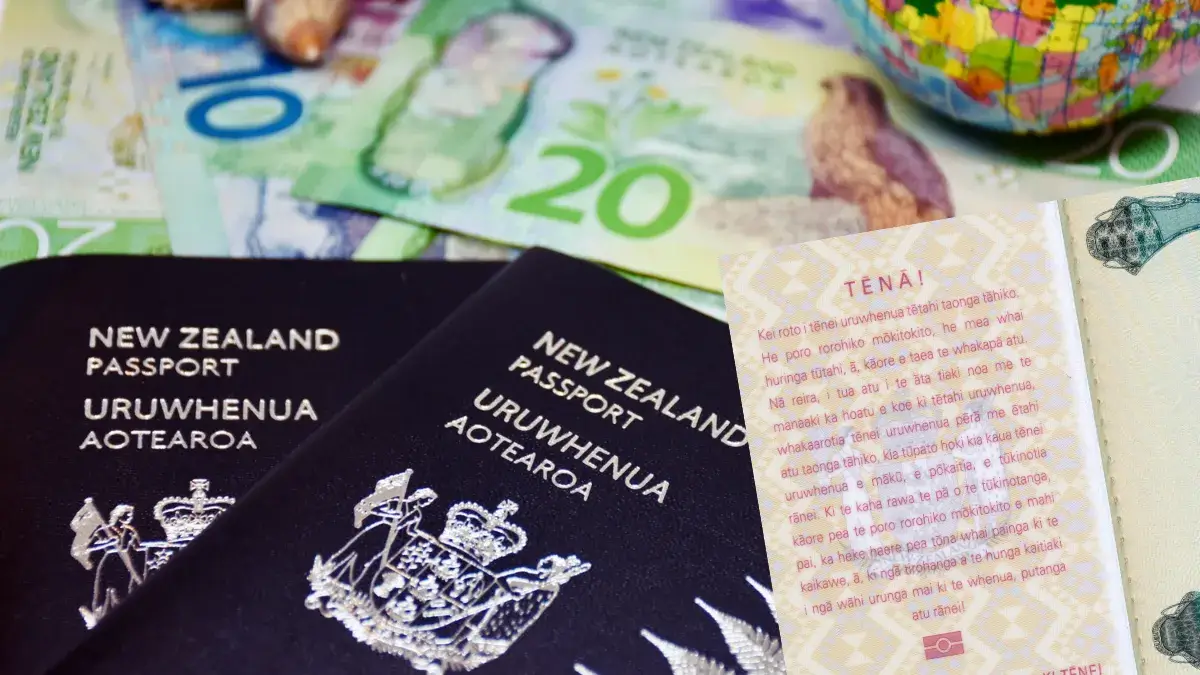
Average Daily Spend Estimates
To give you a general idea, here are some estimated daily spending ranges in NZD, excluding international flights.
- Budget Traveler: Expect to spend around NZ$120–$160 per day. This would involve staying in hostel dorms, self-catering most meals, using buses or a budget rental car, and focusing on free activities like hiking.
- Mid-Range Traveler: A daily budget of NZ$180–$450 per day is a realistic range. This allows for private rooms in motels or Airbnbs, a mix of self-catering and dining at cafes, a comfortable rental car, and a good number of paid activities and tours.
- Luxury Traveler: For a luxury experience, budget NZ$450 and upwards per day. This would cover stays in high-end hotels or boutique lodges, fine dining, private tours, and premium experiences like helicopter flights.
Safety and Etiquette for New Zealand Visitors
A comprehensive New Zealand visitors guide goes beyond just destinations and budgets; it’s also about understanding how to travel safely and respectfully. New Zealand’s natural environment is both beautiful and powerful, requiring awareness and preparation from all who explore it. Furthermore, the country has a deep-rooted commitment to protecting its natural and cultural heritage. As a visitor, you are invited to share in this responsibility, ensuring your journey is not only memorable but also positive for the places and communities you encounter.
Outdoor Safety and Awareness
New Zealand’s weather is notoriously unpredictable and can change in an instant, especially in alpine regions. Always check the latest forecast before setting out on a hike and be prepared for all conditions, even on a short walk. When hiking, stick to marked trails, carry appropriate gear (including warm layers, a waterproof jacket, and extra food and water), and let someone know your plans. Water safety is also crucial. Many of New Zealand’s beaches have strong rip currents; always swim between the flags at patrolled beaches. When it comes to wildlife, respect their space. Keep a safe distance from seals and sea lions, and never feed native birds like the kea, as human food can harm them.

- Temperature
- Precipitation
- Rain Chance
- Wind
- Humidity
- Pressure




Responsible Tourism and Environmental Care
New Zealand has a strong culture of environmental guardianship, encapsulated in the Tiaki Promise. “Tiaki” is a Māori word meaning to care for people, place, and culture. The promise is a commitment shared by all who travel here to act as a guardian, protecting and preserving the country for future generations. This aligns with the universal “Leave No Trace” principles: pack out everything you pack in, dispose of waste properly, and stay on marked paths to protect native flora. New Zealand also has very strict biosecurity rules to protect its unique ecosystem. Be sure to declare any food, plant material, or outdoor equipment on your arrival form to prevent the introduction of foreign pests and diseases.
Emergency Preparedness
While New Zealand is a safe country, it’s wise to be prepared for any situation. The emergency number for Police, Fire, and Ambulance is 111. It’s a free call from any phone. It’s highly recommended that all visitors have comprehensive travel insurance. New Zealand’s Accident Compensation Corporation (ACC) covers accidental injuries for everyone in the country, including visitors, but it does not cover illness, travel cancellations, or lost property. Before you leave home, make a note of your country’s local embassy or consulate contact information in case you need assistance while traveling.
Making the Most of Your Visit to New Zealand
Your trip to visit New Zealand is more than just a checklist of places to see; it’s an opportunity for personal discovery, connection, and rejuvenation. To truly make the most of your time in Aotearoa, you need to embrace its spirit. This means stepping out of your comfort zone, engaging with the warm and welcoming local culture, and taking moments to simply pause and absorb the incredible beauty around you. This final section is about enriching your journey beyond the itinerary, ensuring you leave with not just photos, but lasting memories.
Embrace the Adventure
New Zealand is synonymous with adventure, and there’s a level of activity for everyone. Whether it’s the heart-pounding thrill of a bungee jump in Queenstown or the simple joy of a scenic walk around a lake, be open to trying something new. Step onto a glacier, kayak through a majestic fjord, or learn to surf on a rugged West Coast beach. Pushing your boundaries, even slightly, is what creates the most powerful memories. The country’s stunning landscapes are the perfect backdrop for discovering a new passion or conquering a personal challenge.
Connect with Locals
The friendly nature of New Zealanders, or “Kiwis,” is a highlight for many visitors. Don’t be shy about striking up a conversation. Engage with locals at a farmers’ market, chat with the host at your B&B, or visit a local pub. Supporting small, local businesses—from cafes to tour operators—is a great way to give back to the communities you visit and often leads to more authentic experiences. The warmth and hospitality you’ll encounter will be just as memorable as the stunning scenery.
Practice Sustainable Tourism
Traveling sustainably is about making a positive impact on the places you visit. This reinforces the principles of the Tiaki Promise. Choose tour operators and accommodations that have a clear commitment to environmental protection. Conserve water, reduce your use of single-use plastics, and always take your rubbish with you. By traveling thoughtfully and respectfully, you help ensure that New Zealand’s natural and cultural treasures can be enjoyed for generations to come.
Capture the Memories
New Zealand is a photographer’s dream, with epic landscapes at every turn. For the best light, try to shoot during the “golden hours” of early morning and late afternoon. The country is also one of the best places in the world for astrophotography, with the Aoraki Mackenzie International Dark Sky Reserve offering incredibly clear views of the Milky Way. But remember to put the camera down sometimes, too. Keep a journal, or simply take time to be present and soak in the views with your own eyes. Some of the best memories are the ones you hold in your heart, not just on a memory card.
Reflect and Rejuvenate
In the rush to see and do everything, don’t forget to schedule moments of stillness. Find a quiet spot by a lake, listen to the birdsong in a native forest, or simply watch the waves roll in on a deserted beach. New Zealand’s powerful natural beauty has a way of putting things in perspective. Allow yourself time to disconnect from the hustle of daily life and reconnect with yourself and the natural world. These moments of peace and reflection are often the most rejuvenating part of the journey.
Traveling through New Zealand FAQ
Navigating the planning stages of a New Zealand trip can bring up a lot of questions. From budgeting and logistics to cultural norms and safety, having clear answers to common queries can make the process much smoother. Here, we address some of the most frequently asked questions to help you prepare for your adventure with confidence.
Is New Zealand expensive to travel?
New Zealand is generally considered a high-cost travel destination, similar to Western Europe or North America. However, costs can vary greatly depending on your travel style. Budget travelers can manage on NZ$120–$160 per day by staying in hostels and self-catering, while mid-range travelers might spend NZ$180–$450 daily. The biggest expenses are typically accommodation, rental vehicles, and organized adventure activities. You can save significantly by traveling in the shoulder season, booking in advance, and taking advantage of free natural attractions.
How long do I need to visit both islands?
To comfortably see the main highlights of both the North and South Islands without feeling rushed, a minimum of three weeks is recommended. Four weeks is even better, as it allows for a more relaxed pace and the opportunity to explore some off-the-beaten-path destinations. If you only have two weeks, it is best to focus on just one island to fully appreciate it.
Do I need to book activities in advance?
For popular activities like the Hobbiton Movie Set tour, cruises on Milford Sound, guided glacier hikes, or any of the Great Walks, it is highly advisable to book well in advance, especially during the peak summer season (December-February). Accommodations and rental vehicles should also be booked months ahead for this period to avoid disappointment and secure better prices.
What’s the best way to get around New Zealand?,
Renting a car or campervan is the most popular and flexible way to explore New Zealand, giving you the freedom to set your own schedule. For those on a tighter budget or who prefer not to drive, the InterCity bus network is an extensive and affordable option. For long distances or to save time traveling between the islands, domestic flights are very efficient. The scenic trains and the Cook Strait ferry are considered experiences in themselves and are highly recommended.
What should I know about Māori culture?
Māori are the indigenous people of Aotearoa (New Zealand), and their culture is a core part of the national identity. Key concepts include ‘manaakitanga‘ (hospitality and respect) and ‘kaitiakitanga‘ (guardianship of the environment). Visitors are encouraged to engage with the culture respectfully. This means asking for permission before taking photos of people or sacred sites, being mindful of protocols if you visit a marae (meeting grounds), and taking the opportunity to learn a few words in Te Reo Māori, such as ‘kia ora’ (hello).
Is it safe to journey solo while traveling through New Zealand?
New Zealand is widely regarded as one of the safest countries in the world for solo travelers, including women. The crime rate is low, and Kiwis are generally friendly and helpful. However, standard safety precautions should always be taken. Be aware of your surroundings, don’t leave valuables unattended, and when heading into the outdoors, always let someone know your plans. The biggest safety considerations are related to the natural environment—unpredictable weather and challenging terrain—so always be prepared when hiking or exploring.
9 Works Cited
Baigent, J. Build My Trip Budget and Itinerary. 2026, destinationsuncovered.com/build-my-trip/.
—. Travel Packing List Generator. 2026, destinationsuncovered.com/travel-packing-generator/.
IDP. Stay Legal Driving Abroad. Get your IDP. 2026, internationaldrivingpermit.org/.
ImmigrationNZ. New Zealand Electronic Travel Authority (NZeTA). 2026, www.immigration.govt.nz/visas/new-zealand-electronic-travel-authority-nzeta/.
—. Paying the International Visitor Levy. 2026, www.immigration.govt.nz/process-to-apply/applying-for-a-visa/fees-processing-times-and-refunds/paying-the-international-visitor-levy/.
—. Visa Waiver Visitor Visa. 2026, www.immigration.govt.nz/visas/visa-waiver-visitor-visa/.
—. Visas. 2026, www.immigration.govt.nz/visas/?page=1&visa_type=permit_visit.
NZ.com. Māori culture is an integral part of life in Aotearoa, New Zealand. 2026, www.newzealand.com/nz/maori-culture/.
TiakiPromise. Tiaki means to care for people, place and culture. 2026, www.tiakinewzealand.com/en_NZ/.