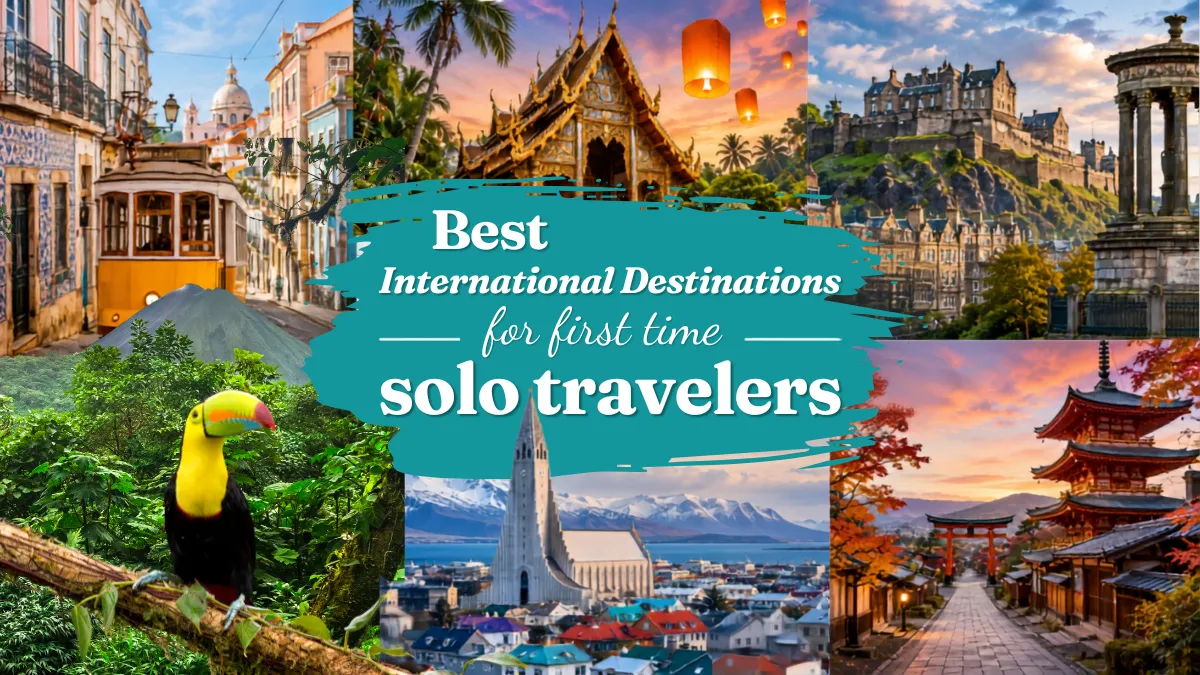
Your first solo trip abroad doesn’t have to feel overwhelming. However choosing one of the best international destinations for first-time solo travelers makes all the difference between white-knuckle anxiety and genuine confidence.
I’ve traveled through 47 countries. Some felt effortless from the outset. Others taught me hard lessons about what I got wrong and should have done.
This guide cuts through the noise. You’ll find honest assessments of 10 international destinations that genuinely work for first-time solo travelers. Each review includes safety ratings, real budget numbers, and practical navigation tips you won’t find in glossy brochures.
No fluff. No impossible Instagram fantasies. Just tested advice for people taking their first solo trip abroad.
What Makes a Destination Solo-Friendly
Not every place works for your first solo adventure. Some destinations throw too many obstacles at beginners.
The best spots for first-time solo travelers share specific characteristics. These aren’t luxuries. They’re practical necessities that determine whether you’ll spend your trip stressed or actually enjoying yourself.
Safety Infrastructure That Actually Exists
What are the best international destinations for first-time solo travelers?
For someone traveling solo for the first time, the best countries offer very low crime rates, strong language support, and dependable public transportation. Leading choices are Japan, Iceland, New Zealand, Portugal, Thailand and Singapore. These places ensure that getting around, communicating, and traveling is entirely hassle-free.
Low crime rates matter. But infrastructure matters more.
You need destinations where solo travelers can move around confidently. That means reliable public transport, well-lit streets, and neighborhoods where walking alone doesn’t require constant vigilance.
Tourist police presence helps. So do pedestrian-friendly city layouts and accommodation options in safe, central locations.
English Accessibility Without Language Barriers
You don’t need everyone to speak English fluently. But you do need enough English speakers to handle basic situations.
Restaurant staff, hotel workers, and transport operators should understand simple requests. Signs at transit hubs should include English. Emergency services need English-speaking capability.
This isn’t about expecting the world to cater to you. It’s about reducing stress when you’re navigating solo for the first time.
Easy Navigation and Transport Systems
Complex transit systems kill confidence fast. First-time solo travelers need destinations where getting around feels intuitive.
Look for places with simple metro systems, affordable taxis with meters, and walkable city centers. Bonus points for destinations where transport apps work reliably.
Social Opportunities for Solo Travelers
Eating alone gets old. Fast.
The best destinations for solo travel have established infrastructure for meeting people. That means hostels with common areas, group tour options, and cafes where chatting with strangers feels normal.
You want places where other solo travelers congregate. Where locals are friendly without being pushy. Where the travel scene makes it easy to find company when you want it.
How We Rate Each Destination
Every destination gets evaluated across six specific categories. Same system for every country. No arbitrary “vibes” ratings.
Safety Score (1-5)
Safety cost ranking is based on crime statistics, solo traveler incident reports, and walkability after dark.
- Petty crime rates in tourist areas
- Solo traveler safety reputation
- Street lighting and infrastructure
- Emergency service accessibility
Affordability Score (1-5)
Real daily costs for budget-conscious solo travelers including accommodation and food.
- Budget accommodation availability
- Meal costs at local restaurants
- Transport expenses
- Activity and entrance fees
Navigation Ease (1-5)
How simple it is to get around without local knowledge or language skills.
- Public transport clarity
- City layout and walkability
- Signage in English
- Transport app functionality
Social Opportunities (1-5)
Ease of meeting people and finding community as a solo traveler.
- Hostel scene and social spaces
- Group tour availability
- Local friendliness
- Solo traveler community size
Note on ratings: Scores reflect conditions specifically for first-time solo travelers, not general tourism quality. A lower rating doesn’t mean a destination is bad. It means beginners may face more challenges there.
Portugal (Lisbon and Porto): Europe’s Gateway Destination
How do I choose a destination where I will feel comfortable travelling alone?
Choose your first solo travel destination by prioritizing places with high safety ratings, reliable public transportation, and a language you speak. Start with beginner-friendly locations like Japan, known for its efficient train system, or Portugal, which offers affordable, social hostels. Build confidence by taking a short trip within your own country before traveling abroad.
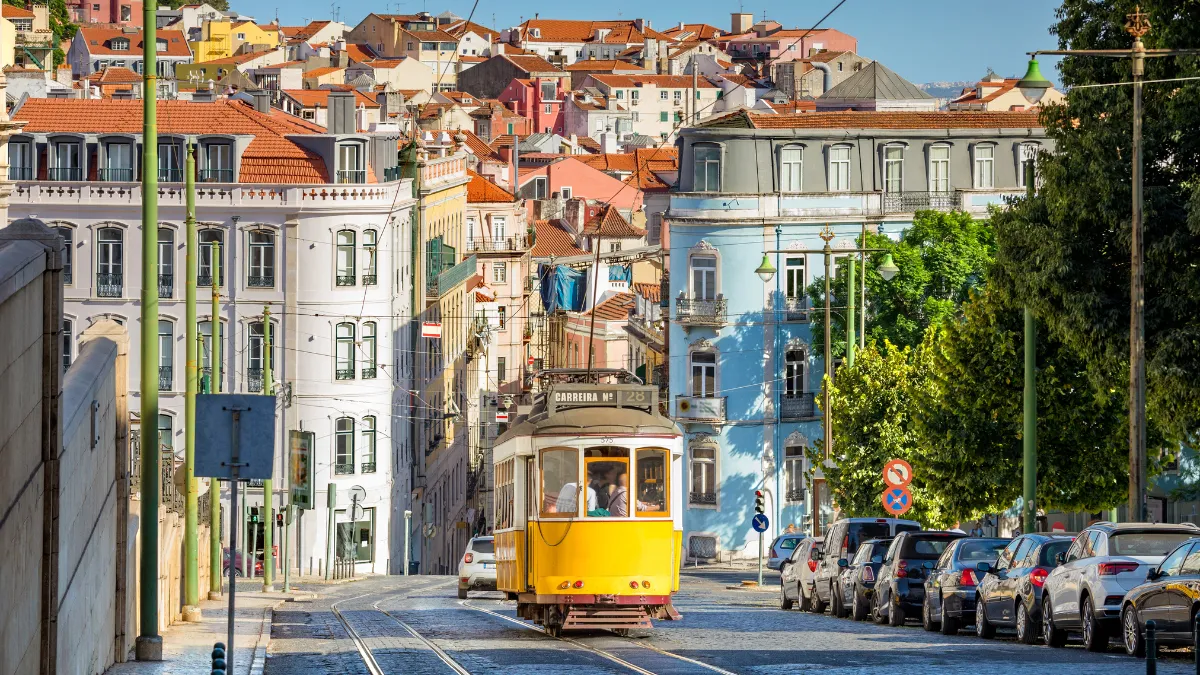
Portugal consistently ranks as the easiest European country for first-time solo travelers. That reputation is earned.
The language barrier barely exists. English proficiency runs high among younger Portuguese people and anyone working in hospitality. Menus include English translations. Transport signs make sense.
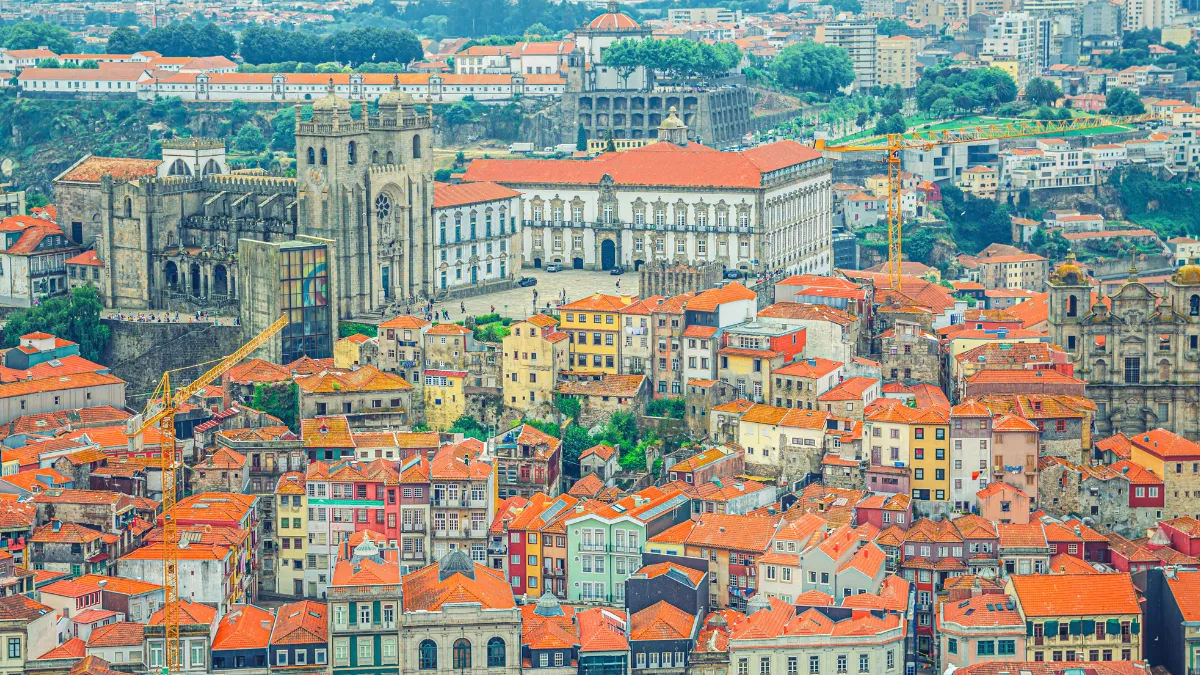
Both Lisbon and Porto offer compact, walkable city centers. You’ll navigate both without constant map-checking after a day or two. The metro systems are straightforward. Trams are iconic and functional.
Why Portugal Works for Solo Beginners
Portugal gives you everything you need without overwhelming complexity. The cities feel manageable. The culture welcomes solo diners. The infrastructure supports independent travelers.
Safety levels rank among Europe’s highest. Violent crime is rare. Petty theft exists in tourist areas, but standard precautions suffice. You can walk most neighborhoods comfortably after dark.
The social scene for solo travelers thrives. Lisbon’s Bairro Alto and Porto’s Ribeira districts attract independent travelers nightly. Free walking tours provide easy group interaction. Hostels organize regular events.
Food culture accommodates solo diners naturally. Tascas (traditional taverns) welcome single guests without awkwardness. Counter seating is common. Pastelarias (pastry shops) serve as perfect spots for solo breakfasts and people-watching.
Real Costs and Budget Breakdown
Portugal delivers exceptional value compared to Western European neighbors. Your money stretches further here than in Spain, France, or Italy.
- Budget hostel bed: €20-40 per night
- Private room in budget hotel: €60-100 per night
- Typical restaurant meal: €15-25
- Pastel de nata and coffee: €2-3
- Metro day pass: €6.50
- Museum entrance: €5-10 (many free on Sundays)
Daily budget estimate: €60-75 covers hostel accommodation, food, transport, and one activity. You can travel Portugal comfortably without splurging.
Navigation and Getting Around
Lisbon’s hilly terrain challenges walkers. But the tram system compensates beautifully. Tram 28 hits the major sights while functioning as practical transport.
Porto is more walkable. The Ribeira waterfront to Foz Beach stretch covers most tourist interests. Everything else is a short metro ride away.
Both cities integrate easily with apps. Google Maps works flawlessly. Uber and Bolt operate reliably. The metro systems include English on all signage and ticket machines.
Best Experiences for Solo Travelers
Join a walking tour on your first day. Free tours operate in both cities and provide orientation plus potential travel buddies.
Take a day trip to Sintra from Lisbon. The train is simple. The palaces are stunning. You’ll meet other solo travelers on the same route.
Explore Porto’s wine caves across the river in Vila Nova de Gaia. Most tours are small groups. Port tasting naturally encourages conversation.
Watch the sunset from Miradouro de Santa Luzia in Lisbon or Jardins do Palácio de Cristal in Porto. Both attract a mix of locals and travelers. Both feel safe alone at dusk.
Portugal Rating
What Makes Portugal Perfect For First-Timers?
- Excellent English proficiency reduces stress
- Portugal is very affordable compared to the rest of Western Europe
- Strong solo traveler community year-round
- Safe cities with low violent crime
- Manageable size prevents overwhelm
- Easy day trips from both Porto and Lisbon
Portugal Challenges to Consider
- Lisbon’s hills exhaust some travelers
- Pickpockets target tourist trams and viewpoints
- Summer crowds in Lisbon get intense
- Some restaurants close awkwardly between lunch and dinner
- Weather can be unpredictable in spring and fall
Japan (Tokyo and Kyoto): Structure Makes It Simple
Which countries are safest for someone travelling alone for the first time?
For a seamless and secure first solo trip, you want countries with low crime rates, excellent public transit, and a strong tourist infrastructure. Top beginner-friendly choices include Japan, Singapore, New Zealand (your home base!), Portugal, and Switzerland. Japan is consistently ranked among the safest countries in the world. Japan has extremely low violent crime rates, women-only train cars, and a reliable, easy-to-use train system. Major cities like Tokyo and Kyoto offer a wide range of safe, upscale hostels and hotels.
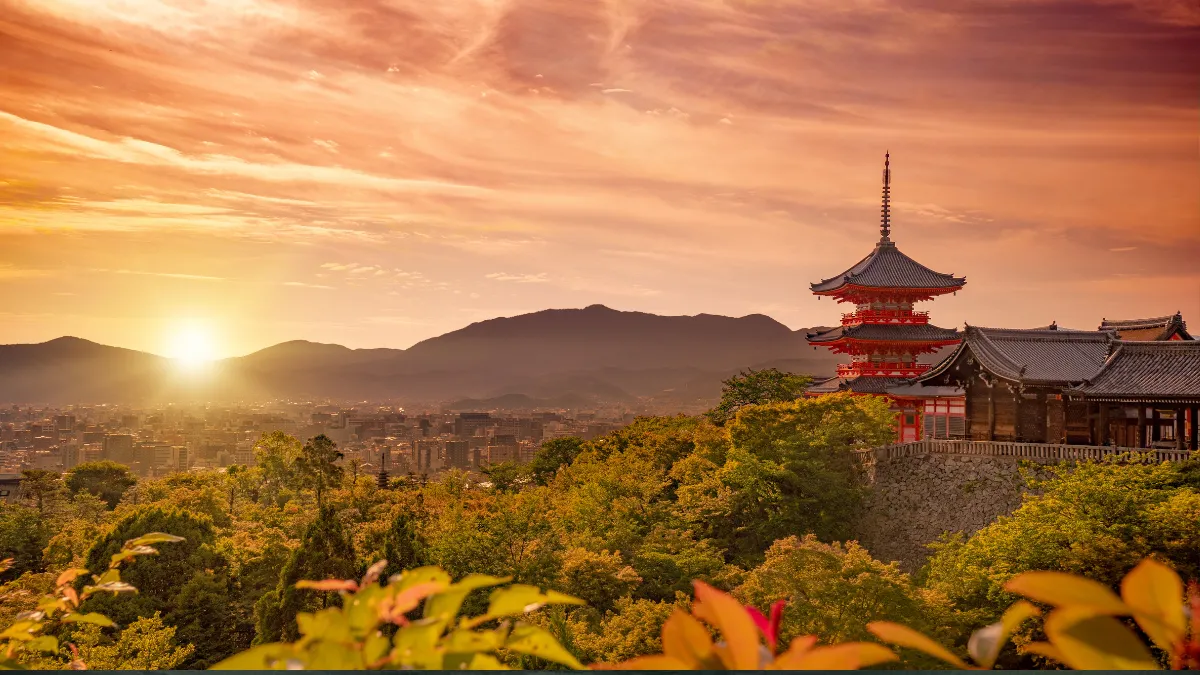
Japan intimidates potential solo travelers more than it should. The language barrier looks scary. The cultural differences feel vast.
But Japan’s infrastructure is designed for ease. The systems work. The safety is unmatched. The country practically guides you through it.
I’ve watched dozens of first-time solo travelers thrive in Japan. The initial anxiety disappears within 24 hours. The structure provides comfort.
Why Japan Surprises First-Time Solo Travelers
Japanese cities operate with precision. Trains run on time to the minute. Signage includes English at major stations. Transit apps work perfectly. The predictability reduces anxiety dramatically.
Safety in Japan reaches levels that feel almost surreal. You can leave belongings on a cafe table. Lost items get returned to police boxes. Women travel solo without harassment. Late-night walking feels safe in major cities.
The language barrier in Japan is real but manageable. Most travelers get by with translation apps, pointing at picture menus, and basic phrases. Service workers are patient and helpful even without English.
Solo dining culture is normalized in Japan. Many restaurants have counter seating designed for solo diners. Ramen shops expect it. Department store food courts welcome single guests.
Real Costs and Budget Considerations
Japan isn’t cheap, but it’s not as expensive as reputation suggests. Budget options exist.
- Budget hostel: $20-$30 USD (¥3,500–¥5,000)
- A budget hotel or capsule hotel will cost $36-$62 USD (¥6,000–¥10,000) per night
- Convenience store meal: $3-$10 USD (¥500–¥1,500)
- Mid-range restaurant meal: $15-$36 USD (¥2,500–¥6,000)
- IC card (like Suica or Pasmo) for subway networks: $3-$7 USD (¥500–¥1,000) per day
- JR pass (7 days): ¥29,650 (€200) – worthwhile if traveling between cities but check prices before you purchase
- Temple/shrine entrance: Under ¥1000 (€7)
Daily budget estimate: $65–$150 USD (¥10,000–¥23,000) covers basic needs. You can stretch further with convenience store meals and budget accommodations.
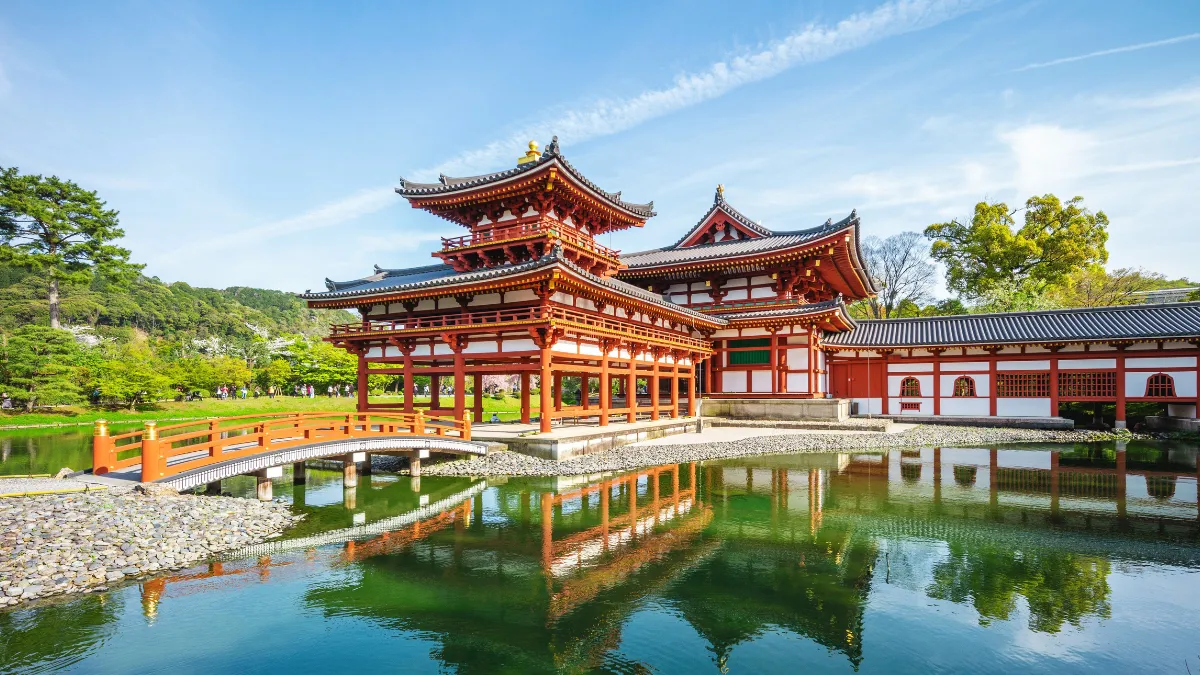
Navigation Through Language Barriers
Download Google Translate before arrival. The camera translation feature reads signs and menus instantly. This tool alone eliminates 80% of language stress.
Get a Suica or Pasmo card immediately. These rechargeable transit cards work on all trains and buses in Tokyo and Kyoto. No need to figure out ticket machines repeatedly.
Major train stations have English announcements. Subway signs include English station names. The Yamanote Line in Tokyo loops through major districts. It’s hard to get truly lost.
Address systems confuse everyone, including Japanese people. Use the “what3words” app or show addresses to taxi drivers on your phone.
Best Experiences for Solo Travelers
Join a small group tour for your first temple visits in Kyoto. You’ll learn cultural context and meet other solo travelers. Free walking tours operate in both Tokyo and Kyoto.
Visit Fushimi Inari shrine in Kyoto early morning. The famous torii gates attract crowds, but dawn visits feel meditative. Many solo travelers go at sunrise.
Spend an afternoon in Nakameguro or Shimokitazawa neighborhoods in Tokyo. These areas feel less overwhelming than Shibuya or Shinjuku. Perfect for solo exploring.
Try a capsule hotel for one night. It’s quintessentially Japanese and completely solo-friendly. Most include communal baths that provide cultural immersion.
Japan Rating
What Makes Japan Perfect For First-Timers?
- Unmatched safety for solo travelers
- Incredibly efficient transport systems
- Solo dining is culturally normalized
- Clean, organized infrastructure
- Respectful culture with minimal harassment
- Technology bridges language gaps
Japan Challenges to Consider
- Language barrier exists outside major tourist areas
- Cultural customs require research
- Cash-dependent society (cards not always accepted)
- Social scene less spontaneous than Western countries
- Can feel isolating without other travelers
New Zealand: Adventure Without the Fear Factor
Where should I go if I want a solo destination that is easy to navigate?
Excellent navigation-friendly solo travel destinations include New Zealand, Japan, Iceland, and the Netherlands. These countries offer excellent public transportation, low crime rates, and widespread English proficiency. For a mix of urban and natural experiences, Costa Rica boasts well-developed tourist infrastructure, making it easy to arrange day trips and get around. However New Zealand is the winner for ease of navigation. The country is world-renowned for its hospitality, well-trodden backpacker trails, super easy transport systems (like the InterCity bus network), and high levels of safety.
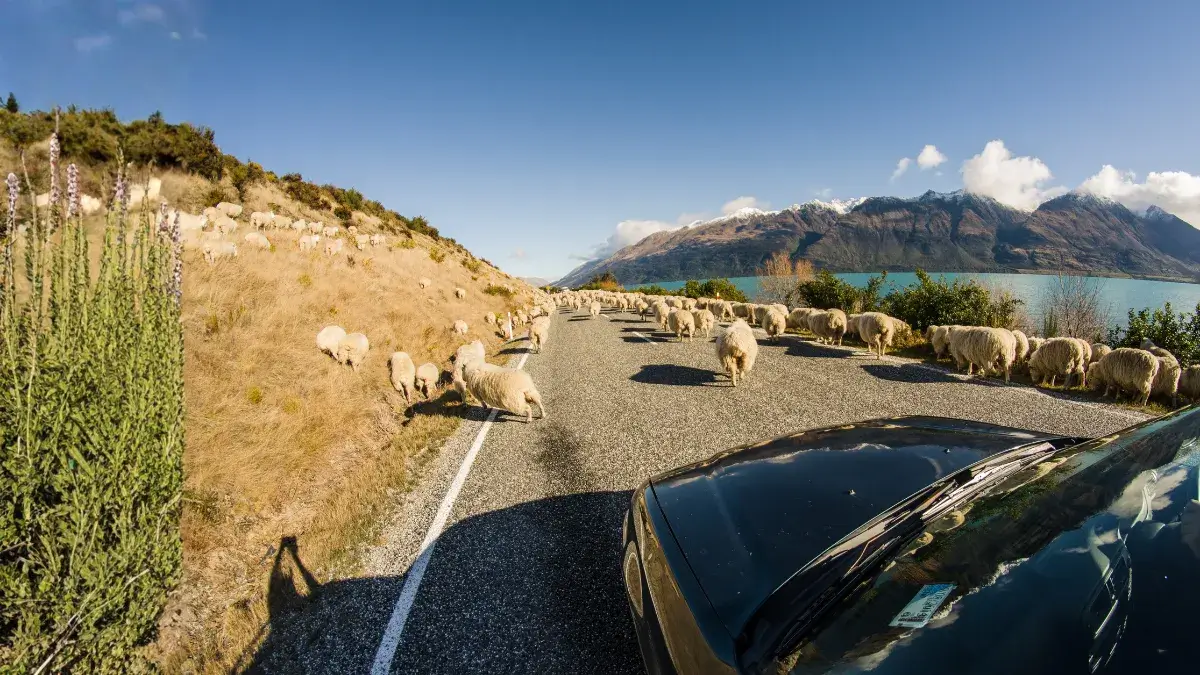
New Zealand built its reputation on welcoming travelers. That culture extends especially to solo adventurers.
The infrastructure supports independent travel perfectly. English eliminates communication barriers. The outdoor scene brings people together naturally. Safety levels rival Japan.
This is where first-time solo travelers find their confidence through adventure.
Why New Zealand Works for Solo Travelers
Kiwi culture embraces solo travelers. Hostels cultivate community. Group tours designed for independent travelers run daily. The backpacker trail is well-established and easy to follow.
Safety concerns are minimal. Crime rates are low. Hiking trails are well-marked and maintained. DOC (Department of Conservation) huts provide structured outdoor experiences even for beginners.
The country is compact enough to feel manageable. You can road trip between Auckland and Queenstown in a week. Distances are real but not overwhelming. Everything is organized for travelers.
English is the primary language. No translation apps needed. No confusion with menus or transport. This removes a major stressor for first-time solo travelers.
Real Costs and Budget Reality
New Zealand is expensive. Accept that upfront. But budget options exist if you plan strategically.
- Hostel dorm bed: $17-$35 USD ($30-80 NZD) per night
- Budget motel room: $52-$100 USD ($90-170 NZD) per night
- Backpacker meal: $11-$22 ($20-35 NZD) per meal
- Grocery shopping for self-catering: $80-$95 ($140-160 NZD) per week
- Rental car: $23-$47 USD ($40-$80 NZD) per day
- Short hike and Basic Huts / Bivvies: Free.
- Multi day hikes & overnight DOC Serviced Huts: $9-$21 USD ($15-$35 NZD) per day
Daily budget estimate: $55-$90 USD ($92-$155 NZD) if you cook some meals and stay in hostels. Adventure activities add significantly to costs.
Split rental car costs with other travelers you meet. This is normal practice in New Zealand hostels. Many solo travelers form temporary road trip groups.
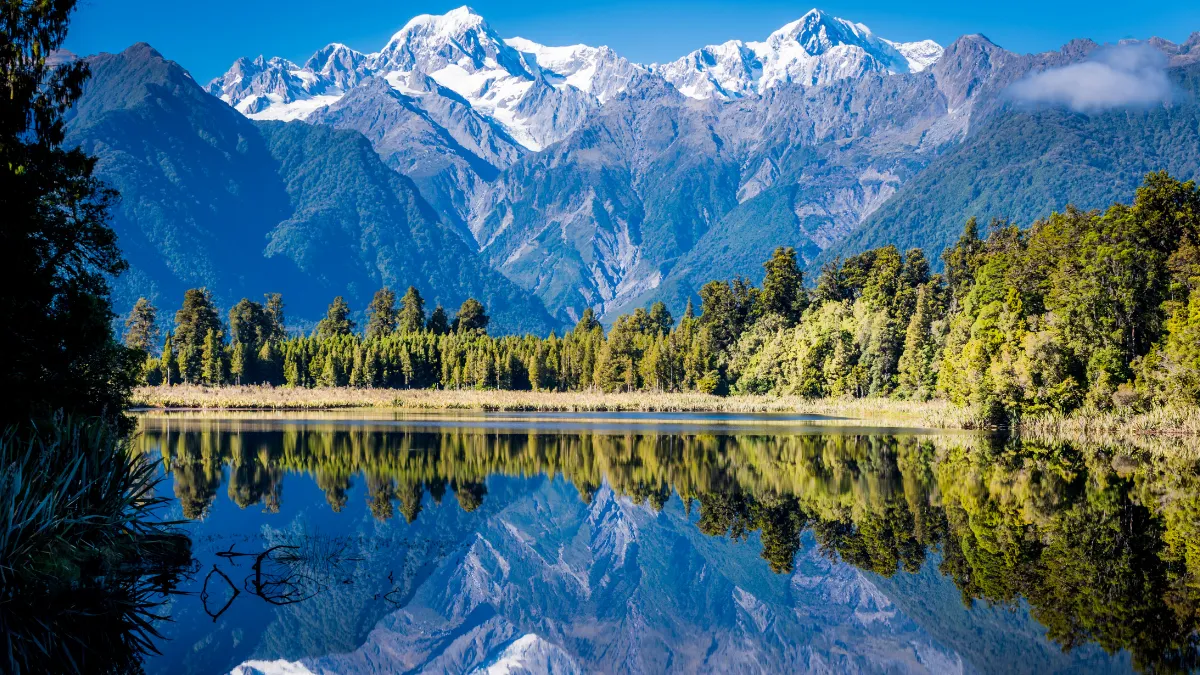
Navigation and Getting Around
Driving is the best way to explore New Zealand. Roads are well-maintained. Signage is clear. Traffic is manageable outside major cities.
Remember: Kiwis drive on the left. Rental companies provide reminders. Take it slow for the first day.
InterCity buses connect major destinations if you prefer not to drive. The routes are reliable. Many solo travelers use buses and meet people at stops.
Auckland, Wellington, and Christchurch have straightforward public transport. Queenstown is walkable. Smaller towns are compact.
Best Experiences for Solo Travelers
Join a multi-day group tour if you’re nervous about solo adventure activities. Companies like Haka Tours and Flying Kiwi cater to solo travelers specifically.
Hike the Tongariro Alpine Crossing as a day trip. It’s New Zealand’s most famous one-day hike. You’ll meet dozens of solo travelers on the trail.
Stay in Queenstown’s hostel scene. The town attracts adventure-seeking solo travelers year-round. Social opportunities are endless.
Book a few adventure activities. New Zealand’s outdoor industry is designed for tourists. Guides are professional. Safety standards are high. You’ll feel confident trying new things.
New Zealand Rating
What Makes NZ Perfect For First-Timers?
- Strong culture of welcoming solo travelers
- No language barriers
- Excellent safety record
- Easy to meet other travelers
- Professional outdoor adventure infrastructure
- Manageable distances between highlights
New Zealand Challenges to Consider
- High costs across accommodation, food, and activities
- Long flights from most countries
- Weather can be unpredictable
- Some remote areas lack cell service
- Sandflies are relentless in certain regions
Thailand: Solo Travel Central Asia Hub
Which international destinations are affordable for first-time solo travel?
Top affordable destinations for first-time solo travelers balance budget-friendly costs with well-established tourist infrastructures and high safety. Great starter locations include Thailand, Vietnam, and Portugal. At Destinations Uncovered we think that Thailand beats all others hand down. It’s the perfect first stop in Southeast Asia. You can comfortably explore the country on just $30 to $45 USD per day. The hostels are excellent, English is widely spoken, and the “banana pancake trail” provides an easy way to meet fellow travelers.
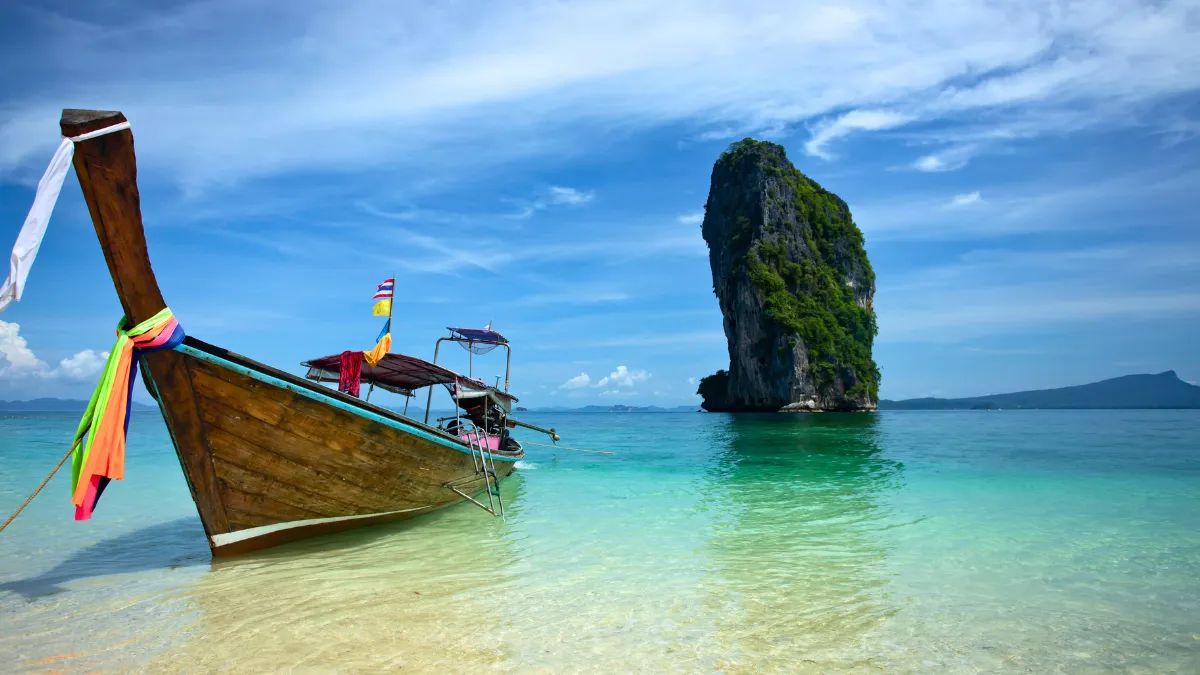
Thailand dominates Southeast Asia’s solo travel scene. For good reason.
The infrastructure for independent travelers is unmatched in the region. Budget options are plentiful. English accessibility is high. The established traveler trail means you’re never truly alone.
This is where many people discover they love solo travel. Thailand makes it easy.
Why Thailand Dominates for Solo Beginners
The solo traveler network in Thailand is massive. You’ll meet people at every hostel, every Thai island, every night market. Finding company when you want it is effortless.
English proficiency is solid in tourist areas. Most restaurant staff, hotel workers, and transport providers speak functional English. Menus often include English descriptions. Signs at major sites have translations.
Thai culture is welcoming. Locals are genuinely friendly without being pushy. The “Land of Smiles” reputation holds true in most interactions.
Everything is affordable. Your budget stretches further here than almost anywhere else. This reduces financial stress significantly for first-time solo travelers.
Real Thai Costs and Budget Breakdown
Thailand offers exceptional value. You can travel comfortably on a tight budget.
- Hostel dorm bed: $9–18 USD (฿300–600) per night
- Budget private room: $24–45 USD (฿800–1,500) per night
- Street food meal: $2–12 USD (฿70–402)
- Restaurant meal: $21+ USD (฿700+)
- 7-Eleven food grab: $1-5 USD (฿34 -170)
- Grab, Local bus, BTS Sky Train or songthaew: $4.50–9 USD (฿150-300)
- Activities and Excursions: Free–$9 USD (฿0–300) for temple visits and attractions; $21+ USD (฿700+) for day trips, snorkeling, or cooking classes.
Daily budget estimate: $25-70 USD (฿840-2350) for backpackers and $60 to $100+ USD (฿2000-3400+) for a mid-range experience with private rooms and occasional tours. You can splurge on activities and still stay under $100 daily.
Negotiate prices for tuk-tuks and taxis before entering. Grab (Southeast Asia’s Uber) eliminates haggling stress in major cities.
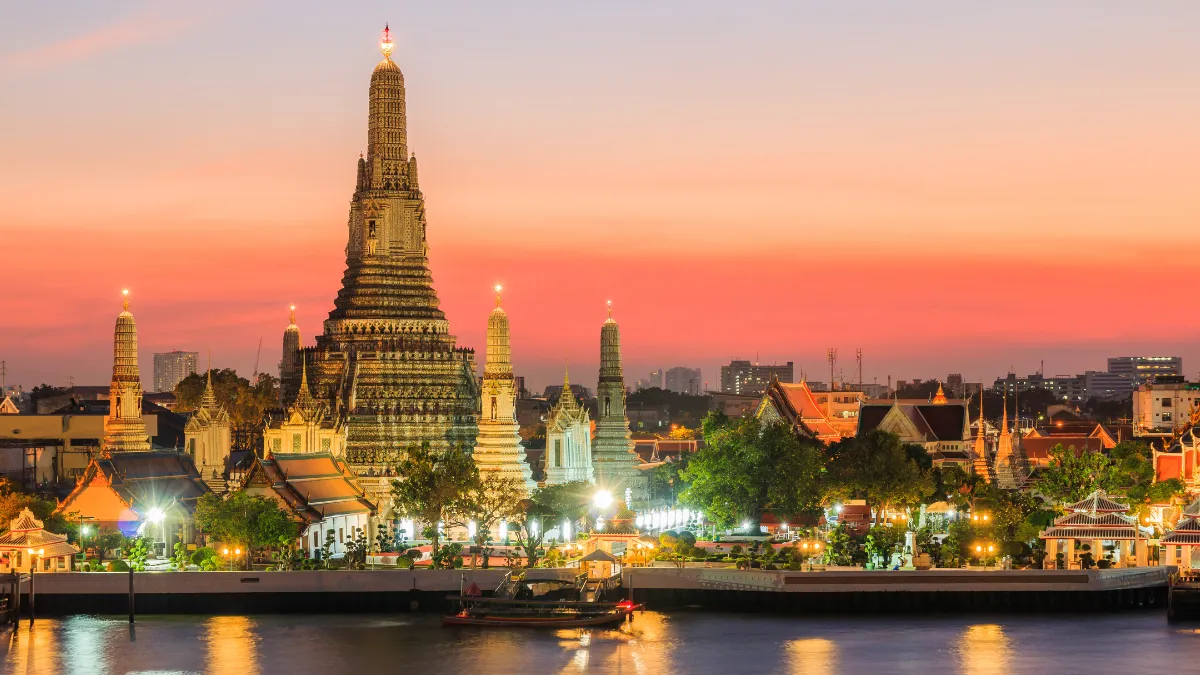
Thailand Navigation and Safety Considerations
Bangkok can overwhelm initially. Stick to the BTS Skytrain and MRT subway for the first few days. Both systems are clean, safe, and easy to navigate.
Chiang Mai is wonderfully walkable. The Chiang Mai old city is compact. Scooter rentals are cheap if you’re confident riding.
Thai Islands and beaches are accessible but require planning. Ferries run regularly. Book tickets through your accommodation to avoid commission scams.
Safety in Thailand is generally good, but petty theft exists. Watch your belongings in crowded areas. Avoid leaving valuables on beaches. Never leave drinks unattended at full moon parties on Koh Phangan. Most issues are international and totally preventable with basic awareness.
Scams targeting tourists in Thailand are common but recognizable. Research common ones before arrival. Trust your instincts. If something feels off, it probably is.
Best Experiences for Solo Travelers
Start in Bangkok, then head to Chiang Mai. This route is the classic intro to Thailand. You’ll meet countless solo travelers following the same path.
Take a Thai cooking class. They’re affordable, fun, and naturally social. You’ll eat well and potentially make new friends for dinner later.
Visit temples early morning. They’re less crowded and more peaceful. Dress respectfully: covered shoulders and knees.
Skip Koh Phi Phi if you hate crowds. Consider Koh Lipe or Koh Tao instead. Both have strong solo traveler communities without the chaos.
Thailand Rating
What Makes Thailand Perfect For First-Timers?
- Massive solo traveler community
- Extremely affordable
- Easy to meet people everywhere
- Well-established backpacker infrastructure
- Diverse experiences (cities, beaches, mountains)
- Delicious, cheap food
Thailand Challenges to Consider
- Tourist scams are common
- Some areas are overcrowded with travelers
- Can feel like “backpacker bubble” rather than authentic culture
- Traffic pollution in Bangkok
- Monsoon season limits some activities
Scotland: Accessible Celtic Adventure
What are the best destinations for meeting other solo travelers?
The ideal destinations for first-time solo travelers to meet new people and other independent travelers are lively, popular backpacking routes and easy-to-reach European cities like Edinburgh, Porto and Lisbon. Lisbon in Portugal, and Split in Croatia feature large hostel communities and planned group events that help travelers connect effortlessly. Popular Southeast Asia destinations like Thailand and Vietnam also make it easy to meet other likeminded adventurers. Destinations Uncovered recommend Scotland as both Edinburgh and Glasgow boast vibrant hostel communities. Pubs naturally encourage social interaction. The culture welcomes those dining alone and you’re never far from a tall-tale or two.
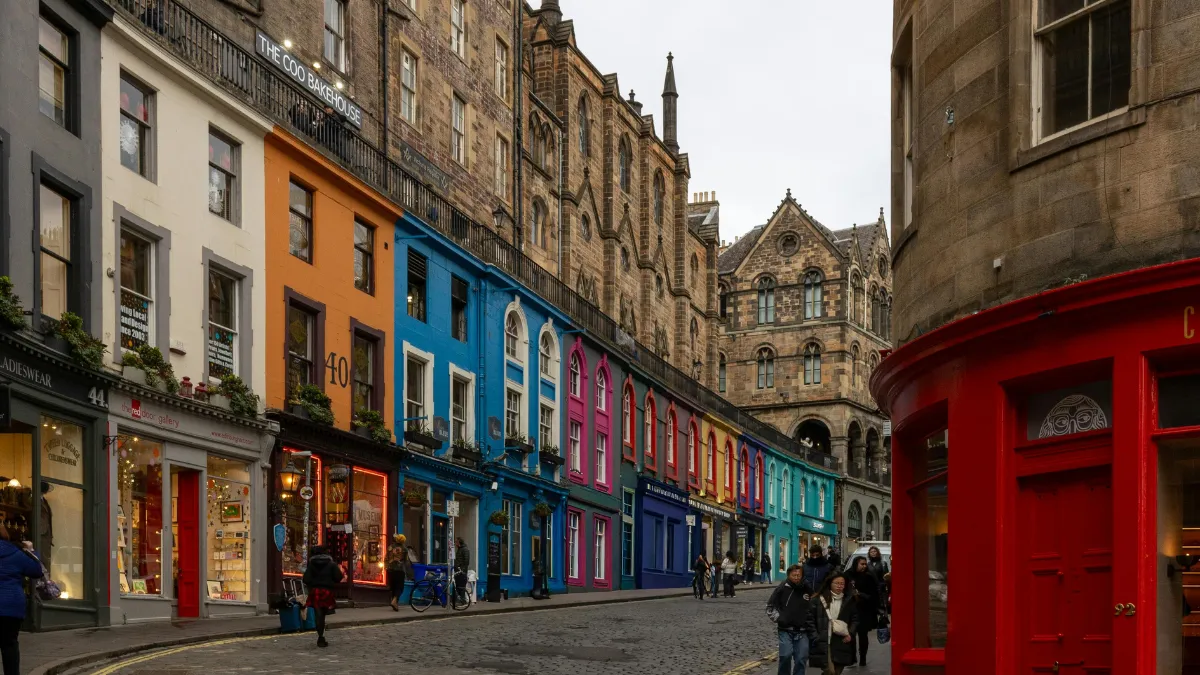
Scotland offers adventure without the complications that come with more remote destinations. English is spoken. Infrastructure is solid. Nature is spectacular.
Scotland is perfect for solo travelers who want outdoor experiences but aren’t ready for developing countries or extreme adventure.
Why Scotland Works for Solo Adventurers
The Highlands provide dramatic landscapes with established hiking infrastructure. Trails are marked. Mountain rescue services exist. You can push yourself safely.
Scottish cities welcome solo travelers warmly. Edinburgh and Glasgow both have thriving hostel scenes. Pubs naturally facilitate conversation. The culture appreciates solo diners.
Public transport connects major sites surprisingly well. Trains run through stunning scenery. Buses reach remote areas. You don’t need a car, though it helps for flexibility.
Safety is excellent. Crime rates are low. Walking alone at night in cities feels safe with normal precautions. Rural areas are peaceful.
Real Scotland Costs and Budget Reality
Scotland is moderately expensive, similar to most of the UK. Budget carefully but don’t expect Thailand prices.
- Hostel dorm bed: $35–$60 USD (£28–£47)
- Budget hotel room: $80–$150 USD (£63–£120)
- Meals: $38–$74 USD (£28–£55) per day
- Supermarket meal deal: $5-$7 USD (£3-£5) per meal
- Ridacard (Airport Buses, Lothian Buses and Trams) day ticket: $7 USD (£5.70) per day
- Care Rental: Starts at $47–$63 USD (£35–£47) per day, before fuel
- Edinburgh Castle entrance: $30 USD (£23)
Daily Scotland budget estimate: $100 to $160 USD (£75 to £120) per day for backpackers and budget travelers, and $160 to $270 USD (£120 to £200) for a mid-range, comfortable experience. Splurging on whisky tastings and nice meals pushes this higher.
Many Highland attractions are free. Hiking costs nothing. Scenic drives are free (apart from the petrol). Beaches are free. You can experience Scotland’s beauty on a budget.
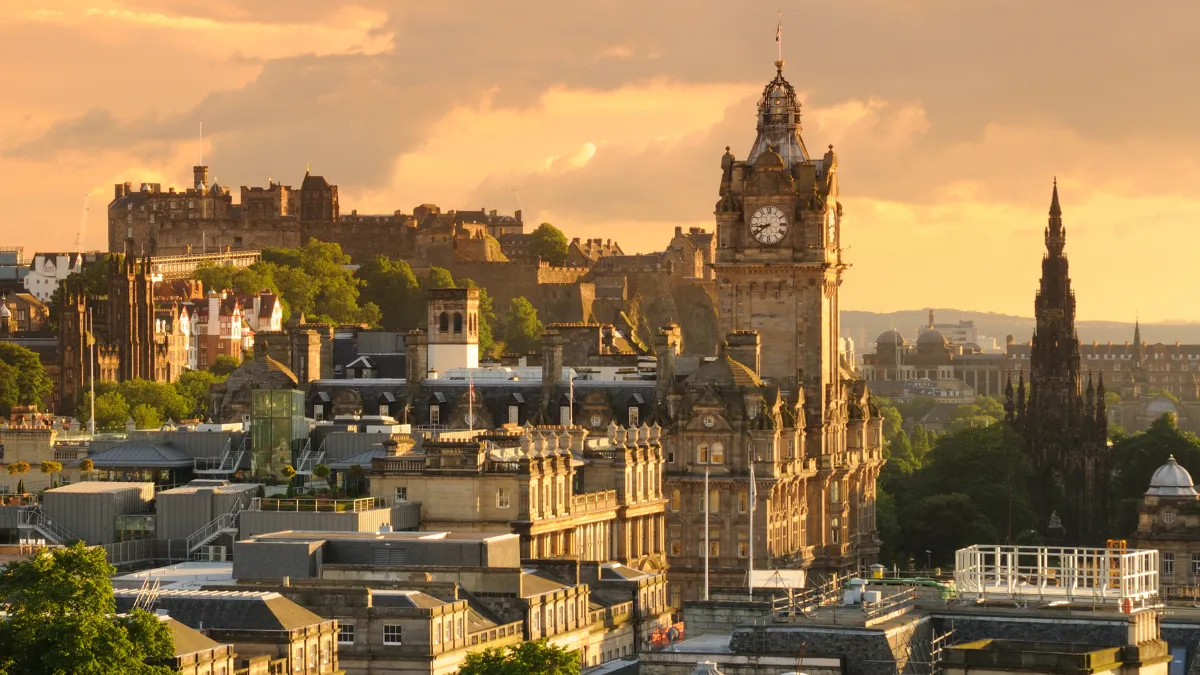
Navigation and Getting Around
Edinburgh is compact and walkable. The Royal Mile connects major sights. Buses supplement walking easily. The city layout makes sense quickly.
Glasgow has a simple subway system locals call “the clockwork orange.” It covers the city center efficiently. Walking works well too.
Highland travel requires more planning. Trains reach Fort William, Inverness, Loch Ness and Kyle of Lochalsh. Buses connect smaller villages. Check schedules carefully—some routes run infrequently.
Consider joining a group tour for Highlands access. Companies like Rabbie’s run small-group day trips from Edinburgh and Glasgow. You’ll meet other solo travelers and reach remote areas easily.
Best Experiences for Solo Travelers
Hike part of the West Highland Way. You don’t need to do the full trail. Day sections from Milngavie or Fort William offer spectacular views.
Take a whisky distillery tour. Speyside has the highest concentration. Tours are social and educational. You’ll chat with other participants naturally.
Visit the Isle of Skye. Transport is manageable with buses from Inverness or Glasgow. The scenery justifies the journey. Hostels in Portree attract solo travelers.
Spend an evening in an Edinburgh pub during the Fringe Festival (August). You’ll meet people from everywhere. The city buzzes with energy.
Scotland Rating
What Makes Scotland Perfect For First-Timers?
- No language barriers
- Excellent safety record
- Stunning natural landscapes
- Friendly, welcoming culture
- Good public transport infrastructure
- Free outdoor activities
Scotland Challenges to Consider
- Weather is unpredictable and often rainy
- Costs are relatively high
- Remote areas have limited transport
- Midges (small biting insects) in summer months
- Daylight hours are very short in winter
Vietnam: Southeast Asia’s Underdog Champion
Should I choose a city, beach destination, or organized tour for my first solo trip?
For your first solo journey, we recommend an organized tour (Contiki, G Adventures, Intrepid etc.) as they take away the stress of planning, logistics, and meeting new people. They serve as a support system, offering built-in social groups and expert guides. Cities would be our next choice as they give you lots of options – public transport, extensive English signage, and a never-ending list of attractions. Beaches are tricky for your first solo trip as while relaxing, they can be isolating for a solo traveler, as resorts are usually geared toward couples and families. Once you’ve gained your solo travel mojo – you’ll do them all with ease!
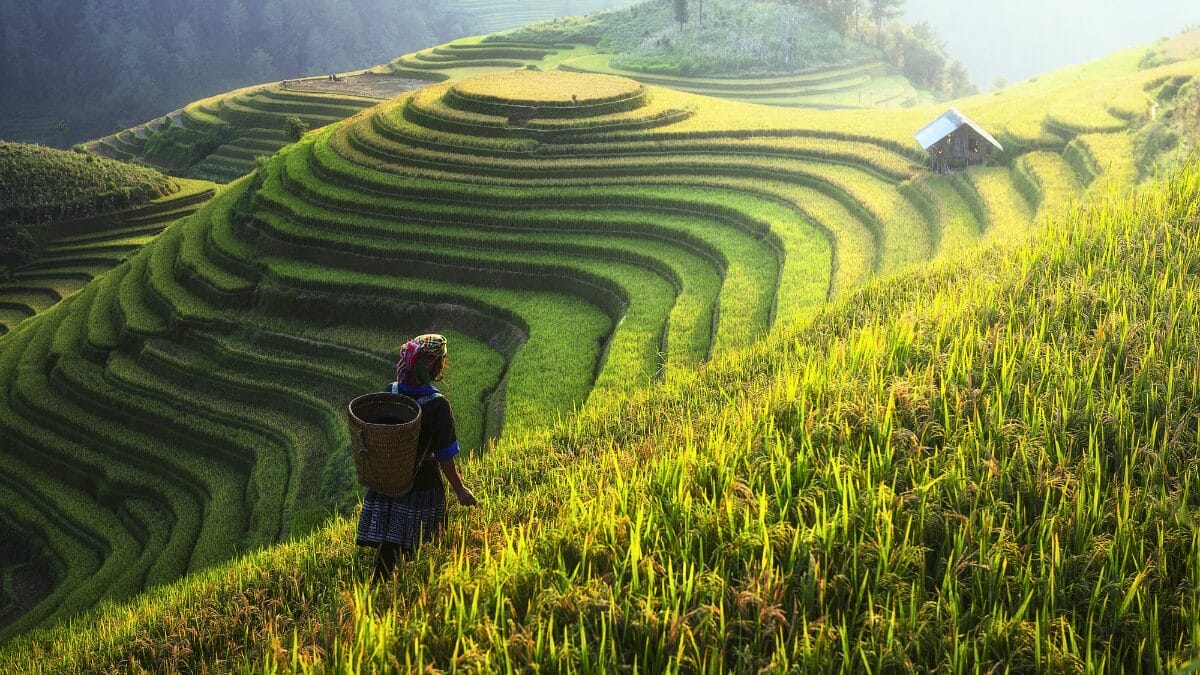
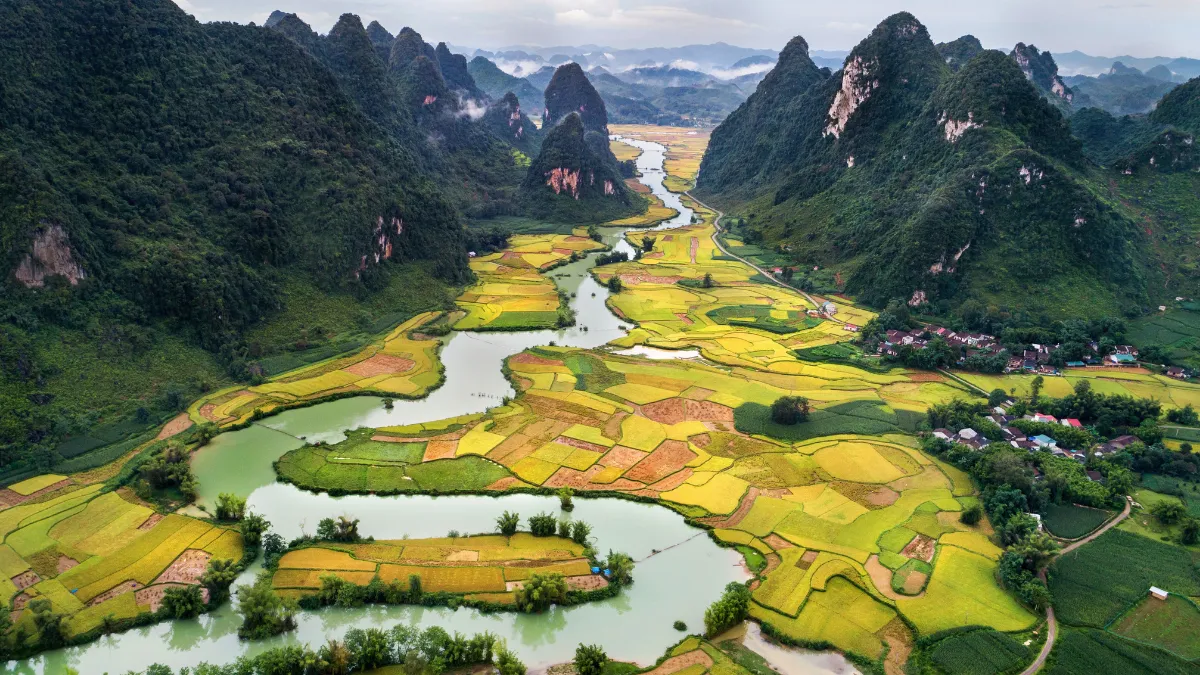
Vietnam punches above its weight for solo travelers. It’s cheaper than Thailand, more authentic than tourist-saturated spots, and increasingly easier to navigate.
The country offers dramatic diversity. Mountains in the north. Beaches in the center. Mekong Delta in the south. Each region feels distinct.
Solo travelers find community easily here. The backpacker trail runs clearly from Hanoi to Ho Chi Minh City with established stops between.
Why Vietnam Appeals to Solo Travelers
Vietnamese people are genuinely curious about visitors. You’ll have spontaneous conversations. Locals offer help freely. The warmth feels authentic, not performative.
Budget travel thrives here. Your money goes far. Street food is incredible and costs almost nothing. Accommodation is cheap. Transport is affordable.
The infrastructure for travelers has improved dramatically. English proficiency is rising among young people. Tourist areas have solid English support. Navigation gets easier annually.
Group tours and activities in Vietnam cater specifically to solo travelers. Ha Long Bay cruises, Mekong Delta tours, and motorbike trips naturally bring independent travelers together.
Real Costs and Budget Breakdown
Vietnam delivers exceptional value. You can live well on a backpacker budget.
- Hostel dorm bed: $6-$10 USD (₫155,000-₫260,000) per night
- Budget hotel room: $20-$35 USD (₫525,000-₫920,000) per night
- Pho or banh mi: $1-$2 USD (₫26,000-₫52,500)
- Restaurant meal: $2-$5 USD (₫52,500-₫132,000
- Sleeper bus between cities: $6-$13 USD (₫158,000-₫340,000)
- Coffee: 50c- $1.60 USD (₫13,000-₫42,000)
Daily budget estimate: $35 to $70 (₫920,000 to ₫1,840,000) will cover everything comfortably. Splurging on activities and nice dinners still keeps you under $70 daily.
Negotiate prices for taxis and cyclos. Grab operates in major cities and eliminates haggling stress.
Navigation and Safety Considerations
Traffic in Vietnamese cities looks terrifying initially. Crossing streets requires confidence. Walk steadily and predictably. Motorbikes will flow around you.
Hanoi and Ho Chi Minh City are walkable in districts but sprawling overall. Use Grab for longer distances. The apps work reliably.
Sleeper buses connect major cities overnight. They’re affordable and surprisingly comfortable. And they reduce the cost of hostel or hotels. Book direct online before you go to avoid tourist markup and to ensure you get a seat/bed. They are incredibly popular.
Safety is generally good, but petty theft happens. Watch your belongings on buses and in crowded markets. Bag snatching from motorbikes is rare but possible.
Traffic accidents are the biggest safety concern. Don’t rent a motorbike unless you’re an experienced rider. Vietnamese traffic patterns are chaotic.
Best Experiences for Solo Travelers
Take a Ha Long Bay overnight cruise. Book through a hostel in Hanoi. You’ll share a cabin with other solo travelers and explore together.
Join a motorbike tour in the northern mountains. Companies like Vietnam Backroads specialize in solo traveler groups. The scenery is stunning.
Stay in Hoi An for a few days. The old town is charming. Tailor shops offer custom clothing dirt cheap. Cooking classes are excellent and social.
Eat everything. Vietnamese food is one of the world’s great cuisines. Street food is safe if the place is busy. Follow where locals eat.
Vietnam Rating
What Makes Vietnam Perfect For First-Timers?
- Extremely affordable
- Incredible food culture
- Strong backpacker community
- Diverse landscapes and experiences
- Friendly, welcoming locals
- Easy to meet other solo travelers
Vietnam Challenges to Consider
- Chaotic traffic can be overwhelming
- Language barrier exists outside tourist areas
- Tourist scams are common
- Air pollution in major cities
- Long distances require overnight buses
Costa Rica: Central America’s Safe Haven
What should I consider before booking my first international solo trip?
When taking your first solo trip abroad, focus on safety, arrange your initial plans in advance to reduce arrival stress, and pack minimally. Pick a destination that has good tourist facilities, dependable public transportation, and where you either speak the language or know some basic phrases to help lessen culture shock. Our biggest tip is to pre-book your first few nights of accommodation and research how to get there from the airport. Once you’re in your hostel or hotel the excitement starts and the stress settles.
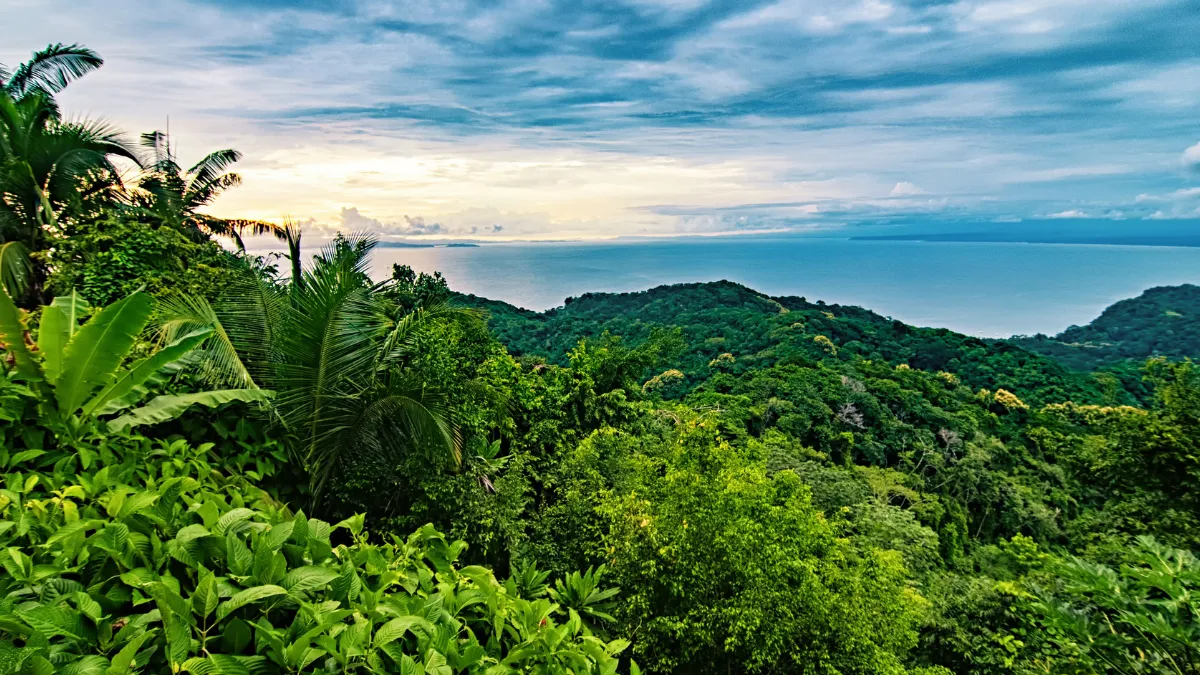
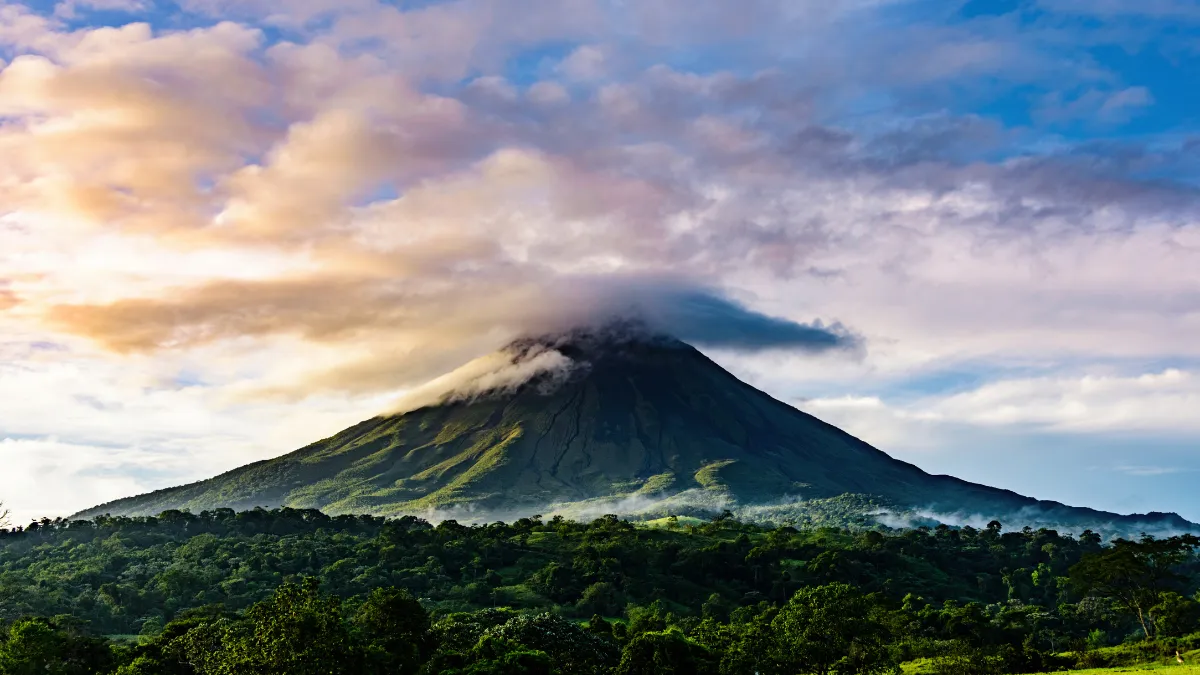
Costa Rica is Central America’s gateway destination. Safer than neighbors. More developed infrastructure. English is widely spoken.
Costa Rica built its identity around eco-tourism and sustainability. That focus created an environment where solo travelers feel comfortable exploring nature.
This is adventure travel with training wheels. Perfect for first-time solo travelers wanting nature experiences without serious risk.
Why Costa Rica Works for Solo Nature Lovers
Costa Rica safety levels exceed most Central American countries significantly. Tourism is the primary industry. The government protects that reputation carefully.
National park infrastructure is excellent. Trails are maintained. Costa Rican national park rangers are present. Information is available in English. You can explore jungle and beaches confidently.
The Costa Rican adventure tourism industry caters to solo travelers. Zip-line tours, wildlife watching, and surf lessons operate professionally with good safety records.
English proficiency is high. Many Ticos (Costa Ricans) speak functional English, especially in tourist areas. Communication rarely creates serious obstacles.
Real Costa Rica Costs and Budget Reality
Costa Rica is Central America’s most expensive country. Accept this reality upfront. Budget travel is possible but requires planning.
- Hostel dorm bed: $15-25 USD per night (₡6,800-₡11,300)
- Budget hotel room: $40-70 per night (₡18,200-₡32,000)
- Soda (local restaurant) meal: $7-11 USD (₡3,200-₡5,000)
- Tourist restaurant meal: $11-20 (₡3,200-₡9,000)
- Chicken bus between towns: $2-8 (₡907-₡3,630)
- National park entrance: $10-20 (₡4,500-₡9,000)
Daily budget estimate: $55-$80 USD covers basics. Adventure activities (zip-lining, white-water rafting, diving) add $50-100 each.
Cook some meals where possible. Costa Rican supermarkets sell groceries at reasonable prices. Many hostels have kitchens. This cuts costs significantly.
Navigation and Getting Around
Chicken buses connect most destinations. They’re cheap and authentic but uncomfortable for long distances. Bring patience and low expectations for schedules.
Shuttle buses serve tourist routes. They’re more expensive but dramatically more comfortable. Worth paying extra for longer journeys.
Renting a car provides maximum flexibility. Roads are decent. GPS works. Driving opens up remote Costa Rican beaches and parks. Consider splitting costs with other solo travelers.
Distances are deceiving. What looks like a short trip can take hours on mountain roads. Plan conservatively.
Best Experiences for Solo Travelers
Base yourself in Puerto Viejo on the Caribbean coast. The town has a laid-back vibe. Beaches are beautiful. The hostel scene attracts solo travelers.
Visit Monteverde Cloud Forest. Join a guided night walk to see wildlife. You’ll likely share the tour with other solo travelers.
Take a surf lesson in Tamarindo or Nosara. Instructors are patient. Waves are forgiving. Surf culture welcomes beginners.
Volunteer for a few days at an animal sanctuary or conservation project. Many accept short-term volunteers. You’ll meet like-minded people and contribute meaningfully.
Costa Rica Rating
What Makes Costa Rica Perfect For First-Timers?
- Safest country in Central America
- Strong English proficiency
- Excellent national park infrastructure
- Professional adventure tourism industry
- Stunning biodiversity and nature
- Easy to meet other travelers
Costa Rica Challenges to Consider
- Most expensive Central American destination
- Public transport can be slow and uncomfortable
- Some areas are heavily touristed
- Rainy season (May-November) limits some activities
- Distances are deceptive on mountainous roads
Iceland: Solo Nature in Extreme Comfort
How much do I need to pack for two weeks solo travel?
That depends on the destination but the “Destinations Uncovered” Golden Rule is “If you can’t carry it comfortably for 30 minutes, it’s too much.” My mantra is 3, 2 ,1 ( 3 tops, 2 pants, 1 shoes). You always have one to wear and one to wash. And the 1 shoes is really 1 and 1 (1 lightweight pair for beaches or around town and 1 heavy pair for hiking and jungle). Being lightweight means being free. Hauling a huge suitcase up a mountain path or across European cobbled streets is the quickest way to regret your packing decisions. I really understand this every time I avoid the airport baggage claim. Packing light isn’t just about making life easy; it’s about staying mobile, agile, and safe.
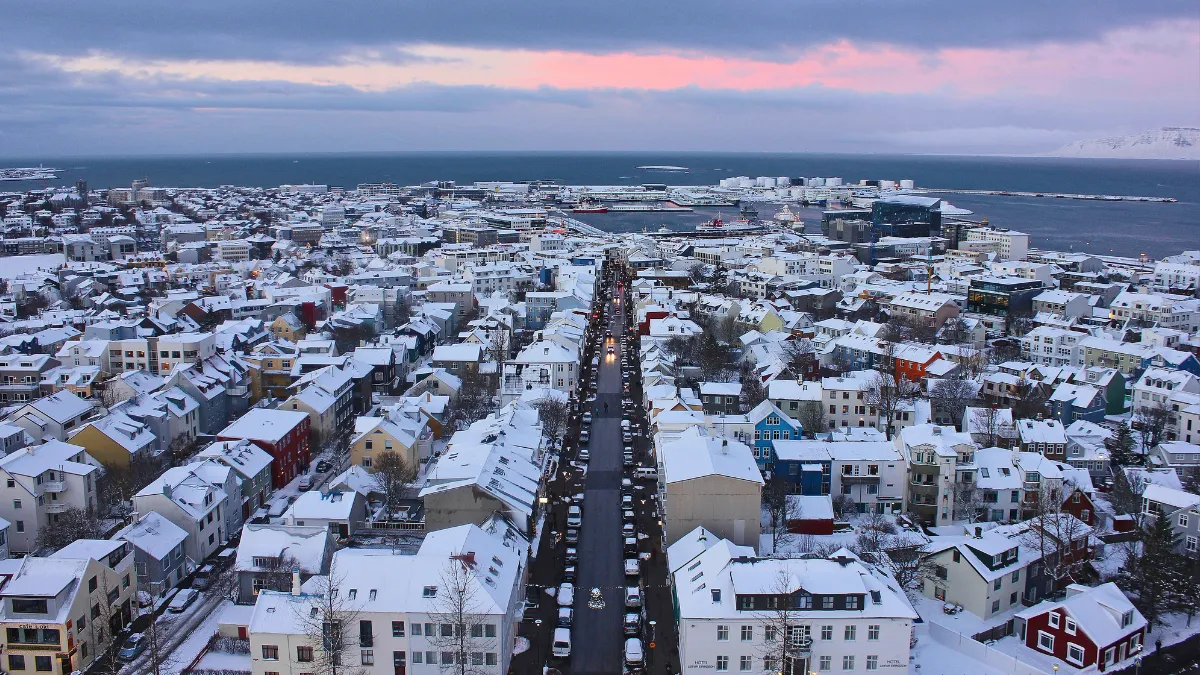
Iceland offers some of the world’s most dramatic landscapes with infrastructure that makes solo exploration remarkably simple.
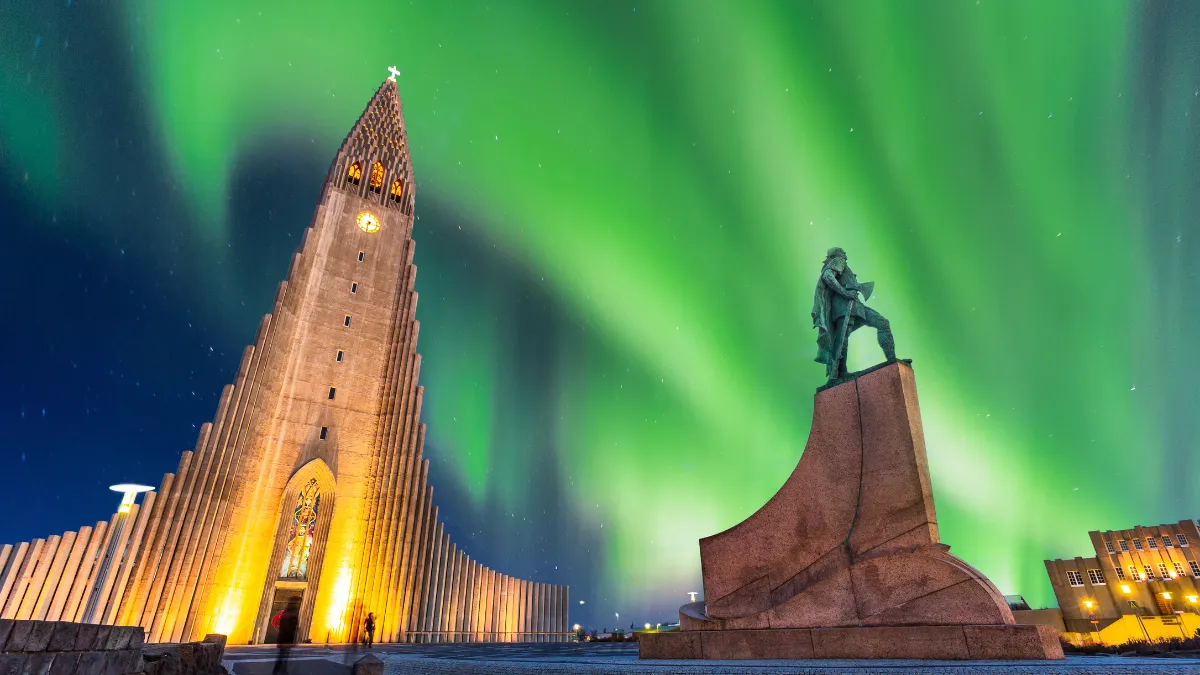
This is nature at its most spectacular. Glaciers. Volcanoes. Waterfalls. Hot springs. Northern lights. Black sand beaches.
But unlike many nature destinations, Iceland provides safety nets. Roads are maintained. Cell service is reliable. English is universal. Rescue services are excellent.
Why Iceland Works for Solo Nature Seekers
Safety is exceptional. Crime is nearly nonexistent. The country ranks among the world’s safest. Solo travelers, especially women, feel remarkably secure.
English proficiency is universal. Nearly every Icelander speaks excellent English. Communication is effortless. Signs, menus, and information are always translated.
Infrastructure supports independent travel beautifully. The Ring Road circles the island with clear markings. GPS works everywhere. Gas stations and basic services appear regularly.
Nature’s accessibility is unmatched. Many spectacular sites sit right off the main road. You don’t need serious hiking skills or wilderness experience to see incredible landscapes.
Real Iceland Costs and Budget Reality
Iceland is expensive. Brutally so. This is the biggest barrier for budget solo travelers.
- Hostel dorm bed: $45 to $85 USD (kr5,642 to kr10,657)
- Budget hotel room: $110 to $200 USD (kr13,791 to kr25,076)
- Restaurant meal: $27+ USD (kr 3,500+)
- Supermarket groceries for dinner: $10-$17 USD )(kr 1,250-kr 2,131)
- Rental car (compact): $70 and $160 USD (kr8,776 to kr20,060)
- Gas for Ring Road circuit: $220-$350 USD (kr27,583 – kr43,883)
Daily budget estimate: $130-$180 USD minimum. Realistically expect $140-$200+ USD including car rental, accommodation, and food.
Cook your own meals. Supermarkets like Bonus offer reasonable prices. Restaurant meals destroy budgets quickly.
Consider joining small group tours. Companies like Arctic Adventures offer tours where solo travelers share costs with others. Sometimes cheaper than solo car rental.
Navigation and Getting Around
The Ring Road (Route 1) circles Iceland in about 1,300 kilometers. It’s paved and well-maintained. Most rental cars handle it fine.
Summer travel (June-August) offers the easiest conditions. Roads are clear. Daylight is endless. Weather is mildest.
Winter travel requires 4WD and winter driving experience. Some roads close entirely. Northern lights are visible but conditions are harsh.
Cell service covers the Ring Road and populated areas surprisingly well. Download offline maps anyway. Weather can change instantly.
Best Experiences for Solo Travelers
Drive the Golden Circle as a day trip from Reykjavik. It includes Þingvellir National Park, Geysir, and Gullfoss waterfall. All are easy to visit solo.
Soak in a local hot spring rather than the Blue Lagoon. Seljavallalaug or Reykjadalur offer authentic experiences without tourist prices.
Stay in Reykjavik hostels for a few nights. The city has a small but friendly solo traveler scene. Hostels organize group activities.
Book a northern lights tour in winter. Guides know best viewing locations. You’ll share transportation costs with other travelers.
Iceland Rating
What Makes Iceland Perfect For First-Timers?
- World-class safety (ranked #1 globally)
- Universal English fluency
- Spectacular natural landscapes everywhere
- Excellent infrastructure and services
- Easy road trip accessibility
- Strong cell coverage even in remote areas
Iceland Challenges to Consider
- Extremely expensive for budget travelers
- Weather is unpredictable and often harsh
- Limited social scene outside summer season
- Crowds at major attractions in summer
- Winter travel requires serious preparation
Direct Destination Comparison
Every destination has trade-offs. Use this comparison to identify what matters most for your first solo trip.
| Destination | Safety out of 10 | Minimum Daily Budget (USD) | English level | Social Scene | Overall Rating out of 5 stars |
|---|---|---|---|---|---|
| Portugal | 9.4 | $60-75 | High | Excellent | 4.6 stars |
| Japan | 10 | $65-150 | Medium | Good | 4.4 stars |
| New Zealand | 9.8 | $55-90 | Native | Excellent | 4.7 stars |
| Thailand | 8.8 | $25-70 | Medium | Excellent | 4.6 stars |
| Scotland | 9.2 | $110-160 | Native | Good | 4.4 stars |
| Vietnam | 8.6 | $35-70 | Medium-Low | Excellent | 4.5 stars |
| Costa Rica | 8.6 | $55-90 (no tours) | High | Good | 4.3 stars |
| Iceland | 10 | $140-200 | High | Fair | 4.2 stars |
How to read this table: Safety ratings reflect conditions specifically for solo travelers. Budget estimates assume hostel accommodation, mix of eating out and self-catering, and standard tourist activities. English level indicates functional communication ability in tourist areas. Social scene rates how easily solo travelers meet others.
How to Choose Your First Destination
Every traveler has their own priorities and different worries. Match your destination to the concerns and priorities that matter to you most.
If Budget Is Your Primary Concern
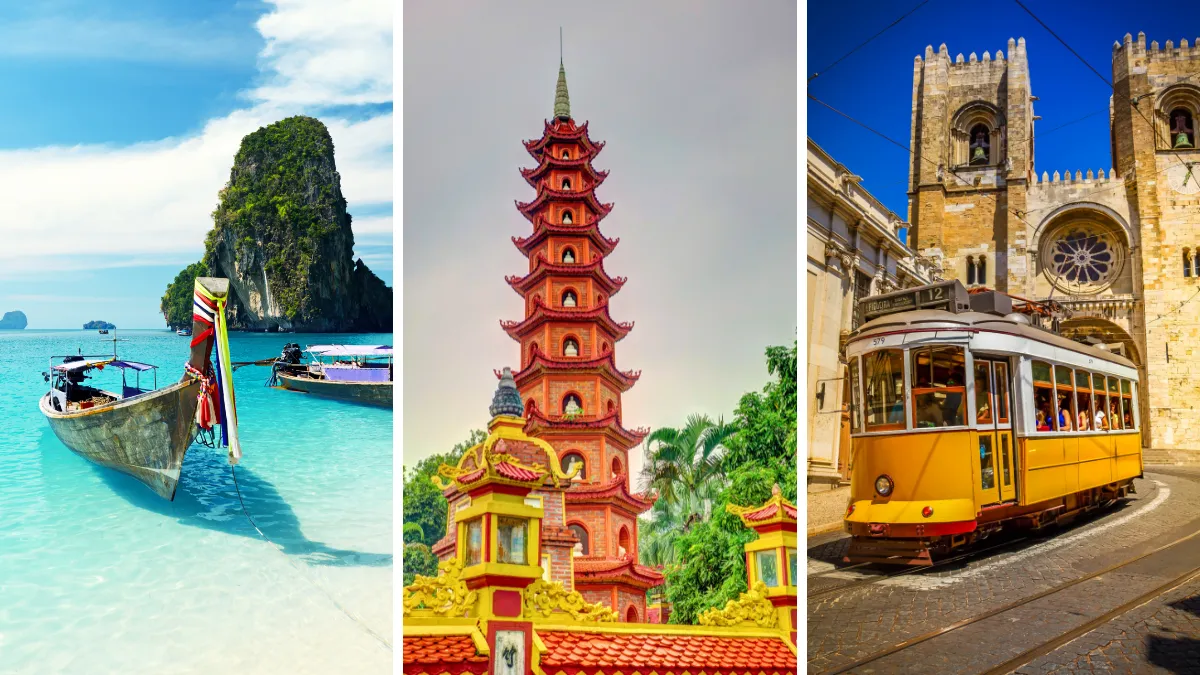
Choose Thailand or Vietnam. Both deliver incredible value. Your money stretches furthest here.
Portugal offers the best European value. You’ll spend more than if you went to Asia but less than most Western European countries.
Avoid Iceland, New Zealand, and Japan if you’re on a tight budget. Beautiful destinations, but expensive.
If Safety Is Your Top Priority
Iceland and Japan rank highest globally for safety. You’ll feel remarkably secure as a solo traveler.
New Zealand and Portugal also excel in safety. Low crime. Good infrastructure. Solo women travel confidently.
Costa Rica, Vietnam, and Thailand require more awareness. Safe in tourist areas with normal precautions, but research specific regions carefully.
If You Need Strong English Accessibility
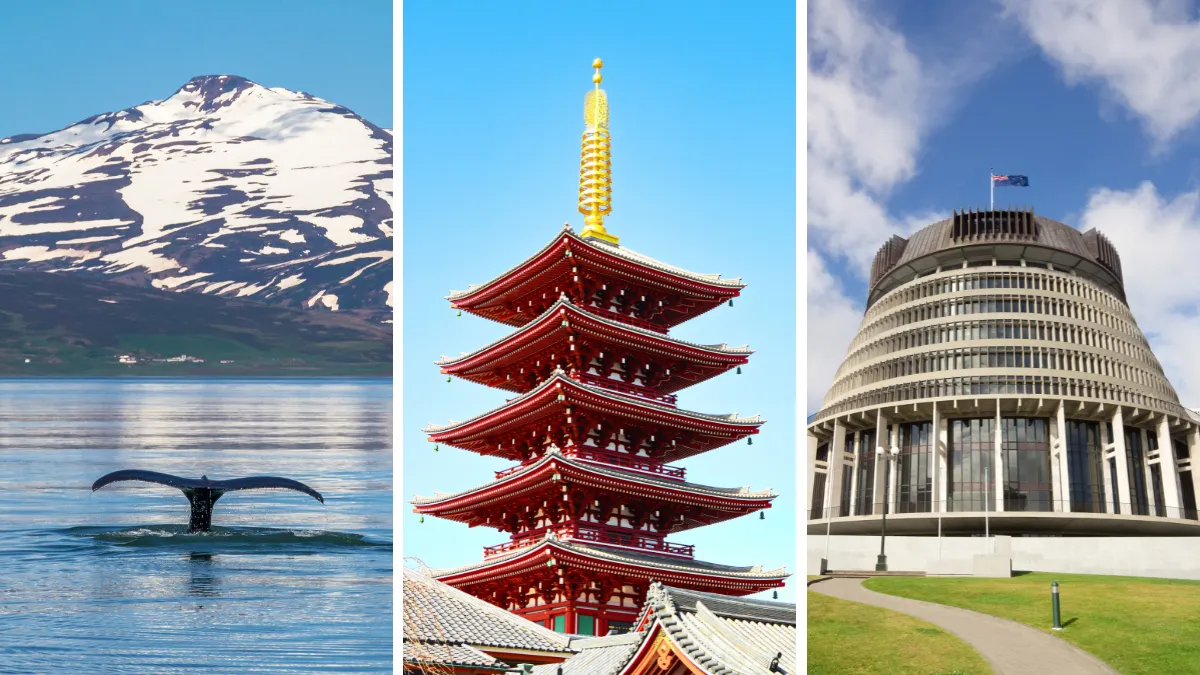
New Zealand, Scotland and Iceland eliminate language barriers completely. Almost everyone speaks English natively or fluently.
Portugal and Costa Rica have excellent English in tourist areas. You’ll manage easily without Spanish or Portuguese.
Japan, Vietnam, and Thailand present language challenges. Translation apps help, but expect communication difficulties outside tourist zones.
If Meeting People Is Essential
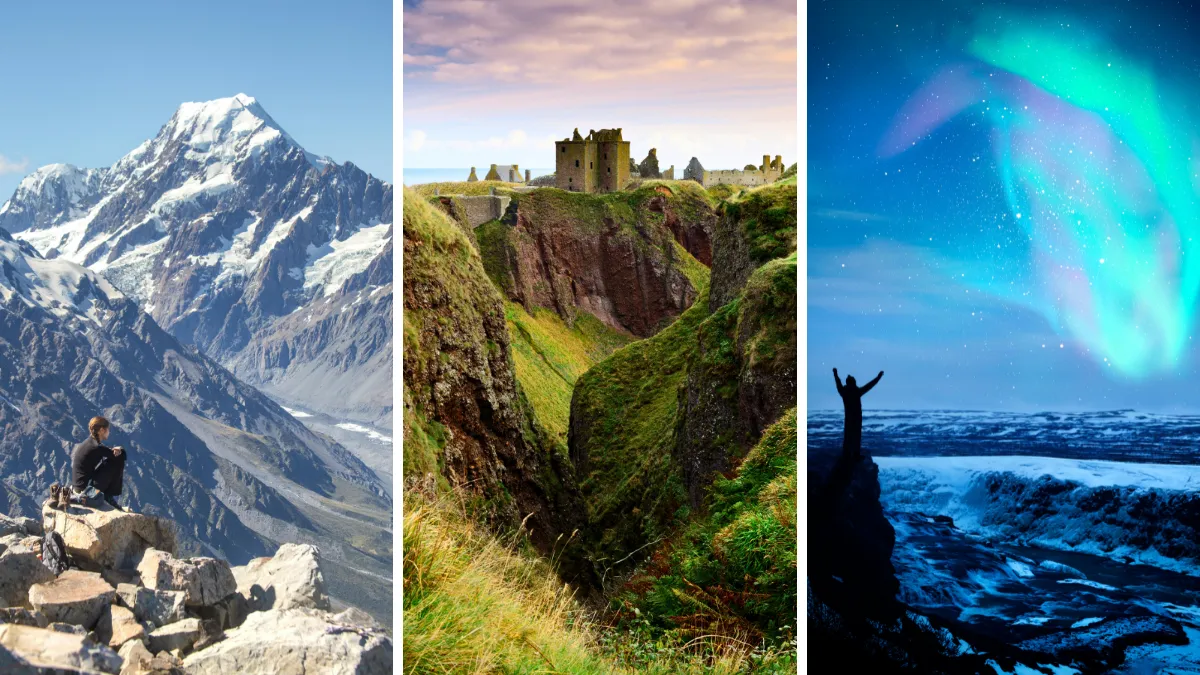
Thailand, New Zealand, and Portugal have massive solo traveler communities. Meeting people is effortless in hostels and group activities.
Vietnam also has excellent social scenes, just not as many and not as diverse. The strong social scenes are in specific cities. Choose established backpacker destinations.
Iceland and Japan can feel isolating outside summer. The solo traveler community is smaller. More effort required to meet people.
If You Want Outdoor Adventure
New Zealand dominates for accessible outdoor experiences. Everything from casual hikes to extreme sports operates professionally.
Costa Rica and Iceland offer spectacular nature with good infrastructure. You can explore confidently.
Scotland provides beautiful landscapes without tropical intensity. Excellent for hiking and nature in temperate climates.
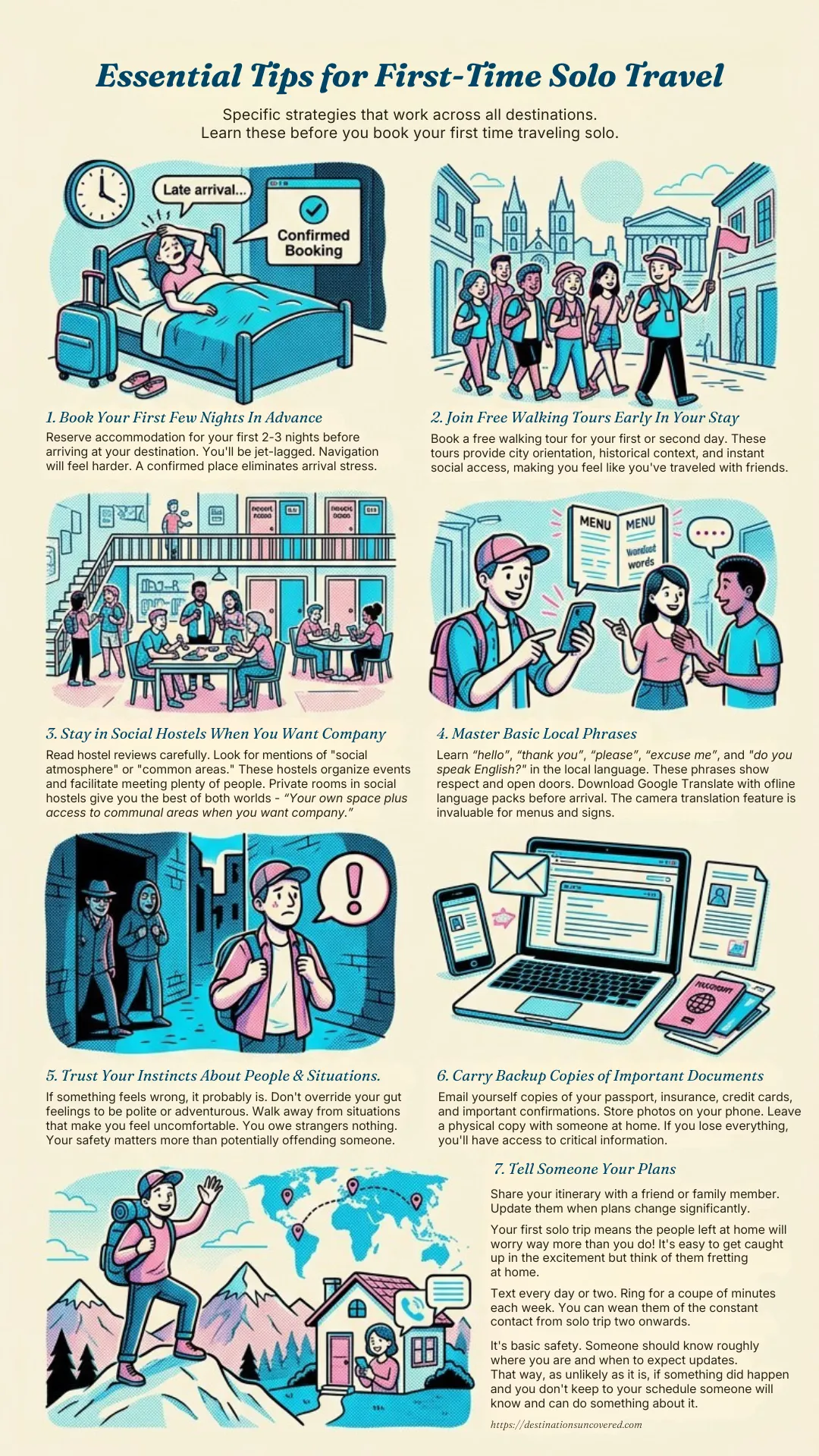
Essential Tips for First-Time Solo Travel
Specific strategies that work across all destinations. Learn these before you book your first time traveling solo.
Book Your First Few Nights in Advance
Reserve accommodation for your first 2-3 nights before arrival in a great place. You’ll be jet-lagged. Navigation will feel harder. Having a confirmed place eliminates arrival stress.
After settling in, you can book remaining nights as you go. Flexibility increases once you’ve oriented yourself in this country.
Join Free Walking Tours Early
Book a free walking tour for your first or second day. These tours provide city orientation, historical context, and instant social access, making you feel like you’ve traveled with friends. Even if you don’t feel you need the company book and go anyway. If you are taking an organized tour it even more important. It may sound odd but if you do things alone at the start you’ll find it harder to join the group later when friendships have formed.
You’ll meet other solo travelers. Many people form groups for dinner after tours. It’s the easiest way to make initial connections in this set of amazing places.
Stay in Social Hostels When You Want Company
Read hostel reviews carefully. Look for mentions of “social atmosphere” or “common areas.” These hostels organize events and facilitate meeting plenty of people.
Private rooms in social hostels give you the best of both worlds. Your own space plus access to communal areas when you want company.
Master Basic Local Phrases
Learn hello, thank you, please, excuse me, and “do you speak English?” in the local language. These phrases show respect and open doors.
Download Google Translate with offline language packs before arrival. The camera translation feature is invaluable for menus and signs.
Trust Your Instincts About People and Situations
If something feels wrong, it probably is. Don’t override your gut feelings to be polite or adventurous.
Walk away from situations that make you uncomfortable. You owe strangers nothing. Your safety matters more than potentially offending someone.
Carry Backup Copies of Important Documents
Email yourself copies of your passport, insurance, credit cards, and important confirmations. Store photos on your phone.
Leave a physical copy with someone at home. If you lose everything, you’ll have access to critical information.
Tell Someone Your Plans
Share your itinerary with a friend or family member. Update them when plans change significantly. Your first solo trip means the people left at home will worry way more than you do! Its easy to get caught up in the excitement but think of your old Mum fretting at home. Text every day or two. Ring for a coupe of minutes each week. You can wean them of the constant contact from solo trip two onwards.
This isn’t paranoia. It isn’t a need to be pampered. It’s basic safety. Someone should know roughly where you are and when to expect updates. That way, as unlikely as it is, if something did happen and you don’t keep to your contact schedule someone knows and can do something about it. But don’t linger on this. Set up a good routine and enjoy your travels.
Best international destinations for first time solo travelers FAQ
What’s the hardest part of traveling solo for the first time?
The initial loneliness surprises most people. You’ll have amazing experiences but no one to immediately share them with. This feeling usually passes after a few days once you meet other travelers or adjust to solo reflection. Dining alone feels awkward initially. Bring a book or phone. Counter seating helps. It gets comfortable quickly. Making decisions constantly can exhaust you. No one to defer to or discuss with. Start with structured activities to reduce decision fatigue.
How do I meet people when traveling solo?
Stay in hostels with communal areas. Social hostels naturally facilitate interaction through common spaces and organized events. Join group tours and activities. Walking tours, cooking classes, and adventure activities bring solo travelers together. Use apps like Meetup or Couchsurfing events. Many cities have regular gatherings for travelers and expats. Sit at bar seating in restaurants. You’ll naturally chat with neighbors. Ask locals for recommendations.
Is solo travel more expensive than traveling with others?
Accommodation costs more per person. You can’t split room charges. Hostel dorms mitigate this significantly. Transport can be more expensive. No ride-sharing costs or car rental splits. But you have complete flexibility in timing and destinations. Food costs roughly the same. You eat less overall but can’t share dishes at restaurants. Activities sometimes offer better per-person rates for groups. But you save money by only doing what interests you.
What if I get sick or injured while traveling alone?
Buy comprehensive travel insurance before departure. Non-negotiable for solo travelers. Ensure it covers medical evacuation. Research hospitals and clinics at your destination. Save addresses and phone numbers before arrival. Keep emergency contacts accessible. Include your embassy or consulate contact information. Most hostels and hotels will help coordinate care if you’re sick. Staff have dealt with this before. Don’t hesitate to ask for help.
How long should my first solo trip be?
Start with 1-2 weeks. Long enough to overcome initial discomfort. Short enough that homesickness won’t dominate. Weekend trips don’t provide enough time to settle into solo travel rhythm. You’ll spend the whole time adjusting. Month-long trips can feel overwhelming for first-timers. You don’t know yet if you’ll love or hate solo travel. Build flexibility into your plans. Book flights with reasonable change fees. You might want to extend or cut short based on how you feel.
Should I plan everything in advance or wing it?
Book flights and first few nights accommodation in advance. This provides structure when you’re most disoriented. Leave the middle section flexible. You’ll meet people and get recommendations. Plans will change. Book time-sensitive activities ahead. Popular tours, accommodation during festivals, and necessary reservations should be secured early. Don’t over-schedule. Solo travel rewards spontaneity. Leave gaps for unexpected discoveries and rest days.
What are the Best International Destinations for First Time Solo Travelers?
At Destinations Uncovered we believe that the best destinations for first time solo travelers are, in no particular order, New Zealand, Portugal, Iceland, Thailand, Vietnam, Japan, Scotland and Costa Rica because they have low crime rates and offer good to native levels of English proficiency, a strong solo travel community, decent affordability and dependable public transportation or self-drive options for easy navigation.