The world’s tropical rainforests hold some of the planet’s most extraordinary biodiversity. These vital ecosystems face constant threats from deforestation and climate change. Choosing eco friendly lodges in these remote locations supports conservation efforts while offering travelers unforgettable experiences.
Independent adventurers seeking sustainable tourism options now have remarkable choices. These eco lodges prioritize environmental conservation, renewable energy sources, and community partnerships. Each destination provides immersive nature experiences without compromising the delicate rainforest ecosystems.
Remote tropical rainforests around the world offer unique opportunities for sustainable travel. From the Amazon Basin to Southeast Asian jungles, eco-conscious accommodations demonstrate that luxury and environmental responsibility can coexist. These lodges employ innovative green initiatives while supporting local communities and wildlife conservation programs.
Join The Community
Start Your Rainforest Adventure
Join our community of eco-conscious travelers. Receive exclusive rainforest travel tips, sustainable lodge updates, and conservation news delivered monthly.
Join The Community TodayHow To Know If They Are Truly Eco Friendly Lodges
Authentic eco lodges implement comprehensive sustainability practices across all operations. These accommodations go beyond basic recycling programs to create minimal environmental impact. Understanding these standards helps travelers identify genuine eco-friendly establishments from those merely greenwashing their image.
Renewable Energy and Resource Management
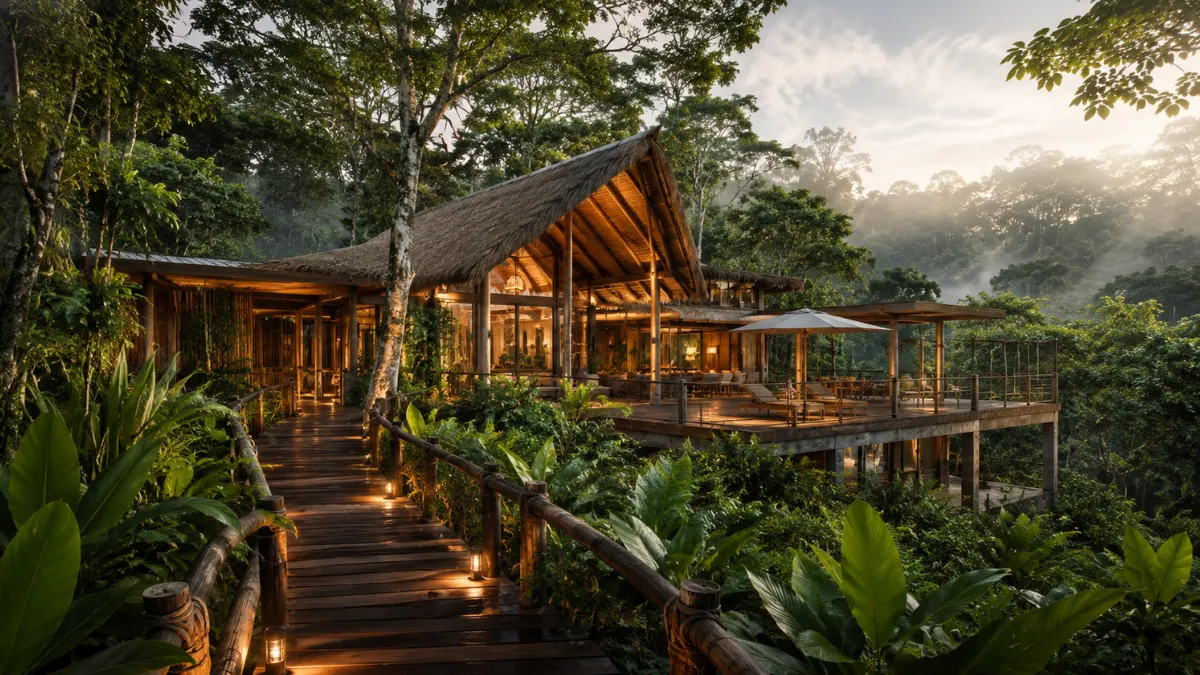
Sustainable lodges harness renewable energy sources like solar panels and wind turbines. These systems reduce dependence on fossil fuels while providing reliable power in remote locations. Many eco lodges achieve complete energy independence through innovative design and technology.
Water conservation represents another critical component. Rainwater harvesting systems collect and filter natural precipitation for guest use. Gray water recycling programs treat wastewater for irrigation and non-potable applications. These efforts significantly reduce environmental strain in water-scarce regions.
Waste Reduction and Recycling Programs
Comprehensive waste management initiatives minimize the ecological footprint of lodge operations. Composting programs transform organic waste into nutrient-rich soil for gardens. Multi-stream recycling systems separate materials for proper processing or repurposing.
Many lodges eliminate single-use plastics entirely from their operations. Refillable containers, biodegradable materials, and reusable items replace disposable alternatives. Some establishments partner with local recycling facilities to ensure proper material processing.
Conservation and Community Engagement
Genuine eco lodges actively participate in conservation projects and wildlife protection efforts. Staff members often include trained naturalists who conduct research and monitoring programs. Guest participation in these initiatives creates educational opportunities while supporting vital conservation work.
Local community partnerships form the heart of sustainable tourism models. Lodges source food from nearby farms and employ staff from surrounding villages. Revenue sharing programs direct portions of profits toward community development projects. These relationships create economic incentives for rainforest preservation.
Environmental Certifications
Leading eco lodges obtain third-party sustainability certifications validating their environmental claims.
- Green Globe certification for sustainable tourism
- LEED certification for green building design
- Rainforest Alliance verification standards
- National eco-tourism quality certifications
Sustainable Building Materials
Construction choices reflect environmental values through careful material selection and sourcing practices.
- Locally harvested sustainable timber
- Natural insulation from plant fibers
- Low-impact foundation systems
- Traditional building techniques adapted for modern comfort
Guest Education Programs
Environmental awareness forms an essential part of the eco-lodge experience for all visitors.
- Guided nature walks with naturalist staff
- Workshops on rainforest ecology and conservation
- Cultural exchange programs with local communities
- Hands-on participation in sustainability initiatives
Carbon Offset Initiatives
Forward-thinking lodges address unavoidable emissions through reforestation and protection programs.
- Tree planting programs for carbon sequestration
- Support for protected area expansion
- Investment in renewable energy projects
- Partnership with verified offset organizations
1. Lapa Rios Lodge – Osa Peninsula, Costa Rica
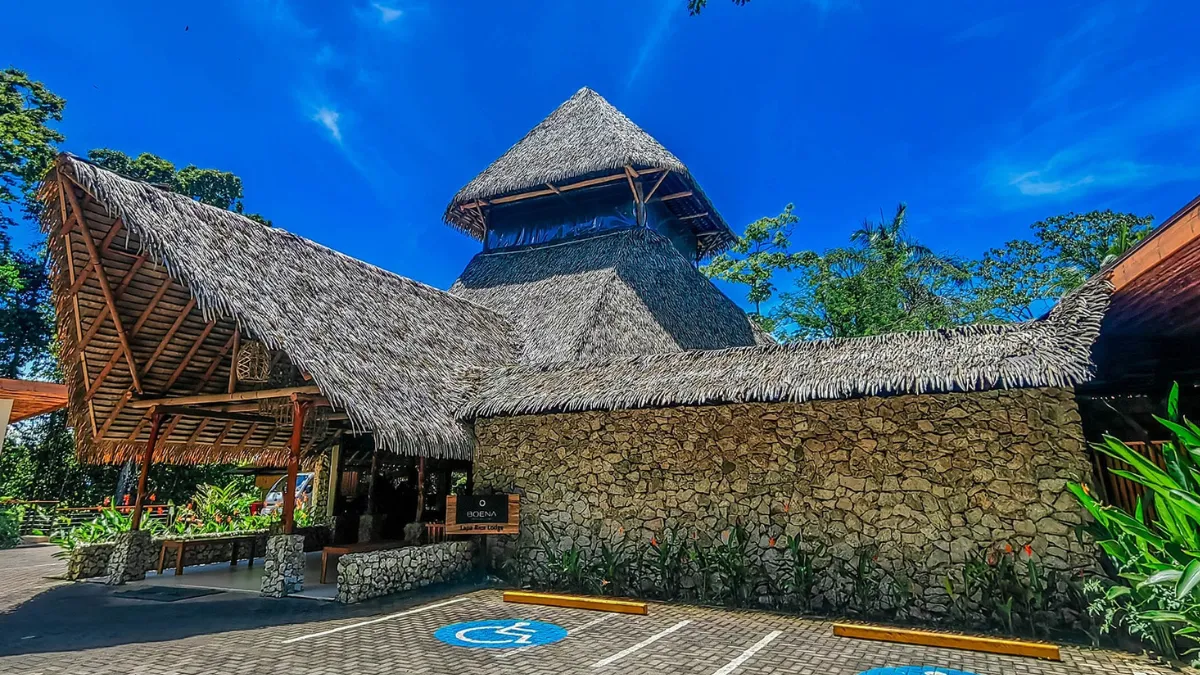
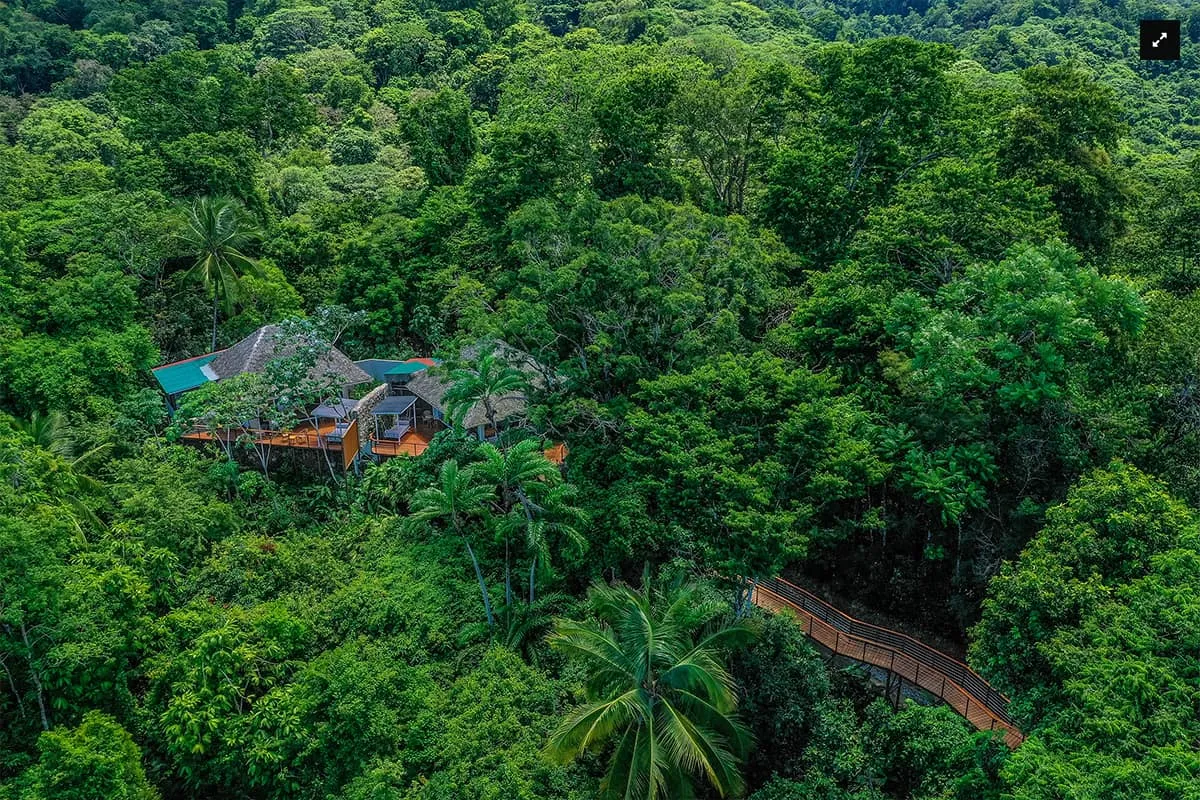
Lapa Rios Lodge stands as a pioneer in sustainable eco tourism along Costa Rica’s remote Osa Peninsula. This award-winning eco lodge occupies a private 1,000-acre rainforest reserve overlooking the Pacific Ocean. The property protects critical habitat for endangered species while providing guests with unparalleled wildlife encounters.
Sustainability Practices of Lapa Rios Eco Friendly Lodges
Energy Generation:
Lapa Rios created and installed a strong system consisting of 220 solar panels and ten nano hydro-turbines that supply most of the property’s energy requirements. This covers heating water for all 17 suites and villas, along with the staff quarters. When it’s cloudy, the lodge needs to rely on the extra energy stored in batteries or their energy-efficient backup water heaters.
Water Conservation:
All wastewater from Lapa Rios lodge is directed into advanced septic systems. By installing specific water meters, they can monitor the lodge’s water usage and take preventive measures to enhance water management and use resources responsibly. The lodge’s bathrooms feature biodegradable shampoo, conditioner, and shower gel, and all laundry is done with biodegradable soap.
Lapa Rios Lodge also uses energy-efficient washers and dryers to make the best use of the electricity generated onsite. The swimming pools are treated with salt and stabilizers instead of chlorine, which is gentler on both the environment and your skin.
Waste Management:
Lapa Rios runs a waste management program that applies to all operational areas and guest rooms. This program involves sorting inorganic and organic waste, which is then processed through onsite composting, fed to the resident pigs, or sent to the local recycling center, La Palma. They minimize the use of single-use plastics whenever possible and encourage the use of reusable containers in all operations and among guests.
Wildlife Protection:
In 2020, Lapa Rios partnered with the National University of Costa Rica to support a Jaguar Program aimed at studying felines and other native species. Lapa Rios contributed by providing researchers with photography equipment, technical support, food, and lodging. During the project, the program captured over 80,000 photos and videos of resident animals, including 21 species of large mammals and five of Costa Rica’s six native feline species.
Lapa Rios supports Raising Coral, a nonprofit focused on developing coral reef restoration methods in Costa Rica through a genetic diversity study on coral propagation techniques in Pocillopora coral nurseries. This research seeks affordable coral regeneration solutions that can be applied to restoration efforts in low-income countries.
Lapa Rios Experiences
Unforgettable experiences await you in one of the planet’s most biodiverse areas. From wildlife-rich rainforest treks to peaceful mangrove kayaking, each adventure allows you to sustainably explore the stunning nature of the Osa Peninsula. You will see scarlet macaws, monkeys, sloths, or maybe you’ll be lucky enough to spot one of the rare jungle cats.
Costa Rica Early Birds
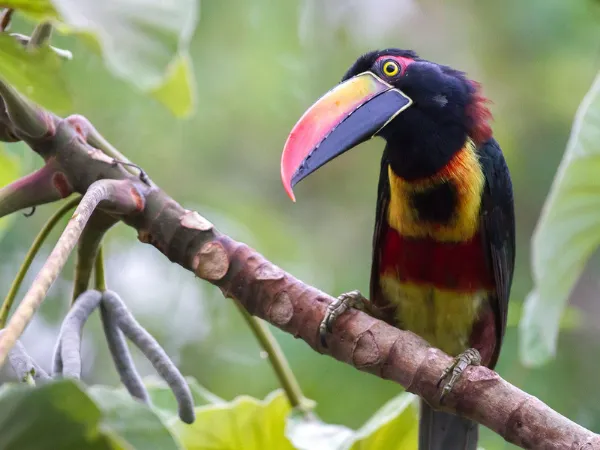
Join an early morning birding and nature tour starting at 6 a.m. with coffee and a briefing. The tour explores diverse ecosystems near the ocean, offering excellent opportunities to see a variety of tropical birds and wildlife, supported by high-quality binoculars and spotting scopes.
- Starts at 6 a.m. with sunrise, coffee, snack, and briefing
- Short countryside drive to a diverse trail near the ocean
- Spot tropical birds like scarlet macaws, toucans, and king vultures
- Wildlife includes monkeys, sloths, iguanas, and butterflies
- Suitable for birders and nature lovers of all experience levels
Osa Peninsula Rainforest Ridge Hike
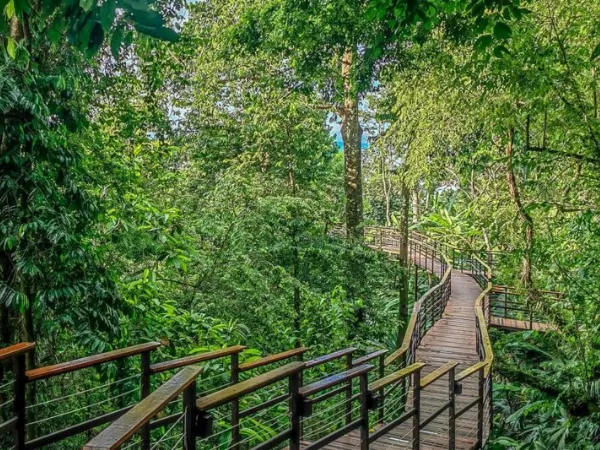
This hiking excursion starts at 8:15 a.m. at the Guide Hut, where you will receive gear and a safety briefing. The hike includes walking along ridges in Lapa Rios Reserve, observing wildlife like monkeys and scarlet macaws, crossing a river, and visiting two waterfalls. The final uphill hike can be challenging, with easier alternatives available.
- Starts at 8:15 a.m. with gear provided (rubber boots, socks, walking sticks).
- Bilingual guide gives a safety and activity briefing.
- Trail features rainforest ridges, wildlife viewing, river crossing, and waterfalls.
- Final uphill section is strenuous; shorter, easier hikes are offered as alternatives.
Lapa Rios Night Walk
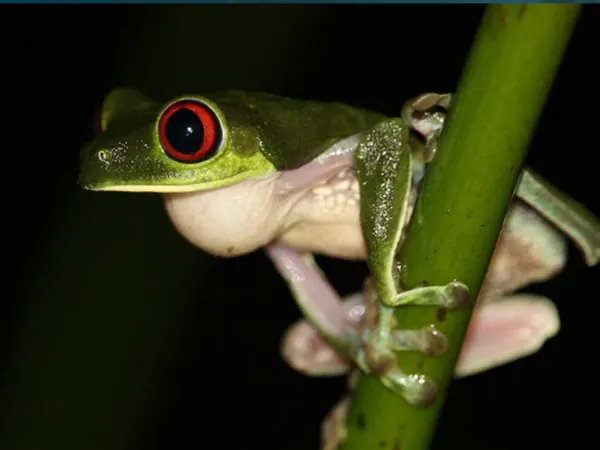
The nocturnal walk at Lapa Rios reserve offers a unique chance to observe rainforest wildlife active at night, including frogs, bats, snakes, and kinkajous.
Guests are equipped with necessary gear and guided through frog ponds and forests, with the experience adaptable to individual preferences and physical abilities.
- Night walk starts at Guide Hut with gear and briefing.
- Wildlife includes tree frogs, bats, snakes, possums, insects, and kinkajous.
- The trail passes by Lapa Rios frog ponds and forest areas.
- Experience is customizable based on guest preference and physical condition.
Corcovado By Boat

Exploring Corcovado National Park by both water and land offers a unique opportunity to see diverse marine and terrestrial wildlife. The tour starts early with a boat trip from Puerto Jimenez to La Sirena Ranger Station, followed by hiking through various forest trails, ending with a traditional lunch and return trip.
- Marine life includes sea turtles, humpback whales, dolphins, sharks, and many fish species.
- Terrestrial wildlife includes numerous animals, birds, reptiles, and insects.
- Tour begins at 5:00 a.m. from Lapa Rios to Puerto Jimenez for a 1.5-hour boat ride.
- Hiking trails from La Sirena Ranger Station pass through primary and secondary forests.
- Traditional Costa Rican lunch provided before returning by boat to Puerto Jimenez and transfer back to Lapa Rios.
Lapa Rios Sustainability
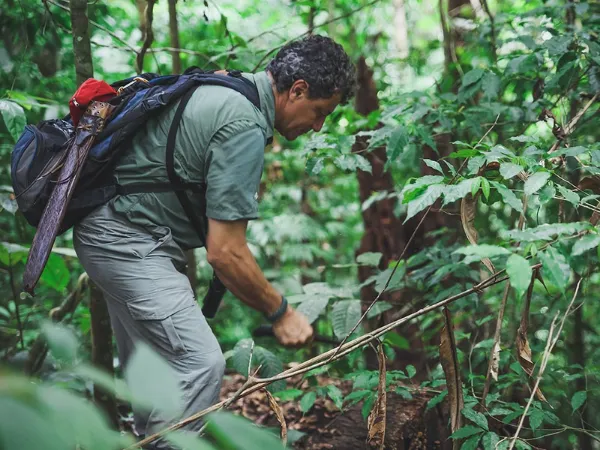
The Lapa Rios eco-tourism experience showcases sustainable practices through renewable energy use, organic farming, and community involvement. You will learn about the Lodge’s efforts to reduce its carbon footprint and support local communities while exploring solar panels, water turbines, organic gardens, and pig pens.
- See how Lapa Rios Lodge have implemented 240 solar panels, over 10 water turbines, and 48 energy storage units for renewable energy.
- Natural water purification systems implemented throughout the resort.
- Organic gardens growing herbs and medicinal plants.
- Food waste from the restaurant is used to feed the Lodge’s pigs.
- Focus on integrating local community members into sustainability efforts.
Lapa Rios Lodge Local Medicine
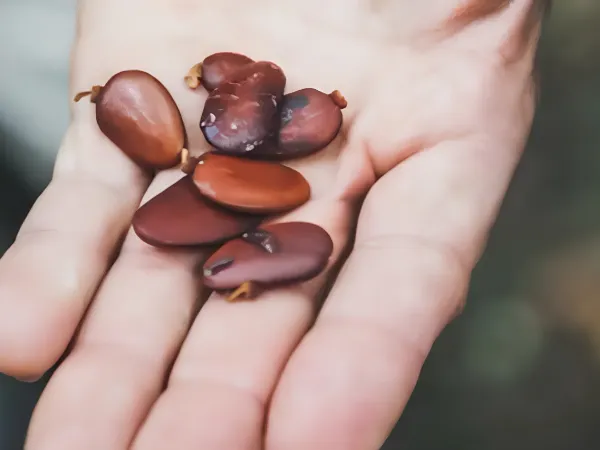
Explore the rainforest’s rich medicinal and edible plants and learn how Indigenous Peoples, farmers, and miners have used these resources for survival and cultural practices. The tour includes a walk through organic gardens at Lapa Rios and a guided trail highlighting important plants and their uses, offering insight into the Osa Peninsula’s cultural heritage and natural remedies.
- Visit Lapa Rios’ organic gardens with medicinal plants and herbs.
- Guided walk identifying medicinal plants, trees, and seeds.
- Learn about traditional uses by Indigenous Peoples, farmers, and miners.
- Discover the cultural, nutritional, and spiritual importance of the region’s flora.
- Gain insight into Costa Rican history and customs through the rainforest’s bounty.
Lapa Rios Lodge Accommodations and Amenities
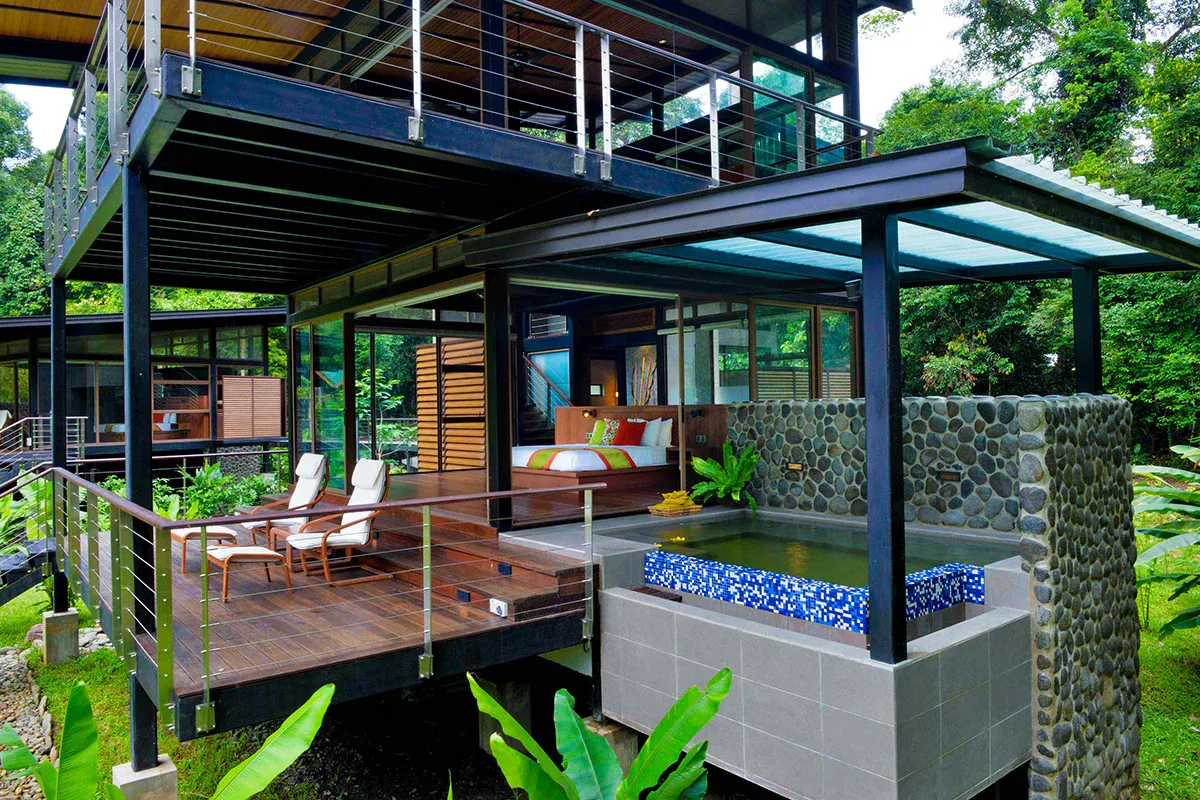
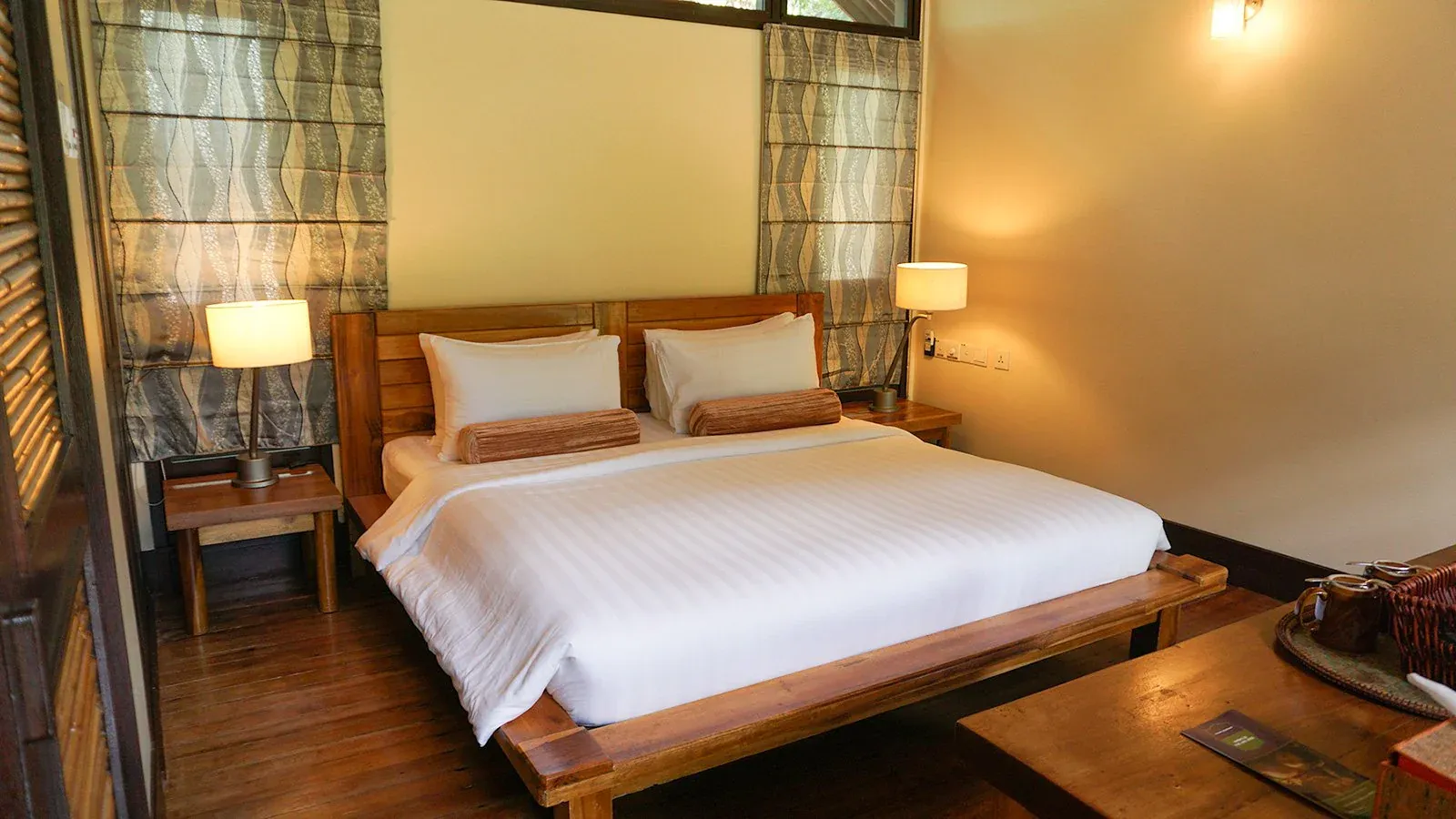
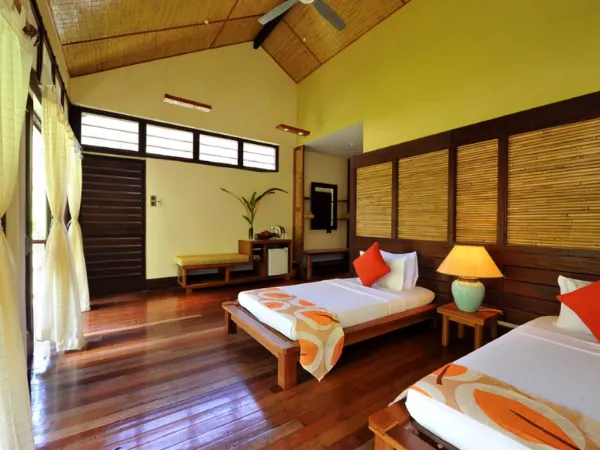
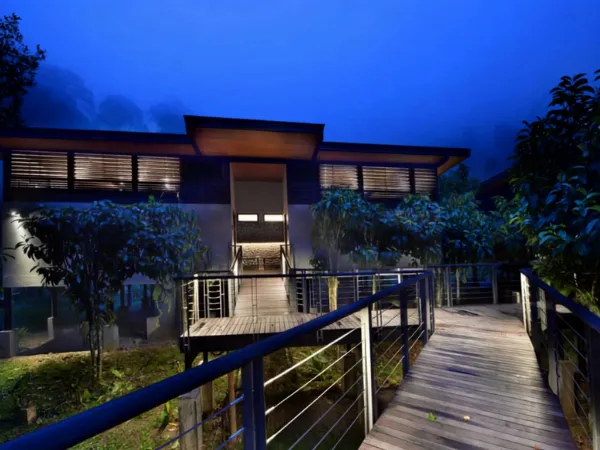
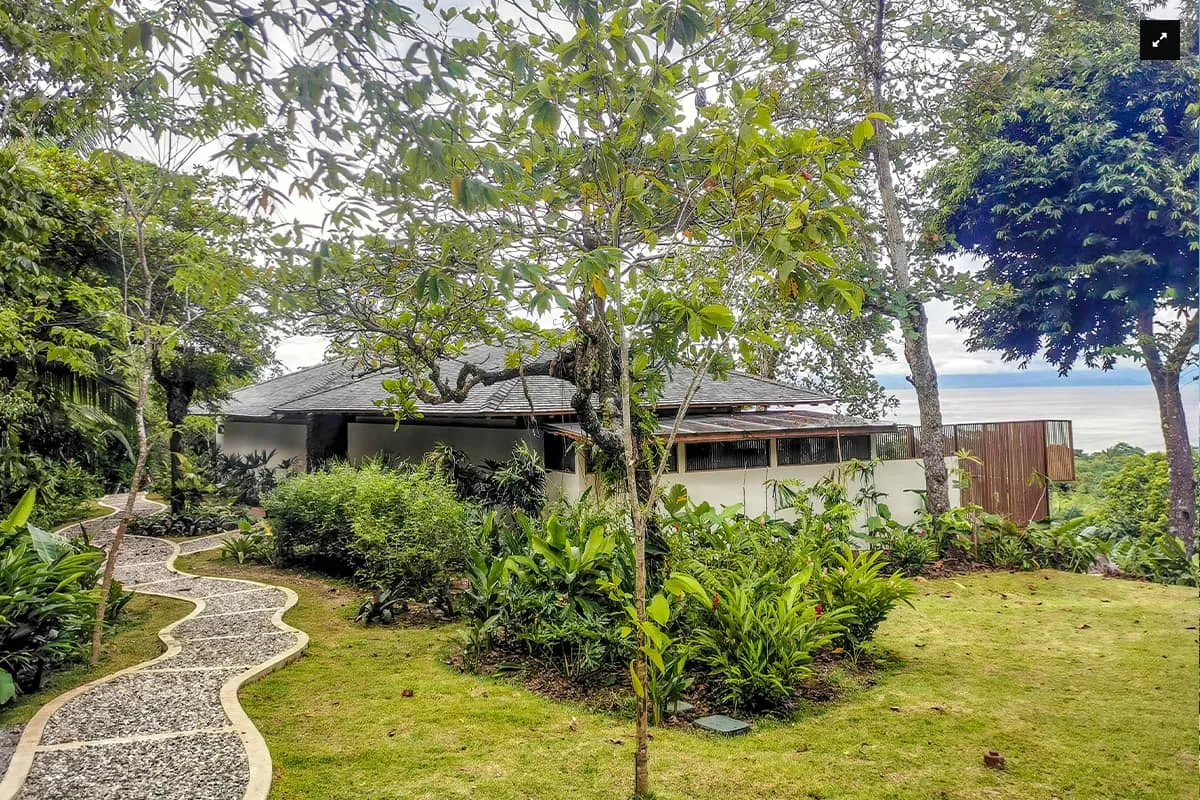
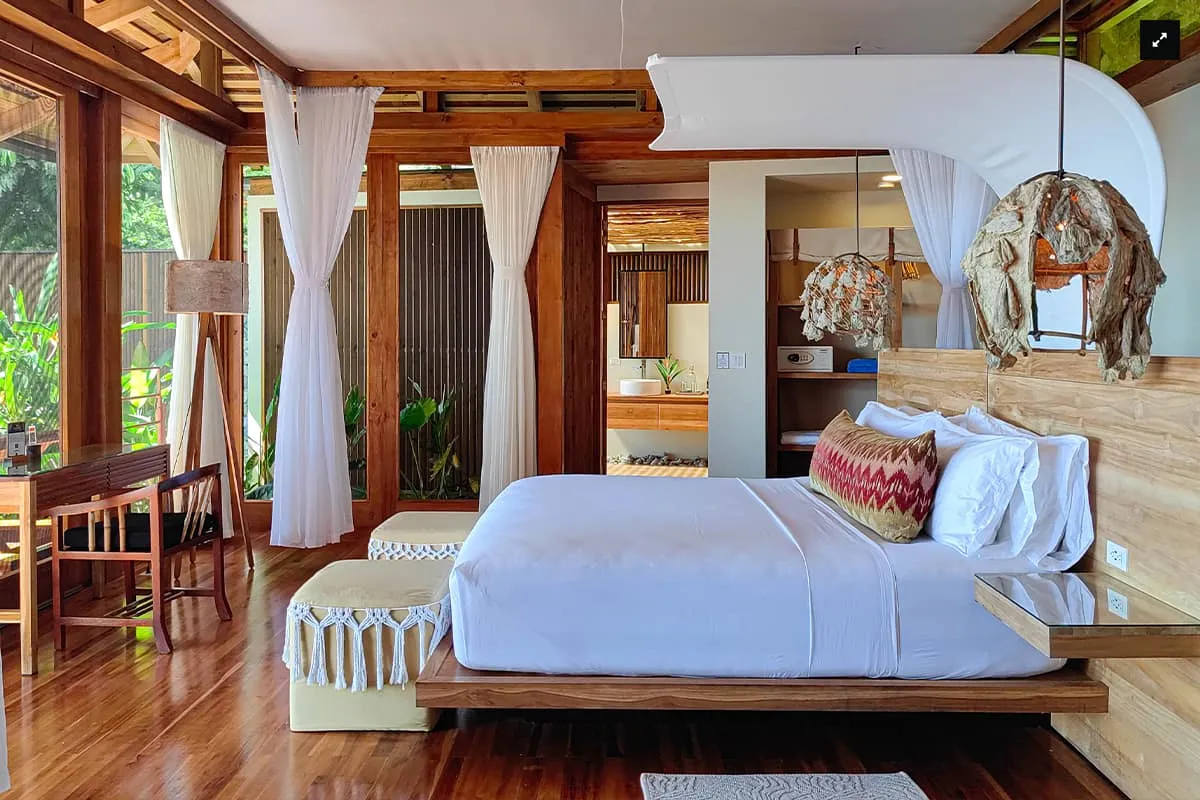
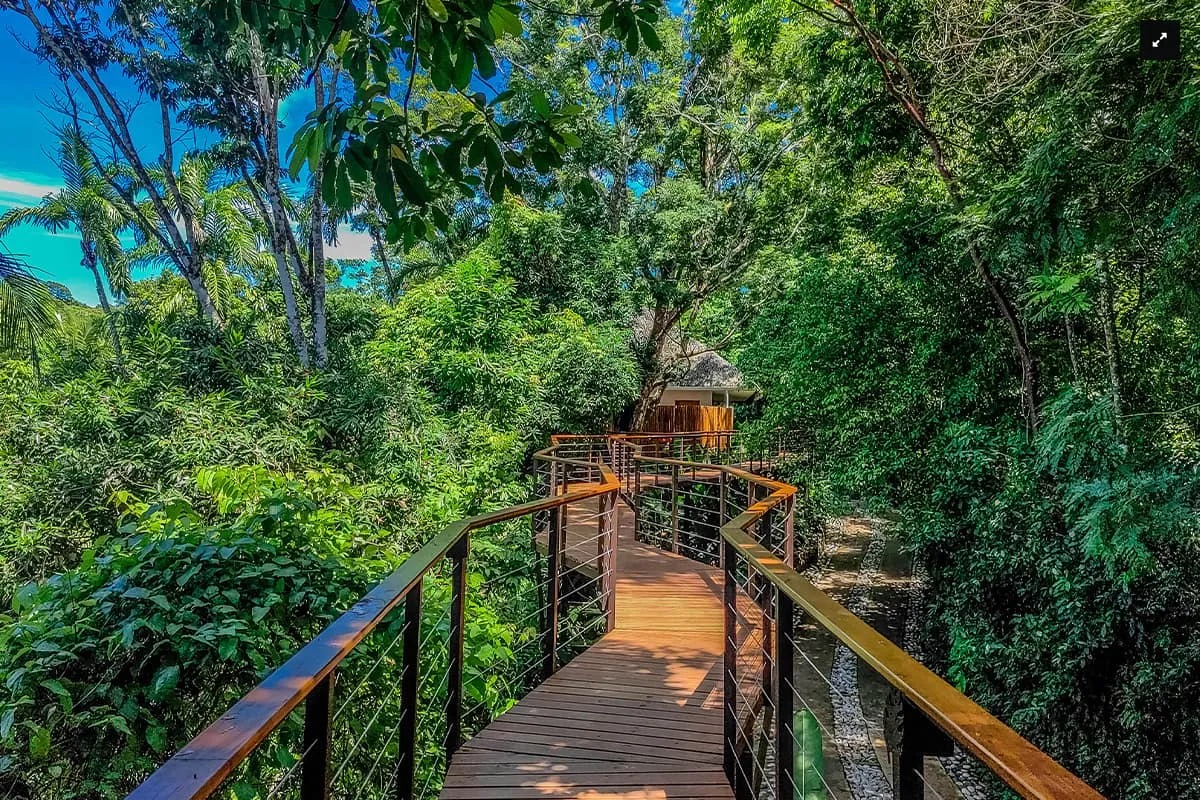
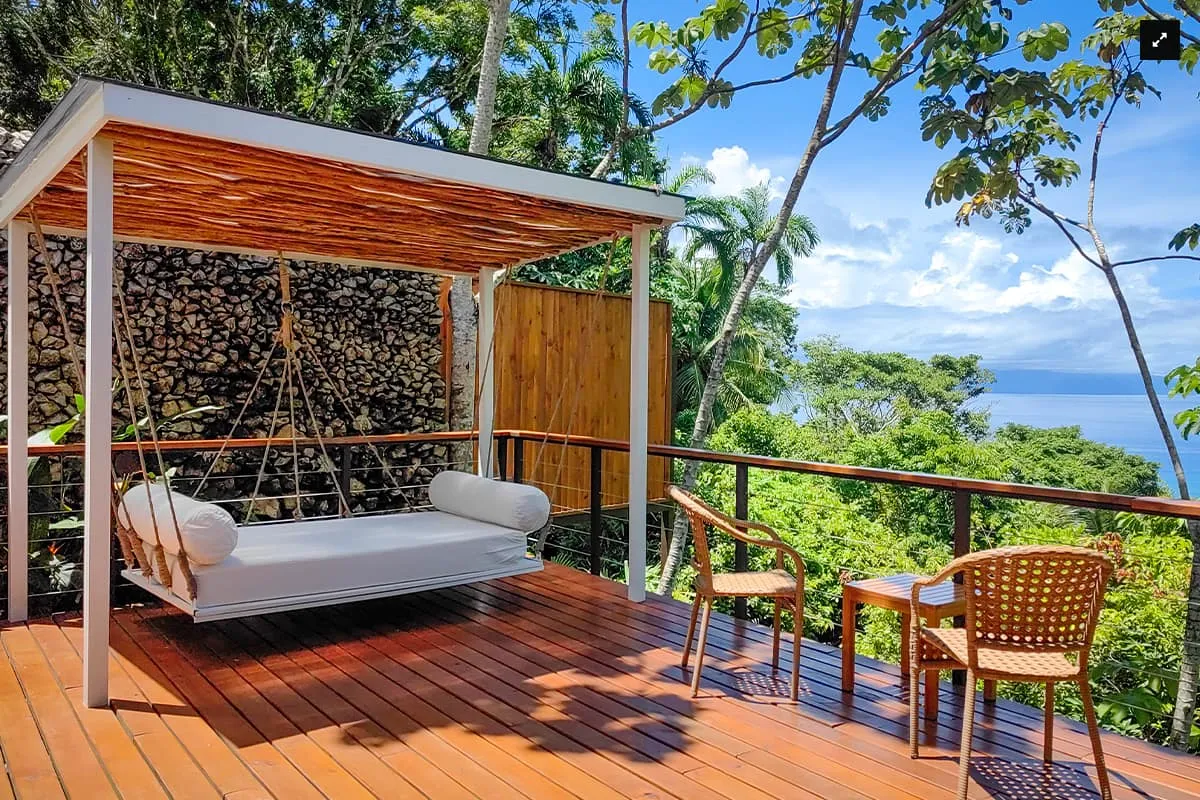
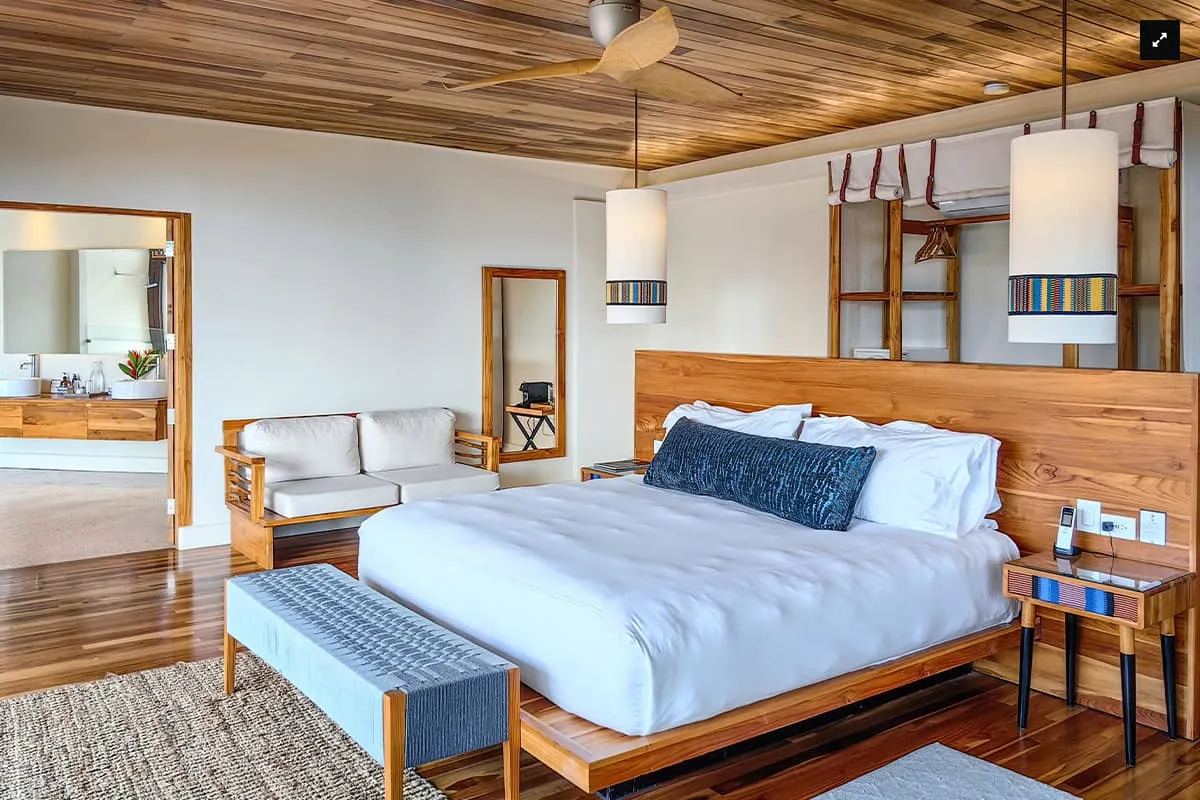
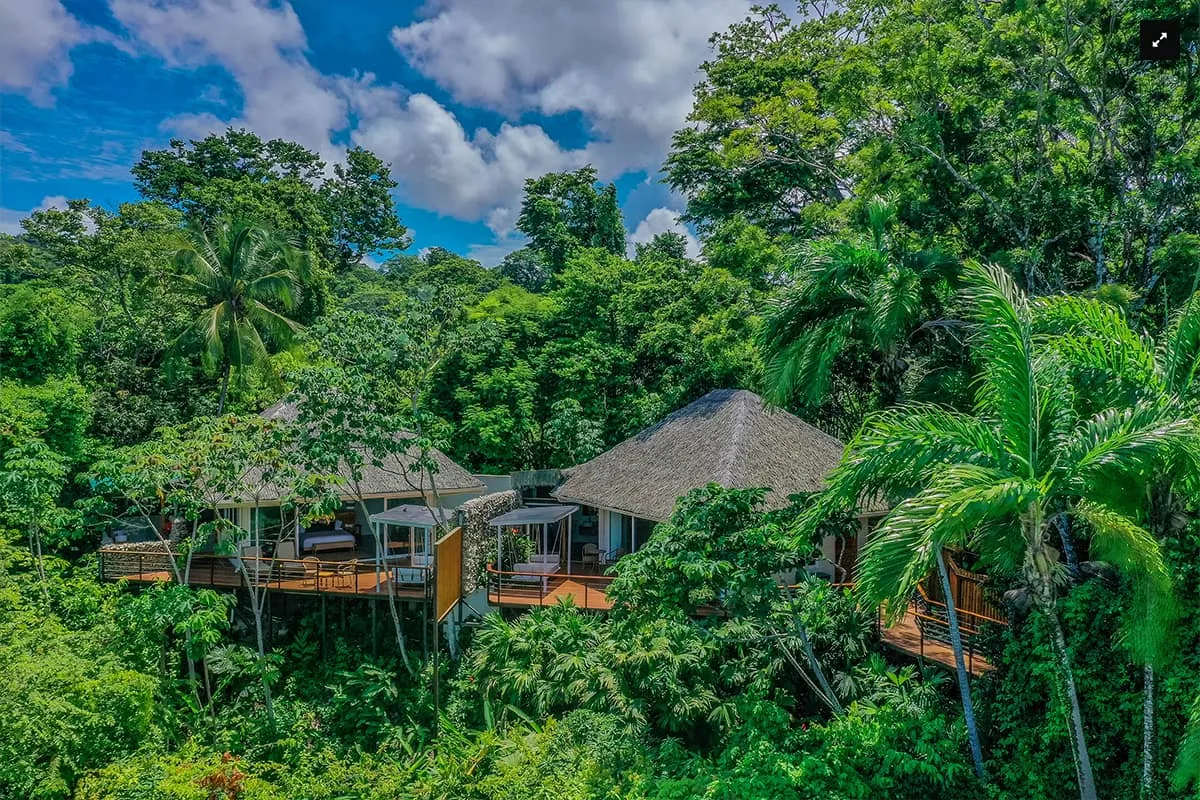
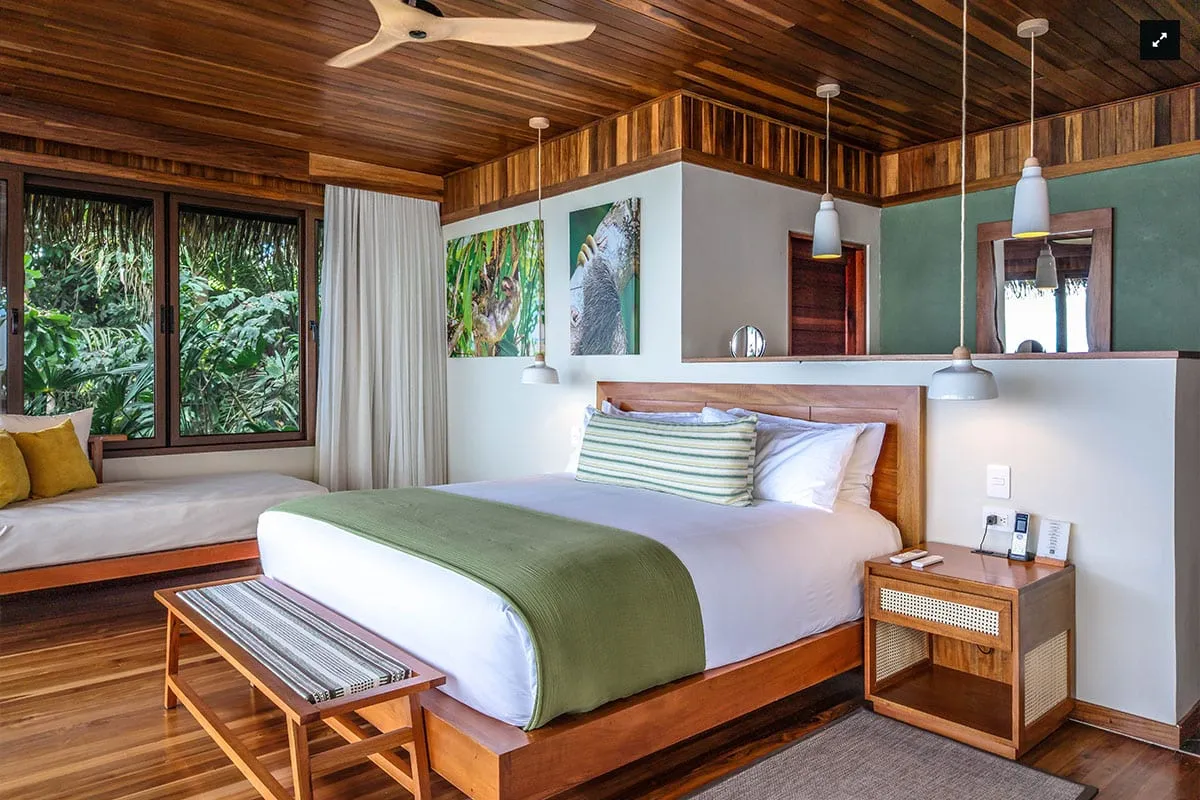
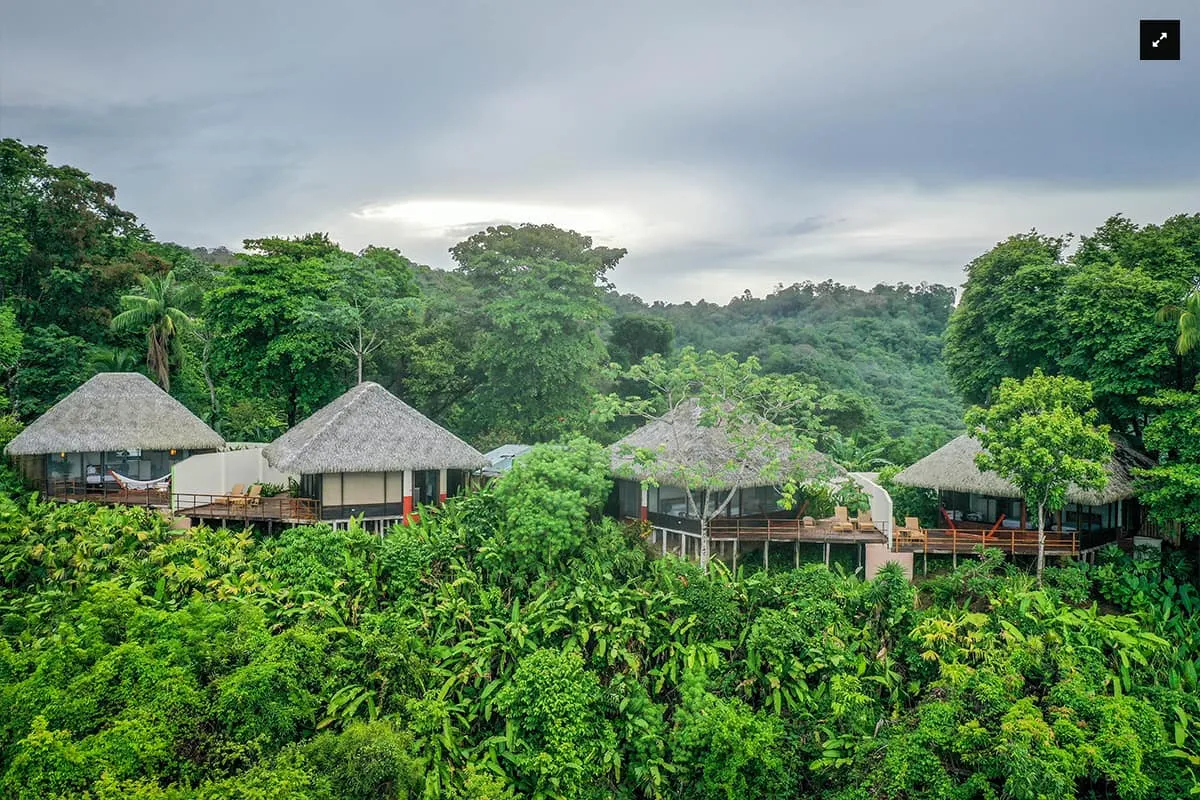
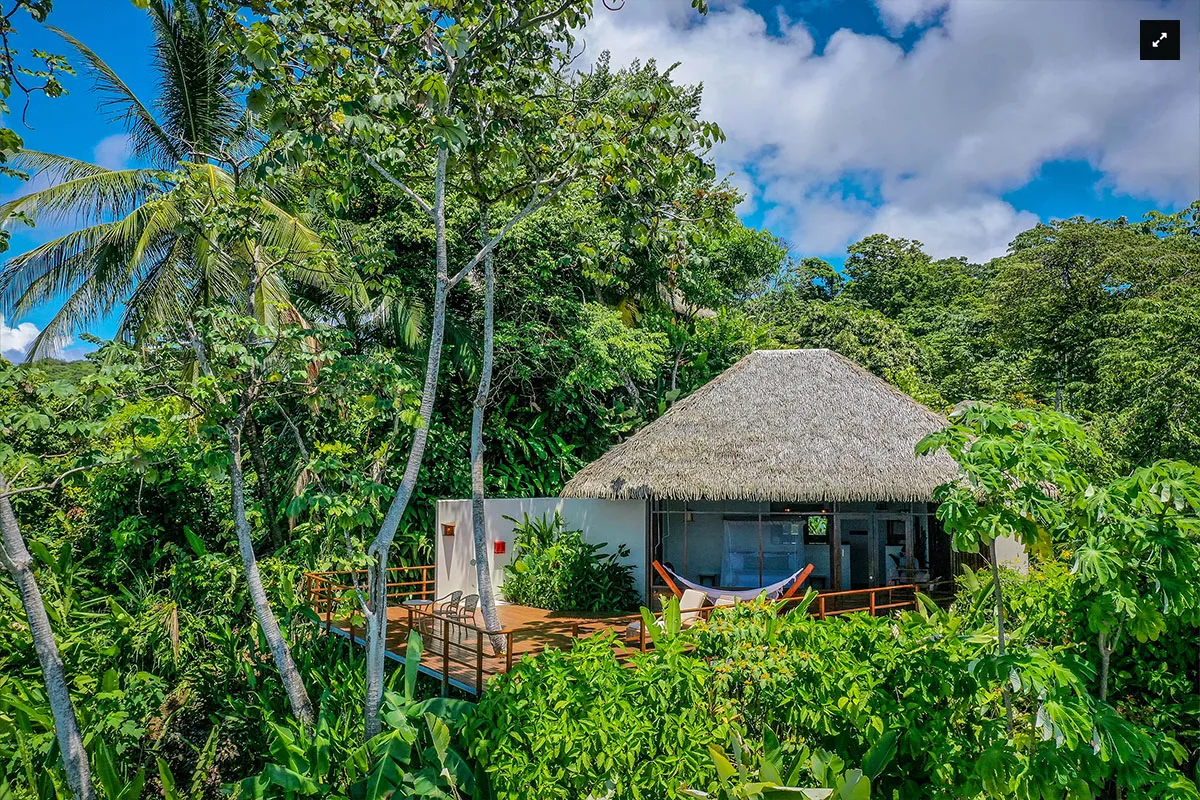
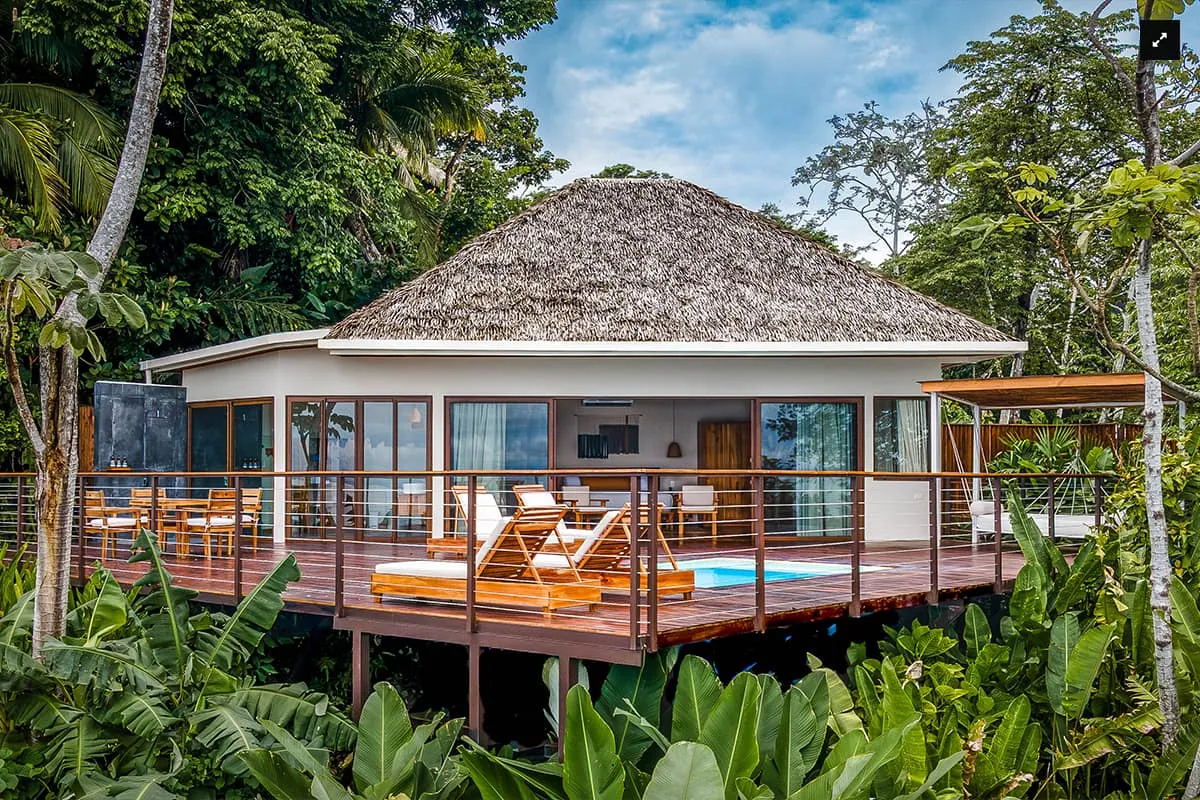
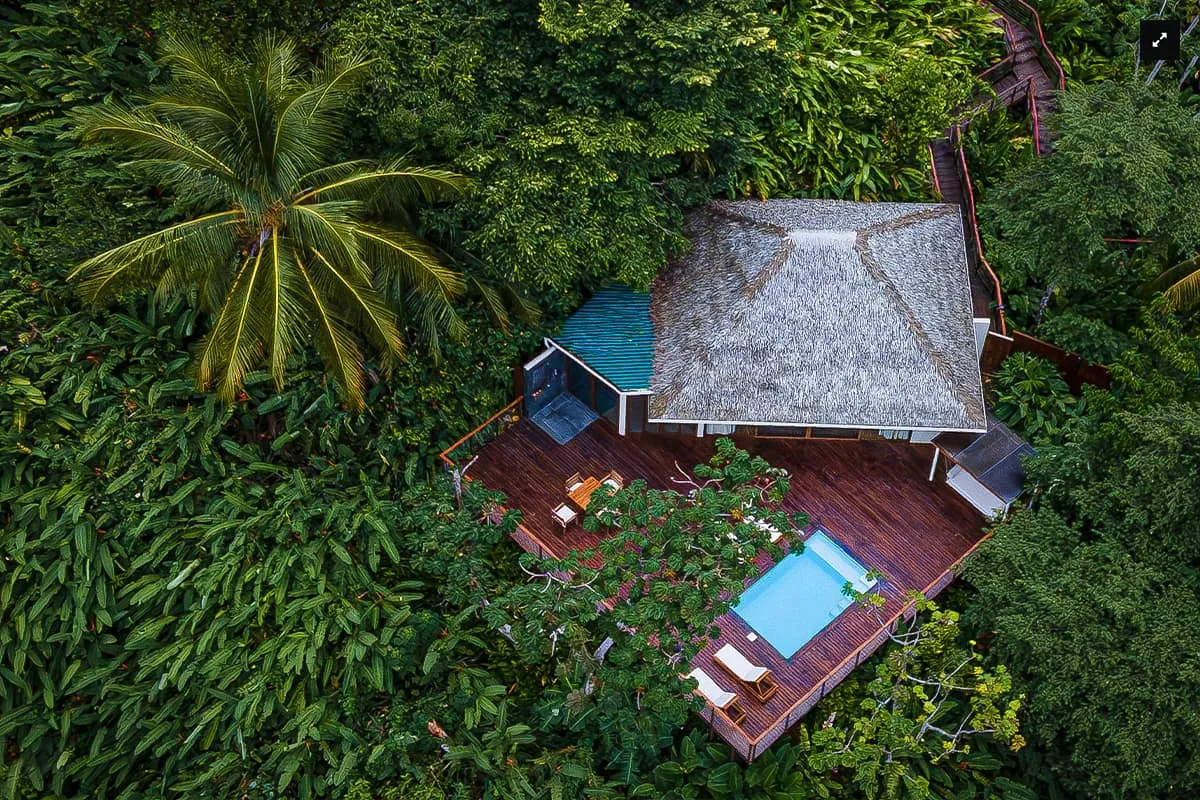
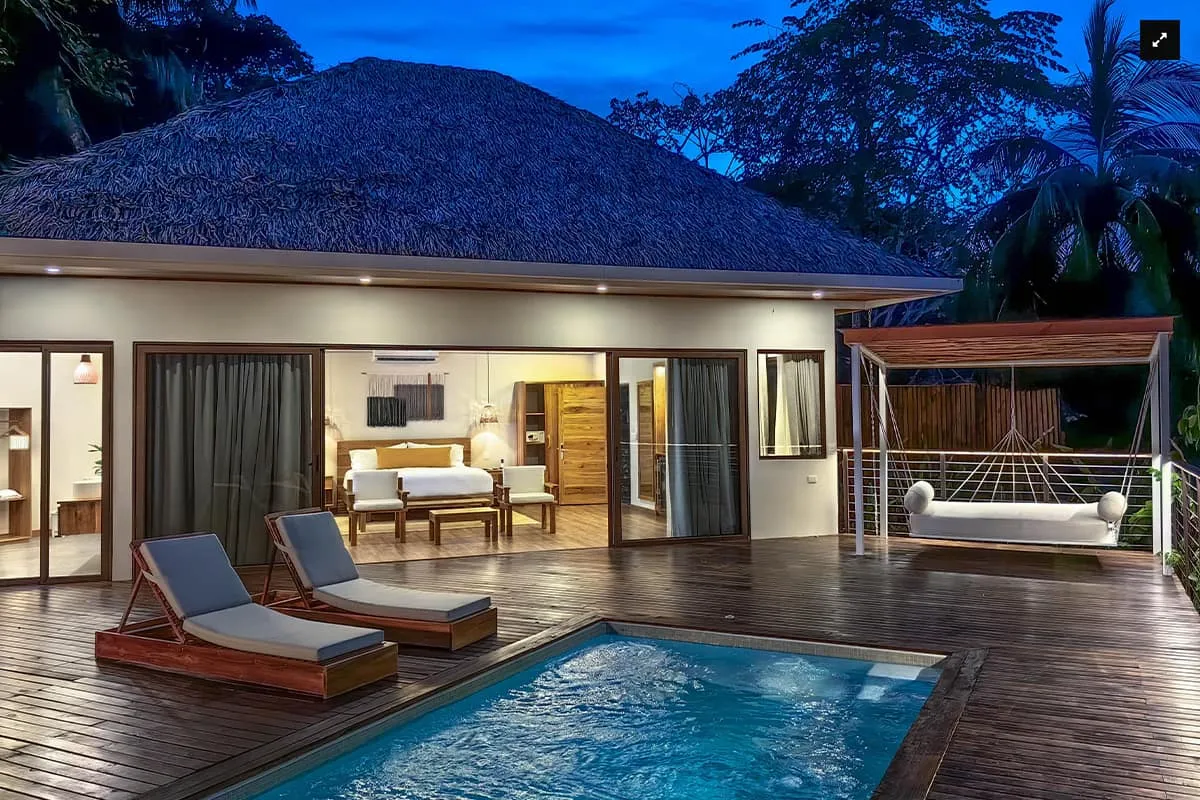
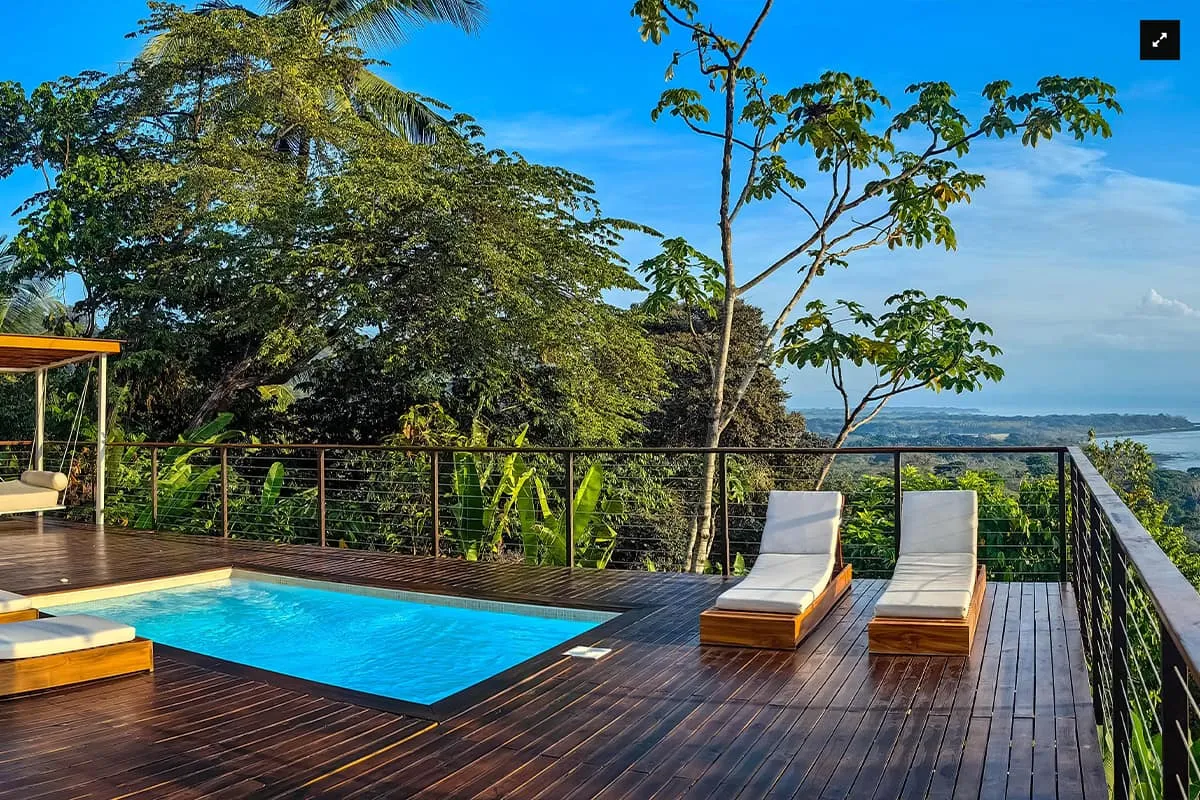
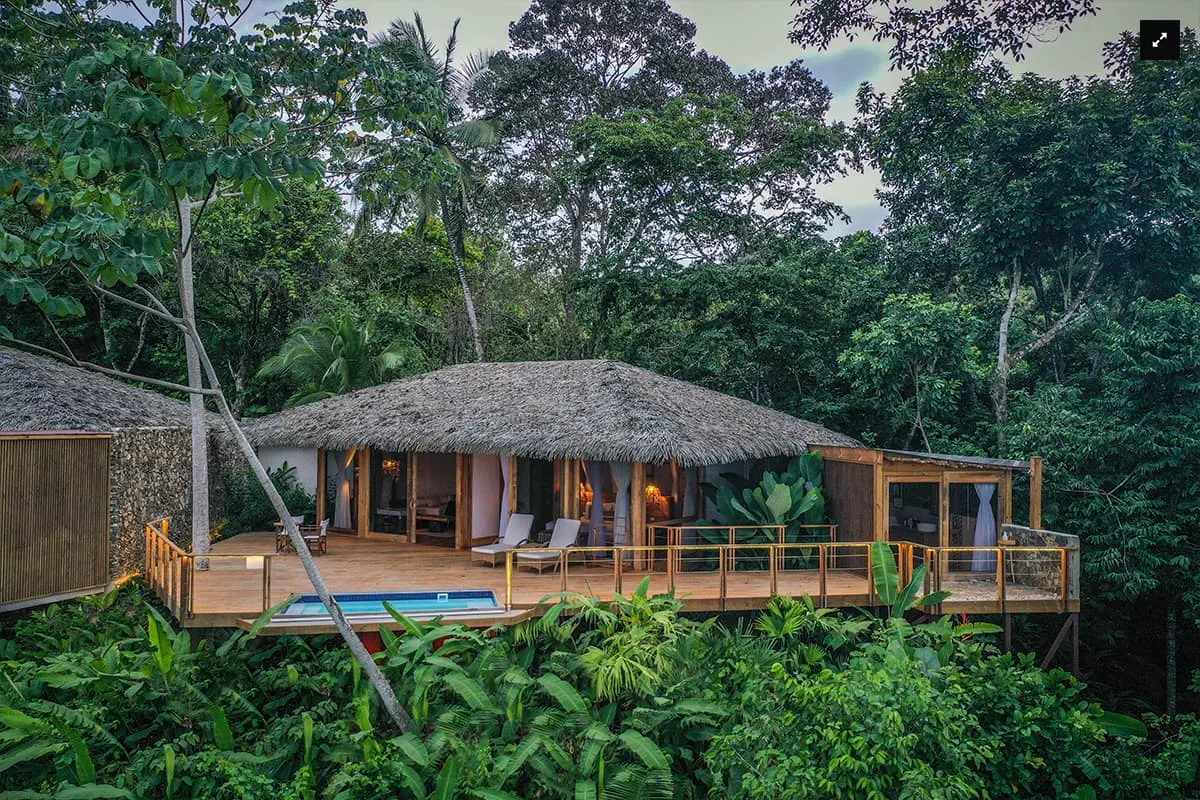
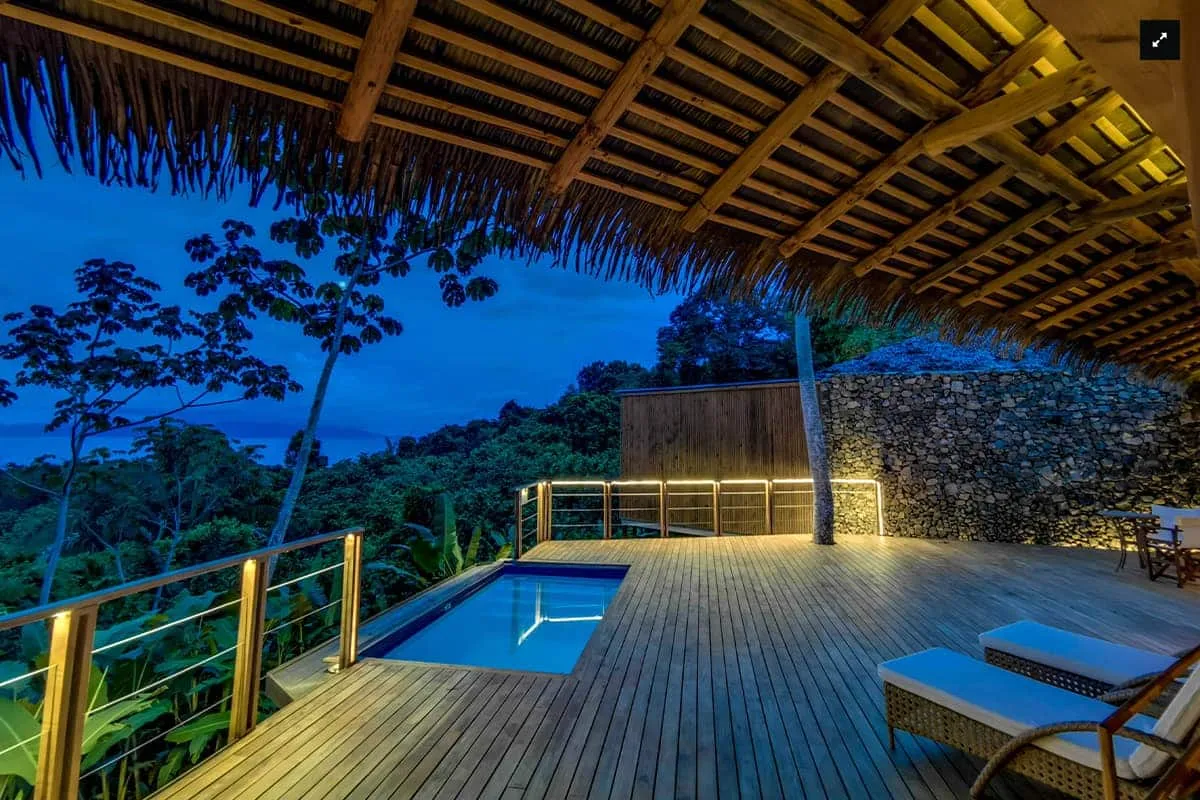
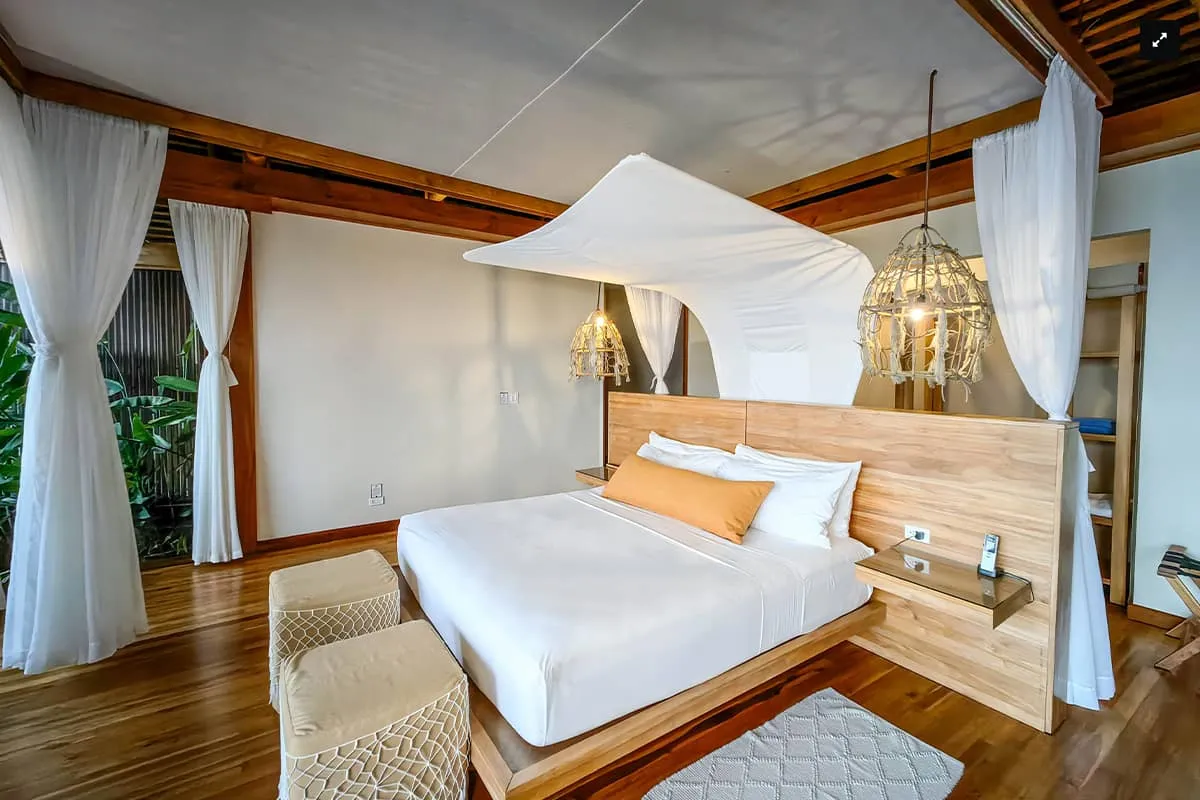
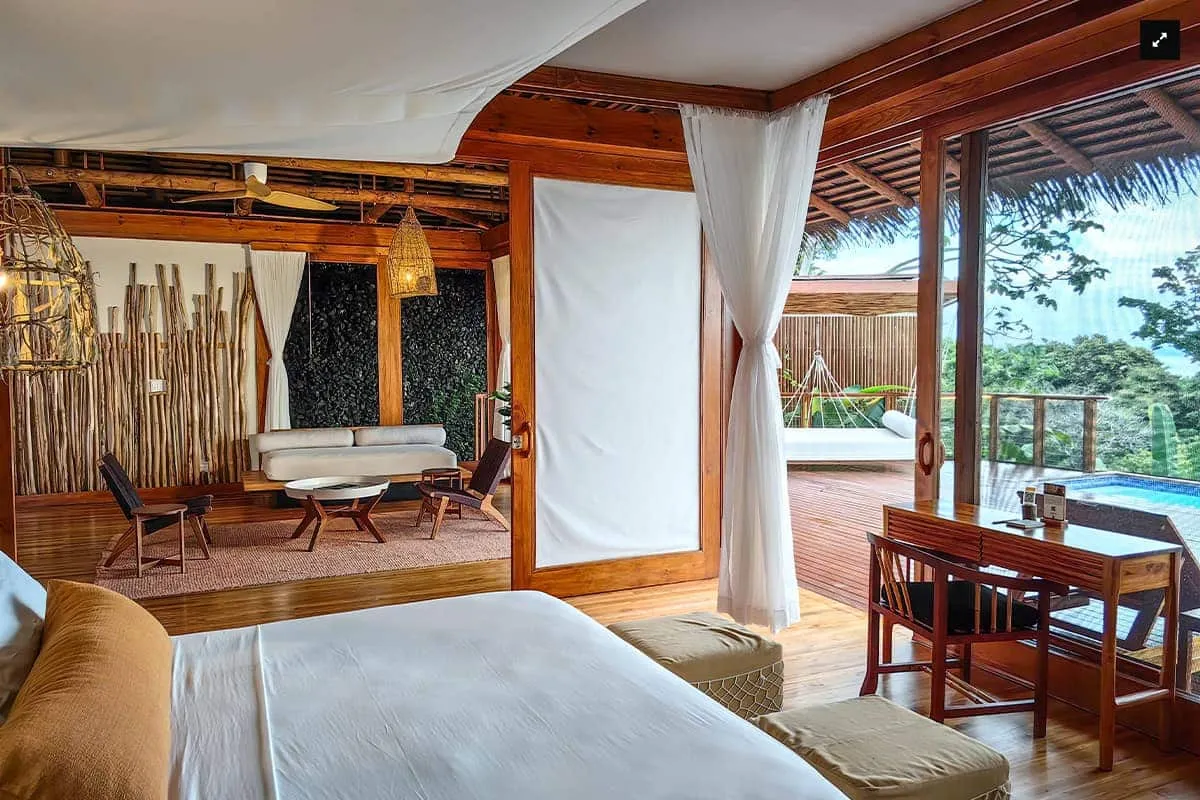
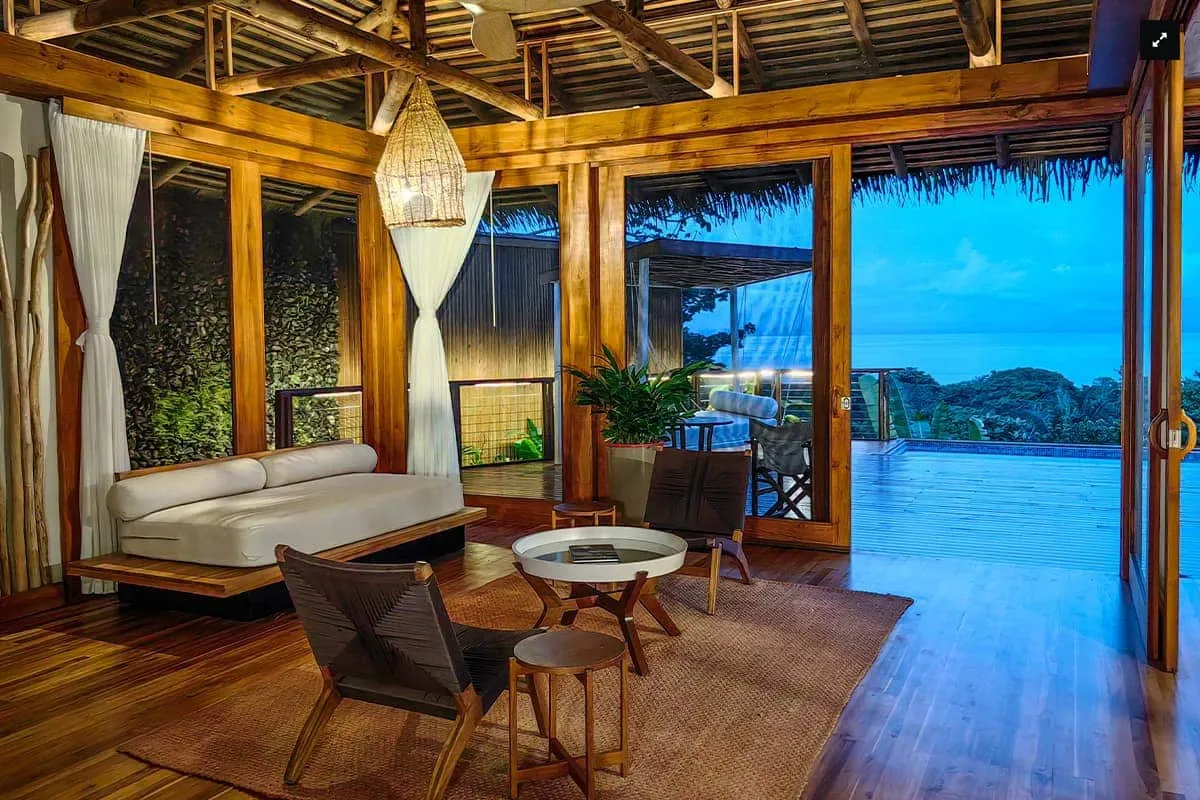
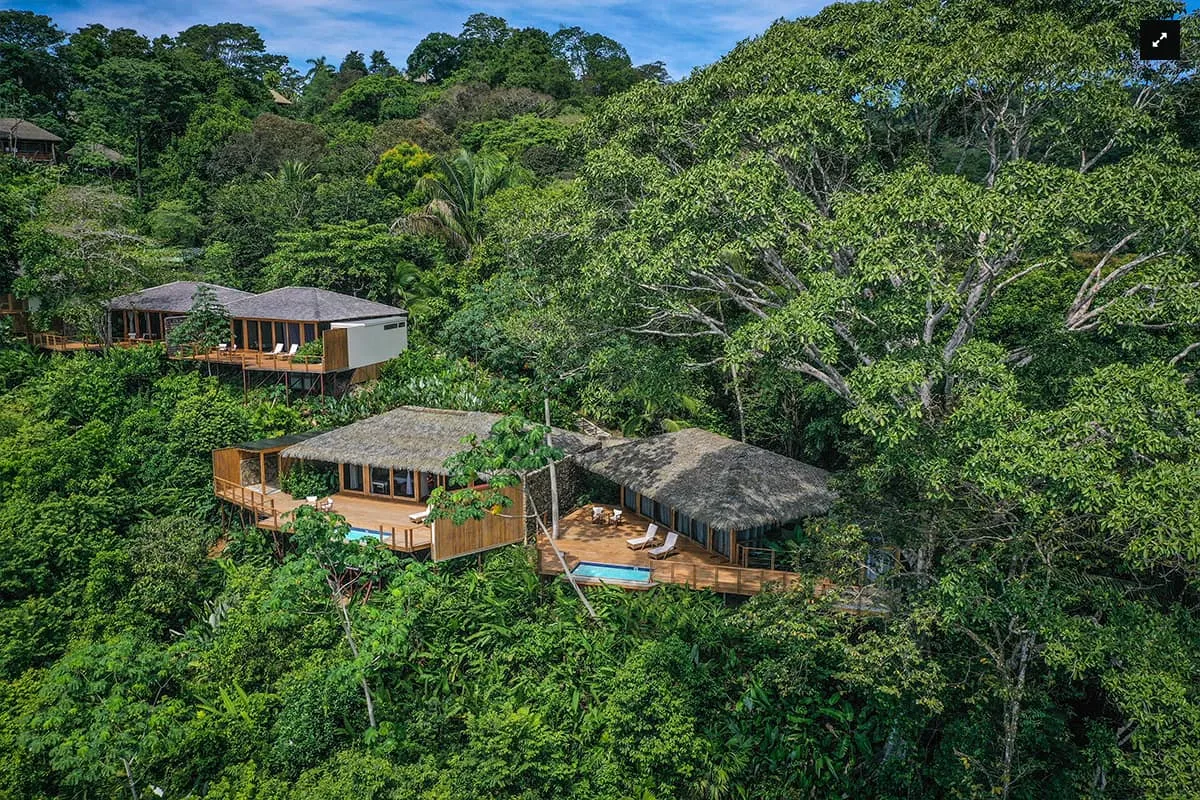
17 spacious suites and bungalows combine rustic charm with thoughtful comfort. Open-air designs maximize ocean breezes and rainforest views from private decks. Natural materials throughout create an immersive jungle experience without sacrificing quality. Each suite and bungalow boasts expansive views of the Osa Peninsula, fresh breezes, and the calming sounds of nature—your own private rainforest sanctuary.
The pools and restaurant overlook pristine rainforest canopy extending to the ocean horizon. A full-service spa offers treatments using organic products and traditional techniques. The restaurant serves farm-to-table cuisine highlighting local ingredients and Costa Rican flavors.
The lodge attracts like-minded travelers who value environmental conservation and cultural respect. Flexible meal times and activity scheduling accommodate individual preferences. Transportation assistance helps travelers navigate the challenging access route.
Lapa Rios Lodge Image Gallery: Select an image to view a larger version.
2. Cristalino Lodge – Amazon Rainforest, Brazil
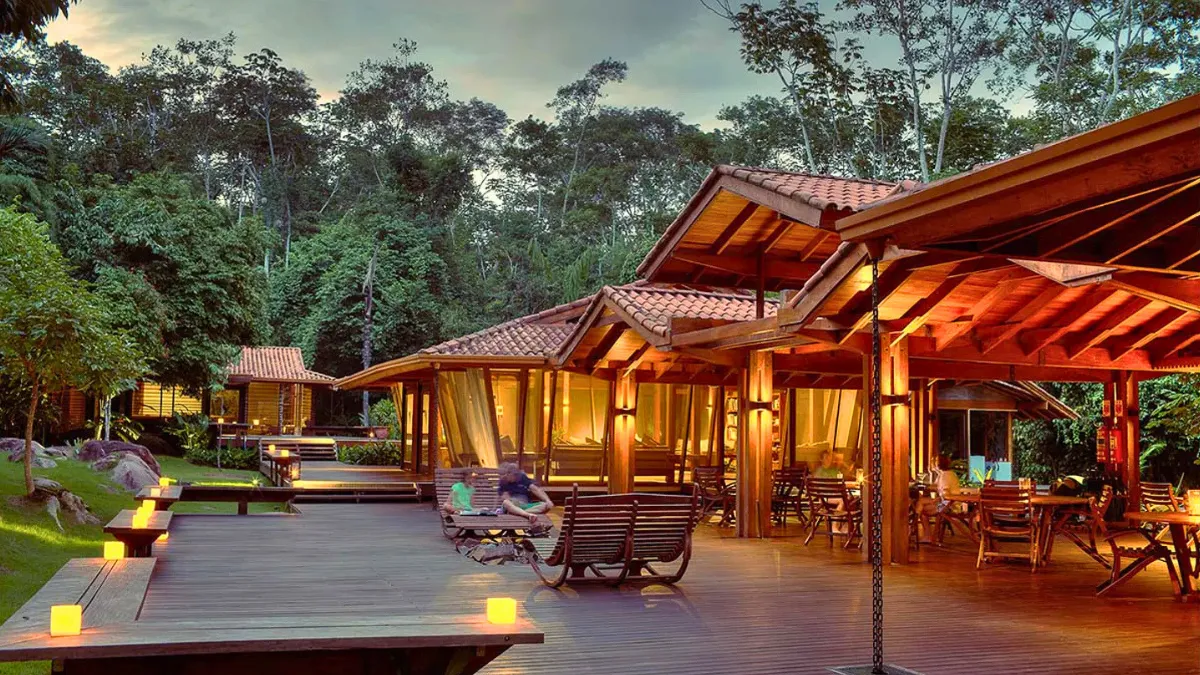
Cristalino Lodge offers an extraordinary gateway into Brazil’s southern Amazon rainforest. Located within a private 11,000-hectare reserve, this eco lodge protects pristine jungle while supporting groundbreaking conservation research. The property sits along the crystalline Cristalino River, providing unique aquatic and terrestrial ecosystem access.
Cristalino Lodge Conservation Efforts
The Cristalino Reserve, one of the biggest forest reserves in the Amazon, spans over 11,000 hectares—nearly twice the size of Manhattan Island (NY)—and is safeguarded by the lodge. This protection is why the forest remains so pristine and teeming with biodiversity. The southern Amazon lies in a transitional zone bordering the Pantanal and Cerrado biomes. This is why the Cristalino area boasts such a rich variety of species.
Visitors can spot numerous mammals, including nine species of monkeys, giant river otters, peccaries, and tapirs, along with almost 600 bird species. Since it is a protected private reserve, the animals don’t run away when humans are nearby. For all these reasons, Cristalino Lodge is regarded as the best spot in the entire Amazon to observe wildlife.
Cristalino Lodge embraces sustainable architecture that honors and respects the natural environment. It employs special systems for treating effluent and wastewater, solar water heating, solar power, and waste separation and recycling, all aimed at reducing the impact of its operations. This also includes limiting the number of guests per guide. Cristalino Lodge has received several sustainability awards, including the Condé Nast Traveller World Savers Awards.
Sustainability Practices at Cristalino Lodge
Renewable Resources for building:
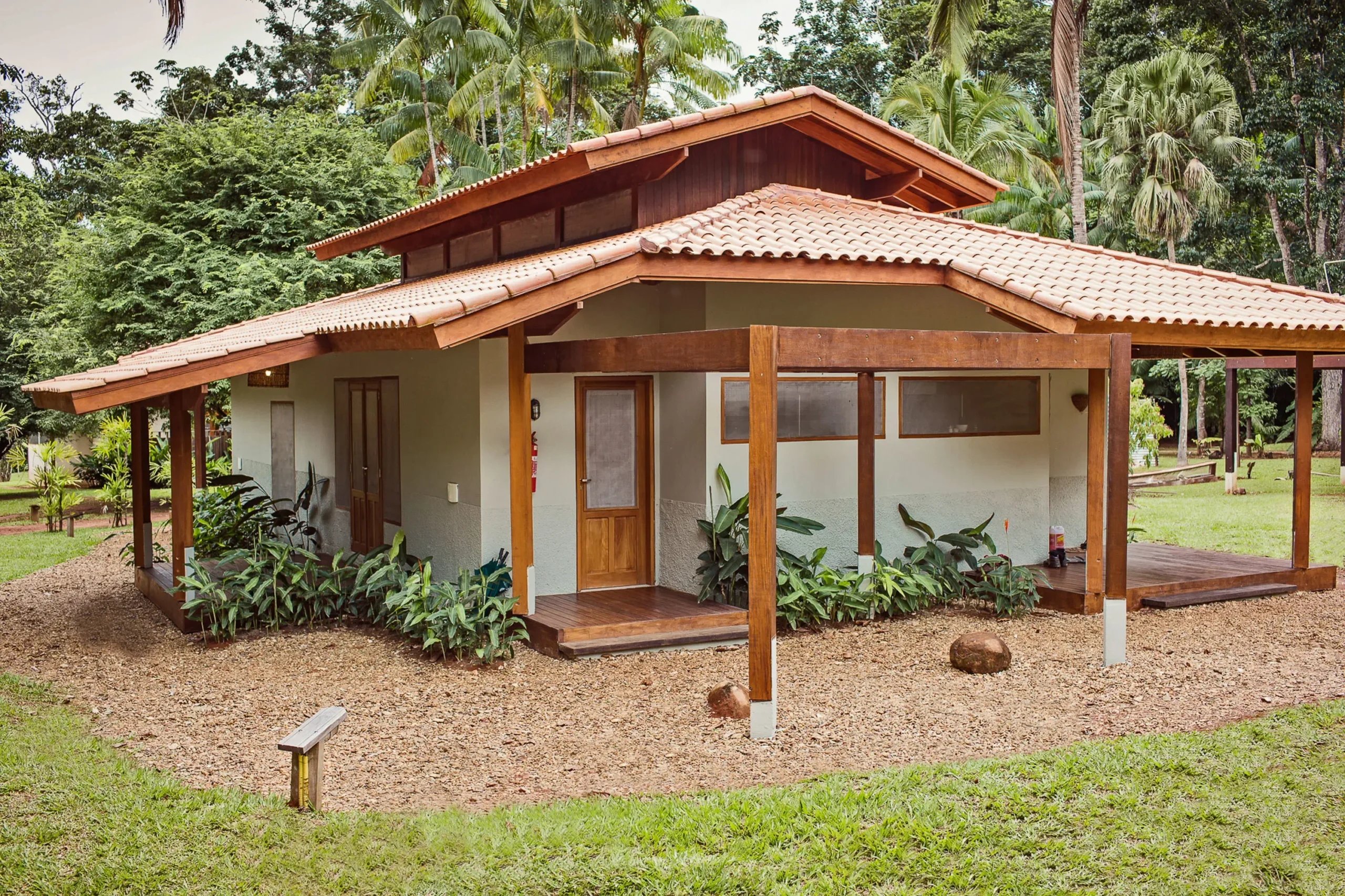
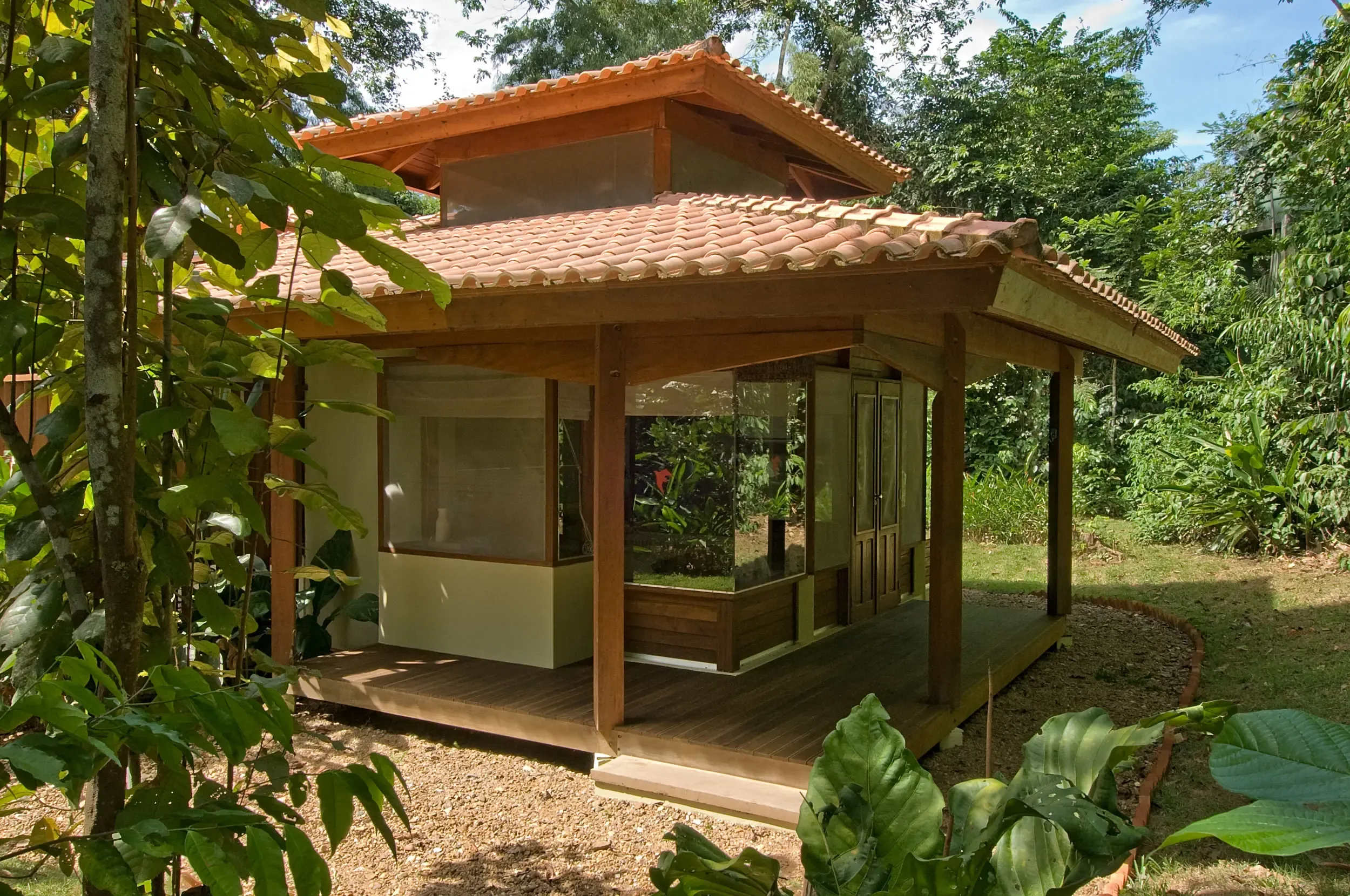
Architecture at Cristalino Lodge is all about responsible care of resources and the sustainable use of renewable materials. The certified timber sourced from renewable forests, featured in the buildings, blends warmth and harmony with the environment. Every component works together, such as the practical appeal of the wooden louvered screens that shield guests from the sun. The lodge features smart architectural design that maximizes natural light through large screened windows. Accommodations are limited to ensure a high-quality experience for guests.
Energy Conservation
The entire lodge runs completely on photovoltaic energy during the day, with 189 solar panels producing 115 kWh. At night, stored battery power supplies electricity to the whole lodge for up to 8 hours. Water is heated using solar energy. Wastewater from sinks and showers is treated through an organic permaculture system. Toilet waste is processed using a filtration system combined with an evapotranspiration basin.
Responsible Tourism
Cristalino Lodge uses biodegradable cleaning products. Bed linens and towels are changed only when necessary to save energy and water. Inorganic waste (plastic, metal, glass, and paper) is separated and recycled. Complimentary aluminum bottles are provided for each guest’s water use. They serve organic fruits and vegetables and the restaurant menu features local ingredients like Brazil nuts, açaí, cocoa, cupuaçu, wild bee honey, peach palm, and sustainably caught fish. All organic waste is composted 100%.
Minimizing the Impact Of Tourism
By limiting groups to no more than 8 visitors Cristalino Lodge lessen trail disturbance and increase wildlife sighting opportunities. The feeding of animals is banned to prevent altering their natural foraging behavior. All staff are provided with training on responsible resource use and effective visitor guidance along the trails. The Cristalino Foundation committee, made up of biologists, scientists, and administrators was established to ensure responsible oversight of the Cristalino reserves and they have signed a commitment to the WTTC Travel & Tourism Declaration against Illegal Wildlife Trade. .
Forest Conservation
Thanks to the Lodge’s mission and responsible tourism, a vast stretch of primary forest has been preserved. Cristalino Lodge protects a reserve spanning 11,399 hectares of primary forest that absorbs thousands of tons of carbon from the atmosphere. These achievements earned the Lodge the Condé Nast Traveler World Savers Award, a top honor in global hospitality sustainability.
Cristalino Lodge Experiences
The trails in the Cristalino Lodge reserves vary from easy to moderate and are suitable for visitors of all ages. They are relatively short, typically between 2 and 4 kilometers (1.2 to 2.4 miles). The goal is to appreciate nature and learn about the forest, as guides highlight birds, plants, monkeys, and other aspects of the woodland.
Taboca Trail
This longer trail goes through a variety of different habitats, including bamboo groves and areas that are partially flooded during certain months of the year.
Fig Tree Trail
On this short trail in the terra firma forest you can see a massive fig tree with it’s network of spectacular roots.
Caja Trail
Starting from the riverbank, this path takes you deep into the forest and finishes at the “Secret Garden,” a spot where ornamental plants grow around a large rock slab.
Brazil Nut Trail
After a 40-minute boat trip upriver into the reserve, this trail leads visitors through a lush forest filled with numerous Brazil nut trees. The biggest of these is around 1,000 years old and needs six people with outstretched arms to encircle it.
Army Ant Trail
This trail offers a chance to enjoy the incredible diversity of the Amazon forest, guiding visitors through a lush terra firma forest. One of the most intriguing trees along the path is the walking palm (Socratea exorrhiza), many of which can be spotted with their distinctive stilt roots.
Rock Trail
This trail goes through a stunning rock formation adorned with ornamental plants and leads to a stream lined with palm trees. Along the way, you’ll find a natural salt lick, rich in salts and minerals, which provides an important dietary supplement for many animals.
Observation Towers
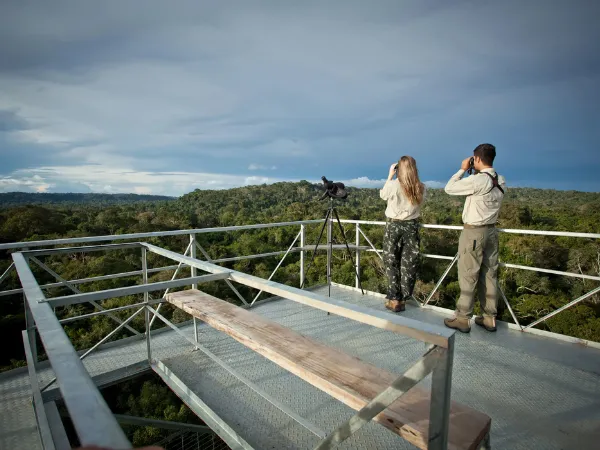
The Cristalino Lodge features two observation towers, each standing 50 meters (164 feet) tall, constructed from galvanized steel and carefully placed at various points within the forest reserve for optimal viewing.
Both towers are reached via trails that pass through terra firma forest ecosystems, home to mature trees and numerous emergent species. Climbing these towers allows visitors to see the forest’s multiple layers, from the ground up to the canopy’s highest reaches.
From the tower tops, you can spot birds like macaws, aracaris, parakeets, parrots, tanagers, cotingas, and many others, as well as monkeys such as the white-whiskered spider monkey (Ateles marginatus) and the white-nosed saki (Chiropotes albinasus).
Canoeing the Cristalino River
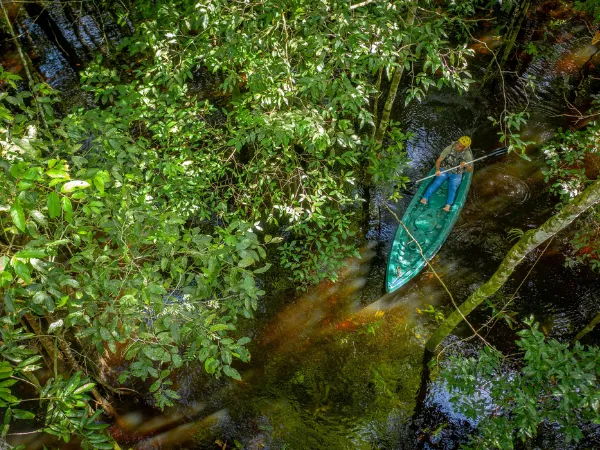
Canoeing is a calm and peaceful activity that often offers great chances to spot birds and monkeys along the riverbanks. It’s usually best to paddle downstream, following the current while taking in the changing scenery.
The Cristalino reserves cover a vast area, allowing you to enjoy the quiet and truly connect with the natural beauty around you. Another excellent choice is to pair canoeing with hiking—explore a trail in the morning and then paddle back to the hotel by canoe.
Bird watching
The Cristalino Lodge also offer a number of tours for bird watchers due to the enormous number of birds found within the reserves.
Cristalino Lodge Accommodations and Amenities
Like many nature lodges, Cristalino Lodge activities require guests to rise early to take in the cooler forest air and the stunning Amazon sunrise. At the beginning of your stay the lodge guides will propose an itinerary with two daily tours: one in the morning and another in the afternoon. These can involve exploring forest and mountain trails, canoeing, boat rides on the Teles Pires River, and viewing the sunrise and sunset from an observation tower. These are just a few of the experiences that await you.
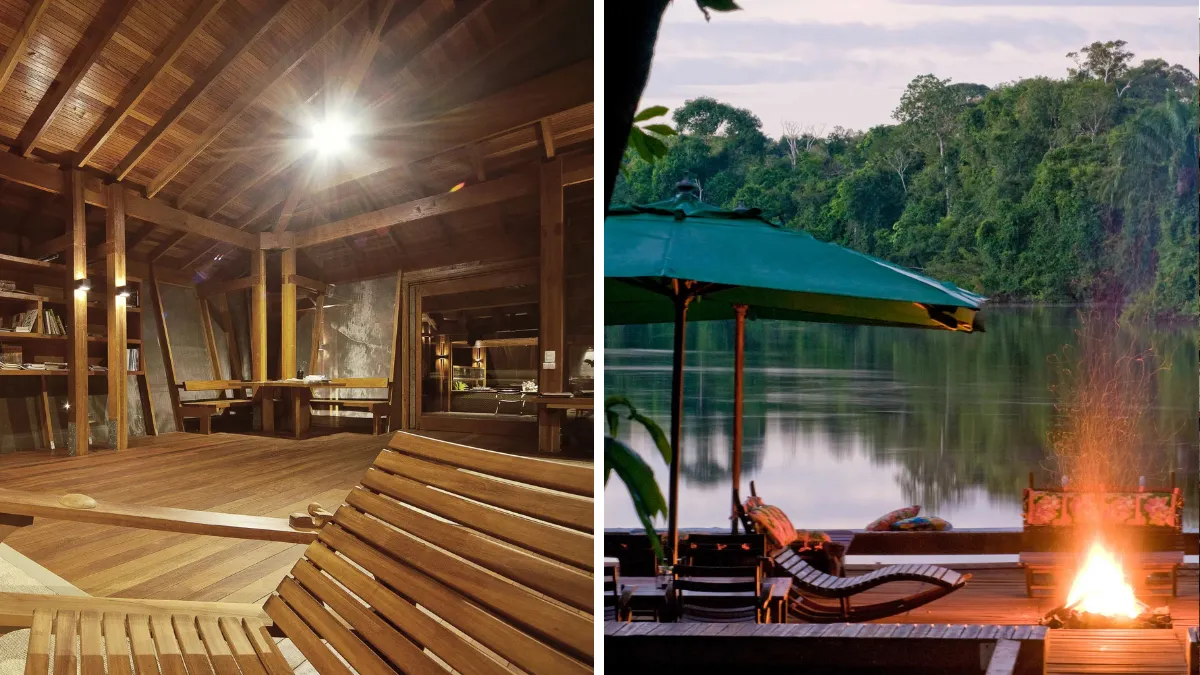
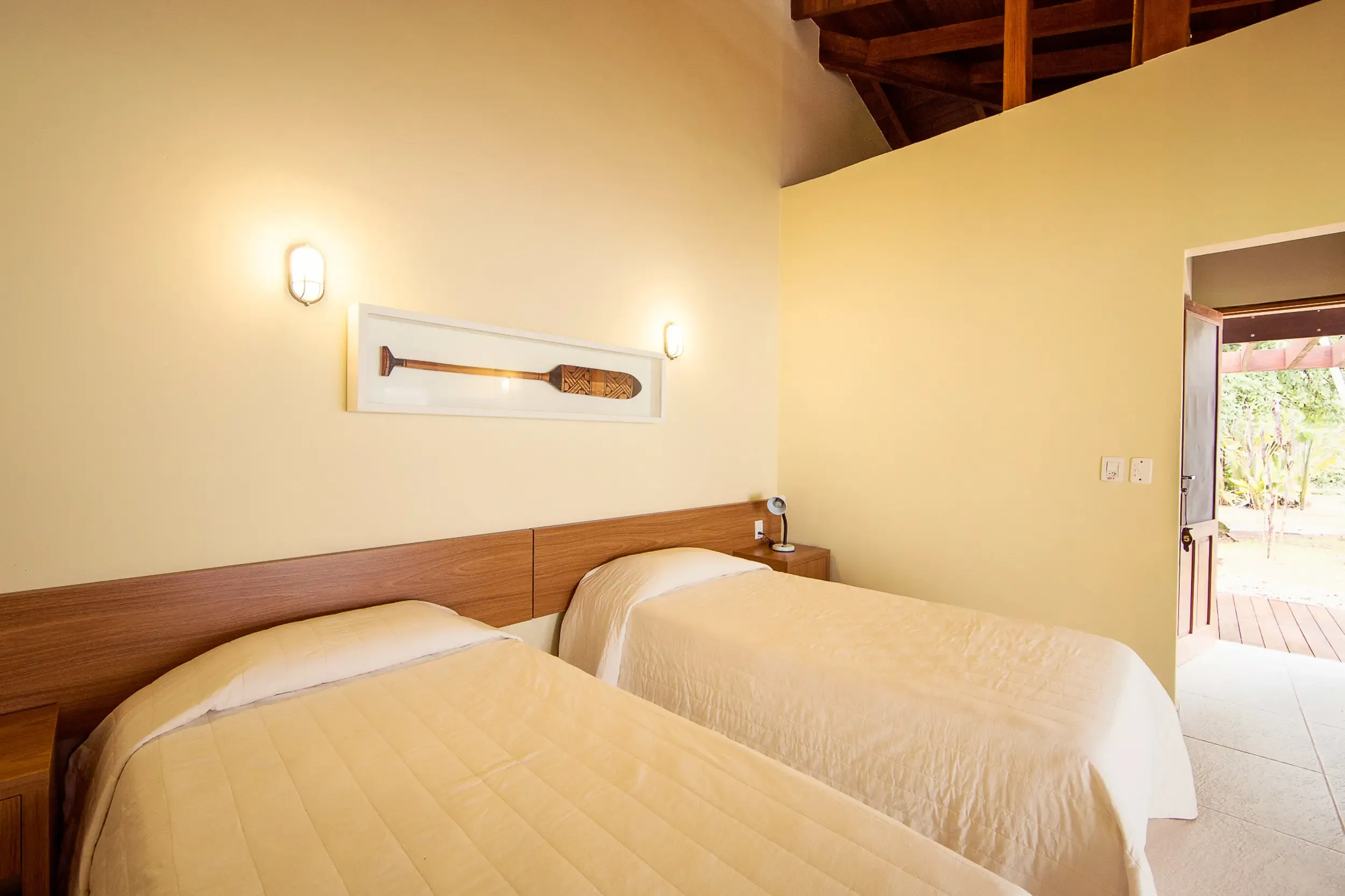
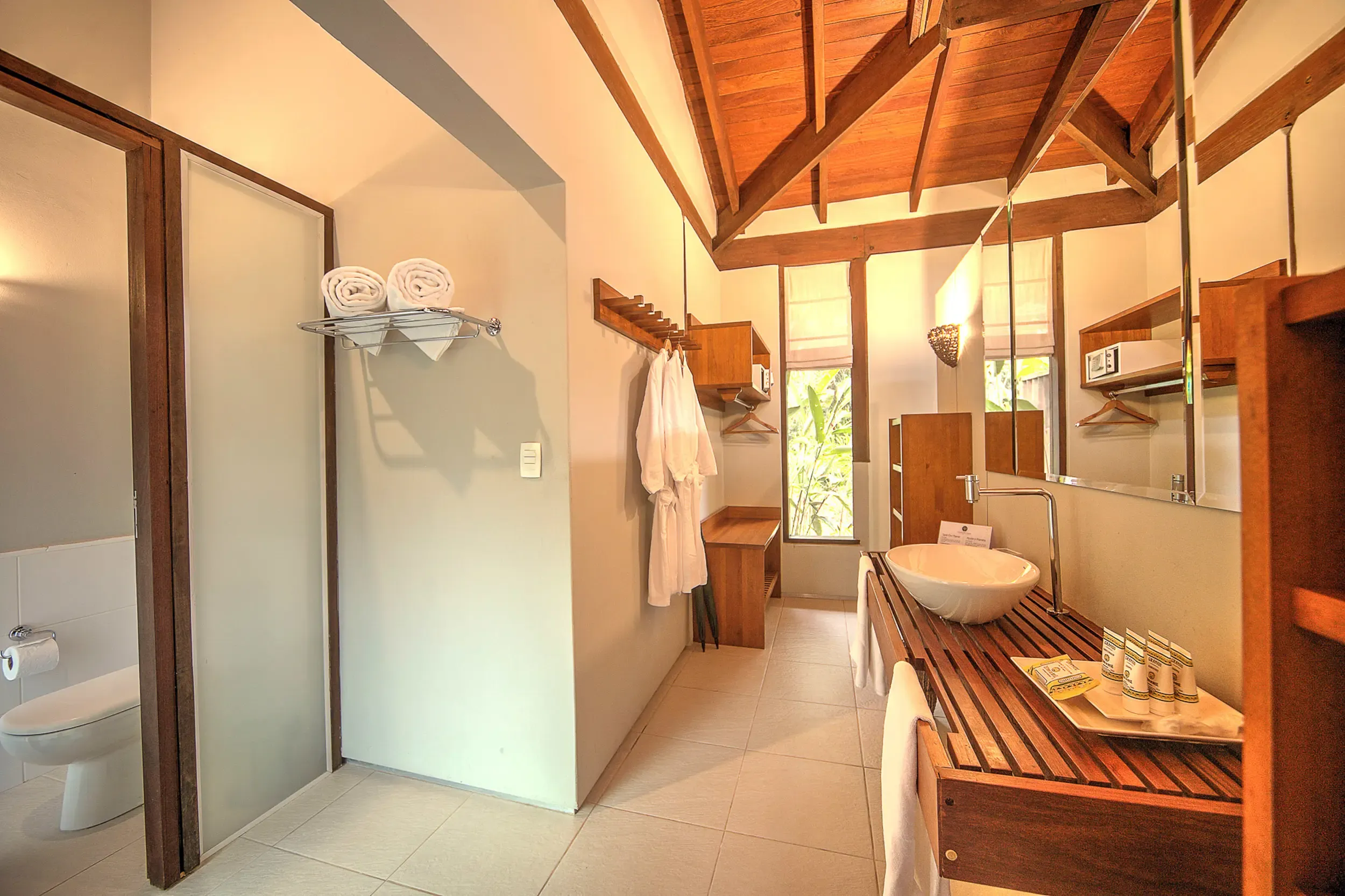
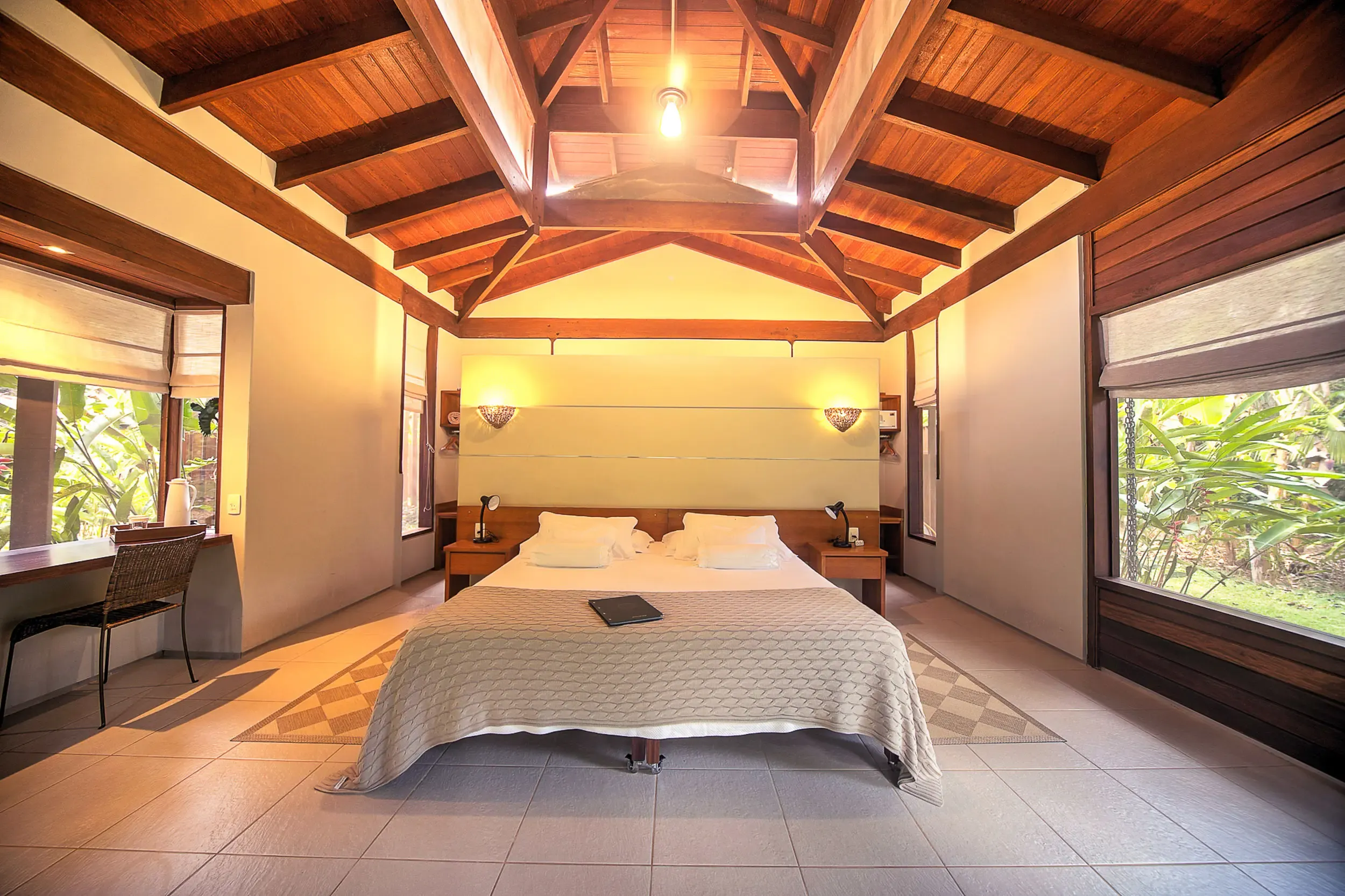
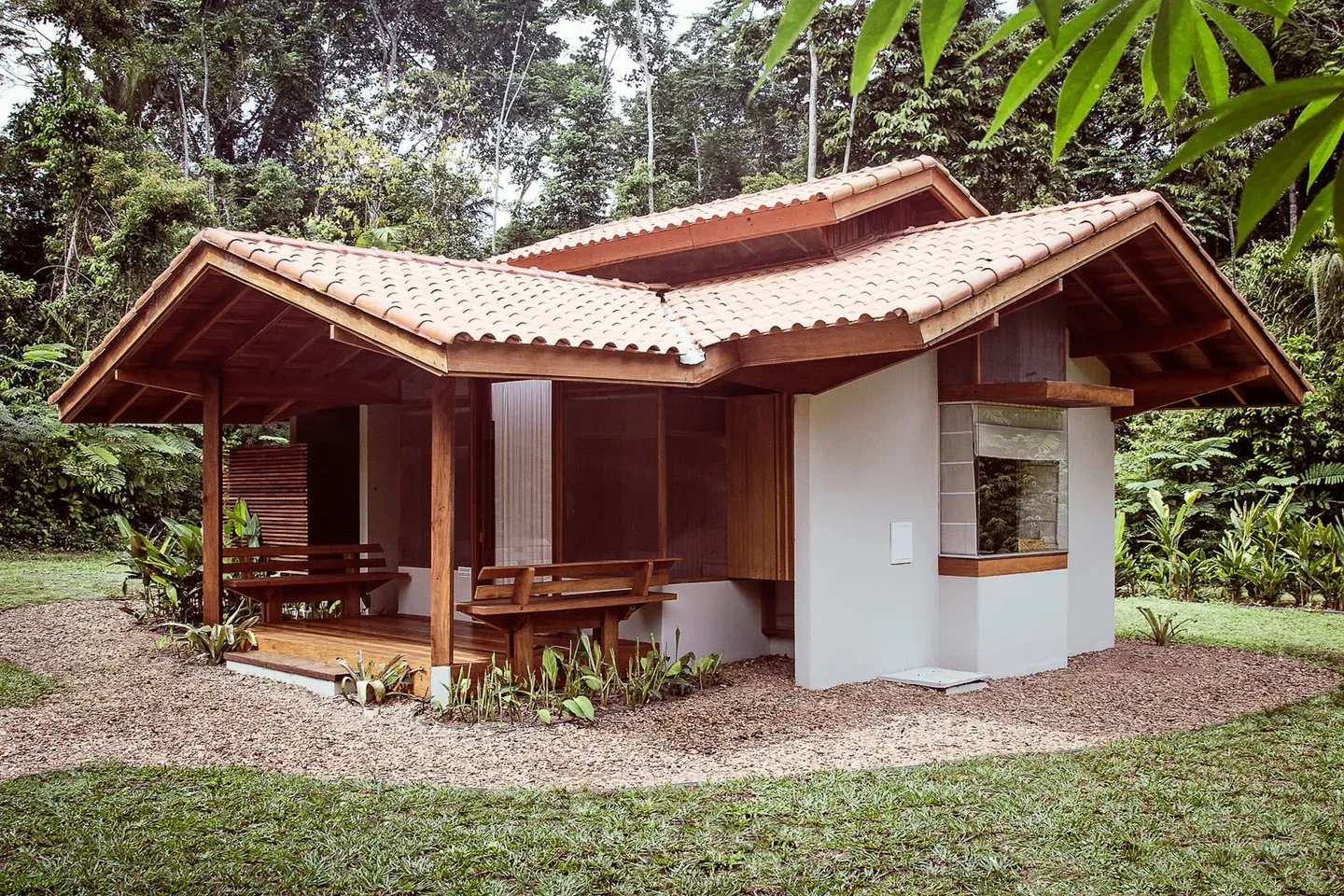
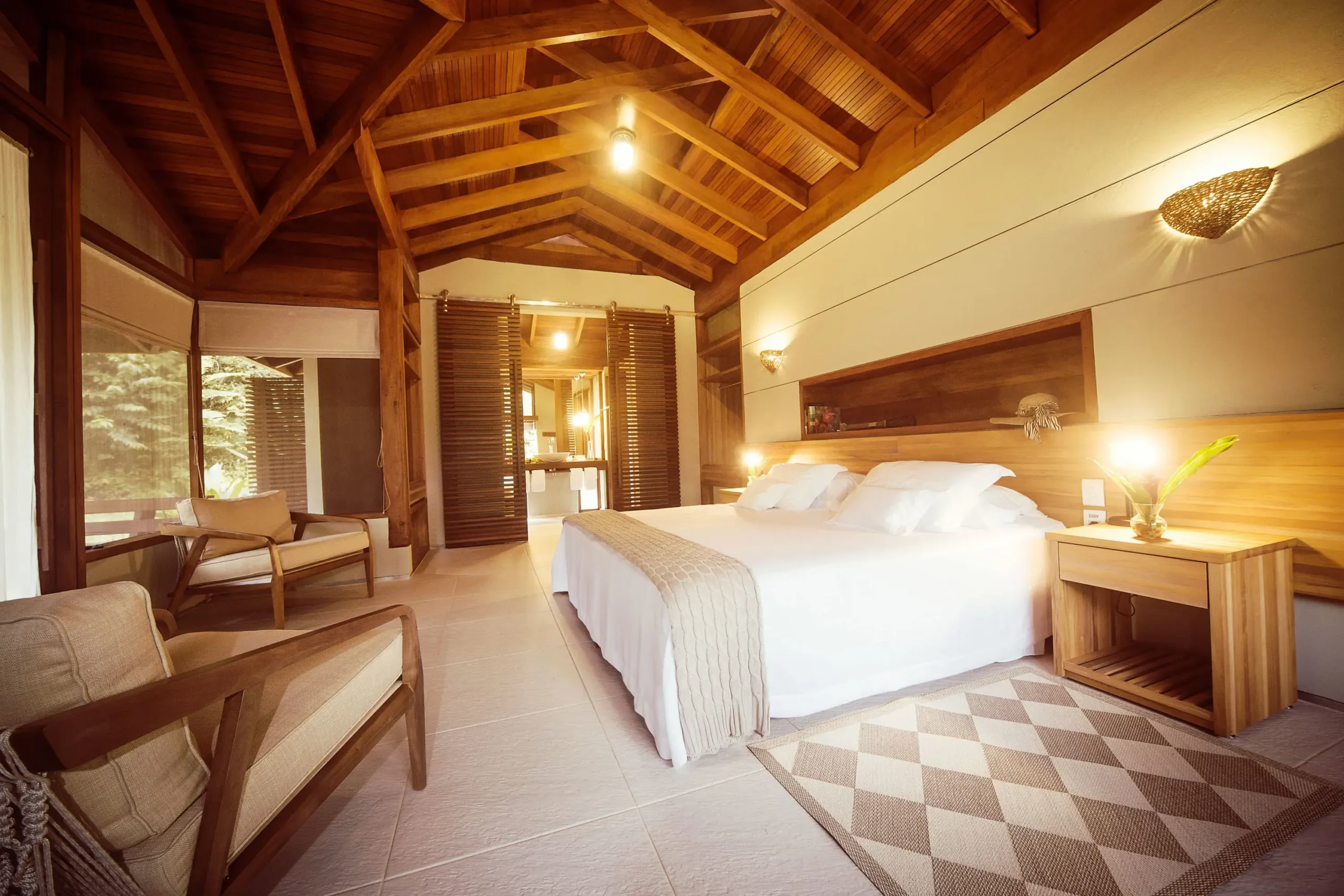
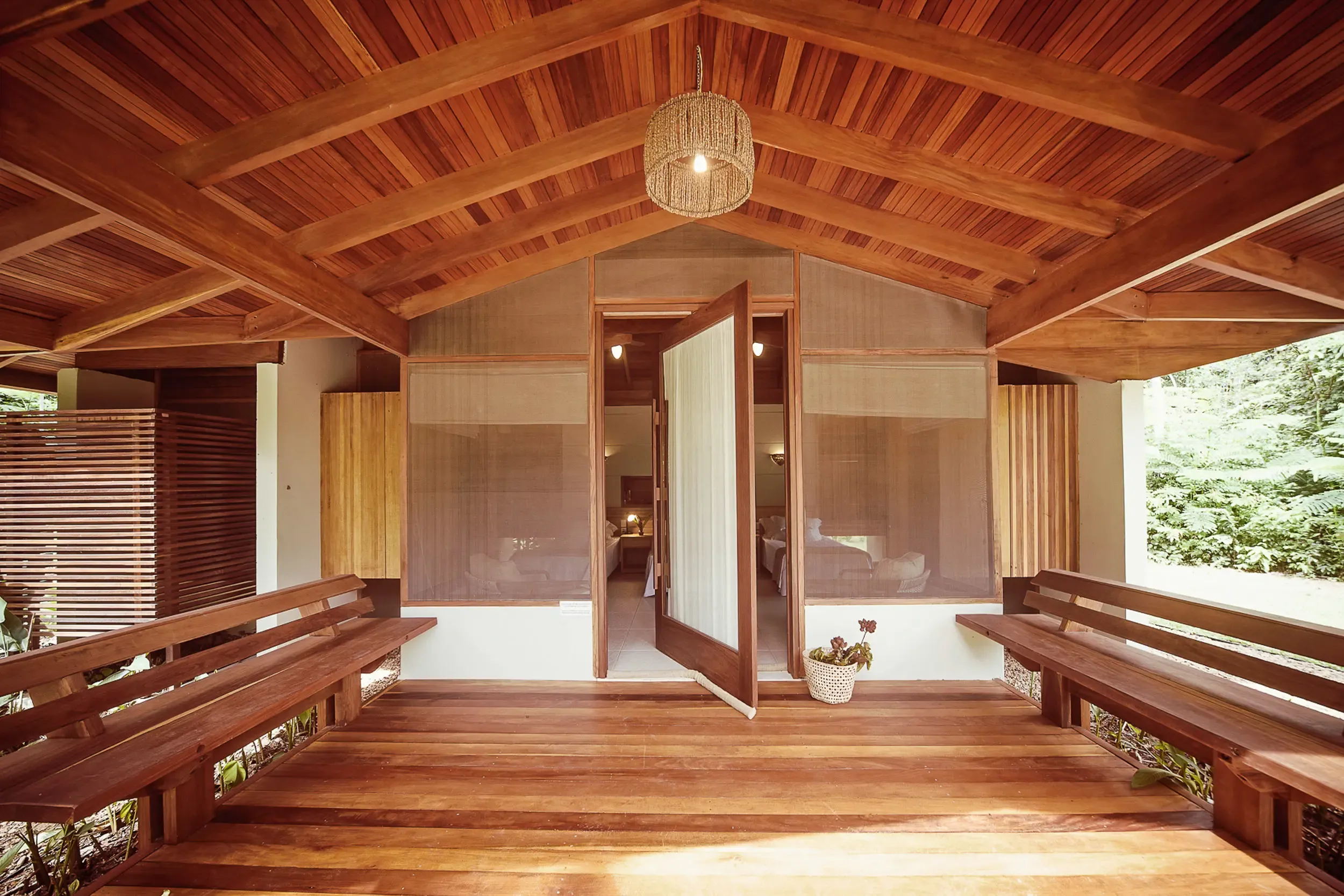
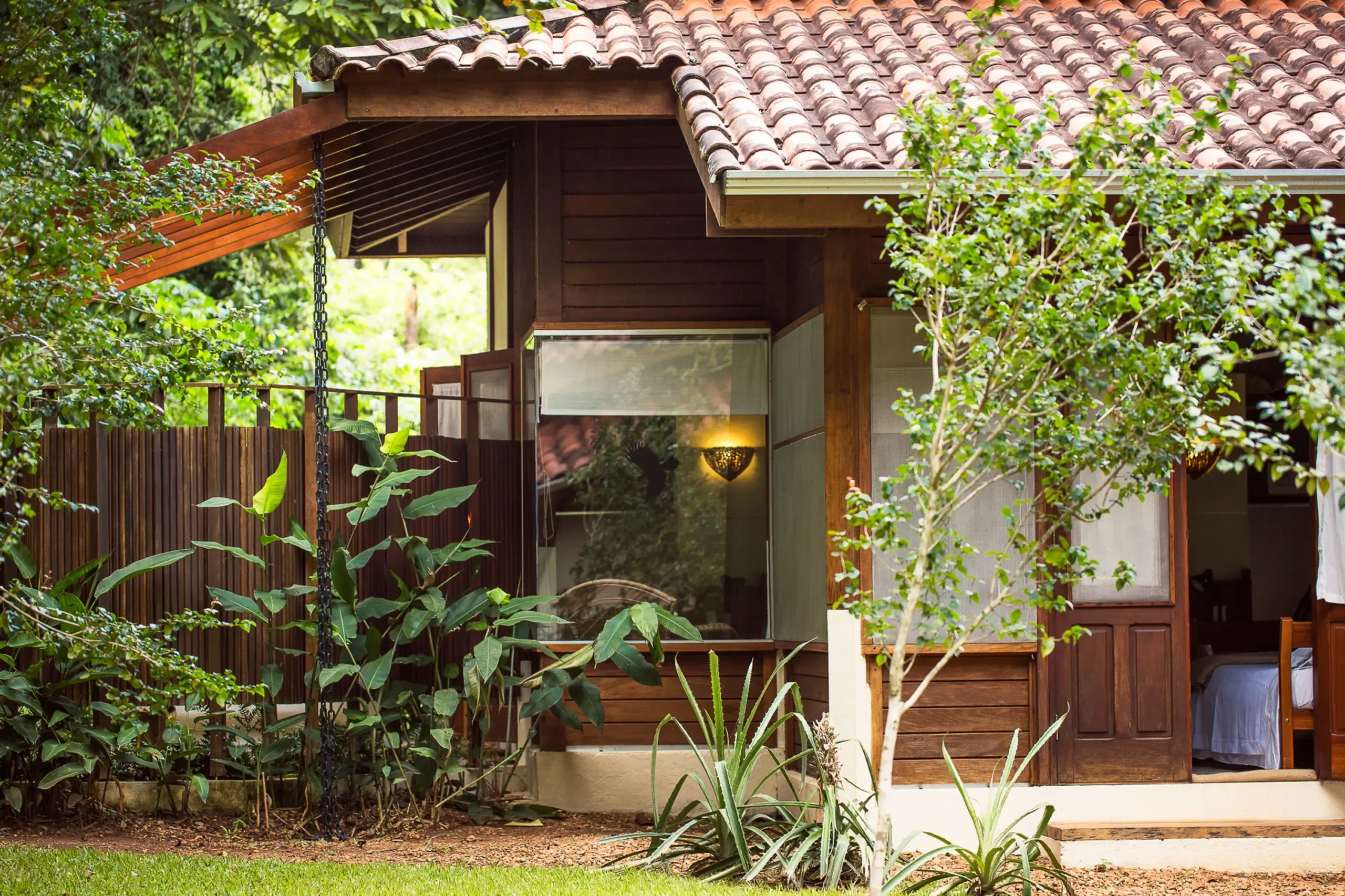
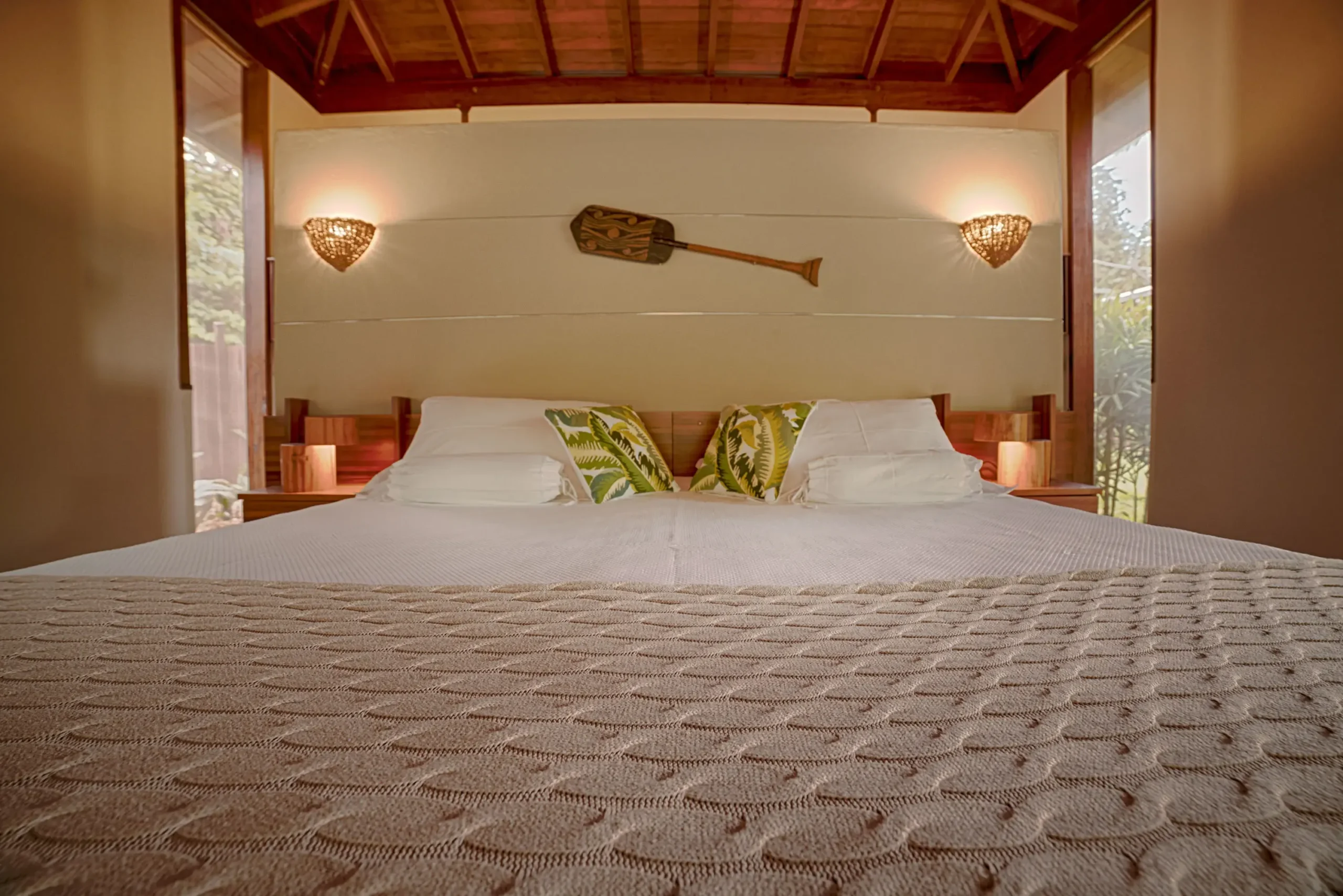
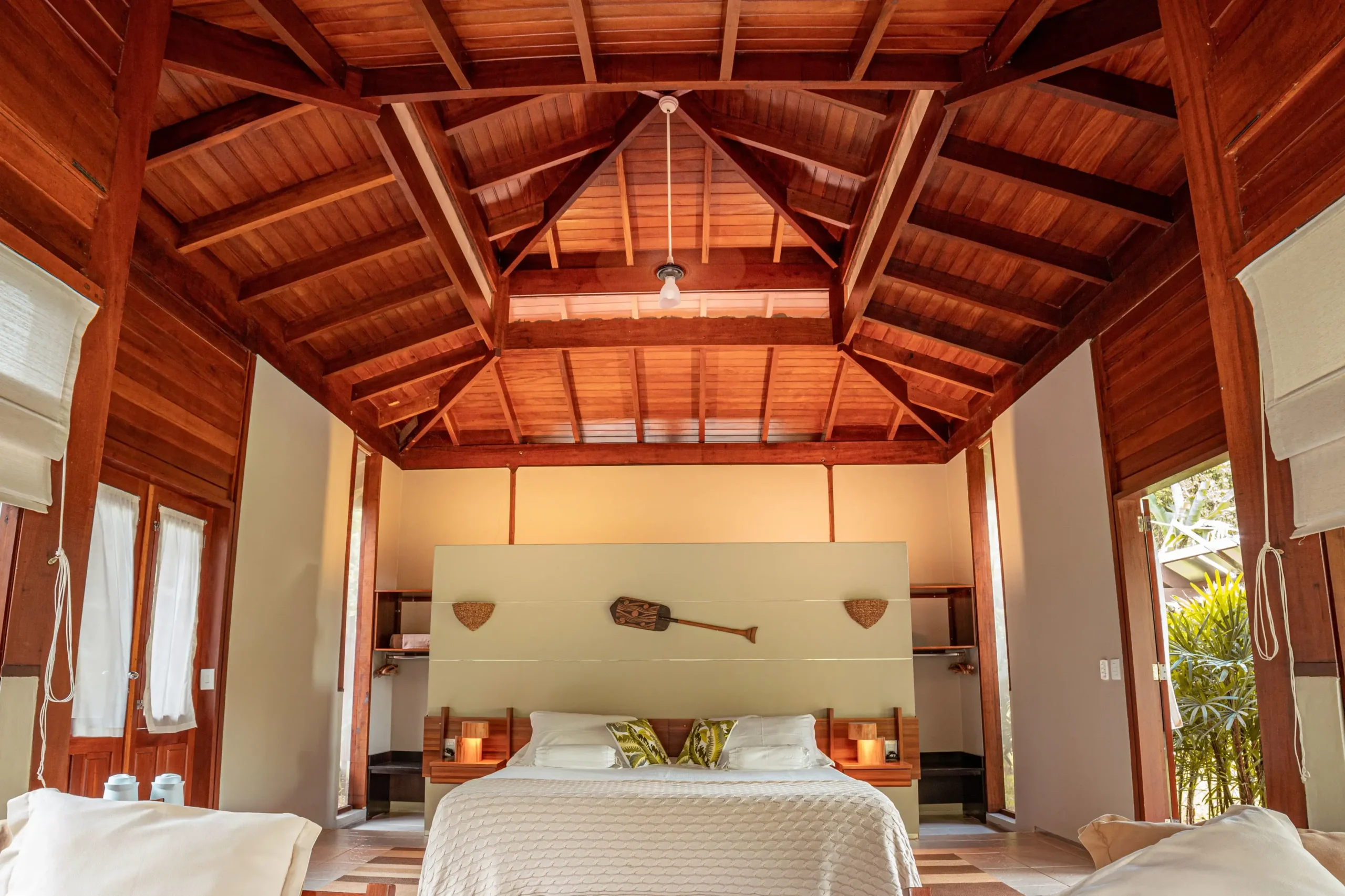
Eighteen comfortable rooms and bungalows blend modern amenities with sustainable architecture. Large screened windows bring forest sounds and scents inside while keeping insects out. Private verandas with places to relax create perfect spots for chlling out and relaxation.
The main lodge features a Reading Room that invites you to pause and enjoy some quality time discovering more about the stories and creatures of the southern Amazon through publications filled with intriguing information and interesting facts.. A riverside floating deck serves as a social gathering space for sunset cocktails and wildlife discussions. The restaurant offers Brazilian cuisine with ingredients sourced from local communities when possible.
Cristalino Lodge Image Gallery: Select an image to view a larger version.
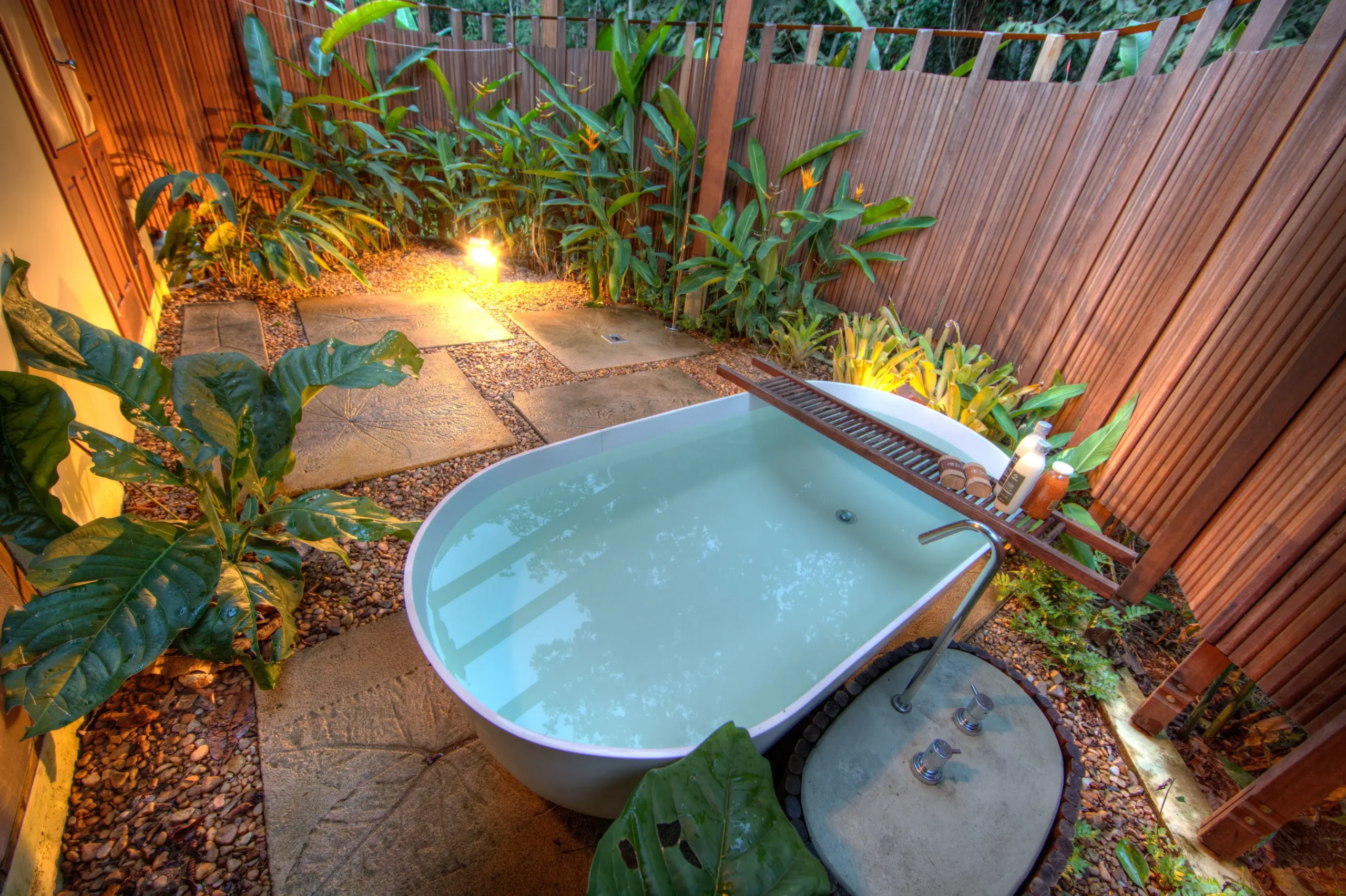
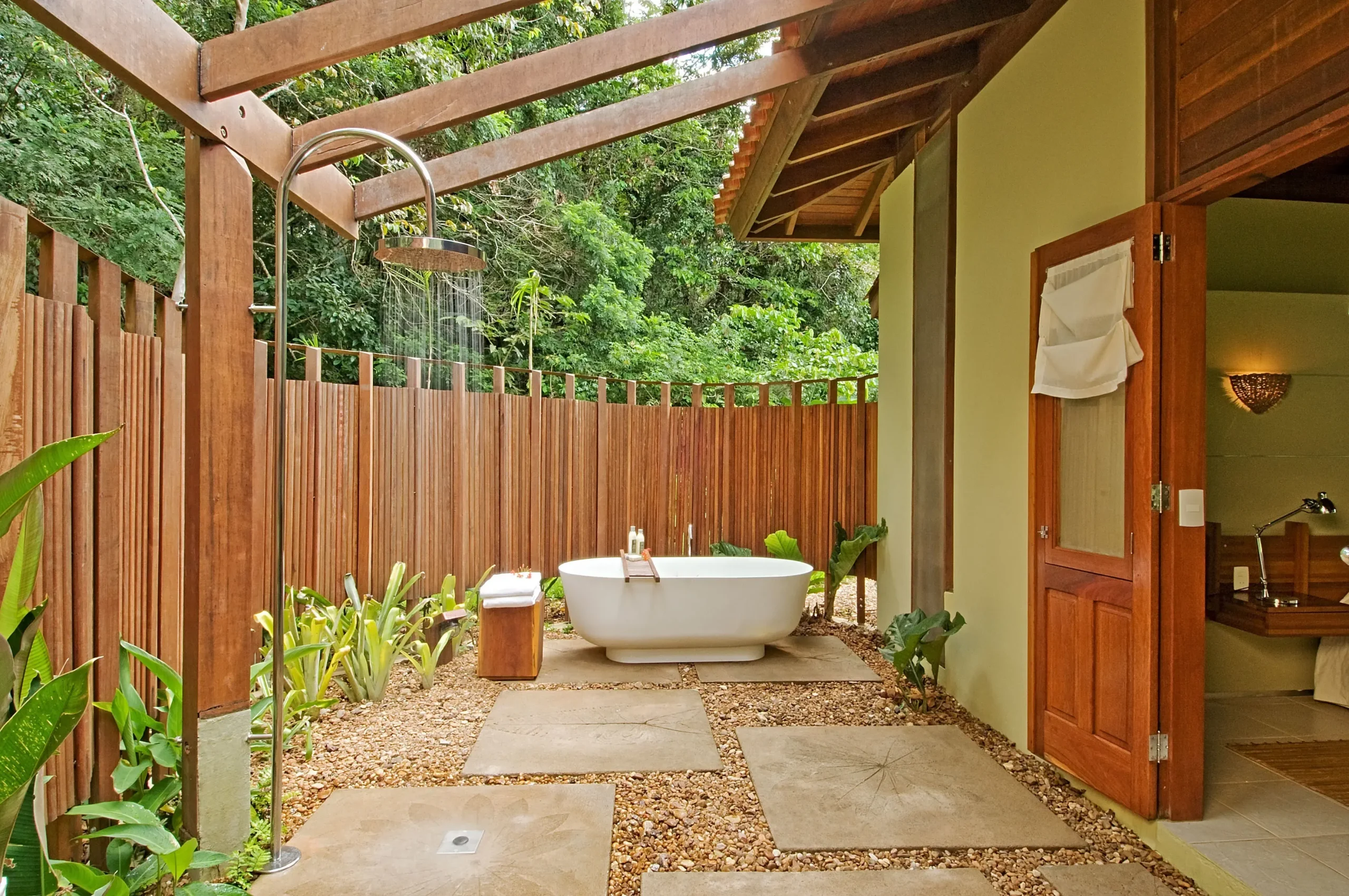
3. Topas Ecolodge – Hoang Lien National Park, Vietnam
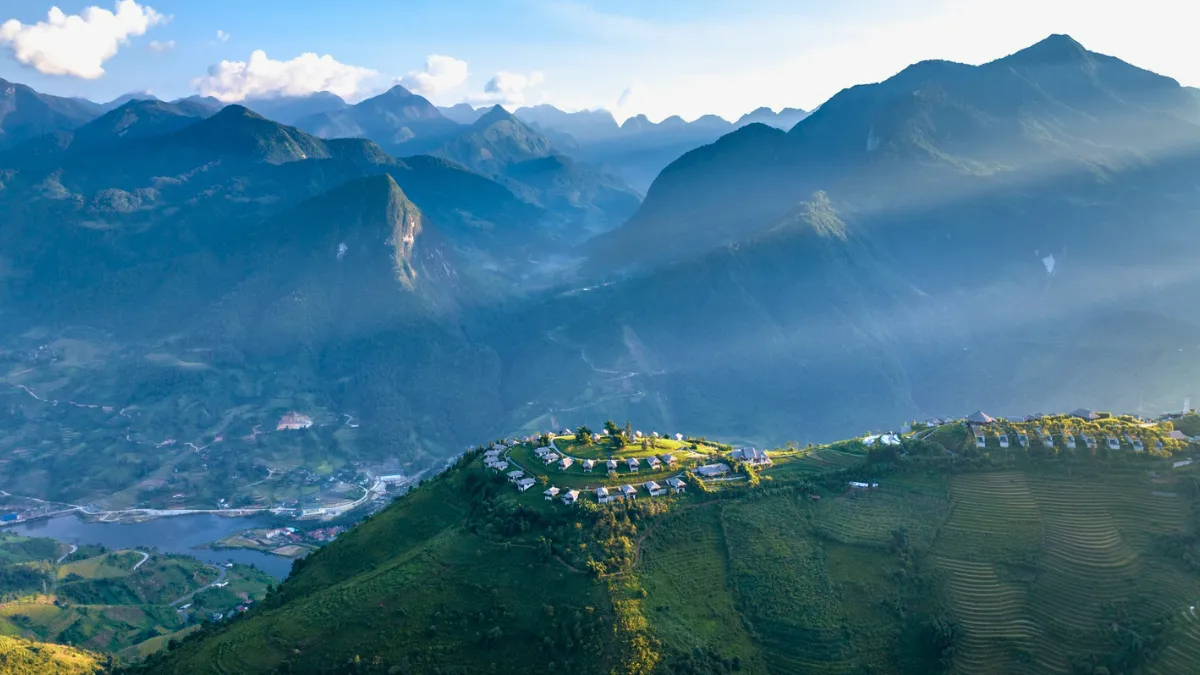
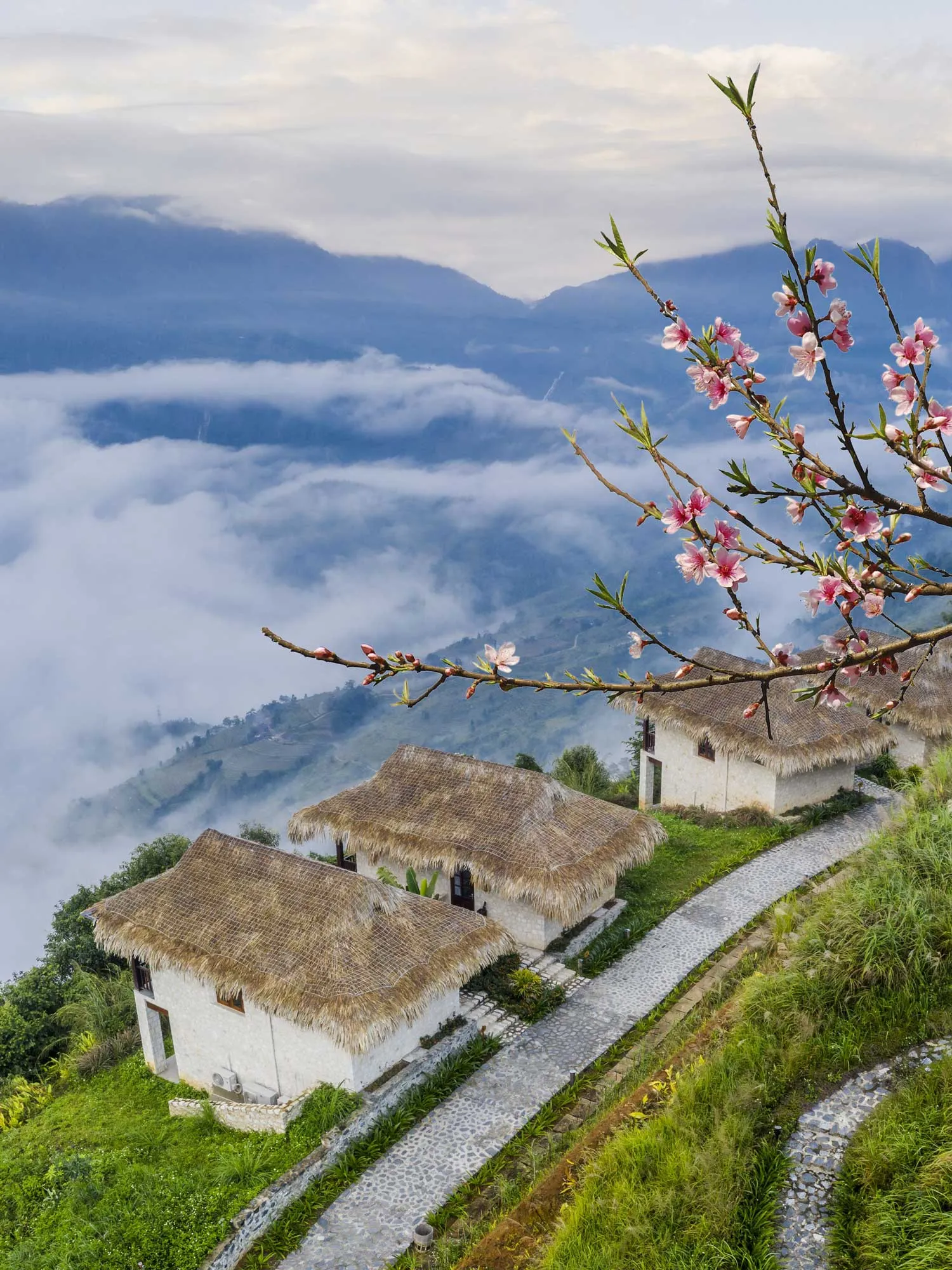
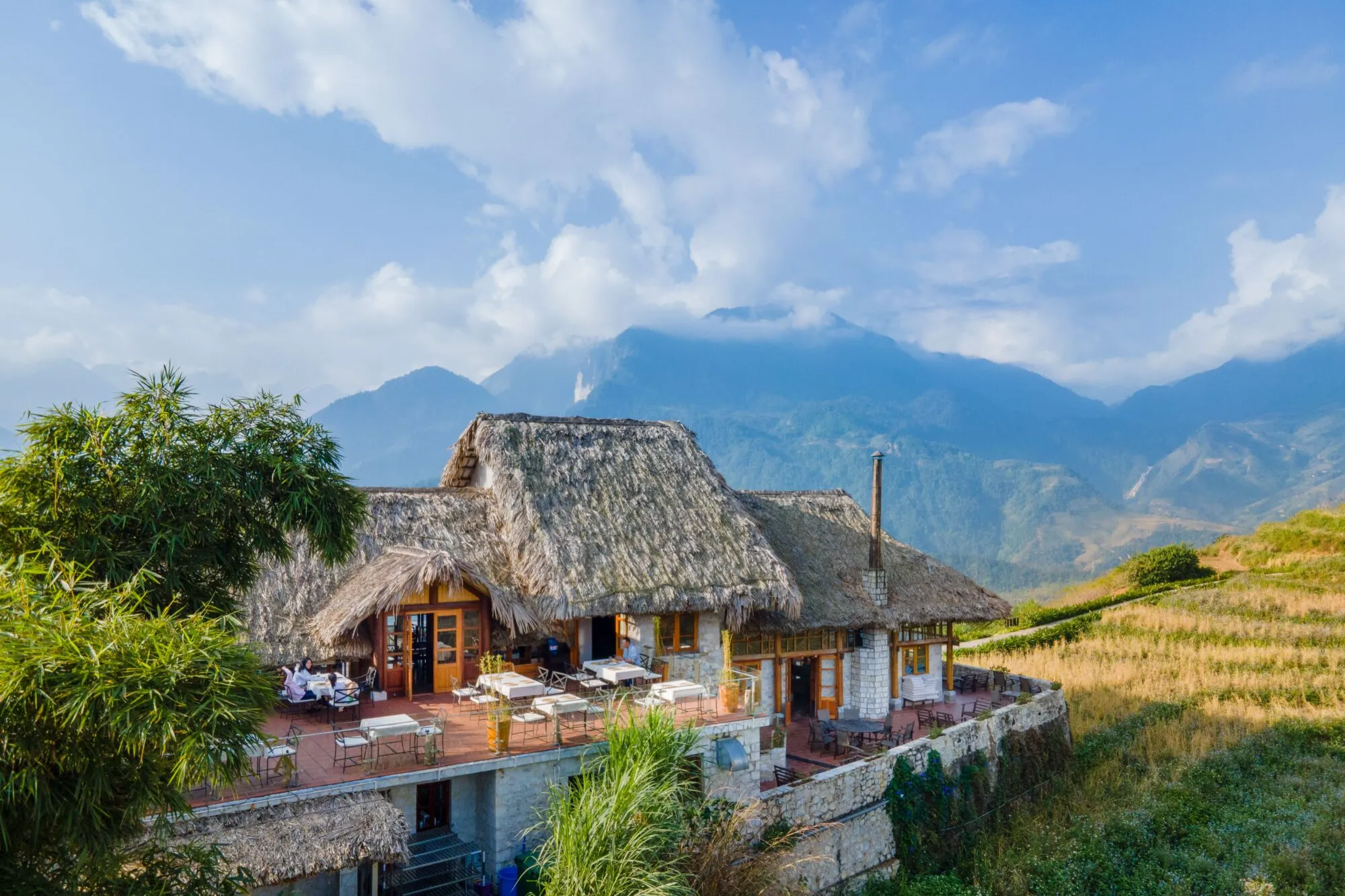
Topas Ecolodge is located 18 km from Sapa Vietnam, about a 45-minute drive. The journey to the lodge is scenic but the road can be rough at times, winding through valleys, local villages, and mountains. You might even need to pause occasionally to let buffalo cross the road!
Topas Ecolodge – Hotel Overview
Topas Ecolodge is crafted as a tranquil escape from the noise and rush of city life. They provide free WiFi throughout the lodge, including common spaces like the lobby, lounge, restaurants, swimming pools, and all the bungalows. That said, there are no TVs to pull your attention away from the stunning views of towering peaks and deep valleys visible from your private balcony.
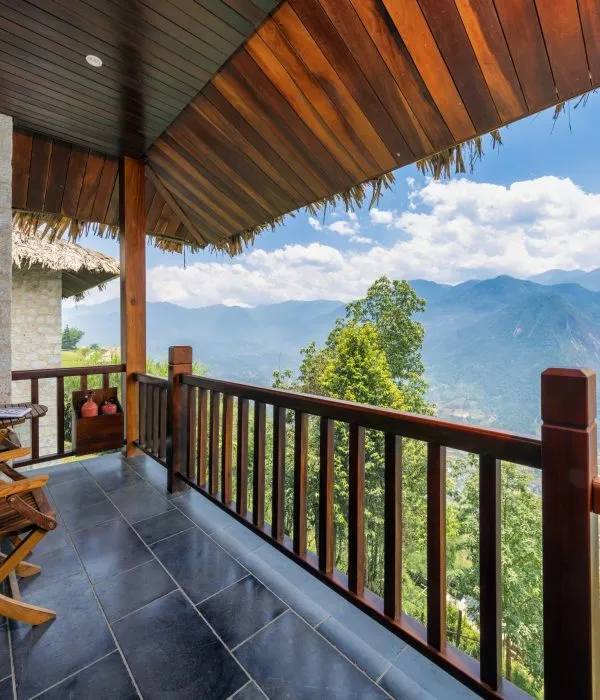
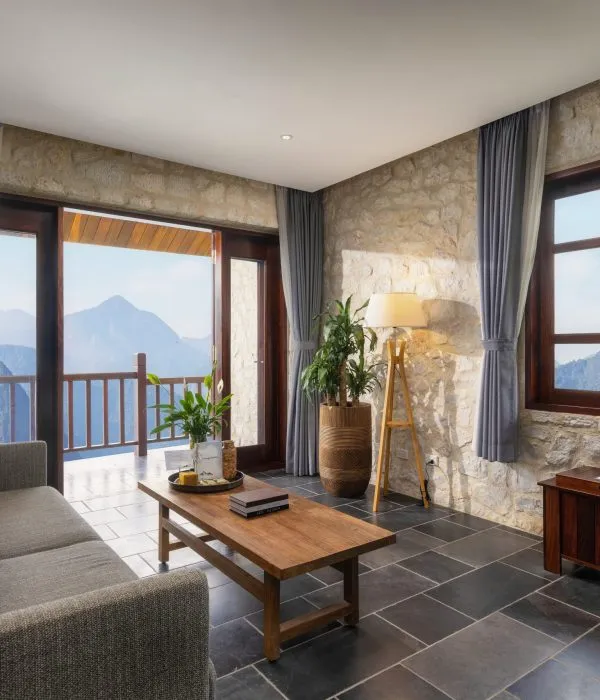
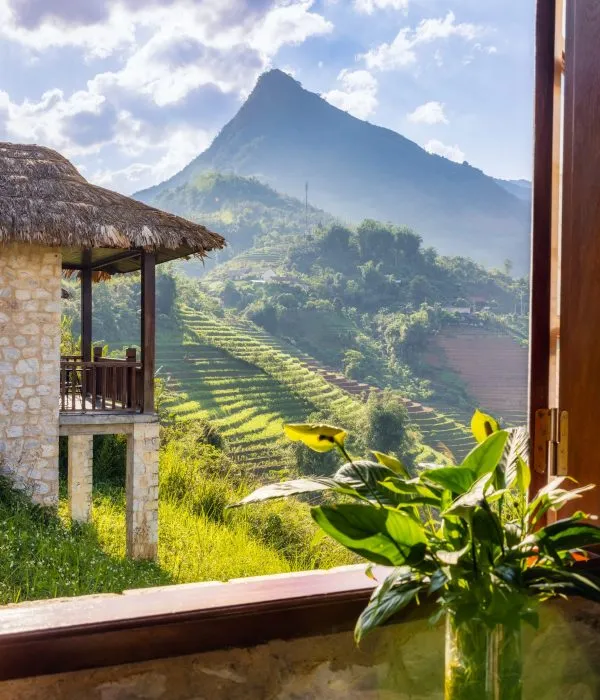
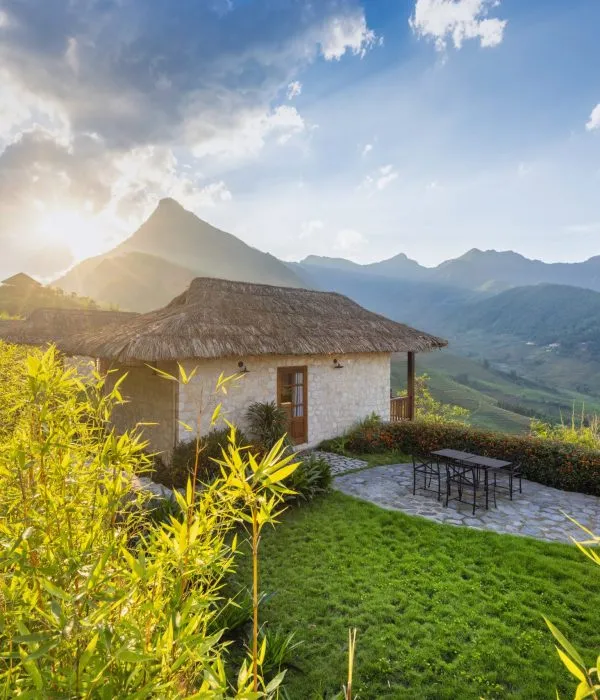
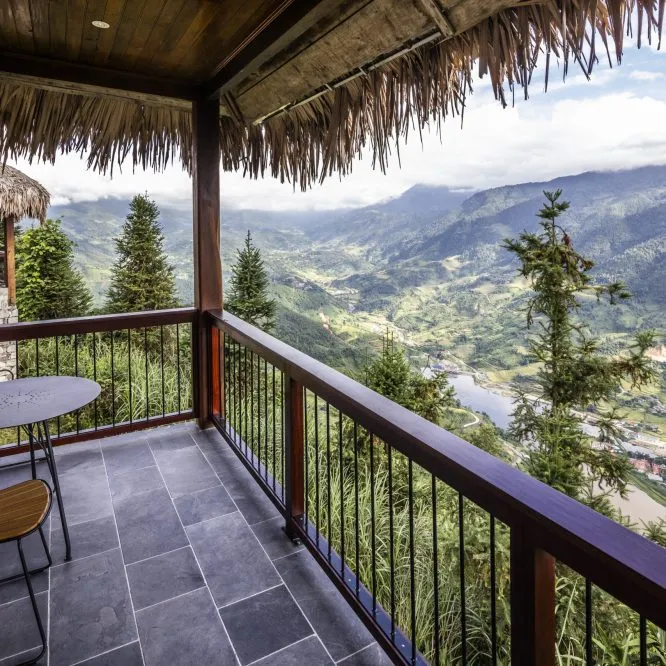
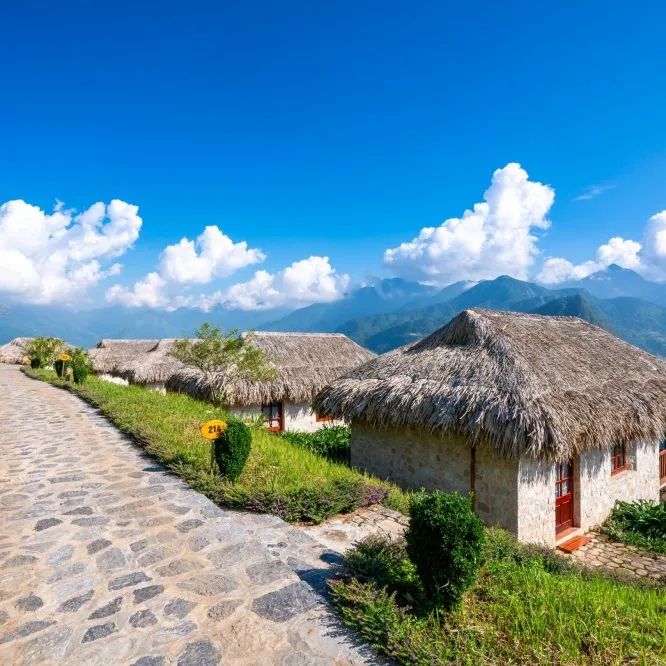
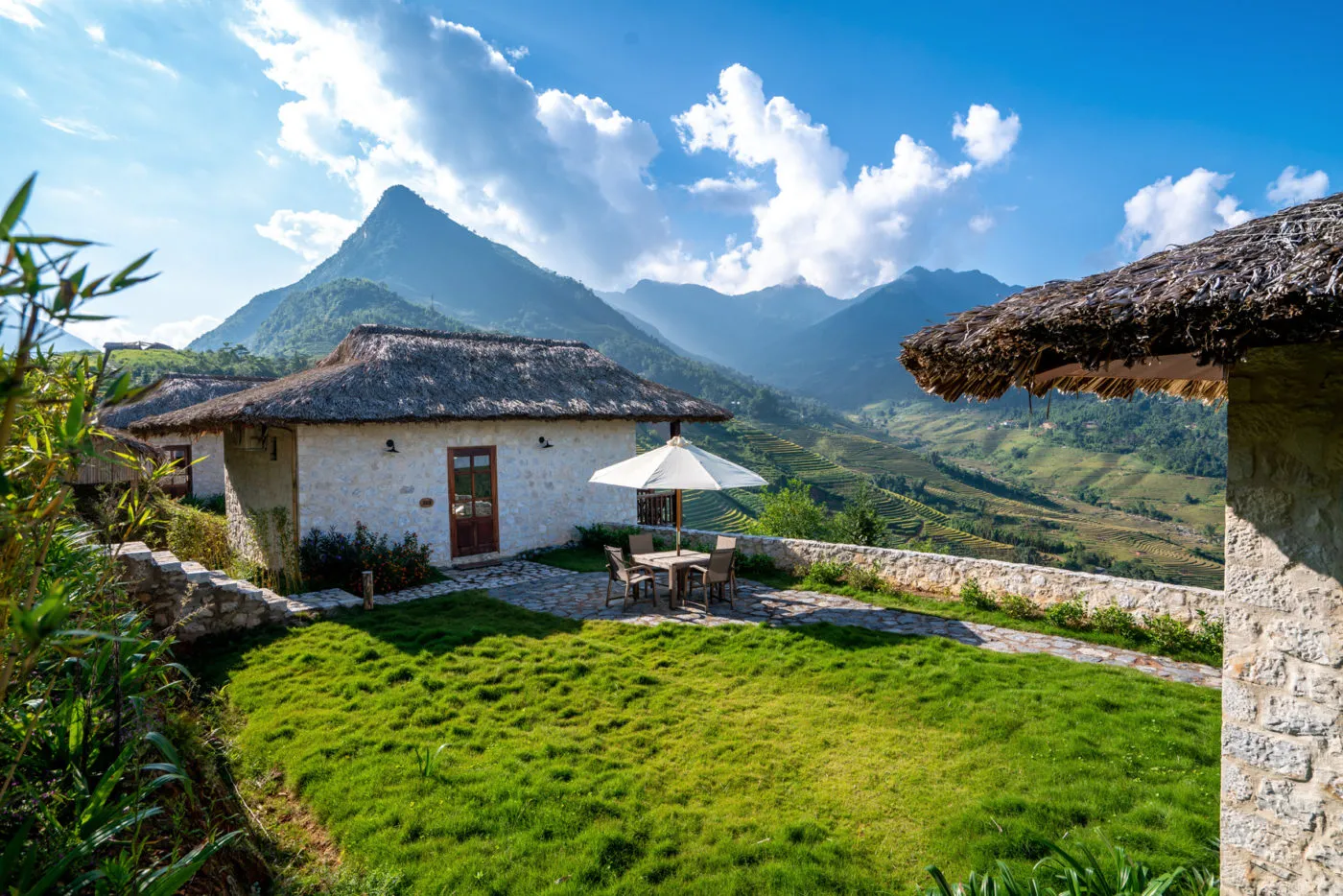
The bungalows are nestled in pure nature, offering a rustic yet comfortable interior design. Each bungalow features a private balcony with stunning mountain views, providing a perfect spot to relax and disconnect from everyday life. Bungalows are spaced 7 meters apart to guarantee maximum privacy. You can book Premium Executive Bungalows and Suite Bungalows connected by a small garden, or Deluxe Suites linked by a ground-floor corridor between the bedrooms, allowing large families and groups of friends to stay close together.
Sustainability Features of Topas Ecolodge
Topas Ecolodge is founded on sustainable hotel practices to minimize its impact on the environment while providing guests with a unique opportunity to connect with local communities. The lodge hire staff from nearby villages and source local products to support the regional economy.
Topas Ecolodge Constructed Wetland
A key feature of Topas Ecolodge’s recent projects is the constructed wetland, which plays a crucial role in treating wastewater from the kitchen and laundry. This system cleans the wastewater using large sand and plant filters, making sure the resort doesn’t harm the local environment. Additionally, it effectively prevents unnatural algae growth, which can seriously damage ecosystems. The lodge has also introduced an organic filtration system in our septic tanks to ensure that all waste from the bungalows is properly treated and purified.
Topas Glass Crushing
The glass crushing machine grinds all glass bottles into fine sand, which can then be used for mixing concrete in construction and maintenance repairs.
Eco-Friendly Bungalows
The eco-friendly hotel bungalows are equipped with rainwater and greywater treatment systems. Rainwater is collected, filtered, and stored for non-drinking purposes like showers and sinks, with the greywater systems serving the same role. These features help lower water use and minimize environmental impact, offering a luxurious stay that’s also sustainable.
Community Commitment
Topas Ecolodge proudly hire staff from nearby local tribes. Through their work at the Ecolodge, they receive hospitality training and English lessons. Guests are encouraged to be patient and kind when communicating in English. Should you face any language challenges, assistance is always available at Reception.
Topas Ecolodge Experiences
The Topas Ecolodge is an ideal base for enjoying outdoor activities like cycling and hiking, along with cultural experiences such as village tours, market visits, and textile workshops, all while taking in the stunning landscapes of northern Vietnam and its distinctive minority villages.
Sapa’s hidden trails
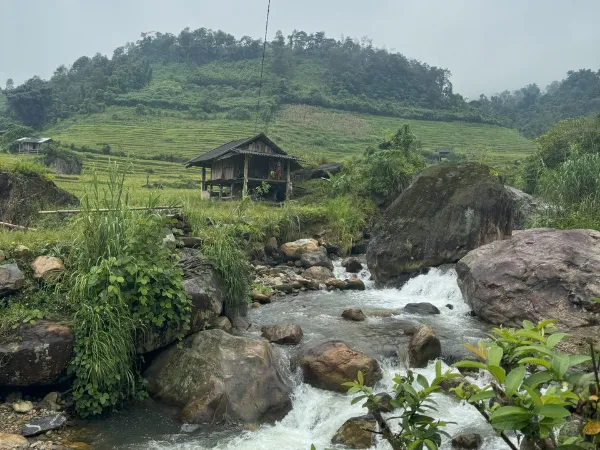
This tour begins with a transfer into Hoang Lien National Park near Sin Chai village, followed by a trek through beautiful mountainous landscapes to the Red Dao village of Nam Nhiu. Visitors experience local life, pass rice terraces and bamboo huts, and arrive at Nam Cang village for lunch and cultural exploration, including traditional crafts. The day ends with a return vehicle trip.
- Trek starts near Sin Chai village in Hoang Lien National Park.
- Visit Red Dao village of Nam Nhiu to learn about villagers’ farming life.
- Scenic walk past rice terraces, bamboo huts, and a river.
- Lunch and cultural tour in Nam Cang village, known for colorful costumes, herbal baths, embroidery, and local crafts.
- Return journey by vehicle after the trek.
Red Dao culture

This journey starts with a peaceful walk from Topas Ecolodge through stunning rice terraces and a gentle stream, leading to Lech village. There, you experience the Red Dao community’s culture, including their traditional attire and embroidery. The return route features scenic trails, a suspension bridge, and ends back at the ecolodge.
- Stroll along the main road from Topas Ecolodge into a valley with rice terraces.
- Cross a gentle stream and observe local farming practices.
- Visit Lech village and engage with the Red Dao community.
- Experience traditional hairstyles, clothing, and embroidery.
- Return via scenic trails, crossing a suspension bridge back to the ecolodge.
On top of the world
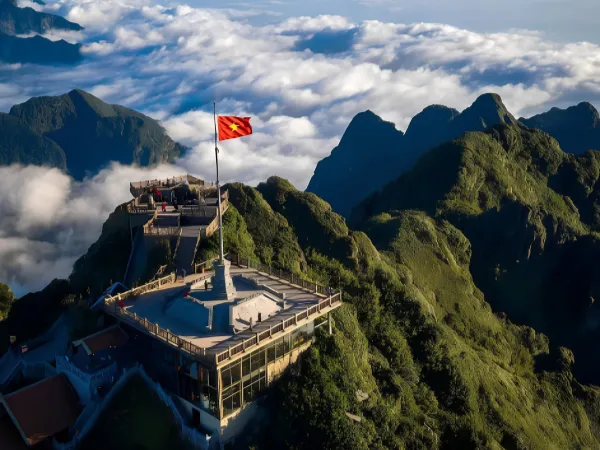
The tour starts at 8:00 AM with a transfer to Sapa town, followed by a visit to the Fansipan Cable Car Station. After a 15-minute cable car ride and climbing 700 steps, you reach the summit for panoramic views. The tour continues with a guided walk around Sapa town before transferring to Topas Ecolodge.
- Meet driver at 8:00 AM and transfer to Sapa town
- Ride Fansipan Cable Car (world’s longest) for 15 minutes
- Climb 700 steps to Fansipan summit for scenic views
- Explore Sapa town: Catholic Church, Sapa Museum, and market
- Transfer to Topas Ecolodge after the tour
The local culture
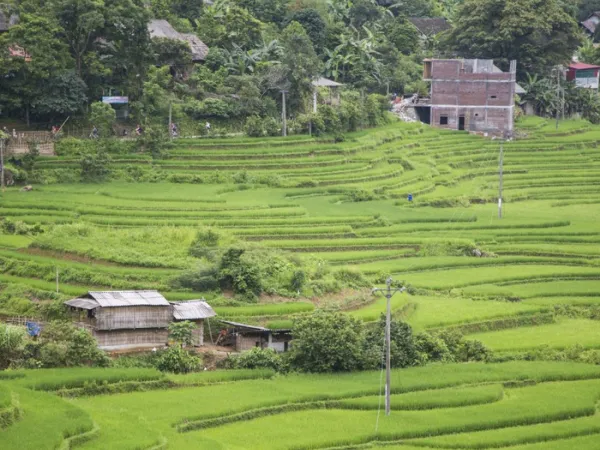
The walk starts from Topas Ecolodge along Silver Stone Mount trails, offering scenic views of valleys and rice terraces. At noon, you reach Lech village, home to the Red Dao minority, where you have lunch and visit the village. You then continue with an optional visit to the local school. The trek concludes back at Topas Ecolodge after enjoying stunning hill and river views.
- Walk starts at Topas Ecolodge, passing Silver Stone Mount footpaths.
- Visit Lech village (Red Dao minority) for lunch and cultural exploration.
- Option to visit a school with children from various ethnic groups.
- Trek returns via hill trails with panoramic views of rice terraces and Muong Bo river.
- Optional extension to Lech Mong village to meet Black H’mong community and have a local lunch.
- Total trek distance: 11–12 km, duration: 5–6 hours.
Accommodations & Amenities
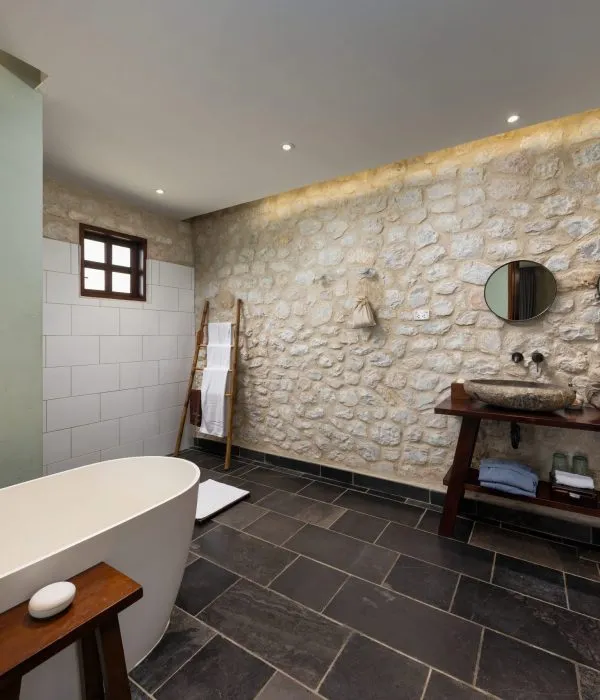
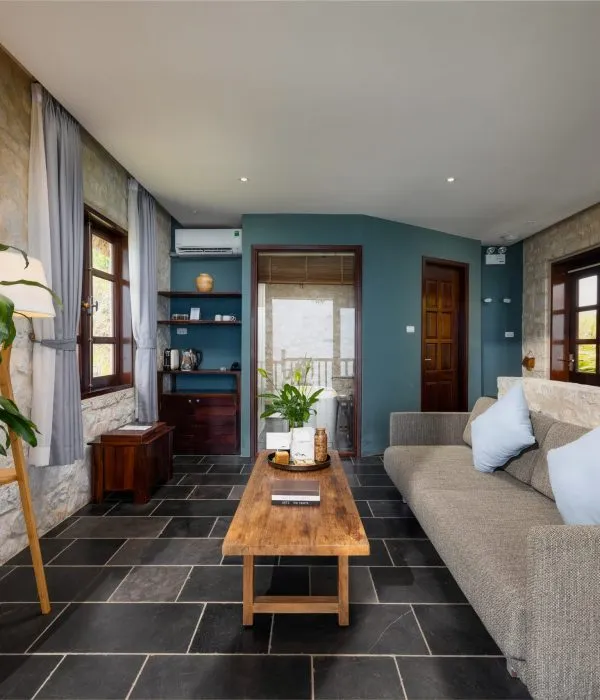
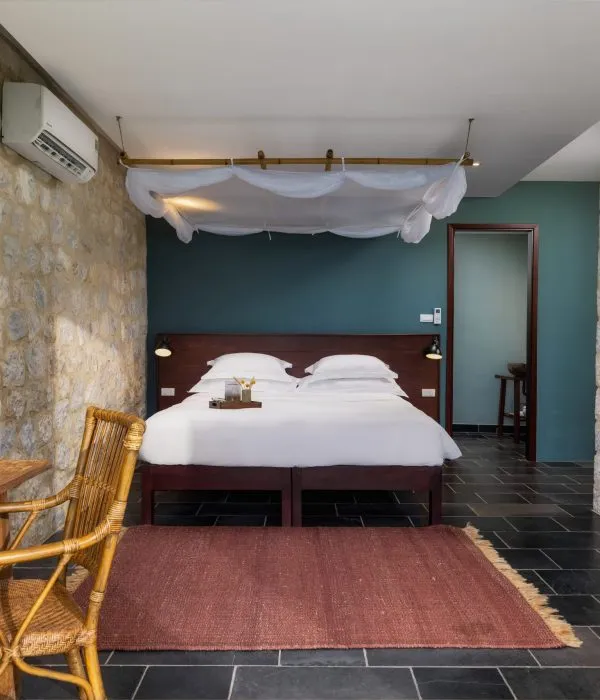
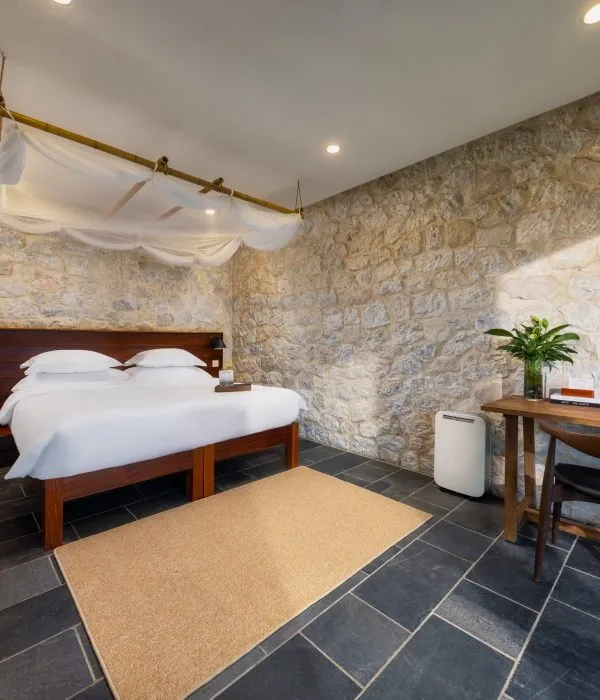
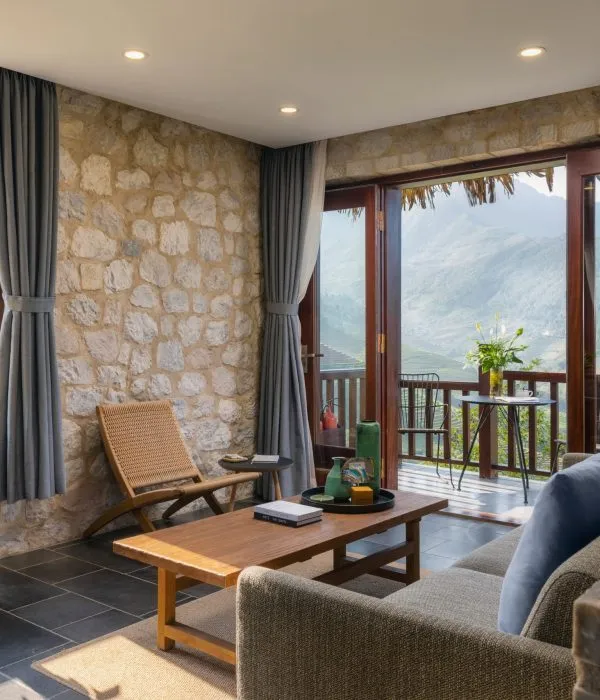
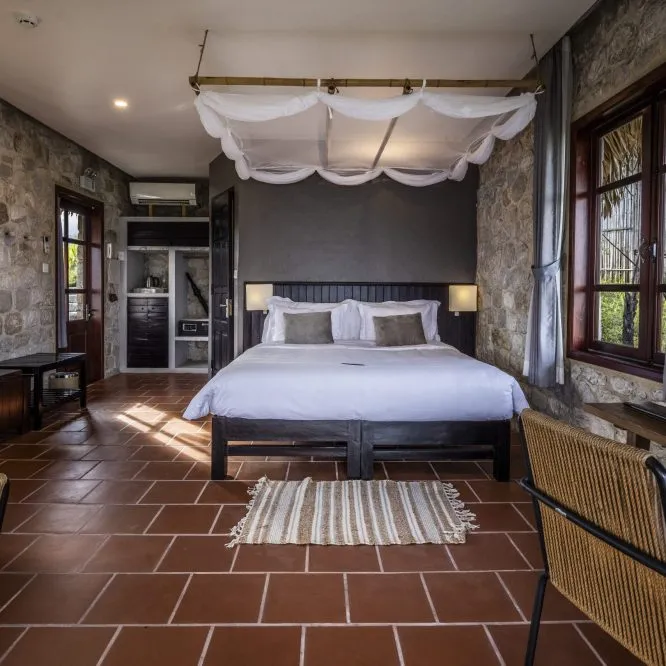
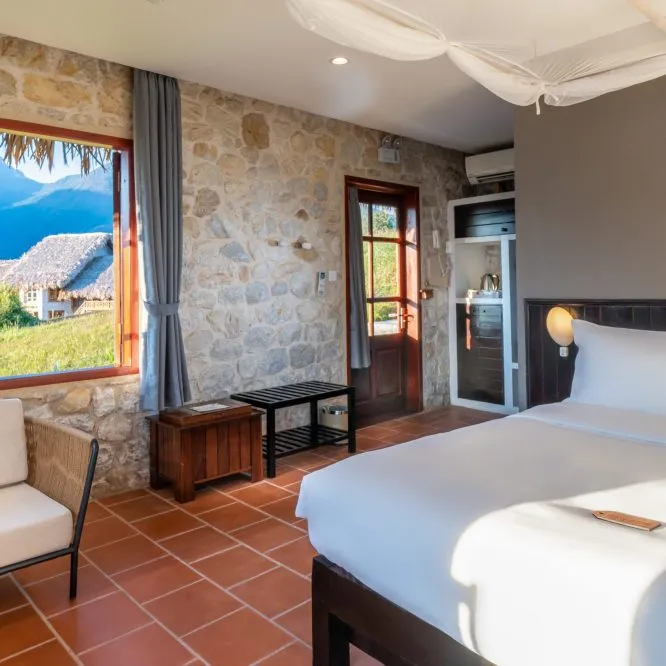
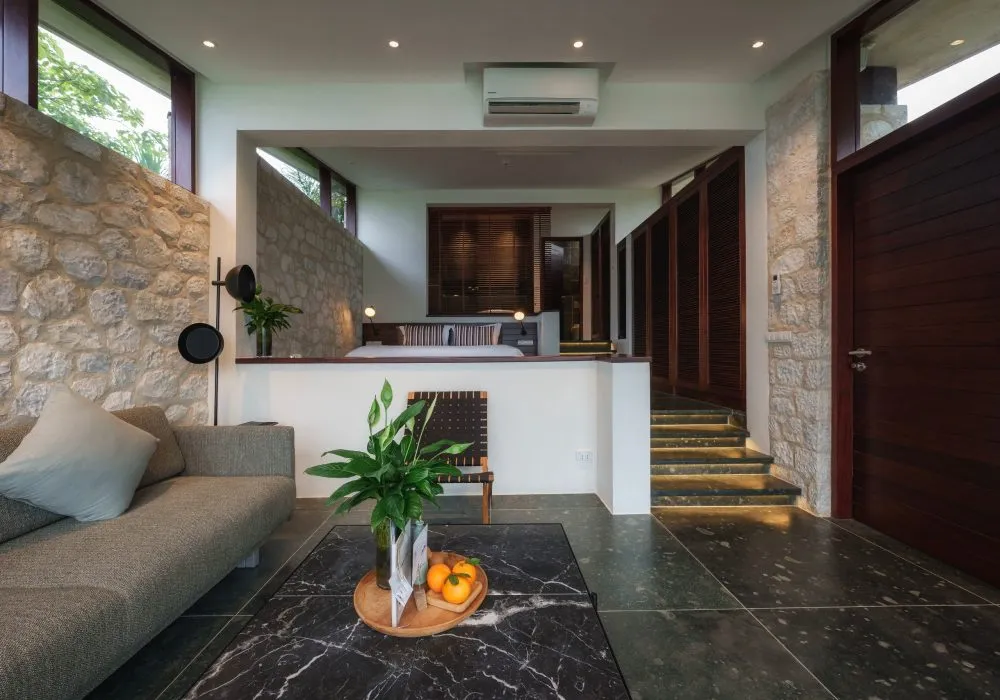
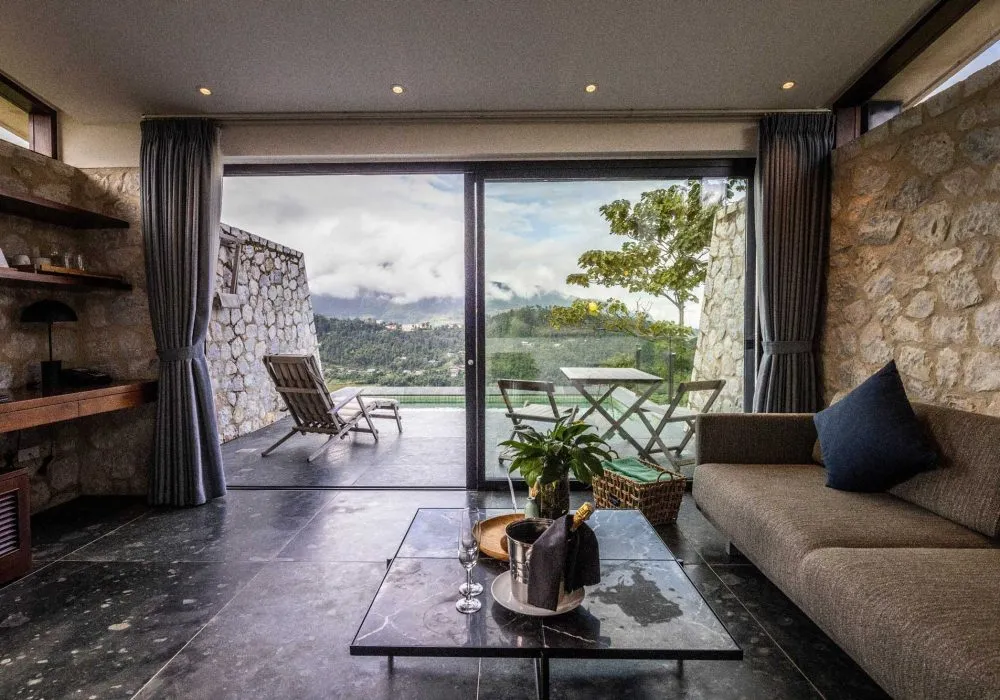
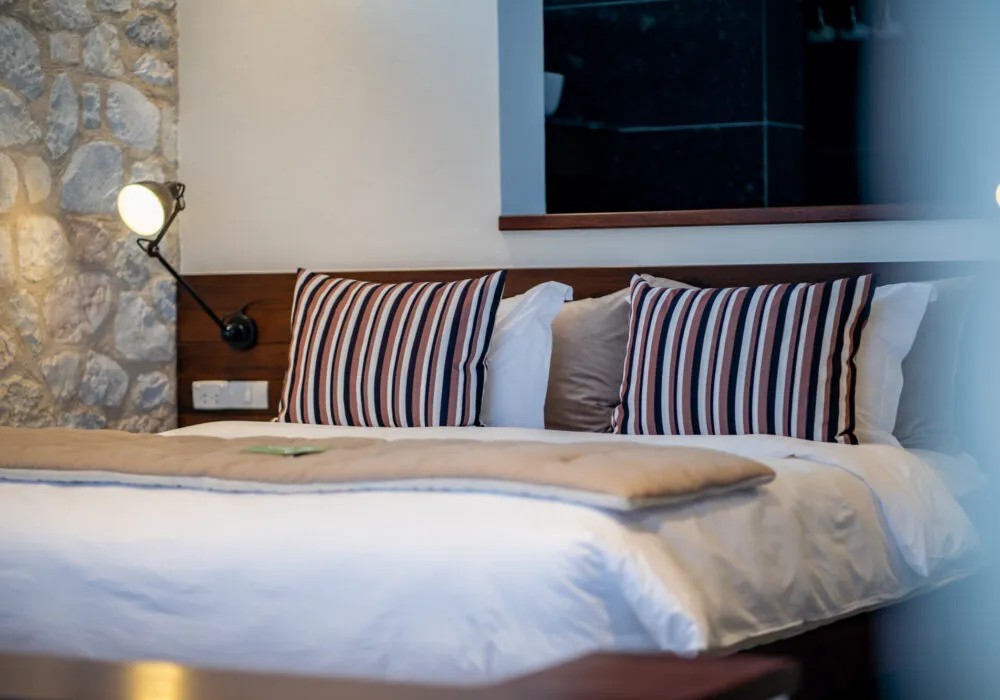
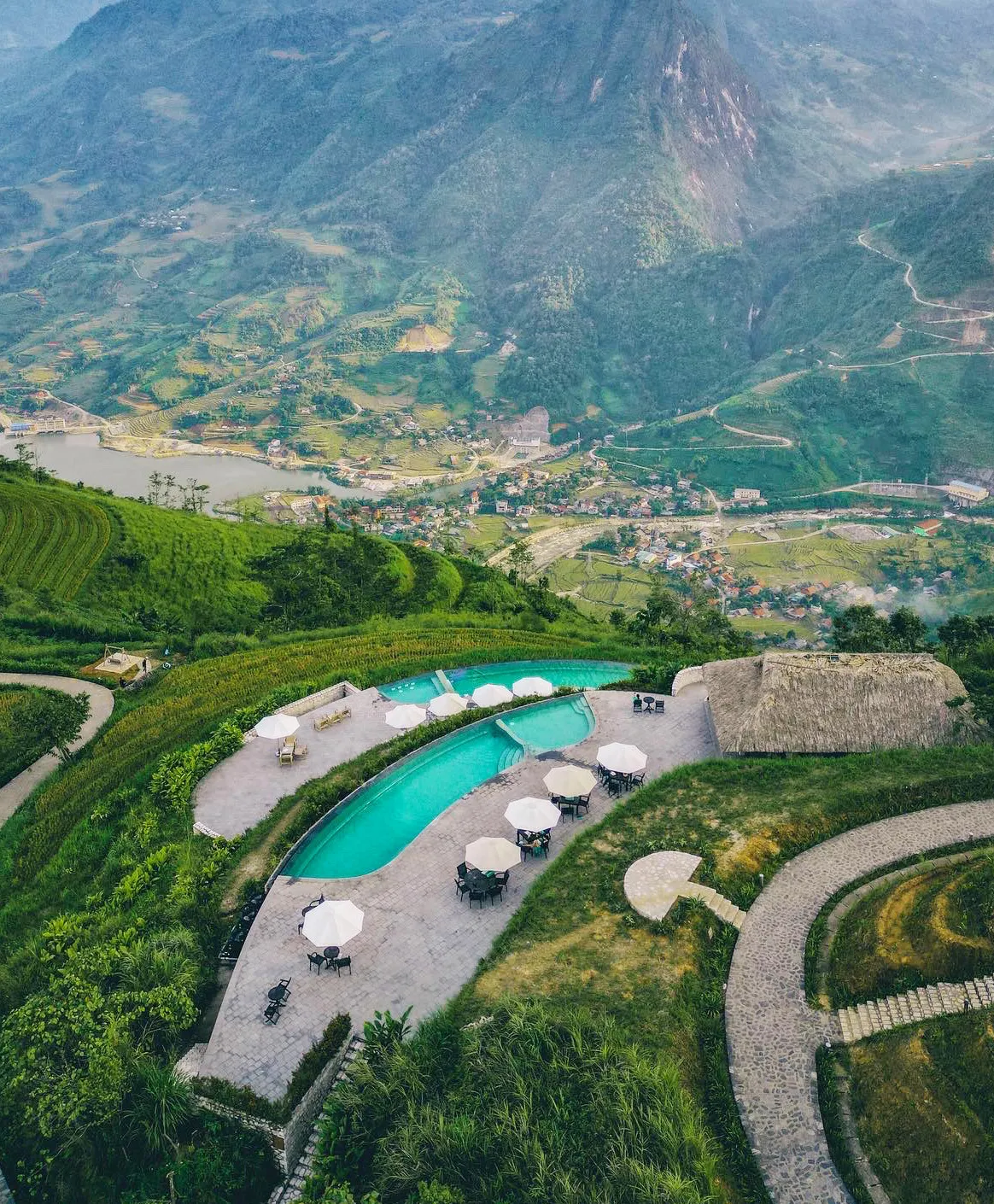
- Premium Executive Bungalows: The original that began it all! Every Premium Executive Bungalow radiates rustic warmth with its solid stone walls, soft neutral-toned bed, wooden furniture, and spacious private balcony offering views of the mountains and valleys.
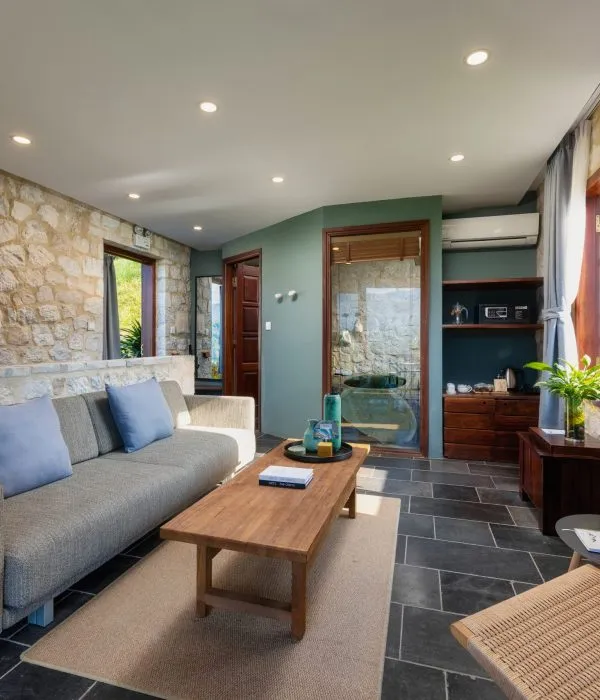
- Garden Suite Bungalows: The Garden Suites offer a spacious and comfortable two-story chalet layout, including a large living area and a separate bedroom. They are ideal for couples looking for a romantic escape or families wanting to stay close in one place.
- Deluxe Suite Bungalows: The newest accommodation – the Deluxe Suite – which combines modern comfort with eco-friendly design. With heated floors and a prime location close to the Rice Spa and Infinity Pools, each Deluxe Suite offers a stylish and cozy retreat while ensuring the environment stays preserved.
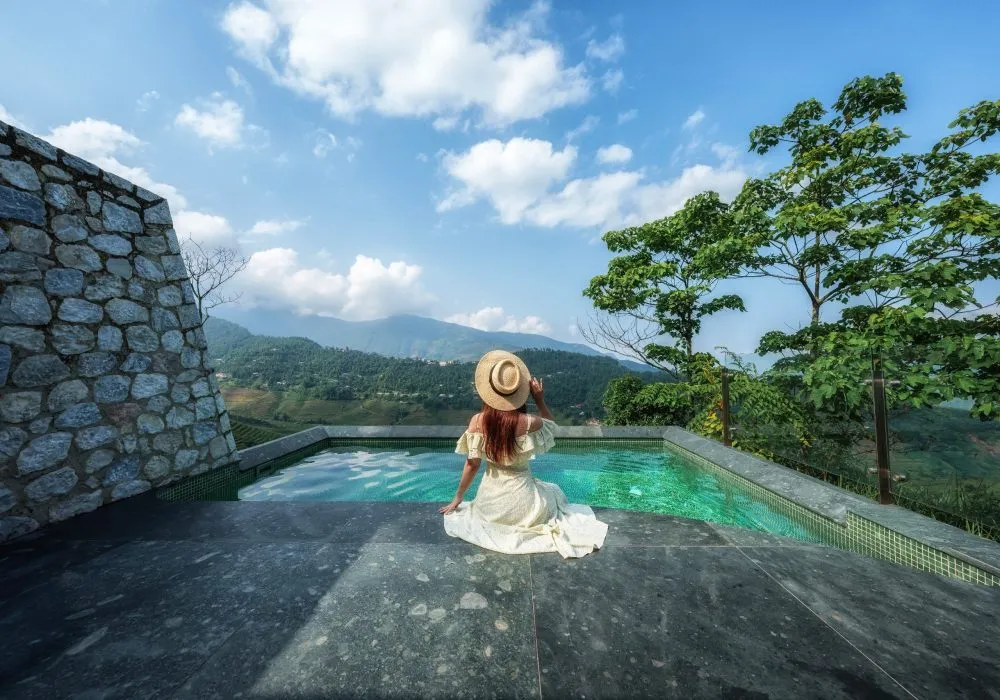
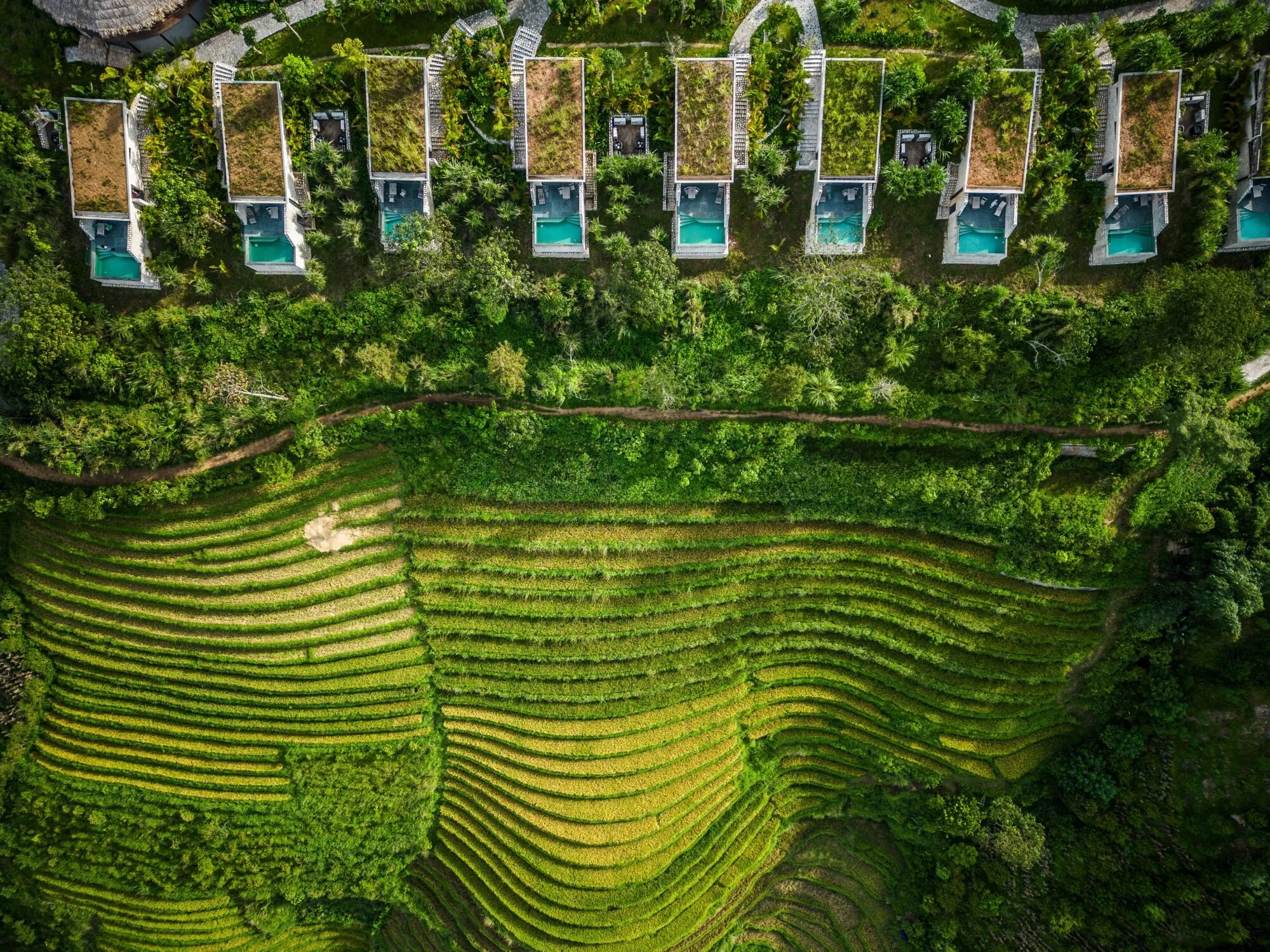
- Pool Villas: Every Pool Villa offers breathtaking views of the nearby Sapa mountains and valleys from its own private veranda and eco-heated swimming pool. The interiors feature elegant Scandinavian touches, and the thoughtful layout guarantees total privacy from the rest of the lodge.
- Saltwater Infinity Pools: Enjoy refreshing swims in one of our two saltwater pools surrounded by breathtaking landscapes.
- Rice Spa: Treat yourself to relaxing spa treatments inspired by local traditions.
- Nature and Tranquility: Spend your days soaking in the peaceful atmosphere and natural beauty surrounding the lodge.
Due to the mountain location, weather can be unpredictable. It is recommended that you pack clothing suitable for all seasons, as it’s common to experience all four seasons in a single day here.
4. Cempedak Private Island, Indonesia
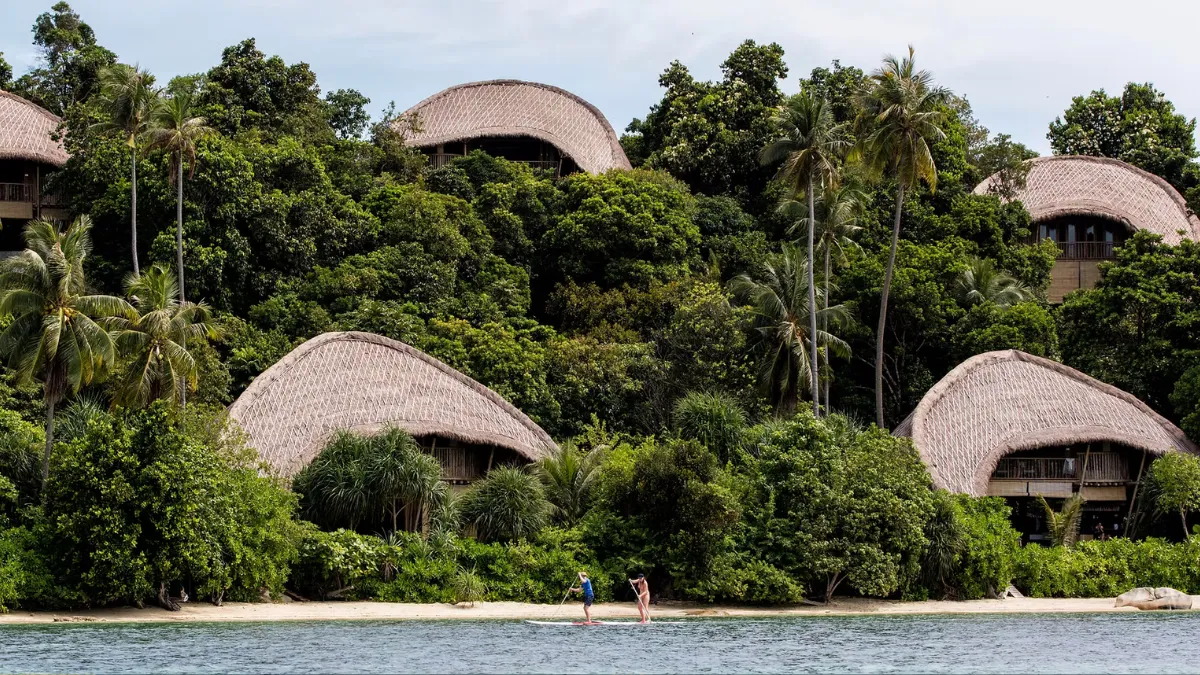
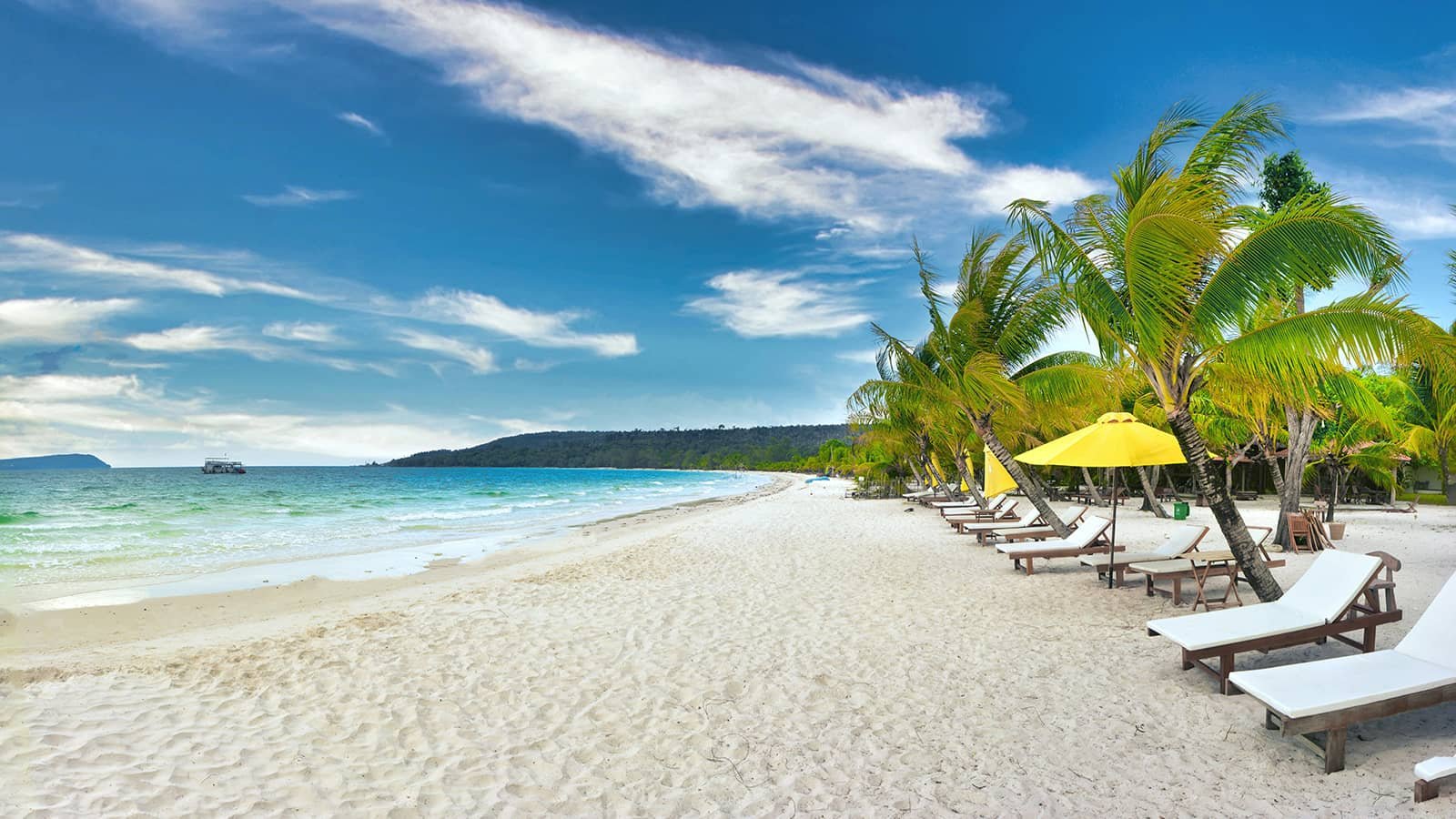
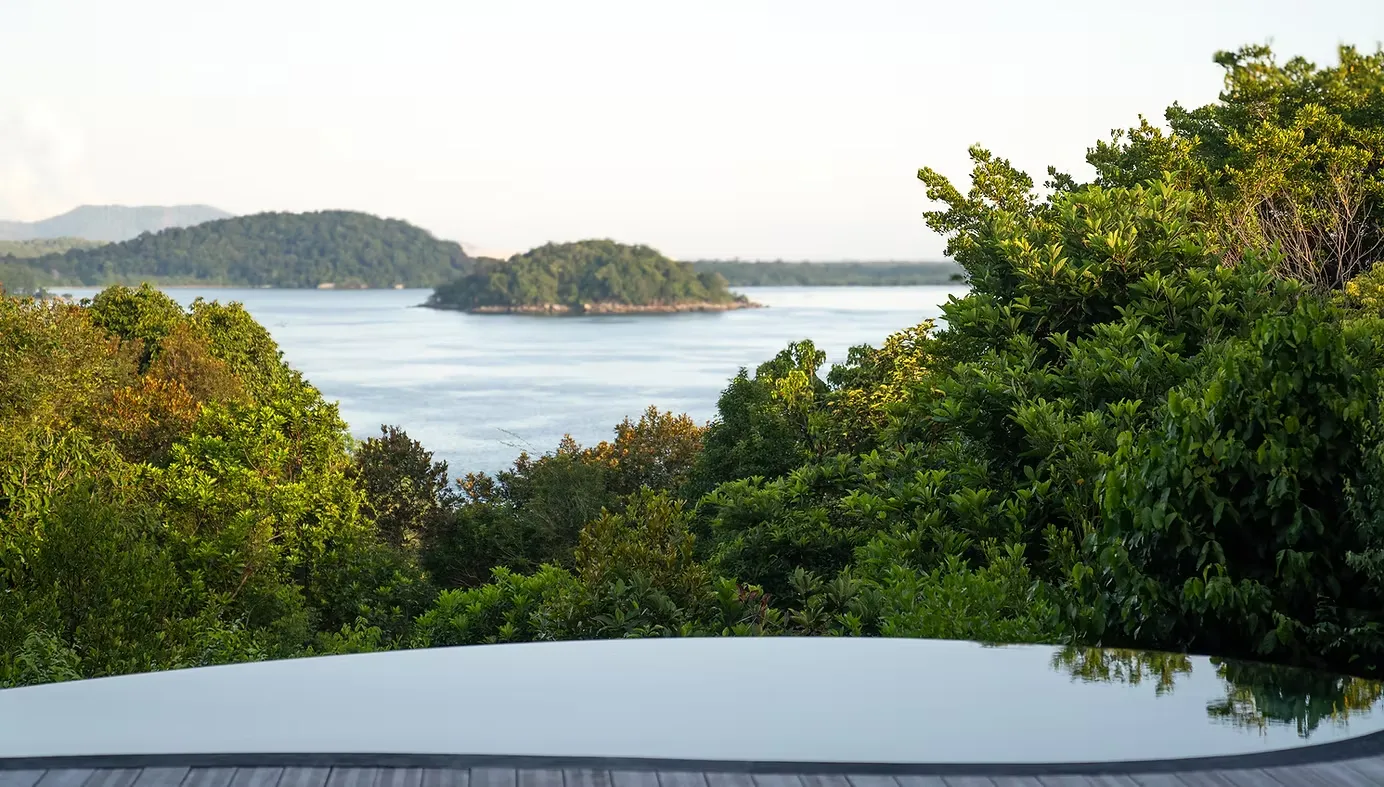
Cempedak Private Island is located off the southeast coast of Bintan, an Indonesian island just across the border from Singapore. The trip takes about 2.5 hours and doesn’t involve any flights. You’ll travel by ferry from Singapore to Bintan, where the Cempedak team will greet you and organize the drive plus a brief boat ride to the island.
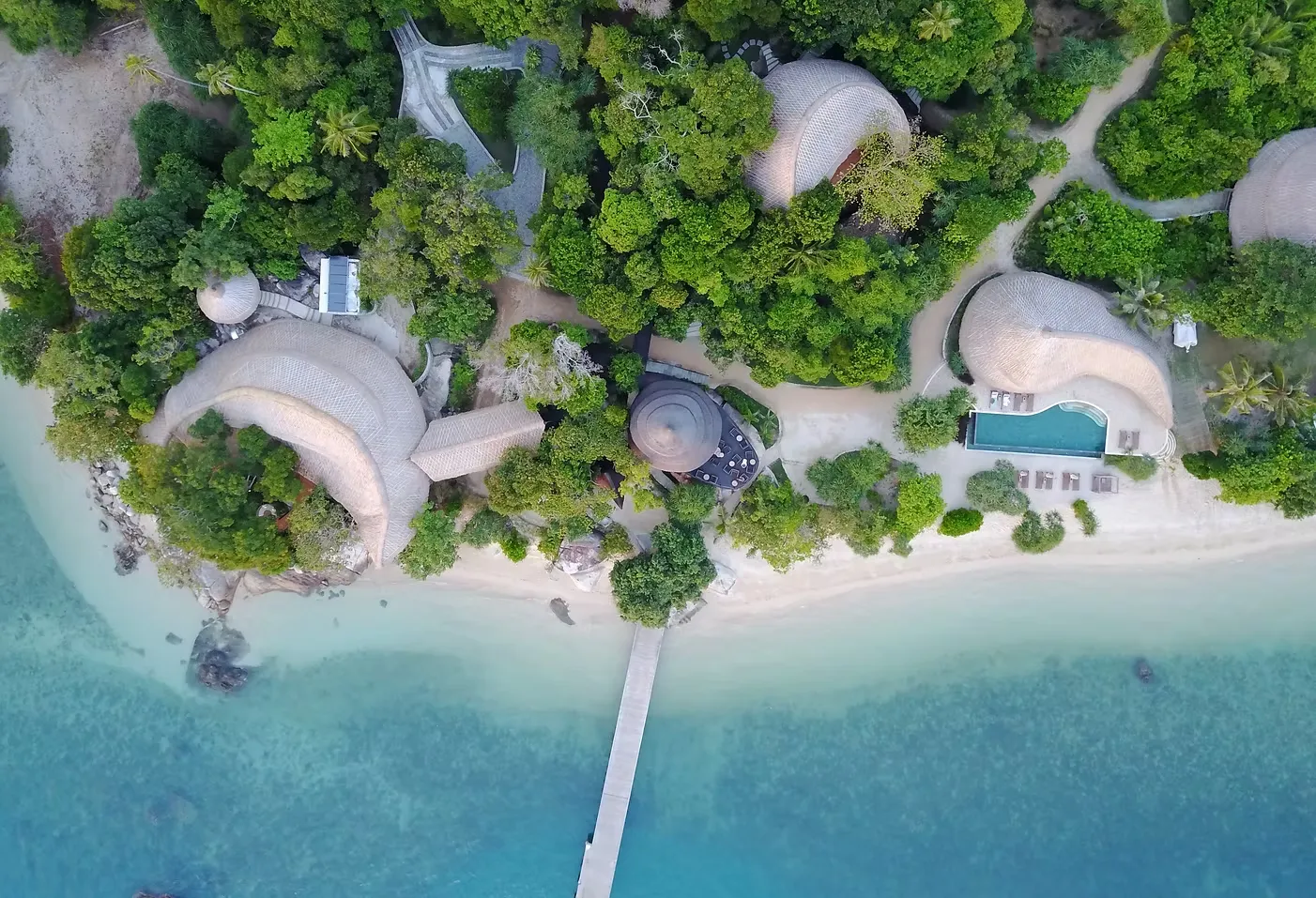
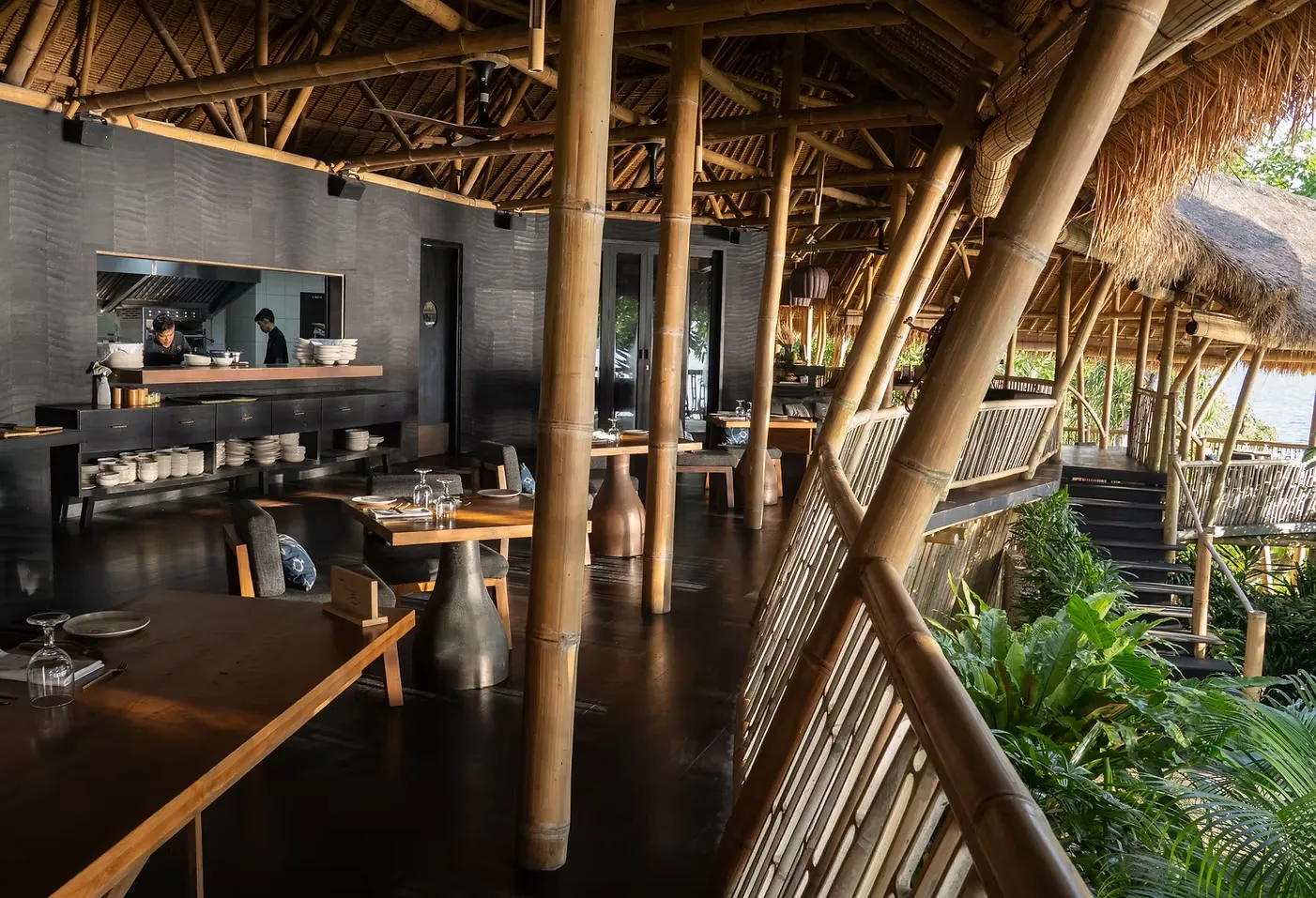
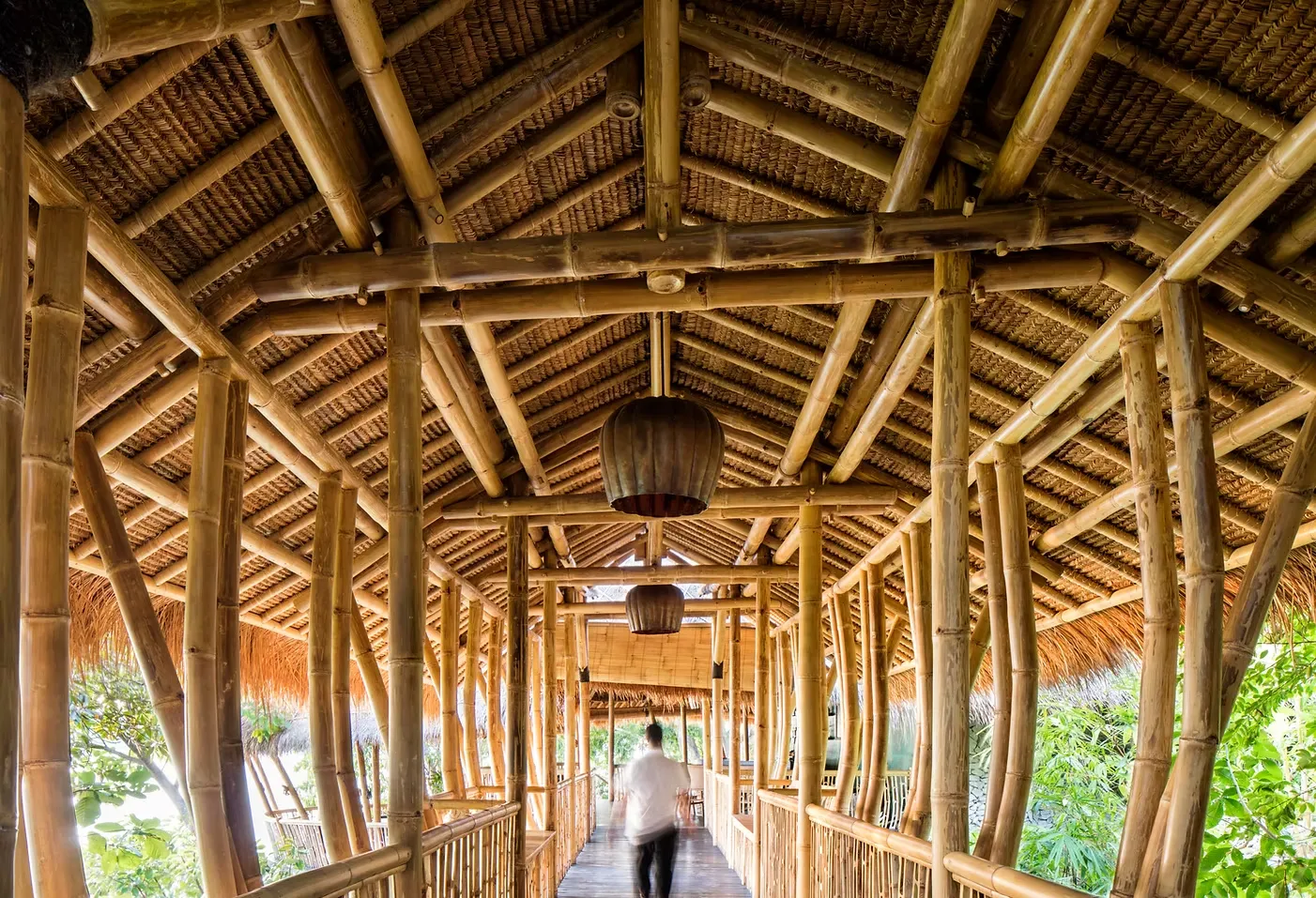
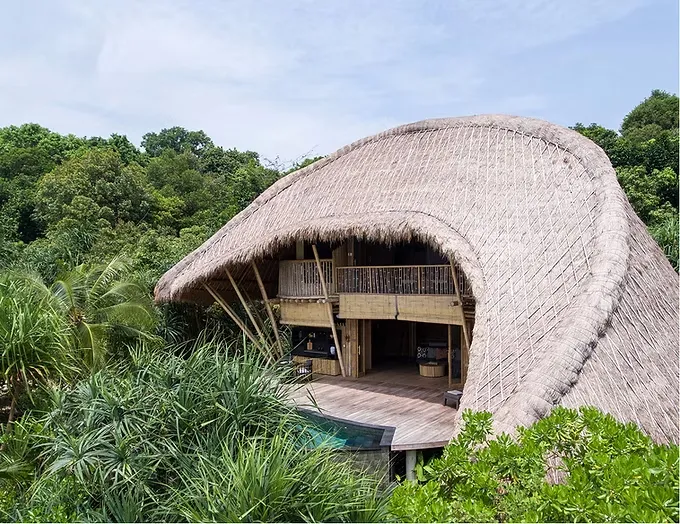
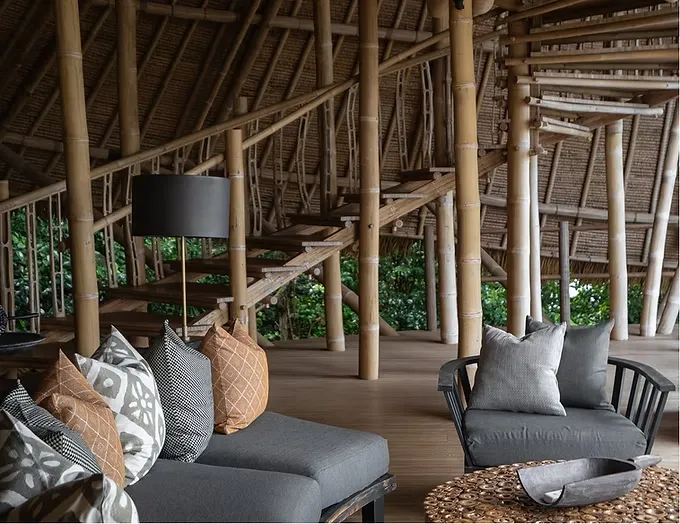
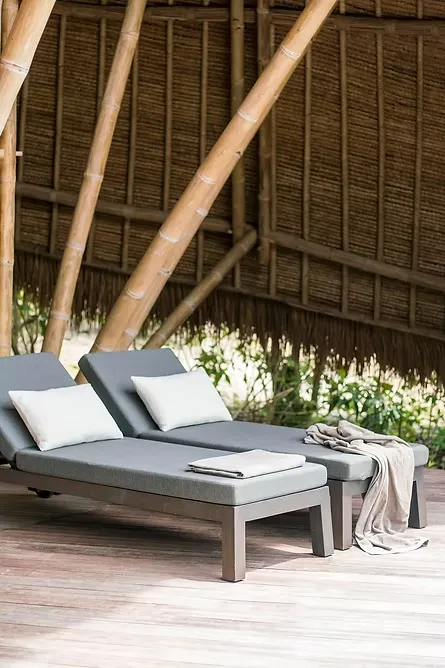
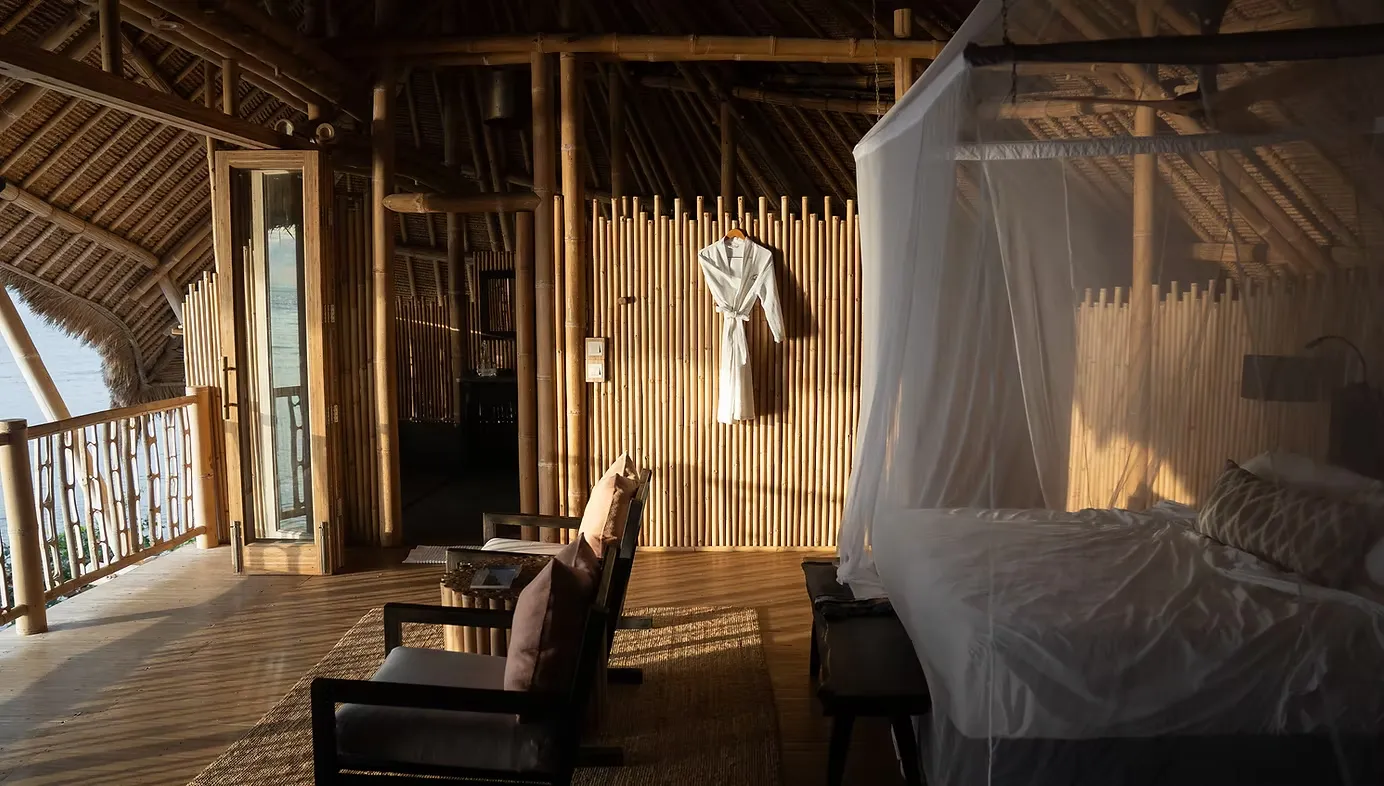
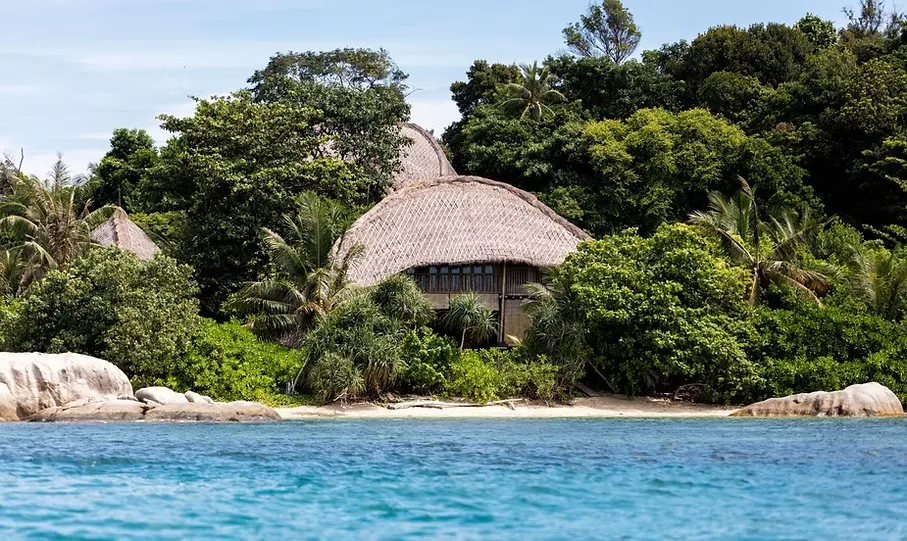
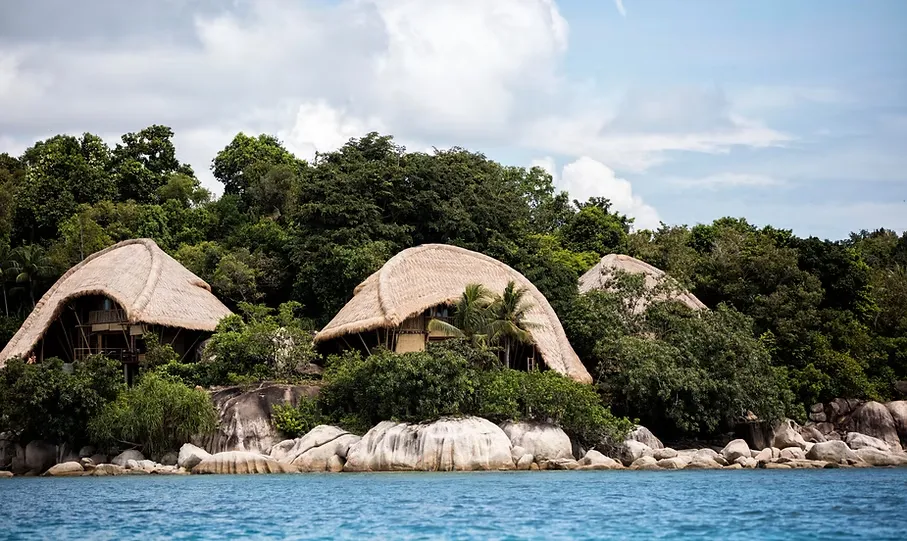
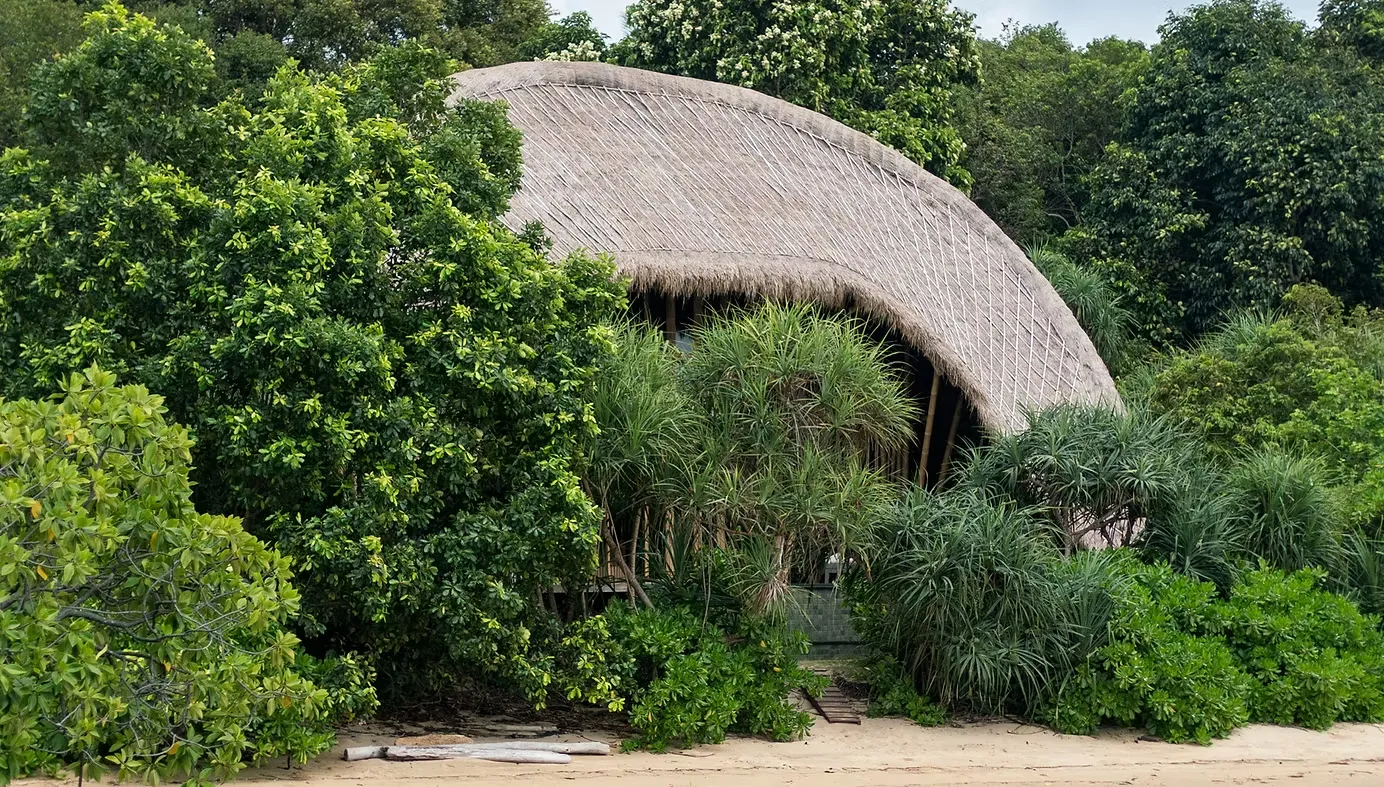
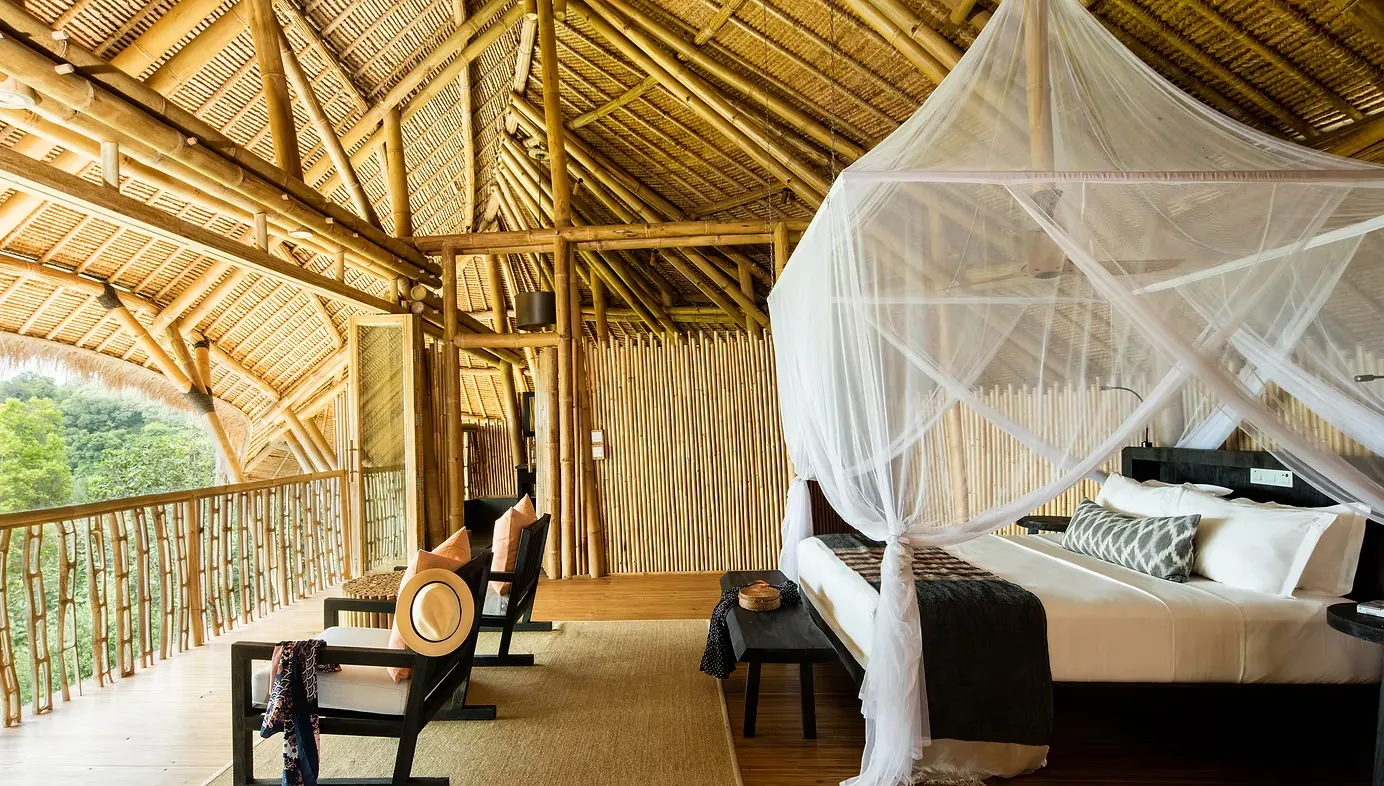
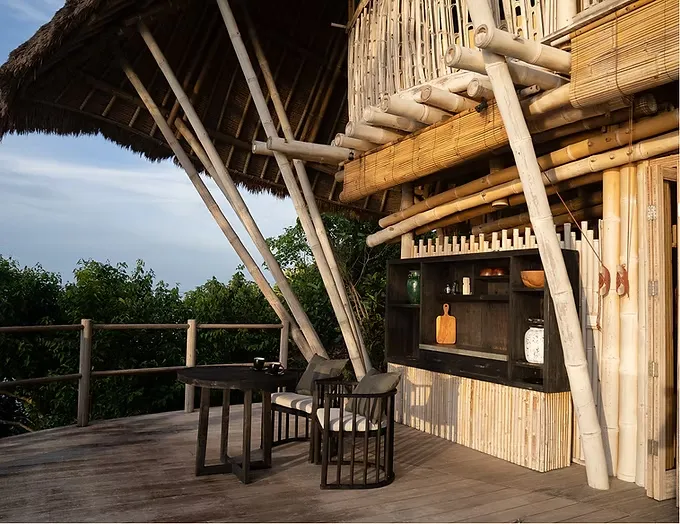
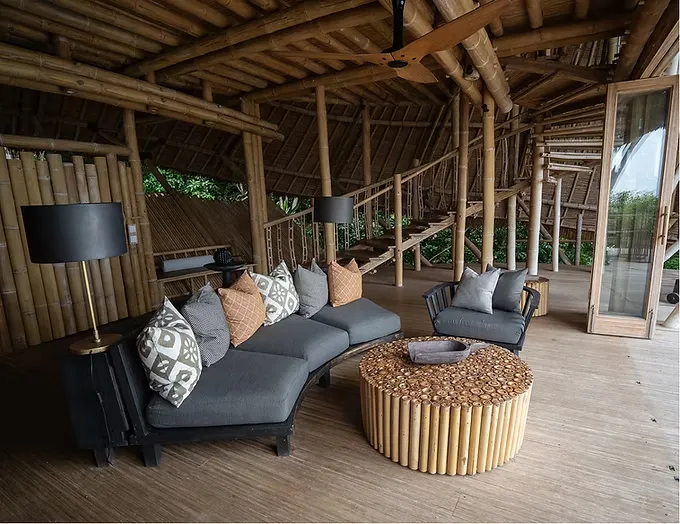
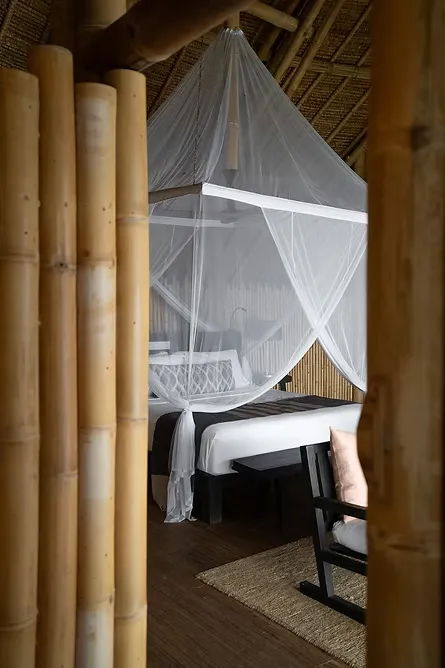
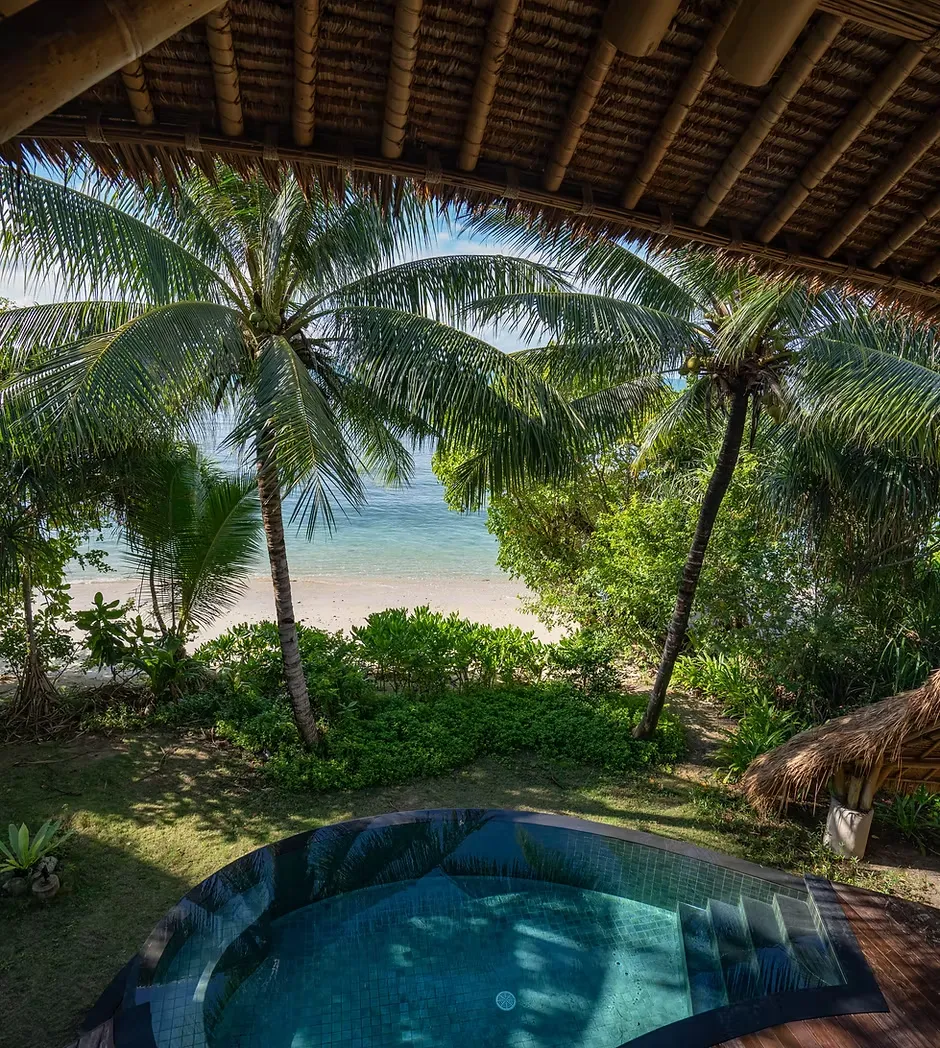
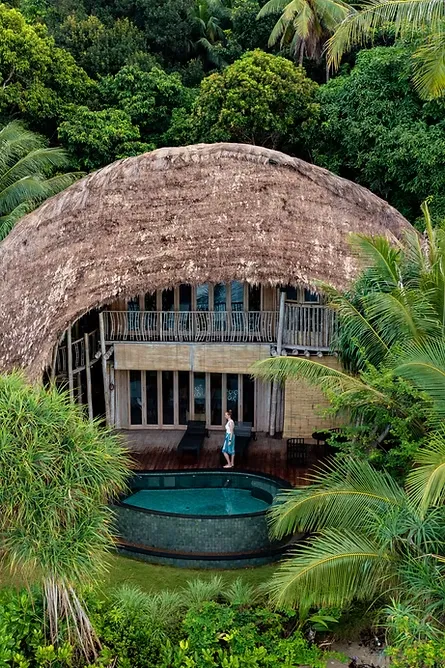
Combining traditional Indonesian architecture with modern design, each villa includes a private plunge pool and provides either direct beach access or expansive sea views. Every villa is thoughtfully placed to guarantee privacy, with ample space separating them across the island’s southern half. The northern part, which is covered by untouched primary rainforest, remains preserved as a protected sanctuary for local plants and wildlife to flourish. All villas on the island follow the same design and layout, with their only distinction being their location.
Cempedak Private Island Experiences
Although many visitors to Cempedak come to relax, there are plenty of activities available for those who want to stay active. Most of these activities are free, and guests can use the equipment anytime and as much as they wish.
Kayaking
A lap around the island takes about 30 mins, longer if you get distracted by the self-service beach bar on deadman’s beach.
Cultural Trip
Choose a walking tour in Tanjung Pinang to explore its religious heritage and culture, or visit the traditional village on Air Gelubi Island to learn about its shift from a nomadic lifestyle.
Nature Walk
Join lodge staff every morning at 9 am at the boathouse for a free guided walk. Discover Cempedak Lodge’s wide-ranging sustainability initiatives.
Stand-Up Paddleboarding
This is a Royal Hawaiian sport and now becoming popular all around the world. Cempedak Island have several boards which you can stand on and paddle.
Cooking Classes
Led by chefs in the main restaurant, these classes are available for groups of 2 to 6 guests at an additional fee. You’ll get hands-on experience with local flavors, ingredients, and cooking methods.
Island Picnic
Several uninhabited islands surround Cempedak. If you’re interested in exploring them, let the lodge know. They can arrange picnics for these trips.
Yoga
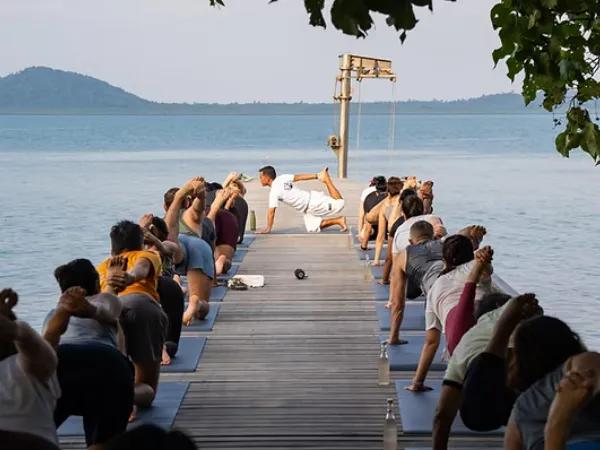
Offered upon request for a small extra charge. Cempedak lodge usually hold sessions at the jetty during sunrise or in the yoga shala near the tennis court in the afternoon.
Moon Gazing
Cempedak Lodge’s impressive Celestron 8SE telescope offers a stunning view of the moon, weather permitting with clear skies.
Snorkelling
There is a pristine coral reef all around Cempedak Island providing some great spots to explore.
Cempedak Sustainability and Conservation Efforts
Cempedak Private Island teamed up with Conservation International to establish a local NGO aimed at creating a 138,500-hectare Marine Protected Area. They operate with zero waste by using responsible sourcing and innovative waste management practices.
Cempedak Turtle Nests and Hatchlings
Cempedak Lodge saw a Hawksbill nest hatch successfully, with 71 hatchlings making it to the sea. Alongside these encouraging numbers, the team began to notice what seemed to be returning mother turtles nesting again on the islands’ beaches, a hopeful sign of long-term habitat protection and healthy ecosystems. In 2026 the lodge aims to introduce facial geotagging and develop a dedicated identification database to better track and monitor individual turtles over time.
Waste Management
Through the Black Soldier Fly (BSF) program, all organic waste produced on Cempedak was completely diverted from landfill. 17,177 kg of organic waste was treated using the BSF system.
Water and Energy Conservation
About 75% of the total water used is recovered as grey water and reused for irrigation and landscaping. Renewable energy is generated through photovoltaic panels and solar water heating systems. The Atempedak systems generate 52,559 kWh of renewable energy, covering 27.5% of the annual electricity demand.
Cempedak Permaculture Farming:
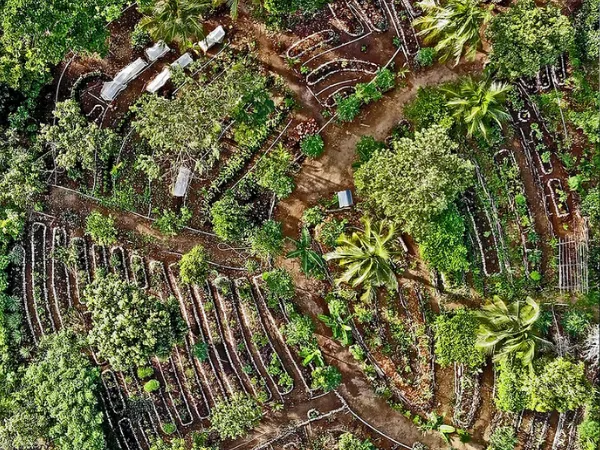
Kebun Reja, a mainland permaculture farm, continues to strengthen the connection between the island and local food systems by supplying fresh, seasonal produce and eggs.
The farm emphasizes low-impact farming and resilient supply chains, reducing reliance on external goods and minimizing environmental impact. Its growth supports sustainability, food resilience, and transparency in hospitality operations.
- Kebun Reja supplies fresh produce (worth USD 34,599.50) and 91,706 eggs annually.
- The farm operates on low-impact farming principles to reduce dependency on external sources.
- Kebun Reja benefits include reduced food miles, less packaging waste, and increased transparency in food sourcing.
- The Kebun Reja initiative promotes long-term sustainability, food resilience, and stronger community-land relationships.
Cempedak Island Foundation:
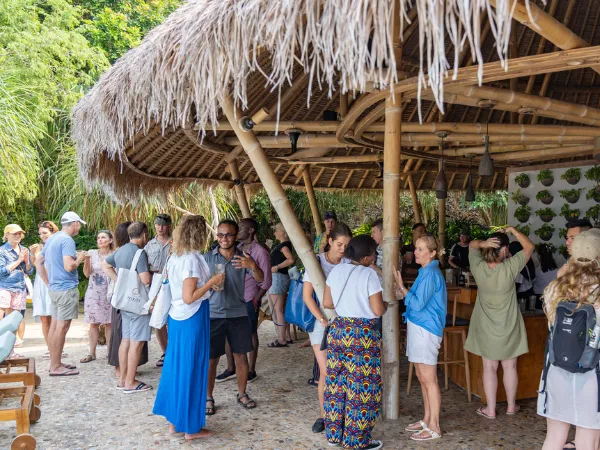
The Island Foundation, established in 2010, supports education and community development in the Riau Archipelago’s coastal and small island communities. It operates 13 Learning Centres providing project-based education to connect students with their local environment and culture.
The Foundation also runs teacher training and community engagement programs, aiding over 300 educators and promoting sustainability and coastal protection.
- The Island foundation opened in 2010, focused on coastal and island communities in the Riau Archipelago
- The foundation operates 13 Learning centers with 576 students, offering 2,000+ classes and 3,250+ learning hours
- The foundation emphasizes project-based education linking learning to local environment and culture
- The foundation supports over 300 educators through teacher training and community engagement
- The Cempedak island foundation promotes sustainability awareness and coastal protection initiatives
Clean Seas Plastic Reducation:
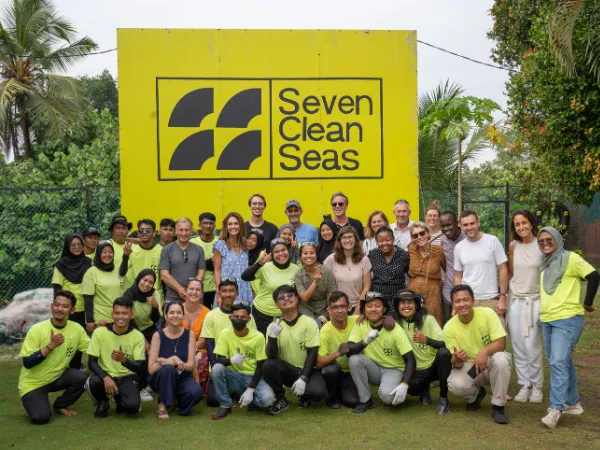
In partnership with Seven Clean Seas, Cempedak Island manages unavoidable plastic use on the island by tracking consumption and funding equivalent plastic waste removal in Indonesia. The initiative supports marine protection, encourages plastic reduction, and incentivizes staff by redirecting savings into team rewards.
- A partnership with Seven Clean Seas tracks and offsets plastic use by funding waste removal in Indonesia.
- Cempedak Island offset 731 kg of plastic waste in 2025.
- Cempedak’s long-term goal is to reduce plastic use and increase local clean-up efforts.
- The island savings from reduced plastic use are redirected to staff party funds, promoting team involvement and waste awareness.
Cempedak Island Responsible Tourism:
Cempedak emphasizes responsible tourism by prioritizing environmental protection and restoration. The island’s development follows strict sustainable principles, utilizing local materials, labor, and services. This approach has also facilitated the transfer of new trades and skills to local contractors and staff.
- Cempedak prioritizes the transfer of new skills and trades to local community members
- The build and constriction of the islands facilities focused on environmental protection and restoration
- Accommodations and Amenities are built and operated using local materials, labor, and services
- Cempedak has a commitment to strict sustainable development principles
Cempedak Island Accommodations
- Beach villas are located just meters from the shore, offering 150sqm of space and direct access to the beach. The ground floor includes a lounge, guest bathroom, bar, deck with sun loungers, and a private plunge pool. The bedrooms feature vaulted ceilings, bamboo fans, king-sized beds with organic cotton sheets, and mosquito nets. Ensuite bathrooms come with hot showers and modern fixtures made from natural stone and teak.
- The Seaview villas offer stunning sea views of the nearby uninhabited islands and feature over 150sqm of living space. The lower level includes a lounge area, a guest bathroom, a bar, a spacious deck with sun loungers, and a private plunge pool. The bedrooms boast vaulted ceilings, bamboo ceiling fans, and king-sized beds dressed in luxurious organic white cotton sheets, adorned with ample cotton mosquito nets. The ensuite master bathrooms are equipped with hot water showers and modern fixtures, set against natural stone and recycled teak.
5. Tortuga Lodge – Costa Rica
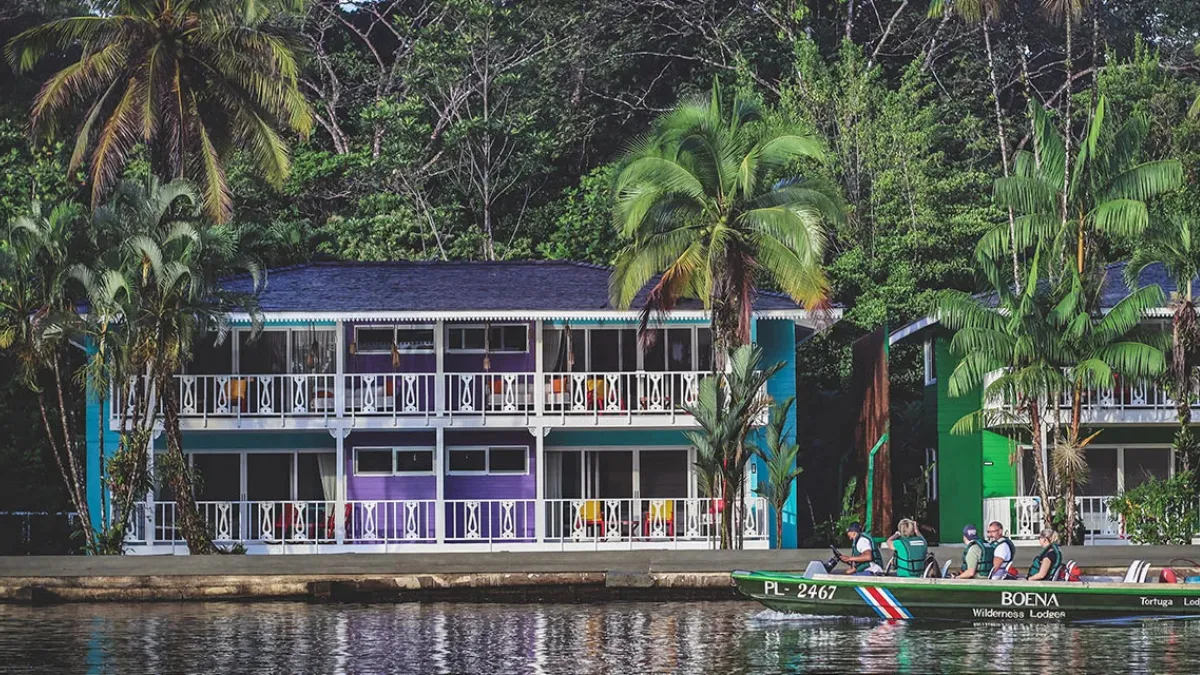
Tortuga Lodge in located near the famous for Tortuguero National Park, a highly biodiverse sanctuary covering nearly 300 square miles, with two-thirds of it underwater. While there are a few hiking paths, the best way to explore is by boat. Tortuguero is often called the Amazon of Costa Rica’s Caribbean coast—a thick tropical jungle where rivers serve as the main routes. You can’t drive here, though flying is possible (but you’ll miss out on a fantastic boat trip).
Within this almost impenetrable wilderness, a system of canals supports a small human presence made up of scattered ecolodges, riverside homes, and a village that feels frozen in time. Tortuguero, meaning “place of turtles,” is most well-known for the thousands of sea turtles that come ashore to lay their eggs, burying them in a ritual that has lasted millions of years. Night tours to watch the nesting turtles are the area’s top attraction, along with boat tours through the extensive canal network.
Birdwatching here is exceptional, with over 300 species spotted, including rare green macaws, toucans, hawks, kingfishers, herons, hummingbirds, and woodpeckers. The region also hosts a wide range of Costa Rican wildlife such as monkeys, sloths, jaguars, ocelots, tapirs, peccaries, and coatis, along with dozens of reptile and amphibian species.
Tortuga Lodge Sustainability Features
Community and Responsible Tourism
Tortuga Lodge emphasizes responsible tourism that benefits local communities, particularly in Tortuguero and San Francisco. They employ local staff, provide professional development, support community recycling initiatives, and invest in educational infrastructure and programs to promote environmental awareness among youth.
- All staff are local, with ongoing training and cross-training for skill and leadership development.
- The Lodge supports local recycling through Asociación Planta Recicladora to provide waste management and income.
- Tortuga invests in educational programs to raise environmental awareness among children.
- Tortuga lodge staff fundraised and upgraded school infrastructure in Tortuguero and San Francisco.
Water Conservation
The lodge purifies local water using a high-tech filtration system combined with ultraviolet light, making it completely safe to drink. The process also helps reduce reliance on bottled water. By installing specific water meters, the lodge tracks water usage and takes preventative measures to improve water management and promote responsible resource use.
- Tortuga’s three-tank Environmental Septic System treats gray water from the lodge, ensuring no polluted water enters the canals and produces clean water that can be reused.
- Tortuga’s swimming pools are treated with salt and stabilizers instead of chlorine, which is gentler on both the environment and our skin.
- Tortuga uses biodegradable, eco-friendly soaps, detergents, and cleaning products.
- The lodge has invested in high-tech toilets that maximize water efficiency
Energy Production
About 55% of Tortuga’s total energy needs are met by the lodge’s 55 solar panels.
- Using advanced software, the lodge monitors energy use and effectively distributes the solar power generated throughout the day.
- Tortuga’s active biodigesters produce methane gas, which is used in the kitchen to cook meals for the staff.
- The Lodge transfer and tour boats are equipped with efficient four-cycle engines that reduce water and noise pollution in the canals.
Waste Management
The lodge separates all waste and encourages guests to do the same. Recyclable materials are sent to the Planta Recicladora de Tortuguero.
- Tortuga organizes regular cleanups and invite guests to join them during their visits to the beach and village.
- The lodge makes a strong effort to minimize single-use plastics and promotes the use of reusable containers in it’s operations and among their guests.
- Compostable waste from Tortuga’s restaurant is processed into compost that nourishes the gardens.
Tortuga Lodge Experiences
This exclusive luxury lodge, situated on the banks of the Tortuguero River, provides easy access to a wide variety of exciting eco-adventures and activities. Every experience is guided by knowledgeable naturalist experts.
Turtle Nesting
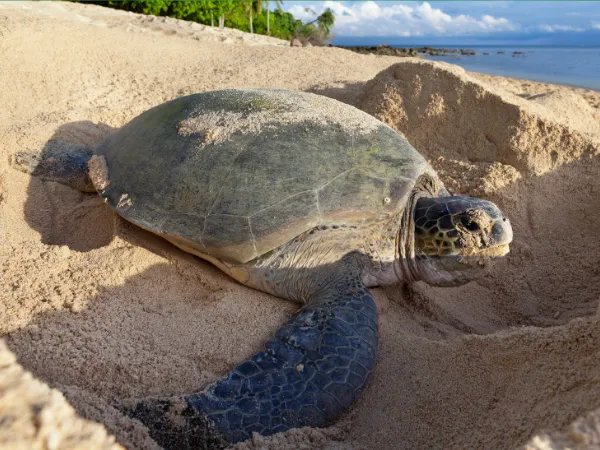
Visitors can participate in guided tours to observe Atlantic Green Sea Turtles nesting at a major beach. Tours run twice nightly at 8 PM and 10 PM, subject to a National Park Service lottery and weather conditions. Groups are escorted by expert guides and get to watch turtles lay eggs, cover nests, and return to the sea.
- Turtle nesting tours at 8 PM and 10 PM, each lasting about 2 hours.
- Attendance is determined by a National Park Service lottery system.
- Groups of up to 10 people are dispatched per turtle observed.
- Visitors can watch turtles laying 80-100 eggs and nesting behaviors up close.
- Tours are canceled in heavy rain with full refunds provided.
Natural History Boat Excursion
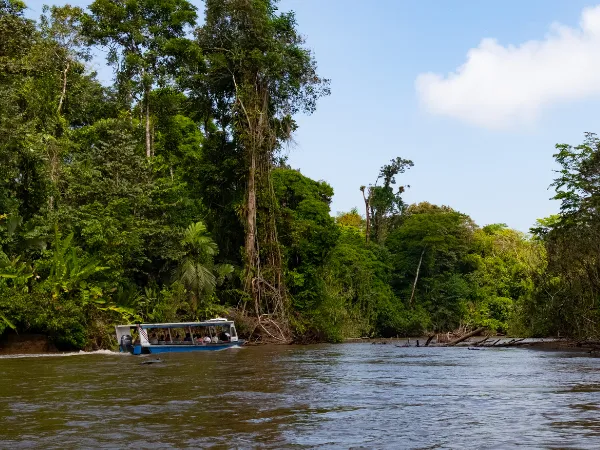
This three-hour boat tour of Tortuguero National Park offers unique rainforest experiences in both morning and afternoon sessions. The morning tour highlights active wildlife foraging, while the afternoon tour showcases animals preparing for evening. Guests can book one or both trips for varied wildlife encounters.
- Three-hour boat tours available in morning (after breakfast) and early afternoon.
- Morning tour features active wildlife such as Howler monkeys, Northern Jacana, caiman, and otters.
- Afternoon tour shows animals preparing for evening, including egrets, tiger herons, and White-Faced Capuchin monkeys.
- Different wildlife activity and atmosphere in each tour; booking both is encouraged.
- Additional beverages can be requested via hotel concierge; tour times may vary due to weather or occupancy.
Kayaking Tortuguero National Park
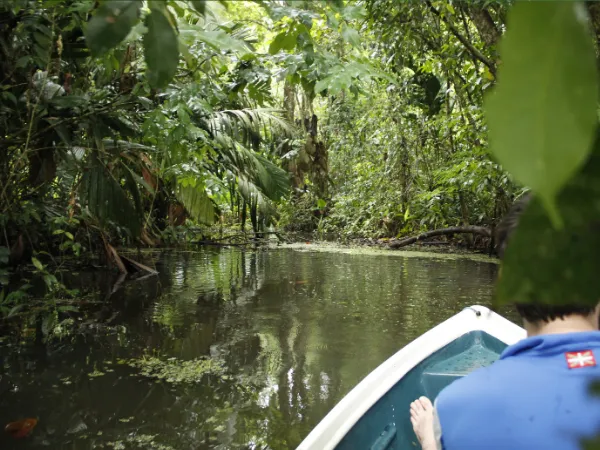
Experience a two-hour kayaking tour through the serene canals and rainforest of Tortuguero National Park. Guided by a bilingual naturalist, paddle silently through protected waterways to observe Costa Rica wildlife and learn about the diverse coastal ecosystems.
- Two-hour kayak tour through Tortuguero National Park’s canals and rainforest.
- Includes early morning or afternoon boat transfer from the lodge.
- Guided by an experienced bilingual naturalist.
- Explore non-motorized waterways like Caño Chiquero or Caño Mora.
- Observe wildlife such as river otters, manatees, toucans, and spider monkeys in their natural habitat.
- Learn about the ecosystem’s biodiversity and coexistence.
Journey to Laguna 4
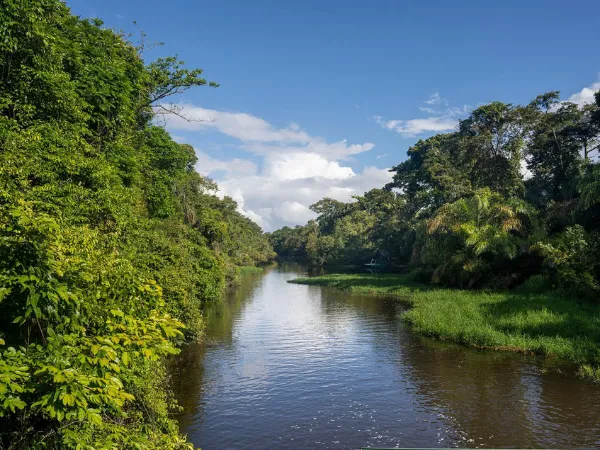
Explore a stunning destination on Costa Rica’s Caribbean Coast via a boat trip through the Caño Palma channel, known for its magical mirror-like water caused by tannins. Upon reaching Laguna 4, enjoy a walking tour of a rural community and farm, meet local residents don Coco and doña Katherine, and experience authentic local life and cuisine. Guests can also choose to kayak through the inlet canals before arriving.
- Boat travel through Caño Palma channel with unique tannin-rich water reflections.
- Experience a walking tour of a rural community and small farm at Laguna 4.
- Interact with locals don Coco and doña Katherine, and experience traditional Costa Rican life and food.
- Optional kayaking in Tortuguero’s inlet canals before finishing and heading back to the lodge.
Twilight Tour of Tortuga Lodge Reserve
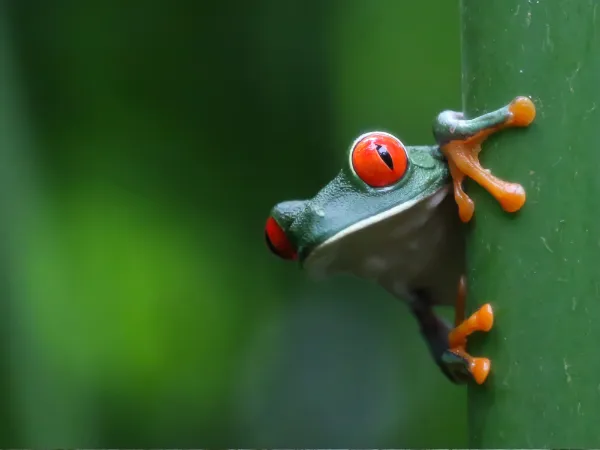
Experience the enchanting twilight hours of Tortuga Lodge’s private rainforest reserve on a two-hour guided walk. Equipped with boots, poncho, and flashlight, explore the coastal rainforest to observe the evening routines of various wildlife, including rare species, reptiles, and birds. The tour offers a unique chance to witness the transition from day to night in this vibrant ecosystem.
- Two-hour guided twilight walk through Tortuga’s 26-hectare private rainforest.
- Participants receive rubber boots, rain ponchos, and flashlights.
- Guests are advised to wear long pants and sleeves with insect repellent due to abundant mosquitoes.
- Observe animals settling down and nocturnal species beginning activity.
- Spot rare species like Strawberry Poison Dart Frog and howler monkeys.
The Cacao & Chocolate Experience
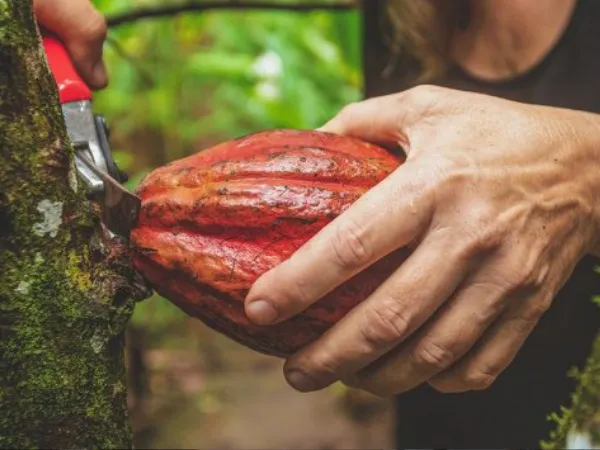
The visit includes a tour of a nearby orchard to explore cocoa trees, their natural history, and cultural significance in Tortuguero and Costa Rica. Inside a Caribbean-style house, participants learn and experience the traditional artisanal process of cocoa harvesting, fermenting, drying, and chocolate making. The tour also covers historical uses of cocoa by ancient Central American cultures and the evolution to modern chocolate production.
- Visit to a cocoa orchard to observe trees, flowers, and fruits.
- Explanation of cocoa’s cultural and historical importance in the region.
- Hands-on experience with traditional cocoa processing methods.
- Tasting and making indigenous and colonial-style chocolate beverages.
- Overview of industrial chocolate production and artisanal craft chocolate.
Tortuga Lodge Accommodations
Miss Florentine Villa:
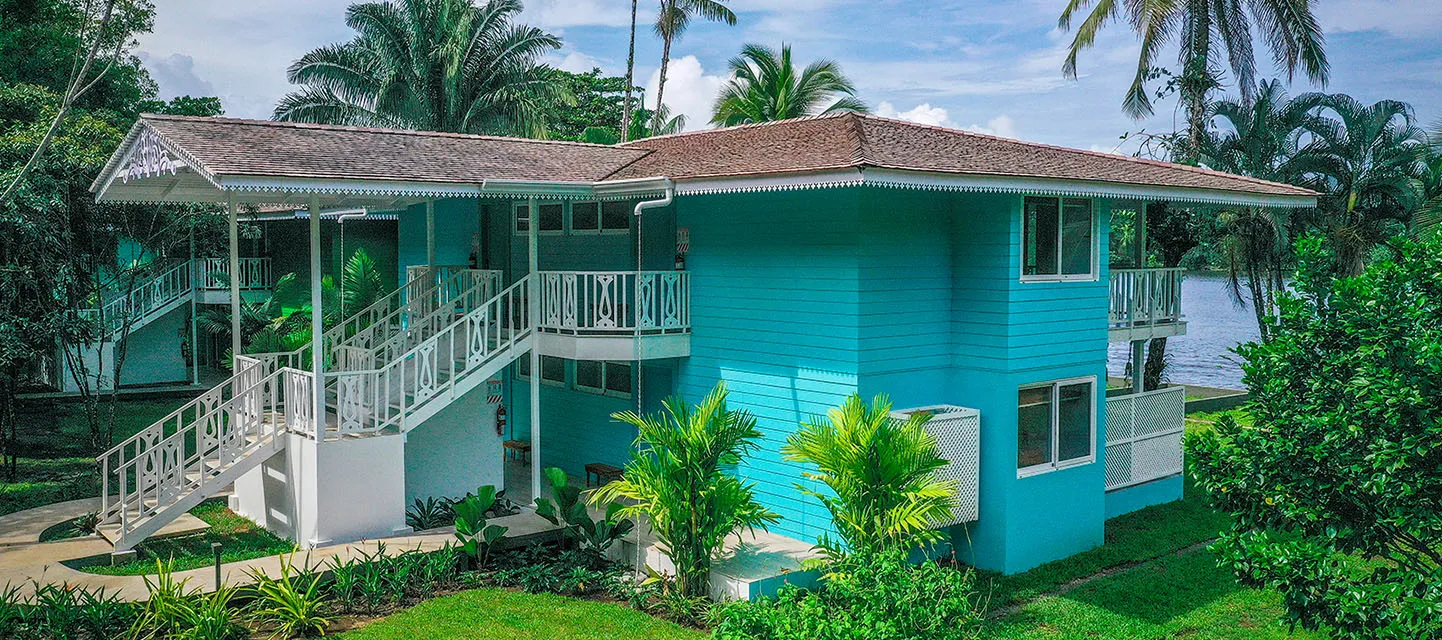
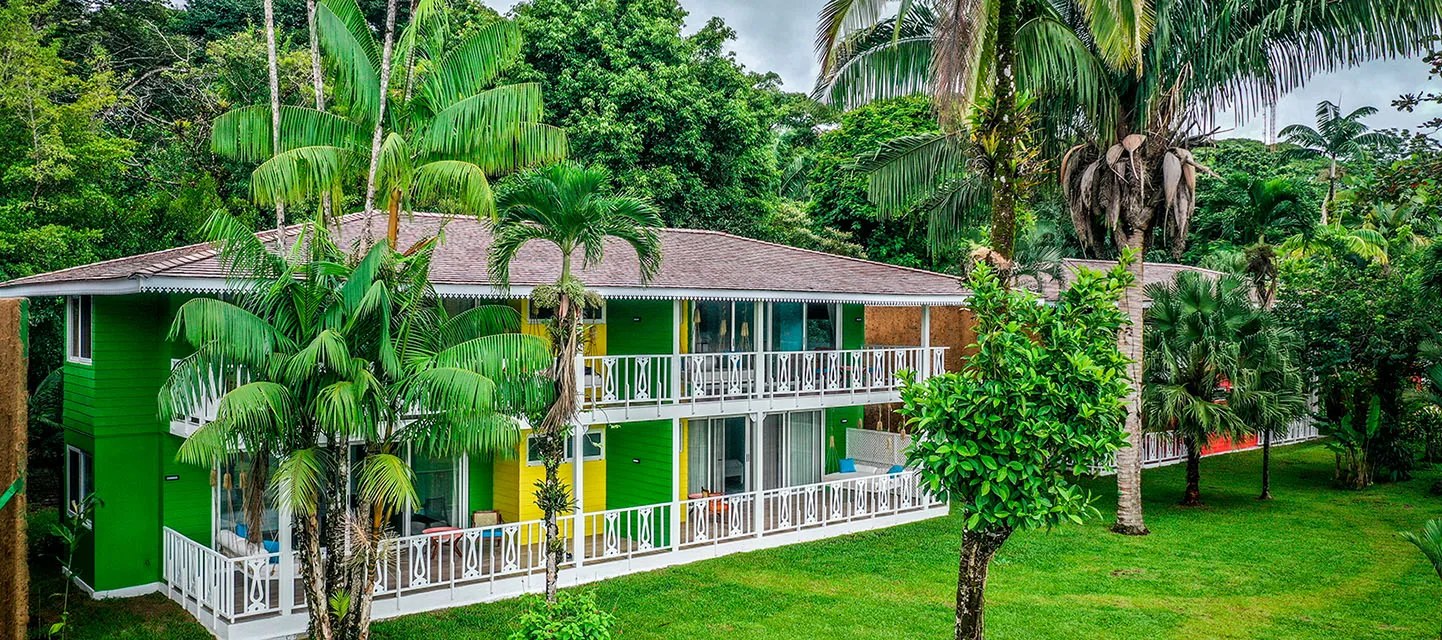
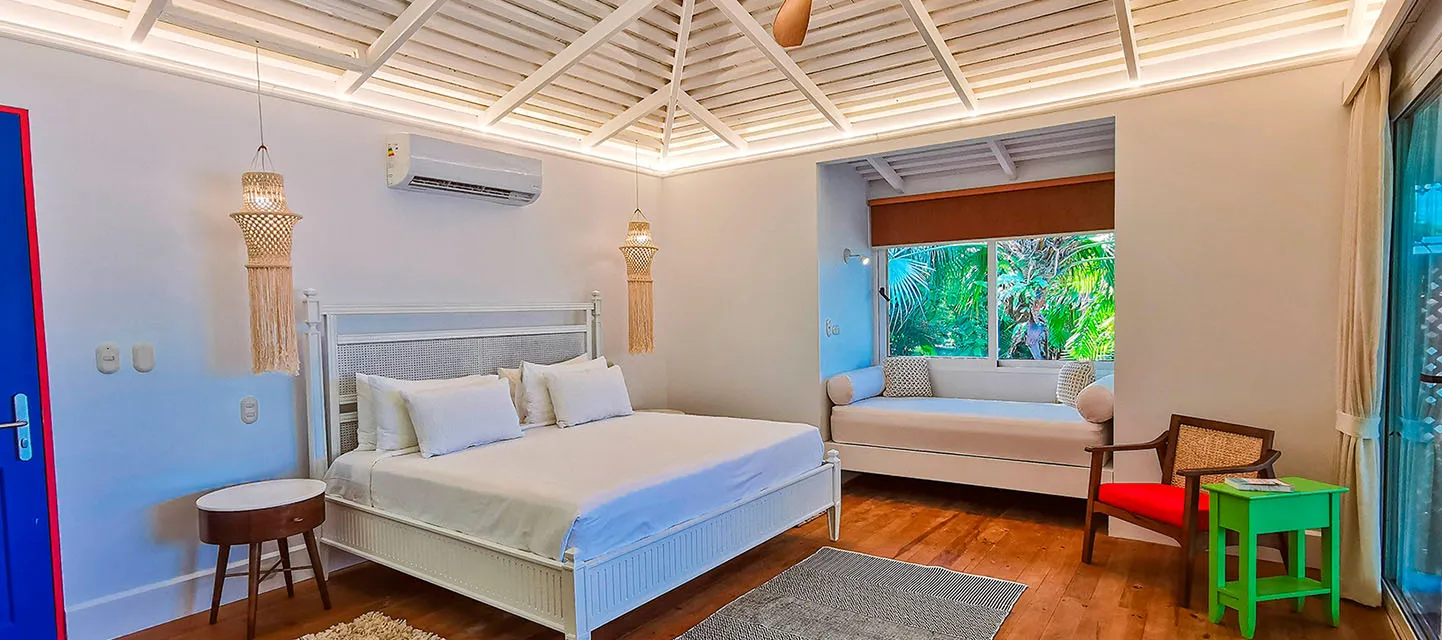
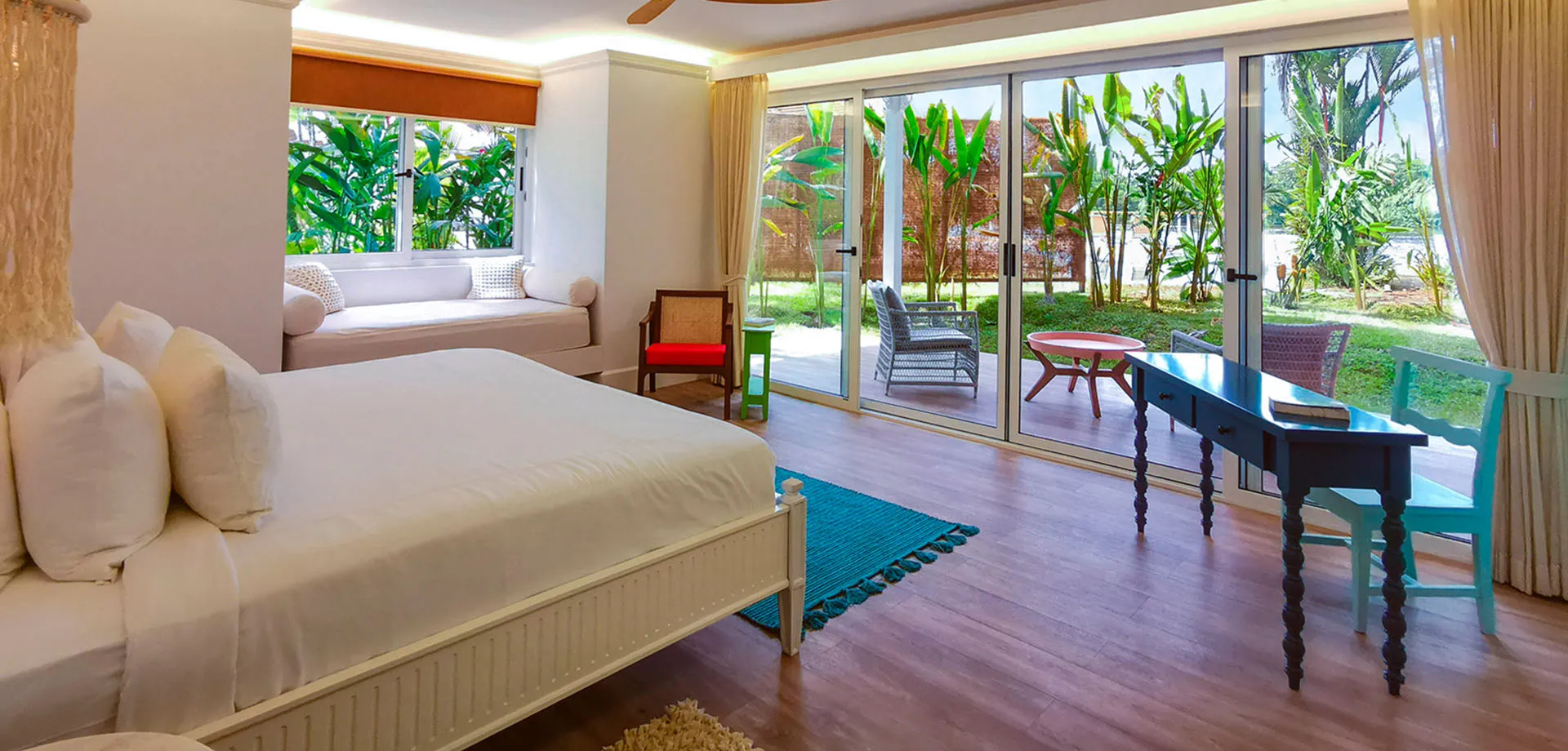
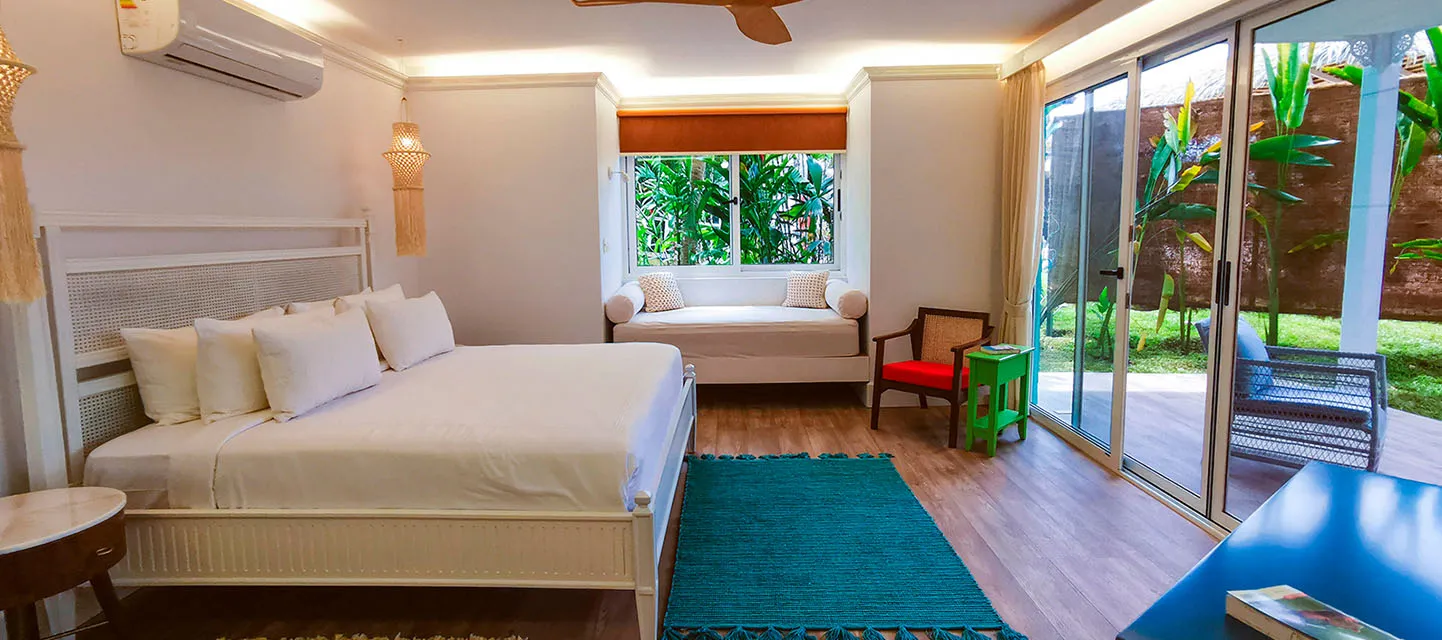
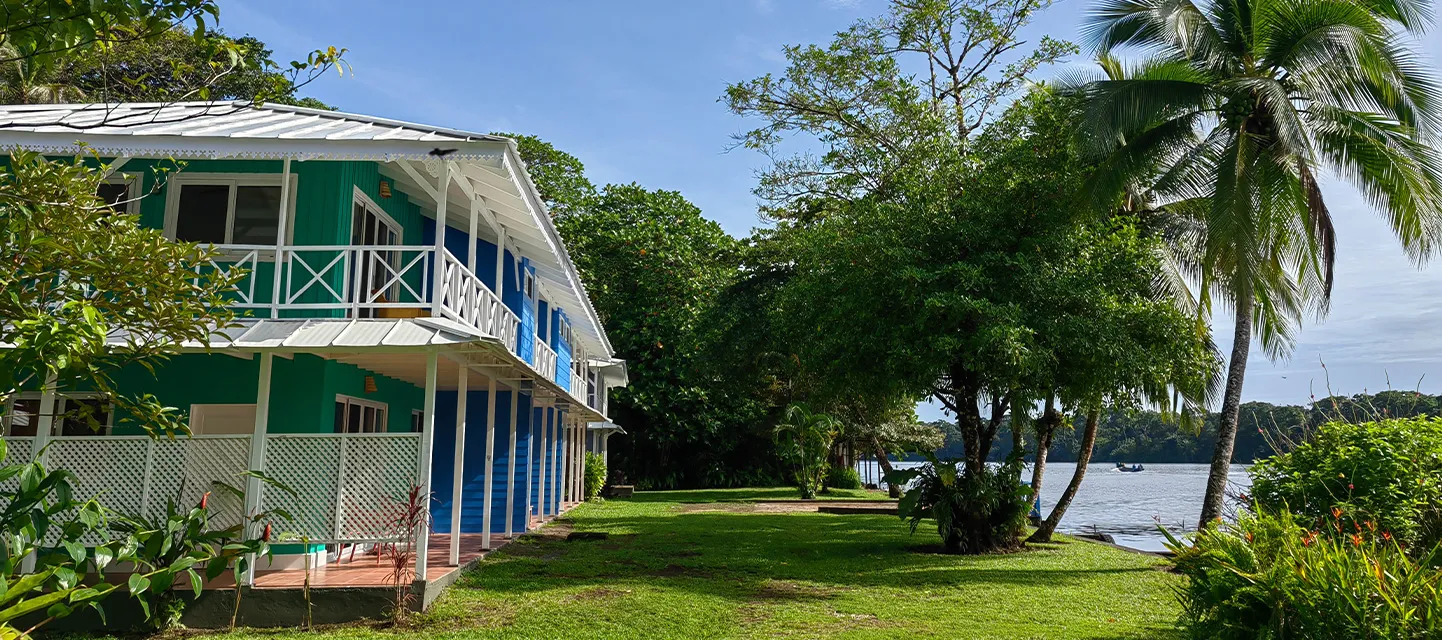
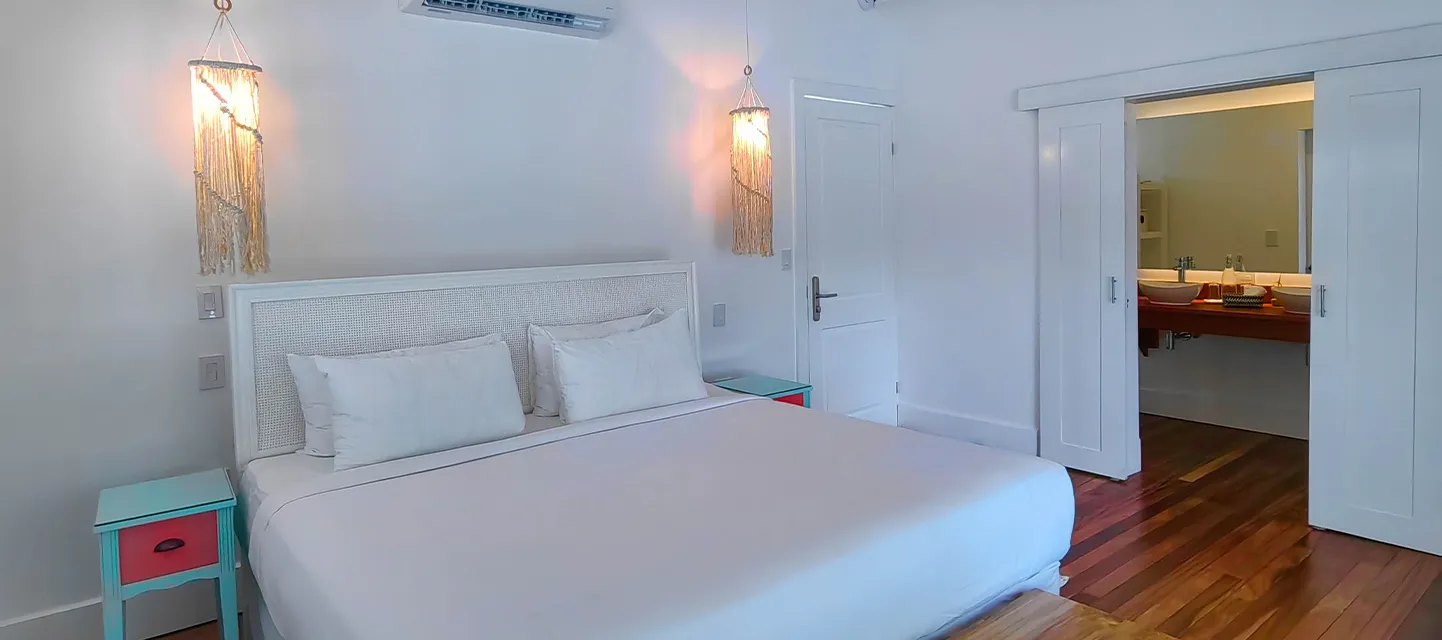
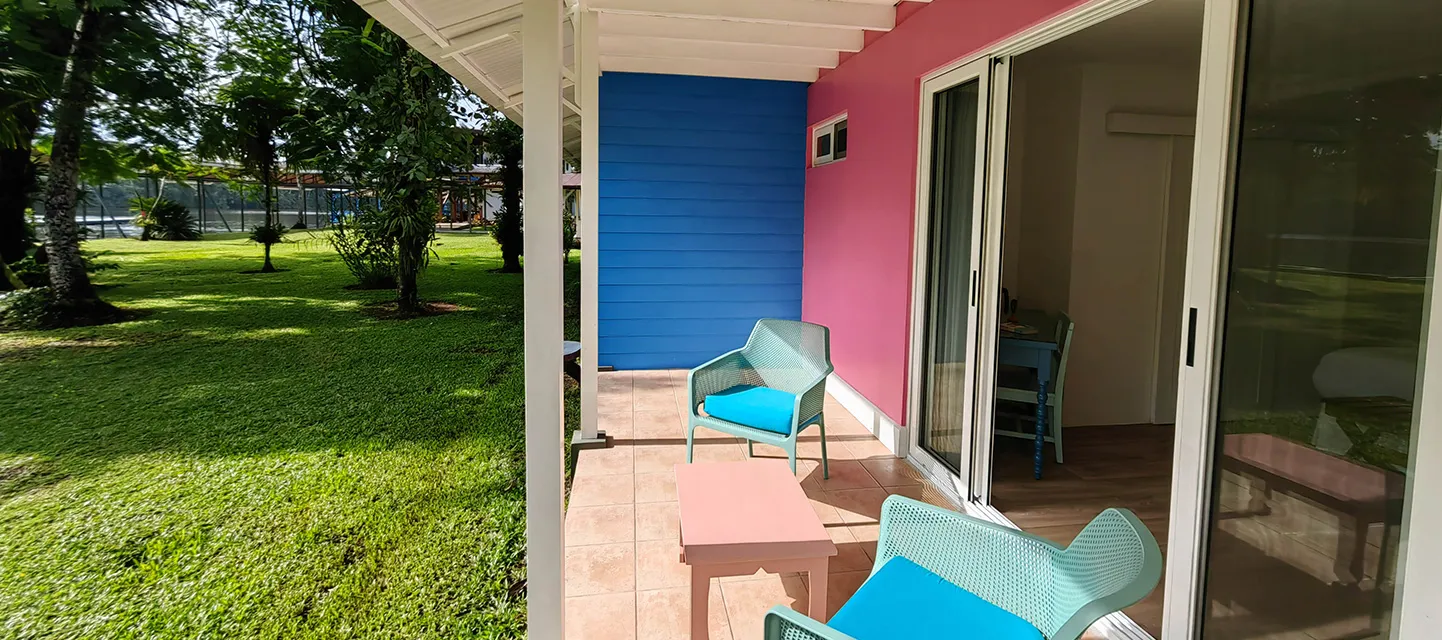
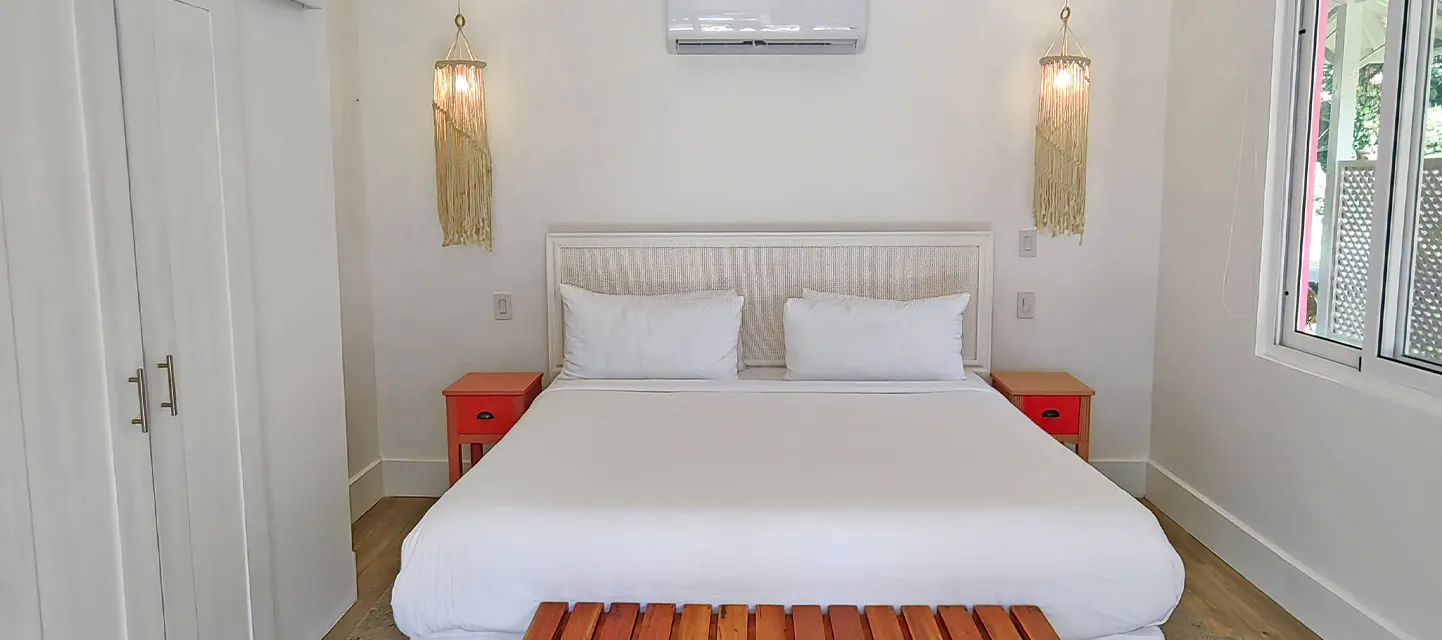
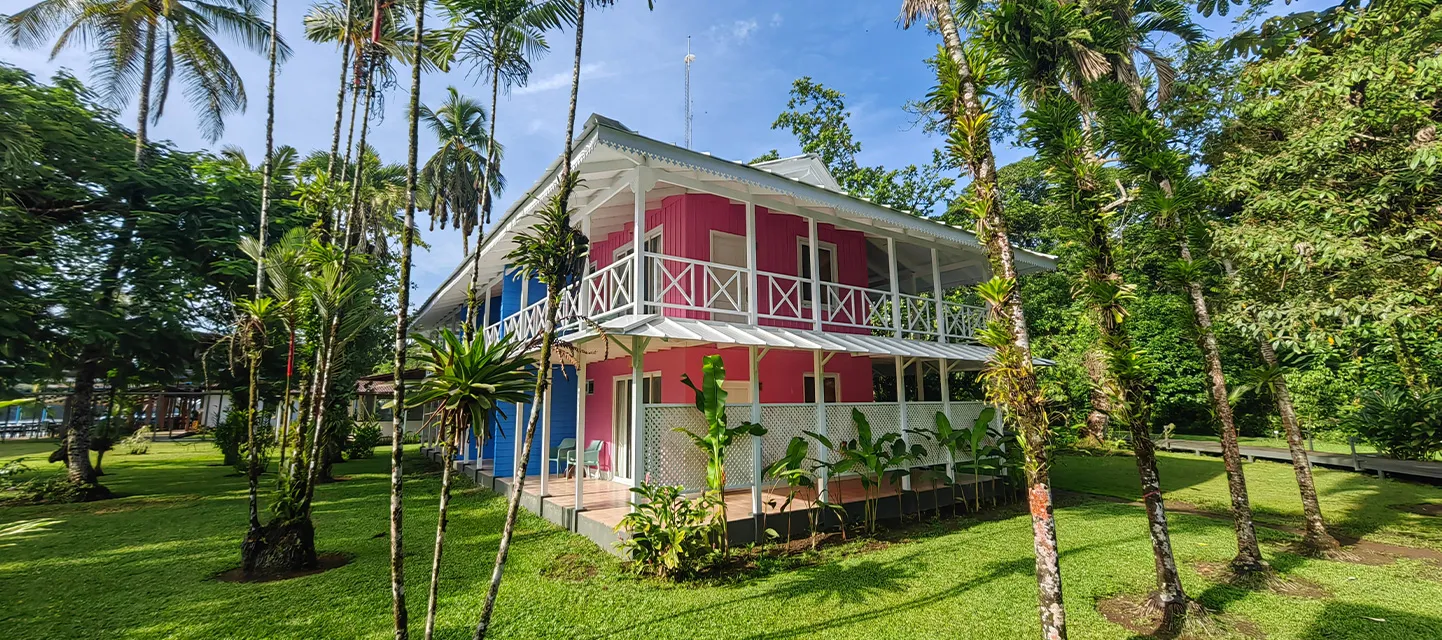
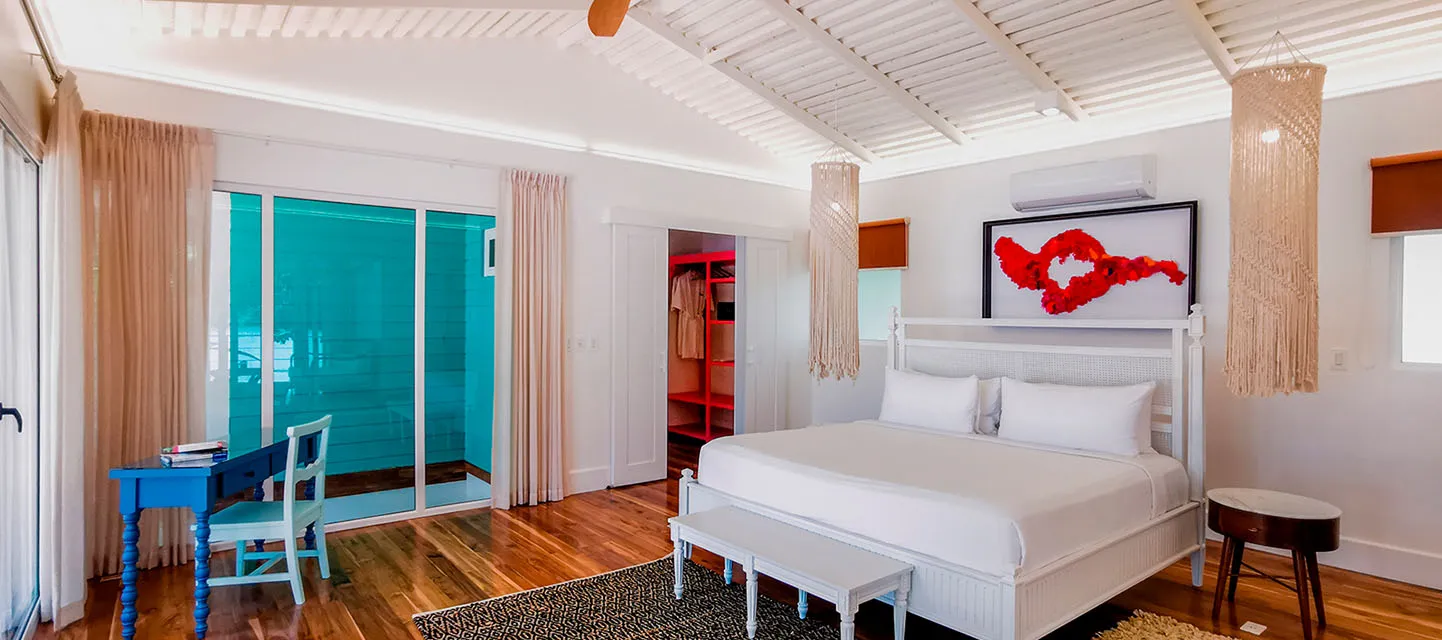
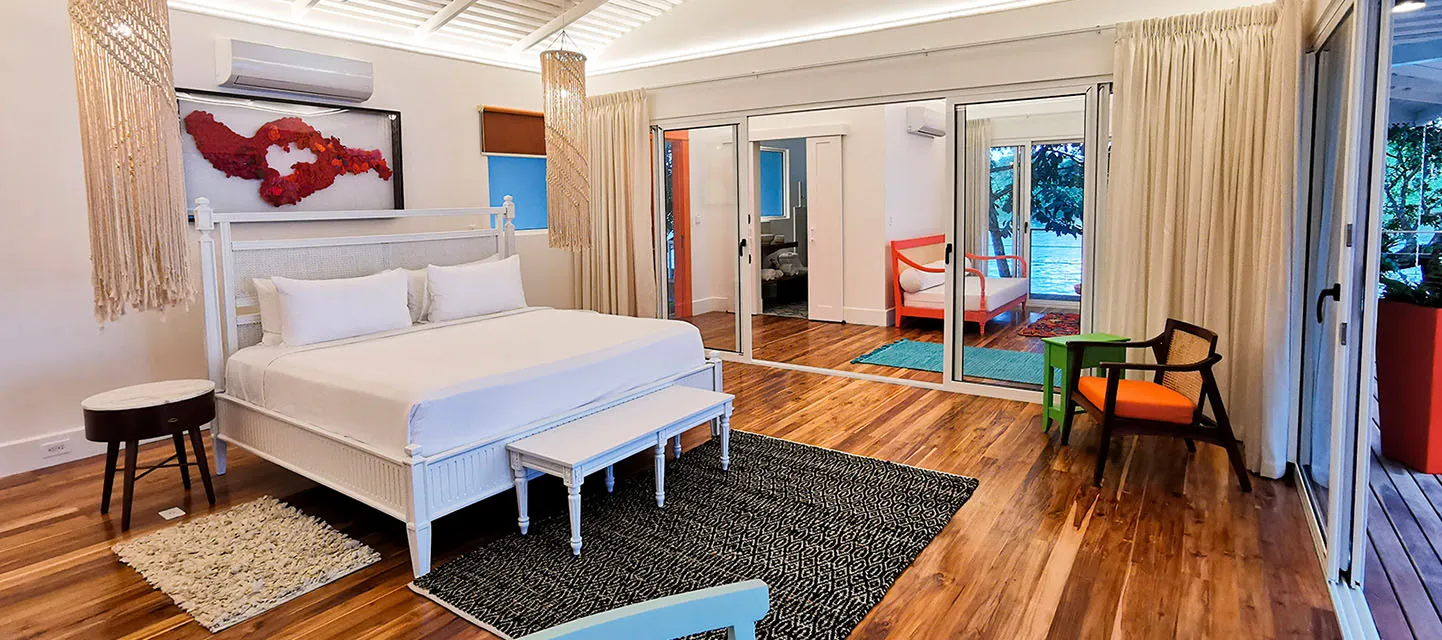
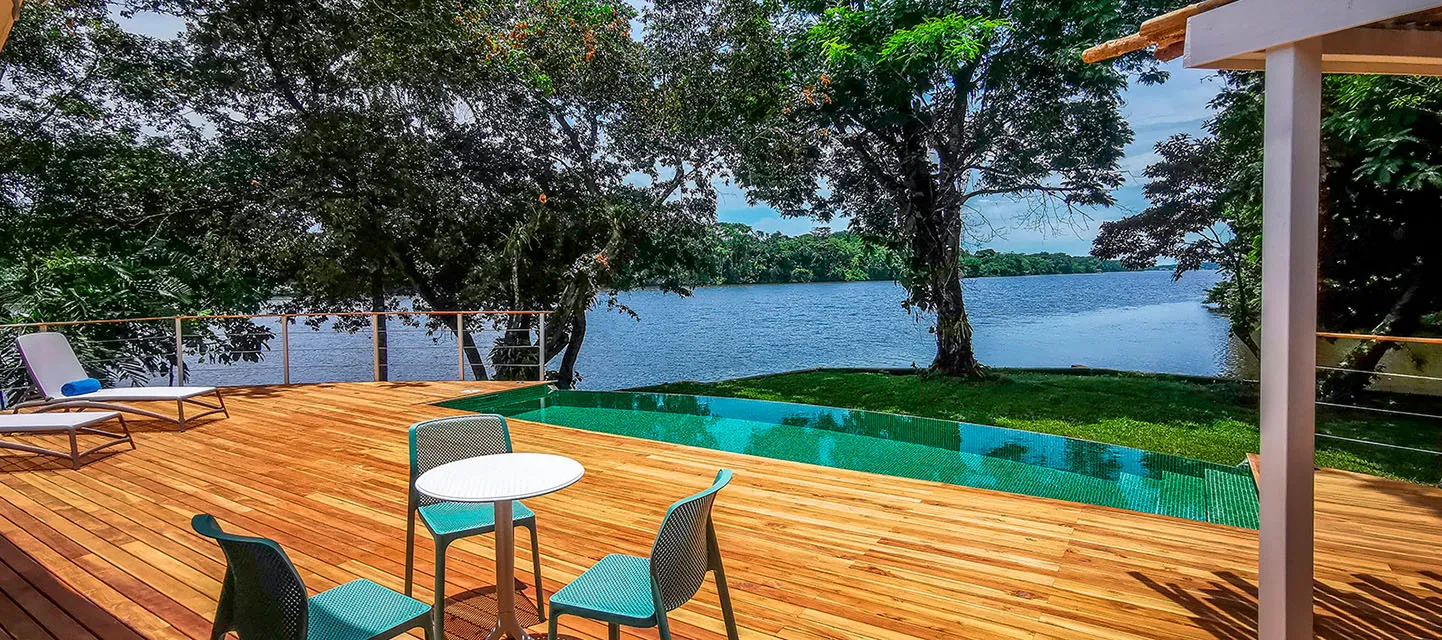
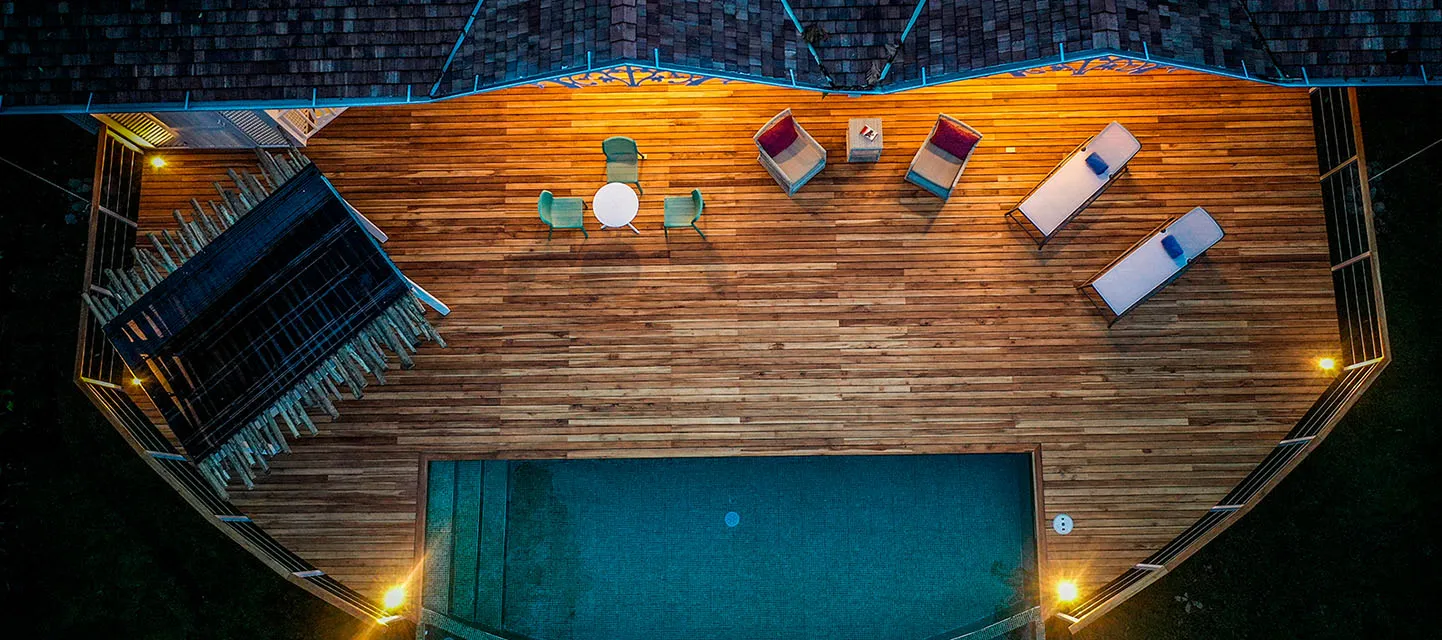
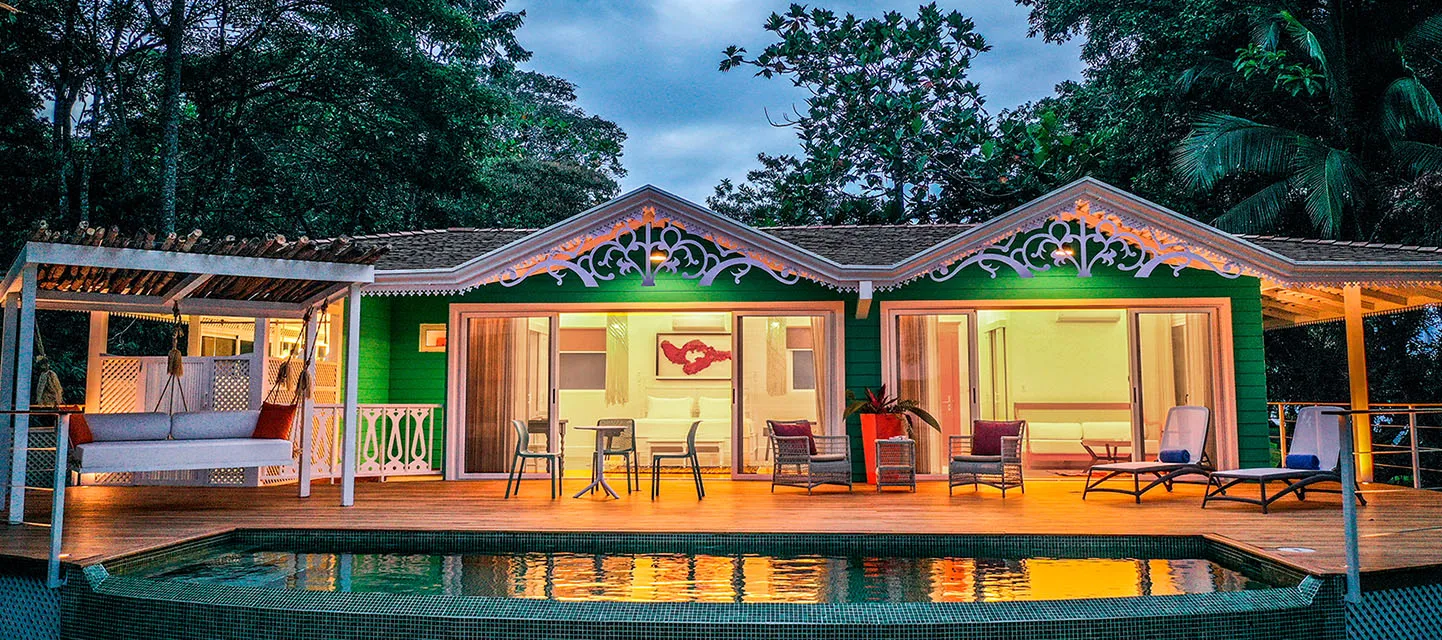
Miss Florentine Villa blends the elegance and charm of the Caribbean Victorian era with luxurious, nature-inspired design. The villa’s expansive layout includes a lovely plunge pool, floor-to-ceiling screens, and a wrap-around deck that invites refreshing breezes, breathtaking views, and abundant wildlife from the Tortuguero canals and the 26-hectare nature reserve. The private master bedroom offers a king-size Simmons Beautyrest bed, while the spacious living area features a daybed and comfortable seating. Enjoy premium linens, Eco-fans, air conditioning, and two deluxe full-sized bathrooms with indoor/outdoor solar-heated rain showers overlooking the gardens.
Miss Evelyn Suites:
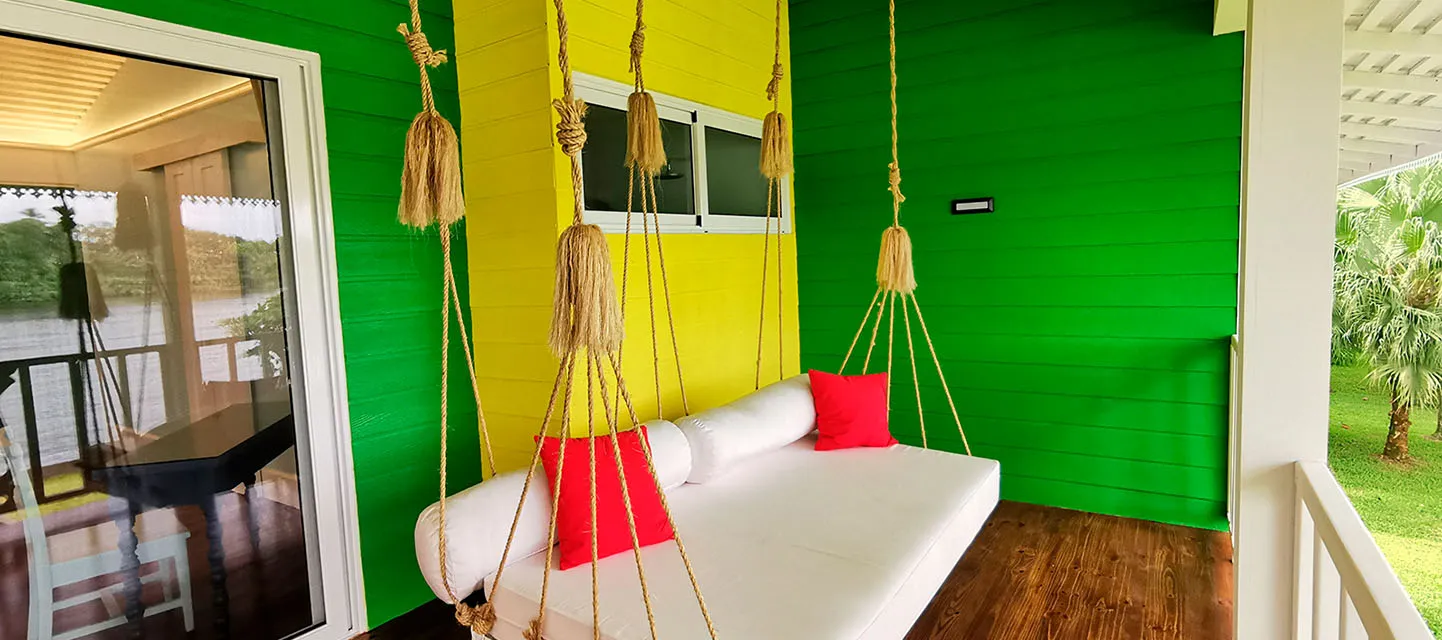
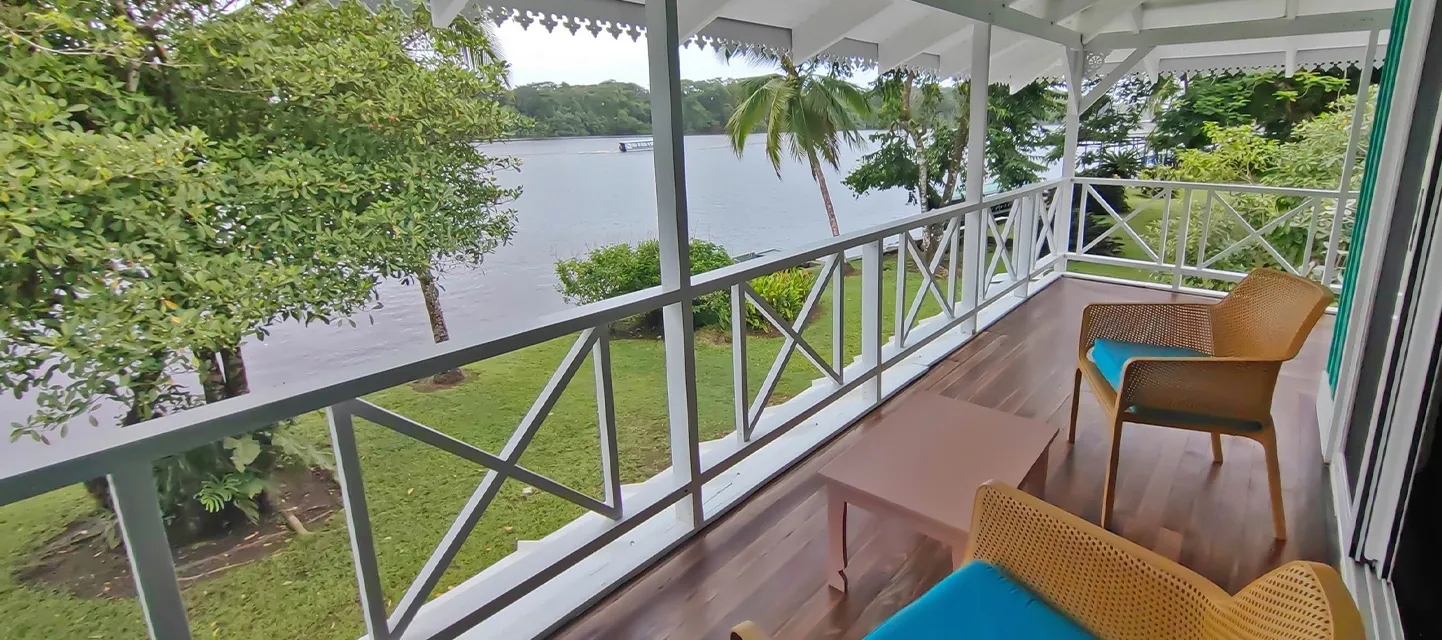
Step back into the era of Caribbean Victorian elegance and luxury, where historic charm and classic furnishings blend seamlessly with playful tropical touches. Your suite’s spacious design is crafted to embrace the breezes and natural beauty of the Tortuguero canals and gardens. From your large balcony with a hanging bed, take in the meeting of jungle and river habitats, spotting wildlife like otters, iguanas, monkeys, and hundreds of bird species. Enjoy floor-to-ceiling screened windows, a king-size bed and a daybed, premium linens, efficient Eco-fans and air conditioning, plus a charming bathroom featuring a solar-heated rain shower with views of the garden and canals. Suitable for up to 4 guests.
Mr Mishak Suites
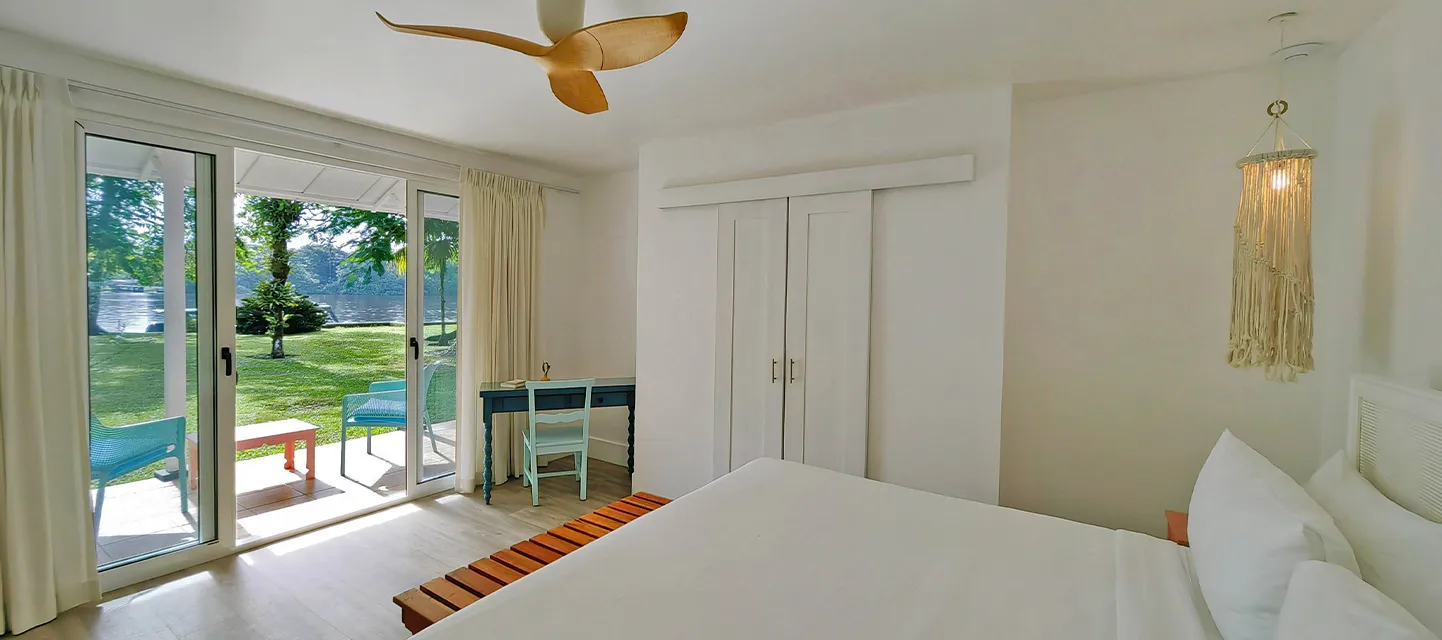
Evoking the charm of the Caribbean Victorian era, these beautifully designed suites blend classic dark-wood furnishings with vibrant tropical touches. Each room offers premium linens and amenities, including a comfortable king-size bed and daybed, along with spacious bathrooms equipped with solar-heated rain showers, Eco-fans, and air conditioning. The roomy layout promotes relaxation, enhanced by the lush beauty of the Tortuguero canals’ plants and wildlife. From your room’s screened sliding-glass terrace, you can observe a world of exotic birds, monkeys, and reptiles thriving in the 26-hectare private reserve and canal just steps away.
Miss Perla Suites and Papi Brown Suites
Enjoy the call of the wild right from your balcony! Staying at Miss Perla Suites offers guests a broad view of the canals and surrounding grounds. The suites comfortably fit up to four guests, featuring a King-size bed and an optional Twin bed. All suites are non-smoking and include eco-friendly air conditioning, floor-to-ceiling sliding glass doors with screens, complimentary Wi-Fi, nightly turndown service, safes, hot water, rain showerheads, ceiling fans, and private balconies or terraces where you can take in the sounds of the rainforest.
6. Finca Rosa Blanca – Costa Rica
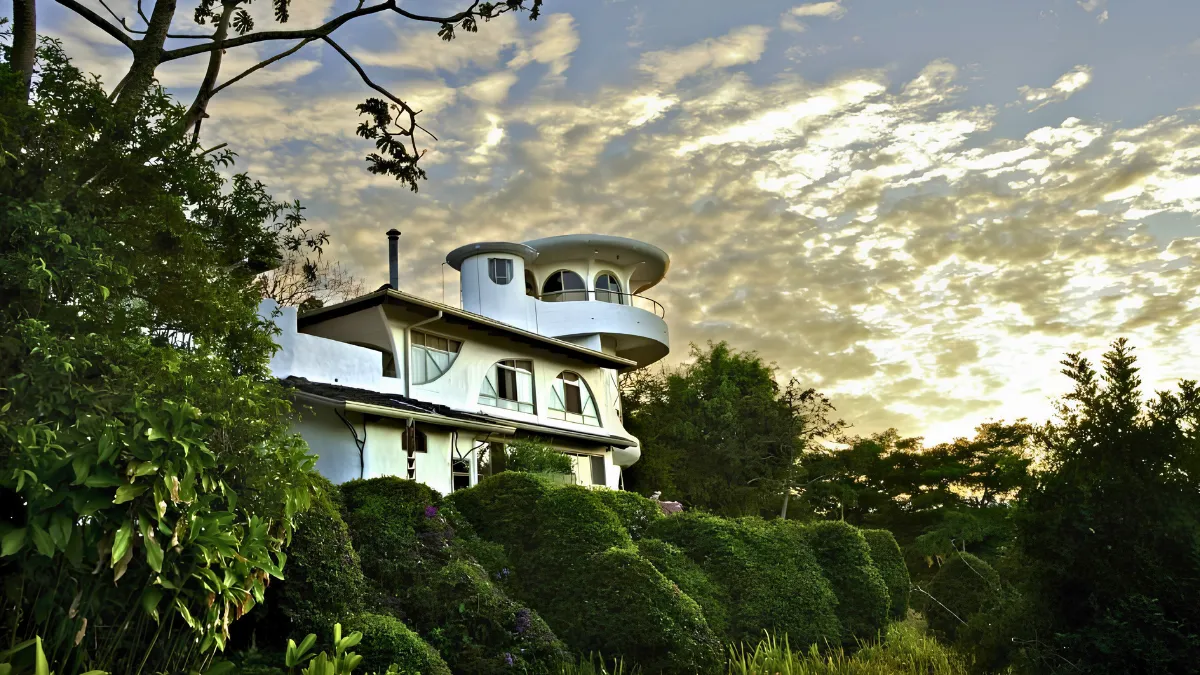
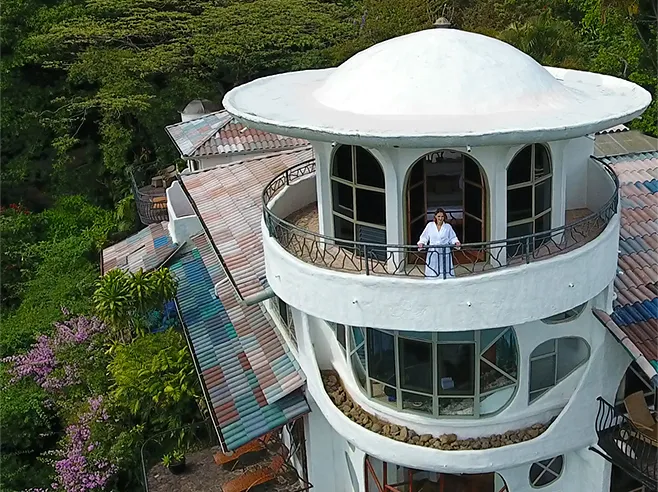
Finca Rosa Blanca combines boutique luxury with working organic coffee farm operations in Costa Rica’s cloud forest region. This family-owned eco hotel sits in the Central Valley highlands near San Jose. The property demonstrates sustainable agriculture while providing guests with farm-to-table experiences and nature immersion.
Sustainability Practices
The certified organic coffee plantation surrounds guest accommodations with sustainable farming practices on display. Finca Rosa Blanca supports the Certification for Sustainable Tourism (CST), a Costa Rican initiative that certifies responsible and sustainable tourism practices. The lodge is proud to have earned the highest possible recognition, reaching the prestigious “Elite” level in this program. Additionally, the lodge holds a perfect 5 out of 5 rating from Costa Rica’s “Blue Ecological Flag” program for their efforts in mitigating, reducing, and raising awareness about reversing Climate Change.
The lodge minimizes their impact through various initiatives such as using solar-powered electricity and solar-heated water, maintaining a chemical-free ionized swimming pool, implementing an extensive recycling and regeneration plan, and avoiding the use of toxic chemicals.
A focus on conservation and regeneration
Finca Rosa Blanca is committed to conservation, lowering their biological impact, and supporting regeneration efforts, particularly through reforestation and organic farming. These actions help reduce the lodges ecological footprint and lessens their negative impact on climate change. Over the past 25 years, the lodge team have planted more than 5,000 native trees and were among the first carbon-neutral hotels in Costa Rica.
Encourage education and training
The lodge promotes environmental awareness and sustainable practices. They protect the local ecosystem by reducing environmental pressures such as water and electricity usage, preserving air and water quality, safeguarding Costa Rica’s natural resources, and educating staff, guests, and community on how to better care for the environment.
Engage with our community
Finca Rosa Blanca provides training for their staff and information for visitors about supporting social education, maintaining human health, promoting environmental justice, and protecting essential resources.
Boosting the local economy
Finca Rosa Blanca contributes to the community by encouraging social and economic involvement, focusing on inclusion, education, financial support, and independence. The lodge employs 100% local staff to directly benefit their neighboring community.
All construction materials came from sustainably managed sources or recycled materials. The distinctive white stucco architecture incorporates passive cooling through strategic window placement and airflow design. Natural dyes and organic textiles furnish interior spaces without toxic chemicals.
Rainforest Experiences
Guided coffee tours reveal the journey from seed to cup in organic farming systems. Guests participate in harvesting, processing, and roasting during appropriate seasons. The working farm demonstrates permaculture principles integrating food production with forest conservation.
Forest trails wind through coffee plantations into adjacent cloud forest preserves. Bird watching opportunities include resplendent quetzals, toucans, and dozens of hummingbird species. The property borders national parks providing access to extended hiking and wildlife observation.
Cooking classes teach traditional Costa Rican cuisine using farm-grown ingredients and local products. Guests harvest vegetables from organic gardens for their meals. Yoga and wellness programs incorporate natural surroundings into mindful practice sessions.
Accommodations and Amenities
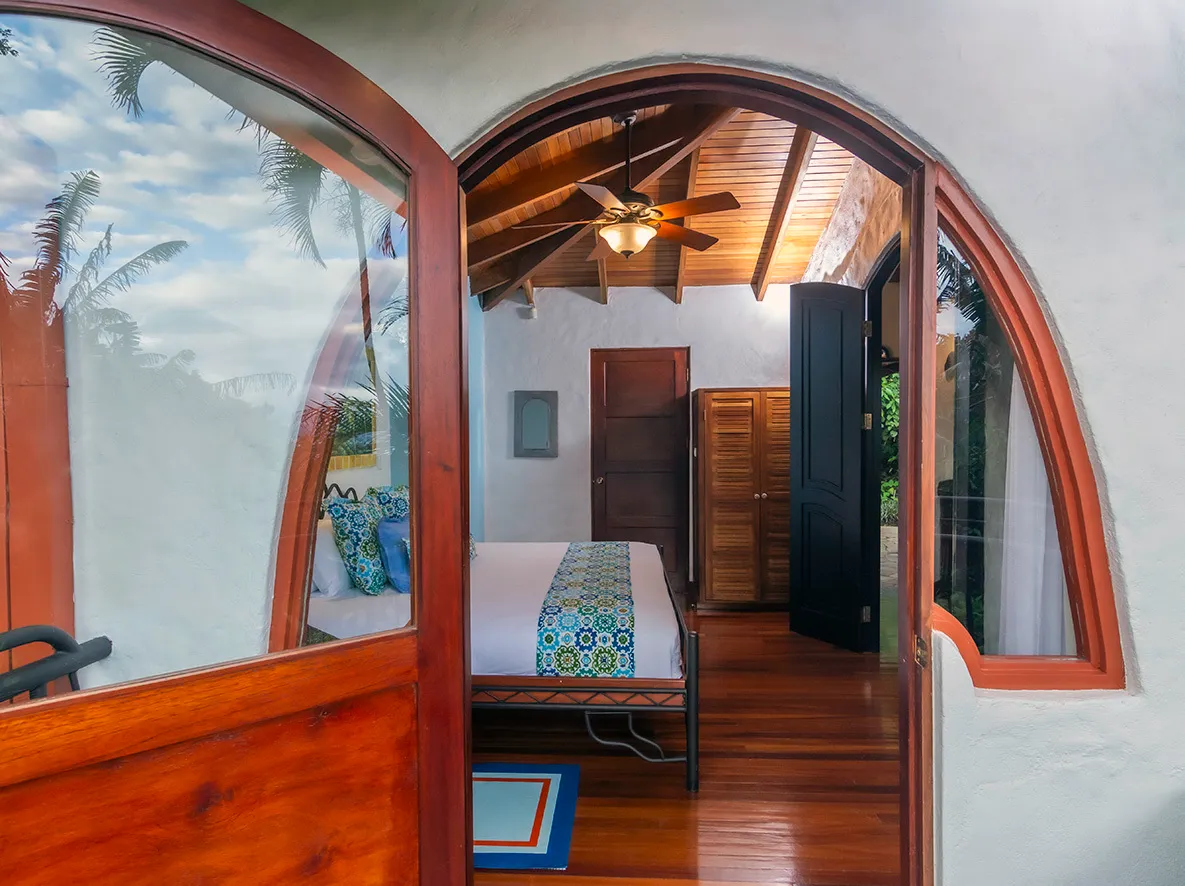
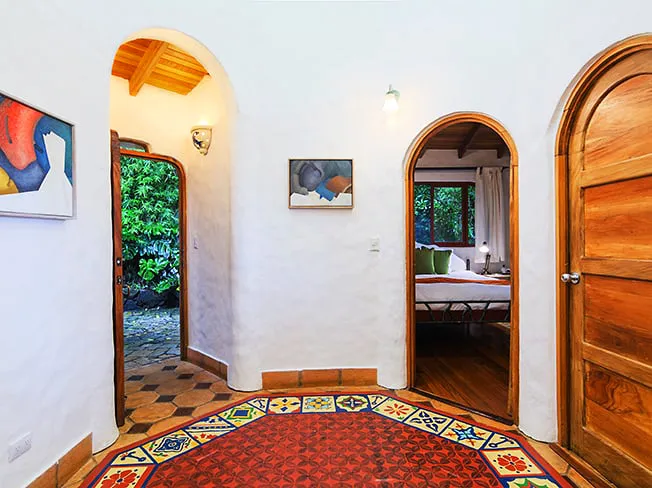
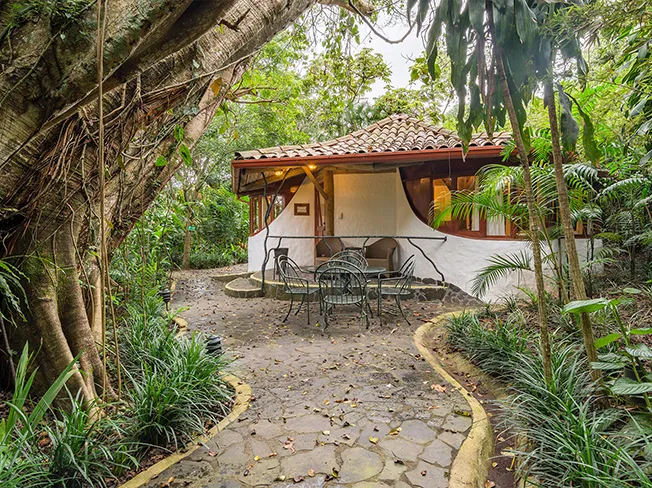
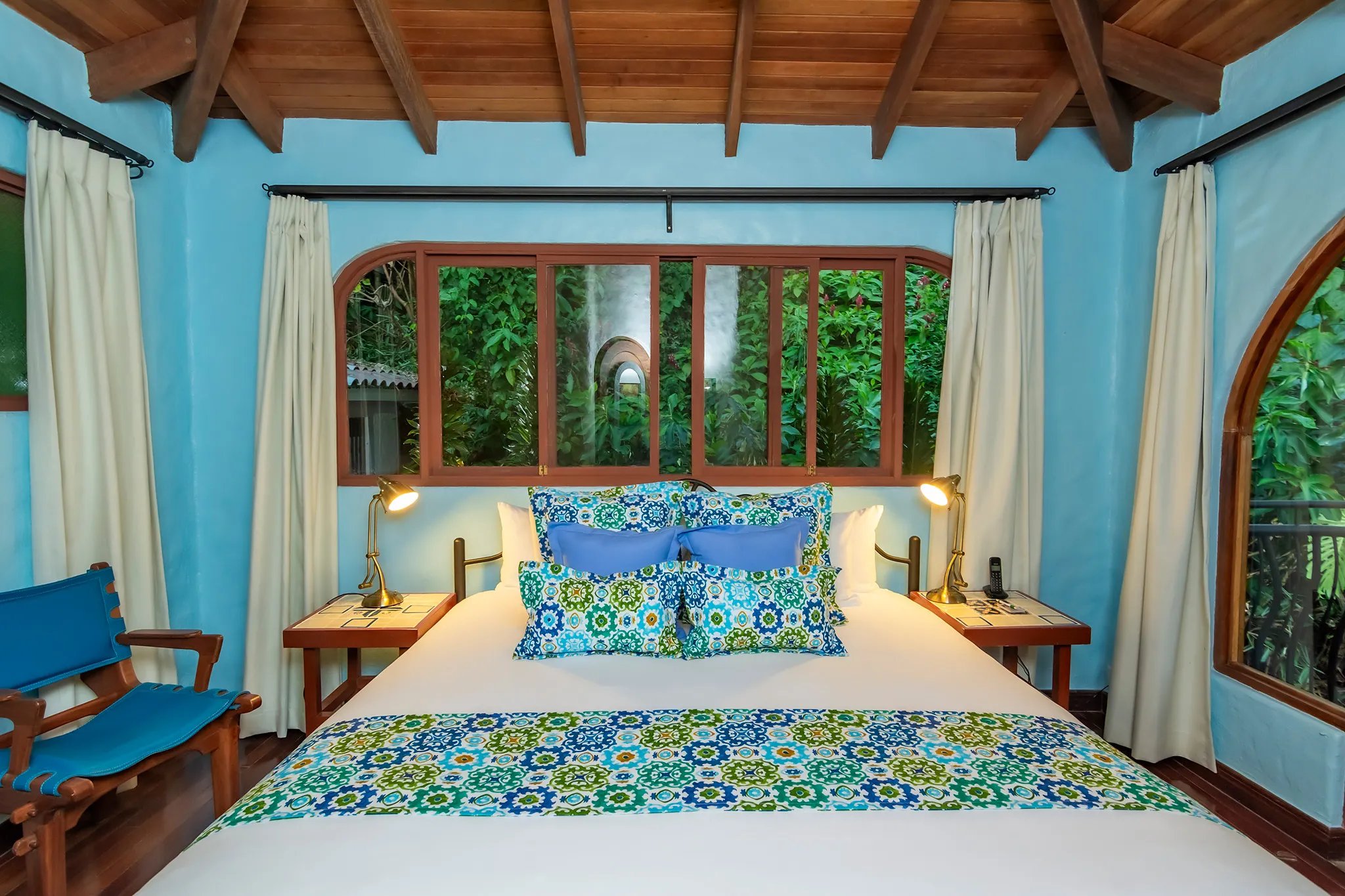
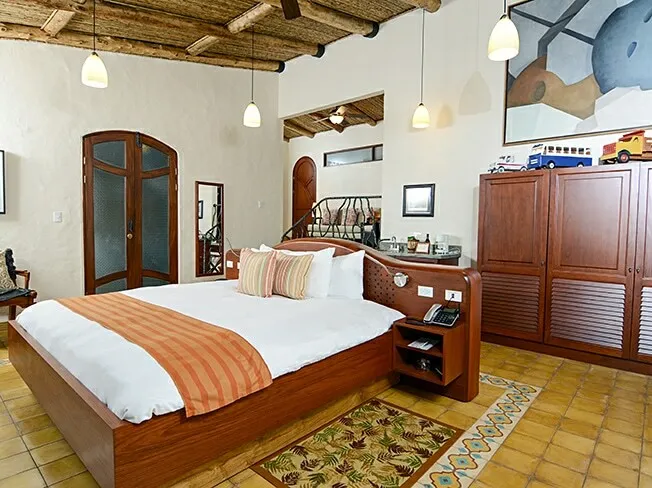
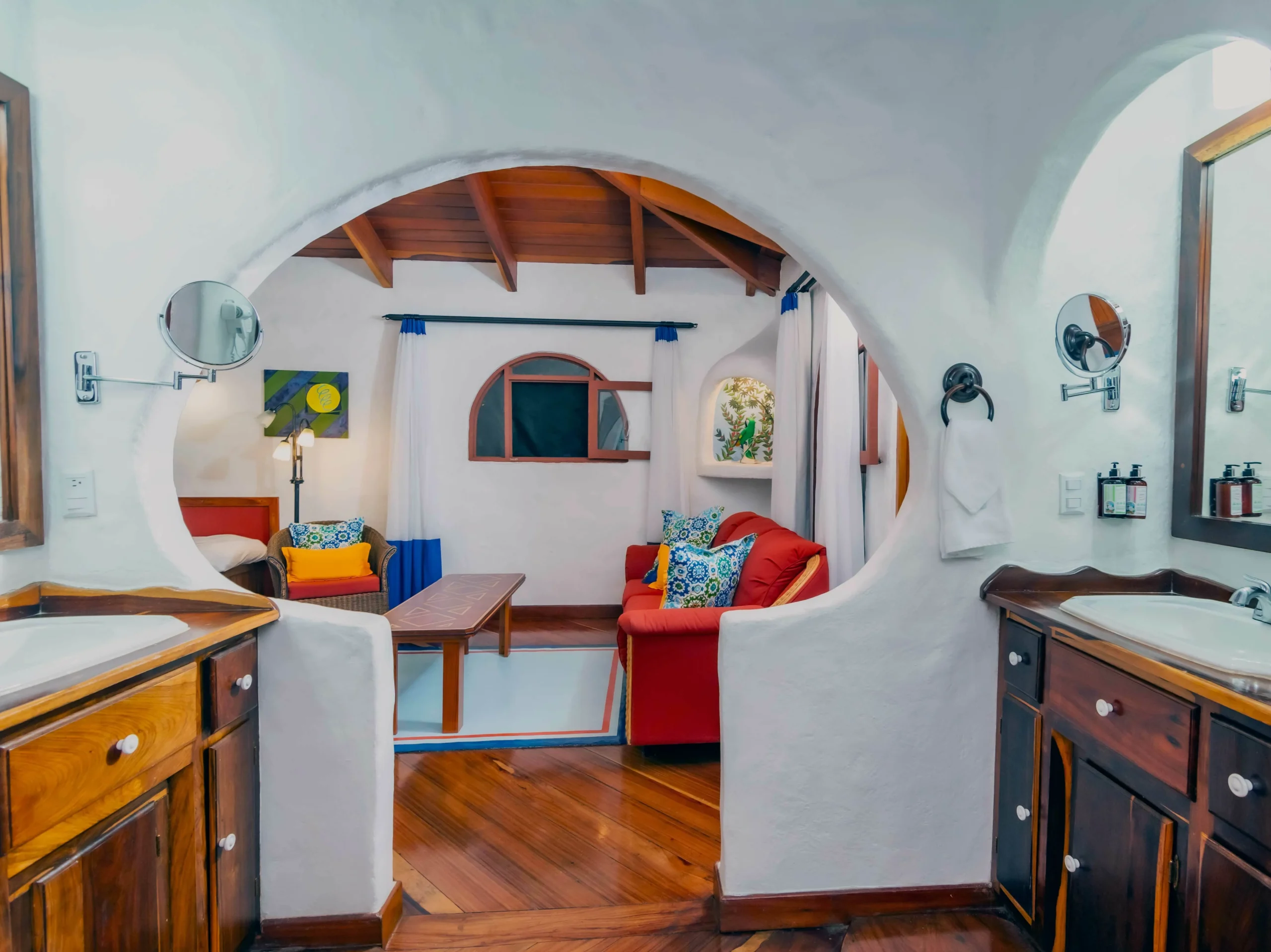
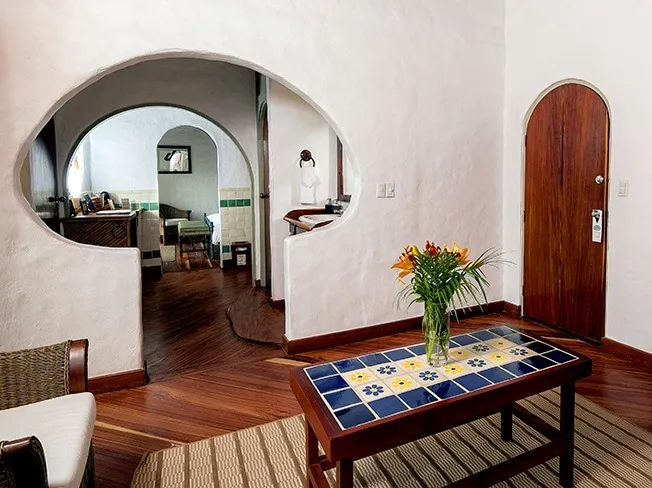
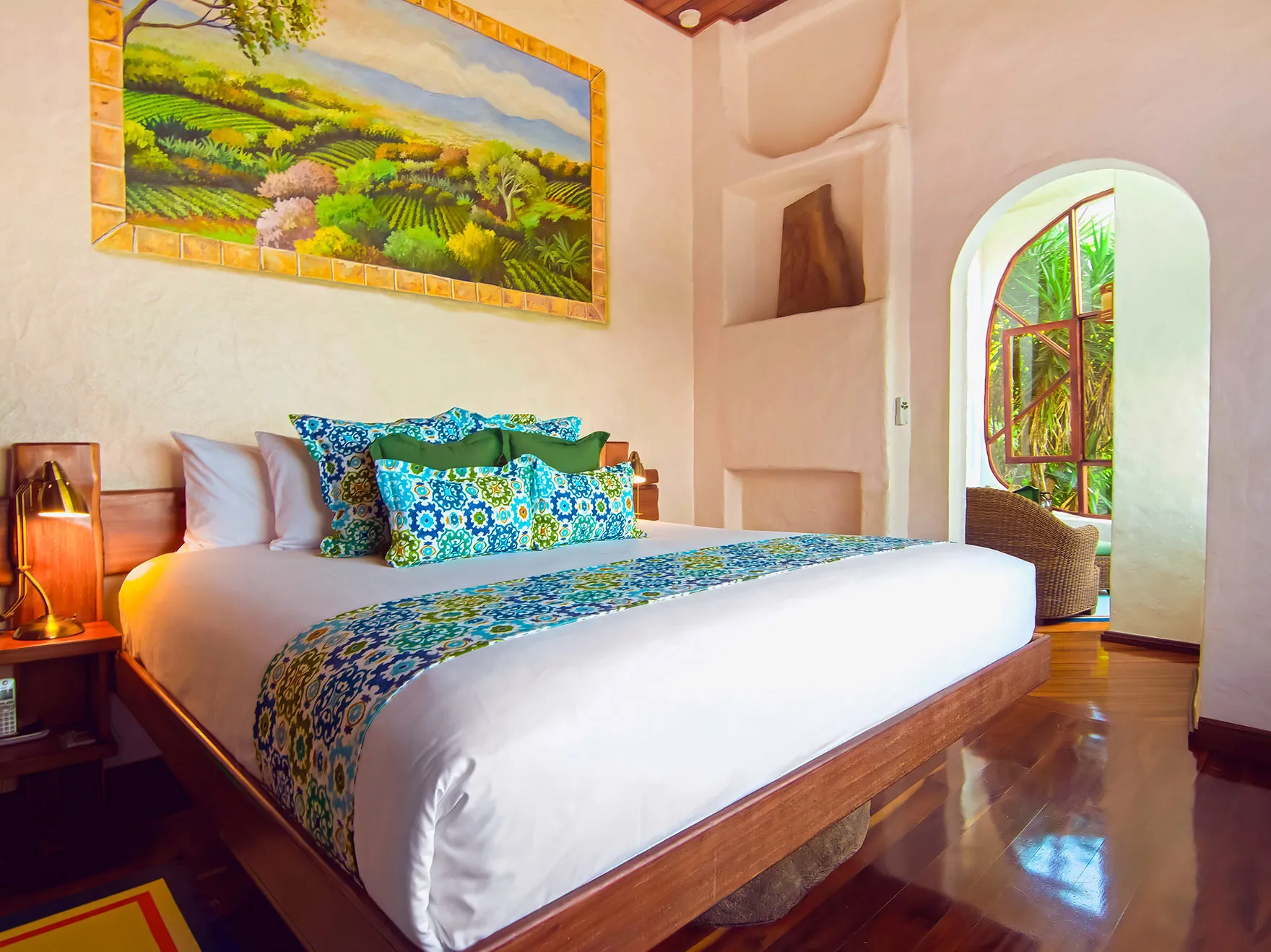
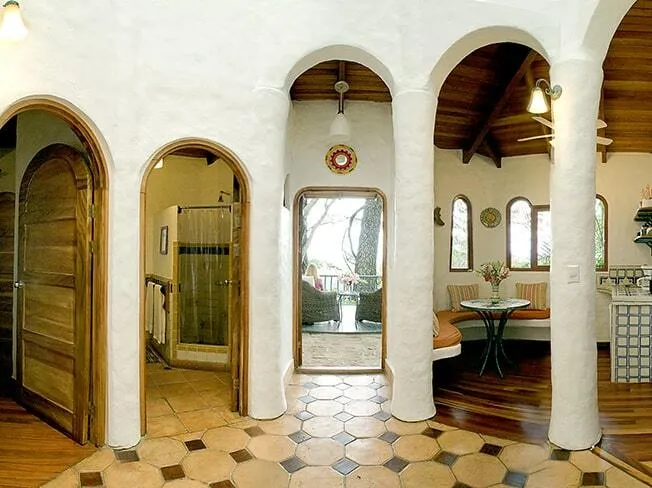
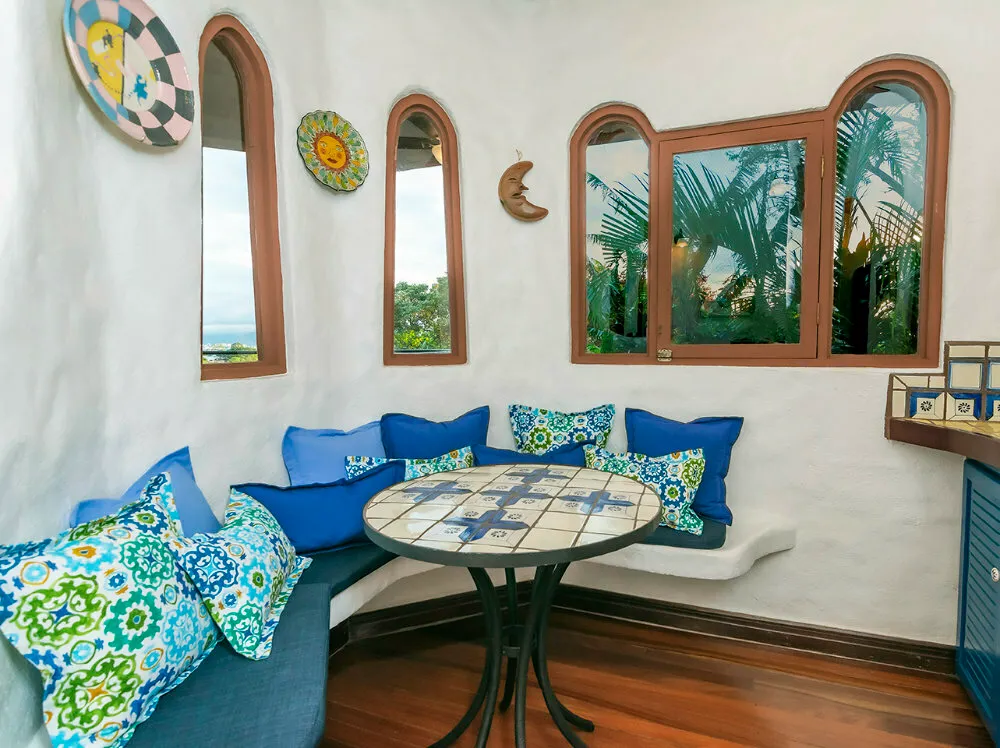
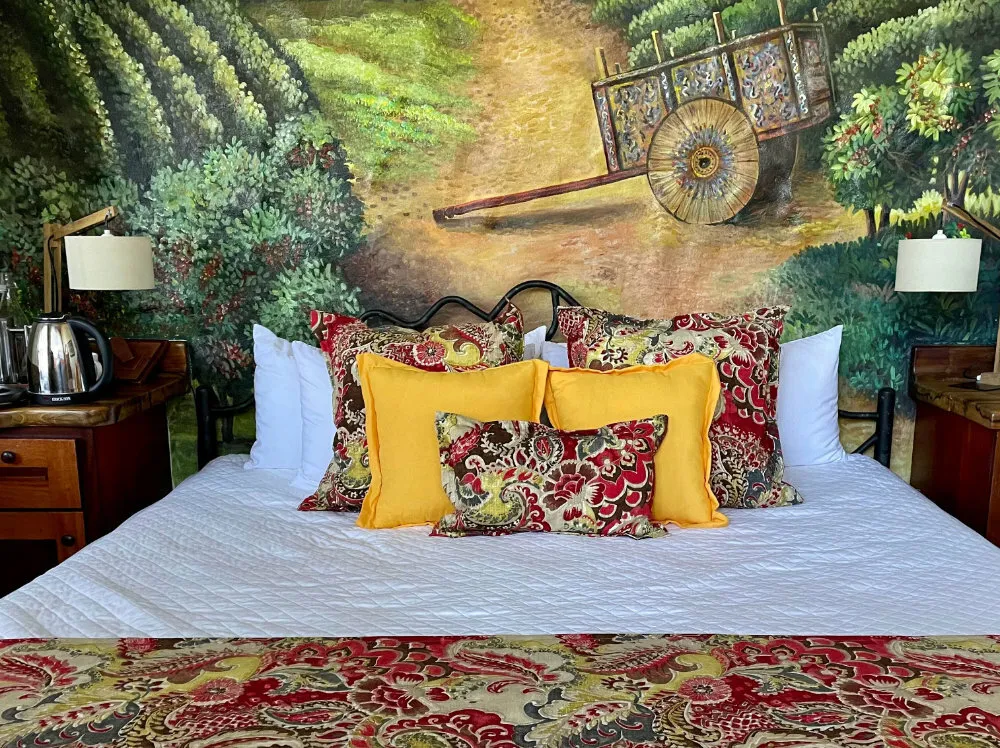
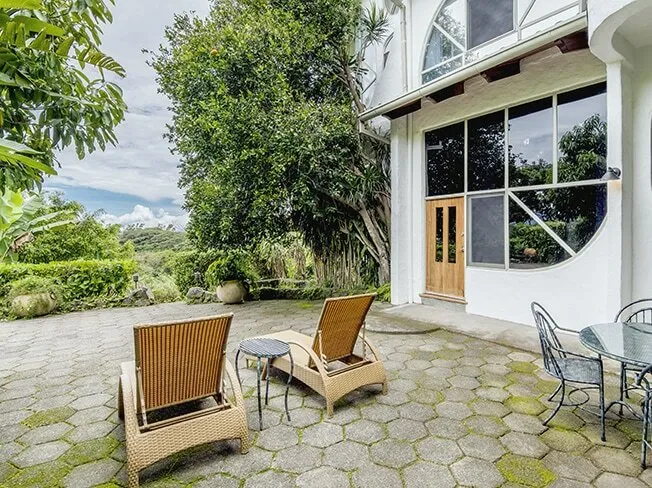
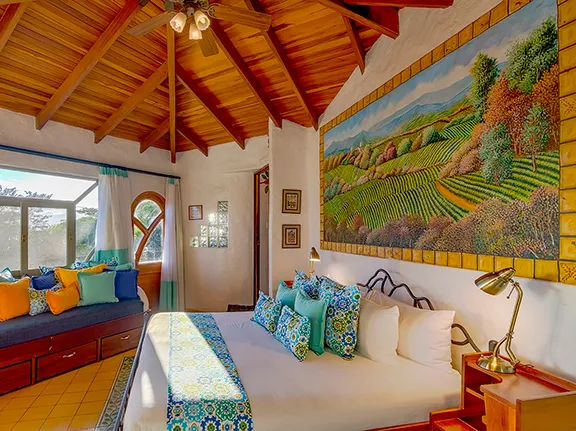
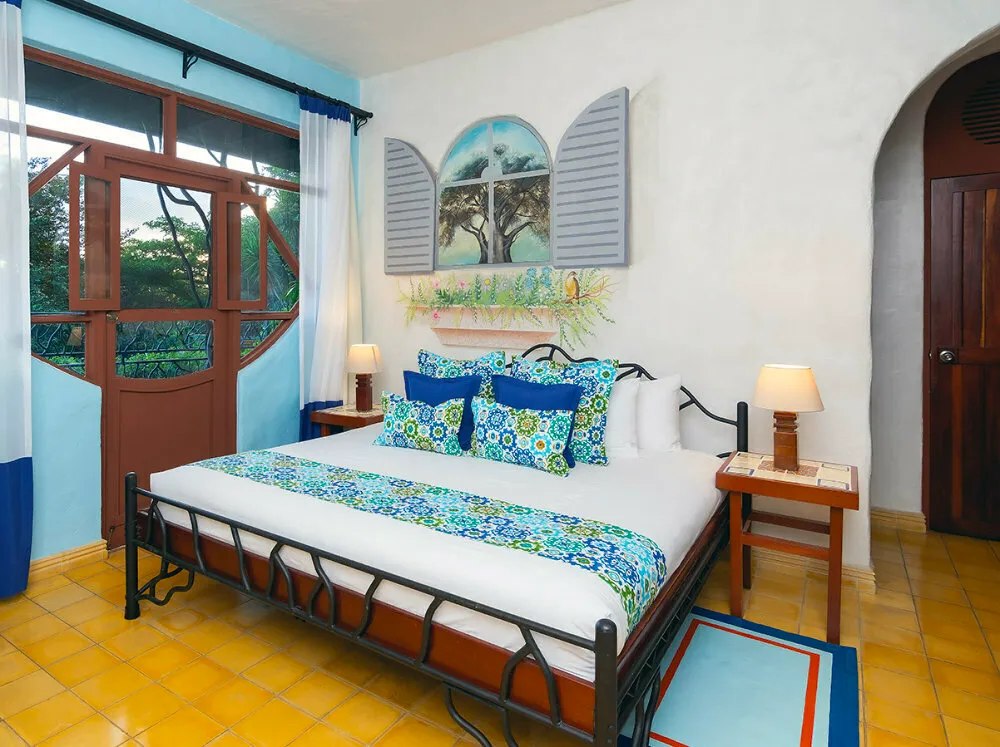
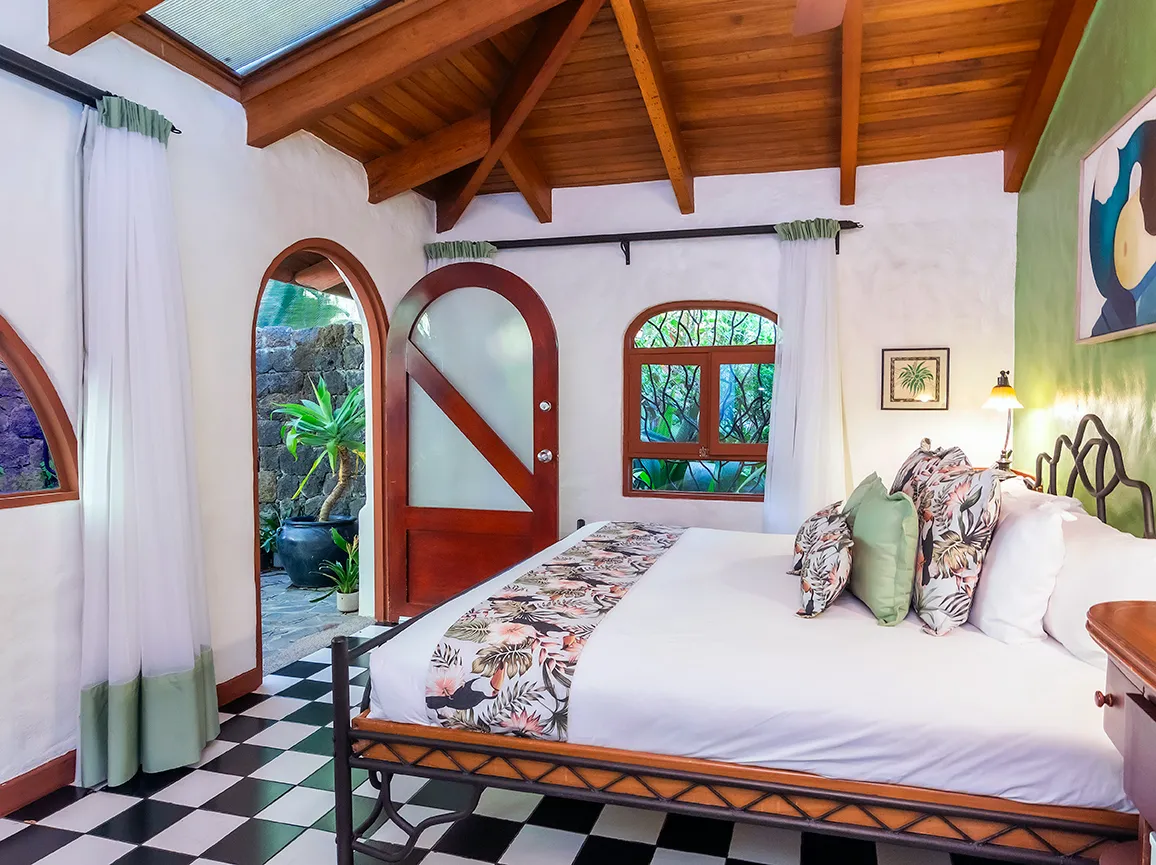
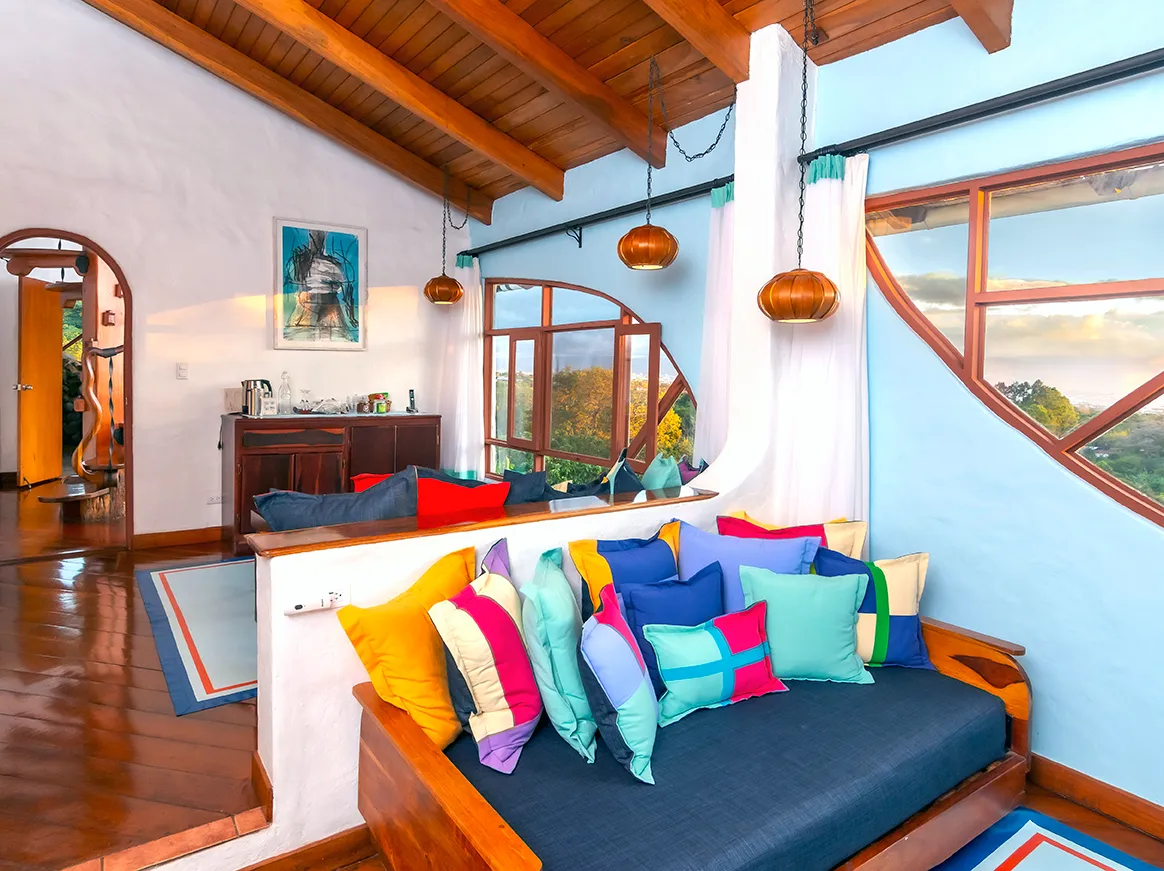
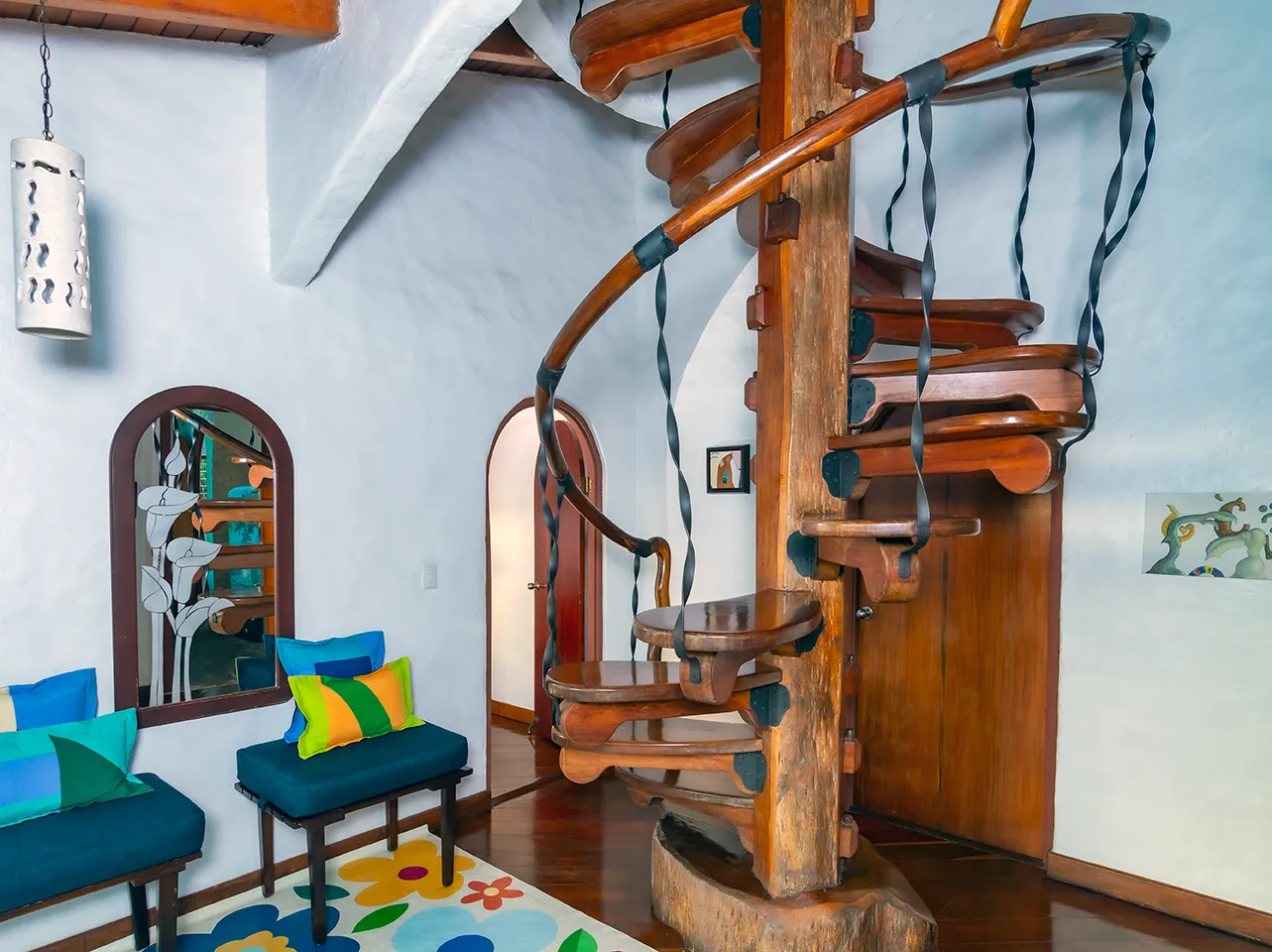
Thirteen individually decorated suites feature original artwork and handcrafted furniture from local artisans. Many rooms include private terraces overlooking coffee fields and mountain vistas. Luxurious bathrooms feature hand-painted tiles and eco-friendly organic amenities.
The award-winning restaurant serves innovative cuisine highlighting farm ingredients and regional flavors. An intimate bar offers craft cocktails and the property’s own organic coffee. The solar-heated pool provides relaxation with panoramic valley views.
Small property size creates intimate atmosphere attracting thoughtful travelers over party crowds. Staff provides personalized recommendations for independent day trips throughout the Central Valley. The intellectual environment encourages connections with other sustainability-minded guests.
7. Borneo Rainforest Lodge – Danum Valley, Malaysia
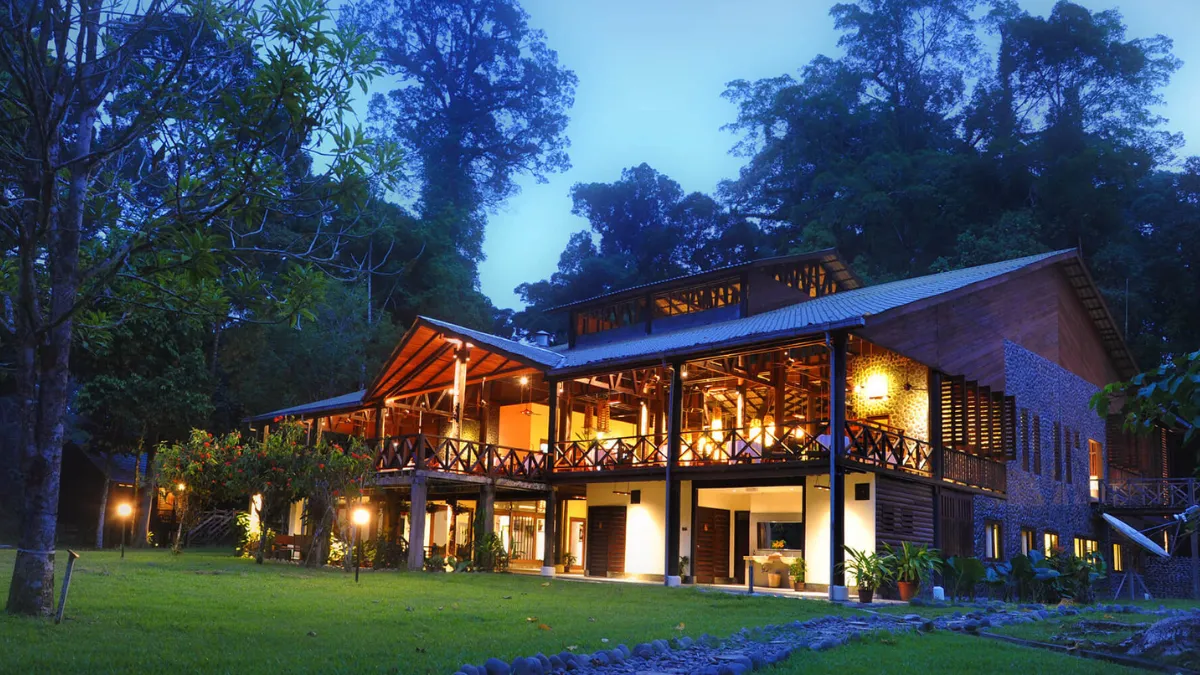
Borneo Rainforest Lodge sits in the center of the Danum Valley Conservation Area, right beside the Danum River. This rainforest, at 130 million years old, ranks among the oldest and most biologically diverse on the planet. Located about 97 kilometres from Lahad Datu, Danum Valley Conservation Area hosts a variety of unique plant and animal species, many of which are native only to this rainforest and the island of Borneo.
Borneo Rainforest Lodge Sustainability Practices
The lodge operates under strict guidelines protecting the Danum Valley Conservation Area. All buildings use sustainable materials sourced responsibly to minimize forest disturbance. Energy comes primarily from hydroelectric sources with solar backup systems reducing fossil fuel dependence.
The award-winning Borneo Rainforest Lodge is set in a stunning location beside the Danum River, which runs through Sabah’s largest protected Lowland Rainforest—the Danum Valley Conservation Area. Covering 43,800 hectares, this untouched tropical rainforest in eastern Sabah is home to over 340 bird species, 124 mammals, 72 reptiles, 56 amphibians, and an impressive 200 plant species per hectare.
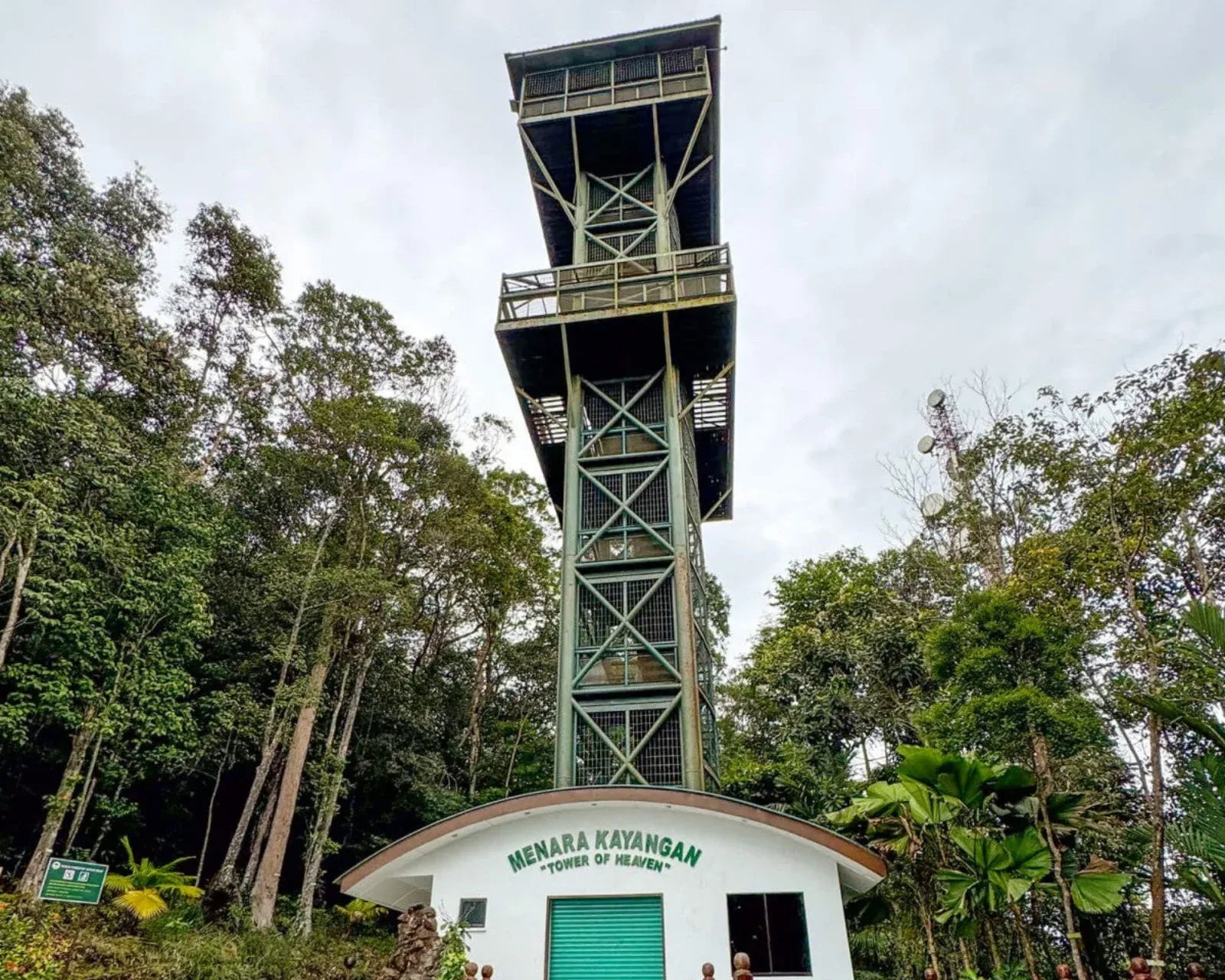
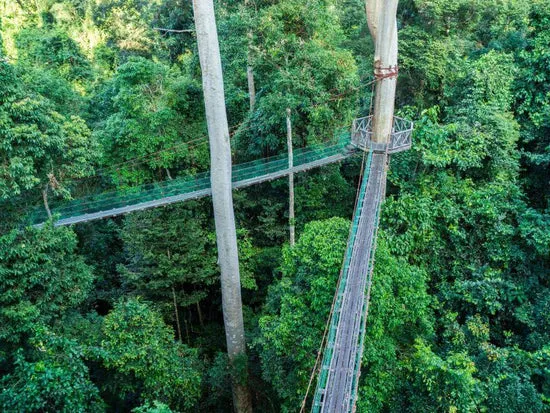
The lodge features 31 individual chalets, each equipped with fans and ensuite bathrooms, accommodating a maximum of 60 guests at a time on a full-board basis. Its excellent location gives guests easy access to top activities such as jungle trekking, night safaris and walks, river rafting, wildlife watching, river cruises, and visiting the well-known Danum Valley Canopy Walkway.
Borneo Rainforest Lodge Awarded 5 Star Green Hotel.
The Borneo Rainforest Lodge (BRL) in Malaysia has become the first jungle resort in the country to earn a 5-star rating, setting a new benchmark for international guests. The lodge is recognized as a “Green Hotel” due to its strong commitment to sustainability, incorporating numerous eco-friendly practices and facility upgrades.
- Borneo Rainforest Lodge is the first jungle resort in Malaysia awarded a 5-star rating after a thorough evaluation.
- The lodge was awarded “Green Hotel” rating following rigorous inspection of Ministry of Tourism guidelines.
- Upgrades include enhanced lobby ambiance, expanded gym facilities, and improved guest comfort.
- Sustainability efforts include UV sterilization of water, rainwater harvesting, waste water treatment with EM mud balls, solar-powered water heaters.
- Food waste composting supports an in-house herb garden, promoting a farm-to-table experience and reducing imported herbs.
Two ASEAN Tourism Awards for Borneo Rainforest Lodge
Borneo Rainforest Lodge won two major awards at the 35th ASEAN Tourism Association (ASEANTA) Tourism Awards of Excellence 2026 in Cebu, Philippines. The lodge received the Best ASEAN Cultural Preservation Effort Award and the Best ASEAN Eco-Lodge Award, highlighting its commitment to eco-tourism and cultural preservation in Sabah’s Danum Valley.
- Borneo Rainforest Lodge won two out of nine awards at the ASEANTA Tourism Awards.
- Awards received: Best ASEAN Cultural Preservation Effort and Best ASEAN Eco-Lodge.
- The lodge supports local communities through employment, training, and community programs.
- This recognition recognizes the lodge’s balance between tourism excellence and rainforest conservation.
- ASEANTA awards promote best practices and collaboration across Southeast Asian tourism sectors.
Staff training emphasizes Leave No Trace principles and wildlife protection protocols. Guides educate visitors about rainforest ecology and conservation challenges facing Borneo. Revenue contributions support research programs and anti-poaching patrols throughout the protected area.
Wastewater treatment systems prevent contamination of the pristine river system flowing past the lodge. Organic waste composting and recycling programs minimize refuse requiring removal from the remote location. Local community employment provides economic incentives for forest preservation over palm oil conversion.
Rainforest Experiences
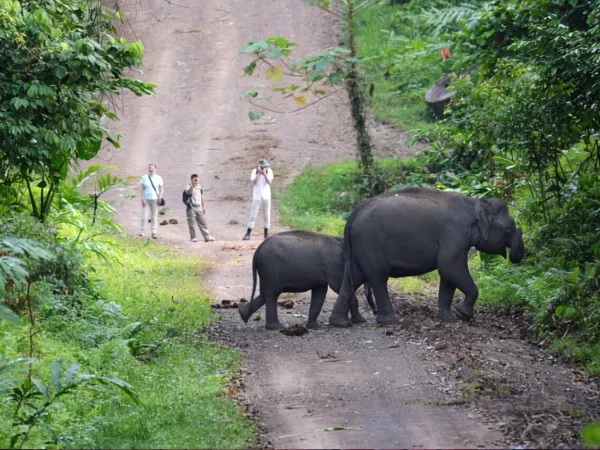
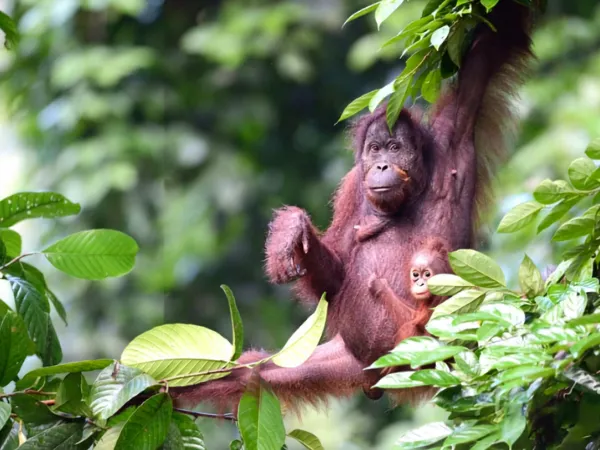
Ancient dipterocarp trees tower over well-maintained trails leading to waterfalls and swimming holes. Night safaris along research roads offer outstanding chances to spot orangutans, elephants, and leopards. The diverse wildlife includes over 340 bird species and rare endemic mammals.
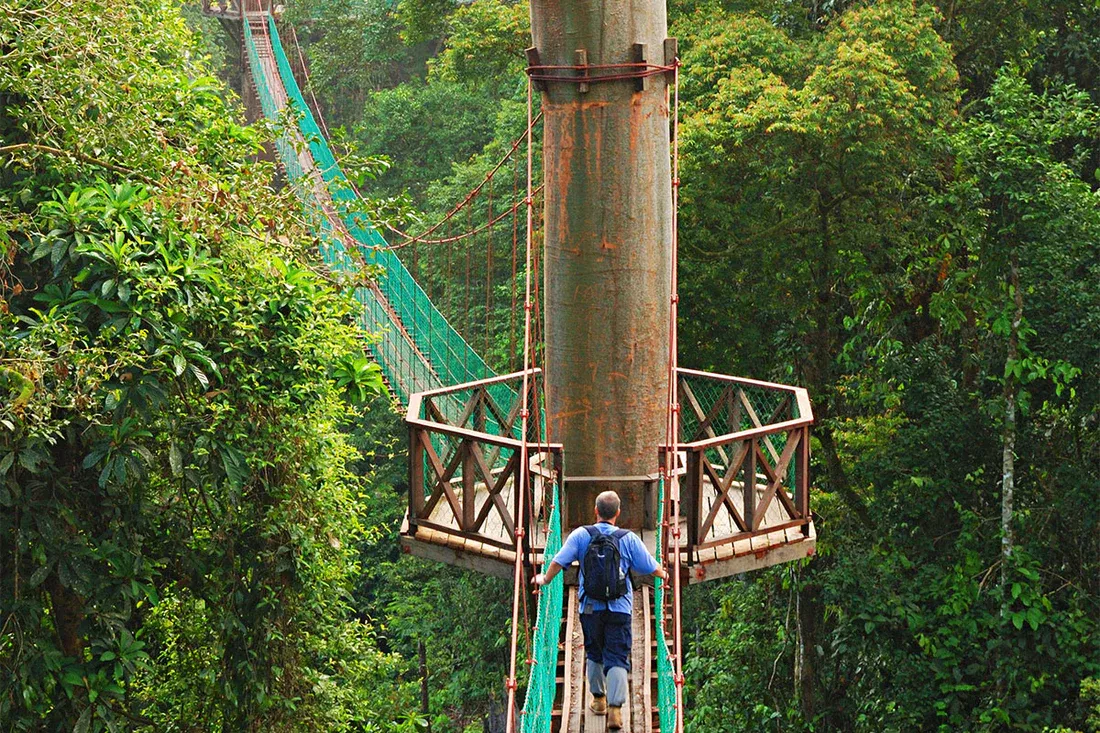
A canopy walkway suspended 26 meters high provides unique perspectives on forest layers. Early morning walks catch gibbons singing their haunting dawn chorus across the valley. River tubing down clear jungle streams offers refreshing adventure on hot days.
Expert naturalist guides share deep knowledge of plant uses, animal behavior, and ecosystem dynamics. Photography enthusiasts benefit from guides skilled at locating and approaching wildlife ethically. The lodge coordinates with researchers allowing occasional guest participation in ongoing studies.
Accommodations and Amenities
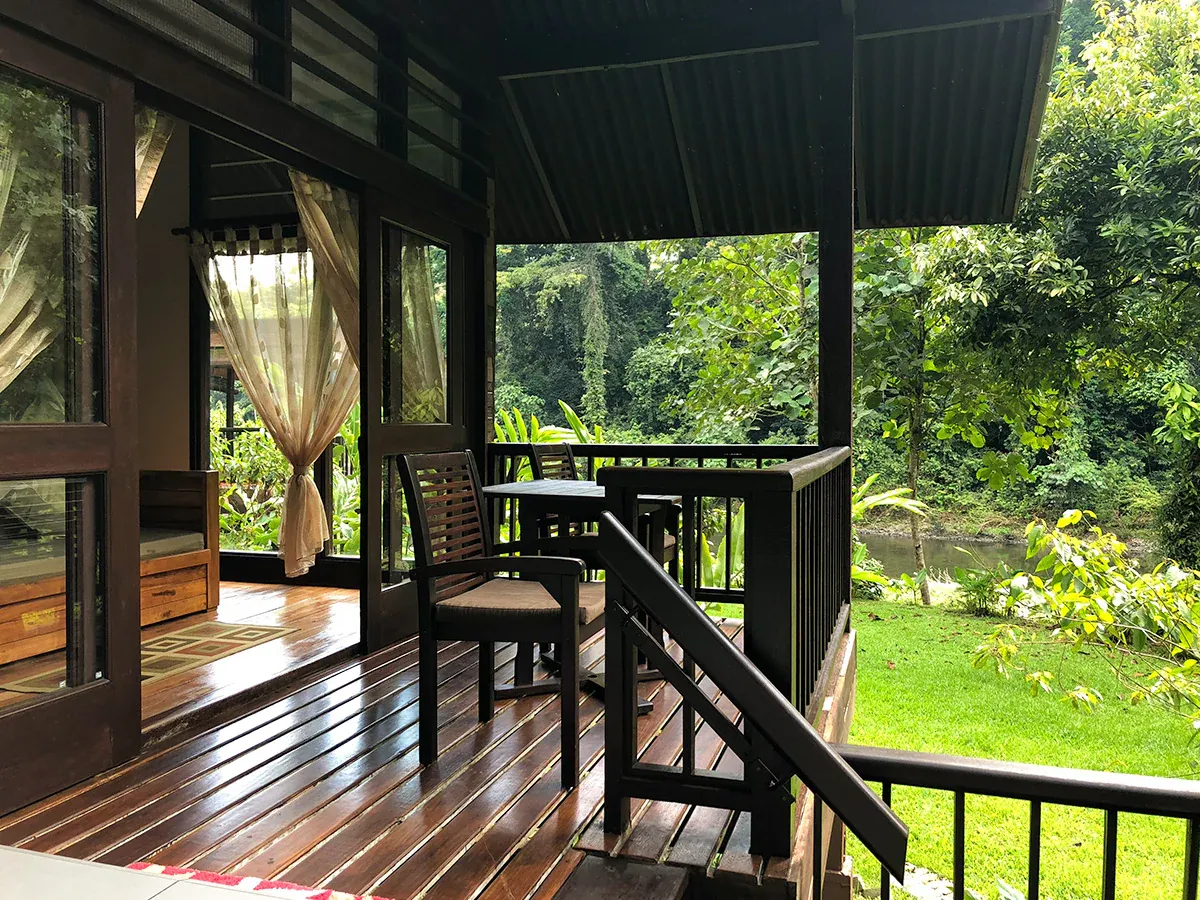
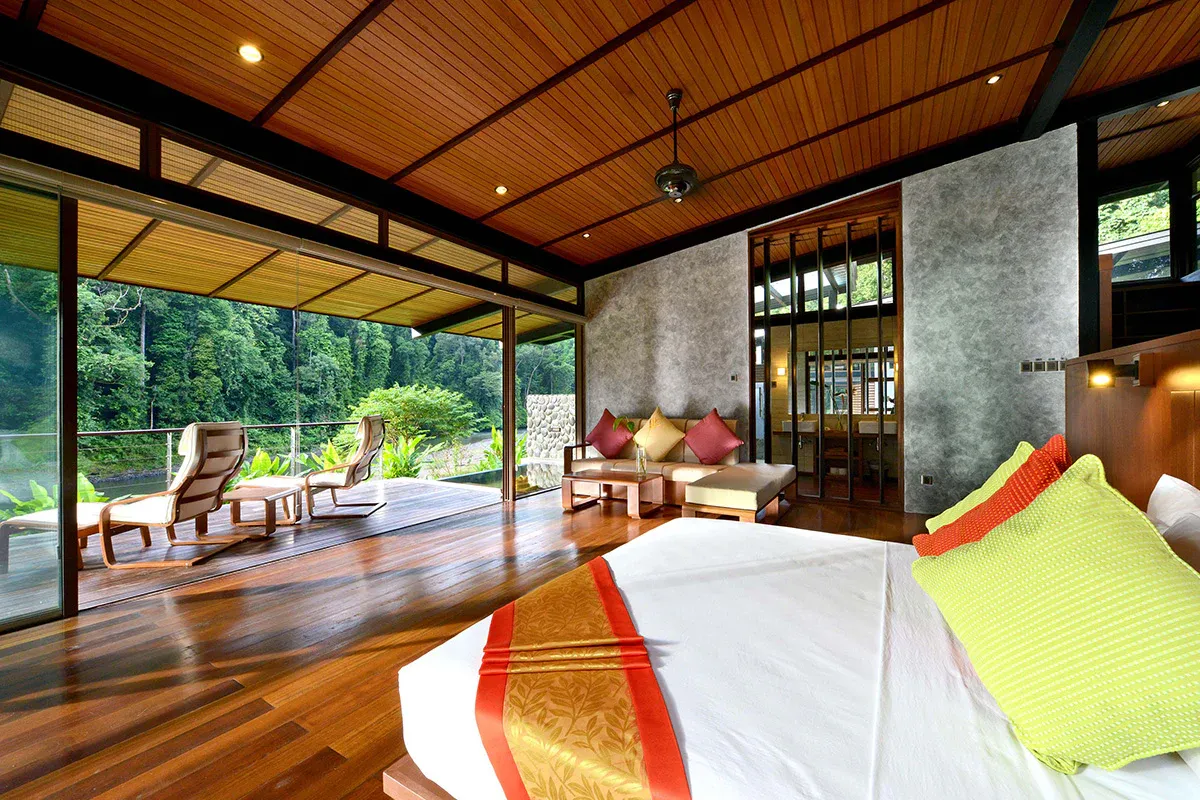
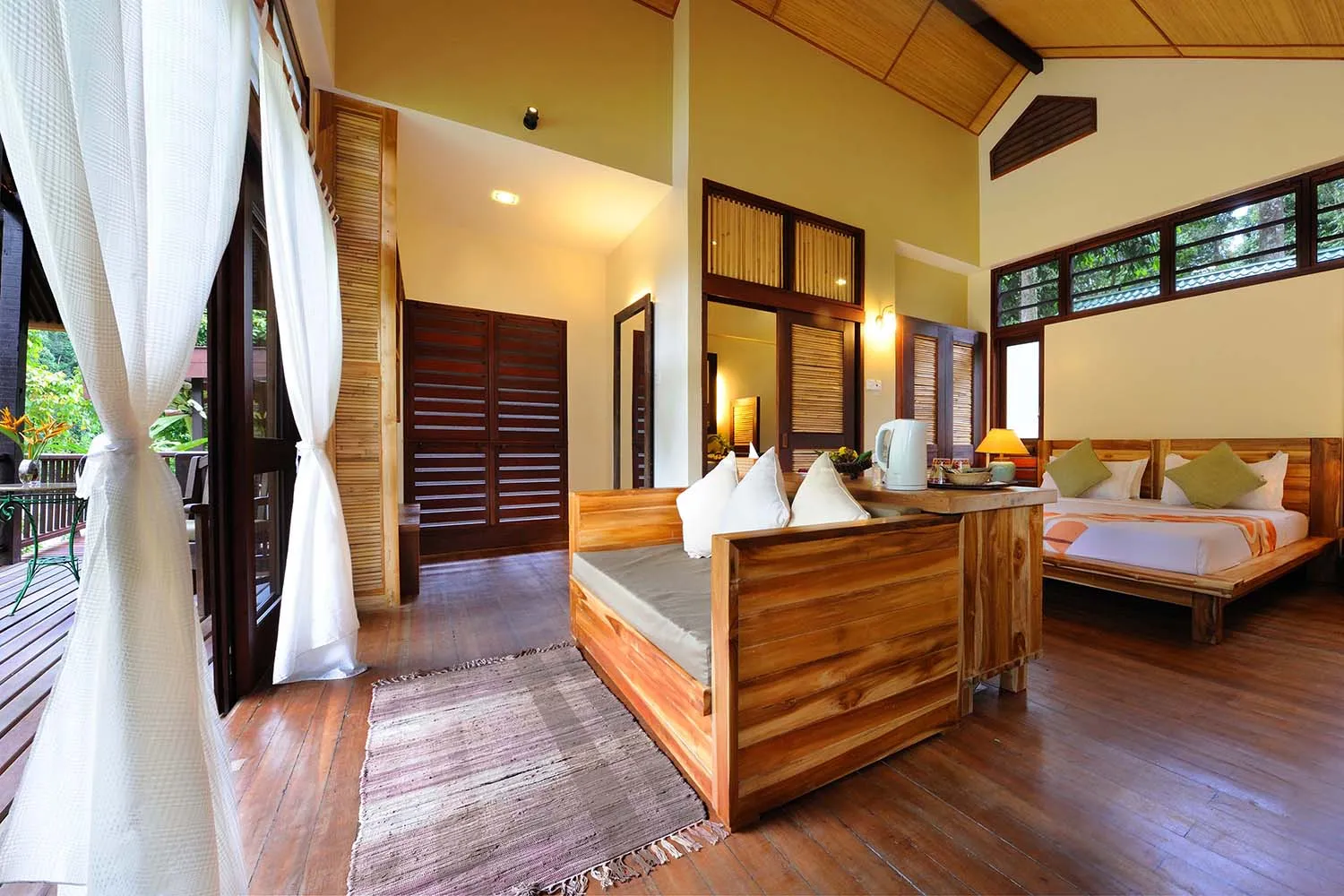
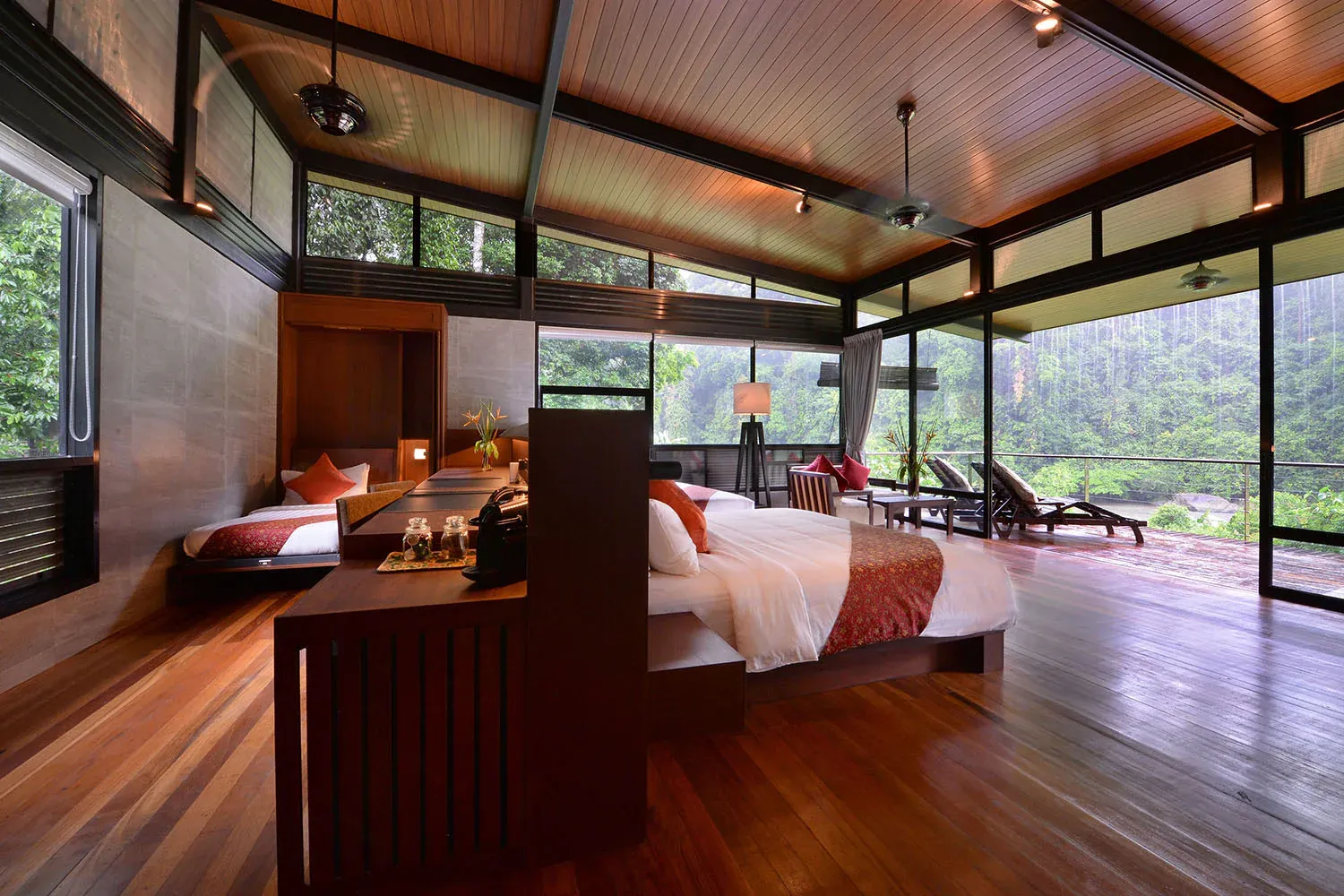
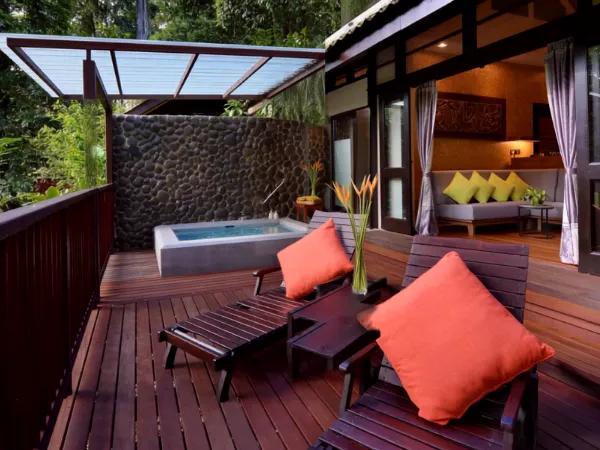
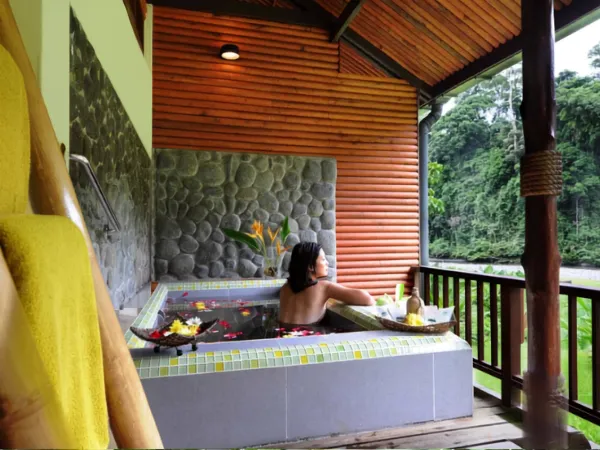
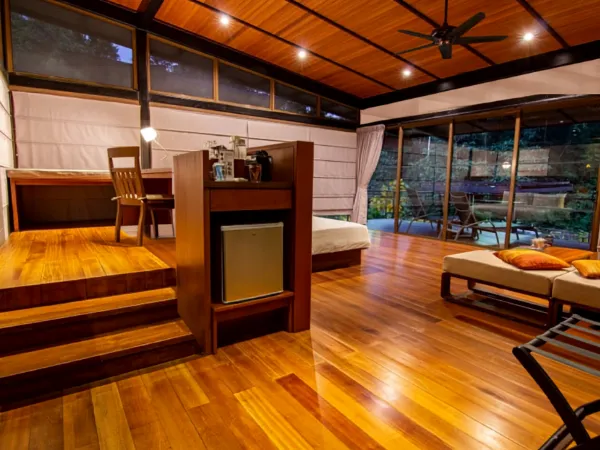
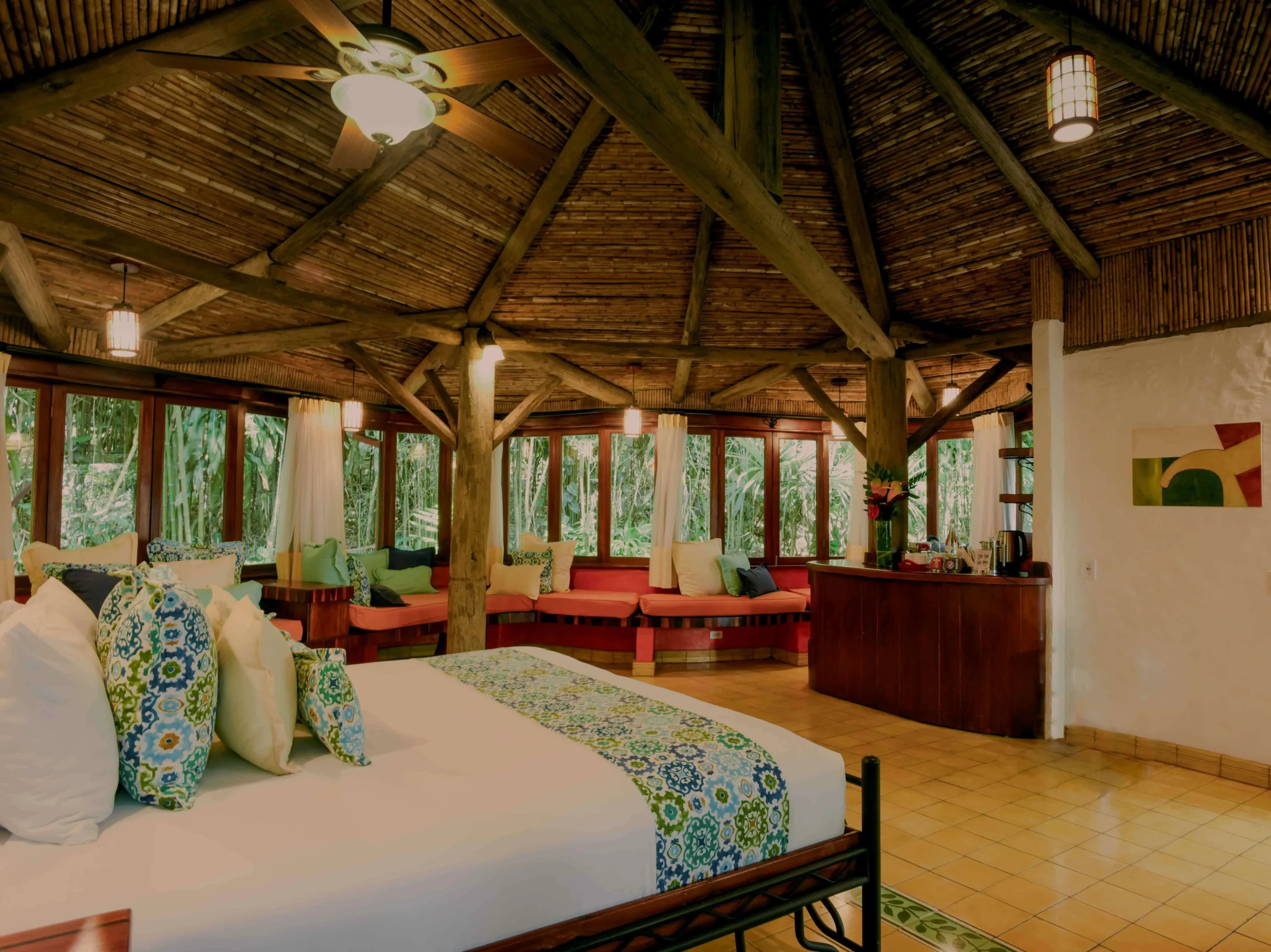
Traditional-style chalets built on stilts combine authentic architecture with modern comfort. Private verandas overlook the river providing peaceful spots for wildlife watching and relaxation. En-suite bathrooms with hot water and ceiling fans ensure comfortable rest after jungle adventures.
The main lodge houses a restaurant serving Malaysian and international cuisine buffet-style. A comfortable lounge area features natural history books and wildlife identification guides. The riverside deck becomes a social hub for sunset cocktails and wildlife story exchanges.