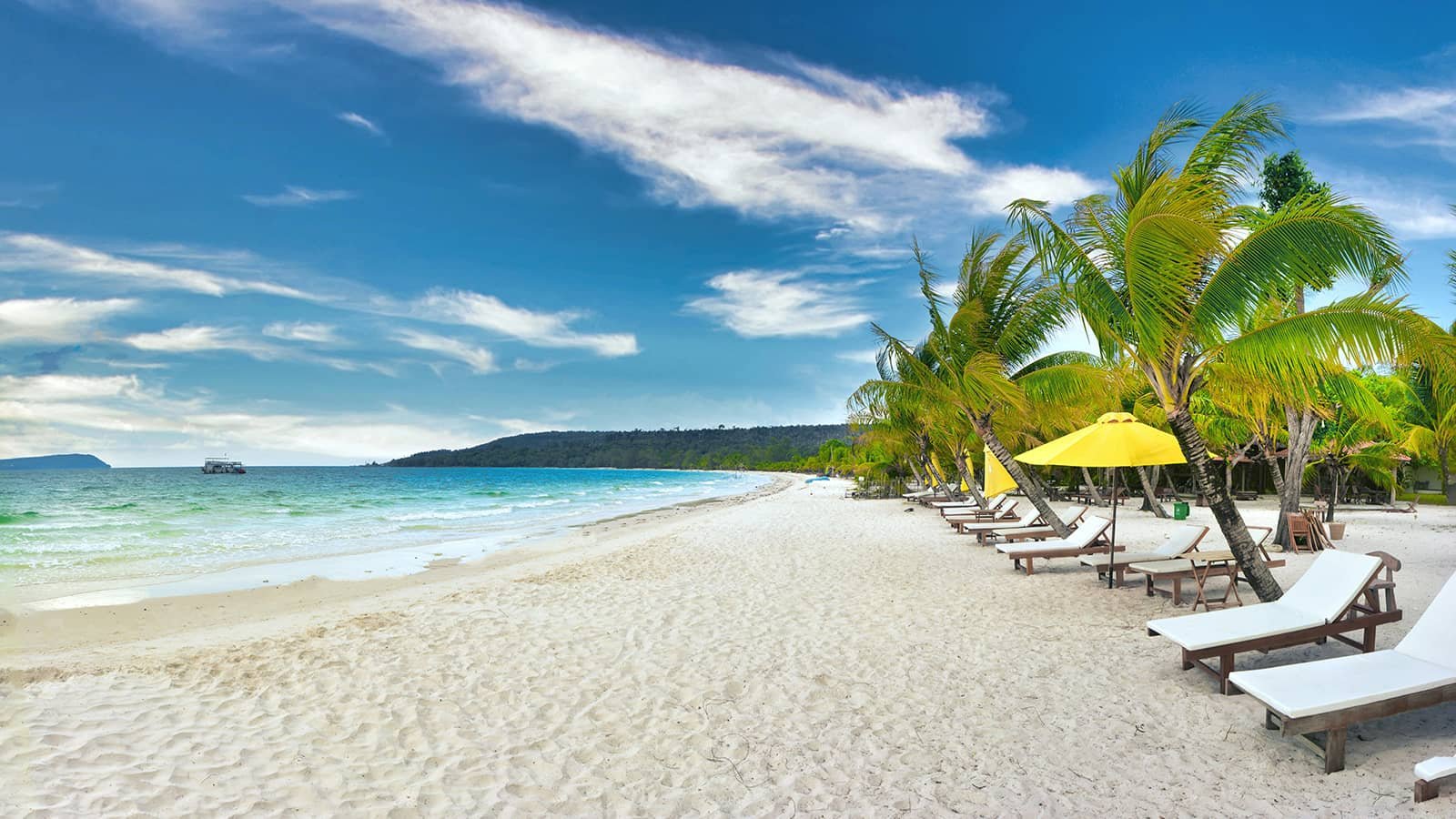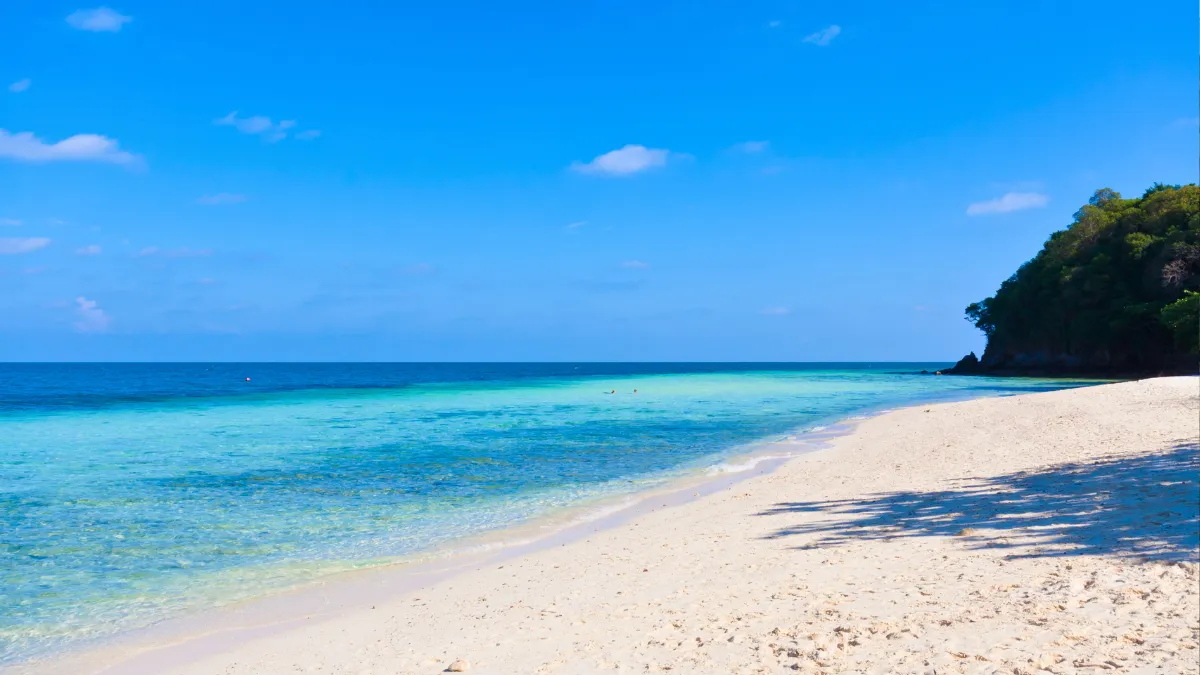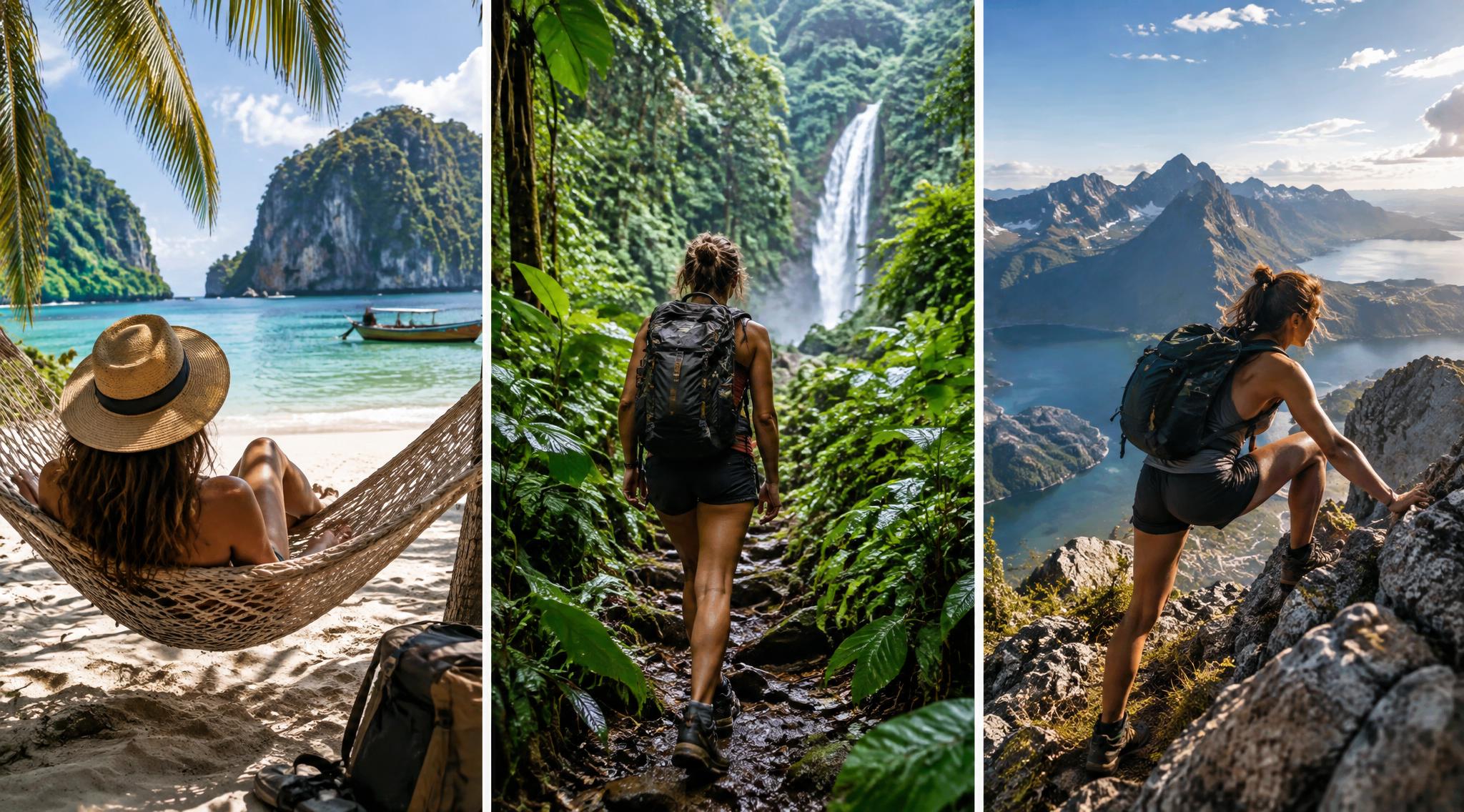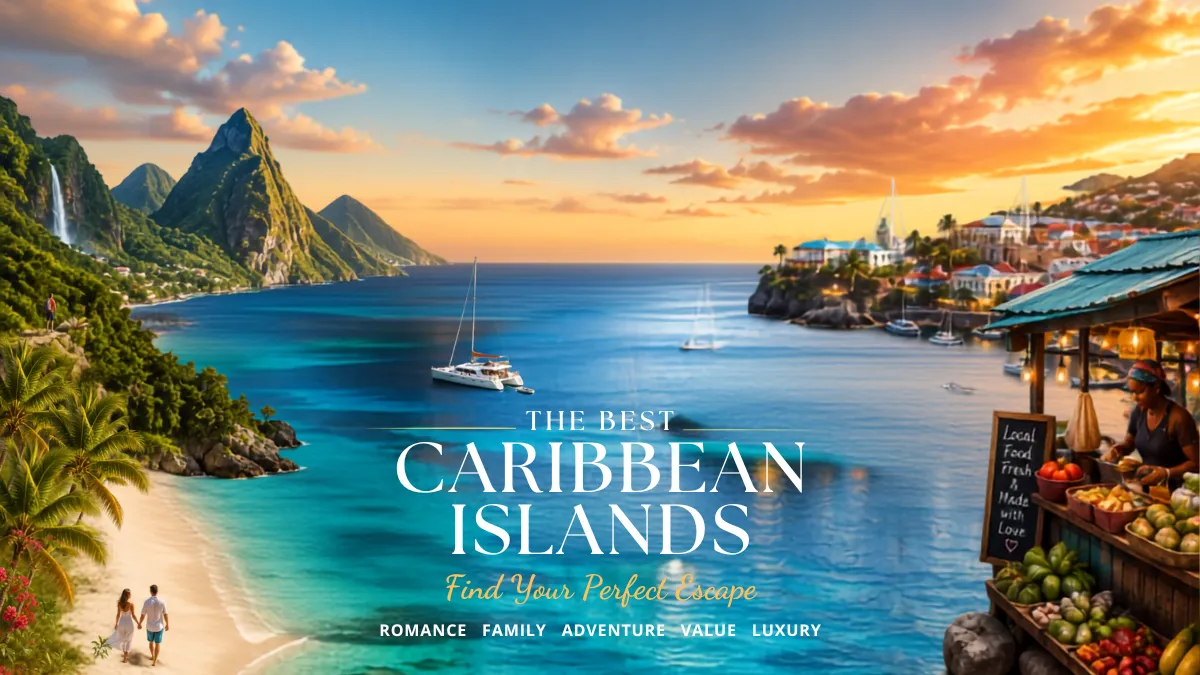


There is a moment I love in the Caribbean: the aircraft door opens, warm air rolls across your face, and suddenly winter feels very far away. But the Caribbean is not one destination. One island smells of wet rainforest and volcanic earth. Another is all salt air, powder-white sand and long lunches beside impossibly blue water. On one, the perfect day means climbing through jungle to a boiling lake. On another, it means doing almost nothing except deciding where to eat after sunset. And, that is precisely why choosing the best Caribbean island can be so difficult.
10 Islands. Find Yours.
With thousands of islands to choose from, picking the perfect one can feel overwhelming. Each island offers a unique personality, a distinct rhythm, and a different promise of paradise. Use this guide as a compass, to navigate through the diverse landscapes and experiences the Caribbean has to offer. We’ll help you to match your travel style to the ideal destination, ensuring your getaway is everything you’ve imagined and more. Whether you’re planning a honeymoon, a budget-friendly holiday, or a luxurious retreat, the perfect island is waiting for you. So rather than declaring one island the winner, this guide asks a more useful question:
Which Caribbean island is best for you?
I have divided my recommendations into five kinds of trips — couples, families, adventure, budget and luxury — and selected two outstanding islands for each. Some famous names did not make the final cut. The goal is not popularity; it is fit.
Before we start I want to remind you that wherever you go, there is another choice worth making. Caribbean tourism can bring tremendous opportunity, but much of our tourist dollars can disappear into international airlines, booking platforms and resort groups. One of the simplest ways to make a vacation more meaningful is also one of the most enjoyable: eat at a local restaurant, book a local guide, buy directly from a local artist, stay in a locally owned guesthouse for part of the trip and venture beyond the resort gates.
That is where many of the Caribbean’s best memories are waiting anyway.
At a glance: Which Caribbean island should you choose?
Best for Couples
- Saint Lucia — dramatic mountains, rainforest, volcanic landscapes and deeply romantic scenery.
- Antigua & Barbuda — dreamy beaches, sailing, sunset views and effortless barefoot romance.
Best for Families
- Aruba — easy beach days mixed with road trips, nature and family-friendly adventures.
- Cayman Islands — calm water, marine encounters, caves and polished family infrastructure.
Best for Value
- Dominican Republic — enormous variety and excellent vacation value well beyond the all-inclusive resorts.
- Jamaica — beaches plus music, food, waterfalls, mountains and an extraordinary living culture.
Best for Luxury
- St. Barts — French-Caribbean glamour, villas, yachts, beautiful coves and exceptional dining.
- Anguilla — quiet, low-key sophistication, spectacular beaches and superb food without the showiness.
Best for Adventure
- Dominica — wild rainforest, serious hiking, waterfalls, diving and volcanic landscapes.
- Puerto Rico — rainforest, surfing, bioluminescent bays, history and fantastic food in one highly varied trip.
The best Caribbean islands for couples
So why do I think Saint Lucia and Antigua are the top choices for couples?
- Choose Saint Lucia if the idea of lush rainforests, exotic hikes in the mountains and evenings on warm sand beside the ocean makes your heart beat faster.
- Choose Antigua & Barbuda if your fantasy begins with barefoot beach walks, drifting on boats and long evenings with views overlooking the water.
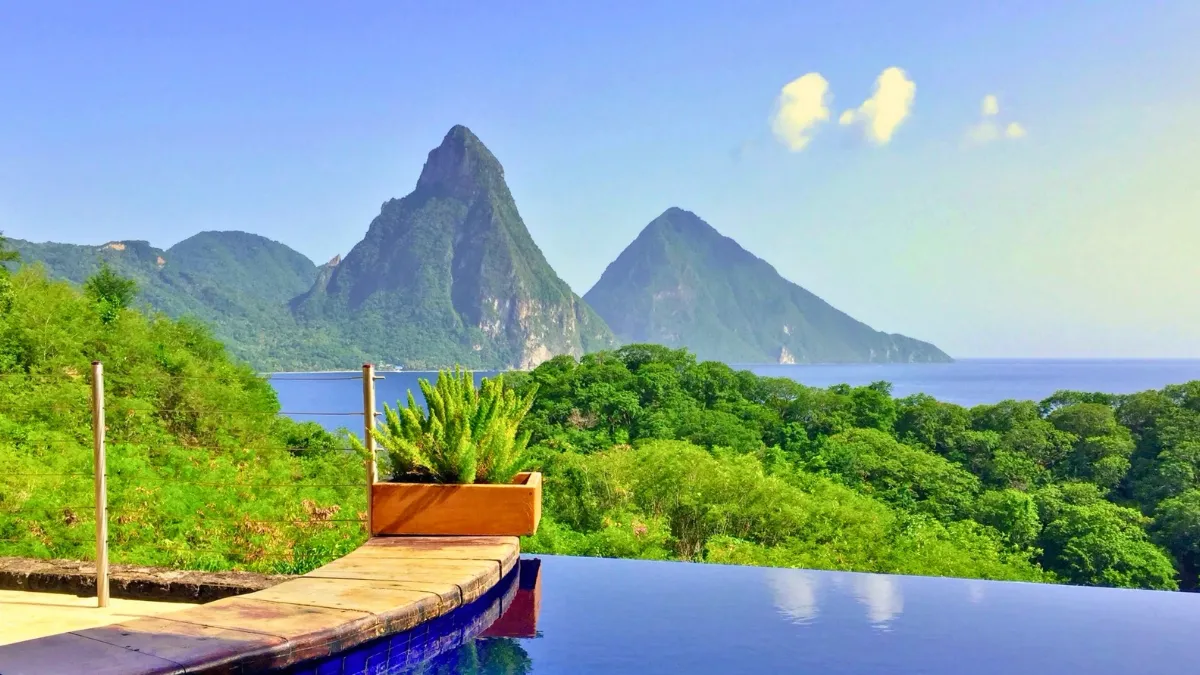
1. Saint Lucia: For Couples Who Want Romance With Drama
Saint Lucia does not whisper its beauty quietly. It announces it bold and up front..
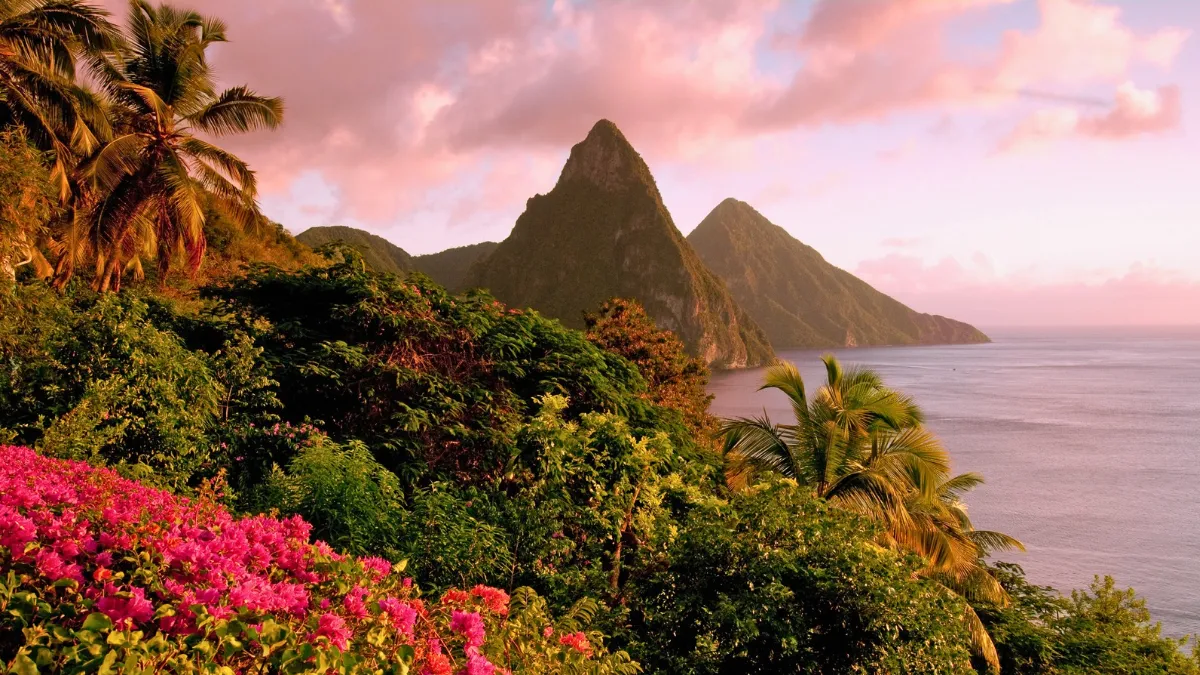
Approach the southwest coast and two great volcanic peaks — Gros Piton and Petit Piton — rise abruptly from a sea so blue it almost looks artificial. Green folds of rainforest spill down the hillsides. Fishing boats bob beneath palms. Somewhere in the distance, sulphurous steam rises from volcanic ground.
For couples who want their Caribbean holiday to feel like a epic journey rather than simply a beach break, Saint Lucia is difficult to beat.
The southwest around Soufrière is its emotional heart. The landscape contains the UNESCO-listed Pitons, volcanic scenery, waterfalls, beaches and rainforest in remarkably close proximity. The official tourism authority also highlights Tet Paul Nature Trail, Sulphur Springs and rainforest experiences among the island’s defining attractions.
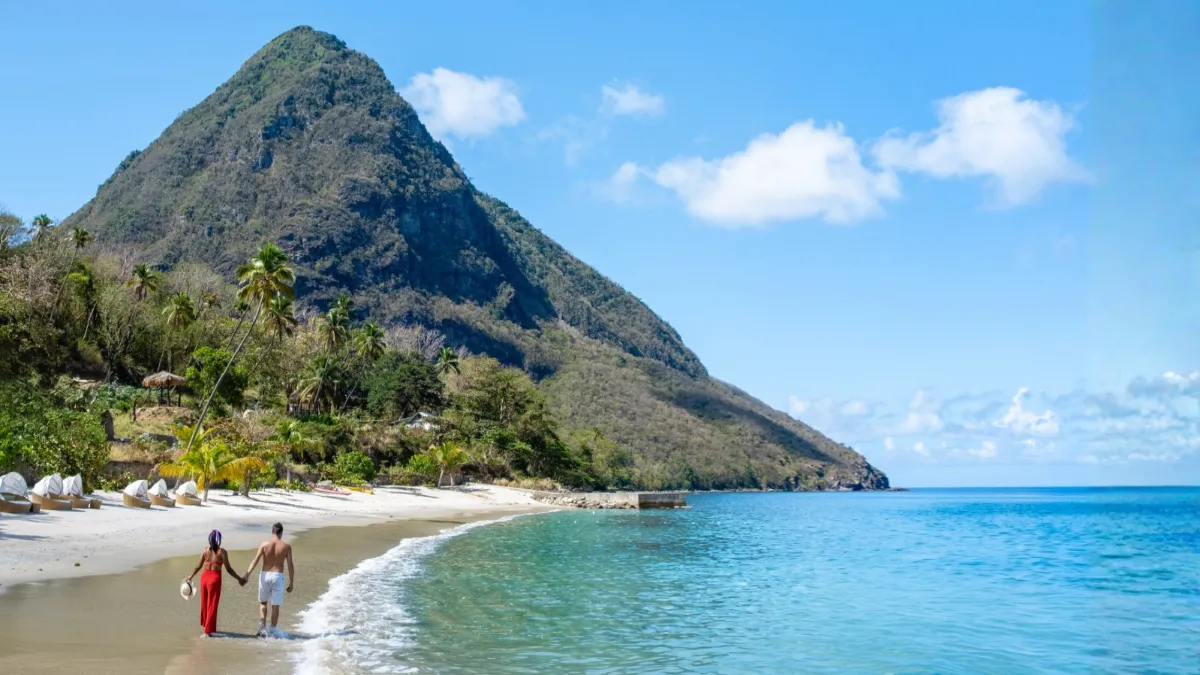
Why I chose Saint Lucia
Saint Lucia offers a dramatic, experience-led style of romance. The combination of the Pitons, rainforest, volcanic springs, intimate resorts and secluded beaches makes it particularly appealing to honeymooners and couples who want to alternate private relaxation with memorable adventures.
Romantic highlights include:
- Sailing beneath the Pitons at sunset: A private yacht or catamaran cruise along the west coast provides Saint Lucia’s quintessential romantic experience. Many cruises include champagne, swimming and snorkelling before sunset behind the Pitons.
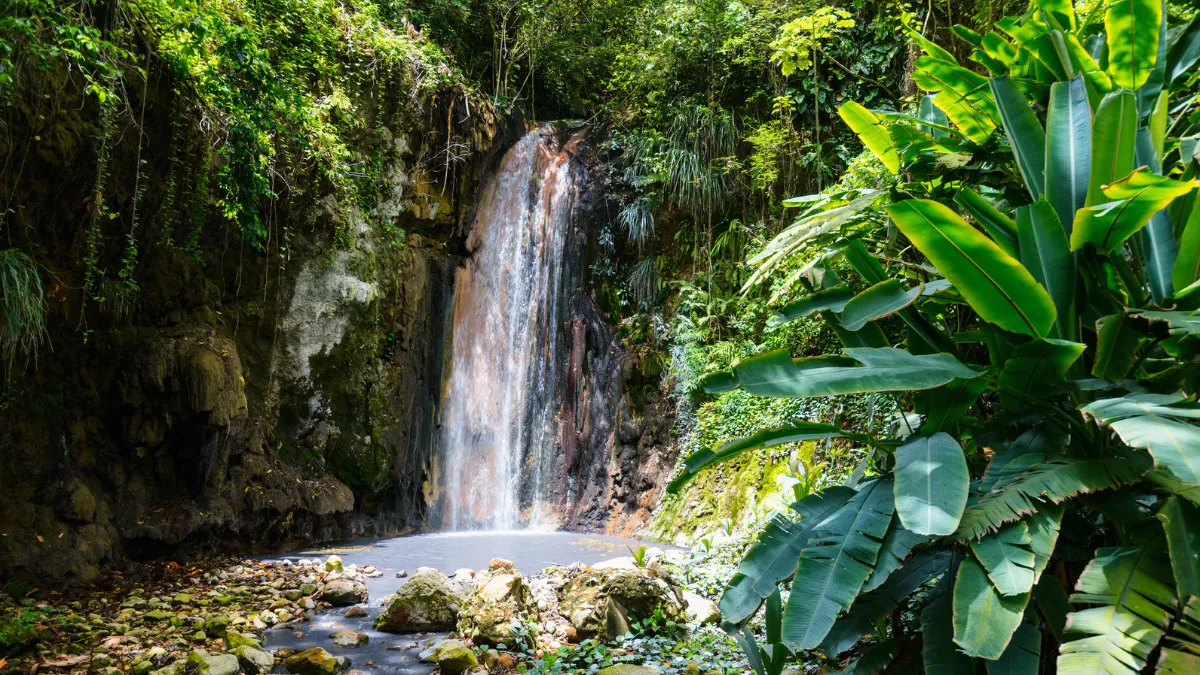
- Sharing a volcanic mud bath: At Sulphur Springs near Soufrière, couples can cover one another in mineral-rich mud before bathing in naturally heated pools. It is playful, relaxing and distinctly Saint Lucian.
- Dining with a Piton view: Resorts and restaurants around Soufrière offer private terraces, candlelit beach dinners and tables overlooking the mountains. Several properties can also arrange private chefs or in-villa dining.
- Staying in an open-wall suite: Saint Lucia is known for luxurious rooms with private plunge pools and uninterrupted views of the Pitons. These secluded, design-led resorts are a major reason the island has become such a celebrated honeymoon destination.
- Taking a couples’ spa treatment: Resorts offer side-by-side massages, open-air treatment rooms and rituals using local cocoa, coconut and volcanic minerals. Some combine treatments with yoga, rainforest bathing or natural hot springs.
- Walking the Tet Paul Nature Trail: This relatively gentle trail provides spectacular views of the Pitons and surrounding coastline without requiring a strenuous expedition. More active couples can climb Gros Piton together.
- Visiting waterfalls and botanical gardens: Diamond Falls Botanical Gardens combines tropical plants, mineral baths and a colourful waterfall. Toraille Falls offers another easily accessible swimming and photography stop.
- Snorkelling at Anse Chastanet: Couples can swim directly from the beach to coral reefs, while nearby Anse Mamin offers a quieter and more secluded setting.
- Making chocolate together: Saint Lucia’s cocoa estates offer plantation tours, tastings and bean-to-bar chocolate-making workshops. It is an enjoyable alternative to another beach day and connects couples with the island’s agricultural heritage.
- Exploring Pigeon Island: Couples can walk through historic ruins, climb to panoramic viewpoints and finish with a swim or waterfront meal.
- Taking a private island tour: A driver or guide allows couples to combine Soufrière, local villages, coastal viewpoints, waterfalls and a Creole lunch without navigating Saint Lucia’s steep, winding roads themselves.
Saint Lucia is best for couples who want cinematic scenery, private luxury and shared experiences that feel genuinely distinctive. It particularly suits honeymoons, proposals and milestone anniversaries, but also works for active couples who would rather hike, sail and explore than remain entirely inside a resort.
The essential Saint Lucia sequence
Day 1 — Arrive slowly in Soufrière
Base yourself in or around Soufrière if landscape and romance are your priorities. Resist the temptation to fill the first afternoon.
Walk. Listen. Watch the fishing boats. Find somewhere small for Creole fish, green fig and saltfish, callaloo or whatever is being cooked that day.
That first unstructured evening is often when Saint Lucia begins working its magic.
Day 2 — Meet the Pitons
Start with the Tet Paul Nature Trail. It provides enormous visual reward without demanding a major expedition, with famous views across the Pitons and surrounding landscape.
For serious hikers, Gros Piton is the bigger physical challenge. Use a legitimate local guide where required or recommended; beyond safety and interpretation, it keeps more tourism income tied to the communities surrounding these landscapes.
Afterward, cool down near the coast rather than rushing straight back to your hotel.
Day 3 — Volcano, water and cacao
Explore the volcanic landscape around Sulphur Springs, then make the day about Saint Lucia’s flavors.
Cacao has become part of the island’s luxury tourism story, but seek experiences that explain cultivation and local agricultural life rather than simply selling chocolate at the end.
Finish with a long swim. You have earned it.
Day 4 — Anse Chastanet and the sea
Spend the morning snorkeling or swimming off the southwest coast. Anse Chastanet is famous for good reason: dark-green slopes descend toward clear water, and the Piton landscape makes even floating in the sea feel cinematic.
Later, take a small-boat excursion or sunset sail.
The best moment may come when the engine cuts, sails take the wind and the island becomes a dark silhouette behind you.
Day 5 — Leave room for nothing
Do not over-plan your final day. Buy fruit. Have another Creole lunch. Swim somewhere beautiful. Talk to people. A romantic vacation needs empty time for you to just enjoyt each other and the space.
Saint Lucia Beaches and landscapes
Choose the southwest if you want drama rather than endless flat white sand. This is a volcanic island, and its coastline feels muscular: steep hillsides, coves, jungle and deep-blue water.
For broader beaches and easier access to restaurants and nightlife, the north around Rodney Bay offers a different personality.
Food and culture
Look beyond hotel menus. Try Creole fish, breadfruit, plantain, callaloo, cocoa tea and local rum. Friday-night celebrations and community food scenes can offer a much livelier connection to Saint Lucia than another private resort dinner.
A meal cooked by a Saint Lucian family or small independent restaurant may become one of the most romantic experiences of the trip precisely because it is not marketed as romantic.
Where to stay
- Soufrière: best for scenery, honeymoon atmosphere and access to the Pitons.
- Rodney Bay / Gros Islet: better for nightlife, restaurants and convenience.
- Marigot Bay: appealing for couples seeking a marina atmosphere and relative calm.
Ideal trip length
5–7 nights. Fewer than four nights can feel rushed because road journeys across the mountainous island take longer than the map suggests.
Best time to visit
For generally drier, sunnier weather, December through April is the classic period, with correspondingly higher prices.
The wetter part of the year can offer better value and greener landscapes, but Caribbean storm risk also rises during Atlantic hurricane season. Always check current forecasts close to travel.
Getting around Saint Lucia
Hire a driver for demanding cross-island days unless you genuinely enjoy steep, twisting roads and left-side driving.
Taxis and transfers can become expensive, so couples planning substantial exploration should price transportation before booking an isolated resort.
Expert tip
Do not choose your hotel purely from photographs of the room.
In Saint Lucia, location matters enormously. A spectacular resort high above Soufrière may involve steep access, while a northern hotel may put you a substantial road journey from the Pitons.
Common mistake
Trying to “see the whole island” in three days. Saint Lucia rewards depth. Pick a region and experience it.
Make your trip matter
- Book local guides for trails and marine trips.
- Eat outside the resort.
- Buy spices, crafts, cacao and artwork directly from producers where possible.
Your money becomes much more meaningful when a greater share reaches locals providing the experience.
Choose Saint Lucia if…
You want rainforest, mountains, volcanic drama and couple time that feels adventurous as well as romantic.
2. Antigua & Barbuda: For Barefoot Romance and Beautiful Beaches
Antigua’s beauty arrives differently.
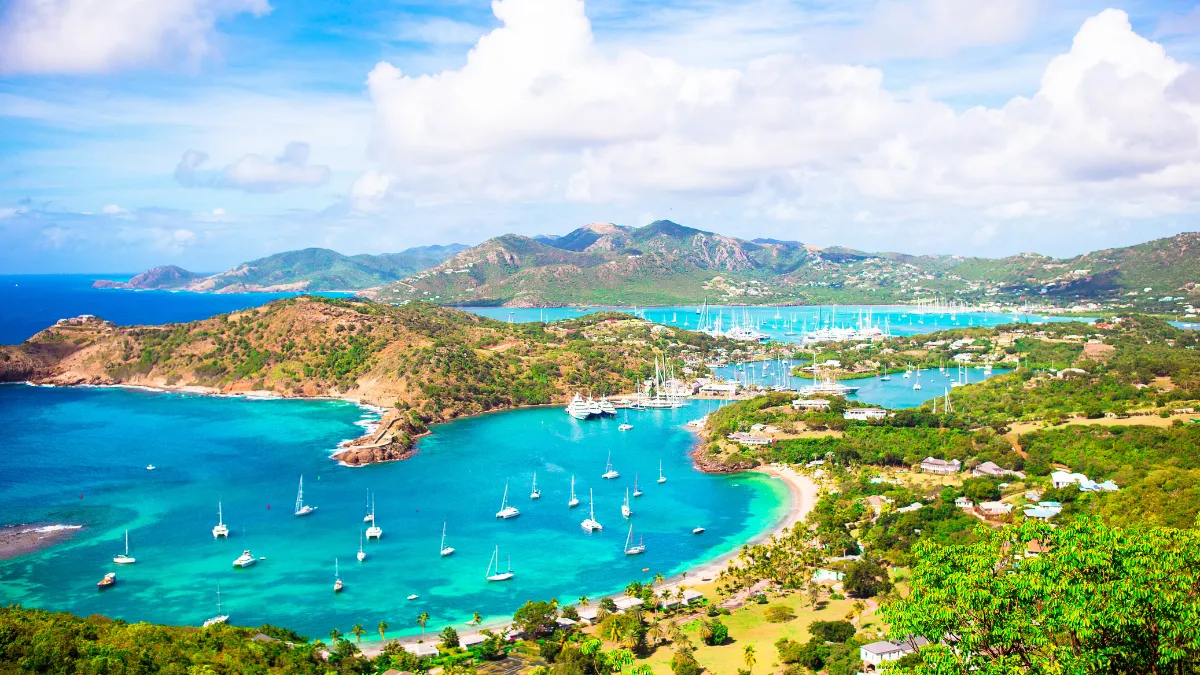
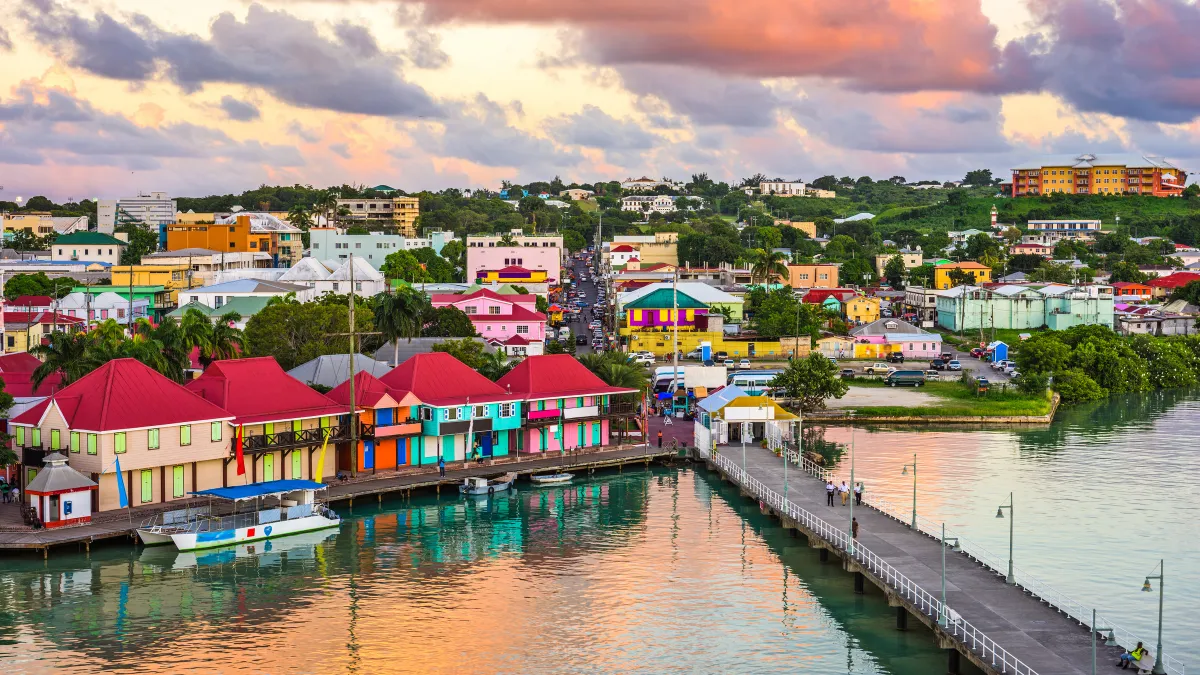
The roads roll over warm green hills and suddenly reveal a crescent of pale sand below. Masts crowd historic harbors. Sea breezes carry music from a beach bar. At sunset, English Harbour turns molten gold.
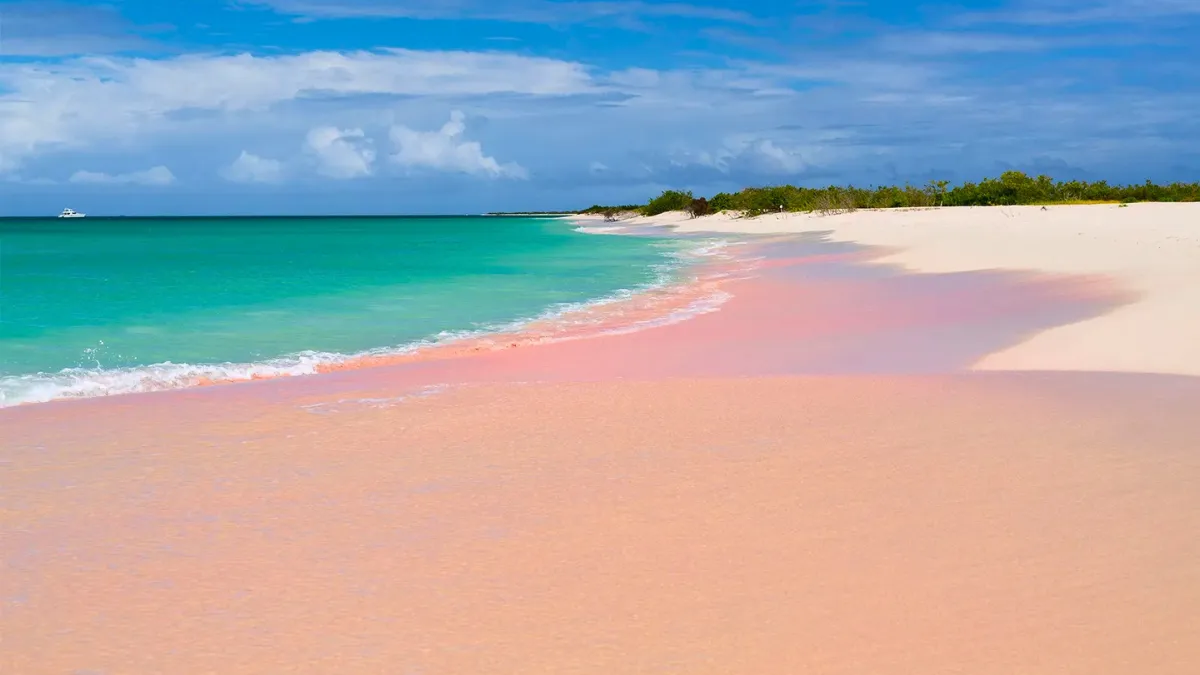
And then there is Barbuda — quieter, flatter and wilder, with pink-tinged sands and an atmosphere that feels far removed from Antigua’s polished resorts. Official destination material emphasizes Antigua and Barbuda’s enormous beach variety, while Shirley Heights overlooks English and Falmouth Harbours from its historic elevated position.
Why I chose Antigua & Barbuda
Antigua and Barbuda offer a softer, more beach-centred kind of romance. Antigua provides elegant resorts, excellent restaurants, historic harbours and a celebrated sailing culture, while sparsely developed Barbuda adds pink-tinged beaches and an extraordinary sense of isolation.
Romantic highlights include:
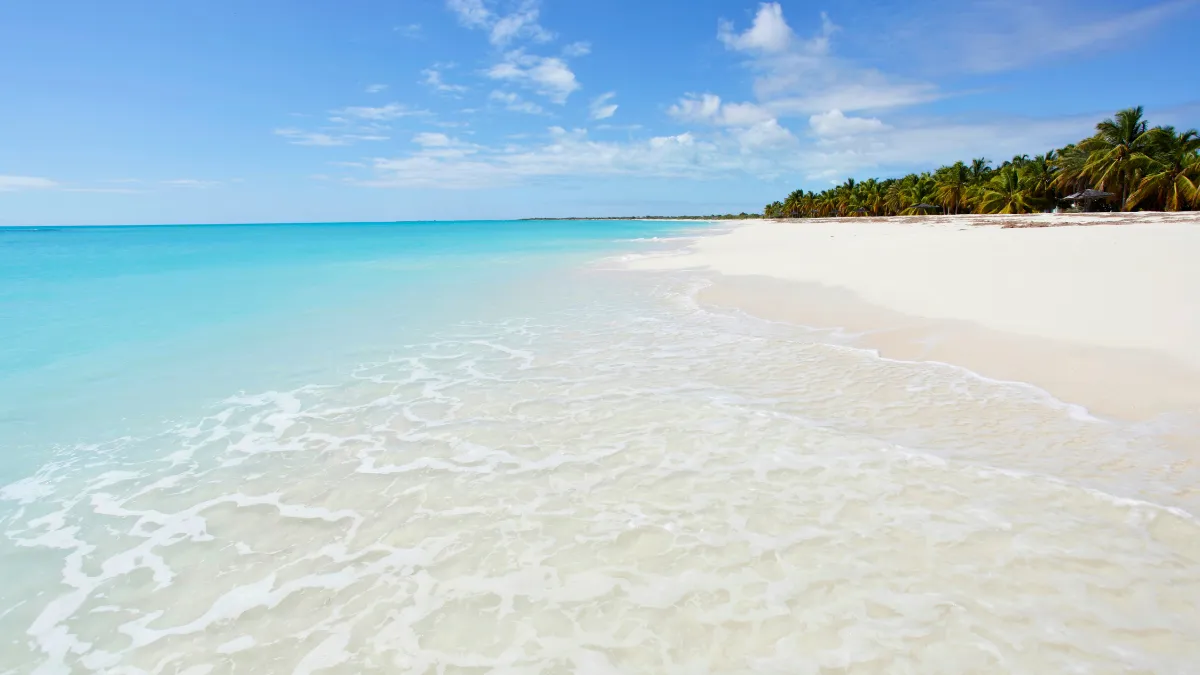
- Finding a beach of your own: Antigua promotes itself as having 365 beaches, ranging from lively Dickenson Bay to quieter stretches such as Rendezvous Bay, Darkwood Beach and Half Moon Bay. Hiring a car allows couples to search for a relatively empty cove rather than staying on one resort beach.
- Chartering a yacht: Antigua is one of the Caribbean’s great sailing destinations. Couples can book a private yacht, join a sunset cruise or sail between hidden bays with stops for swimming and snorkelling.
- Watching sunset from Shirley Heights: The viewpoint above English Harbour offers sweeping views of Nelson’s Dockyard and the anchored yachts below. Sunday gatherings add steel-pan music and barbecue, while a quieter visit on another evening can feel more intimate.
- Exploring Nelson’s Dockyard: Couples can wander among restored Georgian buildings, marina views and historic fortifications before having lunch or dinner around English Harbour. The combination of heritage and yachting atmosphere gives Antigua more than conventional resort romance.
- Escaping to Barbuda: A flight, ferry or private boat takes couples to Antigua’s quieter sister island. Barbuda offers long pink-tinged beaches, turquoise shallows and very limited development—ideal for couples seeking space, silence and a genuine away-from-everything experience.
- Visiting the Frigate Bird Sanctuary: A guided boat through Codrington Lagoon reveals one of the world’s important colonies of magnificent frigatebirds. It adds wildlife and local interpretation to a romantic Barbuda escape.
- Having a private beach picnic: Resorts and local operators can arrange secluded lunches, champagne picnics or candlelit dinners beside the sea. Princess Diana Beach on Barbuda provides an especially memorable setting.
- Snorkelling or diving together: Cades Reef is one of Antigua’s principal marine sites, while boat excursions visit reefs and sheltered bays around both islands. Beginners can take a guided snorkelling trip or learn to scuba dive together.
- Kayaking through mangroves: Eco-tours combine quiet paddling, small offshore islands and snorkelling. These are gentle adventures suited to couples who want activity without sacrificing the relaxed mood of the trip.
- Sharing a spa day: Antigua has a strong selection of adults-only and couples-focused resorts offering oceanfront massages, private spa suites, wellness treatments and beachfront relaxation.
- Taking a cooking class: Couples can learn to prepare Caribbean dishes, use local spices or cook with Antigua’s famous black pineapple. This creates a more personal cultural connection than resort dining alone.
- Seeing Montserrat from the air: Helicopter excursions provide views of neighbouring Montserrat and its active Soufrière Hills volcano. It is an expensive but memorable addition for couples celebrating a major occasion.
Antigua and Barbuda are best for couples seeking unhurried beach romance, sailing and privacy. Antigua makes the trip comfortable and varied; Barbuda supplies the remoteness and barefoot seclusion that can make it feel exceptional.
The essential Antigua sequence
Day 1 — Find your beach
Do not start with sightseeing. Find the water.
Antigua has an extraordinary variety of beaches, so your first task should be pleasantly simple: swim until your shoulders relax and your watch becomes irrelevant.
Day 2 — English Harbour and Nelson’s Dockyard
Explore the historic maritime landscape around Nelson’s Dockyard, then wander rather than racing through it.
History matters here. Antigua is not an empty paradise created for vacations, and understanding even a little of its colonial story gives the beauty around English Harbour greater depth.
Later, cool off at nearby Pigeon Point or quieter Galleon Beach, which the tourism authority identifies as a peaceful option near Nelson’s Dockyard.
Day 3 — Shirley Heights at sunset
Spend your morning swimming, have a slow lunch, then climb toward Shirley Heights as afternoon light begins softening.
From above, harbors curl into the coast beneath you and sailing boats look like toys.
Stay through sunset. Yes, it is famous. Yes, it is worth it.
Day 4 — Sail
Antigua is a sailing island. Experience it from the water.
Choose a smaller locally operated excursion where feasible rather than defaulting automatically to the largest excursion vessel.
Stop for snorkeling. Swim from the boat. Let the coastline move past instead of checking attractions off a list.
Day 5 — Barbuda or one perfect Antigua day
If logistics and time permit, add Barbuda. Its pink-and-white beaches and barrier-reef setting create a striking contrast with Antigua. If not, stay on Antigua and repeat the thing travelers often forget they are allowed to do on vacation: Go back to your favorite beach.
Antigua food and culture
Seek out pepperpot, fungi, seafood, barbecue and seasonal local produce.
A good Caribbean meal need not arrive beneath a silver cloche. Some of your best food may come from somewhere with plastic chairs, smoke drifting from a grill and three items on the menu.
Best area to stay
- English Harbour: best for character, sailing and restaurants.
- West Coast: convenient for classic beach-resort experiences.
- Dickenson Bay area: good for travelers wanting amenities and an easy beach base.
Ideal trip length
5–7 nights, or 7–9 if adding Barbuda. That allows for seeing it all and doing it without rushing.
Expert tip
Renting a car can greatly expand your beach choices. And there are many to visit.
The joy of Antigua is not finding the best beach. It is deciding which of tbem look the most irresistible each day.
Common mistake
Spending six nights at a beachfront resort and seeing only one beach. You chose an island famous for shoreline variety. Explore it.
Make your trip matter
- Eat beyond the hotel.
- Hire local drivers and captains
- Visit independent galleries
- Purchase directly from makers.
If you visit Barbuda, be especially mindful that this is a small living community, not simply an excursion backdrop.
Choose Antigua & Barbuda if…
You want beautiful beaches, sailing, easy romance and fewer strenuous adventures.
The best Caribbean Island for families
So, why do I recommend Aruba or Cayman as the best caribbean islands for families?
- Choose Aruba for independent road trips, varied landscapes and an easygoing atmosphere.
- Choose Cayman for snorkeling, marine experiences and the families whose happy place is in the water.
3. Aruba: The Easygoing Family Road Trip Island
At first, Aruba may surprise you.
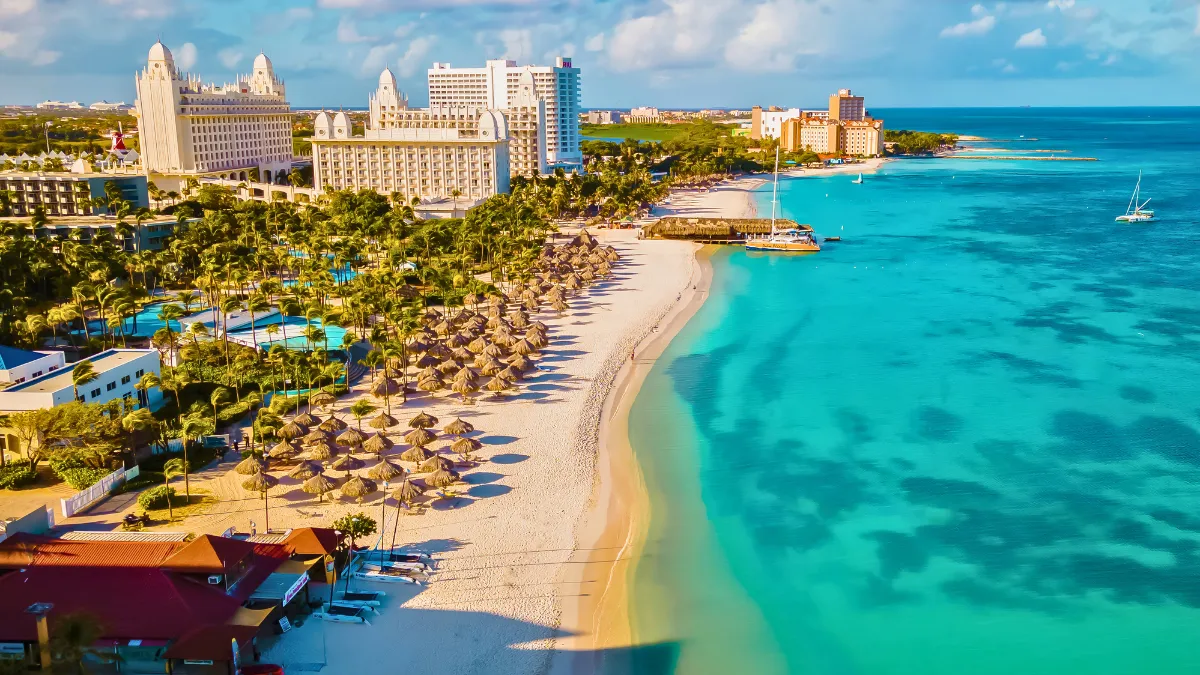
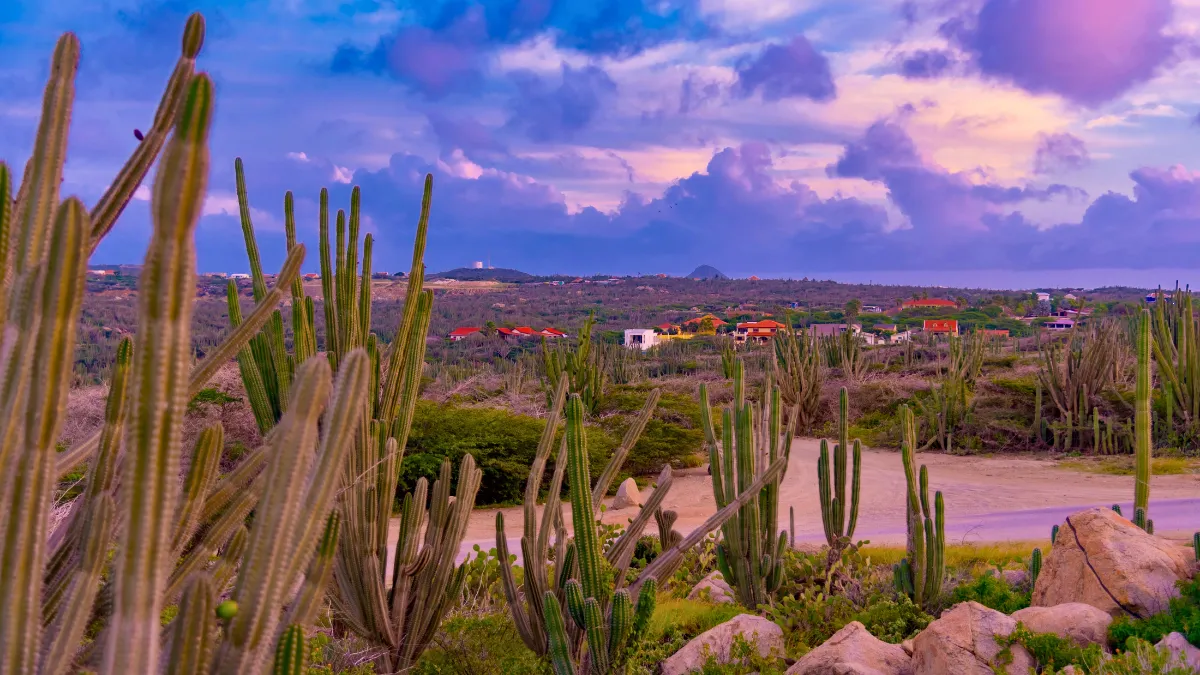
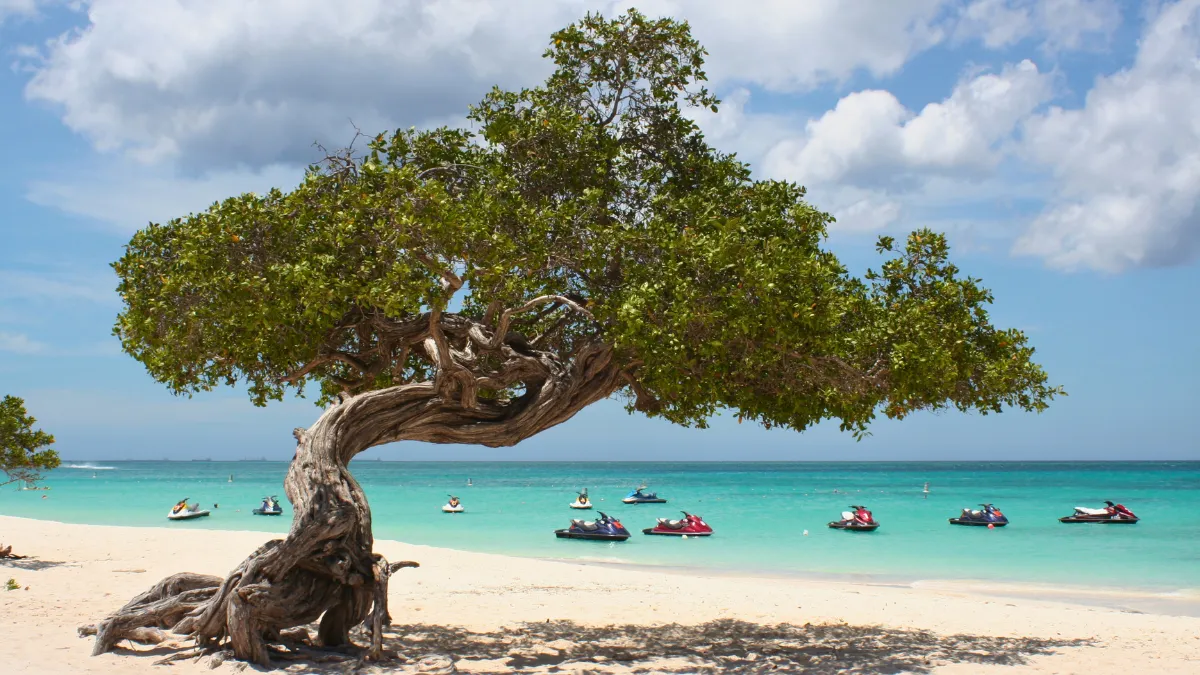
This is not the lush Caribbean of postcards filled with jungle. Aruba is drier and windier, with cactus, sculpted divi-divi trees and wild landscapes in the interior.
Then you reach the southwest coast and the palette changes: pale sand, astonishingly blue water and beaches that seem designed for easy family days.
The island’s tourism authority highlights family activities and Arikok National Park, which covers roughly one-fifth of Aruba and protects caves, landscapes and endemic wildlife.
Why I chose Aruba
Aruba is particularly well suited to families because it combines calm beaches and child-friendly resorts with wildlife attractions, easy sightseeing and manageable outdoor adventures. Its relatively compact size also means families can experience beaches, desert landscapes and cultural attractions without spending entire days travelling between them.
Family highlights include:
- Calm, shallow beaches: Baby Beach’s sheltered lagoon is ideal for paddling and younger swimmers. Palm Beach offers easy access to restaurants and water sports, while Eagle Beach provides more space for swimming, sandcastles and relaxed family beach days.
- Snorkelling for beginners: Boca Catalina, Arashi Beach and Mangel Halto offer opportunities to see tropical fish close to shore. Families wanting more support can join a catamaran cruise with flotation equipment, instruction and several swimming stops.
- De Palm Island: This all-inclusive activity island brings together snorkelling, waterslides, banana-boat rides, a small water park and beach facilities. Its concentration of activities makes it convenient for families with children of different ages.
- Atlantis Submarine: Children can see reefs, marine life and shipwrecks without needing to swim or snorkel. It is an especially good alternative for younger children or family members who are uncomfortable in open water.
- Arikok National Park: Families can explore Aruba’s dry, cactus-covered interior by car or guided Jeep tour. Attractions include caves, rock formations, historic Indigenous drawings and short walking trails. Older children and teenagers may enjoy a more adventurous off-road excursion.
- Animal encounters: The Butterfly Farm introduces children to the butterfly life cycle, while the Donkey Sanctuary, Aruba Ostrich Farm and Philip’s Animal Garden offer approachable wildlife experiences.
- Sailing and water sports: Family-friendly sailing trips, paddleboarding and kayaking are widely available along the calmer western coast. Older children can try windsurfing, kitesurfing, parasailing or introductory scuba experiences.
- Climbing Hooiberg: The staircase to the summit of this volcanic formation makes a rewarding challenge for active families. Starting early avoids the strongest heat.
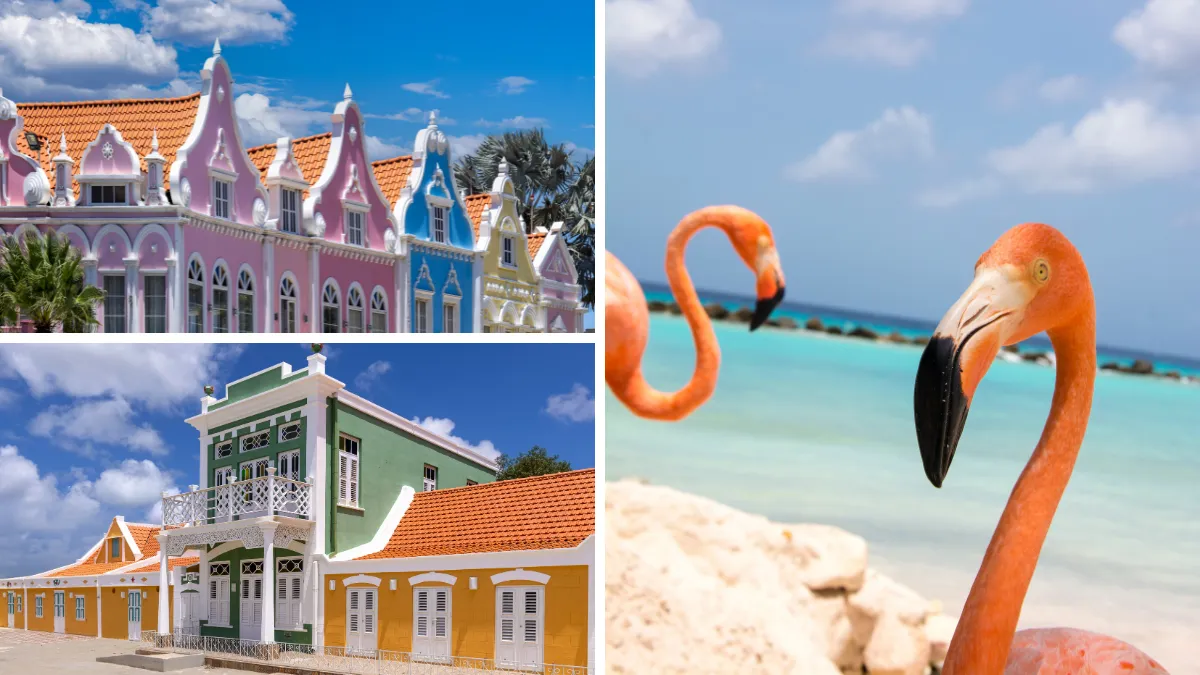
- Oranjestad and San Nicolas: Families can explore colourful Dutch-Caribbean architecture, local markets and museums in Oranjestad or follow the street-art murals through San Nicolas.
- Resort-based entertainment: Many of Aruba’s family resorts provide children’s clubs, pools, playgrounds, organised recreation and easy beach access—useful when adults and children want different levels of activity.
Aruba works especially well for families seeking an easy, sunny holiday with a mixture of beach time and uncomplicated excursions. There are enough activities for energetic children and teenagers, but families can also keep the pace gentle.
The essential Aruba sequence
Day 1 — Eagle Beach
Start gently. Let children run, paddle and build castles while adults reacquaint themselves with the radical concept of doing nothing.
Day 2 — Arikok National Park
Now change landscapes completely.
Enter Arikok National Park, where roads and trails move through cactus country, limestone formations, caves and rugged coastline. Some routes are better suited to four-wheel-drive vehicles, so plan according to road conditions rather than assuming the rental sedan can go everywhere.
This is a wonderful opportunity to show children that a Caribbean island is an ecosystem, not a hotel with a beach attached.
Day 3 — Baby Beach and San Nicolas
Head south toward Baby Beach, a broad lagoon-like bay known for relatively shallow water.
Then spend time in San Nicolas, where street art and local culture add something completely different to the resort corridor. Eat locally before driving back.
Day 4 — Snorkeling and Oranjestad
Choose a family-appropriate snorkel excursion, preferably in a smaller group.
Later, walk through Oranjestad, stop for food and let everyone choose a local treat rather than turning souvenir shopping into an international-brand expedition.
Day 5 — Let the children choose
Return to their favorite beach.
Visit one of Aruba’s wildlife-oriented family attractions.
Have a fancy island lunch.
The perfect family itinerary includes repetition. Children often want to return to the place where they were happiest yesterday.
And when they are happy, well that makes parents happy too!
Where to stay
- Palm Beach: easiest for restaurants and resort amenities.
- Eagle Beach: calmer atmosphere and gorgeous shoreline.
- Oranjestad: more urban and useful for travelers interested in everyday island life.
Ideal trip length
5–7 nights. 5 nights gives you a chance to see everything without rushing hugely. 7 days allows you the time needed to repeat a couple of the activities the kids loved!
Best time to go
Aruba’s southern Caribbean position and relatively dry climate contribute to its year-round popularity, although weather is never guaranteed.
Peak winter months usually mean higher rates, so families tied to school holidays should book early.
Getting around
A rental car is exceptionally useful.
It lets families leave the resort zone, eat in different areas and control their own schedule — one of the great luxuries when traveling with children.
Expert tip
Do not schedule a major attraction every day.
Alternating exploration days and beach days keeps the holiday enjoyable for adults and children.
Common mistake
Assuming “family-friendly” means staying in Palm Beach for a week. Aruba becomes far more interesting when you leave the hotel strip.
Make your trip matter
- Support independent restaurants in San Nicolas and Oranjestad
- Use locally operated guides
- Help keep protected areas as living habitats. Leave shells, coral and natural objects where they belong.
Choose Aruba if…
Your family wants easy logistics, sunshine, beaches and independent exploration by car.
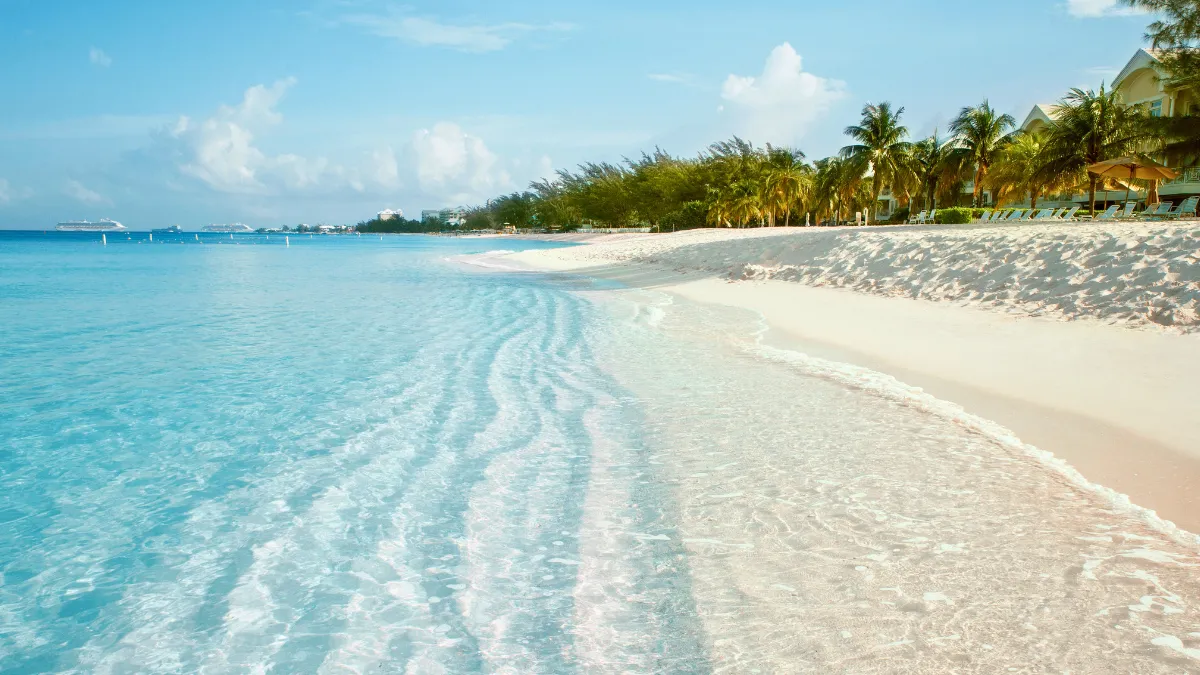
4. Cayman Islands: For Families Who Love the Ocean
Imagine a child’s first snorkel. Mask on. Face goes underwater. Then silence.
A fish flashes blue. Another appears. Suddenly the world beneath the surface seems more interesting than the one above it. That sense of discovery is why Grand Cayman works so beautifully for families.
The Cayman Islands combine famous beaches with Stingray City, caves, botanic gardens and wildlife-focused experiences. The official tourism organization specifically highlights Crystal Caves and family activities, while the Queen Elizabeth II Botanic Park includes a sanctuary for the rare Blue Iguana.
Why I chose Cayman
The Cayman Islands are an outstanding choice for families who want the sea to shape most of their holiday. Clear water, accessible reefs and several sheltered beaches allow children to progress naturally from paddling and swimming to snorkelling, wildlife encounters and introductory diving.
The best family experiences include:
- Swimming along Seven Mile Beach: Grand Cayman’s best-known beach has clear water, a gently shelving shoreline and numerous places to rent paddleboards, kayaks and snorkelling equipment. Conditions vary with the weather, but many sections are suitable for families with younger children.
- Meeting stingrays at Stingray City: Boats take families to a shallow North Sound sandbar where southern stingrays swim freely. Children can stand in waist-deep water while guides explain how to interact with the animals respectfully. Non-swimmers should confirm water depth, flotation equipment and boarding arrangements with the operator.
- Snorkelling from shore: Cemetery Beach, Smith’s Barcadere and Spotts Beach offer accessible snorkelling, although conditions and currents should always be checked locally. Families may encounter reef fish, rays and, at Spotts, occasionally sea turtles.
- Taking a guided reef cruise: Boat excursions often combine Stingray City with one or more coral gardens. These trips normally provide equipment, flotation aids and instruction, making them a reassuring introduction for children who have not snorkelled before.
- Exploring Starfish Point: This sheltered North Side cove allows families to observe cushion sea stars in shallow, transparent water. They should remain submerged—children can look and photograph them, but should never lift them from the sea.
- Snorkelling at the Cayman Turtle Centre: The centre’s saltwater lagoon offers a controlled environment where families can snorkel among fish and turtles. Waterslides, viewing pools and educational exhibits make it suitable for a broader range of ages than an open-water excursion.
- Paddling through mangroves: Guided kayak and paddleboard tours introduce children to mangrove ecology, juvenile marine life and coastal birds. The protected water is generally calmer than the open coast, although age requirements vary between operators.
- Taking a bioluminescence tour: On dark nights, movement causes microscopic organisms in Grand Cayman’s Bioluminescent Bay to produce flashes of light. Kayak and boat tours are available, with boat-based experiences often more manageable for younger children.
- Spending a day at Rum Point: Shallow water, shade, food, changing facilities and access to snorkelling make Rum Point a convenient family base. Nearby Cayman Kai and Starfish Point can be included in the same outing.
- Booking a private or small-group boat charter: Families can create a flexible day incorporating reefs, Stingray City, Starfish Point, tubing and quiet beaches. This can be particularly valuable when travelling with toddlers, hesitant swimmers or several generations.
- Trying introductory scuba diving: Older children who meet the operator’s age and health requirements can take a supervised introductory session. Cayman’s generally clear water and accessible reefs make it one of the Caribbean’s most approachable places to learn.
- Exploring the Sister Islands: Cayman Brac offers snorkelling, diving and a more rugged shoreline, while quiet Little Cayman provides exceptional reefs and uncrowded water. These islands suit confident swimmers and families wanting a quieter, more nature-focused stay.
The Cayman Islands are best for families seeking clear water, marine wildlife and a gradual range of aquatic experiences. Young children can begin with sheltered swimming and glass-bottom boats; developing swimmers can progress to guided snorkelling; and teenagers can try diving, jet skiing or more adventurous boat trips.
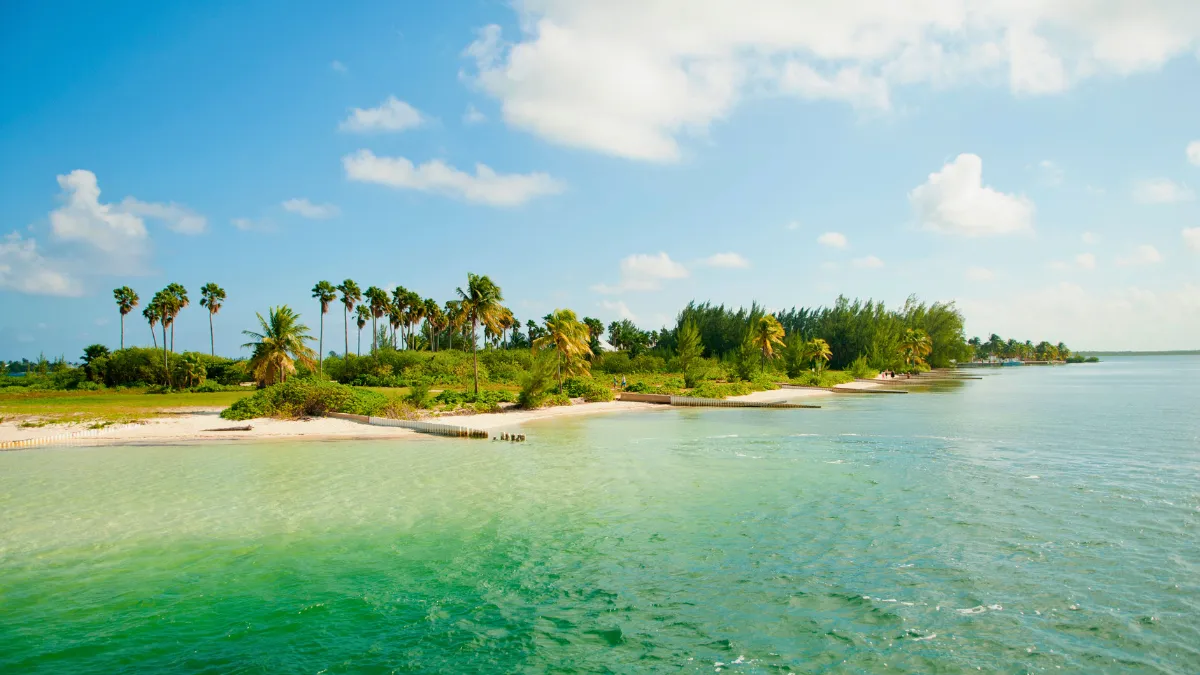
The essential Cayman sequence
Day 1 — Seven Mile Beach
Begin with the simplest pleasure. Swim. Snorkel.
Walk until the footprints behind you disappear under the next wave.
Day 2 — Stingray City, thoughtfully
A shallow offshore sandbar encounter with southern stingrays is one of Cayman’s most recognizable experiences.
Choose an operator carefully. Wildlife experiences should prioritize observation and animal welfare rather than turning wild animals into props.
Teach children to watch first. That lesson is far more valuable than obtaining the perfect photograph.
Day 3 — Blue Iguanas and island nature
Head inland to the Queen Elizabeth II Botanic Park, where families can shift attention from marine life to native terrestrial ecosystems.
The Blue Iguana recovery story makes conservation tangible for children: endangered species are no longer an abstract concept from a textbook.
Day 4 — Crystal Caves
Descend into a completely different world.
Stalactites, stalagmites and clear pools make Cayman Crystal Caves an excellent change from the beach, particularly on a very hot day.
Day 5 — East End or another snorkel day
Get beyond the busiest resort zone.
Drive east. Stop for lunch. Find a quieter coastline.
A family trip improves enormously when children see that other families like them actually live in the destination they are visiting.
Best area to stay
- Seven Mile Beach: easiest for first-time family visitors.
- West Bay: convenient while providing slightly more distance from the central resort strip.
- East End: better for quiet-loving families who don’t need constant restaurant choice.
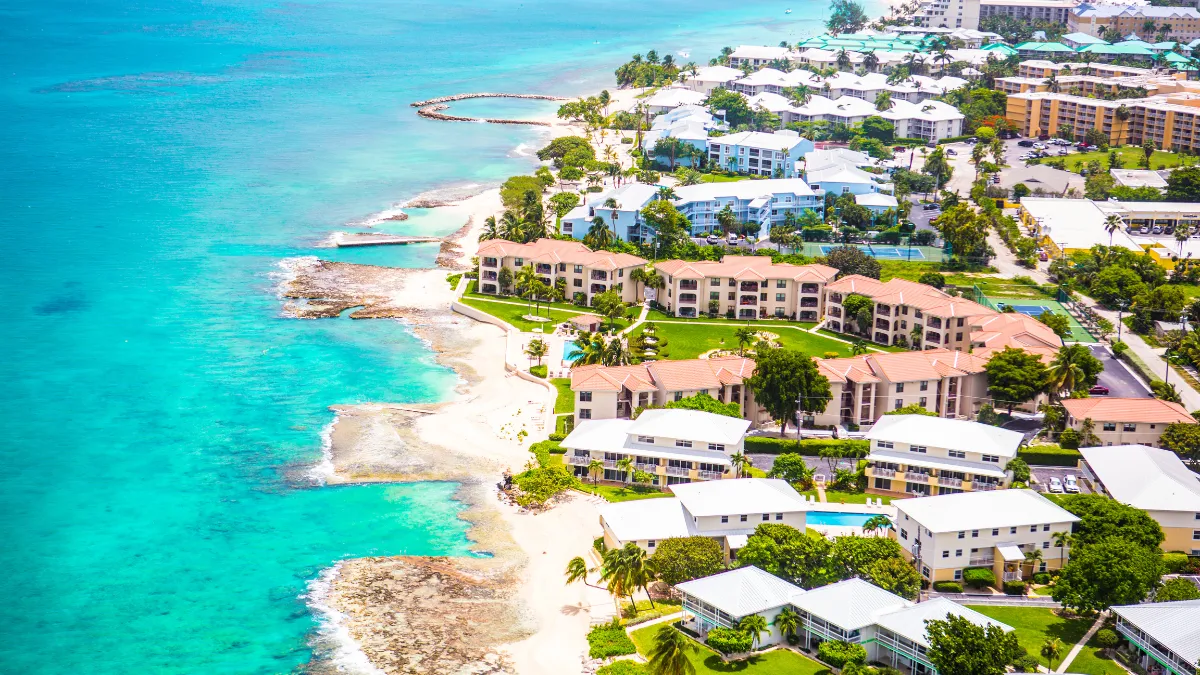
Ideal trip length
5–7 nights. 5 days allows you to get enough days in the water to satisfy all the family. 7 days allows you a day of internal adventure and one just to rest. Days on the water have a way of exhausting everyone.
Expert tip
Book a condo or apartment with a kitchen if staying a week.
Even families who love restaurants usually appreciate breakfast without negotiation. It can also substantially reduce trip costs.
Common mistake
Expecting every marine-life or animal encounter to have direct interaction. The best wildlife experiences now involve simply watching, so prepare the kids before you leave home.
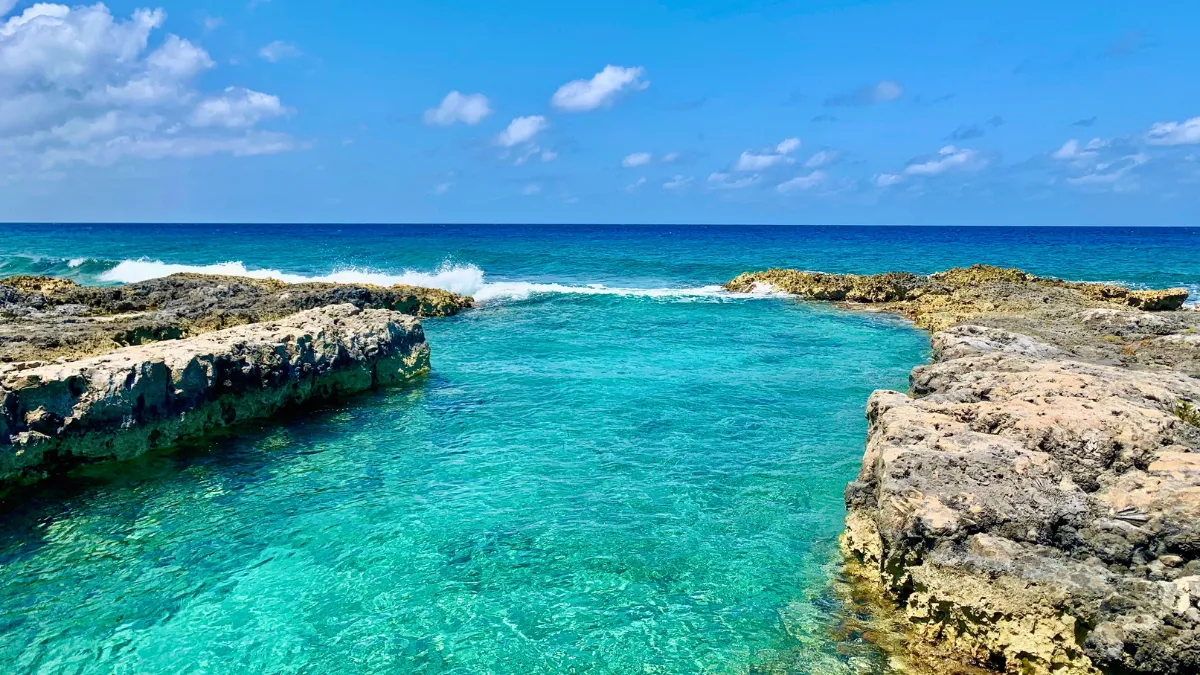
Make your trip matter
Choose conservation-minded operators, visit local restaurants away from the main hotel strip and seek Caymanian food and cultural experiences as deliberately as you seek beaches.
Choose Cayman if…
You want excellent marine activities, calm family days and polished infrastructure, and budget is not your primary concern.
The Caribbean islands for Aventure
So, why are Dominica or Puerto Rico the best Caribbean islands for those who seek adventure?
- Choose Dominica if wilderness is the main reason you travel.
- Choose Puerto Rico if you want your hiking boots beside your restaurant reservations.
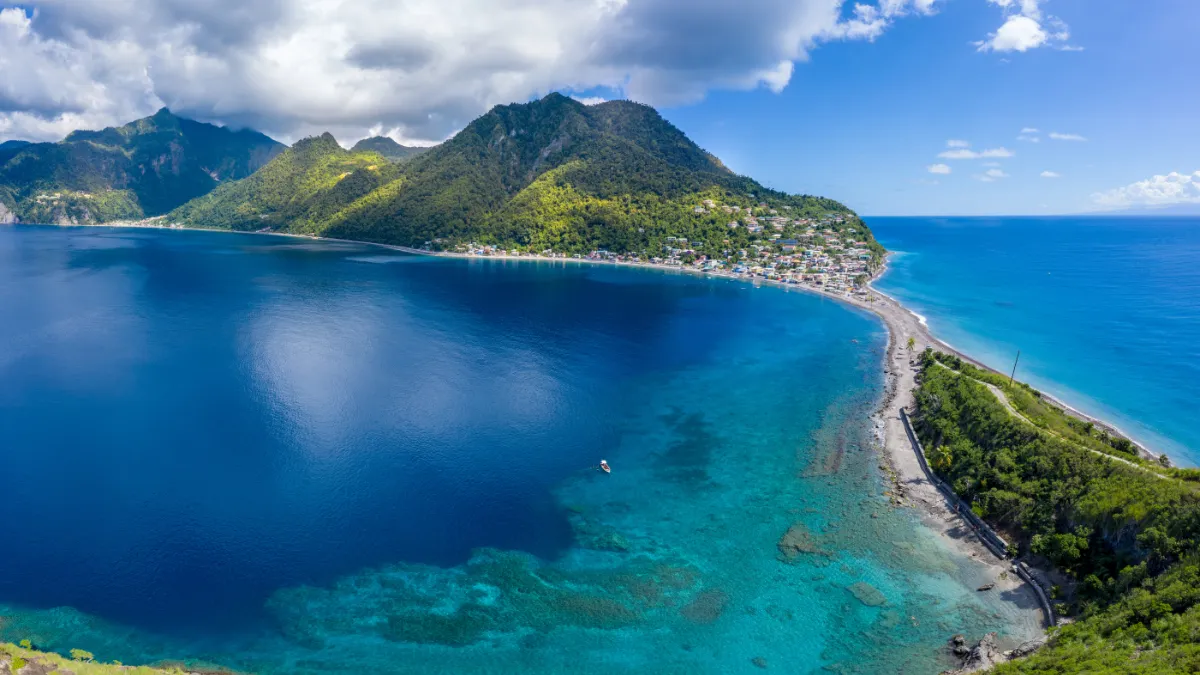
5. Dominica: The Caribbean Island That Refuses to Sit Still
Dominica smells alive. Wet leaves. River water. Sulphur. Earth.
Clouds cling to mountains and rain transforms paths into slick ribbons through the forest. Waterfalls appear everywhere. Beneath the sea, volcanic bubbles rise through Champagne Reef. Offshore, sperm whales inhabit Dominican waters year-round; Dominica’s tourism authority describes the country as home to resident sperm whales and notes plans for the world’s first sperm whale reserve.
This is not the island I recommend for someone dreaming of five consecutive days on a broad white-sand beach.
It is the island I recommend to someone who packs hiking shoes before flip-flops.
Why I chose Dominica
Dominica is the Caribbean’s great wilderness island. Unlike destinations where adventure is an optional excursion away from the resort, here the rugged volcanic landscape becomes the main reason to visit. Dense rainforest, steep mountains, river gorges, waterfalls and geothermal features make Dominica especially rewarding for travelers who enjoy physically active, nature-led experiences.
Highlights include:
- Hiking to Boiling Lake: Dominica’s signature adventure is a demanding eight-mile return hike through rainforest and the geothermal Valley of Desolation. The route passes steaming vents, bubbling mud and hot streams before reaching the world’s second-largest boiling lake. A certified local guide is required.
- Walking the Waitukubuli National Trail: The Caribbean’s longest hiking trail stretches approximately 115 miles across 14 sections. Travelers can tackle an individual segment or undertake a multi-day journey through mountain communities, rainforest, coastal cliffs and Kalinago territory.
- Canyoning through volcanic gorges: Guided canyoning trips combine swimming, scrambling, jumping, natural waterslides and rappelling beside waterfalls. Titou Gorge is one of the best-known locations, but operators also explore less-accessible canyons around the island.
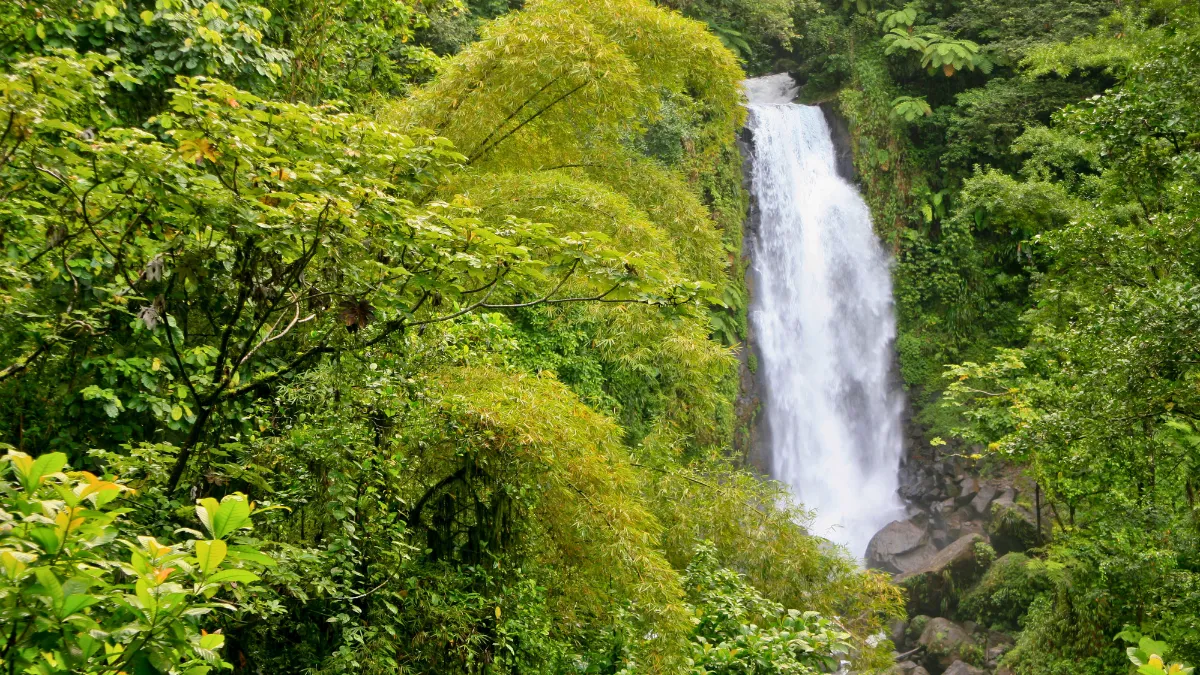
- Chasing remote waterfalls: Trafalgar Falls and Emerald Pool are relatively accessible, while Middleham Falls, Sari Sari Falls and Victoria Falls require longer hikes, river crossings or boulder scrambling. Wavine Cyrique adds an exceptionally adventurous rope-assisted descent to a waterfall that plunges onto a secluded beach.
- Kayaking the Waitukubuli Sea Trail: This 40-mile coastal paddling route is divided into 14 sections along Dominica’s sheltered western shore. Paddlers pass volcanic cliffs, fishing villages, reefs and isolated bays; a complete guided journey takes roughly a week.
- Diving and snorkelling in volcanic waters: Champagne Reef is famous for streams of geothermal bubbles rising through the water. The Soufrière–Scotts Head Marine Reserve also offers steep underwater walls, coral formations, turtles, seahorses and abundant reef fish.
- Whale watching: Dominica supports a resident population of sperm whales, giving travelers the possibility of seeing them throughout the year. Dolphin encounters are also common on locally operated boat excursions.
- River adventures: With hundreds of rivers crossing the island, travelers can try river tubing, kayaking and swimming in forest pools, alongside gentler experiences such as a hand-rowed journey through the mangroves of Indian River.
Dominica is best for travelers who want wild, physically engaging adventure with relatively little commercial polish. Trails can be muddy, roads slow and weather unpredictable, while some of the most rewarding locations require local knowledge. That is precisely its appeal: adventures feel rooted in the island’s landscape rather than manufactured for visitors
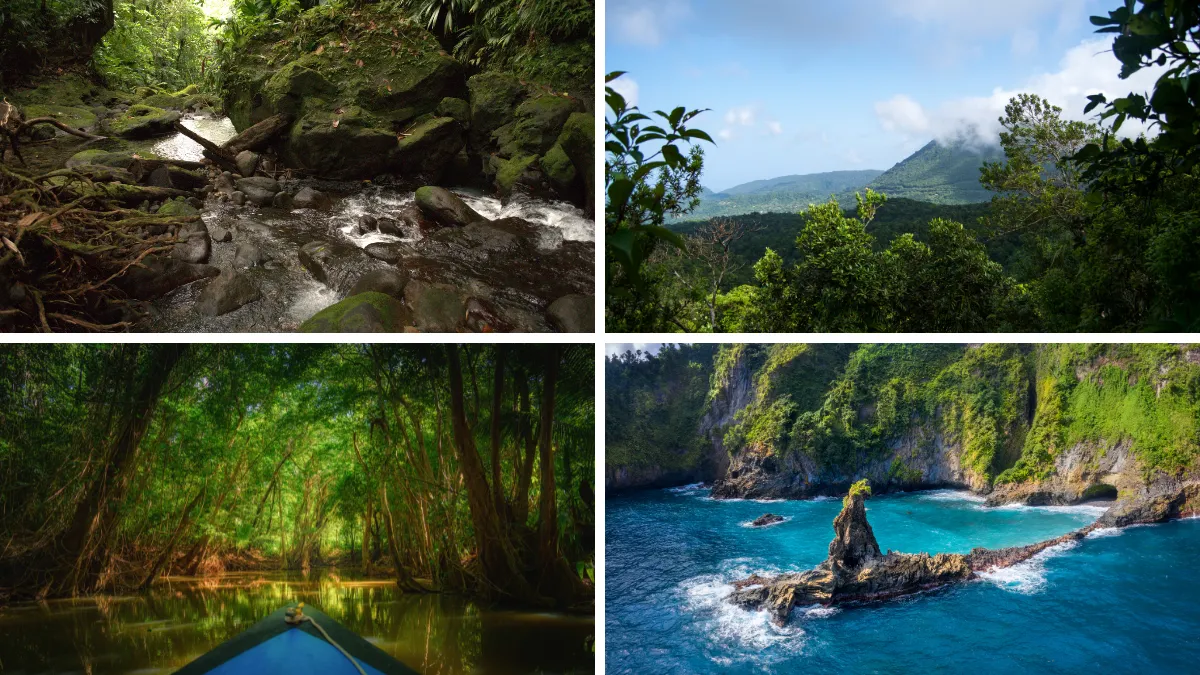
The essential Dominica sequence
Day 1 — Roseau and Trafalgar Falls
Ease yourself into the island.
Explore Roseau, eat locally and head toward Trafalgar Falls, where forest and falling water introduce you to Dominica’s defining elements.
Do not just photograph the waterfall and leave. Listen to the forest. The soundtrack is half the experience.
Day 2 — Waterfalls, canyoning or hot springs
Choose your level of intensity. Dominica can deliver canyoning through narrow gorges or a much slower soak surrounded by green mountains. Either way, use qualified local operators.
Adventure tourism supports livelihoods particularly well when travelers hire people whose expertise comes from living with these landscapes.
Day 3 — Boiling Lake
For fit, properly prepared travelers, the hike toward Boiling Lake and the Valley of Desolation is one of the Caribbean’s great adventures. It is demanding, conditions matter and this is precisely the sort of outing where local guiding adds value beyond navigation.
Steam rises. Earth changes color. The terrain looks briefly extraterrestrial.
Day 4 — Champagne Reef
Yesterday you climbed through volcanic terrain.
Today you meet the same geology underwater.
At Champagne Reef, volcanic gases create streams of bubbles that rise through the sea, lending the snorkel or dive its famous character.
Move slowly. Be careful near coral. Enjoy the reef habitat.
Day 5 — Whale watching
Finish offshore.
Chose an ethically responsible whale watching tour gjuide. This will become one of those travel memories that may permanently change how you view the sea.
Best place to base yourself in Dominica
- Roseau: convenient for southern and central excursions.
- Soufrière/Scotts Head area: good for diving and a quieter atmosphere.
- Portsmouth: useful for exploring the north.
Ideal trip length
6–8 nights. 6 nights gives you enough time for most activities. 8 nights remembers that adventure days are weather-dependent, so having a couple of spare days up your sleeve is valuable.
Expert tip
Pack proper footwear.
This sounds obvious until someone arrives with fashion sneakers and discovers that Caribbean rainforest contains both rain and mud.
Common mistake
Expecting Dominica to behave like a conventional beach-resort island. Its strength is precisely that it does not.
Make your trip matter
- Use Dominican guides, small accommodations, community restaurants and responsible marine operators.
- The island’s future tourism advantage depends on keeping its natural assets healthy.
Choose Dominica if…
You want the wildest, greenest and most physically adventurous trip in this guide.
6. Puerto Rico: Adventure With Culture Attached
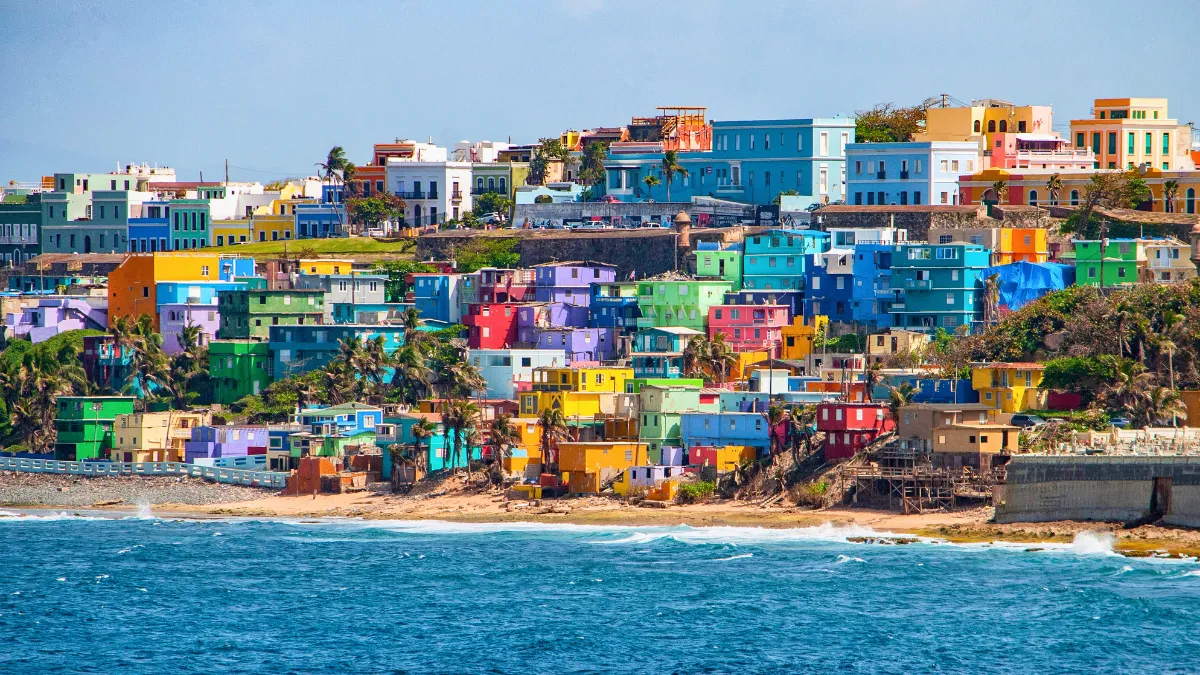
Puerto Rico gives you mornings that feel like different countries. One day begins beneath pastel balconies in Old San Juan. Another begins under tree ferns in El Yunque. Another ends in darkness when your paddle disturbs microscopic organisms and the water appears to glow beneath you.
That range is Puerto Rico’s superpower.
El Yunque is the only tropical rainforest in the U.S. National Forest System, while Puerto Rico’s bioluminescent bays include Mosquito Bay on Vieques, famous for the intensity of its natural glow.
Why I chose Puerto Rico
Puerto Rico offers a broad, accessible adventure experience. Travelers can move between tropical rainforest, limestone caves, central mountains, surf beaches and offshore islands—often combining outdoor activities with the restaurants, history and nightlife of San Juan.
Highlights include:
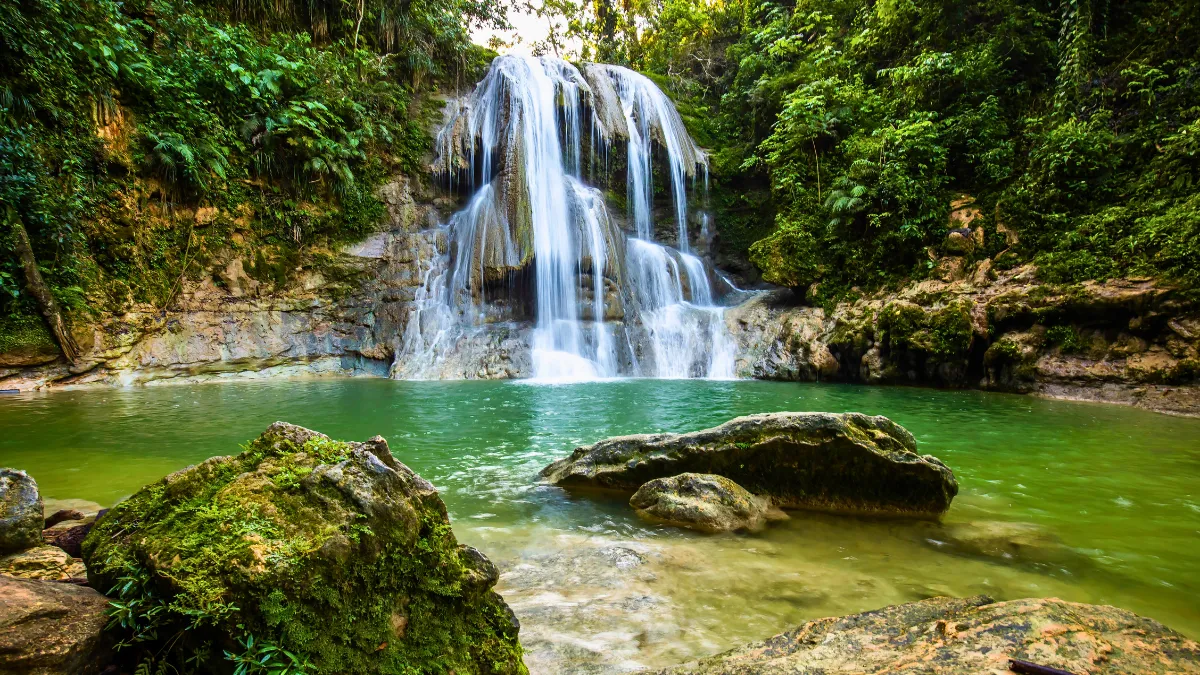
- Hiking in El Yunque: The only tropical rainforest in the US National Forest System offers waterfall walks, natural pools, observation towers and mountain trails. Routes range from the short Angelito Trail to more demanding climbs toward Mount Britton and El Yunque Peak. Entry to the main PR-191 recreation corridor is currently free and does not require a reservation, although parking capacity is limited.
- Night kayaking in bioluminescent water: Puerto Rico has three celebrated bioluminescent ecosystems—Mosquito Bay on Vieques, Laguna Grande near Fajardo and La Parguera in the southwest. Paddling through mangroves while every stroke illuminates the water is one of the island’s defining adventures. Mosquito Bay is generally the most spectacular, while Laguna Grande is easiest to reach from San Juan.
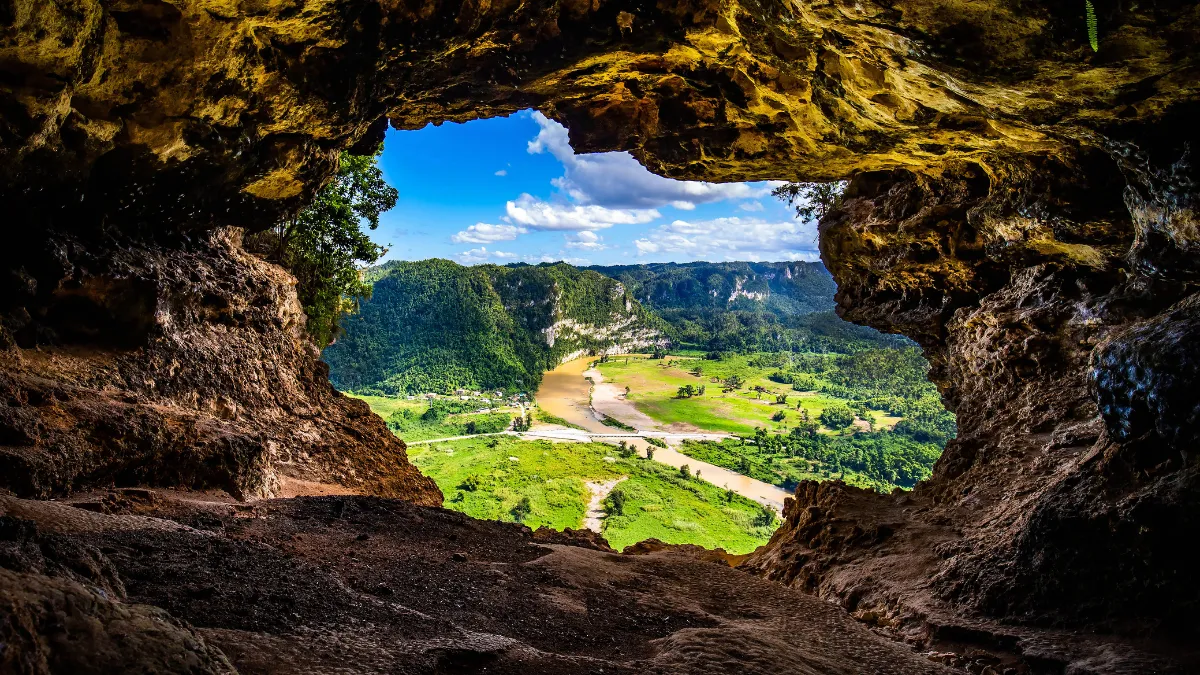
- Exploring caves and underground rivers: Puerto Rico’s northern karst region contains enormous caverns, sinkholes and subterranean waterways. Río Camuy Cave Park provides an accessible introduction, while guided adventures around Utuado, Arecibo and Ciales can include cave trekking, rappelling, river swimming and body rafting.
- Surfing the west and northwest coasts: Rincón is Puerto Rico’s best-known surf town, but Aguadilla and Isabela also have excellent breaks. Winter generally produces the strongest waves, while calmer summer conditions can be better for beginners and lessons.
- Ziplining across the central mountains: Toro Verde Adventure Park in Orocovis offers high-speed ziplines, suspension bridges and aerial courses above the mountainous interior. It is a more structured and accessible adrenaline experience than Dominica’s backcountry adventures.
- Rock climbing and rappelling: The island’s limestone formations support outdoor climbing routes, particularly around Vega Baja, while specialist guides operate canyon rappels and waterfall descents elsewhere in the central highlands.
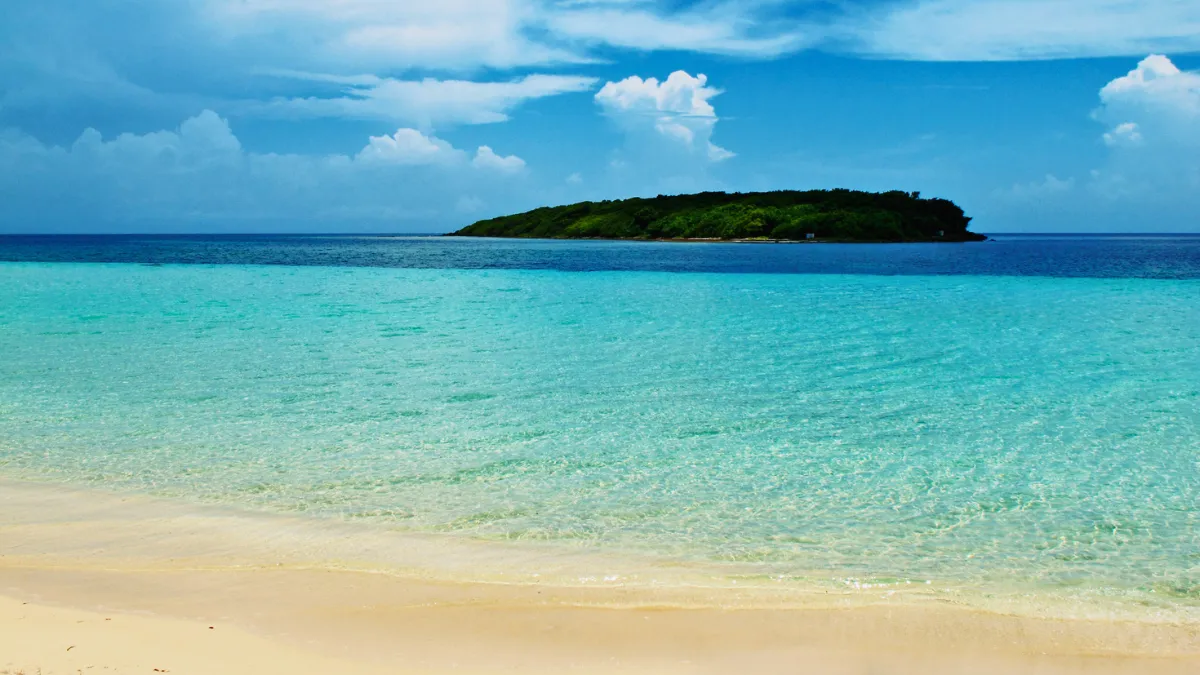
- Snorkelling, diving and island-hopping: Culebra, Vieques, Fajardo and La Parguera provide reefs, clear water, sea caves, mangrove channels and offshore cays. Adventures can include kayaking, paddleboarding, sailing, scuba diving and boat trips to otherwise inaccessible beaches.
- Mountain and coastal exploration: Travelers can hike through Toro Negro State Forest, follow the cliffs and salt flats around Cabo Rojo, explore the dry forest at Guánica or seek out waterfalls and swimming holes around San Sebastián and Utuado.
Puerto Rico is the stronger choice for travelers wanting variety, easy logistics and adventures that can be combined with culture, food and city life. Many experiences are suitable for beginners, but the island also offers serious surfing, caving, climbing and backcountry expeditions for experienced adventurers.
The essential Puerto Rico sequence
Day 1 — Old San Juan
Walk. This experience will give you a true sense of wehere you are. Blue cobblestones, bright façades, fortifications, plazas and ocean wind make Old San Juan one of the Caribbean’s great urban experiences.
Eat Puerto Rican food rather than treating the old city as merely a photographic backdrop. Try mofongo, alcapurrias, lechón or whatever tempts you most.
Day 2 — El Yunque
Enter the rainforest early.
Waterfalls, dense vegetation and trails reveal a dramatically different side of the island. Check current access and trail conditions before departure; tropical rainfall regularly changes what is practical.
Choose guided experiences if you want deeper ecological context rather than simply another hike.
Day 3 — Luquillo and the east
Combine outdoors with food. The east makes it possible to shift from rainforest to coastline surprisingly quickly.
Spend time with local vendors rather than returning immediately to a resort restaurant.
If your schedule permits, continue to Vieques and stay overnight.
Day 4 — Vieques
This slower island deserves more than a rushed day trip.
Find a beach. Explore gently. Eat in Esperanza.
Day 5 — Mosquito Bay
Wait for darkness.
Then kayak.
As paddles move through the water, microscopic dinoflagellates can create bursts of blue-green light. Mosquito Bay is celebrated for exceptional bioluminescence.
Responsible operators matter enormously here. Light pollution, chemicals and careless behavior can damage fragile ecosystems.
Ideal trip length
7–10 nights if combining San Juan, El Yunque and Vieques without turning the trip into a race.
Where to stay
Old San Juan: history and atmosphere.
Condado/Ocean Park: beach-city balance.
East Coast: convenient for El Yunque and excursions.
Esperanza, Vieques: useful for bio-bay nights and slower island life.
Getting around Puerto Rico
A car makes exploring mainland Puerto Rico dramatically easier outside San Juan. Vieques requires separate transport planning; do not treat transfers as an afterthought.
Expert tip
Build your Puerto Rico itinerary around its geography.
Crossing the island repeatedly wastes valuable vacation time.
Common mistake
Treating Puerto Rico as “San Juan plus a beach.” The mountains and smaller islands are part of what makes this place exceptional.
Make your trip matter
Eat in locally owned restaurants, book Puerto Rican guides and tour companies, visit coffee farms and artisans, and follow strict environmental rules around reefs, rainforests and bioluminescent bays.
Choose Puerto Rico if…
You want adventure without sacrificing food, music, architecture and cultural depth.
The best Caribbean Islands for budget-conscious travelers
I have chosen the Dominican Republic or Jamaica for budget travelers.
- Choose the Dominican Republic for broad resort choice and maximum geographic variety.
- Choose Jamaica if culture, music and food are central to why you travel.
7. Dominican Republic: Far More Than Punta Cana
The Dominican Republic often enters the travel conversation through one phrase: “all-inclusive deal.”
That is understandable. The country can deliver excellent package value.
But if you leave with only a resort wristband and photographs of the hotel pool, you have seen remarkably little of one of the Caribbean’s most geographically diverse destinations.
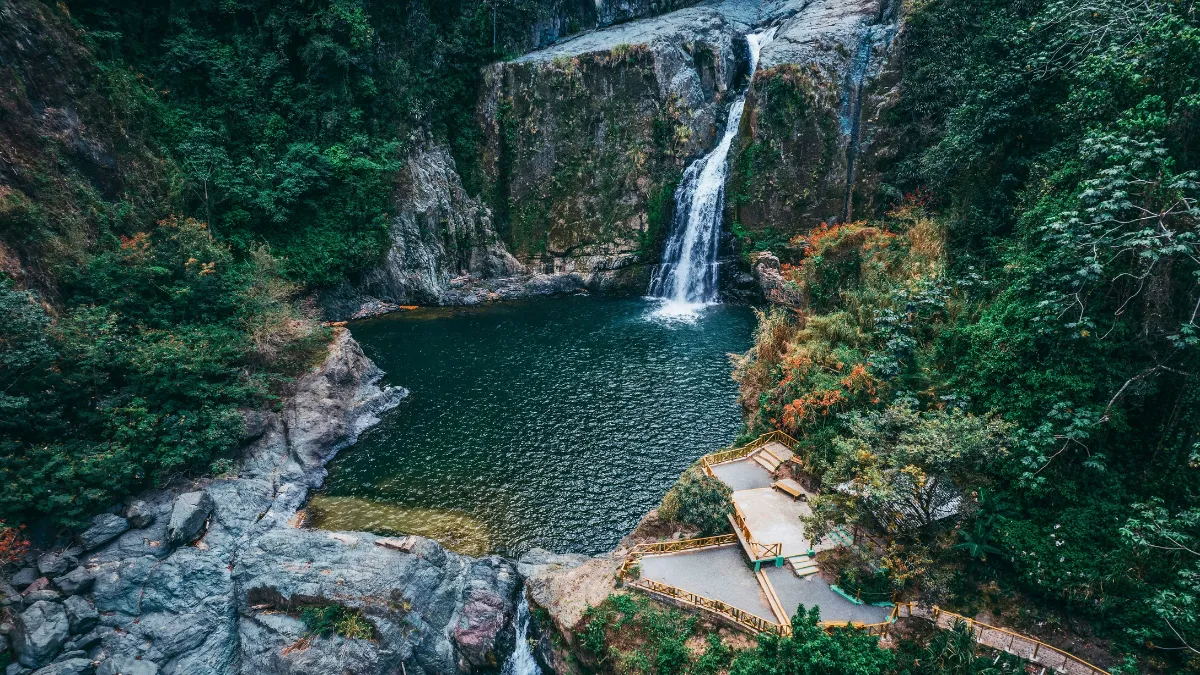
In Samaná, green mountains tumble toward beaches, waterfalls hide inland and humpback whales seasonally visit the bay. The Dominican Republic’s tourism authority describes the region as particularly strong for nature, ecotourism and adventure.
Why I chose the Dominican Republic
Because value is not the same thing as cheapness. The Dominican Republic offers some of the Caribbean’s best value because travelers are not limited to large all-inclusive resorts. Public beaches, historic neighbourhoods, inexpensive intercity buses, local guesthouses and affordable Dominican food make it possible to experience the country on a modest daily budget.
The best-value experiences include:
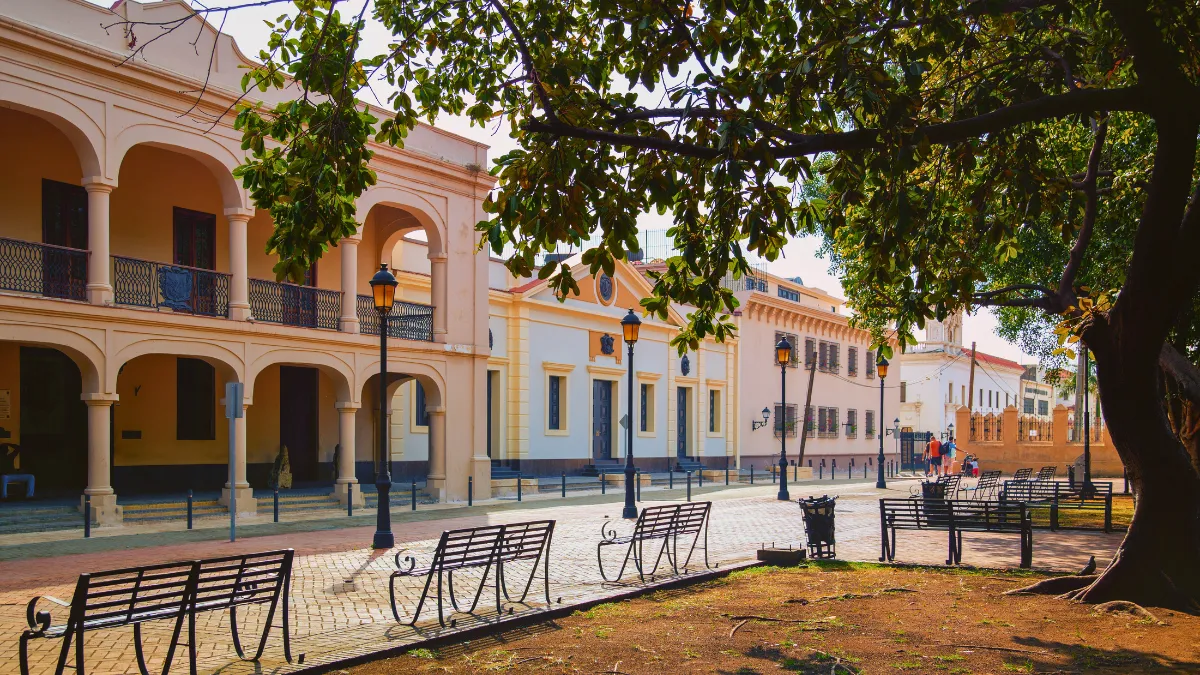
- Walk through Santo Domingo’s Colonial Zone: The UNESCO-listed centre can largely be explored on foot. Highlights include Parque Colón, Calle Las Damas, Plaza de España, the city walls and views of the Ozama River. Museums and major monuments charge admission, but wandering the historic streets costs nothing.
- Stroll along the Malecón: Santo Domingo’s waterfront promenade is an inexpensive place to walk, watch local life and enjoy the Caribbean breeze. Combine it with a meal from a neighbourhood cafeteria or comedor rather than a restaurant aimed at tourists.
- Visit Los Tres Ojos: This network of limestone caverns and freshwater pools sits within Santo Domingo and normally costs far less than a commercial day excursion. It is one of the easiest natural attractions to combine with a city stay.
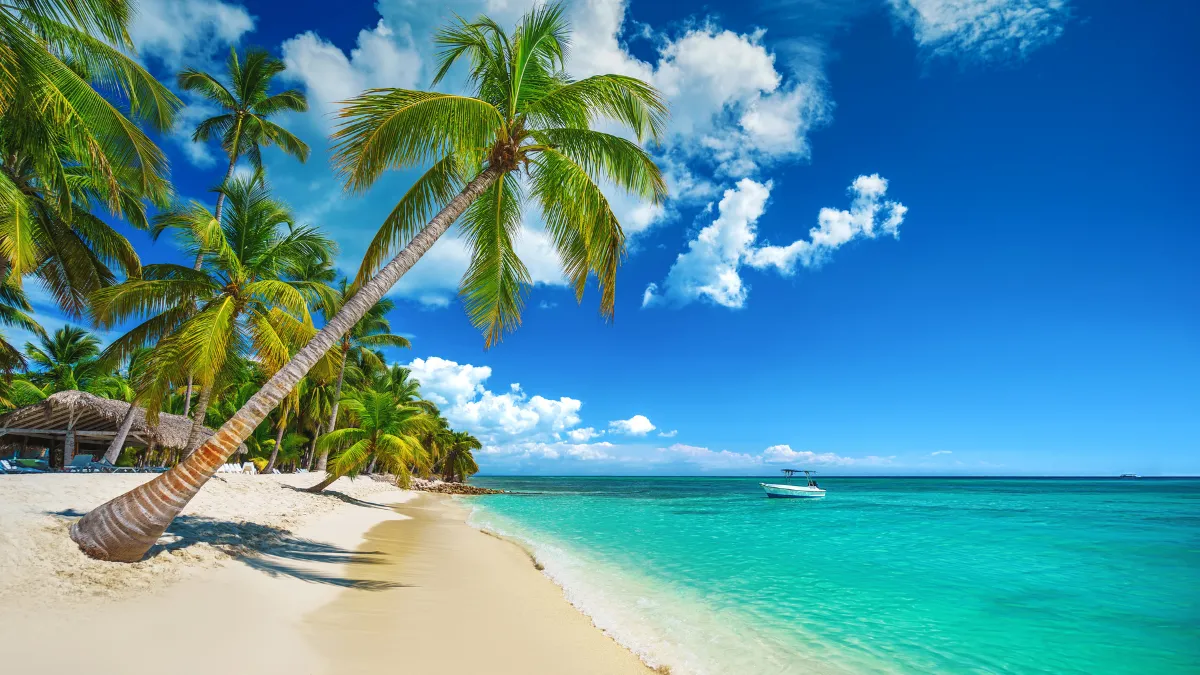
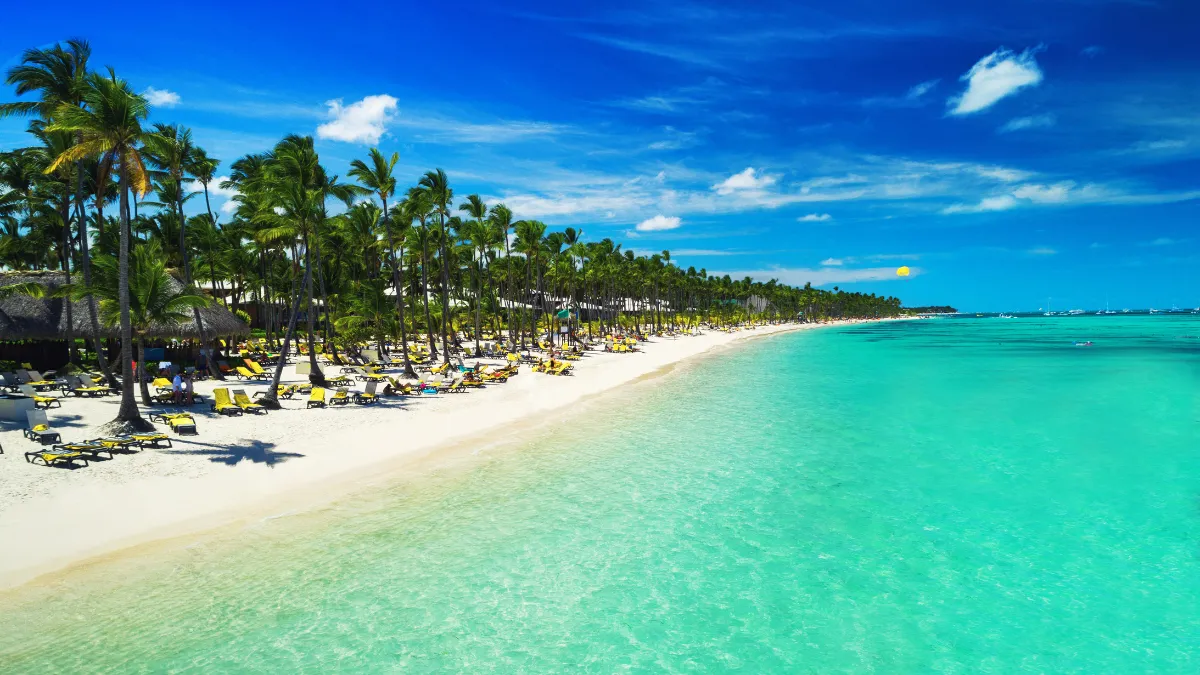
- Relax on public beaches: Playa Macao near Punta Cana, Cabarete and Sosúa on the north coast, and the beaches around Las Terrenas and Bayahibe can be enjoyed without buying a resort day pass. Budget for local transport, food and optional chair rental rather than an organised beach tour.
- Base yourself in Puerto Plata: Puerto Plata combines beaches with colourful Victorian architecture, Fortaleza San Felipe, local markets and access to the north coast. Independent hotels and guesthouses can provide better value than Punta Cana’s resort zone.
- Explore Cabarete: Travelers can watch kiteboarders and windsurfers from the beach for free, swim when conditions are suitable and eat at local restaurants away from the central beachfront. Lessons cost extra, but competing schools make it possible to compare prices.
- Discover waterfalls independently or in a shared group: The 27 Waterfalls of Damajagua is a paid experience requiring approved guides and safety equipment, but shared tours are normally much better value than private resort excursions.
- Hike around Jarabacoa: This mountain town provides access to waterfalls, forest trails, rivers and cooler highland scenery. Some activities require guides, but local accommodation and shared excursions can make it an affordable alternative to coastal resorts.
- Visit Samaná outside whale season: Beaches, coconut-covered hills and local communities remain appealing throughout the year. Accommodation can be more affordable outside the busy humpback-whale period, although boat trips and isolated beaches still add to the budget.
- Experience Dominican baseball and music: Local baseball games, neighbourhood bars, merengue and bachata performances can cost far less than packaged entertainment. Public festivals and town celebrations may provide free music and dancing.
- Eat as Dominicans do: A plato del día or la bandera—usually rice, beans, meat and salad—is substantially better value(and is way tastier) than imported or beachfront food. Bakeries, fruit stalls, empanada stands and neighbourhood cafeterias help keep daily food costs low.
How to keep costs down
The strongest budget-conscious itinerary is usually Santo Domingo plus one coastal or mountain base, rather than attempting to cross the entire country. Modern intercity buses connect Santo Domingo with Puerto Plata, Sosúa, Samaná, Jarabacoa, Bávaro and numerous other towns. Local guaguas are cheaper but less straightforward with luggage.
Punta Cana can still work if an all-inclusive package is exceptionally well priced, but it is not always the best base for independent budget travel. Santo Domingo, Puerto Plata, Cabarete and Jarabacoa generally make it easier to find local meals, modest accommodation and inexpensive transportation.
The Dominican Republic is one of the best Caribbean islands for budget travelers seeking affordable beaches, accessible history and considerable freedom to travel independently
The essential sequence
For first-time visitors who want more than an all-inclusive, I would build the trip around one primary region plus one contrasting experience, rather than crossing the entire country.
Day 1 — Settle in and eat Dominican
Have your first plate of rice, beans, plantain, chicken or seafood somewhere outside an international hotel buffet.
The flavors are part of the destination.
Day 2 — Beach day
Enjoy the thing everyone came for. But look beyond the resort’s private stretch.
Ask local people which beaches they love.
Day 3 — Nature
In Samaná this might mean El Limón waterfall, kayaking or a coastal trip. The region also offers seasonal whale watching between roughly January and March.
Day 4 — Town and culture
Spend money where people live.
Visit markets, independent restaurants and local businesses.
Speak some Spanish, even if it is imperfect. You won’t believe how that little bit of effort changes your local interactions.
Day 5 — One locally operated adventure
Book with a legitimate local company.
Horseback riding, hiking, snorkeling, coffee or cacao experiences can all move tourist spending further into the local economy.
Best Dominican Republic bases
- Punta Cana: easiest for package value and classic resort vacations.
- Samaná / Las Terrenas: better for independent travelers wanting nature and character.
- Puerto Plata: useful for combining northern beaches and excursions.
- Santo Domingo: essential for travelers prioritizing history, food and urban culture.
Ideal trip length
7 nights minimum if combining a resort component with meaningful exploration.
Expert tip
Rememberto compare the total cost, not just the hotel rate.
A slightly more expensive central guesthouse can become cheaper than an isolated bargain property once taxis and excursions are included.
Common mistake
Never leaving the resort. If you are nervous about independent exploration, begin with a vetted local guide rather than giving up on it completely.
Make your trip matter
Split the trip if possible: perhaps several resort nights followed by a smaller locally owned property.
Eat outside the resort. Buy Dominican cacao, coffee, art and crafts directly from producers when feasible.
Choose the Dominican Republic if…
You want maximum variety and strong vacation value, with plenty of options beyond the all-inclusive model.
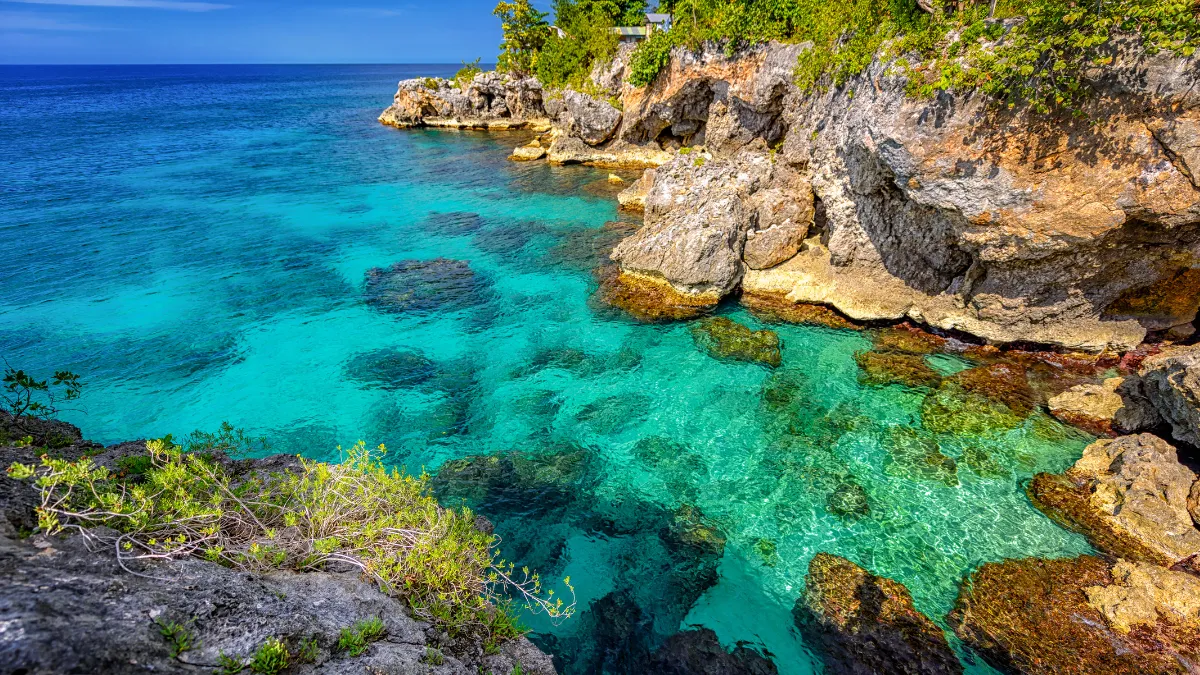
8. Jamaica: Value With a Heartbeat
Jamaica does not fade politely into the background. You hear her, and so you should!
Bass through an open doorway. A knife hitting a chopping board. Dominoes slapped onto a table. Waves beneath cliffs.
You smell wood smoke, jerk seasoning, coffee and rain. And you quickly realize Jamaica’s greatest attraction is not a beach. It is Jamaica.
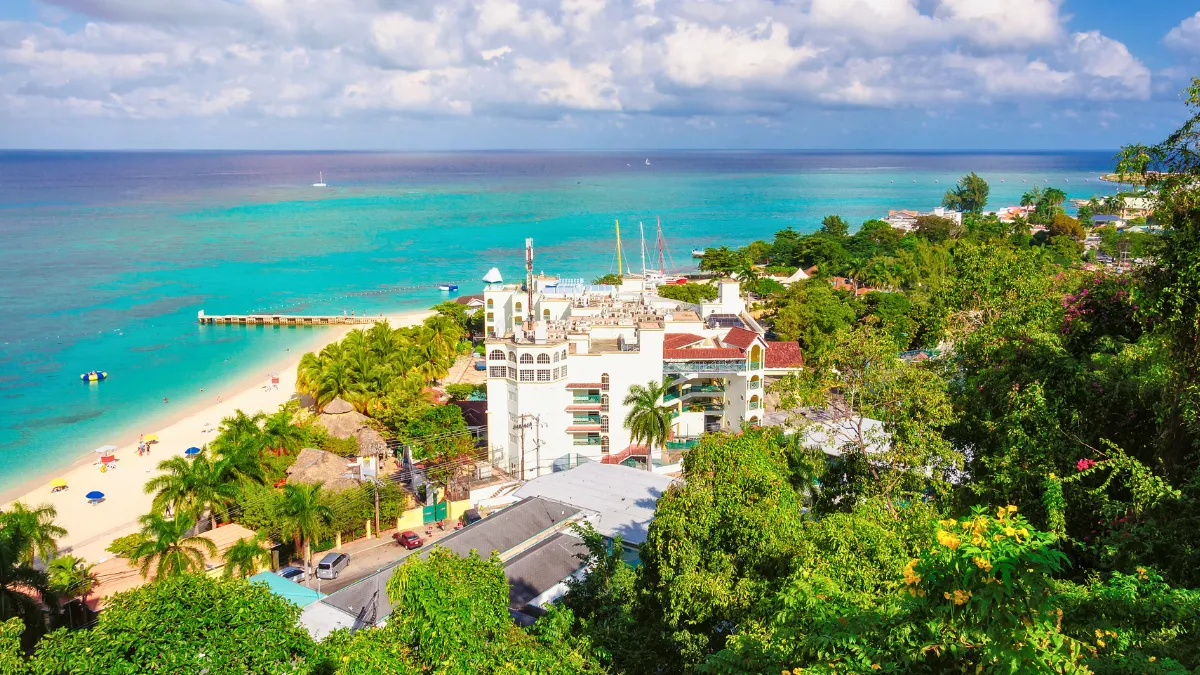
Negril remains famous for its long beach and sunsets, but Jamaica’s official tourism organization also actively promotes community-based tourism — experiences led by local communities through food, farming, heritage, rivers, storytelling and other activities.
Why I chose Jamaica
Jamaica can be more expensive than the Dominican Republic, particularly when travelers rely on private transfers and commercial attractions. Nevertheless, staying in guesthouses, using licensed shared transport and concentrating on one region can unlock a much more affordable—and often more culturally rewarding—experience.
The best-value experiences include:
- Experience everyday Kingston: Walk through Emancipation Park, explore Downtown Kingston during the day, visit local markets and discover the capital’s murals, music and food. Kingston offers homestays, guesthouses and modest hotels across several price levels.
- Visit the National Gallery of Jamaica: The gallery provides an accessible introduction to Jamaican art, identity and history. It is a strong-value cultural experience compared with many commercially operated attractions.
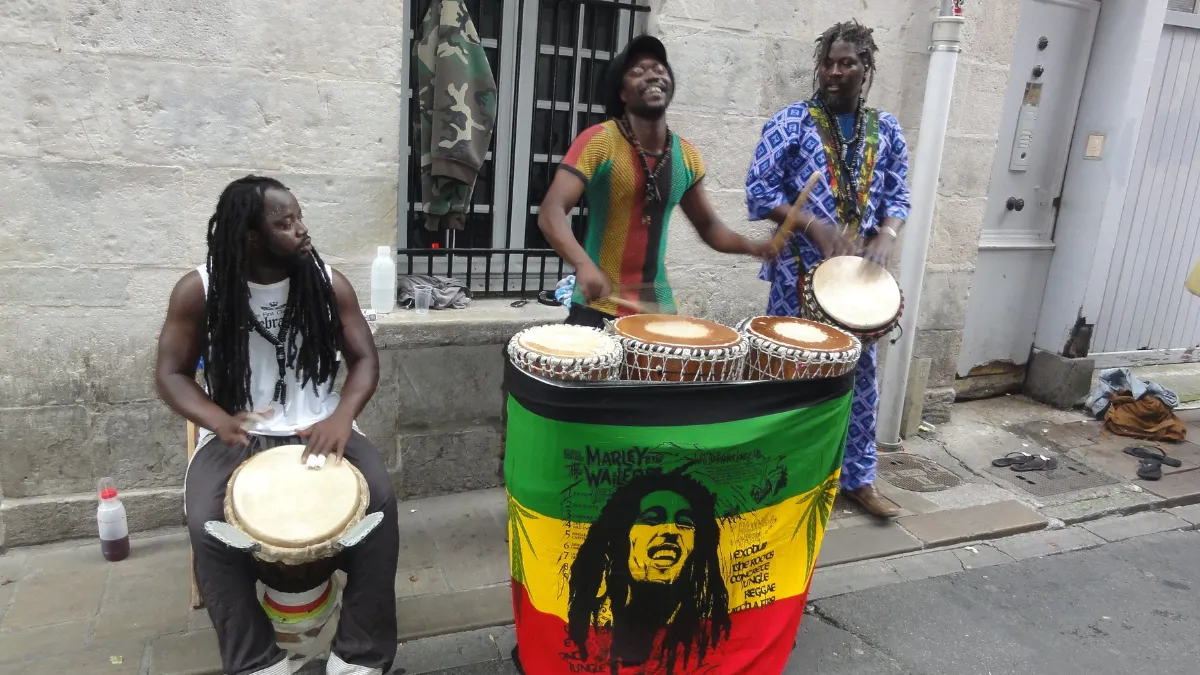
- Explore reggae history selectively: The Bob Marley Museum and Trench Town Culture Yard charge admission, but travelers do not need to book an expensive combination tour. Visiting one independently and exploring Kingston’s wider music culture can control costs.
- Enjoy Devon House and its grounds: Walking around the historic property and gardens can be inexpensive, allowing visitors to decide whether to pay for a tour or simply try its famous ice cream.
- Spend time on Negril’s beach: Much of the appeal comes from swimming, walking and watching the sunset rather than buying excursions. Small guesthouses and locally owned hotels away from large resorts often offer better value.
- Visit free or inexpensive public beaches: Options include Harmony Beach Park in Montego Bay and Boston Beach near Port Antonio. Some famous Jamaican beaches charge admission, so confirm access costs before travelling across the island specifically to visit one.
- Explore Port Antonio: This region offers lush scenery, local food, surf at Boston Beach and access to waterfalls and coves. Guesthouses can cost less than luxury resorts, although transport between scattered attractions needs careful planning.
- Hike in the Blue Mountains: Short community-led walks, coffee-country viewpoints and locally guided hikes can provide better value than elaborate resort excursions. Sharing a guide and transport with other travelers reduces the cost.
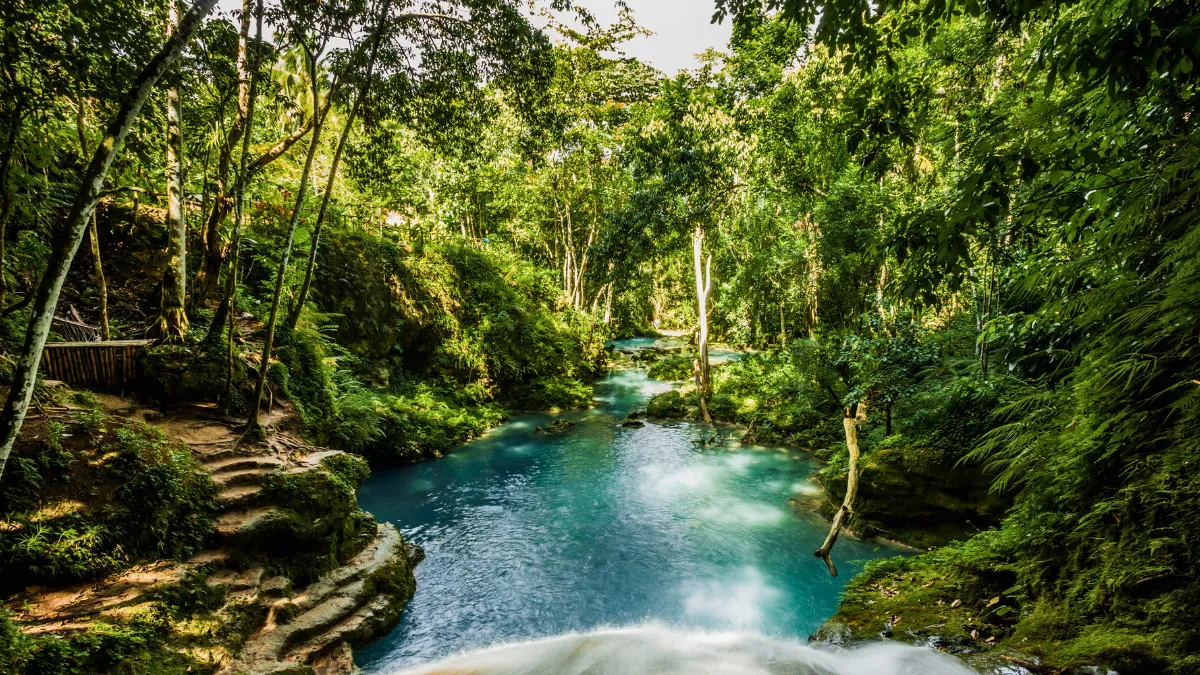
- Visit waterfalls strategically: Dunn’s River Falls, YS Falls, Reach Falls and other developed attractions charge admission. Choose one standout waterfall rather than attempting to visit several similar sites, and travel there from the nearest base.
- Try local swimming holes and rivers: Community-run falls and river locations may charge a smaller entrance or guide fee than the major attractions. Ask your accommodation for a reputable local option and agree on the complete price beforehand.
- Eat at cookshops and jerk stands: Jamaican patties, jerk chicken or pork, rice and peas, soups and daily cooked meals are much cheaper than resort dining. Ordering where local residents eat also produces a more authentic culinary experience.
- Attend local music events: Bars, community venues and street events may offer live reggae, dancehall or sound-system sessions for the price of a drink or a small cover charge. Ask locally about the venue and safe return transport before going.
- Use markets for food and souvenirs: Farmers’ markets and craft stalls allow travelers to buy tropical fruit, snacks and locally produced goods. Friendly, respectful negotiation may be appropriate in some craft markets, but not in fixed-price shops.
How to keep costs down in Jamaica
Jamaica rewards slow regional travel. Choose Kingston and the Blue Mountains, Port Antonio and the northeast, Negril and the west, or the South Coast rather than moving constantly between resort towns.
Public buses and licensed route taxis are considerably cheaper than private transfers, but they can be crowded and schedules may be informal. Use vehicles with the correct public-passenger licence, confirm the fare before departure and avoid isolated transport arrangements late at night.
Travelers visiting in 2026 should also verify operating conditions before paying for transportation. Jamaica’s tourism authority currently lists some attractions and operators as open and others as temporarily closed, with availability varying by region.
Jamaica is best for budget travelers seeking music, food, community culture and lush landscapes, provided they plan transport carefully and avoid treating every famous attraction as essential
The essential Jamaica sequence
Day 1 — Negril and the sea
Start with a swim. Stay for sunset.
Then eat somewhere small.
Jerk smoke drifting through warm evening air is one of Jamaica’s great sensory experiences.
Day 2 — Water
Seek waterfalls or rivers with a responsible local operator.
Jamaica’s interior is as essential as its beaches.
Day 3 — Community experience
Choose something where local residents are the hosts and storytellers.
That might mean farming, food, Maroon heritage, rafting, craft or a rural community visit. Jamaica’s tourism organization specifically promotes community-led activities of this kind.
Day 4 — Food and music
Do not reduce Jamaican cuisine to jerk chicken.
Try ackee and saltfish, curry goat, patties, ital food, escovitch fish, bammy and seasonal fruit.
Then find music — not necessarily a giant staged show, but somewhere the rhythms feel connected to everyday life.
Day 5 — Slow down
The Caribbean does not reward frantic itineraries.
Find a beach.
Buy fruit.
Talk to someone.
Stay through sunset.
Where to stay In Jamaica
- Negril: beaches and relaxed energy.
- Montego Bay: easiest flight connections and broad resort choice.
- Port Antonio: greener, quieter and appealing to independent travelers.
- Kingston: culture, food, music and access toward the Blue Mountains.
- South Coast: slower, less resort-dominated travel.
Ideal trip length
7–10 nights, particularly if exploring more than one region.
Expert tip
Do not try to combine Kingston, Negril, Port Antonio and the South Coast in one short week.
Distances look manageable on maps. The road journey is usually a different story.
Common mistake
Interacting only with resort employees. Jamaica’s cultural depth is the reason to travel here. Make room for it.
Make your trip matter
Community-based tourism is one of the clearest ways to shift spending toward local hosts.
Buy food from small businesses, hire Jamaican guides and drivers and seek accommodation with genuine local ownership where practical.
Choose Jamaica if…
You value music, food, personality and culture every bit as much as the beach.
The best Caribbean islands forn those seeking luxury
I spent a long time over this choice, mainly because the Caribbean is synonymous with luxury, and also because everyone I spoke too had a differing view on the meaning of luxury. So, i decided luxury was upmarket, exclusive and something that offered a once in a lifetime experience. The islands I chose tick all those boxes regardless of the amount if money you had in the bank. Millionaires could experience all three and so could someone on a lower income. To me, luxury is about the one off experience and not necesaarily the cost. And knowing that some luxury will cost a lot more than other luxury. They are St. Barts and Anguilla.
- Choose St. Barts if you enjoy glamour, fashion, yachts and French-Caribbean dining.
- Choose Anguilla if your definition of luxury is space, service, extraordinary beaches and privacy.
9. St. Barts: Caribbean Glamour With a French Accent
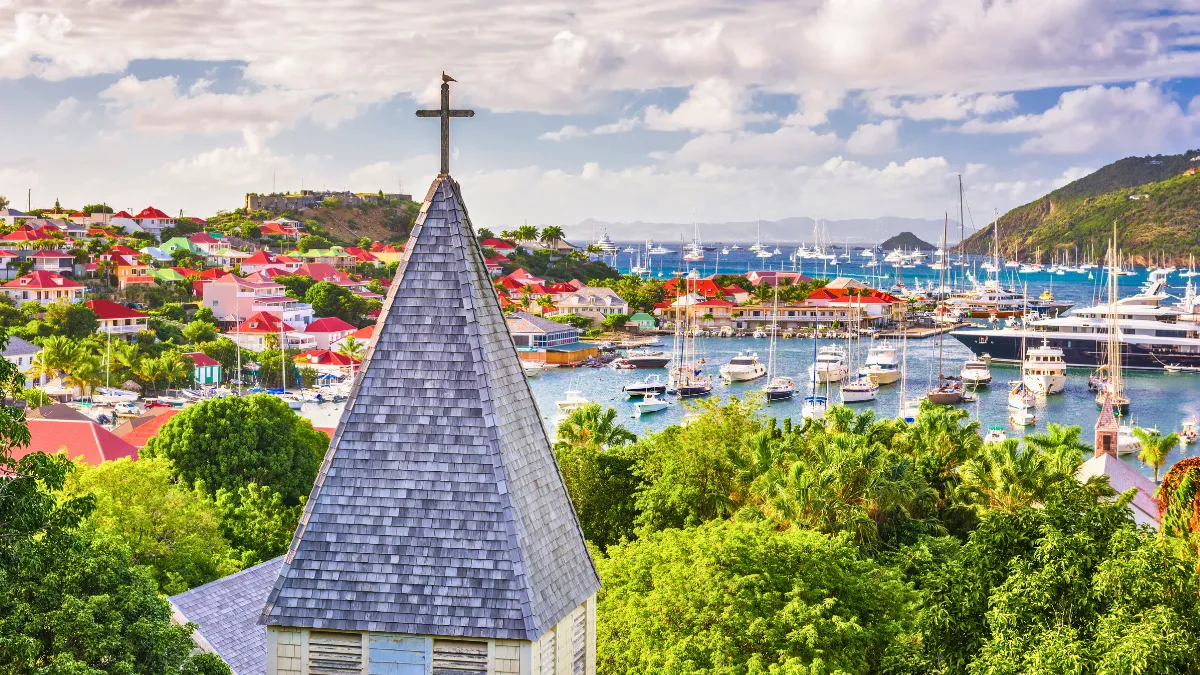
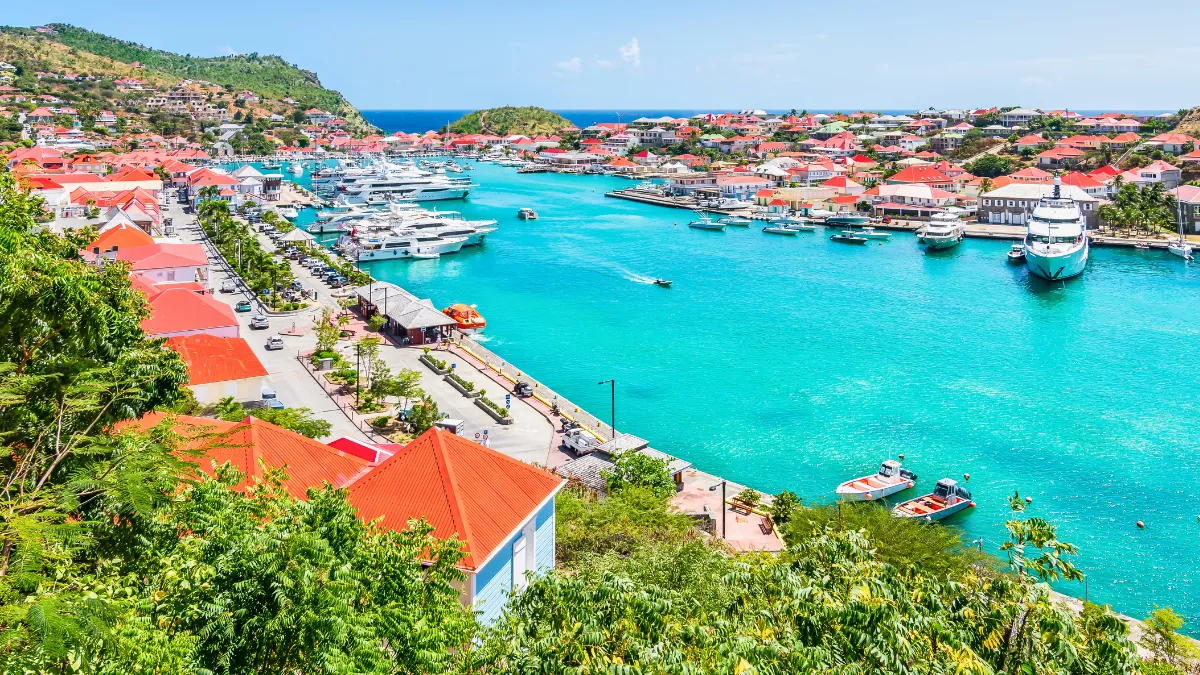
A small plane dips toward a tiny runway. Below are red roofs, green hills, yachts, pale coves. Then comes Gustavia — chic boutiques, harbor cafés and polished boats tied beside the quay.
St. Barts has spent decades cultivating one of the Caribbean’s most glamorous reputations, but what I find most appealing is that the island’s natural scale keeps interrupting the spectacle.
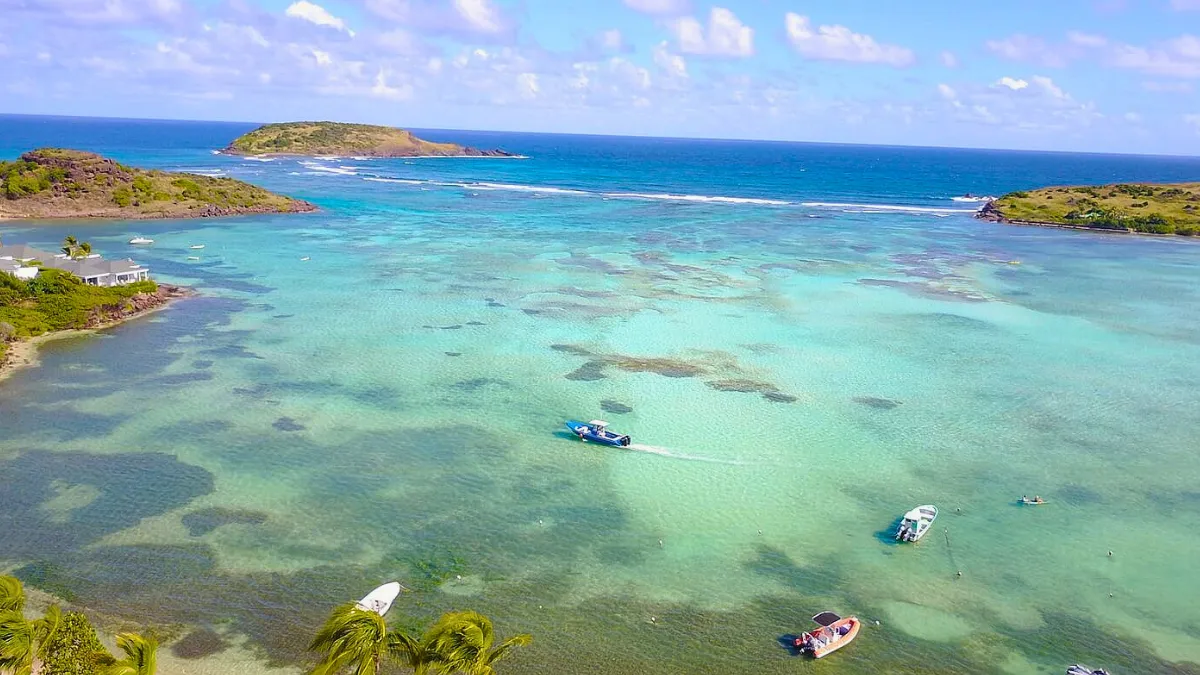
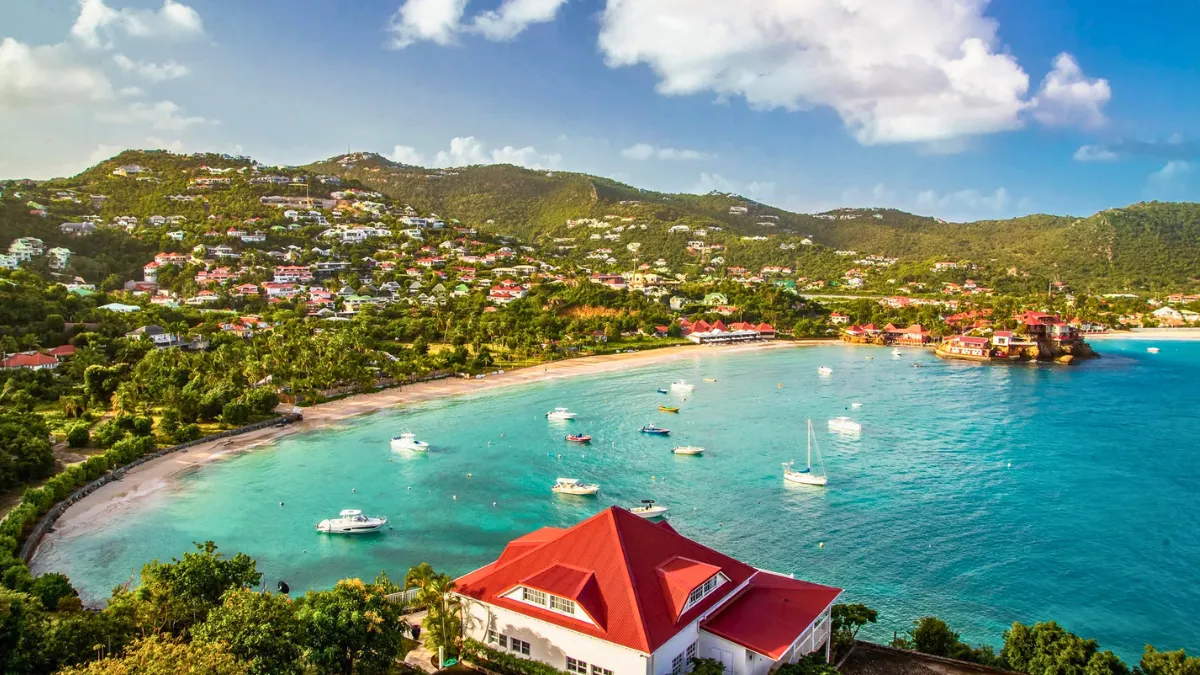
Drive for a few minutes and the boutiques disappear. A hillside drops toward empty-looking water. A path leads toward Colombier, whose bay lies below a protected natural area.
Luxury here works best when you alternate indulgence with simplicity.
Why I chose St. Barts
St. Barts combines Caribbean scenery with French style, exceptional gastronomy, designer boutiques, beach clubs and a glamorous yachting culture. Luxury here is more visible and social than in Anguilla, although private villas and secluded beaches still make complete privacy possible.
The best luxury experiences include:
- Charter a yacht around the island: A private yacht provides access to quiet coves, snorkelling sites and beaches such as Colombier that are reached only by trail or sea. Add a captain, chef, champagne lunch and water toys for a completely personalised day.
- Stay in a private hillside villa: St. Barts is famous for villas with infinity pools, expansive terraces and views over the surrounding bays. A concierge can arrange a private chef, groceries, restaurant reservations, massages, boat charters and chauffeured transfers.
- Choose one of the island’s celebrated hotels: Luxury properties around Saint-Jean, Flamands, Grand Cul-de-Sac, Gustavia and Toiny combine beach access with refined restaurants, spas and highly attentive service. The island’s small scale makes it possible to stay privately while still reaching Gustavia easily.
- Spend the day at a beach club: Saint-Jean is the heart of St. Barts’ fashionable beach scene. Reserve loungers, settle in for a long lunch and move gradually from swimming and rosé to music and sunset cocktails.
- Discover Colombier Beach by boat: Arriving by private tender avoids the hiking trail and allows couples or groups to spend several hours swimming and snorkelling in this protected bay. It is one of the island’s finest combinations of seclusion and natural beauty.
- Dine through the island’s culinary scene: St. Barts brings together French technique, Caribbean ingredients and international influences. Luxury travelers can move between tasting menus, waterfront restaurants, fashionable dining rooms and relaxed barefoot lunches.
- Shop in Gustavia: The capital contains designer fashion, jewellery, watches, art, swimwear and independent boutiques around its harbour and historic streets. Shopping can be combined with lunch overlooking the yachts and an evening cocktail as the harbour lights appear.
- Book a private sunset cruise: A tailored evening charter offers champagne, canapés and views of Gustavia or the island’s western coastline. During peak season, the harbour and surrounding superyachts create an especially glamorous backdrop.
- Arrange an in-villa culinary evening: A private chef can create a multi-course French-Caribbean menu while a sommelier or concierge organises wine pairings. This works particularly well for travelers who value St. Barts’ food but prefer not to enter its busier restaurants every evening.
- Enjoy a private spa and wellness programme: Arrange treatments in a resort spa or bring therapists, yoga instructors and personal trainers to the villa. Programmes can be built around massage, Pilates, meditation, nutrition and recovery.
- Explore the marine reserve: Private snorkelling and scuba-diving excursions visit coral reefs, small islands and protected waters. A bespoke charter can accommodate both divers and non-divers while providing a more comfortable alternative to a shared excursion.
- Visit Gouverneur and Saline: These undeveloped beaches provide a quieter contrast to the social energy of Saint-Jean. A concierge can prepare a beach picnic and arrange transport, although visitors should expect limited facilities.
- Attend a signature St. Barts event: The island’s calendar includes the St. Barths Bucket Regatta, St. Barth Gourmet Festival, music events and a particularly glamorous New Year period. These dates deliver the strongest social atmosphere, but villas, restaurant tables and yacht berths should be secured well in advance.
- Take a scenic flight or helicopter transfer: Arriving by private aircraft or helicopter is both practical and memorable, particularly when connecting through nearby islands. The approach over St. Barts’ hills and turquoise bays is an experience in itself.
St. Barts is best for travelers seeking French-Caribbean sophistication, yachting, haute cuisine, designer shopping and a more visible luxury scene. It can be intensely social around Saint-Jean and Gustavia, yet remarkably private inside a villa or aboard a yacht.
The essential St. Barts sequence
Day 1 — Gustavia
Walk the harbor.
Have coffee.
Browse rather than buy automatically.
Then settle into a long dinner where Caribbean ingredients meet French technique.
Day 2 — St. Jean and Saline
Spend the morning at lively St. Jean.
Then contrast it with a quieter beach.
Luxury becomes more interesting when not every moment requires service.
Day 3 — Colombier
Hike or arrive by boat. Swim. Sunbathe. Sip something cool in th shade.
The simplicity is the point. A place does not become more beautiful because champagne arrives with it (but it doesnt hurt either).
Day 4 — Sail
Charter or join a small-boat excursion. Move around the coast and discover how compact the island feels from the sea.
Day 5 — Lunch becomes the itinerary
Have an extravagant lunch.
Not because thats what others are doing. But because the food is excellent and you have nowhere more important to be.
Best areas to stay on St. Barts
- Gustavia: walkability, restaurants and harbor life.
- St. Jean: beach energy and convenience.
- Pointe Milou / Colombier / quieter hillsides: privacy and villa living.
Ideal trip length
5–7 nights. 5 nights you can see everything. 7 nights you can see everything and still make time to be seen.
Expert tip
Book the restaurants that truly matter to you early during peak periods.
Then deliberately leave some lunches unreserved. Luxury without spontaneity becomes scheduling.
Common mistake
Assuming the most expensive experience must be the best one. Some of St. Barts’ great pleasures — swimming, hiking, watching sunsets — cost almost nothing.
Make your trip matter
Luxury travelers have unusual economic power. Spread your spending.
Use local taxis and captains. Buy from island businesses. Tip appropriately.
Being able to spend more creates an opportunity to make more of that spending count.
Choose St. Barts if…
You want glamour, French-Caribbean dining, yachts, villas and a social scene wrapped around beautiful beaches.
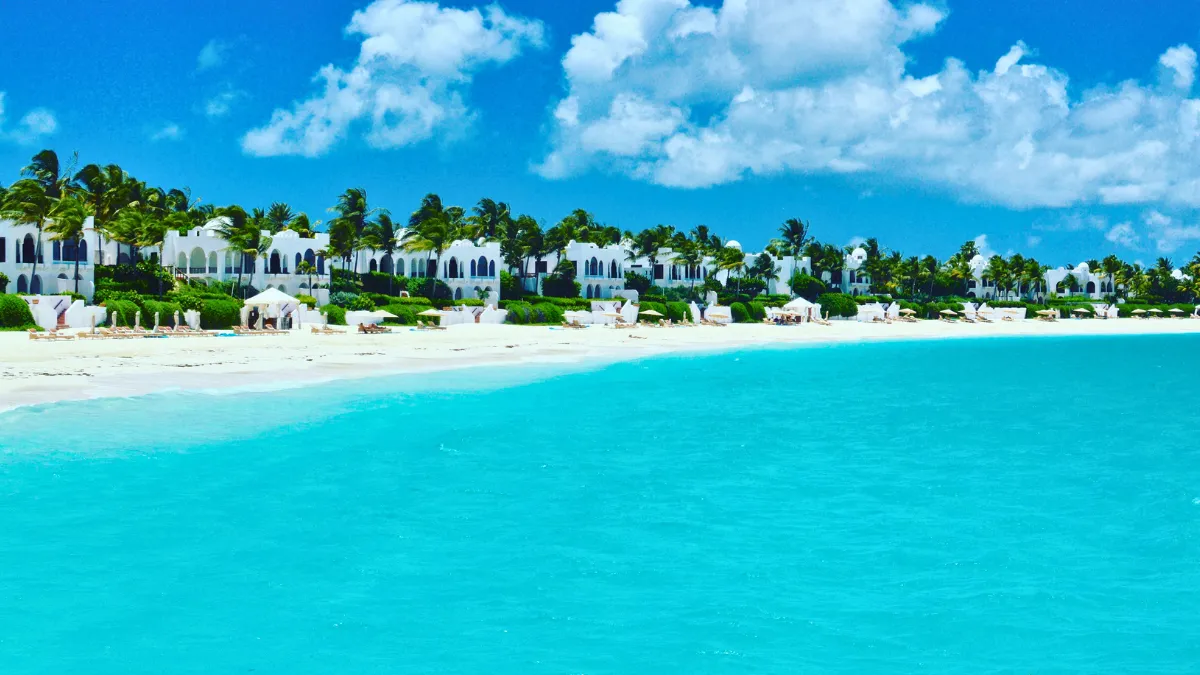
10. Anguilla: Luxury Without the Performance
Anguilla feels like someone turned the volume down.
The buildings are low. The horizon is huge.
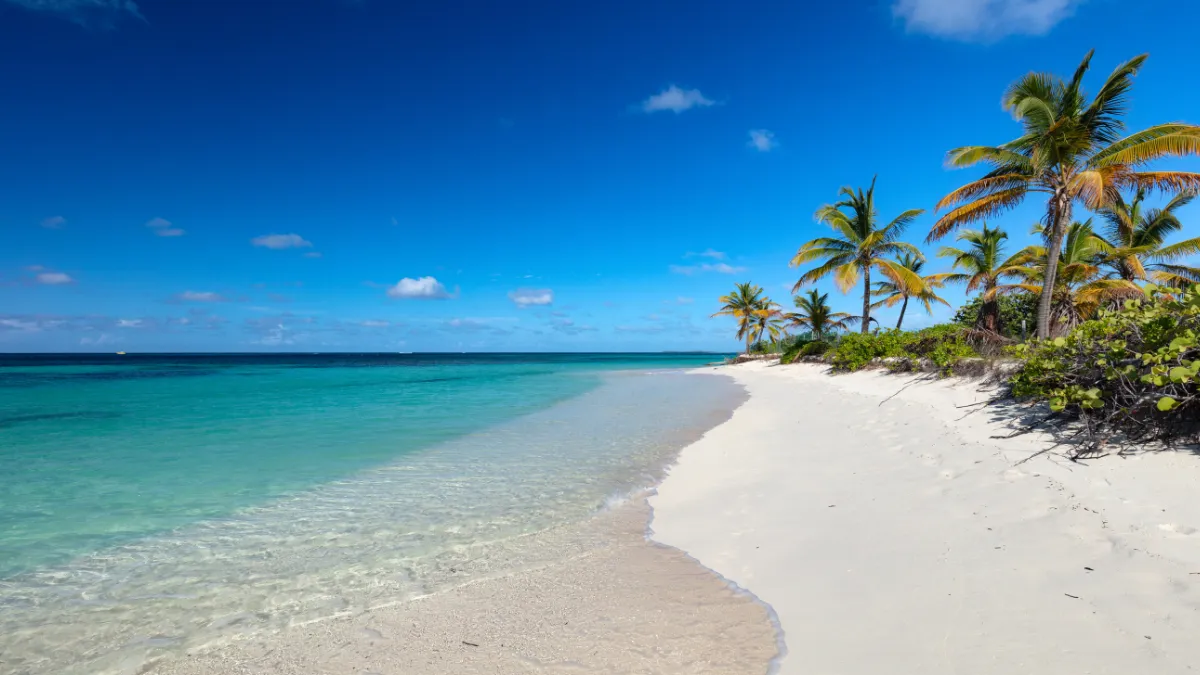
Roads wander toward beaches that suddenly appear as astonishing sweeps of pale sand.
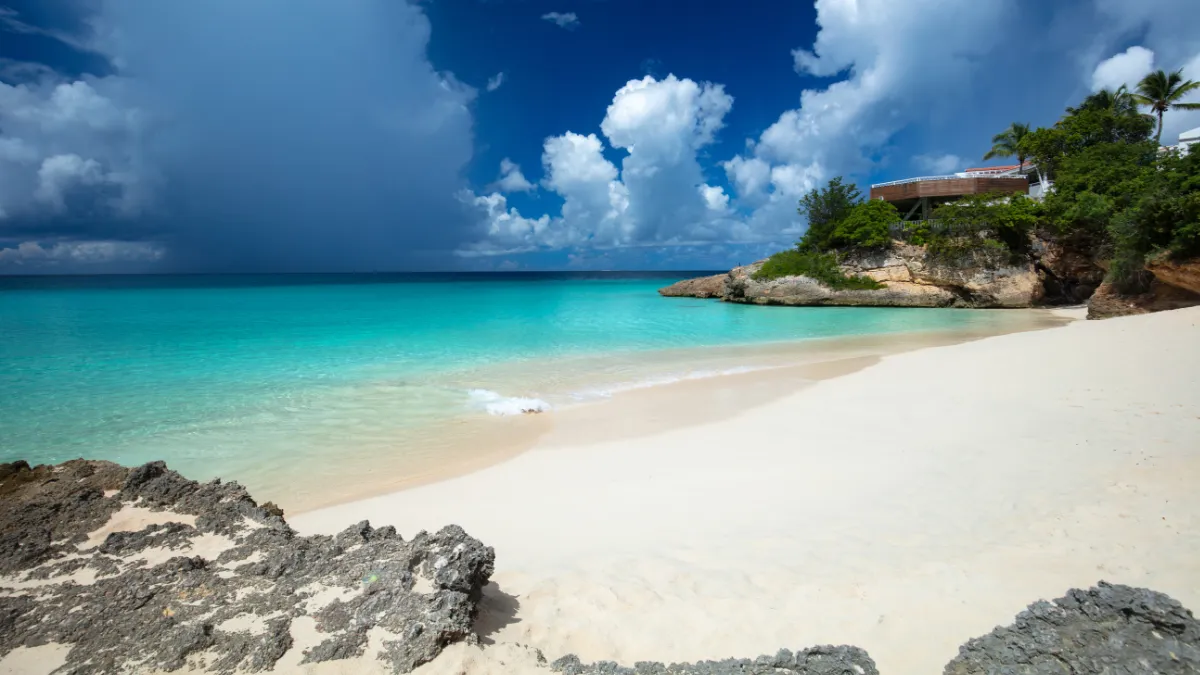
At Shoal Bay, blue water fades through shades of turquoise. At Meads Bay, afternoon light reflects from a wide creamy shoreline. And at small beach restaurants, today’s luxury might be grilled lobster eaten barefoot.
Anguilla’s official tourism organization highlights Shoal Bay, Maundays Bay, Rendezvous Bay and the island’s broader collection of beaches, while its different districts offer everything from high-end western resorts to beach bars and smaller properties.
Why I chose Anguilla
Anguilla specialises in quiet, understated luxury. There are no cruise-ship crowds, casinos or high-rise developments competing for attention. Instead, its appeal lies in exceptional beaches, private villas, personalised service, offshore cays and an unusually strong dining scene.
The best luxury experiences include:
- Stay in a private beachfront villa: Anguilla’s high-end villas often include an infinity pool, direct beach access, a private chef, butler service and a dedicated concierge. This is arguably the island’s definitive luxury experience, particularly for families or groups travelling together.
- Retreat to an intimate beach resort: The island’s leading resorts occupy prime positions around Maundays Bay, Meads Bay, Shoal Bay and Rendezvous Bay. Guests can expect spacious suites, sophisticated spas, private pools and service that feels personal rather than formal.
- Charter a private yacht or speedboat: Spend the day circling Anguilla, snorkelling in quiet bays and visiting otherwise difficult-to-reach beaches. A private charter provides complete control over the route, timing, food and swimming stops.
- Lunch on an offshore cay: Take a boat to Sandy Island, Scilly Cay or Prickly Pear Cays for freshly grilled lobster, crayfish, fish and rum punch. Arriving aboard a private boat turns a relaxed beach lunch into one of Anguilla’s most memorable experiences.
- Experience the island’s finest beaches: Maundays Bay offers an immaculate crescent of sand, Meads Bay combines luxury hotels with excellent restaurants, and Shoal Bay East is known for luminous water and powdery sand. A chauffeur-driven beach-hopping day removes the need to choose only one.
- Arrange a private picnic at Little Bay: This tiny, cliff-backed beach is primarily reached by boat. A captain can deliver guests for swimming and snorkelling before continuing along the coast or serving lunch aboard.
- Dine exceptionally well: Anguilla has an impressive concentration of fine-dining restaurants, resort dining rooms and sophisticated beach establishments. A luxury culinary itinerary might combine an elegant dinner overlooking Meads Bay with a long lobster lunch and a more informal evening of local seafood and live music.
- Book a private chef’s dinner: Villa chefs can design menus around Caribbean lobster, local fish and seasonal produce, accompanied by selected wines. It offers restaurant-quality dining without sacrificing privacy.
- Indulge in a personalised spa day: Leading resorts provide couples’ treatments, open-air massages, hydrotherapy and private wellness programmes. In-villa therapists can also create treatments around a guest’s schedule.
- Play golf overlooking the Caribbean: Aurora Anguilla Resort’s championship course delivers ocean views, immaculate conditioning and private instruction. Luxury travelers can combine a round with lunch, spa treatments or time at the resort’s beach club.
- Explore beneath the water privately: Charter a dive boat or arrange a private snorkelling guide to visit reefs and wrecks away from large groups. Clear water also makes Anguilla attractive for paddleboarding, transparent kayaking and underwater photography.
- Experience Anguillian culture with an expert: A private guide can introduce travelers to local artists, historic sites, traditional boatbuilding and Anguilla’s passionate boat-racing culture. This adds depth to a trip that could otherwise remain inside the resort environment.
Anguilla suits travelers seeking privacy, space and highly personalised service without a conspicuous social scene. Its luxury is being able to spend an entire morning on a nearly empty beach, followed by an exceptional lunch where the atmosphere remains relaxed. Private yachts, sailboats and luxury charters are widely available for exploring Anguilla and its surrounding cays.
The essential Anguilla sequence
Day 1 — Meads Bay
Do very little. Just enjoy the Bay in the way you choose.
Luxury begins when you give yourself the permission to stop.
Day 2 — Shoal Bay East
Walk the sand before settling somewhere for lunch.
Swim until you are hungry.
Repeat in tyhe afternoon.
Day 3 — Sandy Ground
Change the energy.
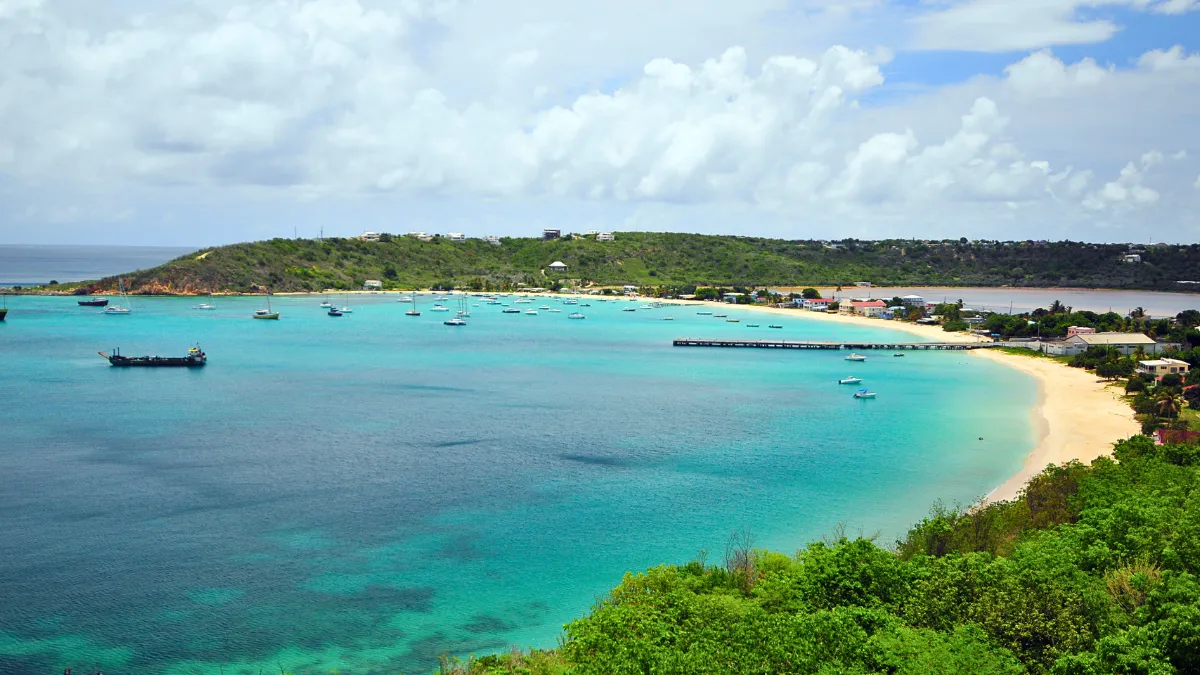
Boats, restaurants and beach bars make Sandy Ground livelier than many of Anguilla’s quieter bays.
Stay into the evening.
Day 4 — Offshore cay
Take a small boat toward Sandy Island or another offshore cay, weather permitting.
Eat fresh seafood. Snorkel.
Spend the afternoon surrounded by water.
Day 5 — Follow appetite rather than itinerary
Anguilla’s food scene is one of the reasons people return.
Mix fine dining with roadside barbecue and independent beach restaurants.
One does not invalidate the other.
That is the beauty of it.
Best areas to stay on Anguilla
- West End / Meads Bay: luxury resorts, villas and exceptional beaches.
- Shoal Bay: beautiful eastern shoreline and relaxed atmosphere.
- Sandy Ground: restaurants, boats and more evening life.
Ideal trip length
5–7 nights. 5 days gives 3 days relaxation and 2 activity focused. 7 nights gives you a lot more of both and time at additional cays.
Expert tip
Rent a car, and it’s your choice whether that comes with a driver.
Part of Anguilla’s pleasure comes from changing beaches according to mood.
Common mistake
Choosing a magnificent resort and then never leaving it. Anguilla’s restaurants and beach communities are a major part of the destination.
Make your trip matter
Go to locally owned beach bars and restaurants. Use independent boat captains. Buy art and crafts directly.
For luxury travelers especially, where you spend can shape and benefit local communities which is an added bonus.
Choose Anguilla if…
You want quiet sophistication, magnificent beaches, excellent food and very little fuss.
So which Caribbean Island is the best?
Here is the secret. There isn’t one.
The best Caribbean island for a honeymooner who dreams of waking beneath the Pitons is not the best island for a family whose eight-year-old wants to snorkel every morning.
The adventurer staring into Dominica’s Valley of Desolation is experiencing an entirely different Caribbean from the couple drinking rosé beside a yacht in Gustavia.
And that diversity is exactly what makes this region so extraordinary.
If I had to reduce the whole guide to one decision map, it would be this:
- For dramatic romance → Saint Lucia
- For beach-and-sailing romance → Antigua & Barbuda
- For an easy family road trip → Aruba
- For ocean-loving families → Cayman Islands
- For raw wilderness → Dominica
- For adventure plus culture → Puerto Rico
- For maximum vacation value → Dominican Republic
- For culture-rich value → Jamaica
- For glamorous luxury → St. Barts
- For understated luxury → Anguilla
Travel Kindly: How to Leave a Positive Footprint in the Caribbean
The Caribbean gives visitors an enormous amount: reefs, beaches, music, food, forests, stories and hospitality. Giving something meaningful back does not require turning vacation into work. It begins with a few joyful choices.
Spend beyond the resort. Eat a few meals at independent restaurants. Hire local guides. Buy directly from artists, farmers and craftspeople. Even travelers staying all-inclusive can dedicate part of their vacation budget to the surrounding community.
Treat wildlife as wildlife. Choose operators that prioritize animal welfare. Never chase, touch or stand on marine life simply for photographs.
Protect the reef. Do not touch coral, stand on it or take pieces home. Follow local environmental guidance and use reef-conscious practices where requested.
Use water and energy thoughtfully. Many islands have limited freshwater, imported fuel and fragile waste-management systems. Shorter showers, refillable bottles and turning off air-conditioning when you leave make a real difference when multiplied across millions of visitors.
Remember that the paradise you are enjoying is somebody’s home. Dress and behave appropriately away from resort beaches, ask before photographing people, learn a few words of the local language where relevant and approach communities with curiosity rather than entitlement.
The easiest rule is also the best:
Travel in a way that leaves local people glad you came.
Practical Caribbean Planning
Best overall time to travel
For many Caribbean destinations, December through April brings the classic combination of comparatively dry weather and escaping North American winter — which also makes it the most expensive period.
Late spring and early summer can deliver better value.
Atlantic hurricane season officially overlaps much of summer and autumn, though risk varies considerably by island and month. Southern islands such as Aruba have different climatic patterns from destinations farther north.
Always check destination-specific conditions and current forecasts rather than applying one weather rule to the entire Caribbean.
How long should you go?
For a single island, 5–7 nights is my minimum sweet spot.
For larger destinations such as Puerto Rico, Jamaica or the Dominican Republic, 7–10 nights gives you much more freedom to combine regions.
If you only have four nights, you’ll just explore less.
A smaller trip experienced deeply almost always feels richer than a large itinerary completed through a car window.
Flying from the US and Canada
Major islands generally have the strongest nonstop links from large North American hubs, while smaller luxury islands may require connections through regional gateways.
Do not choose accommodation before checking realistic flight logistics.
A cheaper hotel can become irrelevant if reaching the island requires expensive or inconvenient connections.
Should you rent a car?
On these islands its a Strong yes: Aruba, Anguilla and Puerto Rico outside San Juan.
On these islands it will be useful depending on itinerary: Antigua, Grand Cayman and parts of the Dominican Republic.
On these ilsands think carefully – balance necessity with safety: Saint Lucia and Dominica, the mountainous roads and local driving conditions may make hiring a driver more relaxing for many visitors.
One important safety principle – guide to the best Caribbean Islands
Never rely on an article — including this one — as your final source for current safety conditions.
Crime patterns, weather events, transport disruptions and entry requirements change. Check official travel advice from your own government immediately before departure, and use destination-specific judgment rather than assuming every part of an island carries identical risk.
One Last Thought Before You Book
Travel brochures have trained us to imagine the Caribbean as an empty beach. But look again.
Behind that beach is a farmer. A musician. A dive instructor. A grandmother cooking lunch. A boat captain reading the weather. A conservationist protecting a reef. A child growing up beside the same sea you have flown thousands of miles to see.
That is the Caribbean I hope you discover.
Go for the impossible blue water, certainly. Climb the mountain. Order the rum punch. Stay for sunset. But venture one road farther than the resort shuttle normally goes. Eat somewhere whose name you had never heard before arriving. Ask your guide about their community. Buy something because you met the person who made it.
Those are often the moments that transform a beautiful vacation on beautiful beaches into a journey you remember. And whichever island you eventually choose, remember this:
The best Caribbean island is not simply the one that gives you the most. It is the one where your visit gave something in return
If you go, I would love to know which island chose you. I love hearing about your journeys.