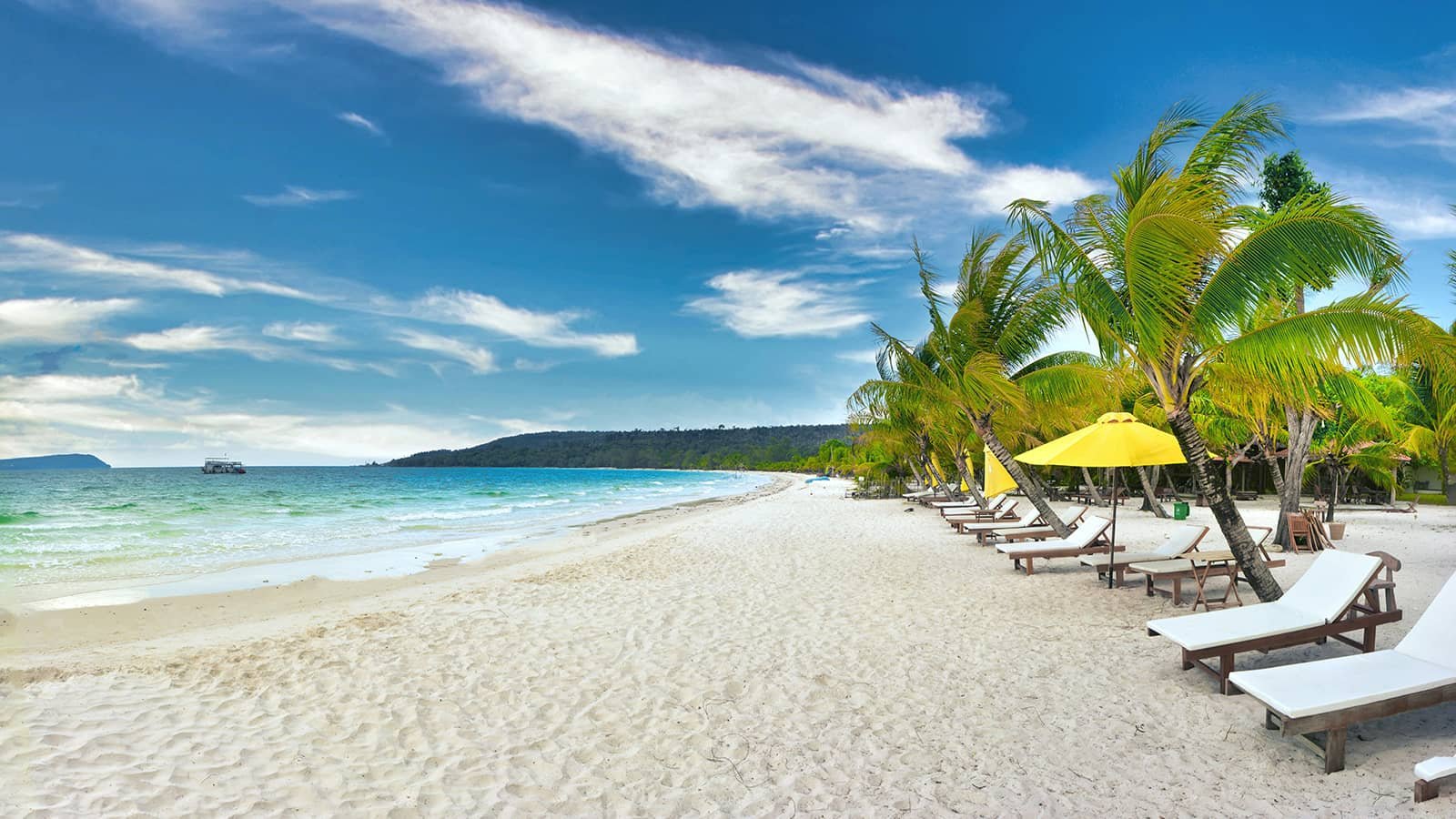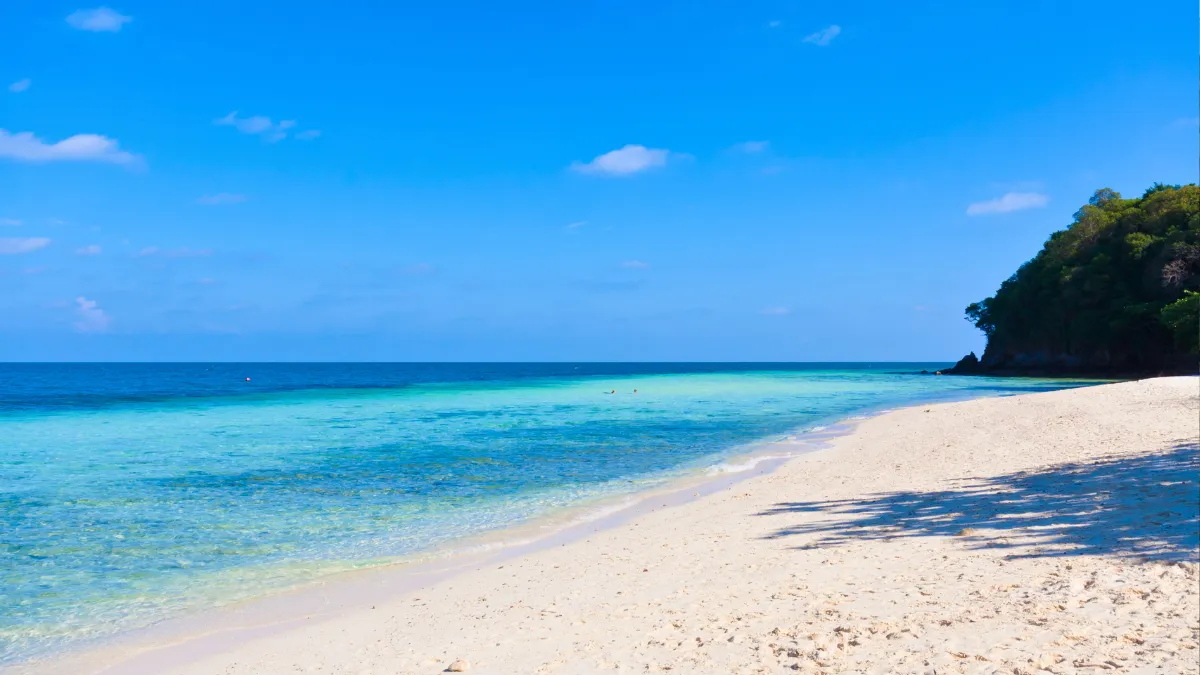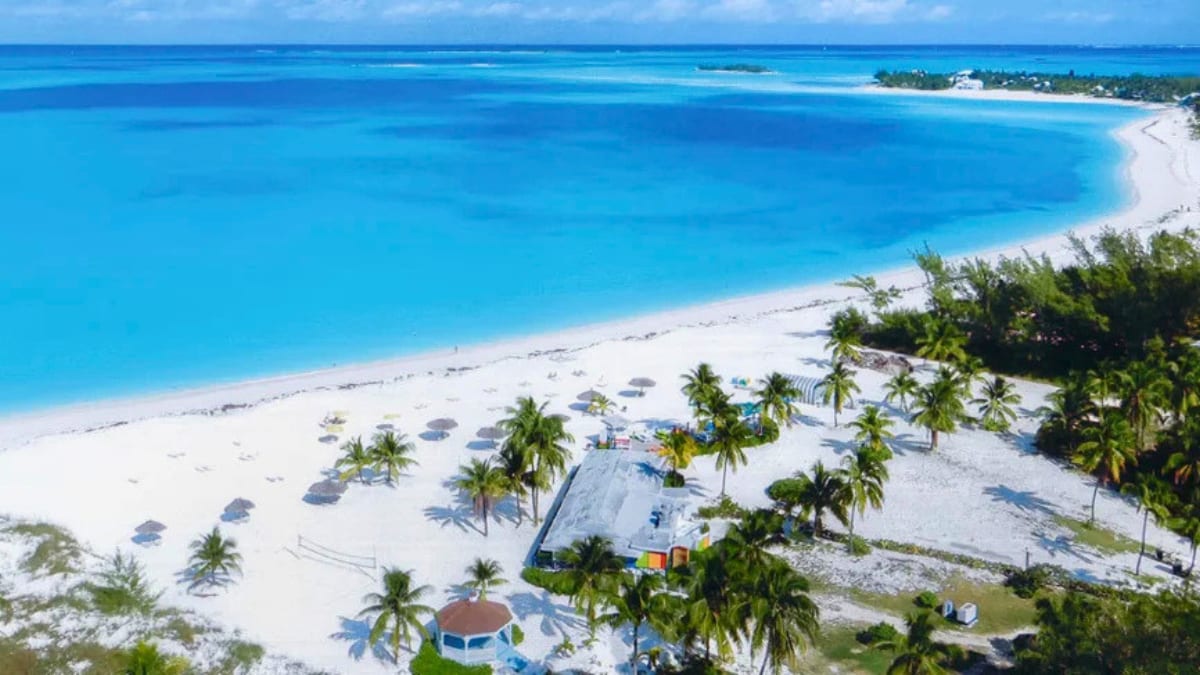

The Bahamas, an archipelago of 700 islands and over 2,400 cays, is a tropical paradise that beckons travelers with its stunning beaches and azure waters. Each island offers a unique slice of paradise, characterized by powdery white sands, swaying palm trees, and the gentle lapping of waves. Of course, the allure of stunning Bahama beaches lies not only in their breathtaking beauty but also in the vibrant culture and rich history that envelops them. From the moment you set foot on these sun-kissed shores, you are transported into a world where time slows down, and the worries of everyday life fade away.
As you explore Bahama beaches, you will discover that each stretch of sand has its own personality. Some are bustling with activity, filled with beach bars and water sports, while others offer secluded tranquility, perfect for those seeking solitude. The warm Caribbean sun casts a golden glow on the landscape, inviting visitors to bask in its warmth. Whether you are a sun worshipper, an adventure seeker, or a culture enthusiast, Bahamas beaches promise an unforgettable experience that will linger in your memory long after you leave.
What are the top Bahamas beaches?
The Bahamas is widely recognized as a top beach destination in 2026, with official tourism promotion highlighting the country’s global beach reputation and U.S. News ranking it #4 for Best Beaches in the World. For travelers prioritizing accessibility, Cable Beach in New Providence is one of the most convenient options near Nassau, while Cabbage Beach is also widely described as one of the easiest and most accessible public beach choices.
We have determined our beach choices by travel goal”
- Cable Beach, New Providence: best for convenience, resort access, and a straightforward Nassau-area beach day.
- Cabbage Beach, Paradise Island: one of the most accessible public beaches and a popular pick for families and day visitors.
- Pink Sands Beach, Harbour Island: the most iconic “signature” Bahamas beach, known for its blush-colored sand and calm, reef-protected water.
- Tropic of Cancer Beach, Little Exuma: frequently cited as a top overall beach for scenic beauty and a more tranquil setting.
- Coco Plum Beach, Great Exuma: a strong family-friendly option.
- Small Hope Bay, Andros: a standout for snorkeling.
- Gold Rock Beach, Grand Bahama Island: for explorer nature lovers
- Dean’s Blue Hole Beach, Long Island: For divers and cavers
If you’re dreaming of a tropical getaway, the stunning beaches of the Bahamas are a must-visit destination. Along with their crystal-clear waters and powdery white sands, these beaches offer the perfect backdrop for relaxation and adventure.
Nassau: The Capital City and Gateway to Paradise
The largest and busiest airport is Lynden Pindling International Airport in Nassau, named after the country’s first prime minister. Nassau, the capital of the Bahamas, sits on New Providence, one of the smallest but most populated islands. Its position, just 180 miles southeast of Miami, has made it a prime travel destination and an important port city.
New Providence is small, spanning only 21 miles in length and 7 miles in width. Yet, it holds the majority of the nation’s population, with Nassau as its heartbeat. Its proximity to major cruise routes ensures a constant influx of tourists.
Nassau’s Tourism Economy
Tourism drives Nassau’s economy. Each year, millions of visitors pour into the city. Many arrive by cruise ship, with Nassau serving as one of the busiest ports in the Caribbean. In 2023 alone, over 3 million cruise passengers visited the city. These visitors typically spend a few hours exploring before returning to their floating hotels.
Top Attractions in Nassau
The city is particularly famous for its beaches, nightlife, and great shopping. Cable Beach, located just west of downtown Nassau, has earned its reputation as the Bahamian Riviera. Renowned for its soft white sands and crystal-clear waters, Cable beach is referred to as the “Jewel of the Bahamas.” The beach is lined with luxurious resorts and offers a plethora of water activities, from jet skiing to parasailing.

As the sun sets, the beach transforms into a lively hub of entertainment, with beach bars serving up refreshing cocktails and live music filling the air. The waters here are shallow and calm, which makes them ideal for swimming. Families with children will especially appreciate the gentle waves and safe conditions. History lovers can tour Nassau’s 18th-century colonial forts. Fort Charlotte, the largest of the three, has underground tunnels and dungeons.
Nassau’s famous Straw Market is a busy place where visitors can shop for handmade goods, souvenirs, and local art. The people here sell everything from woven bags to carved wooden trinkets, often accompanied by spirited haggling. Tourists are encouraged to negotiate prices, though the vendors are experts at spotting hesitation. Blink twice, and you’ve just paid $50 for a coconut.
1. Cable Beach, New Providence
Cable Beach is widely regarded as the tourism hub of New Providence Island, celebrated for its pristine white-sand beach, crystal-clear turquoise waters, and luxurious beachfront resorts. Located just six miles west of downtown Nassau, it stretches approximately two and a half miles along the island’s northern coast. The area seamlessly combines the Bahamas’ iconic postcard scenery with modern, high-quality amenities.

Cable Beach proudly holds unique historical significance as the landing site of The Bahamas’ first submarine telecommunications cable, connecting the island chain directly to Florida. Today, it stands as the upscale center of New Providence’s resort district. It features major world-class developments like the Baha Mar Resort complex, including the Grand Hyatt, SLS, and Rosewood properties, alongside established resorts such as Sandals Royal Bahamian Resort and Breezes Bahamas.
What are the major attractions in Cable Beach?
- World-Class Casinos: Cable Beach boasts some of the Caribbean’s largest and most luxurious gaming floors, led by the state-of-the-art casino at Baha Mar.
- Baha Bay Water Park: This expansive, premium beachfront water park delivers high-speed rides, a lazy river, and private luxury cabanas directly beside the sand.
- Royal Blue Golf Club: Golf enthusiasts can take on the championship 18-hole course designed by Jack Nicklaus, offering breathtaking ocean views.
- The Cable Beach Strip: A vibrant avenue alongside the beach, featuring upscale boutiques, local souvenir markets such as the Mimi Straw Market, and an impressive culinary scene ranging from casual food trucks to fine dining.
Because the shoreline has exceptionally calm, shallow waters and almost no waves, it is especially popular with families with young children. Although luxury resorts line much of the coast, public beach access is completely free, enabling cruise passengers and day-trippers to enjoy the pristine shoreline alongside resort guests.
2. Cabbage Beach, Paradise Island:
Cabbage Beach is widely considered one of the most beautiful natural shorelines in The Bahamas. Stretching for about two miles along the northern coast of Paradise Island, just across the harbor from Nassau, it offers the classic Caribbean postcard scene: pristine white sand set against a vivid turquoise sea.
Paradise Island’s main beach is the easiest beautiful stretch of sand to reach from Nassau, offering a long shoreline of soft white sand and clear water just behind Atlantis and the resort strip. The western end is lined with hotels and water sports, while walking east leads to quieter stretches of beach. It’s a convenient, lively option for a beach day near the city and cruise port.

What are the highlights of Cabbage beach?
- The Resort Backdrop: The beach is bordered by several renowned luxury properties, most notably the massive Atlantis Paradise Island Resort at its western end and the exclusive The Ocean Club, A Four Seasons Resort, farther along the shore.
- Cinematic Fame: Pop culture enthusiasts may recognize the western end near the Atlantis breakwater, which was used as a filming location for the 1965 James Bond film Thunderball, starring Sean Connery.
- The Tale of Two Beaches: Cabbage Beach has two distinct sides. The lively western section is often filled with resort guests, music, and activities, while the more distant end is noticeably quieter and more secluded—ideal for couples and peaceful sunbathing.
What Cabbage Beach Offers Travelers & Activities
Although large resorts occupy much of the surrounding area, Cabbage Beach is public and free to access. Cruise passengers arriving at Nassau Cruise Port often take a short 10- to 15-minute taxi ride to the main public entrance on Casino Drive, located between the Riu Palace and Sunrise Beach Club.
- High-Adrenaline Water Sports: Front-line vendors offer everything from parasailing adventures over the coast to jet ski rentals and bumpy banana boat rides.
- Professional Photography: Travelers can book a unique clear kayak photoshoot on the shore, capturing striking images of transparent boats against the vibrant water.
- Beachfront Conveniences: Independent beach vendors are plentiful. Travelers can easily negotiate rentals for lounge chairs and beach umbrellas or purchase fresh local snacks, cocktails, and coconut juice directly from the sand.
- Exclusive Day Passes: Travelers looking to avoid the cruise crowds can purchase a Paradise Island Beach Club Day Pass, which offers limited-capacity access to a quieter section of the beach along with resort pool facilities.
Unlike the sheltered, lake-like waters of Cable Beach, Cabbage Beach faces the open Atlantic Ocean. This creates refreshing waves and lively surf that are ideal for body surfing. However, conditions can sometimes change quickly, with strong rip currents possible, and there are generally no lifeguards on duty beyond specific resort boundaries.
3. Pink Sands Beach, Harbour Island
When you think about the Bahamas, Nassau is probably the first place that comes to mind. But Harbour Island has a completely different feel—it’s smaller, quieter, and far less touristy. Locals call it “Briland,” and the island is just 3.25 miles long and about half a mile wide, with fewer than 2,000 residents. Since it’s less crowded and its beach is so expansive, you can easily find a peaceful spot to unwind and take it all in.

The island is a playground for the rich and famous, earning itself the nickname “the Nantucket of the Caribbean” because of its billionaires and celebrity visitors. However, it also offers a haven for travelers seeking authentic, off-the-beaten-path experiences.
What’s special about Pink Sands beach?
- Natural wonder: The distinct rosy color comes from microscopic single-celled marine organisms called foraminifera.
- Shell mixture: The foraminifera have bright pink or red calcium carbonate shells. When they die, their shells wash ashore and mix with crushed white coral and regular sand.
- Shifting hues: The pink shade changes depending on the sun and time of day, looking deeper at sunrise or sunset.

What Does Pink Sands Beach Offer Travelers?
- Calm swimming: An offshore barrier reef shields the beach from rough ocean waves, keeping the turquoise water calm and safe.
- Water sports: Visitors can snorkel, dive around nearby reefs, or paddleboard across the peaceful sea.
- On-the-shore fun: The broad, soft shoreline is perfect for sunbathing, photographing sunrises, and taking long walks.
- Horseback riding: Local guides provide horse rentals and stable tours right on the sand.
- Undeveloped peace: The area has no high-rise hotels or large boardwalk chains, helping preserve its quiet, natural setting.
- Easy access: It is only a short walk or golf cart ride from the pastel cottages and restaurants of historic Dunmore Town.
- Day trips: Many travelers join guided powerboat excursions from Nassau to explore the beach and nearby wildlife.
Eleuthera: The Narrow Island Paradise
Eleuthera is a narrow ribbon of land that stretches across the azure waters of the Bahamas. Its geography seems determined to defy expectations. The island is just over a mile wide at its thinnest point and allows you to experience the Atlantic Ocean and the Caribbean Sea at the same time. This sounds poetic until you realize it also means there’s nowhere to hide from the wind.
The island stretches for about 110 miles, but don’t get too excited – most of it is uninhabited or inaccessible. Roads, where they exist, are a blend of potholes and optimism.

Glass Window Bridge
The famed Glass Window Bridge is one of the island’s star attractions, where a narrow strip of land separates the roiling Atlantic from the serene Caribbean. Tourists come here for photos, but locals warn that strong waves have been known to carry people away.
Eleuthera does not beg for attention. Its beaches do not offer sun loungers or waiters bearing drinks. Want fresh seafood? Good luck. Fishermen return when they’re ready, not when you’re hungry. If you want a five-star resort experience, Nassau is that way. Here, you get a towel and some sunscreen.
4. Tropic of Cancer Beach, Little Exuma
Tropic of Cancer Beach, also known as Pelican Beach, is the longest and most spectacular stretch of sand on Little Exuma. Unlike the heavily developed resort areas of Nassau, this breathtaking eco-destination is known for its untouched tropical beauty and unique global location.
With so many incredible beaches in the Bahamas, choosing your favorite is nearly impossible, but Tropic of Cancer Beach unquestionably has it all. Also known as Pelican Beach, it is located on Little Exuma. Its crescent shape creates the feel of a perfect blue lagoon. It is also the longest beach on the island and one of the largest in the Exumas, a region renowned for its stunning sand and shallow, well-protected waters.

Tropic of Cancer Beach Highlights & Key Features
- Geographic Distinction: The beach is named after the Tropic of Cancer latitude line, located at 23.5 degrees north. The line runs directly across the sand and marks the official northern boundary of the tropics. Visitors can take photos beside a painted meridian line on the concrete steps leading down to the shore.
- The Ultimate “Castaway” Vibe: Stretching for more than a mile in a graceful crescent, the beach is almost entirely undeveloped. With no mega-resorts or large crowds, visitors can often find themselves completely alone, enjoying a true private-island experience.
- Pristine Water Conditions: The clear sapphire-and-turquoise water is calm, shallow, and remarkably flat. With few strong rip currents, it resembles a huge, warm swimming pool, offering excellent visibility from the shore to the sea floor.
Key Tropic of Cancer Beach Activities for Travelers
- Leisurely Swimming & Wading: Since the water is sheltered and warm, it is an ideal place to float peacefully for hours.
- Shore Snorkeling & Kayaking: Visitors with their own equipment can paddle along the gentle coastline or snorkel near the small rock formations just offshore, where schools of colorful tropical fish gather.
- Epic Beach Trekking: The beach’s long, uninterrupted curve of sand is perfect for extended coastal walks. Adventurous hikers can even enjoy a scenic one-hour trek across coastal dunes and flats, traveling all the way from Forbes Hill.
Because the beach remains undeveloped, it has virtually no public amenities—no restrooms, chairs, umbrellas, or major facilities. Bring your own food, water, sun protection, and shade. Local vendors occasionally sell drinks and snacks, but shouldn’t be relied on for meals.
Located about 30 minutes south of George Town, the beach is reached via Queen’s Highway after crossing the one-lane bridge from Great Exuma to Little Exuma. The final 500-meter dirt road to the parking lot is unpaved and full of deep potholes. Drive slowly—around 5 mph—to avoid damaging rental vehicles, or rent an all-terrain 4×4 buggy.
5. Coco Plum Beach, Great Exuma
Located on Great Exuma, Coco Plum Beach is the island’s crowning jewel and top attraction. Like many Bahamian beaches, it can be difficult to reach, requiring a boat or a car capable of handling bumpy roads and deep mud puddles. But the journey is worth it: the beach offers soft sand, crystal-clear shallow water, and even a swing in the sea. At low tide, expansive sandbars appear and disappear with the tides.

Some areas of Coco Plum Beach are so shallow that large sandbars appear and disappear with the tides. At low tide, families can safely walk across and explore several sandbars. At other times, you can snorkel just offshore to see starfish, sand dollars, and colorful tropical fish. The beach also has a few shade trees for escaping the sun, along with a food vendor selling snacks and ice cream.
Things we love about Coco Beach:
- A great beach for safely exploring the waters of the Bahamas
- The shallow, sandy bottom makes swimming safe for families
- Its remote setting creates a truly relaxing island atmosphere for the whole family
6. Small Hope Bay, Andros Island
Small Hope Bay on Andros Island is renowned as one of the Caribbean’s oldest and most respected eco-tourism and diving destinations. Built around the historic Small Hope Bay Lodge, which has hosted guests since 1960, this peaceful and secluded bay provides access to the breathtaking, untouched wilderness of the Bahamian Out Islands. With no high-rise buildings or chain resorts, it remains entirely uncommercialised and is the perfect place to disconnect.
Andros Island is the largest island in the Bahamas. Although it is not the most visited, it offers many wonderful reasons to explore it. One of the main attractions is Small Hope Bay and its excellent snorkeling and cuba diving. Just offshore lies the world’s third-largest barrier reef system, providing incredible opportunities to view marine life underwater. You can also enjoy excellent snorkeling directly from the shore. Andros has many beaches suitable for snorkeling, but Small Hope Bay is one of the most beautiful and arguably the best-located.

Small Hope Beach Highlights and Natural Attractions
- The Andros Barrier Reef: Small Hope Bay lies right beside the world’s third-largest barrier reef, extending over 140 miles. Just minutes from the shore, the reef supports an incredible variety of marine life.
- The Tongue of the Ocean: Beyond the reef is a vast ocean trench where the continental shelf drops sharply from around 70 feet to depths exceeding 6,000 feet, forming spectacular underwater walls.
- Blue Holes: Andros Island contains the world’s greatest concentration of blue holes—complex, water-filled cave systems. Small Hope Bay is only six miles from well-known sites such as Captain Bill’s Blue Hole and the marine-focused Cousteau’s Blue Hole.
- Eco-Friendly Rustic Cottages: Guests stay in cosy beachfront cottages constructed in the 1960s from local pine and coral limestone. The interiors feature beautiful Androsia batik fabrics, locally made and hand-dyed.
What does Small Hope Beach offer travelers?
World-Class Scuba Diving & Snorkeling: Boasting over 60 regular dive sites, travelers can experience colorful shallow coral gardens, complex sponge-lined caves, night dives, and exhilarating shark dives. PADI courses are readily available for beginners.
World-Class Bonefishing & Reef Fishing: Andros is considered the “Bonefishing Capital of the World.” Travelers can wade out into the shallow, pristine flats of the Great Bahama Bank with expert local guides or take reef fishing charters where captains routinely bring the fresh catch back to the lodge grill for dinner.
Blue Hole Swimming & Diving: Visitors can head inland into the lush pine forests to swim in the cool, deep waters of freshwater blue holes or execute advanced cave dives through subterranean labyrinths.
The “West Side Story” Boat Excursion: The lodge arranges remote full-day boat safaris out to the completely uninhabited western side of Andros—crossing through the mangrove channels of the North Bight to look for wild dolphins, endemic rare birds, and historic sponge-trading outposts.
7. Gold Rock Beach, Grand Bahama Island
Gold Rock Beach is celebrated as the ultimate natural jewel of Grand Bahama Island, renowned worldwide for its sweeping, secluded beauty and pristine ecological preservation. Located about 25 miles east of Freeport, this spectacular beach is protected as part of Lucayan National Park, which is carefully managed by the Bahamas National Trust.
Gold Rock Beach features soft white sand and clear, inviting waters that are ideal for swimming. Stretching for miles, it is also perfect for long walks and leaving your worries behind. Visit when the tide is going out, as the narrow beach expands rather than becoming smaller.

Gold Rock Beach Highlights and Natural Features
- Grand Bahama’s “Welcome Mat”: The beach is most famous for its dramatic transformation at low tide. As the tide recedes, the crystal-clear water pulls back to reveal an enormous, rippled sandbar that stretches nearly 70 metres straight out into the sea. This signature phenomenon creates a stunning grid-like pattern in the sand, which locals proudly call the island’s natural welcome mat.
- Hollywood Legacy: Movie enthusiasts value the far end of the shoreline, which served as a filming location for Disney’s blockbuster Pirates of the Caribbean franchise, specifically Dead Man’s Chest and At World’s End.
- The Mangrove Boardwalk: Reaching the beach is an experience in itself. From the park’s parking lot, visitors embark on a short, scenic trek along a raised wooden boardwalk that winds through a dense, pristine mangrove ecosystem before opening dramatically onto the pale-sand shoreline.
- The Lucayan Caverns: Directly across the highway from the beach trail lies the entry point to one of the longest charted underwater cave systems in the world. Visitors can descend wooden staircases into illuminated, water-filled caverns such as Ben’s Cave and Burial Mound Cave to see unique rock formations and learn about ancient Lucayan history.
- Raw Eco-Isolation: Unlike the busy, resort-fronted beaches in Nassau, Gold Rock Beach has no commercial development, high-rise hotels, or commercial buildings.
Gold Rock Beach Top Actvities For Travelers
- Low-Tide Wading & Shelling: The shallow water over the sandbar makes it a paradise for wading far from shore. The exceptionally clear water makes it easy to spot wild starfish, conch shells, and small tropical fish gliding over the sand.
- Secluded Beach Picnic: The beach is tailor-made for a quiet escape. The park provides permanent barbecue pits, wooden picnic tables, and benches nestled beneath the tree line, making it a favorite spot for guided East End picnic tours.
- Wave-Free Family Swimming: Protected by offshore barriers, the beach boasts incredibly gentle, almost lake-like conditions. The soft, gradual slope and complete lack of heavy waves make it a safe and peaceful swimming gem for families with small children.
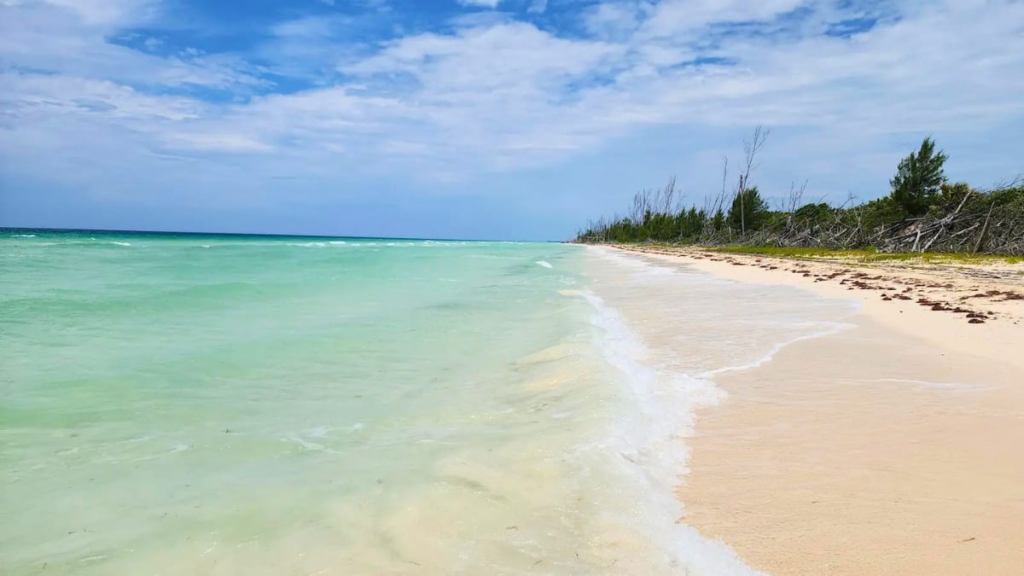
Grand Bahama Island: Caribbean Charm & Stunning Bahamas Beaches
Grand Bahama Island is a microcosm of Caribbean allure. Stretching over 530 square miles, Grand Bahama is the fourth-largest island in the Bahamas. Tourism is the lifeblood of the island, accounting for much of its economy.
Grand Bahama is disarmingly accessible. It is just 55 miles off the coast of Florida, which might explain why so many Americans treat it as an extension of their backyard. Cruise ships routinely disgorge thousands of visitors at Freeport, the island’s largest city.
Freeport and Lucayan National Park
Freeport is unassuming, with small wooden homes and a few roadside stalls. Its history as a settlement of freed slaves adds some depth to an otherwise sleepy community. Walking through its streets is less about sightseeing and more about absorbing a slice of Bahamian heritage.
Despite its modest size of 40 acres, Lucayan National Park is Grand Bahama Island’s most popular attraction. The park’s most famous feature is its underwater cave systems, among the longest on the planet. These limestone formations are thousands of years old. Experienced divers can explore these caves and the subterranean wildlife. For non-divers, the park has boardwalks.
8. Dean’s Blue Hole Beach, Long Island
The Bahamas is known for having a record number of blue holes. These deep, dark-blue pools are not portals to a mystical underworld; instead, they lead to underwater caves and aquatic sinkholes. Scientists estimate that the islands contain more than 1,000 of these formations, the best known being Dean’s Blue Hole. Reaching 202 meters (663 feet) deep, it is the world’s second-deepest blue hole. Its most striking feature is the beach around it, set inside a natural rock amphitheater.
Dean’s Blue Hole Beach on Long Island is widely regarded as one of the world’s most remarkable natural attractions. Reaching an extraordinary depth of 663 feet (202 metres), Dean’s Blue Hole is the planet’s second-deepest saltwater blue hole. Its most striking feature is its unusual location on land: the sinkhole opens directly within a peaceful, shallow beach lagoon, creating a dramatic contrast between the bright turquoise shallows and the deep, dark-blue chasm.

Highlights & Key Features
- The Sudden Drop-Off: The beach is best known for its dramatic underwater plunge. Visitors can walk through knee-deep water across smooth white sand before taking a single step into water that extends hundreds of feet straight down.
- Natural Amphitheatre: Tall, curved limestone cliffs surround the cove on three sides, protecting it from strong ocean winds and helping keep the water remarkably calm.
- The Wimbledon of Freediving: With minimal currents, visibility reaching up to 100 feet, and stable water temperatures, Dean’s Blue Hole is home to Vertical Blue. This prestigious annual freediving competition attracts top athletes from around the world, many of whom attempt to set records on one breath.
- Completely Uncommercialised: Reflecting the character of the Bahamian Out Islands, the beach remains undeveloped and free to visit. With no major resorts, crowds, or commercial stores, it offers a peaceful and reflective escape.
What are the top activities for travelers at Dean’s Blue Hole Beach?
- Snorkeling the Perimeter: Beginner swimmers and snorkelers can safely drift along the sinkhole’s edge. The shallow, sandy rim and nearby Turtle Cove reefs are filled with colorful parrotfish, seahorses, sea turtles, and rays.
- Cliff Jumping: Adventure-seekers can follow a narrow trail up the rugged limestone cliffs surrounding the hole. From the top, brave visitors can jump about 30 feet (9 meters) into the clear, deep-blue water below.
- Freediving & Scuba Diving: Although the surface is open to everyone, visitors can hire experienced local dive guides to discover the deeper limestone walls and surreal underwater sandfalls disappearing into the darkness.
- Beachcombing & Sunbathing: The spotless, crescent-shaped white-sand beach is perfect for relaxing on a private blanket and admiring the water’s shifting colors as the late-morning sun brightens the deep hole.
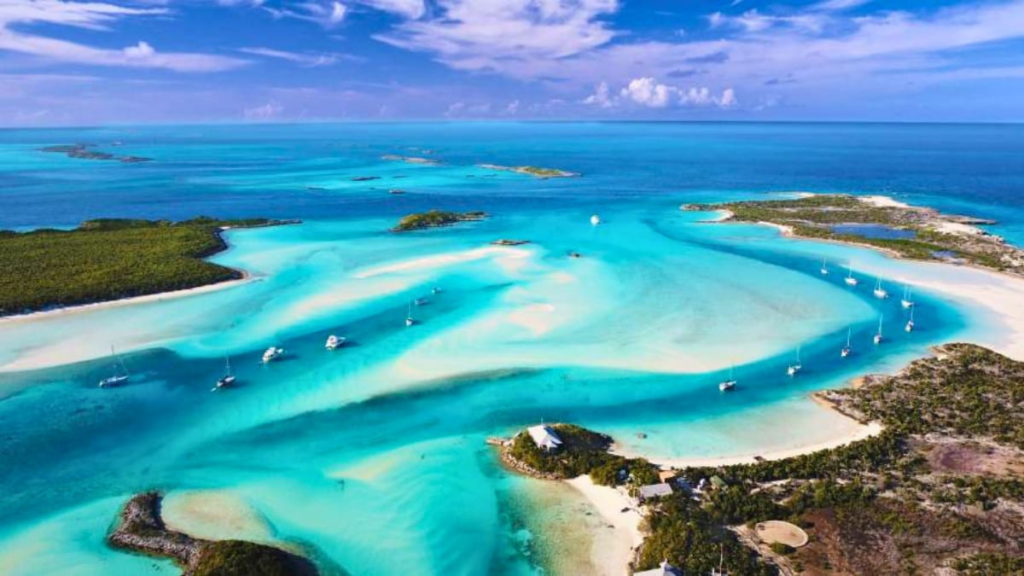
Exuma Cays: Marine Paradise and Swimming Pigs
The Exuma Cays Land and Sea Park in the Bahamas is a 175-square-mile protected area of pristine wilderness, established in 1958 it became the first marine reserve in the Caribbean. The park spans a portion of the Exuma Cays, a chain of small islands surrounded by coral reefs and aquamarine waters.
Here, marine life flourishes under strict no-take policies. Meaning that Fishing, hunting, and even shell collecting are banned. The marine ecosystem is staggering in its diversity. Coral reefs, seagrass beds, and mangroves teem with life. Species like Nassau grouper, queen conch, and hawksbill turtles live here, far away from the frying pan.
Visitors lucky enough to reach the park are encouraged to tread lightly. You can snorkel and scuba dive but are reminded your first priortiy is to not disturb the environment.
Discovering the Diverse Marine Life in the Bahamas
The Bahamas is renowned for its rich marine biodiversity, making it a haven for nature lovers and underwater enthusiasts alike. The coral reefs surrounding the islands are home to an astonishing variety of marine life, including colorful fish, graceful rays, and even majestic sharks. Snorkeling or diving among these reefs offers an up-close encounter with this vibrant ecosystem, where every dive reveals new wonders waiting to be discovered.
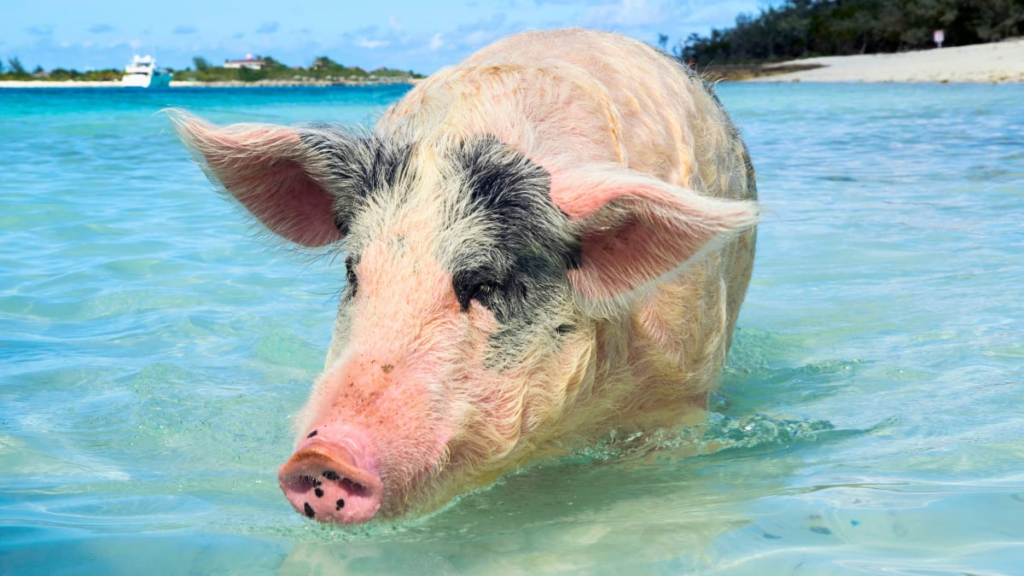
The Famous Swimming Pigs on Bahamas Stunning Beaches
One of the most unique experiences in the Bahamas is swimming with pigs at Pig Beach on Big Major Cay. As a result these friendly swine have become an iconic attraction, delighting visitors who come to feed them and take photos as they frolic in the shallow waters. This quirky encounter adds an element of fun to your beach vacation while showcasing the unique charm of Bahamian culture.
The Exuma Cays pigs are a very special curiosity. Some claim sailors left them behind, intending to return and use them as a food source. Others suggest they swam to the island from a nearby shipwreck, which seems a bit ambitious for pigs but makes for a dramatic story.
Tips for Planning the Perfect Bahamas Beaches Vacation
Planning your dream vacation to the Bahamas requires careful consideration to ensure you make the most of your time in this tropical paradise. First and foremost, choose your travel dates wisely; while summer offers warm weather and vibrant festivities, visiting during shoulder seasons like late spring or early fall can provide more affordable rates and fewer crowds.
Additionally, consider your interests when selecting which islands to visit. If you’re drawn to lively nightlife and entertainment options, New Providence Island may be your best bet. However, if you’re seeking tranquility and natural beauty, islands like Eleuthera or Exuma may be more appealing. Lastly, don’t forget to pack essentials such as sunscreen, swimwear, and comfortable footwear for exploring both land and sea.
Sustainable Practices and Conservation Efforts on Bahama Beaches
As tourism continues to grow in popularity within the Bahamas, so too does awareness around sustainable practices aimed at preserving these natural wonders for future generations. Many resorts have implemented eco-friendly initiatives such as reducing plastic waste through recycling programs or using solar energy for their operations.
Additionally, organizations dedicated to marine conservation work tirelessly to protect fragile ecosystems like coral reefs from threats posed by climate change and pollution. Likewise visitors can contribute by participating in beach clean-up events or supporting local businesses that prioritize sustainability efforts—ensuring that these breathtaking beaches remain pristine for years to come.
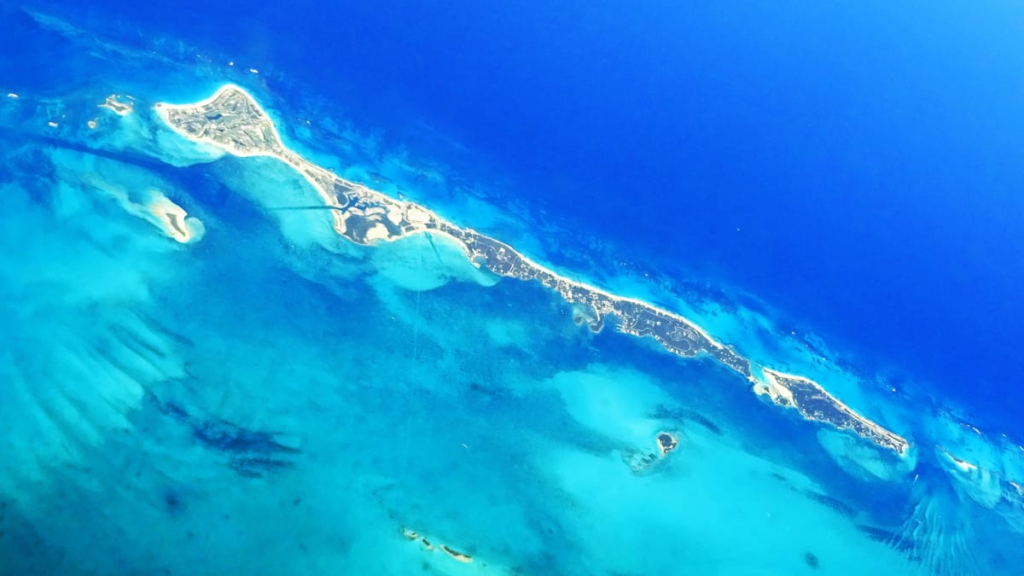
Why Bahamas Beaches Should Be Your Next Destination
In conclusion, the Bahama beaches offer an unparalleled escape into paradise where natural beauty meets rich culture and adventure awaits at every turn. With their stunning landscapes, diverse marine life, and endless activities for all ages, these idyllic shores promise an unforgettable experience that will leave you yearning for more long after your visit ends.
Whether you’re lounging on soft sands under swaying palms or exploring vibrant coral reefs teeming with life beneath azure waves—there’s something magical about experiencing life on these enchanting islands firsthand. So pack your bags and prepare for an adventure like no other; your dream vacation awaits amidst the breathtaking beauty of Bahama beaches!
Bahamas Beaches FAQ
What are the top beaches to visit in the Bahamas?
Some of the top beaches to visit in the Bahamas include Pink Sands Beach on Harbour Island, Cable Beach in Nassau, and Gold Rock Beach in Lucayan National Park.
What activities can be enjoyed at the beaches in the Bahamas?
Visitors to the beaches in the Bahamas can enjoy activities such as snorkeling, scuba diving, swimming, sunbathing, beachcombing, and water sports like jet skiing and parasailing.
Are there any private beaches in the Bahamas?
Yes, there are private beaches in the Bahamas, many of which are owned by luxury resorts and are accessible only to their guests. Some private islands in the Bahamas also have exclusive beaches.
What is the best time of year to visit the beaches in the Bahamas?
The best time to visit the beaches in the Bahamas is during the winter and spring months, from December to April, when the weather is dry and the temperatures are comfortable for beach activities.
Are there any safety tips for visiting the beaches in the Bahamas?
Some safety tips for visiting the beaches in the Bahamas include staying hydrated, wearing sunscreen, being aware of strong currents while swimming, and being cautious of marine life such as jellyfish and stingrays. It’s also important to be mindful of your belongings and avoid leaving valuables unattended on the beach.
For more insights on travel destinations and tips, check out our booking page on Destinations Uncovered. You may also like to check out our other posts about the Caribbean Islands or our guide to the best Thai Islands.
8 Works Cited
bahamas.com. Barefoot Paradise: The Bahamas Lands #4 Spot on U.S. News & World Report’s Best Beaches in the World – The Official Website of The Bahamas. The Islands of The Bahamas, www.bahamas.com/pressroom/barefoot-paradise-the-bahamas-lands-4-spot-on-us-news–world-reports-best-beaches-in-the-world.
bestbeachreviews.com. BestBeachReviews.com — Find Your Perfect Beach Getaway. BestBeachReviews.com, www.bestbeachreviews.com.
bnt.bs. Exuma Cays Land & Sea Park – Bahamas National Trust. Bahamas National Trust, 2016, bnt.bs/explore/exuma/exuma-cays-land-sea-park/.
—. Lucayan National Park – Bahamas National Trust. Bahamas National Trust, 2016, bnt.bs/explore/grand-bahama/lucayan-national-park/.
Contributors to Wikimedia projects. Telecommunications in the Bahamas. Wikimedia Foundation, Inc., 2001, en.wikipedia.org/wiki/Telecommunications_in_the_Bahamas.
—. archipelago of the Bahamas. Wikimedia Foundation, Inc., 2004, en.wikipedia.org/wiki/Andros,_The_Bahamas.
—. world's deepest known blue hole. Wikimedia Foundation, Inc., 2006, en.wikipedia.org/wiki/Dean%27s_Blue_Hole.
Edward Johnston. Andros Island, Bahamas : Bonefish Capital of the World. Leisure Time Travel, 2011, leisuretimetravel.com/andros-island-bahamas-bonefish-capital-of-the-world/.