A long, narrow country squeezed between the South China Sea and the borders of Laos and Cambodia, Vietnam is a land of striking landscapes. These range from the lush rice terraces and forested mountains in the north to the picturesque valleys of the Central Highlands and the fertile delta and beautiful beaches of the south. Included in the mix are booming cities, colonial towns, traditional villages, and otherworldly islands. Join us as we visit each stop in our ultimate guide to Vietnam.
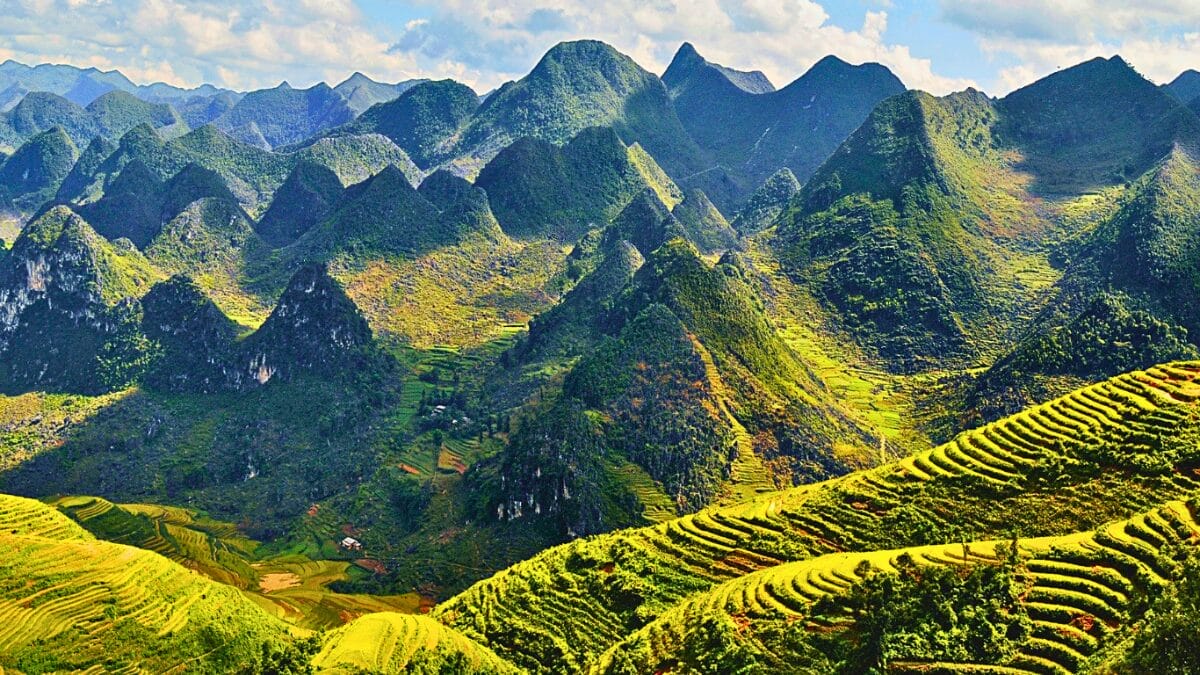
1. Ha Giang Loop: Northern Vietnam’s Crown Jewel
If you’re looking for an off-the-beaten-path adventure in Vietnam, the Ha Giang Loop offers one of the most breathtaking and authentic experiences in the country. Located in the northernmost province of Vietnam, the Ha Giang Loop is a motorbike route that takes travelers through some of the most dramatic mountain scenery and rich cultural diversity in Southeast Asia.
Where is Ha Giang Loop?
Ha Giang Province is situated in the far north of Vietnam, bordering China. The Ha Giang Loop typically starts and ends in Ha Giang city, which serves as a gateway to the mountainous region. The loop covers roughly 300 kilometers and passes through several small towns and villages, winding along towering limestone cliffs, deep valleys, and terraced rice fields.
What is the Ha Giang Loop?
The Ha Giang Loop is a motorbike route popular among adventurous travelers who want to explore Vietnam’s rugged northern landscape beyond the usual tourist spots. The journey usually takes 3 to 4 days, depending on how often you stop to take in the views or visit local communities.
Riding the loop means navigating winding mountain roads with stunning views at every turn. The route offers a unique glimpse into the lives of ethnic minority groups who live in this remote region, such as the Hmong, Tay, and Dao peoples.
What to See on the Ha Giang Loop?
1. Ma Pi Leng Pass
One of the most iconic highlights of the loop, Ma Pi Leng Pass offers jaw-dropping views of the Nho Que River carving its way through a deep canyon below. The steep cliffs and winding roads make this section both thrilling and unforgettable.
2. Dong Van Karst Plateau Geopark
Recognized by UNESCO, this geopark features extraordinary karst limestone formations, ancient volcanic rocks, and traditional hill tribe villages. It’s a geological wonderland combined with rich cultural heritage.
3. Lung Cu Flag Tower
Standing at the northernmost point of Vietnam near the Chinese border, Lung Cu Flag Tower is a symbol of national pride. Climbing up to the tower rewards visitors with expansive views over the surrounding mountains.
4. Ethnic Minority Villages
Throughout the loop, you’ll encounter many small villages where ethnic minorities maintain their traditional ways of life. Visiting these villages provides insight into their customs, colorful clothing, and handicrafts.
5. Terraced Rice Fields
Depending on the season, you can witness spectacular terraced rice fields carved into the mountainsides. During harvest season, these terraces turn golden and fill the landscape with vibrant colors.
Why Choose Ha Giang Loop?
Ultimate Guide To Vietnam
- Authentic Experience: Unlike more tourist-heavy areas such as Sapa or Ha Long Bay, Ha Giang offers a raw, less commercialized travel experience.
- Stunning Scenery: The dramatic mountains, winding roads, and natural beauty are truly unmatched.
- Cultural Diversity: It’s an opportunity to connect with diverse ethnic groups and learn about their traditions.
- Best Time to Visit: September to November (cool, dry) for scenic views and harvest, and in November for the Buckwheat Flower Festival.
- Adventure: For motorcycle enthusiasts or those open to adventure travel, navigating the challenging roads is exciting and rewarding.
Tips for Traveling the Ha Giang Loop
- Rent a reliable motorbike or join a guided tour if you’re not comfortable driving yourself.
- Prepare for variable weather; it can be cold in winter and wet in rainy season.
- Bring cash, as ATMs are scarce outside Ha Giang city.
- Respect local customs when visiting villages.
- Start early each day to enjoy daylight for riding and sightseeing.
The Ha Giang Loop is perfect for travelers seeking natural beauty, cultural immersion, and adventure off Vietnam’s typical tourist path. Whether you ride yourself or join a guided tour, this loop promises unforgettable memories in one of Vietnam’s most spectacular regions.
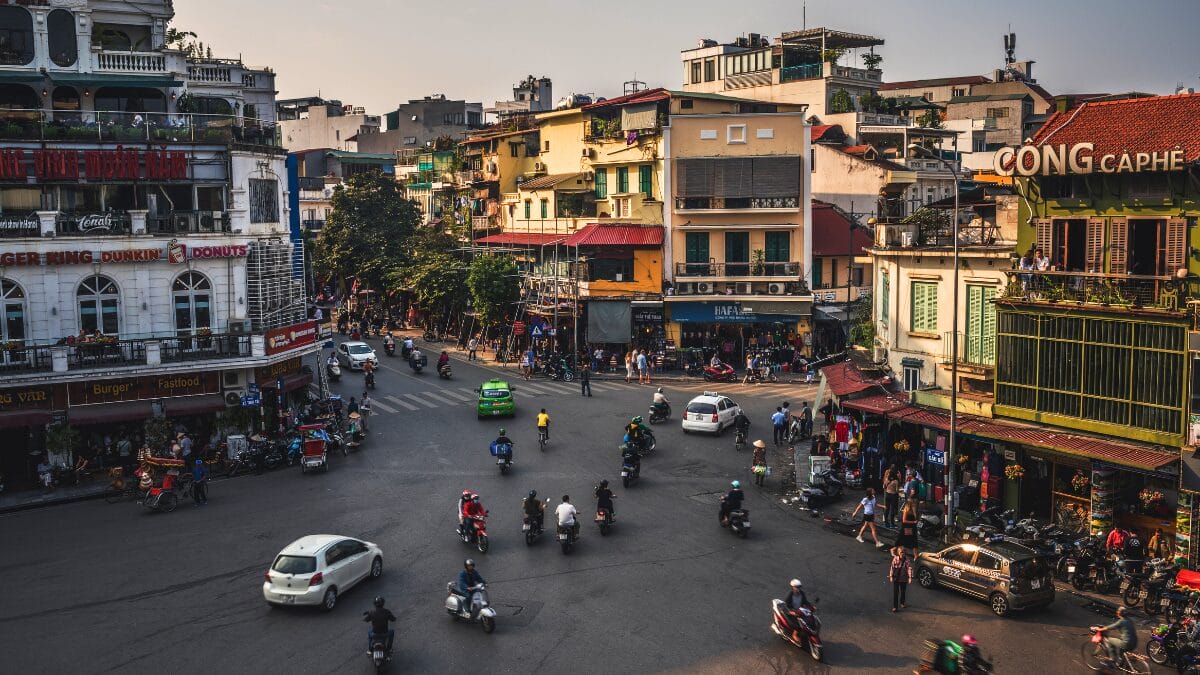
2. Hanoi Old Quarter: The Heart of Vietnamese Culture
Hanoi Old Quarter is the vibrant heart of Vietnam’s capital, rich with history, culture, and bustling street life. Known for its narrow streets and centuries-old architecture, this area offers a unique glimpse into the city’s past and present.
What Makes Hanoi Old Quarter Special?
- Ancient Streets: The Old Quarter consists of 36 streets, many named after the trades that once thrived there, like Silver Street and Silk Street.
- French Colonial Architecture: You’ll see beautifully preserved buildings blending Vietnamese and French styles.
- Bustling Markets: Street vendors sell everything from fresh produce to handmade crafts.
- Street Food Heaven: Sample iconic Vietnamese dishes like Pho, Bun Cha, and Egg Coffee right on the sidewalk.
Must-See Sights in Hanoi Old Quarter
Ultimate Guide To Vietnam
- Hoan Kiem Lake & Ngoc Son Temple – A peaceful spot in the middle of the city, perfect for a morning stroll. Don’t miss the red Huc Bridge leading to Dong Xuan Market – The largest indoor market in Hanoi, offering a wide variety of goods from clothing to local food.
- St. Joseph’s Cathedral – A striking neo-Gothic cathedral built in the late 19th century, resembling Notre Dame in Paris.
- Ancient Houses – Wander down streets like Hang Bac (Silver Street) and Hang Gai (Silk Street) to see traditional shophouses and artisan workshops.
- Bia Hoi Junction – Experience Hanoi’s famous fresh beer culture at this lively corner filled with small plastic stools and friendly locals.
- Thang Long Water Puppet Theatre – Catch a traditional water puppet show, a unique Vietnamese art form telling folk stories through puppets on water.
Visiting Hanoi Old Quarter is a must for anyone wanting to experience authentic Vietnamese culture, history, and cuisine all in one lively area. Whether you’re exploring ancient temples or tasting street food, there’s something here for every traveler.
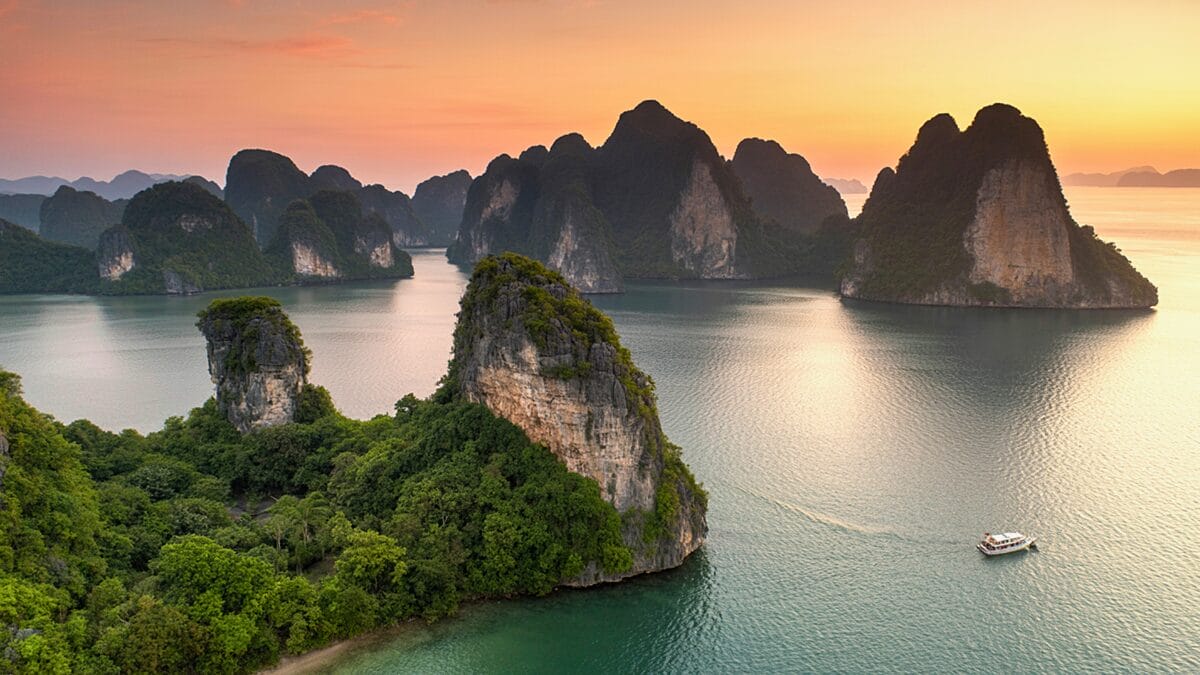
3. Ha Long Bay: UNESCO World Heritage Wonder
Along Vietnam’s northeast coast lies Ha Long Bay, a place where legends and nature truly mix. The story goes that dragons came down from the sky to protect Vietnam, spitting out jewels that turned into the bay’s thousands of limestone islands. Scientifically, these incredible shapes were formed over millions of years, but the dragon tale just makes it even more magical!
Sailing through Ha Long Bay, you’re surrounded by over 1,600 limestone islands, each one covered in green plants and rising dramatically from the emerald water. It’s a truly enchanting place that feels like another world.
Take one of the local boats to explore the small islands. You’ll come across amazing sights like the Surprise Cave, which is known as one of the most breathtaking limestone caves in Ha Long Bay. It is bigger than I expected and had different chambers filled with unique stalactites and stalagmites. There were also several scenic viewpoints of the bay from here.
Our guide explained how the cave was formed as we walked through the various chambers. Overall, the hike was about 1.3 km or 0.8 miles long. Another great stop is Ti Top Island, a small island with a sandy beach. It’s known for its mesmerizing viewpoint of Ha Long Bay. You can climb to the top of the rock for an amazing scenic view. It takes about 20 minutes to hike one-way.
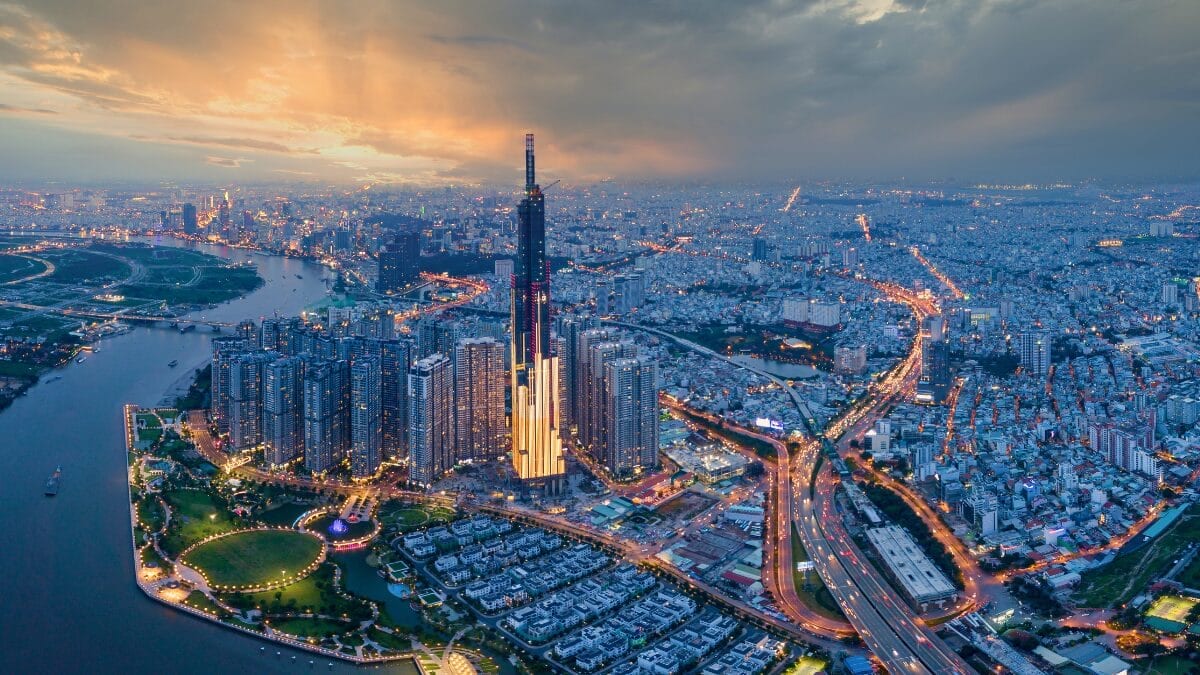
4. Ho Chi Minh City (Saigon): Modern Vietnam at Its Finest
Next up, we’re going down south to Saigon—Ho Chi Minh City, as it’s now known. One of my favorite places is District 1 which is ultra-modern, and the place to go for high-end shopping, fast cars, luxury places to eat, and delicious food. You’ll find the palace, the cathedral, and the opera house as well.
Ho Chi Minh City is Vietnam’s largest metropolis and economic powerhouse, known for its frenetic energy, dense motorbike traffic, rich street-food culture, and a skyline that blends French colonial facades with soaring glass towers.
For an overview of its history and politics, visitors often start at the War Remnants Museum and the Reunification (Independence) Palace, then admire colonial landmarks such as the Saigon Central Post Office and the Notre-Dame Cathedral Basilica.
Markets like Ben Thanh and Binh Tay in Cholon (the city’s historic Chinatown) showcase local flavors and daily commerce, while the Jade Emperor Pagoda offers a quieter spiritual stop.
Modern city views are best from the Bitexco Financial Tower Skydeck or Landmark 81, and evenings are lively along Nguyen Hue Walking Street and the Bui Vien nightlife strip. Popular day trips include the Cu Chi Tunnels, illustrating Vietnam’s the Viet Cong and wartime history, and boat excursions into the Mekong Delta’s rivers and canals.
Modern Attractions – Guide to Vietnam
- Bitexco Financial Tower & Sky Dec – Skyscraper with observation deck offering panoramic views of the city.
- Saigon Opera House (Municipal Theatre) – French colonial building hosting opera, ballet, and concerts.
Parks & Relaxation
- Tao Dan Park – Green space in the city center for relaxation and people-watching.
- Saigon Zoo and Botanical Gardens – One of the oldest zoos in the world, with diverse flora and fauna.
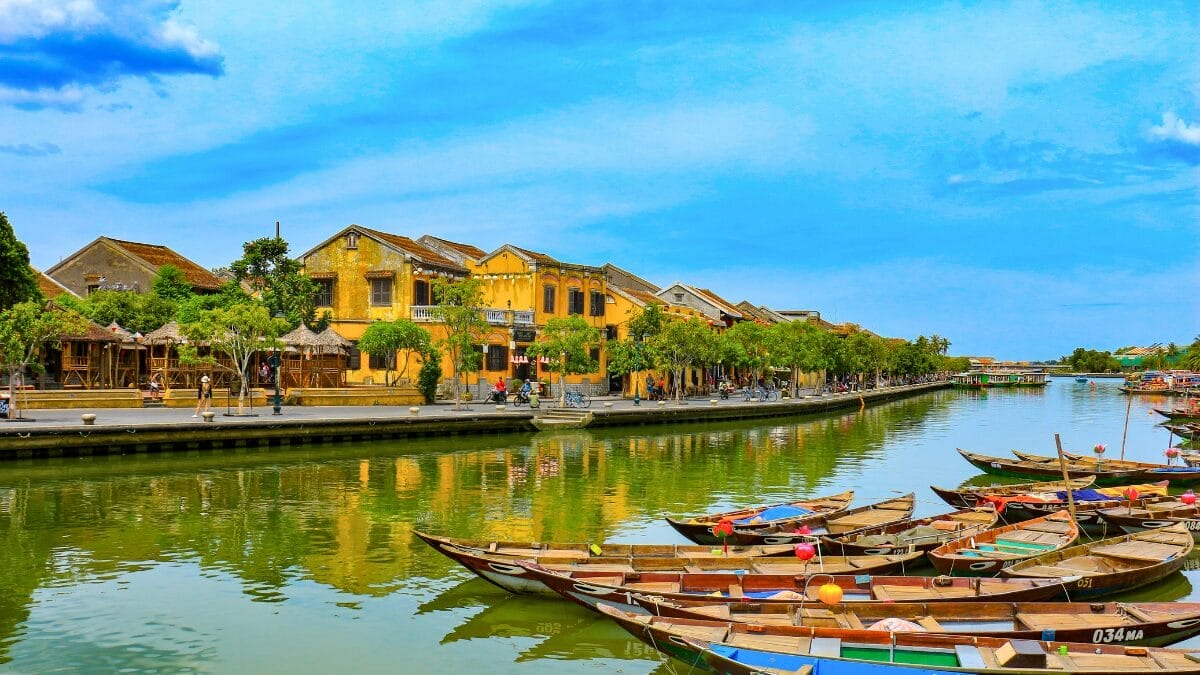
5. Hoi An: The Most Romantic Destination – Guide to Vietnam
One of the most scenic, most historical, and romantic places in all Vietnam is Hoi An. A UNESCO World Heritage-listed town, Hoi An sits on Vietnam’s central coast, and is a remarkably well-preserved 15th–19th century trading port where Chinese, Japanese, Vietnamese, and French architectural influences meet along the Thu Bon River.
An easy-to-explore pedestrian center anchors the visit: stroll the Ancient Town’s ochre shophouses, cross the Japanese Covered Bridge, step into historic merchant homes like Tan Ky, and admire ornate assembly halls such as the Fujian (Phuc Kien) Hall. Popular activities include browsing tailor shops and lantern-making workshops, taking a boat ride on the river, cycling to Tra Que vegetable village or out to An Bang Beach, joining a cooking class, and sampling local dishes like cao lau, white rose dumplings, and banh mi.
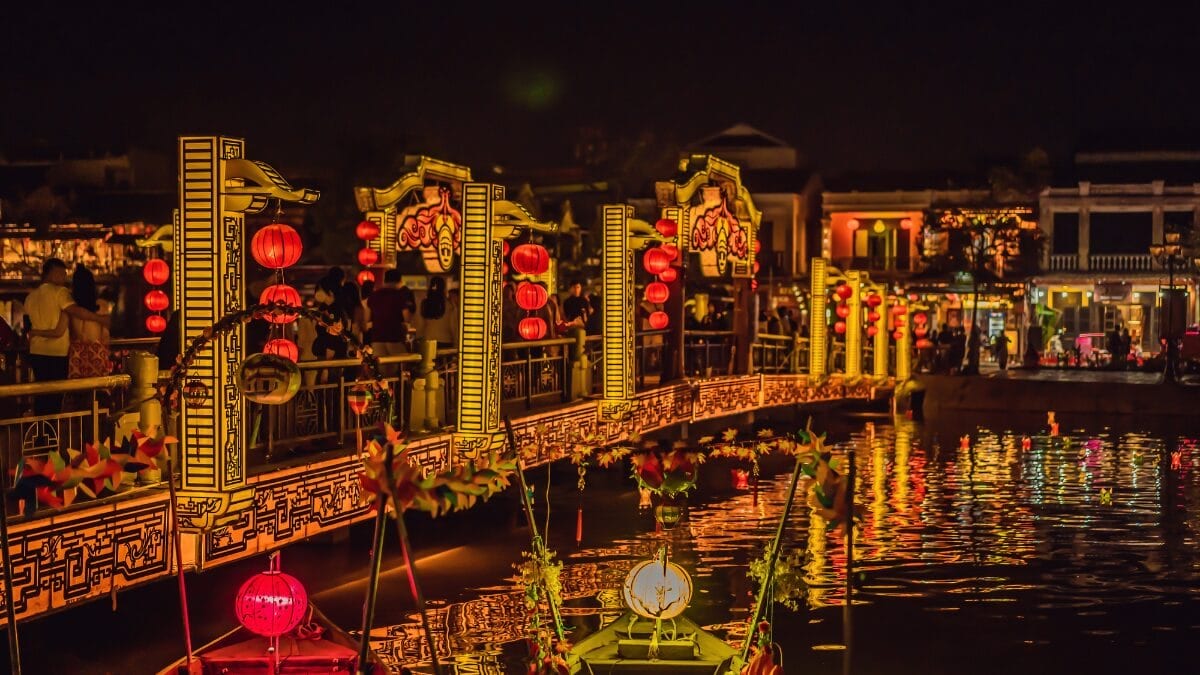
But it is after dark that Hoi An reveals her magic. The whole town suddenly feels especially magical as silk lanterns glow over narrow lanes and the riverside, and bustling night markets begin to buzz. The cars stop ad the river boats drift through floating paper lanterns. Electric lights are dimmed for full moon lantern festivals, and the whole town is bathed in a warm, photogenic glow.
Guide to Vietnams Northwest: The Road Less Traveled
Northwest Vietnam is a captivating region, characterized by its stunning natural landscapes and rich cultural diversity. The mountainous terrain offers a variety of outdoor activities, particularly trekking, which attracts adventure seekers to places like Sa Pa and Mount Fansipan, the highest peak in Vietnam.
The terraced rice fields, especially in Mu Cang Chai, provide breathtaking views and are a photographer’s paradise, particularly during the harvest season when the fields turn golden.
The region is also known for its vibrant ethnic minority cultures, with various groups such as the Hmong, Dao, and Thai, each contributing unique traditions, clothing, and crafts. Bac Ha’s weekend markets are a highlight for visitors looking to experience local commerce and purchase handmade textiles and goods.
Mai Chau offers a more immersive experience with its stilt-house villages, where travelers can stay with local families and learn about their way of life. Moc Chau is famous for its tea plantations and beautiful landscapes, making it a great spot for relaxation and exploration.
Dien Bien Phu holds significant historical importance as the site of a pivotal battle during the First Indochina War, and it attracts those interested in Vietnam’s history.
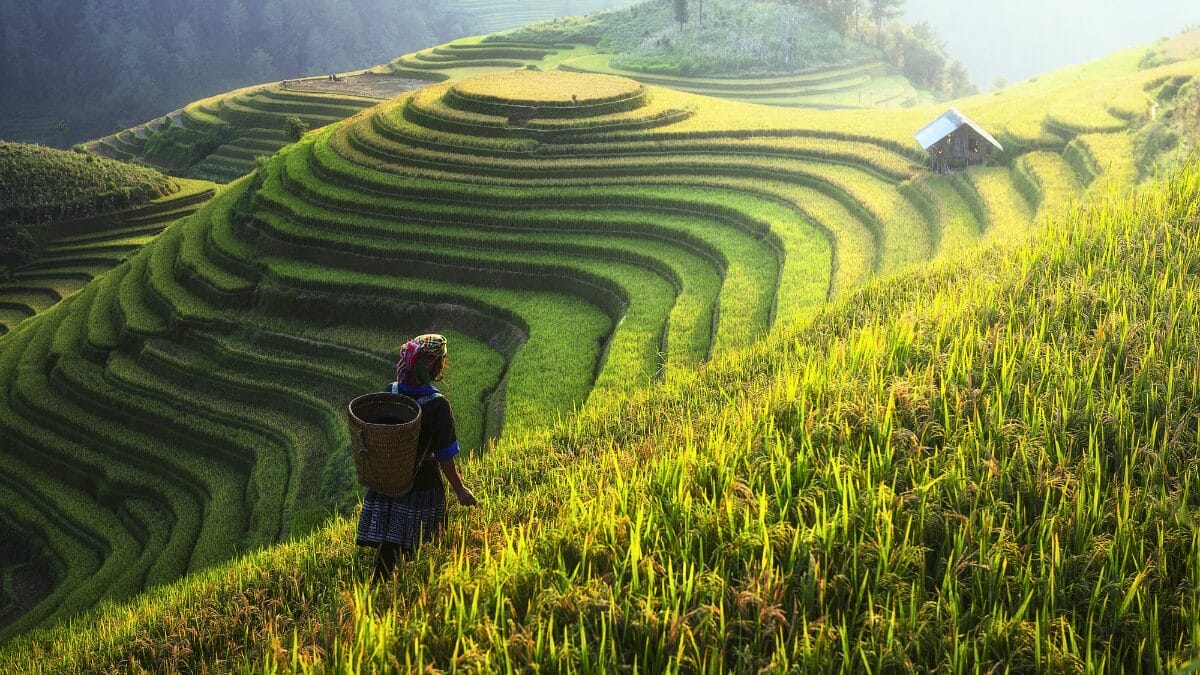
6. Sapa: Vietnam’s Stunning Mountain Terraces
High up in Vietnam’s cool northern mountains, Sapa showcases its absolutely stunning rice terraces. Imagine giant green staircases carved right into the mountainsides by generations of local farmers – they climb all the way up the mountain slopes! During the growing season, the whole landscape becomes a vibrant sea of green, and when harvest time comes, it transforms into a beautiful golden tapestry.
Sapa is also home to Mount Fansipan, the highest peak in this part of Asia. You can take an amazing train ride first, enjoying the view, and then a cable car carries you right to the top of the mountain. At the summit, you’ll find a magnificent Great Buddha statue, adding a spiritual touch to the breathtaking peak.
Walking at the mountain’s summit, surrounded by mist, is an incredible experience that truly awakens your senses. It’s a place where natural beauty and cultural heritage combine for a truly unforgettable visit.
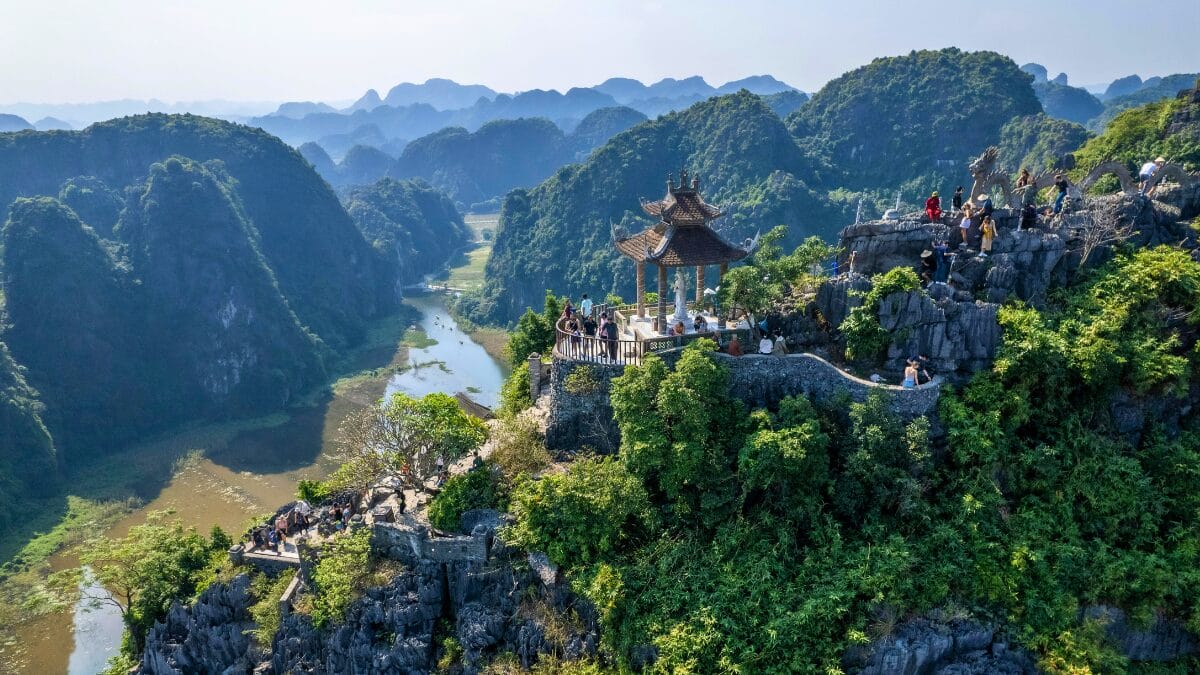
7. Ninh Binh: Vietnam’s Inland Ha Long Bay
Tucked quietly between limestone peaks and mirror-still rivers, Ninh Binh feels like Vietnam’s best-kept secret. I still remember the moment my boat rounded a bend in the Ngo Dong River and an entire cathedral of karst formations rose from the water — impossibly dramatic, impossibly alive. This ancient province, just 90 kilometers south of Hanoi, rewards every traveler who chooses depth over speed.
Ninh Binh isn’t simply a destination. It’s a living landscape where ecosystems, history, and culture have coexisted for thousands of years. Farmers still tend rice paddies beneath mountain shadows. Monks still chant within cave pagodas. And the natural world, remarkably, still holds its ground here — making it one of Southeast Asia’s most meaningful places to visit.
What Makes Ninh Binh So Extraordinary?
Ninh Binh sits within a transitional zone between the Red River Delta and the northern highlands, which explains its dramatic topography. The region’s towering limestone karst formations — the same geological family as Ha Long Bay — emerged roughly 250 million years ago. Today, they shelter rare ecosystems including Cuc Phuong National Park, Vietnam’s oldest national park, which protects over 2,000 plant species and critically endangered primates like the Delacour’s langur.
Ninh Binh served as Vietnam’s capital during the Dinh and Early Le dynasties in the 10th century. That layered history means every hillside and riverbank holds a story. Consequently, travelers who spend time here don’t just witness natural beauty — they walk alongside centuries of human resilience and ecological stewardship simultaneously.
Ninh Binh Sights
Ultimate Guide To Vietnam
- Trang An Landscape Complex
- Tam Coc on the Ngo Dong River
- Bai Dinh Pagoda
- Cuc Phuong National Park
- Primate Rescue Center
Ninh Binh Tourist Attractions You Genuinely Shouldn’t Miss
Trang An Landscape Complex stands as the crown jewel. Designated a UNESCO World Heritage Site in 2014, Trang An combines stunning karst geography with ancient cave systems and wetland biodiversity. Visitors navigate the area by traditional wooden rowboat, gliding through cave tunnels and past forested cliffs that shelter diverse bird species. It’s not just sightseeing — it’s learning in motion.
Tam Coc, often called “Ha Long Bay on land,” offers another essential boat journey along the Ngo Dong River. The experience moves through three natural cave passages carved directly through the mountains. Meanwhile, Bai Dinh Pagoda, the largest Buddhist complex in Southeast Asia, invites genuine reflection alongside architectural wonder. Cuc Phuong National Park rewards the environmentally curious traveler with guided wildlife encounters, including visits to the Endangered Primate Rescue Center, which actively rehabilitates gibbons and langurs for wild release.
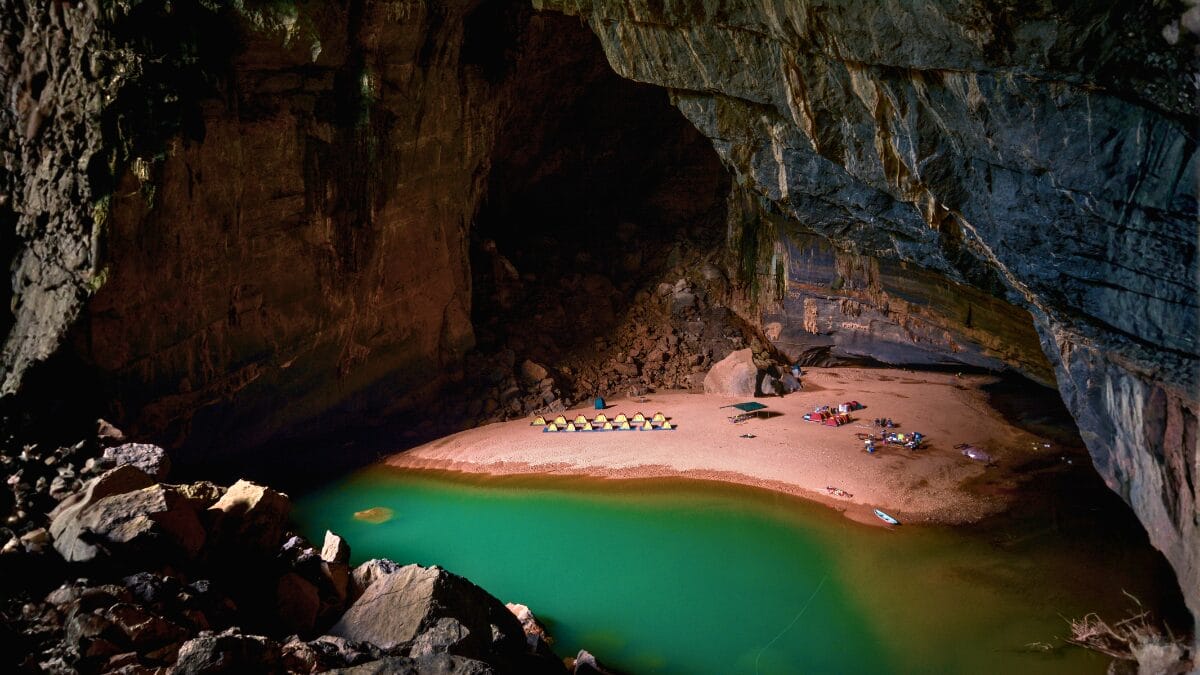
8. Phong Nha: Vietnam’s Adventure Capital
Vietnam holds many secrets, but few are as spectacular as Phong Nha. Tucked into the rugged mountains of Quảng Bình Province, this remarkable region sits at the heart of Phong Nha-Kẻ Bàng National Park — a UNESCO World Heritage Site that shelters some of the oldest and most extraordinary cave systems on the planet. I still remember my first glimpse of the karst mountains rising from the morning mist, impossibly ancient, impossibly alive.
Beyond its geological wonders, Phong Nha represents something deeper for mindful travelers. It’s a place where adventure and conservation walk hand in hand, where every tour you take directly supports the preservation of ecosystems that took millions of years to form. This isn’t just sightseeing — it’s learning in motion.
I also have to tell you about the infamous Duck Stop. You’ll be tempted to miss it but I plead that you don’t! It’s brilliant. One of the local farmers who raises ducks, has turned his small farm into a massively popular tourist destination. It’s absolutely hilarious, feed the ducks, watch the ducks and even play with the ducks. It is one of the highlights of my time in Vietnam.

Into the Underground: The Cave Experiences
Phong Nha’s crown jewel is undoubtedly Son Doong Cave, the largest cave in the world by volume. Discovered in 1991 and only opened to tourism in 2013, Son Doong stretches over 9 kilometers and contains its own weather system, jungle, and river. Expedition permits are strictly limited each year, which actively protects the cave’s fragile ecosystem.
For travelers seeking equally breathtaking alternatives, Hang En Cave offers an unforgettable overnight camping experience inside the world’s third-largest cave. Meanwhile, Paradise Cave stretches an astonishing 31 kilometers underground, revealing cathedral-like chambers adorned with ancient stalactites. Each of these experiences carries a conservation fee that contributes directly to national park protection — a small price for something this irreplaceable.
Above Ground Wonders: Jungle Treks, Rivers, and Living Landscapes
Phong Nha’s magic doesn’t end underground. The national park’s dense jungle canopy shelters rare species, including the critically endangered Saola and dozens of endemic bird varieties. Guided jungle treks through the Phong Nha Botanic Garden and surrounding forest zones give travelers intimate access to this biodiversity while trained local guides share knowledge that no guidebook could replicate. It’s the kind of encounter that stays with you long after you’ve returned home.
The Son River winds beautifully through the valley, and a traditional boat journey along its emerald waters remains one of the region’s most peaceful and rewarding experiences. As you drift past limestone cliffs draped in tropical vegetation, the landscape speaks for itself. For those planning broader Vietnamese explorations, the region pairs wonderfully with visits to Ninh Binh Tourist Attractions — another UNESCO-recognized landscape of karst formations, ancient temples, and river valleys that echo Phong Nha’s quiet grandeur.
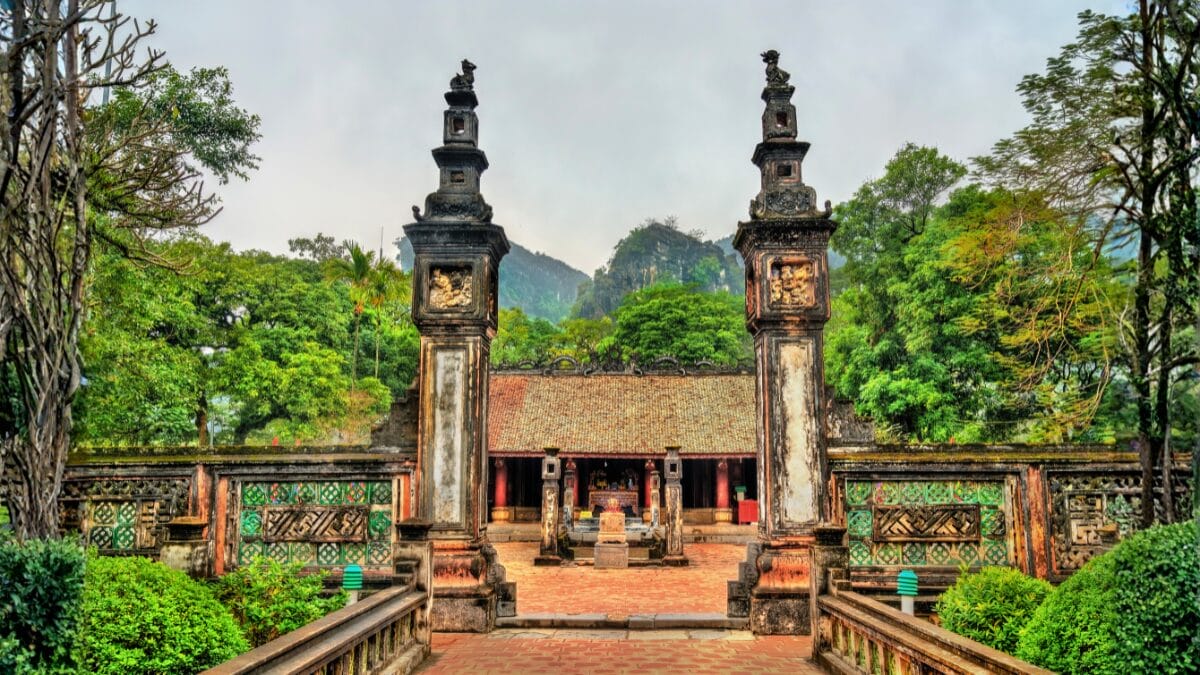
9. Hoa Lu: Vietnam’s Ancient First Capital
Hoa Lu served as Vietnam’s Ancient First Capital from 968 to 1010 CE, established by Emperor Dinh Tien Hoang after he unified the country’s warring states. Nestled within a natural fortress of dramatic limestone mountains in present-day Ninh Binh province, this extraordinary site wasn’t chosen by accident. The karst formations created a naturally defensible position that protected the Dinh and early Le dynasties during some of Vietnam’s most turbulent centuries. Geography, in this case, was strategy.
Today, approximately 300 hectares of this ancient capital remain protected as a national heritage site. Two principal temple complexes still stand — one honoring Emperor Dinh Tien Hoang and another dedicated to Emperor Le Dai Hanh — both surrounded by lush green valleys that have changed remarkably little over the centuries. Walking between these temples, you genuinely sense continuity. History here doesn’t feel archived. It feels inhabited.
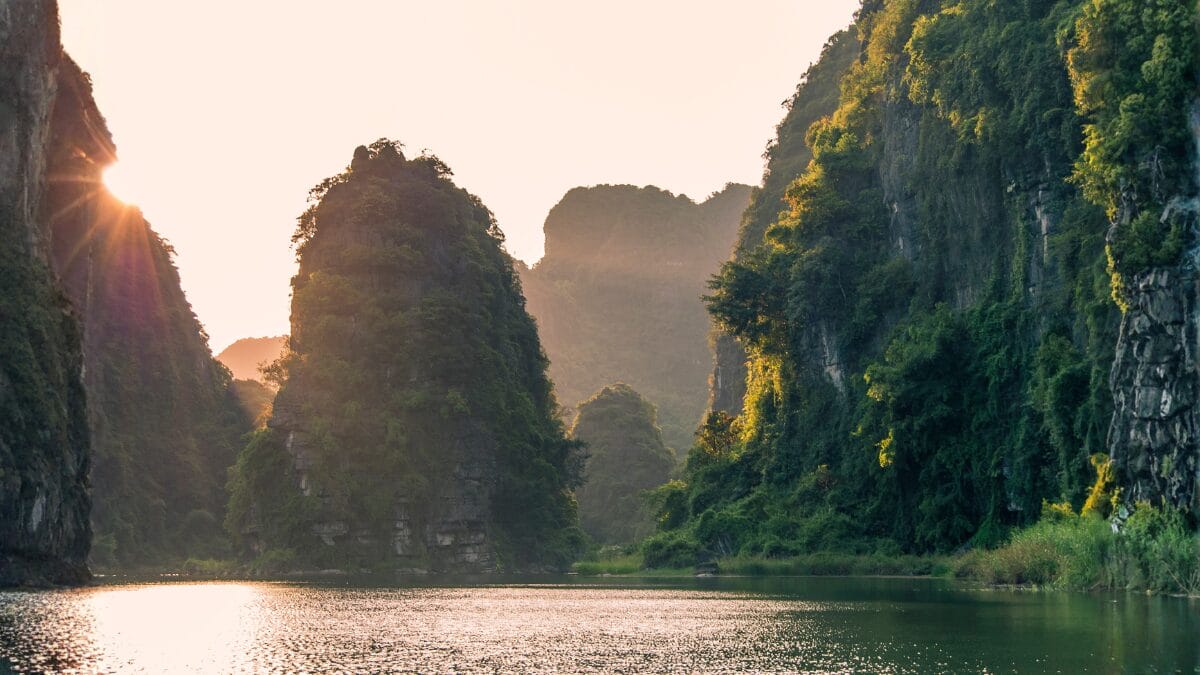
10. Trang An: UNESCO World Heritage Natural Wonder
Just a short distance from Hoa Lu, you’ll find the incredible Trang An Scenic Landscape Complex, a UNESCO World Heritage site. This area is like a painting brought to life, with towering limestone mountains, winding rivers, and mysterious caves.
Trang An rewards slow, intentional travelers. The iconic Trang An Boat Tour remains the centerpiece experience, and for very good reason. Gliding through 48 caves and grottos aboard a traditional hand-rowed sampan boat, you drift beneath impossibly symmetrical, impossibly green limestone towers that rise straight from still, jade-colored waters. Local rowers — many of them women from surrounding communities — navigate these passages with extraordinary skill, supporting the local economy while preserving traditional livelihoods. Tours typically run three to four hours and cover one of three circuit routes, each offering distinct landscapes and cave systems.
Trang An – Guide to Vietnam
Trang An landscape
6,172 hectares of interconnected valleys, flooded caves, rivers, and forested peaks
Human Habitation
Archaeologists have uncovered evidence of human habitation dating back nearly 30,000 years within Trang An cave systems
Intricate Cave Systems
Trang An contains 48,000 meters of caves and grottoes—including Địa Linh, Ba Giọt, and Nấu Rượu
Diverse Eco-systems
The landscape is rich in biodiversity, with roughly 600 plant species and hundreds of animal species, including the critically endangered Delacour’s Langur.
Beyond the boats, Hang Mua Peak stands as another essential stop. After climbing roughly 500 stone steps carved directly into the mountainside, travelers arrive at a panoramic viewpoint that stretches endlessly across the Trang An complex — rice paddies, karst formations, and winding rivers stitched together like a living painting. Additionally, history enthusiasts should reserve time for Hoa Lu Ancient Capital, located just minutes away.
As Vietnam’s first capital city, Hoa Lu houses two ancient temples honoring the Dinh and Le dynasties, offering a powerful reminder that this landscape shaped an entire civilization. Finally, the Bich Dong Pagoda, known affectionately as the “Second Halong Bay on land,” tucks itself elegantly into a mountainside grotto, connecting spiritual tradition with breathtaking natural architecture in ways that feel genuinely moving rather than performative.
Trang An deserves more than a single rushed day. Give it time, move gently through it, and let its 250 million years of story sink in.
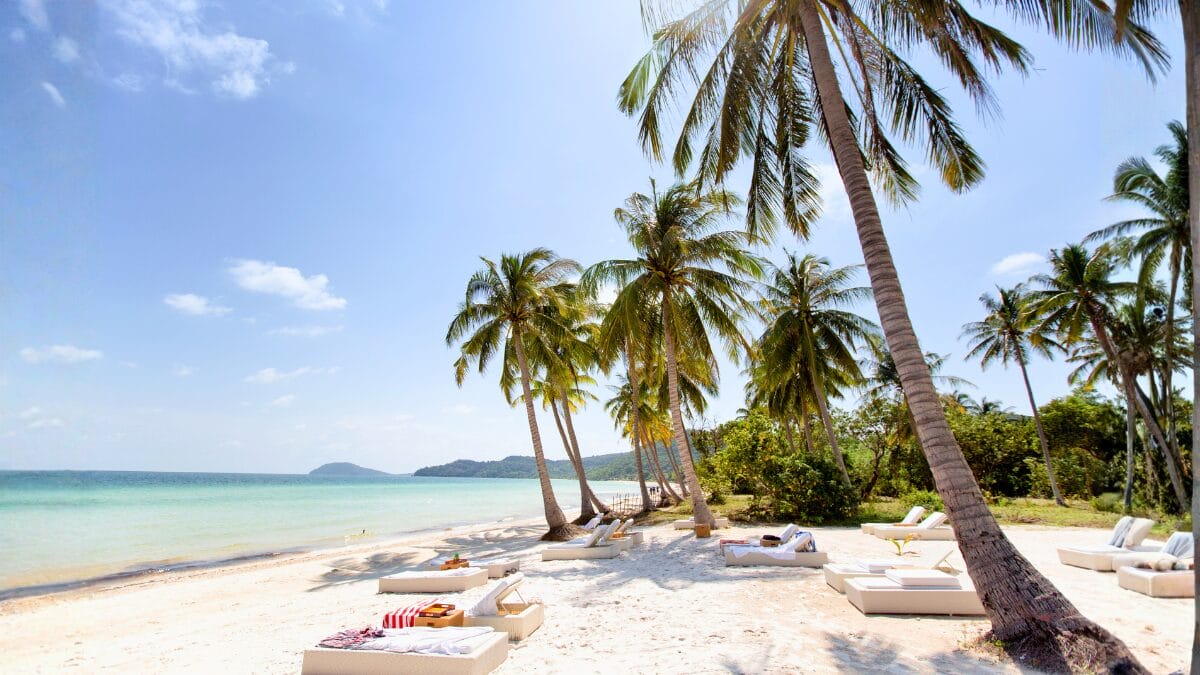
11. Phu Quoc: Vietnam’s Tropical Island Paradise
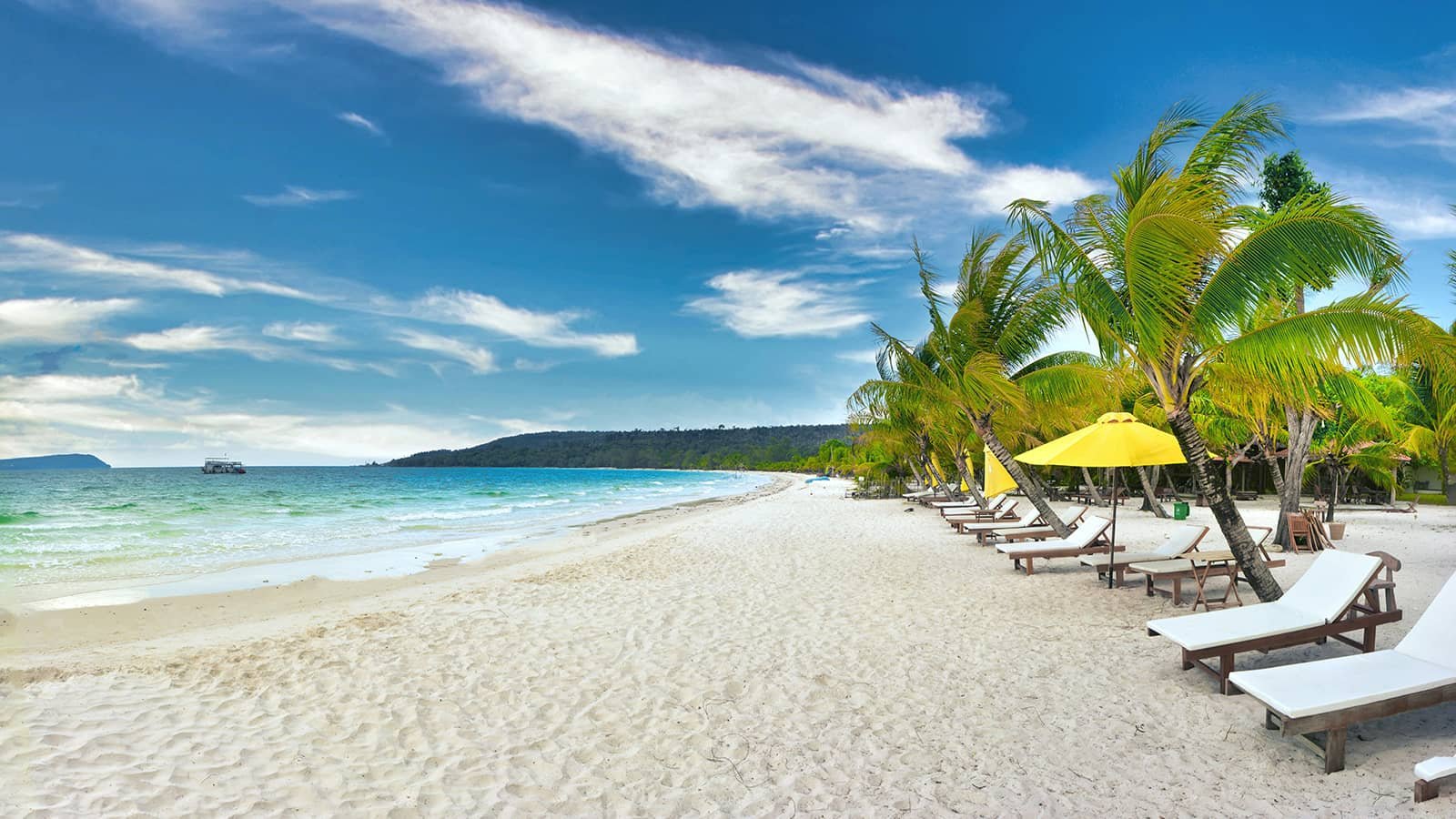
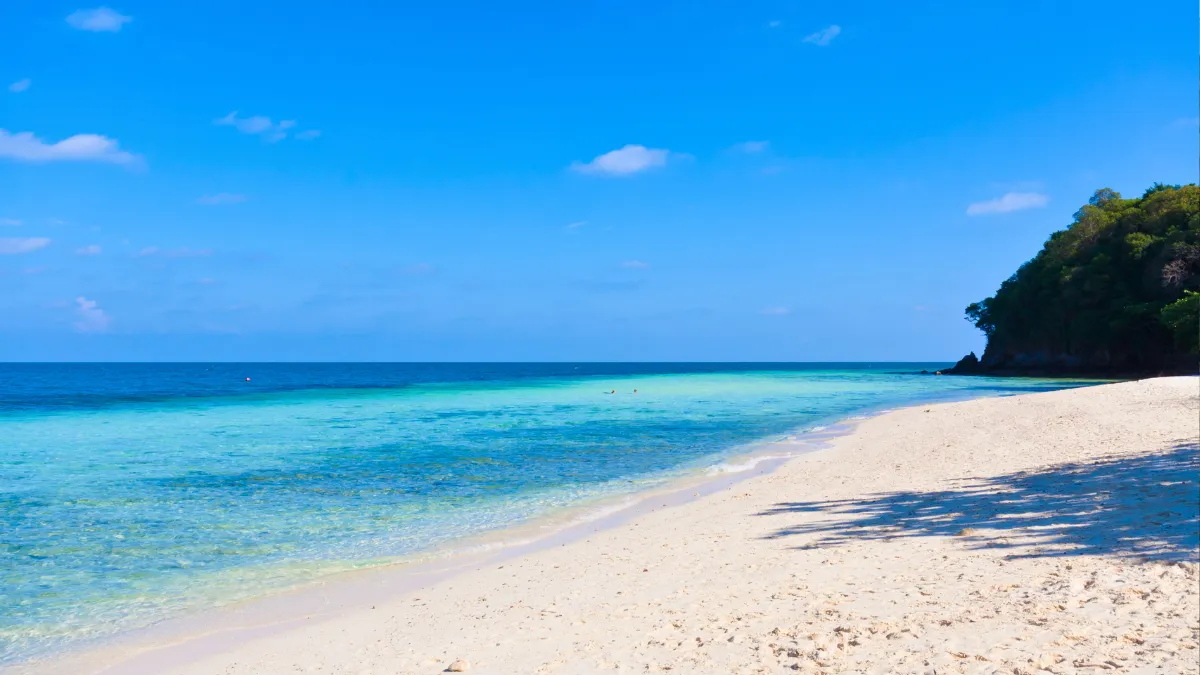
Tucked in the warm embrace of the Gulf of Thailand, Phu Quoc quietly earns its title as Vietnam’s most treasured island. I still remember the moment the ferry cut through those impossibly blue waters and the island’s green hills came into view — impossibly lush, impossibly alive. This is not just a beach destination. Phu Quoc ecosystem has ancient forests and coral-rich coastlines all framed with white sand.
Covering roughly 574 square kilometers, Phu Quoc shelters more than half of its land under the protection of a UNESCO-recognized national park. That single fact tells you everything about the island’s spirit. Conservation here is not a marketing slogan — it’s a commitment that shapes how locals live, how tourism operates, and how travelers like us are invited to engage. When you arrive, you’re not just sightseeing. You’re stepping into one of Southeast Asia’s most ecologically significant places.
Understanding Phu Quoc Before You Go
Phu Quoc sits off the southwestern coast of Vietnam, just 15 kilometers from the Cambodian coast, and it wears its geography proudly. The island’s northern forests remain largely untouched, hosting rare wildlife, winding hiking trails, and river systems that sustain both nature and local communities. Meanwhile, the southern and western coastlines offer long stretches of white-sand beach where the pace naturally slows to something close to stillness.
Practically speaking, Phu Quoc is well-connected, with an international airport receiving direct flights from Hanoi, Ho Chi Minh City, and several international hubs. Accommodations range from eco-lodges nestled near the national park to thoughtfully designed seaside resorts that increasingly prioritize sustainable operations. Furthermore, the island’s famous fish sauce — produced through centuries-old fermentation traditions — represents a cultural heritage worth tasting thoughtfully, not just photographing.
Phu Quoc National Park remains the island’s crown jewel, and rightly so. Guided eco-tours through the park allow visitors to walk beneath a forest canopy that shelters rare bird species and unique plant communities. Additionally, the Sao Beach area on the southeastern coast offers some of the most pristine shoreline in all of Vietnam — a place where sitting quietly with the sound of waves genuinely feels like enough.
Beyond the land, Phu Quoc’s surrounding waters reward curious travelers enormously. Snorkeling and diving tours around the An Thoi archipelago reveal coral ecosystems teeming with marine biodiversity, while responsible boat tours through the mangrove channels offer a slower, more reflective encounter with the island’s coastal ecology. It’s not just sightseeing — it’s learning in motion, with every tour guide sharing knowledge that deepens your respect for what surrounds you.

Ultimate Guide To Costa Rica
Jason Baigent
International Education Expert
“A haven for ecotourism enthusiasts and nature lovers alike, Costa Rica has pristine rainforests, biodiverse ecosystems and crystal-clear beaches that offer endless opportunities for eco-conscious travelers.”
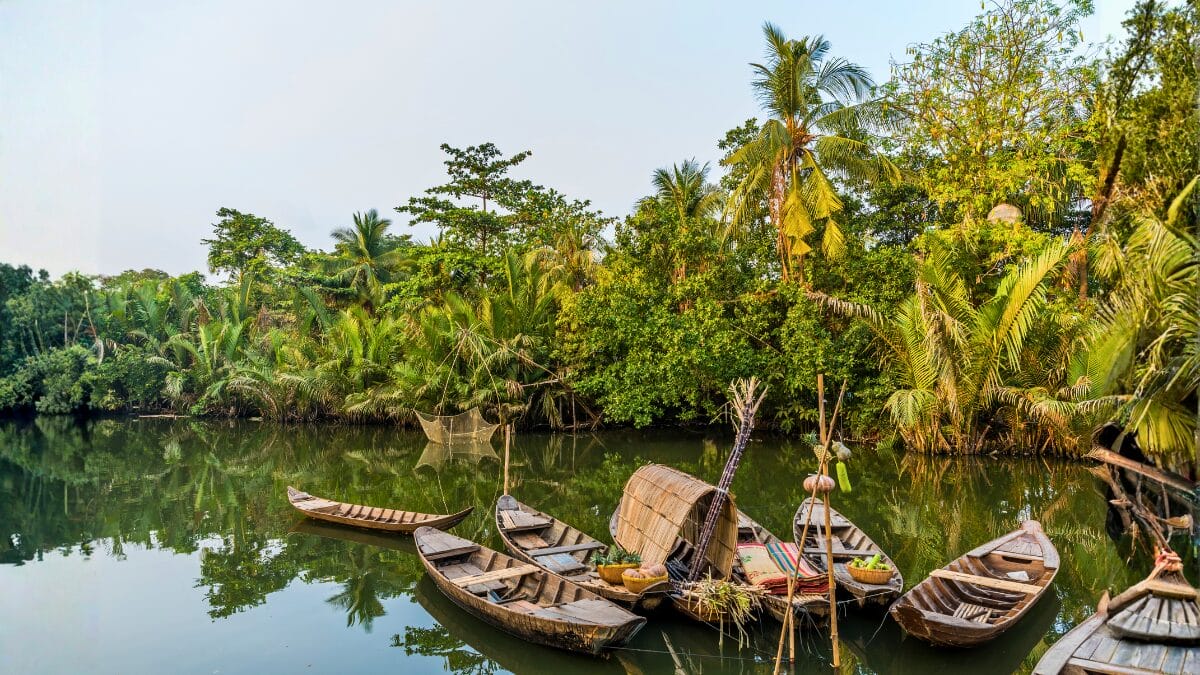
12. Mekong Delta: Life on the Water
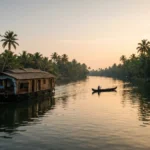
Our adventure concludes in Southern Vietnam, exploring the vast and vibrant Mekong Delta. This extraordinary region — a mosaic of rivers, canals, and emerald rice paddies — stretches across nearly 40,000 square kilometers. Locals lovingly call it “the rice bowl of Vietnam,” and honestly, that nickname barely scratches the surface.
The Mekong Delta supports over 17 million people and produces more than half of Vietnam’s total food supply. Furthermore, this region shelters remarkable biodiversity, including rare bird species, freshwater ecosystems, and mangrove forests that quietly fight climate change every single day. Traveling here means stepping into one of Southeast Asia’s most ecologically significant landscapes.
Floating Through Time: Top Tours and Attractions in the Mekong Delta
Cai Rang Floating Market — Ben Tre
One of my favorite stops in the entire region is Cai Rang Floating Market, where boats piled impossibly high with tropical fruit navigate the waterways before sunrise. Vendors hang their goods from tall poles so buyers can identify products from a distance — a centuries-old tradition that feels both practical and poetic. Arriving early by boat gives you the most authentic experience, and local guides consistently explain how these market systems sustain small farming communities across the delta.
Ben Tre province offers gorgeous bicycle tours through coconut groves and traditional candy-making workshops. These experiences directly support local artisans, ensuring your visit contributes meaningfully to community livelihoods rather than simply observing them.
Tram Chim National Park — Dong Thap
Nature lovers will find something genuinely special at Tram Chim National Park, home to one of Vietnam’s most important wetland ecosystems. The park protects the endangered Sarus Crane alongside hundreds of migratory bird species. Guided boat tours through the park’s flooded grasslands feel meditative and deeply educational — it’s not just sightseeing, it’s learning in motion. Conservation efforts here directly protect the delta’s fragile ecological balance, which faces increasing pressure from climate change and rising sea levels. Choosing responsible tour operators who contribute to park conservation makes every paddled stroke through these waters count twice.
Can Tho City — The Delta’s Cultural Core
Can Tho serves as the Mekong Delta’s vibrant urban heart, offering riverside promenades, French colonial architecture, and outstanding local cuisine. Moreover, Can Tho provides easy access to multiple day tours exploring nearby villages, pagodas, and traditional rice paper factories. Guided cycling and kayaking tours around Can Tho allow travelers to move gently through the landscape rather than rushing across it — exactly the kind of mindful travel this extraordinary region deserves