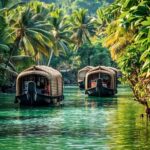
Kerala’s backwaters represent one of India‘s most mesmerizing natural wonders. This intricate network of 900 kilometers of canals, rivers, and lagoons stretches along the Arabian Sea coast, creating a tranquil ecosystem unlike anywhere else on Earth. You’ll discover that the backwaters aren’t just tourist attractions—they’re living, breathing communities where local life unfolds on houseboats, canoes, and along palm-fringed shores. Lets explore the must-see tourist locations in Kerala.
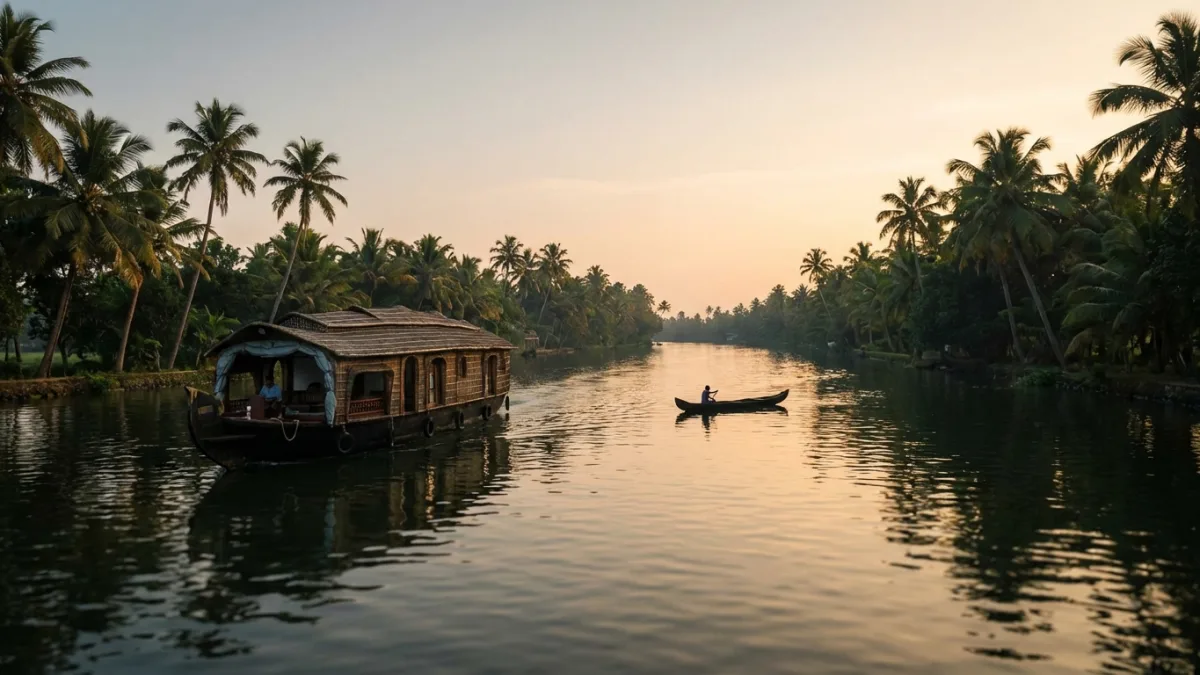
The Enchanting Backwaters: Kerala’s Liquid Highways
Kerala’s Waterways
5 Backwaters key facts
- The Backwaters comprise of over 900 km of canals, rivers, and lagoons running parallel to the Arabian Sea and includes 44 rivers and key lakes.
- Vembanad Lake is India’s longest lake and the largest in Kerala, spanning 2,033 sq km across Alappuzha, Kottayam, and Koch
- Kuttanad, often called the “Rice Bowl of Kerala,” is one of the few places in the world where farming occurs below sea level
- The “Venice of the East”: Alappuzha (Alleppey) is renowned for its dense network of canals and is a primary hub for houseboat tourism
- A 205-km stretch of the West Coast Canal from Kollam to Kottapuram is designated as National Waterway 3, supporting cargo and passenger transport.
According to Kerala Tourism, the backwaters stretch to over 900 km and are formed by a network of meandering inland lakes connected by canals. The network includes five large lakes linked by canals, both man made and natural, fed by 38 rivers, creating a unique ecosystem that supports diverse wildlife and local communities.
Alleppey: The Venice of the East
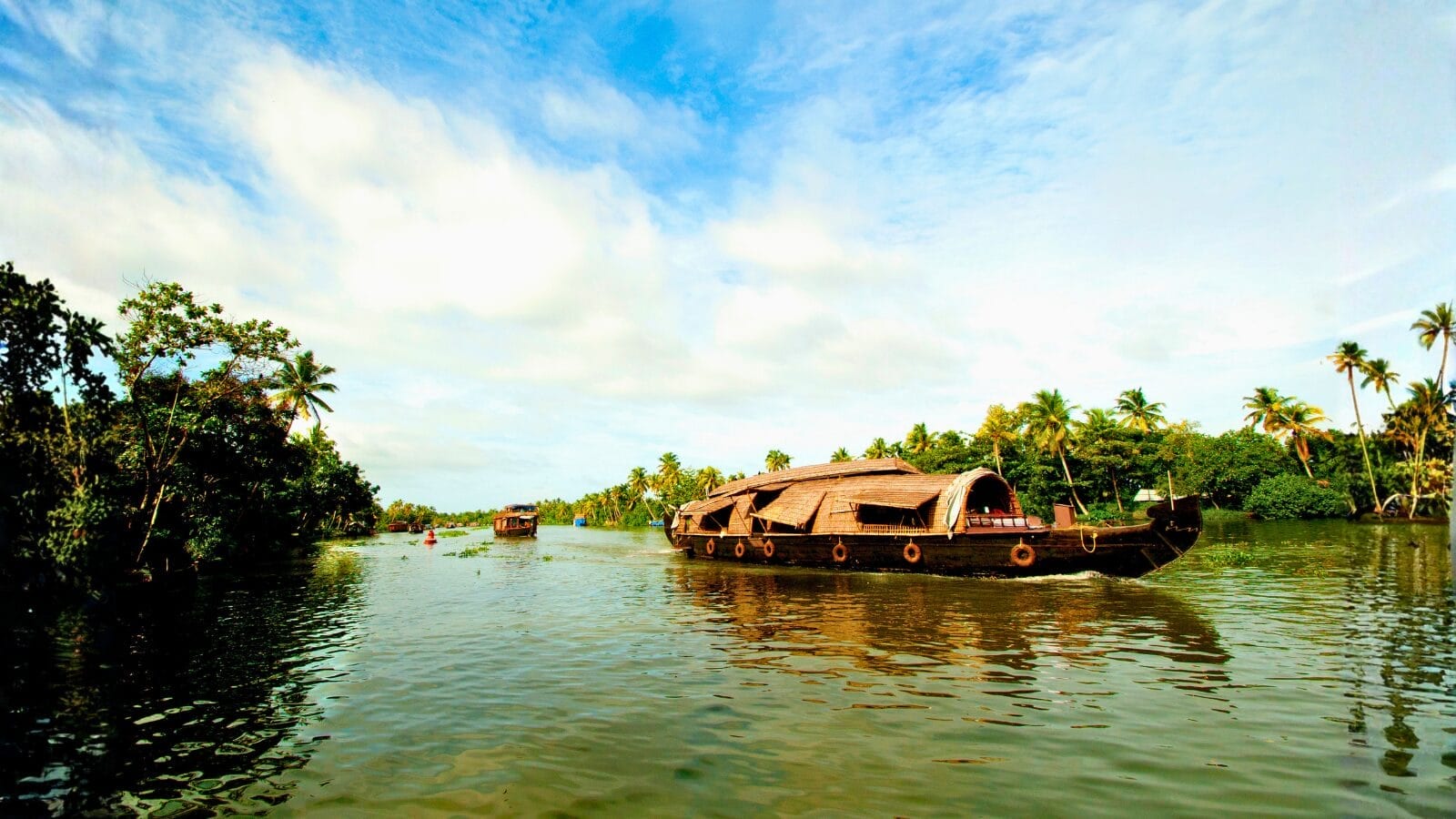
Alleppey (Alappuzha) serves as the epicenter of backwater tourism. The town’s annual Nehru Trophy Boat Race transforms the waters into a spectacle of competition each August, with snake boats propelled by over 100 rowers cutting through the lagoons. You can embark on overnight houseboat cruises here, drifting past coconut groves and rice paddies while sampling traditional Kerala cuisine prepared onboard. The Vembanad Lake, India‘s longest lake, dominates the landscape with its 2,033 square kilometers of waterways connecting to the Arabian Sea.
Kumarakom: Birdwatcher’s Paradise
Just 16 kilometers from Kottayam, Kumarakom offers a quieter backwater experience centered around the Kumarakom Bird Sanctuary. This 14-acre reserve attracts migratory birds from Siberia and the Himalayas between November and March. You’ll spot Siberian storks, egrets, herons, and the rare Brahminy kite swooping over the wetlands. The village’s luxury resorts provide intimate backwater access without Alleppey’s crowds, perfect if you’re seeking tranquility alongside your exploration.
Kollam: Gateway to Ashtamudi Lake
Kollam serves as the southern entry point to the backwaters, where the eight-hour cruise to Alleppey ranks among Kerala’s most scenic journeys. Ashtamudi Lake, meaning “eight branches,” sprawls across the landscape with its distinctive palm-shaped water body. You’ll pass traditional villages where coir-making (coconut fiber processing) remains a primary livelihood, witnessing centuries-old crafts still practiced along the shores.
Pro Tip:
Book backwater cruises during October to March when water levels are optimal and temperatures comfortable (22-32°C). Monsoon season transforms the landscape but can limit navigation.
Hill Stations: Kerala’s Cool Mountain Retreats
Kerala’s Western Ghats mountain range creates dramatic elevation changes that produce some of South India‘s most spectacular hill stations. These misty highlands offer respite from coastal humidity while showcasing tea plantations, spice gardens, and endangered wildlife across UNESCO-recognized biodiversity hotspots.
Munnar: Tea Capital of South India
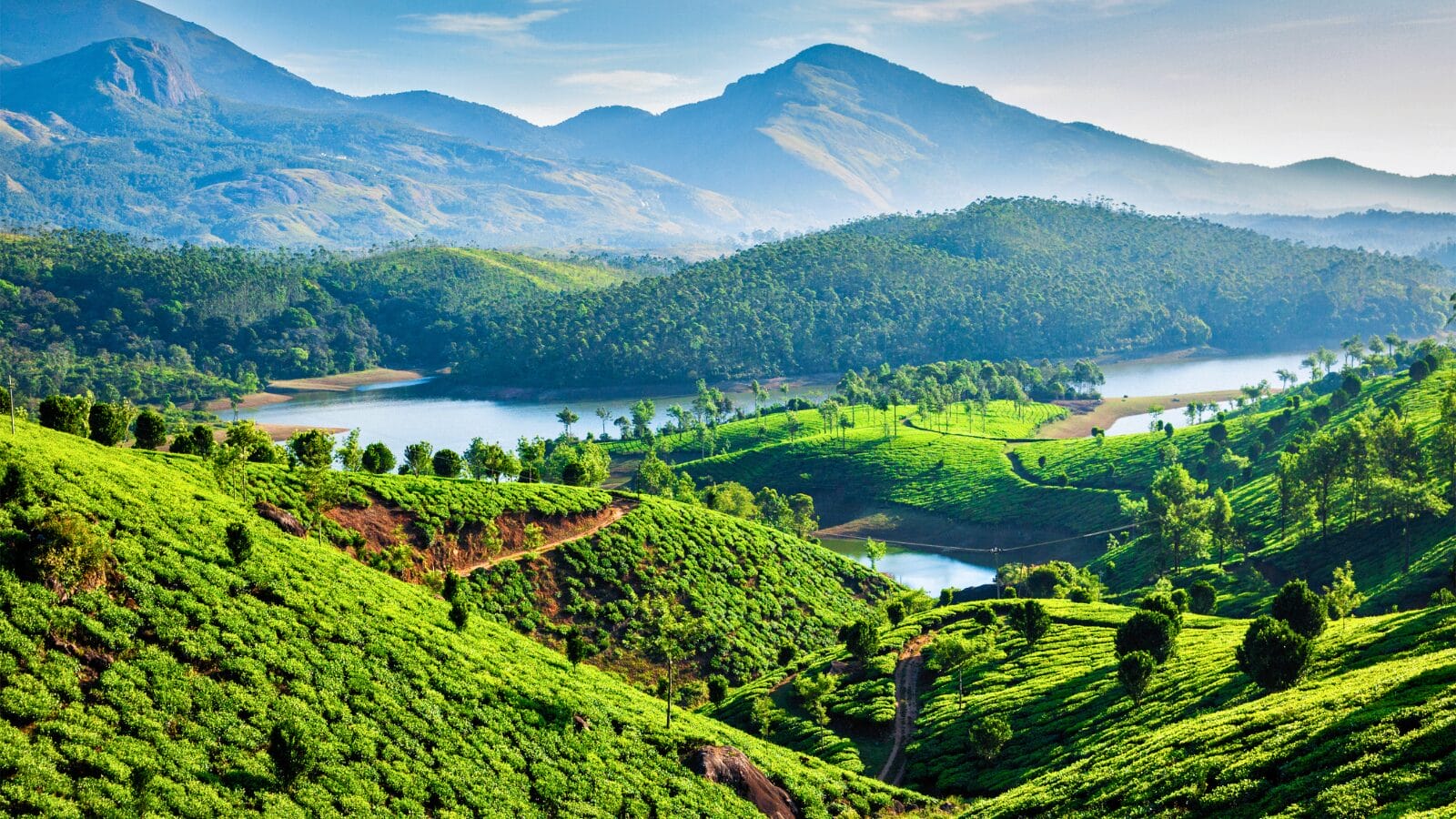
Munnar sits at 1,600 meters elevation surrounded by rolling hills carpeted in emerald-green tea plantations. According to Wikipedia, the tea museum preserves the aspects on the genesis and growth of tea plantations in Kerala’s mountain region in the Idukki district on the Western Ghats. The sprawling estates still produce premium varieties you can sample fresh. Your mornings here begin with fog-shrouded valleys that gradually reveal endless tea terraces as the sun climbs higher.
The Eravikulam National Park protects the endangered Nilgiri Tahr, a mountain goat species found nowhere else on Earth. Between April and May, the park’s hillsides explode with Neelakurinji flowers—rare blossoms that bloom once every twelve years, transforming the landscape into a purple wonderland. The next bloom is expected in 2030, making it a bucket-list event for nature enthusiasts.
Wayanad: Wildlife and Waterfalls
Wayanad district in northern Kerala combines three wildlife sanctuaries (Wayanad, Tholpetty, and Muthanga) forming part of the Nilgiri Biosphere Reserve. You’ll encounter wild elephants, tigers, leopards, and over 300 bird species across these protected forests. The region’s Edakkal Caves feature prehistoric rock art dating back 6,000 years, offering glimpses into ancient civilizations that once inhabited these mountains.
Wayanad’s waterfalls provide dramatic spectacles during monsoon season. Soochipara Falls plunges 200 meters down three-tiered rock faces, while Meenmutty Falls requires a challenging 2-kilometer trek through dense forest but rewards you with Kerala’s largest waterfall system. The cooler climate here supports spice plantations growing cardamom, pepper, coffee, and vanilla across terraced hillsides.
Thekkady: Periyar’s Elephant Territory
Thekkady centers around the Periyar Tiger Reserve, where boat safaris on Periyar Lake offer unique wildlife viewing opportunities. The protected area encompasses 925 km² (357 mi²), according to official records. You’ll cruise past herds of wild elephants bathing at the water’s edge, bison grazing on hillsides, and if fortune favors you, tigers emerging from the forest. The sanctuary has a fairly good presence of elephants numbering between 900 and 1000, as reported by Kerala Tourism.
The town itself thrives on spice tourism. You can tour working plantations to see how cardamom, cinnamon, clove, and nutmeg grow in their natural state, then purchase fresh spices at prices far below what you’d pay elsewhere. Traditional Kalaripayattu martial arts performances and Kathakali dance shows provide evening entertainment after jungle explorations.
| Hill Station | Elevation | Best For | Ideal Season |
|---|---|---|---|
| Munnar | 1,600m | Tea plantations, trekking | September-May |
| Wayanad | 700-2,100m | Wildlife, waterfalls | October-May |
| Thekkady | 900-1,800m | Elephant safaris, spices | October-March |
| Vagamon | 1,100m | Paragliding, meadows | Year-round |
Coastal Treasures: Beaches and Beach Towns
Beach Destinations – Tourist Locations In Kerala
Kovalam†
VS
Varkala†
Recommended Beach Destination
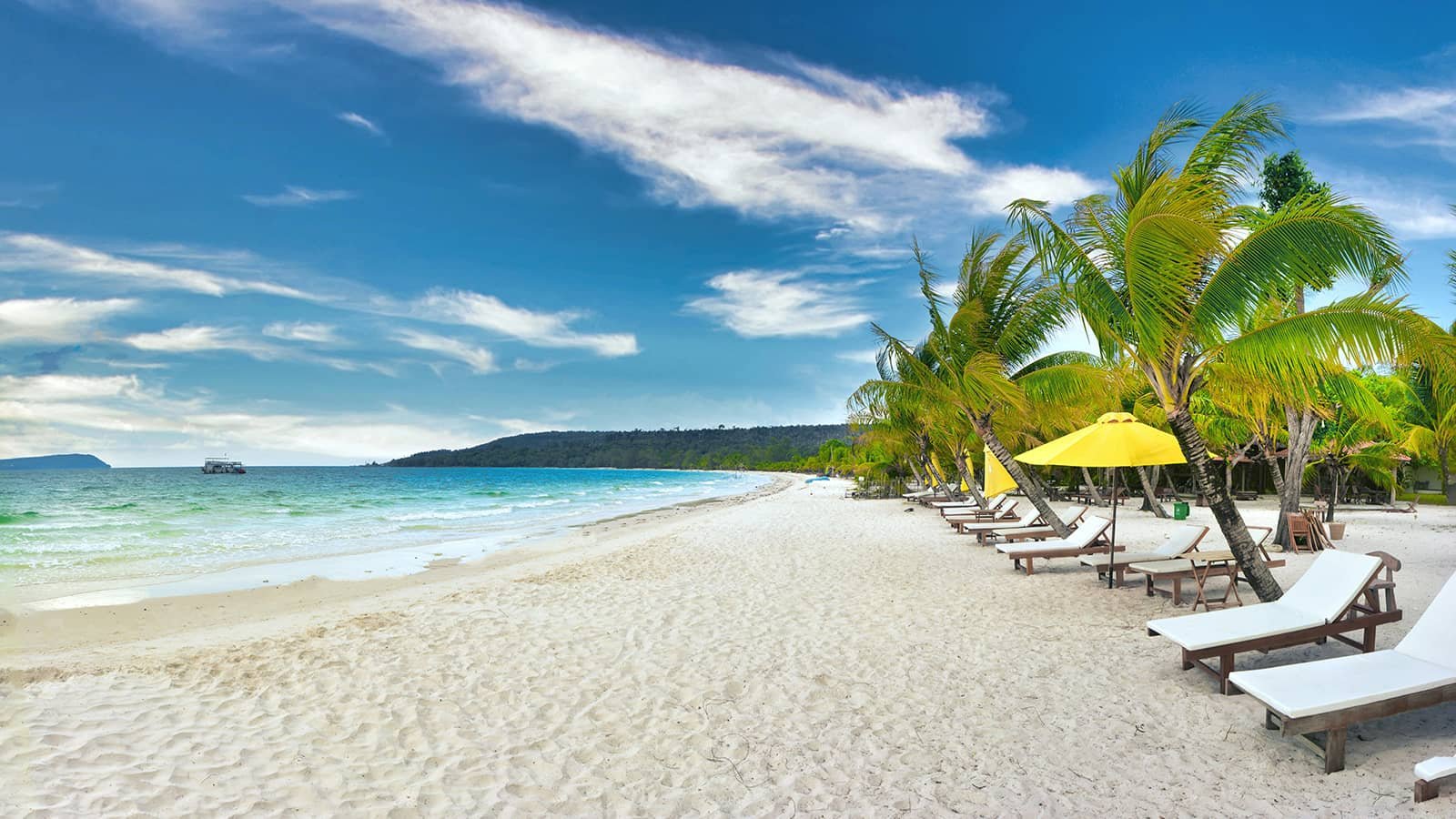
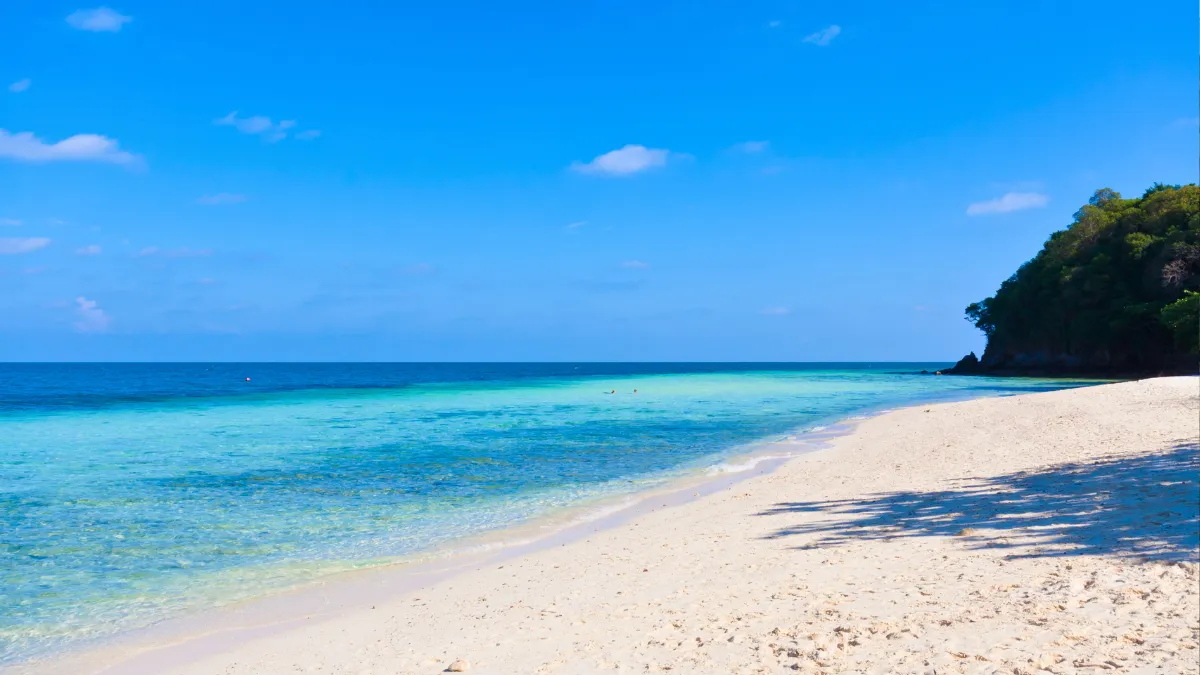
Kerala’s 590-kilometer coastline along the Arabian Sea delivers diverse beach experiences—from bustling tourist hubs to secluded fishing villages where traditional life continues unchanged. The coastal towns blend natural beauty with cultural richness, offering you everything from Ayurvedic wellness to fresh seafood feasts.

Kovalam: Kerala’s Premier Beach Resort
Kovalam’s crescent-shaped beaches have attracted travelers since the 1930s when the Maharaja of Travancore built his beach resort here. The three adjacent beaches—Lighthouse Beach, Hawah Beach, and Samudra Beach—stretch for two kilometers of golden sand backed by swaying palms. You’ll find the iconic red-and-white striped lighthouse dominating the southern headland, offering panoramic views after climbing its 142 steps.
The beach’s shallow waters and gentle waves make it ideal for swimming, while local fishermen still launch traditional wooden boats each morning using age-old techniques. Ayurvedic massage centers line the beachfront, where you can experience Kerala’s renowned wellness treatments overlooking the ocean. Sunset here transforms the sky into brilliant oranges and purples that reflect off the calm Arabian Sea.
Varkala: Cliffs and Spiritual Shores
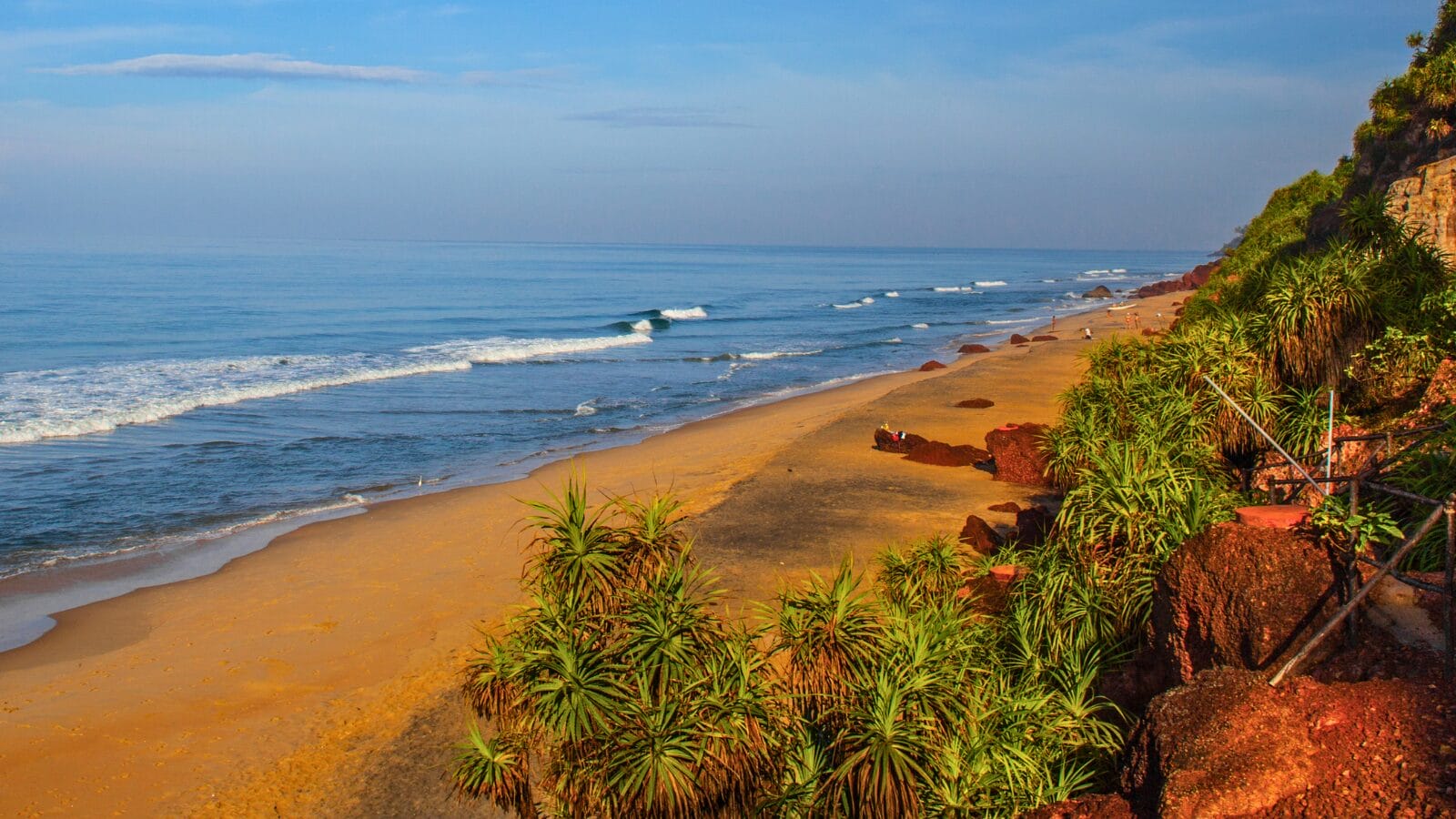
Varkala stands apart from typical beach destinations with its dramatic 15-meter red laterite cliffs rising directly from the sand. The Papanasam Beach (literally “sin-destroyer beach”) holds spiritual significance for Hindus who believe bathing here cleanses sins. You’ll discover the 2,000-year-old Janardanaswamy Temple perched atop the cliffs, a pilgrimage site that predates most Kerala temples.
The clifftop promenade buzzes with cafes, yoga centers, and shops selling handicrafts, creating a bohemian atmosphere distinct from Kovalam’s resort vibe. Natural springs emerge from the cliff face, their mineral-rich waters believed to possess medicinal properties. The beach extends for several kilometers with relatively few crowds, especially if you walk north from the main area.
Beach Safety:
Kerala’s beaches can have strong undercurrents, especially during monsoon season (June-September). Always swim in designated areas with lifeguards present, and heed red flag warnings.
Bekal: Fort and Pristine Sands
Bekal in northern Kerala remains refreshingly undeveloped compared to southern beaches. The Bekal Fort, Kerala’s largest fort spanning 40 acres, sits on a headland jutting into the Arabian Sea. Built in 1650, its observation towers provide stunning 360-degree views of the coastline, backwaters, and surrounding countryside. You can walk the fort’s ramparts imagining the strategic importance this location held for controlling maritime trade routes.
Bekal Beach stretches for kilometers with minimal commercialization, offering peaceful walks along clean sands. The nearby Kappil Beach features a unique landscape where a river, beach, and backwaters converge, creating a tranquil spot perfect for kayaking or simply watching local life unfold.
Cultural and Heritage Sites: Tourist Locations In Kerala
Beach Safety Warning
Strong undercurrents during monsoon season
Danger: Swim only in designated areas with lifeguards. Heed red flag warnings.
Kerala’s cultural landscape reflects centuries of trade, colonialism, and religious diversity. You’ll encounter Jewish synagogues, Portuguese churches, Dutch palaces, and ancient temples often within the same town, testament to Kerala’s role as a crossroads of civilizations.
Fort Kochi: Colonial Architecture and Art
Fort Kochi (Cochin) represents Kerala’s most historically layered destination. The Chinese fishing nets lining the harbor have become iconic symbols—massive cantilevered structures introduced by traders from the court of Kublai Khan in the 14th century. Fishermen still operate these nets at sunset using counterweight systems, creating photogenic silhouettes against the fading light.
The Mattancherry Palace (Dutch Palace) showcases Kerala’s distinctive mural painting tradition with walls depicting Hindu temple art and portraits of Cochin rulers. Nearby, the Paradesi Synagogue built in 1568 stands as the oldest active synagogue in the Commonwealth, its floor covered in hand-painted Chinese tiles, each one unique. The surrounding Jew Town neighborhood offers antique shops selling colonial-era artifacts, vintage maps, and traditional Kerala crafts.
St. Francis Church, India’s oldest European church built in 1503, originally served as Vasco da Gama’s burial site before his remains were returned to Portugal. The building’s weathered walls and simple interior contrast sharply with the elaborate Santa Cruz Cathedral Basilica, rebuilt in 1905 with stunning Gothic architecture and vibrant interior frescoes.
Thrissur: Cultural Capital
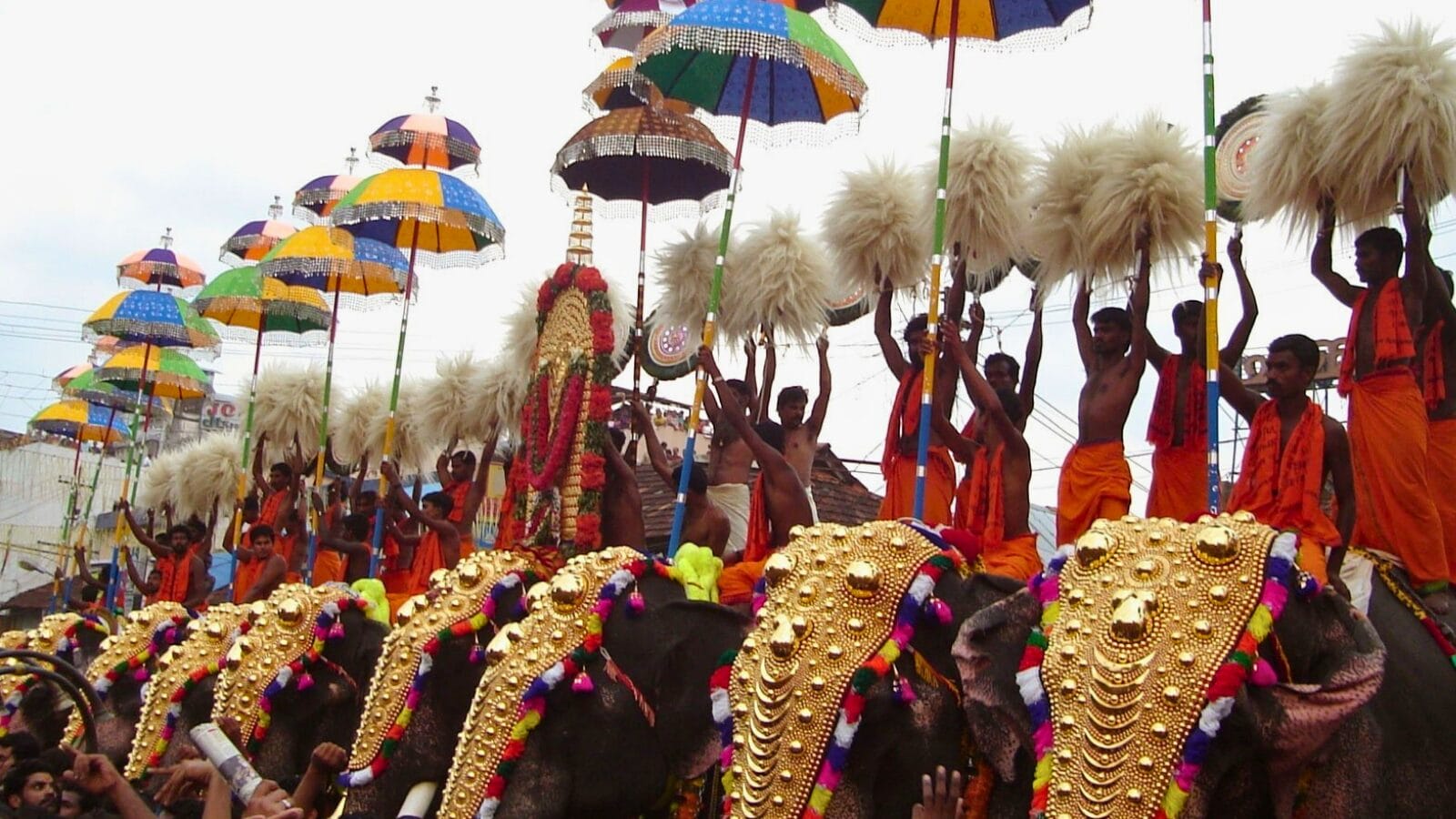
Thrissur earns its reputation as Kerala’s cultural capital through the spectacular Thrissur Pooram festival held each April/May. This temple festival features a procession of decorated elephants (often 50 or more), traditional percussion ensembles, and fireworks displays that attract hundreds of thousands of spectators. The competing temples of Thiruvambady and Paramekkavu create a friendly rivalry that elevates the festivities.
The Vadakkunnathan Temple, over 1,000 years old, sits at the city’s heart surrounded by a massive stone wall. Though non-Hindus cannot enter the inner sanctum, the temple’s architectural grandeur and surrounding grounds showcase classic Kerala temple design. The Kerala Kalamandalam nearby serves as the premier institution for learning traditional art forms including Kathakali dance-drama, Mohiniyattam dance, and Koodiyattam Sanskrit theatre.
Be sure to check out our post about The Batu Caves in Kuala Lumpur, Malaysia
Padmanabhaswamy Temple: Trivandrum’s Treasure
The Padmanabhaswamy Temple in Trivandrum (Thiruvananthapuram) gained international attention when vaults opened in 2011 revealed treasures worth an estimated 22 billion dollars, making it potentially the world’s richest temple. The 16th-century structure features intricate Dravidian architecture with a seven-tiered gopuram (tower) covered in detailed carvings.
You must observe a strict dress code to enter: men wear dhoti (traditional cloth wrapped around the waist), while women wear sari or long skirt with blouse. The main deity—Lord Vishnu reclining on the serpent Anantha—stretches 18 feet long, visible through three doors that reveal the head, middle, and feet separately. The temple’s spiritual atmosphere and architectural magnificence make the dress requirements worthwhile.
| Heritage Site | Period | Significance | Entry Fee |
|---|---|---|---|
| Paradesi Synagogue | 1568 | Oldest active synagogue in Commonwealth | ₹5 |
| Mattancherry Palace | 1555 | Kerala mural art masterpiece | ₹2 |
| Bekal Fort | 1650 | Largest fort in Kerala | ₹25 |
| Padmanabhaswamy Temple | 16th century | Richest temple in the world | Free (dress code required) |
Wildlife Sanctuaries and National Parks: Biodiversity Hotspots
Ayurvedic Wellness Journey
Consultation
Physician assesses your dosha
Personalization
Custom herbs and diet plan
Treatment
Panchakarma therapies begin
Detoxification
14-21 day rejuvenation program
Kerala’s position in the Western Ghats biodiversity hotspot makes it home to endangered species found nowhere else on Earth. The state’s protected areas span diverse ecosystems from tropical rainforests to high-altitude grasslands, offering you exceptional wildlife encounters.
Periyar Tiger Reserve: India’s Premier Elephant Habitat
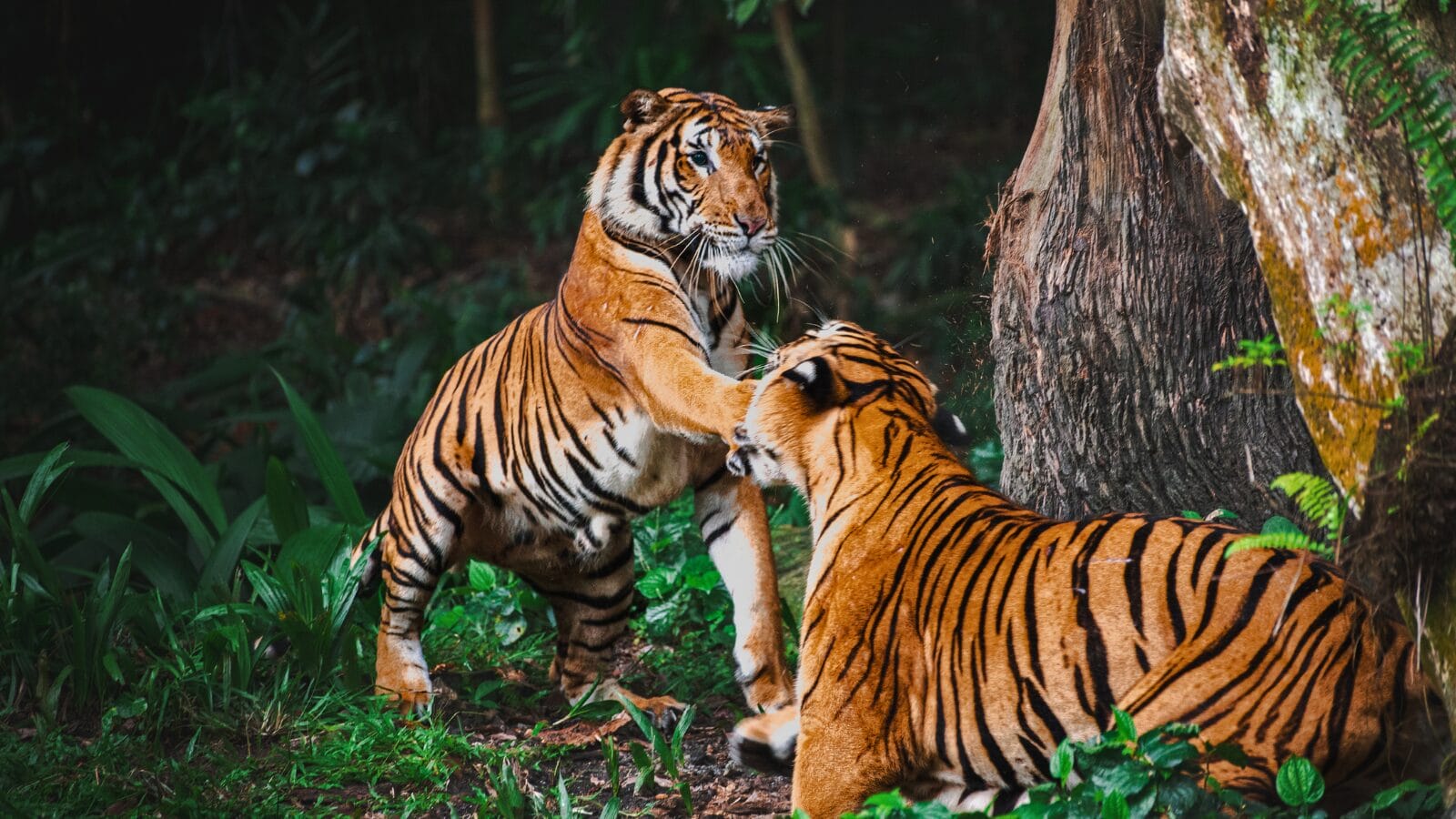
Periyar protects one of India’s most viable tiger populations, though spotting these elusive cats requires patience and luck. The reserve’s real stars are its estimated 900-1,000 wild elephants, according to Kerala Tourism, visible year-round but especially concentrated near Periyar Lake during dry season (December-April) when water sources elsewhere diminish. You’ll witness entire herds—matriarchs, juveniles, and calves—bathing, playing, and socializing at the water’s edge.
The boat safari remains the most popular viewing method, with early morning departures offering best wildlife sightings. Beyond elephants, you might spot gaur (Indian bison), sambar deer, wild boar, and Nilgiri langurs. The reserve’s bamboo rafting program provides a more intimate experience, with trained tribal guides navigating quieter sections of the lake while sharing forest knowledge passed down through generations.
Silent Valley National Park: Untouched Rainforest
Silent Valley represents one of India’s last remaining pristine tropical evergreen forests, protected after a massive conservation campaign in the 1970s prevented a hydroelectric dam project. The park’s name comes from the notable absence of cicadas, creating an unusually quiet forest atmosphere. You’ll need permission to enter this strictly protected area, but the effort rewards you with sights of lion-tailed macaques, one of the world’s rarest primates.
The park’s 237 square kilometers harbor over 1,000 flowering plant species, 128 orchid varieties, and 34 mammal species including tigers, leopards, and the endangered Nilgiri marten. Trekking here requires guides and advance booking, but the experience of walking through virtually undisturbed primary forest is unmatched elsewhere in Kerala.
Wayanad Wildlife Sanctuary: Elephant Corridors
Wayanad’s sanctuary forms part of the Nilgiri Biosphere Reserve, creating connected protected areas that allow elephants to migrate naturally between Kerala, Karnataka, and Tamil Nadu. This connectivity proves crucial for genetic diversity and long-term species survival. You can join jeep safaris through the sanctuary’s different zones—Muthanga, Tholpetty, and Kurichiat—each offering distinct landscapes and wildlife viewing opportunities.
The sanctuary’s 350 square kilometers support significant populations of elephants, gaurs, deer, and occasionally tigers. Night safaris (where permitted) reveal nocturnal species including civets, porcupines, and jungle cats. The best viewing months run from April to May when animals congregate around remaining water sources as summer heat intensifies.
Conservation Note:
Kerala has lost significant forest cover to agriculture and development, making these protected areas critical for species survival. Support conservation by choosing eco-certified tour operators and avoiding wildlife harassment.
Unique Experiences: Beyond Standard Tourism
Seasonal Travel Guide
5 timing tips
- Coastal areas: October-March (22-32°C)
- Hill stations: October-May for clear views
- Waterfalls: June-September peak flow
- Ayurveda: Monsoon season most effective
- Wildlife: December-April for best sightings
Kerala offers distinctive experiences that go beyond typical sightseeing, allowing you to engage deeply with local culture, wellness traditions, and adventure activities that leverage the state’s diverse geography.
Ayurvedic Wellness Retreats
Kerala stands as the birthplace and heartland of Ayurveda, India’s 5,000-year-old holistic healing system. According to Kerala Tourism, Panchakarma is a rejuvenation therapy in Ayurveda. The Pancha (Five) Karma (Action) approach to disease prevention is a combination of five tried-and-tested treatment techniques that revitalizes patients by restoring their physical and mental equilibrium.
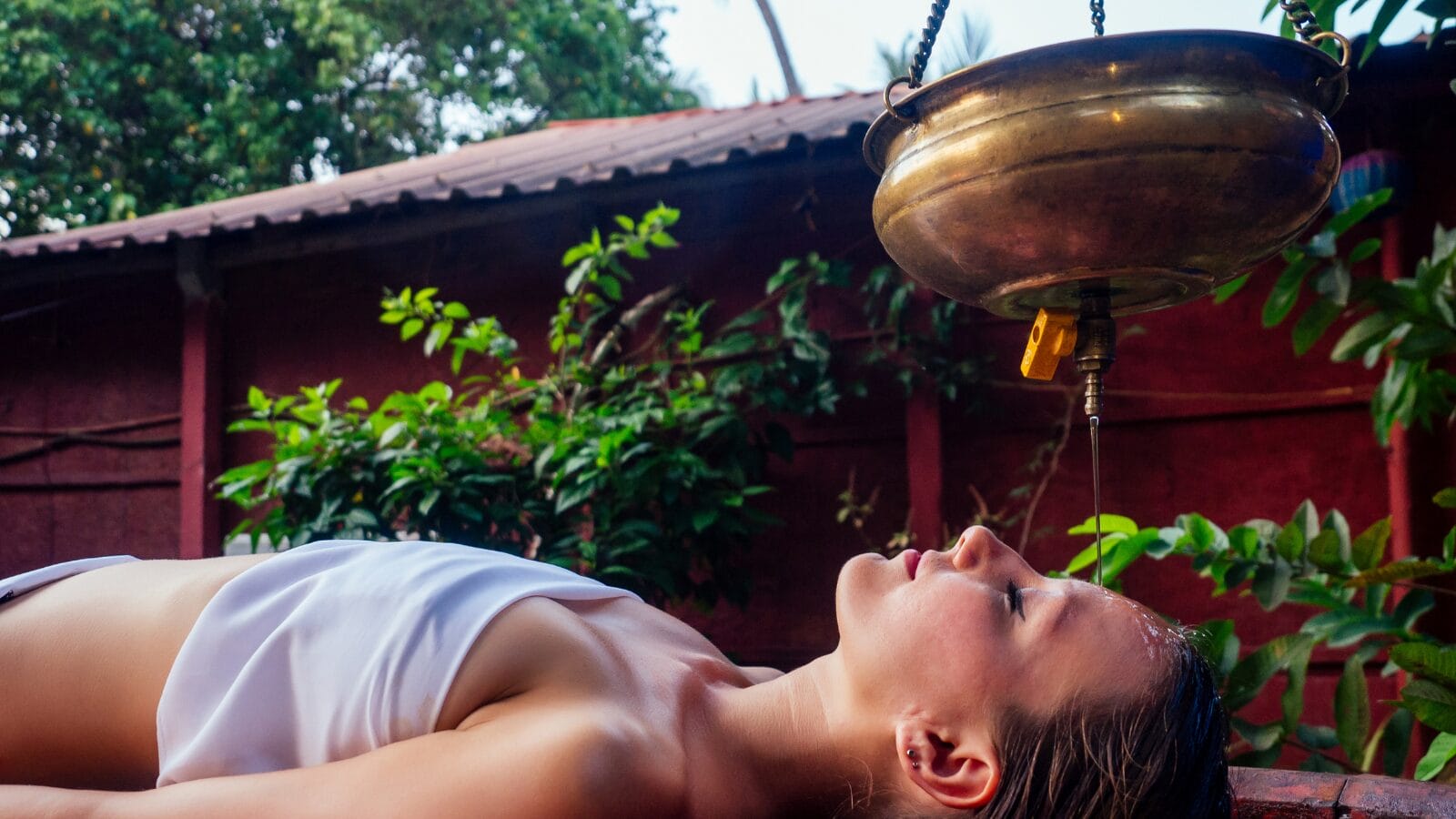
Authentic Ayurvedic treatments here go far beyond spa massages—they’re comprehensive wellness programs involving consultations with trained physicians, personalized herbal medicines, specialized diets, and therapeutic treatments tailored to your body constitution (dosha). Panchakarma, the intensive detoxification program, typically requires 14-21 days of commitment. You’ll undergo treatments like Shirodhara (warm oil poured continuously on the forehead), Abhyanga (synchronized massage by two therapists), and Pizhichil (oil bath therapy). Reputable centers like those in Kovalam, Varkala, and Thrissur employ qualified doctors and use traditional preparation methods for medicinal oils and herbs.
The monsoon season (June-September) is considered ideal for Ayurvedic treatments because increased humidity helps the body absorb therapeutic oils more effectively. However, quality centers operate year-round with adjustments for seasonal conditions.
Kathakali Dance-Drama Performances
Kathakali is a traditional form of Indian Classical Dance, and one of the most complex forms of Indian theatre. It is native to the Malayalam-speaking state of Kerala, according to Wikipedia. Kathakali represents Kerala’s most elaborate classical art form—a fusion of dance, music, acting, and ritual that dates back to the 17th century. Performers spend hours applying intricate makeup and donning massive costumes before enacting stories from Hindu epics like the Mahabharata and Ramayana. You’ll recognize characters by their face colors: green for virtuous heroes, red for villains, black for hunters and forest dwellers.
The Kerala Kalamandalam in Thrissur offers the most authentic experience, where you can watch students training in this demanding art that requires years of rigorous practice. Fort Kochi hosts nightly tourist-oriented performances with pre-show makeup demonstrations, providing accessible introductions to this complex art form. The exaggerated facial expressions, precise hand gestures (mudras), and rhythmic footwork create a hypnotic spectacle even if you don’t understand the storyline.

I recommend Jaipur as an amazing Indian travel destination
Jason Baigent
International Education Expert
“I found Jaipur to be one of the most memorable cities in Rajasthan. The pink city with the incredible Hawa Mahal, Royal Palace, the floating Jal Mahal, and the Nahargarh and Amber Fort will blow your mind with their sheer scale, size and architectural detail. And being one point of the Golden Triangle why not add Agra and Delhi to your itinerary!”
Houseboat Stays on the Backwaters
Spending a night aboard a traditional kettuvallam (rice barge converted to houseboat) ranks among Kerala’s most memorable experiences. The Kettuvallam or ‘boat with knots’ is called so because coir ropes tied in knots hold the entire structure of the boat together. During the entire assembling work of the boat, not a single nail is used. The boat is made of huge planks of Jack wood, as explained by traditional boat builders. These boats range from basic one-bedroom vessels to luxury multi-bedroom options with air conditioning and chef service. You’ll drift through narrow canals where village life unfolds at the water’s edge—children paddling to school, women washing clothes on stone ghats, fishermen casting nets from canoes.
The boats stop moving at sunset, anchoring in quiet spots where the only sounds are water lapping against the hull and distant temple bells. Onboard chefs prepare traditional Kerala meals featuring fresh fish, coconut-based curries, and local vegetables. Morning brings mist rising from the water as the boat resumes its gentle journey, passing through locks that regulate water levels between different canal sections.
Spice Plantation Tours – Tourist Locations In Kerala
Kerala’s spice trade history stretches back millennia—these “Spice Gardens of India” attracted traders from Rome, Arabia, and China long before European colonizers arrived. According to Kerala Tourism, Kerala has been synonymous with spices since ancient times, earning its reputation as the “Spice Garden of India.” The variety Cardamom Small (Elettaria cardamomum) is predominantly grown here, contributing significantly to Kerala’s status as the producer of 70% of India’s cardamom.
Modern plantation tours let you see, smell, and taste spices growing in their natural environment. You’ll walk through estates where cardamom vines climb tall trees, pepper creeps up support poles, vanilla orchids produce their prized pods, and coffee bushes thrive in dappled shade. Knowledgeable guides explain each plant’s cultivation, harvesting, and processing. You’ll learn that vanilla requires hand-pollination, that cardamom needs specific altitude and rainfall, and that pepper was once worth its weight in gold. Most tours conclude with traditional Kerala meals showcasing the spices you’ve just seen, followed by opportunities to purchase fresh spices at wholesale prices.
Bamboo Rafting and Trekking Adventures
Beyond standard tourism, Kerala offers adventure activities that showcase its natural diversity. Bamboo rafting in Periyar combines wildlife viewing with gentle adventure as you float silently through the forest, increasing chances of spotting shy animals. The rafts accommodate small groups, with tribal guides sharing forest knowledge while navigating through submerged trees and quiet coves.
Trekking opportunities range from easy nature walks to challenging multi-day expeditions. The Chembra Peak trek in Wayanad reaches 2,100 meters elevation, passing a heart-shaped lake en route to panoramic summit views. Meesapulimala trek near Munnar takes you through the Western Ghats’ second-highest peak at 2,640 meters, traversing grasslands where Nilgiri Tahr graze. These treks require permits and guides but reward you with Kerala’s most spectacular mountain scenery.
Practical Travel Information: Planning Your Tourist Locations In Kerala
Successfully navigating Kerala requires understanding transportation options, seasonal variations, and regional logistics that impact your travel experience. This diverse state demands strategic planning to maximize your time across its varied attractions.

Best Time to Visit Different Regions
Kerala’s climate varies significantly by region and elevation, making timing crucial for optimal experiences. The coastal areas and backwaters shine brightest from October through March when temperatures hover between 22-32°C and humidity drops to comfortable levels. This peak season brings larger crowds and higher prices but guarantees pleasant weather for beach activities and houseboat cruises.
Hill stations remain accessible year-round, though October to May offers the clearest views and most comfortable trekking conditions. Munnar’s tea gardens look most vibrant after monsoon rains (September-October) when fresh growth creates impossibly green landscapes. Wayanad’s waterfalls reach maximum flow during and immediately after monsoon (June-September), though trekking becomes challenging on muddy trails.
The monsoon season (June-September) transforms Kerala into a lush wonderland but brings heavy rainfall averaging 3,000mm annually. Ayurvedic treatments are traditionally most effective during monsoon when humidity enhances oil absorption. Many resorts offer significant discounts during these months, and if you don’t mind rain, you’ll experience Kerala at its most authentic with fewer tourists.
Transportation and Getting Around
Cochin International Airport serves as Kerala’s primary entry point, with direct international flights from Middle East, Southeast Asia, and select European cities. Trivandrum (Thiruvananthapuram) and Calicut (Kozhikode) airports provide alternative access points for southern and northern Kerala respectively. Domestic flights connect all three airports to major Indian cities multiple times daily.
Kerala’s extensive railway network offers scenic journeys between major towns. The coastal route from Trivandrum to Mangalore passes through Kollam, Alleppey, Ernakulam (Kochi), Thrissur, and Calicut, providing convenient access to most tourist destinations. Trains range from basic unreserved coaches to air-conditioned sleepers, with advance booking essential during peak season.
State-run KSRTC buses connect virtually every town and village, offering the cheapest transportation option. Private buses provide faster, more comfortable alternatives for longer routes. For flexibility, hiring a car with driver costs approximately ₹2,000-3,000 per day depending on vehicle type and distance, eliminating navigation stress on Kerala’s winding roads.
Auto-rickshaws handle short-distance travel within towns, though meters rarely work—negotiate fares before departing. In Fort Kochi and some beach areas, bicycle rentals (₹100-200/day) provide pleasant exploration options. Backwater regions offer canoe rentals for independent waterway exploration.
Regional Itinerary Suggestions
A comprehensive Kerala experience requires minimum 10-14 days to cover major highlights without exhausting yourself. For shorter visits, focus on specific regions rather than attempting everything.
7-Day Southern Circuit: Trivandrum (1 day) → Kovalam (2 days) → Alleppey houseboat (1 day) → Kumarakom (1 day) → Thekkady (2 days)
7-Day Northern Circuit: Kochi (2 days) → Munnar (2 days) → Thekkady (1 day) → Wayanad (2 days)
10-Day Comprehensive: Kochi (2 days) → Munnar (2 days) → Thekkady (2 days) → Alleppey/Kumarakom (2 days) → Varkala/Kovalam (2 days)
14-Day Complete Experience: Add Wayanad (2 days), Thrissur (1 day), and Bekal (2 days) to the 10-day itinerary for thorough coverage.

Accommodation Options Across Price Ranges
Kerala’s accommodation spectrum ranges from budget homestays to luxury resorts, with options suited to every travel style and budget.
Budget (₹500-1,500/night): Family-run homestays provide authentic experiences with home-cooked meals and local insights. Beach areas offer basic guesthouses steps from the sand. Government-run KTDC hotels in major towns deliver clean, no-frills rooms at competitive prices.
Mid-range (₹2,000-5,000/night): Boutique hotels in Fort Kochi occupy restored colonial buildings with period charm. Hill station resorts offer mountain views and comfortable amenities. Beach resorts provide pools, restaurants, and Ayurvedic centers without luxury price tags.
Luxury (₹8,000+/night): Heritage properties like Brunton Boatyard in Kochi and The Leela Kovalam deliver five-star experiences with historical character. Luxury houseboats feature air-conditioned bedrooms, gourmet meals, and personal crew. Plantation bungalows in Munnar and Wayanad combine colonial elegance with modern luxury.
Unique Stays: Tree houses in Wayanad perch in forest canopies, bamboo cottages in Thekkady blend into nature, and traditional Kerala homes (tharavads) converted to heritage hotels showcase authentic architecture with carved wooden pillars and sloping tile roofs.
Food and Culinary Experiences – Tourist Locations In Kerala
Kerala cuisine reflects its coastal geography and spice-growing heritage, emphasizing coconut, seafood, and complex spice blends. You’ll discover that meals here are typically served on banana leaves, with rice forming the base accompanied by multiple curries, pickles, and papadum.
Sadya, the traditional vegetarian feast, features 20-28 dishes served during festivals and special occasions. You’ll taste sambhar (lentil curry), avial (mixed vegetables in coconut), olan (ash gourd curry), and payasam (sweet dessert) among many others. Restaurants in Trivandrum and Thrissur serve authentic sadya daily during lunch.
Seafood preparations showcase Kerala’s coastal bounty: karimeen pollichathu (pearl spot fish wrapped in banana leaf), prawns in coconut curry, crab roast with spices, and fish molee (mild coconut milk curry). Coastal restaurants from Kovalam to Bekal serve catches grilled, fried, or curried according to your preference.
Syrian Christian cuisine developed by Kerala’s ancient Christian community blends local ingredients with Middle Eastern influences. Try appam (fermented rice pancakes) with stew, duck roast, beef fry, and chicken mappas (mild curry). Fort Kochi’s restaurants specialize in these dishes.
Street food worth sampling includes banana chips, jackfruit chips, pazham pori (banana fritters), vada (lentil donuts), and puttu with kadala curry (steamed rice cake with chickpea curry) for breakfast.
Spice Level Warning:
Kerala food can be significantly spicier than Western palates expect. Always ask for “mild” or “medium” spice levels initially, and specify “no chili” if you’re particularly sensitive.

Tourist Locations In Kerala FAQ
Which place is most visited in Kerala?
Munnar attracts the highest number of tourists in Kerala, drawing visitors with its expansive tea plantations, cool mountain climate, and accessibility from major cities. The hill station’s combination of natural beauty, comfortable accommodation options, and variety of activities makes it Kerala’s most popular destination. Alleppey follows closely behind, particularly for backwater houseboat experiences that have become synonymous with Kerala tourism.
Which is the most beautiful place in Kerala to visit?
Beauty remains subjective, but Munnar consistently ranks as Kerala’s most visually stunning destination. The endless rolling hills covered in manicured tea plantations create landscapes that appear almost surreal, especially during early morning mist or when Neelakurinji flowers bloom. However, Varkala’s dramatic cliff-backed beaches, Wayanad’s waterfall-dotted forests, and the serene backwaters of Kumarakom each offer distinct beauty that appeals to different preferences.
What Can I Visit In Kerala In 3 days?
For a 3-day Kerala visit, focus on either Fort Kochi and backwaters or Munnar and Thekkady rather than attempting too much. Option 1: Spend Day 1 exploring Fort Kochi’s heritage sites, Day 2 on an Alleppey houseboat cruise, and Day 3 in Kumarakom for birdwatching and resort relaxation. Option 2: Dedicate Day 1 to Munnar’s tea estates and viewpoints, Day 2 to Eravikulam National Park and trekking, and Day 3 to Thekkady’s Periyar wildlife sanctuary.
Which part of Kerala is the must visit spot?
The central Kerala region encompassing Kochi, Alleppey, Kumarakom, and Thekkady offers the most diverse beauty in a concentrated area. You’ll experience colonial architecture, intricate backwaters, lush wildlife sanctuaries, and spice plantations within relatively short distances. This region captures Kerala’s essence—the interplay of water, land, and forest that defines the state.