India, a land of vibrant cultures, rich history, and breathtaking landscapes, offers an incredible array of travel experiences for every kind of explorer. From the majestic palaces of Rajasthan to the serene backwaters of Kerala, and from bustling cities full of life to tranquil mountain retreats, India is a treasure trove of unforgettable destinations. In this post, we’ll take you through some of the top tourist spots that showcase the diverse beauty and heritage of this fascinating country. Whether you’re a history buff, nature lover, or adventure seeker, these are the top tourist destinations in India and are sure to inspire your next journey.
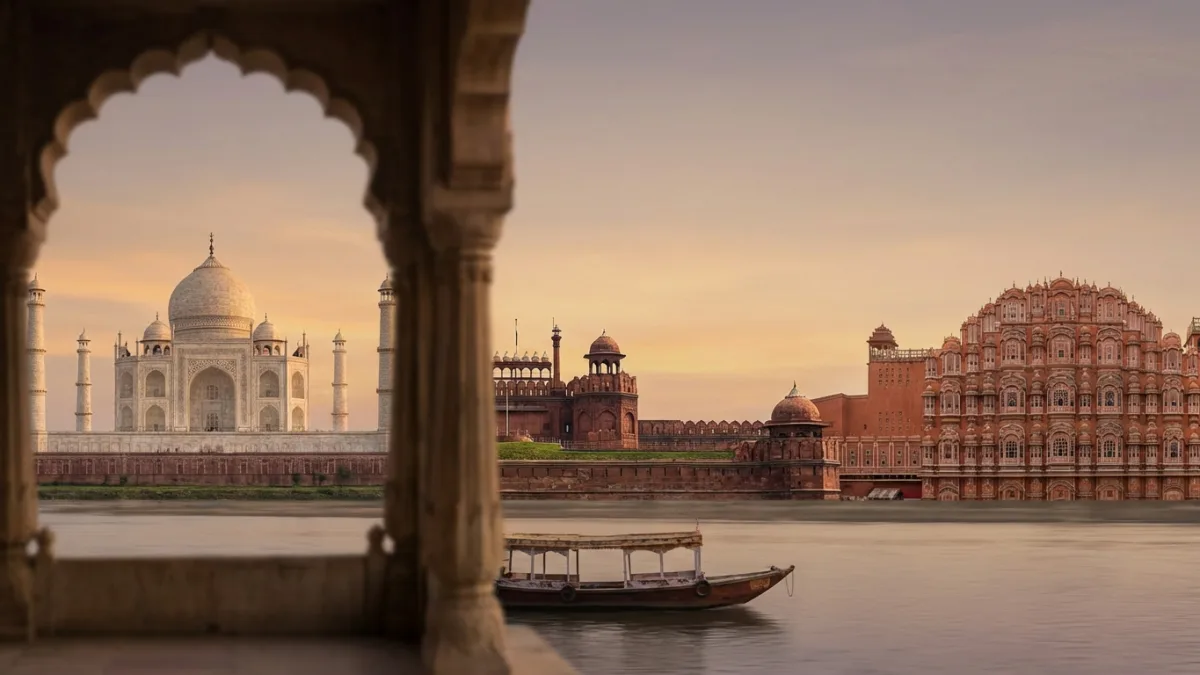
The Golden Triangle: Delhi, Agra, and Jaipur
You’re looking at India’s most iconic tourist circuit, and for good reason. The Golden Triangle connects three cities—Delhi, Agra, and Jaipur—that showcase the country’s imperial grandeur, architectural mastery, and cultural depth in a compact, accessible route perfect for first-time visitors.
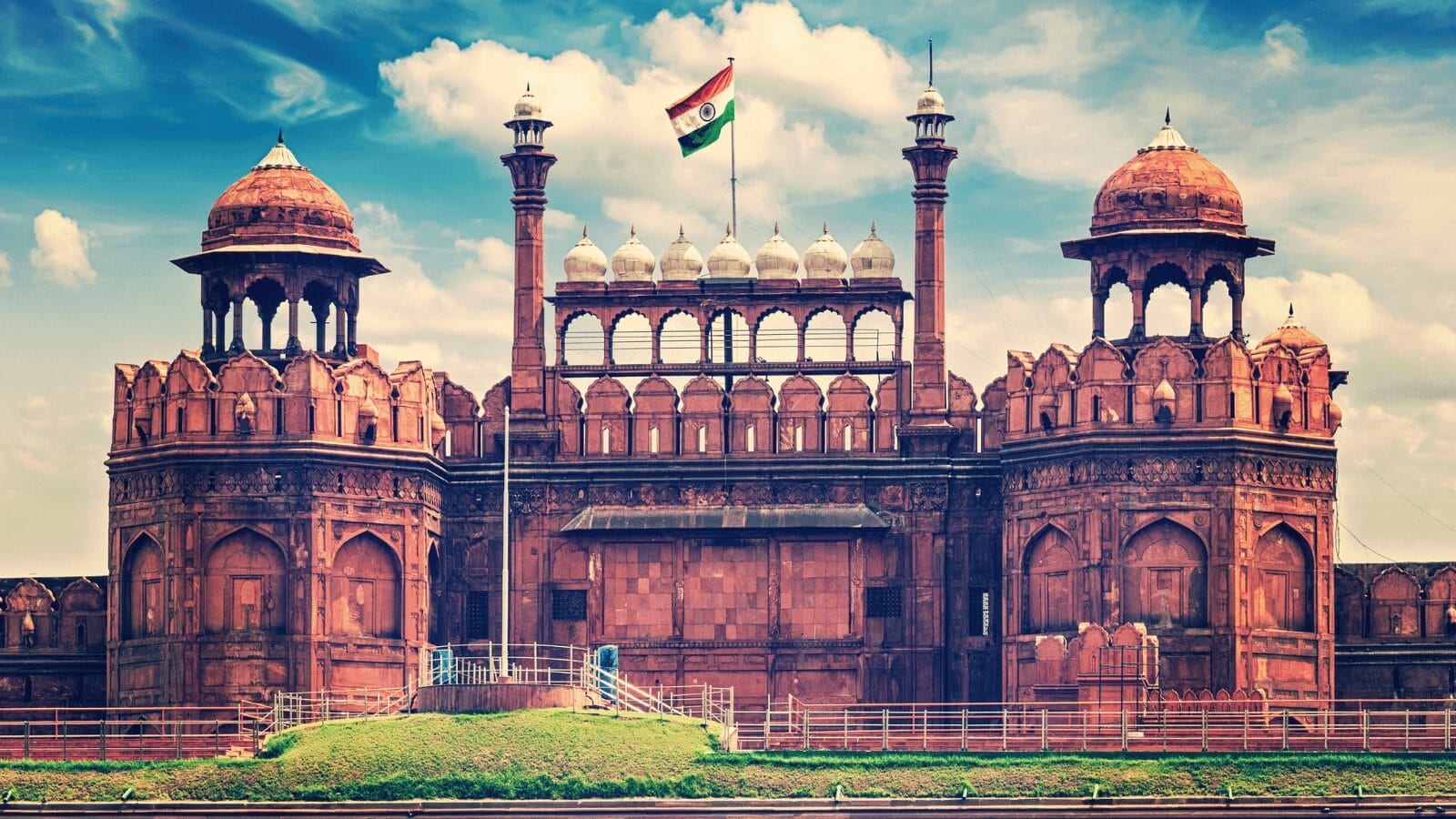
Delhi serves as your gateway, blending Mughal monuments like the Red Fort and Jama Masjid with colonial-era landmarks such as India Gate and the Presidential Palace. The contrast between Old Delhi’s chaotic bazaars and New Delhi’s wide boulevards gives you a crash course in India’s layered history.
Agra needs no introduction—it’s home to the Taj Mahal, that white marble monument to eternal love. The Taj Mahal attracted 6.9 million visitors in fiscal year 2024-25, with 6.26 million domestic and 645,000 foreign tourists, according to India’s Ministry of Tourism. But don’t skip Agra Fort, a massive red sandstone complex that rivals the Taj in historical significance, or Fatehpur Sikri, the abandoned Mughal capital just outside the city.
Jaipur, the Pink City, rounds out the triangle with its royal palaces and hilltop forts. The Amber Fort’s mirror-work halls, the astronomical instruments at Jantar Mantar, and the honeycomb facade of Hawa Mahal create a visual feast that Instagram can’t do justice to.
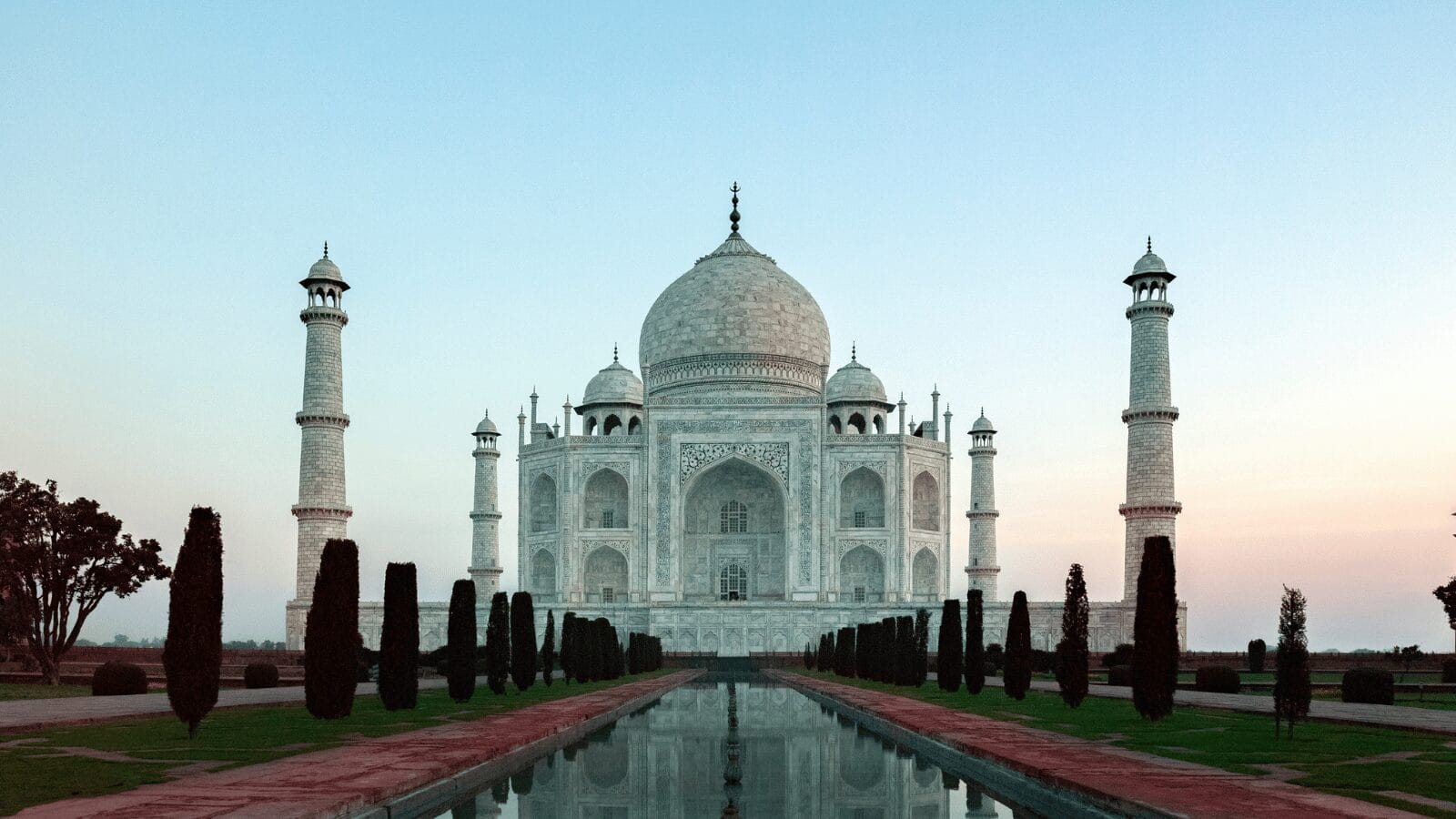
Taj Mahal
Key Facts
- 1628Shah Jahan becomes emperor as part of the Mughal dynasty, ruling northern India.
- 1631 His wife, Mumtaz Mahal, dies during childbirth.
- 1632 Construction of the Taj Mahal begins. It is estimated that 20,000 workers helped build the structure.
- 1648The main mausoleum of the Taj Mahal is completed.
- 1653 Additional features, including a mosque, guest house and courtyard are completed.
- 1666 Shah Jahan dies and his remains are interred next to Mumtaz Mahal beneath the Taj Mahal complex..
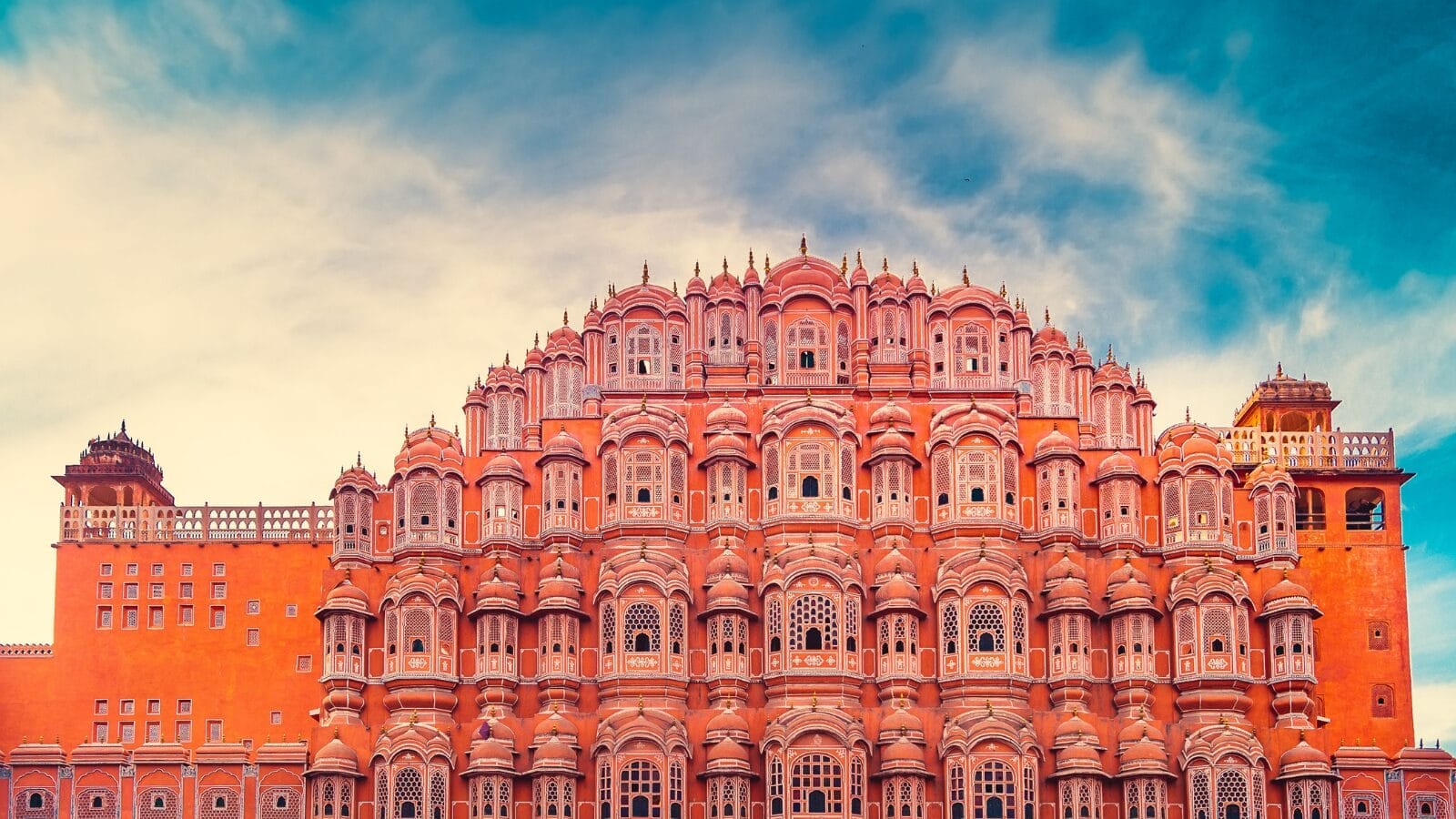
Why This Route Works – Tourist Destinations In India
The circuit is about 720 km by road, with the three cities forming a triangle roughly 145-170 miles per side, making the entire circuit doable in 5-7 days. You’ll cover three distinct architectural styles (Mughal, Rajput, and British colonial), experience different facets of North Indian culture, and build confidence navigating India before venturing to more challenging destinations.
Practical Travel Tips
Most travelers fly into Delhi, hire a private driver for the circuit (around $200-300 for the full triangle), and complete the route counterclockwise: Delhi → Agra → Jaipur → Delhi. The roads are well-maintained, hotels range from budget guesthouses to palace conversions, and tourist infrastructure is solid.
Best Time to Visit
October through March offers pleasant weather (60-80°F during the day), though this peak season means larger crowds at major sites. If you can handle heat, April-May brings fewer tourists but temperatures pushing 100°F+. Avoid the monsoon season (July-September) when humidity makes sightseeing uncomfortable.
Golden Triangle Circuit
Delhi Gateway
Mughal monuments and colonial landmarks
Agra Wonder
Taj Mahal and Agra Fort exploration
Jaipur Finale
Pink City palaces and forts
Time Recommended
Complete circuit in 5-7 days covering 720 km
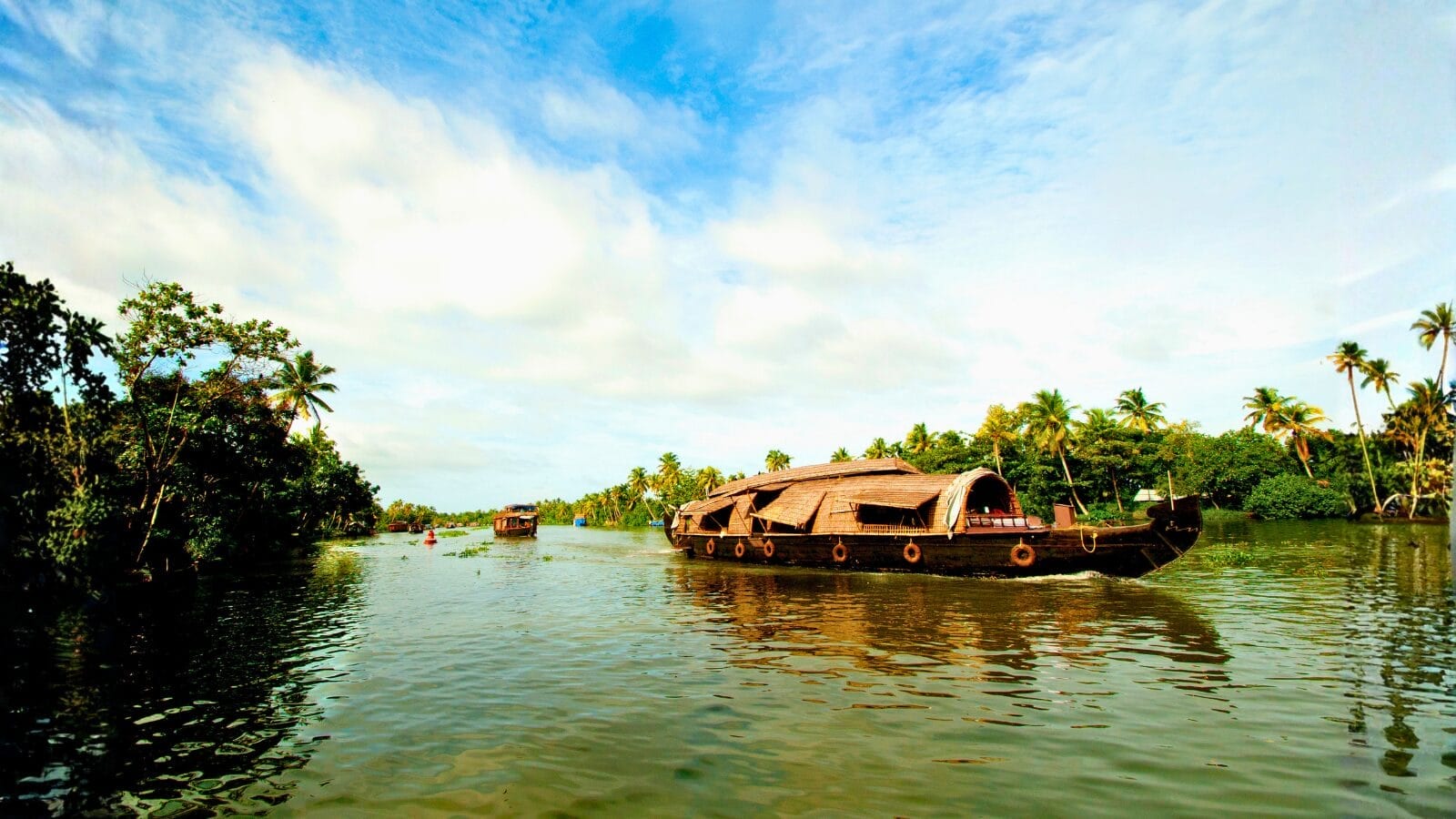
Kerala: India’s Tropical Paradise
Kerala flips the script on what you might expect from India. Instead of dusty plains and crowded cities, you get lush backwaters, palm-fringed beaches, mist-covered hill stations, and a laid-back vibe that feels worlds away from the chaos up north.
The backwaters of Alleppey and Kumarakom offer an experience you won’t find anywhere else in India. The backwaters of Kerala stretch to over 900 km, featuring meandering inland lakes networked by canals, according to Kerala Tourism. You’ll cruise through a network of lagoons, canals, and lakes on traditional houseboats (kettuvallams), watching village life unfold along the banks—fishermen casting nets, women washing clothes, kids waving from canoes. Overnight houseboat trips include fresh seafood prepared onboard and sunsets that paint the water gold.
Munnar, perched in the Western Ghats at around 5,200 feet, is India’s tea capital. Endless green tea plantations carpet the hillsides, broken only by waterfalls and viewpoints. The cool mountain air (60-70°F even in summer) provides relief from coastal humidity, and you can tour tea factories to see the process from leaf to cup.
For beaches, Varkala and Kovalam deliver without the overdevelopment plaguing Goa. Varkala’s cliff-backed beach combines Arabian Sea views with Ayurvedic wellness centers and seafood shacks. Kovalam’s crescent bays offer calmer waters perfect for swimming.
Kerala Beach Comparison
Varkala†
Best for wellness seekers
VS
Kovalam†
Most popular with Families
Cultural Richness Beyond Nature
Kerala’s cultural scene runs deep. You can catch Kathakali performances (elaborate dance-drama with painted faces and ornate costumes), watch Kalaripayattu martial arts demonstrations, or attend temple festivals featuring decorated elephants and traditional percussion.
The state’s Ayurvedic tradition is authentic here, not the watered-down spa version. Multi-day Panchakarma treatments at specialized centers attract wellness seekers from around the world.
Getting Around Kerala
Kerala is compact and well-connected. The 350-mile coastline from Kochi to Thiruvananthapuram (Trivandrum) forms the main tourist corridor. Trains run frequently along the coast, and the roads are among India’s best. You can easily combine backwaters (2-3 days), hill stations (2-3 days), and beaches (2-3 days) into a 7-10 day itinerary.
Insider Knowledge
Kerala boasts a literacy rate of over 95% and the highest Human Development Index in India, translating to better infrastructure and easier travel for tourists.
Kerala deserves more than a quick overview—there are hidden South Indian gems beyond the famous spots that most travelers miss.

Travel writer, researcher and publisher
Jason Baigent
Founder – Destinations Uncovered
“I’ve found that the best Kerala experiences happen when you venture beyond the standard circuit. My detailed Kerala guide reveals lesser-known backwater routes, secret beaches, and authentic cultural experiences that transformed my understanding of this incredible state.”
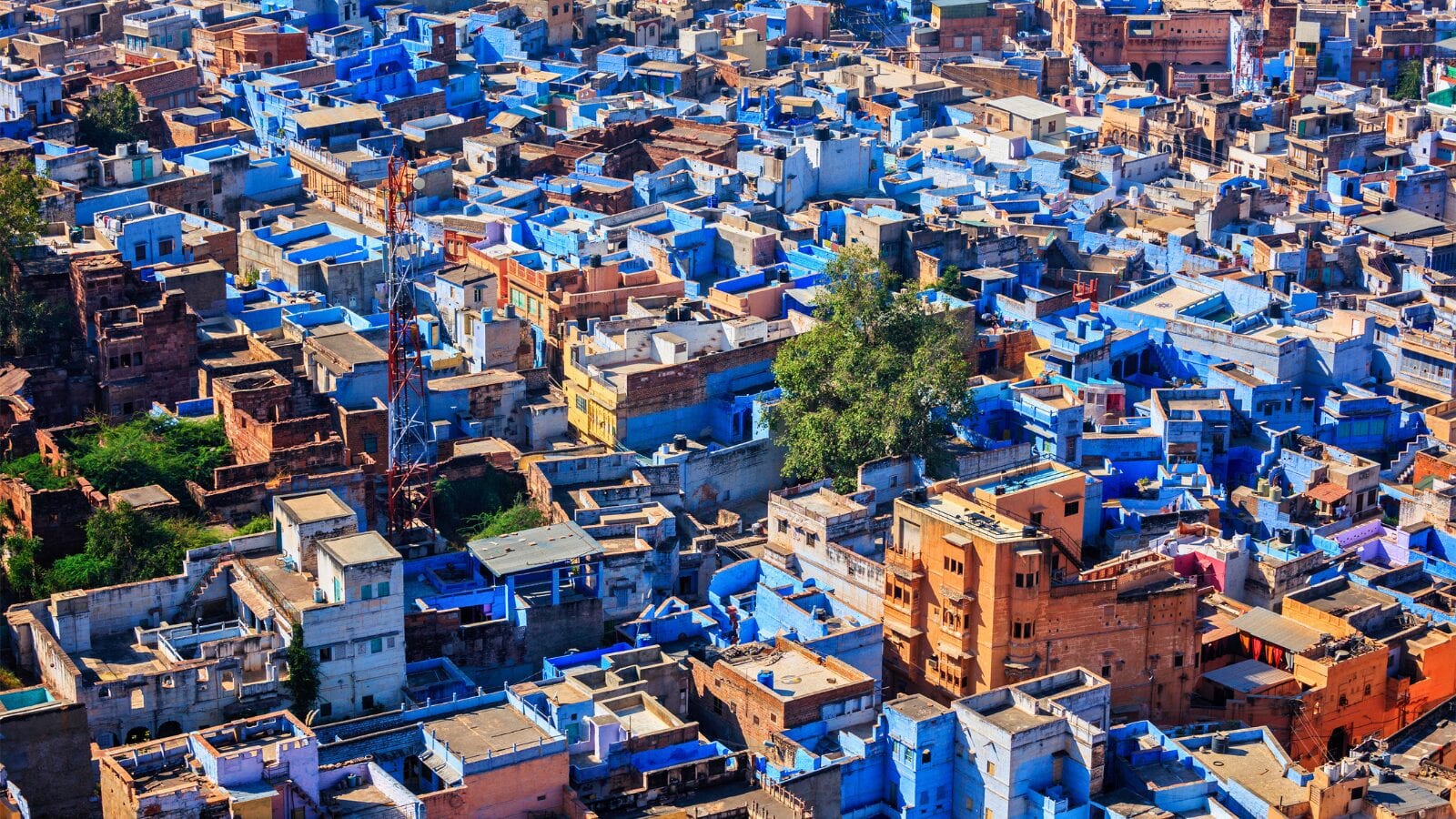
Rajasthan: The Land of Kings and Forts
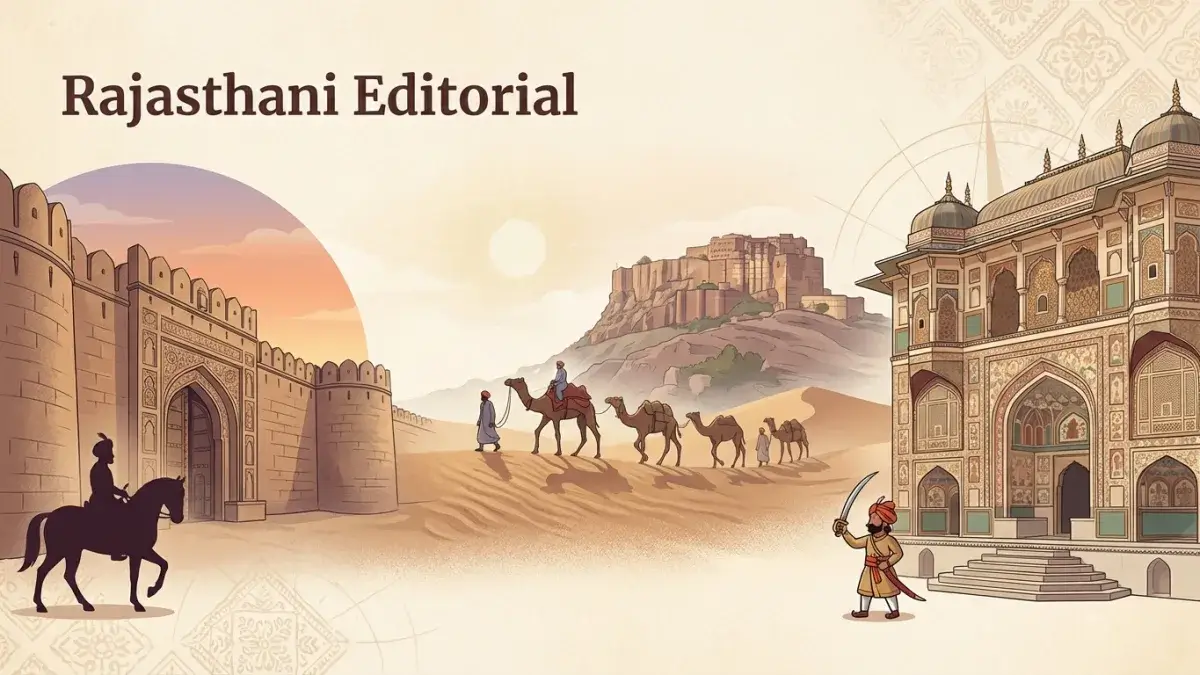
Rajasthan delivers the India of your imagination—imposing forts crowning rocky hills, opulent palaces dripping with mirror work and frescoes, camels plodding across sand dunes, and warriors’ tales echoing through ancient walls.
Udaipur earns its “Venice of the East” nickname with Lake Pichola’s island palaces and lakeside havelis. The City Palace complex sprawls along the waterfront, offering courtyards, galleries, and stunning lake views. You can stay in heritage hotels that were once royal residences, dining on rooftop terraces as the sun sets over the Aravalli Hills.
Jodhpur, the Blue City, is dominated by Mehrangarh Fort, one of India’s largest and most impressive fortifications. The fort rises 400 feet above the city, its walls enclosing palaces with intricate latticework and courtyards. Below, the old city’s blue-painted houses create a sea of indigo that’s mesmerizing from above.
Jaisalmer takes you to the edge of the Thar Desert. The golden sandstone fort (one of the world’s few “living forts” with residents still inside) seems to rise from the desert itself. Beyond the city, the Sam Sand Dunes offer camel safaris and desert camps where you’ll sleep under star-filled skies.
Beyond the Big Names
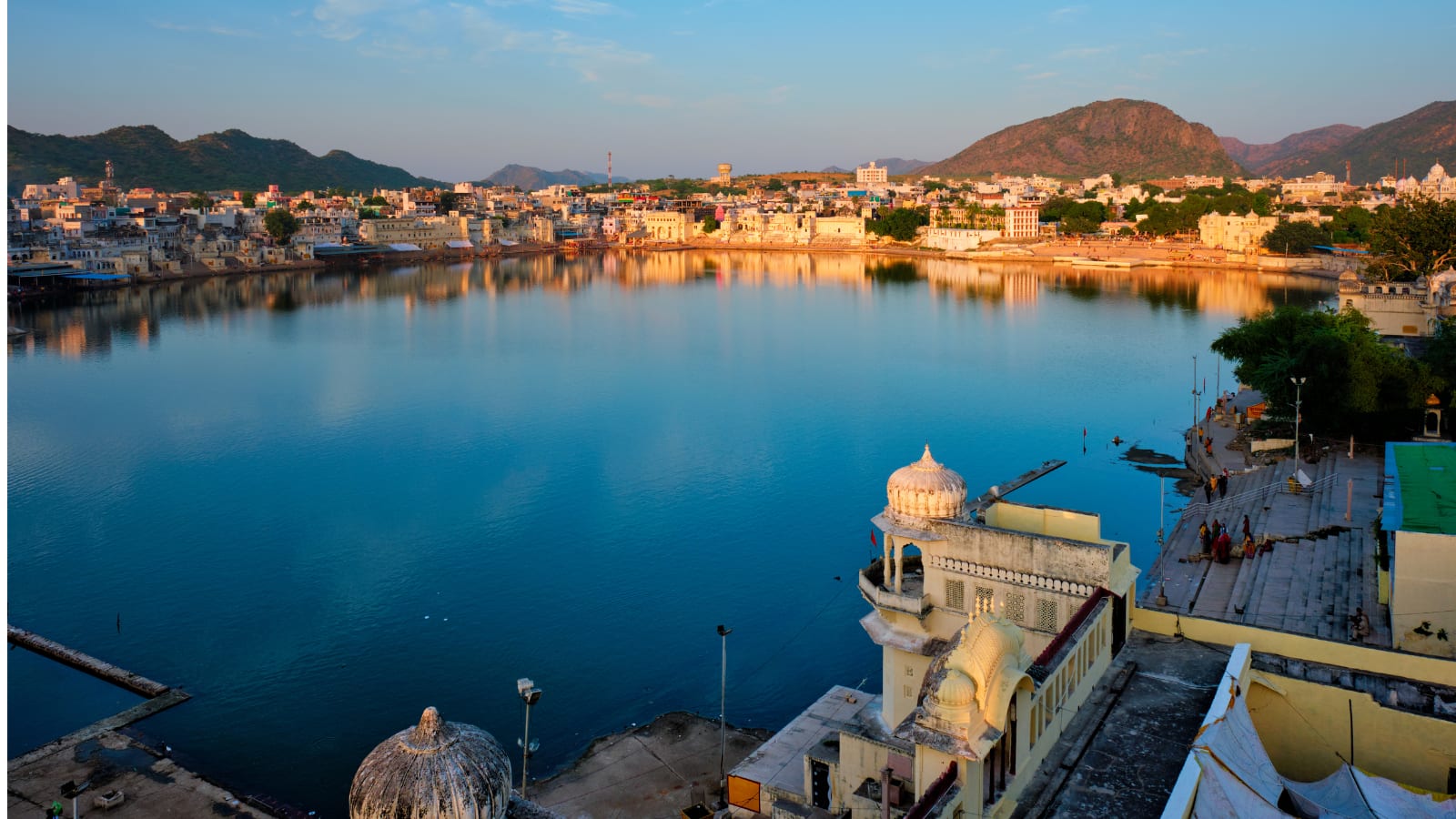
Pushkar, built around a sacred lake, hosts one of the world’s largest camel fairs each November. Even outside festival time, the lakeside ghats and Brahma Temple create a spiritual atmosphere distinct from Rajasthan’s warrior heritage.
Bundi and Bikaner offer the same architectural splendor as their famous neighbors but with a fraction of the crowds. Bundi’s stepwells (baoris) are engineering marvels, while Bikaner’s Junagarh Fort contains some of Rajasthan’s finest interior decoration.
Rajasthani Culture and Cuisine
The state’s folk culture remains vibrant. You’ll encounter turbaned men with handlebar mustaches, women in brilliant saris and heavy silver jewelry, and puppet shows recounting medieval battles. The cuisine—dal baati churma, laal maas, ker sangri—reflects the desert environment with its use of dried ingredients and ghee.
According to Rajasthan Tourism, the forts of Rajasthan stand as examples of rich cultural heritage and breathtaking architecture, with Chittorgarh Fort, Amber Fort, Mehrangarh Fort and Jaisalmer Fort among the many forts to visit.
Travel Logistics – Tourist Destinations In India
Rajasthan’s tourist circuit is well-established. Most visitors fly into Jaipur or Udaipur, then travel overland between cities. Distances are manageable (Jaipur to Jodhpur: 200 miles, Jodhpur to Jaisalmer: 180 miles), and you can hire drivers or take trains. Budget 10-14 days to cover the major cities without rushing.
| City | Main Attractions | Days Needed | Best For |
|---|---|---|---|
| Jaipur | Amber Fort, City Palace, Hawa Mahal | 2-3 | Architecture, shopping |
| Udaipur | Lake Pichola, City Palace | 2-3 | Romance, lakeside relaxation |
| Jodhpur | Mehrangarh Fort, blue old city | 2 | Photography, fort exploration |
| Jaisalmer | Desert fort, sand dunes | 2-3 | Desert experience, camel safari |
| Pushkar | Sacred lake, camel fair | 1-2 | Spirituality, festivals |
Goa: Beaches, Portuguese Heritage, and Laid-Back Vibes
Kerala Literacy Rate† – Highest in India
95%
National avg: 78%
Exceptional
Goa is India’s smallest state but punches way above its weight in tourism appeal. This 60-mile coastal strip offers something rare in India—a place where you can genuinely relax, where the pace slows down, and where beach culture meets colonial charm.
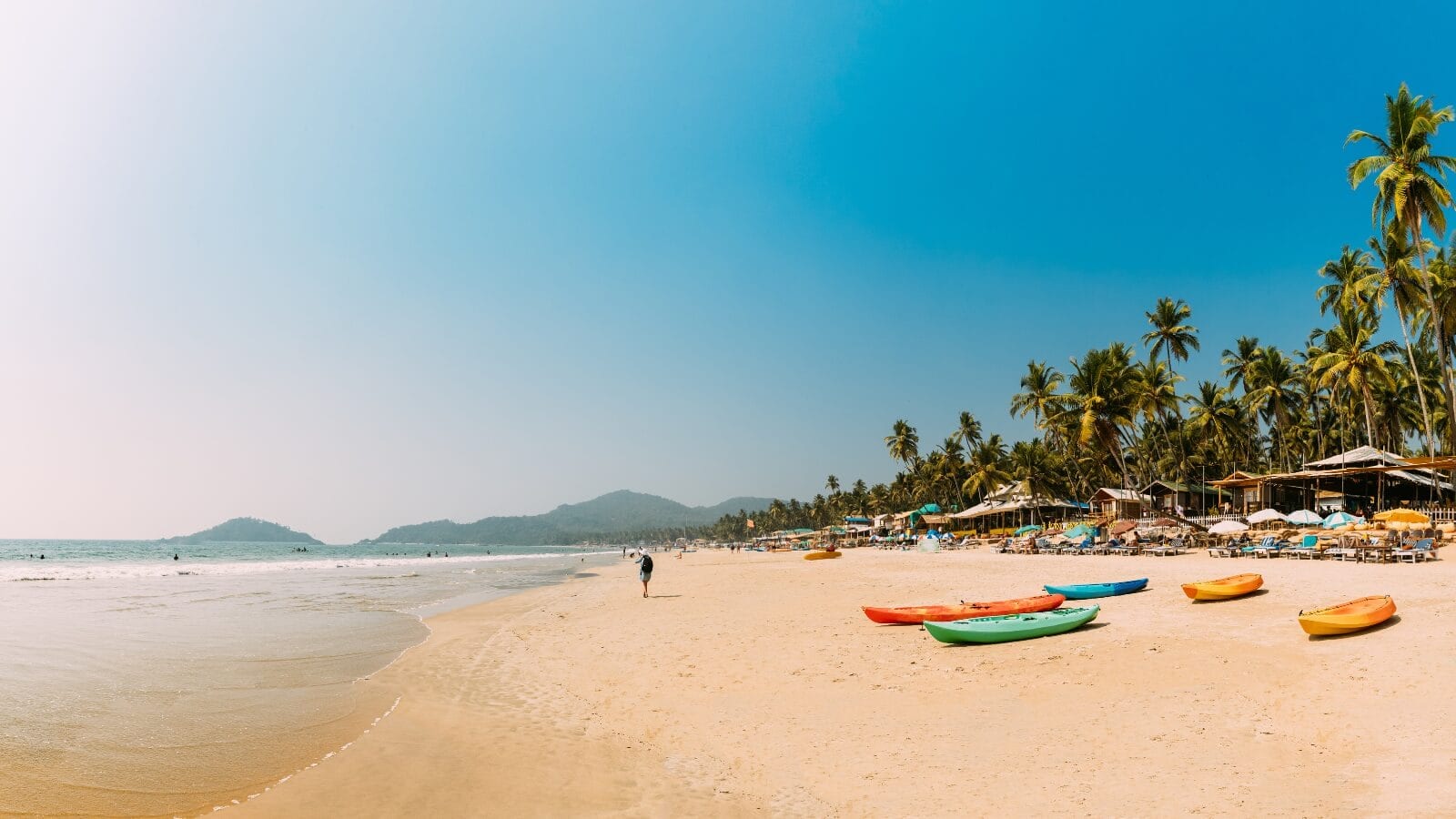
The beaches divide into two personalities. North Goa (Baga, Calangute, Anjuna) brings party energy—beach shacks serving cold beer, water sports, flea markets, and nightlife that runs until dawn. South Goa (Palolem, Agonda, Patnem) offers quieter stretches with swaying palms, yoga retreats, and a more chilled vibe perfect for unwinding.
Goa’s beaches cover about 125 kilometres (78 miles) of its coastline, divided into North and South Goa. According to Goa Tourism, the state attracts millions of visitors annually seeking its unique blend of beach culture and Portuguese heritage.
But Goa isn’t just beaches. Old Goa preserves stunning Portuguese colonial architecture, including the Basilica of Bom Jesus (housing St. Francis Xavier’s remains) and Se Cathedral, both UNESCO World Heritage sites. The whitewashed churches and baroque facades feel transplanted from Lisbon.
Panjim (Panaji), the capital, rewards wandering with its Latin Quarter (Fontainhas), where colorful Portuguese-style houses line narrow streets, and riverside promenades offer sunset views over the Mandovi River.
Goan Culture and Cuisine
Four centuries of Portuguese rule created a unique culture. You’ll hear Konkani mixed with Portuguese phrases, see Catholic churches alongside Hindu temples, and taste cuisine that blends Indian spices with Portuguese techniques. Vindaloo originated here (from Portuguese “vinho de alho”), and seafood dominates menus—try fish curry rice, prawn balchão, or bebinca (a layered dessert).
When to Visit Goa
The tourist season runs November through February, when the weather is perfect (70-85°F, low humidity) but beaches get crowded and prices peak. Monsoon season (June-September) brings heavy rains that shut down many beach shacks, but the landscape turns emerald green and waterfalls come alive. Shoulder months (October, March-May) offer better deals with acceptable weather.
Getting There and Around
Goa’s international airport (Dabolim) connects to major Indian cities and some international destinations. Once there, you can rent scooters (the local favorite), hire taxis, or use app-based rides. The state is small enough that you can stay in one area and explore on day trips.
Insider Knowledge
Goa attracts over 10 million tourists annually, with domestic visitors outnumbering international tourists significantly, especially during the December-January peak.
Varanasi: India’s Spiritual Heart
Varanasi hits you like nowhere else in India. This city on the Ganges river in northern India has a central place in Hindu traditions of pilgrimage, death, and mourning, and is one of the world’s oldest continually inhabited cities, according to historical records.
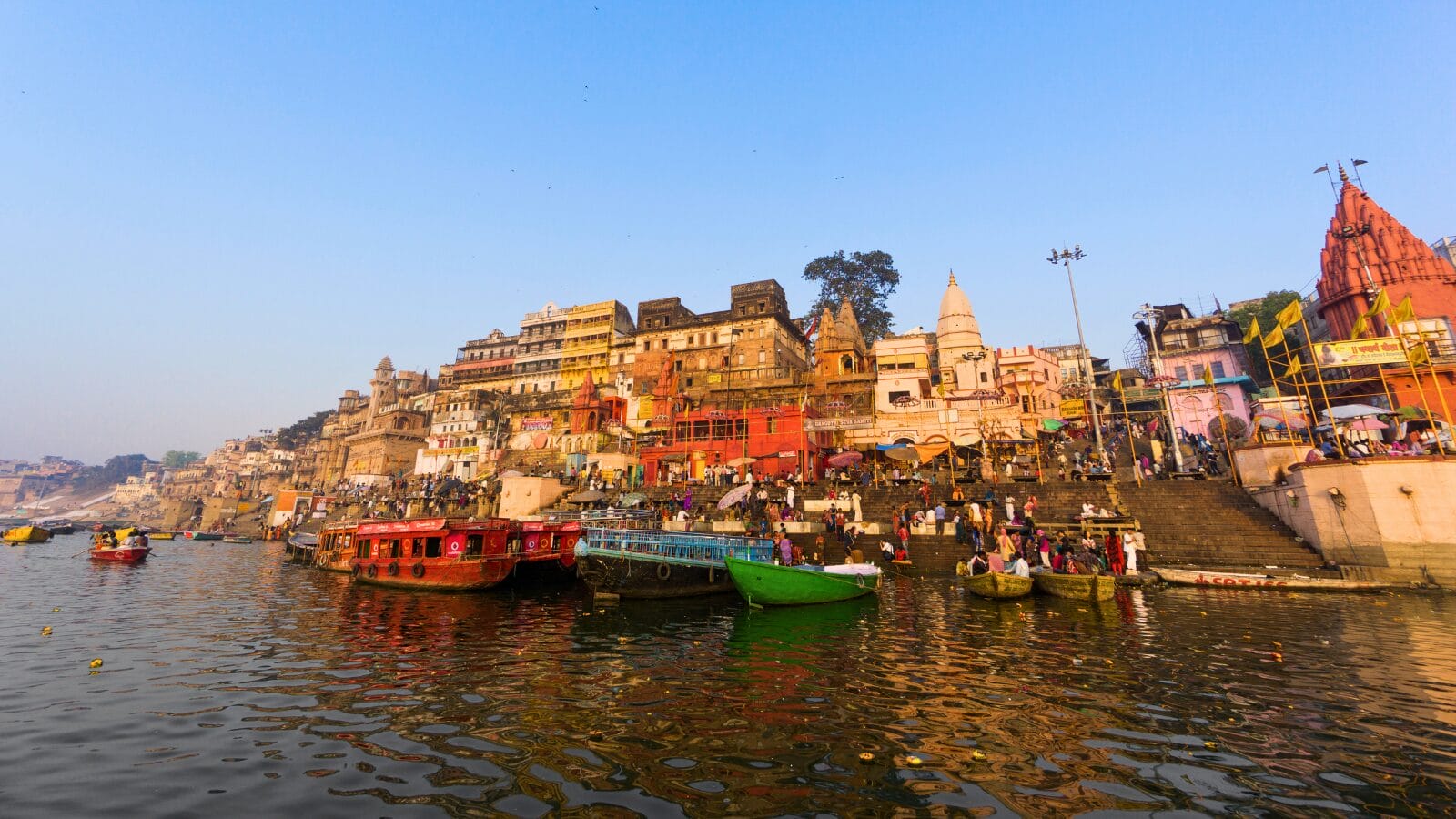
The Ganges ghats form Varanasi’s soul. At Dashashwamedh Ghat, you’ll witness the nightly Ganga Aarti, a fire ceremony involving priests, bells, incense, and flames that’s both mesmerizing and overwhelming. Thousands gather as the sun sets, creating an atmosphere charged with devotion.
Manikarnika Ghat is the main cremation site, where bodies burn 24/7. Hindus believe dying in Varanasi and having your ashes scattered in the Ganges breaks the cycle of reincarnation. It’s intense, confronting, and utterly unlike anything you’ve experienced—but it’s also deeply meaningful if you approach it with respect.
A sunrise boat ride on the Ganges reveals the city at its most magical. You’ll glide past 84 ghats as pilgrims perform morning rituals—bathing, praying, doing yoga, washing clothes. The golden light, the bells, the chanting create a sensory experience that stays with you.
Beyond the Ghats
The Kashi Vishwanath Temple, dedicated to Shiva, is one of India’s most revered shrines. Non-Hindus can’t enter the inner sanctum, but the surrounding lanes buzz with religious energy and vendors selling offerings.
Sarnath, just 10 km away, is where Buddha preached his first sermon after enlightenment. The Dhamek Stupa and archaeological museum offer a peaceful Buddhist counterpoint to Varanasi’s Hindu intensity.
Navigating the Chaos
Varanasi is chaotic, crowded, and can be overwhelming. The old city’s lanes are too narrow for cars, so you’ll walk (and get lost—embrace it). Touts and scam artists operate around the ghats, so hire a reputable guide or do your research beforehand.
When to Go – Tourist Destinations In India
October through March offers the best weather (60-80°F). Avoid summer (April-June) when temperatures exceed 110°F and the monsoon (July-September) when the Ganges floods. Dev Deepawali (November full moon) sees the ghats illuminated with thousands of clay lamps—spectacular but extremely crowded.
How Long to Stay
Most travelers spend 2-3 days in Varanasi. That’s enough for a boat ride, exploring the ghats, attending the aarti, and visiting Sarnath. Longer stays let you dig deeper into the spiritual practices, take music or yoga classes, or simply sit and absorb the atmosphere.
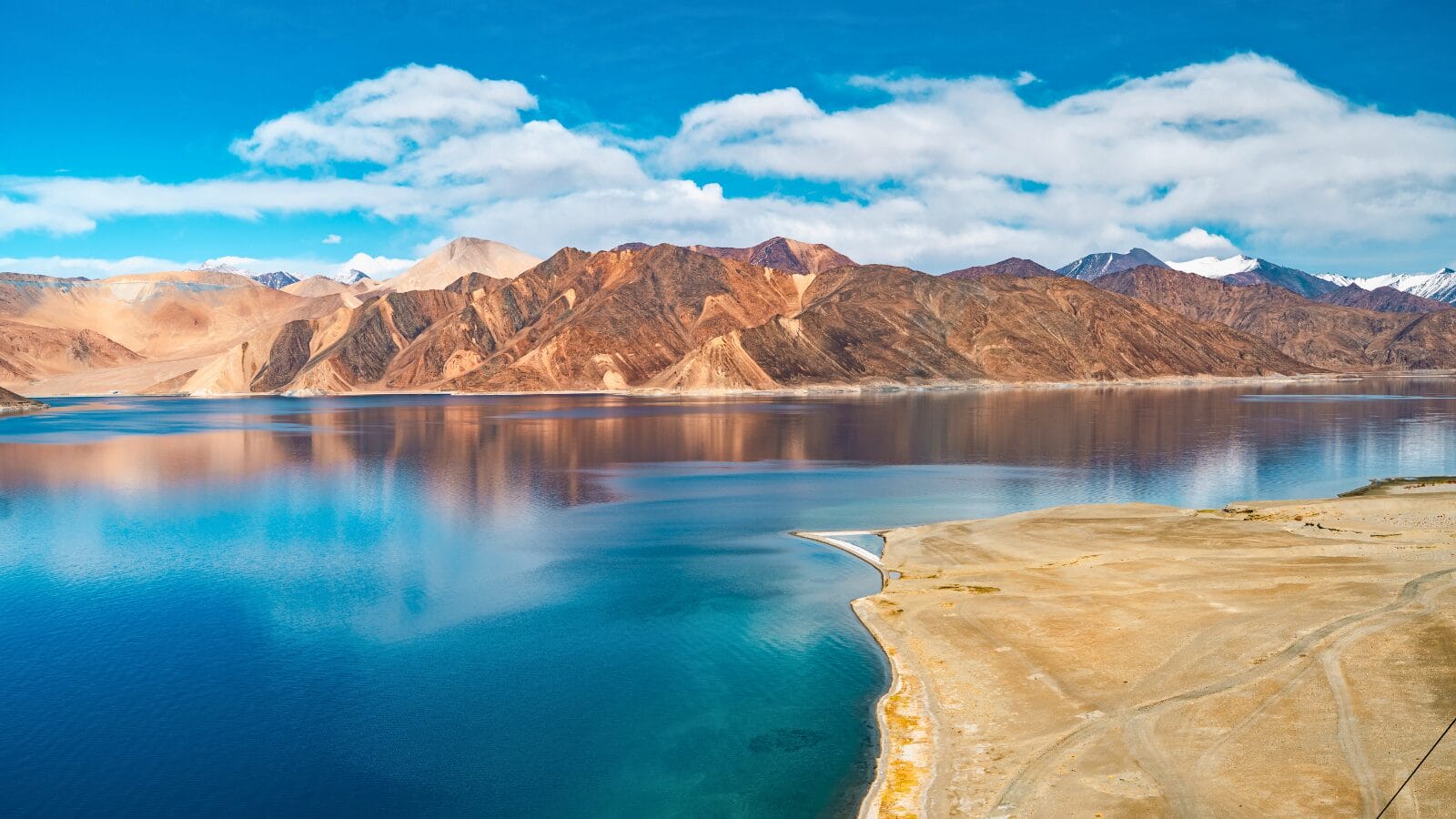
The Himalayas: Mountains, Monasteries, and Adventure
Altitude Warning
Leh sits at 3,500m – altitude sickness is real
Spend 2-3 days acclimatizing before heading higher. Consider Diamox but ascend slowly.danger: Altitude Warning – Leh sits at 3,500m – altitude sickness is real
India’s northern border is defined by the Himalayas, offering everything from trekking and mountaineering to Buddhist culture and colonial hill stations. The range stretches across several states, each with distinct character.
Ladakh, often called “Little Tibet,” sits in the rain shadow at high altitude. Leh, the main city, is situated at 3500m above sea level, with altitude ranging from 2750m at Kargil to 7672m at Saser Kangri in the Karakoram. The stark, high-altitude desert landscape—brown mountains, turquoise lakes, white stupas—creates otherworldly beauty. Leh serves as the base for exploring Nubra Valley (sand dunes at 10,000 feet with double-humped camels), Pangong Lake (that impossibly blue lake from “3 Idiots”), and ancient Buddhist monasteries like Thiksey and Hemis.
The Leh-Manali Highway ranks among the world’s most spectacular road trips, crossing four high-altitude passes with the highest, Tanglang La, reaching over 17,400 feet. You’ll need 2-3 days and a strong stomach for the journey.
Himachal Pradesh offers more accessible mountain experiences. Manali serves adventure seekers with trekking, paragliding, and river rafting, while Shimla preserves colonial-era charm with its Mall Road and toy train. Dharamshala and McLeod Ganj, home to the Dalai Lama and the Tibetan government-in-exile, blend Tibetan Buddhist culture with mountain scenery.
Trekking and Adventure
4 highlights
The Himalayas are trekking paradise. Routes range from easy day hikes to serious expeditions:
- Valley of Flowers(Uttarakhand): 3-4 day trek through meadows of wildflowers (July-August)
- Markha Valley(Ladakh): 7-8 day trek through remote villages and high passes
- Triund(Dharamshala): Easy overnight trek with Dhauladhar range views
- Roopkund(Uttarakhand): Challenging 7-8 day trek to the “skeleton lake”
Rishikesh, at the Himalayan foothills, is India’s adventure sports capital and yoga hub. You can raft the Ganges rapids in the morning and attend yoga classes in the evening. The Beatles’ 1968 visit to Maharishi Mahesh Yogi’s ashram (now abandoned but visitable) put Rishikesh on the map.
Practical Considerations – Tourist Destinations In India
Altitude matters. Leh is situated at an altitude of 3500 M above sea level, and it’s recommended to have complete rest on the day of arrival if flying directly to Leh. Acute mountain sickness is real. Spend 2-3 days acclimatizing in Leh before heading higher. Diamox can help, but ascending slowly is key.
Accessibility is seasonal. Ladakh is only accessible June through September when the passes open. Manali-Leh highway operates late May through October. Winter brings heavy snow that closes roads.
Permits are required for certain areas near the Chinese border. Your hotel or tour operator can arrange these, but factor in processing time.
Travel Tip
The Himalayas span five Indian states/territories (Jammu & Kashmir, Ladakh, Himachal Pradesh, Uttarakhand, Sikkim), offering diverse experiences from desert mountains to lush valleys.
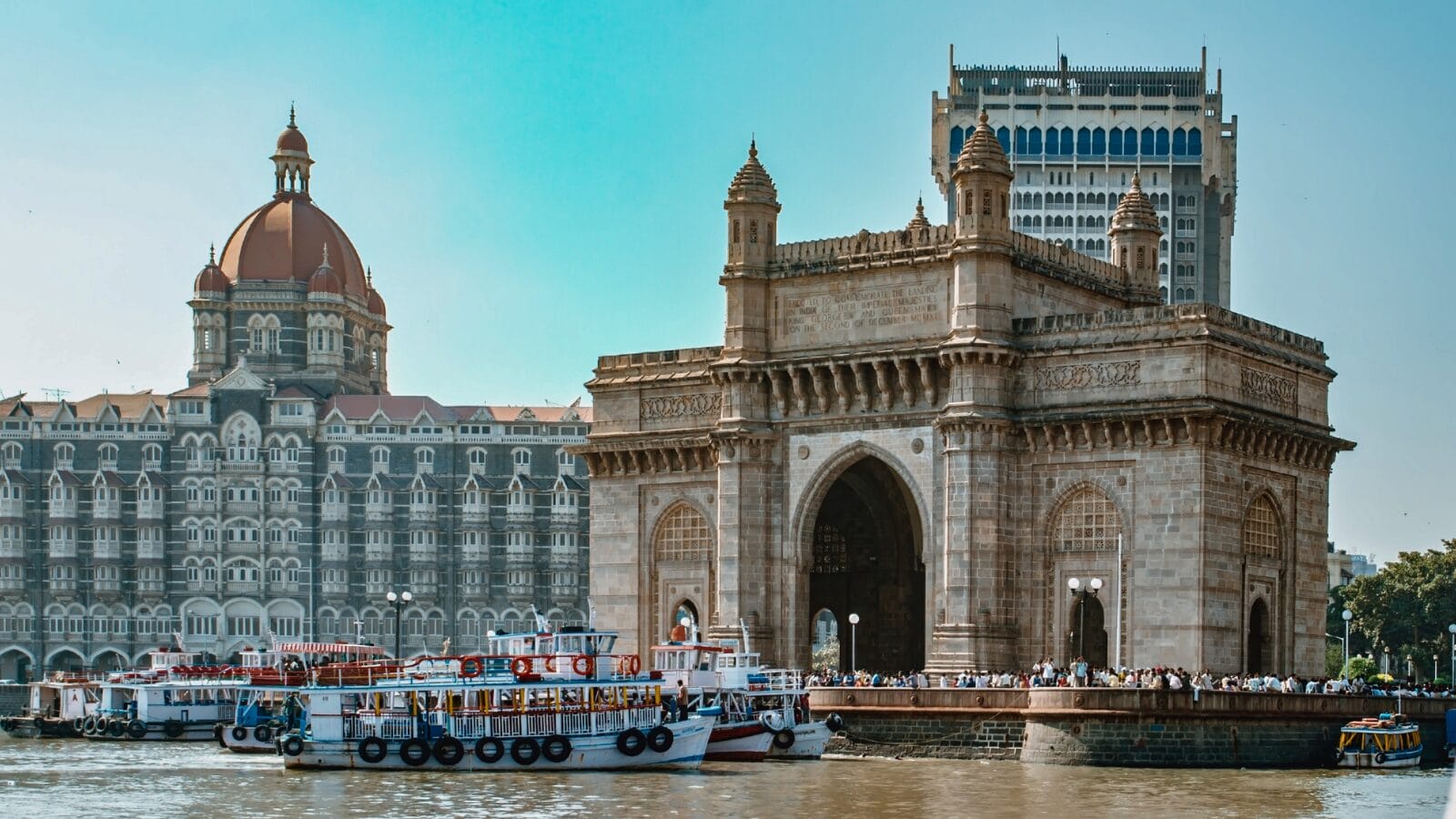
Mumbai: India’s Maximum City
Sacred Belief
Hindus believe dying in Varanasi and having ashes scattered in the Ganges breaks the cycle of reincarnation – making this one of the world’s most sacred cities.
Hindu tradition
Mumbai bombards you with energy, ambition, and contrasts. Capital of the state of Maharashtra this sprawling metropolis of over 22 million is India’s financial capital, Bollywood headquarters, and a city where Art Deco buildings stand beside slums, where street food vendors serve millionaires, and where dreams are chased 24/7.
The Gateway of India, a triumphal arch overlooking the Arabian Sea, serves as the city’s symbolic entrance. Built to commemorate the visit of King George V and Queen Mary to Mumbai in 1911, the foundation stone was laid in 1911, and the monument was completed in 1924, according to Maharashtra Tourism. Built during British rule, it now anchors the Colaba district, where you’ll find the iconic Taj Mahal Palace Hotel (site of the 2008 terrorist attacks and subsequent heroic recovery).
Marine Drive, Mumbai’s seaside promenade, curves along the coast for 2 miles, earning the nickname “Queen’s Necklace” for how its lights outline the bay at night. Join locals for evening walks, watching the sun set over the Arabian Sea while the city’s towers light up behind you.
Dharavi, one of Asia’s largest slums, challenges preconceptions. Reality Tours and other responsible operators offer walks that reveal a thriving community of small industries, recycling operations, and entrepreneurial spirit—not poverty tourism, but a glimpse into how 1 million people create livelihoods in challenging conditions.
Culture and Entertainment
Bollywood produces more films annually than Hollywood. You can tour Film City in the suburbs, catch a movie at an old cinema like Regal or Eros, or try to spot a film shoot (they happen constantly on Mumbai streets).
The Elephanta Caves, a UNESCO World Heritage site on an island in Mumbai Harbor, house 5th-7th century rock-cut temples dedicated to Shiva. The 1-hour ferry ride and cave exploration make a good half-day trip.
Chhatrapati Shivaji Terminus (formerly Victoria Terminus) is a functioning railway station that’s also a Victorian Gothic masterpiece and UNESCO site. Over 3 million commuters pass through daily—it’s chaos and architecture combined.
Mumbai’s Food Scene
Mumbai’s street food deserves its own pilgrimage. Vada pav (spiced potato fritter in a bun), pav bhaji (vegetable curry with buttered bread), bhel puri (puffed rice salad), and sev puri (crispy crackers with toppings) are Mumbai inventions. Hit Chowpatty Beach or Mohammed Ali Road (during Ramadan) for the full experience.
For upscale dining, Mumbai rivals any world city, with restaurants from celebrity chefs and innovative Indian cuisine that’s redefining the genre.
Navigating Mumbai
The local train system is Mumbai’s lifeline, moving 7.5 million people daily. It’s crowded (understatement), but it’s also the fastest way across the city during rush hour. First-timers should stick to non-peak hours or use app-based cabs.
Mumbai spreads along a peninsula, with South Mumbai (Colaba, Fort, Marine Drive) holding most tourist sights. The suburbs (Bandra, Juhu) offer beaches, nightlife, and a more residential feel.
How Long in Mumbai
2-3 days covers the main sights and gives you a taste of the city’s energy. Longer stays let you explore neighborhoods like Bandra (trendy cafes and street art), Kala Ghoda (art galleries and boutiques), or catch live music and theater.
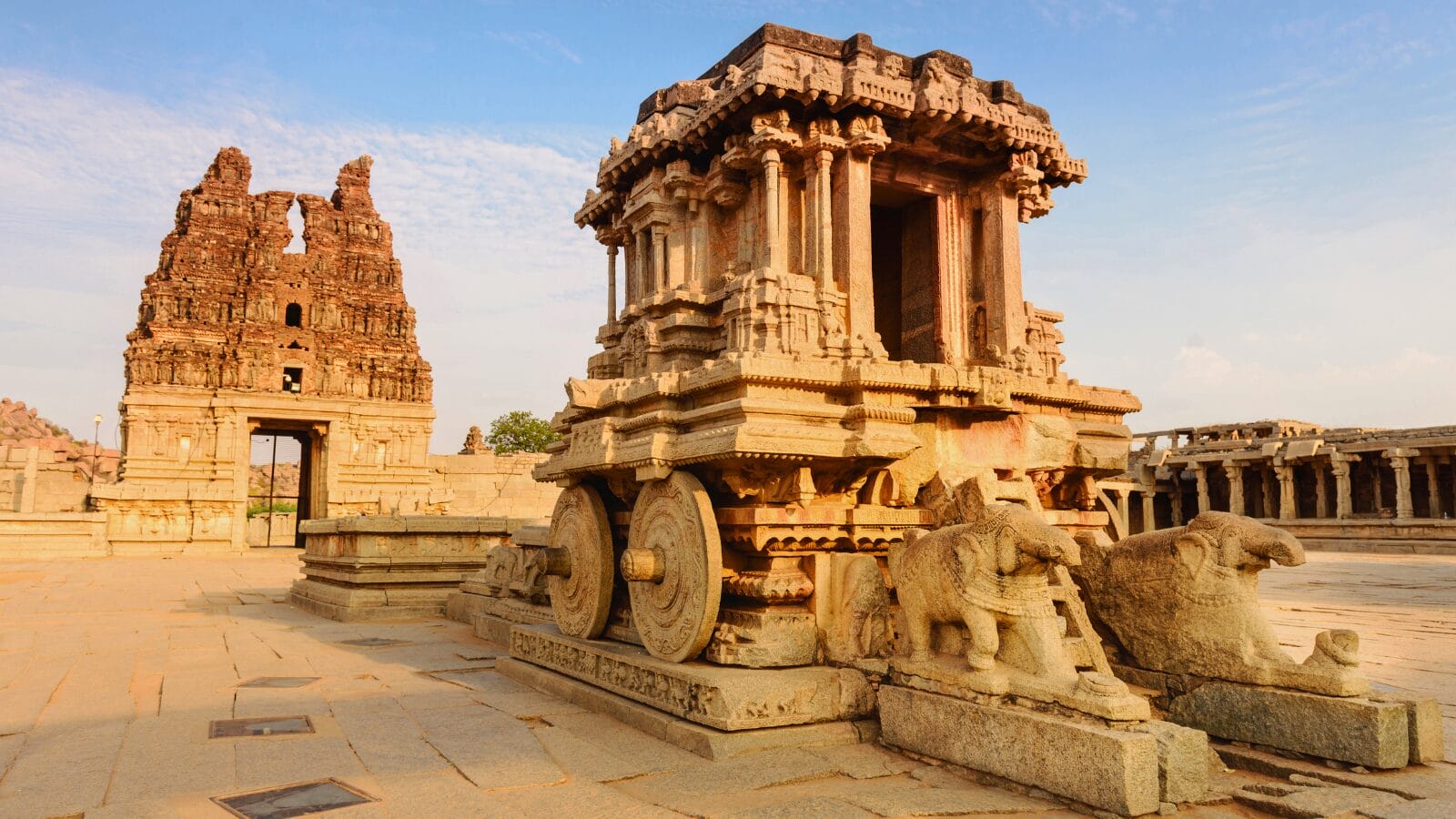
Hampi: Ruins of an Empire
Golden Temple Essentials
5 essentials
- Remove shoes before entering complex
- Cover your head with scarf or cloth
- Visit at different times for varied experiences
- Participate in Langar community meal
- Free accommodation available in dormitories
Hampi transports you to the 14th-16th century Vijayanagara Empire, when this was one of the world’s largest and wealthiest cities. Today, it’s a surreal landscape of boulder-strewn hills dotted with temple ruins, royal structures, and archaeological treasures spread across 16 square miles.
According to UNESCO, Hampi was the last capital of the last great Hindu Kingdom of Vijayanagar, whose fabulously rich princes built Dravidian temples and palaces that won the admiration of travellers between the 14th and 16th centuries, before being conquered by the Deccan Muslim confederacy in 1565 and pillaged over six months.
The Virupaksha Temple, still active after 700+ years, anchors the sacred center. Its 160-foot gopuram (tower) dominates the skyline, and the temple elephant blesses visitors for a small donation. The complex reveals the architectural sophistication that made Vijayanagara legendary.
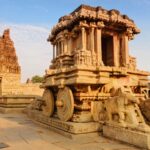
Vittala Temple showcases the empire’s artistic peak. The stone chariot (a shrine dedicated to Garuda) has become Hampi’s icon, while the musical pillars produce different notes when tapped. The intricate carvings—dancers, musicians, mythological scenes—demonstrate craftsmanship that seems impossible in stone.
The Royal Enclosure preserves the empire’s administrative heart. The Lotus Mahal blends Hindu and Islamic architecture, the Elephant Stables could house 11 royal elephants, and the stepped tank (Pushkarni) shows advanced water management.
The Landscape
Hampi’s setting is as remarkable as its ruins. Giant boulders balance impossibly on hillsides, creating a landscape that looks sculpted by giants. Climbing Matanga Hill for sunrise or Hemakuta Hill for sunset rewards you with views over the ruins and the Tungabhadra River snaking through the boulders.
The Tungabhadra River divides Hampi, with the ruins on one side and the village/hippie scene on the other. You can cross by coracle (round basket boats) or walk across during dry season.
Exploring Hampi – Tourist Destinations In India
You’ll need 2-3 days minimum to see the major sites without rushing. Rent a bicycle or scooter to cover the distances between temple clusters. The terrain is rocky and uneven, so wear sturdy shoes.
Sunrise and sunset transform the ruins with golden light that brings the stone to life. The midday heat (often 95-100°F+) makes exploring uncomfortable, so plan temple visits for early morning or late afternoon.
Getting There
Hampi lies in northern Karnataka, about 220 miles from Bangalore. Overnight buses or trains to Hospet (8 miles away) are the most common approach, though the journey is long (6-8 hours from Bangalore). Some travelers fly to Hubli (100 miles away) to shorten the trip.
Travel Facts
Hampi’s ruins span over 4,100 hectares and include more than 1,600 surviving monuments, making it one of the largest medieval-era archaeological sites in India.
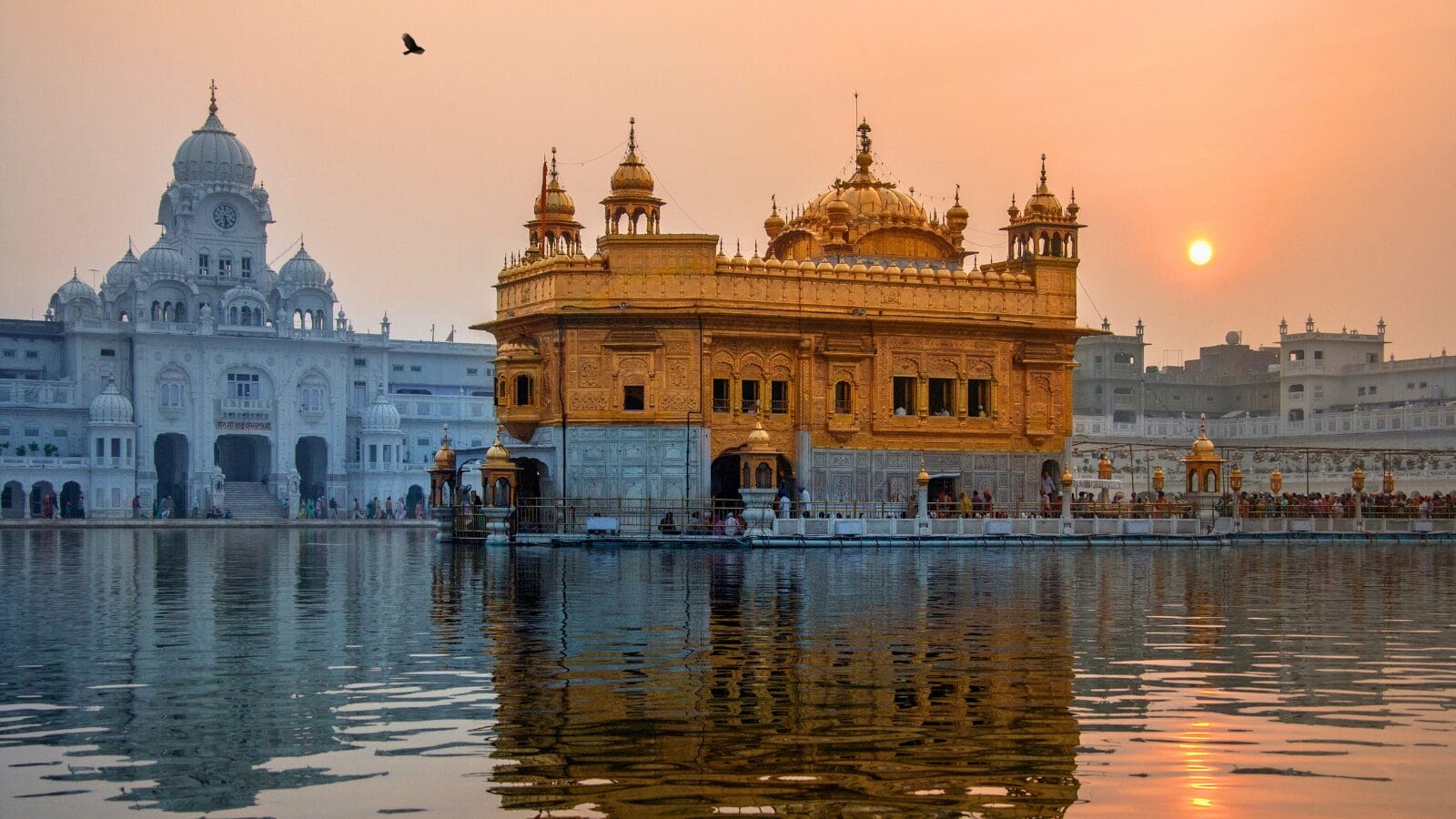
Amritsar and the Golden Temple
Amritsar centers on one of the world’s most beautiful religious sites—the Golden Temple (Harmandir Sahib), Sikhism’s holiest shrine. The gold-plated temple seems to float on the sacred pool (Amrit Sarovar), its reflection doubling the visual impact, especially when illuminated at night.
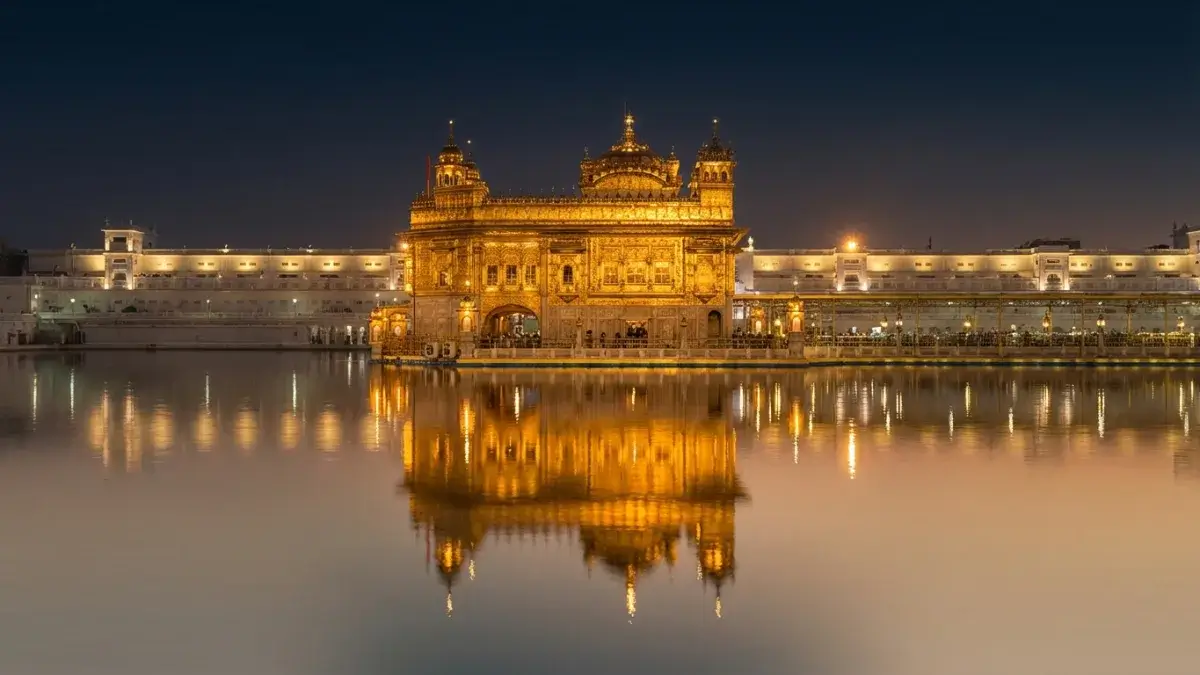
The temple welcomes everyone regardless of religion, caste, or background—a core Sikh principle. You’ll remove your shoes, cover your head, and walk the marble causeway to the central shrine, where priests conduct continuous prayers and the Guru Granth Sahib (holy book) is read.
The Langar (community kitchen) serves free meals to 100,000+ people daily, making it possibly the world’s largest free kitchen. Volunteers prepare, serve, and clean up in a remarkable display of selfless service (seva). You’re welcome to eat and encouraged to volunteer—washing dishes or rolling chapatis alongside pilgrims is a humbling experience.
The Wagah Border Ceremony
The Wagah Border, 18 miles from Amritsar, hosts a daily flag-lowering ceremony that’s part military drill, part theatrical performance, part nationalist rally. Indian and Pakistani border guards engage in synchronized high-stepping, gate-slamming, and flag-folding that draws massive crowds on both sides. It’s bizarre, entertaining, and offers insight into India-Pakistan relations.
Partition History
The Partition Museum documents the 1947 division of British India into India and Pakistan—a traumatic event that displaced 10-15 million people and killed an estimated 1-2 million. The museum presents personal stories, photographs, and artifacts that bring this history to life in ways textbooks can’t.
Jallianwala Bagh, a public garden, preserves the site of the 1919 massacre when British troops fired on unarmed civilians, killing several hundred. Bullet holes still mark the walls, and the memorial honors those who died in this pivotal moment in India’s independence struggle.
Practical Tips For Tourist Destinations In India
The Golden Temple is open 24/7, and visiting at different times offers different experiences. Early morning (4-6 AM) brings fewer crowds and a peaceful atmosphere. Evening (6-8 PM) showcases the illumination. Night visits (10 PM-midnight) offer a unique perspective.
The complex provides free accommodation in basic dormitories for pilgrims—an option if you’re on a tight budget and don’t mind shared facilities.
Amritsar is easily reached by train or flight from Delhi (250 miles). Two days suffices for the main sights, though the Golden Temple alone could occupy you for longer.
Gokarna: Beaches Without the Goa Crowds
Gokarna offers what Goa provided 20-30 years ago—pristine beaches, a relaxed vibe, and a backpacker-friendly scene without the overdevelopment and party excess. This small temple town in Karnataka blends Hindu pilgrimage sites with some of South India’s best beaches.
Om Beach, shaped like the sacred Om symbol, is the most popular and developed. Beach shacks serve fresh seafood and cold beer, while the gentle waves suit swimming. You can rent kayaks to explore the rocky coves or simply hang in a hammock with a book.
Kudle Beach offers a longer stretch of sand with a more chilled atmosphere. The beach is backed by hills covered in coconut palms, and the sunsets are spectacular. Development is limited to small guesthouses and shack restaurants.
Half Moon Beach and Paradise Beach are only accessible by foot (20-30 minute hikes over rocky headlands) or boat, which keeps crowds minimal. Paradise Beach lives up to its name with clean sand, clear water, and basic shacks for food and overnight stays.
The Temple Town
Gokarna’s Mahabaleshwar Temple, dedicated to Shiva, draws Hindu pilgrims year-round. Non-Hindus can’t enter the main shrine, but the temple tank and surrounding streets offer a glimpse into religious life. The contrast between devout pilgrims and beach-bound backpackers creates Gokarna’s unique character.
Yoga and Wellness
Gokarna has developed a yoga and wellness scene without the commercialization of some beach destinations. Small studios and guesthouses offer classes, and several retreat centers provide multi-day programs combining yoga, meditation, and Ayurvedic treatments.
When to Visit
October through March provides the best beach weather (75-85°F, low humidity). The monsoon (June-September) brings heavy rains that make beach activities impossible, though the landscape turns lush green. April-May gets hot (90-95°F) but sees fewer tourists and lower prices.
Getting There
Gokarna lies between Goa (90 miles north) and Mangalore (150 miles south). The nearest railway station is Gokarna Road (6 miles away), connected to major cities. Buses run from Goa, Bangalore, and other Karnataka cities. Many travelers combine Gokarna with Goa or Hampi in a Karnataka coastal-interior loop.
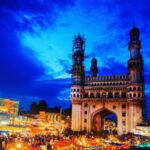
Looking for new places to explore in India? Why not check out Hyderabad, long known a the Indian equivalent of Silicon valley, but there is much more than that to see in this incredibly diverse city!
Khajuraho: Temples of Erotic Art – Tourist Destinations In India
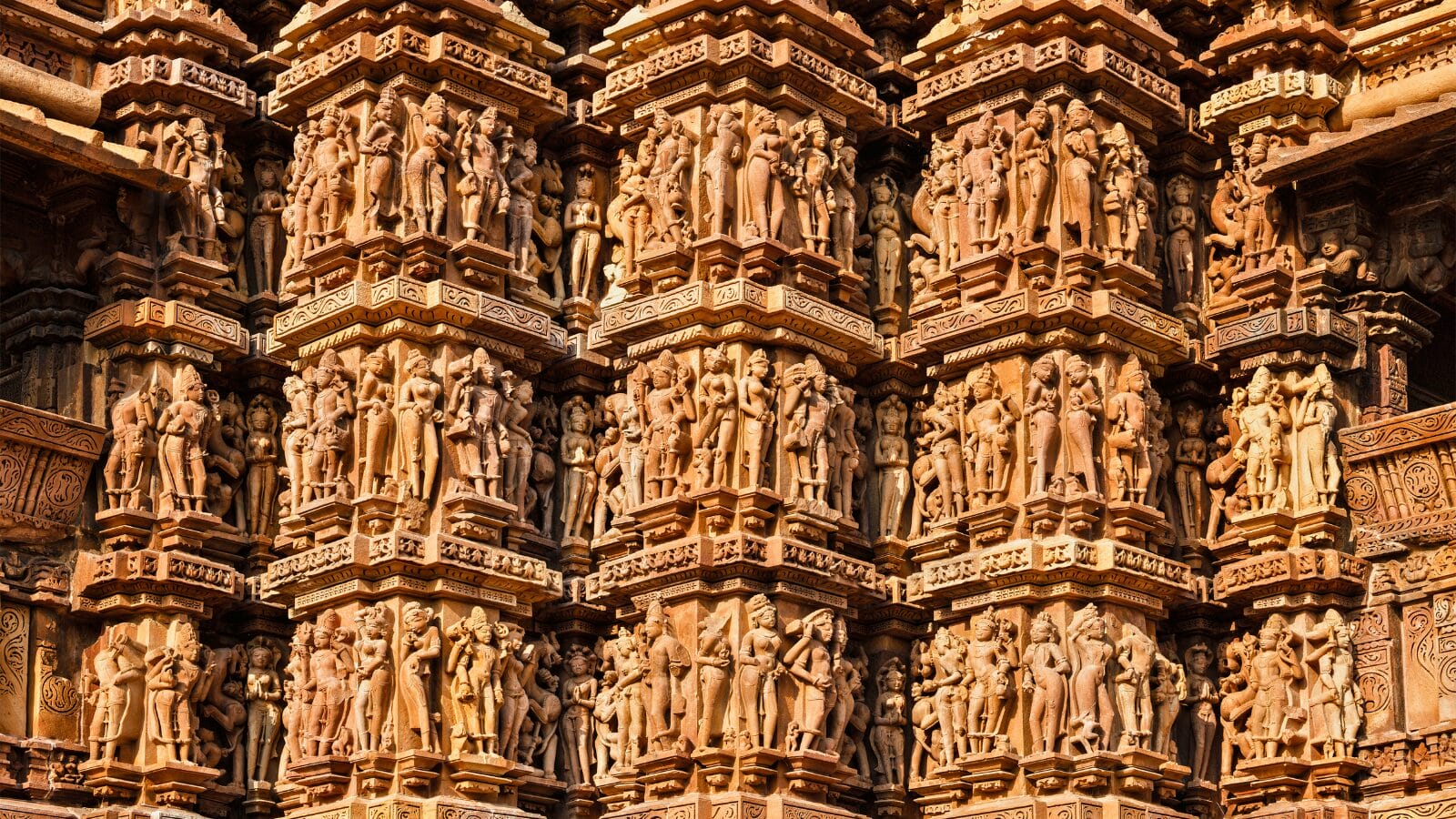
Khajuraho’s temples are famous for their erotic sculptures—explicit carvings of couples in various sexual positions that cover portions of the temple exteriors. But reducing Khajuraho to “those sex temples” misses the artistic mastery and spiritual significance of these 10th-11th century monuments.
The Western Group contains the most impressive temples, including Kandariya Mahadeva, the largest and most ornate. The temple rises in tiers to a 100-foot peak, with every surface covered in intricate carvings—gods, goddesses, celestial beings, animals, and yes, erotic scenes that represent perhaps 10% of the total sculpture.
The erotic carvings celebrate kama (desire) as one of life’s legitimate pursuits in Hindu philosophy. They’re also remarkably detailed and artistic—not crude but sophisticated in their execution. The juxtaposition of spiritual and sensual reflects a worldview that didn’t separate the sacred and the physical.
Beyond the Erotica
The non-erotic sculptures deserve equal attention. The apsaras (celestial nymphs) are masterpieces of grace and beauty. The depictions of daily life—musicians, dancers, warriors, women applying makeup—provide insight into 11th-century court life. The mythological scenes illustrate Hindu epics with dramatic flair.
The Eastern Group includes Jain temples with equally impressive (though non-erotic) sculpture. The Southern Group is less visited but offers temples in more natural settings.
Sound and Light Show
The nightly sound and light show at the Western Group temples narrates Khajuraho’s history against the illuminated monuments. It’s well-produced and provides context that enhances temple visits.
Practical Information – Tourist Destinations In India
Khajuraho is relatively isolated in Madhya Pradesh, which has kept crowds manageable. You can fly from Delhi, Varanasi, or Agra, or take overnight trains/buses from major cities. One full day covers the main temple groups, though two days allow for a more relaxed pace and exploring the surrounding countryside.
The temples are UNESCO World Heritage sites, and the complex is well-maintained with good facilities. Guides are available and recommended—they’ll explain the symbolism and stories behind the carvings.
Of the original 85 temples built by the Chandela dynasty, only 25 survive today, but these represent some of medieval India’s finest architectural and sculptural achievements.
Top Tourist Destinations In India FAQ
Which is the most visited tourist place in India?
The Taj Mahal is the most visited attraction in India with 369,600 international visitors in 2022, an iconic white marble mausoleum in Agra built by Emperor Shah Jahan for his wife Mumtaz Mahal. For 2026, Prayagraj has seen record-breaking numbers due to the Maha Kumbh Mela, while Agra and Goa remain perennial top-tier destinations. Plan your visit during sunrise or sunset to witness the monument’s ethereal glow.
What are the 10 best places to visit in India?
India’s top destinations offer incredible diversity for every traveler. The best places to visit in India in 2026 include Agra, Delhi, Jaipur, Kashmir, Kerala, Udaipur, and Goa. These destinations showcase a perfect mix of history, culture, and natural beauty. For 2026, the most searched destinations are Spiti Valley, Kashmir, Sikkim, Coorg, Andaman, and Goa. Consider exploring the Golden Triangle circuit (Delhi-Agra-Jaipur) for your first trip to experience India’s rich heritage
What is the number one tourist place in India?
Agra reigns supreme in the list of famous tourist places in India as it homes the world’s most beautiful monument, Taj Mahal. This white marvel was declared a winner of the New 7 Wonders of the World initiative in 2007. Beyond the Taj Mahal, Agra offers other magnificent monuments like Agra Fort and Fatehpur Sikri. Delhi is the capital city of India and the most visited by tourists as it is the first destination which tourists visit ever. Both cities offer unforgettable experiences that define India’s cultural legacy.
What country is most visited by Indians ?
Thailand is the most favourite holiday destination for Indians and the whole Southeast Asia, for its beaches, cities, and culture. Thailand offers visa-free entry for Indians for up to 60 days, and the best time to visit is between November and April. Other popular destinations for Indian travelers include the UAE, Maldives, Malaysia, and Singapore. Europe continues to be a favourite destination for Indian travellers in 2026, with countries like France, Switzerland, and Italy offering rich history and breathtaking landscapes. Choose based on your budget, travel style, and visa convenience.
When is the best time to visit India’s top tourist destinations?
The most popular travel season is from October to March, when the weather is pleasant and comfortable for sightseeing, making winter the perfect time to explore Delhi, Agra, Jaipur, and other northern destinations. However, timing varies by region—Kashmir and Himachal Pradesh shine during summer months, while Kerala’s backwaters are magical year-round. For 2026, Kashmir’s tulip season peaks in late March-April, while Sikkim’s rhododendron season peaks in April. Research your specific destination’s climate to maximize your experience.
How much does it cost to visit India’s major tourist attractions?
Travel costs in India vary significantly based on your travel style and destinations. Budget travelers can explore comfortably with accommodation, food, and local transport for reasonable amounts, while luxury experiences are available at premium properties. India’s travel and tourism sector contributed ₹20.9 trillion (US $249.3 billion) to GDP in 2024, representing 6.6% of the national economy, and supported 46.5 million jobs. Book tours and accommodations early to secure better rates, and consider visiting during shoulder seasons for more affordable options without compromising on experiences.
Is India safe for tourists in 2026?
India is generally safe for tourists, with millions of travelers visiting the country every year to explore its cultural heritage and natural beauty. Major tourist destinations have well-established infrastructure and security measures. Exercise standard travel precautions like keeping valuables secure, using registered transportation, and staying aware of your surroundings. First-time travelers often choose the Golden Triangle Tour because it covers Delhi, Agra, and Jaipur, showcasing India’s history, architecture, and culture. Research your destinations, respect local customs, and you’ll have an enriching and safe journey through incredible India. Many areas are relatively new to tourism and have become popular, such as Hyderabad.