Maharashtra, a vibrant state in western India, offers a rich blend of history, culture, and natural beauty. From the bustling streets of Mumbai to the serene hills of Lonavala, Maharashtra has something for every traveler. Whether you’re seeking ancient forts, pristine beaches, or spiritual retreats, this diverse state promises unforgettable experiences. In this post, we’ll explore some of the best tourist places to visit in Maharashtra that you must see to truly appreciate its charm and heritage.
Mumbai: India‘s City of Dreams and Endless Attractions
Mumbai, Maharashtra’s capital, stands as India’s financial powerhouse and entertainment hub.
You’ll find yourself surrounded by contrasting landscapes where colonial architecture meets modern skyscrapers, and bustling bazaars exist alongside luxury shopping districts.
Mumbai Must See Spots
5 highlights
- Gateway of India and Taj Mahal Palace
- Marine Drive Queen’s Necklace promenade
- Elephanta Caves UNESCO heritage site
- Colaba Causeway shopping district
- Chowpatty Beach street food experience
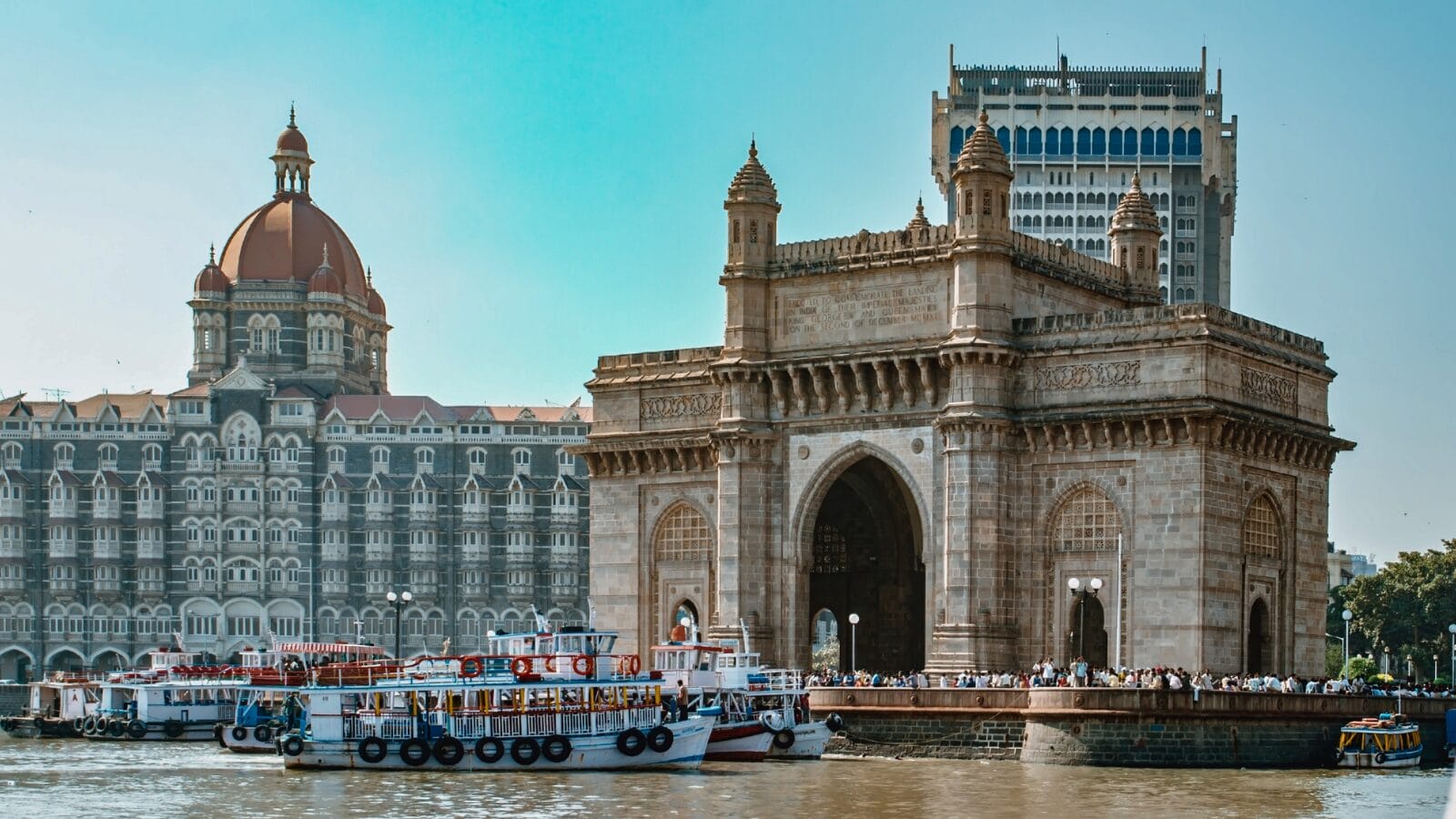
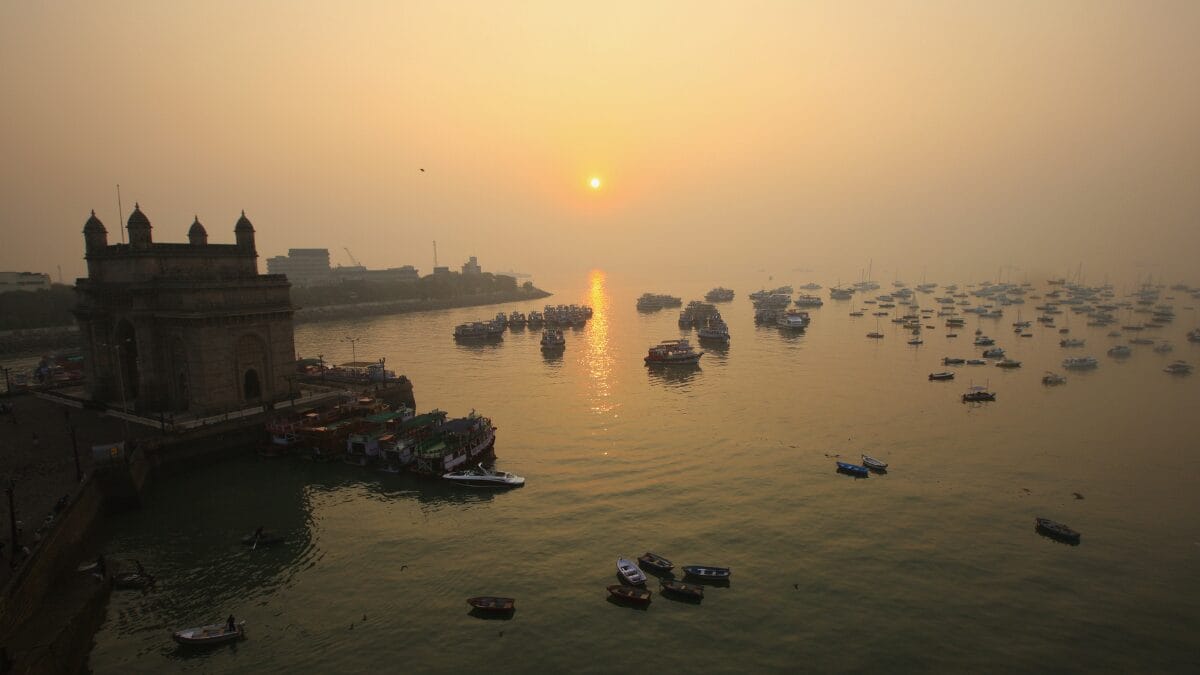
Gateway of India and Colaba Heritage Walk
The Gateway of India, completed in 1924, towers over the Arabian Sea as Mumbai’s most iconic monument. According to Wikipedia, it was erected to commemorate the landing of King George V for his coronation as Emperor of India in December 1911.
You can watch the sun set behind this Indo-Saracenic arch while local vendors sell fresh coconut water and street snacks. Just a short walk away, the Taj Mahal Palace Hotel showcases opulent architecture that survived the 2008 terrorist attacks and remains a symbol of resilience.
Colaba Causeway offers you vibrant shopping experiences with street vendors selling everything from handcrafted jewelry to vintage Bollywood posters. The nearby Kala Ghoda Art District transforms into an open-air gallery during festival season, featuring installations from emerging Indian artists.
Marine Drive and Chowpatty Beach Experience
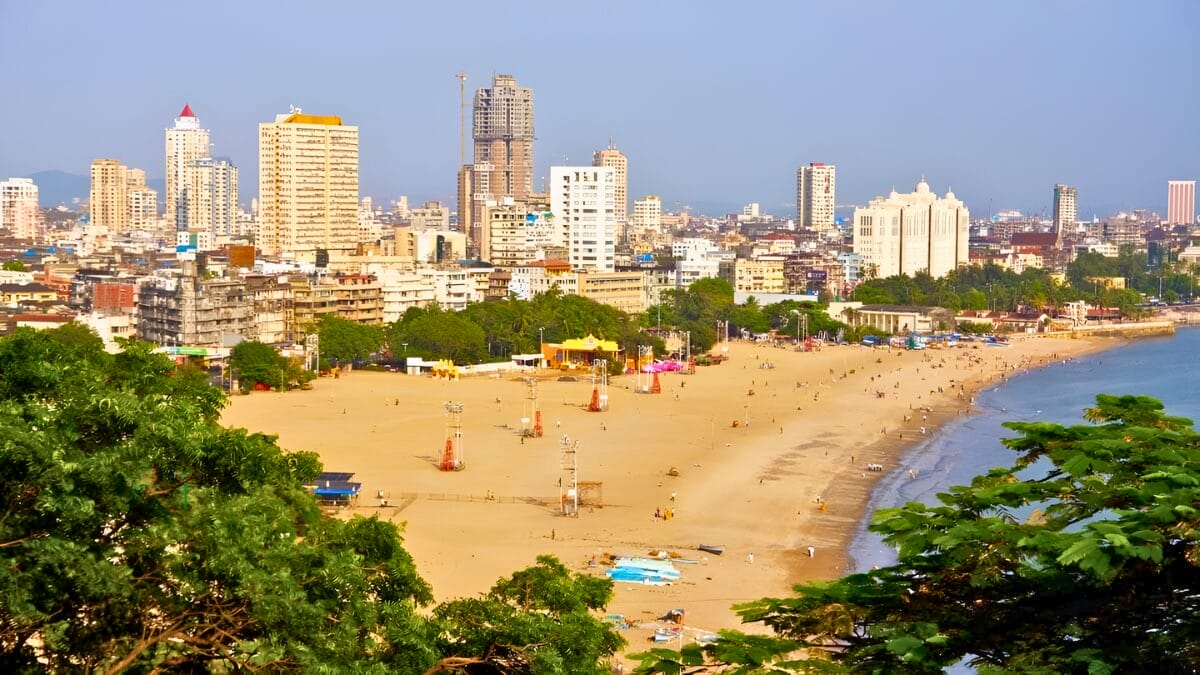
Marine Drive, often referred to as the Queen’s Necklace, is a 3-kilometre-long promenade along the Netaji Subhash Chandra Bose Road, according to official sources. You’ll join locals for evening walks along this promenade, where the sea breeze provides relief from Mumbai’s humidity.
Girgaum Chowpatty Beach at the northern end becomes a food lover’s paradise after sunset.
You can sample authentic Mumbai street food like pav bhaji, bhel puri, and sev puri from vendors who’ve perfected their recipes over generations.
Elephanta Caves UNESCO World Heritage Site
A one-hour ferry ride from the Gateway of India transports you to Elephanta Island, as noted by Mumbai Tourism. The island is home to rock-cut cave temples dating back to the 5th century.
The main cave features a magnificent 20-foot Trimurti sculpture of Lord Shiva that showcases ancient Indian craftsmanship.
You’ll climb approximately 120 steps to reach the caves, passing through markets where local artisans sell stone carvings and miniature replicas. The Portuguese named these caves after discovering a large elephant sculpture near the landing area, though this statue now resides in Mumbai’s Bhau Daji Lad Museum.
Film City and Bollywood Culture
Mumbai’s film industry is one of the world’s largest, producing hundreds of films annually. You can book guided tours through Film City in Goregaon, where massive outdoor sets recreate everything from rural villages to European streets.
These tours let you witness live shooting schedules and understand the technical aspects of Indian cinema production.
Mumbai’s film industry is a major economic sector, employing hundreds of thousands of people and generating significant revenue for Maharashtra’s economy.
2014 Deloitte Touche Tohmatsu India Pvt. Ltd
Pune: The Cultural Capital and Hill Station Gateway
Pune balances its historical significance as the Maratha Empire’s seat of power with its modern identity as India’s education and IT hub.
You’ll discover a city where ancient forts crown hilltops and traditional music schools operate alongside tech campuses.
Ajanta Caves History
Early Period
2nd century BCE initial excavation
Development
Continuous work through 6th century CE
Abandonment
Hidden in jungle for centuries
Rediscovery
Found by Captain Smith in 1819
Shaniwar Wada Fort Complex – Places To Visit In Maharashtra
This 18th-century fortification served as the Peshwa rulers’ residence until a mysterious fire destroyed most structures in 1828. You can explore the remaining foundation, massive gates, and intricate fountains while imagining the grandeur of the original seven-story palace.
The Dilli Darwaza (Delhi Gate) features massive teak doors studded with iron spikes designed to prevent elephant attacks. Evening light and sound shows recreate the fort’s history through dramatic narration and projection mapping technology.
Aga Khan Palace and Gandhi Connection
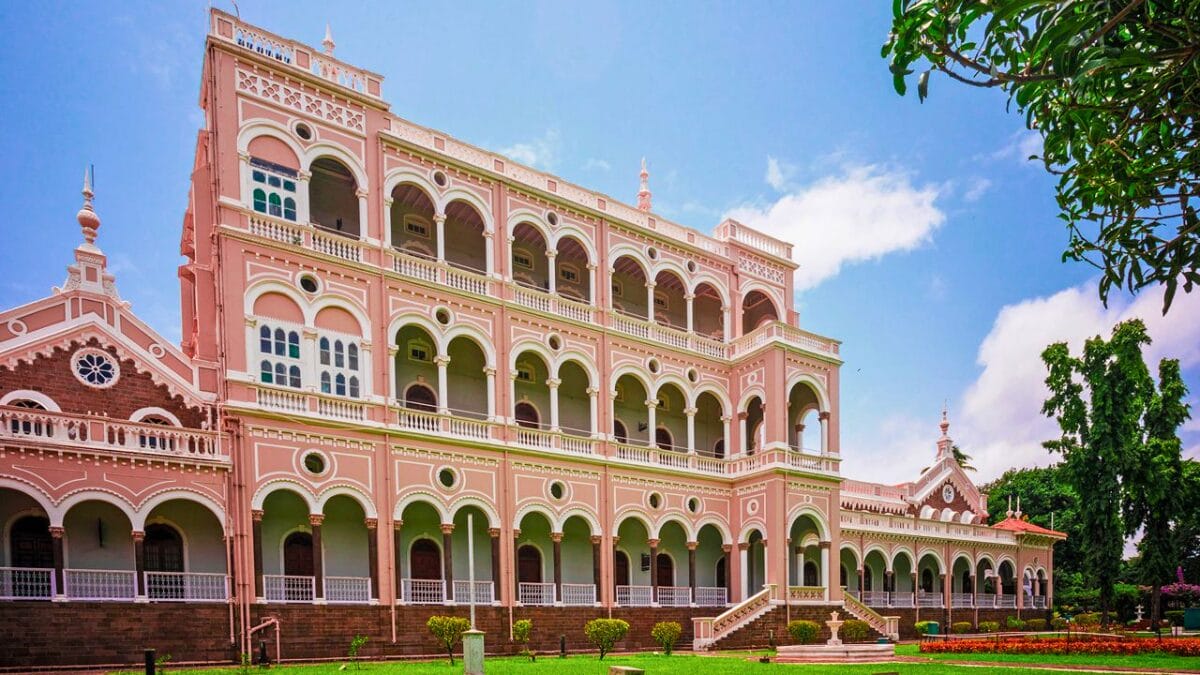
This Italian-style palace became a significant site in India’s independence movement when Mahatma Gandhi, his wife Kasturba, and secretary Mahadev Desai were imprisoned here from 1942 to 1944.
You’ll walk through rooms preserved exactly as they were during Gandhi’s internment, including personal belongings and photographs.
The palace grounds span 19 acres of manicured gardens where you can reflect beside the samadhis (memorials) of Kasturba Gandhi and Mahadev Desai. The museum houses rare photographs documenting the freedom struggle and Gandhi’s philosophy of non-violent resistance.
Osho Ashram International Meditation Resort
This controversial spiritual center attracts thousands of international visitors seeking meditation training and alternative wellness practices. You’ll find a campus covering 40 acres with meditation halls, swimming pools, and vegetarian restaurants serving organic cuisine.
The ashram requires all visitors to wear maroon robes during their stay and participate in daily meditation sessions.
Whether you’re spiritually inclined or simply curious, the unique architecture and peaceful atmosphere offer a stark contrast to Pune’s bustling streets.
Nearby Hill Stations: Lonavala and Khandala
Just 40 miles from Pune, these twin hill stations provide you with monsoon season spectacles when waterfalls cascade down every cliff face. Bhushi Dam becomes a popular picnic spot where families wade through shallow overflowing waters.
You can trek to Tiger’s Leap, a cliff-top viewpoint offering panoramic valley views, or explore the ancient Karla and Bhaja Caves featuring Buddhist rock-cut architecture from the 2nd century BCE.
Local vendors sell the region’s famous chikki (brittle candy made from jaggery and nuts) along the highway.
Aurangabad: Gateway to Ancient Cave Temples
Aurangabad serves as your base for exploring two of India’s most remarkable UNESCO World Heritage Sites. The city itself showcases Mughal architecture through monuments like Bibi Ka Maqbara, often called the “Mini Taj Mahal” for its striking resemblance to Agra’s famous monument.
Ajanta Caves: Buddhist Masterpieces
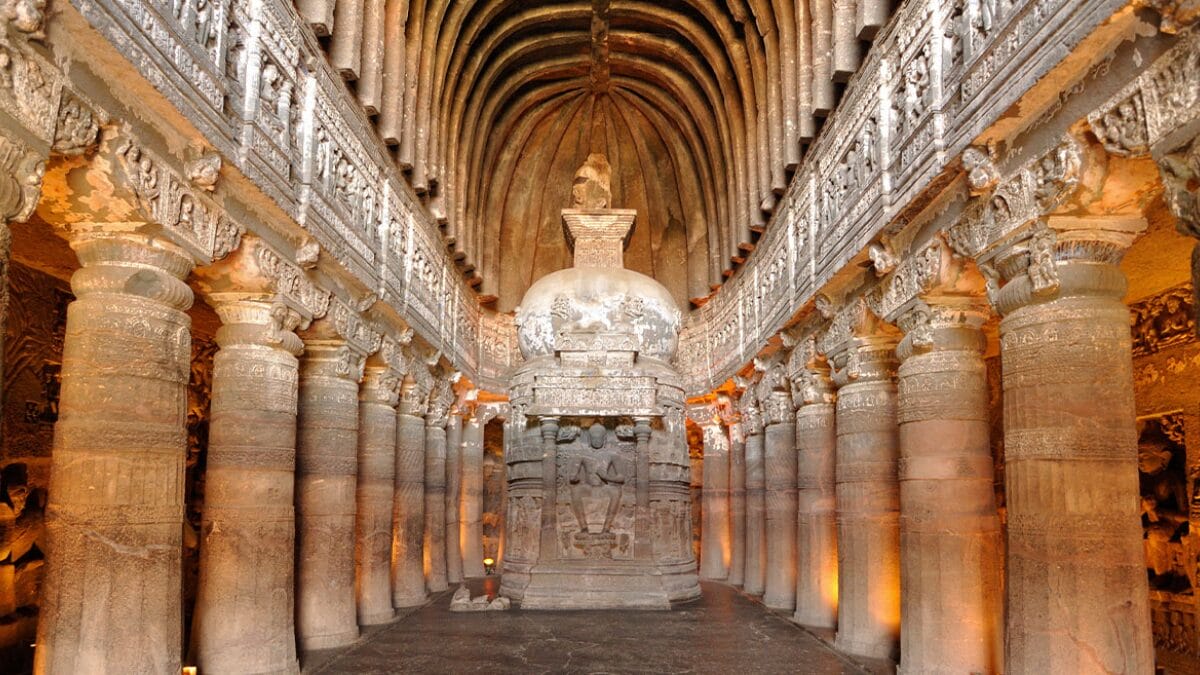
According to UNESCO documentation, these 30 rock-cut Buddhist caves remained hidden in dense jungle until accidentally discovered in 1819 by British officer Captain John Smith during a hunting expedition.
Monsoon Season Alert
June-September brings heavy rainfall that can disrupt travel
Coastal areas and Western Ghats receive most precipitation. Plan accordingly or visit October-March for optimal conditions.
The caves were carved between the 2nd century BCE and 6th century CE. You’ll witness some of the finest examples of ancient Indian art, with murals depicting Buddha’s life stories using natural pigments that retain their vibrancy after 2,000 years.
Cave 1 features the famous Padmapani (lotus-holding) Bodhisattva painting, considered one of the greatest masterpieces of Buddhist religious art. The site requires several hours to explore properly, with each cave offering unique sculptural and architectural elements.
The Ajanta murals use a technique called “fresco secco,” where artists painted on dry plaster using pigments mixed with plant gums and animal glue, allowing colors to survive millennia.
Ellora Caves: Multi-Faith Rock Architecture
Unlike Ajanta’s exclusively Buddhist focus, Ellora’s 34 caves represent Buddhism, Hinduism, and Jainism, carved between the 6th and 10th centuries.
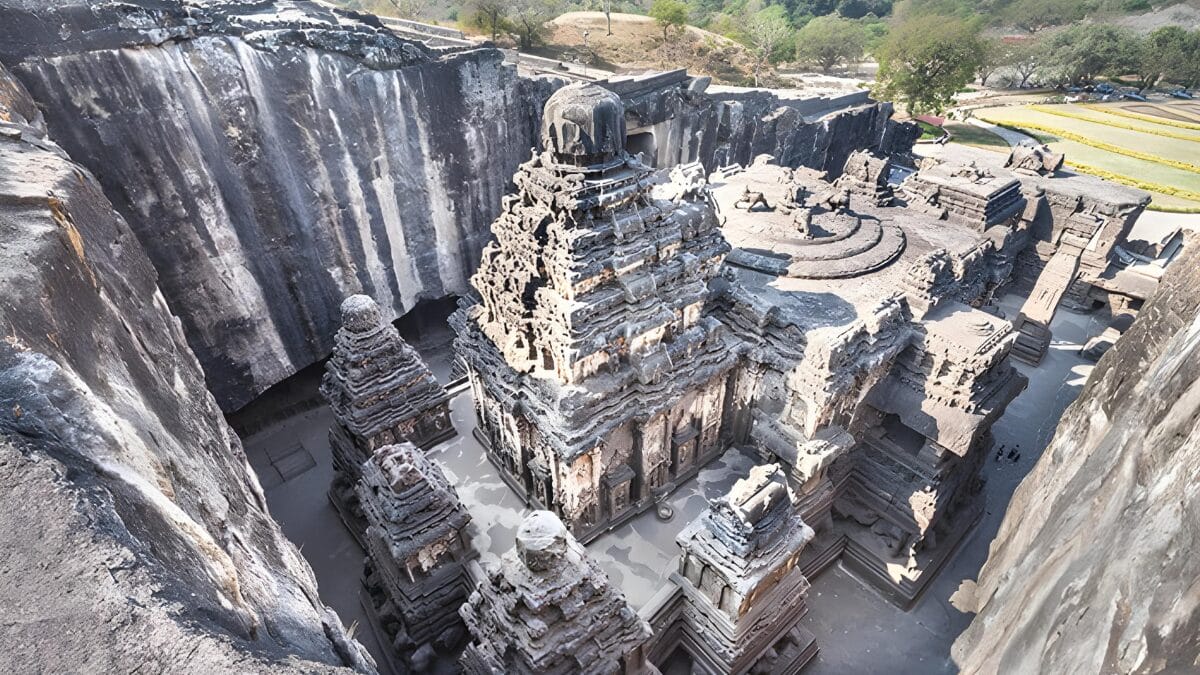
The centerpiece, Cave 16’s Kailasa Temple, represents the single largest monolithic rock excavation in the world. According to UNESCO World Heritage Centre, the Kailasa Temple is a technological exploit without equal.
You’ll stand in awe before this massive structure carved top-down from a single rock cliff, removing an estimated 400,000 tons of rock. The temple features intricate sculptures of Hindu deities, mythological scenes, and architectural elements that rival any constructed temple in complexity.
Daulatabad Fort: The Impregnable Fortress
This 12th-century fort sits atop a 600-foot hill and features defensive mechanisms that make it one of India’s most formidable fortifications.
You’ll navigate through dark, winding passages designed to confuse invaders, cross moats that once housed crocodiles, and climb steep staircases carved directly into rock.
The fort’s Chand Minar (victory tower) rises 210 feet and features blue Persian tiles that once covered its entire surface. From the summit, you’ll enjoy 360-degree views across the Deccan plateau.
Mahabaleshwar and Hill Station Retreats – Places To Visit In Maharashtra
Maharashtra’s Western Ghats contain several hill stations that provided British colonials escape from summer heat and now offer you cool climate retreats with strawberry farms and scenic viewpoints.
Mahabaleshwar: Strawberry Capital
Situated at 4,400 feet elevation, Mahabaleshwar produces the majority of India’s strawberries. You can visit farms during harvest season (December through March) and pick your own berries while enjoying fresh strawberry cream, jams, and crushes sold throughout town.
†Mahabaleshwar
Most popular
VS
†Panchgani
Wilson Point (Sunrise Point) offers spectacular dawn views across the Sahyadri mountain range, while Arthur’s Seat provides a dramatic cliff-edge viewpoint overlooking dense valleys.
The Venna Lake allows you to enjoy paddle boating surrounded by forested hills.
Pratapgad Fort Historical Significance
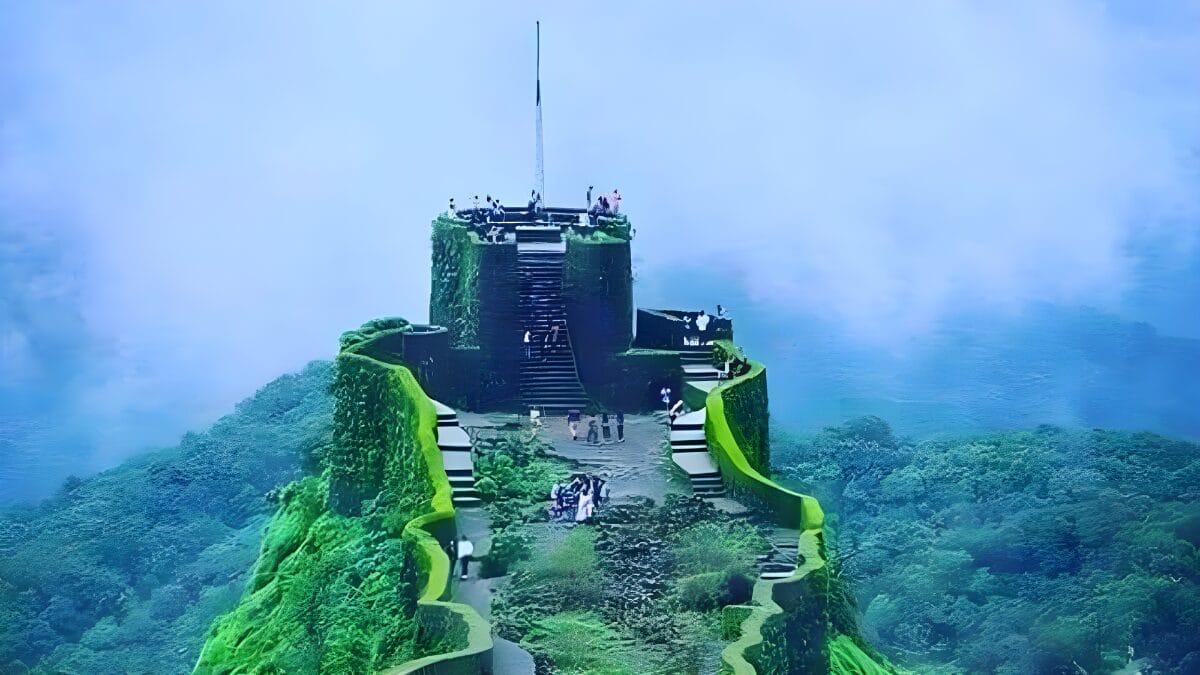
This mountain fortress, built in 1656, witnessed one of Maratha history’s most significant events when Shivaji Maharaj met Afzal Khan in 1659.
You’ll climb to the upper fort where a statue of Shivaji commemorates this historic encounter that changed the region’s political landscape.
The fort’s Bhavani Temple contains a sword believed to have been gifted to Shivaji by his mother, Jijabai. The trek to Pratapgad from Mahabaleshwar takes approximately two hours through scenic forest paths.
Panchgani: Table Land Plateau
Panchgani’s main attraction, Table Land, is Asia’s second-longest mountain plateau, stretching for nearly two miles.
You can walk, horseback ride, or drive across this flat volcanic formation while vendors sell fresh corn, hot tea, and local honey.
The town’s colonial-era boarding schools maintain British architectural charm, and you’ll find several heritage hotels converted from old British bungalows. Sydney Point offers views of the Krishna Valley and Dhom Dam below.
Nashik: Wine Country and Spiritual Center
Nashik combines religious significance as one of Hinduism’s sacred cities with its modern identity as India’s premier wine-producing region. The Godavari River flows through the city, creating ghats where pilgrims perform rituals.
Kumbh Mela Sacred Gathering
Every twelve years, Nashik hosts the Kumbh Mela, the world’s largest peaceful gathering of humans. You’ll witness millions of pilgrims bathing in the Godavari River at auspicious times determined by astronomical calculations.
Even during non-Kumbh years, the Ramkund ghat remains an important pilgrimage site where devotees immerse ashes of deceased relatives.
The Kalaram Temple, built in 1792, features a black stone idol of Lord Rama and played a significant role in India’s social reform movement when Dr. B.R. Ambedkar led protests against caste-based temple entry restrictions.
Wine Tourism and Vineyard Tours – Places To Visit In Maharashtra
According to official wine industry data, Nashik’s climate, topography, and soil conditions provide ideal conditions for grape cultivation, and the region accounts for more than 80% of India’s wine production.
You can tour estates like Sula Vineyards, York Winery, and Soma Vine Village, which offer guided tastings, vineyard walks, and gourmet dining experiences.
The volcanic soil and semi-arid climate create ideal conditions for growing Sauvignon Blanc, Chenin Blanc, and Shiraz grapes. Most vineyards welcome visitors year-round, though harvest season (February-March) provides the most engaging experiences.
Trimbakeshwar Jyotirlinga Temple
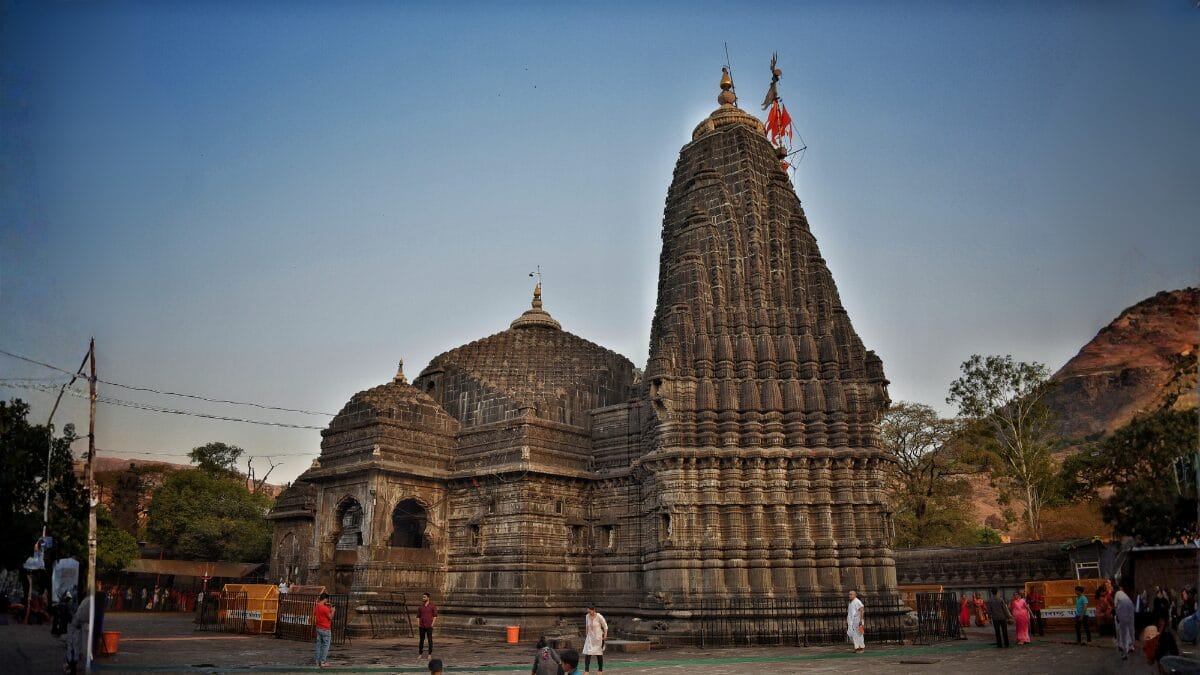
Located 18 miles from Nashik, this temple houses one of the twelve sacred Jyotirlingas (divine representations of Lord Shiva). The unique three-faced lingam represents Brahma, Vishnu, and Shiva.
You’ll notice the temple’s distinctive architecture featuring a black stone structure with a gold pinnacle.
The Brahmagiri Hills behind the temple mark the origin of the Godavari River, India’s second-longest river. You can trek to the source, though the climb requires moderate fitness levels and takes approximately three hours round trip.
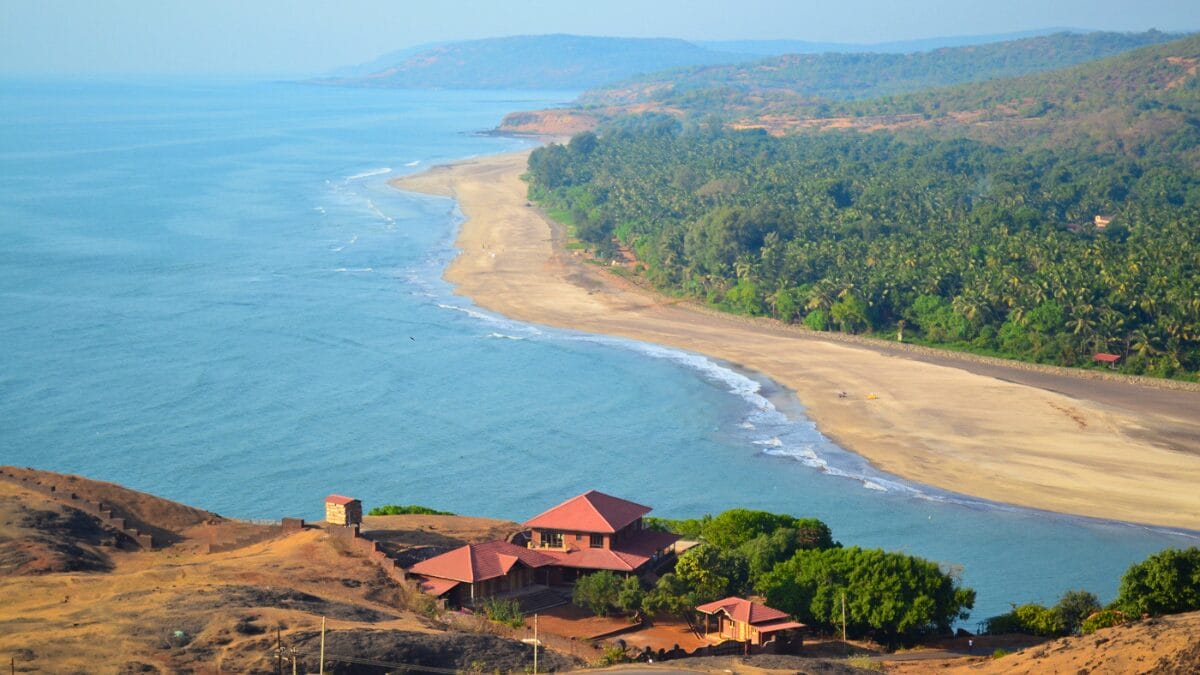
Konkan Coast: Beaches and Coastal Culture
Maharashtra’s western coastline stretches over 450 miles along the Arabian Sea, offering you pristine beaches, historic forts, and authentic Konkani cuisine that differs significantly from inland Maharashtrian food.
Alibaug Beach Town Escape
Just two hours from Mumbai by road or a scenic ferry ride across Mumbai Harbor, Alibaug serves as a weekend retreat for city dwellers.
Alibaug Beach features black sand and calm waters suitable for swimming, while the offshore Kolaba Fort becomes accessible during low tide.
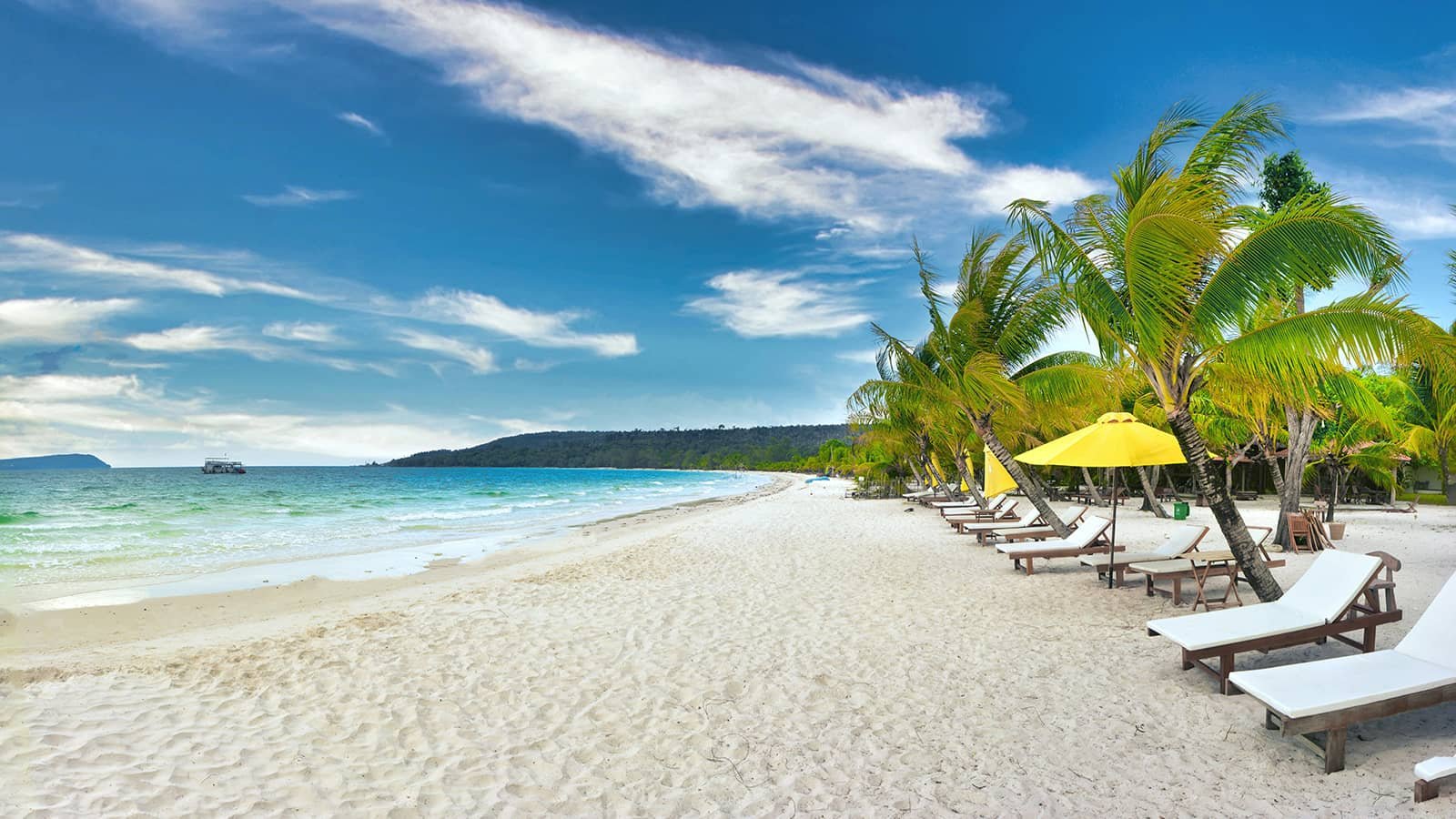
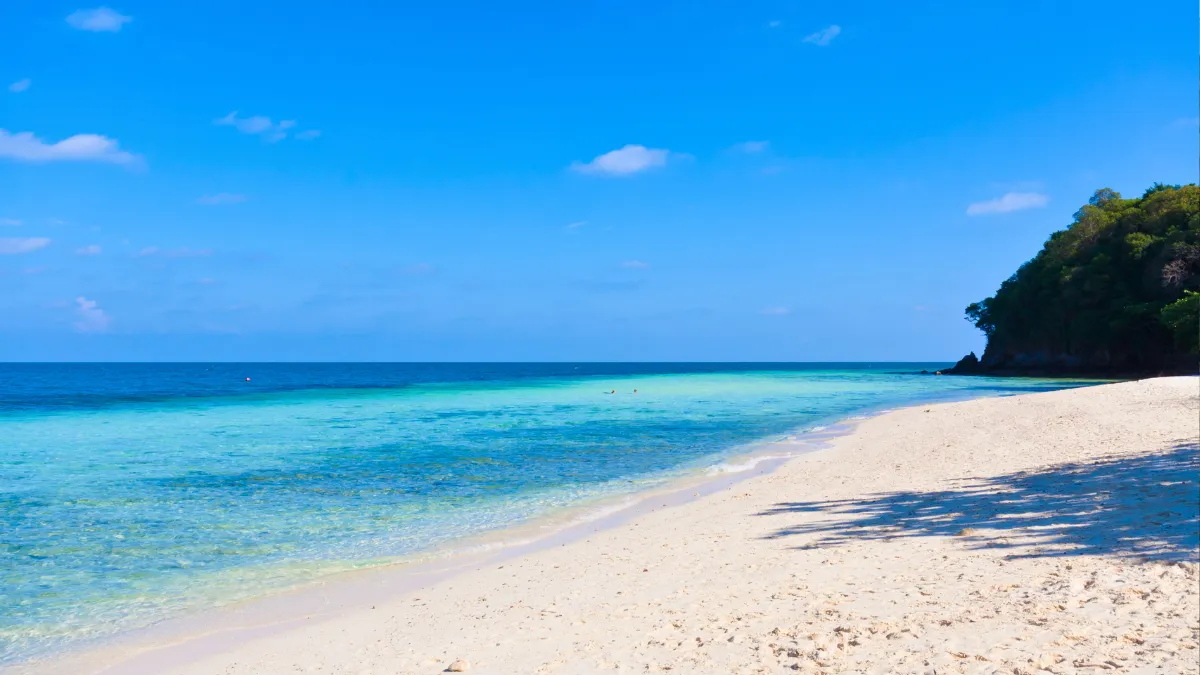
You can explore Kashid Beach, 20 miles south of Alibaug, which offers white sand and clearer waters backed by casuarina trees. The region’s homestays and beach resorts provide you with fresh seafood including bombil (Bombay duck), prawns, and crab prepared in traditional Konkani style.
Ganpatipule Temple Beach
This pilgrimage town combines religious significance with coastal beauty. The Swayambhu Ganpati Temple features a self-originated idol of Lord Ganesha facing west (unusual for Ganesha temples), attracting thousands of devotees annually.
The pristine Ganpatipule Beach stretches for several miles with minimal commercial development.
You can walk along the shore, enjoy water sports, or simply relax under palm trees while watching fishing boats return with daily catches.
Sindhudurg Fort Island Fortress
Built by Shivaji Maharaj in 1664, this sea fort covers 48 acres on an island off the Malvan coast. You’ll take a short boat ride to reach the fort, where massive walls withstand constant wave action.
The fort contains temples, freshwater wells, and residential quarters that once housed 4,000 soldiers.
Malvan town offers you opportunities to try authentic Malvani cuisine, known for its fiery seafood curries using coconut and kokum (a souring agent). The nearby Tarkarli Beach provides excellent conditions for snorkeling and scuba diving, with visibility often exceeding 30 feet.
Marathwada Region: Historical Heartland
This central Maharashtra region contains numerous forts, palaces, and battlegrounds that shaped Maratha history.
You’ll discover lesser-known gems that receive fewer tourists but offer equally compelling historical narratives.
Ahmednagar Fort and Nizam Shahi Legacy
This 15th-century fort served as a prison for Jawaharlal Nehru and other Indian National Congress leaders during the independence movement. You can visit the room where Nehru wrote “The Discovery of India” during his imprisonment from 1942 to 1945.
The fort’s massive walls, some sections 70 feet high, showcase Indo-Islamic military architecture.
The nearby Chand Bibi Palace commemorates the warrior queen who defended Ahmednagar against Mughal forces.
Paithan Ancient Silk Weaving Town
Located on the Godavari River, Paithan has produced Paithani sarees for over 2,000 years. You can visit weaving workshops where artisans create these silk sarees featuring peacock and lotus motifs in gold thread, with a single saree requiring several months to complete.
The town’s Jayakwadi Dam creates a massive reservoir that attracts migratory birds during winter months.
The adjacent bird sanctuary lets you spot flamingos, pelicans, and various duck species.
Nanded Sikh Pilgrimage Center
Takht Sachkhand Sri Hazur Sahib, one of Sikhism’s five temporal authorities, marks the site where Guru Gobind Singh, the tenth Sikh Guru, left his earthly form in 1708.
The gurdwara’s golden dome and white marble architecture attract Sikh pilgrims from worldwide.
You’ll witness the daily Palki Sahib ceremony where the Guru Granth Sahib is ceremonially carried in a palanquin. The langar (community kitchen) serves free meals to thousands of visitors daily, embodying Sikh principles of equality and service.
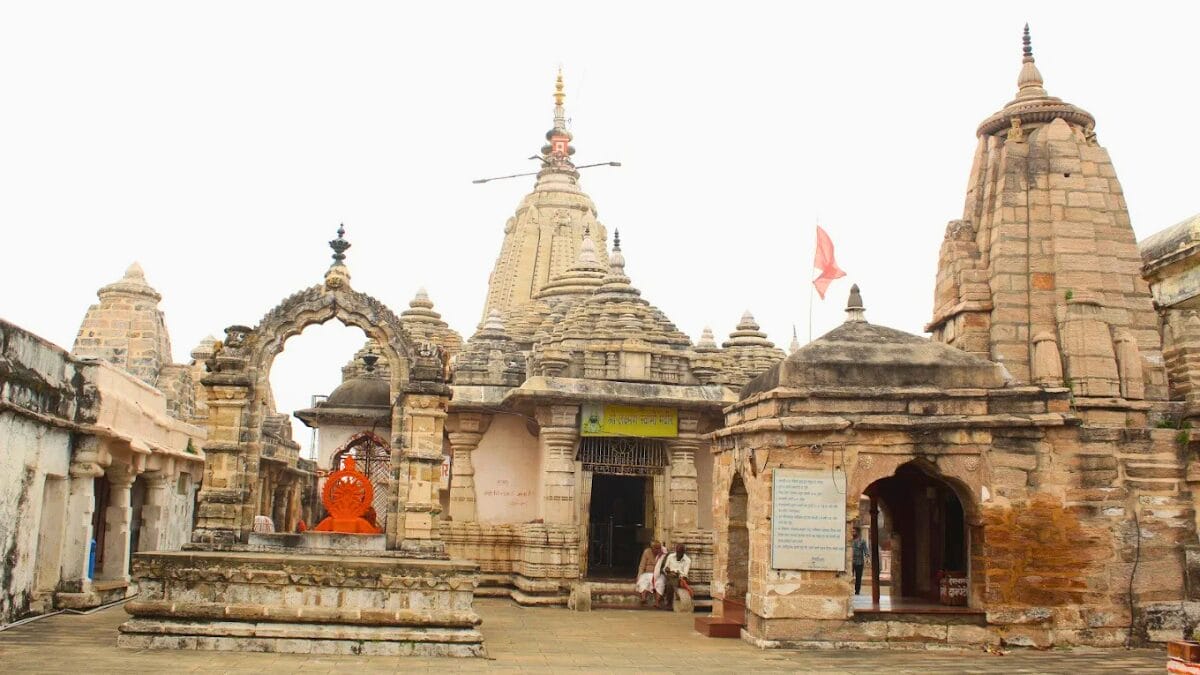
Vidarbha: Wildlife and Ancient Temples
Eastern Maharashtra’s Vidarbha region offers you tiger reserves, ancient Buddhist sites, and a distinct cultural identity shaped by its proximity to Madhya Pradesh and Chhattisgarh.
Tadoba Andhari Tiger Reserve
According to official reserve data, Tadoba is home to one of India’s most thriving tiger populations, with over 90 tigers. This tiger reserve provides you with one of India’s highest probabilities of tiger sightings.
The core area spans 240 square miles of teak forests, bamboo groves, and grasslands supporting leopards, sloth bears, and wild dogs.
You can book safari jeeps through the Moharli, Kolara, or Navegaon gates, with morning and evening safaris offering the best wildlife viewing opportunities. The Tadoba Lake attracts animals during summer months when water sources become scarce.
Ramtek Temple Complex
This hilltop temple complex, believed to be where Lord Rama rested during his exile, offers you panoramic views across the surrounding plains.
The main Ram Temple dates to the 18th century, though the site’s religious significance extends back millennia.
The nearby Ramtek Fort contains ruins of ancient structures and provides you with quieter exploration opportunities away from the main temple crowds. The annual Ram Navami festival transforms Ramtek into a major pilgrimage destination.
Nagpur: Orange City
Nagpur serves as Vidarbha’s commercial hub and earns its “Orange City” nickname from the surrounding citrus groves.
You can visit the Deekshabhoomi, a sacred Buddhist monument where Dr. B.R. Ambedkar converted to Buddhism along with 600,000 followers in 1956.
The Sitabuldi Fort sits atop twin hills in the city center, offering historical significance from the British colonial period. Futala Lake provides you with evening recreation opportunities, with gardens, fountains, and food stalls creating a family-friendly atmosphere.
Planning Your Maharashtra Journey
| Region | Best Season | Days Needed | Main Highlights | Accessibility |
|---|---|---|---|---|
| Mumbai | October-March | 3-4 days | Gateway of India, Marine Drive, Elephanta Caves | International airport, excellent rail/road |
| Pune | August-March | 2-3 days | Forts, hill stations, cultural sites | Major airport, well-connected by rail |
| Aurangabad | October-March | 3-4 days | Ajanta, Ellora caves, forts | Domestic airport, good road network |
| Konkan Coast | October-May | 4-5 days | Beaches, sea forts, seafood | Road access, some ferry services |
| Nashik | October-March | 2-3 days | Wine tours, temples, ghats | Well-connected by road and rail |
| Vidarbha | October-April | 3-4 days | Tiger reserves, temples | Nagpur airport, rail connections |
Transportation Within Maharashtra
Maharashtra’s extensive railway network connects all major cities, with Mumbai serving as the primary hub.
You’ll find frequent trains between Mumbai-Pune (3 hours), Mumbai-Nashik (4 hours), and Mumbai-Aurangabad (7 hours). State-run MSRTC buses provide affordable options reaching smaller towns and rural areas.
For coastal regions and hill stations, renting a car with a driver offers you flexibility to explore at your own pace. The Mumbai-Pune Expressway and Mumbai-Goa Highway maintain excellent conditions, making road trips comfortable and scenic.
Accommodation Options Across Price Ranges
You’ll find accommodation ranging from budget hostels in Mumbai’s Colaba area to luxury heritage hotels in former palaces.
Homestays in Konkan coastal villages and Mahabaleshwar provide authentic local experiences with home-cooked Maharashtrian meals.
Mid-range hotels cluster around railway stations in most cities, offering convenient access to public transportation and sure fire way for solo travelers to meet . During peak season (December-February) and festival periods, booking accommodations several weeks in advance ensures better availability and rates.

Travel writer, researcher and publisher
Founder Destinations Uncovered
“I’ve found that the best travel experiences happen when you venture beyond the standard circuit. My detailed Kerala guide reveals lesser-known backwater routes, secret beaches, and authentic cultural experiences that transformed my understanding of this incredible state. Our detailed guide to India allows you to choose your favored state or city”
Maharashtrian Cuisine You Must Try
Each region offers distinct culinary specialties. In Mumbai, you can’t miss vada pav (spiced potato fritter in bread), pav bhaji, and misal pav.
Pune specializes in mastani (thick milkshake) and bhakarwadi (crispy spiced rolls).
The Konkan coast serves the freshest seafood prepared in coconut-based gravies, while Vidarbha’s cuisine includes spicier preparations with saoji curries. Nashik’s wine region pairs local wines with continental cuisine at vineyard restaurants.
Traditional Maharashtrian thalis include bhakri (millet flatbread), pitla (gram flour curry), and bharli vangi (stuffed eggplant), offering you balanced nutrition from locally-sourced ingredients.
Cultural Etiquette and Practical Tips – Places To Visit In Maharashtra
When visiting temples, you’ll need to remove shoes and may need to cover your head at certain sites.
Photography restrictions apply inside many cave temples and religious structures—always ask permission before photographing people.
Maharashtra experiences monsoon season from June through September, bringing heavy rainfall that transforms landscapes but can disrupt travel plans. Coastal areas and Western Ghats receive the most precipitation, while Vidarbha remains relatively drier.
The state celebrates numerous festivals including Ganesh Chaturthi (August-September), when Mumbai transforms with elaborate Ganesha idols and processions.
Gudi Padwa (March-April) marks the Maharashtrian New Year with traditional celebrations statewide.