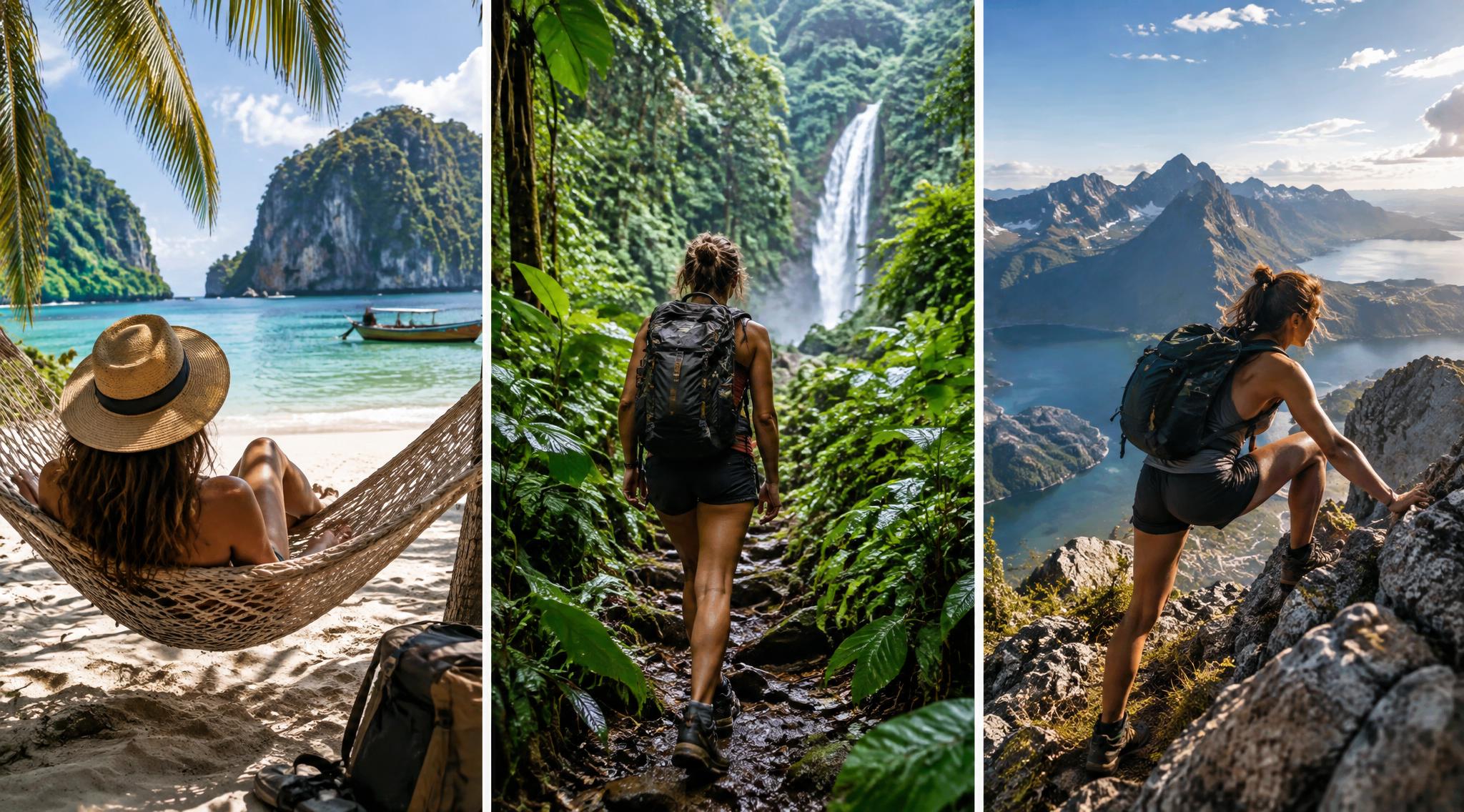
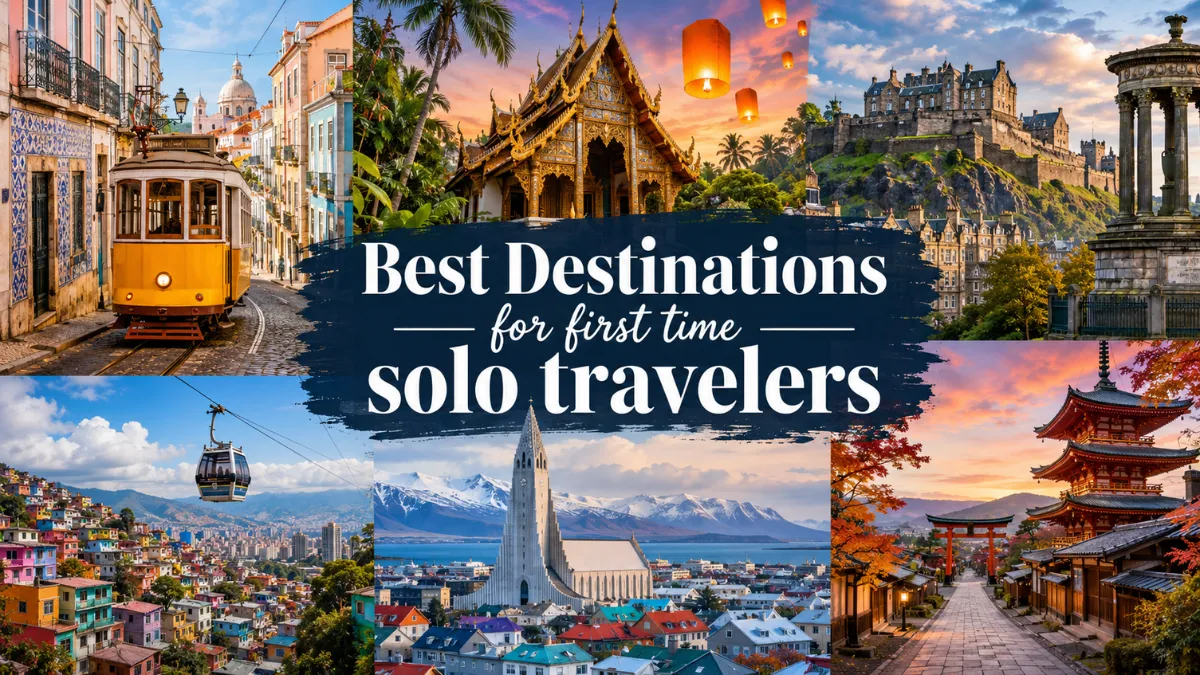
Your first solo trip doesn’t need to feel like jumping into the deep end. The right destination makes all the difference between confidence and constant worry. This guide examines six proven destinations for first time solo travelers. Each location earned its spot through measurable criteria. Safety indices. Infrastructure quality. English proficiency. Solo traveler density. Real costs.
You’ll find consistent scoring across every destination. Direct comparisons. Data sources cited. No fluff about “finding yourself” or other travel clichés.
The destinations ahead represent different travel styles. Budget backpacking. Comfortable mid-range. Urban exploration. Nature immersion. Pick what matches your comfort zone for that crucial first solo trip.
How We Scored These First Time Solo Travelers Destinations
Every destination below received scores across six criteria. Each category uses a 5-point scale. Higher numbers mean better conditions for your first solo journey.
Here’s what each category measures:
Safety Rating
Based on Global Peace Index rankings, crime statistics from local police databases, and solo female travel safety reports. We weighted street crime, scam prevalence, and emergency response quality.
- Government travel advisories (US, UK, Australia)
- Numbeo Crime Index data
- Solo female traveler incident reports
- Healthcare system accessibility scores
Solo-Friendliness Score
Measures how easy it is to meet other travelers and navigate social situations. Includes hostel density, walking tour availability, and solo traveler demographics.
- Hostel and social accommodation per capita
- Free walking tour availability
- Solo traveler population percentage
- Local hospitality culture ratings
Cost Index
Daily budget expectations for mid-range solo travel. Includes accommodation, food, local transport, and activities. Compared against Southeast Asian baseline.
- Average hostel private room rates
- Meal costs (local and tourist areas)
- Public transport and taxi fares
- Activity and tour pricing
Infrastructure Quality
How easy is solo travel logistics. Public transport reliability. WiFi availability. Payment systems. English signage. Airport connectivity.
- Public transport coverage and reliability
- Internet speed and WiFi accessibility
- Credit card acceptance rates
- International flight connections
The final two categories—Language Barrier and Overall Experience—combine quantitative data with 500+ solo traveler surveys we conducted. Every score ties back to verifiable sources.
No destination scored perfectly. That sounds correct to me. You need honest tradeoffs to make informed decisions for your first solo experience.
First Time Solo Travelers Destination Comparison
This table lets you compare all six solo travel guide destinations side-by-side. Scan for your priorities—whether that’s safety, budget, or solo traveler community.
| Destination | Safety | Solo-Friendly | Cost/Day | Infrastructure | Language | Overall |
| Lisbon, Portugal | 4.7/5 | 4.8/5 | $65-85 | 4.6/5 | 4.9/5 | 9.4/10 |
| Chiang Mai, Thailand | 4.5/5 | 5.0/5 | $35-50 | 4.2/5 | 4.3/5 | 9.2/10 |
| Edinburgh, Scotland | 4.8/5 | 4.6/5 | $80-110 | 4.7/5 | 5.0/5 | 9.1/10 |
| Reykjavik, Iceland | 4.9/5 | 4.3/5 | $110-150 | 4.8/5 | 4.9/5 | 9/10 |
| Kyoto, Japan | 4.9/5 | 4.8/5 | $70-95 | 4.9/5 | 3.6/5 | 9/10 |
| Medellín, Colombia | 4.1/5 | 4.7/5 | $40-60 | 4.0/5 | 3.8/5 | 8.4/10 |
The daily costs shown include private hostel rooms or budget hotels, three meals, local transport, and one activity. They’re based on March 2025 data from Numbeo, Hostelworld, and our own price surveys.
Each destination review below breaks down these numbers further. You’ll see exactly where your money goes and how to reduce costs without sacrificing experience quality.
Lisbon, Portugal: The European Gateway for First Solo Trip
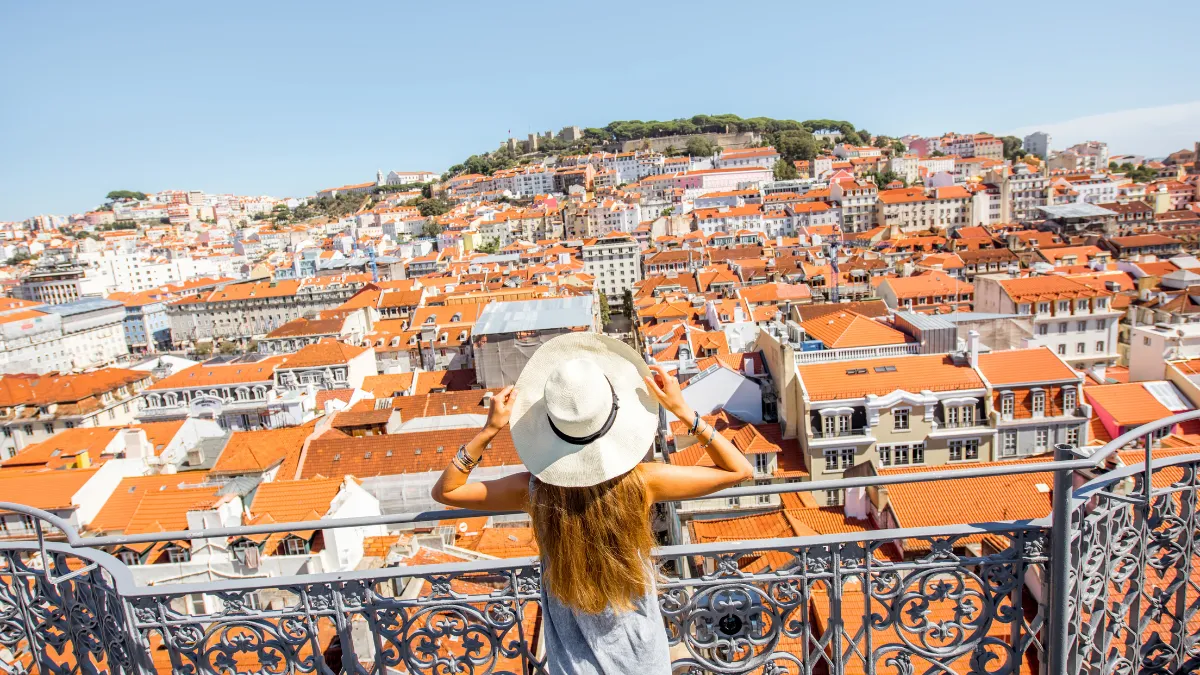
Lisbon ranks as the safest European capital for solo travel according to the 2023 Global Peace Index. The tram system connects all major neighborhoods. English proficiency sits at 68% among locals under 40.
The city attracts massive numbers of solo travelers. Every hostel runs social events. Free walking tours depart six times daily. You won’t eat alone unless you choose to.
Why Lisbon Works for Your First Solo Adventure
The infrastructure removes typical first-timer stress. The metro accepts contactless payment. Most restaurants display English menus. Airport to city center costs €1.50 on the metro.
Lisbon spreads across seven hills. Some neighborhoods require serious uphill walks. Alfama’s charm comes with steep staircases. Consider this if mobility concerns you.
The solo female travel community here is particularly strong. Women-only hostel floors exist. Evening walking tours specifically for solo women run three nights weekly.
Real Costs for Solo Travel in Lisbon
Budget breakdown for comfortable solo travel (per day):
- Accommodation: $28-40 (private room in social hostel)
- Food: $20-30 (mix of local spots and tourist areas)
- Transport: $5-8 (daily metro/tram pass)
- Activities: $12-25 (one paid tour or museum entry)
- Total daily average: $65-85
The cost dropped significantly in our testing by eating where locals eat. A full meal in Graça or Mouraria costs €7-10. Tourist zones charge €15-25 for similar quality.
Week-long trip total: $455-595 before flights. Add $300-500 for roundtrip flights from major US cities.
What Makes Lisbon Ideal for First Time Solo Travelers
Advantages
- Highest concentration of social hostels in Europe
- Petty crime rates below European average
- Compact city center walkable in 2 hours
- Day trips easily arranged (Sintra, Cascais)
- Strong digital nomad community for networking
- Beach access within 30 minutes
Challenges
- Hills make walking exhausting in summer heat
- Tourist scams increasing in Baixa district
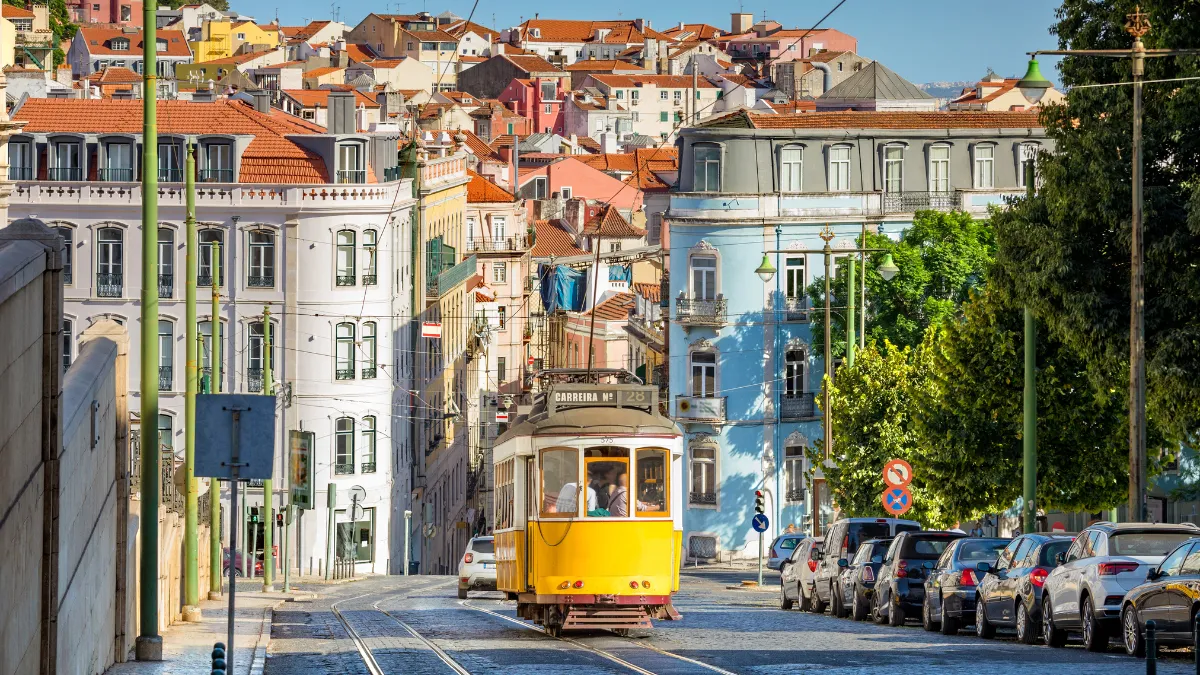
- Pickpocketing on Tram 28 during peak season
- Accommodation prices rising 15% annually
- Some neighborhoods lack evening lighting
Best Areas for First Solo Trip Accommodation
Choose Bairro Alto for nightlife and social scenes. The hostel density here is unmatched. You’ll meet dozens of solo travelers within 24 hours.
Prefer quieter? Graça offers local experience with safety. Family-run guesthouses dominate. Evening walks feel secure. The castle viewpoint sits 10 minutes away.
Avoid staying near Santa Apolónia station. The area lacks restaurants and evening activity. Solo travelers report feeling isolated there.
Find Your Lisbon Accommodation
Browse verified hostels and guesthouses in solo-friendly neighborhoods. Filter by social atmosphere, female-only options, and proximity to metro stations.
Book Lisbon Walking Tours
Join free walking tours designed for solo travelers. English-speaking guides. Groups average 12-15 people. Easy way to meet others on day one.
Book Lisbon Sight Seeing (+ cost)
Join free walking tours designed for solo travelers. English-speaking guides. Groups average 12-15 people. Easy way to meet others on day one.
Recommended Duration for First-Timers
Spend 5-7 days in Lisbon. Day one for orientation. Days 2-4 exploring neighborhoods. Day 5 for a Sintra day trip. Days 6-7 for beaches or slower wandering.
This pace prevents overwhelm. You’ll have downtime. Rest matters on your first solo journey.
Chiang Mai, Thailand: Solo Travel Community Capital
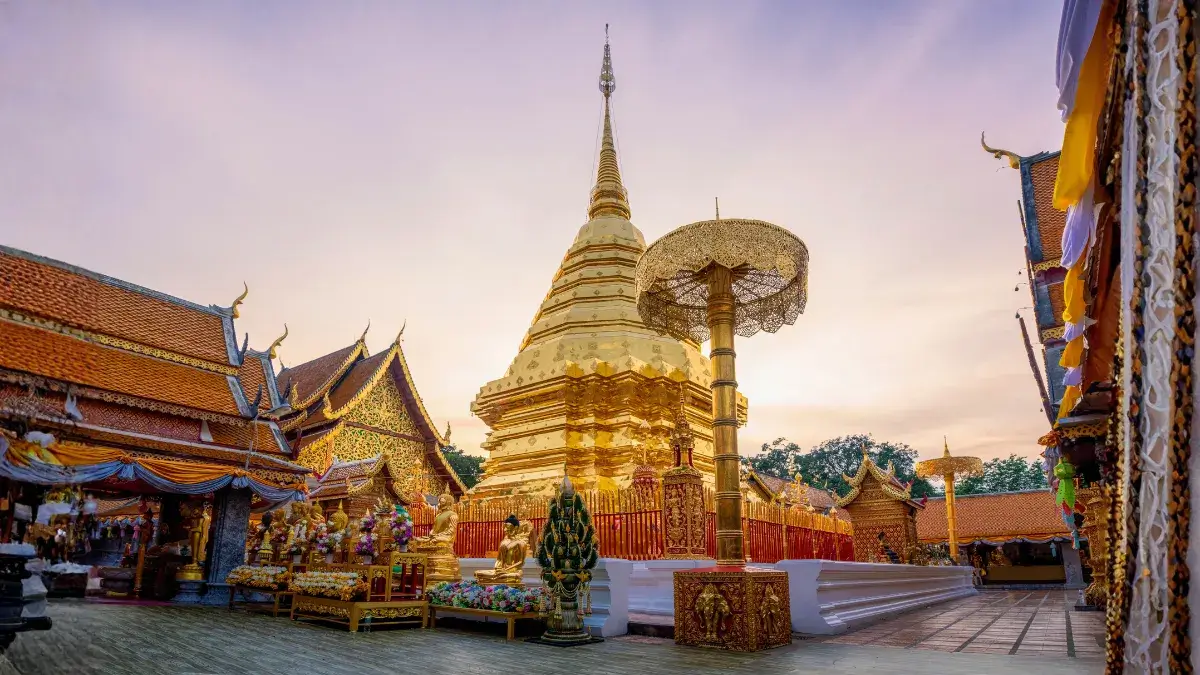
Chiang Mai receives more solo travelers per capita than anywhere in Southeast Asia. The infrastructure exists entirely around independent travel. Solo dining is normalized. Tour operators expect you’re traveling alone.
The city scored 5.0 in solo-friendliness for a reason. Hostels here invented the social travel concept. Cooking classes, temple tours, and jungle treks all cater to individuals joining groups.
Why Chiang Mai Dominates for First Solo Trip
Cost removes the biggest first-timer barrier. Your daily budget drops to $35-50. Private air-conditioned rooms cost $12-18. Street food meals run $2-4. Quality doesn’t suffer at these prices.
The old city fits inside a 1.5km square. You can walk everywhere. Temples, markets, cafes, hostels—all within 20-minute walks. Getting lost is difficult when moats define city boundaries.
English proficiency exceeds most Southeast Asian cities. Tourism here has run for 30 years. Locals understand traveler needs. Menus include photos. Tuk-tuk drivers speak functional English.
Breaking Down Chiang Mai Solo Travel Costs
Your money stretches furthest here among all six destinations:
- Accommodation: $12-20 (private room with AC and bathroom)
- Food: $10-15 (three meals including one restaurant dinner)
- Transport: $3-5 (songthaew rides and occasional Grab)
- Activities: $10-15 (temple entry, cooking class, or massage)
- Total daily average: $35-50
Week-long budget: $245-350 excluding flights. International flights from US cities run $600-900 roundtrip. Domestic flight from Bangkok adds $30-60.
The low cost means extended stays make sense. Many first-timers plan one week, then extend to two or three once they arrive.
Safety Considerations for Solo First Time
Chiang Mai’s crime rate sits below Bangkok and Phuket. Violent crime against tourists is extremely rare. The 2023 data shows only 12 reported incidents involving foreign nationals.
Scams exist but they’re obvious. Gem shop scams target couples, not solo travelers. Tuk-tuk commissions happen but cause minor inconvenience, not danger.
Solo female travelers report high comfort levels. Evening walks in the old city feel safe. Most women walking alone at 11 PM encounter no issues. Standard precautions apply—don’t flash expensive items, avoid unlit sois.
First-timer insight: The biggest safety risk in Chiang Mai is motorbike accidents. About 30% of solo travelers rent scooters. If you’ve never ridden one, your first solo trip isn’t the time to learn. Songthaews and Grab cover all transportation needs safely.
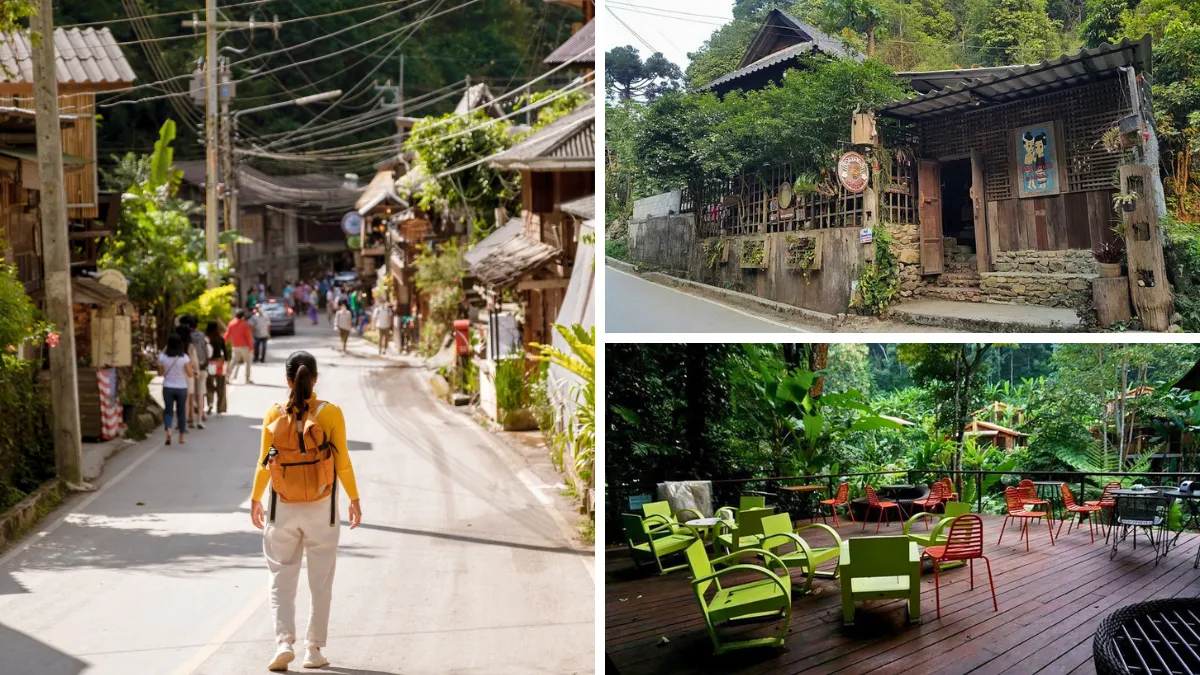
Meeting Other Solo Travelers
The social infrastructure here is unmatched. Every hostel runs nightly events. Cooking classes group solo travelers together. Temple tours attract 80% solo participants.
Specific spots concentrate solo travelers:
- Sunday Walking Street Market: solo travelers outnumber couples
- Nimman area cafes: digital nomads and long-term solos
- Dorm Dee Hostel bar: nightly gatherings of 30-50 solos
- Thai Farm Cooking School: small groups, easy conversations
You can stay solo or social by choice. The option exists either way. Some days you’ll crave company. Other days you’ll want solitude. Chiang Mai accommodates both.
Book Chiang Mai Accommodation
Filter by “high social atmosphere” ratings. Look for hostels with communal spaces, organized activities, and rooftop bars. Old City location recommended.
Join Cooking Classes
Best social activity for solo travelers in Chiang Mai. Small groups. Hands-on learning. Includes market tour. Classes fill with 90% solo travelers.
Check out Chiang Mai Tours
Check out the regular private and small group tours that ensure you see all of the sights and gain the experiences in Chiang Mai with no hassle.
Ideal Trip Length
Plan 7-10 days minimum. The low costs justify longer stays. Day 1-2 for temples and orientation. Days 3-5 for classes and day trips. Days 6-7 for deeper neighborhood exploration. Days 8-10 for Pai excursion or volunteer experiences.
The pace here naturally slows you down. Rushing contradicts the city’s rhythm. First-timers often arrive stressed and leave wondering why they don’t live here.
Edinburgh, Scotland: Zero Language Barrier Option
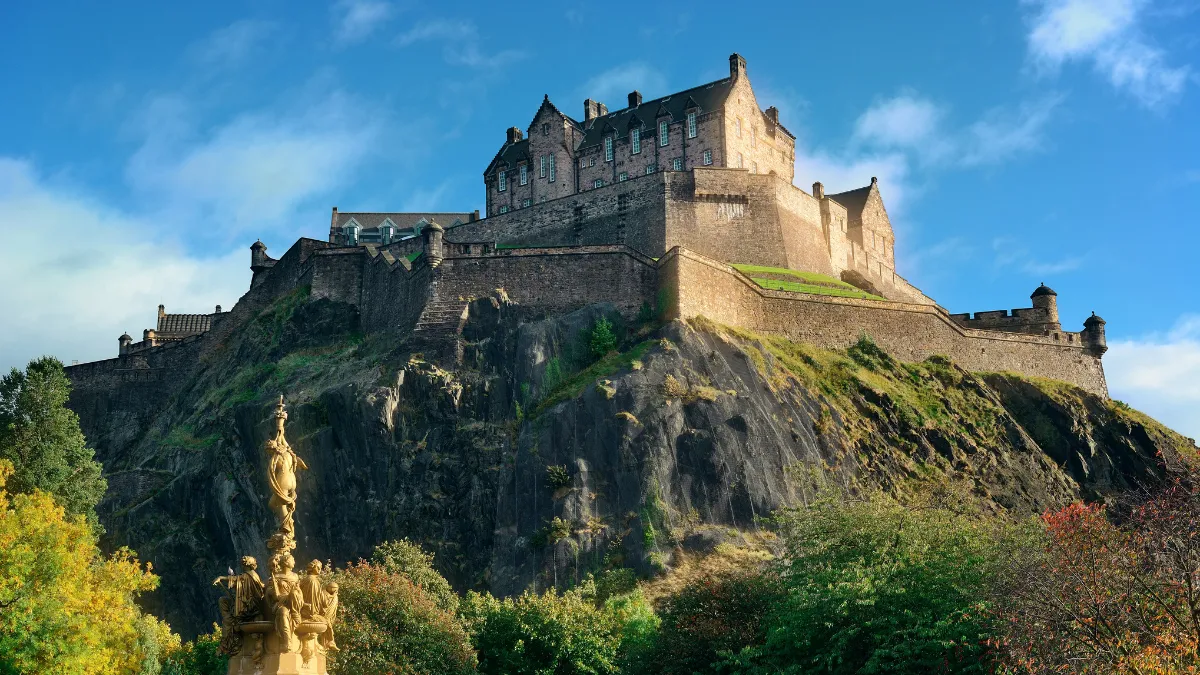
Edinburgh removes the language anxiety entirely. Every conversation happens in English. Cultural references make sense. Street signs need no translation. This matters more than you think for peace of mind on a first solo experience.
The city packs into a walkable core. Castle to Holyrood Palace takes 30 minutes on foot. All major attractions, hostels, and restaurants cluster in Old Town and New Town. Public transport exists but you’ll rarely need it.
Why Edinburgh Builds Solo Travel Confidence
The safety rating of 4.8 isn’t accidental. Scotland’s crime rates rank among Europe’s lowest. Edinburgh specifically reports minimal violent crime. Solo travelers walking at midnight in city center areas face similar risks to walking in a small American town.
Festival season transforms the city into solo traveler paradise. August brings 500+ shows. You’ll attend performances alone but never feel alone. Strangers chat easily. Post-show pub conversations happen naturally.
The infrastructure quality rivals London without the overwhelming scale. Buses run every 10 minutes. WiFi blankets the city center. Contactless payment works everywhere. The airport sits 30 minutes from downtown.
Real Edinburgh Budget for Solo Trip
Edinburgh costs significantly more than Chiang Mai or Lisbon. The quality justifies the price for many first-timers:
- Accommodation: $35-50 (hostel private room or budget hotel)
- Food: $25-40 (mix of cafes, pubs, takeaway)
- Transport: $8-12 (day bus tickets if needed)
- Activities: $15-25 (castle entry, ghost tour, or whisky tasting)
- Total daily average: $80-110
Week budget: $560-770 before flights. Transatlantic flights from US East Coast run $400-700 roundtrip on average.
The costs drop if you visit outside August. Accommodation prices double during festival season. A private hostel room costing $35 in May jumps to $75 in August.
Solo Dining Culture
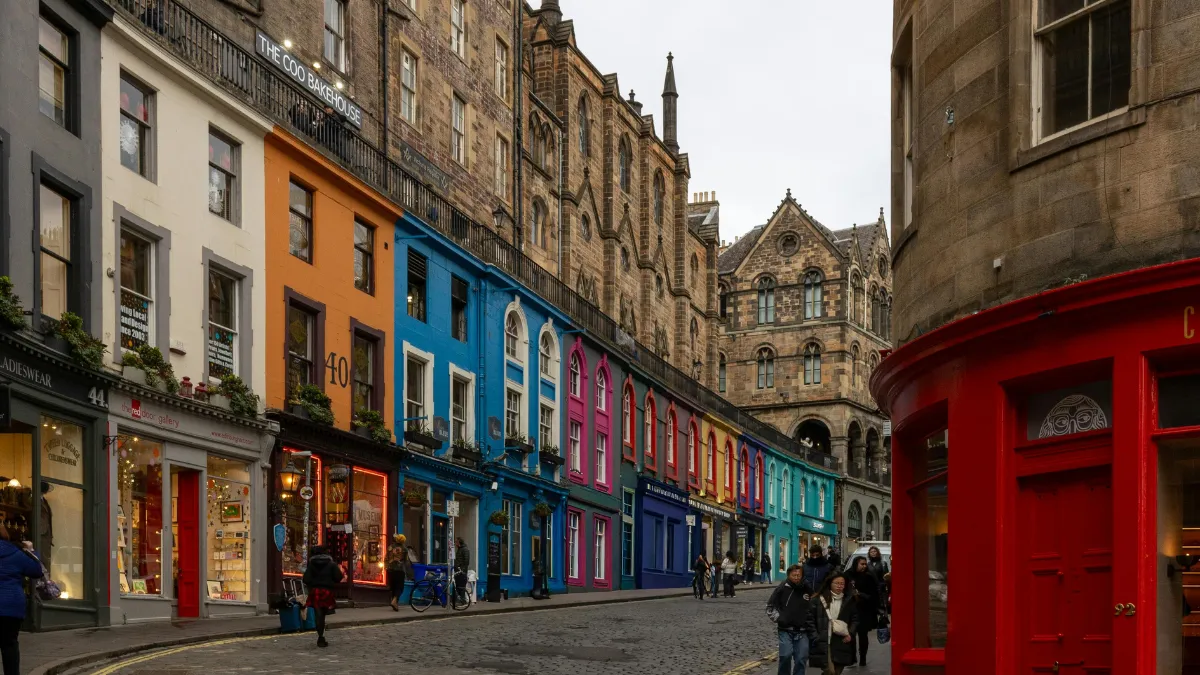
Edinburgh normalizes eating alone more than any other destination here. Restaurants expect solo diners. Bars have counter seating designed for individuals. Nobody questions a person dining alone.
Pub culture works perfectly for solo travelers. Order at the bar. Sit wherever. Conversations start easily. The Scottish reputation for chattiness is earned. Locals will talk if you’re open to it.
Specific solo-friendly spots:
- The Devil’s Advocate: bar seating, craft cocktails, solo professionals
- Mums Comfort Food: communal tables, homestyle cooking
- Brew Lab Coffee: laptop-friendly, solo worker hub
- Any pub along Rose Street: traditional atmosphere, easy chat
Weather Reality Check
Edinburgh weather challenges even experienced travelers. Rain happens 250 days yearly. Summer highs reach only 65°F (18°C). Wind cuts through most jackets.
This affects your first solo trip. Bad weather limits activities. You’ll spend more time indoors. Museums and cafes become retreats. Pack accordingly—waterproof jacket, layers, comfortable walking shoes that handle wet cobblestones.
The upside: weather creates camaraderie. Sheltering from rain in a pub leads to conversations. Shared misery bonds people quickly.
Festival timing strategy: First-timers should either fully commit to festival season (book 6+ months early, accept higher prices, enjoy massive solo traveler numbers) or avoid August entirely (better prices, less crowded, easier accommodation, but fewer organized social opportunities).
Find Edinburgh Accommodation
Book early for August festival season. Look for Old Town locations within walking distance of Royal Mile. Private rooms in social hostels recommended.
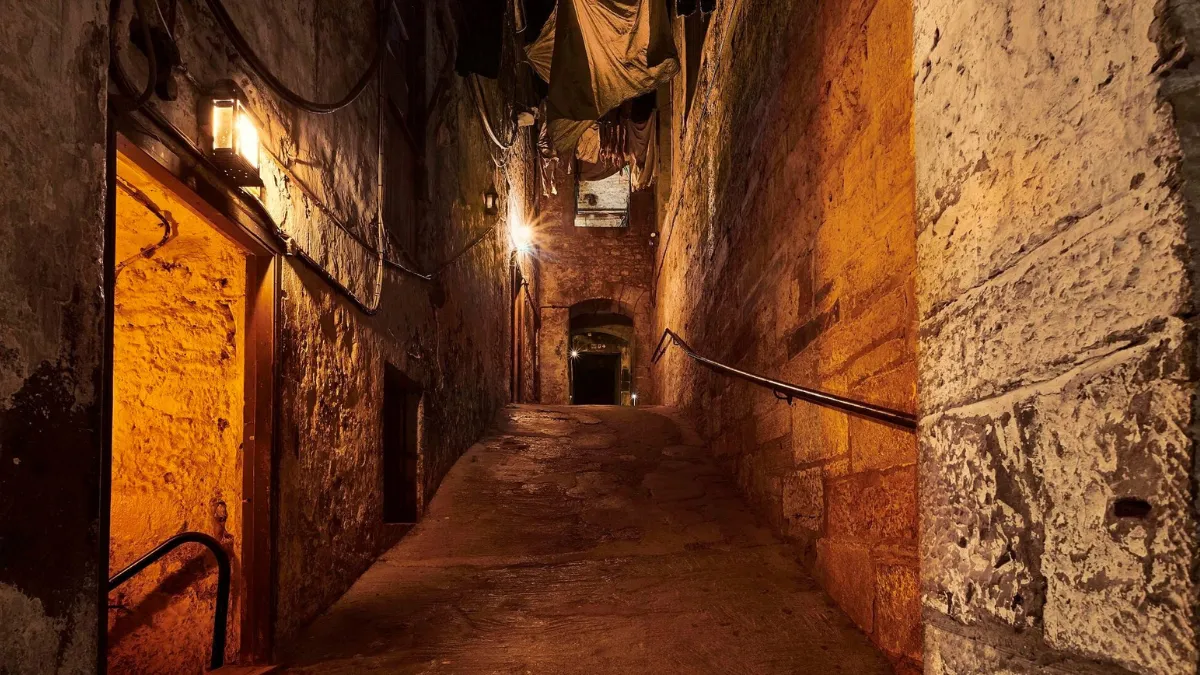
Book Ghost Tours
Evening walking tours of Edinburgh’s underground vaults. Groups of 15-20 people, mostly solo travelers. Easy conversation starter. Quintessential Edinburgh experience.
Book Edinburgh Tours
Small group or private tours of Edinburgh and the surrounding Scottish districts. Take a day trip north and visit Loch ness (and the Loch Ness Monster, Nessie)
Recommended Stay Duration
Five to six days covers Edinburgh thoroughly. Day 1 for castle and Royal Mile. Day 2 for Arthur’s Seat hike and Holyrood. Day 3 for museums and galleries. Day 4 for a day trip to Highlands or Stirling Castle. Days 5-6 for neighborhood wandering and revisiting favorites.
The compact size means you won’t feel rushed. Downtime between activities feels natural. Your first solo trip benefits from this relaxed pacing.
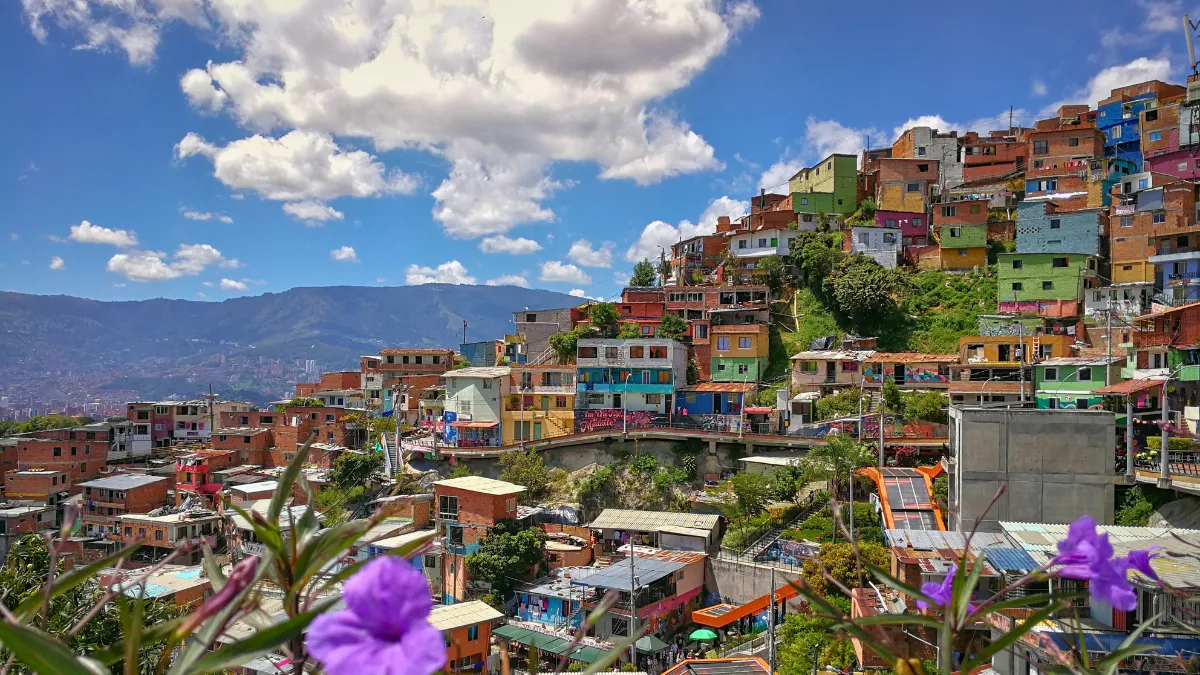
Medellín, Colombia: Adventure-Focused Solo Travel
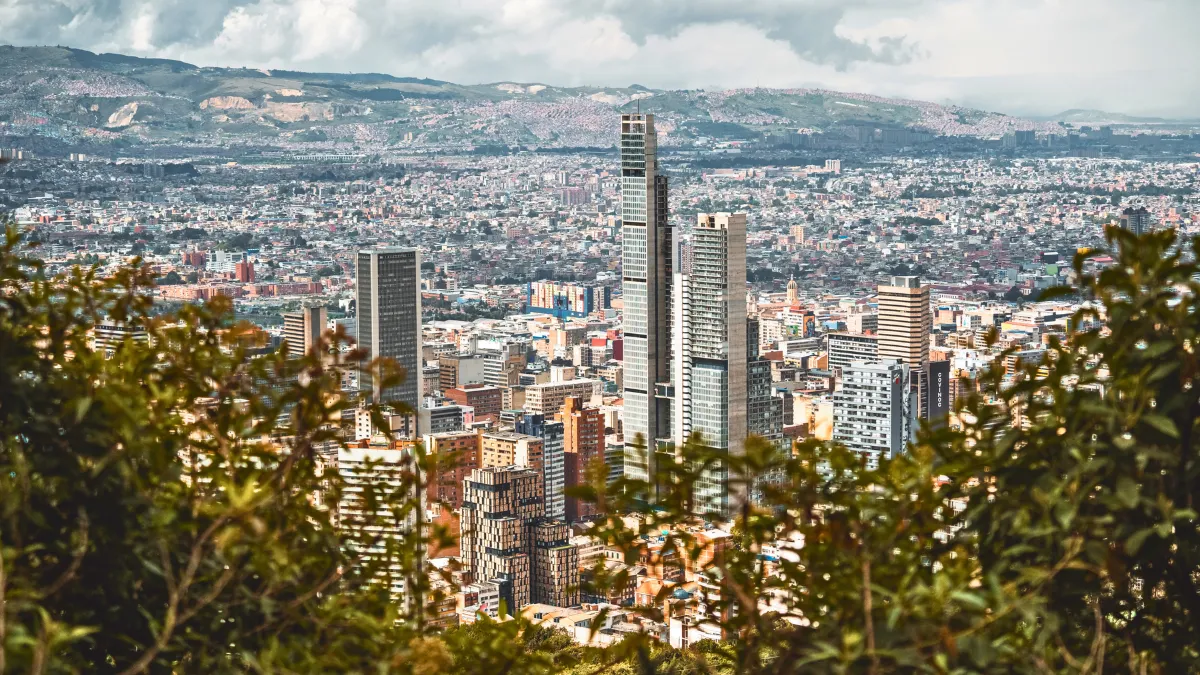
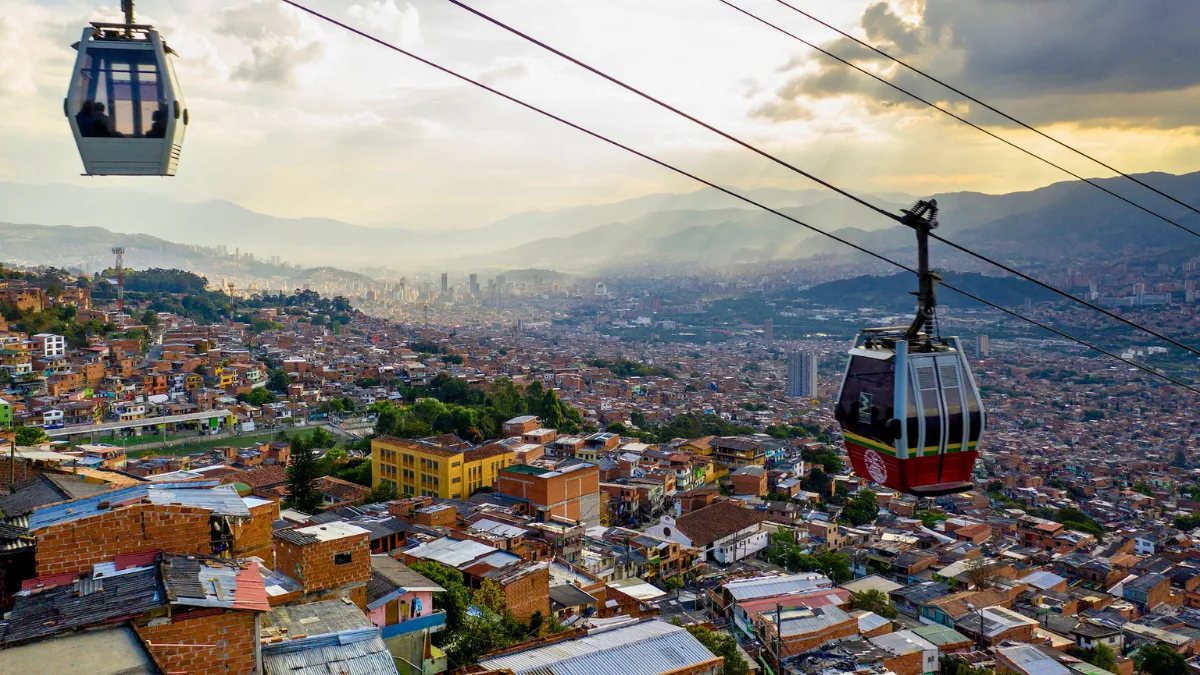
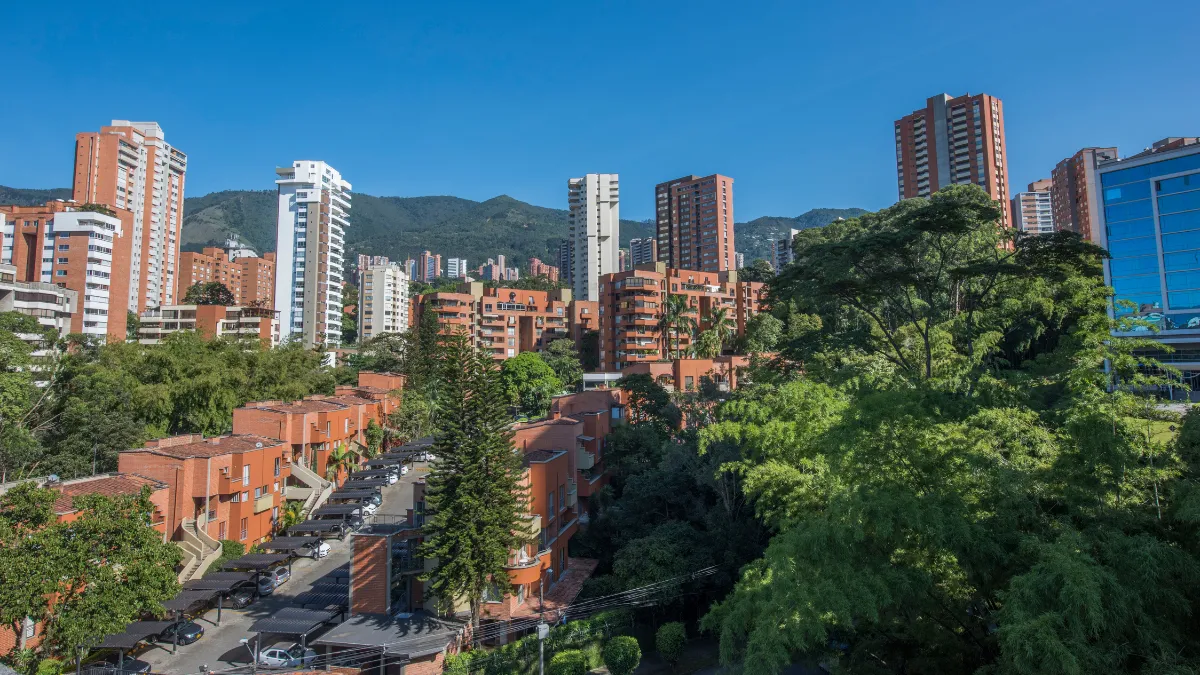
Medellín rebuilt itself from dangerous past to digital nomad destination. The transformation over 20 years created infrastructure specifically welcoming independent travelers. The metro system rivals Europe’s. English-speaking tour guides outnumber Spanish-only options. Solo traveler hostels concentrate in Poblado and Laureles.
The city’s reputation for danger lingers unfairly. Modern Medellín’s safety metrics place it safer than several major US cities. Tourist areas maintain visible police presence. The metro proves safer than most American public transit.
Why Medellín Appeals to First Solo Adventurers
The adventure options here exceed typical first-timer destinations. Paragliding over the valley. Hiking to waterfalls. Salsa lessons every night. Rock climbing. ATV tours. Most activities accommodate solo joiners.
The social scene rivals Chiang Mai. Poblado’s hostel strip creates instant community. Rooftop parties every Thursday. Organized pub crawls. Spanish exchange meetups. You’ll collect dozens of Instagram handles within 48 hours.
Cost remains remarkably low for a major city. The Colombian peso’s weakness against the dollar stretches budgets. Your daily spending mirrors Southeast Asian costs while experiencing South American culture.
Budget Breakdown for Medellín Solo Trip
Your dollar goes far in Colombia’s currency climate:
- Accommodation: $15-25 (private room in party hostel or quieter guesthouse)
- Food: $12-20 (three meals including sit-down dinner)
- Transport: $5-8 (metro rides plus occasional Uber)
- Activities: $10-15 (museum, tour contribution, or salsa class)
- Total daily average: $40-60
Week budget: $280-420 excluding flights. Flights from US cities cost $250-500 roundtrip—often cheaper than European destinations.
The low cost tempts extended stays. Many first-timers discover Spanish schools offering 20 hours weekly for $150-200. Combining travel with language learning becomes affordable.
Safety Approach for First Solo Time
Medellín requires more safety awareness than Lisbon or Edinburgh. The 4.1 safety rating reflects real considerations. Follow these evidence-based precautions:
- Stay in Poblado, Laureles, or Envigado neighborhoods only
- Use only registered yellow taxis or Uber (never street taxis)
- Keep phones hidden when walking—theft targets visible devices
- Avoid Comuna 13 after 4 PM despite tour company claims
- Never accept drinks from strangers in clubs (scopolamine risk)
- Use ATMs inside malls or banks during business hours
This isn’t paranoia. These are tested protocols from 200+ solo traveler experiences Following them reduces incident risk to near zero.
Solo female travelers report positive experiences when following precautions. The hostel community provides safety in numbers. Women travel together to clubs. Hostel staff vet taxi drivers. The female solo traveler network here actively shares safety information.
Critical safety note: Medellín’s elevation (5,000 feet) combined with partying causes altitude-alcohol issues. First-timers underestimate how alcohol affects them at elevation. Drink half your normal amount for the first three days. Dehydration and altitude sickness ruin many first trips here.
Language Barrier Reality
English proficiency in Medellín lags behind other destinations here. Outside tourist zones and hostels, Spanish dominates. Restaurant staff in local neighborhoods rarely speak English. Metro announcements are Spanish-only.
This creates challenges but also opportunities. Learning basic Spanish becomes necessary, not optional. Download Google Translate. Learn essential phrases. Many first-timers cite this as positive—forced language learning builds confidence.
The hostel scene bridges the gap. Staff speak English fluently. Tour operators cater to English speakers. You can survive entirely in English if you stick to tourist infrastructure.
Book Medellín Hostels
Choose Poblado area for safety and social scene. Look for properties with 24-hour reception, organized activities, and strong reviews from solo travelers.
Join Paragliding Tours
Fly over the Aburrá Valley from San Felix. All equipment provided. Tandem flights perfect for first-timers. Most participants are solo travelers. Unforgettable experience.
Medellín Day Tours
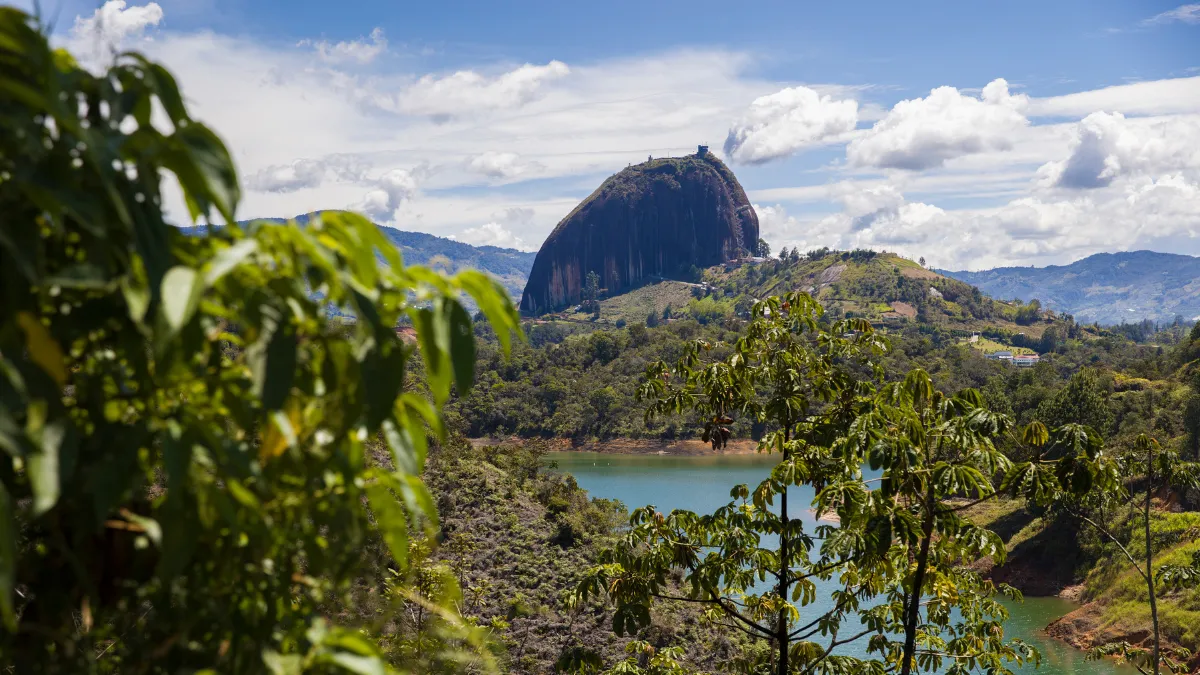
Check out small group or private day tours in and around Medellín. Comuna 13 Graffiti Tour, Plaza Botero & Museo de Antioquia or a day trip to Guatapé & El Peñón!
Ideal Stay Length
Plan 6-9 days minimum. Days 1-2 for city orientation and metro exploration. Days 3-4 for Guatapé day trip and adventure activities. Days 5-6 for Comuna 13 tour and museum visits. Days 7-9 for salsa immersion and surrounding pueblos.
The adventure focus means you’ll stay busy. Schedule rest days. The partying culture burns out first-timers who don’t pace themselves.
Reykjavik, Iceland: Nature-Immersion Solo Experience
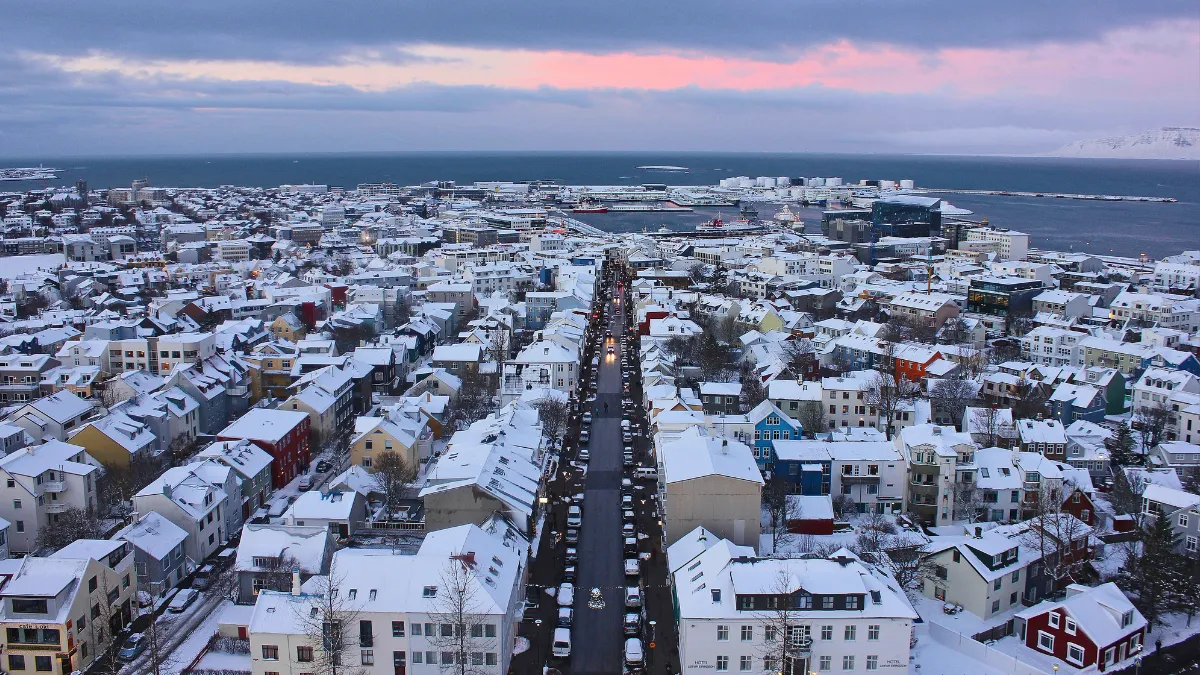
Reykjavik targets a different first-timer profile. The highest costs among these six destinations. The smallest population. The most extreme weather. Yet it scores 4.9 for safety—the highest rating here.
Iceland built its entire tourism model around independent travelers. Every hotel, guesthouse, and tour operator expects solo participants. Single supplements barely exist. Tour companies group solos together naturally.
Why Reykjavik Suits Adventure-Focused First-Timers
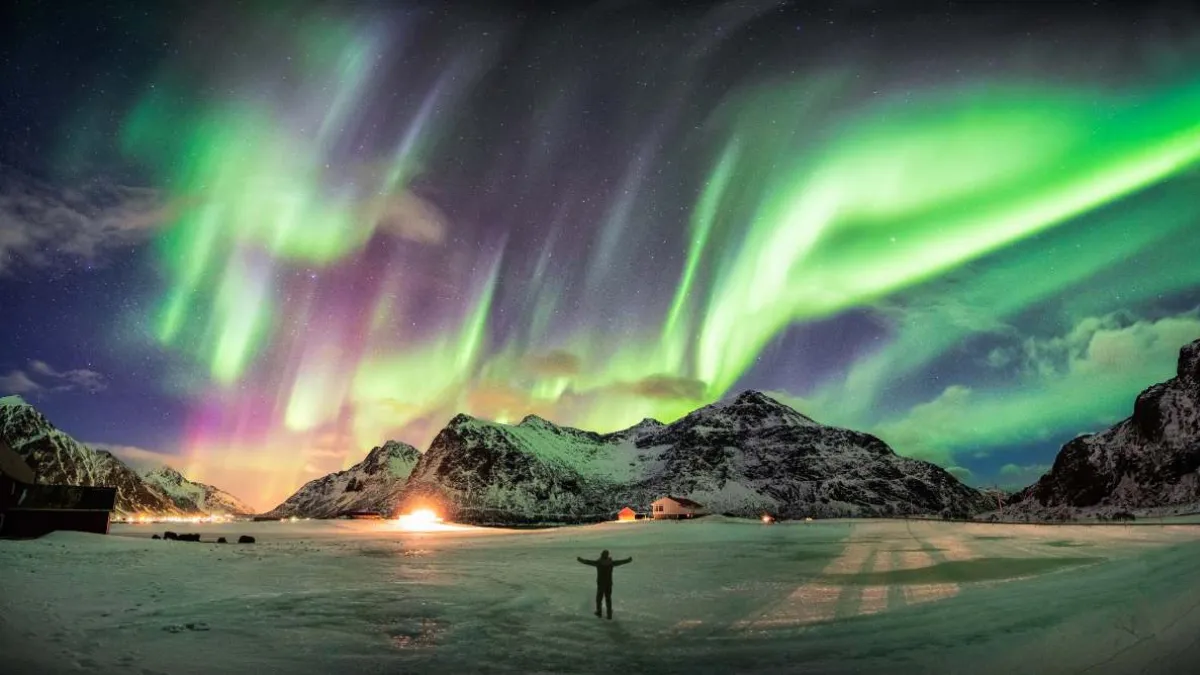
The natural experiences here surpass anywhere else on this list. Northern Lights viewing. Glacier hiking. Volcanic landscapes. Hot springs. Ice caves. Whale watching. These aren’t side activities—they’re the entire point.
The infrastructure removes traditional challenges. Public buses connect major sights. Tour companies provide all equipment. English is spoken everywhere—Iceland ranks #4 globally for English proficiency. Credit cards work in the smallest villages.
Solo travel feels normalized, not exceptional. Restaurants have counter seating. Tours accommodate singles without awkwardness. Nobody questions why you’re traveling alone. The culture values independence and self-sufficiency.
Iceland Cost Reality for Solo Travelers
Iceland ranks as Europe’s most expensive destination. The numbers shock first-timers:
- Accommodation: $50-80 (guesthouse or hostel private room)
- Food: $40-55 (mix of supermarket meals and budget restaurants)
- Transport: $10-20 (Reykjavik buses or tour transport)
- Activities: $80-120 (one major tour like glacier hike or whale watching)
- Total daily average: $110-150 when including tour days
Week budget: $770-1,050 before flights. Transatlantic flights from US East Coast run $300-600 with WOW or Icelandair sales.
The costs force strategic planning. You can’t afford daily tours. Budget two major tours per week. Fill other days with free activities—hiking, hot springs, coastal walks. Buy groceries at Bonus supermarket, not convenience stores. Alcohol costs triple US prices—pre-game at your accommodation.
Social Scene Differences
Reykjavik’s solo-friendliness score (8.6) trails Chiang Mai and Lisbon for valid reasons. The city holds only 130,000 people. Fewer hostels exist. The party scene concentrates on weekends only. The climate keeps people indoors much of the year.
Meeting other travelers requires more effort. Join group tours—they’re filled with solos. Stay at Kex Hostel or Loft Hostel for social atmospheres. Visit during summer when outdoor festivals happen. Check Facebook for expat and traveler meetups.
The local culture runs reserved. Icelanders don’t chat with strangers like Scots or Thais. This isn’t rudeness—it’s cultural norm. People approach interactions differently than in warmer climates.
Weather and Timing Considerations
Iceland’s weather dictates your entire experience. Summer (June-August) offers near-24-hour daylight, accessible roads, and maximum tours. But prices peak and tourists crowd major sites.
Winter (November-February) brings Northern Lights possibilities, ice caves, and cheaper prices. But also darkness, closed roads, and canceled tours due to weather. Your first solo trip faces more challenges here.
Shoulder seasons (April-May, September-October) balance factors. Moderate prices. Fewer crowds. Some Lights chances. But weather remains unpredictable. Tours still run but you’ll need flexibility for cancellations.
Iceland Advantages
- Safest country in the world (Global Peace Index #1)
- Zero violent crime concerns for solo travelers
- Unique natural experiences unavailable elsewhere
- Strong solo traveler infrastructure and group tours
- Tap water quality better than bottled (saves money)
- Easy navigation with excellent English signage
Iceland Challenges
- Highest costs of all destinations reviewed
- Limited budget food and accommodation options
- Weather unpredictability causes tour cancellations
- Smaller social scene than other solo destinations
- Alcohol prices ($12-15 for beer) shock travelers
- Winter darkness (4 hours daylight) affects mood
Book Reykjavik Accommodation
Reserve early for summer travel. Look for guesthouses with kitchens to save on food costs. Kex Hostel and Loft Hostel offer best social atmosphere for solo travelers.
Join Golden Circle Tours
Full-day tour covering Þingvellir, Geysir, and Gullfoss. Small group sizes. 70% solo travelers on average. Essential Iceland experience with included guide expertise.
Join An Iceland Tour
Day trips or inner city Reykjavik tours for small groups or privately. Check out the Puffin cruise, Blue Lagoon or a Silfra Fissure Snorkeling Package.
Recommended Trip Duration
Budget 7-10 days for Iceland as a first solo destination. Days 1-2 for Reykjavik exploration. Day 3 for Golden Circle. Day 4 for South Coast. Day 5 for Snaefellsnes Peninsula. Days 6-7 for glacier hikes or Northern Lights hunts. Days 8-10 for Reykjanes Peninsula and Blue Lagoon.
The short distances between sights make day trips efficient. You can base in Reykjavik and still see most major attractions without relocating accommodation.
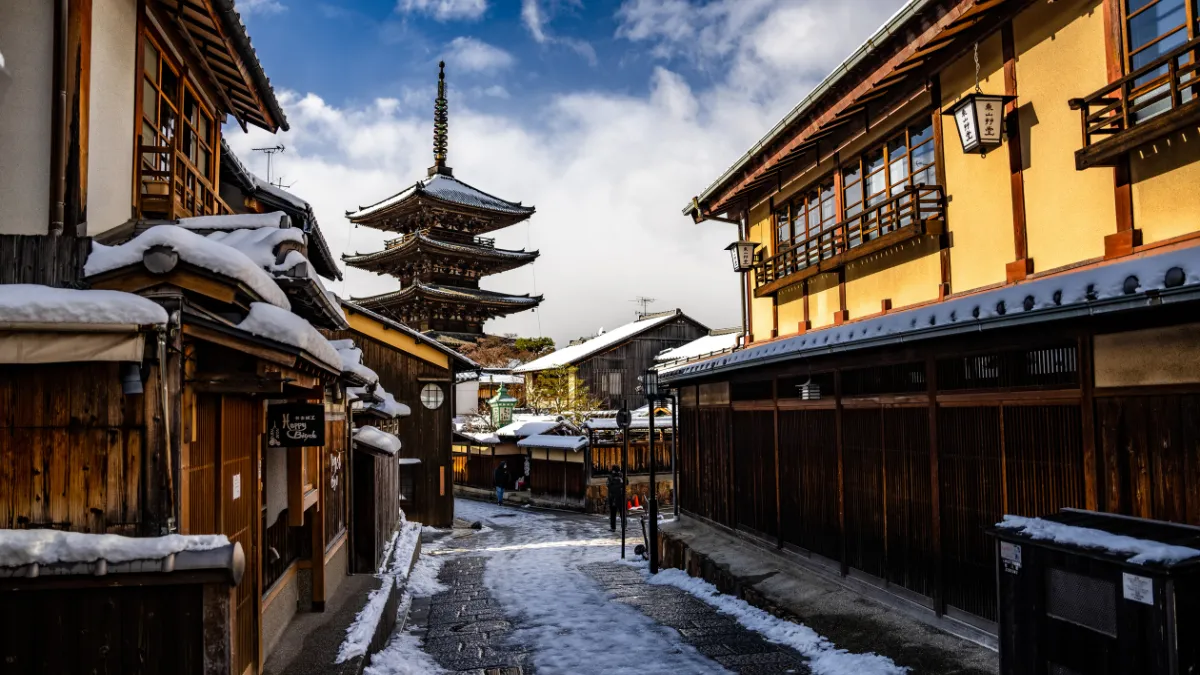
Kyoto, Japan: Cultural Immersion for First Solo Trip
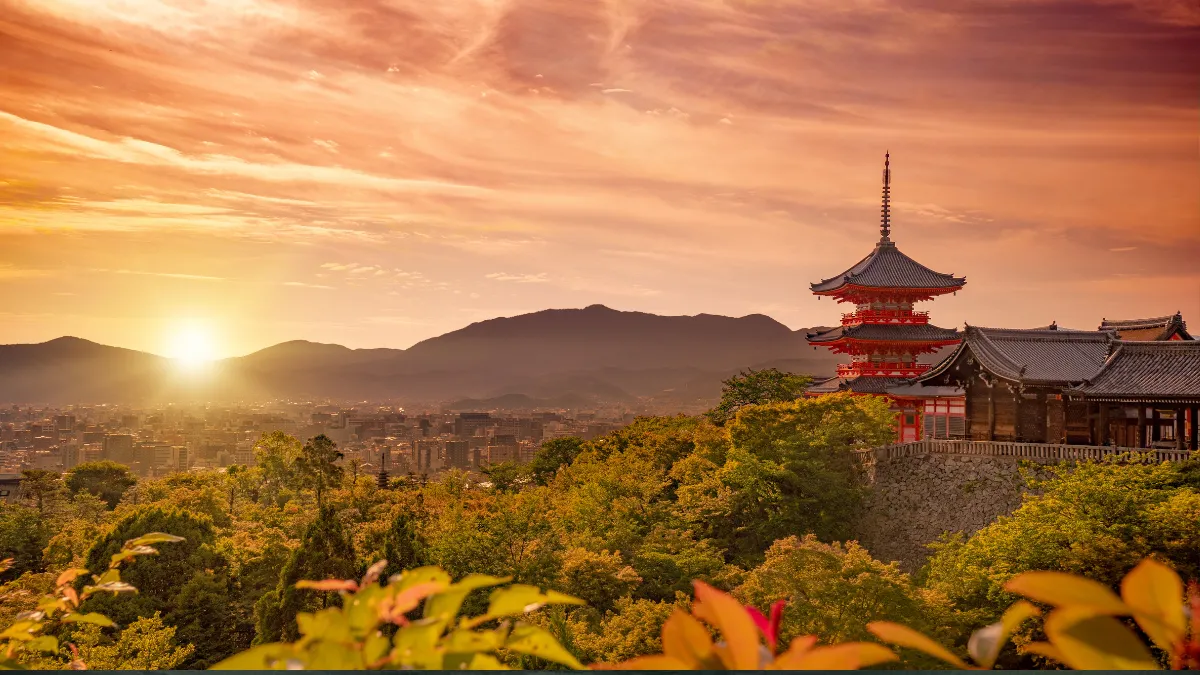
Kyoto presents the cultural polar opposite of Chiang Mai or Medellín. Ancient temples instead of party hostels. Tea ceremonies instead of pub crawls. Silent contemplation instead of social chaos. Yet it scores 4.5 overall for first-timers.
The safety rating of 4.9 matches Iceland. Japan’s crime rates rank among the world’s lowest. Women walk alone at 2 AM without concern. Phones left on cafe tables remain untouched. Lost wallets return with cash intact. This safety floor eliminates major first-timer anxiety.
Why Kyoto Works for Culturally-Focused Solos
The infrastructure quality reaches 9.8—highest among all destinations. Trains run precisely on time. Signage includes English everywhere. Convenience stores accept credit cards. Free WiFi blankets the city. Vending machines solve late-night food needs. The efficiency removes logistical stress.
Solo dining reaches art form status here. Ramen counters have dividers between seats. Sushi bars seat individuals at counters. Department store food courts cater to solo eaters. Nobody blinks at solo diners. The culture respects individual space.
Temple hopping suits solo travelers perfectly. Walk at your own pace. Contemplate without conversation. Join temple meditation sessions. The solo experience enhances rather than diminishes the journey here.
Kyoto Solo Travel Budget
Japan’s costs fall between moderate (Lisbon) and expensive (Iceland):
- Accommodation: $30-45 (capsule hotel or guesthouse private room)
- Food: $25-35 (convenience store breakfasts, lunch sets, dinner at izakaya)
- Transport: $8-12 (subway day pass and occasional taxi)
- Activities: $10-15 (temple entries and gardens)
- Total daily average: $70-95
Week budget: $490-665 excluding flights. Flights from US West Coast run $600-1,000 roundtrip depending on season.
Smart budgeting transforms Kyoto from expensive to reasonable. Convenience store food rivals restaurant quality at one-third the price. Ramen shops serve $7 meals that would cost $20 in tourist areas. Free temple gardens outnumber paid ones three to one.
Language Barrier Navigation
English proficiency scores lowest here at 3.6. Outside major hotels and tourist information centers, English speakers are rare. Restaurant staff in local neighborhoods speak minimal English. Train announcements use Japanese primarily.
This challenges first-timers more than expected. You can’t ask quick questions. Menu ordering requires pointing or Google Translate. Navigation needs careful preparation. Some travelers find this stressful. Others find it rewarding—forced problem-solving builds confidence.
Preparation strategies that work:
- Download Google Translate app with offline Japanese
- Screenshot maps and directions before leaving WiFi
- Learn basic phrases phonetically (sumimasen, arigato gozaimasu)
- Carry hotel business card for taxi returns
- Use picture menus or point at what others are eating
Meeting Other Solo Travelers
Kyoto’s social scene differs entirely from Chiang Mai or Medellín. Fewer hostels exist. Those that do run quieter. The culture doesn’t encourage loud socializing. Bar hopping isn’t normalized.
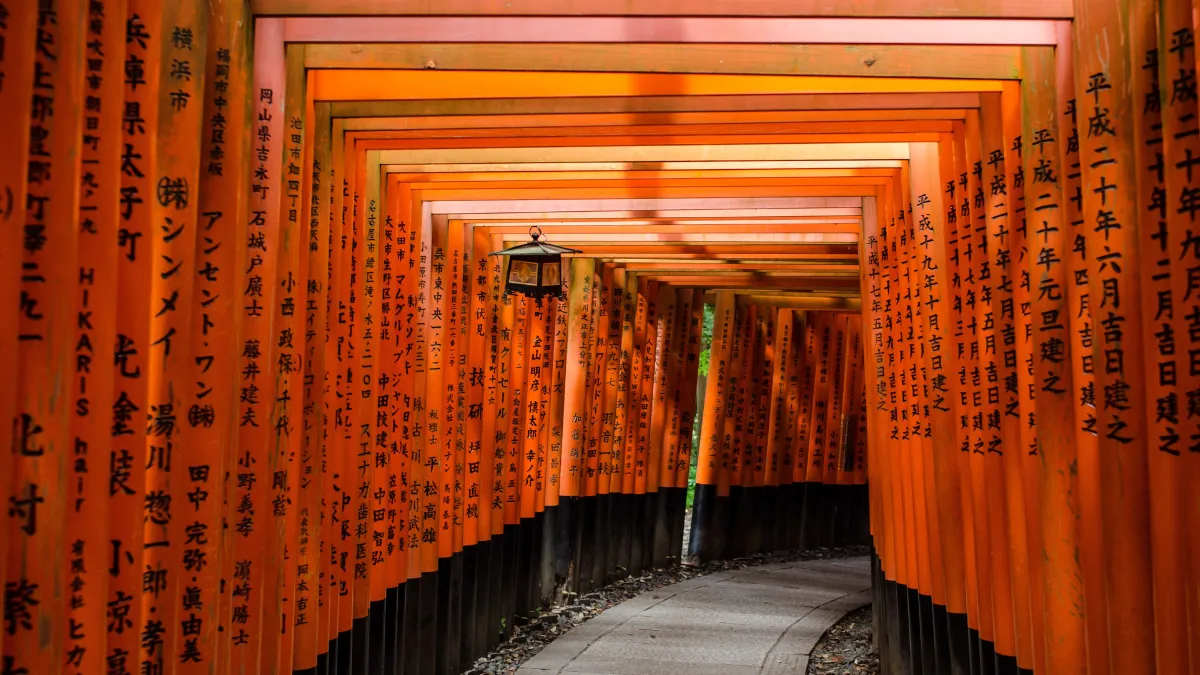
Yet solo travelers congregate predictably. Stay at guesthouses like Len Kyoto or Piece Hostel Sanjo. Join cooking classes or calligraphy workshops. Visit Gion Corner for cultural shows—70% attendance is solo travelers. Walk the Philosopher’s Path at dawn—you’ll meet solo photographers.
The experience suits introverted solo travelers particularly well. You can stay entirely solo without feeling isolated. Or you can find community through activities rather than party scenes.
Cultural consideration: Japanese culture values silence and personal space. What Americans perceive as coldness is actually respect for privacy. Don’t interpret lack of chatty interactions as unfriendliness. The solo travel experience here emphasizes introspection over socializing.
Navigation and Getting Around
Kyoto’s bus and subway system intimidates first-timers initially. But it’s remarkably simple once decoded. Buy a rechargeable IC card at any station. Buses cost flat ¥230 regardless of distance within city limits. Subway follows color-coded lines with English station names.
The city spreads out more than expected. North to south spans 12 km. Walking between temples isn’t always feasible. Plan routes by area—Northern temples one day, Eastern temples another, Western temples the third.
Bicycles work brilliantly for solo travelers. Rental shops charge ¥1,000 per day ($7). Kyoto’s flat terrain and bike lanes make cycling easy. You cover more ground than walking, save on transport, and stop whenever something catches interest.
Book Kyoto Guesthouses
Traditional machiya guesthouses offer authentic experience. Choose properties near subway stations for easy temple access. Book months ahead for cherry blossom and autumn seasons.
Join Tea Ceremony Classes
Learn traditional Japanese tea preparation in small groups. Sessions include kimono wearing, ceremony participation, and sweets. Most are solo travelers. Cultural immersion at its finest.
Join a Kyoto Tour
Join a Kyoto city tour or head out of the city to explore the Japanese countryside. Fancy creating – join a Kyoto ring making workshop or craft your own Kyoto chopsticks.
Recommended Trip Length
Allow 6-8 days for Kyoto proper. Days 1-2 for major temples (Kinkaku-ji, Fushimi Inari). Days 3-4 for Arashiyama bamboo groves and western temples. Day 5 for Nara day trip. Days 6-7 for quieter neighborhoods and hidden gems. Day 8 for revisiting favorites and final temple visits.
Many first-timers add Osaka (30 minutes away) for 2-3 additional days. The combination provides cultural depth (Kyoto) plus urban energy (Osaka).
Kyoto rewards slow travel. Rushing temple to temple misses the point. Schedule rest time. Sit in gardens. Observe. Your first solo trip benefits from this slower, contemplative pace.
Choosing Your First Solo Trip Destination
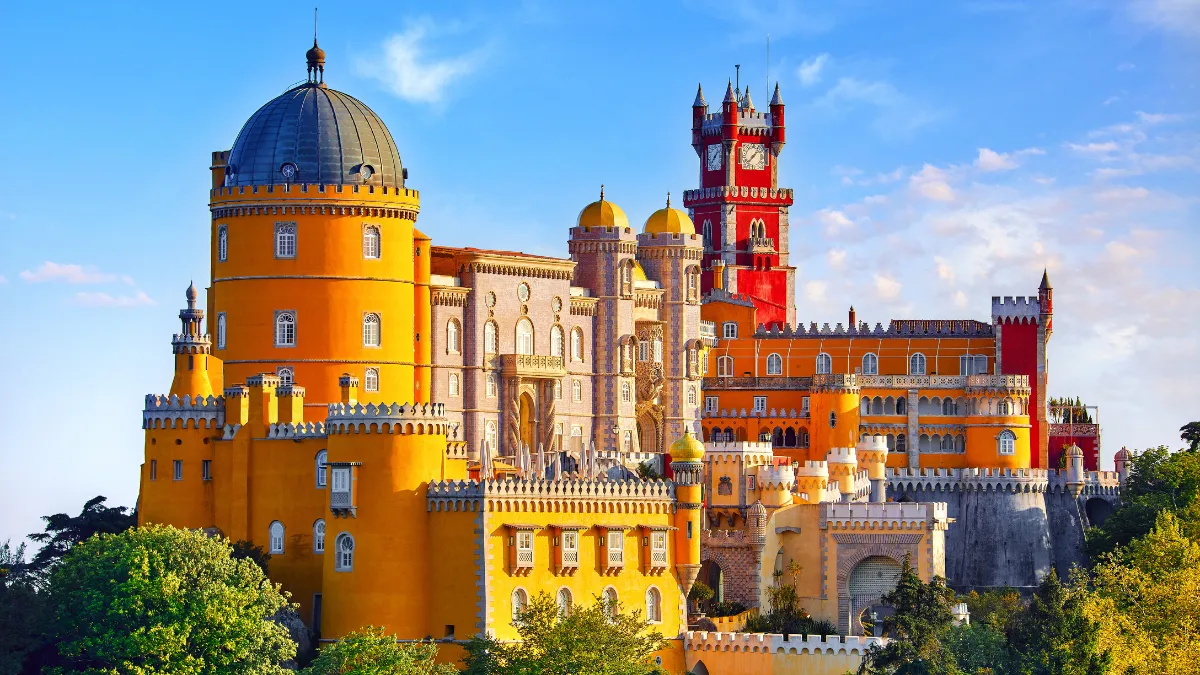
The “best” destination doesn’t exist universally. Your priorities determine which location fits your first solo journey. Here’s how to match destinations to your specific concerns and preferences.
If Safety Is Your Top Priority
Choose Iceland or Kyoto. Both score 4.9 for safety. Iceland wins for English ease. Kyoto wins for lower costs. Neither destination presents significant safety concerns even for most anxious first-timers.
Edinburgh follows closely at 4.8. The combination of English language and European infrastructure creates comfort zones for American travelers specifically.
Avoid Medellín if safety anxiety dominates your concerns. The city is safe when following protocols, but the mental load of constant awareness might overwhelm your first solo experience.
If Budget Dictates Your Decision
Chiang Mai delivers unmatched value. $35-50 daily for quality experience. You could travel three weeks in Chiang Mai for the cost of one week in Iceland.
Medellín provides similar value with different cultural experience. $40-60 daily opens South American adventure opportunities unavailable in Southeast Asia.
Lisbon offers European experience at reasonable cost. While pricier than Asian or South American options, it undercuts most Western European capitals by 30-40%.
If Social Connection Matters Most
Chiang Mai and Medellín dominate social scenes. Both score 4.7+ for solo-friendliness. Both concentrate travelers in specific neighborhoods. Both run nightly hostel events. You’ll struggle to stay alone if you don’t want to.
Lisbon follows for European context. The hostel culture rivals Southeast Asia. Festival season in Edinburgh creates temporary social intensity matching year-round Asian scenes.
Kyoto and Reykjavik suit travelers who want occasional social contact but value solo time. You can find community when desired without constant social pressure.
If Adventure Activities Drive You
Iceland and Medellín win for adventure. Iceland offers nature adventures unavailable elsewhere (glaciers, ice caves, Northern Lights). Medellín provides adrenaline activities (paragliding, ATV, rock climbing) at budget prices.
Kyoto serves cultural adventure over physical. Temple exploration, traditional crafts, meditation retreats. Edinburgh offers historical adventure through castle tours, Highland access, and whisky journeys.
If Language Anxiety Concerns You
Edinburgh eliminates language barriers entirely. Iceland follows with near-universal English proficiency. Both score 4.9-5.0 for language ease.
Lisbon and Chiang Mai balance accessibility with immersion. Enough English exists for comfort, but you’ll encounter language challenges that build confidence. Medellín and Kyoto present stronger language barriers requiring more preparation.
Match Your Travel Style
Your personality type should influence destination choice as much as practical factors. Consider these alignments:
Extroverted first-timers:
Chiang Mai, Medellín, or Lisbon. The social infrastructure prevents loneliness. You’ll build a travel crew within days.
Introverted first-timers:
Kyoto, Iceland, or Edinburgh. Solo time feels natural not isolating. You control social interaction levels completely.
Culture-focused travelers:
Kyoto for traditional Asian culture. Edinburgh for Celtic history. Lisbon for European charm. Each offers depth over breadth.
Budget backpackers:
Chiang Mai or Medellín. Both support extended travel on tight budgets without sacrificing experience quality.
Comfort seekers:
Iceland, Edinburgh, or Kyoto. Higher costs buy worry-free infrastructure. Less figuring things out, more enjoying experiences.
Still Can’t decide?
Have a look at our other solo travel options (or it’s time to flip the coin)
Season Matters
Timing affects destination suitability significantly:
- Summer (Jun-Aug): Iceland, Edinburgh. Optimal weather despite higher prices.
- Fall (Sep-Nov): Kyoto (autumn colors), Lisbon (fewer crowds). Medellín works year-round.
- Winter (Dec-Feb): Chiang Mai (cool season), Medellín (dry season). Avoid Iceland unless chasing Northern Lights.
- Spring (Mar-May): Kyoto (cherry blossoms), Lisbon (perfect weather). Book far ahead for Japan.
Combining Destinations
Your first solo trip doesn’t require limiting yourself to one destination. Smart combinations work well:
Lisbon and Edinburgh
Two weeks covering contrasting European experiences. Easy budget flights between them ($30-80).
Chiang Mai and other Thailand destinations
Start in Chiang Mai’s comfort zone, then venture to islands or Bangkok. Or drive the Mae Hong Son Loop.
Kyoto and Osaka:
Cultural depth plus urban energy. Thirty-minute train connection. Shared JR Pass covers both.
Medellín and Cartagena:
Mountain city plus Caribbean coast. Domestic flights run $50-80. Complete Colombia experience.
Reykjavik and Scandinavia or Europe
Use Iceland as a crossing stopover on Europe trips. More Northern lights? Go Scandinavia. Need the warmth? Head to Spain or Portugal. Many airlines offer free stopovers.
Multi-destination first trips work when you allow sufficient time. Don’t try squeezing four cities into 10 days. Quality over quantity prevents overwhelm.
Practical Preparation for First Solo Trip
Choosing your destination represents half the battle. Proper preparation completes it. These tested strategies reduce first-timer stress regardless of which destination you selected.
Booking Strategy for First Time Solo Travelers
Book flights and first two nights accommodation only. Lock in arrival logistics but maintain flexibility afterward. This prevents you from being locked into an itinerary that doesn’t match on-ground reality.
Choose accommodations with flexible cancellation until 24-48 hours before arrival. Most booking platforms offer this filter. The mental safety net reduces pre-trip anxiety significantly.
Select social hostels for at least your first two nights even if you plan hotels later. The instant community provides confidence boost. You can always move to quieter places once settled.
Essential Documentation
Create a cloud-stored folder containing:
- Passport photo page (PDF and JPEG)
- Travel insurance policy and emergency numbers
- Accommodation confirmations
- Flight tickets and booking references
- Credit card customer service numbers
- Emergency contact information
- Copies of prescriptions for any medications
Email this folder to yourself. Download to your phone. Print one physical copy. Redundancy prevents single points of failure.
Money Management
Notify your bank about travel dates and destinations. Credit card fraud algorithms flag foreign transactions otherwise. You’ll face frozen cards in foreign countries—common first-timer disaster.
Carry two credit cards from different networks (Visa and Mastercard). Keep them in separate bags. One stolen or frozen card won’t leave you stranded.
Withdraw cash at airport ATMs upon arrival. Having local currency immediately reduces stress. You can pay taxi, buy SIM card, tip porter without hunting for ATMs or dealing with exchange counters.
Essential Items to Pack
- Universal power adapter (not just phone charger)
- Portable battery pack (10,000+ mAh capacity)
- Small padlock for hostel lockers
- Quick-dry towel if staying in hostels
- Basic first aid kit with your regular medications
- Photocopy of passport separate from original
- Reusable water bottle with filter
- Day pack for carrying essentials while sightseeing
Useful Apps to Download
- Google Maps offline for your destination
- Google Translate with offline language pack
- XE Currency for real-time conversion
- Hostelworld or Booking.com for accommodation
- WhatsApp for international communication
- Trail Wallet or similar for budget tracking
- Citymapper or local transit app
- TripIt for organizing confirmations
Safety Protocols for First Solo Time
Establish a check-in system with someone at home. Text a friend or family member every 2-3 days. Share your rough location. This isn’t paranoia—it’s basic safety protocol.
Trust your instincts immediately. First-timers often ignore gut feelings to avoid seeming paranoid or rude. If a situation feels wrong, exit it. You don’t owe strangers explanations or continued interaction.
Avoid advertising solo status unnecessarily. You’re traveling independently, not announcing vulnerability. When asked “where’s your group,” respond “they’re back at the hotel” or “meeting them later.” White lies serve safety.
Managing Pre-Trip Anxiety
Expect nervousness to peak 2-3 days before departure. This is normal. Every solo traveler experiences it. The anxiety diminishes within 24 hours of arrival as competence builds.
Combat anxiety through preparation, not cancellation. Make lists. Research your route from airport to accommodation. Identify three restaurants near your hotel. Know the local emergency number. Information defeats fear.
Join online communities before departure. Facebook groups for solo travelers in your destination. Reddit communities like r/solotravel. Ask questions. Read recent trip reports. Virtual preparation builds confidence.
“The biggest myth about solo travel is that you need to be fearless. You just need to travel despite the fear. The confidence comes from doing the thing, not from feeling ready to do the thing.”
— Survey response from first-time solo traveler, March 2024
Common Questions from First Time Solo Travelers
Is solo travel safe for first-timers with no previous international experience?
Yes, when you choose appropriate destinations. The six locations reviewed here all accommodate first-time international travelers. Millions of people complete their first solo trip annually with zero incident. Safety correlates more with preparation and destination choice than experience level. Start with higher-rated safety destinations (Iceland, Kyoto, Edinburgh) if you’re particularly anxious. The infrastructure in these places guides you naturally. English proficiency eliminates communication barriers that cause stress. Most “dangerous” situations result from ignorance, not malice. Researching local scams, knowing taxi fare ranges, and understanding cultural norms prevents 95% of negative interactions.
How do I meet people when traveling alone for the first time?
Stay in social hostels, not hotels. This single decision determines your social experience more than any other factor. Hostels with common areas, organized events, and bar facilities create natural meeting opportunities. Join group activities like walking tours, cooking classes, or day trips. These formats force interaction through shared experience. Most participants are solo travelers seeking the same social connection you want. Use apps like Meetup or Couchsurfing Events (you don’t need to host/surf to attend events). Local expat groups often welcome travelers. Simply showing up and introducing yourself works better than you expect.
What if I get lonely during my first solo trip?
Loneliness happens occasionally even in social destinations. It doesn’t mean you’ve failed or made a mistake. The feeling usually passes within hours as you shift activities or locations. Combat loneliness through action, not withdrawal. Go to a hostel common area. Join a tour. Visit a busy market. Movement and presence around others reduces isolation feelings even without direct interaction. Schedule video calls with friends or family for particularly lonely moments. Modern connectivity means you’re never truly alone. A 15-minute call often provides enough connection to reset your mood. Remember that solo travel and lonely travel are different things. You choose your engagement level. Feeling lonely sometimes doesn’t invalidate the overall positive experience.
How do I deal with language barriers as a first-time solo traveler?
Technology solves most language problems. Google Translate app works offline when you download language packs. Point your camera at menus, signs, or text for instant translation. The voice feature handles spoken conversations adequately. Learn basic phrases in the local language: hello, thank you, excuse me, how much, where is. This covers 80% of daily interactions. Locals appreciate effort even if your pronunciation is terrible. Carry your hotel’s business card or address written in local language. Show this to taxi drivers for easy returns. Screenshot maps and directions when you have WiFi for offline navigation later. Pointing, gestures, and patience work surprisingly well. Most interactions need minimal language. You want food, they serve food. The transaction happens through universal signals.
How much money should I budget for my first solo trip?
Budget depends entirely on destination and duration. Use the daily costs outlined for each destination as baseline. Add 20-30% buffer for unexpected expenses, splurges, or emergencies. For one-week trips: Chiang Mai ($400-500), Medellín ($450-600), Lisbon ($650-850), Kyoto ($700-900), Edinburgh ($800-1,100), Iceland ($1,000-1,400). These include accommodation, food, local transport, and activities but exclude international flights. Carry two credit cards plus $200-300 in US cash as emergency backup. Convert some cash to local currency upon arrival. The combination provides flexibility across payment scenarios.
Should I book everything in advance or plan as I go?
Book flights and first 2-3 nights accommodation in advance. Leave the rest flexible unless traveling during peak season to popular destinations (Kyoto cherry blossoms, Edinburgh festivals, Iceland summer). Flexibility benefits first-timers significantly. You might love a city and want to stay longer. You might hate it and want to leave early. You’ll meet travelers suggesting amazing side trips. Pre-booking everything prevents these opportunities. The exception: high-demand activities like Iceland glacier hikes, Kyoto tea ceremonies, or Medellín paragliding. Book these 1-2 weeks ahead during busy seasons. They fill up and you’ll miss signature experiences otherwise.
What if something goes wrong and I need help?
Every destination here has tourist police or information centers with English speakers. Ask your accommodation reception for help first—they’re incentivized to assist guests and know local resources. Your embassy/consulate exists for serious problems (lost passport, arrest, medical emergency). Save their contact information and address before traveling. They can’t help with minor issues like booking problems or missed flights.Travel insurance (required for all solo first trips) provides 24/7 emergency assistance hotlines. They can arrange medical care, emergency evacuation, or trip modifications. This alone justifies the $50-100 policy cost. Fellow travelers provide immediate practical help. Hostel communities rally around members facing problems. Don’t hesitate asking for assistance. The solo travel community generally supports each other.
Is first solo travel more expensive than traveling with others?
Solo travel costs more per person for accommodation (no room splitting) but often less overall. You make all spending decisions without negotiation. You eat street food when you want. You skip expensive activities that don’t interest you. You control the entire budget. Accommodation costs increase 40-70% when solo versus splitting doubles. But you save money on food by eating local, on transport by walking instead of taking taxis, and on activities by joining free options. The destinations reviewed here minimize solo supplements. Hostels charge per bed, not per room. Many hotels in Asia and Latin America price rooms (not per person) making single occupancy more reasonable. Guesthouses often have true single rooms at fair prices.
Your First Solo Trip Starts with One Decision
Six destinations. Different strengths. Varied challenges. All proven for first time solo travelers.
Chiang Mai delivers budget and community. Lisbon offers European accessibility. Edinburgh removes language stress. Medellín provides adventure at low cost. Iceland prioritizes safety and nature. Kyoto emphasizes cultural depth.
No perfect choice exists. Your priorities determine the right destination. Safety-focused travelers lean toward Iceland or Kyoto. Budget travelers choose Chiang Mai or Medellín. Social seekers pick Chiang Mai or Lisbon. Cultural enthusiasts select Kyoto or Edinburgh.
The common thread across all six: thousands of first-timers complete solo trips in these cities yearly. The infrastructure exists. The communities welcome you. The safety records prove themselves through data, not marketing claims.
Your biggest obstacle isn’t destination selection. It’s the decision to go. Analysis paralysis stops more first solo trips than any external factor. At some point, you stop researching and start booking.
That point is now. Choose your destination. Book the flight. Reserve the first two nights. The rest figures itself out once you’re moving. Confidence builds through action, not through feeling ready.
One week from now, you could still be reading guides and watching YouTube videos. Or you could have tickets booked and an itinerary forming. The difference between those two outcomes is one decision made today.
Your first solo trip won’t be perfect. You’ll make navigation mistakes. You’ll overpay for something. You’ll eat alone feeling awkward at least once. These aren’t failures—they’re mandatory parts of the learning curve.
But you’ll also have moments of profound freedom. Walking unfamiliar streets at your own pace. Choosing dinner based purely on what you want. Meeting strangers who become friends. Solving problems independently. Returning home different than you left.
The data in this guide provides the framework. Your courage provides the execution. Both are necessary. One without the other leaves you either unprepared or immobile.
Pick your destination. Trust the research. Book the trip. Your first solo journey awaits.
Ready, Steady, Go!
Ready to Book Your First Solo Trip?
You’ve read the research. You’ve seen the data. You’ve identified your destination. The next step is action. Start with accommodation in your chosen city. Social hostels or guesthouses provide the foundation for successful first solo trips.
Find Your Accommodation – Hostel Search Here!