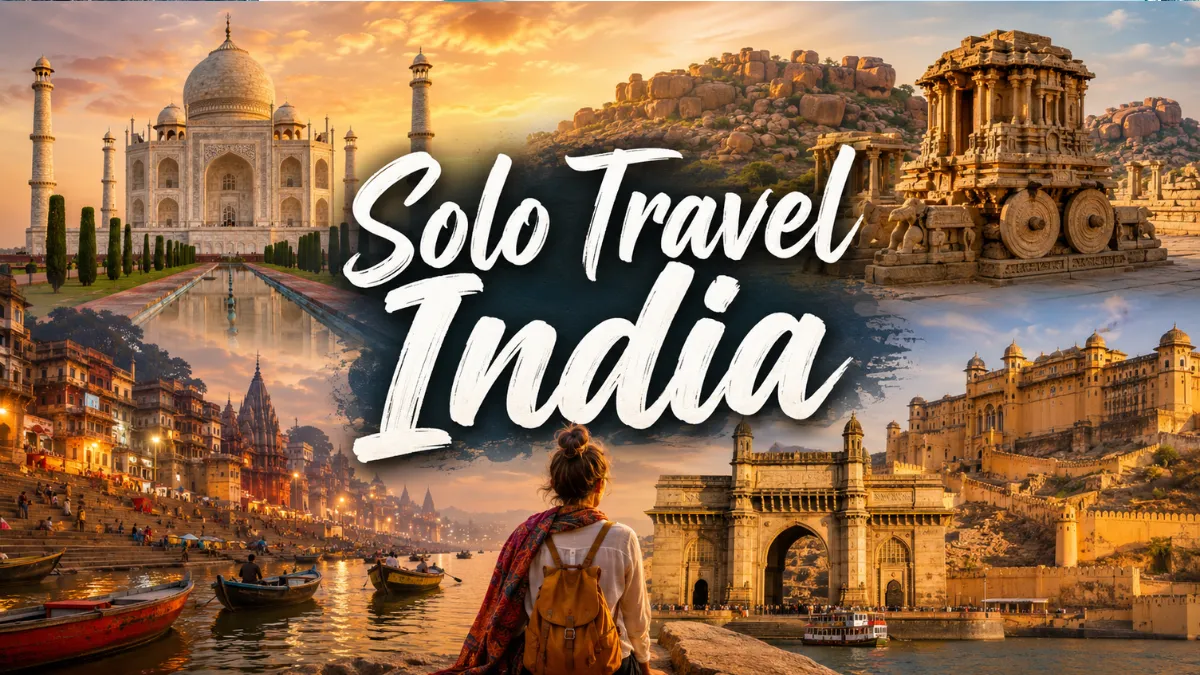
India calls to solo travelers with promises of ancient temples, vibrant markets, and life-changing experiences. The chaos and beauty of this vast country create the perfect backdrop for personal discovery. Whether you’re a first-time visitor or a seasoned adventurer, when you solo travel India you are guaranteed some unique challenges and extraordinary rewards.
This guide covers everything you need to know. From navigating bustling cities to finding safe accommodations, we’ll help you plan an unforgettable solo trip. You’ll discover practical tips, budget strategies, and insider advice that transforms uncertainty into confidence.
Why India Is Perfect for Solo Travelers
India stands out as one of the world’s most rewarding destinations for solo travel. The country’s diversity means every traveler finds their perfect experience. You can explore serene mountain villages one week and bustling coastal cities the next.
The affordability factor makes extended travel possible. Your budget stretches further in India than almost anywhere else. Many solo travelers spend months exploring because costs remain manageable throughout their trip.
Cultural Richness
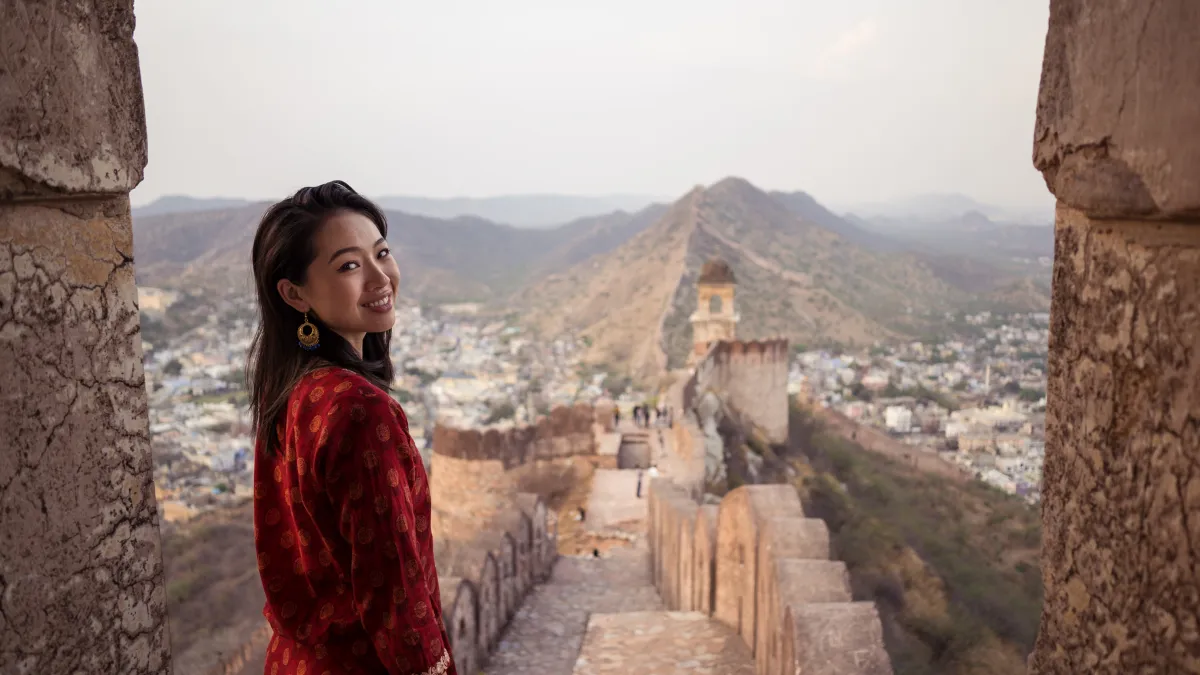
India presents 5,000 years of history through its temples, palaces, and monuments. Every region offers distinct traditions, languages, and customs. Solo travelers absorb these experiences at their own pace without group constraints.
- Ancient temples and UNESCO World Heritage Sites
- Traditional festivals throughout the year
- Diverse spiritual practices and philosophies
- Regional art forms and craftsmanship
Traveler Community
You’re never truly alone when traveling solo in India. The country attracts thousands of independent travelers yearly. Hostels, cafes, and popular routes create natural meeting points where friendships form quickly.
- Active backpacker trails in major destinations
- Social hostels with organized group activities
- Online communities and meetup groups
- Welcoming locals eager to share their culture
The spiritual dimension draws many solo travelers to India. Yoga retreats, meditation centers, and ashrams offer structured experiences. These places provide safe environments for personal growth while connecting with like-minded people from around the world.
Best Places to Visit on Your Solo Trip to India
Choosing destinations for your India solo travel adventure depends on your interests and time frame. The country spans over 3 million square kilometers. Each region offers completely different experiences, climates, and travel styles.
Rajasthan: The Desert Kingdom
Rajasthan tops most solo travelers’ lists for good reason. The state combines magnificent forts, colorful culture, and excellent tourist infrastructure. Cities connect easily by train and bus, making independent travel straightforward.
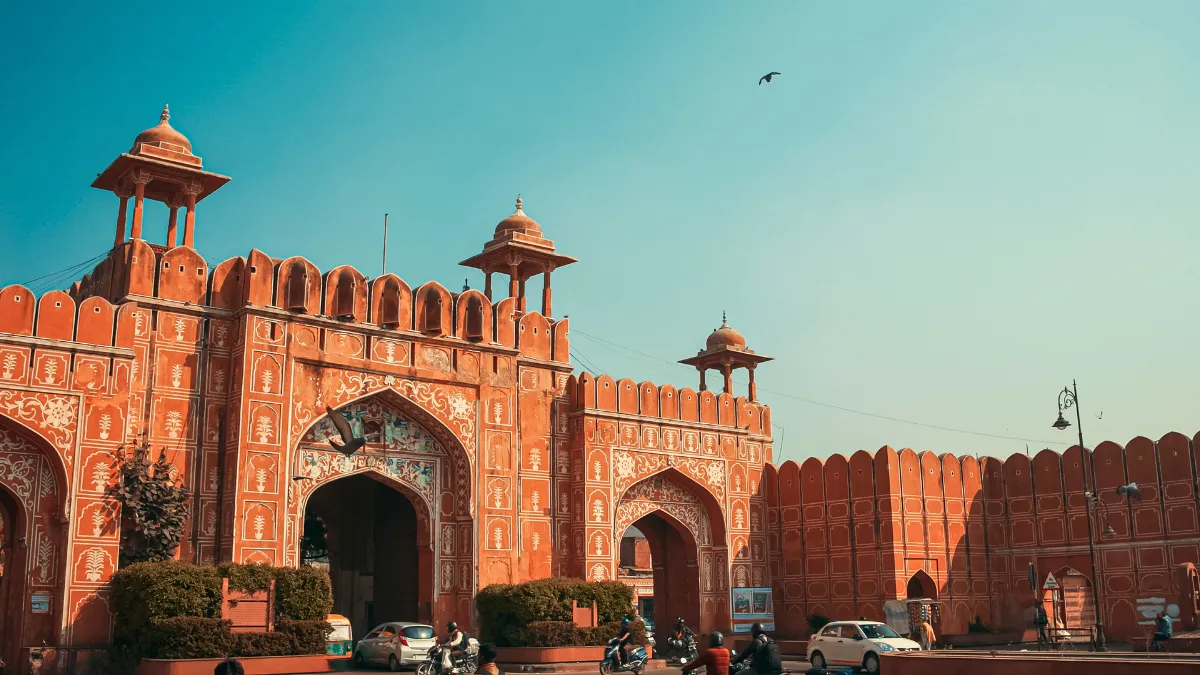
Jaipur serves as the gateway to Rajasthan. The Pink City offers stunning palaces and bustling bazaars. Solo travelers find numerous hostels where forming travel groups for desert safaris happens naturally.
Udaipur creates romantic solo experiences around its lakes. The city’s relaxed vibe appeals to travelers seeking quieter moments. You can spend days wandering through old city lanes or watching sunsets from lakeside cafes.
Jaisalmer Desert Experience
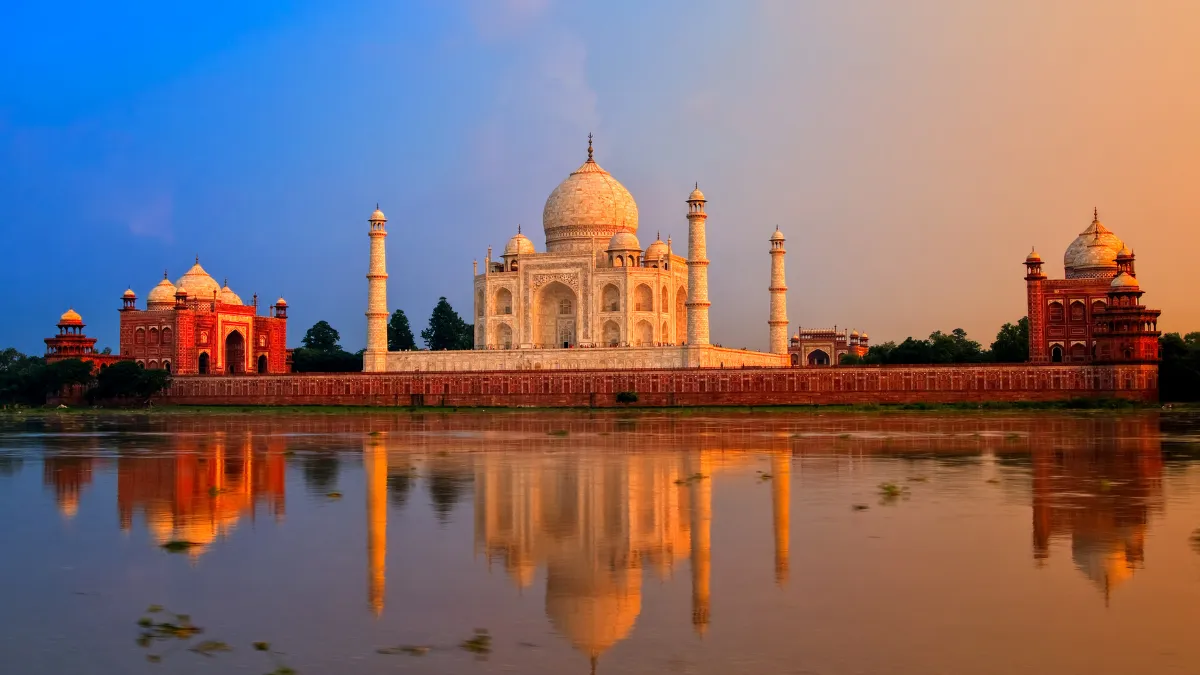
The Golden City sits in the Thar Desert. Ancient sandstone architecture glows during sunset hours. Camel safaris into the dunes offer unforgettable overnight experiences under star-filled skies.
Explore the living fort with resident families
Join desert camping tours from hostels
Visit remote villages with local guides
Watch cultural performances in evening
Pushkar Spiritual Hub
This holy town draws travelers with its sacred lake and relaxed atmosphere. The main street fills with cafes perfect for meeting other travelers. Yoga classes and meditation sessions happen daily.
Attend evening prayer ceremonies at ghats
Join group yoga classes for travelers
Browse handicraft markets and shops
Stay in budget-friendly guesthouses
Jodhpur Blue City
Massive Mehrangarh Fort dominates Jodhpur’s skyline. The blue-painted old town creates stunning photography opportunities. Food tours and cooking classes offer cultural immersion for solo travelers.
Take guided fort tours with history enthusiasts
Join street food walks through markets
Learn traditional Rajasthani cooking
Stay in heritage homestays with families
Kerala: God’s Own Country
South India’s Kerala offers gentler experiences for solo travel. Lush landscapes, backwaters, and beaches create peaceful environments. The state’s high literacy rate and progressive culture make it particularly welcoming for female solo travelers.
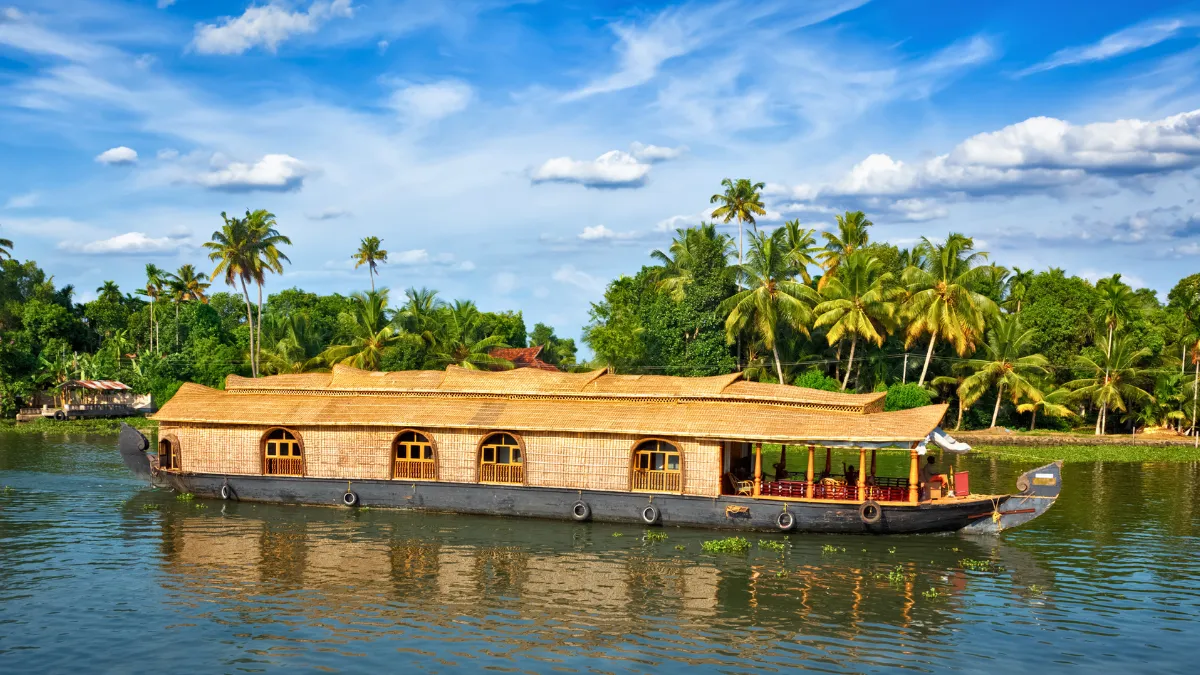
Kochi blends colonial history with modern culture. Fort Kochi’s streets invite aimless wandering past Chinese fishing nets and art galleries. The city’s cafe culture makes meeting fellow travelers easy and natural.
Munnar’s tea plantations offer mountain retreats. Cool climate and stunning vistas provide respite from coastal heat. Many solo travelers spend extra days here simply enjoying nature and quiet reflection.
Goa: Beach Paradise
Goa remains India’s most laid-back destination. Beaches range from party hotspots to quiet fishing villages. The state’s Portuguese influence creates a distinct culture different from mainland India.
North Goa attracts younger travelers seeking social scenes. Anjuna and Arambol overflow with beach shacks, yoga studios, and nightlife. Meeting other solo travelers happens effortlessly in this environment.
South Goa offers calmer experiences. Palolem and Agonda beaches suit travelers wanting relaxation over parties. Budget beach huts provide affordable long-term stays for extended visits.
Himachal Pradesh: Mountain Escapes
The Himalayan state draws adventure seekers and spiritual searchers. Mountain villages offer trekking, camping, and cultural experiences. The landscape provides dramatic changes from Rajasthan’s deserts.
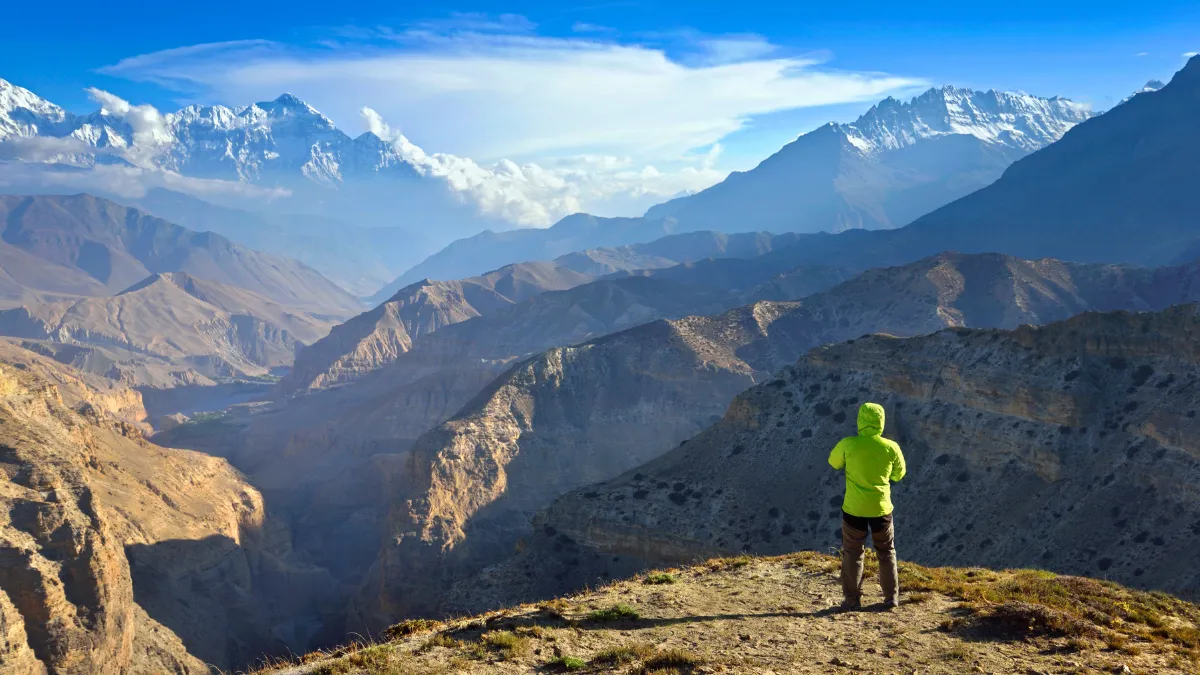
Dharamshala hosts the Tibetan government-in-exile. The town’s spiritual energy attracts long-term travelers. Meditation courses, volunteer opportunities, and cafes create community among solo visitors.
Manali serves as a trekking base and backpacker hub. Old Manali’s guesthouses and restaurants cater specifically to solo travelers. Group treks form regularly, allowing safe mountain experiences.
Varanasi: Spiritual Heart
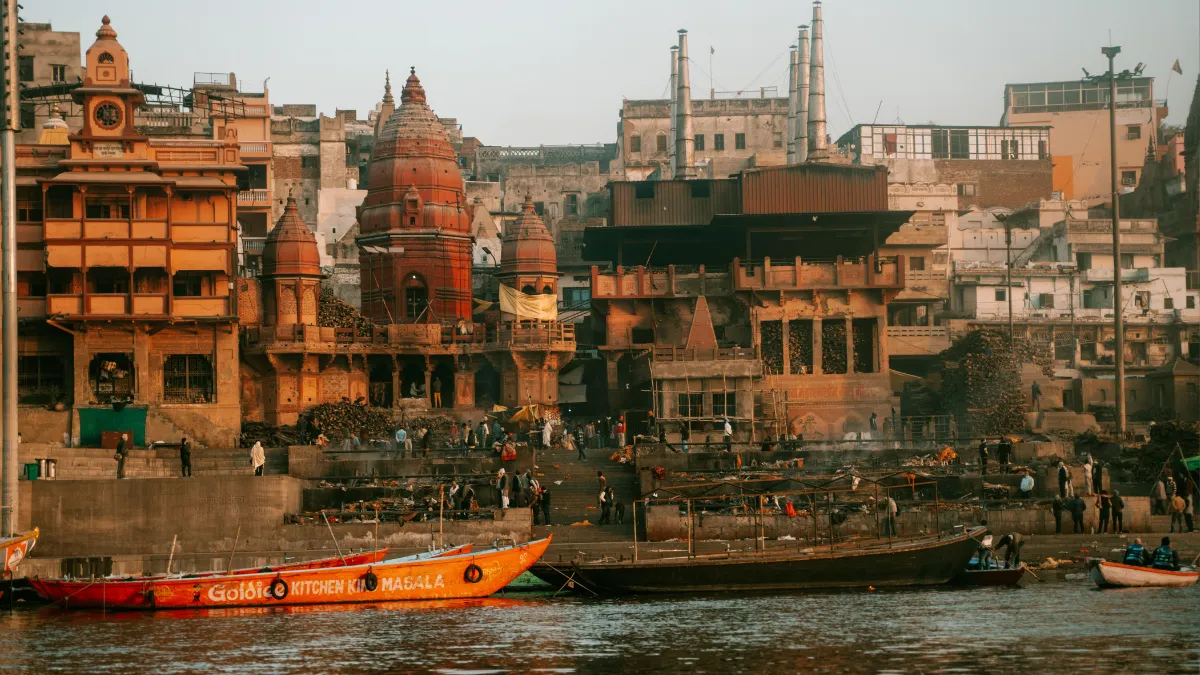
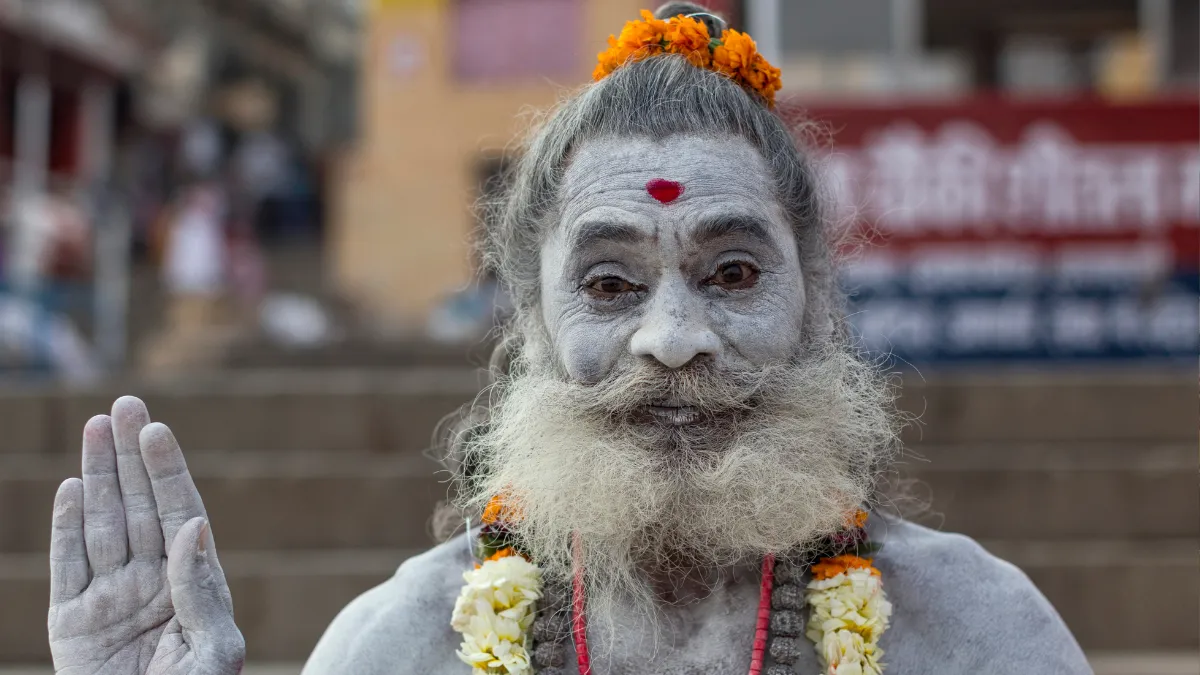
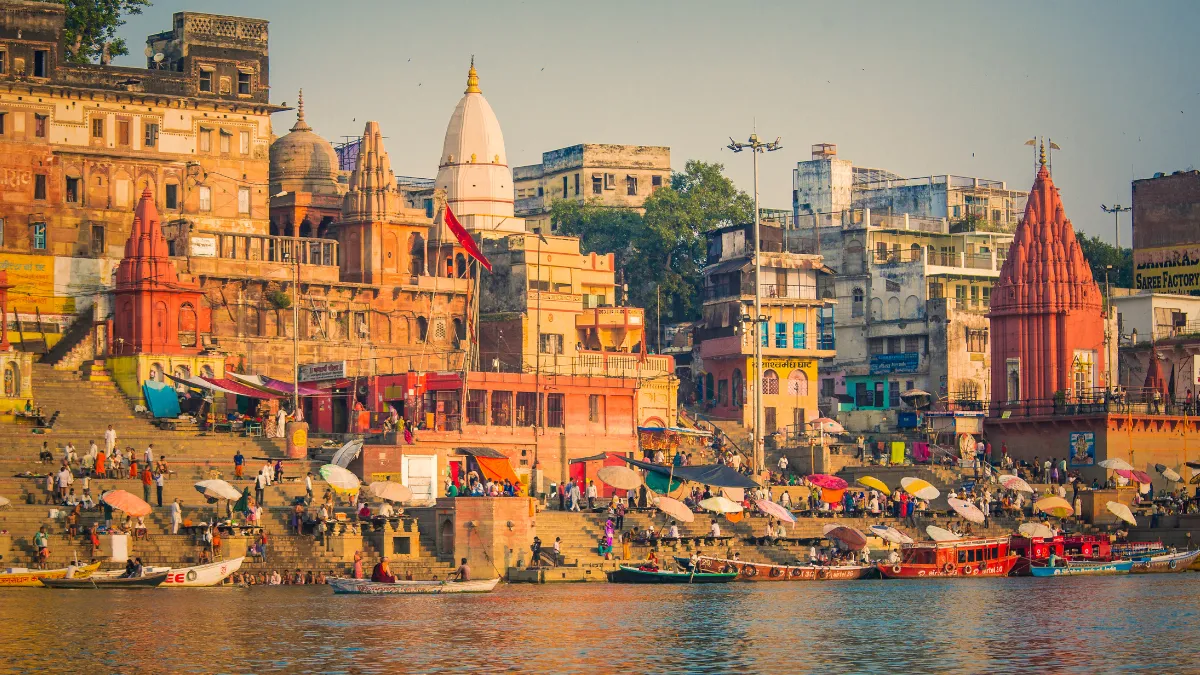
No India trip feels complete without experiencing Varanasi. The ancient city overwhelms first-time visitors with its intensity. Yet solo travelers consistently rank it among their most meaningful experiences.
Morning boat rides on the Ganges reveal the city’s spiritual core. Watching sunrise ceremonies from the water provides perspective on local life. Evening aarti ceremonies create powerful communal experiences.
The old city’s maze-like lanes reward exploration. Getting lost becomes part of the experience. Solo travelers discover hidden temples, street food stalls, and unexpected cultural moments.
Tamil Nadu: Colonial Past
Chennai, the lively capital, acts as your entry point to the Tamil Nadu state. Beyond its contemporary skyline, you’ll find colonial-era sites like Fort St. George and the Government Museum, which holds one of Asia’s best bronze collections. Marina Beach spans 13 kilometers, making it one of the longest urban beaches in the world, where locals gather at sunset.
The Kapaleeshwarar Temple in Mylapore displays Dravidian architecture with its tall gopuram adorned with colorful deities. Madurai buzzes with spiritual energy around the Meenakshi Amman Temple, a masterpiece featuring 14 gopurams reaching skyward, each decorated with thousands of painted sculptures. The temple complex covers 5.7 hectares (14 acres), and experiencing the evening ritual when Lord Shiva is carried to Goddess Meenakshi’s chamber provides an unforgettable cultural experience.
Pondicherry (Puducherry) combines French colonial elegance with Tamil traditions. The French Quarter’s yellow-painted buildings, tree-lined streets, and bakeries offering croissants give it a European feel. The Sri Aurobindo Ashram draws those seeking spirituality, while Auroville, the unique experimental township, represents universal peace with its iconic Matrimandir meditation center.
Karnataka – Where Empire Rose and Fell
Karnataka’s historical landscape unfolds like a grand saga carved in stone, showcasing over 2,000 years of architectural excellence. From the majestic Vijayanagara Empire to the detailed artistry of the Hoysala dynasty, you’ll feel as if you’re wandering through living museums where each pillar tells its own tale.
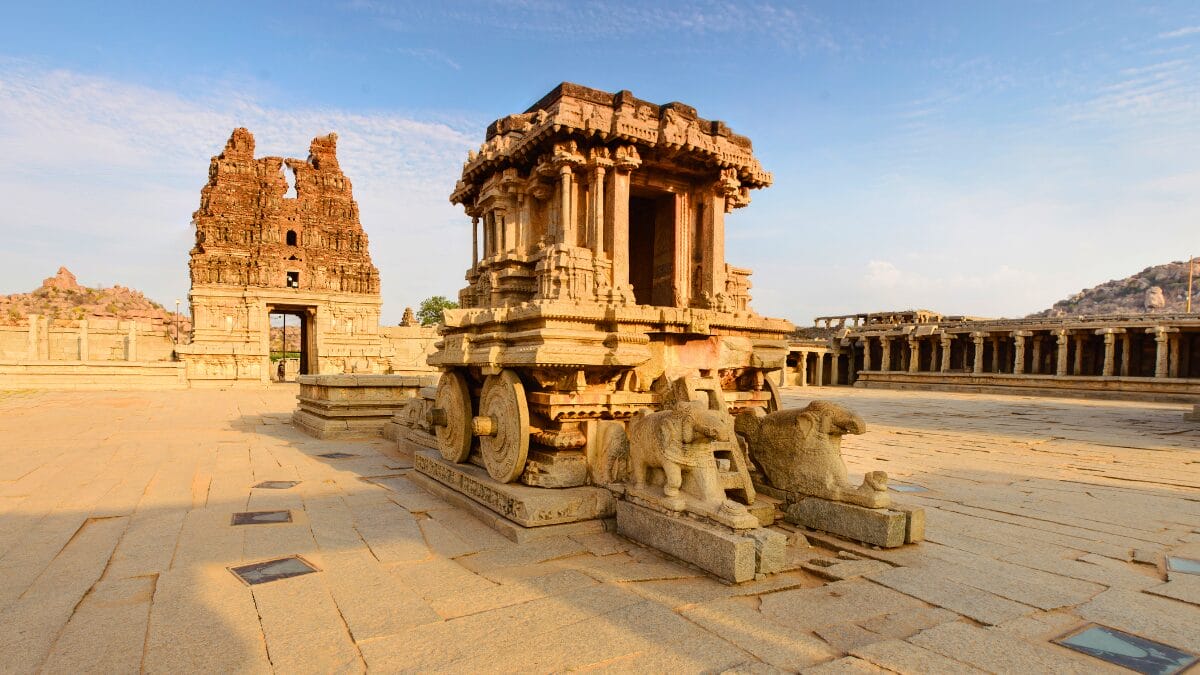
Hampi, the crown jewel among Karnataka’s heritage sites, was declared a UNESCO World Heritage Site in 1986. According to UNESCO, the site covers 4,187 hectares and contains more than 1,600 surviving structures that transport visitors back to the 14th-century Vijayanagara Empire. The Vittala Temple here features the renowned stone chariot and musical pillars that create melodic sounds when tapped—engineering wonders that continue to amaze modern architects.
Staying Safe While Traveling Alone in India
Safety concerns rank as the top question for people considering solo travel India trips. The reality balances between genuine precautions and overblown fears. Millions of solo travelers visit India safely each year by following common-sense guidelines.
Safety Tips for Solo Female Travelers
Solo female travel in India requires extra awareness. Cultural differences around gender affect daily interactions. Understanding local customs helps navigate situations confidently while respecting cultural norms.
Clothing and Appearance
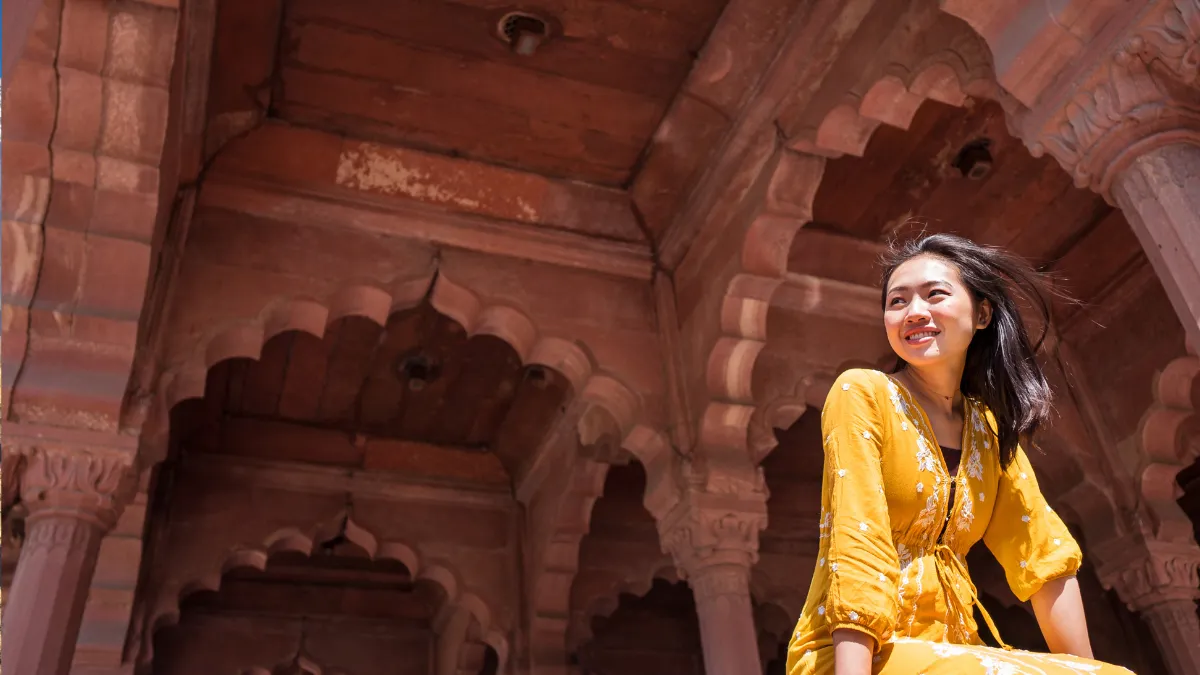
Modest dress reduces unwanted attention significantly. Cover shoulders and knees in most situations. This applies especially in religious sites, rural areas, and traditional neighborhoods.
- Pack loose-fitting clothes that cover properly
- Wear dupatta or scarf in conservative areas
- Save beach wear for coastal tourist zones
- Observe what local women wear as guide
Transportation Safety
Choose transportation carefully during night hours. Pre-booked taxis through hotels or apps offer more security. Train travel remains generally safe in reserved compartments.
- Book overnight trains in AC classes with others
- Use registered taxi services over random vehicles
- Share ride details with friends or family
- Sit near other women in public transport
General Safety Practices
Basic safety rules apply regardless of gender. Trust your instincts about people and situations. Your gut feeling often picks up subtle warning signs before your conscious mind processes them.
Essential Safety Reminders
8 Easily Observed Safety Tips
- Keep copies of important documents separately from originals
- Register with your embassy for travel alerts
- Maintain regular contact with home through messaging apps
- Learn basic Hindi phrases for emergencies
- Keep emergency numbers saved in your phone
- Trust established accommodations over random offers
- Avoid isolated areas after dark, especially alone
- Stay alert in crowded places for pickpockets
Accommodation Safety
Where you stay significantly impacts your overall safety. Established hostels and hotels understand solo traveler needs. Reading recent reviews from other travelers provides current safety information.
Female-only dorms offer comfortable options for solo female travelers. Many hostels now provide these specifically. The shared accommodation creates natural friendship groups while maintaining safety.
Guesthouses in popular tourist areas understand international travelers. Staff can offer local advice and arrange reliable transportation. Building relationships with accommodation staff provides local support networks.
Scam Awareness
Common tourist scams target new arrivals especially. Learning these patterns beforehand prevents most problems. Solo travelers make easier targets, so staying informed protects your trip and budget.
Watch Out For These Scams
6 Common Scams
- Taxi drivers claiming your hotel is closed or full
- Unofficial tour guides at monuments demanding payment
- Gem and carpet export schemes promising profits
- Overcharging on rickshaw rides without agreed prices
- Street food vendors using rigged scales for pricing
- Fake travel agents selling invalid tour packages
Where to Stay: Accommodation Options for Solo Travelers
Choosing the right place to stay transforms your solo travel experience in India. Budget-friendly options exist across all destinations. The key lies in balancing cost, safety, location, and social opportunities.
Hostels: Social Hubs for Solo Travelers
Hostels dominate the solo travel accommodation scene. These social spaces facilitate natural friendships among travelers. Common areas, organized activities, and shared meals create community atmospheres.
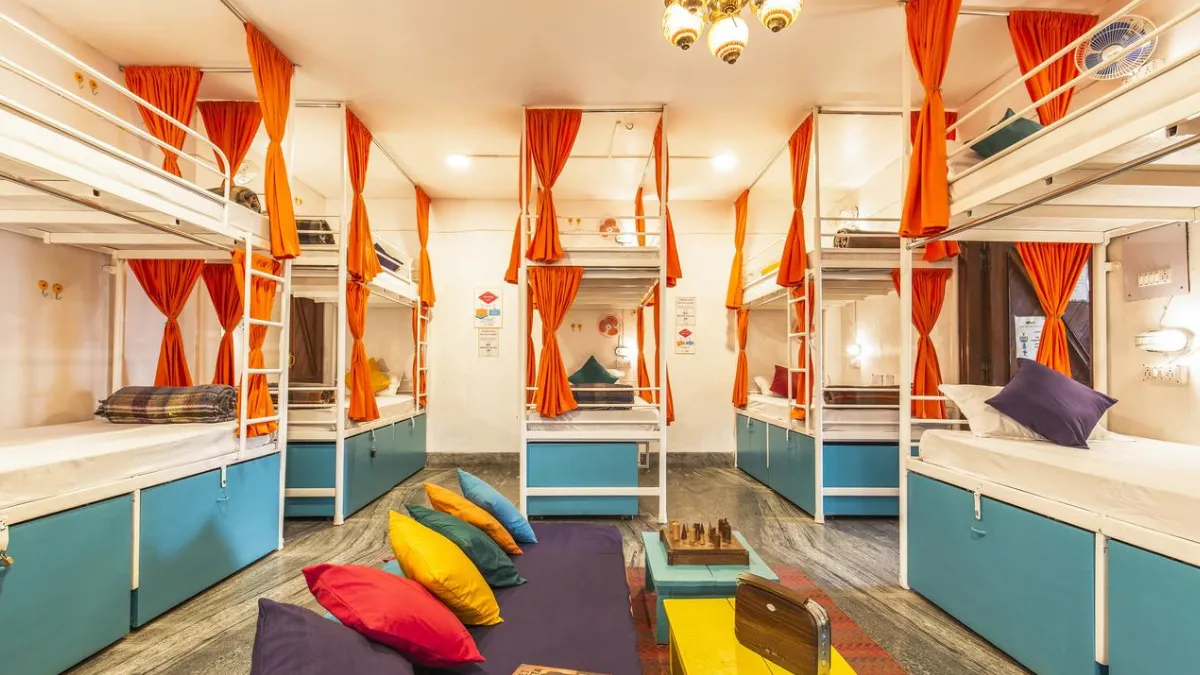
Zostel operates quality hostels across India. Their properties maintain consistent standards in major cities. Prices range from 400-800 rupees per night in dormitories. Private rooms cost more but remain budget-friendly.
Hostelworld and Booking.com list hundreds of options. Reading recent reviews reveals current conditions. Look for mentions of cleanliness, security measures, and social atmosphere in feedback.
Budget Hostels
Basic hostels offer clean beds and shared bathrooms. Prices start around 300-500 rupees nightly. These suit travelers prioritizing budget over amenities during short stays.
- Dormitory beds with lockers
- Shared bathroom facilities
- Basic kitchen access
- WiFi in common areas
Price Range: $4-7 per night
Mid-Range Hostels
These hostels balance comfort with social elements. Expect better mattresses, more activities, and improved facilities. Most popular among solo travelers for extended stays.
- Comfortable beds with charging points
- Organized group activities and tours
- On-site cafe or restaurant
- Female-only dorm options
Price Range: $7-12 per night
Boutique Hostels
Premium hostels provide hotel-like comfort with hostel social scenes. Rooftop terraces, swimming pools, and quality restaurants enhance experiences without luxury hotel costs.
- Designer interiors and amenities
- Premium bedding and privacy curtains
- Swimming pools or wellness facilities
- Organized cultural experiences
Price Range: $12-20 per night
Guesthouses and Homestays
Family-run guesthouses offer cultural immersion opportunities. Staying with local families provides insights impossible in hotels. Home-cooked meals and personal attention create memorable experiences.
Homestays work especially well in smaller towns and villages. Families welcome solo travelers into daily life. You learn about local customs, language, and culture through natural interactions.
Airbnb lists numerous private room options. Single travelers find this affordable in expensive cities. Renting a room from locals costs less than hotels while providing local knowledge.
Budget Hotels
Indian budget hotels serve travelers wanting private spaces. Standards vary dramatically, so checking reviews proves essential. Location matters more than amenities for short-term stays.
OYO Rooms standardizes budget hotel experiences across India. Their app shows real photos and verified reviews. Prices start around 800-1500 rupees for private rooms with attached bathrooms.
Long-Term Accommodation
Travelers staying weeks or months find monthly rentals economical. Goa, Rishikesh, and Dharamshala offer numerous long-term options. Monthly rates dramatically reduce daily accommodation costs.
Join local Facebook groups for accommodation hunting. Current residents share available rooms and insider tips. This approach reveals options unavailable on booking platforms.
What to Eat: Culinary Adventures for Solo Travelers
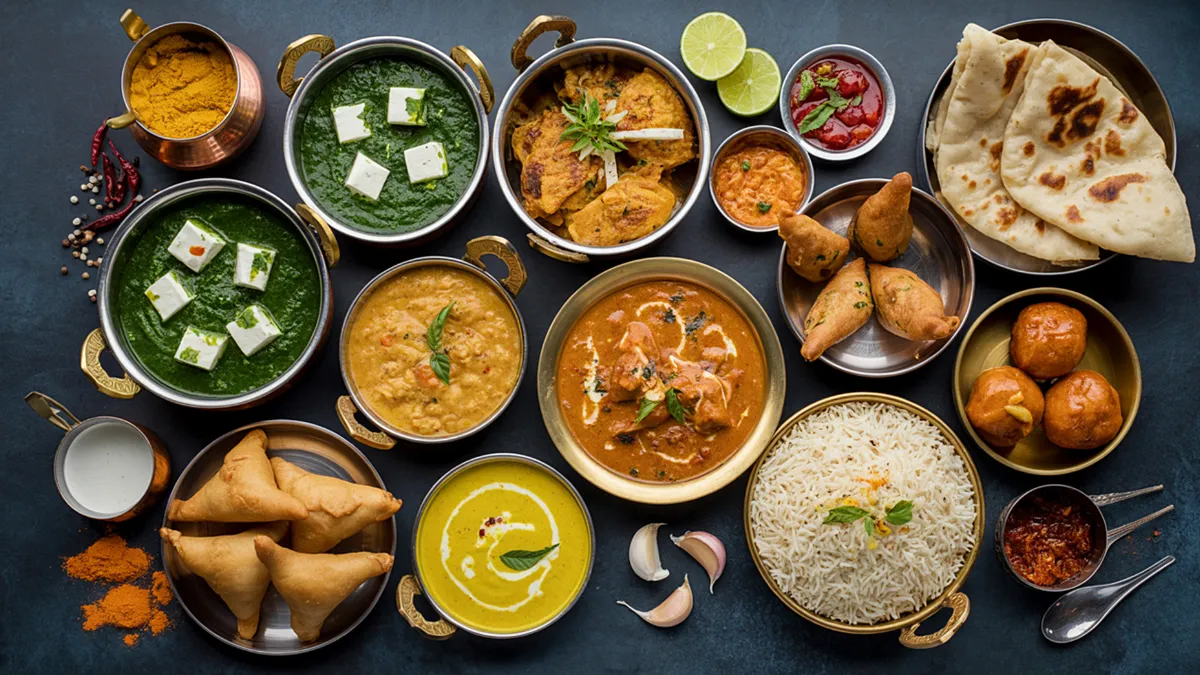
Indian food defines much of the travel experience. Regional cuisines offer incredible variety across the country. Solo travelers enjoy the flexibility to eat what they want, when they want, without group compromise.
Street Food Culture
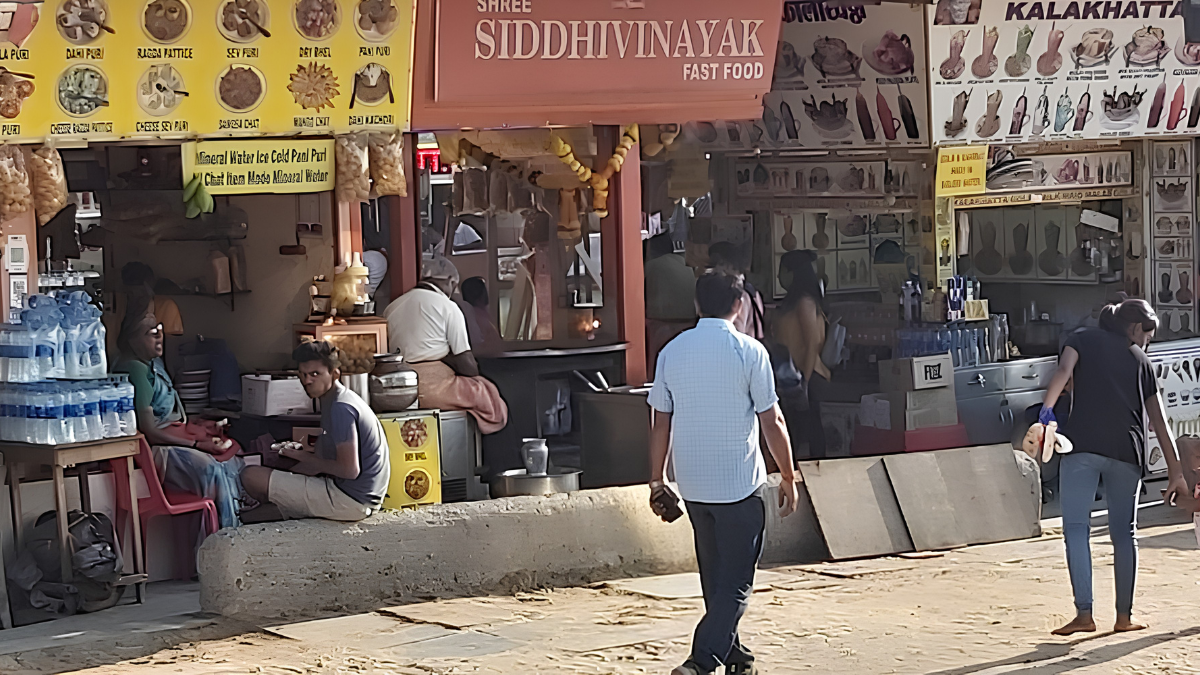
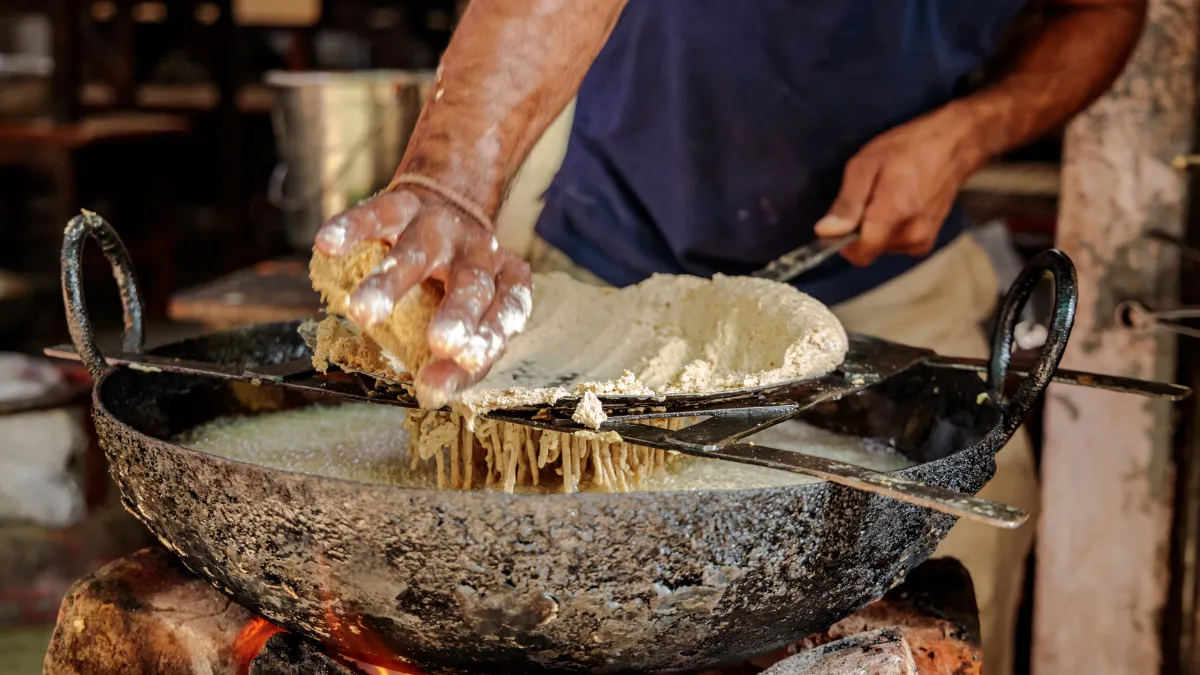
Street food represents India’s culinary soul. Every city boasts famous street food districts. Solo travelers find street food perfect for quick, affordable meals while exploring.
Start cautiously with street food your first days. Your stomach needs time adjusting to different bacteria. Choose busy stalls with high turnover for freshest food. Watch what locals eat as your guide to safety.
Must-Try Street Foods
- Chaat: Tangy snack combinations in Delhi and Mumbai
- Dosa: Crispy rice crepes from South India
- Vada Pav: Mumbai’s spicy potato burger
- Samosas: Fried pastries filled with potatoes
- Pani Puri: Crispy shells with spiced water
- Momos: Himalayan dumplings in mountain regions
Safety Guidelines
- Eat at stalls with visible cooking processes
- Avoid pre-cut fruits in uncertain hygiene areas
- Choose cooked items over cold preparations initially
- Drink only bottled water or filtered options
- Carry hand sanitizer for eating without utensils
- Trust your instincts about food freshness
Regional Specialties
Each Indian state develops unique flavors through local ingredients and traditions. Solo travelers should explore beyond standard tourist restaurants. Local eateries provide authentic tastes at fraction of tourist prices.
North Indian cuisine dominates international Indian restaurants. But traveling through the country reveals dramatically different regional styles. South Indian food emphasizes rice and coconut. Bengali cuisine features fish preparations. Gujarati food leans vegetarian and slightly sweet.
Thali Experiences
Thali meals offer perfect introduction to regional cuisines. These plates include multiple dishes served together. Solo diners appreciate thalis because they sample variety without ordering multiple items.
Unlimited thali restaurants let you refill dishes during meals. Prices remain fixed regardless of how much you eat. This format suits budget travelers seeking filling, nutritious meals.
Vegetarian Paradise
India excels at vegetarian cuisine unlike anywhere else. Centuries of vegetarianism created sophisticated meat-free cooking. Even non-vegetarians often eat vegetarian in India because the options taste incredible.
Pure vegetarian restaurants mark themselves clearly with signs. These places never cook meat on premises. Many travelers find vegetarian food easier on stomachs during adjustment periods.
Dining Alone Tips
Solo dining feels natural in India. Many locals eat alone at restaurants without social stigma. Use dining time for people watching, journaling, or chatting with servers.
Making the Most of Solo Dining
6 tips for solo travelers
- Choose restaurants with good lighting and open layouts
- Sit at communal tables in cafes to meet travelers
- Try cooking classes to learn recipes and meet people
- Join food tours in major cities for guided experiences
- Ask locals for restaurant recommendations in your area
- Use meal times to plan next day’s activities
Essential Travel Tips for Solo Adventures in India
Navigating India independently requires practical knowledge beyond typical tourist information. These tips come from real solo travelers’ experiences. Understanding daily logistics makes your trip smoother from day one.
Transportation Mastery
Indian trains connect the entire country affordably. The railway network carries millions daily. Solo travelers use trains for both transportation and cultural experiences.
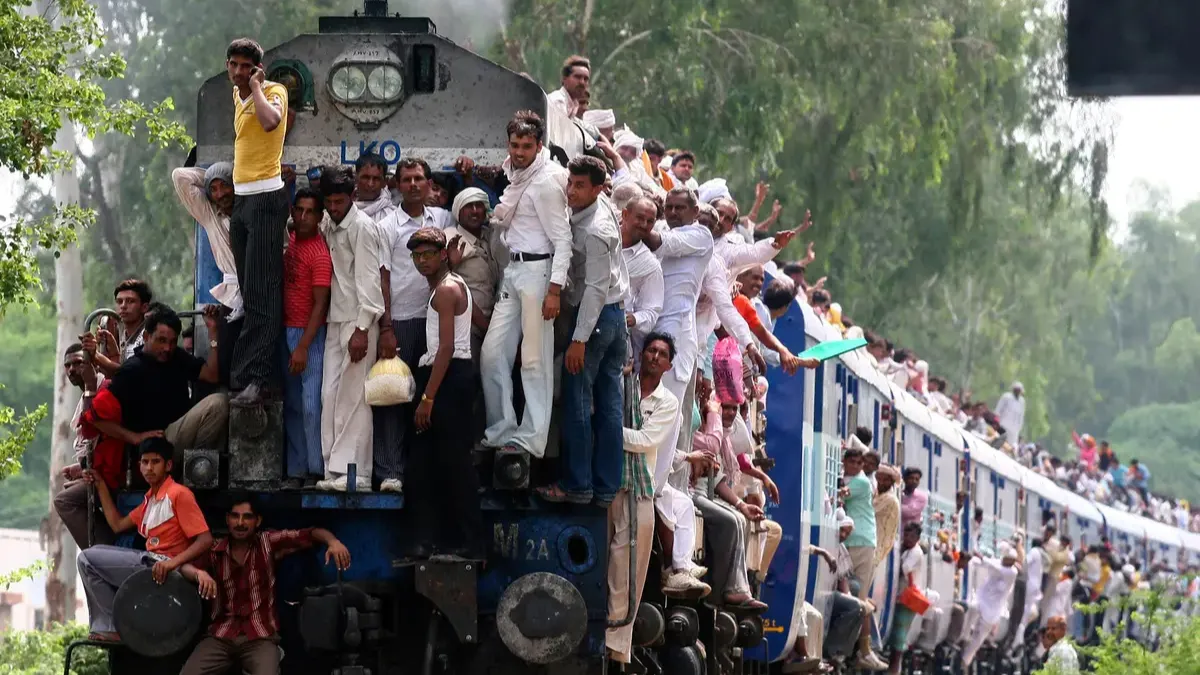
Book trains through the IRCTC website or Cleartrip app. Sleeper class offers budget options while AC classes provide more comfort. Reserve tickets weeks advance during peak tourist season from October through March.
Buses fill gaps where trains don’t run. State-run buses cost less than private options. Night buses save accommodation costs but expect less sleep than trains provide.
Getting Around Cities
- Auto-rickshaws: Negotiate prices before starting rides
- Uber/Ola: App-based taxis in major cities
- Metro systems: Available in Delhi, Mumbai, Bangalore, Chennai
- Local buses: Cheapest but most confusing option
- Bicycle rentals: Growing in tourist-friendly cities
Long-Distance Travel
- Trains: Most economical for distances over 300km
- Domestic flights: Cheap on budget airlines during sales
- Private buses: Overnight sleeper buses for specific routes
- Shared taxis: Common in mountain regions
- Rented motorcycles: Popular in Goa and Rajasthan
Communication Essentials
Most Indians in tourist areas speak functional English. Communication rarely presents major obstacles in cities. Rural areas require more patience and creative communication methods.
Download Google Translate with offline Hindi language packs. The app translates signs through your camera. This feature proves invaluable for reading menus and transportation information.
Indian SIM cards cost very little and work nationwide. Airtel and Jio offer reliable coverage in most areas. Buy SIM cards at airports with passport and Indian address proof.
Money Matters
India operates primarily on cash despite digital payment growth. ATMs exist everywhere in cities but become scarce in remote areas. Carry enough cash when traveling to smaller towns.
Notify your bank about India travel before departing. International cards sometimes get blocked for suspicious activity. HDFC and ICICI Bank ATMs generally accept foreign cards reliably.
Money Management Tips
6 Money Tips
- Withdraw larger amounts to minimize ATM fees
- Keep small denominations for rickshaws and street purchases
- Split money between different bags and pockets
- Download payment apps like Paytm for cashless options
- Exchange currency at official money changers, not random shops
- Save ATM receipts to track withdrawals and limits
Cultural Etiquette
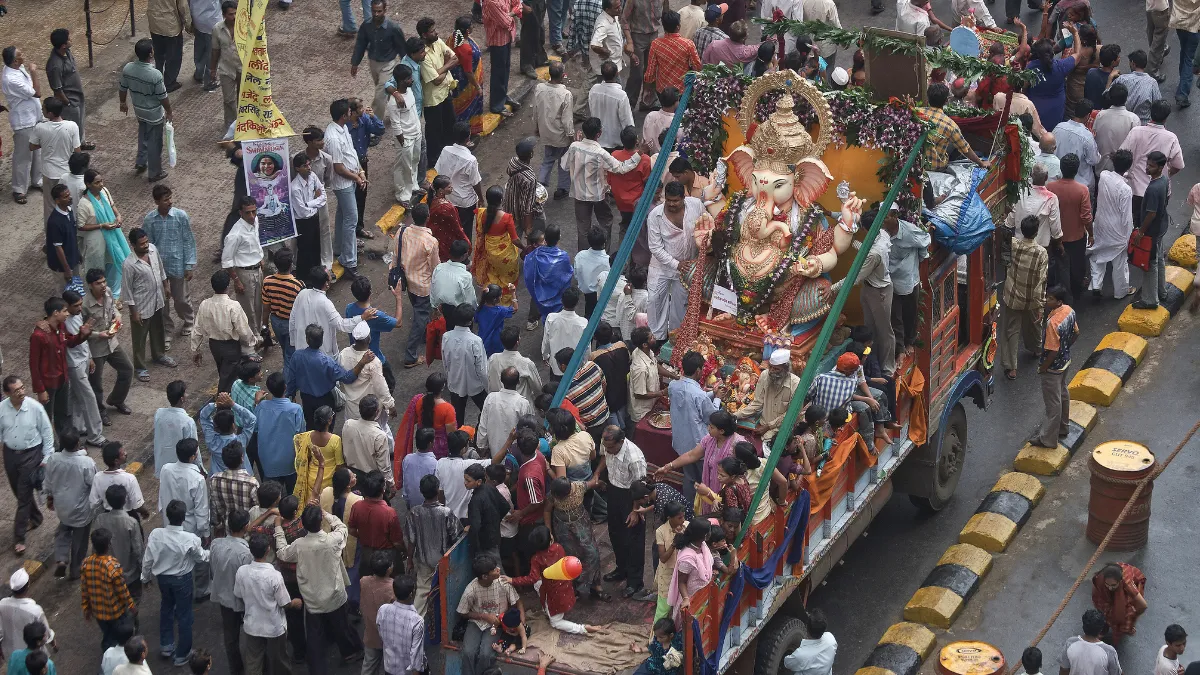
Understanding basic cultural norms prevents uncomfortable situations. Indians generally forgive tourist mistakes graciously. Showing effort to respect local customs earns appreciation from locals.
Remove shoes before entering homes, temples, and some shops. Watch what others do if you’re unsure. Most religious sites require covered shoulders and legs regardless of your religion.
The right hand traditionally handles food and giving things to others. The left hand is considered unclean in traditional households. This matters more in rural areas than cosmopolitan cities.
Health Preparations
Visit a travel doctor six weeks before departure. Required vaccinations include Hepatitis A and Typhoid. Consider Japanese Encephalitis if visiting rural areas during monsoon season.
Pack a medical kit with basic supplies. Indian pharmacies stock most medications without prescriptions. But bringing your regular medications avoids searching for equivalents.
Common Health Issues
4 most common
- Delhi belly: Bring anti-diarrheal medication and rehydration salts
- Mosquito-borne diseases: Use repellent and sleep under nets
- Heat exhaustion: Stay hydrated and avoid midday sun
- Air pollution: Consider masks in major cities during winter
Staying Connected
WiFi exists in most hostels, hotels, and cafes. Quality varies from excellent to unusable. Download offline maps and entertainment before relying on accommodation WiFi.
Join India travel Facebook groups before your trip. Current travelers share real-time advice about conditions. These communities answer questions faster than guidebooks can update.
Off the Beaten Path: Hidden Gems for Solo Travelers
Popular tourist circuits cover only a fraction of India’s treasures. Venturing beyond standard routes reveals authentic experiences. Solo travelers particularly appreciate these lesser-known places for their tranquility and genuine local interactions.
Spiti Valley: High-Altitude Desert
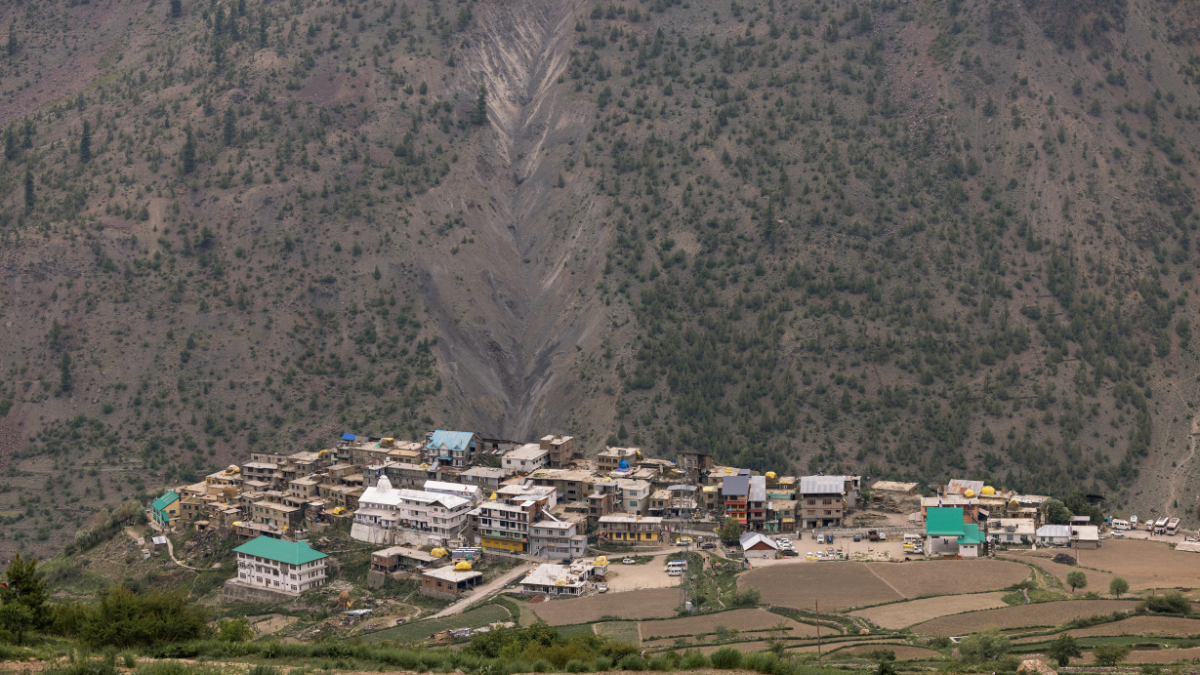
Spiti Valley in Himachal Pradesh feels like another world. Barren mountains, ancient monasteries, and sparse villages create otherworldly landscapes. The valley opens only from June through September due to snow.
Solo travelers find Spiti challenging but rewarding. Limited infrastructure means basic accommodations and unpredictable transport. But the dramatic scenery and Tibetan Buddhist culture justify the effort.
Kaza serves as the valley’s main town. Small guesthouses cater to adventure travelers. Many solo travelers join forces here for shared jeep rentals to remote villages.
Meghalaya: Land of Clouds
Northeast India sees fewer tourists despite incredible beauty. Meghalaya’s living root bridges and waterfalls create unique attractions. The state’s matrilineal society offers different cultural perspectives.
Cherrapunji and Mawlynnong provide easy access from Shillong. These areas feel safe and welcoming for solo travelers. Local guides lead treks to remote villages and natural formations.
Hampi: Ancient Ruins
Hampi’s boulder-strewn landscape holds 500-year-old temple ruins. The UNESCO site attracts fewer crowds than other historical destinations. Solo travelers spend days cycling between monument groups.
Budget guesthouses line the Virupapura Gaddi area across the river. This backpacker zone offers relaxed vibes and social opportunities. Many travelers extend stays longer than planned.
Andaman Islands: Tropical Paradise
The Andaman Islands float in the Bay of Bengal. Crystal clear water and white sand beaches rival Southeast Asian islands. Indian tourists outnumber foreigners, creating authentic local flavor.
Havelock Island balances development with natural beauty. Scuba diving and snorkeling reveal vibrant coral reefs. Solo travelers easily join group water activities.
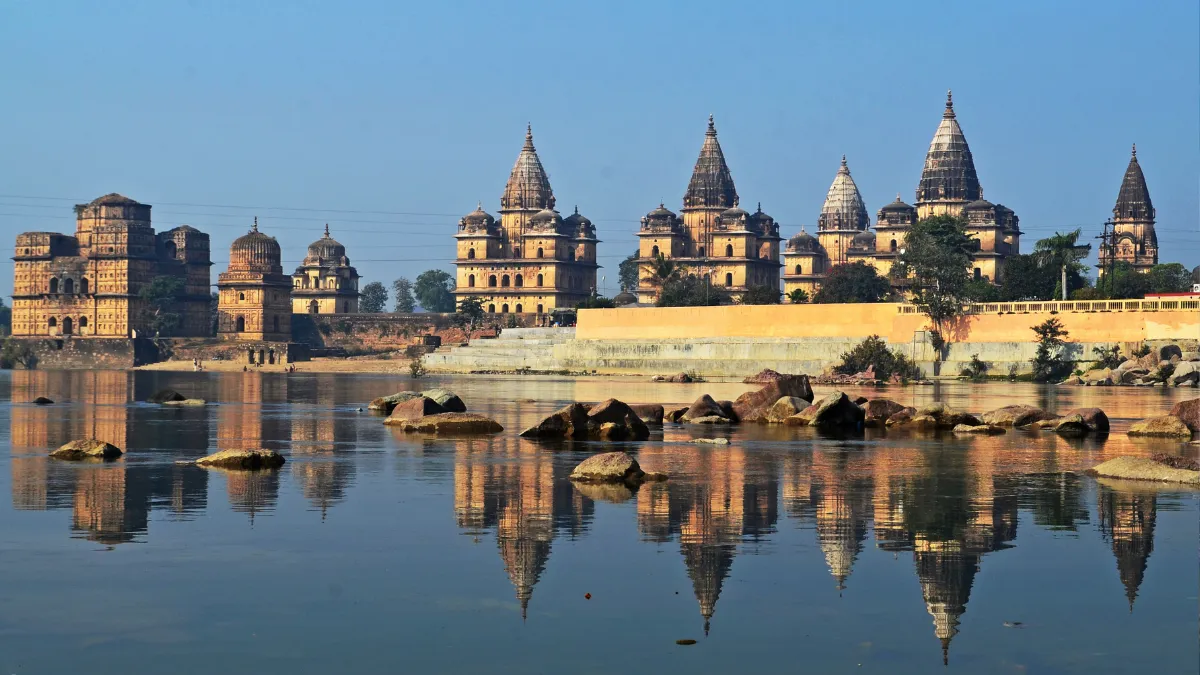
Orchha: Forgotten Kingdom
Orchha remains surprisingly quiet despite stunning palaces and temples. The small Madhya Pradesh town offers peaceful riverside walks. Its proximity to Khajuraho makes stopover visits easy.
Evening river ceremonies provide cultural experiences without tourist crowds. Heritage hotels occupy former palaces at reasonable rates. The town’s size makes solo exploration comfortable and safe.
Budget Guide: How Much Does Solo Travel India Cost
India ranks among the world’s most affordable travel destinations. Your budget determines comfort level rather than limiting experiences. Solo travelers typically spend less than couples sharing costs.
Daily Budget Breakdown
Budget travelers survive comfortably on $20-30 daily. Mid-range spending of $40-70 per day allows occasional splurges. These estimates include accommodation, food, transport, and activities.
| Category | Budget | Mid-Range | Comfort |
| Accommodation | $5-10/night | $15-30/night | $40-80/night |
| Food (3 meals) | $5-8/day | $12-20/day | $25-40/day |
| Local Transport | $2-5/day | $5-10/day | $15-25/day |
| Activities | $3-8/day | $10-20/day | $25-50/day |
| Total Daily | $15-30 | $40-80 | $100-200 |
Money-Saving Strategies
Traveling slowly reduces costs significantly. Moving between cities every few days increases transport expenses. Staying longer in each place allows weekly accommodation rates and deeper exploration.
Cook occasionally in hostel kitchens or guesthouse facilities. Markets sell fresh produce cheaply. Even occasional cooking reduces food costs by thirty to forty percent.
Free and Cheap Activities
- Walking tours in major cities
- Temple and gurdwara visits (often free)
- Beach days in coastal areas
- Hiking in mountain regions
- Market exploration and people watching
- Free yoga classes at ashrams
- Sunset watching from viewpoints
- Attending local festivals and celebrations
Where to Splurge
- Occasional hotel stays for comfort reset
- Guided tours in complex historical sites
- Quality trekking gear rentals in mountains
- Special experiences like camel safaris
- Cooking classes in foodie destinations
- Domestic flights for long distances
- Ayurvedic treatments and massages
- Quality souvenirs and handicrafts
Seasonal Budget Variations
Prices fluctuate seasonally across India. Peak tourist season runs October through March. Accommodation costs double or triple in popular destinations during holidays like Christmas and Diwali.
Monsoon season brings the lowest prices but heavy rain. June through September sees dramatic accommodation discounts. Some destinations like Kerala actually shine during monsoon months.
Long-Term Travel Economics
Monthly costs drop significantly with extended stays. Negotiate weekly or monthly rates at guesthouses. Many places offer thirty to fifty percent discounts for longer commitments.
Working travelers find opportunities through platforms like Worldpackers. Hostels trade accommodation for a few hours daily work. This arrangement works perfectly for budget-conscious long-term travelers.
Visa Requirements and Entry Process for India
Understanding visa requirements prevents last-minute travel complications. India offers several visa types for different travel purposes. Most tourists apply for e-Visa through the official government website.
E-Visa Application Process
E-Visa applications happen entirely online. The process takes about fifteen minutes plus document upload time. Apply at least four days before your intended travel date, though earlier applications reduce stress.
e-Visa Website
Visit the official Indian e-Visa website (not third-party agents)
Your Details
Choose e-Tourist Visa and select your nationality
Passport
Fill out the application form with passport details
Verify Identity
Upload digital passport photo and passport copy
Pay Fees
Pay the visa fee using credit or debit card
72 hours
Receive e-Visa approval via email within 72 hours
Take with you
Print the e-Visa to present at immigration
E-Visa Types and Validity
Tourist e-Visas come in three duration options. Choose based on your planned trip length. Each type allows different stay periods and number of entries.
30-Day e-Visa
This single-entry visa suits short trips. Valid for thirty days from arrival date. Perfect for travelers exploring one region intensively.
- Single entry only
- Valid 30 days from arrival
- Cannot be extended in India
- Lowest cost option
Fee: $10-$25 depending on nationality
1-Year e-Visa
Multiple-entry visa for flexible travel. Allows stays up to 90 days per visit. Ideal for travelers planning multiple trips or long exploration.
- Multiple entries permitted
- Valid one year from issue
- Maximum 90 days per visit
- Best for extensive travel
Fee: $40-$80 depending on nationality
5-Year e-Visa
Long-term option for frequent visitors. Multiple entries with 90-day maximum stays. Great for digital nomads and regular travelers.
- Multiple entries for five years
- 90 days maximum per visit
- Must exit before reentry
- Most economical for repeat visits
Fee: $80-$100 depending on nationality
Entry Points and Restrictions
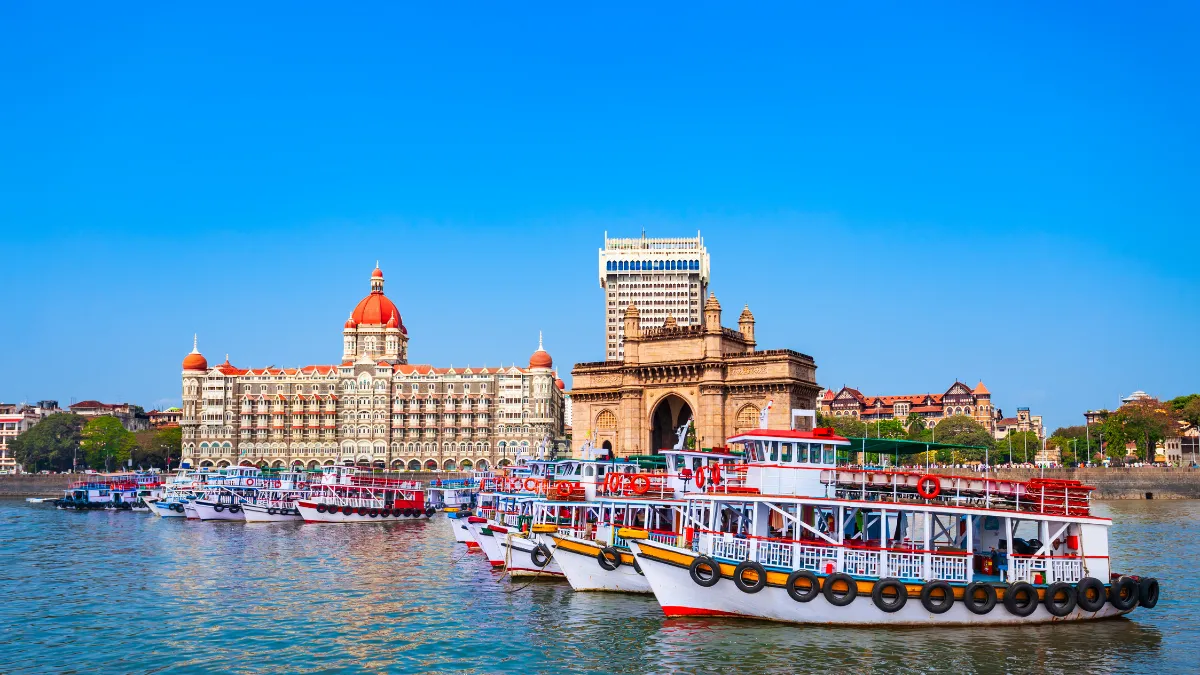
E-Visa holders can enter through 28 designated airports and 5 seaports. Major airports like Delhi, Mumbai, Bangalore, and Chennai all accept e-Visas. Check the official list if arriving through smaller airports.
You can exit India through any immigration checkpoint. This flexibility helps when planning circular routes. Many solo travelers enter through Delhi and exit through Kochi or Goa.
Document Requirements
Your passport must be valid six months beyond your arrival date. Keep two blank pages for immigration stamps. These requirements apply strictly at Indian immigration.
Required Documents for E-Visa
6 requirements for entry
- Passport with minimum 6 months validity
- Digital passport-style photo (white background)
- Scanned copy of passport information page
- Credit/debit card for payment
- Return or onward ticket from India
- Proof of accommodation (hotel booking or invitation)
Traditional Visa Options
Some nationalities cannot apply for e-Visa. Others prefer traditional visas for specific travel needs. Apply at Indian embassies or consulates in your home country.
Traditional visas take longer but offer more flexibility. You can apply for six-month or one-year tourist visas. Processing times vary by location from a few days to several weeks.
Visa Extension Possibilities
E-Visas cannot be extended inside India. You must exit the country when your visa expires. Traditional tourist visas sometimes receive extensions through FRRO offices in major cities.
Extension approval isn’t guaranteed and requires significant paperwork. Most travelers find exiting to Nepal or Sri Lanka easier than the extension process. These quick visa runs let you reenter with fresh tourist visas.
Making Friends and Meeting Fellow Travelers
Solo travel doesn’t mean lonely travel in India. The country’s vibrant backpacker scene creates natural social opportunities. Many solo travelers form deep friendships during Indian adventures.
Hostel Social Scenes
Hostels facilitate friendships through shared spaces and activities. Common rooms become natural gathering points. Evening dinners and group activities create bonding experiences.
Many hostels organize pub crawls, city tours, or cooking classes. These structured activities remove the awkwardness of approaching strangers. Shared experiences during activities create instant connections.
Joining Group Activities
Tours and classes attract solo travelers specifically. Yoga retreats, cooking courses, and adventure activities naturally form groups. Most participants travel alone and welcome new friends.
Social Activity Ideas
- Join walking tours in new cities
- Attend yoga classes at studios or retreats
- Take cooking classes in foodie destinations
- Book group treks in mountain areas
- Participate in volunteer programs
- Attend language exchange meetups
Online Communities
- Join India travel Facebook groups
- Use Couchsurfing hangout features
- Connect on Meetup app events
- Follow hostel Instagram pages for meetups
- Join women-only travel groups
- Participate in digital nomad communities
Connecting with Locals
Indians generally show warmth toward foreign visitors. Many locals genuinely want to help travelers and share their culture. These interactions often lead to unexpected friendships and invitations.
Couchsurfing offers more than just free accommodation. The platform’s hangout feature connects travelers with locals for coffee or sightseeing. These meetings provide cultural insights impossible to gain alone.
Long-Term Travel Friendships
Many solo travelers form travel partnerships in India. You might meet someone heading your direction and travel together for days or weeks. These flexible arrangements combine solo freedom with occasional companionship.
The “banana pancake trail” through Goa, Rajasthan, and Himachal means repeatedly encountering the same travelers. Running into friends in different cities creates serendipitous moments. Many travelers coordinate meetups in upcoming destinations.
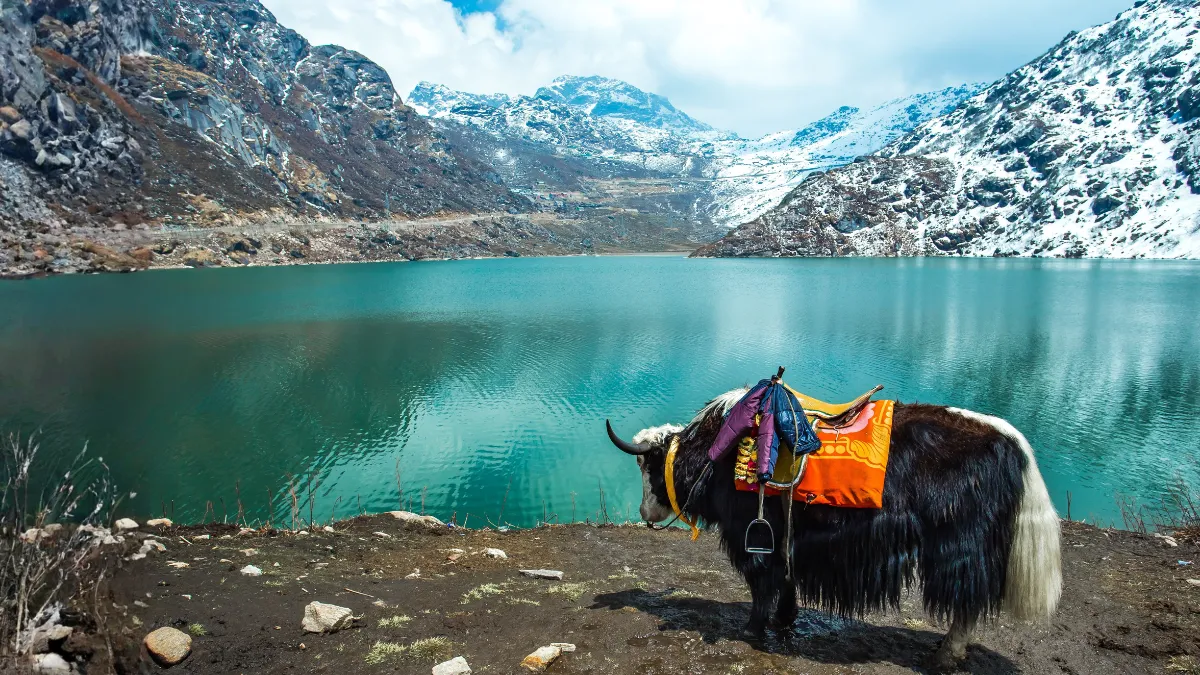
When to Visit India: Seasonal Guide for Solo Travelers
India’s climate varies dramatically by region and season. Your travel timing significantly impacts experiences and costs. Understanding seasonal patterns helps plan optimal itineraries.
Peak Season: October to March
Cool, dry weather makes this period most popular. Temperatures stay comfortable across most regions. Expect higher prices and more crowds at major tourist sites.
October and November offer post-monsoon freshness. Festivals like Diwali create cultural experiences. March sees increasing heat but fewer crowds than winter months.
Hot Season: April to June
Summer heat becomes intense across most of India. Temperatures exceed 40°C in many places. Mountain regions like Himachal and Ladakh become accessible and pleasant.
Coastal areas and hills attract domestic tourists escaping heat. Prices rise in these refuges while plains cities offer excellent accommodation deals. Consider this trade-off when planning summer travel.
Monsoon Season: June to September
Monsoon rains transform India’s landscape. Kerala and Goa shine during this season. Western Ghats come alive with waterfalls and lush greenery.
Heavy rain disrupts travel in some areas. Flooding occasionally affects transportation and access. But dramatically lower prices and fewer tourists appeal to adventurous solo travelers.
Best Times by Region
Rajasthan/North: October to March
Kerala/South: September to March
Goa: November to February
Himalayas: May to September
Ladakh: June to September
Northeast: October to April
Festival Seasons
Diwali: October/November – Festival of Lights
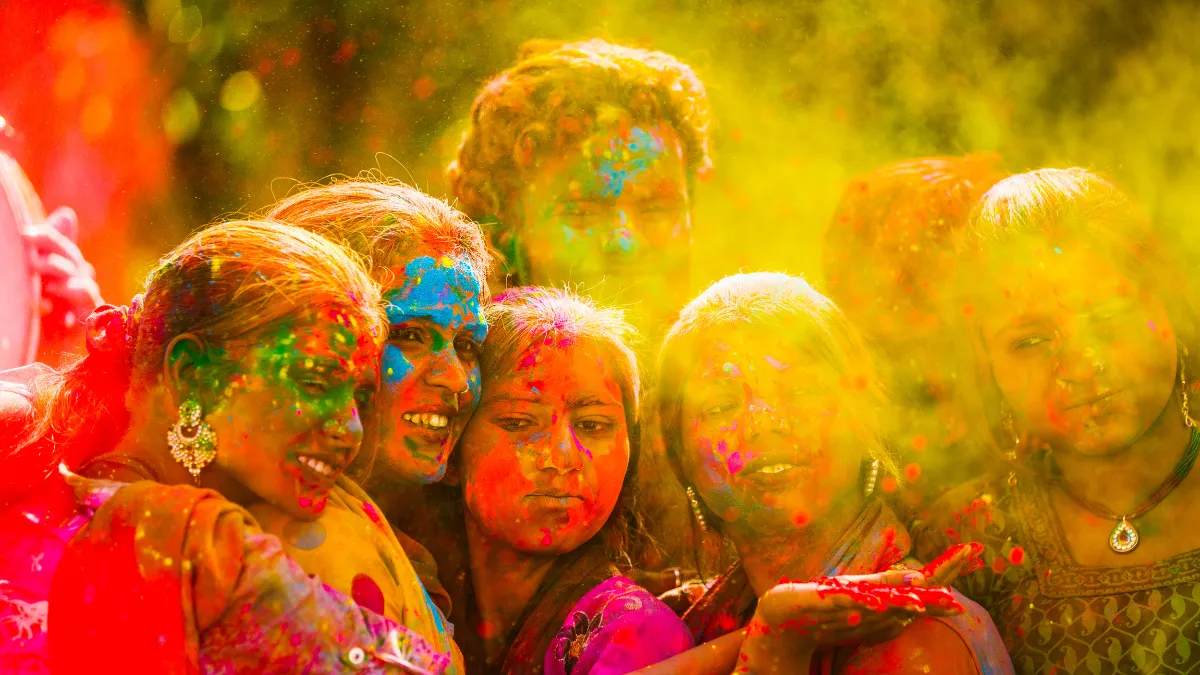
Holi: March – Festival of Colors
Pushkar Fair: November – Camel festival
Dussehra: September/October celebrations
Onam: August/September in Kerala
Shoulder Season Benefits
April/May: Lower accommodation costs in plains
September: Post-monsoon beauty, fewer tourists
June: Great Himalayan trekking begins
July/August: Kerala monsoon experiences
What to Pack for Solo Travel in India
Packing strategically makes solo travel easier and more comfortable. India’s diverse climates and cultures require thoughtful preparation. The key lies in versatile items that serve multiple purposes.
Clothing Essentials
Pack modest, lightweight clothes suitable for conservative culture. Natural fabrics like cotton work best in hot weather. Layers prepare you for air-conditioned spaces and mountain weather.
Basic Wardrobe
- Long pants or skirts covering knees
- Loose shirts covering shoulders
- Lightweight scarf or dupatta
- Comfortable walking shoes
- Sandals for easy temple visits
- Light jacket for evenings
- Swimwear for beaches or pools
Weather-Specific Items
- Rain jacket for monsoon travel
- Sun hat for hot season protection
- Warm layers for mountain regions
- Quick-dry towel for hostels
- Sunglasses with UV protection
- Light sleep sheet for questionable bedding
Health and Safety Items
A well-stocked medical kit prevents minor issues from ruining days. Indian pharmacies stock most medications, but having basics saves time. Include prescription medications with doctor’s notes for customs.
Essential Health Kit
8 First Aid Kit Recommendations
- Anti-diarrheal medication (essential for India)
- Rehydration salts for stomach issues
- Insect repellent with DEET
- Sunscreen SPF 50+
- Basic first aid supplies
- Hand sanitizer and wet wipes
- Water purification tablets
- Any prescription medications
Tech and Documents
Keep electronics minimal but functional. Power adapters for India use Type C, D, and M plugs. Portable chargers prove invaluable during long train journeys.
- Smartphone with international plan or local SIM
- Universal power adapter
- Portable battery pack (10,000+ mAh)
- Headphones for entertainment
- Photocopies of passport and visa
- Digital backups of important documents
- Credit cards and emergency cash
What Not to Pack
Overpacking ranks as the most common mistake. You can buy most items in India for less than home prices. Leave space for souvenirs and items purchased along the way.
Leave These at Home
- Excessive clothing beyond one week’s worth
- Expensive jewelry or watches
- Valuable items you’d be upset to lose
- Heavy guidebooks (use apps instead)
- Full-size toiletries (buy or refill locally)
Specific Advice for Solo Female Travel in India
Female solo travel in India requires extra considerations beyond general advice. Thousands of women travel India independently and safely each year. Understanding gender-specific challenges helps you navigate situations confidently.
Managing Attention and Stares
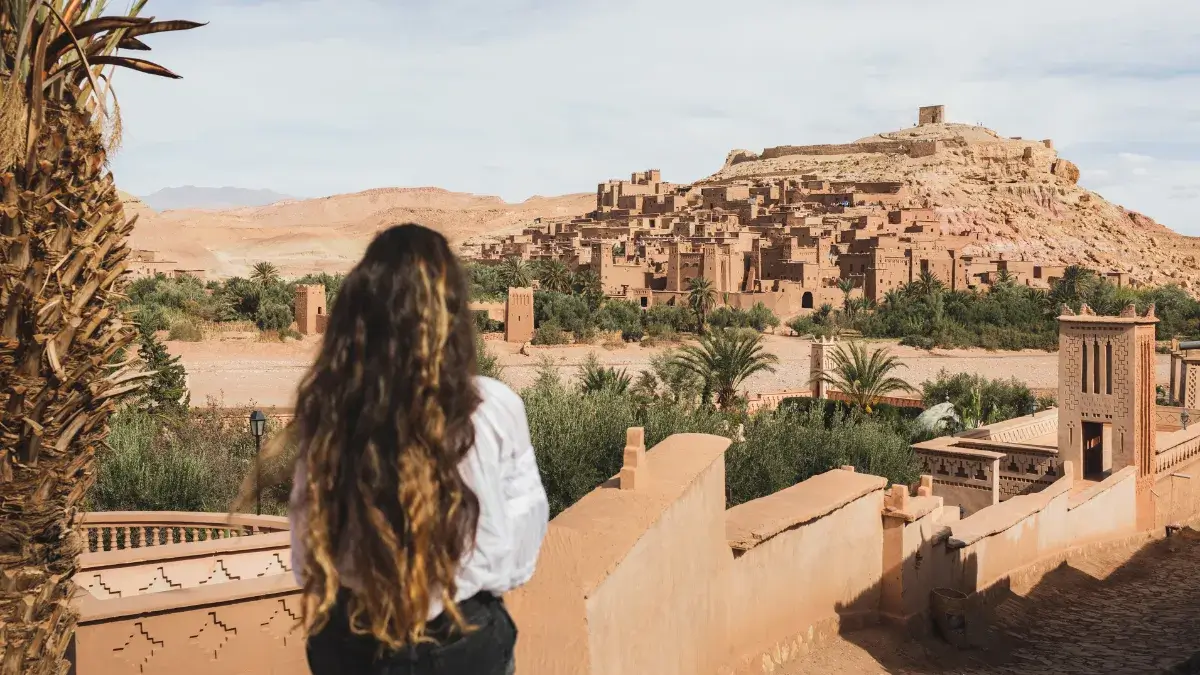
Foreign women attract attention in India, especially outside major cities. This reality stems from curiosity rather than threat in most cases. Understanding this cultural context helps manage emotional responses.
Staring happens constantly and bothers many women travelers initially. Most Indians don’t consider staring rude like Western cultures do. Wearing sunglasses and headphones creates personal space without confrontation.
Dealing with Harassment – Solo Travel India
Verbal harassment occasionally occurs, particularly in crowded areas. Respond firmly but calmly to unwanted attention. Most situations de-escalate quickly with confident body language.
Response Strategies
- Ignore minor comments and keep walking purposefully
- Use firm “no” without extended engagement
- Move toward families or other women in crowds
- Make scene loudly if someone touches you
- Take photos of harassers to deter behavior
- Report serious incidents to police or hotel staff
Making Female Friends
Connecting with other female travelers provides support and shared experiences. Women-only travel groups exist on Facebook specifically for India. These communities share real-time advice and meetup opportunities.
Local women often show interest in foreign visitors. Strike up conversations with women in cafes, shops, or trains. These interactions provide cultural insights and sometimes lead to home invitations.
Accommodation Choices
Female-only dorms offer comfortable sleeping environments. Many hostels reserve ground floor rooms for women. Request rooms near reception or common areas for added security.
Homestays with families create safe, welcoming environments. Female hosts particularly understand concerns of solo women travelers. These arrangements offer cultural immersion with built-in safety.
Nighttime Safety
Avoid walking alone after dark in unfamiliar areas. This precaution applies in India more strictly than many Western countries. Pre-book transportation for evening activities rather than hailing rides on streets.
Stay in well-populated tourist areas after sunset. These zones maintain more security presence and lighting. Solo dinners in busy restaurants feel safer than quiet establishments.
Frequently Asked Questions About Solo Travel in India
Is it safe to travel alone in India as a first-time visitor?
Yes, millions of first-time solo travelers visit India safely each year. The key lies in starting with tourist-friendly destinations like Goa, Rajasthan, or Kerala. These regions have established infrastructure supporting independent travelers. Research your destinations beforehand and follow standard safety precautions. Many first-timers find India more manageable than expected once they arrive.
How much money should I budget for one month of solo travel in India?
Budget travelers can explore India comfortably on $600-900 per month. This covers basic accommodation, local food, transportation, and activities. Mid-range travelers spending $1,200-2,000 monthly enjoy more comfort and occasional splurges. Your costs depend on travel style, regions visited, and activity choices. Major cities cost more than rural areas or smaller towns.
What’s the best way to meet other travelers when going solo?
Stay in social hostels with common areas and organized activities. Join group tours, cooking classes, or yoga sessions where solo travelers naturally congregate. Use apps like Couchsurfing or Meetup to find travel community events. Popular backpacker destinations like Pushkar, Hampi, and Goa have thriving social scenes. Many solo travelers form spontaneous travel partnerships for portions of their trip.
Do I need to speak Hindi to travel solo in India?
No, English works throughout tourist areas and major cities. Indians in tourism industry speak functional English. Translation apps help in rural areas or with non-English speakers. Learning basic Hindi phrases shows respect and helps in situations without English speakers. Most travelers manage perfectly fine with English alone, especially on popular routes.
What’s the safest way to travel between cities alone?
Trains offer the safest and most economical intercity travel. Book AC classes for overnight journeys, which provide secure sleeping compartments. Domestic flights work well for long distances and cost reasonably during sales. Government buses are safe during daytime. Avoid traveling at night by bus if possible. Share transportation details with friends or family members back home.
How do I handle being sick while traveling alone in India?
Delhi belly affects most travelers at some point. Pack anti-diarrheal medication and rehydration salts before your trip. Stay in your accommodation and rest when illness strikes. Most hostels and hotels help guests find doctors or pharmacies. Indian pharmacies stock excellent medications without prescriptions. Travel insurance should cover medical situations. Don’t hesitate to seek professional help for serious symptoms.
Can I drink tap water in India?
No, avoid tap water throughout India. Drink only bottled water or water filtered by reputable systems. Most accommodations provide filtered drinking water. Brush teeth with bottled water initially until your stomach adjusts. Avoid ice in drinks unless you’re certain it’s made from purified water. This precaution prevents most stomach issues during your trip.
What should I do if I lose my passport while solo traveling in India?
Report the loss immediately to local police and obtain a police report. Contact your embassy or consulate as soon as possible for emergency travel documents. Having passport photocopies and digital backups speeds up replacement process. Most embassies issue emergency passports within a few days. Keep emergency contact numbers for your embassy saved in multiple places.
Is it appropriate to travel alone to religious sites in India?
Yes, solo travelers regularly visit temples, mosques, and religious sites. Dress modestly with covered shoulders and knees. Remove shoes before entering temples. Women should cover hair in some mosques and Sikh gurdwaras. Follow what others do if you’re unsure about customs. Most religious sites welcome respectful foreign visitors regardless of their religion..
How can I avoid feeling lonely during extended solo travel in India?
Stay in social hostels where meeting people happens naturally. Join group activities like tours, classes, or volunteer programs. Connect with other travelers through online communities before arriving. Maintain regular contact with friends and family back home. Remember that solo travel allows flexibility to be alone when you want and social when you choose. Many travelers alternate between social destinations and quieter places for balance.
Start Planning Your Solo Travel India Adventure Today
India awaits you with experiences that will change your perspective on life and travel. Solo travelers discover independence, resilience, and connections impossible in group trips. The country’s challenges make victories sweeter and stories richer.
Your journey begins with a single step. Whether you explore ancient temples, trek mountain passes, or simply wander colorful markets, India rewards curiosity. Solo travel gives you freedom to follow interests without compromise.
Thousands of solo travelers before you have navigated India successfully. You have the information, resources, and advice to do the same. Trust yourself and embrace the adventure ahead.
Your Indian Adventure Awaits
Solo travel in India transforms ordinary vacations into extraordinary personal journeys. You’ll face challenges that build confidence and create stories worth sharing. The friendships formed and lessons learned extend far beyond your time in the country.
India doesn’t simply showcase beautiful places. The country invites you into its chaos, beauty, and contradictions. Solo travelers absorb these experiences fully without filtering them through group dynamics.
Take the leap and book that ticket. Your future self will thank you for the courage to travel alone. India has welcomed solo travelers for decades and stands ready to welcome you. The experiences, growth, and memories await your arrival.