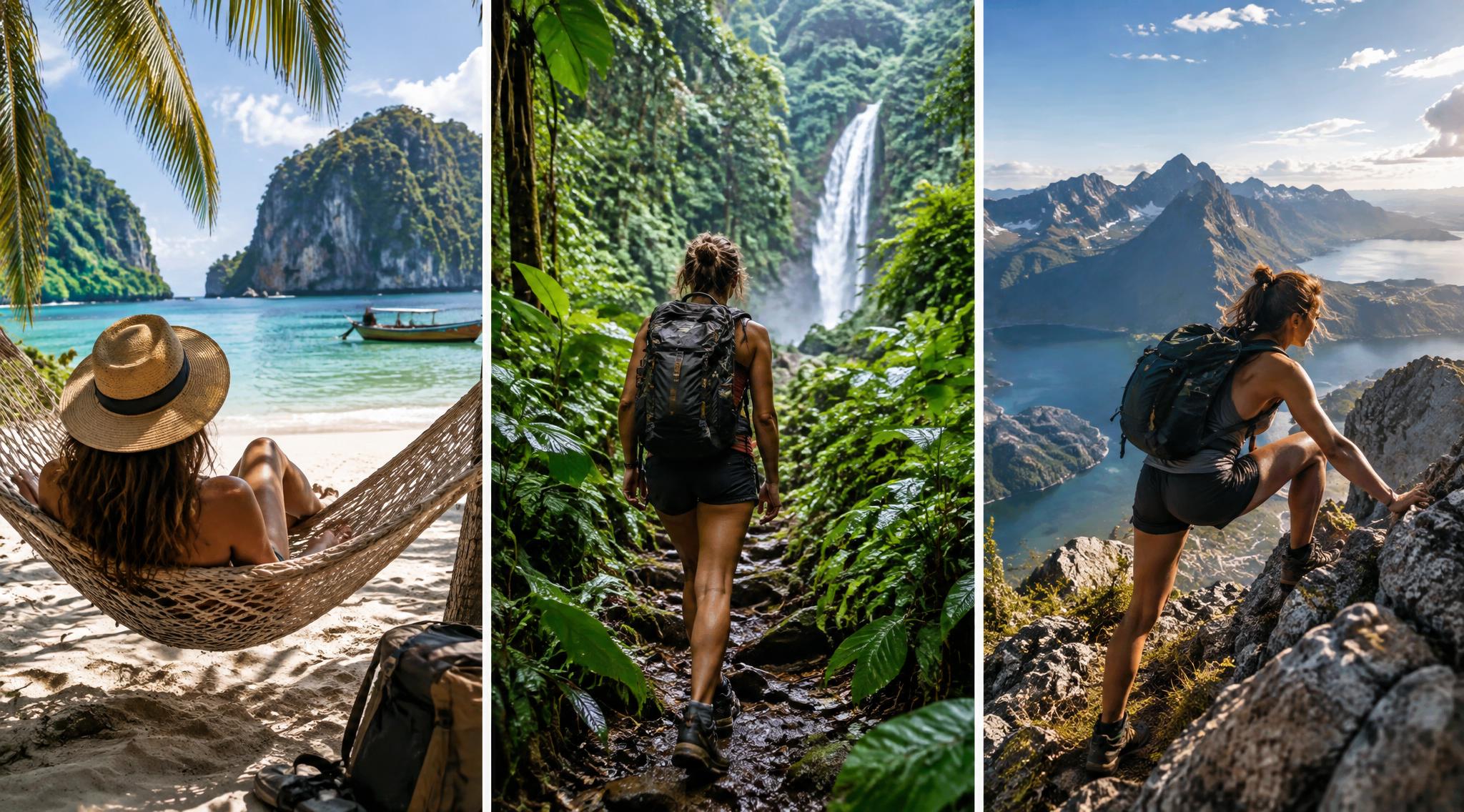
Traveling solo in Asia for three weeks is both exciting and challenging. You get the freedom to go anywhere, eat anything, and change plans anytime. But, with freedom comes responsibility: you need to be ready for the unexpected. Packing the right gear is not just about comfort—it’s about safety, flexibility, and making your trip smooth. Many beginners focus only on clothes and gadgets, but the gear for solo travelers requires a different mindset. You need to prepare for different climates, cultures, and situations, all while keeping your bag light. The right equipment can help you connect, stay safe, and enjoy your adventure, even if you hit a few bumps on the road.
This guide covers all the essential gear solo travelers need for a three-week trip across Asia. Whether you’re exploring Thai islands, hiking in Vietnam, or discovering temples in Cambodia, the gear you bring can make or break your experience. Let’s break down what you really need, why it matters, and how to choose wisely.
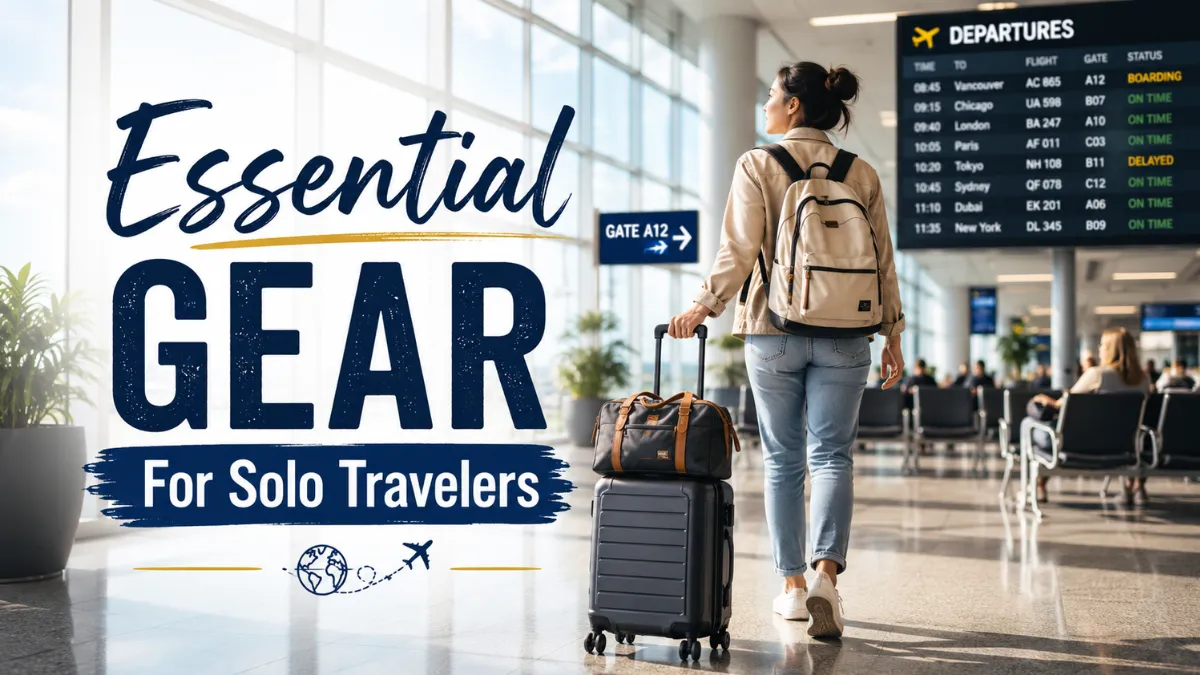
The Right Backpack: Your Mobile Home
Your backpack isn’t just for storage—it’s your travel partner. Solo travelers need a bag that’s easy to carry, fits overhead compartments, and can handle rough streets and crowded trains.
Size And Capacity
A 40-50 liter backpack is the sweet spot for three weeks in Asia. It’s big enough for all essentials but small enough to keep you mobile. Many budget airlines in Asia have strict carry-on limits, so check the dimensions before you buy.
Features To Look For
- Front-loading design: Like a suitcase, it opens from the front so you can easily find items.
- Padded straps and hip belt: Saves your shoulders and back.
- Water-resistant material: Sudden rain is common in Asia.
- Lockable zippers: Adds security in hostels or public transport.
Popular Models
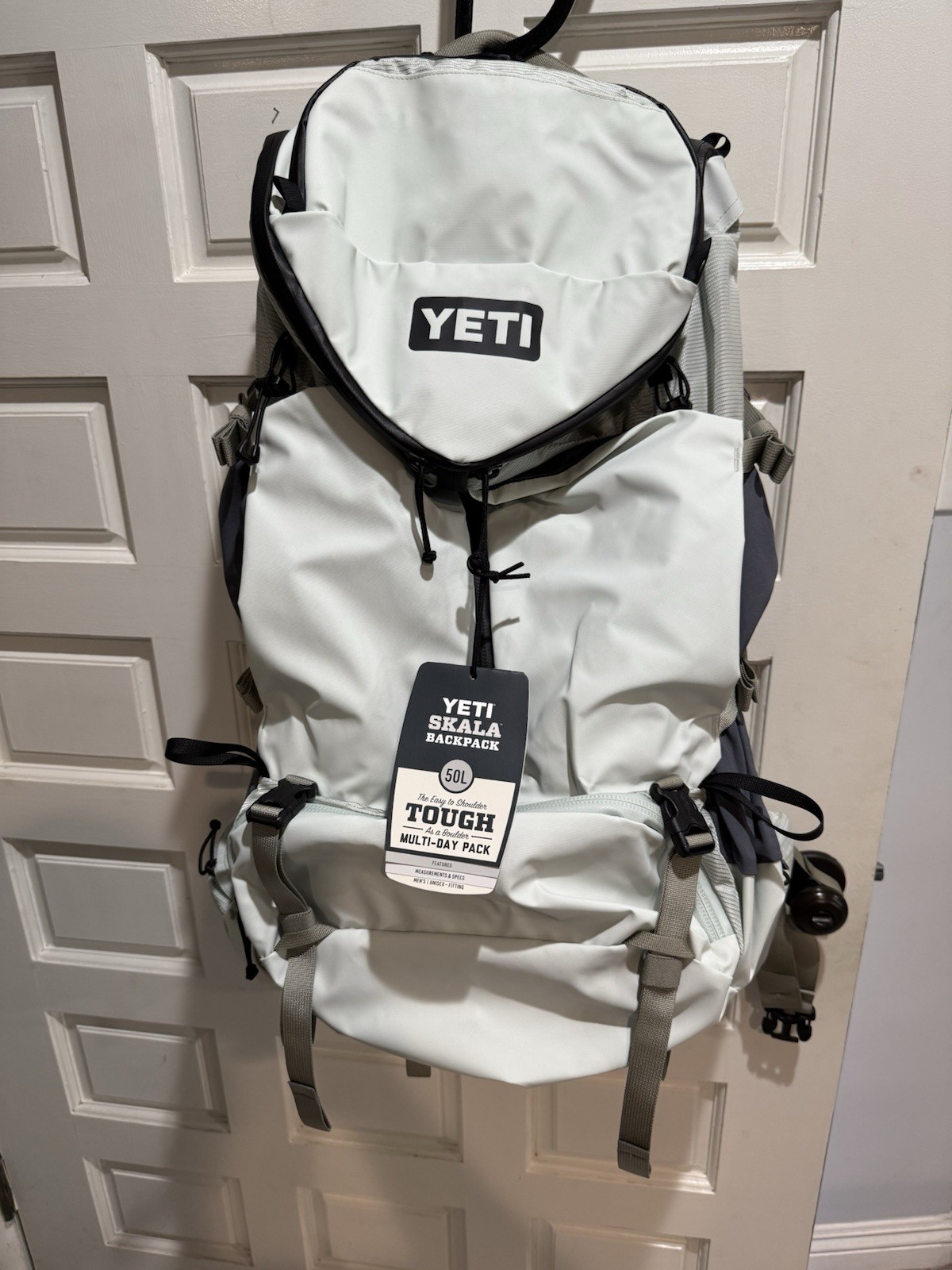
Some tried-and-true options include the Osprey Farpoint 40, Deuter Transit 50, and Tortuga Setout. These are favorites for their durability and comfort. Bring a small daypack (15-20 liters) for day trips. Some backpacks come with a detachable one. A foldable, packable daypack saves space and is perfect for hikes or city exploring.
Best of Both Worlds – Carry-On & Daily Back Pack
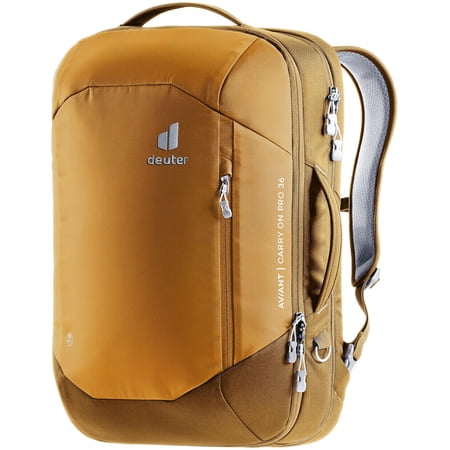
Rave Reviews About This One!
Converts from a backpack to carry-on, to duffel, to a briefcase using the hideaway harness and padded grab handles. Compartments: Features a main “suitcase-style” opening for clothes and a separate dedicated organizer compartment for electronics and documents. Accessories: Includes a removable sack for separating dirty laundry or shoes.
TSA approved carry-on.
Comfort: Back tunnel sleeve fits over the handles of rolling trolley bags for easy transportation
Top Choice Solo Travel BackPack
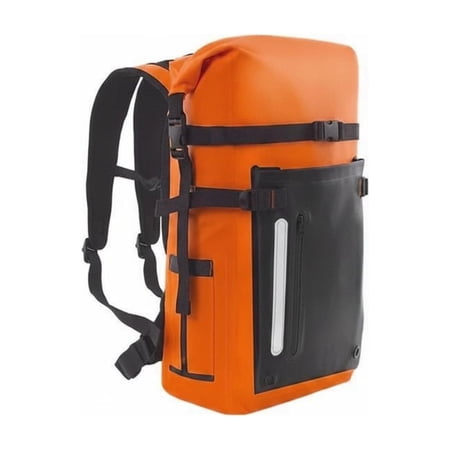
Great for wet and dry activities
Designed for active days around water and the outdoors, this waterproof backpack combines a clean-top design with a soft yet durable build. It is a highly dependable piece of outdoor gear when you need one bag that can handle wet conditions without feeling bulky. As a water-resistant backpack, it is designed for everyday use on trips where your towel, clothes, and accessories need to stay separated from damp items.
Day Pack and Hydration

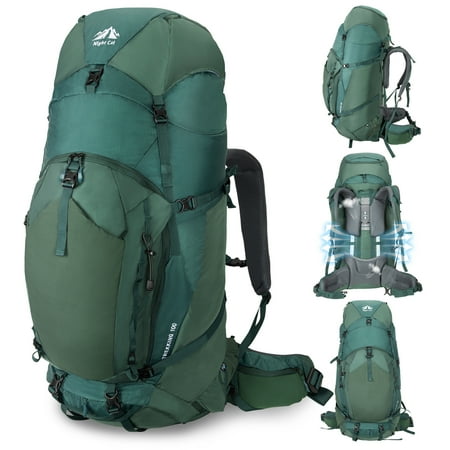
Hiking & Trekking Backpack
Day Pack designed with inbuilt hydration bladder. Stay hydrated on the go with a dedicated space for a hydration reservoir, ensuring you have easy access to your gear and water on all your adventures.
Excellent Lightweight Day Pack
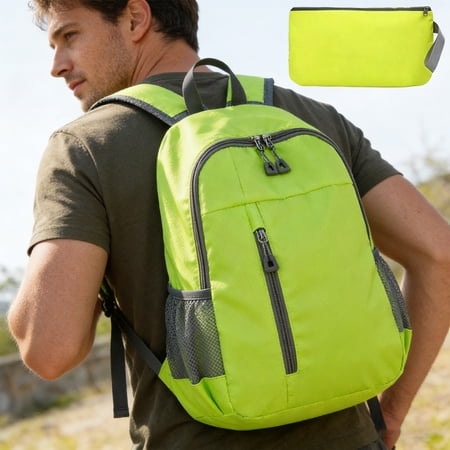
Saves space
Premiums tear resistant oxford cloth fabric, can be folded into a small pocket for easy storage. Perfects for daily carry and travel. Water resistant and Durable. Features multiple pockets including main compartment front zip pocket and side mesh pockets, offers enough space for books, water bottles, snacks and daily essentials
Lightweight Fabric Daypack
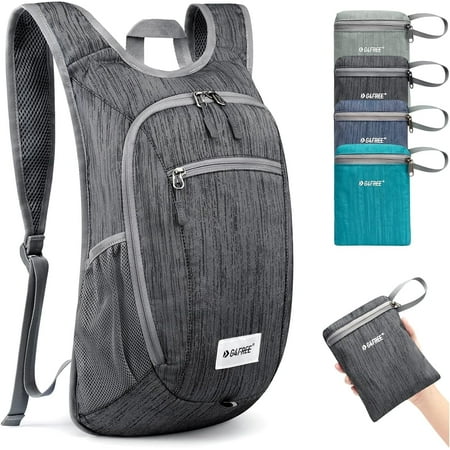
Large capacity & Space Saver
This backpack folds into its own inner pocket. Features a main compartment for essentials, a front compartment for small items, and two side pockets. Ideal for various outdoor activities such as hiking, biking, camping, and travel, suitable for both men and women.

Packing Cubes And Compression Bags
Staying organized is hard when you live from a backpack. Packing cubes help you separate clothes, electronics, and toiletries, so you’re not searching for socks every morning.
Why Use Them?
- Save time when packing and unpacking
- Keep dirty and clean clothes separate
- Quickly find what you need
Compression bags squeeze air out of bulky items (like jackets), making more room for more luggage or souvenirs (or snacks),
Pro Tip – Pick cubes in different colors or sizes for each category (shirts, pants, underwear). This makes it easy to grab exactly what you need.
|
Compression Packing Cubes for Travel, 6-Piece Lightweight Packing Cubes Set for
|
Compression Packing Cubes 8 Set Compressible Space-Saving for Travel – Bags
|
Travel Packing Cubes Beige 6-Pack Suitcase Luggage Organizers
|
10 Set Compression Packing Cubes for Travel Essentials Compressible Expandable Packing Cubes for Suitcase General Luggage Organizer Bags for Travel Handy Helper for Organizing Clothes(Brown)
|
|
|---|---|---|---|---|
 |
 |
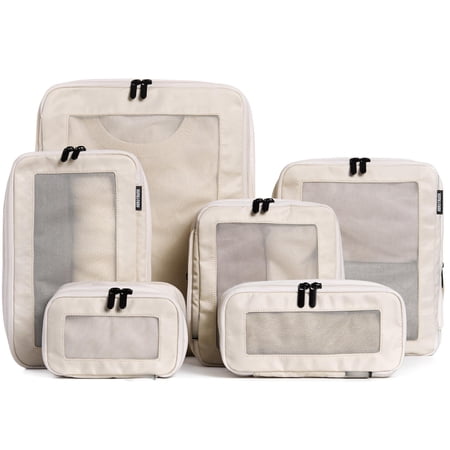 |
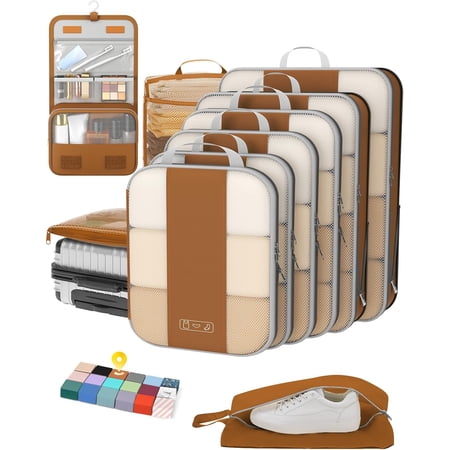 |
|
| How Much Can I Pack? | 2 weeks | 2-3 weeks | 1 week | 2 weeks |
| Premium Nylon Twill Fabric | Yes | Yes | Yes | No |
| Compression | Yes | Yes | No | Yes |
| Ratings | 9.6 /10 | 9.2 /10 | 8.7 /10 | 9.1 /10 |
| Number of pieces | 6 | 8 | 6 | 10 |
| Recommended For | Check-In & Carry-On Luggage | Check-In & Carry-On Luggage | Carry-On Luggage | Check-In & Carry-On Luggage |
| Price | – | – | $119.98 | $94.98 |
| Get Yours Today | Get Yours Today | Get Yours Today | Get Yours Today |
Clothing Choices For Asian Climates
Asia’s climate can be hot, humid, rainy, or cool, depending on where you go. The trick is to pack light but smart. Choose clothes that dry quickly, can be mixed and matched, and don’t wrinkle easily.
Core Clothing List
Top Tips For Packing Essentials
- 3-4 T-shirts or quick-dry tops
- 2 pairs of lightweight pants or travel jeans
- 1-2 pairs of shorts or skirts
- 1 long-sleeve shirt (for sun or temple visits)
- 5 pairs of underwear
- 3 pairs of socks
- 1 lightweight jacket or raincoat
- 1 set of sleepwear (optional)
- 1 Swimsuit
- 1-2 Scarf or sarong (multi-use: Beach, temple, cover-up)
Cultural Sensitivity
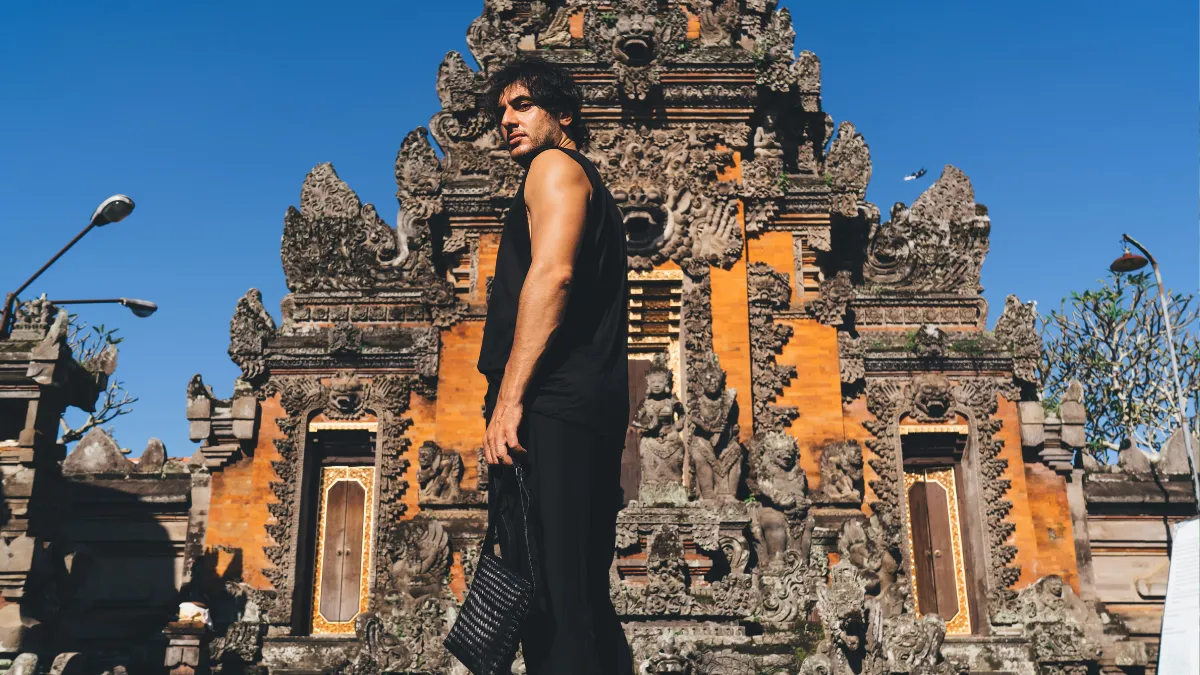
Some countries (like Thailand, Cambodia, and Indonesia) require covering shoulders and knees at temples. A scarf or lightweight pants are a must.
Laundry
Don’t overpack. Laundry services are cheap and fast in most Asian cities. Bring a small pack of travel detergent sheets for emergencies. For example: The Versatile Sarong – A sarong can be a skirt, towel, picnic blanket, or cover-up for temples. It’s one of the most useful items for any solo traveler.
Footwear: Comfort Over Fashion
You’ll walk a lot—on city streets, muddy paths, and temple stairs. Good shoes matter more than you think.
What To Bring
- Comfortable walking shoes (sneakers or trail shoes)
- Flip-flops or sandals (for showers, beaches, hostel floors)
- Optional: Lightweight flats or slip-ons for evenings
Tip: Make sure your shoes are broken in before the trip to avoid blisters.
Quick Comparison
Here’s a look at the pros and cons of common travel footwear:
| Type | Best For | Pros | Cons |
|---|---|---|---|
| Sneakers | City, light hikes | Comfortable, versatile | Bulky when packing |
| Sandals | Beach, showers | Light, easy to dry | Less support, not for long walks |
| Slip-ons | Casual evenings | Lightweight, stylish | Limited use |
Personal Security Gear – Essential Gear For Solo Travelers
Solo travelers should always be aware of their safety. Asia is generally safe, but petty theft and scams do happen, especially in crowded places.
Essentials
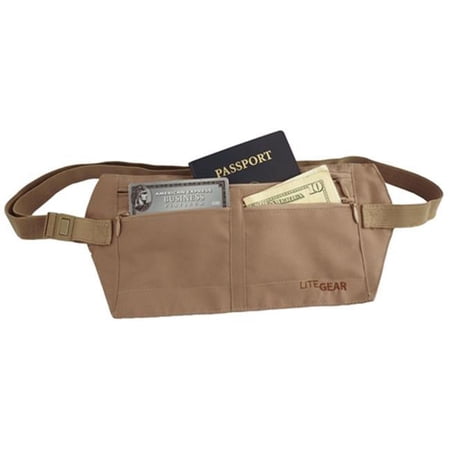
- Money belt or neck pouch: Worn under clothes, keeps cash and passport safe.
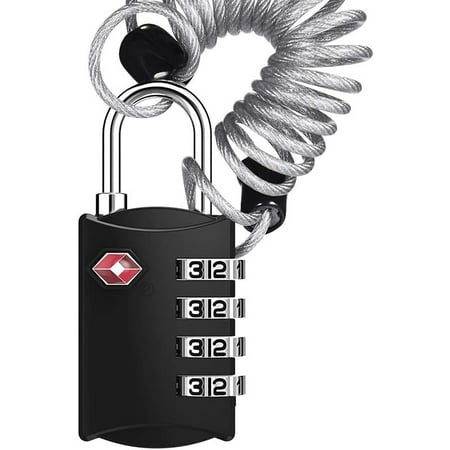
- Lock: For hostel lockers (bring a small padlock with a flexible cable).
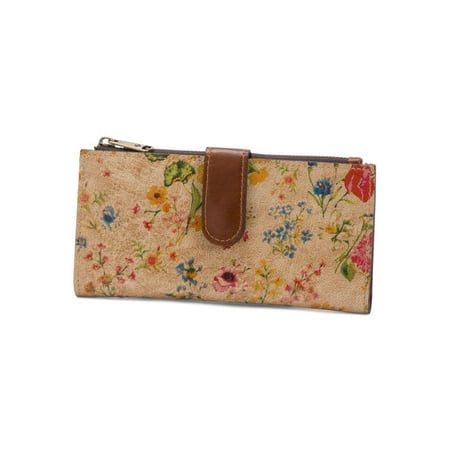
- RFID-blocking wallet: Protects against electronic pickpocketing.
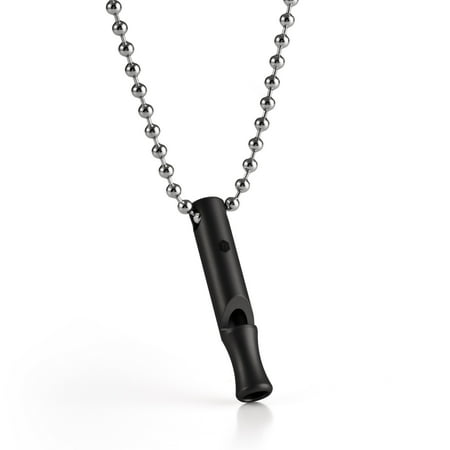
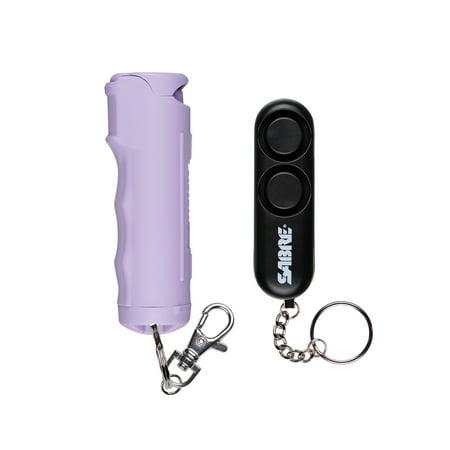
- Small whistle: Useful in emergencies.
Non-obvious Insight – Many travelers ignore the value of a dummy wallet—a cheap wallet with a small amount of cash and expired cards. If you ever get pickpocketed, thieves get the dummy, not your real stash.
Tech Gear: Stay Connected And Powered Up
Asia has good Wi-Fi and cheap mobile data, but you’ll still need the right tech and gadgets to stay safe and connected.
What To Pack
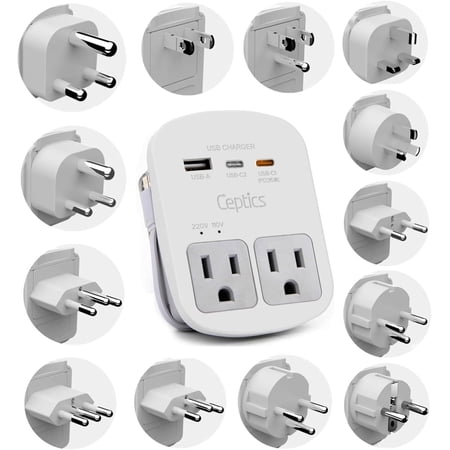
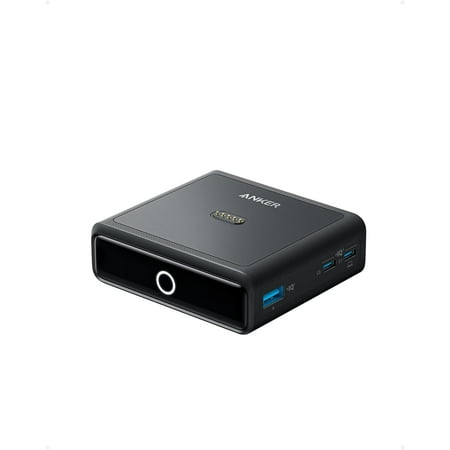
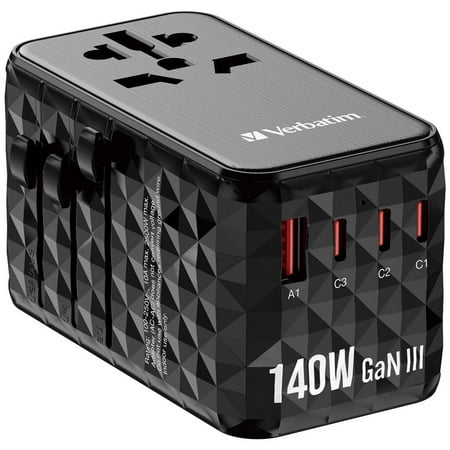
- Universal travel adapter: Asian countries use different plug types and voltages.
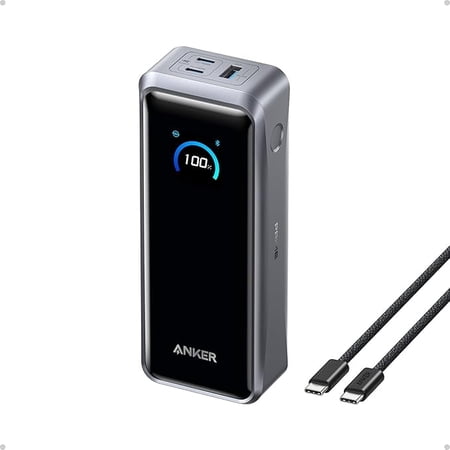
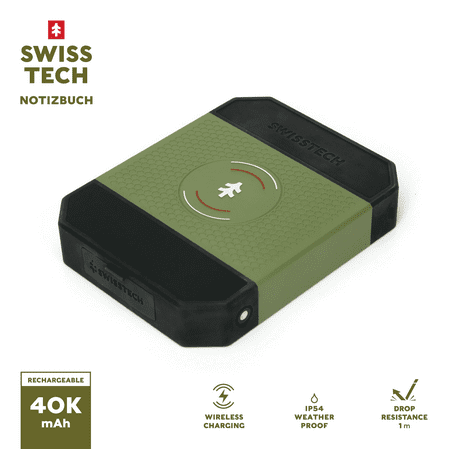
- Power bank (10,000–20,000 mAh): For long train rides or when sightseeing.
- Unlocked smartphone: Buy a local SIM card for cheap data and calls.
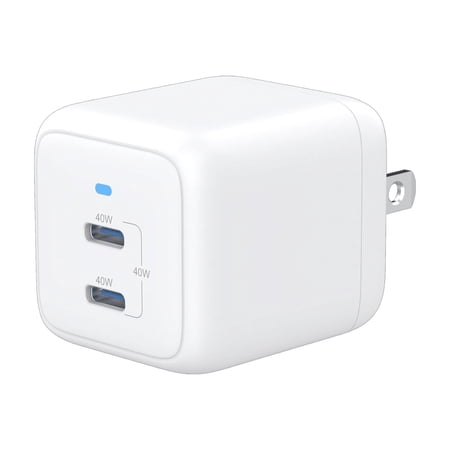
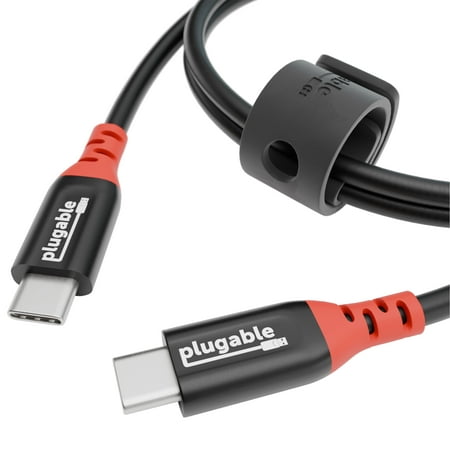
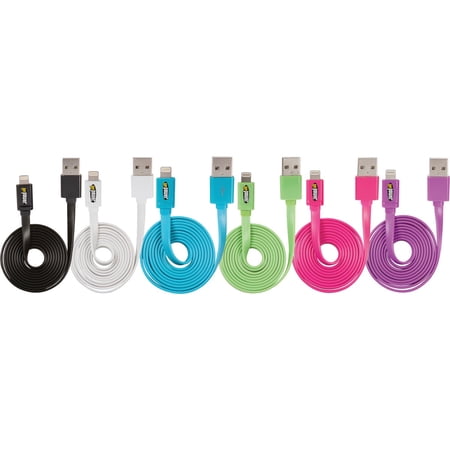
- Charging cables and spare USB plug
- Earphones or headphones: For music, podcasts, or noise in dorms.
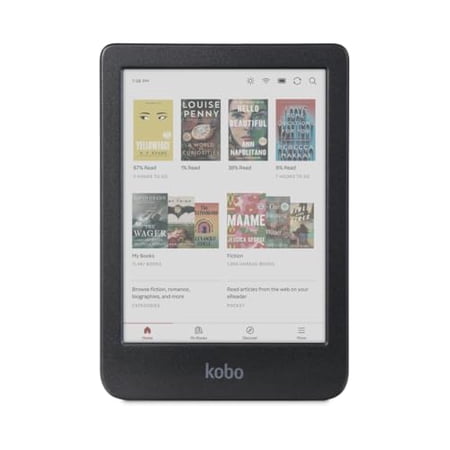
- E-reader or tablet: For books, maps, and entertainment.
Don't Leave Home Without


Data Storage And Security
Back up important documents (passport, insurance, tickets) to a cloud drive and keep digital copies on your phone. Use a password manager for extra security.
Handy Apps – Download Google Maps (offline mode), Translate, Grab (Southeast Asia’s ride app), and local transport apps.
Health And Hygiene Essentials
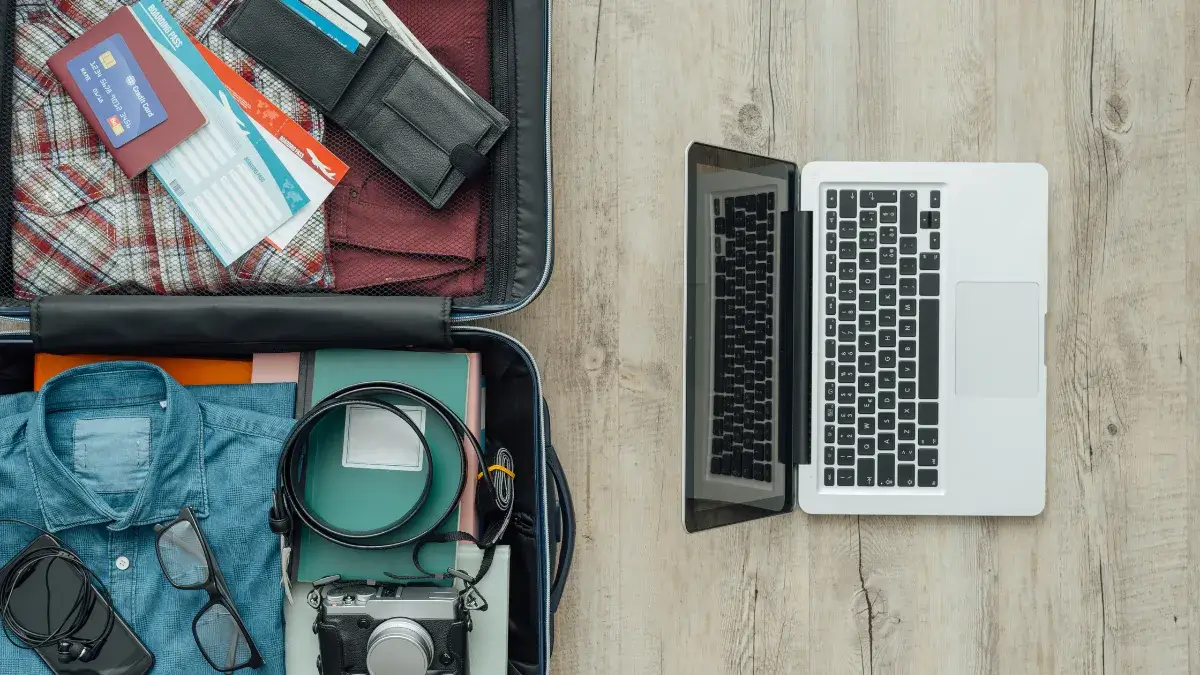
Traveling alone means you need to handle health issues yourself. Bring a small but complete travel medical kit.
Must-have Items
- Prescription medications (with copies of prescriptions)
- Basic first aid: Band-aids, antiseptic wipes, painkillers
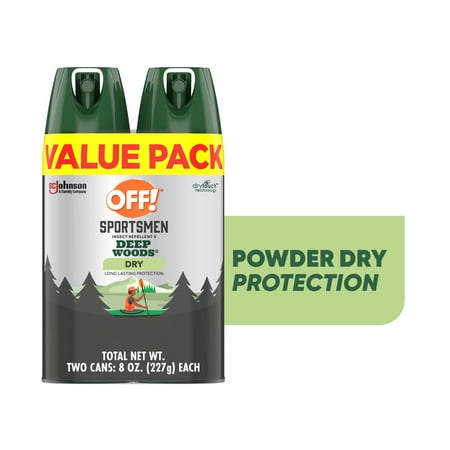
- Insect repellent: Mosquitoes carry diseases in some regions
- Hand sanitizer and wipes
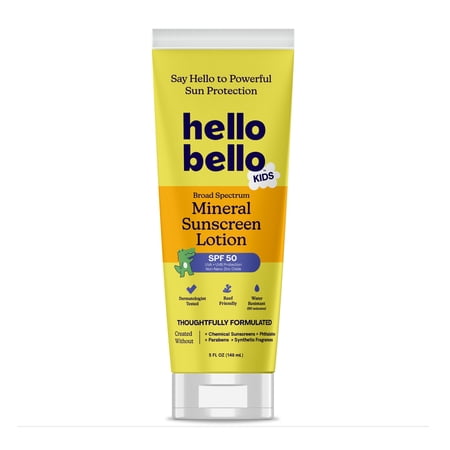
- Travel-size sunscreen: The sun is strong in many Asian countries
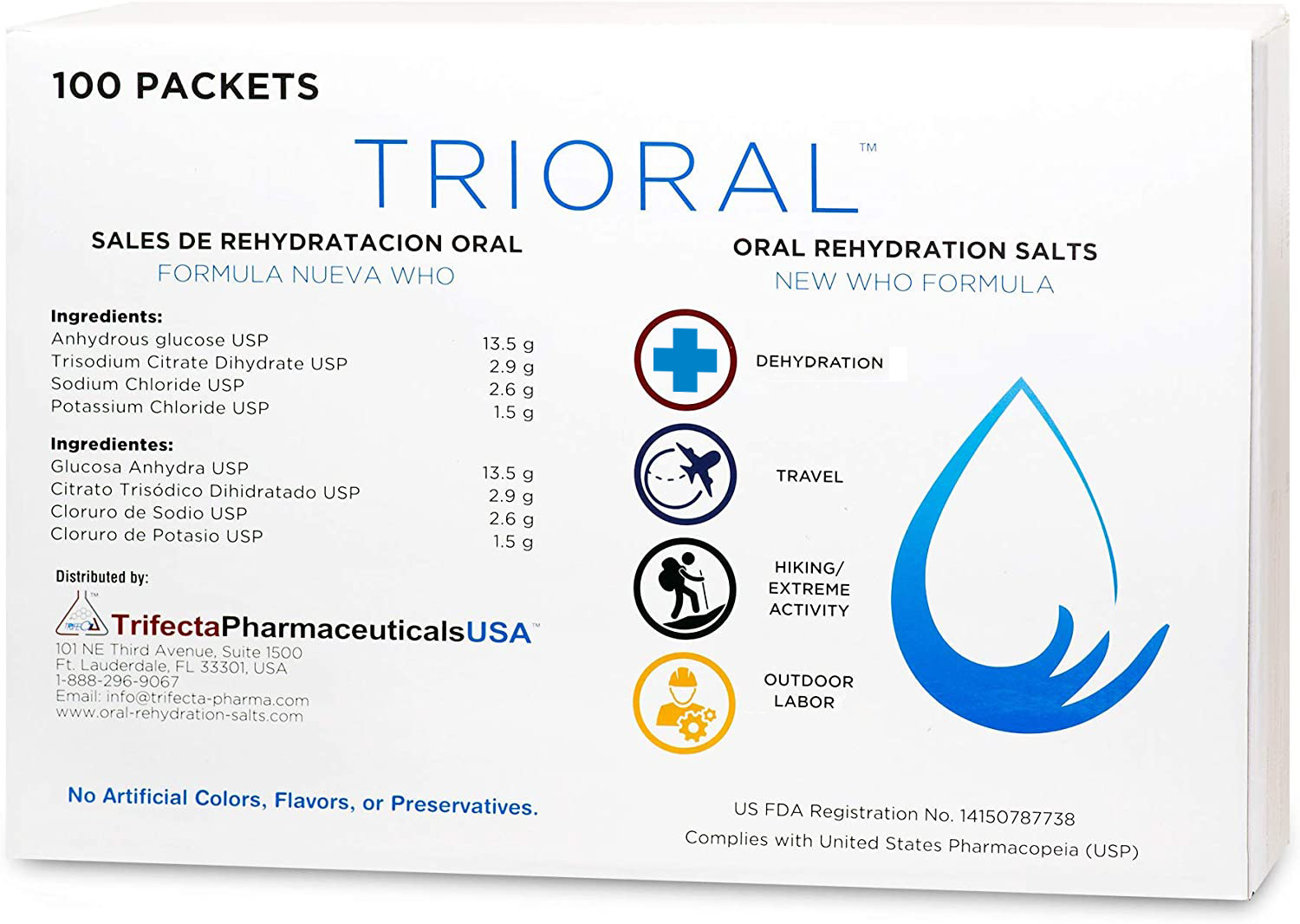
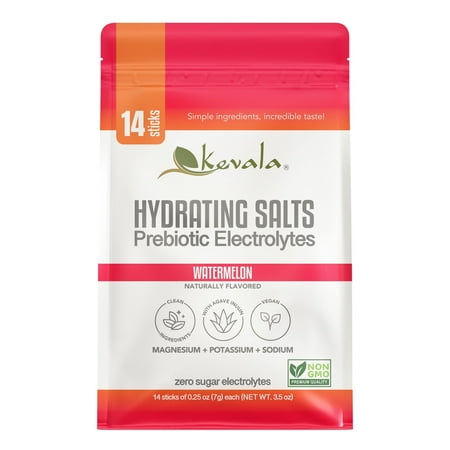
- Oral rehydration salts: For dehydration or food poisoning
Face Masks And Sanitizers
After the COVID-19 pandemic, masks are still required in some places. Pack a few reusable masks and a travel bottle of sanitizer.
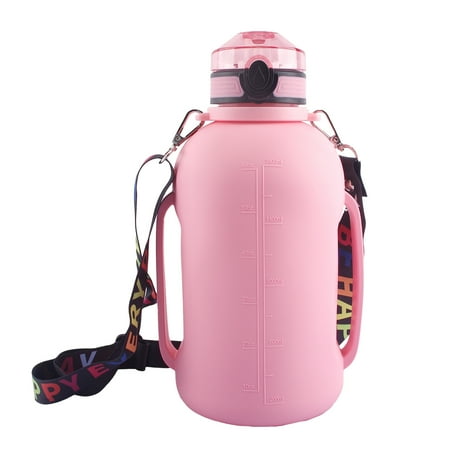
Example: Water Safety -Tap water is not safe to drink in most of Asia. Bring a reusable water bottle with a built-in filter (like the LifeStraw or Grayl). This reduces plastic waste and keeps you healthy.
Stay Protected

Documents, Money, And Backup Plans
Losing your passport or credit cards can ruin your trip. Solo travelers must be extra careful with important items.
What To Bring
- Passport (with visa if needed)
- Travel insurance card and policy copy
- Credit/debit cards (at least two, kept separately)
- Some cash in US dollars and local currency
- Photocopies of all documents: Keep one set in your bag, one on the cloud
Hidden Cash – Hide a $50 bill in a safe place (like in your shoe or under a backpack liner). This can save you if you lose your wallet.
Toiletries: Compact And Practical
Bring only what you need. Most toiletries are cheap and easy to find in Asian supermarkets or convenience stores.
Gear for Solo Travelers Packing Tips
Top Tips For Packing Toiletries
- Solid toiletries (shampoo bars, soap bars) last longer and can go in carry-on.
- Small bottles (100 ml or less) for liquids.
- Toothbrush, toothpaste, floss
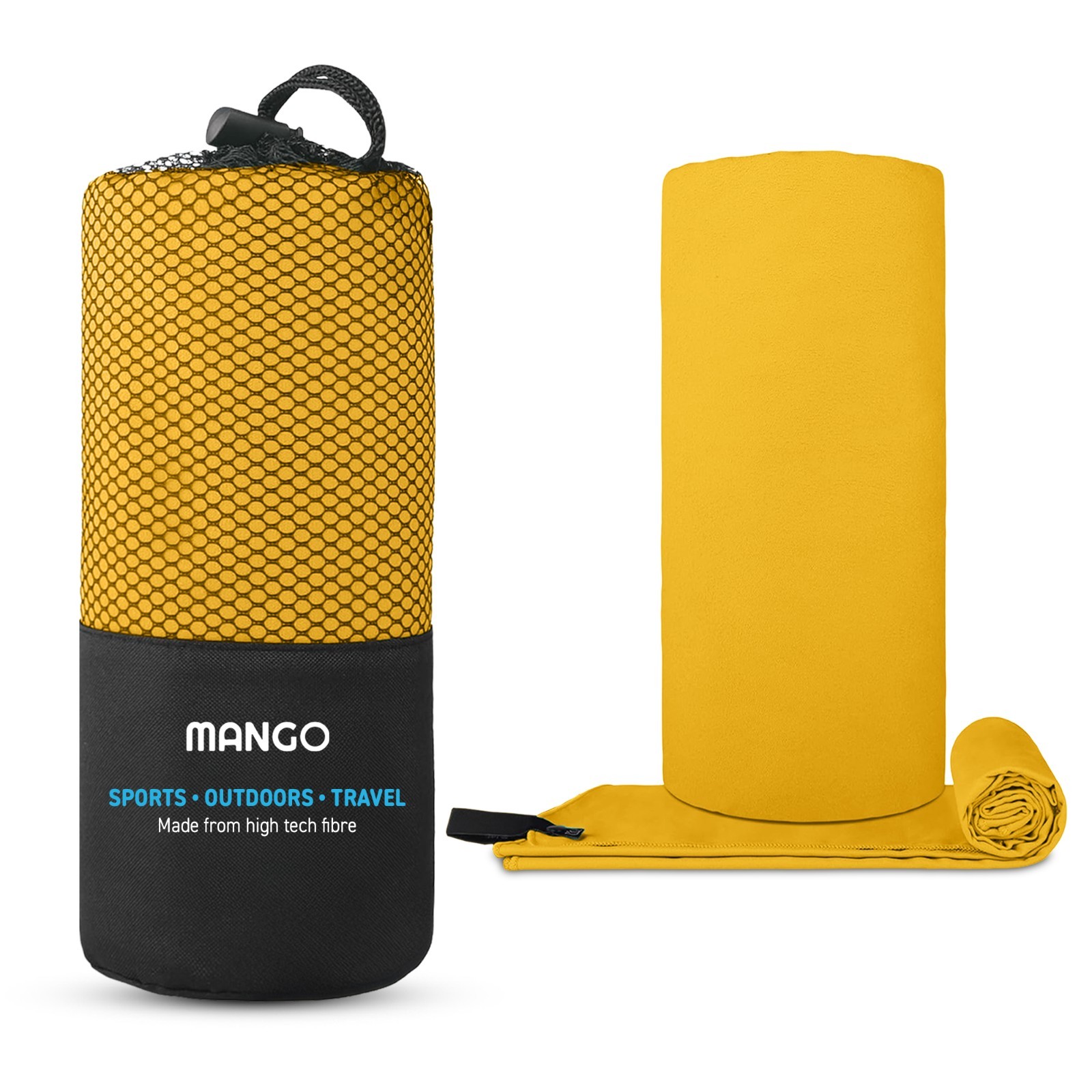
- Travel towel: Lightweight, dries fast, and packs small.
- Deodorant, razor, nail clippers
- Feminine hygiene products: Tampons and menstrual cups are hard to find in some places.
Travel Insurance And Emergency Contacts
Travel insurance is not optional for solo travelers. Medical emergencies, theft, or trip changes can happen anytime. Make sure your policy covers medical evacuation, lost baggage, and trip cancellation.
Emergency Contacts
Keep a list of emergency numbers in both your phone and on paper. Include:
- Local embassy or consulate
- Insurance company (claims hotline)
- Family or friend back home
- Local emergency services
Non-obvious Insight – Use your phone’s lock screen to display an emergency contact number. If you lose your phone, someone can call your contact even if it’s locked.
Insured Yet?
Travel Insurance Doesn’t Need To Cost The Earth
Get Discounted Insurance HereCheck out out partners deals on travel insurance and travel secure with peace of mind.

Navigation Tools And Maps
Getting lost can be fun, but sometimes you need to find your way fast—especially if you’re alone.
Essentials
- Google Maps offline: Download maps for your main destinations.
- Physical map: Good backup if your phone dies.
- Compass app: Useful for hiking or finding your hostel in cities with confusing layouts.
- Phrasebook app: For local languages—especially outside big cities.
Top Tip- Local Sim Card – Buy a local SIM at the airport or a convenience store. Data is cheap and helps with navigation, translation, and booking transport.
Get an eSIM
Keep In Touch Easily Without Breaking The Bank
Our partners have got you covered. With an eSim you always have credit and can rest assured that if you need to contact someone you can! The best bit, you only pay for what you use! No wasted money on expired minutes. These sims don’t expire and you only pay if, and when, you use it,
Get An eSim and Stay Connected (and a 10% discount on us)Essential Accessories For Solo Travel
Small items can make a big difference in comfort and convenience. Here’s what many travelers wish they packed, but often forget:
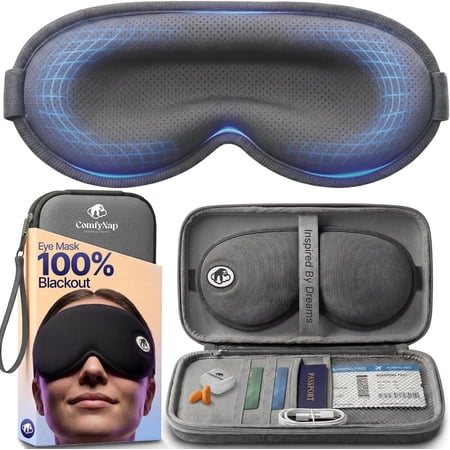
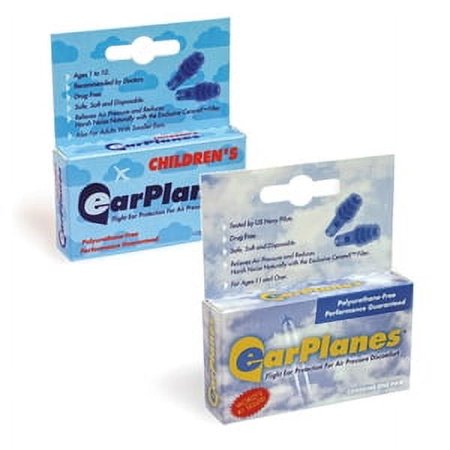
- Eye mask and earplugs: For sleeping on night buses or noisy hostels
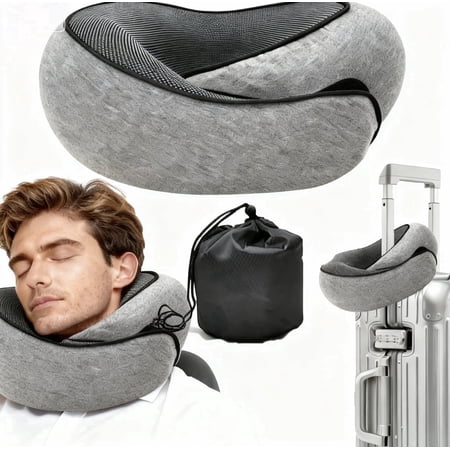
- Travel pillow: Inflatable or compressible for easy packing
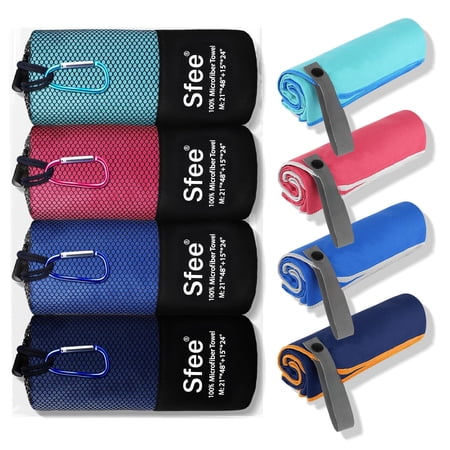
- Microfiber towel: Dries fast, doesn’t smell
- Reusable shopping bag: For groceries, laundry, or extra gear
- Carabiners and straps: Hang shoes or wet clothes from your backpack
Example: Carabiners In Action – A few strong carabiners can secure your bag on trains, attach water bottles, or even lock hostel curtains for privacy.
Camera Or Smartphone? Capturing Your Journey
You’ll want to remember your adventures, but carrying heavy camera gear is not always practical. Consider your needs:
Camera Options
- Smartphone camera: Good enough for most travelers, light, easy to use
- Compact digital camera: Better photos, still lightweight
- Action camera (GoPro): For diving, hiking, or adventure sports
Accessories
Bring a small tripod or a phone stand for selfies and night shots. Don’t forget extra memory cards. Non-obvious Insight- A waterproof phone pouch can protect your phone from rain, sweat, or sudden downpours—common in Asia.
Entertainment And Down-time
Long train rides, airport waits, or rainy days are part of travel. Pack a few things to keep yourself entertained and relaxed.
What To Bring
- E-reader or Kindle: Hundreds of books, light as a single paperback
- Offline movies/shows: Download before you leave home
- Notebook and pen: For journaling, planning, or sharing contact info
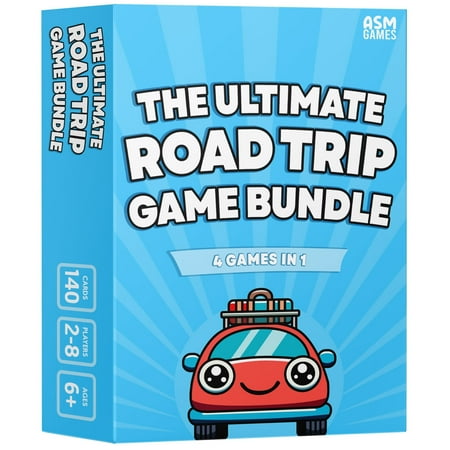
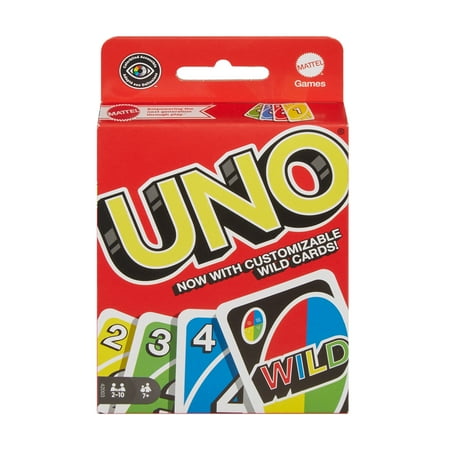
- Travel games: Small card games are great for meeting people
Example: The Power Of A Notebook – Many travelers find a small notebook useful for writing down bus times, directions, or new friends’ contact details.
Space, Power and Security
Laundry Solutions
With only a few clothes, you’ll need to wash often. Laundry is cheap in Asia, but sometimes you’ll need a quick wash.
What Helps
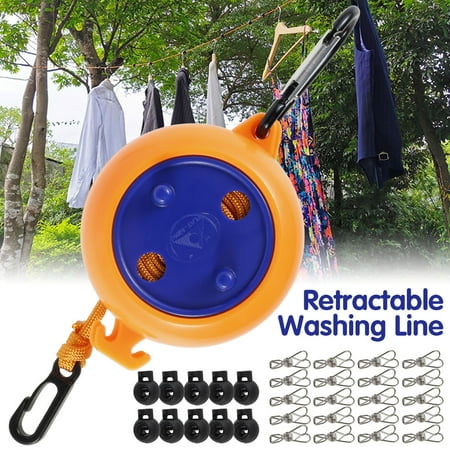
- Travel laundry line: Compact and strong, dries clothes in your room
- Sink stopper: Many hotel sinks don’t have stoppers for washing clothes
- Travel detergent sheets/pods: Tiny, no spills
Hand Washing – Learn to do a quick hand wash in your hostel or hotel. Dry clothes overnight with the fan or air conditioning.
Staying Healthy: Food And Water Safety
Asia’s street food is famous, but it can upset sensitive stomachs. Take a few precautions:
- Eat at busy stalls—high turnover means fresher food
- Avoid ice in drinks (unless in big cities)
- Use your filtered water bottle, especially in small towns
- Carry a few oral rehydration salts for emergencies
Example: Street Food Wisdom – If you see locals lining up, it’s usually safe and tasty. If the food looks old or the stall is empty, try somewhere else.
Travel Comfort
Responsible And Sustainable Travel Gear
Travelers should minimize their impact. Asia’s environment is under pressure from tourism—every small step helps.
Eco-friendly Choices
- Reusable water bottle: Cuts down on plastic waste
- Cloth shopping bag: For groceries or laundry
- Bamboo toothbrush: Sustainable and lightweight
- Refillable toiletry bottles: Buy bigger bottles, refill small ones
Supporting Local – Buy souvenirs from local artisans, not big chains. This supports communities and keeps your souvenirs unique.
Essential Gear Checklist For Three Weeks In Asia
Complete, Quick-Reference Packing List
3 weeks in Asia
- Backpack (40-50L)
- Daypack (15-20L)
- Packing cubes/compression bags
- 3-4 tops
- 2 pants
- 1-2 shorts/skirts
- 1 long-sleeve shirt
- 5 underwear
- 3 socks
- 1 sleepwear,
- 1 swimsuit
- 1 scarf/sarong
- 1 pair walking shoes
- 1 pair sandals/flip-flops
- 1 rain jacket / lightweight jacket
- Money belt, lock, RFID wallet, dummy wallet
- Universal adapter, power bank, smartphone, cables
- Headphones, e-reader, camera (optional)
- First aid kit, meds, insect repellent, sunscreen
- Reusable water bottle with filter
- Passport, insurance, cards, cash, document copies
- Toiletries (solid/liquid, towel, hygiene products)
- Eye mask, earplugs, pillow, shopping bag (optional)
- Carabiners, laundry line, sink stopper (optional)
- Notebook, pen, travel games (optional)
- Offline maps, compass app, phrasebook (optional)
- Eco-friendly gear (bamboo toothbrush, reusable bags – optional)
How To Pack Smart: Tips For Solo Travelers
Packing is an art. Here’s how to avoid common mistakes:
- Roll clothes instead of folding—they pack smaller and wrinkle less.
- Use packing cubes to separate clean and dirty items.
- Pack the heaviest items close to your back for balance.
- Leave space for souvenirs, gifts, or things you buy on the road.
- Repack your bag every few days to keep things organized.
Example: The “one-week Rule” – Pack as if you’re staying for one week, even if you’re gone for three. You’ll wash clothes every week and carry less.
Real-world Packing Example: Three Weeks In Thailand, Vietnam, And Cambodia
Let’s see a sample gear setup for a solo traveler:
- Backpack: Osprey Farpoint 40
- Clothes: 4 tops, 2 pants, 2 shorts, 1 long-sleeve shirt, 1 jacket, 1 swimsuit, 5 underwear, 3 socks, sarong
- Shoes: Sneakers, sandals
- Toiletries: Toothbrush, solid shampoo bar, mini toothpaste, razor, deodorant, sunscreen, menstrual cup
- Tech: Smartphone, power bank, universal adapter, Kindle, headphones
- Security: Money belt, padlock, RFID wallet, dummy wallet
- Other: Microfiber towel, water bottle with filter, basic medical kit, laundry line, notebook, pen
This setup keeps your pack under 10 kg and covers all common situations.
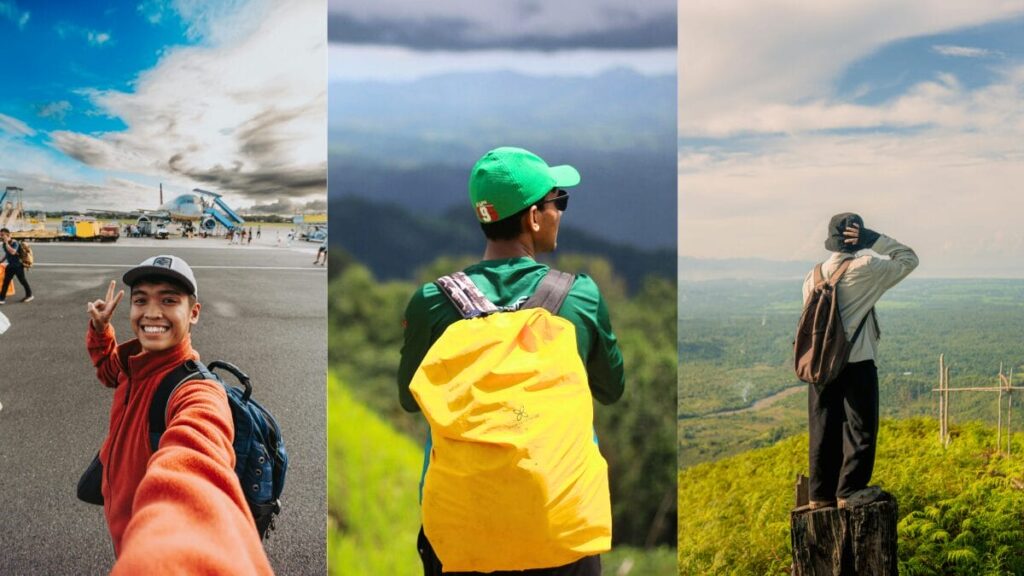
What You Can Buy In Asia (and What To Bring From Home)
Don’t stress if you forget something. Asia is full of convenience stores, markets, and malls. Here’s a quick look at what’s easy to buy—and what’s better to bring from home:
| Buy in Asia | Bring from Home |
|---|---|
| Toiletries | Prescription meds |
| T-shirts, shorts | Good backpack |
| Flip-flops | Quality walking shoes |
| Umbrellas, rain ponchos | Electronics (phone, power bank) |
| Local SIM cards | Travel insurance |
Useful Gear For Special Activities
Asia offers many experiences—trekking, diving, city tours. Depending on your plans, you might need:
- Trekking poles: For serious hiking (like in Nepal or Northern Vietnam)
- Dry bag: For kayaking or island hopping
- Snorkel mask: If you plan a lot of beach time
- Headlamp: For night buses or power outages
Bring these only if you know you’ll use them, or rent locally to save space.
Common Mistakes Solo Travelers Make
Many solo travelers overpack or forget key items. Here’s what to avoid:
- Bringing too many clothes—laundry is easy and cheap
- Skipping travel insurance—accidents happen
- Not backing up documents—lost phones or passports can ruin a trip
- Packing heavy, single-use gadgets—every item should have more than one use
- Ignoring local customs—pack clothes that respect the culture
Essential Mindset: Less Is More
The best solo travelers pack light and focus on essentials. Every extra pound slows you down and makes travel harder. With the right gear, you’ll move faster, adjust easier, and enjoy more.
Before you leave, lay everything out. Remove half. You’ll thank yourself on every flight of stairs, crowded train, and hot afternoon.
For more tips on travel safety and gear, check resources like Lonely Planet.
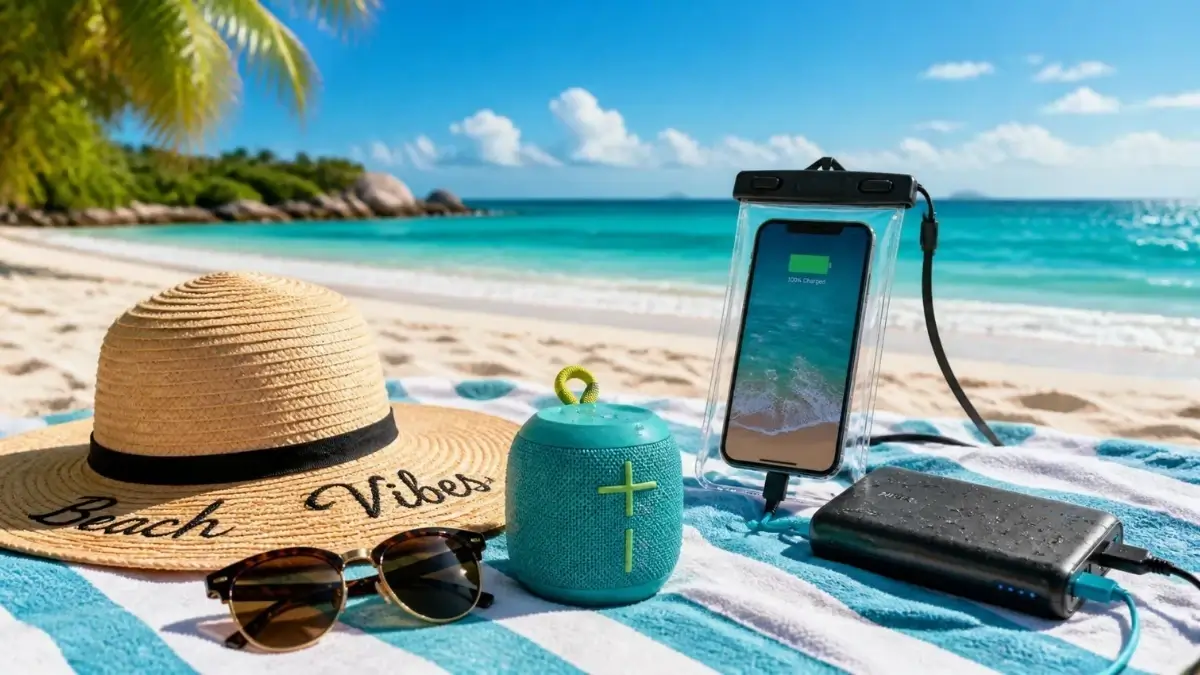
Essential Gear For Solo Travelers FAQ
What Size Backpack Is Best For Solo Travel In Asia?
A 40-50 liter backpack is ideal for three weeks. It fits in overhead bins, is light enough to carry, and holds all essentials if you pack smart.
Is It Safe To Bring A Laptop Or Expensive Camera?
Yes, but be careful. Keep valuables locked in your hostel, use a padded case, and never leave them unattended. If you don’t need a laptop for work, a smartphone or tablet is enough for most travelers.
How Much Cash Should I Carry?
Carry enough for 2-3 days (about $100-150 USD), plus backup cash in a hidden spot. Use ATMs for the rest. Many places in Asia are cash-based, but big cities and hotels accept cards.
What’s The Best Way To Do Laundry While Traveling?
Use local laundry services (cheap and fast), or hand wash in your room with travel detergent. Microfiber clothes and a travel line help dry things overnight.
Do I Need Travel Insurance For Asia?
Absolutely. Medical care can be expensive, and accidents happen. Choose a policy that covers health, theft, and trip changes. Keep a copy of your policy and emergency contacts with you.
How do you get around Jaipur?
Auto-rickshaws, taxis, and app-based services like Uber and Ola are your best options for navigating Jaipur. For sightseeing within Jaipur, private cabs or tuk-tuks are economical choices, though attractions like City Palace, Jantar Mantar, and Hawa Mahal can be conveniently explored on foot. For visiting forts outside the city, hire an auto-rickshaw or taxi for the whole day. The city isn’t very walkable due to traffic and distances, so plan your transport accordingly to maximize your sightseeing time.
What should you buy in Jaipur?
Jaipur is famous for its handcrafted jewelry, textiles, and traditional handicrafts. Johari Bazaar specializes in gemstones and jewelry, Bapu Bazaar offers textiles and block prints, while Tripolia Bazaar features bangles and metalwork. You’ll find handcrafted jewelry, juttis (traditional footwear), gemstones, and the classic Jaipuri quilt. These vibrant bazaars offer an authentic shopping experience where you can bargain for unique souvenirs and experience 300 years of craftsmanship traditions.
Packing for solo travel in Asia isn’t just about gear—it’s about preparing for adventure, new cultures, and the unexpected. Choose your equipment wisely, stay flexible, and enjoy every step of your journey. Safe travels!