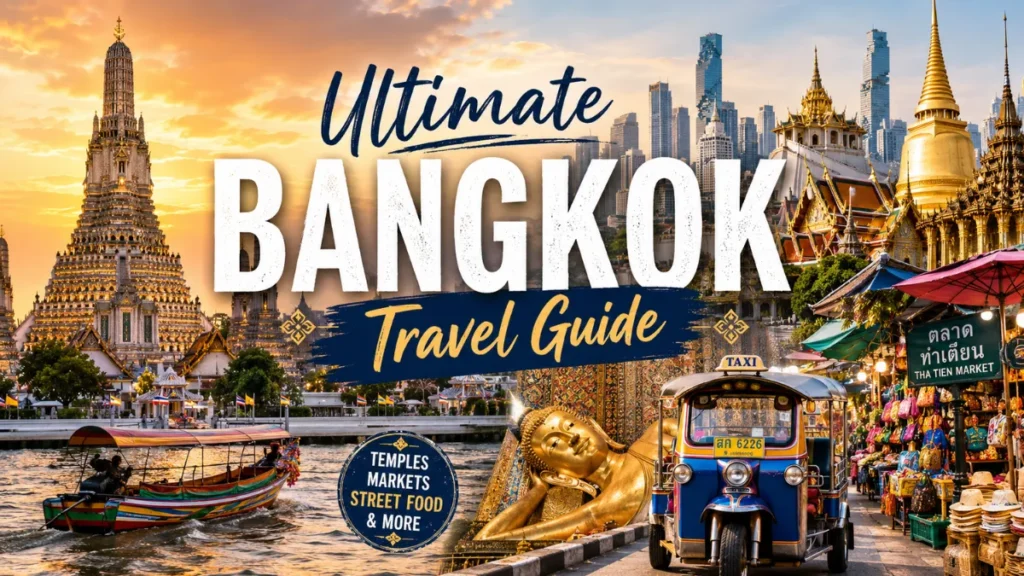
Bangkok pulses with an energy unlike any other city on Earth. The capital of Thailand seamlessly blends ancient tradition with modern innovation, creating an experience that captivates millions of travelers each year.
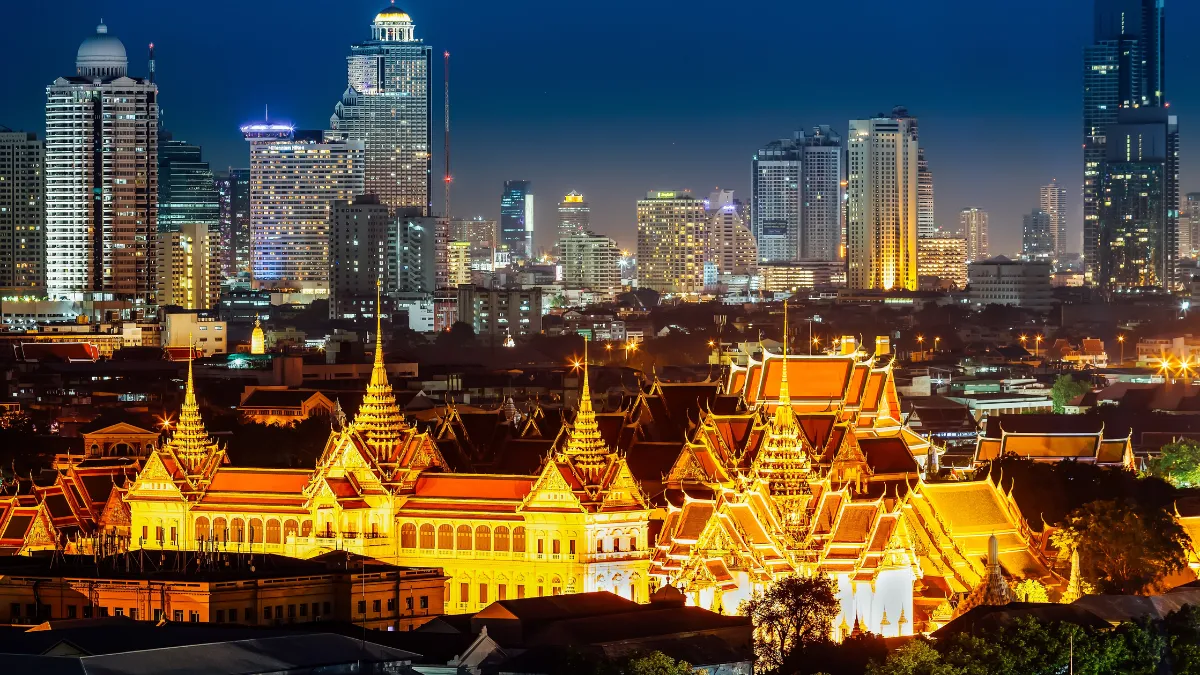
Ornate temples stand beside gleaming skyscrapers. Street food vendors serve dishes that rival Michelin-starred restaurants. Chaotic traffic gives way to serene canal boats. This is Bangkok—a city of endless contrasts and surprises.
Whether you’re drawn to the golden spires of the Grand Palace, the aromatic chaos of street food markets, or the sophisticated cocktails at rooftop bars, Bangkok delivers experiences you won’t find anywhere else. First-time visitors often feel overwhelmed by the sheer variety of things to see, eat, and explore.
This comprehensive Bangkok City Guide cuts through the noise. We’ll show you exactly what to expect, where to go, and how to make the most of your time in Thailand’s vibrant capital.
Best Time to Visit Bangkok: Weather, Festivals & Seasons
Timing your Bangkok trip makes a significant difference in your experience. The city experiences three distinct seasons, each offering unique advantages for travelers.
Cool Season (November to February)
The best time to visit Bangkok falls between November and February. Temperatures hover around a comfortable 75-85°F during the day, with cooler evenings perfect for exploring night markets and rooftop bars.
This period attracts the most tourists. Hotels and flights cost more, and popular attractions see longer lines. Make sure you book accommodations well in advance if you’re visiting during these months.
December brings the coolest temperatures and lowest humidity. You’ll find perfect weather for temple visits and outdoor activities without breaking into a sweat every few minutes.
Hot Season (March to May)
Bangkok’s hot season tests even seasoned tropical travelers. Temperatures regularly exceed 95°F, with humidity making it feel even hotter.
The upside? Fewer crowds and significantly lower prices. Hotels offer substantial discounts, and you’ll have temples and attractions mostly to yourself during midday hours.
Smart travelers adapt their schedules during hot season. Visit indoor attractions and air-conditioned malls during peak heat hours. Save outdoor exploration for early morning or evening time when temperatures drop slightly.
Rainy Season (June to October)
Don’t let “rainy season” scare you away. Bangkok receives short, intense downpours rather than all-day drizzle. Rain typically falls in the late afternoon or evening, leaving mornings clear for sightseeing.
The city transforms during rainy season. Vegetation becomes lush and green. Dust settles, making the air clearer. Hotels and tours offer their best deals of the year.
Pack a compact umbrella and embrace the rain. Many travelers report that rainy season offers Bangkok’s most authentic experience, with fewer tourists and locals going about their daily routines.
Major Festivals Worth Planning Around
Songkran (mid-April) turns Bangkok into the world’s largest water fight. The traditional Thai New Year celebration involves friendly water battles throughout the city. Expect everything to shut down for several days while locals and tourists drench each other in good-natured fun.
Loy Krathong (November) creates magical nights along the Chao Phraya River. Thousands of small floating vessels carry candles, flowers, and incense downstream. The sight of countless lights drifting on dark water creates unforgettable memories.
Chinese New Year (January or February) brings spectacular celebrations to Bangkok’s Chinatown. Street performances, traditional foods, and elaborate decorations transform Yaowarat Road into a vibrant festival ground.
Insurance Options
Travel Smart: Protect Your Bangkok Adventure
Weather can be unpredictable, flights get delayed, and unexpected situations arise. Travel insurance provides peace of mind for your Bangkok trip. Compare rates from top providers and find coverage that fits your needs and budget.
Compare Travel Insurance OptionsTop Bangkok Attractions: Must-See Temples, Markets & Landmarks
Bangkok overflows with attractions that showcase Thailand’s rich cultural heritage and modern developments. These essential sites should anchor any Bangkok itinerary.
The Grand Palace and Wat Phra Kaew
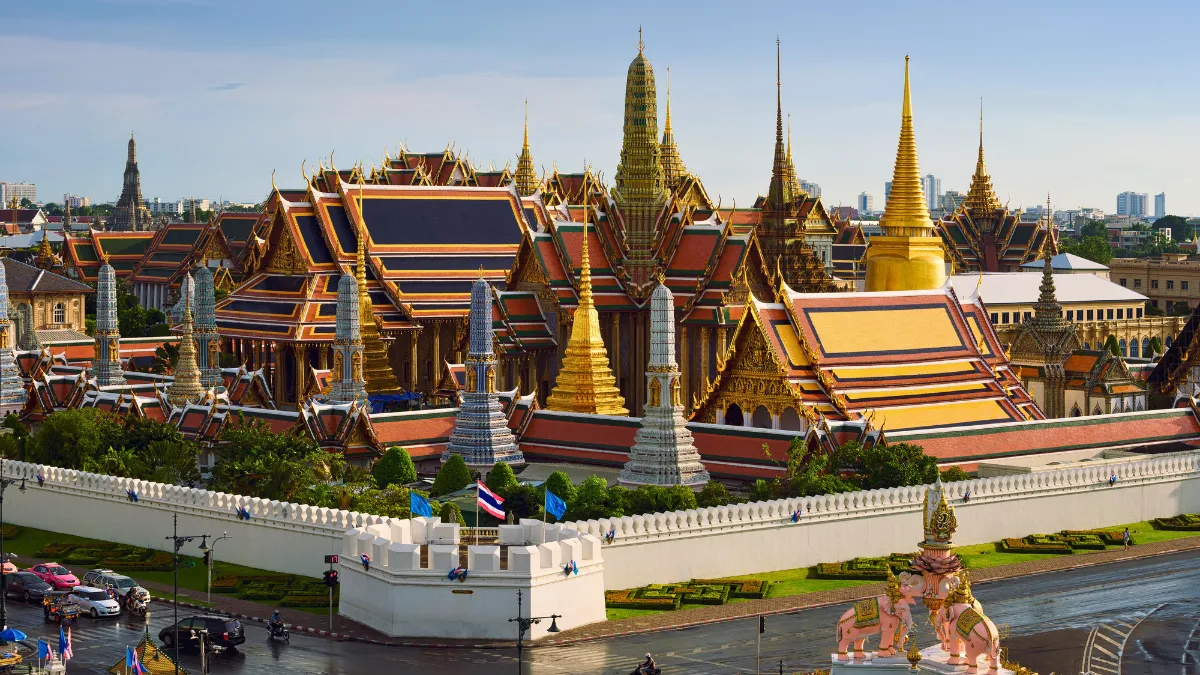
The Grand Palace stands as Bangkok’s most famous attraction. This sprawling complex served as the official residence of Thai kings for 150 years. Today, it remains the ceremonial heart of the Thai kingdom.
Within the palace grounds sits Wat Phra Kaew, home to the Emerald Buddha. This small jade statue holds immense religious significance for Thai people. The temple’s interior dazzles with gold leaf, intricate murals, and jewel-encrusted decorations.
Arrive early—the Grand Palace opens at 8:30 AM. Early morning visits beat the heat and avoid the massive tour groups that arrive mid-morning. Dress codes are strictly enforced. Cover your shoulders and knees, or rent appropriate clothing at the entrance.
The experience typically takes two to three hours. Audio guides provide helpful context about the buildings’ history and significance. Photography is allowed in most areas except inside the Emerald Buddha temple itself.
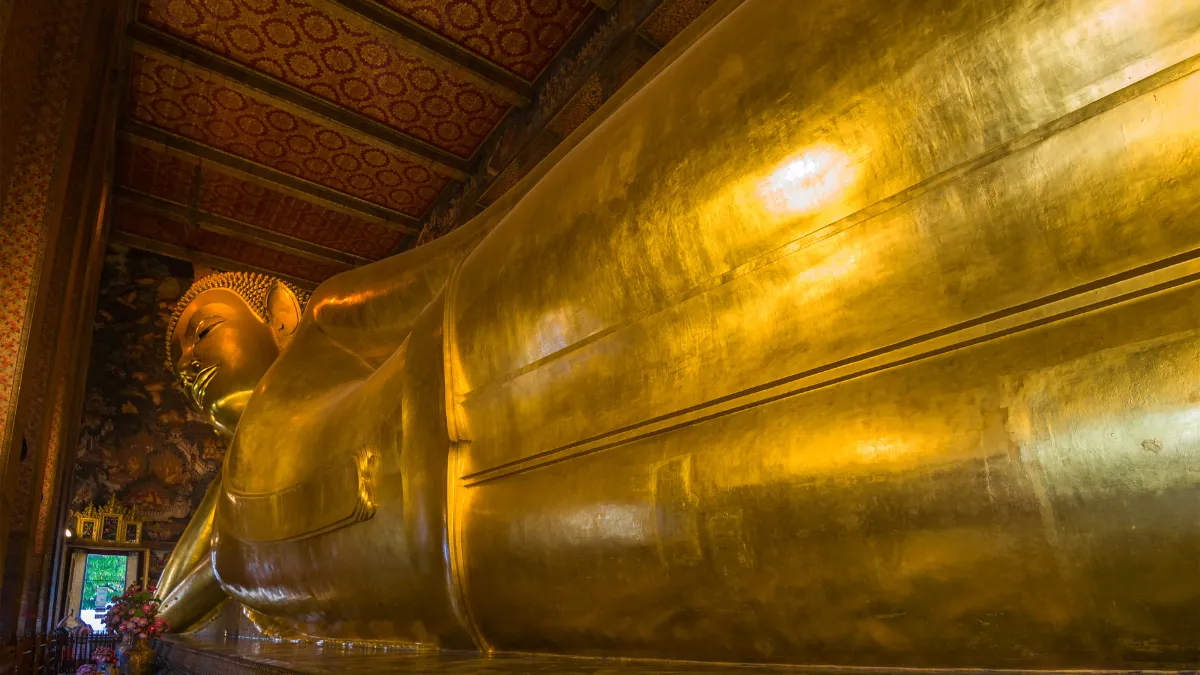
Wat Pho: Temple of the Reclining Buddha
Just south of the Grand Palace, Wat Pho houses an enormous reclining Buddha covered in gold leaf. The statue stretches 150 feet long and rises 50 feet high. Mother-of-pearl inlays on the feet depict 108 auspicious characteristics of Buddha.
Wat Pho offers more than just the famous Buddha statue. The temple complex contains over 1,000 Buddha images—more than any other temple in Thailand. Traditional Thai massage originated here, and the temple still operates a renowned massage school.
Treat yourself to a traditional Thai massage after exploring the temple grounds. Certified practitioners offer authentic massages in traditional pavilions for reasonable prices. The experience provides welcome relief after hours of walking on hot pavement.
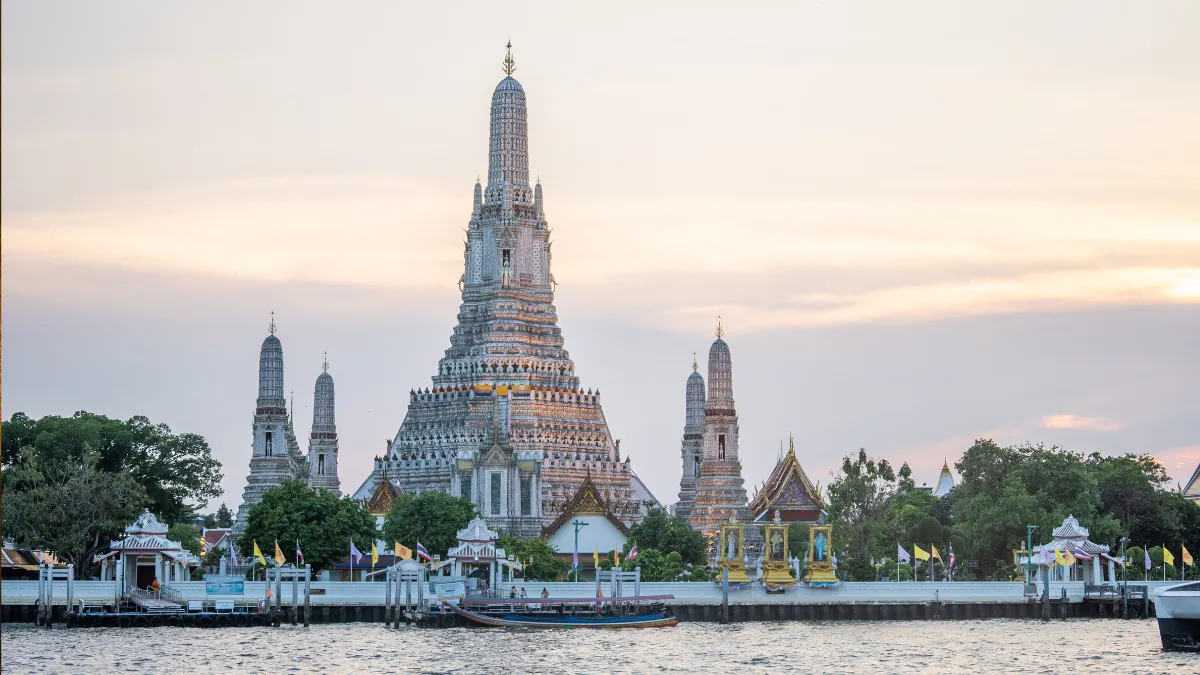
Wat Arun: Temple of Dawn
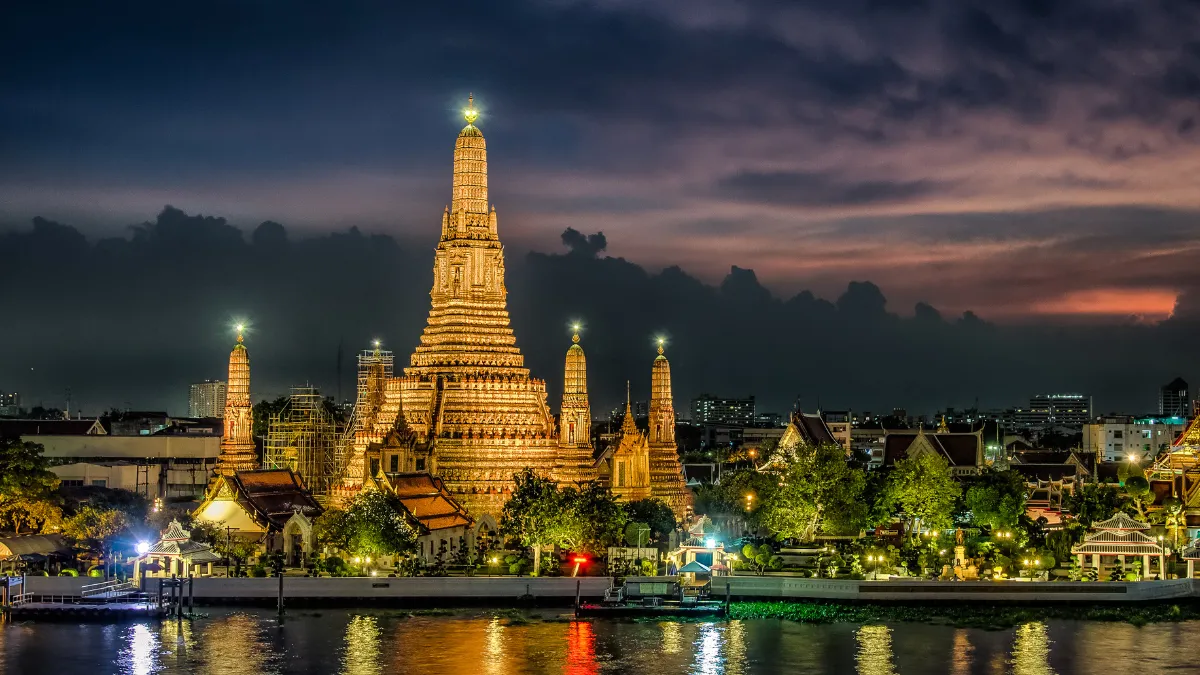
Wat Arun rises majestically from the western bank of the Chao Phraya River. The temple’s central prang (tower) stands decorated with colorful porcelain and seashells, creating a shimmering effect in sunlight.
Climb the steep stairs of the central prang for panoramic views of the Chao Phraya River and Bangkok skyline. The ascent requires careful attention—the steps are narrow and quite steep. Your effort is rewarded with one of the best vantage points in the city.
Visit Wat Arun during late afternoon. The temple’s name means “Temple of Dawn,” but sunset actually provides the best lighting for photography. The golden hour illuminates the intricate details of the porcelain decorations beautifully.
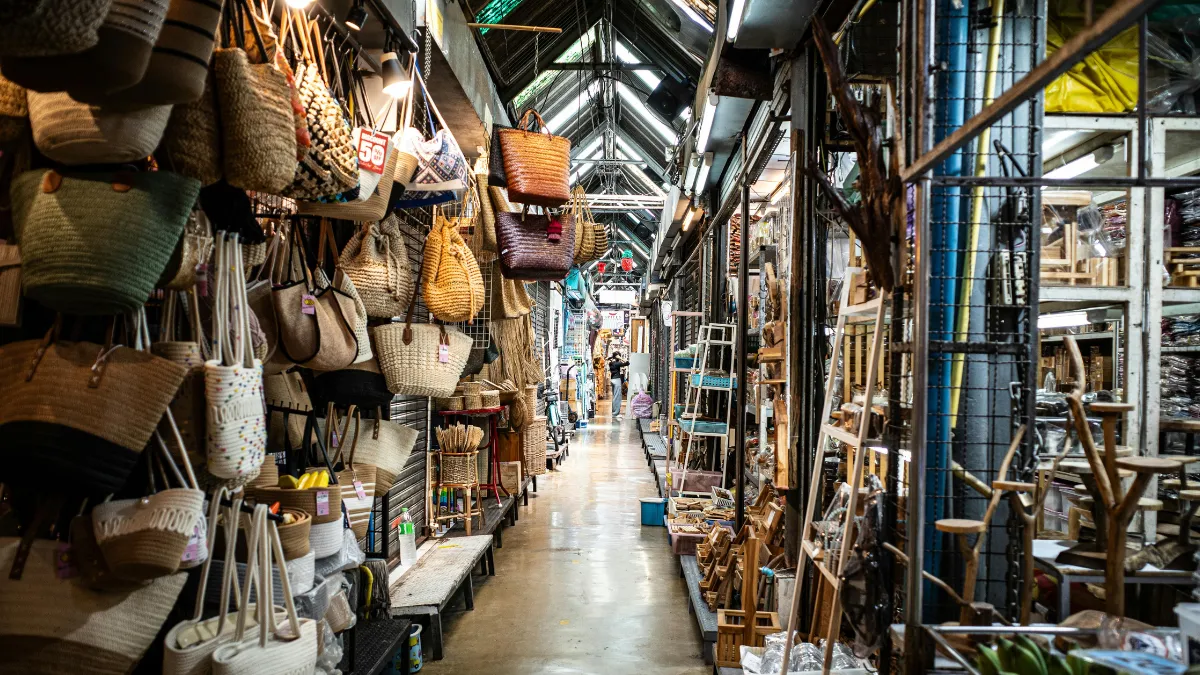
Chatuchak Weekend Market
Chatuchak Weekend Market sprawls across 35 acres with over 15,000 stalls. This massive market operates only on Saturdays and Sundays, attracting more than 200,000 visitors each weekend day.
Everything imaginable appears for sale at Chatuchak. Clothing, antiques, plants, pets, food, handicrafts, and furniture fill the narrow aisles. Serious shoppers need a full day to explore even a fraction of the market.
The market follows a section system. Section 1 focuses on antiques and collectibles. Sections 2-6 offer clothing and accessories. Sections 7-8 feature home décor. Download a market map before you visit to navigate the maze of stalls efficiently.
Heat and crowds intensify as the day progresses. Arrive when the market opens at 9 AM for the best selection and more comfortable temperatures. Stay hydrated and take breaks in air-conditioned restaurants scattered throughout the market.
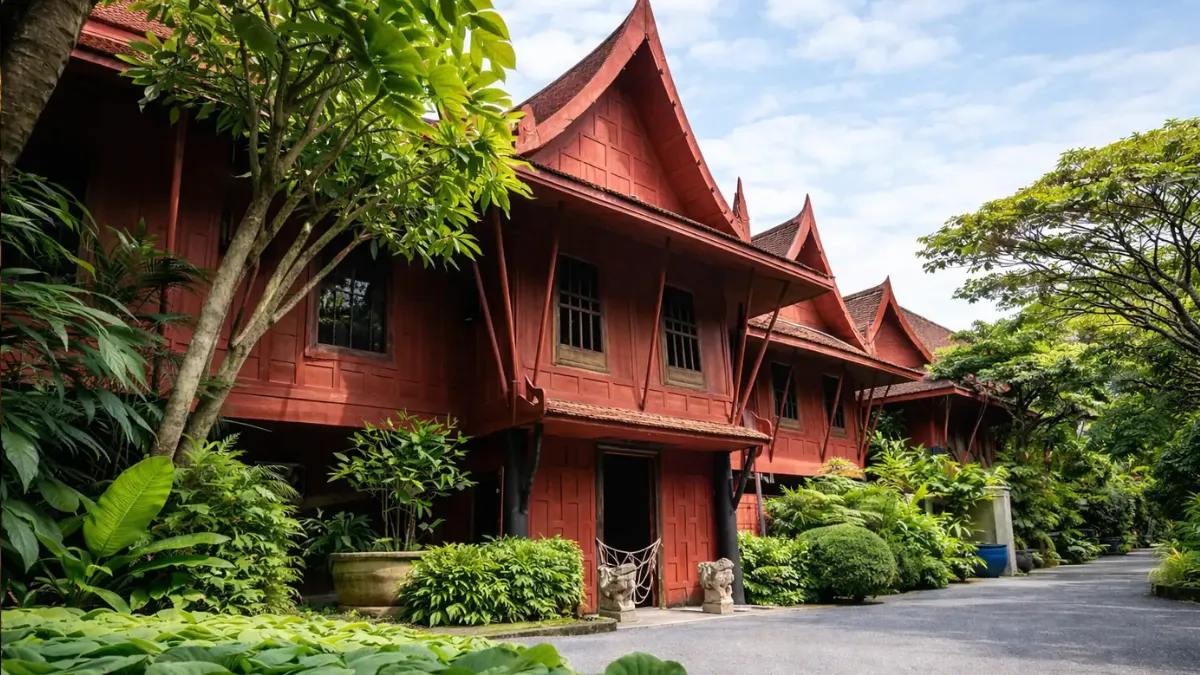
Jim Thompson House
This museum preserves the legacy of Jim Thompson, an American businessman who revitalized Thailand’s silk industry after World War II. His traditional Thai house sits in a lush garden, offering a peaceful escape from Bangkok’s busy streets.
The house actually consists of six traditional teak structures Thompson collected from various parts of Thailand. He reassembled them in Bangkok, creating a unique architectural ensemble that blends different regional styles.
Guided tours run every 20 minutes and last about 30 minutes. Photography inside the house is prohibited to protect the valuable art collection and textiles. The attached shop sells high-quality Thai silk products if you want to bring home authentic souvenirs.
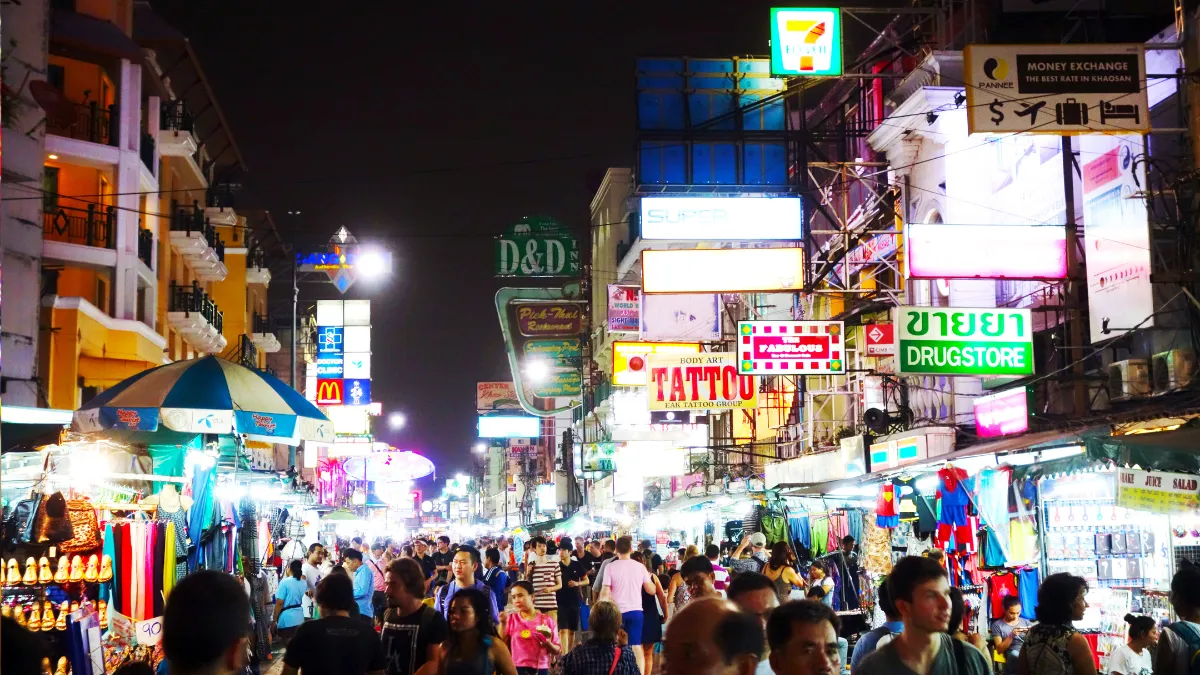
Khao San Road
Khao San Road gained fame as the backpacker hub of Southeast Asia. This short street packs an incredible density of budget hostels, street food stalls, bars, and souvenir shops into a few hundred meters.
The area has evolved beyond its backpacker roots. Mid-range hotels and upscale restaurants now mix with traditional budget options. The street still maintains its vibrant, chaotic energy that made it famous.
Visit Khao San Road in the evening when it transforms into a pedestrian zone. Street performers, food vendors, and outdoor bars create a carnival atmosphere. You’ll find some of Bangkok’s cheapest beer and most entertaining people-watching here.
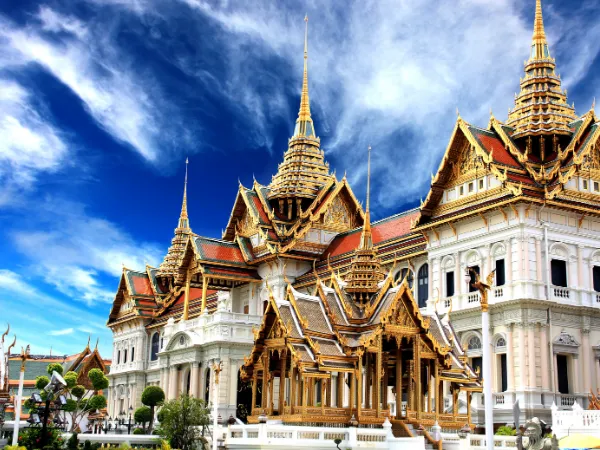
Skip-the-Line Grand Palace & Wat Pho Tour
Beat the crowds with early morning access to Bangkok’s most iconic temples. Expert local guide provides historical context and cultural insights. Includes all entrance fees and hotel pickup.
- Duration: 4 hours
- Small group (max 15 people)
- Morning departure: 7:30 AM
- Free cancellation up to 24 hours
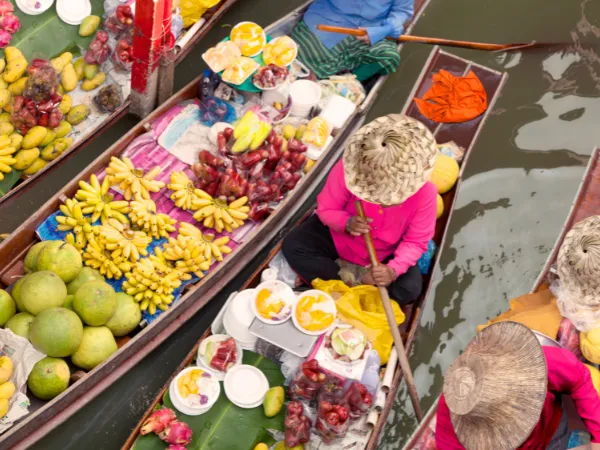
Floating Markets & Train Market Experience
Visit two unique markets in one day trip. Watch vendors sell from boats at Damnoen Saduak Floating Market, then experience the famous Maeklong Railway Market where stalls pack up for passing trains.
- Duration: 8 hours
- Includes boat ride and market entry
- Air-conditioned transportation
- Departure: 6:00 AM daily
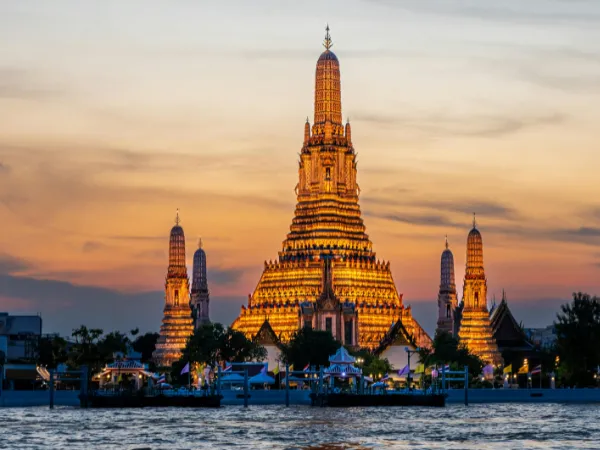
Bangkok Evening Temples And River Cruise
Experience Bangkok’s temples in a different light during this sunset tour. Visit Wat Arun and Wat Pho after crowds depart, then enjoy a traditional dinner cruise on the Chao Phraya River with spectacular night views.
- Duration: 5 hours
- Traditional Thai dinner included
- Sunset photo opportunities
- Evening departure: 3:30 PM
Bangkok City Guide: Neighborhoods & Districts: Where to Stay
Bangkok’s neighborhoods each offer distinct personalities and advantages. Choosing the right area significantly impacts your experience of the city.
Sukhumvit: Modern Convenience & Nightlife
Sukhumvit represents modern Bangkok, making it one of the best places to stay for travelers. This long road stretches for miles, with numbered side streets (sois) branching off in both directions. International restaurants, shopping malls, hotels bangkok, and entertainment venues line the main road and side streets.
The BTS Skytrain runs directly along Sukhumvit Road, providing easy access to other parts of the city. You’ll find excellent hotels at all price points, from budget hostels to luxury five-star properties, making it a top choice in any travel guide.
Nightlife thrives in Sukhumvit. The area around Soi 11 pulses with nightclubs and bars. Soi 38 hosts one of Bangkok’s famous street food markets. Thong Lo and Ekkamai attract hip young Thais with trendy restaurants and craft cocktail bars.
Sukhumvit feels less authentically Thai than other neighborhoods. Western chain restaurants outnumber traditional Thai eateries in some areas. The trade-off is convenience and comfort that appeals to many first-time visitors.
Silom & Sathorn: Business District & Rooftop Bars
Bangkok’s financial district transforms from suited business professionals by day to rooftop bar enthusiasts by night. Silom and Sathorn contain many of Bangkok’s most impressive skyscrapers, several featuring world-famous rooftop bars, making it one of the best places to explore in your travel guide.
Lumphini Park provides green space for morning jogs and evening relaxation. The park offers a welcome contrast to the surrounding concrete jungle. Monitor lizards sun themselves by the park’s lake, creating surreal urban wildlife encounters that are among the best things to see in Bangkok.
Transportation options abound in Silom. Both BTS Skytrain and MRT subway lines serve the area. The Chao Phraya River Express boat service connects from Sathorn Pier, offering scenic transportation to riverside attractions and making it a popular spot for tourists looking for things to do in Bangkok.
Patpong Night Market operates nightly on two parallel streets in Silom. The market sells everything from knockoff designer goods to quirky souvenirs. The area’s go-go bars operate alongside the market stalls, creating an adult-oriented atmosphere after dark, which is one of the famous things about Bangkok.
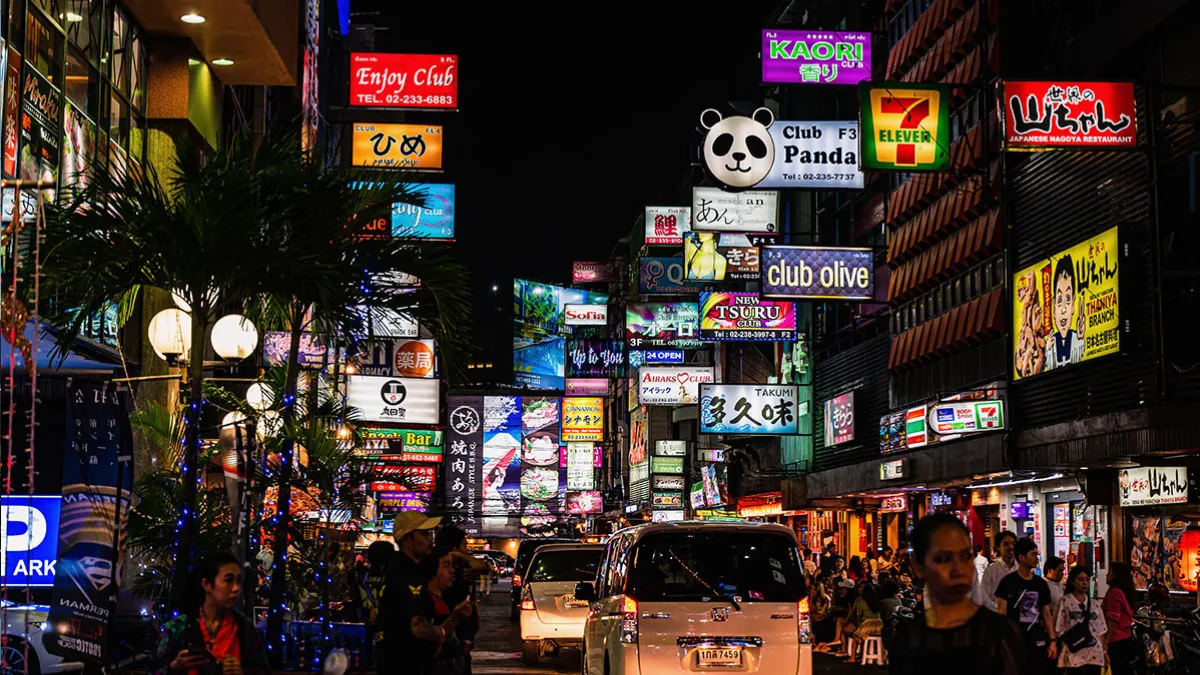
Old City (Rattanakosin): Historic Bangkok
Rattanakosin Island represents the historic heart of Bangkok. The Grand Palace, Wat Pho, Wat Arun, and National Museum all cluster in this compact area. Traditional shophouses and narrow streets maintain old Bangkok’s character.
Staying in the Old City puts major attractions within walking distance. You can visit temples before tour buses arrive and return easily if you need a midday break from the heat. The area offers fewer accommodation options than Sukhumvit or Silom, but several good boutique hotels operate here.
Public transportation is less convenient in the Old City. The nearest BTS and MRT stations sit about 20 minutes away by foot. Taxis, tuk-tuks, and river boats become your primary transportation options.
Khao San Road sits on the edge of Rattanakosin. This famous backpacker street provides budget accommodation and lively nightlife. The area attracts young travelers from around the world, creating an international party atmosphere.
Chinatown (Yaowarat): Food Paradise
Bangkok’s Chinatown offers one of the best food experiences in the city, making it one of the must-visit places in your travel guide. Yaowarat Road and its surrounding alleys pack an incredible concentration of restaurants, street food stalls, and food markets into a compact area, showcasing the best things Bangkok has to offer.
The neighborhood comes alive at night. Neon signs illuminate the streets. Sidewalk restaurants set up plastic stools and tables. The aroma of grilled meats, seafood, and traditional Chinese dishes fills the air, making it a popular spot for both locals and tourists alike.
Gold shops line Yaowarat Road—Chinatown serves as Bangkok’s gold trading center. The glittering storefronts create a unique visual spectacle, especially when lit up at night. Sampeng Lane market offers wholesale goods at bargain prices during daylight hours, which is something you need to know if you’re looking to get around the area.
Accommodation options remain limited in Chinatown. Most visitors stay elsewhere and visit for dinner or evening exploration. A few boutique hotels have opened recently, offering bases for travelers who want immersion in this vibrant neighborhood and a taste of the best hotels Bangkok has to offer.
Thonburi: Quieter Bangkok Across the River
Thonburi sits on the western bank of the Chao Phraya River. This area maintains a more local feel than tourist-heavy districts across the river. Residential neighborhoods, traditional markets, and canal communities preserve older Bangkok’s atmosphere.
Wat Arun serves as Thonburi’s main attraction. The district also contains interesting canal tours that reveal traditional waterway life. Long-tail boats navigate narrow canals past wooden houses and small temples.
Fewer tourists venture to Thonburi, making it ideal for travelers seeking authentic experiences. The trade-off is less developed tourist infrastructure. Hotels are scarce, and English is less commonly spoken than in central Bangkok.
Getting to and from Thonburi requires using river ferries or bridges. The Chao Phraya River creates a natural boundary that keeps the area feeling separate from Bangkok’s main tourist zones.
Best Hotels in Sukhumvit
Modern comfort meets excellent transportation connections in Bangkok’s most international neighborhood. These hotels offer the best things Bangkok provides for convenience-focused travelers.
Luxury: The Okura Prestige
Japanese-inspired luxury with Michelin-starred dining and panoramic city views. Rooftop pool and bar provide stunning skyline vistas. Connected to BTS Phloen Chit station.
- Rooftop pool with city views
- Three restaurants including Michelin-starred
- Spacious rooms starting at 538 sq ft
- Direct BTS access
4.8
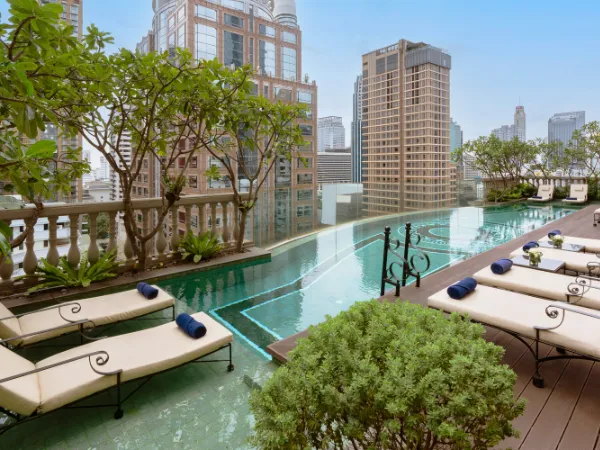
Mid-Range: Hotel Muse Bangkok
Art Deco-inspired boutique hotel near BTS Chit Lom. Rooftop bar and pool offer relaxation after exploring. Walking distance to shopping malls and street food.
- Unique art deco design
- Rooftop pool and bar
- Five-minute walk to BTS
- Excellent value for location
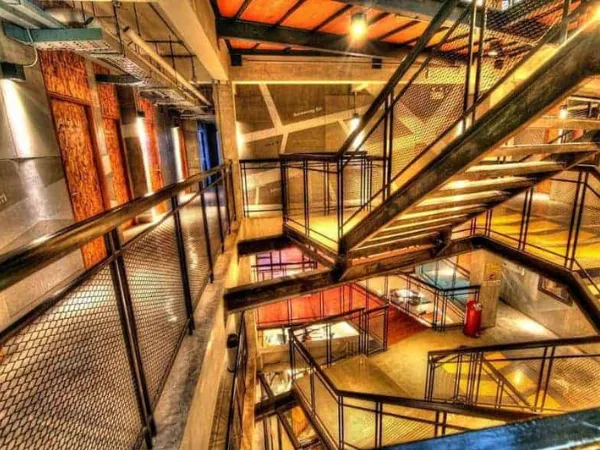
Budget: Lub d Bangkok Silom
Design-focused hostel with private rooms and dorms. Social atmosphere with rooftop bar and events. Steps from BTS Chong Nonsi station and night markets.
- Pod-style dorms and private rooms
- Rooftop bar and social events
- Excellent BTS connectivity
- 24-hour reception and security
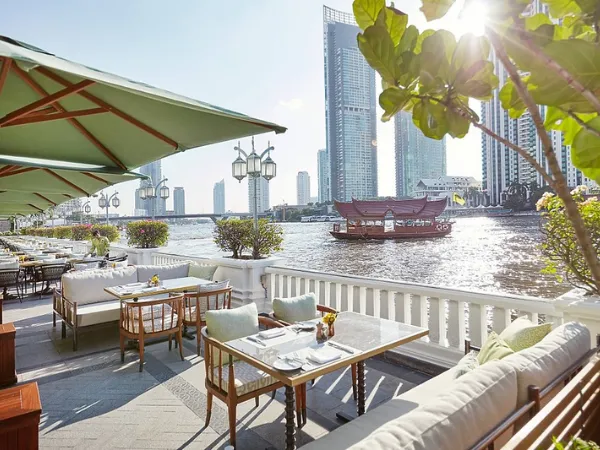
Riverside: Mandarin Oriental
Legendary luxury hotel on the Chao Phraya River. Authors’ Wing preserves colonial charm. World-class spa and multiple dining options. Private shuttle boats to BTS.
- Historic luxury since 1876
- Award-winning spa and dining
- River views and private boat service
- Impeccable service and amenities
Bangkok Food & Dining: Street Food, Restaurants & Markets
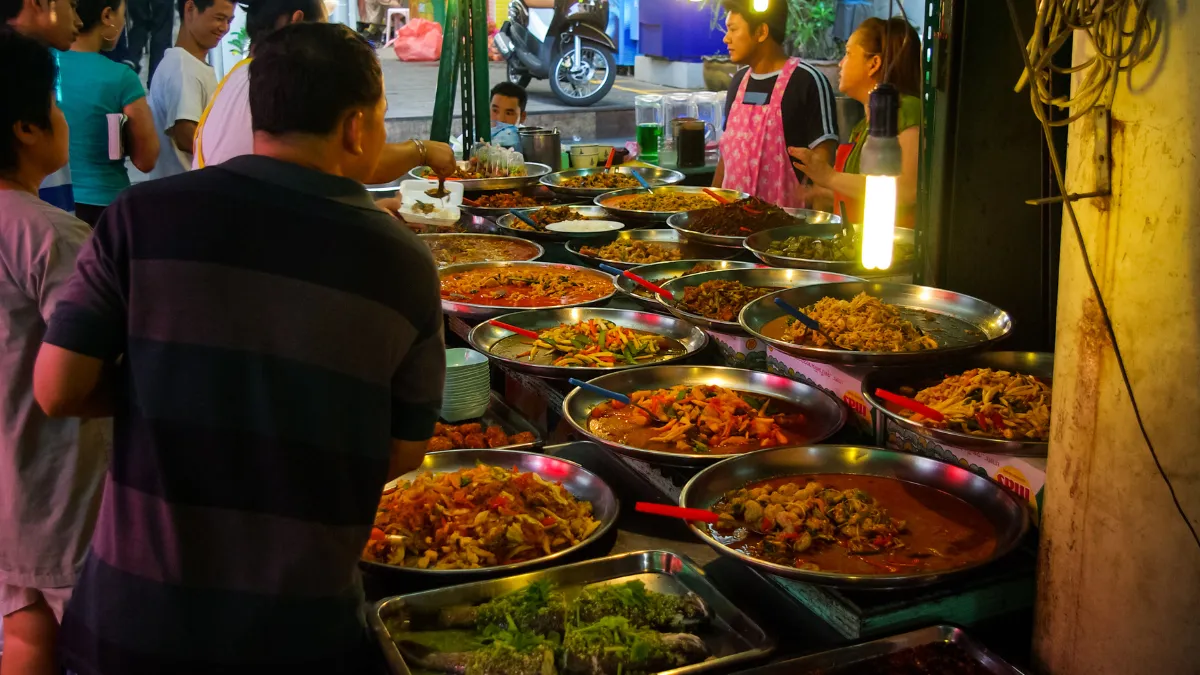
Food defines the Bangkok experience. The city earned recognition as one of the world’s best food destinations, and one visit explains why. From humble street stalls to Michelin-starred restaurants, Bangkok delivers extraordinary culinary experiences at all price points.
Street Food Culture
Street food represents Bangkok’s culinary soul. Vendors set up carts and portable stalls throughout the city, serving dishes that compete with expensive restaurants. The best Thai food often comes from these humble operations.
Safety concerns about street food are largely overstated. Busy stalls with high turnover serve the freshest food. Watch for stalls with lines of Thai customers—locals know which vendors serve the best dishes.
Prices remain incredibly affordable. Most dishes cost between 40-80 baht ($1-2). You can eat exceptional meals for less than the price of a coffee back home. Cash is essential—most street vendors don’t accept cards.
Essential Thai Dishes to Try
Pad Thai appears on every Bangkok menu, but the best versions come from specialized vendors. Look for stalls that serve only pad thai—this specialization usually indicates serious skill. The dish should balance sweet, sour, and savory flavors with a slight char from high-heat wok cooking.
Tom Yum Goong delivers an explosion of flavors. This hot and sour soup combines lemongrass, galangal, kaffir lime leaves, and prawns in a broth that awakens every taste bud. The best versions achieve perfect balance between spicy heat and tangy citrus notes.
Som Tam (green papaya salad) ranges from refreshingly mild to eye-wateringly spicy. Tell vendors your preferred spice level—Thai “medium” spicy often exceeds what most Western palates consider hot. The salad’s crunchy texture and bright flavors make it addictive.
Khao Soi originates from northern Thailand but appears on many Bangkok menus. This coconut curry noodle soup topped with crispy noodles showcases regional Thai cuisine’s diversity. The dish combines textures and flavors in ways that feel both comforting and exotic.
Mango Sticky Rice (Khao Niao Mamuang) elevates simple ingredients to sublime heights. Perfectly ripe mango sits alongside sweet sticky rice cooked in coconut milk. The combination seems unlikely on paper but creates one of the world’s great desserts.
Best Street Food Areas – Bangkok City Guide
Chinatown’s Yaowarat Road transforms into a food paradise after sunset. Seafood restaurants spread tables across the sidewalks. Street vendors grill everything imaginable. The neighborhood’s Chinese-Thai fusion dishes offer unique flavors you won’t find elsewhere in Bangkok.
Or Tor Kor Market operates during daytime hours near Chatuchak Weekend Market. This market focuses on high-quality ingredients and prepared foods. Prices run slightly higher than typical street stalls, but the quality and variety justify the cost.
Victory Monument food stalls serve late-night crowds departing from the nearby transportation hub. The area specializes in boat noodles—small bowls of intensely flavored soup served in rapid succession. Eat five or six bowls to make a full meal.
Sukhumvit Soi 38 Night Market concentrated excellent street food in one convenient location for years. The market closed in 2021, but vendors relocated to nearby Soi 39 and Soi 31, maintaining their operations in new locations.
Fine Dining & Michelin-Starred Restaurants
Bangkok’s fine dining scene rivals any major city. The city’s Michelin Guide includes multiple two-star restaurants and dozens of one-star establishments. Reservations are essential for top restaurants, especially during peak tourist season.
Gaggan Anand’s restaurant consistently ranks among Asia’s best. The progressive Indian cuisine challenges expectations with playful presentations and unexpected flavor combinations. The tasting menu experience lasts several hours and costs around $150 per person.
Jay Fai earned a Michelin star for her street food cooking. This legendary vendor serves elevated Thai-Chinese dishes from her shophouse stall. The drunken noodles with crab and crab omelets justify the premium prices and long waits.
Nahm showcases traditional Thai cuisine with impeccable execution. Chef Pim Techamuanvivit researches historical recipes and presents them with modern refinement. The restaurant offers one of Bangkok’s most authentic high-end Thai dining experiences.
Food Tours & Cooking Classes
Guided food tours help visitors navigate Bangkok’s overwhelming culinary options. Knowledgeable guides lead you to vendors and restaurants you’d never find independently. Tours typically run three to four hours and include multiple stops.
Cooking classes teach you to recreate Thai flavors at home. Most classes include market visits to learn about ingredients before hands-on cooking instruction. You’ll prepare four to five dishes and enjoy your creations for lunch or dinner.
Evening food tours combine walking with tasting. Routes often include a mix of street food, small restaurants, and markets. These tours work well for first-time visitors who want to experience Bangkok’s food culture with expert guidance.
Take A Food Tour
Discover Real Bangkok Food Culture
Skip tourist traps and eat where locals eat. Our evening street food tour visits family-run stalls and hidden markets that serve authentic Thai flavors. Small groups ensure personal attention and the chance to ask questions about Thai cuisine.
Book Street Food TourVegetarian & Dietary Restrictions
Vegetarian and vegan travelers find excellent options in Bangkok. The phrase “jay food” refers to vegan Thai cuisine prepared without animal products or pungent vegetables like garlic and onion. Yellow flags mark jay food restaurants.
Communication matters when ordering. Learn the Thai phrases for your dietary restrictions. “Mai sai pla” means no fish sauce. “Mai sai nam pla” specifies no shrimp paste. Many dishes contain these ingredients even when they appear vegetarian.
International restaurants throughout Bangkok serve every cuisine imaginable. Japanese, Italian, Indian, and Middle Eastern restaurants offer familiar options when you need a break from Thai food.
Getting Around Bangkok: BTS, MRT, Boats & Taxis
Bangkok’s transportation network combines modern rail systems with traditional river boats and road-based options. Understanding your choices makes navigating this sprawling city significantly easier.
BTS Skytrain
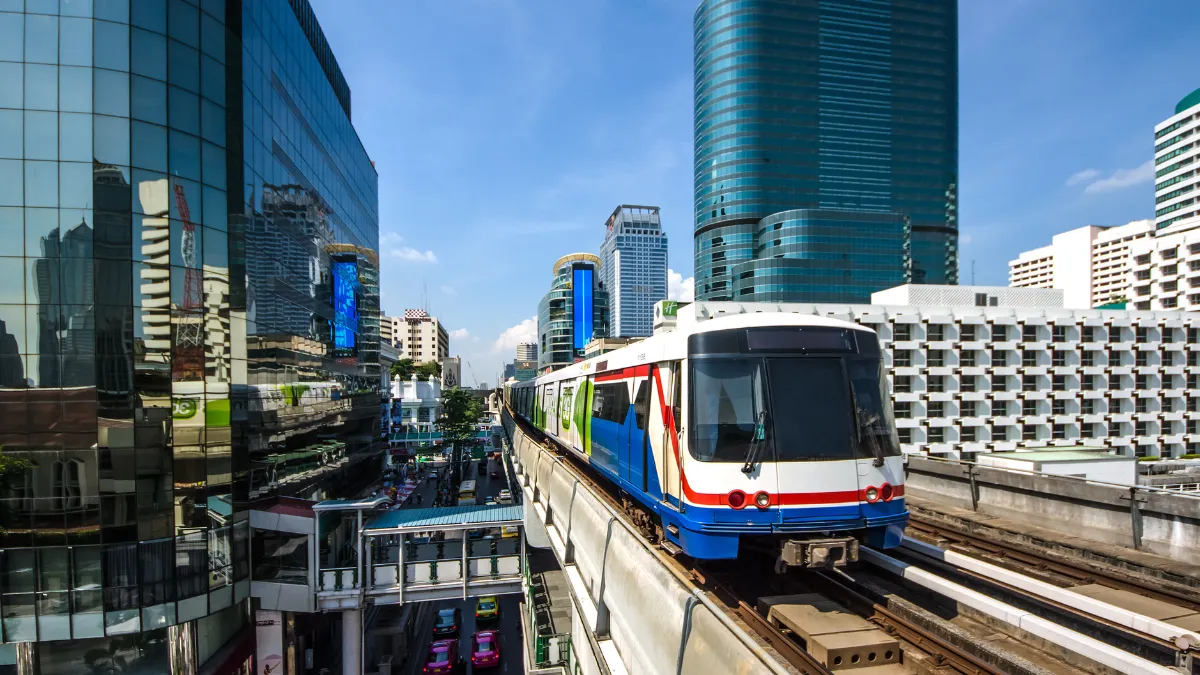
The BTS Skytrain provides the fastest, most reliable way to travel in Bangkok. Two lines—Sukhumvit and Silom—connect major shopping areas, hotels, and business districts. Trains run every few minutes during peak hours.
Air-conditioned trains offer welcome relief from Bangkok’s heat. Elevated tracks avoid street-level traffic entirely. The system operates from 6 AM to midnight daily, with extended hours to 1 AM on weekends.
Buy single-journey tickets from machines at stations, or purchase a Rabbit Card for convenient tap-and-go access. The reusable card costs 200 baht (100 baht deposit plus 100 baht credit) and works across the entire BTS network.
Most stations connect to pedestrian bridges and air-conditioned walkways. These elevated paths allow you to walk between connected buildings without descending to street level—a blessing during hot afternoons or rainy weather.
MRT Subway
Bangkok’s MRT subway complements the BTS with underground lines serving different areas. The Blue Line circles through Chinatown, Silom, and Sukhumvit. The Purple Line connects northern suburbs to the Blue Line.
MRT stations interconnect with BTS stations at several points. Siam station serves as the main BTS transfer point, while Asok/Sukhumvit and Silom/Sala Daeng connect both systems. Plan routes using both systems to access most of central Bangkok.
MRT tokens operate as single-use plastic chips. Insert the token to enter, then feed it into the exit gate when departing. Stored-value cards work on both MRT and BTS, though they require separate cards (MRT uses a different system than the BTS Rabbit Card).
Chao Phraya River Express Boats
River boats provide scenic transportation along the Chao Phraya River. Multiple piers serve major attractions including the Grand Palace, Wat Arun, Chinatown, and Asiatique night market. Orange flag boats operate all day, while other colored flags run limited schedules.
Tourist boats cost more than local boats but include audio commentary and pier assistance. Local boats save money if you’re comfortable navigating independently. Fares range from 15-40 baht depending on distance and boat type.
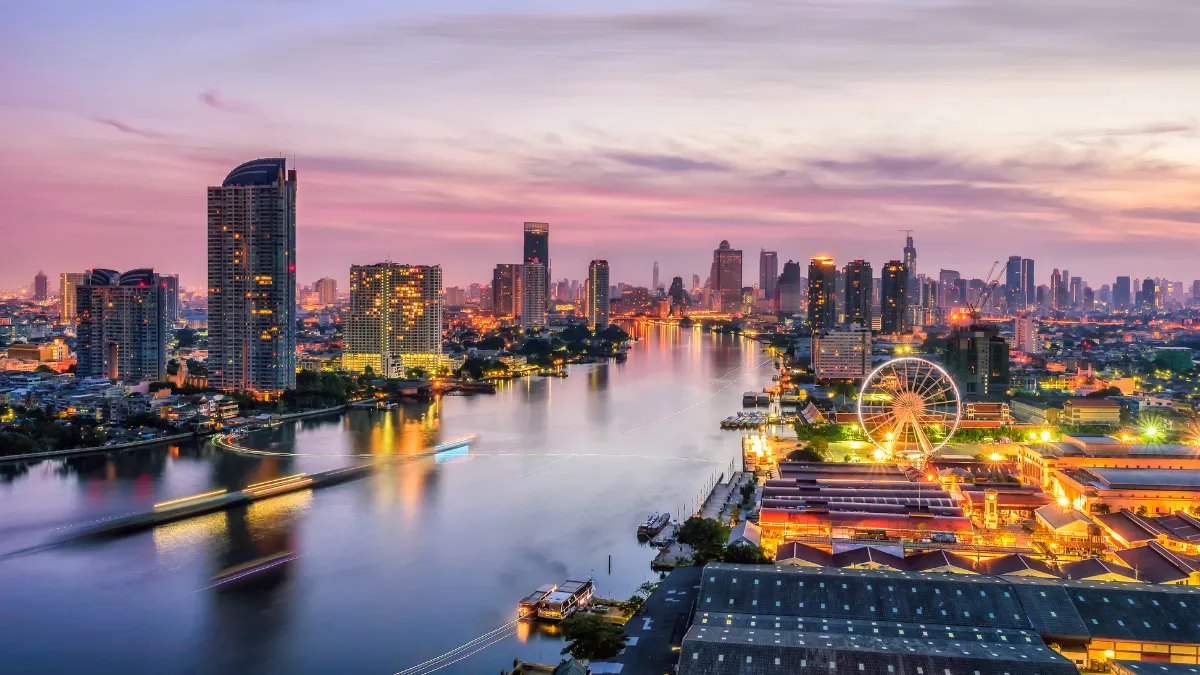
River breezes make boat travel pleasant even during hot weather. The Chao Phraya River offers different perspectives on Bangkok’s mix of old and new. Traditional wooden houses stand beside modern condominiums along the riverbanks.
Sathorn Pier connects to BTS Saphan Taksin station, providing easy transfers between river and rail transport. Several other piers sit within walking distance of BTS or MRT stations, making combined-system trips efficient.
Taxis & Ride-Hailing Apps
Bangkok taxis are affordable and abundant. Metered fares start at 35 baht and increase slowly—a 30-minute ride across town typically costs 100-200 baht. Make sure drivers use the meter by saying “meter please” when entering.
Grab operates throughout Bangkok as the primary ride-hailing app. The app eliminates language barriers and meter disputes. Prices are comparable to metered taxis, with the advantage of knowing the fare before your trip starts.
Traffic transforms Bangkok taxis from bargains to time sinks during rush hours. Morning (7-9 AM) and evening (5-8 PM) traffic can turn a 20-minute trip into a 90-minute ordeal. Use the BTS Skytrain or MRT during peak hours when possible.
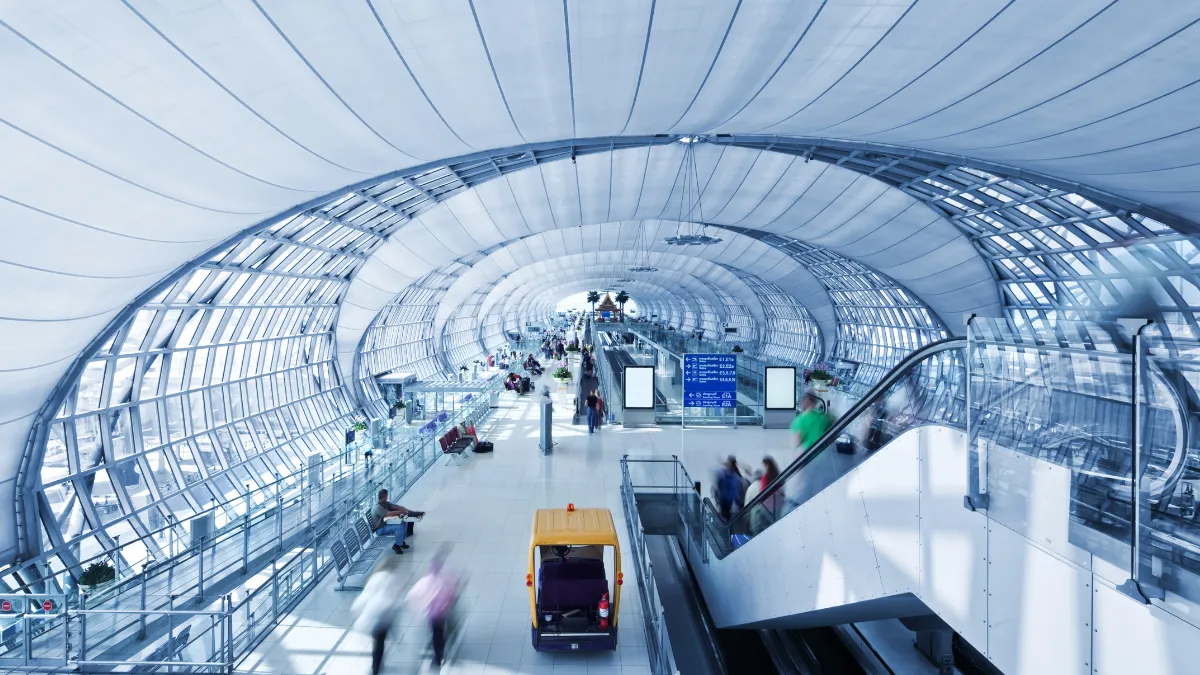
Airport taxis require special procedures. Use the official taxi queue at Suvarnabhumi Airport—don’t accept rides from touts in the arrivals area. Tell the dispatcher your destination, take your queue ticket, and present it to the assigned driver.
Tuk-Tuks
Tuk-tuks offer iconic Bangkok experiences but rarely make practical sense for transportation. Drivers quote prices well above metered taxi rates. Negotiate before starting your journey—expect to pay 2-3 times the equivalent taxi fare.
The open-air ride provides thrills as drivers weave through traffic. Exhaust fumes and heat make longer journeys uncomfortable. Reserve tuk-tuks for short trips or tourist experiences rather than practical transportation.
Beware of tuk-tuk scams targeting tourists. Friendly drivers offering cheap tours inevitably include stops at gem shops or tailor stores where they receive commissions. Politely decline unsolicited tour offers and stick to point-to-point transportation.
Motorcycle Taxis
Motorcycle taxis wearing orange vests congregate at street corners and soi entrances throughout Bangkok. They specialize in short trips down small streets where cars can’t easily reach. Fares run 20-60 baht for nearby destinations.
Riding pillion through Bangkok traffic isn’t for nervous travelers. The experience feels exhilarating or terrifying depending on your comfort level. Drivers navigate impossibly tight spaces and create lanes where none exist.
Motorcycle taxis excel for beating traffic on short trips. A journey that takes 20 minutes by car might take five minutes on a motorcycle. Drivers know every shortcut and alley in their operating area.
Stress-Free Airport Transfer
Start your Bangkok trip right with private airport pickup. Your driver meets you at arrivals with a name sign, then escorts you to a comfortable, air-conditioned vehicle. No taxi queues, no meter disputes, no confusion.
- Meet and greet at arrivals hall
- Fixed price confirmed at booking
- Professional English-speaking drivers
- Free cancellation up to 24 hours
- Available 24/7 for all flight times
Stay Connected: Tourist SIM Card
Order a Thai SIM card for airport pickup. Enjoy unlimited 4G data throughout your stay. Use maps, translation apps, and Grab without worrying about Wi-Fi. Pre-activated and ready to use immediately.
- Unlimited high-speed 4G data
- Thai phone number included
- Pick up at airport arrival
- Works in all smartphones
- 7-day to 30-day options available
Thai Culture & Etiquette: Customs, Temples & Social Norms
Understanding Thai cultural norms enhances your Bangkok experience and helps avoid unintentional offense. Thai people appreciate visitors who make effort to respect local customs.
The Royal Family
Thais hold their monarchy in extremely high regard. Lèse-majesté laws make criticism of the royal family illegal and severely punishable. Avoid any negative comments about the King or royal family, even in private conversations.
Stand respectfully when the royal anthem plays before movies in Thai cinemas. Locals stand at attention, and visitors should follow suit. This brief ceremony demonstrates respect for Thai culture and sovereignty.
Thai currency features images of the King. Treat money respectfully—don’t step on dropped bills or crumple currency carelessly. These small actions show cultural awareness that Thais notice and appreciate.
Temple Etiquette & Dress Code
Temples require modest dress regardless of heat. Cover shoulders and knees at all major temples. The Grand Palace and Wat Phra Kaew strictly enforce dress codes, turning away improperly dressed visitors or requiring them to rent covering clothes.
Remove shoes before entering temple buildings. Shoe racks sit outside most structures. Thai people consider feet the lowest and dirtiest part of the body, making shoe removal essential before entering sacred spaces.
Buddha images command respect. Don’t climb on Buddha statues for photos. Avoid pointing feet toward Buddha images when sitting. Position yourself sitting with legs to the side or tucked beneath you rather than extended toward sacred objects.
Monks follow strict rules that prohibit physical contact with women. Female visitors should avoid accidentally touching monks and never hand items directly to them. Place offerings on a cloth or designated spot instead.
The Wai Greeting
The traditional Thai greeting involves pressing palms together at chest height and bowing slightly. The height of the hands and depth of bow indicate the level of respect. Higher hands and deeper bows show greater respect.
Return wais when greeted, except from service workers or children. Vendors, waiters, and hotel staff may wai customers, but returning the gesture in these situations isn’t necessary. Save your wais for social equals, elders, or people providing you genuine hospitality.
Monks and royalty receive the highest wais. Place your hands at forehead level when greeting monks. Most tourists won’t interact with royalty, but observe how Thais react in the unlikely event you encounter royal family members.
Head and Feet
Thai culture considers the head the most sacred part of the body. Don’t touch other people’s heads, including children. This prohibition extends to ruffling hair or other affectionate gestures common in Western cultures.
Feet occupy the opposite position—they’re considered the lowest and least clean body part. Don’t point feet at people, Buddha images, or monks. Avoid stepping over people or their belongings when possible.
Sitting cross-legged shows respect in Thai culture. Tuck your feet beneath you when sitting on the floor. In temples or formal situations, women should sit with legs to the side while men can sit cross-legged.
Social Interactions
Thais value maintaining face and avoiding confrontation. Losing your temper or raising your voice in disputes causes you to lose face and rarely achieves positive results. Stay calm and polite even in frustrating situations.
Smiling plays a central role in Thai social interactions. Thais use smiles to express friendliness, to apologize, to show embarrassment, and to defuse tense situations. Return smiles freely—they cost nothing and build positive connections.
Public displays of affection make Thais uncomfortable. Holding hands is acceptable, but kissing and embracing in public should be avoided. Thai couples rarely show affection publicly, and visitors should follow this example.
Tipping Culture
Tipping isn’t traditionally expected in Thailand, but it’s become more common in tourist areas. The practice remains less standardized than in countries where tipping is mandatory.
Restaurants with table service appreciate tips of 10% for good service. Many restaurants add a service charge to bills—check before tipping extra. Street food vendors and simple eateries don’t expect tips.
Round up taxi fares to the nearest 10 or 20 baht rather than counting exact change. Hotel staff appreciate 20-50 baht tips for porters and housekeeping. Spa and massage staff usually receive 50-100 baht tips.
Shopping in Bangkok: Markets, Malls & Districts
Shopping in Bangkok ranges from luxury malls to chaotic markets. The city offers every imaginable product at prices that often beat online retailers. Smart shoppers return home with suitcases full of bargains.
Weekend Markets
Chatuchak Weekend Market reigns as Bangkok’s shopping centerpiece. Over 15,000 stalls sprawl across 35 acres, creating the world’s largest weekend market. The market operates Saturdays and Sundays from 9 AM to 6 PM.
Everything sells at Chatuchak. Clothing fills sections 2-6. Home décor and furniture occupy sections 7-8. Antiques and collectibles cluster in section 1. Plants, pets, books, and food round out the offerings across remaining sections.
Download a market map before visiting—the maze of alleys confuses even regular shoppers. Section numbers mark different areas, but similar-looking stalls blend together. Take photos of landmarks to help navigate back to favorite stalls.
Bargaining is expected and encouraged. Start by offering 50-60% of the asking price. Vendors expect negotiation—they price items high anticipating haggling. Walk away if prices don’t drop to acceptable levels. Vendors often call you back with better offers.
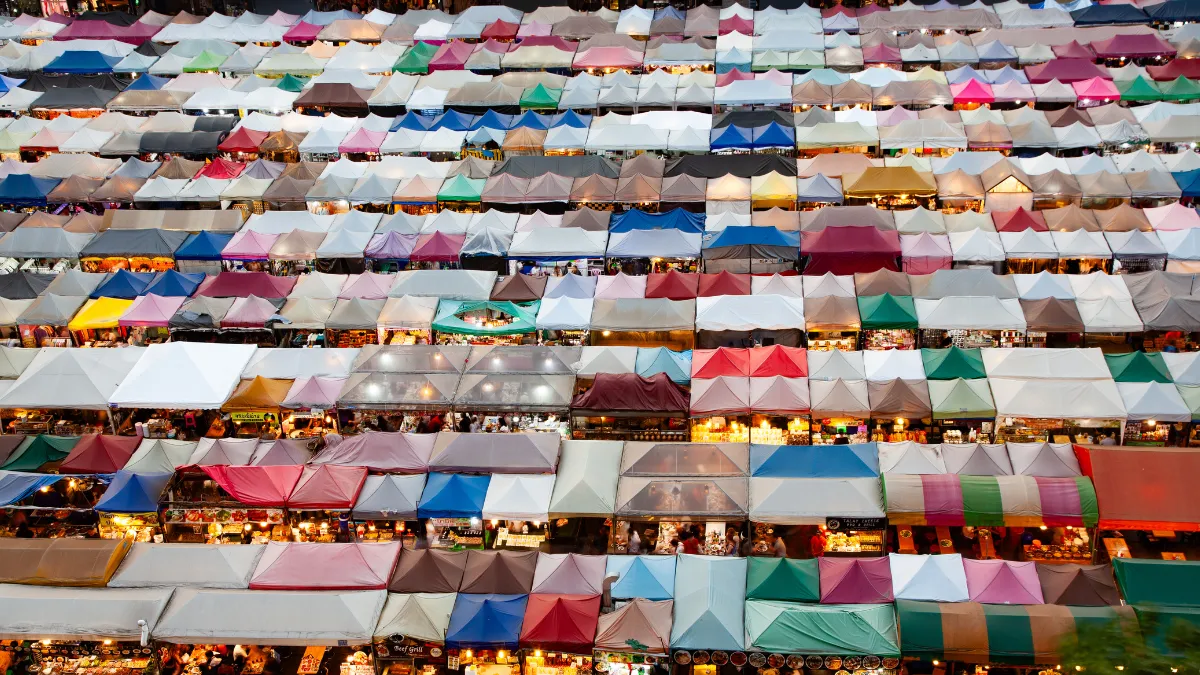
Train Market Ratchada operates Friday through Sunday evenings. This night market attracts locals with clothes, accessories, and abundant food options. The market’s Instagram-famous aerial view shows rows of colorful vendor tents lit against the night sky.
Luxury Shopping Malls
Siam Paragon anchors Bangkok’s premier shopping district. This massive mall houses international luxury brands, a huge cinema complex, and Southeast Asia’s largest aquarium. The food court in the basement offers excellent value despite the mall’s upscale image.
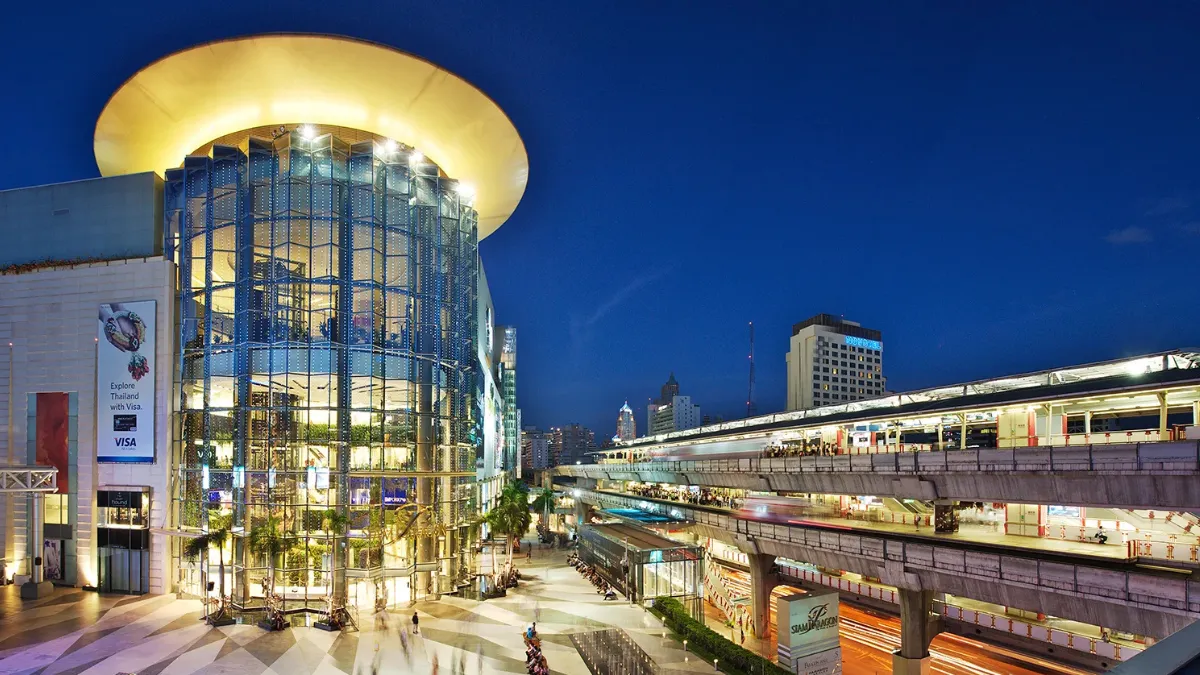
Central Embassy targets the luxury market with haute couture brands and high-end restaurants. The modern architecture and curated brand selection create a sophisticated shopping environment. The rooftop park provides green space in the heart of Bangkok’s shopping district.
Terminal 21 builds each floor around different city themes—Paris, Tokyo, London, San Francisco. The creative concept and mid-range brands attract younger shoppers. The top-floor food court serves excellent Thai and international dishes at bargain prices.
IconSiam opened in 2018 as Thailand’s largest shopping complex. The riverside megamall combines luxury retail with Thai cultural exhibits and extensive dining options. The floating market section recreates traditional canal-side shopping with air-conditioned comfort.
Street Markets & Night Markets
Pratunam Market specializes in wholesale clothing and fashion accessories. Vendors sell bulk quantities at rock-bottom prices, though many will sell single pieces to tourists. The market operates during daylight hours and connects to nearby Platinum Fashion Mall.
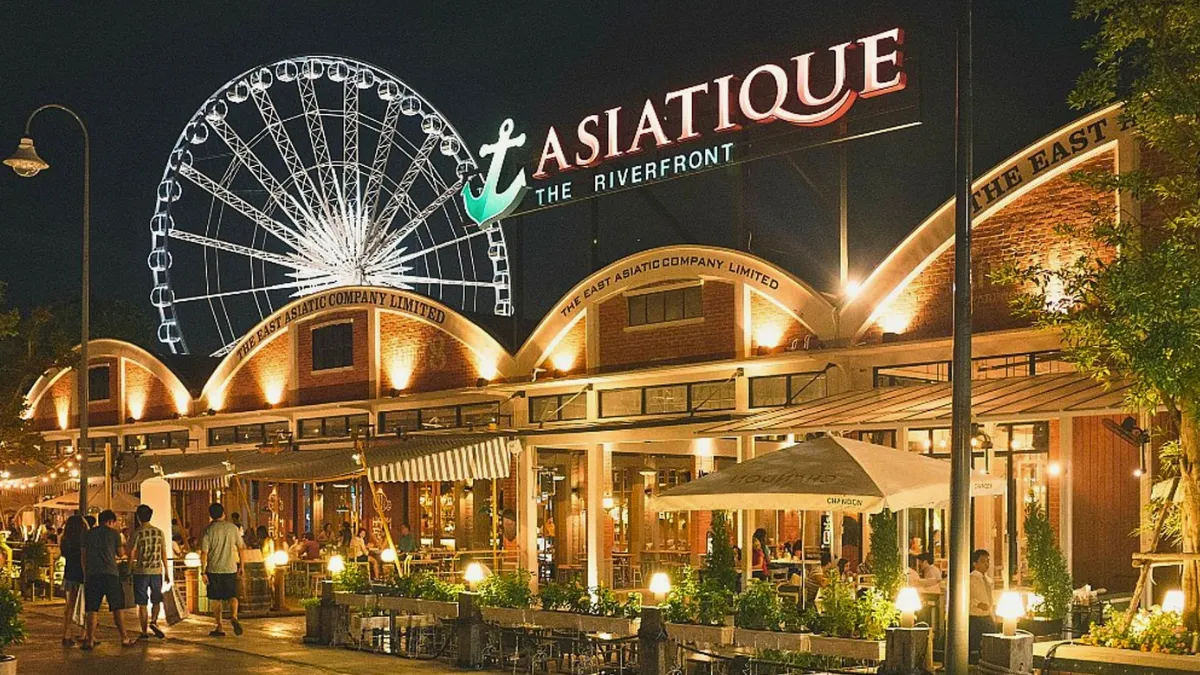
Asiatique The Riverfront transforms old warehouse buildings into a boutique night market. Covered walkways house shops selling clothes, accessories, and handicrafts. Restaurants and bars line the Chao Phraya River, creating pleasant evening atmospheres.
Patpong Night Market operates on two parallel streets in Silom. The tourist-oriented market sells knockoff designer goods, t-shirts, and souvenirs. Aggressive touts and surrounding go-go bars create a seedier atmosphere than other night markets.
Talad Rot Fai (Train Night Market) operates in two locations—Ratchada and Srinakarin. These vintage-themed markets attract locals with retro collectibles, used goods, food vendors, and live music. The authentic local vibe provides welcome contrast to tourist-focused markets.
Specialty Shopping Areas
MBK Center remains popular despite aging facilities. This eight-story mall focuses on electronics, mobile phones, and accessories. Vendors in the electronics sections sell everything from the latest smartphones to obscure adapter cables. Bargaining works in individual stalls but not in branded stores.
Pantip Plaza serves as Bangkok’s IT mall. Multiple floors of computer components, software, and electronics attract tech enthusiasts. Prices compete with online retailers, especially for accessories and components. Be cautious of counterfeit products mixed among genuine items.
Sampeng Lane cuts through Chinatown as a narrow wholesale market street. Shops pack both sides of the alley selling fabrics, buttons, toys, stationery, and countless other items. The cramped quarters and wholesale focus create overwhelming sensory experiences.
What to Buy
Thai silk offers exceptional quality at reasonable prices. Jim Thompson and other silk brands operate stores throughout Bangkok. Scarves, ties, and home décor items make excellent gifts. Be wary of “silk” sold at markets—much is actually polyester.
Tailored clothing provides great value if you have time for fittings. Suits can be completed in 24-48 hours with multiple fittings. Choose reputable tailors recommended by your hotel rather than accepting tuk-tuk drivers’ suggestions.
Handicrafts and home décor from northern Thailand fill many market stalls. Carved wood items, lacquerware, and textiles showcase traditional craftsmanship. Check items carefully for quality—tourist markets mix genuine crafts with factory-made souvenirs.
Thai spa products and herbal remedies cost a fraction of Western prices. Brands like Thann, Harnn, and Panpuri produce world-class spa products using Thai ingredients. Airport duty-free shops often have the best selection though prices may be higher.
Bangkok Nightlife: Rooftop Bars, Clubs & Night Markets
Bangkok transforms after dark. The city that never sleeps offers nightlife options ranging from sophisticated rooftop bars to all-night dance clubs. Every night of the week brings crowds seeking entertainment in Thailand’s capital.
Rooftop Bars & Sky Bars
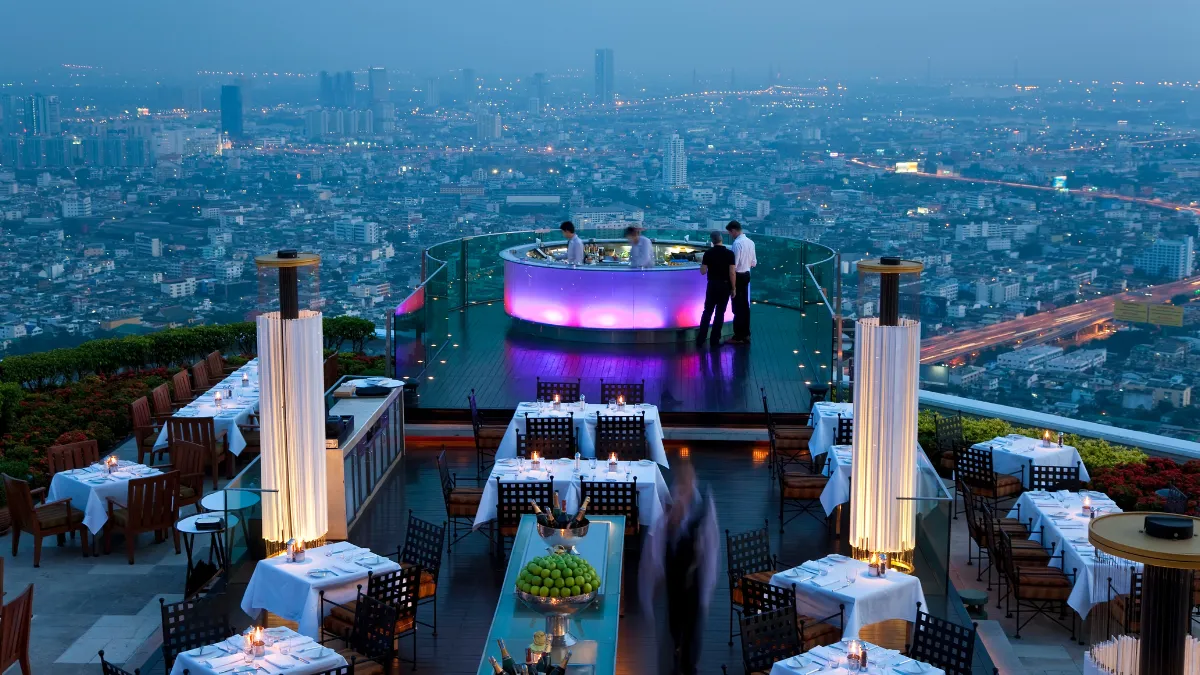
Vertigo and Moon Bar sit atop the Banyan Tree Hotel 61 floors above street level. The open-air bar offers 360-degree views of Bangkok’s skyline. Strong winds occasionally force closures, so check weather conditions before making special trips.
Sky Bar gained fame from “The Hangover Part II” movie. Located on the 63rd floor of Lebua State Tower, this rooftop bar provides dramatic views of the Chao Phraya River. Dress codes are enforced—men need closed-toe shoes and long pants.
Octave Rooftop Lounge & Bar at Marriott Hotel Sukhumvit offers three levels of rooftop space. The 45th-floor location provides impressive views at more affordable prices than ultra-premium rooftop bars. The relaxed atmosphere welcomes both tourists and Bangkok locals.
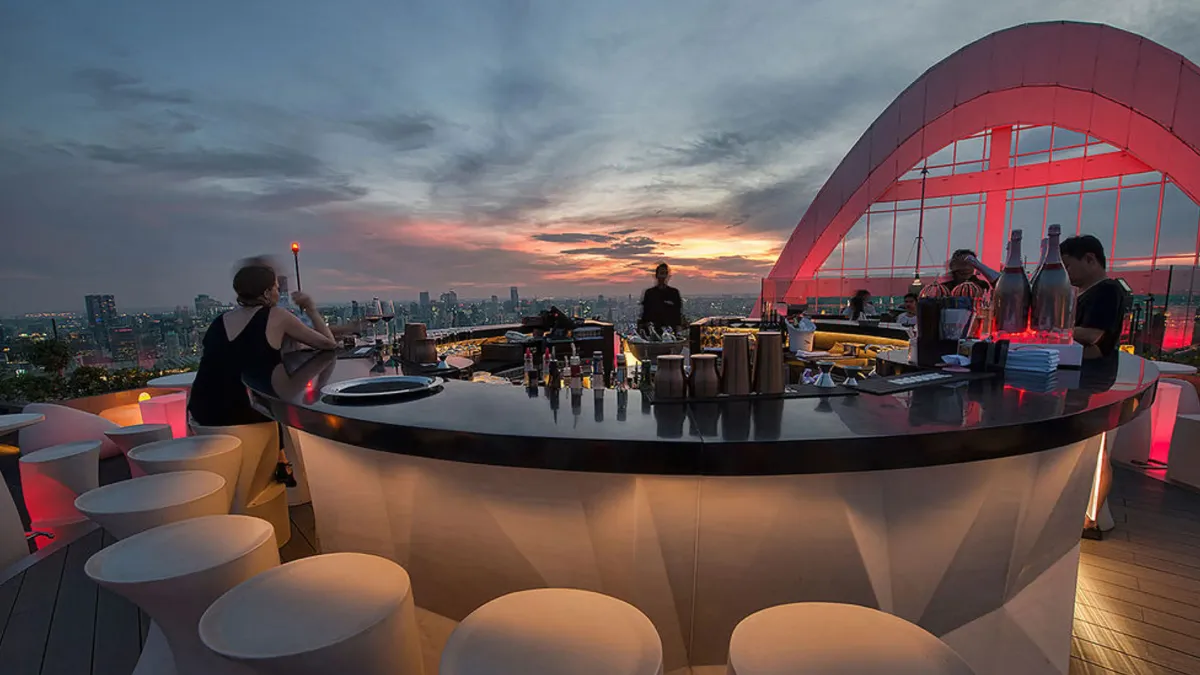
CRU Champagne Bar atop Red Sky Bar serves premium champagnes with stunning sunset views. The indoor-outdoor space maintains sophistication without Sky Bar’s strict dress code. Arrive before sunset to watch the city transition from day to night.
Above Eleven combines Peruvian-Japanese fusion cuisine with rooftop bar atmosphere. The 33rd-floor location offers more intimate vibes than mega-bars. The food quality surpasses typical bar snacks, making it ideal for dinner and drinks.
Nightclubs & Dance Venues
Levels Club and Lounge operates on multiple floors, each with different music styles. Hip-hop dominates one floor while EDM fills another. The club attracts a mix of tourists and affluent young Thais. Dress smartly—the door policy refuses entry to people in shorts or sandals.
Sing Sing Theater converts an old theater into an atmospheric nightclub. The Art Deco design creates unique ambiance. International DJs spin house and techno for crowds that pack the dance floor until 2 AM closing time.
Beam nightclub specializes in electronic music with world-class sound systems. The industrial design and serious music focus attract electronic music enthusiasts rather than casual clubbers. Check the schedule for visiting international DJs.
Insanity Nightclub at Sukhumvit Soi 11 pumps out commercial dance music and hip-hop. The smaller venue creates more intimate party atmosphere than Bangkok’s mega-clubs. Drink prices remain reasonable for the area, and entry is often free before midnight.
Live Music Venues
Saxophone Pub & Restaurant serves as Bangkok’s premier jazz venue. The intimate space hosts nightly performances by Thai jazz musicians. The music starts around 9 PM and continues past midnight most evenings.
Brown Sugar has anchored Bangkok’s jazz scene since 1985. The brick-walled bar exudes vintage atmosphere. Live bands play everything from classic jazz to blues and soul. The music quality remains consistently high despite the venue’s tourist popularity.
Parking Toys offers indie and alternative rock in a warehouse-like setting. The venue books local Thai bands and occasional international acts. The crowd skews younger and more alternative than mainstream Bangkok clubs.
Iron Fairies combines craft cocktails with live music in an enchanted forest-inspired setting. The whimsical décor creates Instagram-worthy backgrounds. Live bands perform nightly, though the music takes secondary place to the atmosphere and drinks.
Night Markets
Talad Rot Fai Night Market transforms vintage railway yards into evening shopping and eating destinations. Food stalls serve everything from traditional Thai dishes to fusion creations. Live bands and DJs provide entertainment while shoppers browse vintage collectibles and clothes.
Jodd Fairs has become Bangkok’s hottest new night market. Thousands of food stalls create an overwhelming array of choices. The market atmosphere feels authentically local despite increasing tourist interest. Prices remain affordable, and variety exceeds most other night markets.
Asiatique Night Market offers more polished night market experience along the Chao Phraya River. The mix of shops, restaurants, and bars creates a complete evening destination. A giant Ferris wheel provides aerial views of the river and city lights.
Bar Districts
Khao San Road remains the backpacker party epicenter. Cheap beer, street food, and international crowds create chaos that some travelers love and others avoid. The area peaks around 10 PM-midnight when multiple bars blast competing music into the street.
Thonglor and Ekkamai represent Bangkok’s hip nightlife districts. Thai celebrities and affluent locals frequent the area’s trendy bars and clubs. Craft cocktail bars, microbreweries, and upscale clubs line Sukhumvit Soi 55 and surrounding streets.
RCA (Royal City Avenue) concentrates clubs and bars along a single street. The area attracts primarily Thai university students and young professionals. Music ranges from Thai pop to EDM across various venues. The scene feels more local than tourist-heavy Sukhumvit areas.
Soi Cowboy stands as one of Bangkok’s red light districts. The neon-lit street contains go-go bars that may interest some travelers while offending others. The area exists primarily for adult entertainment rather than general nightlife.
VIP Rooftop Bar Experience
Skip the lines and secure reserved seating at Bangkok’s most exclusive rooftop bars. This evening tour includes three sky bars with pre-arranged tables, welcome cocktails, and stunning sunset views. Transportation between venues included.
- Three premium rooftop venues
- Two cocktails per venue included
- Reserved seating guaranteed
- Professional photography service
- Small groups (maximum 12 guests)
Nightlife Safety & Practical Tips
Bangkok’s nightlife is generally safe, but common-sense precautions apply. Watch your drinks in crowded venues. Use official taxis or Grab for late-night transportation. Keep valuables secure and avoid displaying expensive items.
Drink prices vary dramatically between venues. Rooftop bars charge premium prices—expect to pay 400-600 baht ($12-18) per cocktail. Street bars and local establishments sell beer for 80-150 baht. Many venues enforce minimum spending requirements.
Legal closing time is 1 AM for most venues, though enforcement varies. Some clubs continue operating later, while others shut down precisely at the legal hour. After-hours venues exist but operate in legal gray areas.
Dress codes apply at upscale venues. Men need long pants and closed-toe shoes for rooftop bars and high-end clubs. Women face fewer restrictions but should dress smartly for premium venues. Casual beach wear and flip-flops will get you refused entry.
Practical Bangkok Travel Tips: Visas, Money, Safety & More
Successful Bangkok trips require some practical planning. These essential tips help you navigate logistics, save money, and avoid common traveler mistakes.
Visa Requirements
US citizens receive 30-day visa exemptions when entering Thailand by air. Immigration stamps your passport at arrival—no advance visa application needed. Extensions can be purchased at immigration offices if you want to stay longer.
Your passport must have at least six months validity remaining from your entry date. Immigration may refuse entry with less than six months on your passport. Check expiration dates well before booking flights.
Proof of onward travel may be required at check-in. Airlines sometimes demand evidence of departure from Thailand within your visa-free period. A confirmed flight out of Thailand within 30 days satisfies this requirement.
Currency & Money Matters
Thai Baht (THB) is the only accepted currency. Exchange rates hover around 35-36 baht per US dollar, though rates fluctuate. ATMs provide the best exchange rates, though they charge 220 baht foreign transaction fees per withdrawal.
Withdraw larger amounts to minimize ATM fees. Taking 10,000 or 20,000 baht per withdrawal spreads the 220 baht fee across more money. Notify your bank about Thailand travel to avoid frozen cards due to foreign transaction alerts.
Credit cards work at hotels, malls, and upscale restaurants. Street food, markets, tuk-tuks, and small shops require cash. Carry small bills—many vendors struggle making change for 1,000 baht notes.
Exchange booths offer competitive rates in tourist areas. SuperRich (orange and green branches) consistently provide excellent rates. Avoid airport exchange counters except for getting small amounts of cash for immediate expenses.
SIM Cards & Internet
Tourist SIM cards are available at the airport immediately after clearing immigration. AIS, TrueMove, and dtac offer packages with unlimited data for 7-30 days. Prices range from 299-899 baht depending on speed and duration.
Thailand’s 4G coverage is excellent throughout Bangkok. Data speeds easily handle maps, social media, and video calls. Free Wi-Fi exists in malls, hotels, and many restaurants, though mobile data provides more reliable connectivity.
Purchase SIM cards at official carrier counters, not from touts in arrival halls. Staff at official counters install and activate cards while you wait. Your phone must be unlocked to use Thai SIM cards.
Keep In Touch
The Best Way To Keep In Contact
Discover the eSim Annual plan that gives you unlimited data, always there when you need it, and you only pay for the days you use it.
Get Your eSim TodayHealth & Safety
Bangkok is generally safe for tourists. Violent crime against visitors is rare. Petty theft and scams pose greater risks than physical danger. Stay aware of surroundings and secure valuables.
Common scams include gem store tours, closed temple redirections, and taxi meter tricks. Politely decline unsolicited help from overly friendly strangers. Use official transport rather than accepting rides from touts.
Tap water isn’t safe to drink in Bangkok. Stick to bottled water, which costs 7-15 baht at convenience stores. Ice in restaurants is generally safe—it comes from purified water sources. Street vendors use ice from the same commercial suppliers.
Travel insurance provides peace of mind for medical emergencies. Bangkok has excellent private hospitals that rival Western facilities. Costs are lower than US healthcare, but still substantial without insurance. Bumrungrad International Hospital and Bangkok Hospital serve many international patients.
Best Areas to Stay
First-time visitors often choose Sukhumvit for easy transportation and abundant dining options. The area feels less authentically Thai but offers maximum convenience. BTS access makes exploring other neighborhoods straightforward.
Silom works well for business travelers and those wanting rooftop bar proximity. The neighborhood combines modern amenities with better value than Sukhumvit. Lumphini Park provides green space for morning exercise.
The Old City suits travelers prioritizing temple visits and historical attractions. Walking to major sites saves transportation time and money. The trade-off is fewer accommodation choices and less developed nightlife.
Riverside hotels offer scenic Chao Phraya River views and luxury service. Peninsula, Mandarin Oriental, and Shangri-La deliver premium experiences. River ferries provide transportation to attractions, though you’ll need taxis or rideshares for areas away from the water.
Budget Planning
Bangkok accommodates any budget. Backpackers survive on $30-40 daily by eating street food and using public transport. Mid-range travelers spend $80-120 for nice hotels and sit-down restaurant meals. Luxury travelers easily spend $200+ daily on five-star hotels and fine dining.
Street food meals cost 40-80 baht ($1-2). Casual restaurant meals run 150-300 baht. Fine dining starts around 1,000 baht per person. Temple entrance fees range from free to 500 baht for the Grand Palace.
Transportation costs remain low. BTS and MRT fares are 16-59 baht. Taxis charge 35 baht base fare plus distance. A typical cross-town taxi ride costs 100-200 baht. Budget 500-1,000 baht daily for comfortable transportation.
Language Considerations
English proficiency varies widely in Bangkok. Hotels, tourist attractions, and upscale restaurants have English-speaking staff. Street vendors, local restaurants, and taxi drivers often speak limited English.
Download Google Translate app for Thai language assistance. The camera translation feature helps read menus and signs. Voice translation assists with basic conversations. Learning a few Thai phrases enhances interactions with locals.
Key phrases include “sawasdee” (hello), “khob khun” (thank you), “mai pen rai” (no problem/you’re welcome), and “tao rai” (how much). Thais appreciate any attempt to speak their language, even simple greetings.
Packing Essentials
Packing lists become essential! Light, breathable clothing works best in Bangkok’s heat. Cotton and moisture-wicking fabrics dry quickly after sweating or unexpected rain. Bring one outfit covering shoulders and knees for temple visits.
Comfortable walking shoes are essential. You’ll walk more than expected navigating between BTS stations and destinations. Flip-flops work for casual outings but lack support for full-day exploration.
Small daypack or crossbody bag keeps essentials secure while allowing hands-free movement. Avoid large backpacks in crowded places where pickpockets operate. Leave valuable jewelry at home—Bangkok’s heat and crowds aren’t conducive to wearing expensive items.
Sunscreen and sunglasses protect against intense tropical sun. Reapply sunscreen throughout the day, especially after sweating. An umbrella serves double duty for sun protection and sudden rain showers.
Unsure what to take? Make life easy and use our free Travel Packing List Generator. Just add your destination, and how long you are travelling and it will instantly generate a full packing list for you.
Bangkok Calls!
Ready to Explore Bangkok?
Plan your complete Bangkok experience with our trusted partners. From comfortable hotels to exciting tours and essential travel services, we’ve curated the best options to make your trip unforgettable.
Dealing with Heat & Humidity
Bangkok’s heat exhausts unprepared visitors. Temperatures regularly exceed 90°F with high humidity year-round. The combination creates energy-draining conditions, especially for visitors from cooler climates.
Stay hydrated constantly. Carry water bottles and refill at convenience stores. Dehydration symptoms include headaches, fatigue, and dizziness. Drink water before feeling thirsty—thirst indicates you’re already dehydrated.
Plan intensive activities for early morning or late afternoon. Temple visits work best before 10 AM when temperatures are coolest and crowds thinnest. Use midday hours for indoor activities like museums, shopping malls, or lunch breaks.
Air-conditioned spaces provide relief throughout Bangkok. Malls, BTS stations, and modern buildings maintain comfortable temperatures. Many travelers structure days around air-conditioned breaks every few hours.
Communication & Internet Access
Free Wi-Fi proliferates in Bangkok. Hotels, cafes, malls, and many restaurants offer connectivity. Signal quality varies from excellent to barely functional. Mobile data provides more reliable internet access.
WhatsApp, Line, and Facebook Messenger work well for staying connected with home. Video calls require good internet connections—use hotel Wi-Fi rather than mobile data to avoid consuming your data package.
Download offline maps before exploring. Google Maps allows downloading Bangkok maps for offline navigation. This feature works without data or Wi-Fi, providing reliable navigation even in areas with poor signal.
Your Bangkok Adventure Awaits
Bangkok rewards curious travelers with experiences found nowhere else on Earth. The city’s unique blend of ancient tradition and modern energy creates memories that last far beyond your departure date.
From the golden spires of the Grand Palace to the neon-lit chaos of night markets, Bangkok constantly surprises. Street food that costs less than coffee rivals Michelin-starred meals. Ancient temples share neighborhoods with futuristic skyscrapers. Traditional long-tail boats navigate the same river as luxury dinner cruises.
The city challenges and delights in equal measure. Heat and crowds test your patience. Then a kind local helps you navigate the BTS, or a vendor serves the best meal of your life, and you remember why you came. These contrasts define Bangkok’s character.
This Bangkok City Guide provides the foundation for your adventure. You now know when to visit, where to stay, what to see, and how to navigate Thailand’s capital. The practical tips help avoid common mistakes while the neighborhood breakdowns guide your accommodation choices.
The best way to experience Bangkok is simply to start. Book your flight, reserve your hotel, and prepare for sensory overload in the best possible way. Bangkok has enchanted millions of travelers before you—soon you’ll understand why this chaotic, beautiful, delicious city captivates everyone who visits.
Your Bangkok adventure is waiting. The temples, street food, rooftop bars, markets, and smiling Thai people are ready to welcome you. Make sure you bring an open mind, comfortable shoes, and plenty of memory on your phone. You’ll need all three to capture everything this remarkable city offers.