Thailand can still be one of Asia’s best-value destinations, but the old claim that anyone can travel comfortably on a few dollars a day no longer reflects how most independent visitors actually travel. A bowl of noodles may cost less than a coffee at home, yet an island ferry, a domestic flight with checked baggage, a beachfront hotel, a national park fee, and two organized tours can add more to the trip than several days of local meals. The honest answer is that Thailand travel costs depends less on the country as a whole than on the route you choose.
A slow journey through Bangkok, Ayutthaya, Chiang Mai, and smaller mainland towns can be remarkably affordable. A fast-paced itinerary that combines Phuket, Koh Samui, diving, beach clubs, and several flights belongs in a completely different budget category.
This Thailand travel cost guide is written for independent travelers rather than package-tour guests or long-term residents. It separates daily living costs from international flights and major intercity journeys, distinguishes per-person prices from per-room prices, and explains the expenses that are often missing from optimistic online budgets.
Travel costs accurate and updated: August 2026

Thailand travel costs in 2026: the quick answer
For a realistic 2026 Thailand travel starting point, one independent traveler should budget approximately 1,400–2,200 THB ($42–$67) per day for backpacker travel, 2,600–4,200 THB ($79–$127) for a good-value independent trip, 4,500–7,500 THB ($136–$227) for a mid-range trip, or 8,000–16,000+ THB ($242–$485+) for an upmarket independent trip. These figures exclude the international flight and expensive route changes unless stated otherwise.
The estimates assume that a solo traveler pays the full cost of a room. Couples who share accommodation and taxis may spend less per person, while solo travelers who want private rooms on the islands may spend more. A traveler who stays mainly in Chiang Mai and mainland towns will usually fall near the lower end of a range; someone dividing the trip between Phuket, Koh Samui, and smaller islands should expect the upper end or move into the next category.
| Travel style | Realistic daily budget per person | Approximate USD at 33 THB per $1 | What the budget normally covers |
|---|---|---|---|
| Backpacker | 1,400–2,200 THB | $42–$67 | Dorm beds or very simple rooms, local meals, public transport, and mostly free or low-cost attractions |
| Good-value independent | 2,600–4,200 THB | $79–$127 | A private room, a varied food budget, convenient local transport, and selected paid activities |
| Mid-range | 4,500–7,500 THB | $136–$227 | A well-located hotel, restaurant meals, taxis or ride-hailing, and regular tours or attractions |
| Upmarket independent | 8,000–16,000+ THB | $242–$485+ | Resorts or boutique hotels, premium dining, private transfers, spas, and higher-cost experiences |
I use 33 THB to $1 for the dollar conversions throughout this guide. The Bank of Thailand’s reference rate was 33.119 THB per US dollar on 19 August 2026, but the amount a traveler receives will differ after card fees, ATM charges, and the exchange provider’s margin. Recheck the rate shortly before departure rather than treating any conversion in an article as permanent.
What is included in a realistic Thailand daily budget?
A useful daily budget includes accommodation, three ordinary meals, non-alcoholic drinks, local transportation, a reasonable allowance for attractions, and small expenses such as water, laundry, tips, and toiletries. It does not automatically include the international flight, domestic flights, long-distance trains, multi-stage island transfers, travel insurance, visa or extension costs, shopping, heavy nightlife, diving courses, or private tours.
This distinction matters because many very low Thailand budgets quietly spread a monthly apartment rate across 30 days, exclude every travel day, assume two people share a room, or count only food and a hostel bed. Those figures may describe one person’s trip accurately, but they do not give a new visitor enough information to price a route.
Before choosing a daily target, divide your trip into three cost layers:
- Pre-trip costs include international flights, insurance, any required visa, vaccinations or medical preparation, luggage, and travel gear.
- Route costs include domestic flights, overnight trains, long-distance buses, ferries, airport transfers, and private transfers between destinations.
- Daily costs include the room, food, local transport, attractions, tours, drinks, laundry, and ordinary spending within each destination.
When those three layers are calculated separately, a Thailand budget becomes much harder to underestimate.
How these 2026 Thailand price estimates were calculated
The ranges in this guide combine current official fares and admission prices with realistic market ranges for accommodation, meals, local transportation, and tours. They are planning figures rather than guaranteed quotes. Hotel rates and airfares can change several times in a day, while local restaurant and transport prices may differ from one street or island to the next.
For accommodation, the table uses the approximate nightly price for one room occupied by one or two people, except where a hostel bed is shown. For daily travel-style budgets, the room cost is allocated to one traveler. Couples should calculate the room once and divide it between them rather than doubling it.
The figures also assume ordinary independent travel. They do not rely on finding the cheapest dorm in a city, eating every meal at a convenience store, or negotiating every ride down to the lowest possible price. Equally, they do not assume a beachfront resort, cocktails every evening, or a private guide every day.
A practical calculation should include a 10% contingency for a simple mainland itinerary and 15% to 20% for a multi-island trip, peak-season journey, or itinerary with tightly timed connections. The reserve is not wasted money. It protects the trip from exchange-rate changes, weather disruption, missed transfers, medical needs, and the occasional booking that costs more than expected.
International flights from the United States to Thailand
For travelers beginning in the United States, the international flight will often be the single largest cost of a one- or two-week trip. A reasonable planning range for a round-trip economy ticket to Bangkok is about $750–$1,600, although sale fares can fall below this and Christmas, New Year, summer school holidays, premium departure airports, or late booking can push the price much higher.
The cheapest headline fare is not necessarily the cheapest usable ticket. Compare the total after checked baggage, seat selection, payment fees, airport changes, and the cost of an overnight connection. A $90 saving can disappear if a long layover requires an airport hotel and two additional meals.
Bangkok usually provides the widest choice of international connections. Open-jaw tickets can still be good value: for example, flying into Bangkok and home from Phuket may remove a domestic flight and a full transfer day. Flights that connect directly to Chiang Mai, Phuket, or Koh Samui are convenient, but the fare difference should be compared with a separate domestic ticket and its baggage allowance.
As a costs and travel planning guide, I would test at least three versions of the trip before booking:
- A return flight to Bangkok with all domestic travel booked separately.
- An open-jaw ticket that arrives in Bangkok and departs from Phuket or Chiang Mai.
- One through-ticket to the final Thai destination, especially when the connection is short and disruption protection matters.
Separate tickets can be cheaper, but the second airline may not protect the passenger after a delayed inbound flight. Leave a generous connection or an overnight stop when tickets are not on one booking. You can search for the best priced international flights at this link.

Bangkok airport transfer costs
Suvarnabhumi Airport and Don Mueang Airport have different transport options, so a generic “Bangkok airport taxi” estimate is not precise enough.
From Suvarnabhumi, the Airport Rail Link is normally the best-value route for travelers staying near Phaya Thai, Makkasan, or a convenient BTS or MRT connection. Allow roughly 15–45 THB for the rail link itself, then add the onward urban-rail fare. The service does not run through the night, and a hotel that looks close on a map may still require a taxi from the station.
A metered taxi from Suvarnabhumi into central Bangkok commonly totals about 300–600 THB, depending on traffic, destination, tolls, and luggage. Airports of Thailand states that official airport taxis use the metered fare with a 50 THB airport surcharge, and regulated luggage charges can also apply. Check the current details on the official Suvarnabhumi transportation page.
From Don Mueang, airport buses can connect with BTS, MRT, and central areas for a modest fare. A taxi into central Bangkok is often 250–500 THB, but heavy traffic can increase both the meter and toll component. Ride-hailing may be convenient at either airport, although pickup zones and demand pricing can change.
Travelers arriving after midnight should price the transfer before choosing a low-cost flight. A late arrival can require a taxi, a night near the airport, or a 24-hour check-in fee that makes the apparently cheaper flight less attractive.
Long-distance transport costs in Thailand
Thailand’s transport network makes independent travel straightforward, but the cost depends on the balance between time and comfort. A third-class train and a first-class sleeper reach the same city, yet they are not interchangeable travel experiences.
Trains
The train is particularly useful between Bangkok, Ayutthaya, Chiang Mai, Surat Thani, and towns along the southern line. Official fares vary by train type, class, air-conditioning, and berth. In 2026, the State Railway of Thailand lists the Bangkok–Chiang Mai Special Express at 310–1,946 THB, which demonstrates why one generic “train price” is misleading. Travelers can verify schedules and fares through the State Railway of Thailand timetable and fare system.
Second-class air-conditioned sleepers usually give the best balance of price and comfort on an overnight journey. Lower berths are wider and often cost more than upper berths. First-class compartments provide privacy but can approach the price of a flight, especially for one traveler paying for a whole compartment.
Budget for food at the station or on the train, the journey to and from each station, and a shower or early check-in after an overnight trip. A night train may replace a hotel night, but it does not always provide the same quality of sleep.
Long-distance buses and minivans
Intercity buses generally cost 250–1,200 THB depending on distance and service level. Government and established private bus services can be excellent value, especially where the railway does not go. VIP buses may include a wider seat, air-conditioning, water, a snack, or a rest stop, but the meaning of “VIP” differs between operators.
Minivans are useful on shorter routes, yet luggage space may be limited. A large suitcase can require an additional seat or create a less comfortable journey. Ask where the vehicle terminates: a low-priced van that stops at an outlying terminal may require another taxi into town.
Domestic flights
For planning, allow approximately 1,000–4,500 THB ($30–$136) one way for many domestic routes after adding a realistic baggage allowance. Last-minute travel, holiday dates, and flights to Koh Samui can cost substantially more. The base fare shown in a search result may include only a small cabin bag, while checked luggage, seat selection, food, and card fees are added later.
Bangkok has two major airports. A connection that requires travel between Suvarnabhumi and Don Mueang needs several hours of buffer and an additional transport budget. Never assume that two flights shown under “Bangkok” use the same airport.
Ferries and island transfers
A simple passenger ferry may cost approximately 200–700 THB, while a combined bus-and-ferry ticket commonly costs 500–1,500 THB. Speedboats, private boats, remote-island routes, and hotel transfers cost more. On some routes, a pier transfer is bundled into the ticket; on others, the traveler must arrange a taxi or songthaew at each end.
The cheapest island ticket can also be the least resilient. During rough weather, a missed connection may require another night on the mainland or a private taxi to a different pier. For a multi-island itinerary, I add at least one flexible half-day and a larger cash reserve rather than scheduling an international flight immediately after a ferry.
Local transportation costs
Local travel is inexpensive when visitors use the form of transport that suits the destination. Bangkok’s rail system is often faster than a taxi. Chiang Mai’s old city is compact, but trips to mountain attractions require a songthaew, ride-hailing car, or tour. Islands with limited public transport can make an otherwise cheap hotel expensive to reach.
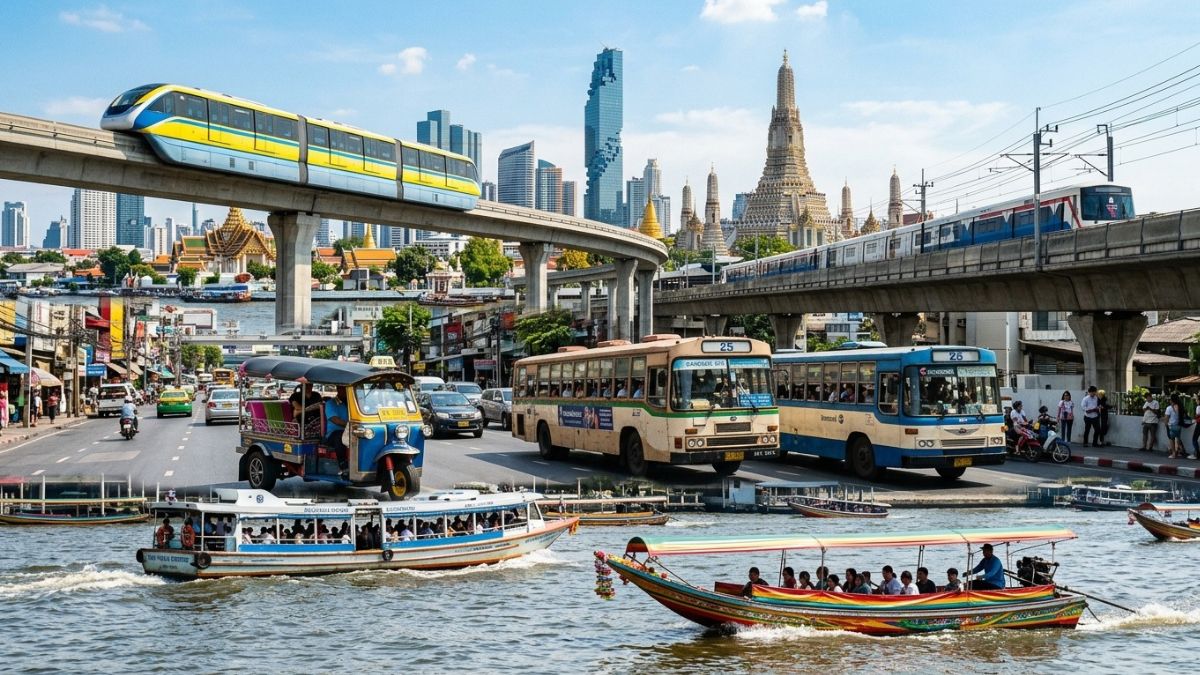
Bangkok BTS, MRT, buses, taxis, and boats
Bangkok BTS single journeys on the core system generally start at 17 THB and rise to 47 THB, although journeys that include extensions can cost more. The official BTS site lists the current single-journey fare range, while its one-day pass was 150 THB at the time of checking. A day pass only saves money when the planned journeys are covered and frequent enough to justify it.
MRT fares are also distance-based. Rather than relying on an old table, use the official MRT fare calculator for the exact stations. Local buses and Chao Phraya river boats can cost only a few tens of baht, but payment methods and routes differ.
Metered taxis are affordable by international standards, but traffic can turn a short distance into a long journey. Confirm that the meter will be used before the ride begins. Ride-hailing apps make the route and approximate price easier to understand, though tolls, airport surcharges, and demand pricing may be additional.
Songthaews, tuk-tuks, and ride-hailing
In Chiang Mai and other towns, shared songthaews can cost 30–100 THB for ordinary routes, while private or longer journeys cost more. Tuk-tuks are an experience as much as transportation in tourist centers and are not always the budget option. Agree on the complete price for the vehicle, not per passenger, before departure.
For a typical city day, allow 150–400 THB when using public transport and occasional short rides. A traveler who uses ride-hailing for every journey may need 400–900 THB, particularly in Bangkok traffic, Phuket, or spread-out beach areas.
Scooter and motorbike rental costs
A basic scooter may be advertised for 200–450 THB per day, with discounts for longer rentals. The real cost also includes fuel, a proper helmet, any damage deposit, and insurance that actually covers the rider and engine size.
Do not treat a rental shop’s willingness to hand over a scooter as evidence that the rider is legal or insured. Thailand’s Government Public Relations Department states that foreign visitors may drive with a valid International Driving Permit, while the permit and home licence must cover the correct vehicle class. Riding without the correct licence can invalidate travel insurance. The helmet requirement is a safety rule, not an optional cost-saving choice.
Never leave a passport as security for a rental. The US State Department warns about passport-retention disputes involving rentals. Use a reputable operator, photograph the vehicle before departure, read the damage terms, and use another accepted form of deposit.
Accommodation costs in Thailand in 2026
Accommodation is the largest controllable daily expense for most independent travelers. The same room can cost twice as much during New Year, a major festival, or the best beach-weather weeks. A property described as “Phuket” may also be in a quiet inland area rather than within walking distance of the beach a traveler expects.
The following ranges are realistic planning figures per night. Hostel figures are per bed; all other columns are per room, usually for one or two people. Taxes and service charges may or may not be included in the first price shown online.
| Destination | Hostel dorm bed | Simple private room | Comfortable mid-range hotel | Resort, boutique hotel, or serviced apartment |
|---|---|---|---|---|
| Bangkok | 300–750 THB | 900–1,900 THB | 2,000–4,800 THB | 5,000–15,000+ THB |
| Chiang Mai | 250–650 THB | 700–1,600 THB | 1,500–3,800 THB | 4,000–10,000+ THB |
| Ayutthaya or smaller mainland city | 250–600 THB | 700–1,500 THB | 1,400–3,200 THB | 3,500–8,000+ THB |
| Krabi or Ao Nang | 350–850 THB | 1,000–2,600 THB | 2,500–6,000 THB | 6,000–16,000+ THB |
| Phuket | 400–1,000 THB | 1,200–3,200 THB | 3,000–7,500 THB | 7,500–22,000+ THB |
| Koh Samui | 450–1,200 THB | 1,500–3,800 THB | 3,500–8,500 THB | 8,000–25,000+ THB |
| Koh Phangan or Koh Tao | 400–1,100 THB | 1,200–3,500 THB | 3,000–7,500 THB | 7,000–20,000+ THB |
Why the location can matter more than the room price
A 900 THB room far from a rail station or beach can cost more overall than a 1,300 THB room in the right location. Add the likely daily taxi cost and travel time before deciding which property is cheaper. On islands, confirm whether shops and restaurants are walkable and whether transport is available after dark.
In Bangkok, staying near BTS or MRT can reduce both expense and frustration. In Chiang Mai, the old city and Nimman provide different experiences but both have plentiful food and transport. In Phuket, Patong, Kata, Karon, Phuket Old Town, and the quieter northern beaches should be treated as distinct bases rather than interchangeable hotel zones.

Hotel charges that are easy to miss
Read the final checkout screen for taxes, service charges, cleaning fees, resort charges, and deposits. Some hotels advertise a rate before a 10% service charge and 7% VAT. When charges are applied sequentially, a 1,000 THB base price can become approximately 1,177 THB, often described locally as “plus plus” or “++.”
Apartments and villas can be good value for couples, families, and longer stays, but ask whether electricity, water, cleaning, and linen changes are included. Air-conditioning can make metered electricity a material cost. Also verify that short-term rental arrangements comply with local rules and that the building permits guest stays of the booked duration.
When to prebook accommodation
Prebook the first night, limited-inventory island stays, Christmas and New Year dates, Full Moon Party periods on Koh Phangan, and rooms tied to a specific event. Flexible travelers can sometimes find better low-season value closer to arrival, but waiting is a poor strategy when the itinerary requires a particular beach, family room, accessible room, or ferry connection.
Food and drink costs in Thailand
Thailand remains exceptional value for travelers who enjoy Thai food. The budget rises quickly when every meal is eaten in an international restaurant, beach club, hotel, or specialty café. Imported ingredients, alcohol, oceanfront rent, and tourist demand matter more than the countrywide cost of food.
Typical food prices in 2026
| Food or drink | Typical price | What changes the cost |
|---|---|---|
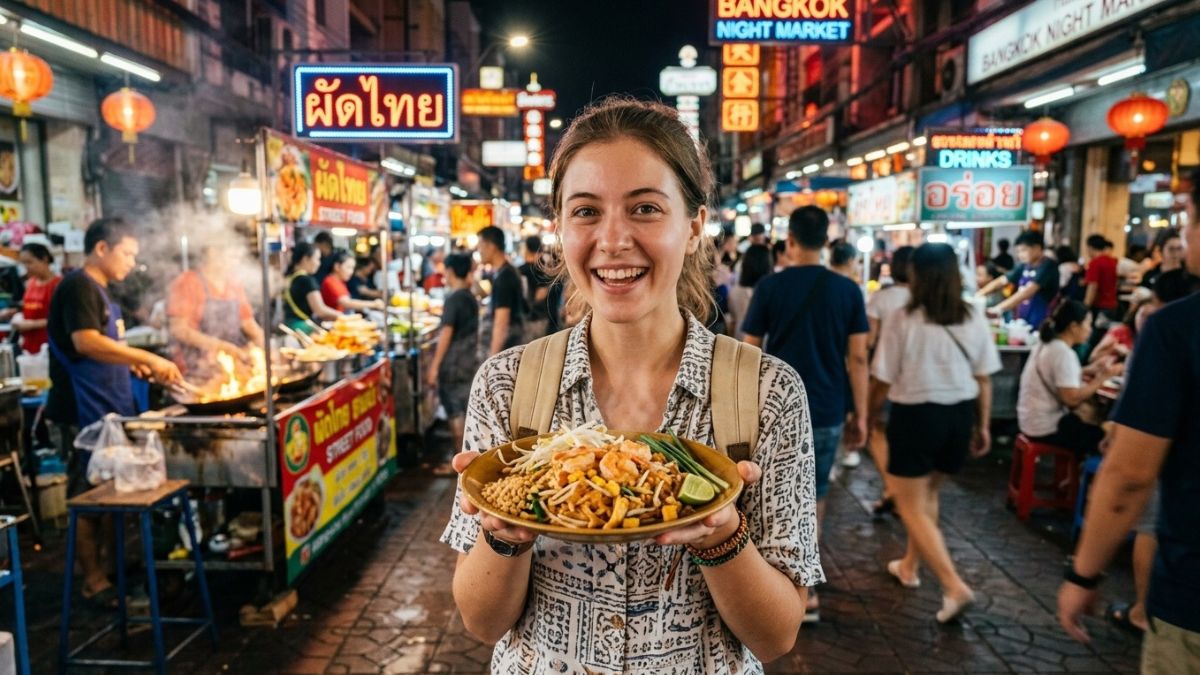
| Street-food dish or market meal | 50–120 THB | Tourist markets, seafood, and large portions cost more |
| Noodle soup, rice dish, or pad kra pao | 60–150 THB | Central Bangkok and island prices are often higher |
| Simple local restaurant meal | 100–300 THB | Air-conditioning, location, and seafood affect the bill |
| Mid-range Thai restaurant meal | 250–600 THB | Shared dishes can lower the per-person cost for couples or groups |
| Western or international meal | 300–900 THB | Imported ingredients and resort locations raise prices |
| Specialty coffee or café drink | 70–180 THB | Trendy cafés may charge prices close to those in the United States |
| Fresh fruit shake | 50–120 THB | Beach and attraction locations usually cost more |
| Bottled water | 7–25 THB | Hotels and tourist attractions may charge more |
| Local beer | 70–180 THB | Bars, clubs, rooftops, and hotels can charge several times the shop price |
| Cocktail | 180–500+ THB | Rooftop bars and beach clubs can exceed this range |
A disciplined backpacker can eat well for 350–600 THB per day, particularly in Chiang Mai and mainland towns. A traveler mixing local restaurants, cafés, and an occasional international meal should allow 650–1,200 THB. Regular hotel breakfasts, cocktails, wine, imported food, and higher-end dining can push the daily food-and-drink cost beyond 1,500–3,000 THB.
Street food, hygiene, and false savings
Price alone is not a reliable guide to food safety. Choose busy stalls with high turnover, ingredients that are protected from contamination, and food cooked thoroughly in front of you. A popular local stall can be both safer and better value than an empty tourist restaurant.
Carry a modest health and pharmacy allowance even when insured. Rehydration products and basic pharmacy items are inexpensive, but a preventable stomach illness can also create lost tour bookings, extra hotel nights, and replacement transport.
Tipping and service charges
Tipping is appreciated but not compulsory in the same way as it is in the United States. Rounding up a small bill or leaving approximately 5% to 10% for good table service is a generous approach. Check the bill first because hotels and many mid-range or high-end restaurants already add a 10% service charge.
Attraction, activity, and tour costs
Thailand can provide excellent days for very little money. Markets, neighborhoods, many temples, beaches, viewpoints, and self-guided walks may be free or inexpensive. Paid activities create the biggest difference between two travelers staying in the same hotel.
| Activity | Realistic planning range | Important inclusions to check |
|---|---|---|
| Temple or historic attraction | Free–500 THB | Modest clothing requirements, separate buildings, and guide fees |
| National park admission | 100–400+ THB | Foreign visitor fee, vehicle fee, guide, boat, and insurance |
| Traditional Thai massage | 300–800 THB | Duration, tip, and whether it is a street shop or hotel spa |
| Premium spa treatment | 1,200–5,000+ THB | Service charge, treatment length, and transfers |
| Cooking class | 1,000–2,500 THB | Market visit, transport, number of dishes, and group size |
| Shared snorkeling trip | 1,000–3,000 THB | Marine-park fee, pickup, lunch, mask, fins, and insurance |
| Shared island day tour | 1,400–4,500 THB | Boat type, park fee, pier transfer, meal, and group size |
| Introductory scuba experience | 2,500–5,500 THB | Equipment, boat, instructor ratio, park fee, and photos |
| Multi-day diving course | 9,000–15,000+ THB | Certification agency, accommodation, equipment, and boat dives |
| Ethical small-group nature or wildlife tour | 1,500–4,000+ THB | Guide credentials, group size, transport, and animal-welfare standards |
The Grand Palace’s official visitor information lists foreign admission at 500 THB, while the official Wat Pho booking site lists 300 THB for foreign visitors. These are useful examples of major Bangkok attractions that cost more than the token temple donations shown in some old budgets.
National park prices are not uniform. Thailand’s Department of National Parks divides parks into fee groups, and foreign adult admission has commonly ranged from 100 to 400 THB, with separate charges possible for children, vehicles, boats, camping, guides, or special areas. A tour listing may or may not include the park fee, so ask explicitly before comparing operators.
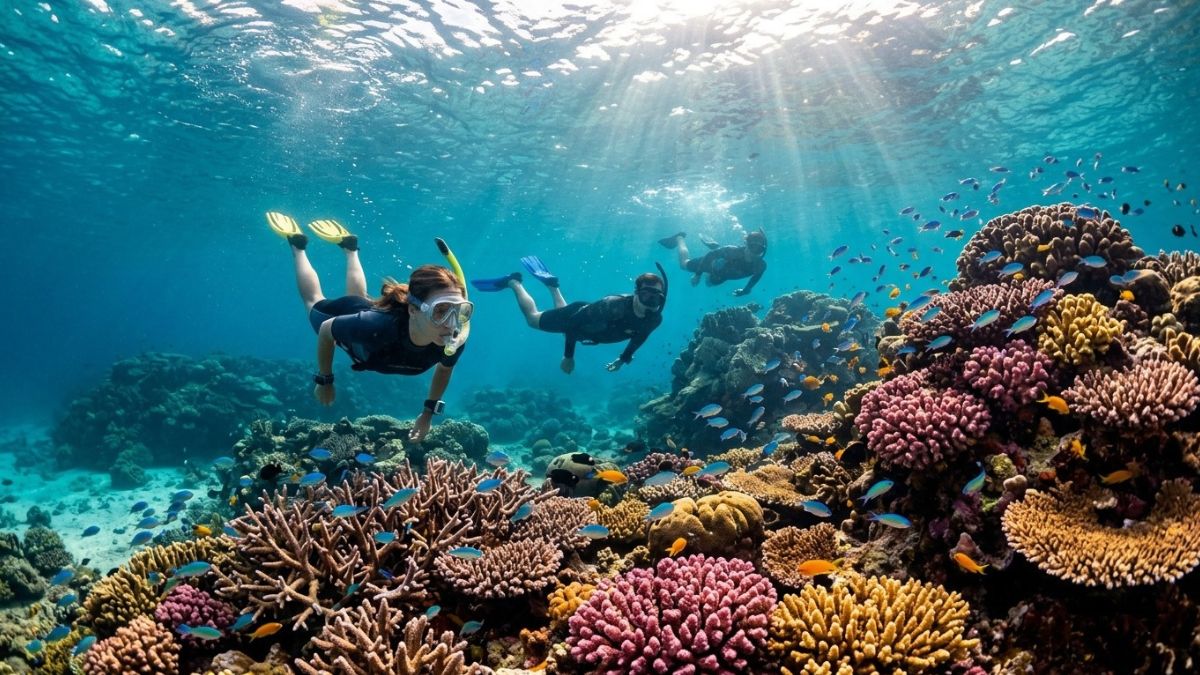
For snorkeling and diving, compare safety and environmental practices as well as price. Thailand introduced stricter national coral-area rules in 2025, including supervision requirements and life-jacket rules for snorkeling near reefs, with limited exceptions for recognized freedivers. A suspiciously cheap trip that is overcrowded, poorly equipped, or careless around coral is not good value.
The hidden Thailand travel costs most budgets miss
The expensive surprises in Thailand are rarely the 70 THB lunch. They are the costs that occur outside an ordinary day: an extra baggage charge, an airport transfer at 1 a.m., a marine-park fee collected at the pier, an ATM charge on several small withdrawals, or a hotel night lost to a changed ferry.
Thailand Digital Arrival Card and entry requirements
All non-Thai nationals entering Thailand by air, land, or sea generally need to complete the Thailand Digital Arrival Card (TDAC) before entry. The official system says it may be submitted within the three days before arrival, including the arrival date, and it is free. Children require their own submission, and a new TDAC is needed for each entry. Use only the official Thailand Immigration Bureau TDAC website because third-party sites may charge for an application that travelers can complete themselves.
The TDAC is not a visa. Thailand’s visa-exemption framework changed during 2026, and the permitted stay depends on nationality, passport type, arrival date, and the rule in force at that time. US travelers should check the Royal Thai Embassy’s current visa information shortly before departure rather than relying on an old 30-day or 60-day statement copied elsewhere.
Travelers may also be asked for evidence of onward travel, accommodation, and sufficient funds. Thailand’s July 2026 official proof-of-funds reminder lists different amounts by entry category and advises visitors to verify the requirement applying to them. This is not necessarily a fee, but it can affect how much accessible money or supporting documentation a traveler needs at immigration.
Travel insurance
Insurance prices vary too much by age, residence, trip value, medical history, and activity cover for one universal quote. As a broad planning allowance, many US travelers may pay $60–$250 or more for a short Thailand trip, while older travelers, long trips, high cancellation limits, and adventure activities can cost substantially more.
Check the medical limit, evacuation and repatriation cover, deductible, trip interruption, pre-existing-condition rules, and exclusions for scooters, diving, trekking, alcohol, and unlicensed activities. A cheap policy that excludes the trip’s main activities is not meaningful protection.
ATM, bank, and currency-conversion costs
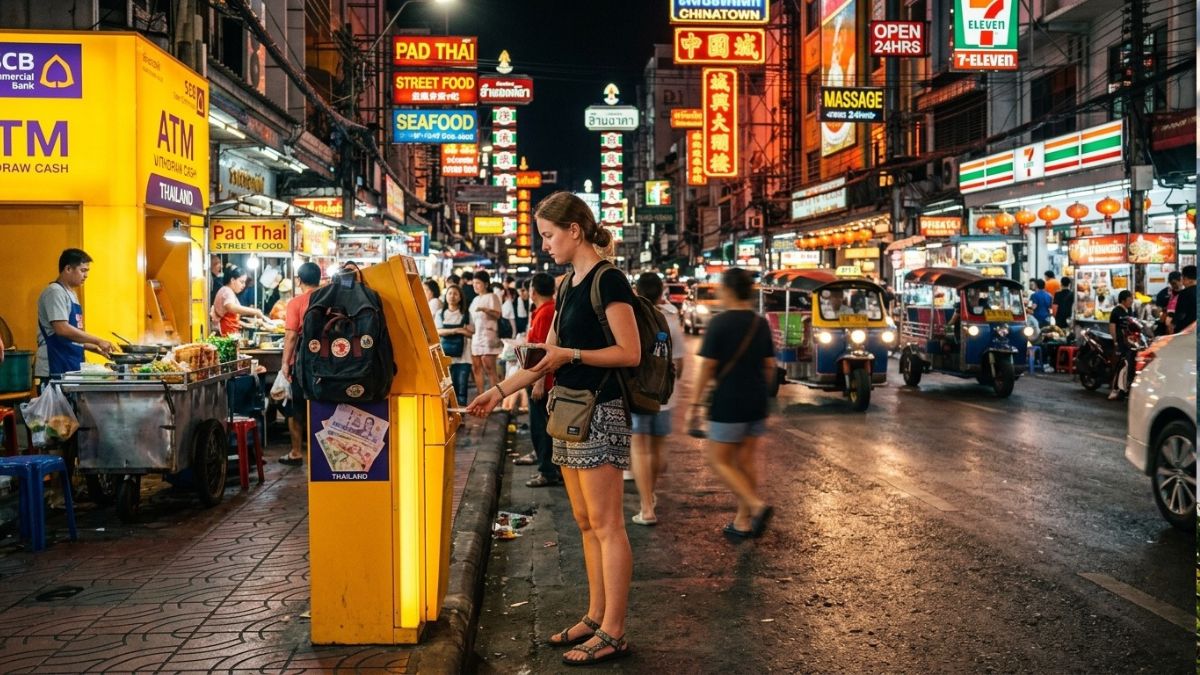
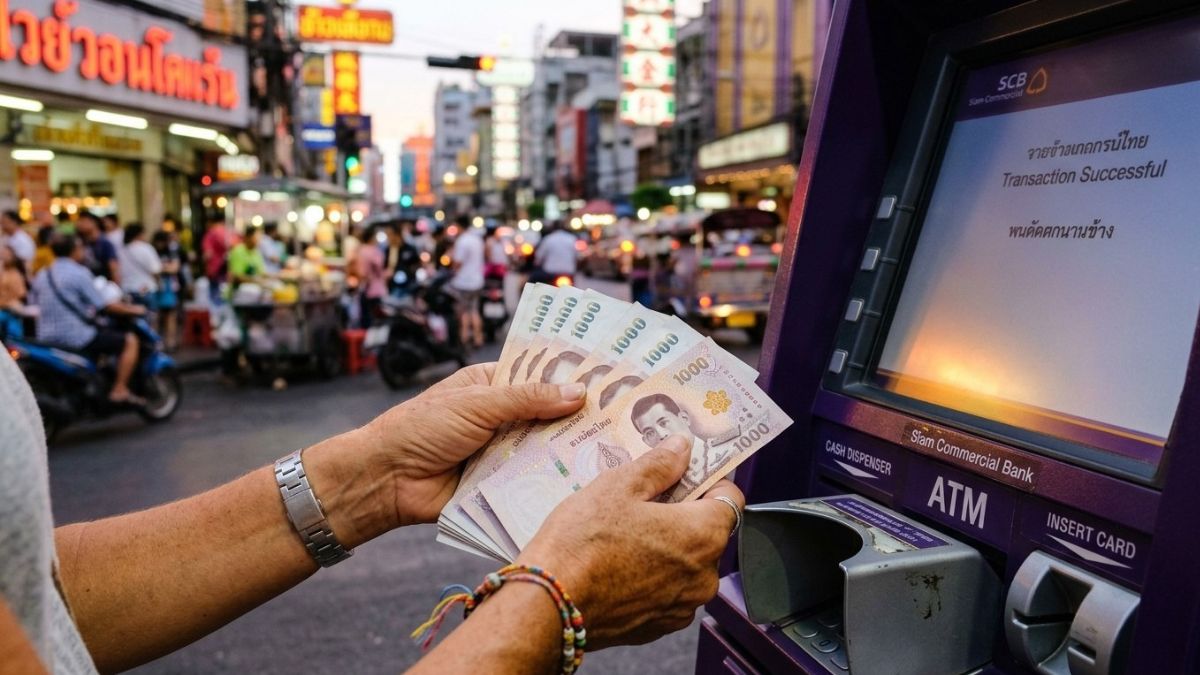
Many Thai ATMs charge foreign cards a local access fee, commonly around 220 THB per withdrawal, in addition to any charge from the traveler’s own bank. The machine must display the applicable fee before the transaction is confirmed, so verify it rather than assuming every bank is identical.
Fixed ATM fees make frequent small withdrawals expensive, but withdrawing the entire trip budget at once creates a security risk. Use a bank account that refunds or minimizes overseas ATM charges if available, make fewer sensible withdrawals, and store cash in more than one secure place.
When an ATM or card terminal offers to convert the transaction into US dollars, that is dynamic currency conversion. Declining the conversion and paying in Thai baht usually allows the card network or home bank to set the exchange rate, which is often better. Read the screen carefully because the wording can make the high-margin option sound convenient.
Thai QR payments are widespread, but many systems require a participating Thai or regional bank account. A US visitor should not assume a foreign banking app will work at every QR-only stall. Carry some cash and at least two cards on different networks.
SIM cards and eSIMs
Allow approximately 300–900 THB for a tourist SIM or eSIM with enough data for a typical short trip. Airport counters are convenient, while city shops or online eSIMs may offer different packages. Compare the data allowance, validity, hotspot permission, speed limits, and whether voice calls are included. You can grab a Saily eSIM with a 10% discount for our readers here.
A functioning phone can save money by enabling navigation, ride-hailing, translation, booking management, and access to bank security messages. The cheapest data package is poor value if it expires before the trip ends or cannot provide a hotspot when needed.
Airline baggage and seat charges
Low-cost domestic airlines may display a fare that includes only a limited cabin bag. Checked baggage purchased during booking is usually cheaper than baggage added at the airport. Weigh luggage before every domestic flight because limits can differ from the international ticket.
Also check sports equipment fees for diving, surfing, cycling, or golf gear. A traveler taking several domestic flights should calculate baggage on every segment before choosing an airline.
Laundry, luggage storage, and showers
Local wash-and-fold laundry often costs around 50–100 THB per kilogram, while coin-operated machines and hotel services follow different pricing. Same-day service, pressing, delicate items, and island locations cost more.
Luggage storage can range from approximately 50–300 THB per item or period, depending on the station, airport, hotel, locker size, and duration. An overnight train or late flight may also create the cost of a day room, shower, or extended checkout.
Toiletries, sunscreen, and medication – Thailand Travel Costs
Imported sunscreen, skincare, and specialty toiletries may cost more than travelers expect. A quality bottle of sunscreen can cost several hundred baht, and island shops have less competition. Bring products that are essential or difficult to substitute, while respecting airline liquid rules.
Prescription medication requires more care than a normal shopping item. Carry it in original packaging and check Thai rules before travel. Insurance, a doctor’s letter, and an adequate supply can prevent a much more expensive interruption.
Deposits and card holds
Hotels, scooters, cars, villas, and equipment rentals may request a cash deposit or card preauthorization. This is usually refundable, but the money may be unavailable during the trip and a card hold can remain for several days after checkout.
Ask for the amount, accepted payment method, refund timing, and damage procedure before booking. Keep every receipt and photograph existing damage. A refundable deposit is not part of final trip spending, but it is part of the cash flow a traveler must be able to cover.
Weather disruption and missed connections
Monsoon conditions do not affect every Thai coast at the same time. The Andaman coast, including Phuket and Krabi, is generally wetter from approximately May to October, while the lower Gulf islands around Koh Samui, Koh Phangan, and Koh Tao often see their heaviest rain later, particularly around October to December. Weather varies from year to year, and boat operations depend on actual sea conditions.
A low-season room is not a saving if the trip requires nonrefundable tours that cannot operate. Build flexibility into island itineraries and avoid placing a ferry connection immediately before a long-haul flight.
Realistic daily Thailand budgets by travel style
The following examples show how the daily totals can work. They are per person and assume a solo traveler pays the full accommodation cost. Intercity journeys are budgeted separately because one flight or sleeper train would distort an ordinary day’s spending.
Backpacker budget: 1,400–2,200 THB per day
At this level, the traveler uses dorms or simple guesthouses, eats mainly Thai food, uses public transport, and alternates paid attractions with free days. It is most achievable in Bangkok, Chiang Mai, Ayutthaya, and less-touristed mainland towns. It becomes harder in peak season on Phuket, Koh Samui, Koh Tao, and small islands.
| Daily category | Lower estimate | Upper estimate |
|---|---|---|
| Dorm bed or very simple room | 350 THB | 650 THB |
| Food and non-alcoholic drinks | 400 THB | 600 THB |
| Local transport | 200 THB | 300 THB |
| Attractions and activities | 250 THB | 400 THB |
| Laundry, water, and other small costs | 200 THB | 250 THB |
| Total | 1,400 THB | 2,200 THB |
This budget does not support a paid island tour every day. The traveler may need to save the activity allowance across several days for a 1,500 THB excursion.
Good-value independent budget: 2,600–4,200 THB per day
This is the most useful range for many independent adults. It allows a clean private room, good local food, café visits, convenient transport, and selected organized activities without treating every decision as a financial emergency.
| Daily category | Lower estimate | Upper estimate |
|---|---|---|
| Private room | 1,100 THB | 1,800 THB |
| Food and non-alcoholic drinks | 650 THB | 1,000 THB |
| Local transport | 300 THB | 550 THB |
| Attractions and activities | 350 THB | 600 THB |
| Laundry, tips, and other small costs | 200 THB | 250 THB |
| Total | 2,600 THB | 4,200 THB |
Couples sharing the room can either reduce the per-person cost or use the saving for better accommodation and activities. On an island-heavy route, the upper half of the range is more realistic.
Mid-range budget: 4,500–7,500 THB per day
A mid-range traveler can choose a well-reviewed hotel in a convenient location, mix local and international restaurants, use taxis when useful, and book several quality tours. The budget still requires choices: a premium private boat or luxury spa can exceed the entire activity allowance for one day.
| Daily category | Lower estimate | Upper estimate |
|---|---|---|
| Comfortable hotel | 2,300 THB | 3,800 THB |
| Food and drinks | 1,000 THB | 1,700 THB |
| Local transport | 500 THB | 900 THB |
| Attractions and activities | 500 THB | 800 THB |
| Tips, laundry, and other small costs | 200 THB | 300 THB |
| Total | 4,500 THB | 7,500 THB |
Travelers planning frequent cocktails, fine dining, diving, or beach clubs should create separate allowances rather than forcing them into the ordinary food or activity figure.
Upmarket independent budget: 8,000–16,000+ THB per day
This range supports boutique hotels or resorts, private transfers, premium meals, spas, and regular paid experiences. It does not create a ceiling. A high-end pool villa, Michelin-starred meal, private yacht, or top beachfront resort can exceed 16,000 THB before the rest of the day’s spending begins.
For a realistic upmarket plan, price the exact hotels and signature experiences first. The daily range is useful for ordinary days between them, not as a substitute for quoting known luxury bookings.
Thailand trip cost for 7, 14, and 30 days
The table below multiplies the daily budgets by trip length. It excludes international flights, insurance, major intercity transportation, visa-related costs, and shopping. Those exclusions are deliberate: a traveler taking one train should not receive the same route allowance as someone taking three flights and four ferries.
| Travel style | 7-day daily costs | 14-day daily costs | 30-day daily costs |
|---|---|---|---|
| Backpacker | 9,800–15,400 THB ($297–$467) | 19,600–30,800 THB ($594–$933) | 42,000–66,000 THB ($1,273–$2,000) |
| Good-value independent | 18,200–29,400 THB ($552–$891) | 36,400–58,800 THB ($1,103–$1,782) | 78,000–126,000 THB ($2,364–$3,818) |
| Mid-range | 31,500–52,500 THB ($955–$1,591) | 63,000–105,000 THB ($1,909–$3,182) | 135,000–225,000 THB ($4,091–$6,818) |
| Upmarket independent | 56,000–112,000+ THB ($1,697–$3,394+) | 112,000–224,000+ THB ($3,394–$6,788+) | 240,000–480,000+ THB ($7,273–$14,545+) |
How much does a one-week Thailand trip cost from the United States?
For one week, the international flight represents a large proportion of the total. A backpacker who spends 9,800–15,400 THB on daily costs, pays $750–$1,600 for the flight, and adds insurance plus one domestic journey could realistically spend about $1,150–$2,500 in total. A good-value independent traveler might spend about $1,450–$2,900, while a mid-range traveler could spend approximately $1,900–$3,900 or more.
These totals are broad because airfare origin and route matter enormously. Seven days split between Bangkok and Chiang Mai is cheaper to connect than seven days divided among Bangkok, Phuket, and Koh Samui.
How much does a two-week Thailand trip cost from the United States?
For two weeks, a good-value independent traveler should start with 36,400–58,800 THB ($1,103–$1,782) for daily costs. Adding a $750–$1,600 international flight, approximately $100–$300 for insurance, and perhaps $150–$400 for domestic trains, flights, ferries, and transfers produces a practical total of roughly $2,100–$4,100.
A backpacker can spend less by taking trains and buses, limiting island time, and using dorms. A mid-range traveler combining Bangkok, Chiang Mai, and a southern beach should expect approximately $3,000–$5,800, with premium hotels and tours pushing the total higher.
How much does one month in Thailand cost?
The daily multiplication shows a one-month backpacker range of 42,000–66,000 THB, a good-value independent range of 78,000–126,000 THB, and a mid-range range of 135,000–225,000 THB, before international flights and major route costs.
Long stays can reduce the average nightly room rate, but they introduce different expenses. Monthly rentals may exclude electricity, water, cleaning, linen, and deposits. A one-month tourist trip that changes destination every four days is not comparable with one month in a Chiang Mai apartment.
Three route-based budget examples
Daily ranges become more useful when they are attached to an actual itinerary. The following examples are deliberately transparent about what is included.
Seven days: Bangkok and Chiang Mai
A good-value solo traveler might spend four nights in Bangkok and three in Chiang Mai, take an overnight sleeper in one direction, and fly back to Bangkok or onward. A sensible estimate would include:
- Daily costs of approximately 18,200–29,400 THB.
- One long-distance train or flight of approximately 1,000–2,500 THB after baggage or berth selection.
- Station and airport transfers of approximately 400–1,000 THB.
- Insurance and the international flight as separate pre-trip costs.
The in-country total is therefore approximately 19,600–32,900 THB ($594–$997) before the international flight and insurance.
Fourteen days: Bangkok, Chiang Mai, Krabi, and an island
This classic first-trip route requires more transport than its daily budget suggests. A good-value traveler should allow:
- Daily costs of 36,400–58,800 THB.
- Two domestic route changes of approximately 3,000–7,000 THB in total, depending on whether the traveler uses trains, flights, and checked baggage.
- Ferries, pier transfers, and local airport transport of approximately 1,500–4,000 THB.
- A disruption reserve of at least 5,000 THB for a route with island connections.
The practical in-country total is approximately 45,900–74,800 THB ($1,391–$2,267) before international airfare and insurance.
Thirty days: slow travel through Bangkok, the north, and southern Thailand
A slower one-month trip can reduce the number of expensive travel days, but it still needs a route allowance. A good-value independent traveler might calculate:
- Daily costs of 78,000–126,000 THB.
- Intercity transport of approximately 8,000–18,000 THB.
- A contingency reserve of 10,000–20,000 THB, depending on islands and season.
That creates an in-country planning total of approximately 96,000–164,000 THB ($2,909–$4,970) before the international flight, insurance, and any visa or extension expense that applies.
How costs change for solo travelers, couples, and families
Solo travel costs
Solo travelers pay the full cost of private rooms, taxis, and private guides. The solo premium is largest on islands and during peak season, when room prices remain high even for one occupant. Dorms, shared tours, public transport, and group transfers reduce the premium without requiring a traveler to compromise on the core experience.
When comparing a private tour, check whether the listed amount is for the vehicle or per person. A 4,000 THB car shared by four people is a different proposition from the same car booked alone.
Couple travel costs
Couples usually receive the best per-person value from private-room travel because the room, taxi, and some dishes can be shared. If a 2,000 THB room replaces two 600 THB dorm beds, the private option costs only 400 THB more in total while providing considerably more privacy.
Not every expense is shareable. Flights, ferries, admission tickets, massages, diving, and most tours are priced per person. A couple should calculate shared and individual costs separately rather than simply doubling a solo total.
Family travel costs
Families need to check room occupancy rules, extra-bed charges, breakfast policies, child admission ages, and whether transport provides suitable restraints. A room advertised for three adults may not accommodate two adults and two children, while a family suite can be better value than two separate rooms.
Children may receive lower fares or admission at some attractions, but not everywhere. The TDAC requirement applies to children as well as adults. Family travel also benefits from a larger medical and transport reserve because changing plans for four people costs more than changing one ticket.
Cheapest and most expensive places in Thailand
Best-value destinations
Chiang Mai remains one of the strongest-value major destinations for rooms, local food, cafés, and day-to-day transport. Chiang Rai, Lampang, Sukhothai, Ayutthaya, Kanchanaburi, Nakhon Si Thammarat, and many Isan cities can also cost less than the famous resort areas.
Bangkok is not automatically expensive. Its enormous range of hotels and restaurants allows almost any budget, and rail links reduce the need for taxis. The highest costs come from premium central districts, rooftop venues, luxury malls, and repeated cross-city rides.
Higher-cost destinations
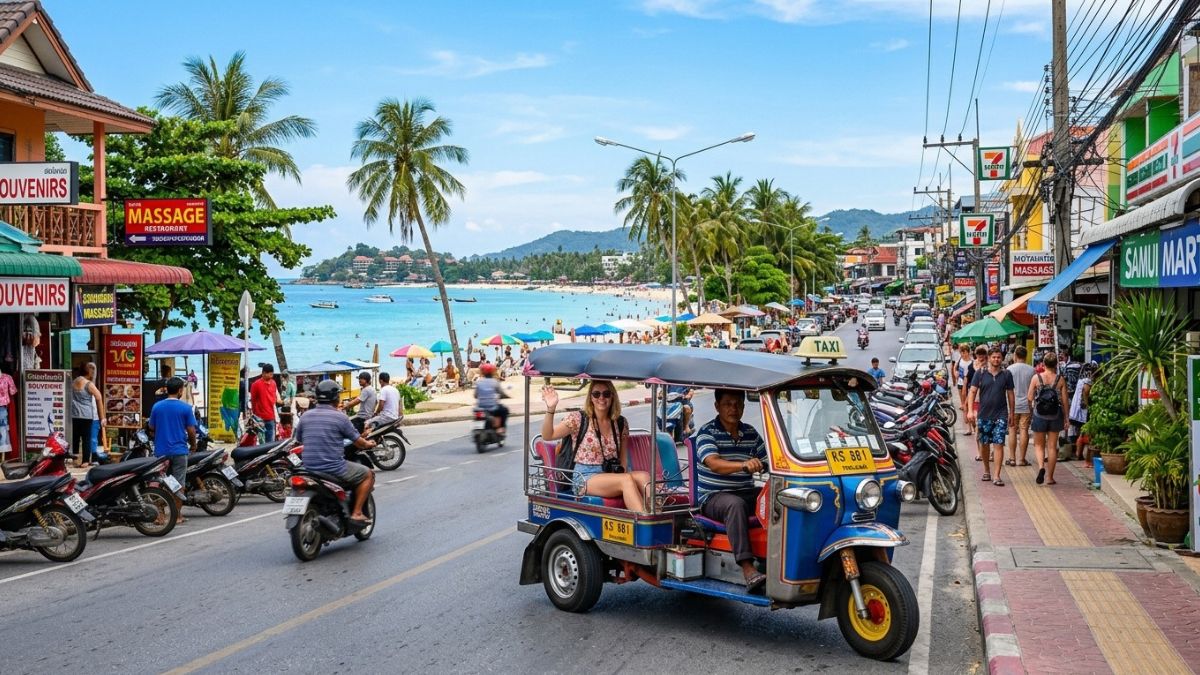
Phuket, Koh Samui, Koh Tao, Phi Phi, and smaller resort islands generally require more money because land, transport, utilities, and goods cost more, while demand concentrates around beaches and holiday periods. Koh Samui can be especially expensive when a direct flight, resort transfer, and beachfront room are combined.
Krabi and Ao Nang can be less expensive than some Phuket zones, but island-hopping and private longtail boats can quickly close the gap. Staying in Phuket Old Town or Krabi Town may save money on accommodation, yet daily beach transfers must be included before calling the location cheaper.
When is Thailand cheapest to visit?
Thailand does not have one nationwide low season. November to February is popular in Bangkok, Chiang Mai, and much of the Andaman coast because temperatures and rainfall are often more comfortable. Christmas, New Year, Lunar New Year, major festivals, and school-holiday dates increase demand.
The hot season from roughly March to May can provide hotel value, although heat changes how much sightseeing is comfortable. Northern Thailand can also experience smoke and poor air quality during part of the late dry season, often from February into April. A low room rate is not worthwhile if air quality prevents the planned outdoor experiences.
The Andaman coast usually has lower accommodation prices during its wetter May-to-October period, but rough seas can affect boat trips and smaller islands. The Gulf islands follow a different rainfall pattern and can be busy during July and August, with wetter conditions often later in the year.
The best-value month is therefore the least expensive period that still suits the particular region and the activities that matter. Check regional weather, ferry schedules, park closures, and air-quality history rather than choosing a month from a countrywide chart.
How to save money in Thailand without reducing safety or quality
The most effective savings come from route design rather than constant bargaining. Each domestic flight, island change, and airport transfer adds money and consumes part of a day. Visiting three places well is often cheaper and more rewarding than rushing through six.
- Compare an open-jaw international ticket with a return to Bangkok because avoiding one domestic backtrack can save both money and time.
- Price checked baggage and transfers before choosing a low-cost domestic flight.
- Stay near the transport or attraction you will use most often, even if the nightly room rate is slightly higher.
- Mix street food and local restaurants with selected special meals instead of treating every meal as either the cheapest possible or a splurge.
- Alternate paid tour days with free beaches, markets, neighborhood walks, and self-guided attractions.
- Ask tour operators whether park fees, hotel pickup, lunch, drinking water, equipment, and insurance are included.
- Use trains and buses where the journey is part of the experience, but fly when saving a full day is worth more than the fare difference.
- Withdraw cash in sensible amounts and decline poor dynamic currency conversion while avoiding the risk of carrying the entire trip budget.
- Keep an emergency card and a portion of cash separate from the wallet used each day.
- Buy from local restaurants, independent guides, community experiences, markets, and locally owned accommodation where quality and safety standards are clear. This can keep more travel spending in the destination without necessarily increasing the budget.
Remember: Good value is the best combination of cost, time, safety, location, and experience.
A practical Thailand budget formula
Use this formula rather than copying another traveler’s final total:
Total Thailand trip cost = international flights + entry and documentation costs + travel insurance + accommodation + food and drinks + local transportation + intercity transportation + activities and tours + phone and data + laundry and personal expenses + shopping + contingency reserve.
Work through the calculation in this order:
- List every night, destination, and required route change.
- Add the actual available price for the international flight and its baggage.
- Price accommodation by night, using the final amount after taxes and fees.
- Choose a food, local transport, and ordinary activity allowance for each destination rather than one nationwide figure.
- Add every train, flight, bus, ferry, and airport or pier transfer separately.
- Add known high-cost experiences such as diving, an elephant sanctuary, a private boat, or a premium cooking class.
- Include insurance, phone data, bank charges, laundry, tips, and entry-related expenses.
- Add a reserve of 10% for a straightforward mainland trip or 15% to 20% for a peak-season, multi-island, or tightly connected route.
- Convert the final Thai-baht figure at a current exchange rate and test what happens if the dollar weakens by another 5%.
This method gives the budget room to reflect the trip the traveler actually wants, not an abstract average. You can keep track of expenses and booking by using our digital travel planner and itinerary builder.
Thailand travel cost FAQ
Is Thailand still cheap for American travelers in 2026?
Thailand is still good value for many American travelers, especially for Thai food, public transport, guesthouses, and mainland accommodation. It is no longer uniformly cheap. A strong beach-resort itinerary, frequent domestic flights, imported food, cocktails, diving, and private tours can produce a daily cost comparable with a more expensive destination. The exchange rate also matters: at approximately 33 THB per US dollar in August 2026, the dollar bought fewer baht than the 35 THB shortcut used in many older budgets.
How much cash should I take to Thailand?
Carry enough Thai baht for markets, small restaurants, local transport, minor admission fees, and a backup, but do not carry the full trip budget in one place. The appropriate daily amount depends on which accommodation and tours are prepaid. Many travelers are comfortable beginning with several thousand baht and replenishing it, while maintaining access to two cards. Entry officers may ask eligible travelers for evidence of sufficient funds, so cash availability and immigration documentation should not be confused with ordinary day-to-day spending.
Can I travel Thailand for $50 a day?
Yes, but $50 is approximately 1,650 THB at the conversion used in this guide, placing it near the lower half of the backpacker range. It is workable with dorms or basic rooms, local food, public transport, and mostly free attractions, particularly on the mainland. It is not a comfortable all-purpose budget for peak-season islands, private rooms in Phuket or Koh Samui, regular nightlife, or frequent tours.
Is $100 a day enough for Thailand?
For many independent travelers, $100 a day is a solid starting point. At roughly 3,300 THB, it can cover a private room, varied meals, local transport, and a reasonable activity allowance in Bangkok, Chiang Mai, and many mainland destinations. It will feel tighter on expensive islands or on days containing a flight, ferry, diving trip, or premium hotel. Treat major route changes as separate costs.
Is Chiang Mai cheaper than Bangkok?
Chiang Mai is usually cheaper for comparable private rooms, local food, cafés, and short local journeys. Bangkok has a wider range and can still be budget-friendly, but its size encourages more rail and taxi spending. Central Bangkok hotels and rooftop dining can be expensive, whereas visitors based near rail and eating locally can keep costs close to Chiang Mai levels.
Is Phuket expensive?
Phuket is expensive relative to Chiang Mai and many mainland cities, not necessarily relative to major US vacation destinations. Beach location, taxis, resort pricing, tours, and nightlife increase the total. Travelers can reduce costs by choosing the right base, using local restaurants, comparing shared transfers, and limiting long cross-island rides. A low-cost room far from the desired beach is often a false saving.
Are Thailand’s islands always more expensive?
Not every island costs the same, but islands generally have higher transport, accommodation, and goods costs than mainland towns. The full comparison must include the flight or bus to the coast, pier transfer, ferry, transport from the arrival pier, and the return journey. A 900 THB island room may still be part of a more expensive trip than a 1,300 THB room in Bangkok.
How much should I budget for food each day?
Budget travelers eating mainly Thai food can plan around 350–600 THB per day. Travelers who mix local restaurants, cafés, and occasional Western meals should allow 650–1,200 THB. A food budget of 1,500 THB or more is more realistic when hotel breakfasts, cocktails, wine, beach clubs, imported food, and premium restaurants are regular parts of the trip.
How much should I budget for activities?
For a mixed itinerary, an average of 300–800 THB per day works when free days balance paid attractions. Travelers planning island tours, diving, ethical wildlife experiences, cooking classes, or spas should list those exact activities separately. One 3,000 THB tour cannot be represented accurately by a 400 THB activity allowance unless the cost is saved across several days.
Do I need to tip in Thailand?
Tipping is not mandatory in the US sense, but small tips are appreciated for good service. Rounding up, leaving small change, or giving approximately 5% to 10% in a restaurant without a service charge is reasonable. Check hotel and restaurant bills because a 10% service charge may already be included.
Is it cheaper to use cash or cards in Thailand?
Neither method is always cheaper. Cash is essential for many small businesses, markets, and local transport, but foreign-card ATM fees make repeated small withdrawals expensive. Cards are useful at hotels, malls, and larger restaurants, although foreign transaction fees and dynamic currency conversion can reduce value. The lowest-cost approach is usually a fee-friendly card, sensible cash withdrawals, payment in Thai baht, and a backup method.
How much emergency money should I keep?
Keep at least enough accessible money for an extra hotel night, a replacement domestic journey, meals, and urgent local transportation. For a simple mainland itinerary, a reserve equal to 10% of the planned in-country cost is reasonable. For an island route or peak-season trip, 15% to 20% is safer because weather and limited transport availability can make last-minute alternatives expensive. Insurance is still necessary because an emergency medical evacuation can exceed any ordinary cash reserve.

Final answer: what should you budget for Thailand in 2026?
For an independent trip in 2026, budget 1,400–2,200 THB ($42–$67) per person per day for backpacker travel, 2,600–4,200 THB ($79–$127) for a good-value private-room trip, 4,500–7,500 THB ($136–$227) for mid-range travel, or 8,000–16,000+ THB ($242–$485+) for an upmarket trip. Then add international airfare, insurance, entry-related expenses, intercity trains or flights, ferries, major tours, and a contingency reserve.
The route is the strongest predictor of the final cost. Bangkok and northern mainland travel can fit a modest budget surprisingly well. Phuket, Koh Samui, small islands, private transfers, diving, and rapid destination changes require more. Couples can reduce the per-person room cost, while solo travelers seeking private accommodation need to carry the whole room price themselves.
Most importantly, budget for the full experience rather than the cheapest possible day. Thailand offers outstanding value when travelers spend deliberately, verify what is included, and leave enough room for the places and experiences that brought them there in the first place.
Official sources and live price checks
- Bank of Thailand daily exchange rates
- Thailand Digital Arrival Card official website
- Royal Thai Embassy in Washington visa information
- Tourism Authority of Thailand entry and proof-of-funds reminder
- State Railway of Thailand timetable and fare checker
- Suvarnabhumi Airport official transportation guide
- BTS Skytrain ticket information
- Bangkok MRT fare calculator
- Grand Palace official visitor information
- Thailand Department of National Parks news and visitor updates
10 Works Cited
Airports of Thailand. Ways to transport TO – FROM Suvarnabhumi Airport. 2026, suvarnabhumi.airportthai.co.th/service/airport-guide/detail/Transportation_BKK.
Baigent J. Book and Search Flights. 2026, book.destinationsuncovered.com/.
Bank of Thailand. Rates of Exchange of Commercial Banks in Bangkok Metropolis. 2026, app.bot.or.th/BTWS_STAT/statistics/BOTWEBSTAT.aspx?language=eng&reportID=123.
Grand Palace Visitor Information. Practical Information. 2026, www.royalgrandpalace.th/en/visit/practical-information.
Royal Thai Embassy, Washington. Visa Information. 2026, washingtondc.thaiembassy.org/en/page/visa-information.
State Railway of Thailand. Timetable SRT Matrix 2026. 2026, ttsview.railway.co.th/timetable_modern.php?ln=en.
ThaiBK. Can foreigners drive in Thailand. 2026, www.thaibk.com/vehicles-driving/can-foreigners-drive.
Thailand Immigration Bureau. Thailand Digital Arrival Card. 2026, tdac.immigration.go.th/arrival-card/#/home.
Tourist Authority of Thailand. Thailand entry reminder on proof of funds for foreign visitors. 2026, www.tatnews.org/2026/07/thailand-entry-reminder-on-proof-of-funds-for-foreign-visitors/.
US Department of State. Thailand International Travel Information. 2026, travel.state.gov/content/travel/en/international-travel/International-Travel-Country-Information-Pages/Thailand.html.