
Chiang Rai beckons travelers with its stunning temples, rich cultural heritage, and untouched natural beauty. This northern gem of Thailand offers something completely different from the typical tourist trail. Whether you’re a budget backpacker or luxury traveler, this city delivers authentic experiences. The blend of ancient traditions and modern amenities creates the perfect destination for exploration. The ultimate Chiang Rai travel guide covers everything from iconic attractions to hidden treasures. You’ll discover where to stay, what to eat, and how to make every baht count during your visit.
We have the perfect accommodation for you!
Find Your Perfect Chiang Rai Accommodation
Start planning your trip by securing the best hotel deals in Chiang Rai. Compare prices across hundreds of properties and book with confidence.
Search Hotels In Chiang RaiWhat to Do in Chiang Rai: Top Activities and Unforgettable Experiences
Chiang Rai offers diverse activities that cater to every type of traveler. The city serves as a gateway to cultural immersion and outdoor adventures alike.
Exploring the temples ranks among the most popular activities. These architectural marvels showcase the artistic brilliance of northern Thai culture.
Temple Hopping Through Chiang Rai’s Sacred Sites
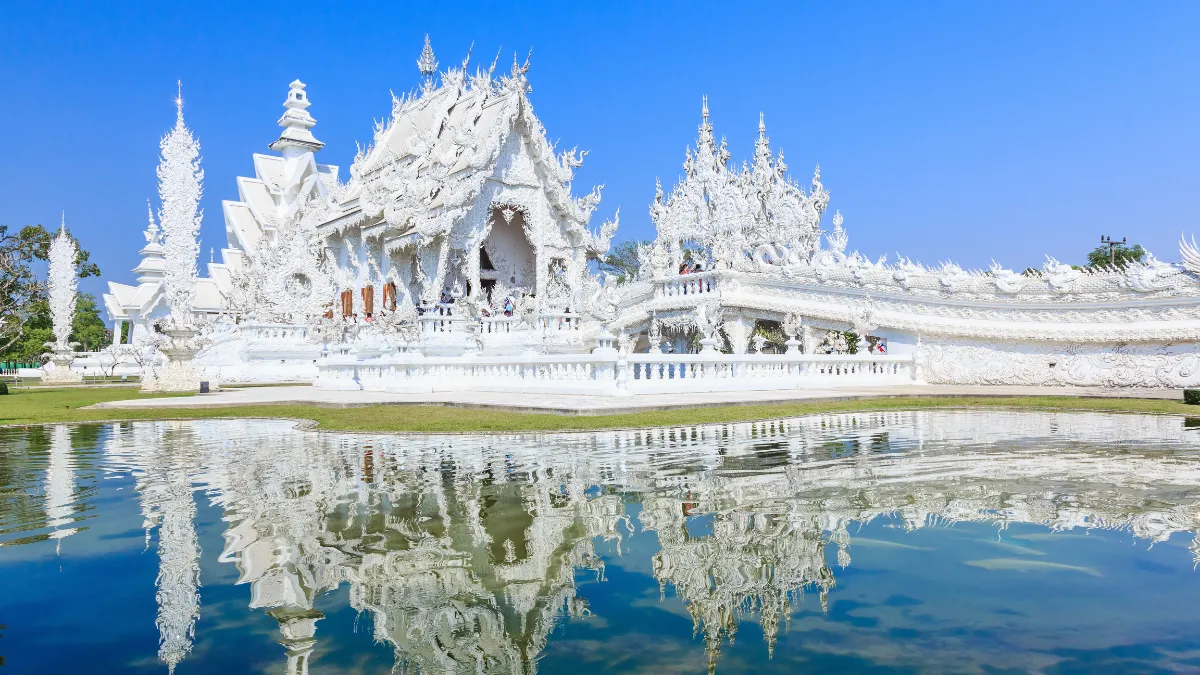
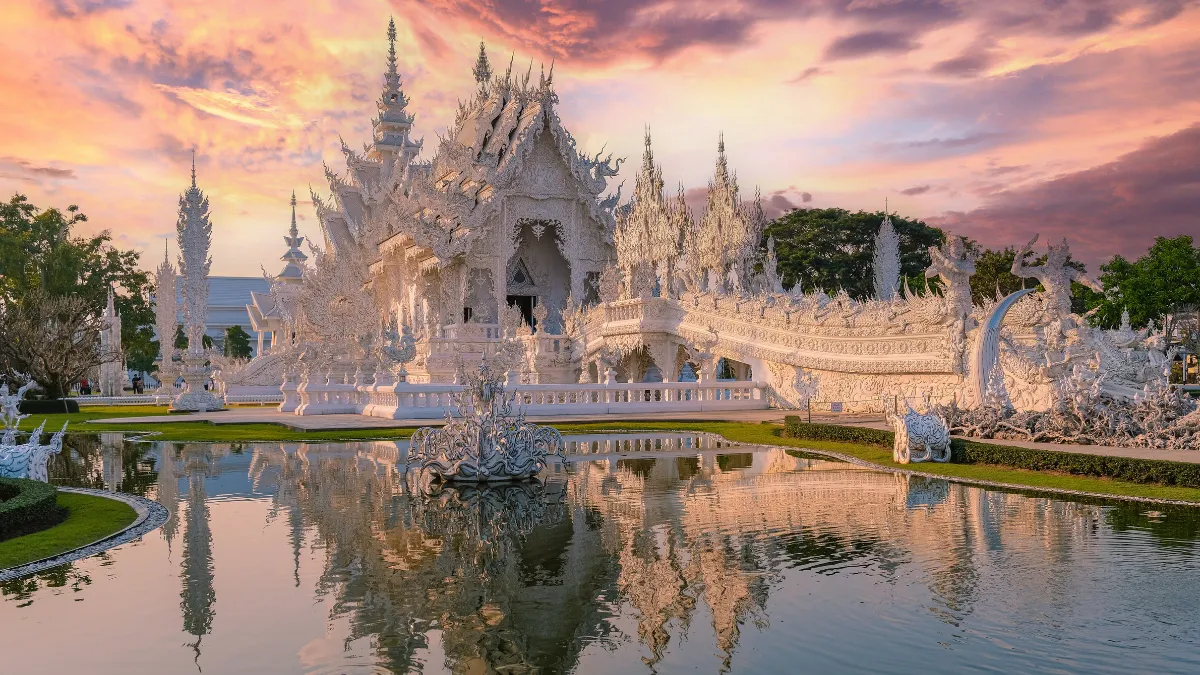
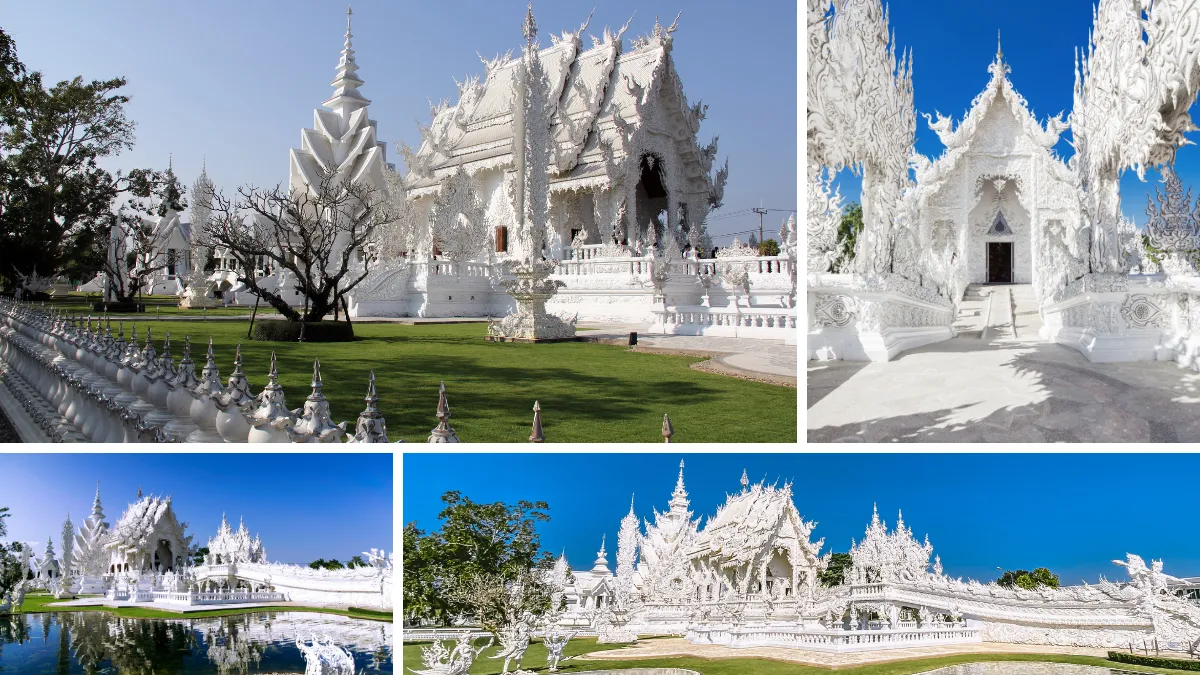
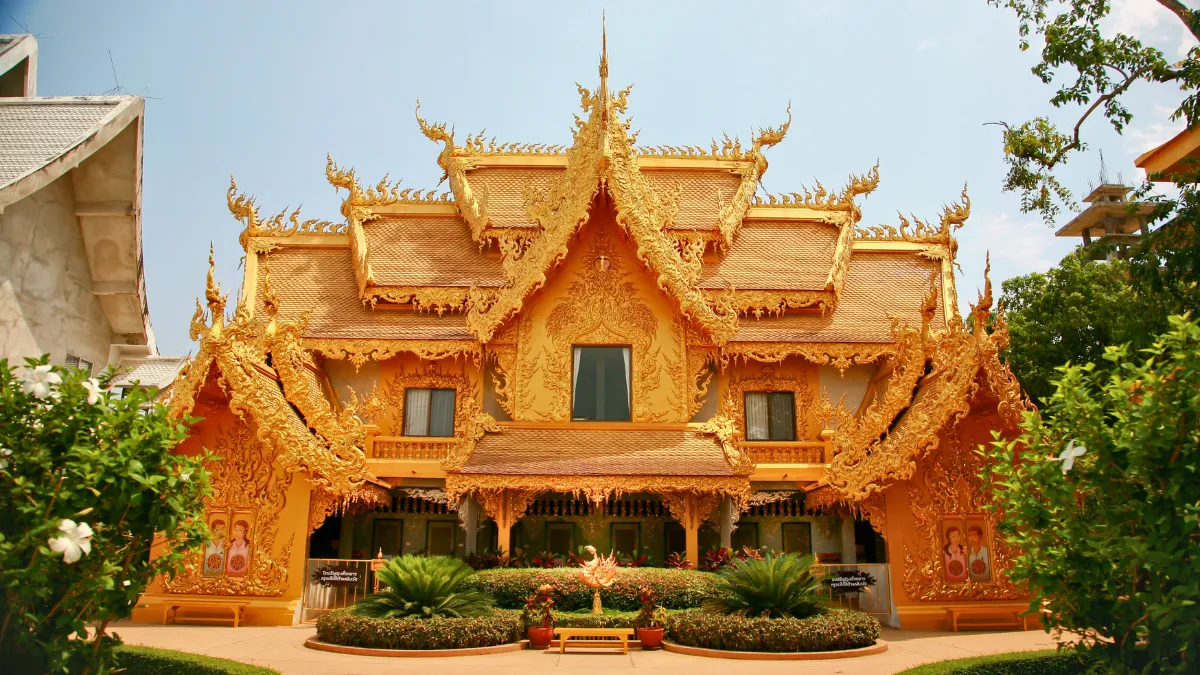
The White Temple stands as the most photographed attraction in the entire city. This contemporary Buddhist temple features intricate white plasterwork that sparkles under the sun.
Wat Rong Khun represents the vision of artist Chalermchai Kositpipat. Every detail carries symbolic meaning related to Buddhist teachings and Thai culture.
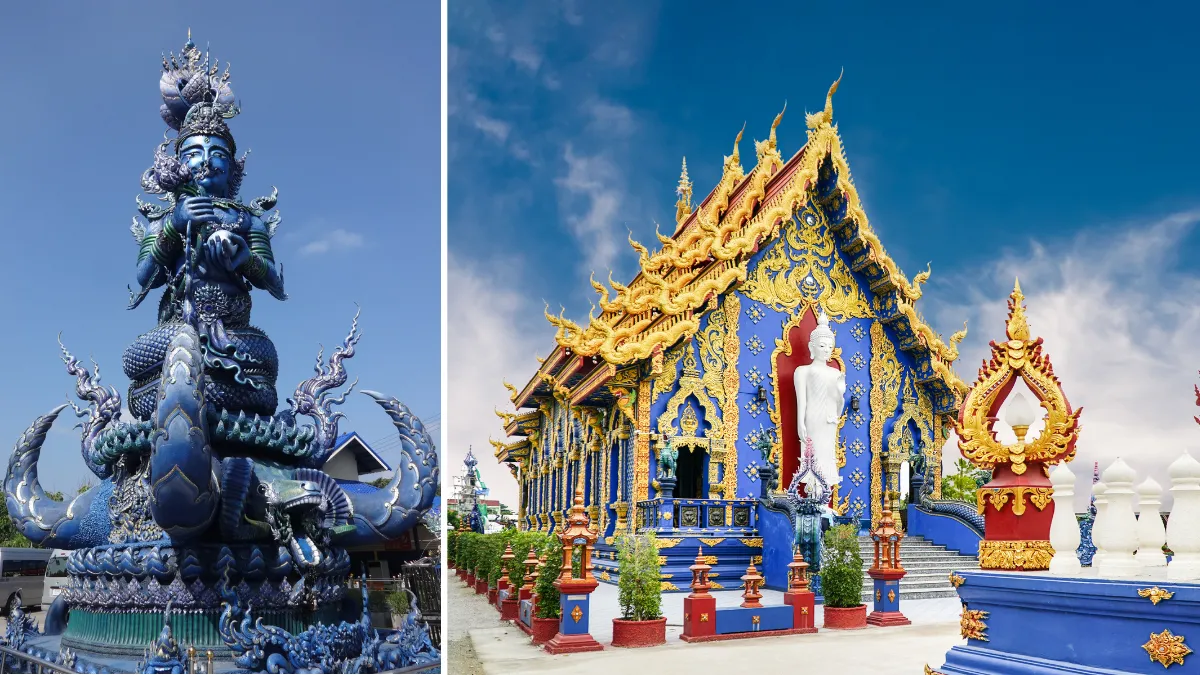
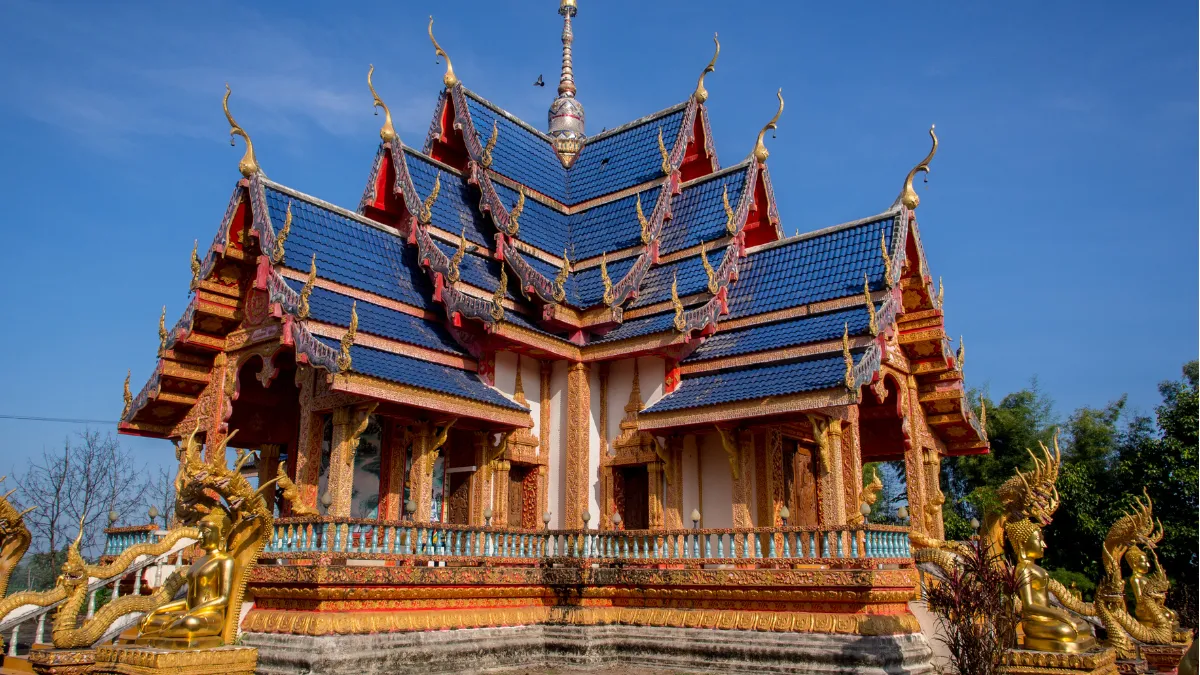
The Blue Temple offers a striking contrast with its deep blue facade. Wat Rong Suea Ten showcases modern Thai temple architecture at its finest.
Inside the Blue Temple, vibrant murals cover every surface. The main Buddha statue radiates with golden splendor against the blue interior.
White Temple Guided Tour
Wat Rong Khun is designed to represent purity and to reflect Buddha’s teachings out into the world.
Artist Chalermchai Kositpipat started building the White Temple in 1997, and it remains a work in progress: some estimate that the structure and its grounds won’t be finished until 2070.
Yet the brilliant exterior—made from a mix of white paint and mirrored chips—makes Wat Rong Khun one of Chiang Rai’s most popular sights.
- Expert English-speaking guide
- Hotel pickup and drop-off included
- Small group size (max 12 people)
- Duration: 3 hours
Blue Temple
Wat Rong Suea Ten is located in the heart of Chiang Rai, just north of the Kok River and a 10-minute drive from Chiang Rai’s clock tower. It’s easy to get to by taxi, tuk-tuk, or songthaew.
While Wat Rong Suea Ten’s blue-and-gold exterior is a sight unto itself, it’s worth stepping inside to see its intricately frescoed walls, ceilings, and columns.
Don’t miss the ubosot (sacred central hall), which houses a massive seated Buddha statue measuring over 21 feet (6.5 meters) high.
- All entrance fees covered
- Air-conditioned transportation
- Professional photographer guide
- Duration: 6 hours
Mata Bingin – Uluwatu
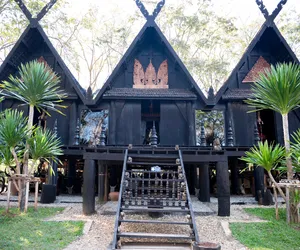
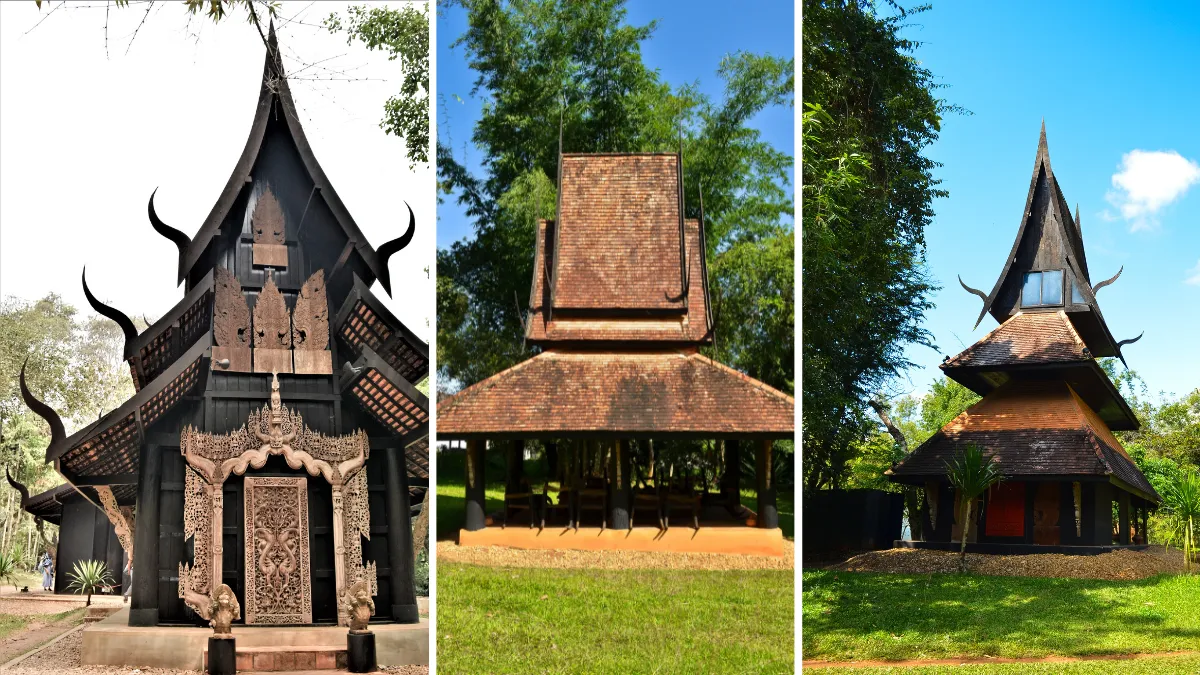
The Black House (Baan Si Dum), is the residence of Dr. Thawan Duchanee who is a renowned Thai National Artist. It is also a museum.
The main building is called “Baan Si Dum, The Black House. The architecture of the buildings are very unique. There is a great collection of furniture designed by the artist, animal skins, and wood carving.
Each building consists of different categories of things that inspired the artist.
- Visit 3 major temples
- Traditional hill tribe village tour
- Lunch at local restaurant
- Duration: 8 hours
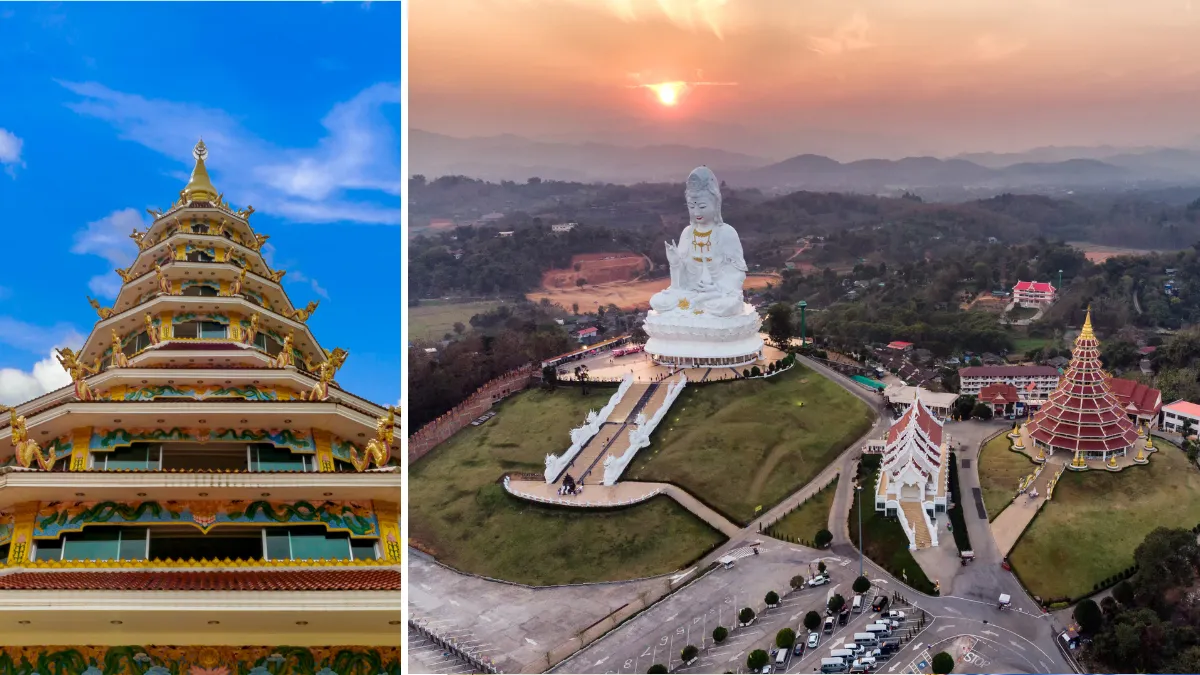
Wat Huay Pla Kang dominates the skyline with its massive statue. The nine-tier Chinese temple complex includes a 79-meter tall Guanyin statue visible from across the city.
Climbing to the top rewards visitors with panoramic views. The journey through each level reveals different Buddhist and Chinese deities.
Exploring the Golden Triangle Region
The Golden Triangle marks where Thailand, Myanmar, and Laos meet. This historic region once served as the center of opium production in Southeast Asia.
Today, the area offers cultural museums and scenic river views. The Hall of Opium provides educational exhibits about the region’s complex history.
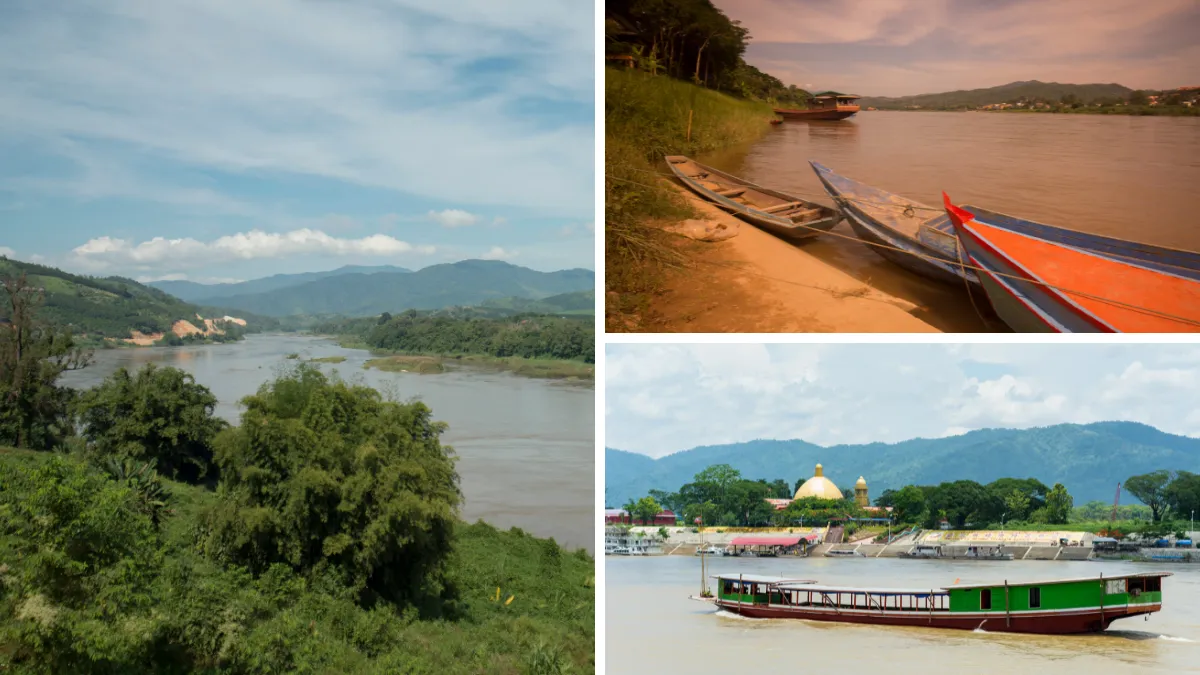
Taking a boat ride on the Mekong River adds adventure to your visit. Cross into Laos for a few hours of exploration and souvenir shopping.
Mae Sai represents Thailand’s northernmost town at the Myanmar border. The bustling border market sells everything from local crafts to Burmese goods.
Golden Triangle River Adventures
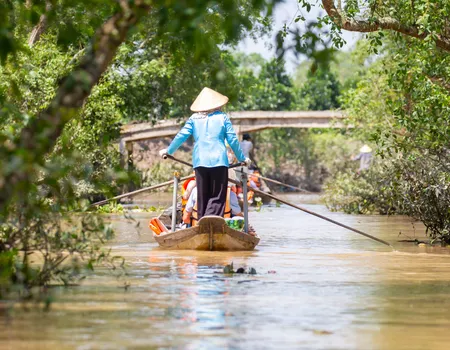
The Mekong River serves as a natural border between countries. Boat trips offer unique perspectives of this historic region.
Local operators provide various tour options every day. Prices typically range from 500 to 1,200 baht depending on duration.
Most tours include visits to riverside villages and temples. Some packages combine boat rides with visits to the Opium Museum.
Book Golden Triangle TourNature and Outdoor Adventures
The mountains surrounding Chiang Rai offer excellent hiking opportunities. Trails wind through jungle terrain and traditional hill tribe villages.
Hot springs dot the landscape around the city. Pong Phra Bat Hot Springs provides natural pools perfect for relaxation after temple touring.
Cycling tours provide an eco-friendly way to explore the countryside. Pedal past rice paddies, local farms, and small villages at your own pace.
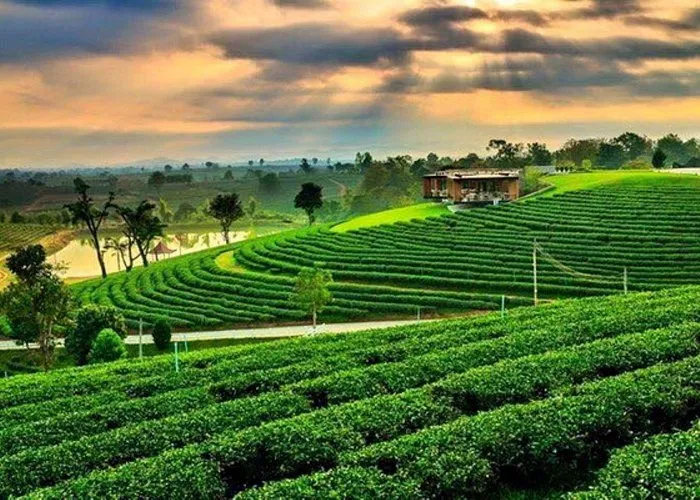
Tea plantations offer tours and tastings throughout the region. The scenic drives to these locations showcase northern Thai agricultural beauty.
Cultural Experiences and Local Markets
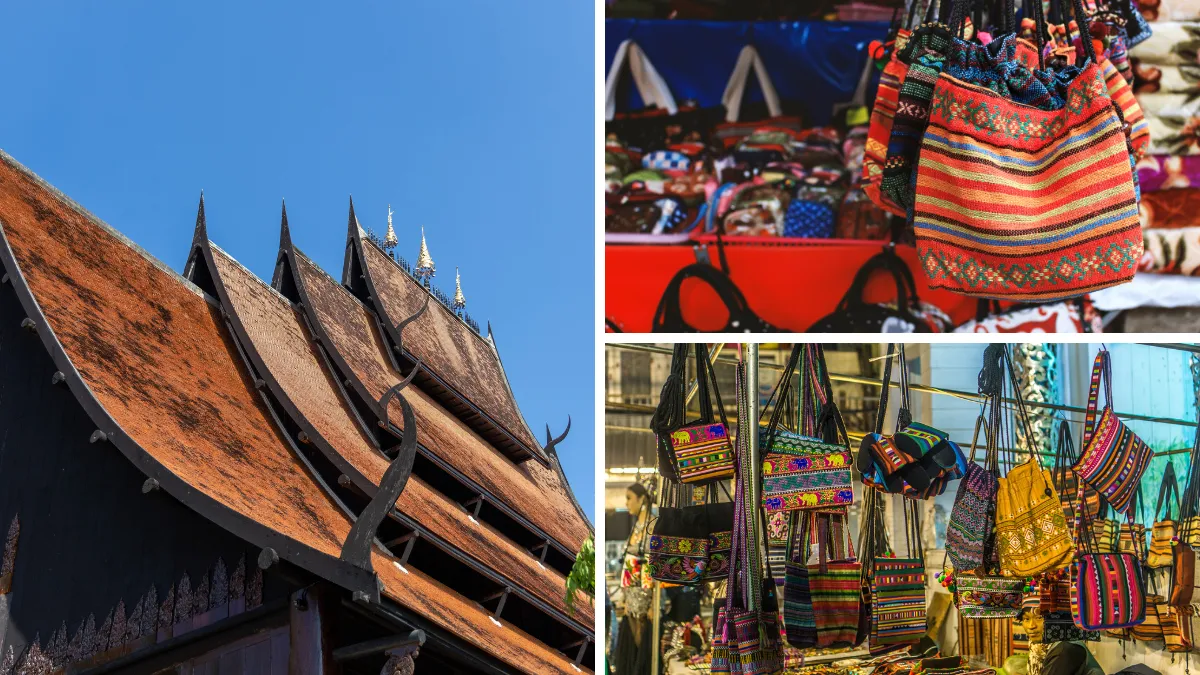
The Chiang Rai Night Bazaar operates every evening in the city center. Local vendors sell handicrafts, clothing, and street food under colorful lights.
Live music performances add atmosphere to the market experience. Traditional Thai dances occasionally take place on the main stage.
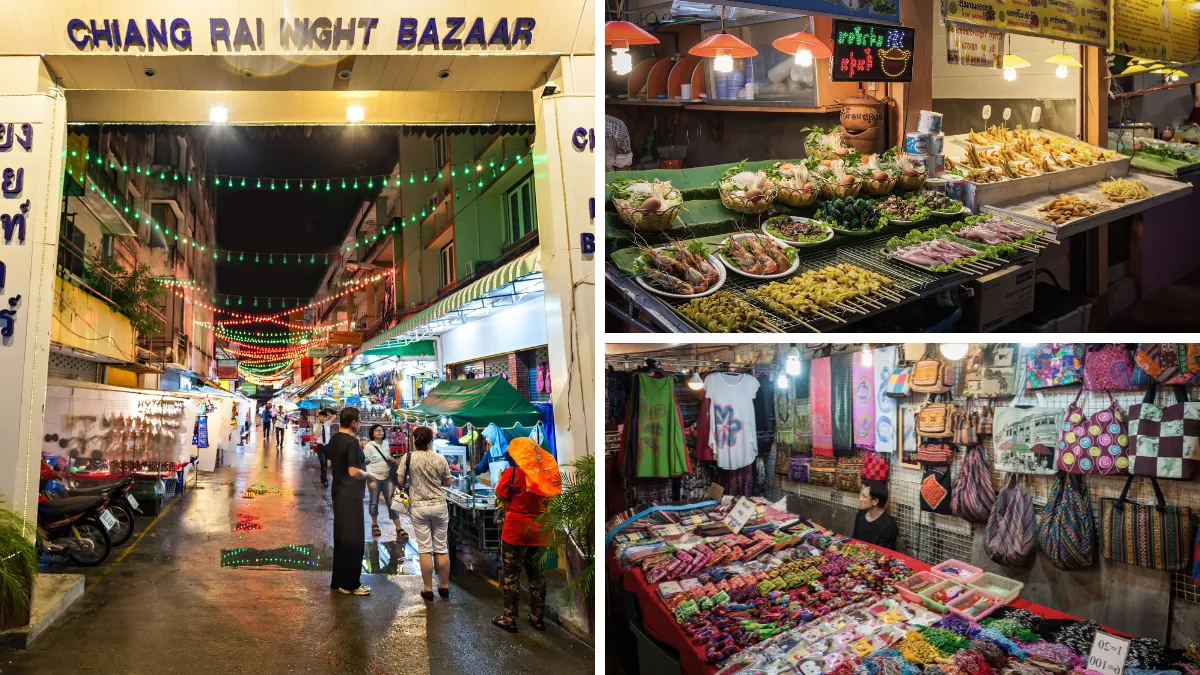
The Saturday Walking Street transforms the old town into a pedestrian market. This weekly event showcases local artisans and traditional foods.
Cooking classes teach you to prepare authentic northern Thai dishes. Learn to make khao soi, the region’s famous coconut curry noodle soup.
Enjoy Thai Cuisine?
Experience Authentic Thai Cooking
Join a hands-on cooking class and learn to prepare traditional northern Thai dishes. Classes include market tours and recipe books to take home.
Book Cooking ClassWhat to See: Must-Visit Attractions and Points of Interest
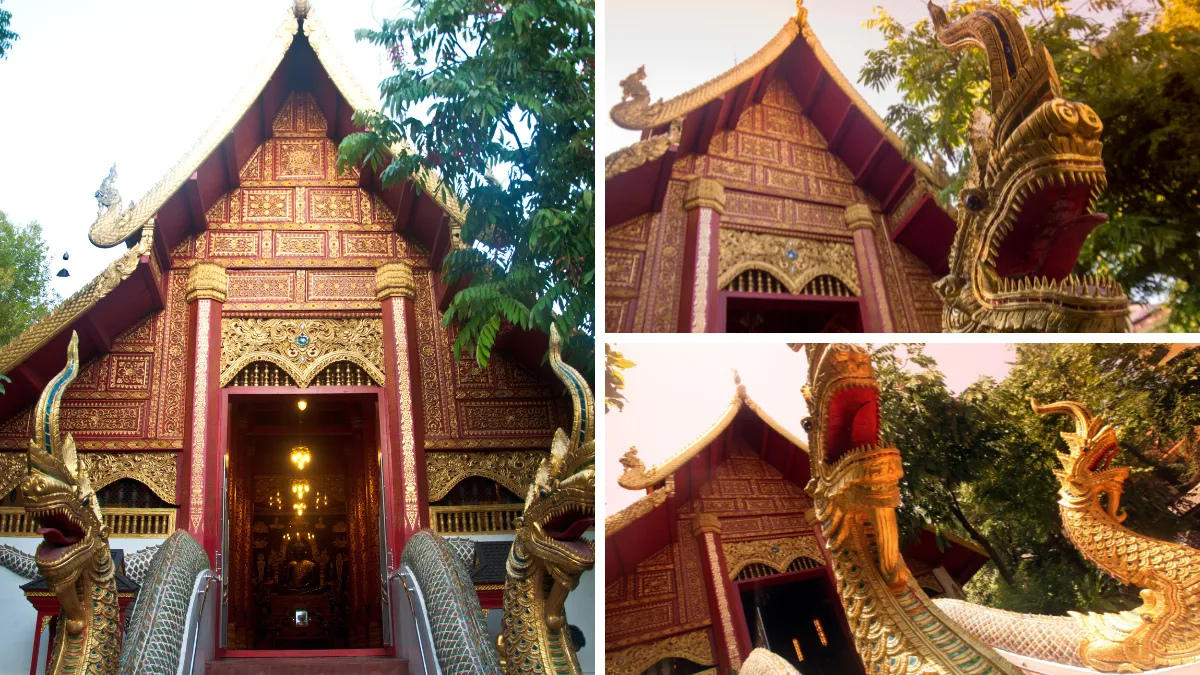
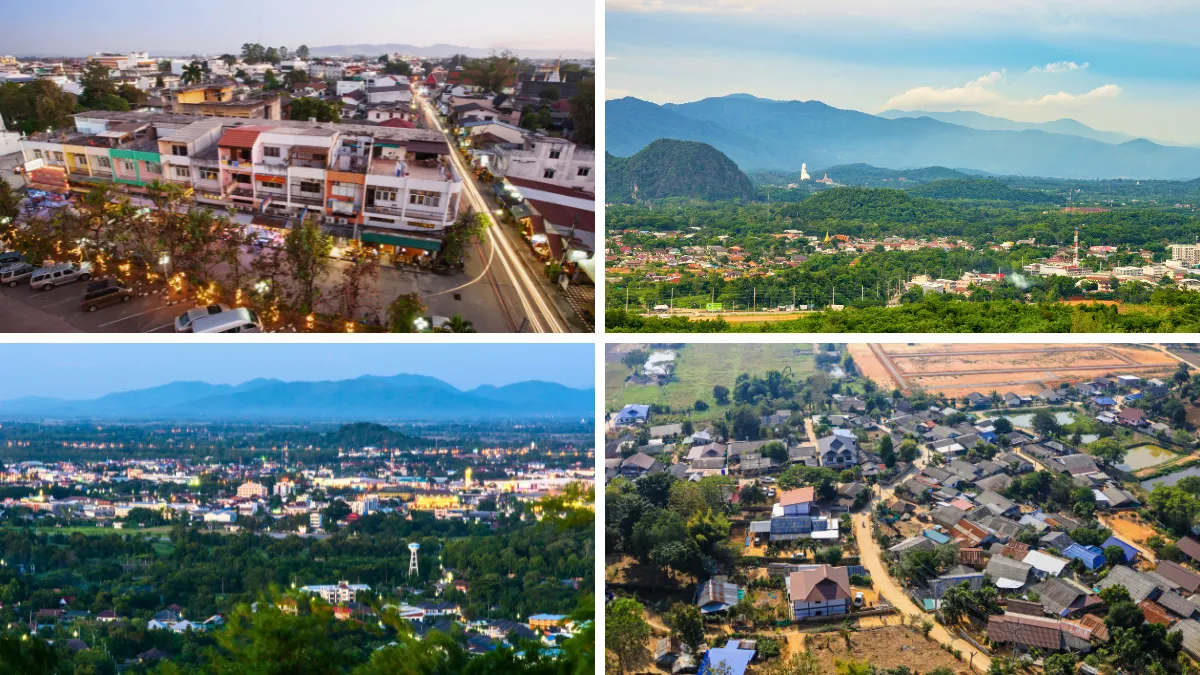
Chiang Rai packs remarkable attractions into a relatively compact area. Each site tells a different story about the region’s history and culture.
The city balances ancient heritage with contemporary artistic expressions. This unique combination sets Chiang Rai apart from other Thai destinations.
Iconic Temples You Cannot Miss
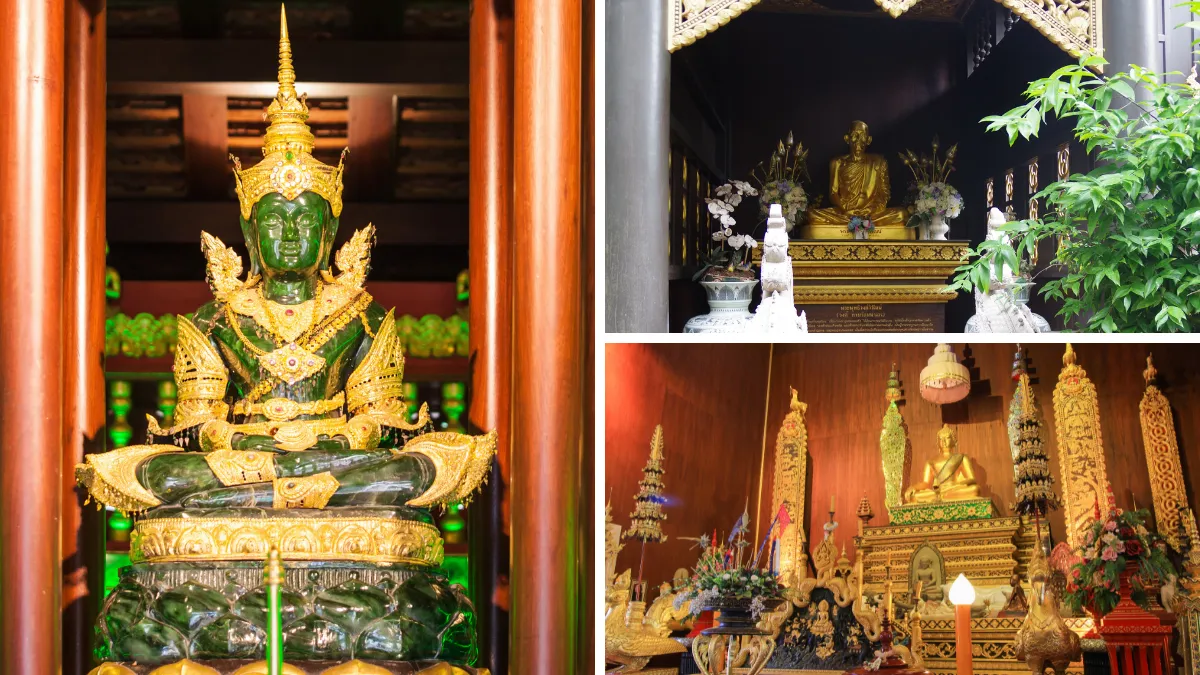
Wat Phra Kaew holds special significance in Thai Buddhist history. This temple once housed the Emerald Buddha before its transfer to Bangkok.
The current jade Buddha replica still draws many visitors every day. The temple grounds feature beautiful Lanna architecture and peaceful gardens.
Wat Rong Khun continues to expand with new sections under construction. The unconventional design challenges traditional temple aesthetics while honoring Buddhist principles.
The bridge leading to the main building symbolizes crossing from suffering to happiness. Hundreds of reaching hands represent desire and earthly temptations.
Baan Dam Museum showcases the work of national artist Thawan Duchanee. The Black House collection includes 40 buildings filled with unusual art installations.
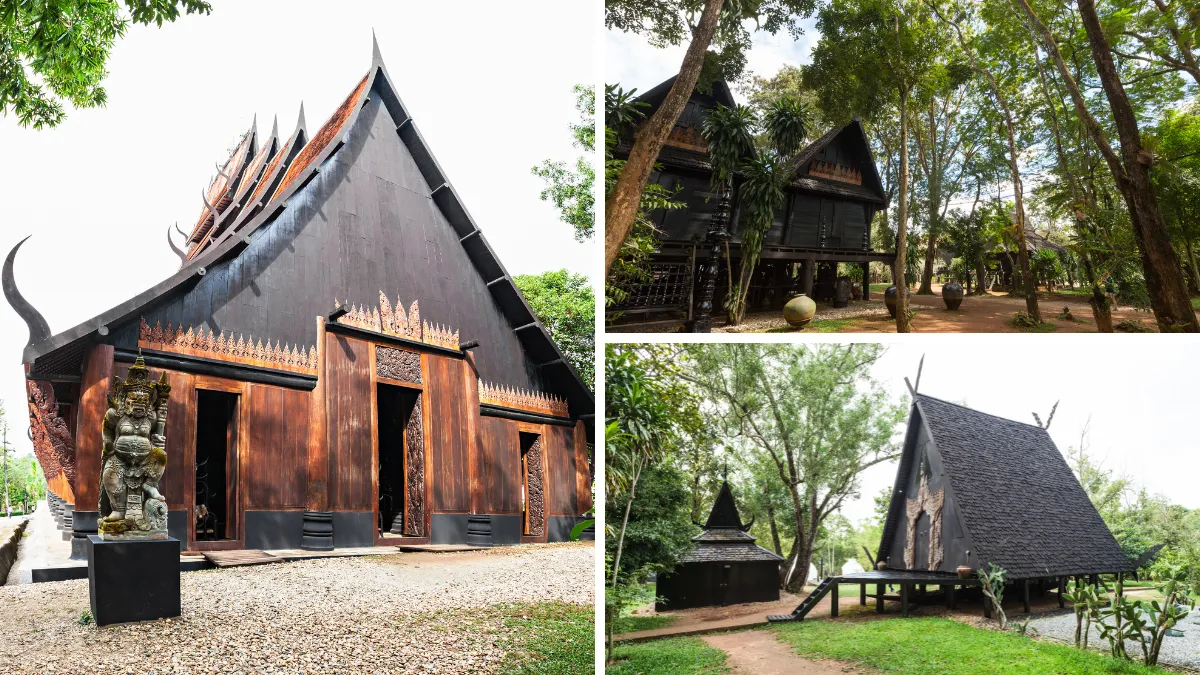
Animal bones, skins, and horns feature prominently in the displays. The architecture blends traditional northern Thai styles with modern artistic interpretation.
Scenic Viewpoints and Natural Wonders – Chiang Rai Travel Guide
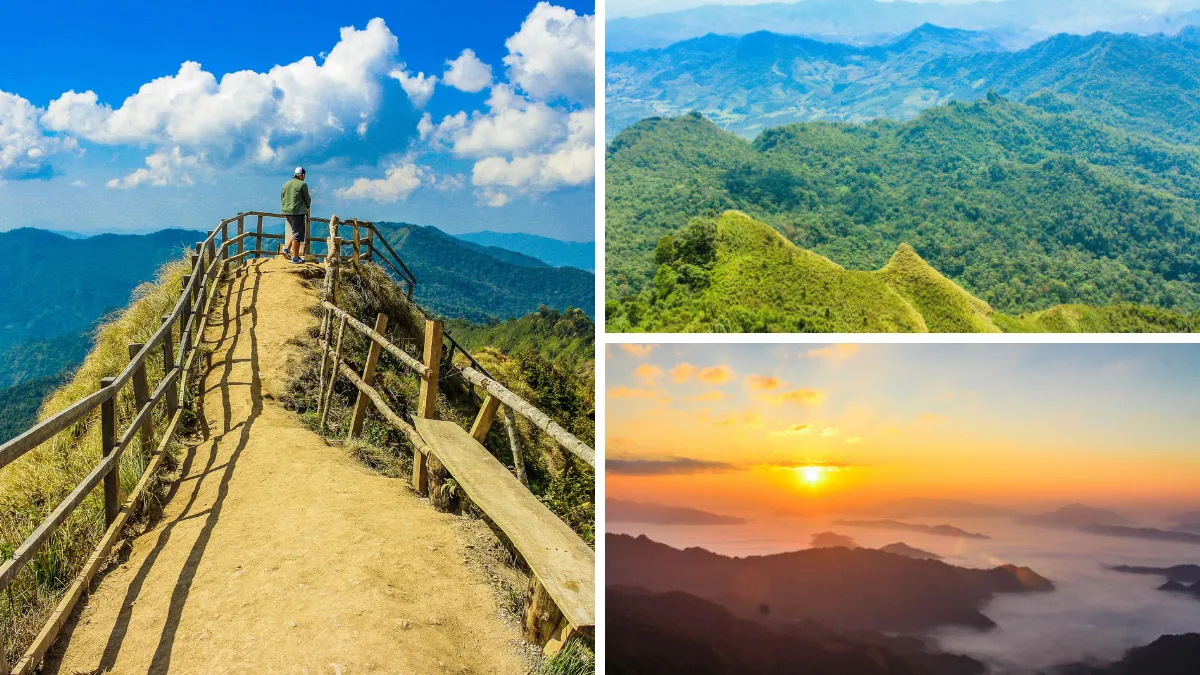
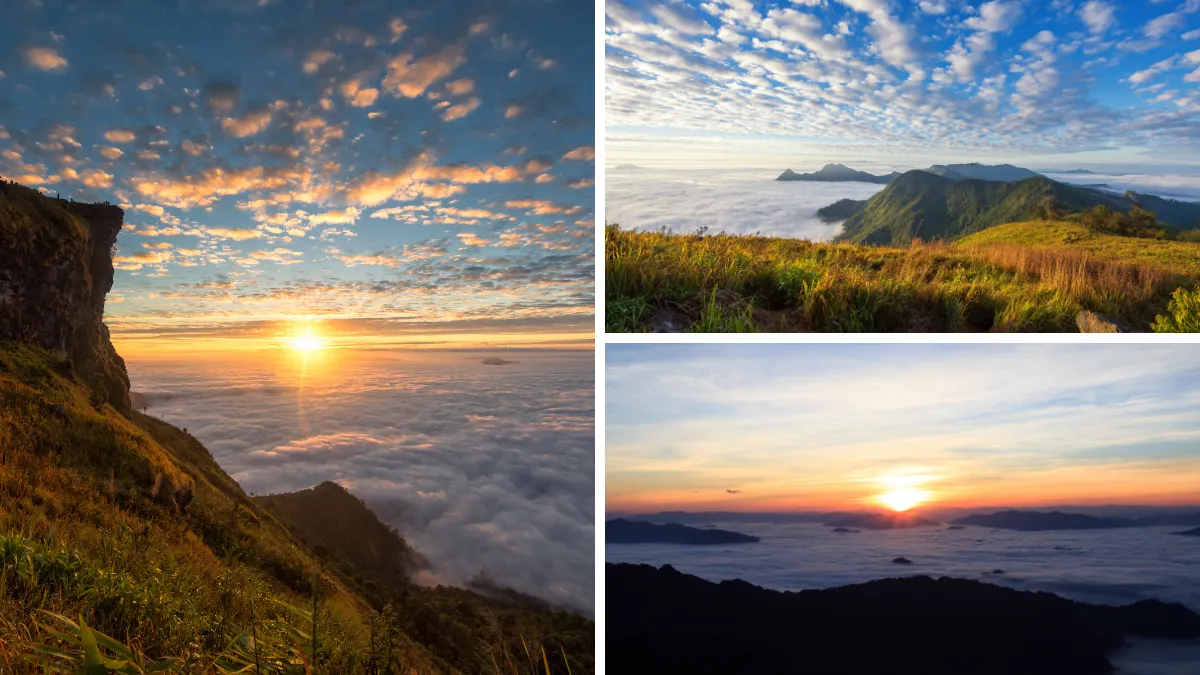
Phu Chi Fa offers one of the most spectacular sunrise views in Thailand. The mountain ridge sits right on the Thai-Lao border at 1,628 meters elevation.
The journey takes about two hours from Chiang Rai city. Most visitors arrive before dawn to catch the first light illuminating the sea of mist below.
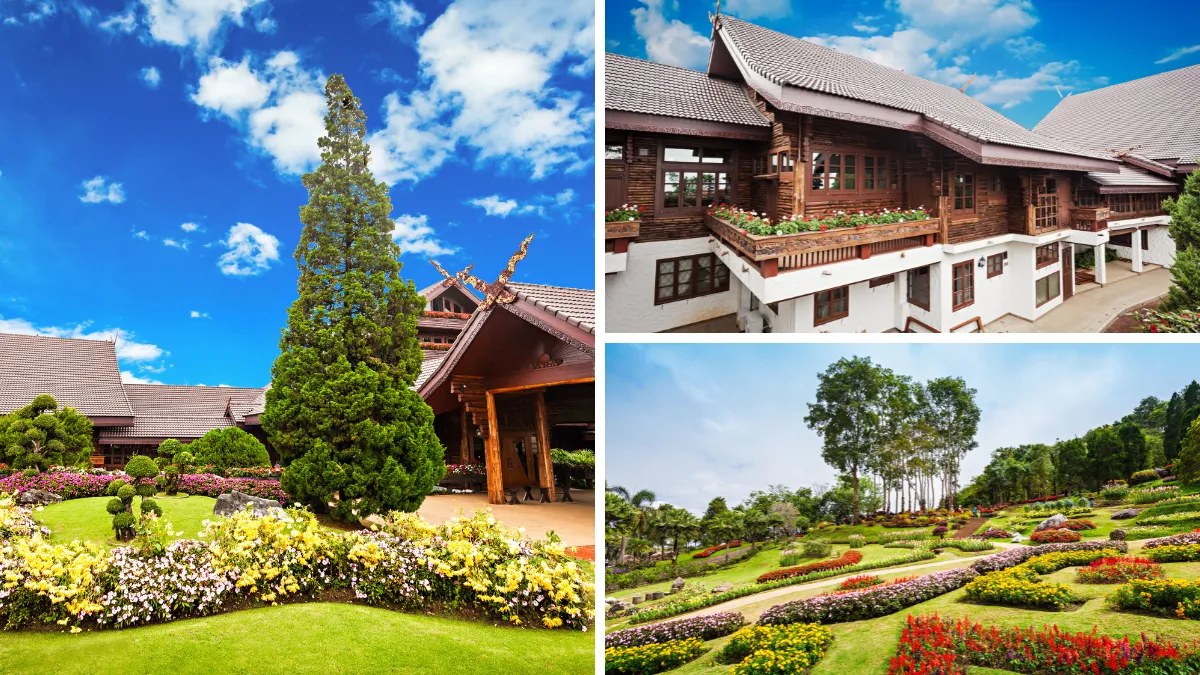
Doi Tung Royal Villa served as the late Princess Mother’s residence. The beautiful gardens bloom year-round with colorful flowers and ornamental plants.
The surrounding mountains provide hiking trails and scenic drives. Mae Fah Luang Garden showcases international landscape design combined with local flora.
Museums and Cultural Centers
The Hilltribe Museum and Education Center provides insight into ethnic minority cultures. Six major hill tribes live in the mountains of northern Thailand.
Traditional costumes, tools, and lifestyle exhibits fill the museum galleries. The center promotes cultural preservation and supports local communities.
Oub Kham Museum houses an impressive collection of Lanna artifacts. The private museum contains treasures from across the former Lanna Kingdom.
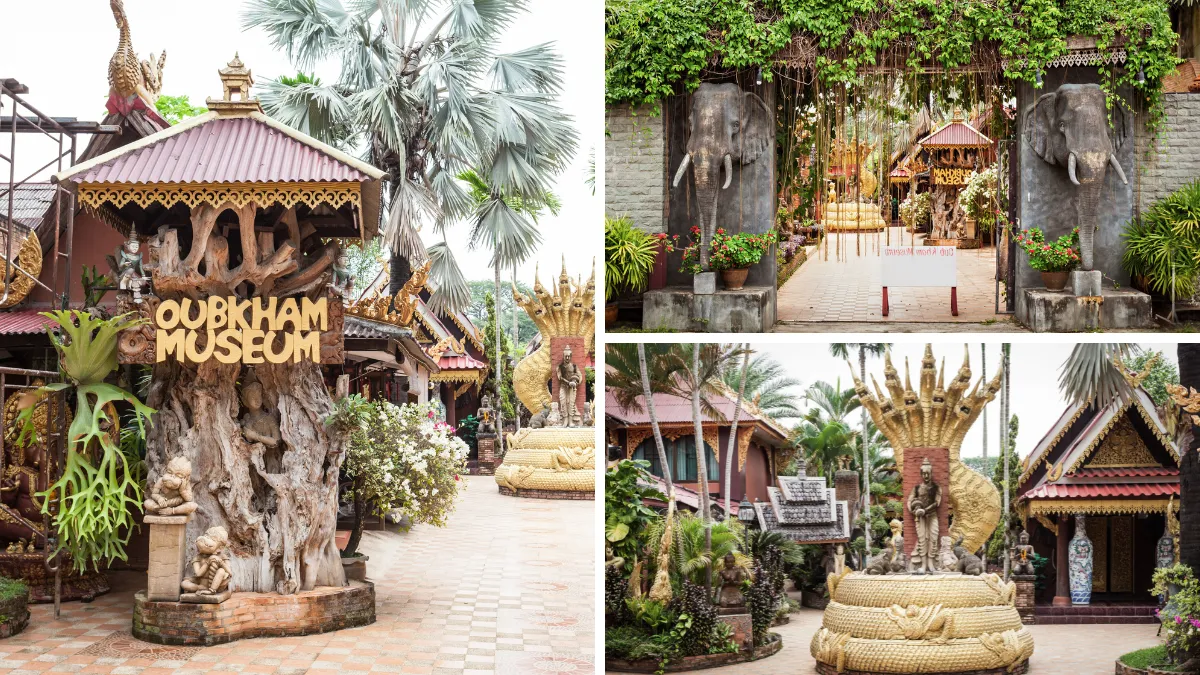
Gold, jade, and precious artifacts fill ornate display cases. Guided tours explain the historical significance of each piece in the collection.
Parks and Relaxation Spot
The Clock Tower area serves as a central meeting point in the city. Every evening at 7, 8, and 9 PM, the tower puts on a colorful light and sound show.
Tung Park provides green space right in the town center. Locals gather here for evening exercise and socializing. The park features a lake with fountains and walking paths. Food vendors set up along the perimeter selling local snacks and drinks.
Singha Park spans 8,000 acres of agricultural land transformed into a recreational area. The park offers zip-lining, bike rentals, and farm tours.
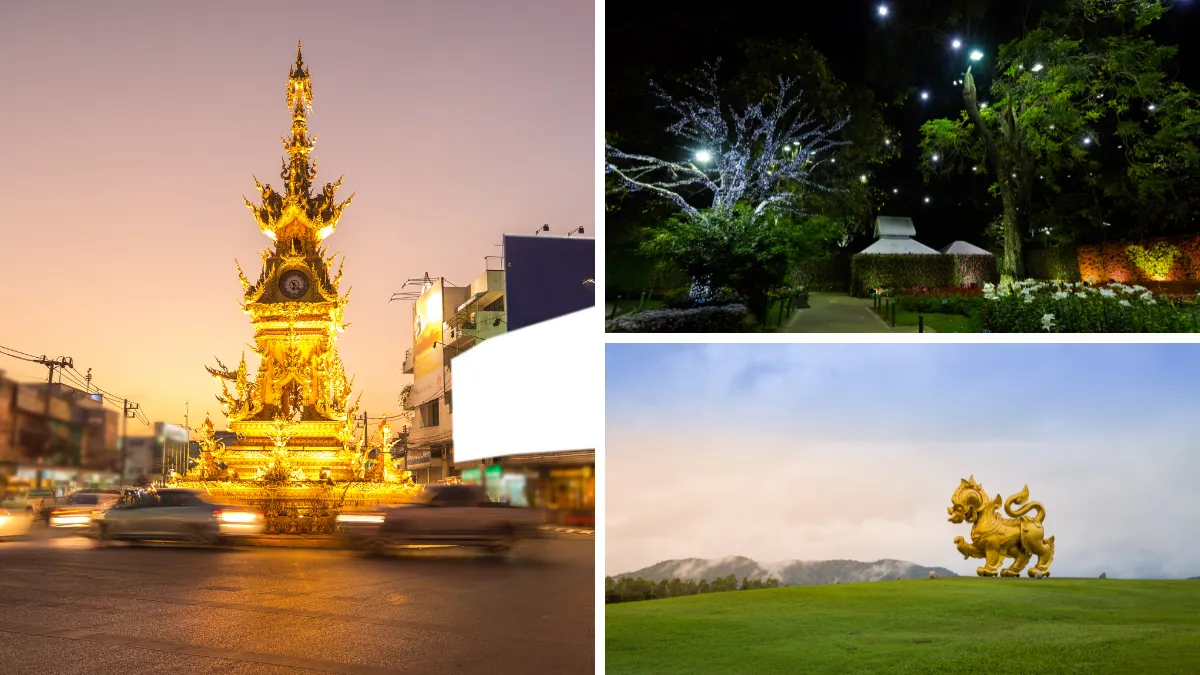
Chiang Rai: 3 Temples, Golden Triangle Tour, Tea Plantation
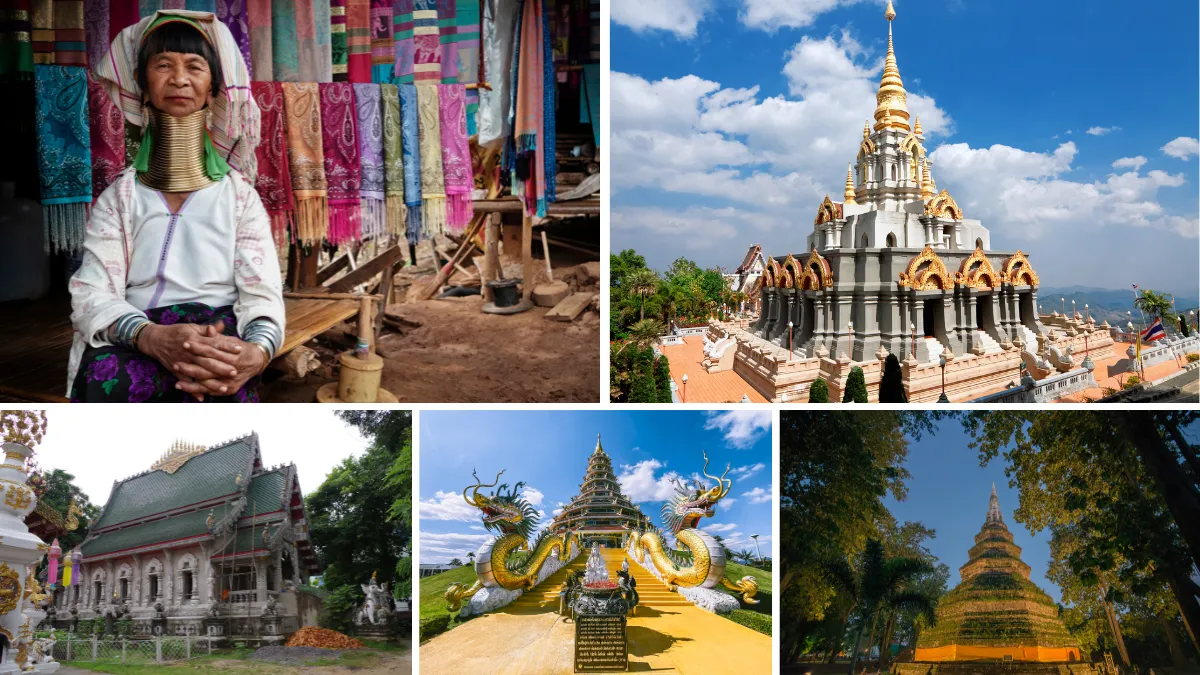
Wat Rong Khun, better known as the White Temple, is a Buddhist temple in Pa O Don Chai, Mueang District, Chiang Rai province, Thailand.
Longneck Karen is one of Karen tribes. They call themselves Padaung. It is believed that originally they came from Yunnan Province, central China. Later in 1000 AD according to the history, they migrated to Salween River Basin in Myanmar.
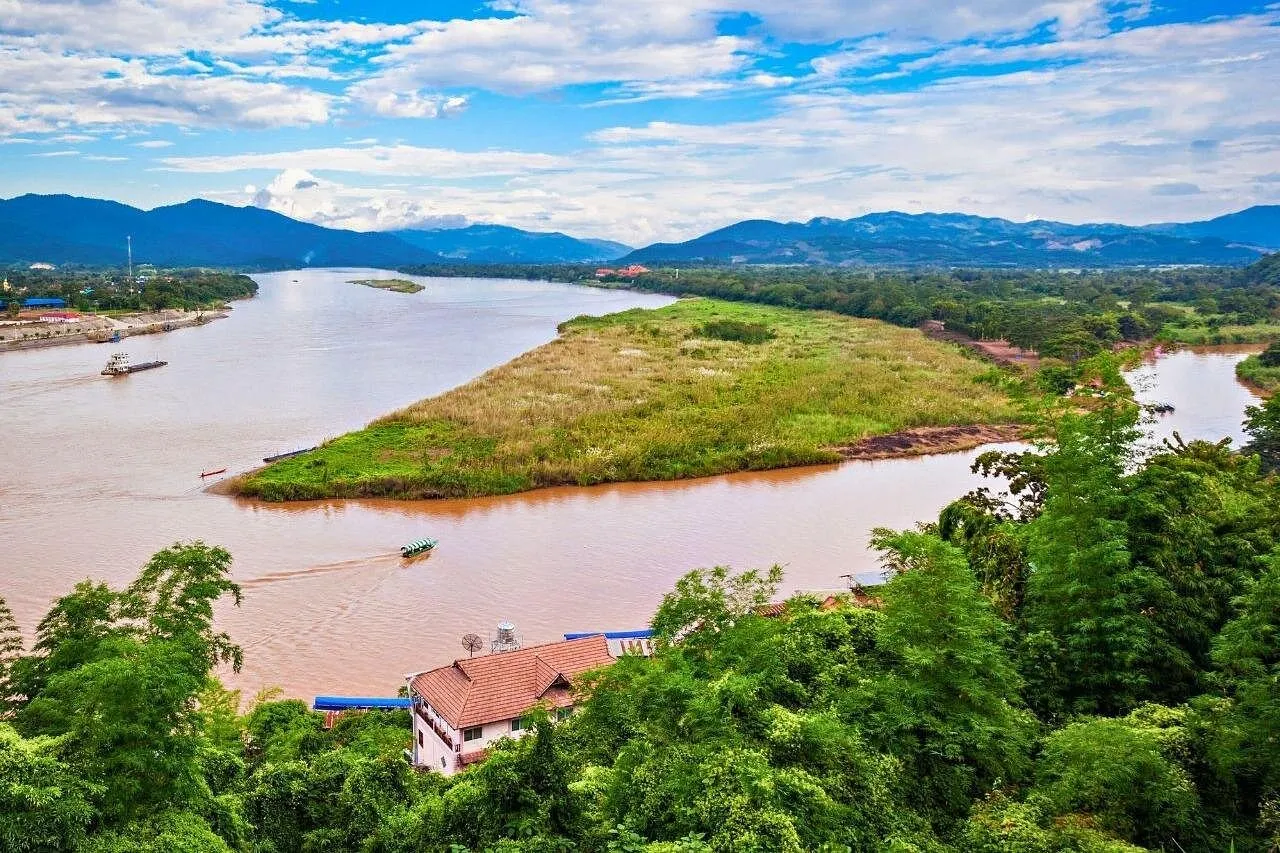
Golden Triangle – Visit the 3 countries; Thailand, Myanmar, and Laos, in one place. Nine kilometres north of Chiang Saen along the Mekong riverside road, Sop Ruak is the place where the Mekong River, the border between Thailand and Laos, meets Ruak River, the border between Thailand and Myanmar.
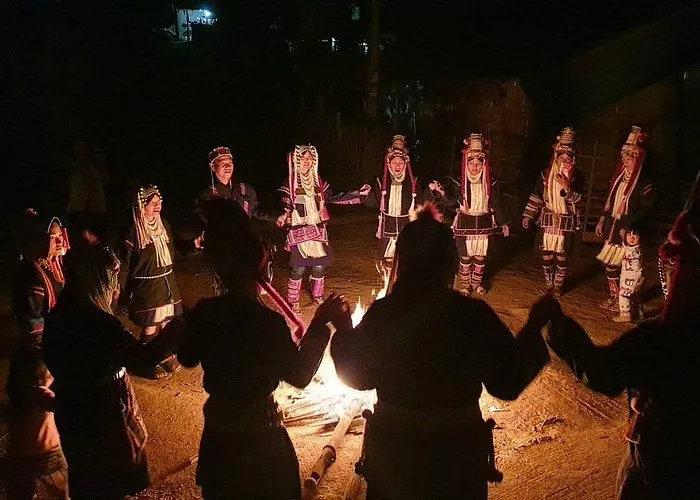
Akha Village Cooking, Dinner & Fire Dance Exclusive Experience
Akha Village Cooking, Dinner & Fire Dance Exclusive Experience A rare cultural evening you can experience only here.
Spend a meaningful evening with an Akha family in Chiang Rai. This is not a commercial cooking class and not a tourist show. It is a genuine family experience where you are welcomed into an Akha home, see their kitchen, share a local dinner and join their traditional group dance. This activity is offered only here and only with our host.
Travelers from many countries have joined this experience. Most say it becomes one of their favorite memories in Thailand because of the warm atmosphere and the chance to connect with a real community
Private Chiang Rai Day Trip with Golden Triangle from Chiang Mai
Travel through northern Thailand’s scenic mountain landscapes, stopping at Mae Kachan Hot Spring to experience its natural mineral waters.
Stroll through the scenic Choui Fong Tea Plantation, where rolling green hills and neatly terraced fields create a perfect backdrop for learning about tea cultivation and tasting fresh brews.
Explore the Golden Triangle, where Thailand, Laos, and Myanmar meet along the Mekong River, and take in sweeping views of this historic border region.
You’ll get insider insight into highlights such as the White and Blue temples, and visit the Golden Triangle out in the countryside.
Where to Eat: Best Restaurants and Local Food Experiences
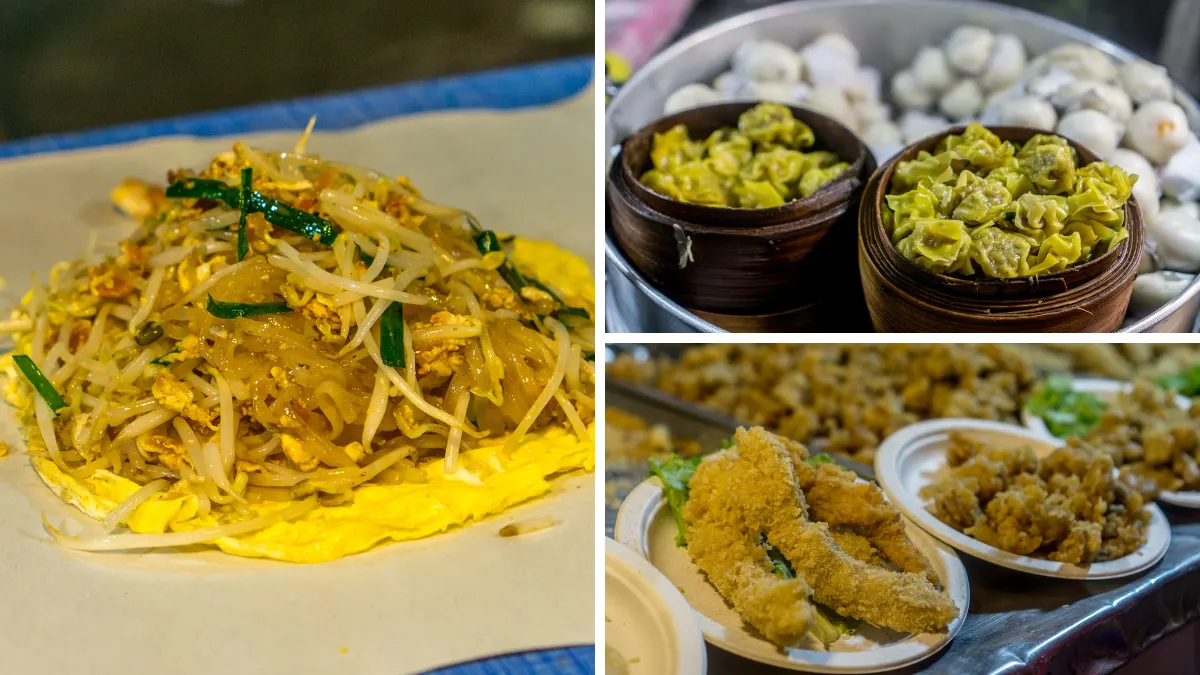
Chiang Rai’s food scene reflects its position in northern Thailand. The cuisine here differs from what you find in Bangkok or the southern regions.
Khao soi dominates as the signature dish of the north. This coconut curry noodle soup appears on nearly every menu in the city.
Must-Try Northern Thai Dishes
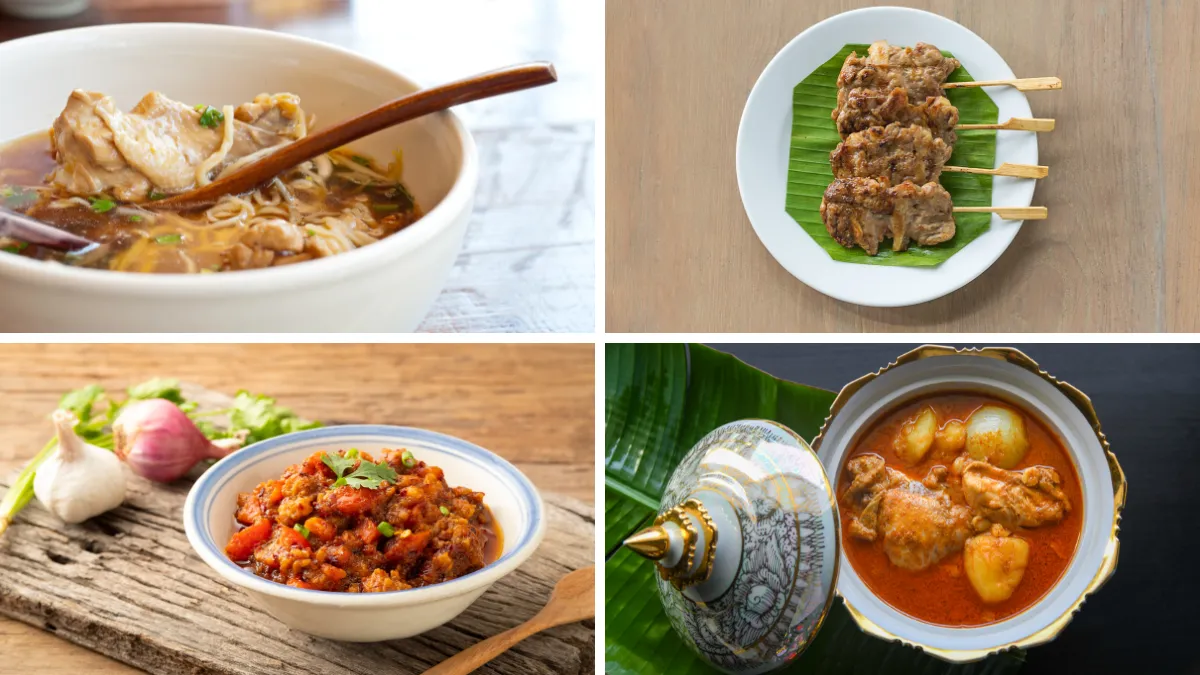
Khao soi combines soft egg noodles in rich curry broth topped with crispy noodles. The dish typically comes with chicken, beef, or pork.
Local restaurants serve khao soi with side condiments including pickled cabbage, shallots, and lime. Each diner customizes the flavor to their preference.
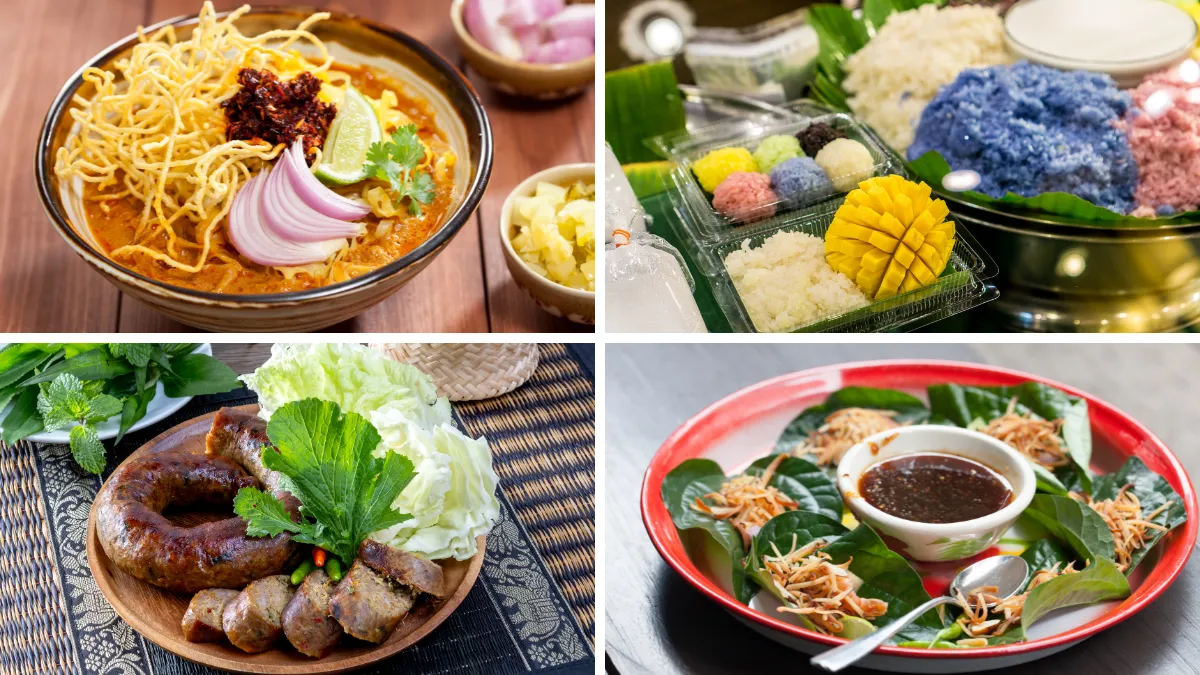
Sai oua represents another northern specialty worth seeking out. This grilled pork sausage packs intense flavors from lemongrass, galangal, and kaffir lime leaves.
Nam prik ong serves as a spicy tomato and pork dip. Locals eat this with fresh vegetables and crispy pork rinds as a shared appetizer.
Sticky rice forms the foundation of northern Thai meals. Unlike jasmine rice served elsewhere, glutinous rice pairs perfectly with grilled meats and spicy dips.
Best Local Restaurants and Street Food Spots
Pho Chai Restaurant earns praise for authentic northern Thai cooking. The family-run establishment serves generous portions at reasonable prices. Check out our latest guide to Thailand travel budgeting and costs.
Their khao soi receives consistent recommendations from locals and travelers. Expect to pay around 60-80 baht for a satisfying bowl.
The Night Bazaar area offers the widest variety of street food. Dozens of vendors cook everything from grilled meats to fresh fruit smoothies.
Popular stalls sell moo ping (grilled pork skewers) for just 10 baht per stick. These make perfect late-night snacks after exploring the market.
Lung Ae is a hole-in-the-wall spot famous for boat noodles. The rich, dark broth gets its flavor from slow-cooked beef and aromatic spices.
Bowls come in small portions allowing you to sample different broths. Most customers order three or four bowls, costing about 15 baht each.

Travel researcher, writer and publisher
Jason Baigent
Destinations Uncovered Founder
“Are you looking for travel inspiration? Have a look at our detailed travel itineraries. Each of them are truly comprehensive, and offer more than just the typical sights. We reveal the lesser-known backwater routes, secret beaches, and authentic cultural experiences. Each has been hand written based on our lived and shared experiences. Itineraries you can trust!”
Coffee Shops and Cafes
Chivit Thamma Da Coffee House overlooks the Kok River in a restored colonial building. The cafe serves quality coffee alongside Thai and Western breakfast options.
The peaceful riverside setting makes this place ideal for morning coffee. Expect to spend 150-250 baht for coffee and a meal.
Doi Chaang Coffee offers locally grown beans from nearby mountains. The company works directly with hill tribe farmers to produce premium coffee.
Multiple branches operate throughout the city including one at the bus terminal. A cappuccino costs around 60-80 baht, supporting local agriculture.
Melt In Your Mouth combines a cafe with a craft beer bar. The fusion menu includes Western favorites and Thai dishes with modern twists.
Fine Dining and International Cuisine
Barrab Restaurant serves refined Thai cuisine in an elegant setting. The chef focuses on royal Thai recipes adapted with local ingredients.
Main courses range from 200 to 400 baht per dish. The presentation matches the quality, making this suitable for special occasions.
Lan Na Cuisine by Kaew Rabieb occupies a traditional wooden house. The restaurant specializes in authentic Lanna royal court recipes.
Set menus allow you to sample multiple dishes for around 500 baht. Reservations help secure a table during peak dinner hours.
Aye’s Restaurant offers Italian food prepared by the Italian owner. The homemade pasta and wood-fired pizzas attract expats and travelers alike.
Pizza prices start around 180 baht for a personal size. The cozy atmosphere and quality ingredients justify the higher prices compared to local food.
| Restaurant | Cuisine Type | Price Range | Specialty Dish | Location |
| Pho Chai | Northern Thai | 60-100 baht | Khao Soi | City Center |
| Lung Ae | Thai Noodles | 15-50 baht | Boat Noodles | Near Night Bazaar |
| Chivit Thamma Da | Cafe/Bakery | 150-300 baht | Breakfast Set | Riverside |
| Barrab | Fine Thai | 200-500 baht | Royal Thai Set | City Center |
| Night Bazaar Stalls | Street Food | 10-60 baht | Moo Ping | Night Bazaar |
| Aye’s Restaurant | Italian | 180-400 baht | Wood-Fired Pizza | Old Town |
Markets and Food Shopping
The morning market near the bus terminal opens at dawn every day. Local vendors sell fresh produce, meats, and prepared foods.
This market serves residents rather than tourists, offering authentic pricing. You can assemble a full Thai breakfast for under 50 baht.
The Saturday Walking Street features food vendors alongside craft sellers. Sample local snacks, desserts, and regional specialties as you browse.
Prices at the walking street tend to be slightly higher than regular markets. The convenient location and evening atmosphere justify the small premium.
Where to Stay: Accommodation Options for Every Budget
Chiang Rai accommodations range from budget hostels to luxury resorts. The city offers excellent value compared to more touristy Thai destinations.
Most travelers base themselves in the city center for convenience. Other areas like the outskirts provide more peaceful natural settings.
Budget-Friendly Hostels and Guesthouses
Mercy Hostel provides clean dorm beds starting around 150 baht per night. The central location puts you within walking distance of major attractions.
The hostel features a common area perfect for meeting other travelers. Free Wi-Fi, lockers, and basic breakfast come included with your stay.
Baan Bua Guesthouse offers private rooms from 300 baht per night. The family-run property maintains a quiet atmosphere in a residential neighborhood.
Rooms include air conditioning and private bathrooms with hot water. The owners provide helpful local recommendations and assistance booking tours.
Connect Hostel attracts a social crowd with regular group activities. Dorm beds cost around 200 baht while private rooms start at 500 baht.
Mid-Range Hotels and Boutique Properties
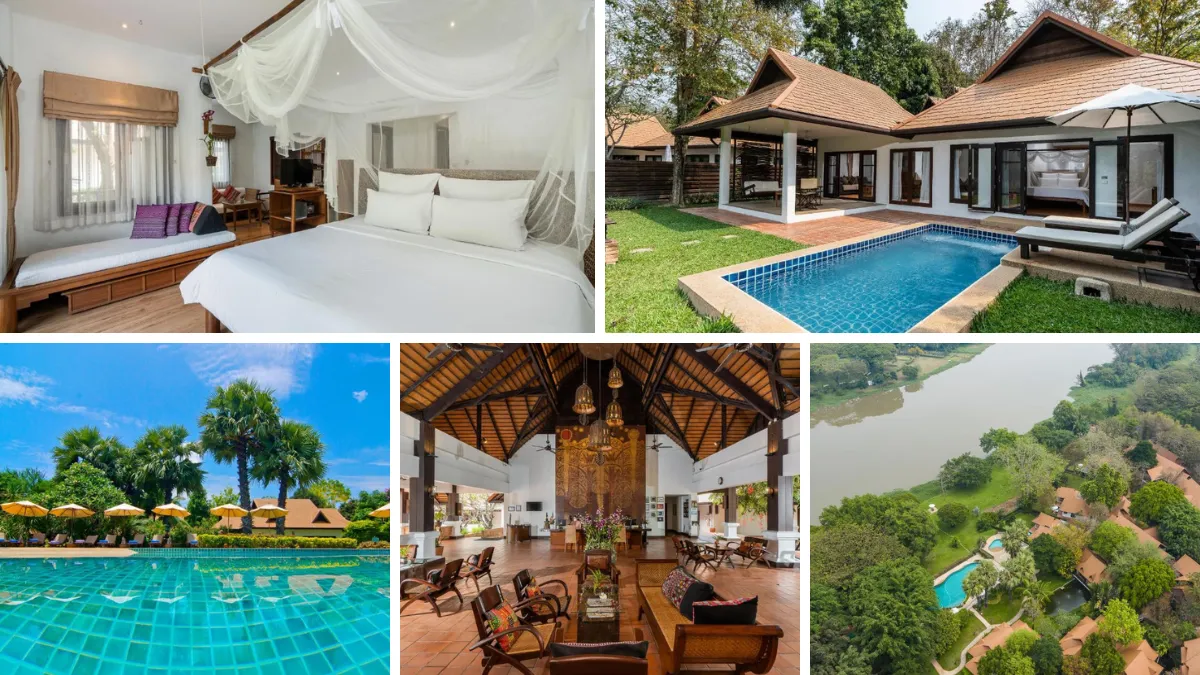
The Legend Chiang Rai Boutique River Resort sits along the Kok River. Rooms feature traditional Lanna design elements combined with modern amenities.
Rates typically range from 1,200 to 2,000 baht per night depending on season. The peaceful location requires a short taxi ride to reach downtown.
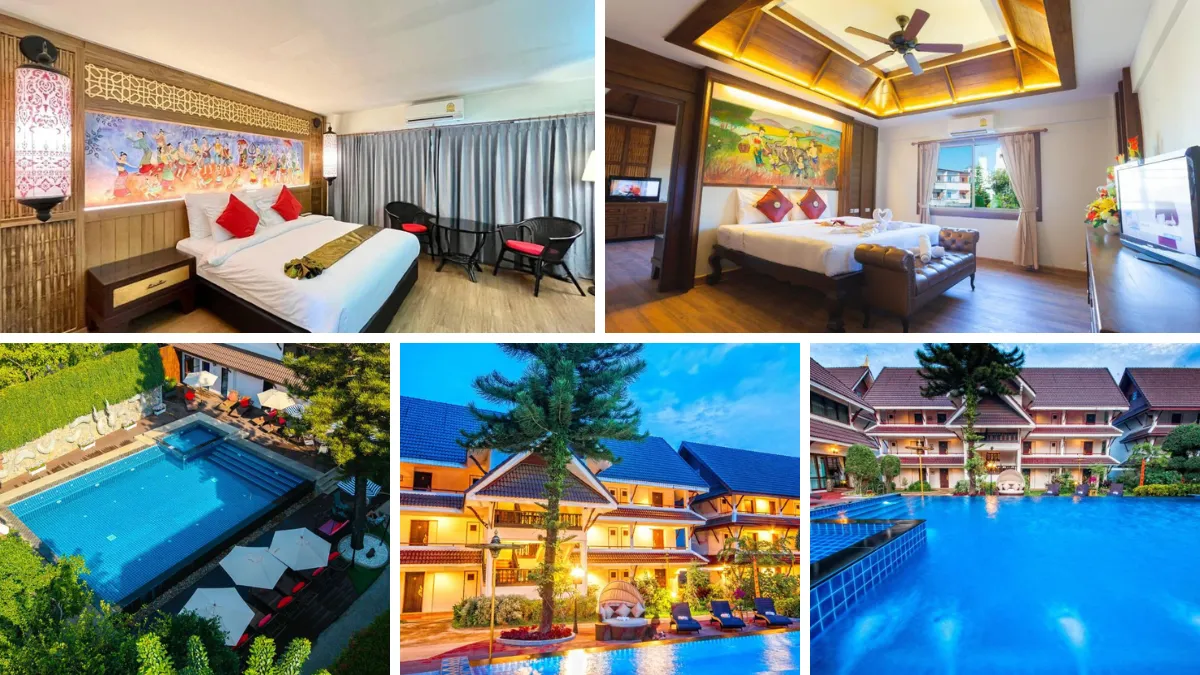
Nak Nakara Hotel combines contemporary design with artistic touches. The rooftop bar provides views across the city skyline.
Standard rooms cost around 1,500 baht including breakfast for two. The central location means most attractions sit within a 10-minute walk.
Baan Soontree offers unique rooms in converted traditional houses. Each accommodation features different decor while maintaining authentic northern Thai character.
Room rates range from 800 to 1,400 baht per night. The small property provides personalized service and local insights from the owners.
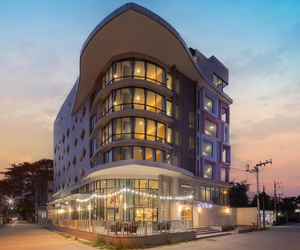
City Center Hotels
Stay in the heart of Chiang Rai within walking distance of temples, markets, and restaurants. These hotels offer the best convenience for first-time visitors.
- Walking distance to major attractions
- Easy access to restaurants and markets
- Rates: 800-2,500 baht per night
- Best for: First-time visitors, short stays
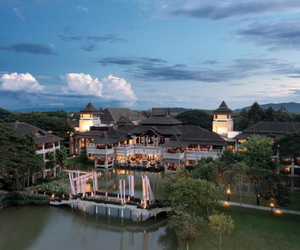
Riverside Retreats
Escape the city noise at properties along the Kok River. These accommodations provide peaceful settings while remaining accessible to town.
- Peaceful natural surroundings
- River views and garden settings
- Rates: 1,000-3,500 baht per night
- Best for: Couples, relaxation seekers
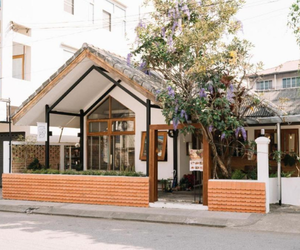
Budget Hostels
Save money without sacrificing cleanliness or location. Chiang Rai’s hostels offer excellent value with social atmospheres perfect for solo travelers.
- Dorm beds and private rooms available
- Social common areas
- Rates: 150-600 baht per night
- Best for: Backpackers, solo travelers
Luxury Resorts and High-End Hotels
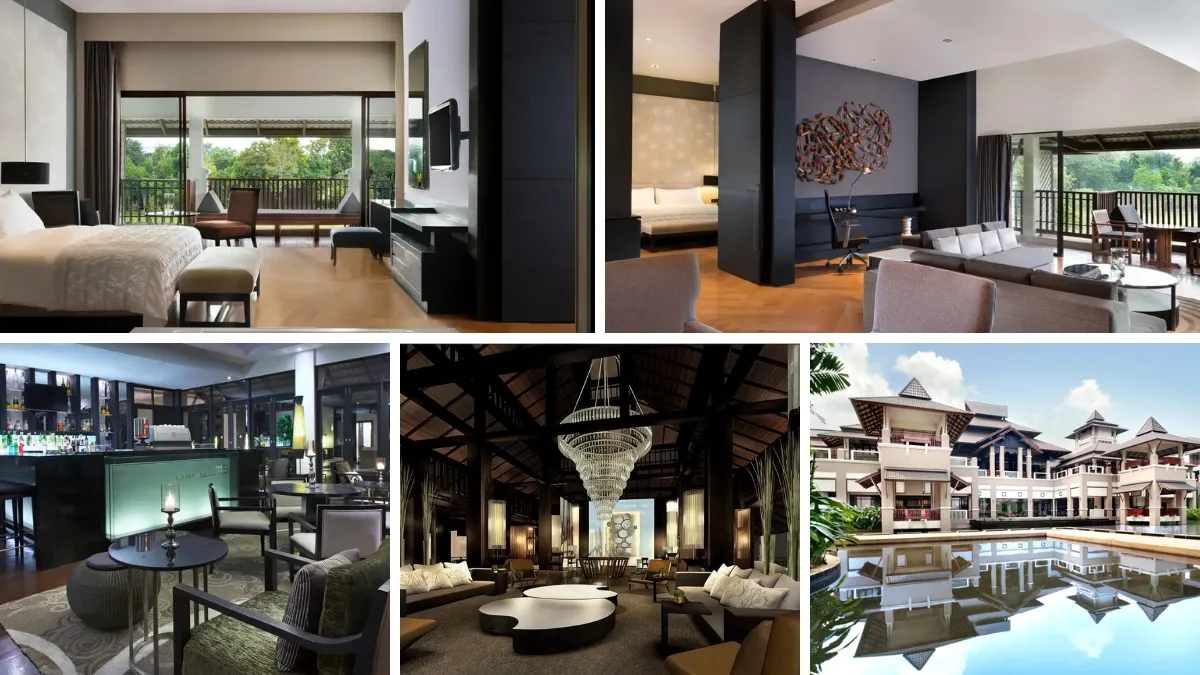
Le Meridien Chiang Rai Resort stands as the city’s premier luxury property. The five-star resort features an outdoor pool, spa, and multiple dining venues.
Rooms start around 3,500 baht per night during low season. The property sits slightly outside the city center in a quiet area.
The Riverie by Katathani offers contemporary design along the Kok River. Floor-to-ceiling windows in every room frame views of the water and mountains.
Rates range from 4,000 to 8,000 baht depending on room category. The infinity pool appears to merge with the river beyond.
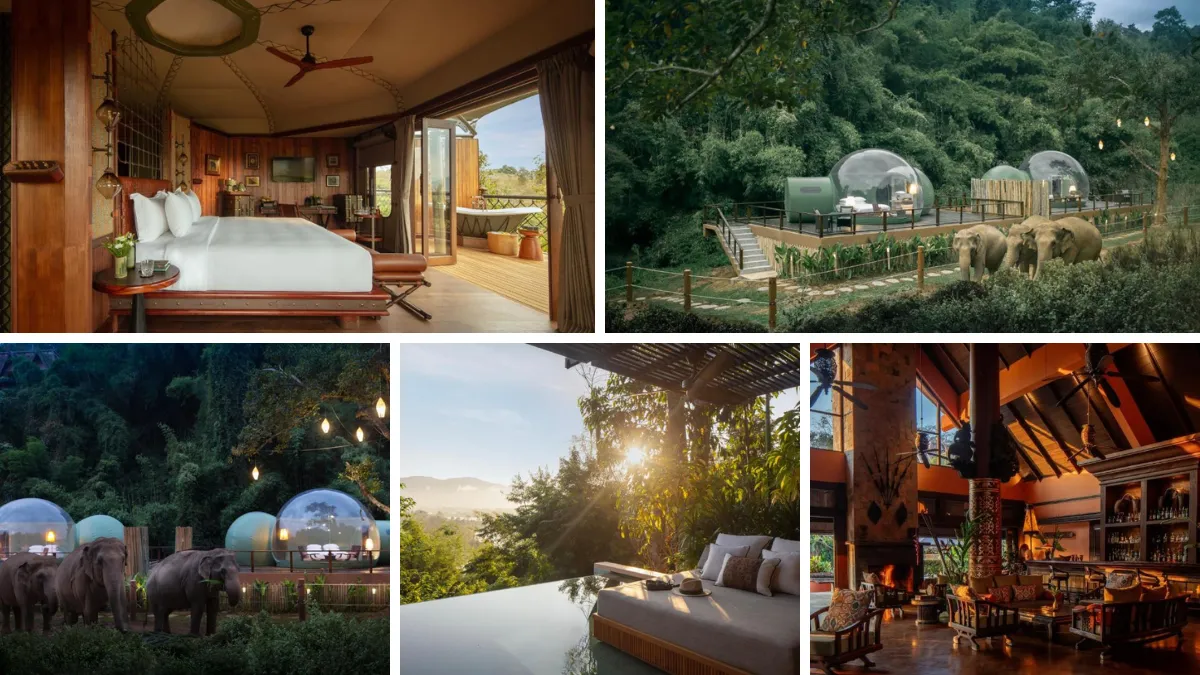
Anantara Golden Triangle Elephant Camp and Resort sits in the heart of the Golden Triangle. This ultra-luxury property includes elephant experiences as part of the stay.
Room rates start at 15,000 baht per night reflecting the remote location and exclusive offerings. Most guests book two to three nights to fully experience the property.
Unique and Alternative Accommodations
Homestays in nearby villages provide authentic cultural experiences. Families welcome guests into their homes for rates around 500-800 baht including meals.
These stays offer insights into daily life in rural northern Thailand. Limited English requires patience but rewards with genuine connections.
Farm stays let you participate in agricultural activities while enjoying country life. Properties typically include meals made from ingredients grown on-site.
Prices range from 800 to 1,500 baht per night for these experiences. The peaceful rural setting provides a complete change from city accommodations.
Book Today and Save!
Book Your Perfect Chiang Rai Stay
Compare hundreds of hotels, hostels, and resorts in Chiang Rai. Read real guest reviews and find the best deals for your travel dates with free cancellation on most properties.
Off the Beaten Trail: Hidden Gems and Unique Experiences
Beyond the famous temples, Chiang Rai hides countless lesser-known treasures. These spots receive far fewer visitors while offering equally rewarding experiences.
Venturing off the main tourist trail reveals authentic local life. The effort to reach these places makes the discoveries even more satisfying.
Remote Temples and Spiritual Sites
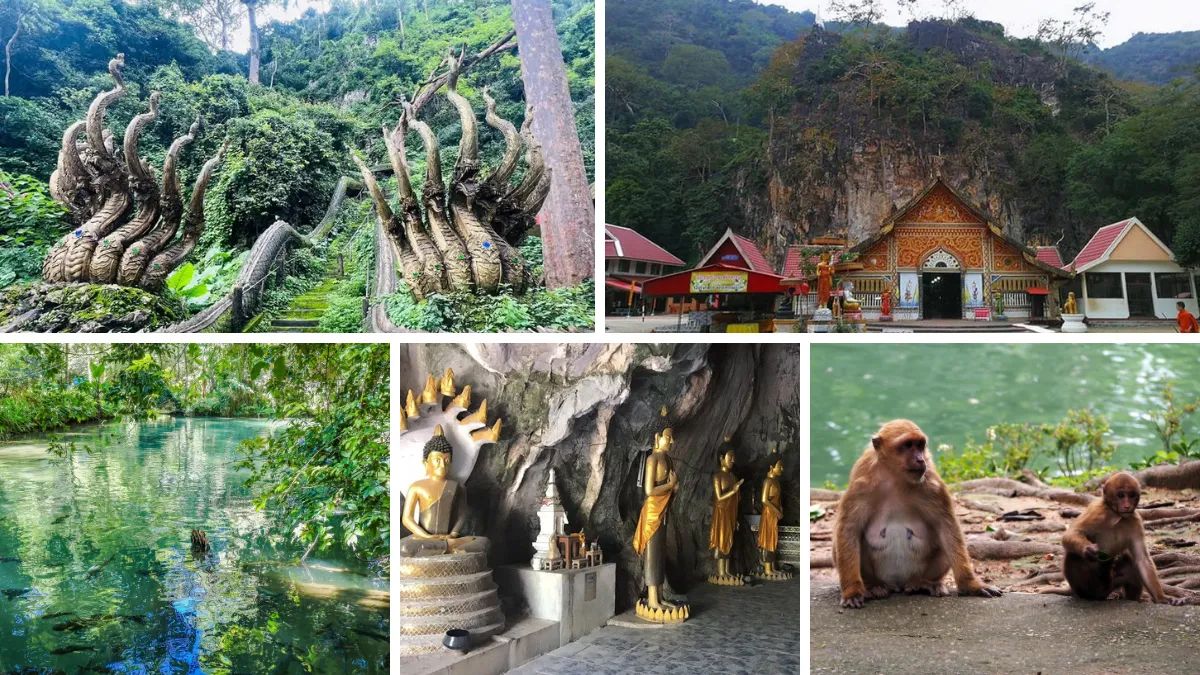
Wat Tham Pla (Monkey Cave Temple) sits about 12 kilometers from the city. The temple complex includes caves where monks meditate and monkeys roam freely.
Climbing the stairs to the cave temple provides exercise and mountain views. Few tourists make the journey, leaving the site peaceful and spiritual.
Wat Rong Seua Ten’s sister temple, Wat Tham Pla Dang, remains virtually unknown. The red temple features similar artistic vision but without the crowds.
The vibrant red exterior contrasts beautifully with jungle surroundings. Local monks welcome visitors warmly, often engaging in friendly conversation.
Wat Phra That Chedi Luang sits atop Doi Tung mountain. The ancient Lanna-style chedi dates back over 1,000 years.
Hidden Waterfalls and Natural Pools
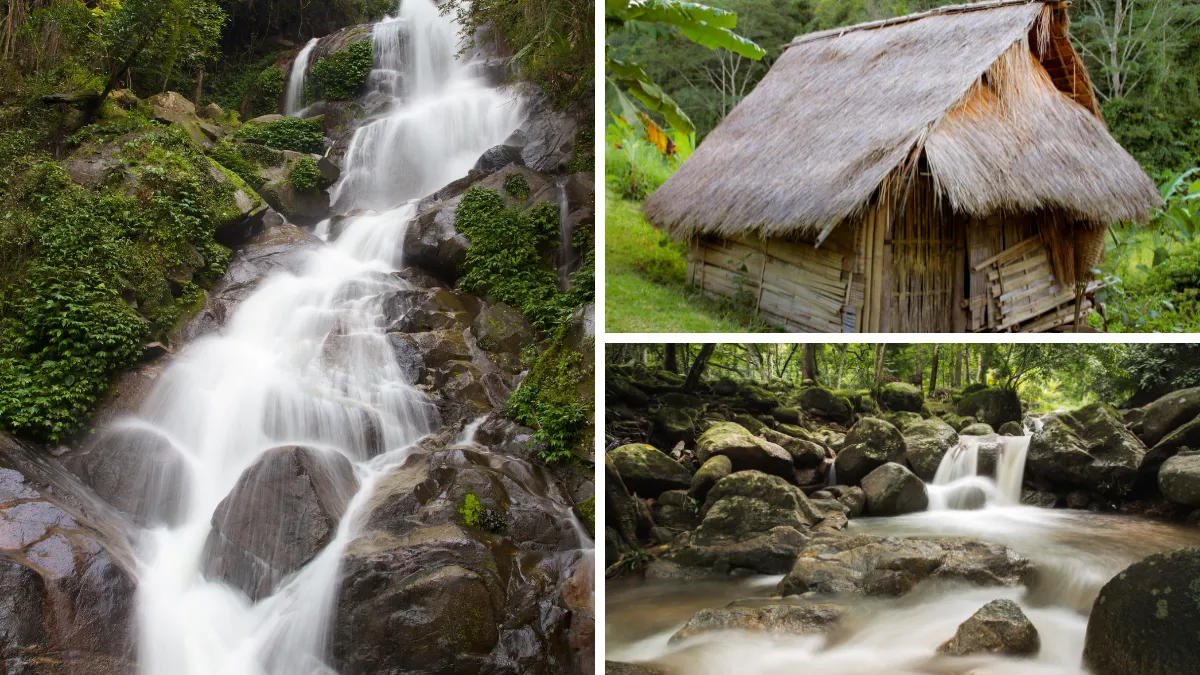
Khun Korn Waterfall cascades 70 meters through the forest in Sri Lanna National Park. The drive from Chiang Rai takes about 40 minutes on winding mountain road.
A moderate 30-minute hike leads from the parking area to the falls. During rainy season, the waterfall flows with impressive power.
The swimming hole at the base offers refreshing relief after the hike. Weekdays see very few visitors, providing a private natural experience.
Huai Kaeo Waterfall requires local knowledge to find without a guide. The multi-tiered cascade creates several pools perfect for swimming.
Few tourists discover this spot, making it popular with local families on weekends. Bring your own food and drinks as no vendors operate nearby.
Authentic Village Experiences
Ban Lorcha village maintains traditional Lahu culture and customs. The small community welcomes visitors interested in learning about hill tribe life.
Homestay options allow overnight stays with local families. Participate in daily activities like farming, weaving, or traditional cooking.
The village sits about 90 minutes from Chiang Rai requiring 4WD transport. This remoteness preserves the authentic way of life largely unchanged.
Mae Salong (Santikhiri) was settled by former Chinese Nationalist soldiers. The mountain town feels more Chinese than Thai in architecture and culture.
Tea plantations blanket the hillsides around this unique village. Sample local oolong tea while enjoying views that stretch to Myanmar.
Scenic Drives and Viewpoints
The loop route from Chiang Rai to Thaton and back offers spectacular scenery. The road winds through mountains, valleys, and riverside landscapes.
The full circuit takes about 4 hours of driving time without stops. Budget a full day to explore properly with time for attractions along the way.
Stop at roadside viewpoints to photograph the landscape. Small villages along the route sell fresh fruit and local snacks.
The road from Chiang Rai to Phu Chi Fa passes through incredibly scenic countryside. Rice paddies, mountains, and traditional villages line the route.
Early morning drives catch the soft golden light illuminating the valleys. Photographers find endless compositions in this pastoral landscape.
Local Markets and Artisan Workshops
The fresh market near the old bus terminal operates from early morning to noon. This market serves local residents rather than tourists.
Wander through sections selling vegetables, meats, prepared foods, and household goods. The authentic atmosphere provides cultural insights.
Small food stalls serve breakfast dishes for incredibly low prices. Try the rice porridge or traditional Thai breakfast for under 30 baht.
Several villages around Chiang Rai specialize in traditional crafts. Ban Hua Mae Kham produces hand-woven textiles using natural dyes.
Visit workshops to watch artisans at work on traditional looms. Purchase directly from makers, supporting local craft traditions.
Planning Your Off-Trail Adventures
Exploring hidden Chiang Rai requires more planning than visiting famous sites. Many locations lack clear signage in English.
Hiring a local guide often makes sense for remote areas. They navigate challenging roads and provide cultural context.
Renting a motorbike offers flexibility for independent exploration. Ensure you have proper licenses and adequate insurance coverage.
Travel Tips: Chiang Rai Travel Guide Essential Advice
Smart preparation makes any trip to Chiang Rai more enjoyable. These practical tips help you avoid common problems and maximize your time.
Understanding local customs and logistics prevents frustration. A little planning goes a long way in this region.
Getting There and Around
Chiang Rai International Airport connects to Bangkok with multiple daily flights. The flight from Bangkok takes approximately 90 minutes.
Airlines including Thai Airways, Bangkok Airways, and AirAsia serve this route. Booking in advance often yields prices around 1,500-3,000 baht round trip.
The airport sits about 8 kilometers from the city center. Taxis charge a fixed rate of 150-200 baht for the 15-minute journey.
Buses from Chiang Mai take about 3 hours and cost 150-300 baht. The Green Bus company runs frequent services between the two cities every day.
The main bus terminal in Chiang Rai serves routes throughout northern Thailand. From here, buses depart to Bangkok, Chiang Mai, Mae Sai, and other regional destinations.
| Route | Transport Type | Duration | Cost | Frequency |
| Bangkok to Chiang Rai | Flight | 1.5 hours | 1,500-4,000 baht | 8-10 flights daily |
| Bangkok to Chiang Rai | Bus | 11-12 hours | 500-800 baht | Multiple daily |
| Chiang Mai to Chiang Rai | Bus | 3 hours | 150-300 baht | Every 30-60 min |
| Chiang Mai to Chiang Rai | Private car | 2.5 hours | 2,500-3,500 baht | On demand |
| Chiang Rai to Golden Triangle | Bus | 1.5 hours | 40-80 baht | Hourly |
| Chiang Rai to Mae Sai | Bus | 1 hour | 30-60 baht | Every 30 min |
Book Transport Now! Save Yourself Stress! Save Yourself Money!
Book Your Transportation in Advance
Reserve bus tickets, flights, and private transfers before you arrive. We offer easy online booking for all transportation options in Northern Thailand with instant confirmation. You pay local prices. And no tourist mark up or add on costs – meaning you pay the same price as the locals. Don’t take my word for it! Check it out for yourself!
Within the city, songthaews (shared red trucks) provide cheap transport. These pickup trucks with benches in the back charge 20-40 baht for trips around town.
Simply flag down a passing songthaew and tell the driver your destination. Pay at the end of your ride using small bills.
Tuk-tuks cost more but negotiate the price before getting in. Expect to pay 60-100 baht for short trips within the city center.
Renting a motorbike provides maximum flexibility for exploring. Daily rates start around 150-250 baht depending on the bike size.
Best Time to Visit
November through February represents peak season with pleasant weather. Temperatures range from 15-25 degrees Celsius with minimal rainfall.
Cool mornings make this period ideal for outdoor activities. Evenings can get quite cool, especially in mountainous areas.
March through May brings hot season with temperatures reaching 35-40 degrees Celsius. The heat makes midday temple visits challenging.
April marks the Songkran festival when water fights take over the streets. This can be fun but makes sightseeing difficult.
June through October comprises rainy season with afternoon showers most days. Mornings often stay dry making half-day activities feasible.
The rain brings lush green landscapes and fewer tourists. Prices drop during this period making it attractive for budget travelers.
Cultural Etiquette and Temple Visits
Dress modestly when visiting temples throughout Chiang Rai. Cover shoulders and knees as a sign of respect.
Remove shoes before entering any temple building. Many temples provide shelves or bags for storing footwear.
Never point your feet toward Buddha images or monks. Sit with feet tucked to the side when on the floor.
Women should not touch monks or hand items directly to them. If needed, place items on a cloth for the monk to pick up.
Photography is usually permitted but ask before photographing monks. Some temples restrict photos inside certain buildings.
Safety and Health Considerations
Chiang Rai remains very safe for travelers with low crime rates. Standard precautions like watching valuables in crowded markets suffice.
The biggest health risks come from traffic accidents and food safety. Always wear helmets when riding motorbikes.
Drink bottled water and avoid ice in questionable establishments. Stick to busy food stalls where ingredients turn over quickly.
Mosquitoes can carry dengue fever, especially during rainy season. Use repellent and wear long sleeves during dawn and dusk.
Pharmacies stock most common medications without prescriptions. For serious issues, Chiang Rai has several good hospitals.
Money Matters and Budgeting
ATMs are widely available throughout the city dispensing Thai baht. Machines charge 220 baht per withdrawal for foreign cards.
Exchange rates at banks generally beat those at exchange booths. Bring some baht from home or exchange at the airport initially.
Credit cards work at hotels and upscale restaurants but cash dominates. Small vendors, markets, and local restaurants only accept cash.
Carry small bills as vendors often lack change for large notes. Breaking 1,000 baht notes at 7-Eleven stores works well.
Bargaining is acceptable at markets but not in established shops. Smile and stay friendly during price negotiations.
Communication and Language
English proficiency varies widely in Chiang Rai compared to Bangkok. Hotel staff and tour guides usually speak English well.
Learning basic Thai phrases helps tremendously with local interactions. “Sawasdee” (hello), “khop khun” (thank you), and “nit noi” (a little) go far.
Download offline translation apps before arriving to help with communication. Google Translate’s camera function translates signs and menus.
Most restaurants have picture menus making ordering easier. Pointing works when words fail.
WiFi is available at nearly all accommodations and many cafes. SIM cards with data plans cost 200-500 baht at the airport or convenience stores.
Essential Thai Phrases for Chiang Rai
- Sawasdee krap/ka – Hello (men say krap, women say ka)
- Khop khun krap/ka – Thank you
- Mai pen rai – No problem / You’re welcome
- Tao rai? – How much?
- Phaeng – Expensive
- Lot noi dai mai? – Can you reduce the price?
- Aroi – Delicious
- Mai pet – Not spicy
- Pet nit noi – A little spicy
- Hong nam yu thi nai? – Where is the bathroom?
Budget and Costing: Complete Breakdown of Chiang Rai Expenses
Chiang Rai offers excellent value making it perfect for various budget levels. Understanding typical costs helps you plan your daily spending accurately.
Your total expenses depend heavily on travel style and accommodation choices. Even luxury travelers find prices reasonable compared to Western destinations.
Daily Budget Estimates by Travel Style
Budget travelers can comfortably explore Chiang Rai for 600-1,000 baht per day. This covers basic accommodation, street food, and public transport.
Mid-range travelers should budget 1,500-3,000 baht daily for nicer hotels, restaurant meals, and some tours. This level provides comfort while maintaining value.
Luxury travelers spending 4,000+ baht daily enjoy premium accommodations and private tours. At this level, money rarely limits experiences.
Budget Backpacker
Daily Total: 600-1,000 baht
Hostel dorm: 150-250 baht
Street food meals: 150-250 baht
Local transport: 60-100 baht
Attractions: 100-200 baht
Water/snacks: 50-100 baht
Mid-Range Traveler
Daily Total: 1,500-3,000 baht
Mid-range hotel: 800-1,500 baht
Restaurant meals: 400-800 baht
Private transport: 200-400 bahte
Tours/activities: 500-1,000 baht
Extras: 200-400 baht
Luxury Traveler
Daily Total: 4,000-8,000+ baht
Luxury resort: 2,500-5,000 baht
Fine dining: 1,000-2,000 baht
Private car/guide: 1,500-3,000 baht
Premium tours: 1,500-3,000 baht
Shopping/extras: 500-1,000 baht
Accommodation Costs Breakdown
Hostel dormitory beds start as low as 150 baht in basic facilities. Private rooms in guesthouses begin around 300-400 baht per night.
Mid-range hotels typically charge 800-2,000 baht for comfortable rooms with amenities. Location and season significantly impact these rates.
Boutique hotels and riverside properties range from 1,500-3,500 baht nightly. These offer character and better service than standard hotels.
Luxury resorts start around 3,500 baht and can exceed 15,000 baht at exclusive properties. High-season rates increase by 20-50 percent during peak months.
| Accommodation Type | Low Season | High Season | Amenities Included |
| Hostel Dorm Bed | 120-200 baht | 150-250 baht | WiFi, basic breakfast, lockers |
| Budget Guesthouse | 250-400 baht | 350-500 baht | Private room, fan, shared bath |
| Budget Hotel | 400-700 baht | 500-900 baht | AC, private bath, WiFi, breakfast |
| Mid-Range Hotel | 800-1,500 baht | 1,200-2,000 baht | Pool, restaurant, room service |
| Boutique Hotel | 1,500-2,500 baht | 2,000-3,500 baht | Unique design, premium breakfast |
| Luxury Resort | 3,500-8,000 baht | 5,000-15,000 baht | Spa, fine dining, concierge |
Food and Dining Expenses
Street food meals cost just 40-80 baht for filling dishes like pad thai or fried rice. Local restaurants charge 60-120 baht for similar meals.
A bowl of khao soi at a local shop runs 60-80 baht. Tourist-oriented restaurants charge 100-150 baht for the same dish.
Mid-range restaurant meals cost 150-300 baht per person without drinks. Western restaurants typically charge more than Thai establishments.
Fine dining experiences range from 400-800 baht per person for mains. Adding wine or cocktails can double the bill quickly.
Coffee shop drinks cost 60-120 baht depending on the establishment. Local coffee shops charge less than international chains.
Budget Eating (Street Food)
Eating exclusively from street vendors and local shops keeps daily food costs incredibly low while providing authentic flavors.
- Breakfast: 40-60 baht
- Lunch: 50-80 baht
- Dinner: 60-100 baht
- Snacks/drinks: 30-60 baht
- Daily total: 180-300 baht
Mid-Range Dining
Mixing local restaurants with some nicer establishments provides variety while maintaining reasonable daily costs.
- Breakfast: 80-150 baht
- Lunch: 120-200 baht
- Dinner: 200-400 baht
- Coffee/snacks: 100-150 baht
- Daily total: 500-900 baht
Upscale Dining
Dining at quality restaurants and cafes throughout the day provides comfort and variety at still-reasonable prices.
- Breakfast: 150-300 baht
- Lunch: 250-400 baht
- Dinner: 400-800 baht
- Snacks/drinks: 150-300 baht
- Daily total: 950-1800 baht
Money-Saving Food Tips
Smart choices stretch your food budget further without sacrificing quality or authentic experiences.
- Eat where locals eat for best value
- Markets offer cheapest breakfast options
- Set lunch menus provide discounts
- Happy hours reduce drink costs
- Water bottles cost 7-10 baht at 7-Eleven
Transportation and Getting Around Costs
Local songthaews charge just 20-40 baht for trips within the city. These shared pickups provide the cheapest way to move around town.
Tuk-tuks cost 60-150 baht depending on distance and negotiation. Always agree on the price before starting your journey.
Motorbike rentals run 150-250 baht daily for standard automatic bikes. Larger bikes cost 300-500 baht per day.
Gasoline costs approximately 40 baht per liter putting daily fuel costs around 100-150 baht. Motorbikes offer excellent fuel efficiency.
Bicycle rentals cost just 50-100 baht per day at most guesthouses. The flat city center makes cycling quite practical.
Activities and Attraction Costs
Many temples in Chiang Rai have free admission including Wat Phra Kaew. The White Temple charges 50 baht entrance fee.
The Blue Temple and most local temples remain free to visit. Baan Dam Museum charges 80 baht admission.
Guided temple tours cost 800-1,500 baht per person for half-day trips. Full-day tours including multiple sites run 1,200-2,500 baht.
Golden Triangle tours range from 1,000-2,000 baht depending on what’s included. Boat rides add another 200-400 baht.
Cooking classes typically cost 800-1,500 baht including market tours and meals. Hill tribe trekking starts around 1,500 baht for full-day experiences.
| Activity | Duration | Cost Range | What’s Included |
| Temple Entrance Fees | Per visit | 0-100 baht | Admission only |
| Guided Temple Tour | Half day | 800-1,500 baht | Transport, guide, entries |
| Golden Triangle Tour | Full day | 1,200-2,500 baht | Transport, guide, lunch |
| Cooking Class | 4-5 hours | 800-1,500 baht | Market tour, ingredients, recipes |
| Hill Tribe Trek | Full day | 1,500-3,000 baht | Guide, transport, lunch, village fees |
| Motorbike Rental | Per day | 150-500 baht | Bike, helmet, basic insurance |
| Bicycle Rental | Per day | 50-100 baht | Bike, lock |
| Massage (Thai) | 1 hour | 150-300 baht | Traditional massage |
Sample Budget Itineraries
A three-day budget trip to Chiang Rai costs approximately 2,000-3,500 baht total. This includes basic accommodation, street food, and self-guided sightseeing.
Mid-range travelers should budget 5,000-9,000 baht for three days. This allows comfortable hotels, restaurant meals, and a few guided tours.
Luxury three-day trips start around 15,000 baht and can exceed 30,000 baht easily. This includes resort stays, private tours, and fine dining.
Money-Saving Tips
Traveling during low season (June-October) reduces accommodation costs significantly. Many hotels offer 30-50 percent discounts during rainy months.
Booking tours and activities online in advance often provides better rates. Last-minute bookings at your hotel typically cost more.
Eating where locals eat keeps food costs minimal while ensuring authentic flavors. Tourist-focused restaurants charge premium prices.
Renting transportation by the day costs less than hiring rides individually. A motorbike for 200 baht beats taking multiple tuk-tuks.
Free activities like exploring local markets, visiting free temples, and walking around town cost nothing. These often provide the most memorable experiences.
Budget Travel Champion Tips
Experienced budget travelers in Chiang Rai consistently follow these strategies to minimize costs while maximizing experiences. These proven methods help stretch your baht further without sacrificing the quality of your trip or missing out on authentic Northern Thailand adventures.
- Stay in hostels or budget guesthouses outside the immediate city center where prices drop by 30-40%
- Eat breakfast at local markets for 30-50 baht instead of hotel breakfasts costing 150-300 baht
- Rent a motorbike for multiple days to access remote sites independently avoiding tour markups
- Visit temples early morning when they’re free and less crowded with tour groups
- Buy snacks and drinks at 7-Eleven rather than tourist shops to save 50-100% on prices
- Take public songthaews instead of private tuk-tuks saving 60-80% on transport costs
- Book accommodation and tours during shoulder season for the best balance of weather and prices
Packing List Essentials: What to Bring to Chiang Rai
Packing appropriately makes your Chiang Rai experience more comfortable and convenient. The climate and activities require specific gear and clothing.
Bringing the right items prevents having to purchase things locally. Smart packing balances necessity with keeping your bag light.
Clothing Essentials
Lightweight, breathable clothing works best in the tropical climate. Cotton and moisture-wicking fabrics provide the most comfort.
Pack modest clothing for temple visits including pants or long skirts. Shoulders must be covered, so bring lightweight long-sleeve shirts.
A light jacket or sweater is essential for cool season evenings. Temperatures can drop to 15 degrees Celsius in December and January.
Comfortable walking shoes are crucial as you’ll explore temples and markets on foot. Slip-on shoes make temple visits easier.
- 5-7 lightweight t-shirts or tops
- 2-3 pairs of comfortable walking shorts
- 2 pairs of long pants for temples and cooler weather
- 1-2 long-sleeve shirts for sun protection and temples
- Light jacket or sweater for evenings
- Comfortable walking shoes or sneakers
- Flip-flops or sandals for casual wear
- Swimsuit for hotel pools and hot springs
- Sun hat or cap for outdoor exploration
- Light scarf for temple visits (women)
Electronics and Technology
Thailand uses 220V electricity with Type A, B, C, and O sockets. Most electronics handle this voltage but check your devices.
A universal travel adapter ensures all your devices can charge. Hotels usually have limited outlets in rooms.
A portable power bank keeps your phone charged during long days of sightseeing. Choose one with at least 10,000 mAh capacity.
Consider bringing a good camera if photography interests you. The temples and landscapes offer incredible photo opportunities.
- Smartphone with offline maps downloaded
- Universal travel adapter for Thai outlets
- Portable power bank (10,000+ mAh)
- Camera and extra memory cards (optional)
- Phone charging cables and wall adapter
- Headphones for flights and buses
- Waterproof phone case for rainy season
Health and Toiletries
Sunscreen is absolutely essential in the intense Thai sun. Bring SPF 50+ and reapply frequently throughout the day.
Insect repellent protects against mosquitoes that can carry dengue fever. Products with DEET work most effectively.
Pack a basic first aid kit with bandaids, pain relievers, and anti-diarrhea medication. Stomach issues occasionally affect travelers.
Most toiletries are available locally, but bring favorites from home. Travel-size versions save space and weight.
- High SPF sunscreen (50+)
- Insect repellent with DEET
- Personal prescription medications
- Pain relievers (ibuprofen, acetaminophen)
- Anti-diarrhea medication
- Motion sickness pills for winding roads
- Basic first aid supplies (bandaids, antiseptic)
- Hand sanitizer and wet wipes
- Toothbrush and toothpaste
- Deodorant (often expensive locally)
- Contact lenses and solution (if needed)
- Glasses and backup pair
Travel Documents and Money
Keep your passport valid for at least six months beyond your travel dates. Make copies of the photo page as backup.
Print your hotel confirmations and important reservation numbers. Having physical copies helps when phone batteries die.
Travel insurance documentation should be easily accessible. Know your policy number and emergency contact information.
Bring at least one credit card and one ATM card from different banks. This provides backup if one card has issues.
- Passport with 6+ months validity
- Photocopies of passport (separate from original)
- Flight tickets and confirmations
- Hotel reservation confirmations
- Travel insurance policy and documents
- Credit card and ATM card
- Some Thai baht for arrival
- Emergency contact information
- Driver’s license (for motorbike rental)
Practical Items and Accessories
A daypack or small backpack carries essentials during daily explorations. Choose one that’s comfortable and secure.
Reusable water bottles reduce plastic waste and save money. Many hotels and cafes offer free water refills.
A sarong serves multiple purposes from beach towel to temple cover-up. This versatile item takes minimal space.
Ziploc bags in various sizes protect electronics and important documents from rain. They also help organize small items.
- Daypack or small backpack
- Reusable water bottle
- Sunglasses with UV protection
- Guidebook or downloaded guides
- Travel locks for luggage
- Sarong or light towel
- Ziploc bags (various sizes)
- Pen for immigration forms
- Laundry bag for dirty clothes
- Compression bags to save space
Season-Specific Items
Cool season visitors (November-February) need warmer layers for evenings. Temperatures drop significantly in mountainous areas.
A light rain jacket works for cool season mist and occasional showers. This packs smaller than an umbrella.
Hot season travelers (March-May) should pack extra sunscreen and electrolyte powder. The heat can be intense during this period.
Rainy season visitors (June-October) need waterproof protection for bags and electronics. Quick-dry clothing becomes especially useful.
Cool Season (Nov-Feb)
- Light jacket or fleece
- Long pants for evenings
- Closed-toe shoes
- Light scarf or shawl
Rainy Season (Jun-Oct)
- Compact rain jacket
- Waterproof bag covers
- Quick-dry clothing
- Extra plastic bags
Hot Season (Mar-May)
- Extra sunscreen
- Wide-brimmed sun hat
- Cooling towel
- Electrolyte packets
Year-Round Essentials
- Insect repellent
- Sunscreen SPF 50+
- Modest temple clothing
- Comfortable walking shoes
What Not to Pack
Avoid bringing excessive clothing as laundry services are cheap and available everywhere. Most hotels offer same-day service.
Don’t pack bulky towels since accommodations provide them. The exception is if you’re staying in ultra-budget hostels.
Leave valuable jewelry at home to avoid worry about theft. Simple accessories work fine for travel.
Skip bringing large amounts of toiletries available locally. 7-Eleven stores stock most essentials at low prices.
Important Packing Restrictions
- Thailand has strict drug laws – never pack medications without proper prescriptions
- E-cigarettes and vaping devices are illegal in Thailand and subject to fines
- Drone use requires permits – check regulations before bringing camera drones
- Don’t pack Buddha images or religious artifacts in luggage – this is considered disrespectful
Start Planning Your Chiang Rai Adventure
Chiang Rai offers an incredible blend of culture, nature, and authentic experiences. This northern Thai city rewards those who venture beyond the usual tourist routes.
From stunning temples to hidden waterfalls, the diversity of attractions suits every travel style. Budget backpackers and luxury travelers alike find value and memorable moments here.
The combination of affordability, accessibility, and rich culture makes Chiang Rai essential for any Thailand itinerary. Three to five days provides enough time to experience the highlights.
Planning ahead ensures you make the most of your limited time. Booking accommodations and key tours in advance provides peace of mind.
The welcoming locals, delicious food, and unique attractions create lasting memories. Chiang Rai delivers authentic Northern Thailand experiences away from mass tourism.
Start planning your journey to this remarkable destination today. The temples, mountains, and cultural treasures await your discovery.
Ready and Raring?
Ready to Experience Chiang Rai?
Turn this guide into reality by booking your Chiang Rai adventure now. Get the best deals on accommodations, tours, and transportation to create your perfect Northern Thailand experience.