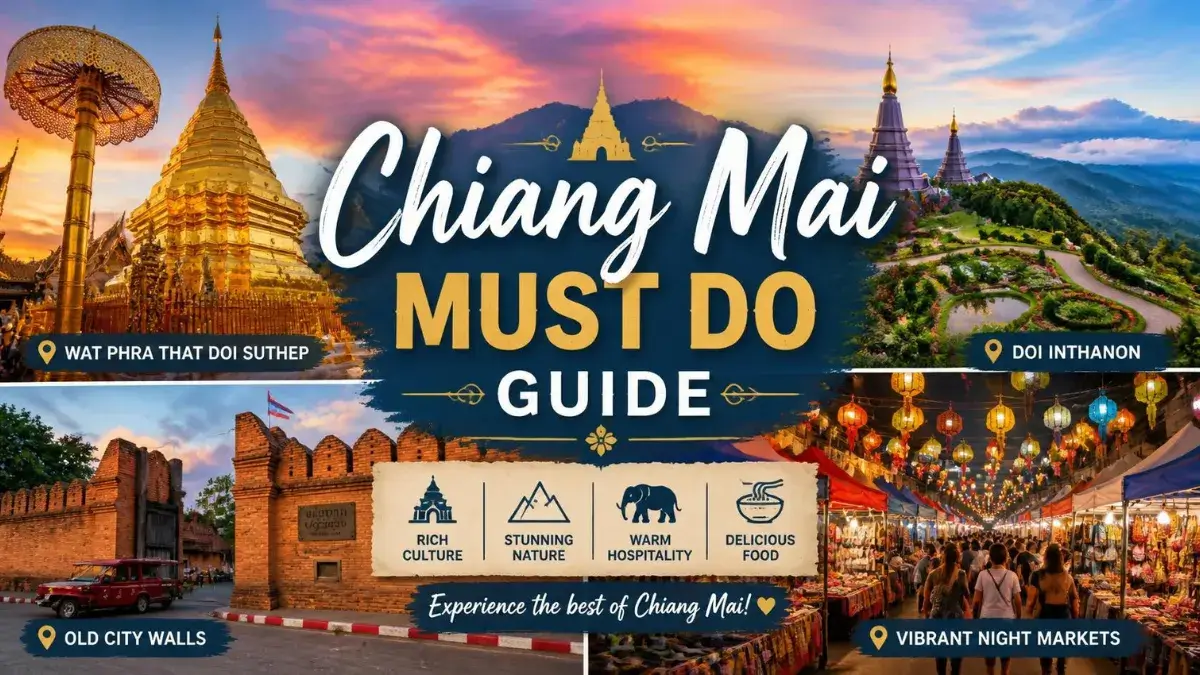


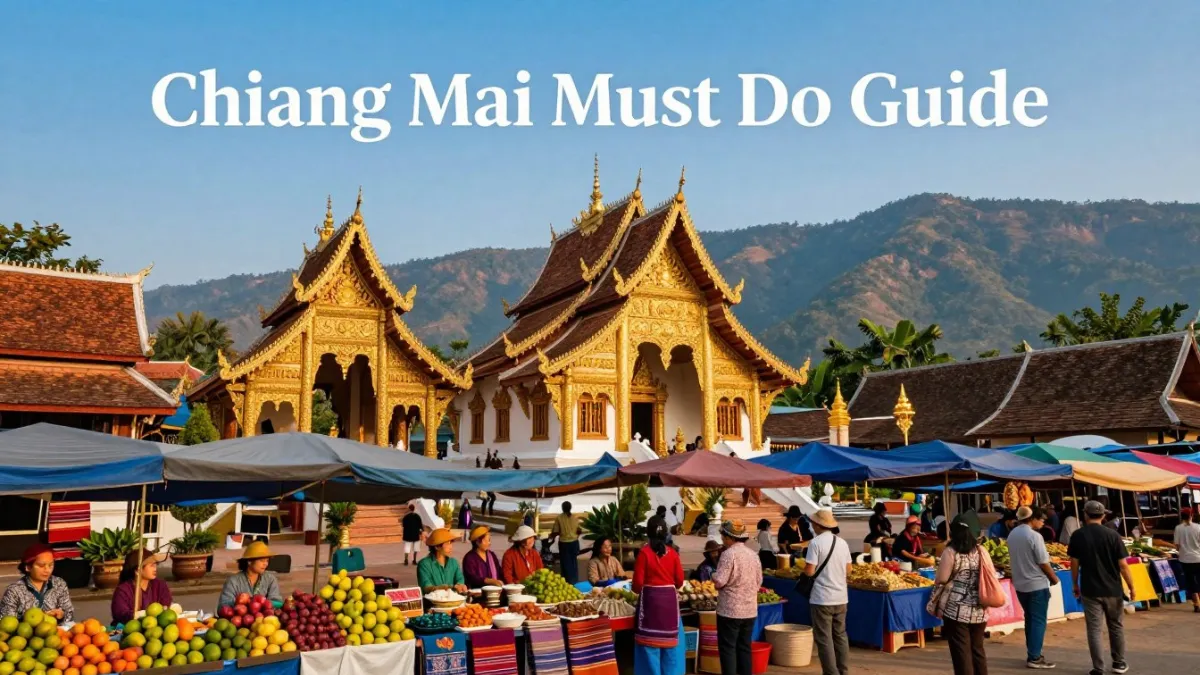
Imagine stepping into a world where ancient traditions blend seamlessly with vibrant street life. You find yourself in a city that feels alive with history and culture. So where should you start? In the spiritual heart of Thailand here’s our take on the Chiang Mai must do activities and sights. As you wander through the bustling markets, the aroma of sizzling street food fills the air, inviting you to explore. Here, over 200 golden temples dot the landscape, each telling a story of centuries past. You can almost hear the ancient whispering of the founding monks as they went about their daily rituals. Whether you’re looking for adventure in the jungle or a peaceful moment at a serene wat, this city offers it all.
From haggling for souvenirs at the lively night markets to savoring a steaming bowl of khao soi, every experience is unique. Chiang Mai adapts to your travel style, whether you’re a solo adventurer or a digital nomad. This guide will help you uncover the hidden gems and essential spots, ensuring your trip is unforgettable.
Chiang Mai Must Do – Key Facts
5 highlights
- Chiang Mai is a unique blend of ancient culture and modern adventure.
- Explore over 200 temples, each rich in history.
- Experience local street food and vibrant markets.
- Perfect for solo travelers and digital nomads alike.
- Discover both popular attractions and hidden gems.
Discover the Top Chiang Mai Must Do Experiences
In the enchanting realm of Northern Thailand, unique adventures await you. Here are four cornerstone activities that define the charm of this vibrant city.
Ethical Elephant Sanctuaries
Visit the Elephant Jungle Sanctuary or the Elephant Nature Park for a truly ethical experience. Here, you can feed and bathe rescued elephants without ever climbing onto their backs. Remember to book the Elephant Nature Park well in advance, as spots fill up quickly.
The elephants at these sanctuaries are rescued from harsh conditions, like logging camps. Your entry fee directly supports their care and ongoing rescue efforts.
Temple-Hopping Highlights
Temple-hopping is a must in this city filled with over 200 ancient wats. Prioritize visits to Wat Chedi Luang, known for its massive ruined stupa, and the tranquil Wat Phan Tao, a personal favorite for many visitors.
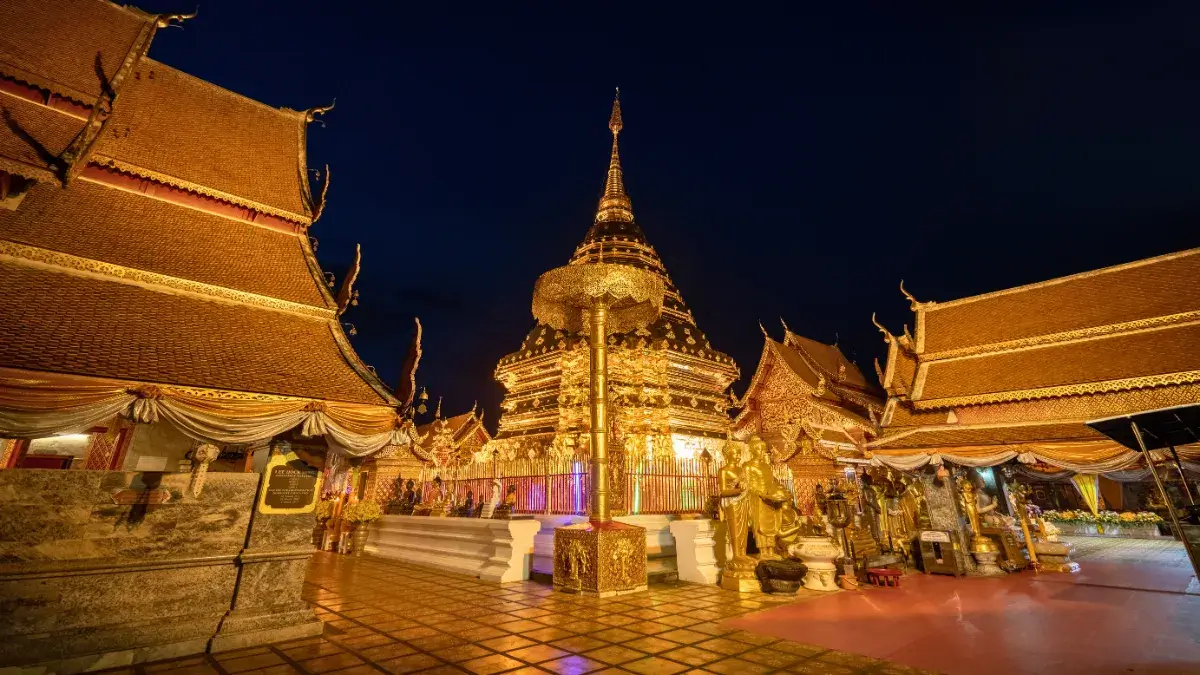
Don’t miss Wat Phra That Doi Suthep, perched on a mountain with stunning valley views. This golden chedi is a highlight you simply cannot skip.
Vibrant Night Markets
The Sunday Night Market transforms the Old Town into a bustling hub of activity. Stroll through Rachadamnoen Road, where you’ll find everything from quality massages to unique artisan crafts.
Explore the labyrinth of food stalls, where the street food alone could keep you wandering for hours. Each corner reveals something new, from hand-painted canvases to vintage textiles.
Thai Cooking Classes to Savor Northern Flavors
Join a Thai cooking class to learn the secrets behind the bold flavors of local cuisine. You’ll prepare dishes from scratch, mastering the balance of sweet, sour, salty, and spicy.
Most classes include a market tour, where you’ll identify fresh ingredients like galangal and kaffir lime. You’ll leave with a recipe book to impress friends back home.
These four experiences alone could fill your itinerary. They’re just the beginning of everything Chiang Mai has waiting for you.
Explore Chiang Mai’s Iconic Temples and Spiritual Sites
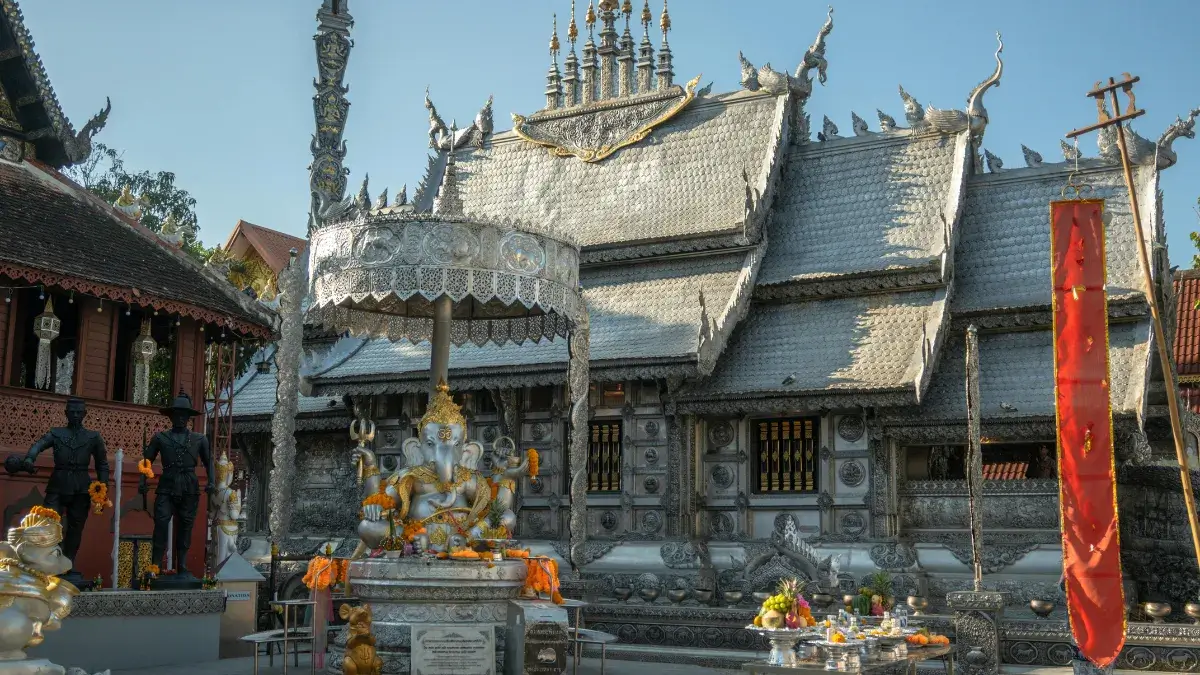
Discover a city where every temple whispers stories of devotion and culture. Chiang Mai is home to over 200 ancient wats, each offering a glimpse into the rich spiritual life of the region. As you explore, it’s essential to understand the local customs and etiquette to show respect in these sacred spaces.
Temple Etiquette and Dress Code
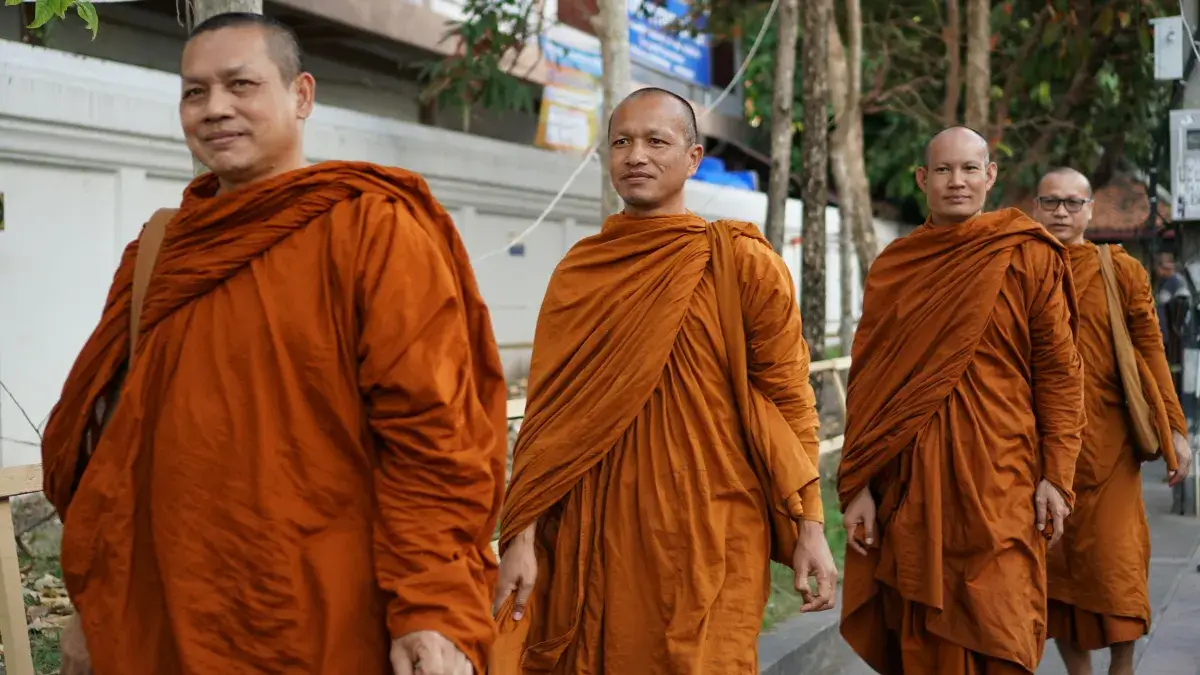
Before stepping into any temple, make sure to adhere to basic etiquette. Cover your shoulders and knees, as modest clothing is required. Slip off your shoes at the entrance, and keep your voice low. Remember, these are active places of worship where monks chant at dawn and locals offer alms every morning.
Must-Visit Temples Inside Old Town
Within the Old Town’s moated square, you’ll find several must-visit temples:
Chiang Mai Must Do – Temples
5 highlights
- Wat Chedi Luang: This impressive temple features a partially crumbled 15th-century stupa that still feels monumental despite earthquake damage.
- Wat Phan Tao: Built entirely from dark teak wood, it offers a quieter atmosphere, contrasting with the gold-leaf grandeur of its neighbors.
- Wat Chiang Man: The oldest temple in the city, dating back to 1296, it houses two sacred Buddha images.
Limit your visits to two or three temples per day to fully appreciate their intricate details without feeling overwhelmed.
Outskirts Temples: Doi Suthep and Wat Pha Lat
Venture outside the Old Town to discover some of Chiang Mai’s most iconic temples:
- Wat Phra That Doi Suthep: Located about 12km from the city, this temple is a spiritual anchor for the local people. Climb the 300 naga-lined steps or take the elevator to reach the stunning golden stupa. Arrive before 8 am to experience the morning chanting without the crowds.
- Wat Pha Lat: A hidden gem nestled in the mountains, this tranquil temple is often missed by tourists. Surrounded by jungle foliage and waterfalls, it’s a perfect spot for reflection.
The entrance fee for Doi Suthep is 30 baht, the only temple admission you’ll pay. The panoramic views from the top make it worth every baht.
Shop and Snack at Chiang Mai’s Bustling Markets and Bazaars
Step into a vibrant tapestry of sights, sounds, and flavors as you explore the markets of Chiang Mai. Each market offers a unique experience, filled with local art, crafts, and delicious street food. Here’s a guide to some of the best markets you shouldn’t miss.
Sunday Night Market: Local Art, Crafts, and Street Food
The Sunday Night Market isn’t just a market — it’s a weekly festival where the entire Old Town shuts down to traffic. Rachadamnoen Road transforms into a sprawling bazaar of sensory overload. You’ll find yourself pulled into side streets packed with vendors selling handcrafted silver jewelry, elephant-print pants, and stunning paintings.
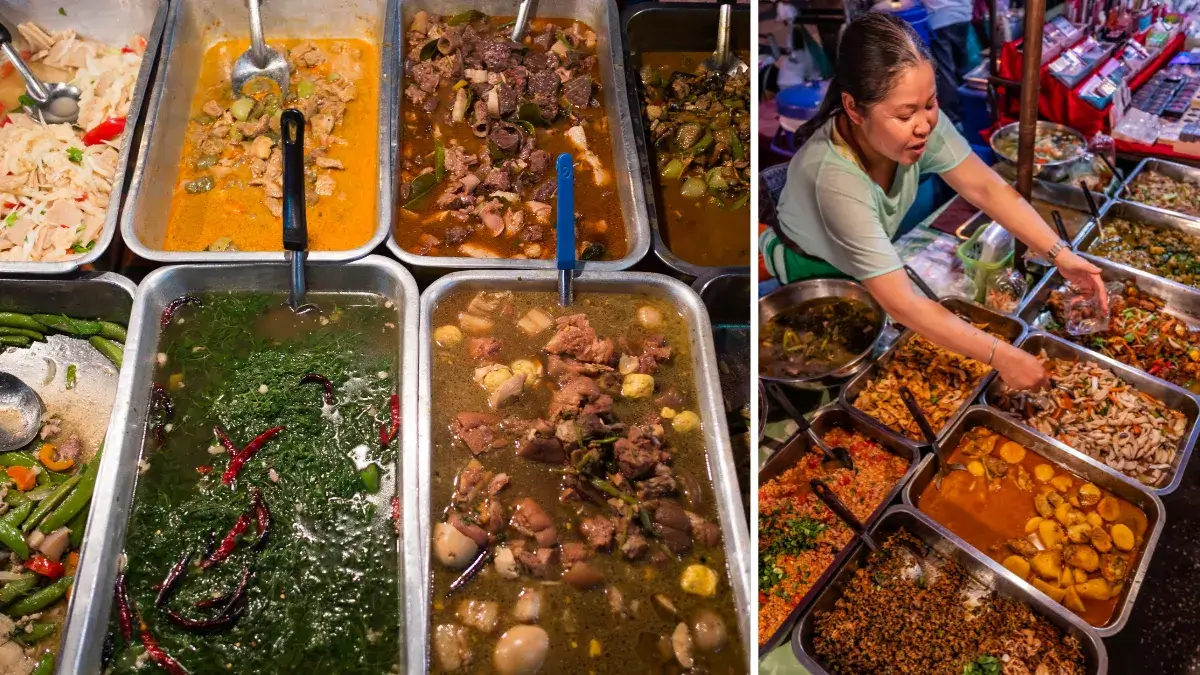
The food stalls cluster around temple courtyards. The smart move? Skip a sit-down dinner entirely. Instead, graze your way through the night. Sample grilled pork skewers, mango sticky rice, and crispy spring rolls. Look for the stalls with the longest lines of locals — that’s where you’ll find the best pad thai and the freshest som tam.
Chiang Mai Night Bazaar and Saturday Market Overview
The Chiang Mai Night Bazaar on Chang Klan Road runs every night, making it your fallback option if you miss the weekend markets. Here, you can shop for souvenirs and enjoy a lively atmosphere. If you’re looking for a more laid-back vibe, check out the Saturday Night Market along Wua Lai Road. This market features silversmiths and craftspeople selling unique items you won’t find anywhere else.
Daytime Markets: Warorot Market and Chiang Mai Gate Market
For a daytime market experience, head to Warorot Market near the Ping River. This is where locals shop for dried spices, textiles, and delicious street food. It’s a more authentic experience that gives you a taste of local life.
The Chiang Mai Gate Market kicks off before sunrise around 4 am. It serves steaming bowls of congee and strong Thai coffee to monks and early risers. This is a great spot to enjoy breakfast while soaking in the local atmosphere.
Remember to bring a travel pack of wet wipes. Street food is gloriously messy, and napkins are often scarce. You can easily spend 200-300 baht on a full evening of eating, which is less than what you’d pay for a single appetizer back home.
Embrace Adventure: Zip-Lining and Nature Excursions
Adventure beckons in the lush landscapes surrounding Chiang Mai, where excitement meets nature. From soaring through the treetops to exploring breathtaking national parks, there’s no shortage of thrilling activities. Here are three unforgettable experiences to consider during your trip.
Jungle Zip-Lining with Skyline Adventure
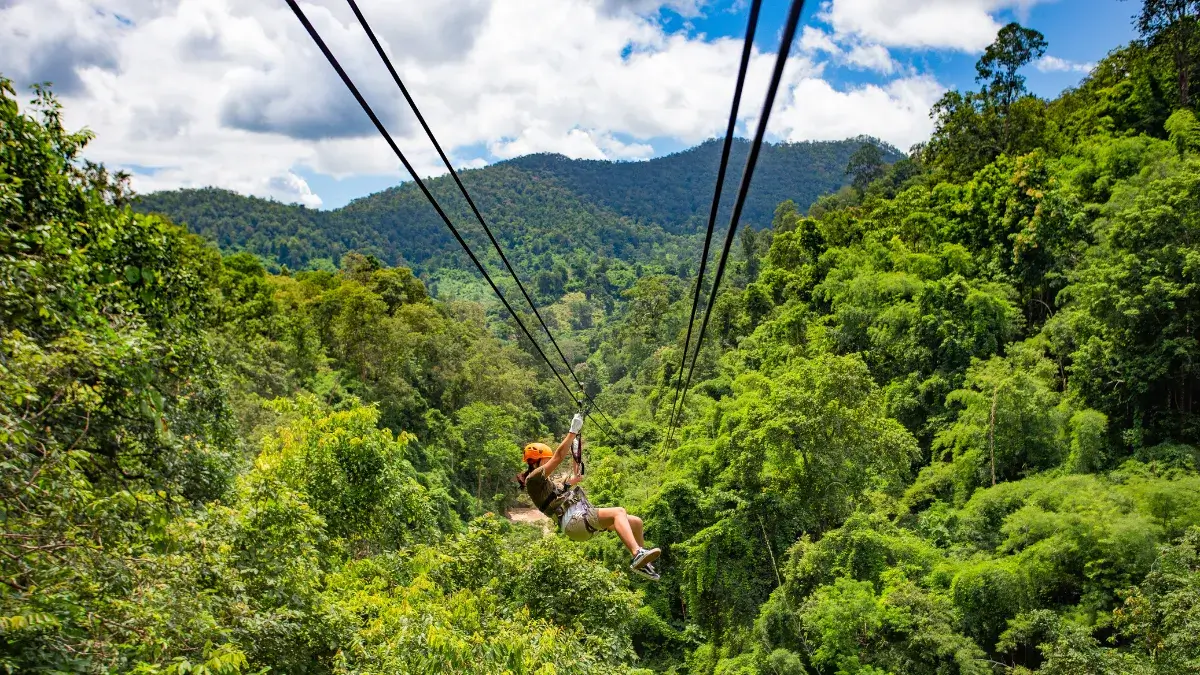
If your idea of a good time involves flying through the jungle canopy at 70 meters above the ground, Skyline Adventure’s zip-line course is for you. With 28 zip lines and over 30 platforms, this two-hour experience is packed with adrenaline. You’ll glide through the trees, conquer abseiling descents, and cross sky bridges that will push even the mildly adventurous out of their comfort zone.
Doi Inthanon National Park: Trekking, Waterfalls, and Hill Tribes
Doi Inthanon National Park is home to Thailand’s highest peak at 2,565 meters. Just a 1.5-hour drive from the city, this area covers nearly 50,000 hectares of stunning terrain. You’ll find winding trails, remote villages, and picturesque waterfalls, with Sriphum Waterfall being the most photogenic.
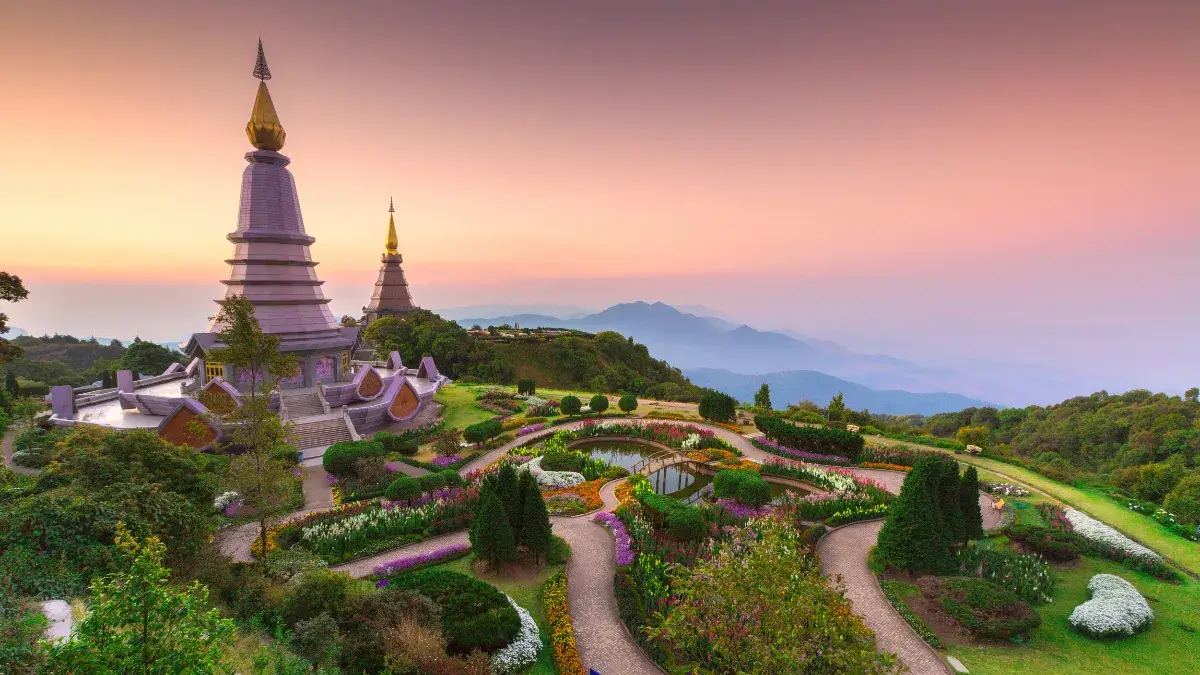
As you ascend, you’ll pass through charming hill tribe villages and terraced farms. The twin pagodas near the summit offer breathtaking views on clear days. Keep in mind, the roads can be tricky. It’s best to hire a driver or join a guided tour for a stress-free day trip.
Chiang Mai Grand Canyon: Swimming and Cliff Jumping
The Chiang Mai Grand Canyon, an old quarry filled with red-tinged water, is a local favorite for swimming and cliff jumping. This area has become a hotspot for adventure seekers. Enjoy floating on bamboo rafts or take on the inflatable obstacle course at the water park.
A songthaew ride to the Grand Canyon takes about 45 minutes and costs a fraction of what you’d pay for an organized tour. This destination offers a perfect blend of fun and relaxation, making it a must-visit.
| Activity | Description | Duration | Cost (Baht) |
|---|---|---|---|
| Skyline Adventure Zip-Lining | Fly through the jungle on 28 zip lines | 2 hours | 3,500 |
| Doi Inthanon National Park Tour | Trekking, waterfalls, and hill tribe villages | Full day | 1,200 |
| Chiang Mai Grand Canyon | Cliff jumping, swimming, and water park fun | Half day | 300 |
These three adventures cover the spectrum from pure adrenaline to natural wonder. Each one gets you out of the city and into the landscapes that make Northern Thailand so distinctive.
Relax and Rejuvenate: The Best Massage Experiences in Chiang Mai
Chiang Mai invites you to unwind with its array of affordable and rejuvenating massage experiences. Here, massage isn’t just a luxury; it’s a daily ritual that offers a chance to relax and rejuvenate. Whether you seek traditional techniques or unique options, you’ll find something to suit your needs.
Traditional Thai Massage and Foot Massages
One-hour full-body Thai massages cost around 200-400 baht, making it an incredibly affordable way to pamper yourself. Traditional Thai massage combines rhythmic compression, acupressure, and assisted yoga-like stretches. This unique approach leaves you feeling both invigorated and relaxed.
You’ll find massage shops on nearly every street corner. However, the real magic happens at the night market foot massage stations. For just 50 baht, you can enjoy a 30-minute foot massage that offers pure relief after hours of exploring. A one-hour foot massage typically runs around 250 baht and targets reflexology points you didn’t even know needed attention.
Unique Options: Blind Massage and Rehabilitation Programs
For a truly unique experience, consider visiting the Women’s Correctional Institution, which runs a rehabilitation massage program. Here, trained inmates provide professional treatments, creating a social enterprise worth supporting. The quality is consistently excellent, and you can feel good about your choice.
Another fascinating option is the Association Massage of Blind People. The blind therapists here are known for their enhanced sense of touch, resulting in incredibly intuitive pressure and technique. Don’t hesitate to communicate your pressure preferences—just say “bao bao” for soft or “nak nak” for firm.
Incorporating massage into your daily routine is essential. After a few days of temple-hopping and market-walking, a foot massage transitions from indulgence to necessity. Most places accept walk-ins, but remember to book in advance for the correctional institution and blind massage center.
Indulge in Chiang Mai’s Culinary Delights
Savor the flavors of Chiang Mai, a city that offers a feast for your senses. The culinary scene here is vibrant and diverse, showcasing the rich heritage of Northern Thai cuisine. One dish stands out as a true representation of this area: Khao Soi.
Must-Try Dish: Khao Soi
Khao Soi is the soul of Chiang Mai in a bowl. This coconut curry soup features tender chicken, soft and crispy egg noodles, and a squeeze of lime that ties everything together. It comes with pickled mustard greens, shallots, and chili paste on the side, allowing you to adjust each spoonful to your taste.
When it comes to enjoying Khao Soi, there are plenty of great places to choose from:
- Pakorn’s Kitchen: Located between the Old City and Night Bazaar, this spot serves a pork Khao Soi with portions so generous you’ll want to order a size smaller than your stomach tells you.
- Blue Noodle: This casual eatery in the Old Town specializes in rich, slow-simmered beef and pork noodle soups. It’s usually busy, but the service is quick.
- Sunday Night Market: This market doubles as an epic food tour. Sample everything from grilled seafood to coconut custard desserts without committing to a single restaurant.
- Roast8ry Lab: Located in Nimmanhaemin, this outdoor café is perfect for coffee lovers. Enjoy a fun vibe while sipping on expertly crafted lattes.
- See You Soon Cafe: In the Old Town, this café offers fresh fruit smoothies and properly pulled espresso shots when you need a break from Thai iced tea.
- Chiang Mai Gate Market: Look for the unmarked coffee vendor here, known for serving the best and cheapest cup in the entire city.
Tips for Enjoying Street Food Safely
Street food is a must-try in Chiang Mai, but safety is key. Here are some tips:
- Eat where locals eat and choose stalls with high turnover.
- Stick to cooked foods when in doubt.
- Avoid raw fruits you can’t peel yourself.
- Carry hand sanitizer for those moments when soap and water aren’t nearby.
Experience Chiang Mai’s Culture and Festivals
Immerse yourself in the lively festivals and cultural experiences that showcase the spirit of Chiang Mai. This city comes alive during special celebrations, offering unique insights into local traditions and community spirit. Whether you’re visiting during the chaotic water festival or engaging in meaningful conversations with monks, there’s something for everyone.
Participate in Songkran: The Water Festival
Songkran is not just a festival; it’s a massive, city-wide water fight that lasts up to six days. Locals and tourists alike gather on the streets, armed with water guns, buckets, and hoses. This celebration marks the Thai New Year in April, symbolizing the washing away of past misfortunes.
During this time, people also visit local temples to offer food to monks and pour water over Buddha statues. It’s a blend of fun and spirituality, making it a unique experience.
Monk Chats: Meaningful Conversations at Local Temples
For a deeper understanding of Thai culture, participate in Monk Chat programs. These sessions are available at various temples, including:
- Wat Chedi Luang: Daily from 9 am to 6 pm under shady trees.
- Wat Suan Dok: Mondays, Wednesdays, and Fridays from 5 pm to 7 pm in a dedicated room.
- Wat Sisuphan: Daily from 5:30 pm to 7 pm.
These chats provide a rare opportunity to engage with monks about their beliefs and daily lives. You can ask anything from their morning routines to how they ended up in the monastery. It’s a great way to practice English and learn about Buddhism.
Loi Krathong and Yi Peng Lantern Festivals
In November, Chiang Mai transforms into a dreamscape during the Loi Krathong and Yi Peng festivals. Candlelit krathongs float on the river, while thousands of paper lanterns rise into the night sky. This breathtaking sight is a must-see.
Planning your visit around these festivals requires advance booking, as accommodations fill up quickly and prices can spike. Even if you miss the big events, the Monk Chat program runs year-round, offering a window into Thai Buddhism that no temple tour can replicate.
Choosing Where to Stay in Chiang Mai
Finding the right place to stay in Chiang Mai can enhance your travel experience. This city offers a variety of neighborhoods, each with its unique vibe. Your choice will impact how you explore and enjoy the local culture.
Let’s break down the best areas to consider for your stay.
Old Town: Center of Culture and Sightseeing
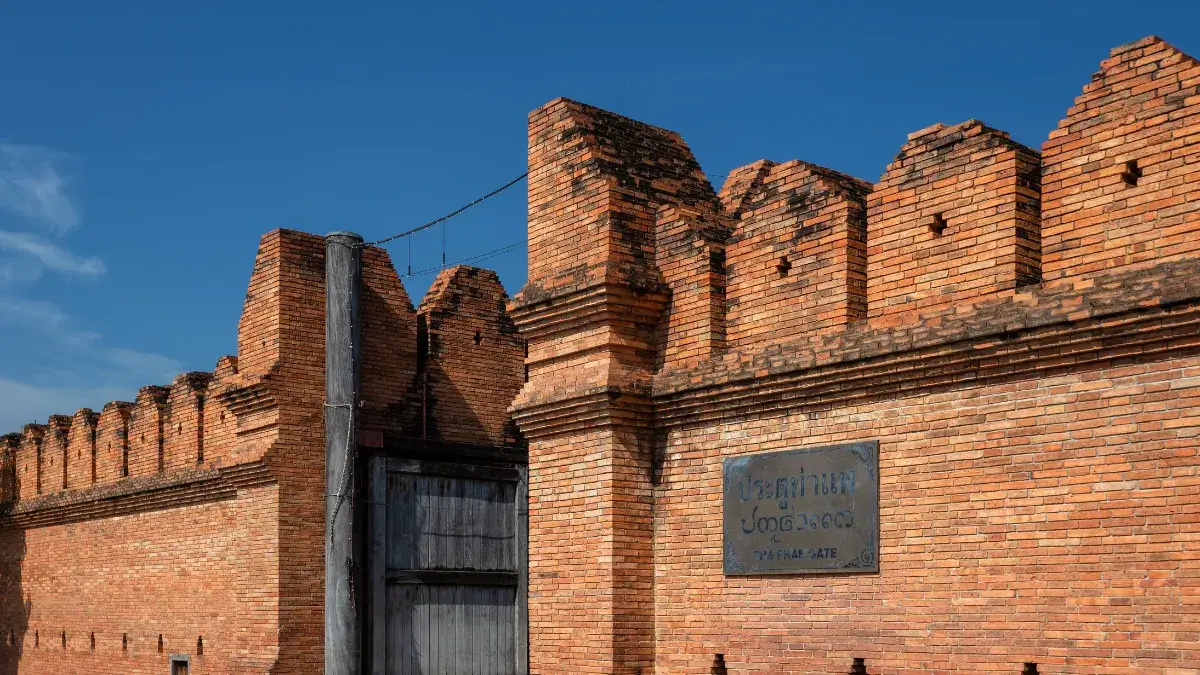
The Old Town is the heart of Chiang Mai. Surrounded by a historic wall, it’s packed with temples, cafes, and the famous Sunday Night Market. Here, you’ll find budget-friendly accommodations and be within walking distance of many attractions.
Staying near Tha Phae Gate is ideal for easy access to both the Sunday Night Market and the Night Bazaar. Budget guesthouses like Yindee Stylish Guesthouse offer clean, minimal rooms and friendly service.
Nimmanhaemin: Trendy Neighborhood and Nightlife
Nimmanhaemin attracts a younger crowd, especially digital nomads. This area boasts modern architecture, trendy cafes, and boutique shopping. The nightlife here is vibrant, with rooftop bars that stay lively until midnight.
If you prefer a creative energy, this neighborhood is perfect. You’ll find co-working spaces and specialty coffee shops that cater to a modern lifestyle.
Other Areas: Night Bazaar, Riverside, and Santitham
The Night Bazaar area along Chang Klan Road offers a lively atmosphere but can be noisy due to nearby bars. If you enjoy nightlife, this might be a good fit. However, noise can be an issue when trying to sleep.
For a more luxurious experience, the Riverside area features upscale hotels with pools and stunning river views. Just be prepared to use a tuk-tuk or Grab to get to the main attractions.
On the other hand, Santitham provides a more local experience with authentic food spots and cheaper rents. It’s not as close to tourist hotspots but offers a genuine glimpse into local life.
| Accommodation | Location | Price (Baht) | Features |
|---|---|---|---|
| Rich Lanna House | Old Town | 1,500 | Stylish, breakfast included, salt-water pool |
| Yindee Stylish Guesthouse | Old Town | 600 | Clean rooms, friendly staff, budget-friendly |
| Sleep Mai: Thapae | Near Old City | 800 | Easy access to Old City and Night Bazaar |
Where you stay shapes your entire experience. Choose the Old Town for culture and convenience, Nimmanhaemin for cafes and nightlife, or Riverside for resort-style relaxation. Each area has its own charm and offers unique things to explore.
Getting Around Chiang Mai: Transport Tips
Getting around Chiang Mai is an experience filled with unique transport options. The city is incredibly walkable, making it easy to explore at your own pace. You’ll find hidden temples, cozy cafes, and vibrant street art that you might miss if you travel by vehicle.
Walking and Exploring Old Town on Foot
The Old Town is compact and flat, making walking the most pleasant way to discover the area. Each step reveals charming spots and local treasures that add to your adventure.
Using Tuk-Tuks, Songthaews, and Grab Taxi Services
Tuk-tuks and songthaews (red trucks) are both extremely cheap and convenient. You can flag down a songthaew and tell the driver your destination for around 30 baht per ride within the city. Tuk-tuks may cost a bit more, but they get you there faster. Always agree on the price before hopping in.
For a full day of temple-hopping in the mountains, consider hiring a Grab driver for about 950 baht (around $25 USD). This provides you with door-to-door service in air-conditioned comfort.
Scooter Rental: Pros, Cons, and Safety Advice
Scooter rental may seem tempting at 150-200 baht per day, but it’s not recommended for first-timers. The traffic patterns are chaotic, and intersections operate on unwritten rules. Police checkpoints often target foreigners without proper licenses, so make sure you have an International Driving Permit endorsed for motorcycles.
If you’ve never ridden a scooter before, Chiang Mai is not the place to learn. The combination of aggressive drivers and your inexperience can lead to dangerous situations. Stick to walking or using tuk-tuks and Grab for a safer experience.
Walking remains the most underrated transport option. The Old Town’s grid is easy to navigate, allowing you to stumble onto things no guidebook mentions. For trips beyond the city center, a combination of Grab for convenience and songthaews for budget-friendliness covers all your bases.

Budget-Friendly Activities and Free Attractions
Exploring Chiang Mai doesn’t have to break the bank; there are countless budget-friendly activities waiting for you. This vibrant city is filled with experiences that won’t empty your wallet. You can enjoy everything from museums to parks without spending much.
Exploring Museums and Cultural Centers
For a taste of Northern Thai culture, visit the Lanna Traditional House Museum and the Lanna Folklife Center. These places charge modest entry fees and offer deep dives into local architecture and history. Just remember, they often close by 4 PM, so plan your visit accordingly.
The Chiang Mai Cultural Center is another great spot to learn about the region’s rich heritage. With engaging exhibits, it’s a perfect way to spend a few hours without breaking the bank.
Quaint Coffee Shops and Charming Local Shops
Chiang Mai is home to plenty of quaint coffee shops and charming local shops. These cozy spots provide a perfect retreat from the heat. You can enjoy a delicious cup of coffee while soaking in the local vibe.
Don’t miss the Jigsaw Place in the Old Town, where you can work on puzzles for a small fee. It’s a quirky find that adds a unique twist to your day.
Relaxing in Parks, University Campus, and Green Spaces
For a peaceful escape, head to Chiang Mai University and its stunning Angkaew Reservoir. With plenty of benches and shady spots, it’s an ideal place to read or sketch. The serene atmosphere allows you to unwind while enjoying nature.
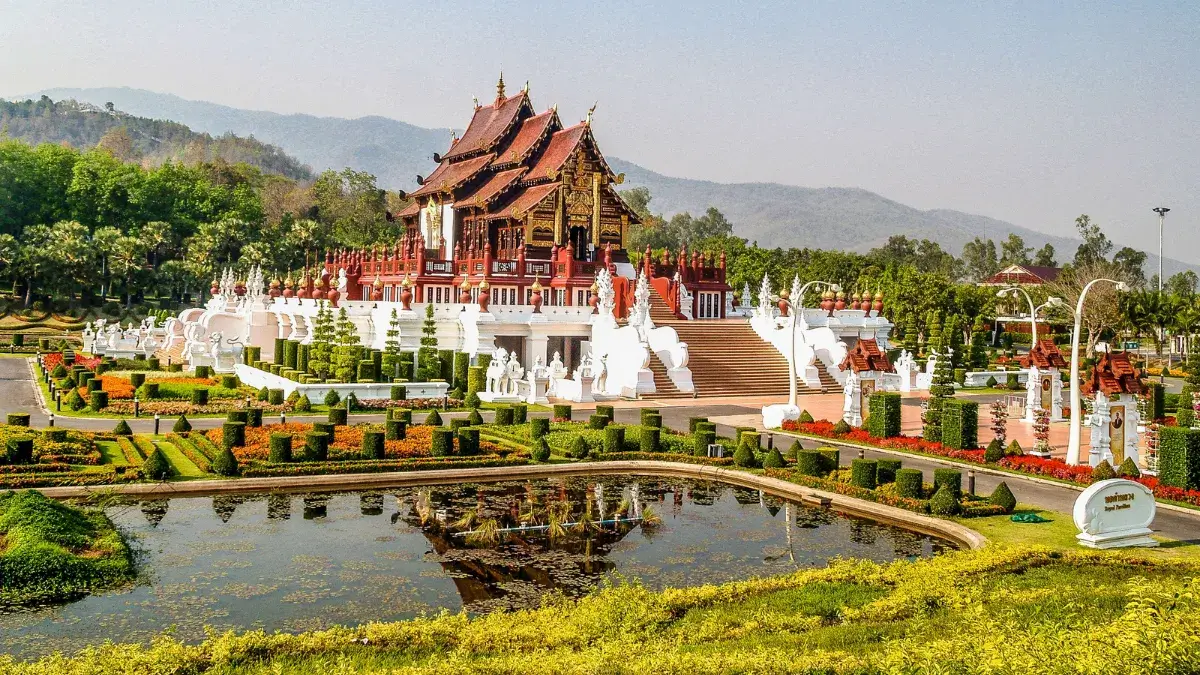
Another lovely option is the Royal Park Rajapruek, which charges a 200 baht entrance fee. Here, you can explore beautiful botanical gardens and admire the Royal Pavilion. A tram is available to help you navigate the expansive grounds.
If your accommodation lacks a pool, consider day passes at upscale hotels like the Shangri-La. These passes grant you access to their facilities for a fraction of the room rate.
Walking through the Old Town without a specific agenda can lead to delightful discoveries. You’ll find independent bookshops, vintage clothing boutiques, and art galleries that often go unnoticed.
A day spent museum-hopping, coffee-sipping, and park-lounging can cost under 500 baht total. This approach offers a richer sense of the city than any packaged tour.

Travel Writer, Researcher and Publisher
Jason Baigent
Founder Destinations Uncovered
“Once you’ve visited the North of Thailand why not try the West? West Thailand as it always was, really is and is the Thailand that very few visitors ever get to see. Visit the spectacular Western Thailand regions of Tak, Kanchanaburi, Ratchaburi, Phetchaburi & Prachuap Khiri “
Planning Day Trips from Chiang Mai
Get ready to explore the stunning landscapes surrounding the city, where adventure awaits just beyond the urban hustle. Chiang Mai offers incredible day trip options that allow you to connect with nature and experience local culture. Here are some exciting destinations to consider for your next outing.
Sticky Waterfall Adventure
The Sticky Waterfall lives up to its name. The mineral deposits create a grippy surface on the limestone cascades, allowing you to climb directly up the waterfall face without slipping. It’s about 90 minutes north of the city, and you’ll want to book a tour or hire a driver since public transport doesn’t reach it.
Hiking in the Hills West of Town
The hills west of Chiang Mai offer hiking trails that wind through forested slopes. You can link your trek to Wat Pha Lat or all the way up to Doi Suthep for a full-day adventure. The Monk’s Walk trail from near the university up to Doi Suthep is the most accessible route. It’s well-marked, shaded, and takes about three hours at a moderate pace.
Visiting Hilltribe Villages: Hmong Doi Pui Village
Hmong Doi Pui Village sits above Doi Suthep on the same mountain road. This village offers a glimpse into hilltribe life with traditional crafts and a small museum. The Ban Hmong Doi Pui Museum costs just 20 baht to enter. Your fee supports the village directly, making it a meaningful visit.
At the very top of the village, Hmong Doi Pui Family Coffee serves strong Thai coffee on a patio overlooking terraced gardens and misty mountain ridges. The Doi Pui Waterfall Garden near the village entrance combines a cascading waterfall with an explosion of colorful flowers. It’s worth the short walk before you head back down.
You can combine Doi Suthep, Wat Pha Lat, and the Hmong village into a single half-day loop if you hire a Grab driver for about 950 baht. These day trips get you out of the urban bustle and into the landscapes that have shaped Northern Thai culture for centuries.
Ethical Tourism: What to Avoid in Chiang Mai
Traveling to Chiang Mai presents an opportunity to engage in ethical tourism and make informed choices. While this beautiful city offers many attractions, it’s crucial to be mindful of the impact your activities have on animals and local communities.
Avoid Riding Elephants and Exploitative Animal Attractions
Riding elephants might look like a bucket-list moment in photos, but the reality is a brutal training process called phajaan that breaks these animals’ spirits. No ethical sanctuary offers rides. If an elephant camp lets you climb onto an elephant’s back, that’s your red flag. Walk away and book a visit to the Elephant Nature Park or Elephant Jungle Sanctuary instead.
Steer Clear of Tourist Traps Like Tiger Kingdom and Karen Village
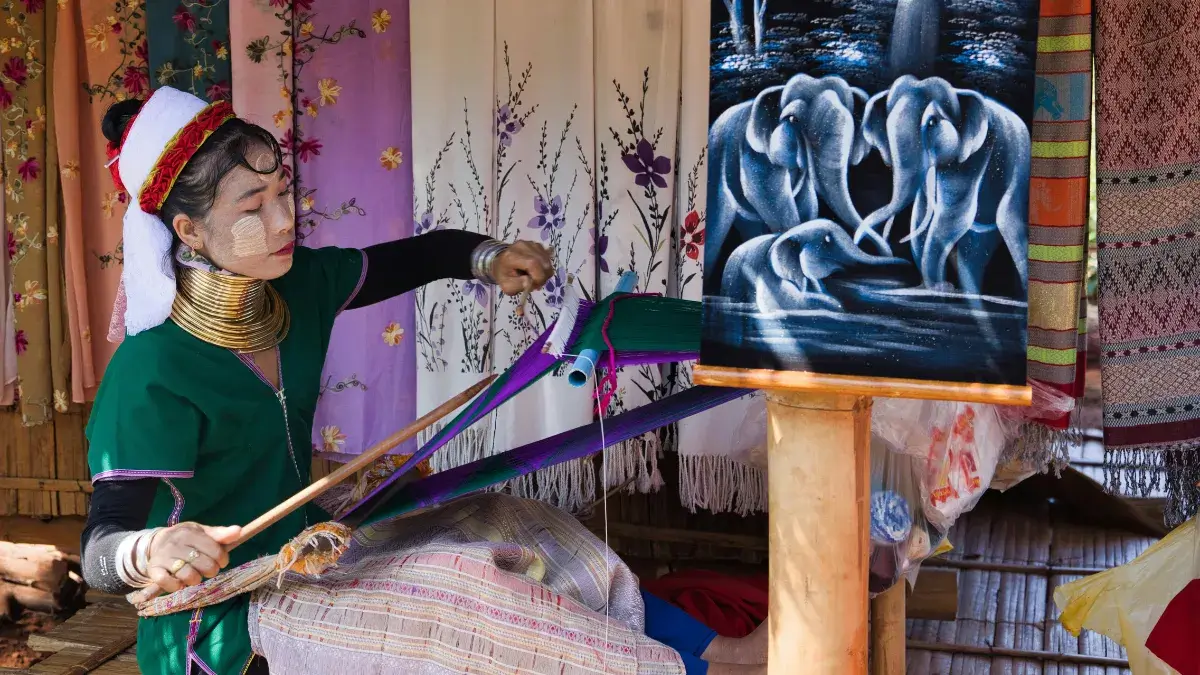
Places like Tiger Kingdom drug their animals to keep them docile for tourist selfies. Your admission fee directly funds that cycle of exploitation. Similarly, the Karen long-neck villages reduce human beings to photo opportunities. These are not cultural exhibits, and treating them as such perpetuates a dehumanizing form of poverty tourism.
Respect Local Customs and Dress Codes
Temple dress codes exist for a reason. Shoulders and knees covered isn’t a suggestion; it’s a baseline expectation at every active worship site in Chiang Mai. You’ll see tourists ignoring these rules constantly, but being the respectful traveler means carrying a sarong or scarf and using it without being asked.
The way you interact with locals matters. A smile and a sincere attempt at “sawasdee khrap/kha” goes infinitely further than frustration when language barriers arise. Your spending choices shape the tourism economy. Every baht you spend at an ethical sanctuary or local family-run shop reinforces the kind of travel that benefits communities.
Avoid attractions that treat living beings as props, and you’ll leave Chiang Mai with a clearer conscience and more meaningful memories.
Practical Travel Tips for Visiting Chiang Mai
When planning your adventure in Northern Thailand, knowing a few practical tips can make all the difference. This guide will help you navigate the essentials for a smooth trip. From the best times to visit to packing suggestions, we’ve got you covered.
Best Time to Visit and Weather Considerations
The sweet spot for visiting this vibrant city runs from November through January. You’ll enjoy clear skies and manageable heat, perfect for exploring. If you time it right, you might even catch the magical lantern festivals.
However, beware of the Burning Season from February to April. Farmers across the region burn crop residue, blanketing the city in haze. This can make outdoor activities uncomfortable and unhealthy.
Packing Suggestions and Health Advice
Comfortable walking shoes should be your number one priority. You’ll log miles on temple grounds, market aisles, and Old Town sidewalks every single day. A lightweight sarong or scarf is also essential for temple visits. It’s quick to wrap around your shoulders or waist when you need to cover up.
Don’t forget to pack plenty of bug spray. Mosquitoes can be aggressive, especially at night markets. Also, make sure to bring a travel pack of wet wipes. Most vendors don’t provide napkins, and some public bathrooms lack soap.
For food safety, stick to fruits you can peel yourself, like mangoes and bananas. Avoid pre-cut papaya from unrefrigerated carts, as it can be a gamble.
Booking Tours and Activities in Advance
Booking ethical elephant sanctuaries and popular cooking classes at least a week in advance is crucial. These aren’t walk-in activities, and the best operators fill up fast. Make a shortlist of your absolute must-dos and lock those reservations in before you arrive. This leaves room for spontaneous discoveries while ensuring you don’t miss out on key experiences.
Lastly, don’t forget to get travel insurance. In Southeast Asia, unexpected surprises can happen, from scooter accidents to food poisoning. Having coverage means you can focus on enjoying your trip without worry.
In summary, the practical stuff isn’t glamorous, but getting it right means more time enjoying Chiang Mai and less time dealing with preventable problems.
Enjoying Chiang Mai’s Nightlife and Entertainment Scene
As evening approaches, Chiang Mai reveals a dynamic nightlife that caters to every taste and budget. The city offers a vibrant mix of bars, live shows, and cultural experiences. Whether you prefer a laid-back rooftop drink or an adrenaline-pumping Muay Thai fight, there’s something for everyone.
Chiang Mai’s nightlife splits between two distinct zones — the rowdy, backpacker-heavy bars around the Night Bazaar and the more sophisticated rooftop venues in Nimmanhaemin. Here’s what you can expect:
Bars and Rooftop Venues in Nimmanhaemin and Night Bazaar Neighborhoods
Zoe in Yellow is a backpacker institution where drinks flow cheap and the dance floor stays packed. But remember, bars technically close by midnight, so the party starts early. In contrast, Nimmanhaemin’s rooftop bars offer craft cocktails and stunning city views. These venues attract a crowd of expats and young Thai professionals, creating a more upscale atmosphere.
- Expect lively crowds and affordable drinks at Zoe in Yellow.
- Nimmanhaemin rooftops provide a relaxing vibe with scenic views.
- Bars generally close by midnight, so plan your night accordingly.

Muay Thai Fights and Live Shows
Muay Thai fights happen every night at venues around the city. You don’t need advance tickets — just show up, pay your entry, and experience Thailand’s national sport in its rawest form. The fighters’ pre-match rituals and live musical accompaniment create an atmosphere that’s as much cultural performance as athletic competition.
- Catch a Muay Thai fight without the need for advance booking.
- Live music venues cover everything from acoustic covers to full-band rock.
- Training sessions are available for those wanting to learn basic strikes.
A night out in Chiang Mai costs a fraction of what you’d spend in Bangkok or the islands. You can enjoy multiple drinks, a fight ticket, and a late-night food stop for under 500 baht. The key to enjoying Chiang Mai after dark is pacing yourself. Start with sunset drinks at a rooftop, catch a Muay Thai bout, and end with street-side noodles before the midnight curfew.
Cultural Insights: Understanding Chiang Mai’s People and Lifestyle
Understanding the local culture in Chiang Mai enhances your travel experience. The people here are famously warm, but that warmth is earned through your own behavior. A genuine smile and a calm demeanor open doors that frustration never will.
Learning just a few Thai phrases can transform your interactions from transactional to human. Try saying “sawasdee kha/krap” for hello, “khop khun” for thank you, and “mai pen rai” for no worries. These small efforts go a long way.
The traditional greeting, known as the wai, involves a slight bow with palms pressed together. While locals don’t expect foreigners to master it, your effort will always be appreciated.
Local Etiquette and Communication Tips
Chiang Mai has evolved into Southeast Asia’s digital nomad capital. The Nimmanhaemin area serves as the epicenter of co-working spaces, specialty coffee, and a community of location-independent professionals. This presence explains the city’s disproportionate number of excellent cafes, board game shops, and niche hobby stores.
The blending of traditional Lanna culture with this modern, globalized community creates a unique atmosphere. Here, ancient temples and artisanal pour-over bars coexist on the same block.
Locals are generally patient with cultural missteps as long as you’re visibly trying. It’s the entitled, demanding tourist who gets the cold shoulder. The pace of life in Chiang Mai is slower than in Bangkok, and that’s by design. Rushing, raising your voice, or displaying anger in public is considered deeply impolite.
Understanding this cultural context doesn’t just make you a better traveler; it deepens every experience you have in the city.
Digital Nomad Community and Expat Scene
The digital nomad community has significantly shaped the lifestyle in Chiang Mai. With a vast array of cafes and co-working spaces, it attracts many people seeking a balanced work-life experience. This influx has led to a thriving environment for unique stores and experiences.
From board game cafes to model building shops, the city offers an unexpectedly large number of niche options. This diversity caters to both expats and tourists, making it a lively place to explore.
In summary, the people of Chiang Mai and their lifestyle are integral to the charm of this city. Embracing local customs and understanding the community can enhance your journey in ways you never imagined.
Enhance Your Chiang Mai Trip with Unique Experiences
Chiang Mai is a treasure trove of unique experiences waiting to enhance your trip. From spiritual practices to serene gardens, there’s much to explore beyond the usual attractions. Here are three enriching activities to consider during your stay.
Sak Yant Tattoos from Monks
Getting a sak yant tattoo from a monk is a spiritual practice, not just a souvenir. This experience is deeply meaningful and should be approached with reverence. Ensure you research hygienic and reputable practitioners before proceeding.
These sacred geometric designs are believed to offer protection and blessings. The atmosphere of receiving one in a temple setting is profoundly different from a street shop tattoo.
Meditation Retreats and Vipassana Courses
For those seeking inner peace, the Doi Suthep Vipassana Meditation Centre offers intensive courses. These retreats range from a few days to several weeks, teaching silent meditation techniques rooted in Buddhist tradition.
While these retreats can be challenging—early wake-ups, simple meals, and hours of meditation—they are described by many as genuinely transformative experiences.
Royal Park Rajapruek and Botanical Gardens
Just outside the city, Royal Park Rajapruek spans acres of themed gardens, orchid displays, and a stunning Royal Pavilion built in traditional Lanna style. The entrance fee is only 200 baht, which includes access to a tram that loops through the grounds.
You can easily spend half a day wandering through the international gardens, each section designed by a different country. This botanical escape offers a peaceful retreat from the bustling city.
These three experiences—a sacred tattoo, a meditation retreat, and a botanical escape—represent the deeper, quieter side of Chiang Mai that most visitors never tap into. They require more planning and intention than temple-hopping or market-browsing, but they’re the kind of experiences that fundamentally shift how you remember your trip.
Conclusion
Chiang Mai is a city that captivates the heart and mind, leaving you with unforgettable memories. It exceeds expectations and transforms your imagination into reality. The variety of experiences here means you can feed elephants in the morning, explore ancient temples in the afternoon, and indulge in local cuisine at night markets.
This destination uniquely balances the sacred with the adventurous. You’ll collect memories filled with golden stupas and flavorful dishes, all while feeling that you’ve only scratched the surface of what it offers.
With practical advice on where to stay and how to navigate the city, you can focus on what truly matters — the experiences that resonate. Whether your trip lasts three days or three weeks, Chiang Mai rewards those who arrive with curiosity and an open heart.
So, book the activities you can’t miss, but leave room for spontaneity. Trust that this city will surprise you with moments you never anticipated, making your journey one you’ll recount long after returning home.
Looking for a longer stay in Thailand – If you’ve been to Chiang Mai you are in the perfect position for a self drive road trip via the Mae Hong Son Loop! Here’s a video that explains it all!
Chiang Mai Must Do FAQ
What are the best ethical elephant experiences in the area?
The Elephant Jungle Sanctuary and Elephant Nature Park are top choices for ethical interactions with elephants, focusing on their well-being and conservation.
Which temples should I visit while in the city?
Don’t miss Wat Phra That Doi Suthep, Wat Chedi Luang, and Wat Phan Tao for a rich cultural experience and stunning architecture.
What can I expect at the night markets?
Vibrant night markets like the Sunday Night Market and Night Bazaar offer local art, crafts, and delicious street food. It’s a perfect way to experience local culture.
Are there any cooking classes available?
Yes, there are several cooking classes where you can learn to prepare traditional dishes, allowing you to savor the flavors of Northern Thailand.
What is the best time to visit Jaipur?
The best time to visit Jaipur is from October to March, when temperatures are cool and pleasant. The peak season months offer moderate sunlight during the day with temperatures ranging from 8°C to 25°C. Winter months provide the most comfortable conditions for exploring outdoor attractions like forts and palaces. January is particularly popular as it coincides with the annual Jaipur Literature Festival. April to June are the hottest months with temperatures exceeding 40°C, making them less suitable for visiting Jaipur.
What is the best way to get around the city?
Walking is great for exploring Old Town. For longer distances, tuk-tuks, songthaews, and Grab taxis are convenient options.
What are some must-try local dishes?
Khao Soi is a must-try dish, known for its rich coconut curry flavor. Street food is also a highlight, offering various tasty options.
When is the best time to visit?
The best time to visit is during the cool season from November to February, when the weather is pleasant for outdoor activities.
What cultural events should I participate in?
Join in the festivities of Songkran, the Water Festival, or experience the beauty of the Loy Krathong and Yi Peng Lantern Festivals.
Are there budget-friendly activities available?
Yes, exploring local museums, quaint coffee shops, and parks are great free or low-cost options to enjoy the city.
What should I avoid for ethical tourism?
Avoid riding elephants and visiting exploitative animal attractions. Respect local customs and dress codes to ensure a positive experience.