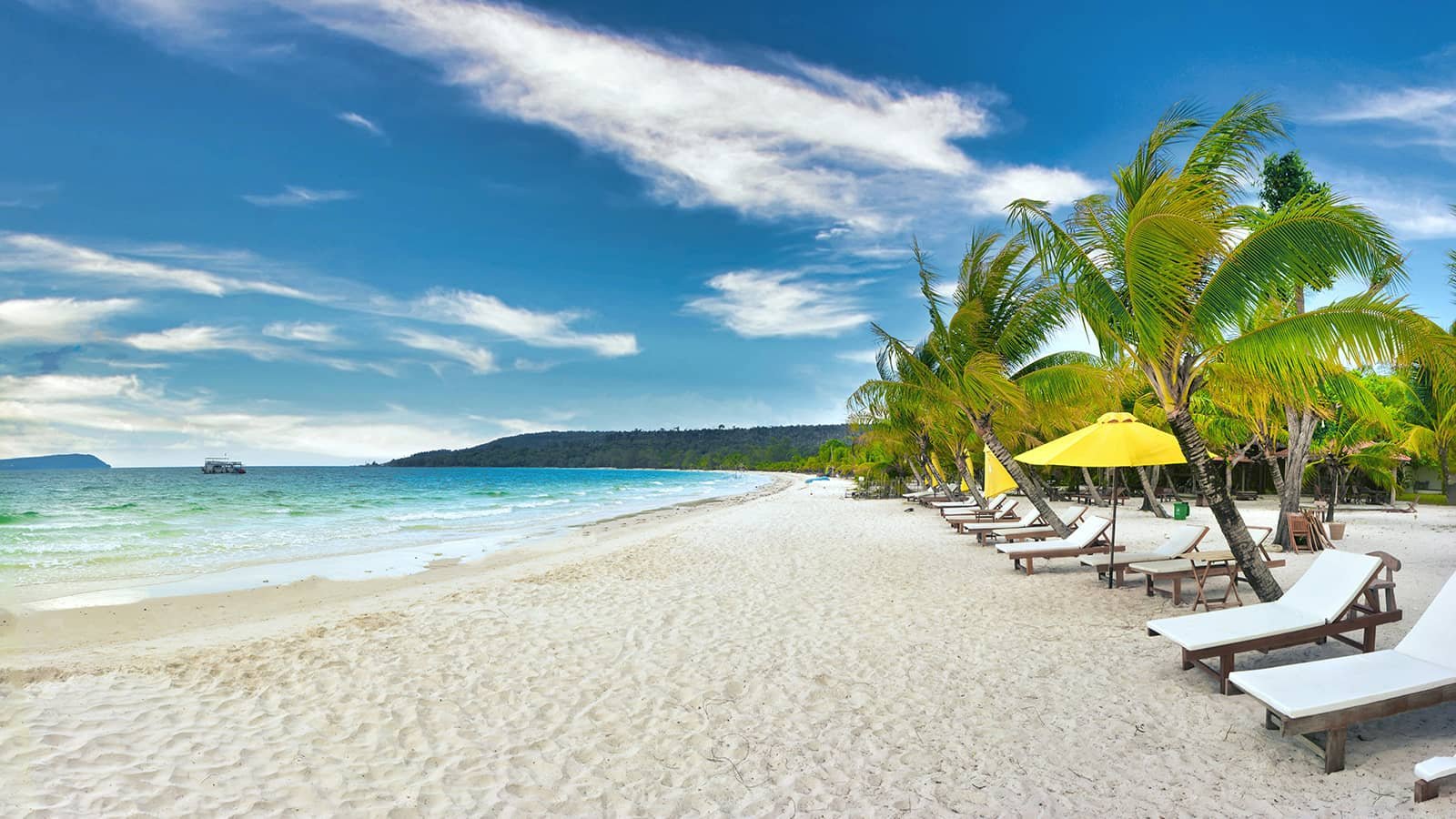
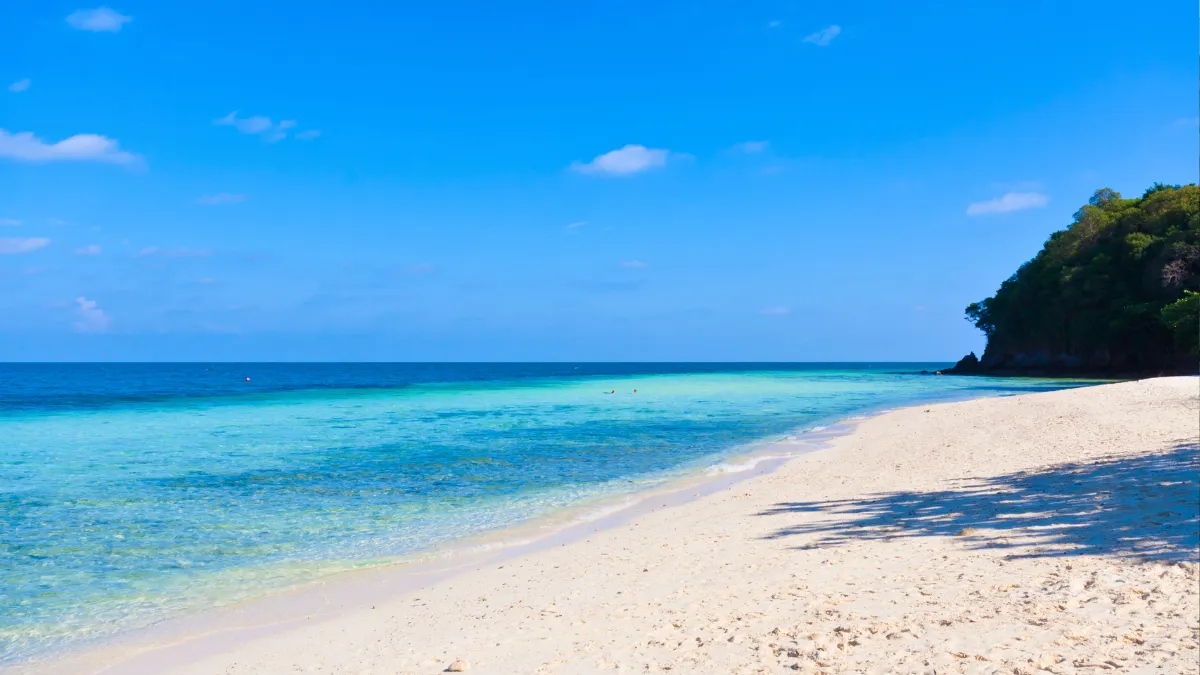
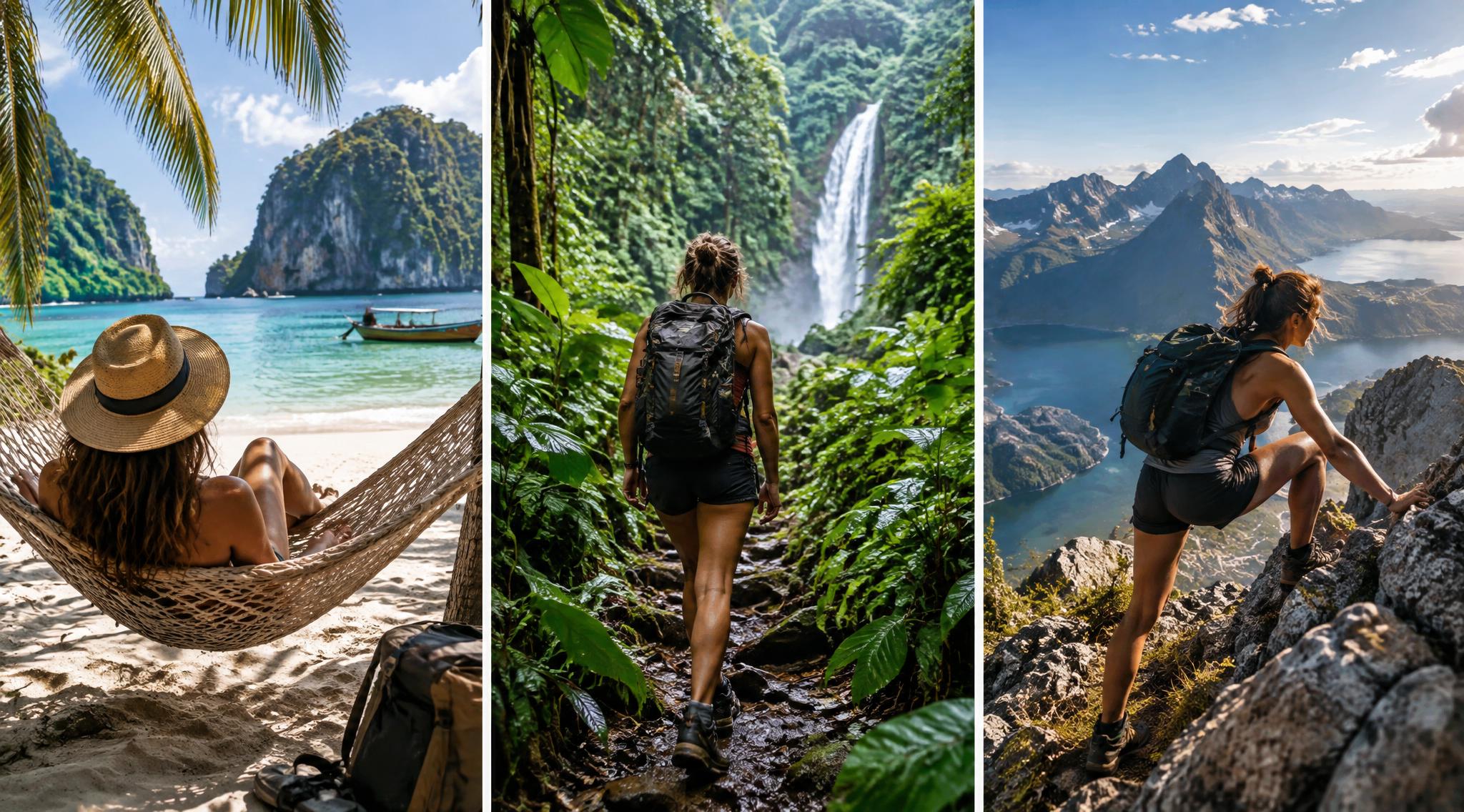
This 14-day Thailand itinerary combines Bangkok’s historic sights and lively markets with the ancient ruins of Ayutthaya, the temples and mountain scenery of Chiang Mai and Pai, and the beaches and islands of Koh Samui. The route is busy, but it offers a varied introduction to Thailand’s culture, history, food, nature and island life.
The first part of the post is a clean text version of the itinerary for easy reading and quick scanning. If you prefer the day by day itinerary with maps, you can go directly there using the button below.
14 Day North to South Itinerary
Day 1: Arrive in Bangkok
Arrive in Bangkok and settle into your accommodation before exploring the historic heart of the city and spending your first evening around Khao San Road.
- Arrive at Suvarnabhumi Airport and take a shuttle, taxi or pre-arranged transfer to your accommodation.
- Check in at Jam Hostel Bangkok, then take some time to rest and freshen up after your journey.
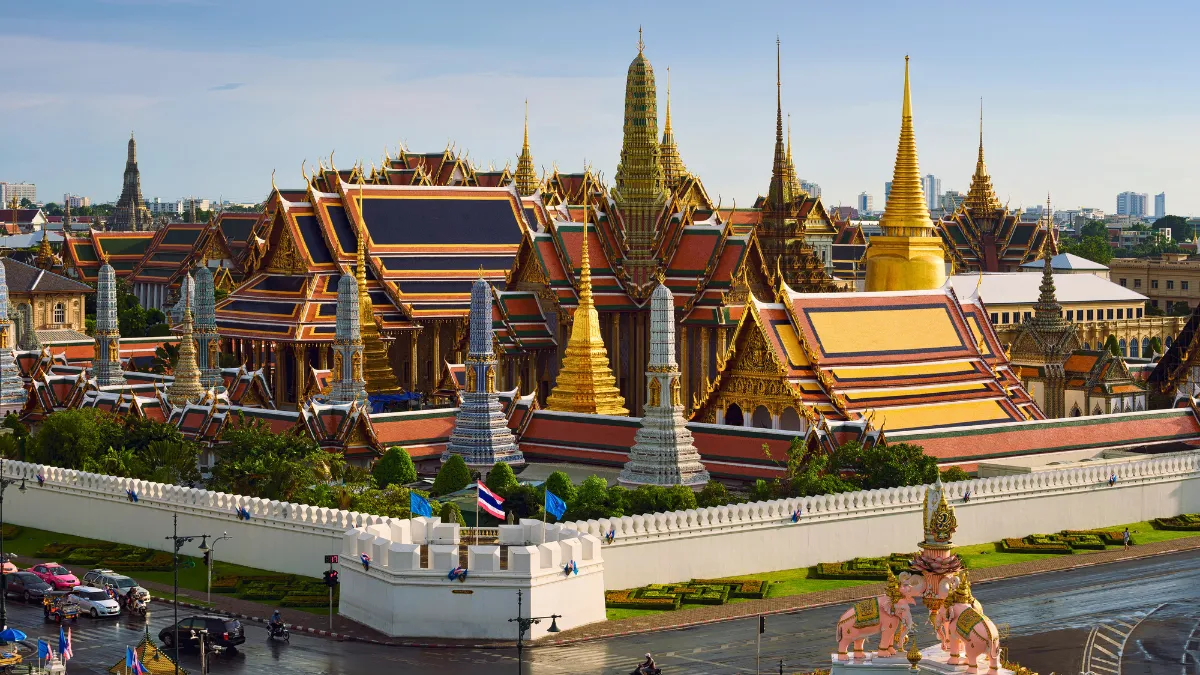
- Visit the Grand Palace: The Grand Palace is one of Bangkok’s most important historical sites. Built in 1782, the vast complex contains royal residences, ceremonial halls and temples with intricate Thai architectural details. It served as the official residence of the Kings of Siam and Thailand for more than 150 years.
- See Wat Phra Kaew: Wat Phra Kaew, or the Temple of the Emerald Buddha, stands within the Grand Palace complex. It is regarded as Thailand’s most sacred Buddhist temple and houses the revered Emerald Buddha, a small jade statue that has great spiritual and cultural importance.
- Spend the evening on Khao San Road: Khao San Road is Bangkok’s best-known backpacker district. Browse market stalls, sample street food, enjoy a traditional massage or settle into one of the area’s many bars and cafés.
Day 2: Temples, Ancient Siam and Riverside Bangkok
Spend the day visiting temples and cultural attractions before enjoying an evening beside the Chao Phraya River.
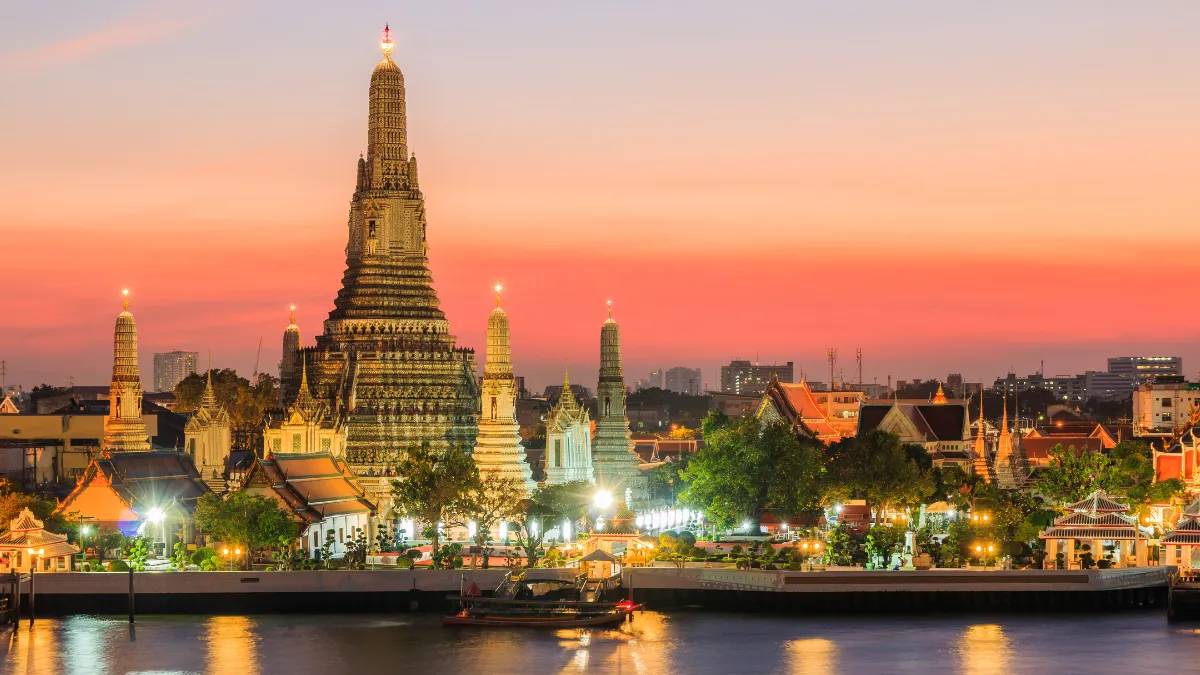
- Visit Wat Arun: Take a ferry across the Chao Phraya River to Wat Arun, or the Temple of Dawn. The temple is famous for its tall central prang, decorated with colorful porcelain and seashells. Its riverside setting and detailed design make it one of Bangkok’s most recognizable landmarks.
- See Wat Pariwat Ratchasongkram: Wat Pariwat is often called the “David Beckham Temple” because one of its decorative figures depicts the former footballer. The temple combines traditional Buddhist imagery with modern characters, celebrities and popular-culture figures.
- Explore Ancient Siam: Ancient Siam, also known as Muang Boran, is a large open-air museum in Samut Prakan. Its grounds contain full-size and scaled reproductions of important temples, palaces and monuments from across Thailand. The park is laid out in the shape of Thailand and is best explored by bicycle, golf cart or other local transport.
- Optional: Visit Wat Samphran: If you have enough time, travel west of Bangkok to Wat Samphran, also known as the Dragon Temple. The 17-storey pink tower is wrapped by a huge red-and-green dragon sculpture. This is an optional addition because it is some distance from central Bangkok.
- Spend the evening at Asiatique: Asiatique The Riverfront is a riverside shopping and dining complex combining market stalls, restaurants and entertainment. It is a relaxed place to browse boutiques, eat dinner and enjoy views of the Chao Phraya River.
Day 3: Markets, Silk and Sukhumvit
Explore one of Bangkok’s famous markets, visit the Jim Thompson House and spend the evening in the lively Sukhumvit area.
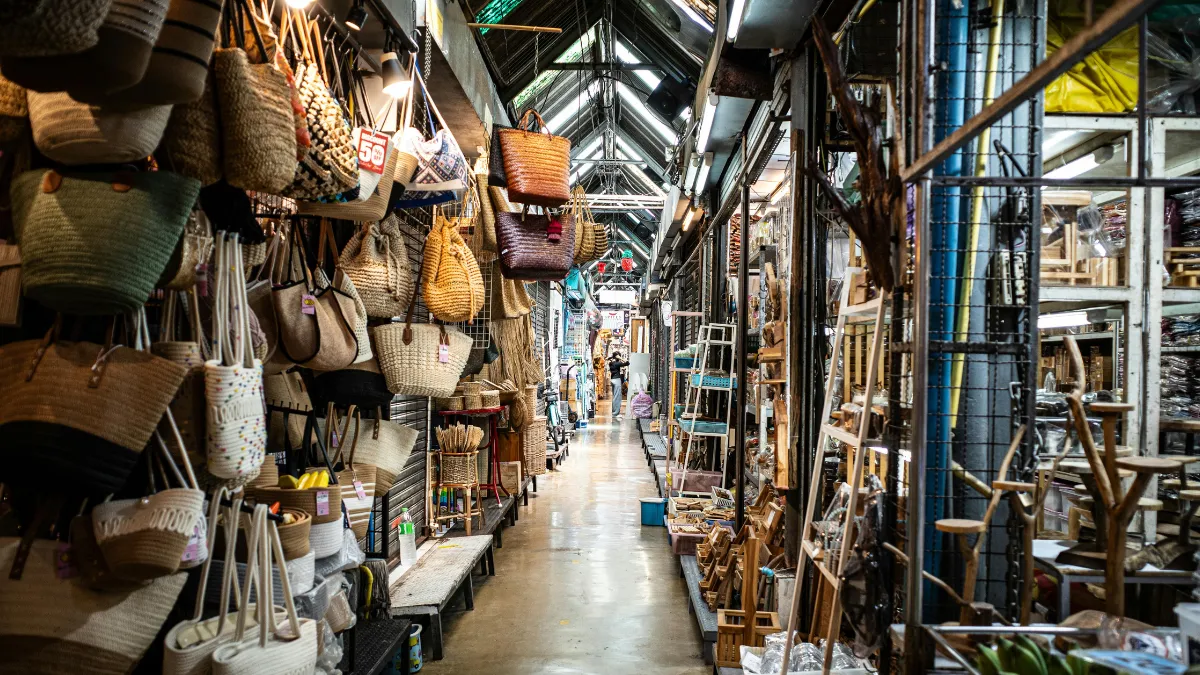
- Visit Chatuchak Weekend Market: If your trip falls over a weekend, spend the morning at Chatuchak Weekend Market. The enormous market sells clothing, crafts, artwork, souvenirs, homeware and food. On weekdays, consider exploring Bangkok’s Chinatown instead, or take a long-tail boat to Baan Silapin, the Artist’s House.
- Visit Jim Thompson House: Jim Thompson House tells the unusual story of the American businessman who helped revive Thailand’s silk industry. The museum is housed in the traditional Thai home he designed and assembled. Learn about Thompson’s life, his work in the silk industry and his unexplained disappearance in Malaysia in 1967.
- Explore Sukhumvit: Spend the evening in Sukhumvit. Enjoy a Thai massage, eat at a local food market or visit one of the area’s lively side streets, known locally as Soi’s. Soi 11 is popular for dining and nightlife. Soi Cowboy and Nana Plaza are nearby adult-oriented entertainment areas for visitors who are interested in experiencing Bangkok’s more notorious nightlife districts.
Day 4: Ayutthaya’s Ancient Ruins
Travel north from Bangkok to Ayutthaya, the former capital of the Kingdom of Siam.

- Travel to Ayutthaya: Ayutthaya is about 80 kilometers north of Bangkok and can be reached by train, bus or private transfer. The city served as the capital of Siam from 1350 until its destruction by the Burmese in 1767. Today, the ruins form the Ayutthaya Historical Park, an extensive archaeological site containing temples, palaces, monasteries and Buddha images.
- Explore Ayutthaya Historical Park: Rent a bicycle or arrange local transport to explore the historic park. Begin at Wat Mahathat, one of Ayutthaya’s most important temple ruins. It is best known for the Buddha head set among the roots of a banyan tree.
- Visit Wat Phra Si Sanphet: Wat Phra Si Sanphet was the most important royal temple in Ayutthaya. It served as the royal chapel and contained the ashes of members of the royal family. The temple is particularly known for its three restored bell-shaped stupas.
- Have dinner beside the river: Enjoy dinner at a riverside restaurant. Local specialities include grilled river prawns, seafood and traditional Thai dishes served with views of the water and historic temples.
Day 5: Bang Pa-In Palace and Return to Bangkok
Spend the morning visiting Bang Pa-In Royal Palace before returning to Bangkok.

- Visit Bang Pa-In Royal Palace: Bang Pa-In Royal Palace is a historic complex beside the Chao Phraya River. Originally built in the 17th century, it was restored during the reign of King Rama IV. The grounds contain a striking mix of Thai, Chinese and European architectural styles.
- Return to Bangkok: Return to Bangkok by train, bus or private transfer. Use the afternoon to rest, organise your onward travel and prepare for the journey to Chiang Mai.
- Visit Jodd Fairs Ratchada: This is currently one of the most popular night markets in Bangkok, known for its trendy vibe, extensive street food selection (such as Lang Zap or giant spicy pork ribs), and central location
Day 6: Chiang Mai’s Old City
Fly to Chiang Mai and begin exploring the historic Old City.
- Fly to Chiang Mai: Take a flight from Bangkok to Chiang Mai and check in to your accommodation.
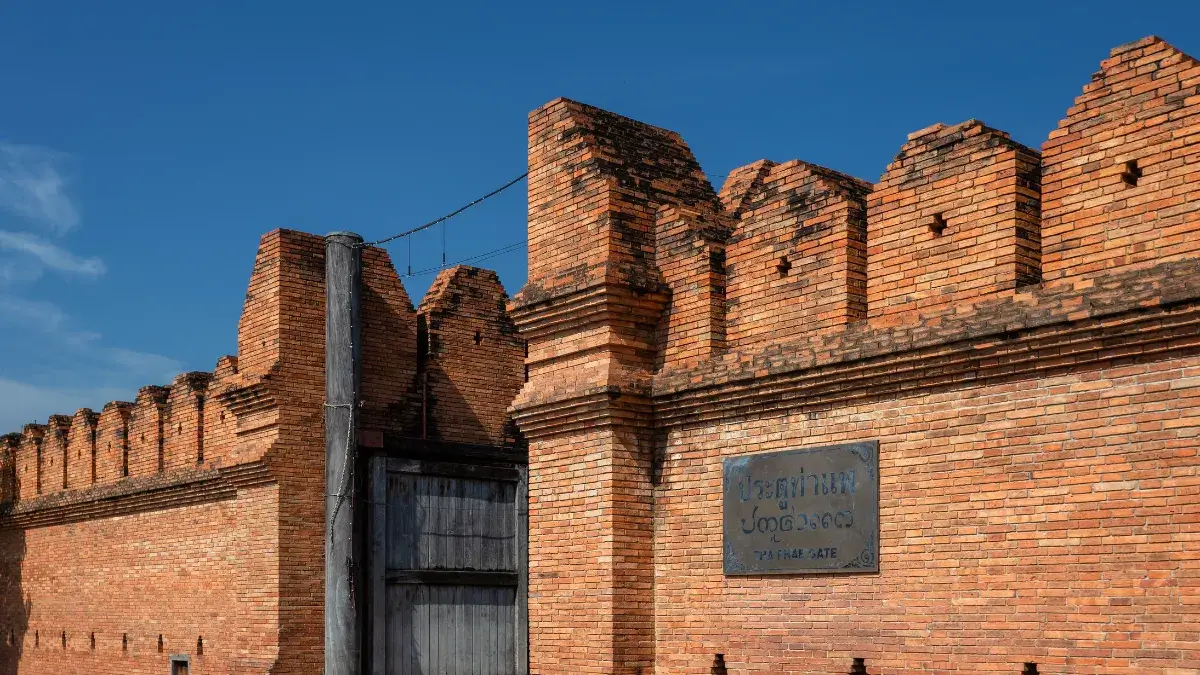
- Explore Chiang Mai Old City: Chiang Mai’s Old City is surrounded by an ancient moat and remnants of the original defensive walls. It was once the capital of the Lanna Kingdom and is now home to historic temples, cafés, restaurants, markets and guesthouses.
- Visit Wat Chedi Luang: Wat Chedi Luang, meaning “Temple of the Great Stupa,” is a historic temple in the center of the Old City. Its enormous ruined chedi was once the tallest structure in the Lanna Kingdom. The temple remains an important religious site and is associated with Chiang Mai’s city pillar.
- Spend the evening at the Night Bazaar: Browse handicrafts, clothing, artwork and souvenirs at the Chiang Mai Night Bazaar. The surrounding area also has plenty of restaurants and street-food stalls for dinner.
Day 7: Mountain Temples and Lanna Culture
Visit the mountain temple of Doi Suthep, walk to Wat Pha Lat and explore the ruins of Wiang Kum Kam before enjoying a traditional Khantoke dinner.
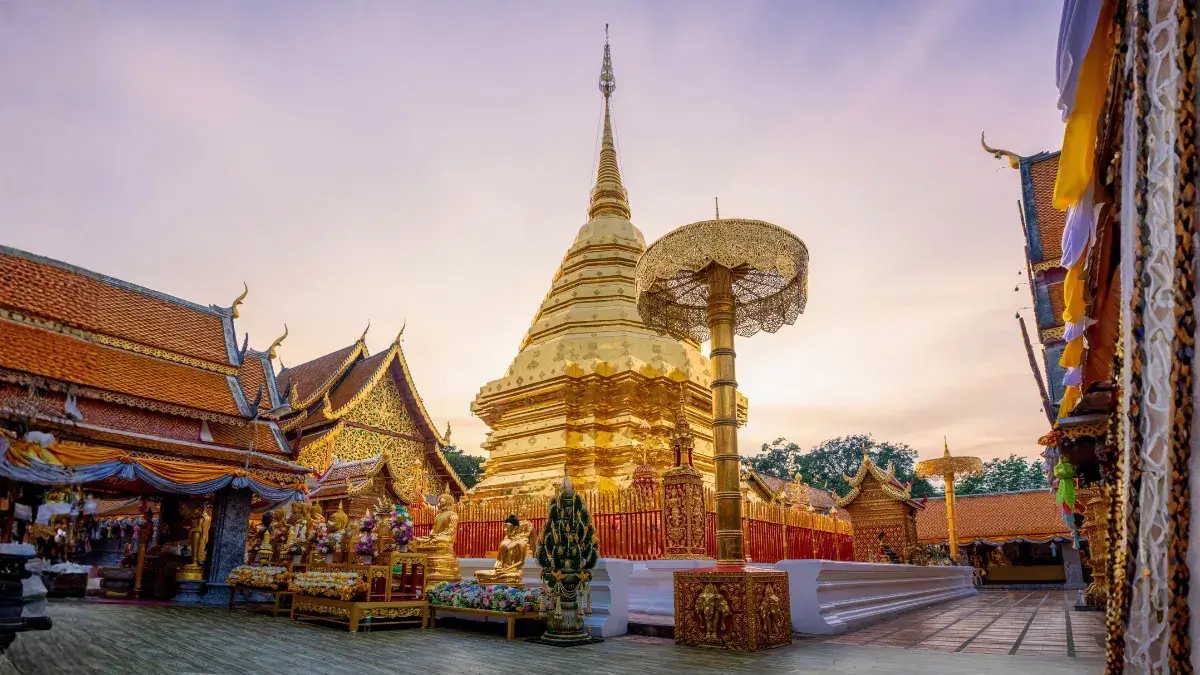
- Visit Doi Suthep: Doi Suthep is a 1,676-metre mountain west of Chiang Mai. Its summit is home to Wat Phra That Doi Suthep, one of northern Thailand’s most important temples. Climb the temple’s Naga staircase or take the cable car to see the golden chedi and enjoy panoramic views over Chiang Mai.
- Hike to Wat Pha Lat: For a quieter experience, follow the Monk’s Trail through the forest to Wat Pha Lat. The walk usually takes around 45–60 minutes, depending on your pace. The jungle temple is known for its peaceful setting, waterfalls, stone shrines and views over the city.
- Explore Wiang Kum Kam: South of Chiang Mai, Wiang Kum Kam contains the remains of an early Lanna capital founded by King Mangrai. The archaeological area includes brick temples, chedis and other ruins scattered among modern neighborhoods.
- Enjoy a Khantoke dinner: A Khantoke dinner is a traditional northern Thai dining experience. Guests sit on floor cushions around a low pedestal tray while sharing Lanna dishes. Dinner is accompanied by traditional music and performances, which may include classical dances, sword dances and hill-tribe music.
Day 8: Elephant Nature Park
Spend the day in the northern mountains at Elephant Nature Park before enjoying an evening food market in Chiang Mai.

- Visit Elephant Nature Park: Elephant Nature Park is a rescue and rehabilitation center for elephants that have been affected by logging, entertainment and tourism. Choose a programme that follows responsible visitor practices. Ethical activities should focus on observing elephants in a natural setting rather than riding, bathing or handling them unnecessarily. The Elephant Highlands Day Tour combines time with rescued elephants, mountain scenery and guided walks.
- Visit Chang Phuak Gate Night Market: Return to Chiang Mai and visit Chang Phuak Gate Night Market, just outside the northern moat. The market is known for its variety of northern Thai street food. Look out for the famous pork leg stew, known as khao kha mu.
Day 9: Travel to Pai
Leave Chiang Mai for Pai, a relaxed mountain town in Mae Hong Son Province.

- Journey to Pai: Pai is approximately 140 kilometers northwest of Chiang Mai. The road is famous for its many bends, so the journey can take several hours even though the distance is relatively short. Minivans are convenient, while scooters offer more flexibility for experienced riders. The route is not suitable for inexperienced motorcyclists, particularly in wet weather.
- Explore Pai town: Check in to your guesthouse, then explore the town center and Pai Walking Street. The surrounding valley contains rice fields, waterfalls, hot springs and forested hills. In the evening, browse food stalls and handicraft shops.
- Relax at Pai Hot Springs: Visit Tha Pai Hot Springs, also known as Pong Nam Ron Tha Pai. The pools are arranged along a natural cascade, with the upper pools reaching temperatures too high for bathing. The lower pools are cooler and suitable for soaking.
Day 10: Explore Pai’s Countryside
Hire a local driver or rent a scooter, if you are experienced and properly licensed, to visit Pai’s surrounding attractions.

- Visit Pai Canyon: Pai Canyon, or Kong Lan, is a sandstone landscape with narrow ridges, steep drops and wide views over the surrounding countryside. Some paths have little or no protection from the edges, so take care, especially in wet or windy conditions. Sunset is a popular time to visit.
- Swim at Mo Paeng Waterfall: Mo Paeng Waterfall is a small, three-tiered waterfall around 9 kilometers from Pai. It is known for its natural rock slide and cool swimming pools.
- Walk across the Bamboo Bridge: Kho Ku So, also known as the Bamboo Bridge, is an elevated bamboo walkway through rice fields near Pam Bok Village. The bridge provides peaceful views of the countryside and surrounding mountains. Conditions can vary depending on the season and weather.
Day 11: Travel to Koh Samui
Travel south to Koh Samui. Please allow enough time for the journey to the airport and check flight connections carefully.
- Fly to Koh Samui: Travel to Koh Samui and check in to your beachside accommodation. Koh Samui is the base for the final part of this itinerary, including a day trip to Ang Thong National Marine Park.
Day 12: Koh Samui Beach and Fisherman’s Village
Take a slower day to relax on the beach before spending the evening in Bophut.

Relax at Chaweng Beach: Chaweng is Koh Samui’s best-known beach. Spend the afternoon swimming, relaxing on the sand or enjoying one of the beachside cafés and restaurants.
Visit Fisherman’s Village: Spend the evening at Fisherman’s Village Walking Street in Bophut. The former fishing community’s beachfront road becomes a lively pedestrian area with restaurants, market stalls, bars, souvenirs and local food. It is a good place to enjoy dinner beside the sea.
Day 13: Ang Thong National Marine Park
Mu Ko Ang Thong National Marine Park: Take a full-day boat trip to Mu Ko Ang Thong National Marine Park for snorkeling, kayaking, swimming and hiking.

- Travel to the marine park: Depart from Koh Samui by speedboat or tour boat and cross the Gulf of Thailand to the national marine park. The park consists of dozens of limestone islands covered with forest and surrounded by clear water.
- Snorkel near Ko Wao Yai: Begin with a snorkeling stop around Ko Wao Yai. Conditions vary, but the area can offer clear water and opportunities to see tropical fish and coral.
- Visit Ko Mae Ko: Hike through the island’s vegetation to reach the viewpoint over the Emerald Lake, a saltwater lagoon surrounded by limestone cliffs.
- See the Emerald Lake: The Emerald Lake, also known as the Blue Lagoon, is one of the park’s most recognizable sights. Swimming is generally not permitted in the lagoon, but the viewpoint provides excellent views and photo opportunities.
- Have lunch by the sea: Most organized tours include a Thai buffet lunch, usually served on one of the islands or aboard the boat.
- Kayak around Ko Wua Ta Lap: Kayak through the calm waters around Ko Wua Ta Lap, passing limestone cliffs, small beaches and sheltered channels.
- Hike to Pha Jun Jaras Viewpoint: If conditions and fitness allow, hike to Pha Jun Jaras Viewpoint for a wide panorama across the islands of Ang Thong. The trail can be steep, so wear suitable footwear, carry water and follow local guidance.
- Return to Koh Samui: Return to Koh Samui by boat in the afternoon or early evening.
Day 14: Koh Taen, Pig Island and Departure
Finish the itinerary with a quieter island trip before departing Koh Samui.

- Visit Koh Taen: Take a long-tail boat from southern Koh Samui to Koh Taen, also known as Coral Island. The island is quieter and less developed than Koh Samui, with beaches, mangroves, coral reefs and peaceful coastal scenery. Snorkelling conditions depend on the weather and tides.
- Visit Koh Madsum: Continue to Koh Madsum, also known as Koh Mat Sum and commonly called Pig Island. The island is known for its free-roaming pigs and white-sand beaches. Observe the animals responsibly and avoid feeding them anything that has not been approved by local operators. Take care around the water, as conditions can change quickly.
- Depart from Koh Samui: Return to Koh Samui and travel to Koh Samui Airport for your flight to Bangkok or your onward destination.
Discover Thailand 14 day north to south itinerary – Practical planning notes
- Bangkok: Allow extra time for traffic, particularly when travelling between temples and the airport.
- Grand Palace and temples: Dress respectfully by covering shoulders and knees. Check current opening hours before visiting.
- Ayutthaya: The historic sites are spread out, so bicycles, tuk-tuks or a private driver can make the day easier.
- Chiang Mai to Pai: The winding road can be uncomfortable for some travelers. Bring medication if you are prone to motion sickness.
- Pai by scooter: Only ride if you are experienced and remember you will need an international drivers license permit as well as your home license.
- Elephant experiences: Choose organizations that prohibit riding, performances and unnecessary handling.
- Island trips: Boat tours depend on weather and sea conditions. Keep the final day flexible if you have a fixed international departure.
- Koh Samui flights: Koh Samui has a relatively small airport, so book flights and onward connections in advance.
- Itinerary pace: This route includes many travel days. Travelers wanting a slower trip could remove either Ayutthaya, Pai or one of the Koh Samui excursions.