
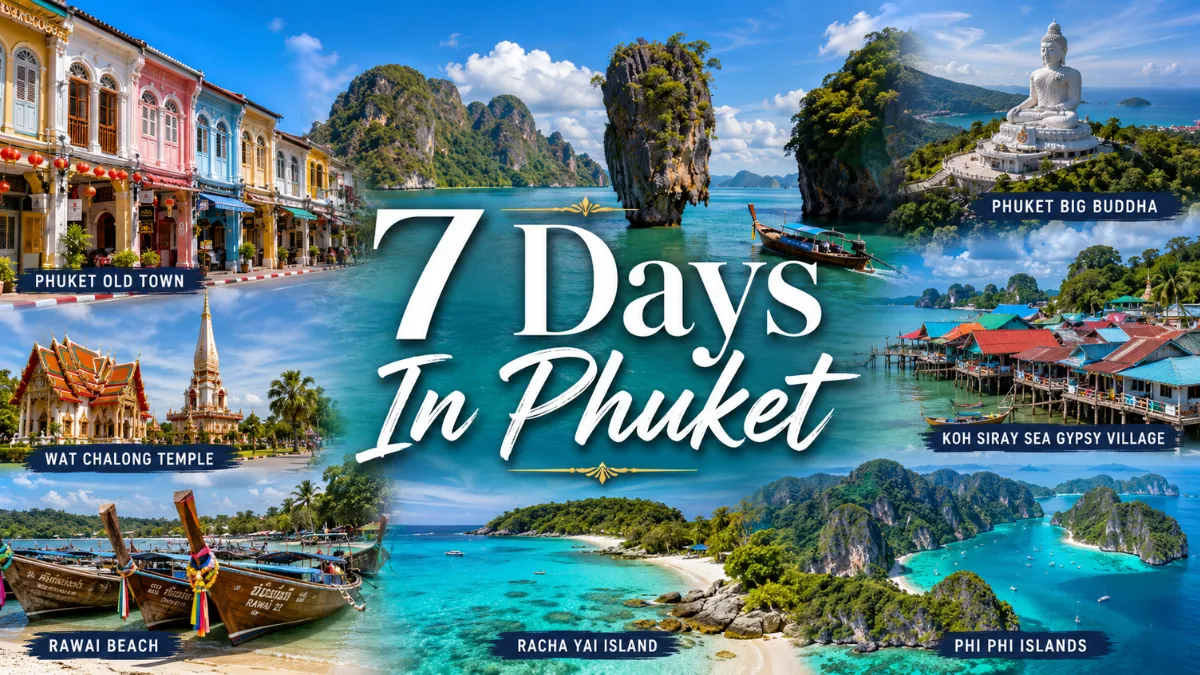
You’ve got 7 days in Phuket. Not enough time to see everything. Too much time to waste on tourist traps.
This itinerary cuts through the noise. Real schedules. Actual costs. Places locals actually go. I spent weeks testing routes, timing ferry connections, and eating way too much pad thai to bring you this guide.
Phuket isn’t just beaches and full moon parties. You’ll find hidden temples in old town, deserted islands an hour offshore, and night markets where you’re the only foreigner. But you need a plan.
This guide gives you that plan. Day-by-day schedules. Transport logistics. Budget breakdowns. Food spots that won’t wreck your stomach or wallet. Safety tips that matter.
Seven days is enough to experience Phuket beyond the resort bubble. Let’s get into it.
Budget Planner
Free Phuket Budget Tracker
I like to track every Baht I spend during my trips. You can use the budget planner and tracker That I use. Load it with your accommodation, food, transport, and activity costs before the trip. Plan your entire budget before you land.
Get Budget Calculator ToolEssential Info Before Your 7 Days in Phuket
Best Time to Visit Phuket
November through April is dry season. Clear skies. Calm seas. Perfect for island hopping.
May through October brings monsoon rains. Cheaper prices. Fewer tourists. Some beaches get dangerous surf. Not ideal if this is your first trip.
Peak season runs December to February. Expect crowds and inflated prices. Book accommodation early.
I prefer November or March. Good weather without the December tourist surge. Better deals on hotels and tours.
Visa Requirements
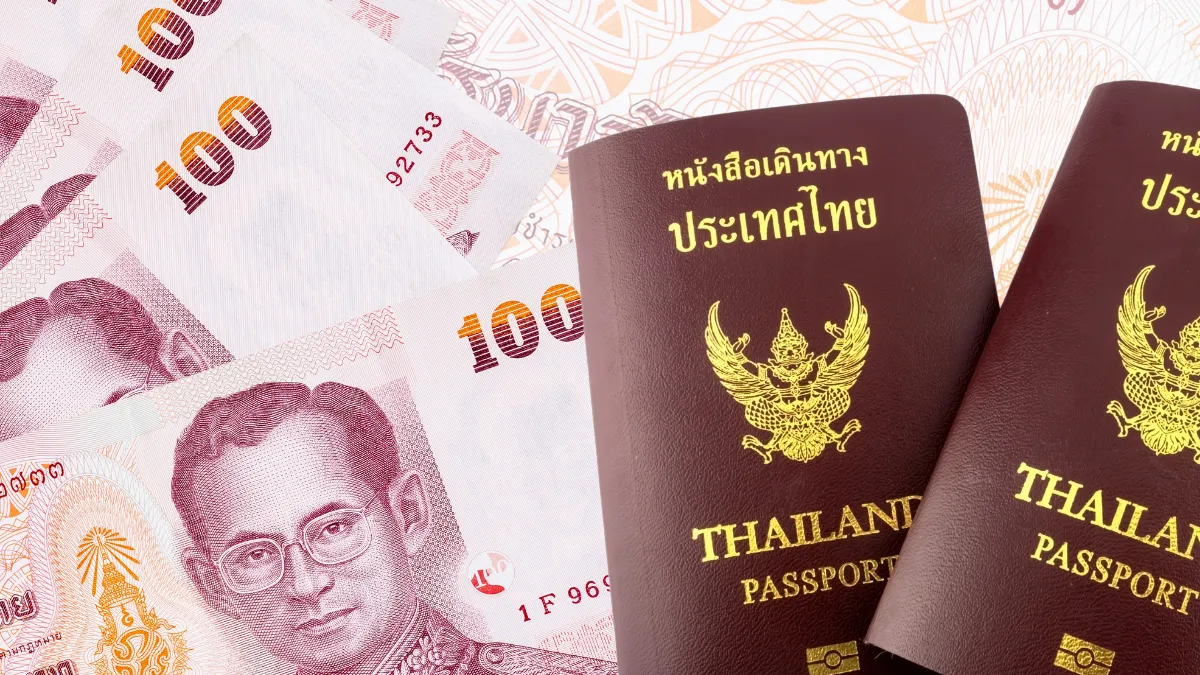
Most nationalities get 30 days visa-free on arrival. Check your country’s specific requirements before booking flights.
Bring a printed return ticket. Immigration sometimes asks. Have proof of accommodation for your first night ready on your phone.
Getting to Phuket
Phuket International Airport connects to major Asian hubs. Direct flights from Bangkok take 90 minutes.
Airport to town costs 600-800 baht by metered taxi. Grab app works here and often costs less. Public bus runs to Phuket Town for 100 baht but takes forever with stops.
Skip the airport taxis offering flat rates. They’re overpriced. Use the meter or book Grab.
Money and Budget
Budget travelers can manage on 1,500-2,000 baht per day. That covers hostel dorms, street food, local transport, and some activities.
Mid-range travelers spend 3,000-5,000 baht daily. Private hotel rooms, sit-down restaurants, organized tours, and rental scooters fit this budget.
ATMs are everywhere. Withdraw larger amounts to minimize fees. Your bank charges international fees anyway.
Carry cash. Many local spots don’t take cards. Small restaurants and markets are cash only.
What You’ll Spend Daily
- Accommodation: 400-2,500 baht depending on comfort level
- Food: 300-800 baht for three meals and snacks
- Transport: 200-500 baht for scooter rental or taxis
- Activities: 500-2,000 baht for tours and entrance fees
- Miscellaneous: 200-400 baht for water, sunscreen, emergencies
Money-Saving Tips
- Eat where locals eat – prices drop by 50%
- Rent scooters by the week for better rates
- Book island tours directly at piers, not through hotels
- Buy snacks and water at 7-Eleven, not tourist shops
- Negotiate tuk-tuk prices before getting in
Health and Safety Basics
Tap water isn’t drinkable. Buy bottled water everywhere. Costs 10-15 baht for a large bottle.
Bring sunscreen from home. It’s expensive here and lower quality. SPF 50+ minimum. The tropical sun is brutal.
Travel insurance matters. Hospital bills add up fast without it. Motorbike accidents are the number one insurance claim in Phuket.
Download offline maps before arriving. Google Maps works offline if you download the area beforehand. Essential for navigating without data.
Getting Around Phuket: Transport That Actually Works
Renting a Scooter
This is how you’ll actually explore Phuket. Rental shops are everywhere. Costs 200-300 baht per day, less for weekly rentals.
You need an international driving permit. Most shops don’t check. Police do. Checkpoints happen randomly. Fine is 500 baht without proper license.
Always wear a helmet. It’s the law. More importantly, roads are dangerous. I’ve seen too many scraped-up tourists who thought they didn’t need one.
Check the bike before leaving the shop. Take photos of existing damage. Test the brakes. Make sure lights work. Fill up gas immediately.
Gas stations are frequent. Costs about 100-150 baht to fill a scooter tank. That’ll last several days of exploring.
Taxis and Ride-Sharing
Grab works in Phuket. Cheaper than taxis and you know the price upfront. Drivers sometimes cancel if they don’t like the destination. Be patient.
Regular taxis don’t use meters despite having them. Negotiate before getting in. A ride across Phuket shouldn’t cost more than 400-500 baht.
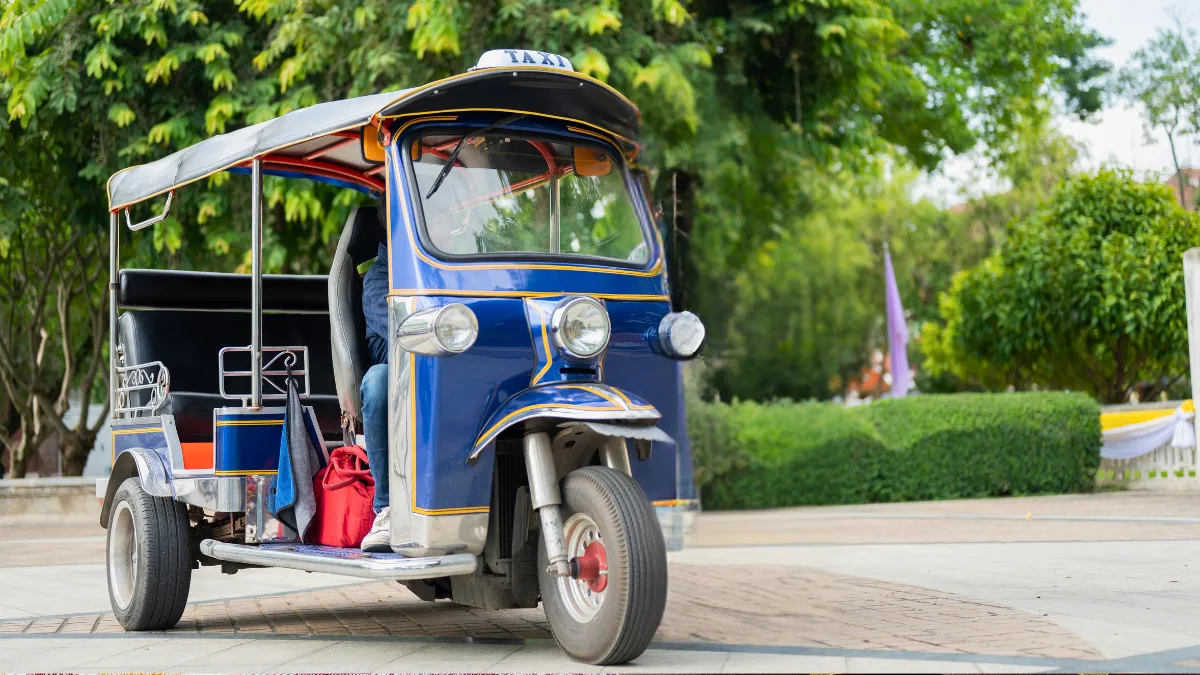
Tuk-tuks are overpriced tourist transport. Fun once for the experience. Not practical for daily use. They’ll quote 300 baht for a 10-minute ride.
Songthaews and Local Transport
These are pickup trucks with benches in back. Locals use them. Routes aren’t obvious to tourists. Ask your hotel which songthaew goes where you need.
Flag them down on main roads. Tell the driver your destination before getting in. Costs 20-50 baht depending on distance.
They run until evening. After dark, you’re stuck with taxis or Grab.
Ferry and Boat Schedules: Download current ferry times before your trip. Schedules change seasonally. Missing the last ferry means an expensive longtail boat charter or sleeping on an island. Neither is ideal.
To make life easy use our public transport booking tool. This means you have all your bookings secured and paid for before you leave home. And best news of all is you’ll pay local Thai prices with no added cost! So save money you can use on more exciting things once you arrive!
Land, Air, Rail and Ocean Transport Booking
Where to Stay in Phuket: Location Breakdown
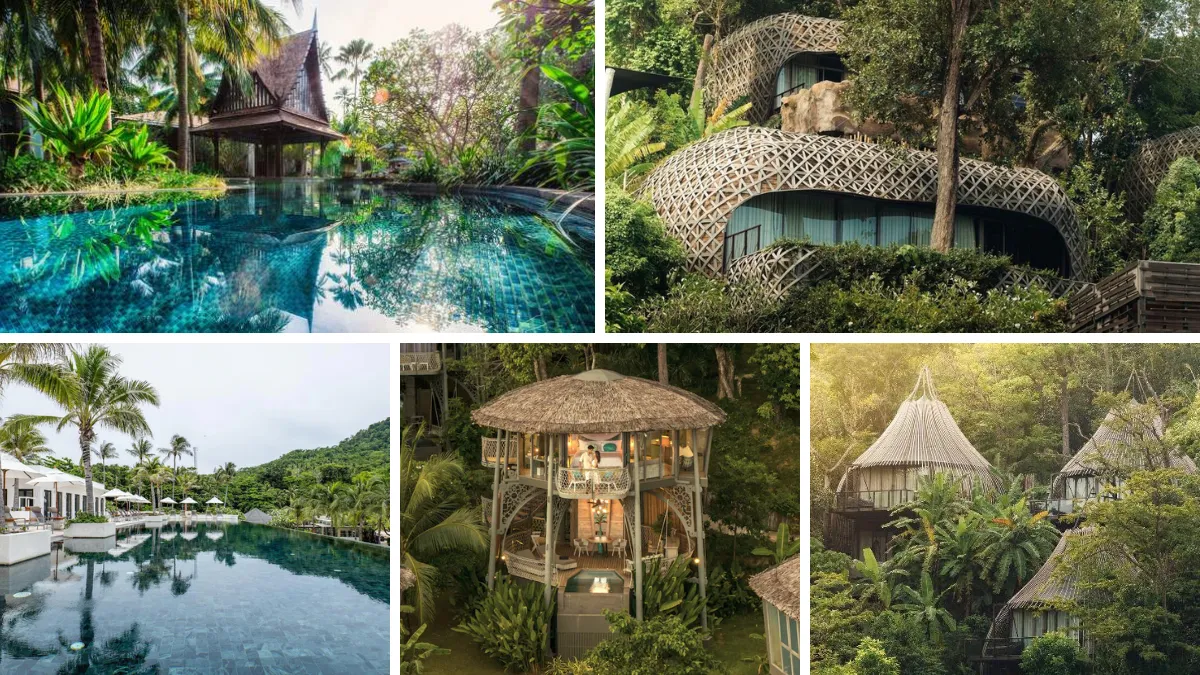
Location matters more than hotel quality. You’ll spend most of your time exploring, not in your room.
Phuket Town (Old Phuket)
This is where you stay if you want authentic Phuket. Sino-Portuguese architecture. Local markets. Real Thai food.
Not a beach location. You’ll need transport to reach the coast. But you’re in the cultural heart of the island.
Budget guesthouses start at 400 baht. Boutique hotels in restored buildings run 1,500-3,000 baht. Sunday walking street happens here.
Stay here if you prioritize culture over beach time. Great base for exploring the whole island.
Patong Beach
Tourist central. Loud. Crowded. Everything costs more. But infrastructure is solid.
Tons of restaurants, bars, tour operators, and rental shops. You can walk to everything. Beach is mediocre but convenient.
Skip this unless you specifically want nightlife and don’t mind crowds. Not the real Phuket experience.
Kata and Karon Beaches
More relaxed than Patong. Better beaches. Still plenty of restaurants and services. Good middle ground.
Kata attracts surfers during monsoon season. Karon is wider and less developed. Both work well as bases.
Accommodation ranges from budget hostels to mid-range hotels. Lots of options in the 800-2,000 baht range.
Rawai and Chalong
South coast bases. Not great swimming beaches but perfect for island-hopping day trips. Piers are here.
Chalong is convenient for accessing Koh Phi Phi and other Thai islands. Rawai has good seafood restaurants and local vibes.
Less touristy than the west coast beaches. Better food prices. More authentic feel. You need transport to reach better beaches.
North Phuket Beaches
Quieter. More space. Longer travel times to other parts of the island. Mai Khao, Nai Yang, and Bang Tao offer peace.
Great if you want to escape crowds. Not ideal if you plan to explore the whole island daily. You’ll spend more time driving.
My Pick: Stay in Phuket Town for days 1-3 to explore culture and old town. Move to Rawai for days 4-7 to access islands and south coast. You get both experiences without wasting time commuting across the island daily.
Day 1: Arrival and Phuket Town Exploration
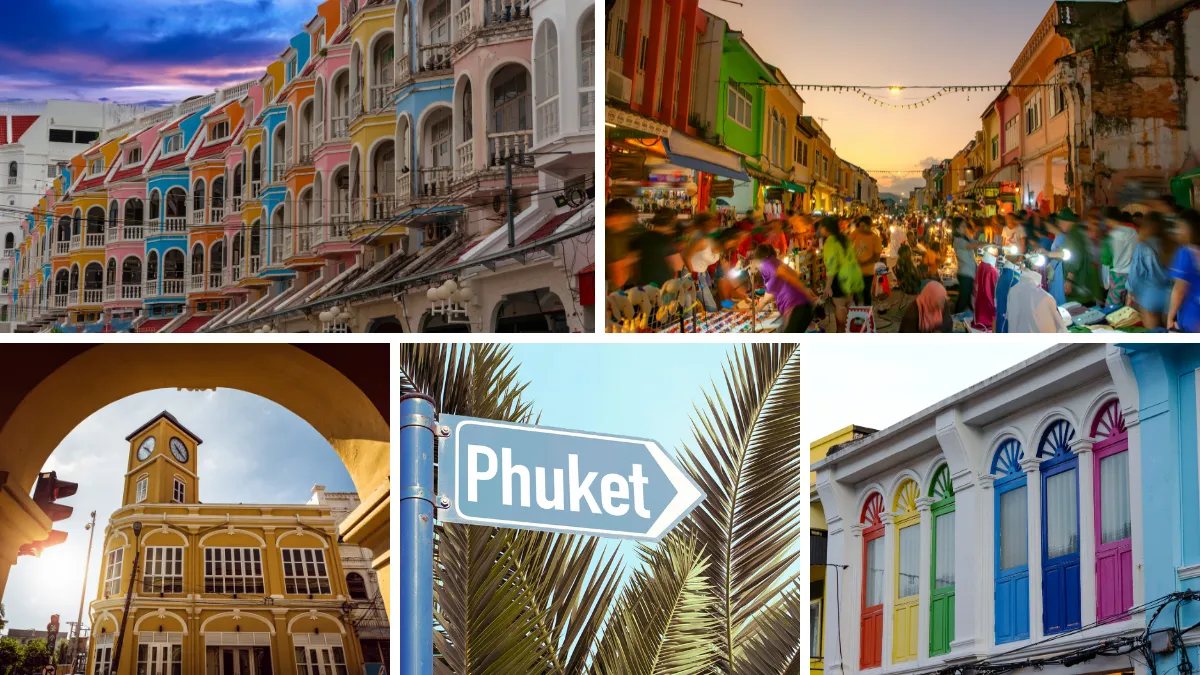
Morning: Arrive and Settle In
Land at Phuket airport. Clear immigration. Grab your bags. Head to the official taxi counter or open your Grab app.
If staying in Phuket Town, the ride takes 45 minutes. Traffic is light in mornings. Should cost 500-700 baht.
Check into your accommodation. Drop your bags. Take a shower. You’re sweaty from the flight.
Find a local cafe for Thai iced coffee and breakfast. Try jok (rice porridge) or khao tom (rice soup). Costs about 40-60 baht. Welcome to real Thai breakfast.
Afternoon: Old Phuket Town Walking Tour
Start at Thalang Road. This is the heart of old town. Colorful Sino-Portuguese buildings line the street.
Walking street happens here on Sundays. If you’re here mid-week, it’s quieter. Better for photos actually.
Hit these spots:
- Shrine of the Serene Light – Small Chinese temple, free entry, beautiful architecture
- Thai Hua Museum – Old Chinese language school, 200 baht entry, explains Phuket’s tin mining history
- Soi Romanee – Narrow alley with Instagram-worthy shophouses, former red light district
- Chinpracha House – 19th-century mansion, 150 baht entry, furniture and artifacts intact
- Stop at coffee shops between sites. Phuket Town has excellent cafes in restored buildings. Prices are 50-100 baht for coffee drinks.
Evening: Local Market and Dinner
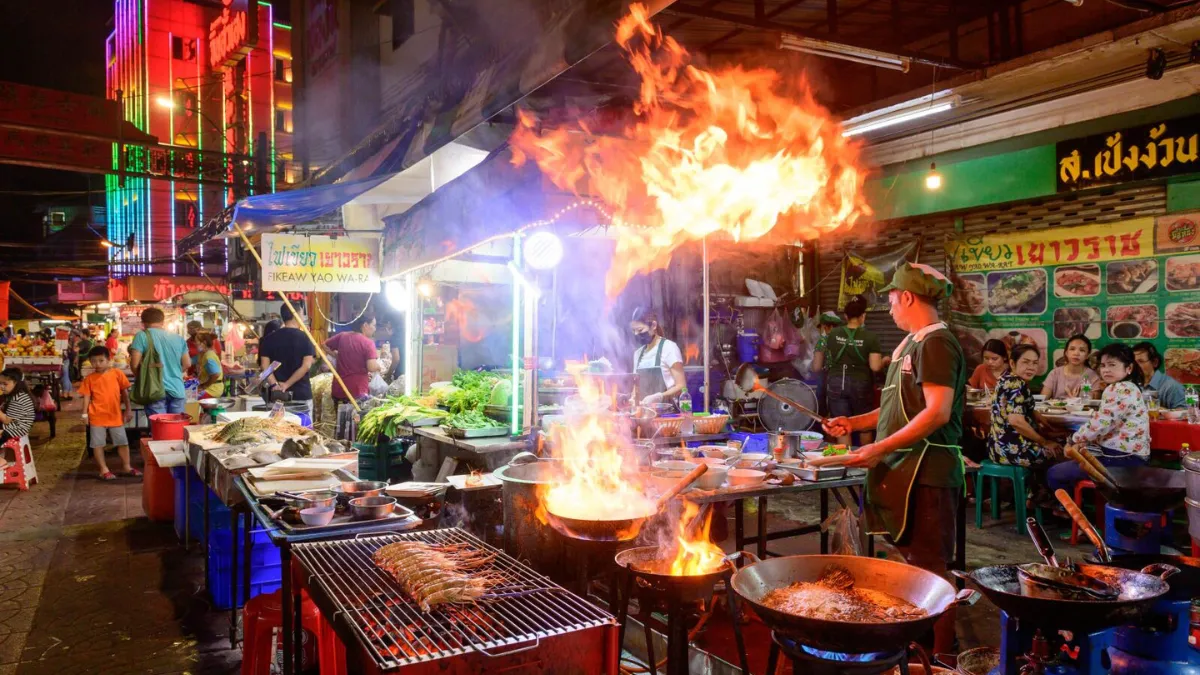
Head to Chillva Market around 5 PM. Local night market with food stalls, clothes, and random stuff. Way better than tourist markets.
Eat dinner here. Try multiple dishes from different stalls. Budget 200-300 baht to sample everything. Pad thai, grilled meats, mango sticky rice.
If Chillva doesn’t appeal, try Phuket Indy Market or grab dinner at one of the old town restaurants. Kopitiam by Wilai is solid for Phuket-style cuisine.
Early night makes sense after travel. Jet lag hits hard. Tomorrow starts early.
Day 1 Budget Breakdown
- Airport transfer: 600 baht
- Accommodation: 1,000 baht average
- Breakfast: 60 baht
- Museum entries: 350 baht total
- Coffee and snacks: 150 baht
- Dinner: 250 baht
- Total: 2,410 baht
Day 1 Insider Tips
- ATMs in old town have lower withdrawal fees than airport
- Buy a local SIM card at 7-Eleven for 200 baht with data
- Rent a scooter in the late afternoon for next day use
- Download offline maps for Phuket before sleeping
- Set alarm early – tomorrow’s temple visit requires dawn arrival
Day 2: Big Buddha, Wat Chalong, and Rawai
Morning: Big Buddha at Sunrise
Wake up at 6 AM. Grab your rented scooter. Ride to Big Buddha before tour groups arrive. This is a great way to start your phuket itinerary.
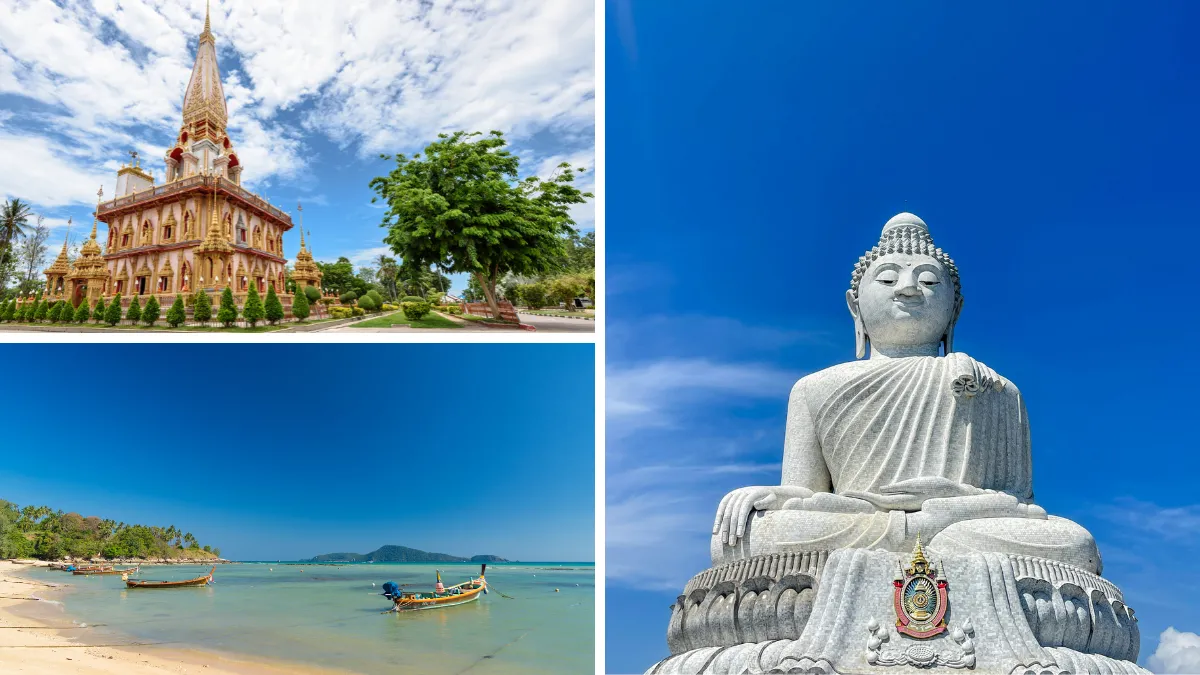
The 45-meter white marble Buddha sits on Nakkerd Hill, a must-see when exploring old phuket. You’ll see it from across the island. Up close is different.
Arrive by 7 AM. Park free. Walk up the final steps. Dress respectfully. Shoulders and knees covered. They provide wraps if needed.
Views from the top span the entire southern coast. Chalong Bay on one side. Kata and Karon beaches on the other. Worth the early wake-up for a day trip.
Entry is free. Donation boxes are everywhere. 20-40 baht is appropriate for this experience.
Spend an hour here. Take photos and share your post about this amazing place. Enjoy the morning quiet before crowds show up at 9 AM.
Mid-Morning: Wat Chalong Temple
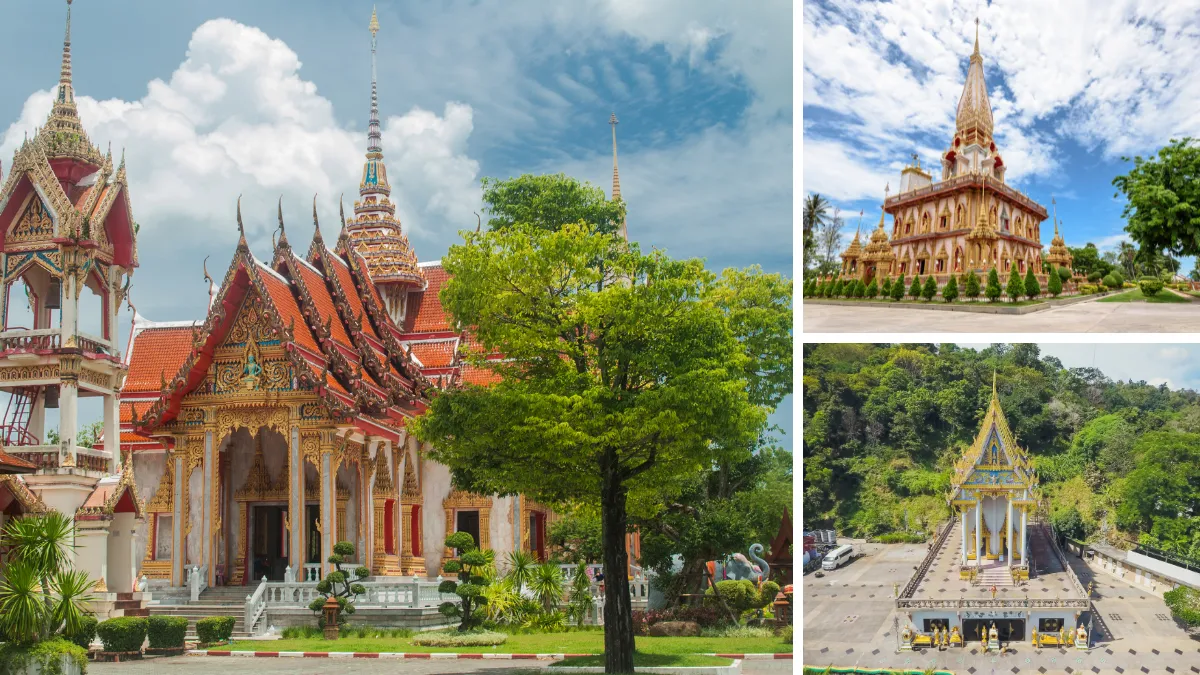
Drive 15 minutes down the hill to Wat Chalong. Most important Buddhist temple in Phuket. Locals come here for serious prayers.
The main pagoda holds a bone fragment of Buddha. Elaborate decorations cover every surface. Gold leaf and intricate murals.
Free entry. Dress code enforced. Remove shoes before entering buildings. Respectful behavior required. This isn’t a photo op. It’s an active temple.
Small museum on site explains the temple’s history. Two revered monks are honored here. They helped stop a rebellion in the 1800s.
Budget an hour. Light incense if you want. Costs 20 baht for a set of incense and candles. Follow what locals do.
Afternoon: Rawai Beach and Seafood
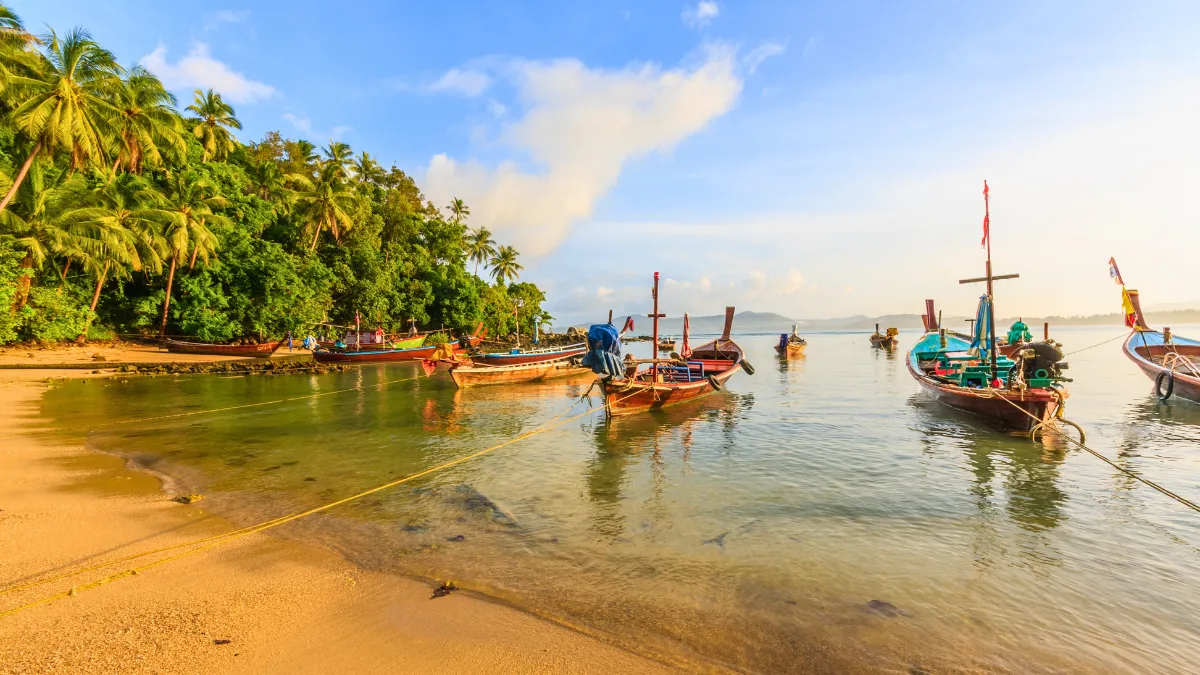
Ride south to Rawai. Not a swimming beach. Rocky shore with longtail boats lined up. But it’s authentic Phuket.
This is a fishing village. Locals sell fresh catch directly from boats. Great seafood restaurants line the shore.
Grab lunch at one of the beachfront restaurants. Pick your seafood fresh. They’ll cook it how you want. Budget 400-600 baht for a solid seafood meal.
Try pla pao (salt-crusted grilled fish), kung ob woonsen (glass noodles with prawns), or poo pad pong karee (crab with curry powder).
After lunch, walk to the nearby sea gypsy village. Small Muslim fishing community. Respectful visits welcome. Don’t treat it like a zoo.
Late Afternoon: Promthep Cape Sunset
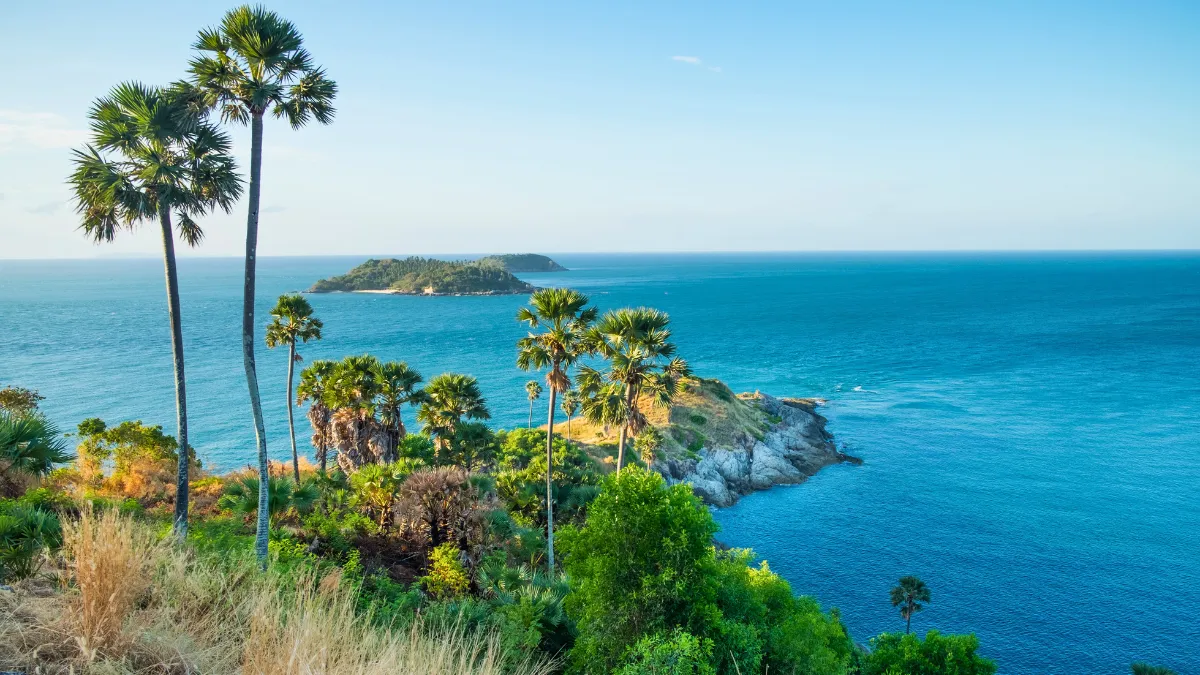
Drive to Promthep Cape for sunset. Southern tip of Phuket. Everyone comes here. For good reason.
Arrive at least 30 minutes before sunset. Parking gets packed. Walk to the viewpoint. Lighthouse sits on the hill.
The sun sets over the Andaman Sea. Views span to nearby islands. Racha Yai visible in the distance.
Crowded but worth it. Street vendors sell snacks and drinks. Bring water from 7-Eleven instead. Way cheaper.
Evening: Rawai Night Market
Head back to Rawai for dinner at the night market. Opens around 5 PM. Less touristy than Patong markets.
Similar to last night but different vendors. More seafood options. Try grilled squid, fish cakes, and local desserts.
Budget 200-300 baht for dinner and snacks. Wander through the stalls. Buy random things to try.
Head back to your accommodation by 9 PM. Tomorrow involves water and islands. Early start needed again.
Scooter Safety Note: Night driving is riskier. Roads aren’t well-lit. Drunk tourists swerve everywhere after 10 PM. Get back before it gets too late. Your insurance probably doesn’t cover drunk driving. Neither does Thailand’s hospitals.
Day 3: Phi Phi Islands Day Trip
Phi Phi deserves a full day. Book your tour the night before. Or show up at Rassada Pier at 7 AM and negotiate directly. Second option saves money.
Early Morning: Ferry to Phi Phi
Wake at 6 AM. Eat breakfast. Get to Rassada Pier in Phuket Town by 7:30 AM.
Tour companies charge 1,200-2,000 baht for speedboat tours. Ferry tickets cost 400-600 baht round trip. Way cheaper. Slower though.
If you want speed and convenience, book a speedboat tour. They pick you up from your hotel. Included lunch. Multiple stops.
If you’re budget-conscious, take the public ferry. It leaves at 8:30 AM and 1:30 PM. Takes 2 hours. You arrange your own island exploration once there.
I prefer the speedboat option for first-timers. You see more in limited time. Maya Bay, Monkey Beach, Viking Cave, and snorkeling spots all included.
Morning to Afternoon: Island Hopping
Your tour stops at multiple locations around Phi Phi Leh and Phi Phi Don islands.
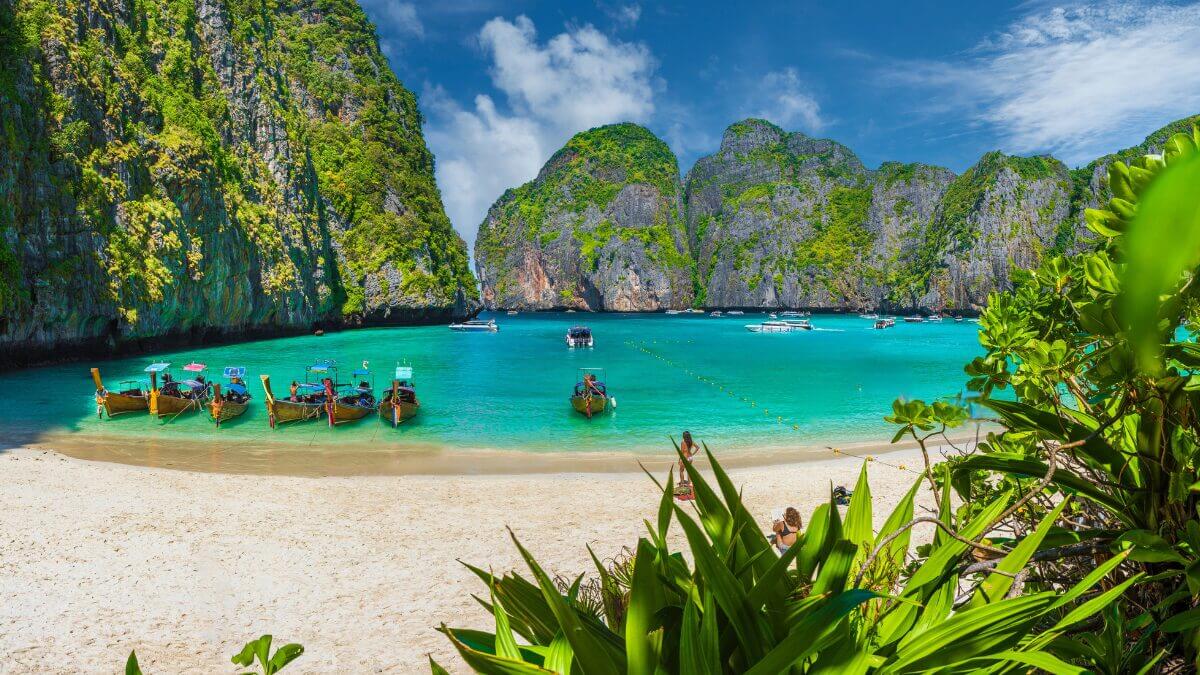
Maya Bay is the famous beach from The Beach movie. Currently regulated to protect coral. Limited visitors. Still stunning.
Pileh Lagoon offers emerald water surrounded by cliffs. Great for swimming and photos. Water is incredibly clear.
Monkey Beach has wild monkeys. They’re aggressive. Don’t feed them. Don’t turn your back on them. Keep valuables secured. Seriously.
Viking Cave shows ancient paintings and bird nest harvesting platforms. You don’t enter the cave. View from the boat only.
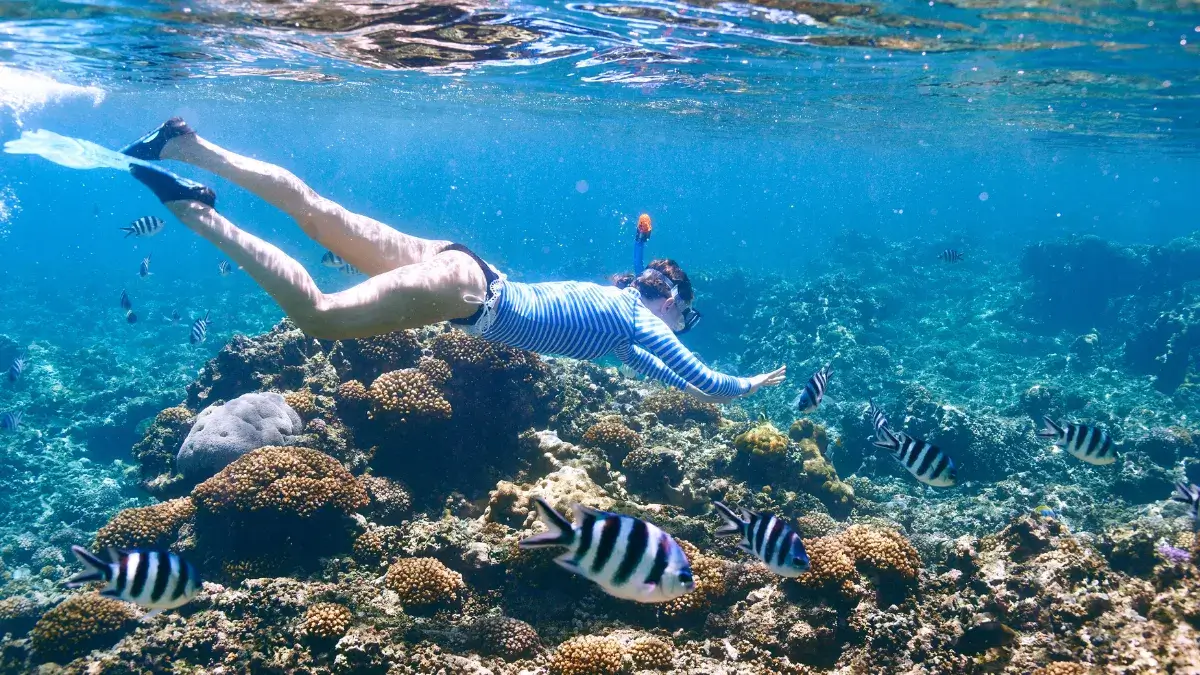
Snorkeling stops happen between island visits. Equipment provided by tour operators. Visibility depends on the season and recent weather.
Lunch is included on most tours. Usually a buffet on Phi Phi Don. Quality varies. Expectations should be low. It’s mass tourism food.
Afternoon: Phi Phi Don Exploration
You get a few hours on Phi Phi Don, the inhabited island. Use this time wisely.
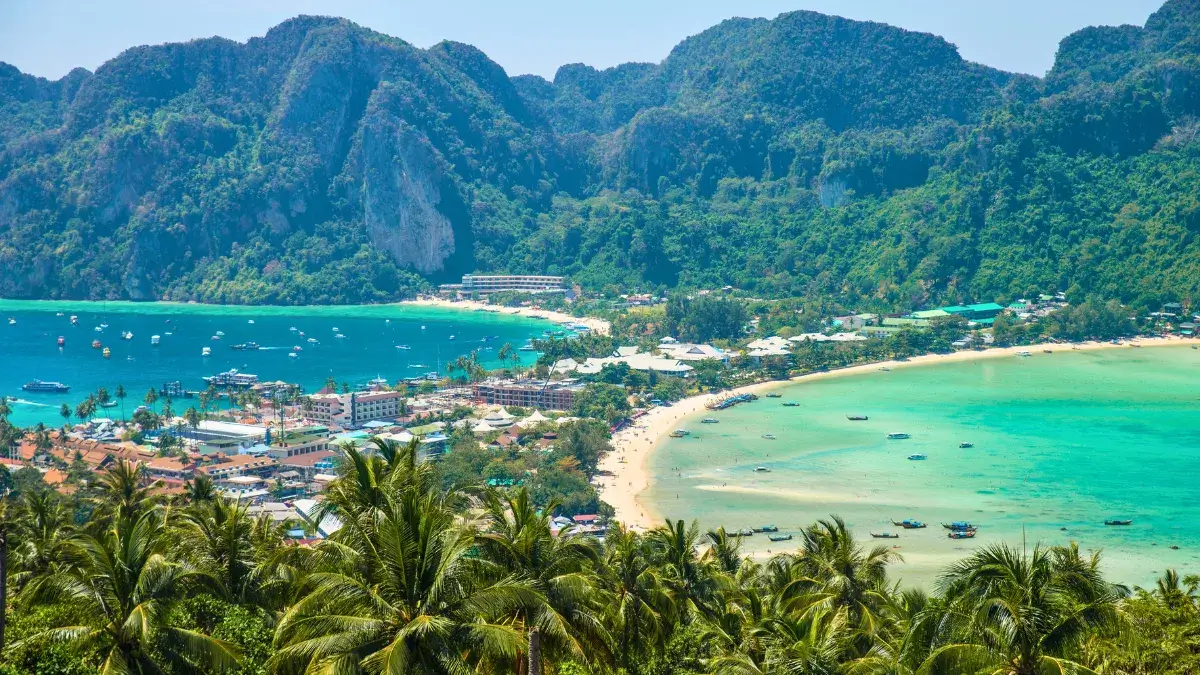
Skip the main beach. It’s packed. Walk to the viewpoint instead. Steep climb. 20-minute hike. Views are incredible.
You see both bays of Phi Phi Don from the top. The iconic twin bay photo happens here. Worth the sweaty climb.
Entry to the viewpoint costs 30 baht. Bring water. It’s hot and humid. If hiking isn’t your thing, explore the small town. Shops, restaurants, and dive operators fill the narrow streets. Prices are higher than Phuket.
Evening: Return and Relax
Boats head back around 4-5 PM. You arrive at Rassada Pier by 6-7 PM depending on your tour type.
You’re sunburned and tired. That’s normal. Phi Phi is exhausting.
Grab easy dinner near your hotel. Nothing fancy. Pad thai and a beer. Early sleep.
Tomorrow you explore islands most tourists miss. The real adventure starts now.
Seasickness Warning: Speedboats bounce hard over waves. Sit in the middle of the boat if you get motion sick. Take medicine before departure. Bring plastic bags just in case. The ride can get rough, especially during monsoon season.
Phi Phi Day Trip Costs
- Speedboat tour: 1,500 baht average
- Or public ferry: 500 baht round trip
- Viewpoint entry: 30 baht
- Snacks and water: 100 baht
- Dinner: 200 baht
- Total: 1,830 baht (tour) or 830 baht (ferry)
What to Bring
- Reef-safe sunscreen – protect the coral
- Waterproof phone case – waves splash everywhere
- Extra cash – islands don’t have ATMs
- Motion sickness pills – better safe than sorry
- Towel – tours don’t always provide them
Day 4: Racha Islands and Authentic Thai Cooking
Morning: Racha Yai Island
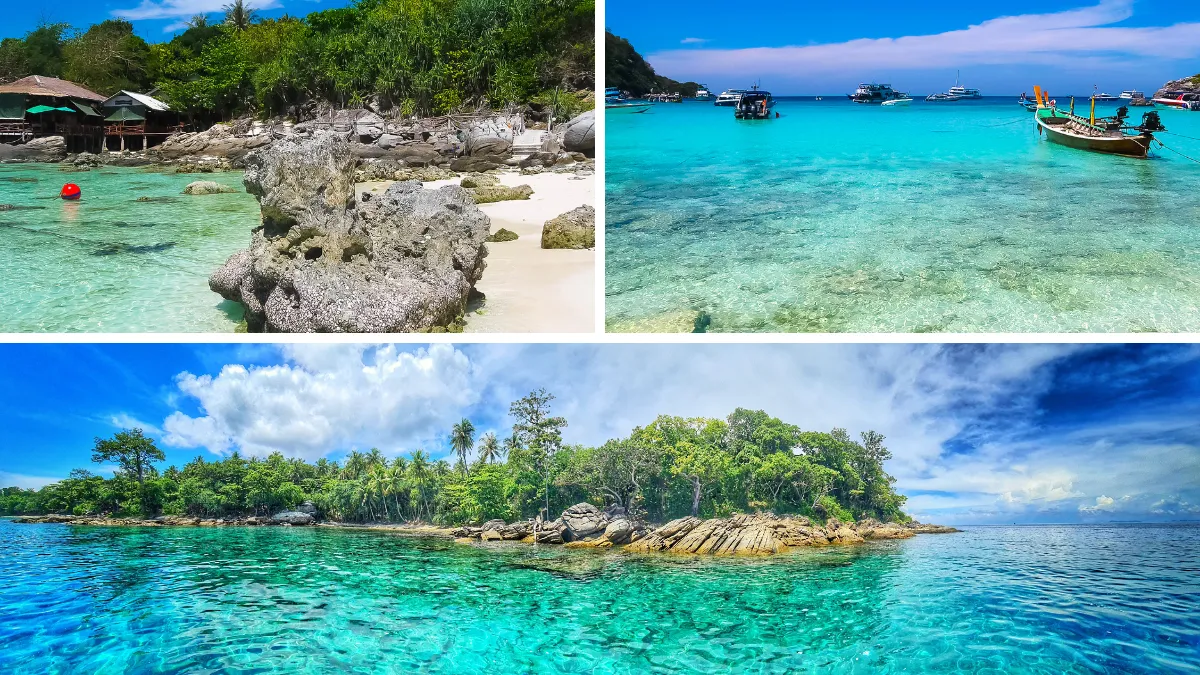
Today you escape the masses. Racha Yai sits 12 kilometers south of Phuket. Less crowded than Phi Phi. Better snorkeling. Clearer water.
Head to Chalong Bay pier around 8 AM. Speedboats leave for Racha Yai throughout the morning. You can book in advance or show up and negotiate.
Tour packages cost 1,200-1,800 baht including transport, snorkeling gear, and lunch. Some include Racha Noi island too. Longer day. More expensive.
I recommend Racha Yai only. You get more beach time. Less rushing between locations.
The speedboat ride takes 30-40 minutes. Much calmer than yesterday’s Phi Phi trip. Water is smoother heading south.
Main beach on Racha Yai is Batok Bay. White sand. Shallow turquoise water. Perfect for swimming and snorkeling.
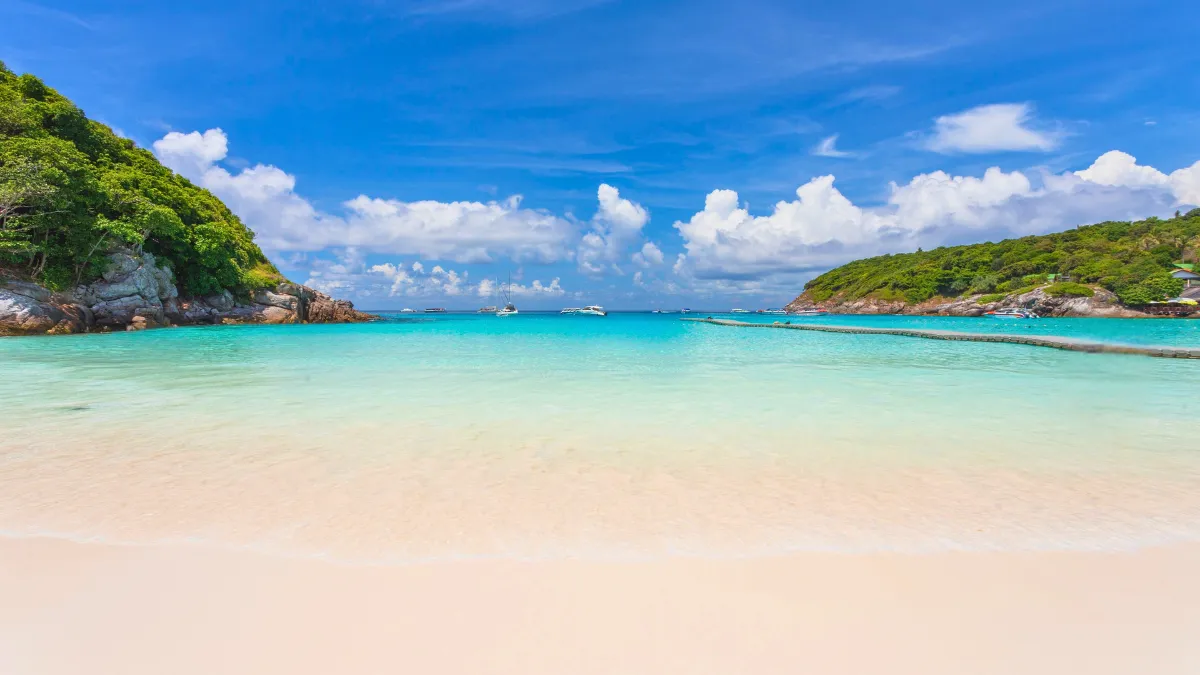
Rent snorkel gear if your tour doesn’t include it. Costs 200 baht. The reef on the right side of the bay has the best coral. Visibility reaches 10-15 meters on good days. You’ll see parrotfish, angelfish, and maybe a sea turtle if lucky.
Spend the morning swimming and snorkeling. Beach chairs and umbrellas cost 100 baht to rent. Worth it for the shade. Small restaurant on the beach serves Thai food and drinks. Prices are inflated. Bring snacks from 7-Eleven if you want to save money.
Afternoon: Return and Thai Cooking Class
Boats head back to Chalong around 1-2 PM. You arrive by 2:30 PM at the latest.
Here’s where the day gets interesting. You’re taking a Thai cooking class. Not a tourist trap version. A real one.
Several cooking schools operate in Phuket. Phuket Thai Cookery School is solid. Blue Elephant is fancier and more expensive. Mom Tri’s Kitchen focuses on Southern Thai cuisine.
Classes run 2,500-3,500 baht. Includes market visit, instruction, and eating what you cook. Book in advance.
Most classes start with a market tour. Your instructor shows you Thai ingredients. Explains how to pick good produce. You select ingredients for your dishes.
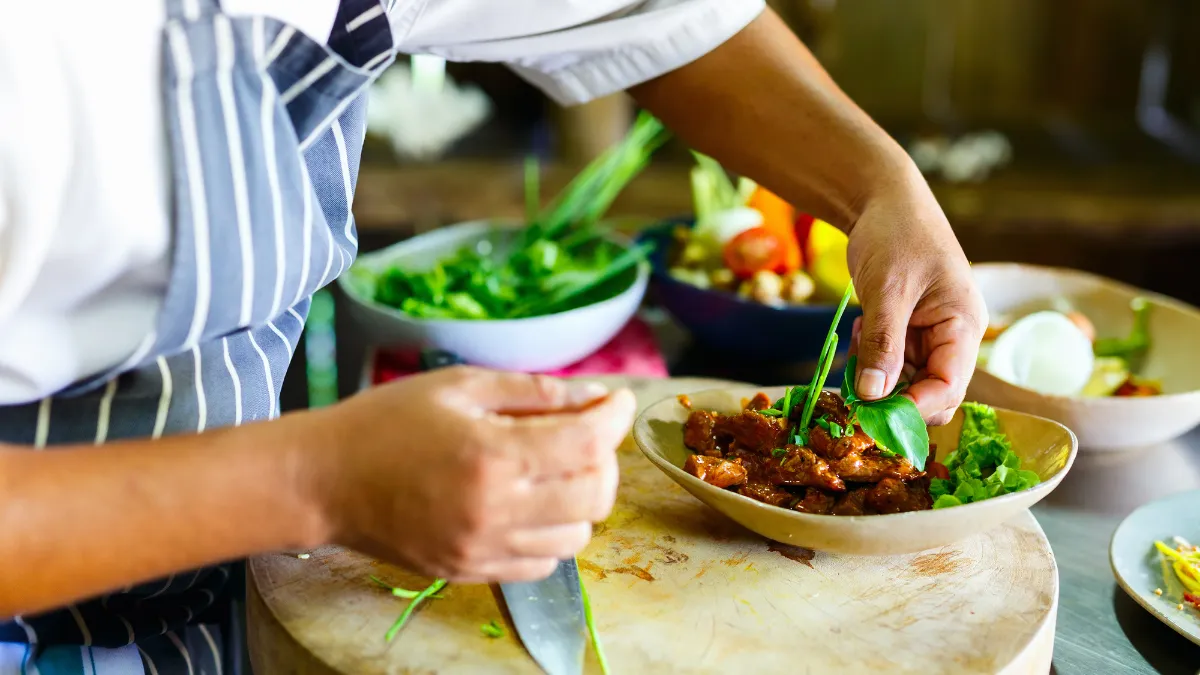
You typically cook 4-5 dishes. Options include pad thai, green curry, tom yum soup, papaya salad, and mango sticky rice.
Classes are hands-on. You do the actual cooking. Instructors guide you. You learn techniques you can replicate at home.
The best part? You eat everything you make. Portion sizes are huge. You’ll be stuffed.
Classes end around 7-8 PM. You leave with recipes and new skills. Way better than another restaurant dinner.
Cooking Class Alternative: If formal classes don’t appeal, hit a local market and take a food tour instead. Several companies offer evening market walks with food tastings. Costs 800-1,200 baht. You learn about ingredients and try street food most tourists never find.
Day 4 Costs
- Racha Yai tour: 1,500 baht
- Thai cooking class: 2,800 baht
- Breakfast: 60 baht
- Snacks and water: 100 baht
- Total: 4,460 baht
Thai Cooking Class Tips
- Choose a class in a home kitchen, not a commercial space
- Smaller groups mean more instructor attention
- Morning classes are less rushed than afternoon ones
- Ask for recipes in English to take home
- Vegetarian options available at most schools

Travel Writer, Researcher and Publisher
Jason Baigent
Founder – Destinations Uncovered
“Looking for other Thailand Gems. We have you covered. If its solo travel, short term, long term or luxury you’ll find a Thailand travel guide or itinerary that suits you, your style of travel and your budget”
Day 5: North Phuket Beaches and Hidden Temples
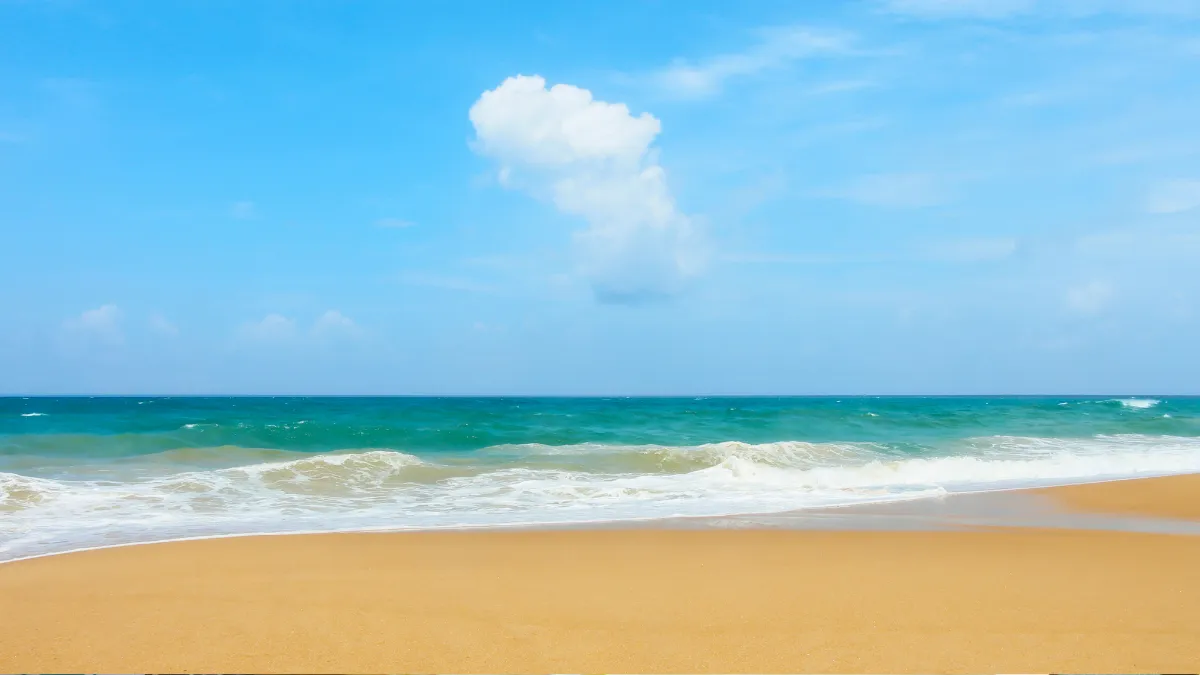
Morning: Mai Khao Beach
You’ve done the tourist islands. Today explores Phuket’s quieter north coast. Rent your scooter early. It’s a 45-minute ride from Phuket Town. If you choose to stay in Phuket, this is one of the best things to do.
Mai Khao is Phuket’s longest beach. 11 kilometers of sand. Barely developed. No crowds.
The beach borders Sirinath National Park. Sea turtles nest here November through February. Signs mark nesting areas during the season.
Swimming is better at the southern end near the Sarasin Bridge. Northern sections have strong currents and rough waves.
Pack food and water. Few restaurants operate out here. That’s part of the appeal. You get actual nature.
Spend the morning walking the beach. Find a quiet spot. Swim. Read. Exist without tour groups surrounding you. This post highlights a perfect way to enjoy the tranquility of the area.
Late Morning: Wat Phra Thong
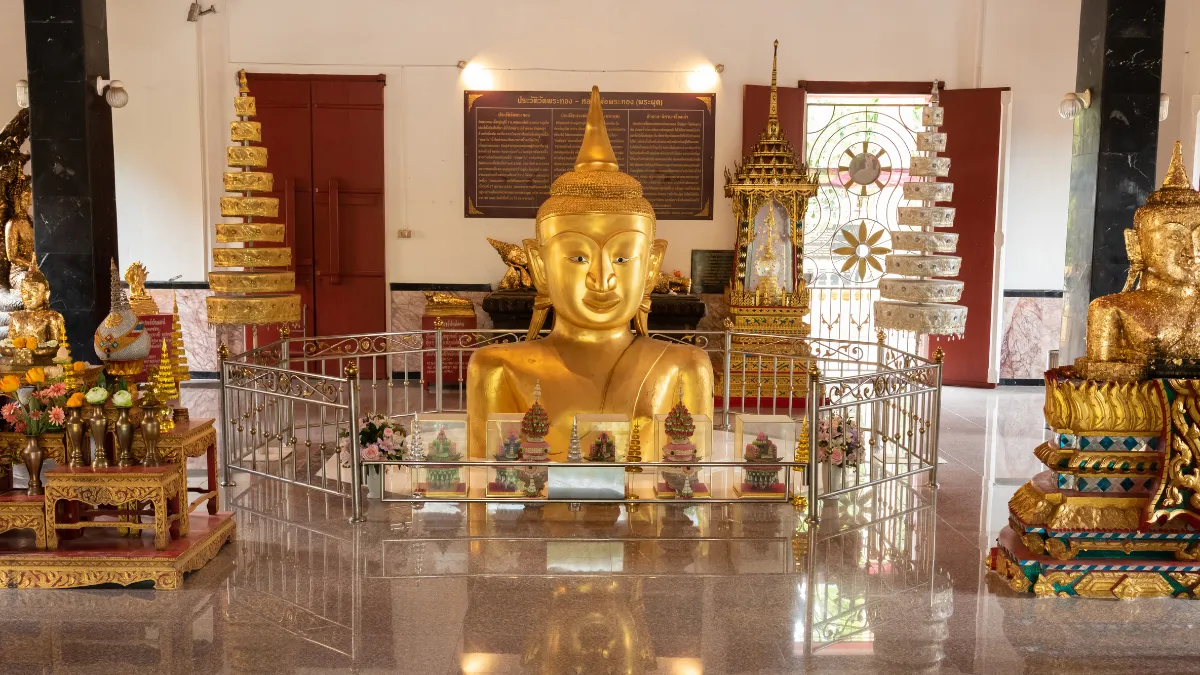
Ride 15 minutes inland to Wat Phra Thong. Also called the Temple of the Golden Buddha.
The famous Buddha image here is half-buried. Only the head and shoulders are visible. Legend says anyone who tried to dig it up faced disasters.
It’s been partially buried for over 200 years. No one messes with it anymore.
The temple grounds are peaceful. Fewer tourists visit temples inland. You might have the place mostly to yourself.
Free entry. Respectful dress required. Quiet atmosphere. Spend 30 minutes here before moving on.
Afternoon: Nai Yang Beach and Local Lunch
Head back to the coast. Nai Yang Beach sits just south of the airport. Long beach. Some development but not overwhelming.
The southern end near the park entrance has the best swimming. Coral reefs sit close to shore. Bring snorkel gear if you have it.
Local restaurants line the beach road. Real Thai prices here. Not tourist inflation.
Try one of the family-run seafood places. Order whatever looks good. Grilled fish with Som Tam (papaya salad) is a solid choice. Budget 200-300 baht.
After lunch, walk through the Casuarina forest behind the beach. Shaded paths. Quiet. Crabs scuttle around. It’s peaceful.
Late Afternoon: Bang Tao Beach
Ride south to Bang Tao. Another long beach. Mix of high-end resorts and local areas. Stick to the public access points.
The lagoon at the southern end attracts local families on weekends. Shallow water. Safe for swimming. More authentic than resort beaches.
Grab a chair at a beach bar. Order a beer. Watch the sunset. This costs maybe 100 baht for a drink.
Way less crowded than Promthep Cape. Better atmosphere. No tour buses.
Evening: Boat Avenue Night Market
On the way back, stop at Boat Avenue in Cherngtalay. Modern shopping area with a weekend night market.
Only happens Friday through Sunday. If you’re here mid-week, skip it.
The market sells food, crafts, and clothes. Less chaotic than Patong markets. Better quality products.
Grab dinner here. Mix of Thai and international food stalls. Budget 250-350 baht for a filling meal.
Head back to your accommodation by 9 PM. Tomorrow’s another early start.
Day 6: James Bond Island and Phang Nga Bay
Full Day: Phang Nga Bay Tour
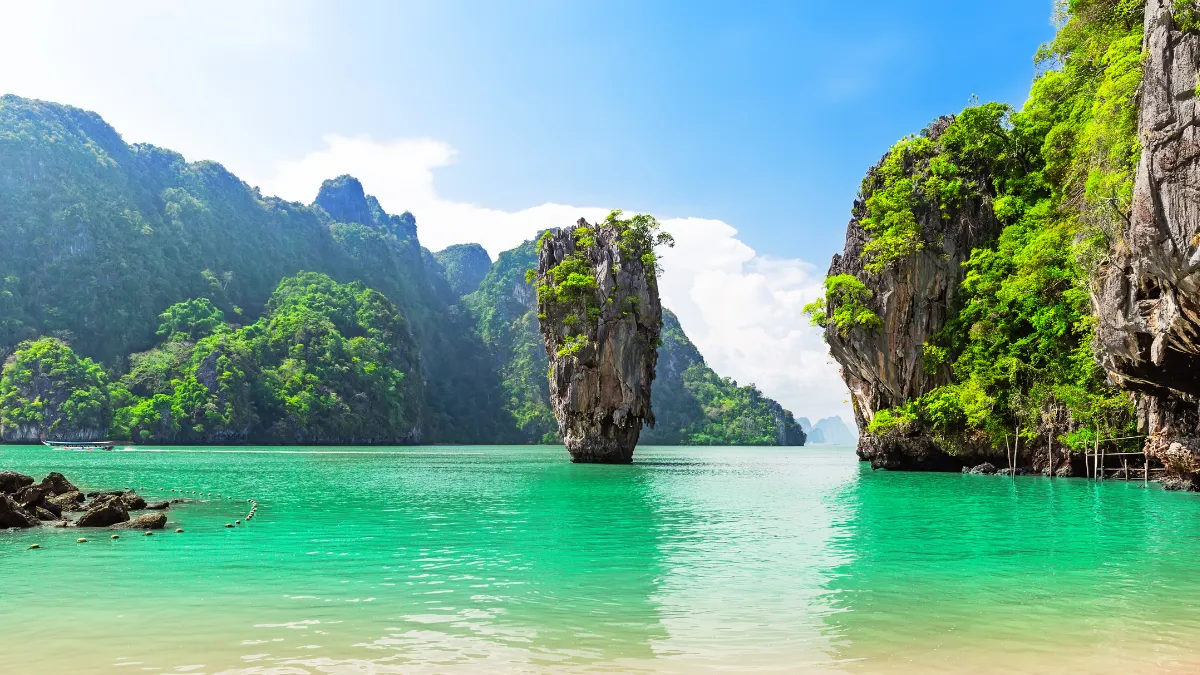
James Bond Island (Ko Tapu) made this bay famous. The rock formation appeared in The Man with the Golden Gun. Every tour includes it.
But Phang Nga Bay offers more than one iconic rock. Limestone karsts rise from emerald water across 400 square kilometers. Sea caves. Mangrove forests. Floating Muslim villages.
You need a full day to explore properly. Tours leave from different piers depending on the operator. Most pick up from your hotel around 7-8 AM.
Tour options vary widely. Budget tours cost 1,000-1,500 baht. Mid-range tours run 2,000-3,000 baht. Premium tours with kayaking and fewer crowds cost 3,500-5,000 baht.
What you get matters more than price. Avoid massive speedboat tours with 40+ people. Pay more for small group experiences.
Morning: Kayaking Through Sea Caves
Better tours include kayaking. You paddle through collapsed cave systems called hongs. These are hidden lagoons inside limestone islands.
Guides do the paddling on some tours. You sit back and take photos. Other tours give you your own kayak. More work. More fun.
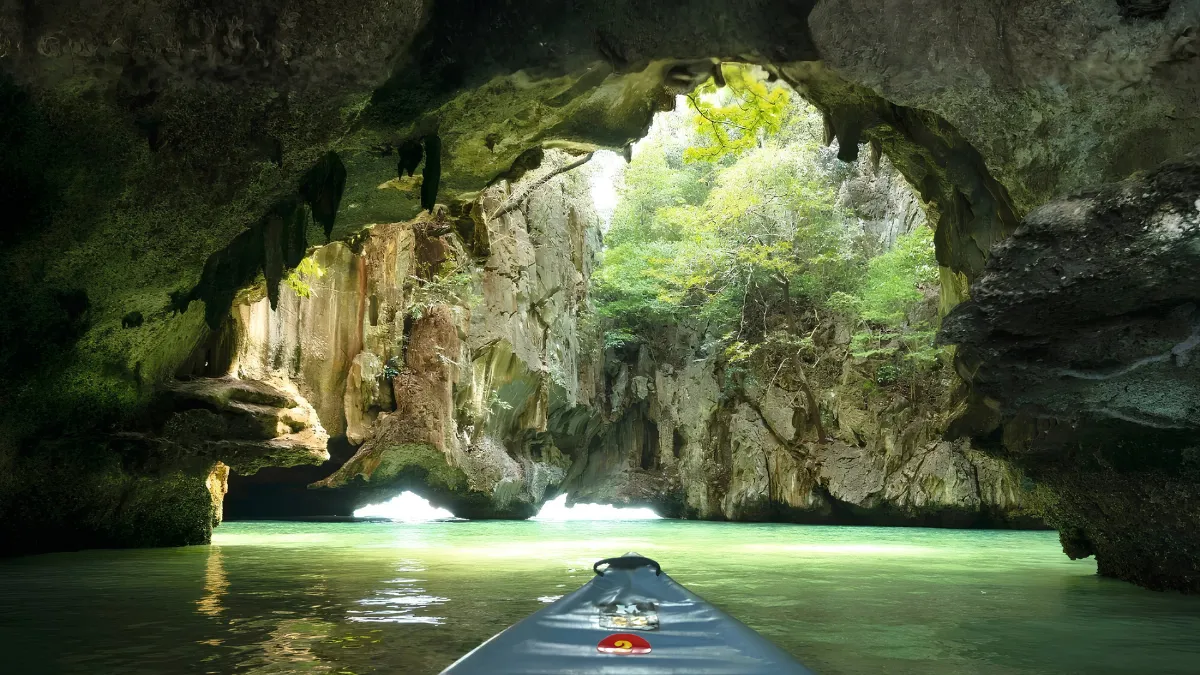
Panak Island and Hong Island have the best cave systems. Stalactites hang from cave ceilings. Mangroves grow inside the hongs. Monkeys sometimes watch from the rocks.
The water is incredibly still inside these lagoons. Mirror-like reflections. Magical atmosphere.
Bring a waterproof phone case. You’ll want photos. Regular cases won’t cut it. Water splashes everywhere.
Midday: James Bond Island
Every tour stops here. It’s crowded. Expect that going in.
The famous rock needle (Ko Tapu) rises vertically from the water. You can’t climb it. Can’t touch it. Just take photos with 200 other tourists.
The attached island (Khao Phing Kan) has viewpoints and souvenir stalls. Overpriced junk. Skip the shopping.
You get 30-45 minutes here. Enough for photos. Then you leave. The rock is impressive. The crowds are not.
Afternoon: Koh Panyee Floating Village
Lunch happens at Koh Panyee, a Muslim fishing village built on stilts. The entire village floats over the water. Around 300 families live here.
Restaurant quality varies. Most tours include buffet lunch. Expectations should match the price you paid. Budget tours get basic food.
After eating, explore the village. Narrow walkways connect houses. A floating football pitch sits in the middle. Small mosque on the island.
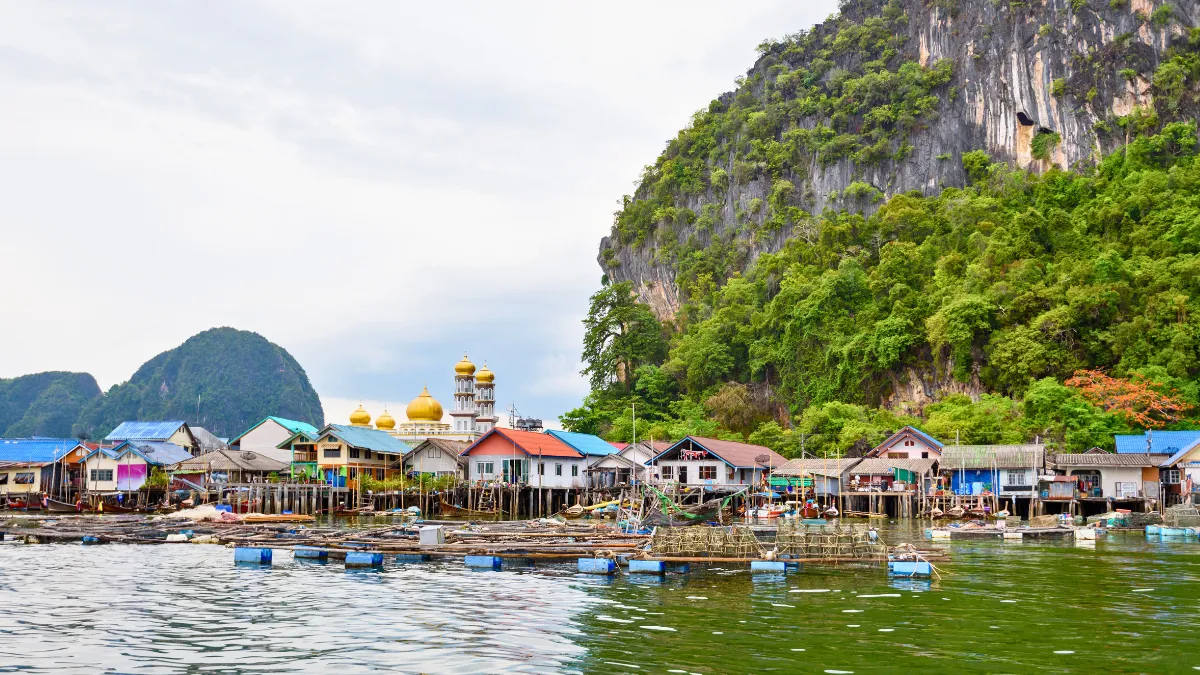
Kids swim in the bay. Fishermen repair nets. Dogs wander the platforms. It’s genuinely interesting if you respect it as a real community, not a tourist attraction.
Don’t buy overpriced souvenirs. Support the place by eating lunch. That’s enough.
Late Afternoon: Return Journey
Tours usually include one or two more stops on the way back. Maybe mangrove forests. Maybe a secluded beach for swimming.
You arrive back at your pier around 4-5 PM. Transfer back to your hotel by 6 PM.
You’re tired. Sunburned. Possibly wet. Shower immediately.
Easy dinner tonight. Nothing elaborate. You’ve earned a rest day tomorrow.
Tour Booking Tip: Book Phang Nga Bay tours through local operators in Phuket Town, not your hotel. Hotel commissions inflate prices by 30-40%. Walk into any tour shop on Ranong Road. Compare prices. Negotiate. Save money.
Phang Nga Bay Costs
- Small group tour with kayaking: 2,500 baht
- National park fee: 300 baht (sometimes included)
- Breakfast: 60 baht
- Dinner: 200 baht
- Snacks and water: 100 baht
- Total: 3,160 baht
What Makes a Good Tour
- Small groups under 15 people maximum
- Includes kayaking through hongs and caves
- Visits less crowded islands before James Bond Island
- Provides waterproof bags for belongings
- Licensed English-speaking guides with local knowledge
Day 7: Lazy Beach Day and Departure Prep
Morning: Freedom Beach
Your last full day in Phuket. No tours. No rushing. Just beach time.
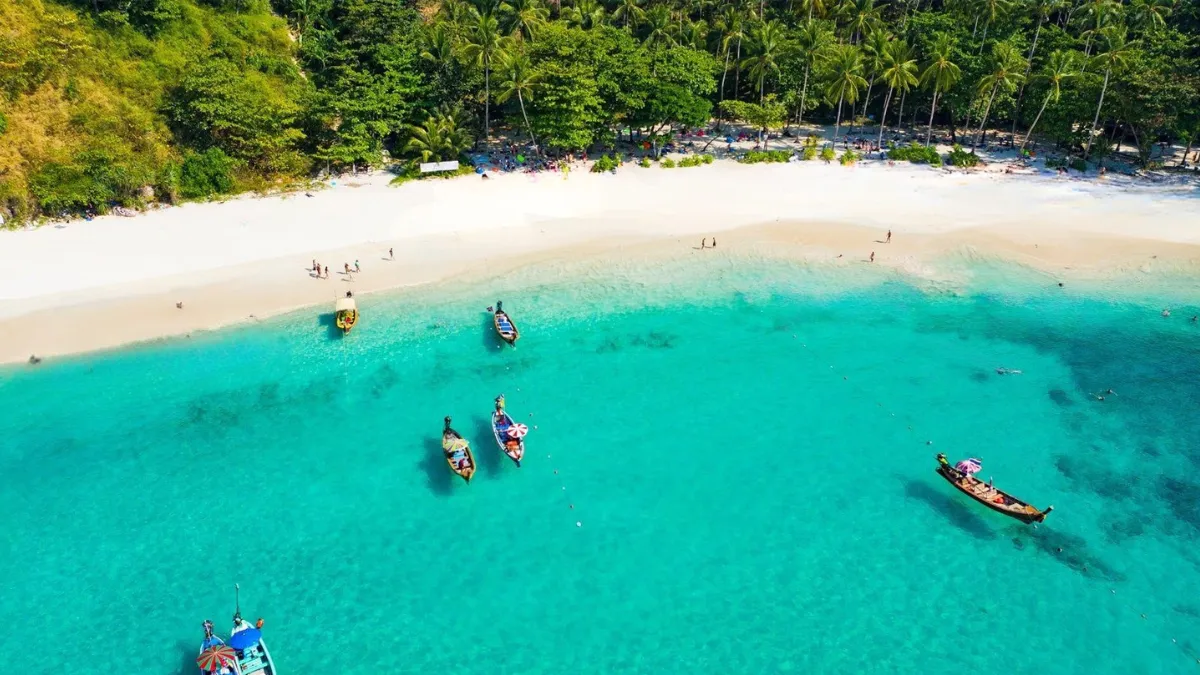
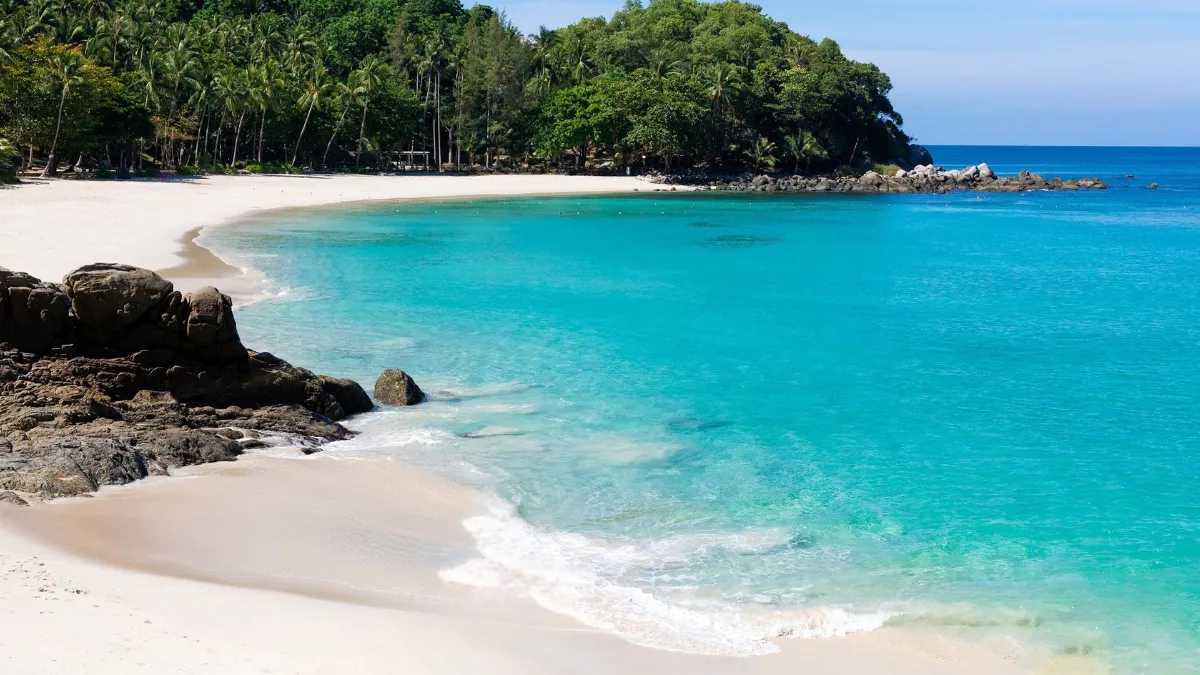
Freedom Beach is one of Phuket’s best-kept secrets. Tucked between Patong and Karon. Accessible only by longtail boat or hiking a steep jungle path.
Take the boat. Longtails leave from Patong Beach southern end. Costs 100 baht each way. 10-minute ride. Worth every baht.
The beach is small. White sand. Clear water. Backed by jungle-covered cliffs. No development. Just a couple of beach chair vendors.
Arrive early. By 11 AM, day-trippers start showing up. Morning gives you the best experience. Quiet. Peaceful. Perfect.
Rent a beach chair and umbrella for 100-200 baht. Vendors sell drinks and snacks. Prices are higher than usual but not offensive.
Swim. Snorkel if you brought gear. Read. Nap. This is your recovery day from six days of nonstop exploration.
Afternoon: Final Old Town Stroll
Head back to Phuket Town by 2 PM. If you stayed in Rawai all week, this is your chance to revisit old town. Hit any spots you missed on Day 1. Check out different cafes. Buy souvenirs if that’s your thing.
Sunday Walking Street happens if it’s Sunday. Thalang Road closes to traffic. Food stalls. Performances. Craft vendors. Starts around 4 PM. If it’s not Sunday, explore the smaller streets around Soi Romanee. More colorful shophouses. Quieter. Better for photos.
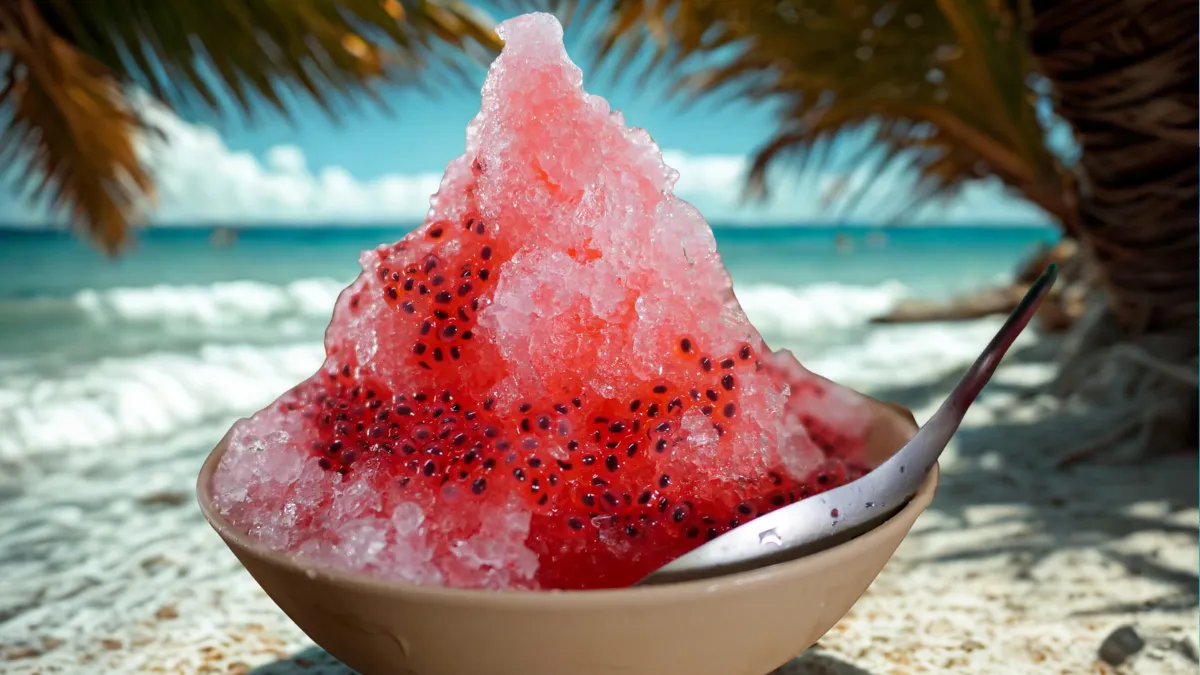
Try local snacks you haven’t had yet. O-aew (a Phuket dessert with shaved ice and various toppings) is worth finding. Costs 30-40 baht.
Late Afternoon: Practical Departure Prep
Return your scooter before the shop closes. Check for any damage. Get your deposit back. Pack your bags tonight. Not tomorrow morning. You’ll forget something important if you wait.
Confirm your flight time. Set multiple alarms. Calculate how long airport transport takes from your hotel. Add 30 minutes buffer. Withdraw final cash if needed. Use up remaining Thai baht. Exchange rates at the airport are terrible.
Evening: Final Dinner and Reflection
Choose somewhere meaningful for your last dinner. Maybe that restaurant from Day 1 you loved. Maybe somewhere new you’ve been wanting to try. Raya Restaurant in old town serves traditional Phuket cuisine. Costs 300-500 baht per person. Local favorite. Make reservations if going on the weekend.
Alternatively, hit one final night market. Eat your way through different stalls. Go out with a proper Thai food finale. Early night makes sense. Tomorrow means travel. Jet lag works both ways.
Day 7 Costs
- Longtail to Freedom Beach: 200 baht round trip
- Beach chair rental: 150 baht
- Breakfast: 60 baht
- Snacks and drinks: 200 baht
- Final dinner: 400 baht
- Total: 1,010 baht
Pre-Departure Checklist
- Return scooter and collect deposit
- Pack bags the night before departure
- Set multiple alarms for morning flight
- Keep 500-1,000 baht cash for airport expenses
- Screenshot boarding pass in case Wi-Fi fails
What to Eat in Phuket: Food Guide
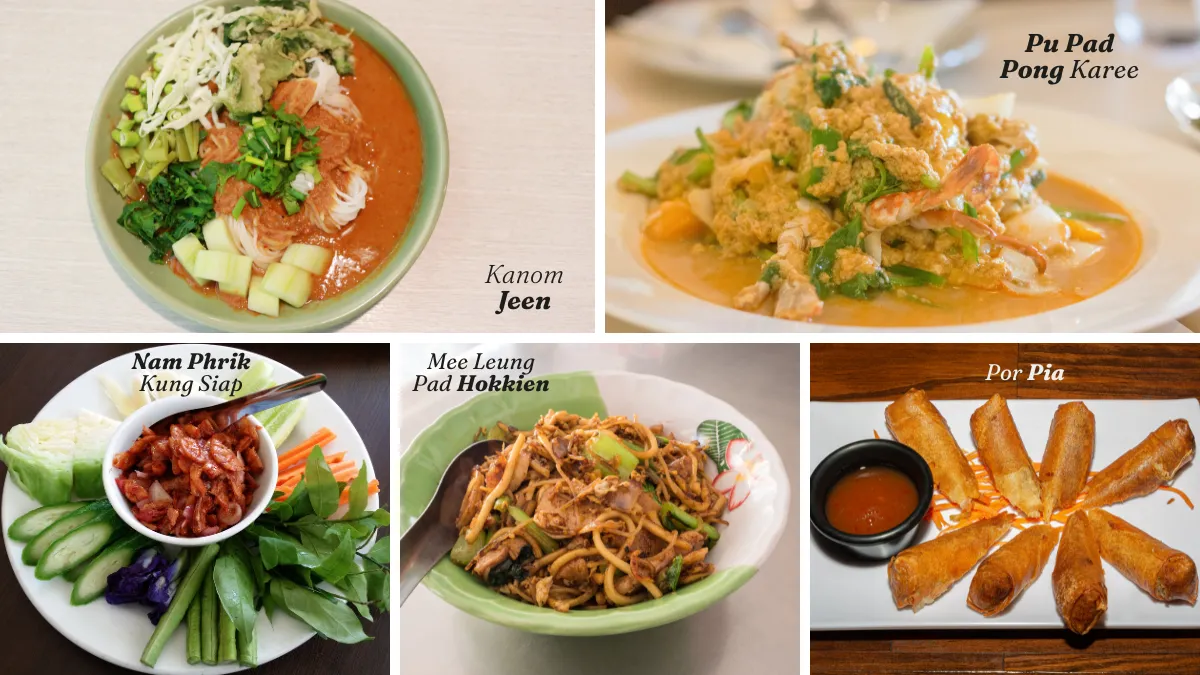
Phuket food is different from Bangkok or Northern Thailand. Influences come from Malaysia, China, and the sea. The flavors hit harder. More spice. More coconut. More seafood.
Must-Try Phuket Dishes
Gaeng Som Pla (Sour Fish Curry)
Southern Thai curry. Bright orange color from turmeric. Sour from tamarind. Spicy from chilies. Usually made with fish or shrimp.
This is daily food for locals. Not sweet like tourist curries. Expect serious heat. Eat with rice. Lots of rice.
Find it at local restaurants, especially in Phuket Town. Costs 60-100 baht per plate.
Moo Hong (Phuket-Style Braised Pork)
Pork belly braised in dark soy sauce, palm sugar, and spices. The meat falls apart. Rich. Sweet. Salty. Comfort food.
Served over rice with boiled eggs and pickled vegetables. Perfect lunch dish. Fills you up for hours.
Try it at Raya Restaurant or any old family restaurant in Phuket Town. Costs 80-150 baht.
Kanom Jeen Nam Ya (Rice Noodles with Fish Curry)
Fresh rice noodles topped with fish-based curry sauce. Comes with fresh vegetables on the side. You add what you want.
Popular breakfast or lunch dish. Locals eat it regularly. You might see it at morning markets.
The curry is intense. Fishy flavor. Not for everyone. But if you like strong flavors, it’s fantastic. Costs 30-50 baht.
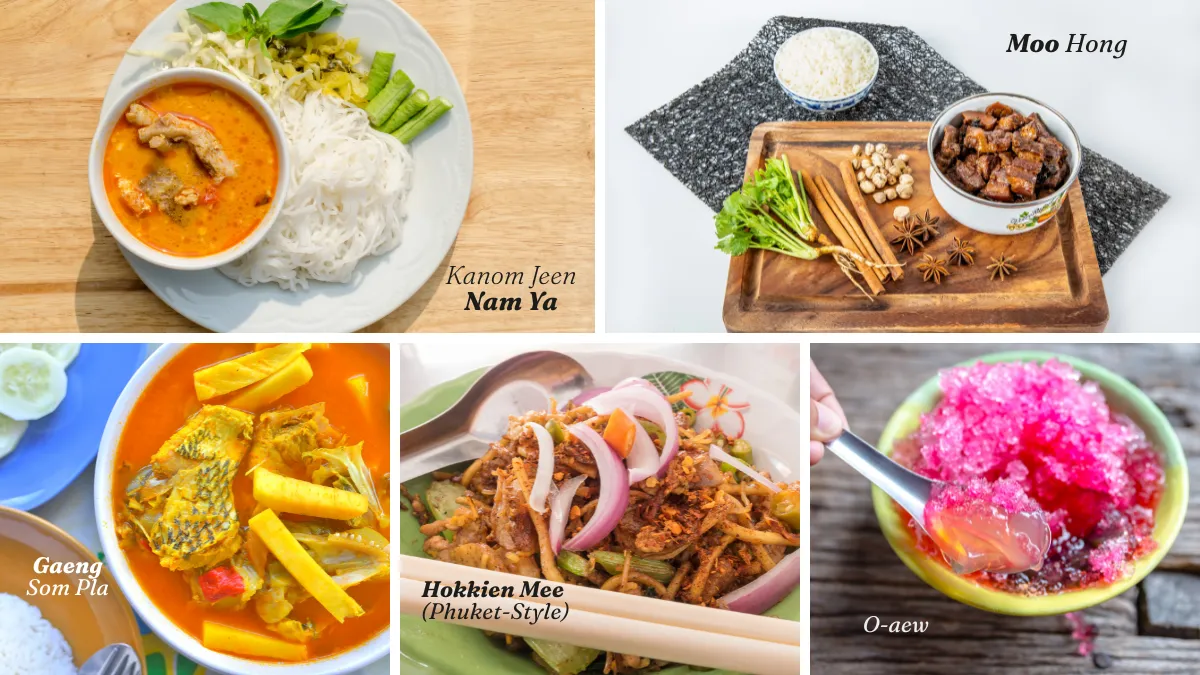
Hokkien Mee (Phuket-Style Fried Noodles)
Yellow noodles stir-fried with pork, squid, and vegetables. Influenced by Chinese immigrants. Different from versions in other countries.
The sauce is key. Slightly sweet. Savory. Dark in color. Usually served with lime and chilies.
Night markets have the best versions. Costs 40-80 baht depending on toppings.
Where to Eat in Phuket
Morning Markets
Local markets open early. 6 AM to 9 AM usually. Food stalls sell breakfast items. Jok (rice porridge), patongko (Chinese donuts), kanom jeen, and coffee.
Phuket Town Fresh Market on Ranong Road is the biggest. Chaotic. Crowded. Authentic. Prices are local-level cheap.
Don’t be shy. Point at what looks good. Most vendors don’t speak English. That’s fine. Food is universal language.
Street Food Stalls
Best food in Phuket comes from wheeled carts and small roadside stalls. Look for places with lines of locals. Follow the crowds.
Popular items: grilled pork skewers (moo ping), grilled squid, papaya salad (som tam), fried chicken, mango sticky rice.
Hygiene standards vary. Watch how they handle food. Trust your gut. Literally. If something looks off, walk away.
Night Markets
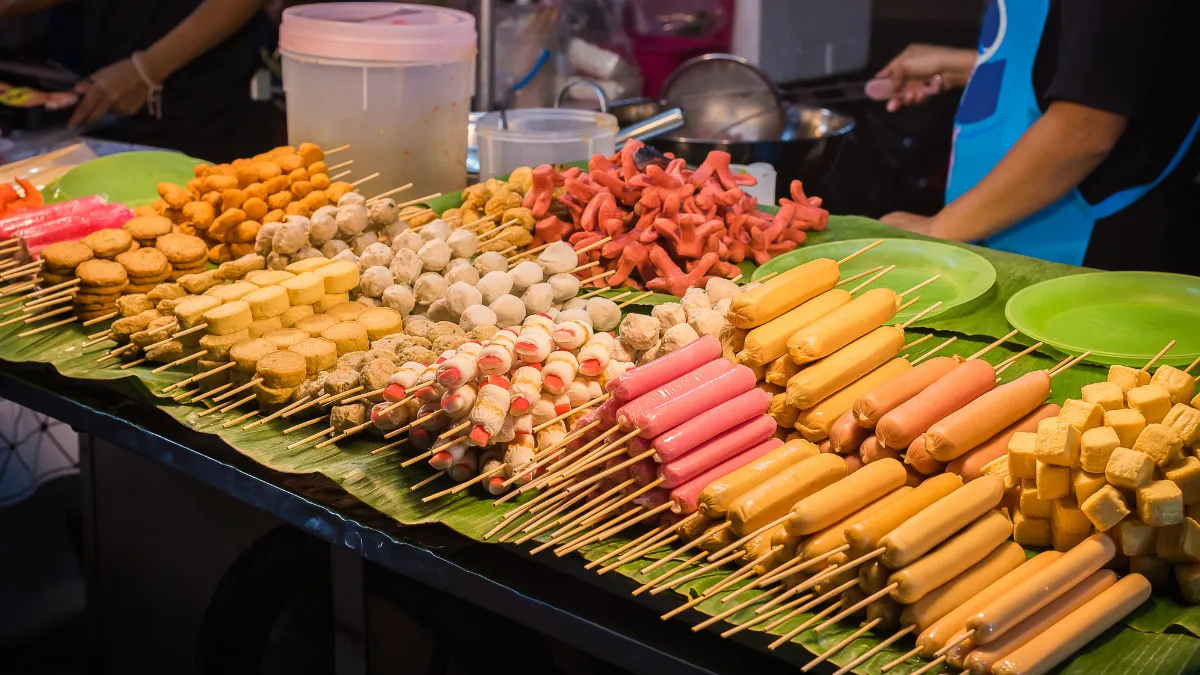
Listed earlier but worth repeating. Chillva Market, Rawai Night Market, Boat Avenue Market, and Sunday Walking Street all serve solid food.
Variety is the advantage. Try multiple dishes from different stalls. Budget 200-400 baht to sample widely.
Arrive hungry. Leave stuffed. This is the way.
Local Restaurants in Old Town
Phuket Town has the island’s best sit-down restaurants for traditional food. These aren’t tourist traps. Locals eat here daily.
Recommended spots:
- Raya Restaurant – Traditional Phuket cuisine, beautiful old building, Moo Hong is excellent
- Tu Kab Khao – Local seafood and curries, no English menu, point at what looks good
- Laem Hin Seafood – Chalong pier location, fresh catch daily, slightly pricier but worth it
- One Chun Cafe – Old coffee shop, breakfast spot, patongko and coffee for 50 baht
- Kopitiam by Wilai – Renovated shophouse, mix of Thai-Chinese dishes, good lunch option
Food Safety Tips
You will get an upset stomach at some point. Everyone does. It’s not always bad hygiene. Your gut bacteria aren’t used to local microbes. Bring anti-diarrheal medicine from home. Buy extra at pharmacies here. You’ll use it.
Drink bottled water only. Brush teeth with bottled water in budget hotels. Ice is usually safe in cities. Use judgment. Avoid raw vegetables unless you trust the place. Stick to cooked food from street vendors. Heat kills bacteria.
Seafood should smell like ocean, not ammonia. If it smells off, don’t eat it. Food poisoning ruins trips fast.
Spice Level Strategy: When ordering, say “phet nit noi” for mild spice or “mai phet” for no spice. Local “mild” is still spicy by Western standards. Start conservative. You can always add chili flakes later. Can’t remove heat once it’s in the dish.
Complete Budget Breakdown for 7 Days in Phuket
Here’s what 7 days in Phuket actually costs. Three budget levels. Real numbers from actual spending.
Budget Traveler (Backpacker Style)
You stay in hostels. Eat street food. Use public transport when possible. Rent scooters. Skip expensive tours.
| Category | Daily Cost | 7-Day Total | Notes |
| Accommodation | 400 baht | 2,800 baht | Hostel dorm bed |
| Food | 350 baht | 2,450 baht | Street food and markets |
| Transport | 250 baht | 1,750 baht | Scooter rental primarily |
| Activities | 600 baht | 4,200 baht | Budget tours, public ferries |
| Miscellaneous | 200 baht | 1,400 baht | Water, sunscreen, emergencies |
| Total | 1,800 baht | 12,600 baht | Approximately $360 USD |
Mid-Range Traveler (Comfortable Explorer)
Private hotel rooms. Mix of street food and restaurants. Organized tours. Scooter plus occasional taxis. This is the sweet spot.
| Category | Daily Cost | 7-Day Total | Notes |
| Accommodation | 1,500 baht | 10,500 baht | Mid-range hotel, private room |
| Food | 600 baht | 4,200 baht | Restaurants plus some street food |
| Transport | 400 baht | 2,800 baht | Scooter plus Grab rides |
| Activities | 1,200 baht | 8,400 baht | Organized tours, cooking class |
| Miscellaneous | 300 baht | 2,100 baht | Snacks, pharmacy, extras |
| Total | 4,000 baht | 28,000 baht | Approximately $800 USD |
Luxury Traveler (Premium Experience)
Upscale hotels. Fine dining. Private tours. No budget constraints. This isn’t my style but the option exists.
| Category | Daily Cost | 7-Day Total | Notes |
| Accommodation | 4,000 baht | 28,000 baht | Luxury resort or villa |
| Food | 1,500 baht | 10,500 baht | Fine dining restaurants |
| Transport | 800 baht | 5,600 baht | Private drivers, premium taxis |
| Activities | 3,000 baht | 21,000 baht | Private tours, premium experiences |
| Miscellaneous | 500 baht | 3,500 baht | Spa, shopping, extras |
| Total | 9,800 baht | 68,600 baht | Approximately $1,960 USD |
Money-Saving Strategies
- Book accommodation directly, not through booking sites – save 10-15%
- Eat where you see Thai people eating – prices drop by half
- Rent scooters weekly instead of daily – save 30-40%
- Buy tours at the pier, not through hotels – save 20-30%
- Shop at 7-Eleven for water and snacks – tourist shops charge triple
- Visit temples and beaches early morning – free parking, fewer crowds
- Take public ferries instead of speedboat tours when possible – save 60-70%
- Cook one meal per day if your accommodation has a kitchen
Safety Tips and Common Scams in Phuket
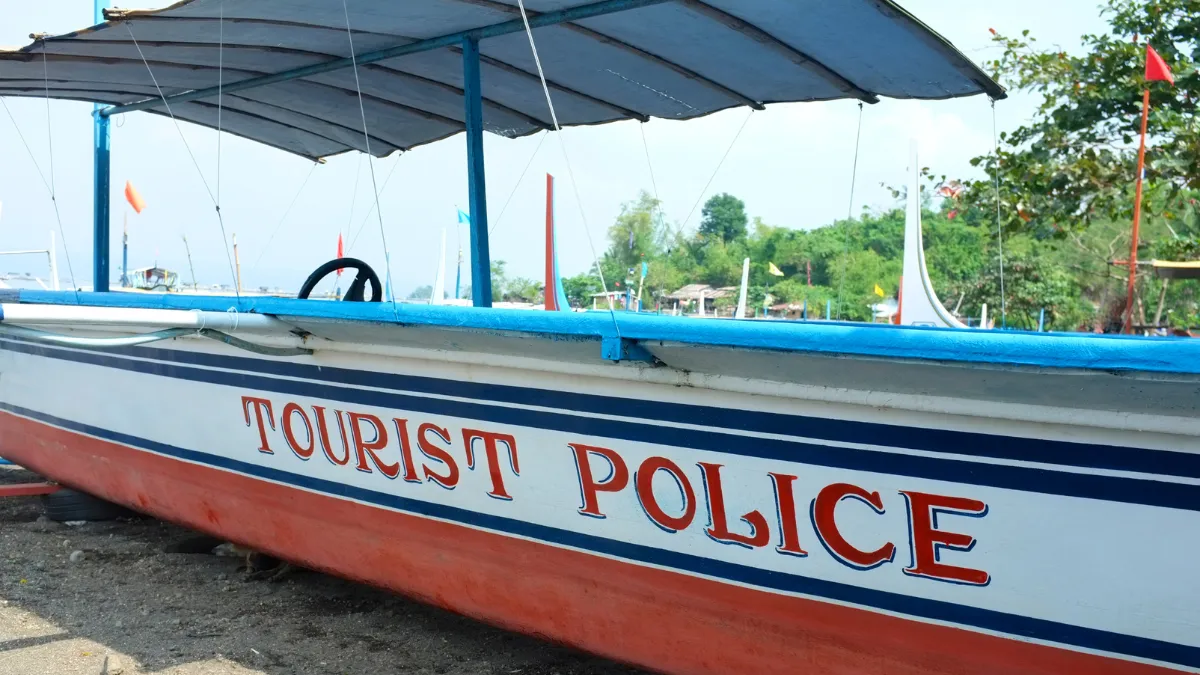
Phuket is generally safe. Violent crime against tourists is rare. But scams exist. Stay aware. Use common sense.
Common Scams to Avoid
Jet Ski Rental Scam
This is the most common scam in Phuket. Operators claim you damaged their jet ski. They demand thousands of baht for repairs.
The “damage” was already there. They point to scratches you didn’t cause. They get aggressive. Sometimes police show up. They’re in on it.
Avoid renting jet skis entirely. If you must, take extensive photos and videos before riding. Document every scratch. Have witnesses. Better yet, skip it.
Tuk-Tuk and Taxi Overcharging
Drivers quote inflated prices. A 5-minute ride becomes 500 baht. They refuse to use meters despite having them.
Always agree on price before getting in. Use Grab app when possible. Walk away if the price seems absurd.
Tuk-tuk cartels control certain beach routes. Songthaew drivers get threatened for undercutting them. It’s why transport costs stay high.
Gem and Tailor Shops
Friendly stranger strikes up conversation. Mentions a special sale at a gem shop or tailor. Offers to take you there.
The shop has “once in a lifetime” deals. Pressure you to buy expensive items. Quality is garbage. No refunds.
Never follow strangers to shops. If it’s too good to be true, it definitely is.
Bar Bill Inflation
You order a drink. Bill arrives. It’s triple what it should be. They claim you ordered premium alcohol or multiple rounds.
This happens at sketchy bars in Patong primarily. Check prices before ordering. Keep track of what you drink. Pay after each round if the place feels off.
Scooter Safety
Scooter accidents cause more tourist deaths than anything else in Thailand. Take this seriously.
Always wear a helmet. Ride sober. Stay within your skill level. Don’t rent a scooter if you’ve never ridden one. Learn somewhere safer first.
Roads are dangerous. Drivers are unpredictable. Pedestrians cross randomly. Stray dogs run into traffic. Potholes appear without warning.
Ride defensively. Assume every driver will do the stupidest thing possible. You’ll be right most of the time.
Get travel insurance that covers scooter accidents. Read the fine print. Many policies exclude motorbikes or require proper licensing.
Hospital Bills Warning: Medical treatment is expensive without insurance. A serious scooter accident can cost $10,000-50,000 USD in hospital bills. Don’t cheap out on insurance. It’s the one expense you can’t skip.
Beach and Water Safety
Red flags mean don’t swim. Seriously. Don’t swim. Riptides kill tourists every year. Locals don’t ignore red flags. Neither should you.
Monsoon season brings rough seas. Some beaches become too dangerous for swimming May through October. Ask locals before going in.
Jellyfish appear seasonally. Box jellyfish are rare but deadly. If you see jellyfish warnings posted, stay out of the water.
Wear water shoes for reef walking. Sea urchins hide in rocks. Stepping on one ruins your day. The spines break off in your foot. Not fun.
Theft and Petty Crime
Opportunistic theft happens. Unlocked bags. Phones left on beach chairs. Scooters with keys in the ignition.
Don’t leave valuables on the beach while swimming. Someone will grab them. Either bring a waterproof bag or take turns swimming.
Lock your scooter. Take the key. Bikes get stolen regularly. Rental shops make you pay replacement cost. That’s 30,000-50,000 baht.
Hotel safes are generally reliable. Use them for passports, extra cash, and electronics. Cheap guesthouses sometimes have issues. Bring a small lock for your bag.
Emergency Contacts
- Tourist Police: 1155 (English-speaking officers)
- Emergency Services: 191 (police), 1669 (ambulance)
- Vachira Phuket Hospital: +66 76 361 234 (main public hospital)
- Bangkok Hospital Phuket: +66 76 254 425 (private, English-speaking)
- Your Embassy: Have the number saved before arriving
Essential Packing List for 7 Days in Phuket
Pack light. You’ll buy stuff here anyway. Laundry is cheap. Most things are available in Phuket if you forget them.
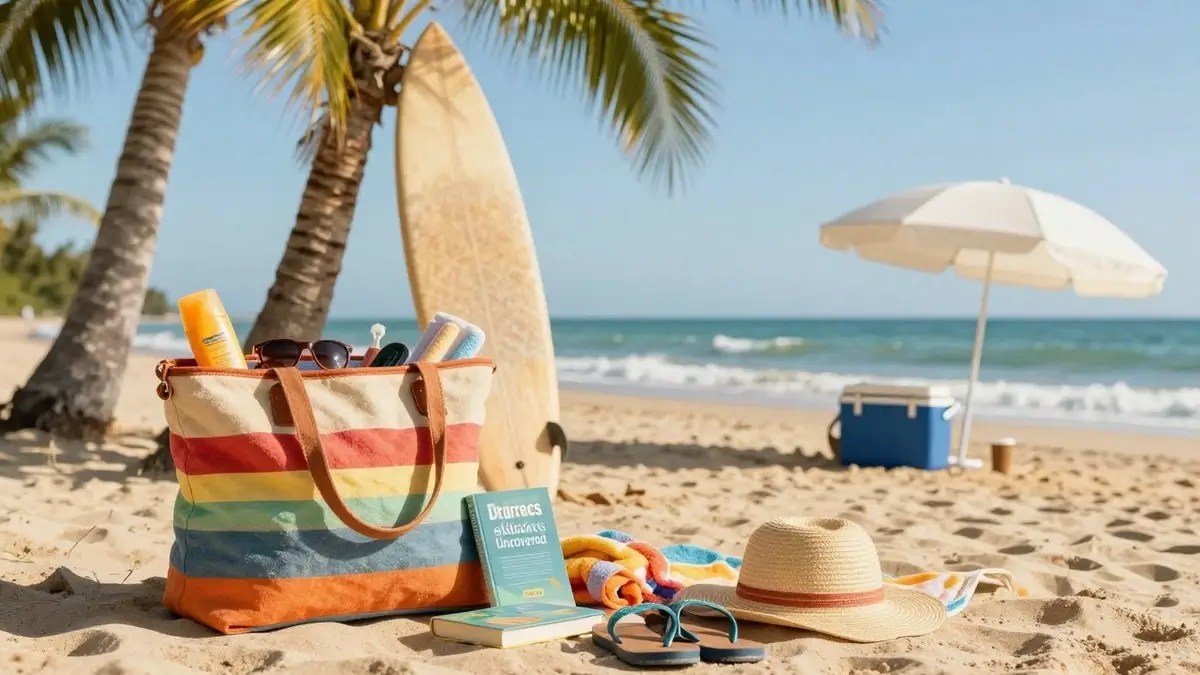
Clothing
- Lightweight shirts and shorts – cotton or quick-dry fabric, 4-5 of each
- Swimsuits – bring 2, one can dry while you wear the other
- Light long pants and long-sleeve shirt – for temples and evening mosquitoes
- Comfortable walking sandals – you’ll wear these constantly
- Closed-toe shoes – for scooter riding and hiking, sneakers work fine
- Light rain jacket – compact, packable, monsoon season essential
- Hat or cap – sun protection matters more than you think
Beach and Water
- Reef-safe sunscreen SPF 50+ – bring from home, expensive here and lower quality
- Waterproof phone case – essential for boat tours and water activities
- Microfiber towel – dries fast, packs small, hotels provide towels anyway
- Snorkel mask – optional if you have one, rentals are cheap though
- Water shoes – protect feet on rocky beaches and coral
Health and Hygiene
- Prescription medications – bring enough for entire trip plus extras
- Anti-diarrheal medicine – you will need this, everyone does
- Pain relievers and fever reducers – acetaminophen or ibuprofen
- Antihistamines – for allergies and bug bites
- Small first aid kit – bandaids, antibiotic ointment, basics
- Mosquito repellent with DEET – dengue fever is a real risk
- Hand sanitizer – not everywhere has soap
Electronics and Documents
- Passport with 6+ months validity – required for entry
- Photocopies of passport – keep separate from original
- Travel insurance documents – print and digital copies
- Credit cards and cash – notify banks before traveling
- Phone and charger – unlock before departure for local SIM
- Portable power bank – essential for long days exploring
- Universal adapter – Thailand uses Type A, B, C outlets
- Headphones – for flights and long bus rides
Useful Extras
- Dry bag – keeps electronics safe on boat tours
- Cable lock – secure bag to train racks or hostel lockers
- Reusable water bottle – save money and plastic
- Ziplock bags – keep phone dry, organize small items
- Earplugs and eye mask – hostels and hotels can be noisy
- Small backpack or daypack – for daily exploring
What Not to Bring
- Hair dryer – hotels have them, waste of luggage space
- Fancy jewelry – you won’t wear it, risk losing it
- Too many clothes – laundry costs 40 baht per kilo
- Hardcover books – buy cheap used books in Phuket Town or use e-reader
- Expensive camera gear – unless you’re serious about photography, phone is fine
Temple Clothing Tip: Don’t pack special temple clothes. Buy a cheap pair of lightweight pants and a shawl in Phuket for 200-300 baht total. Donate them to your hotel or give to someone before leaving. Saves luggage space.
Best Off-the-Beaten-Path Experiences in Phuket
Beyond the standard itinerary, Phuket hides experiences most tourists never find. You need time and transportation to reach them.
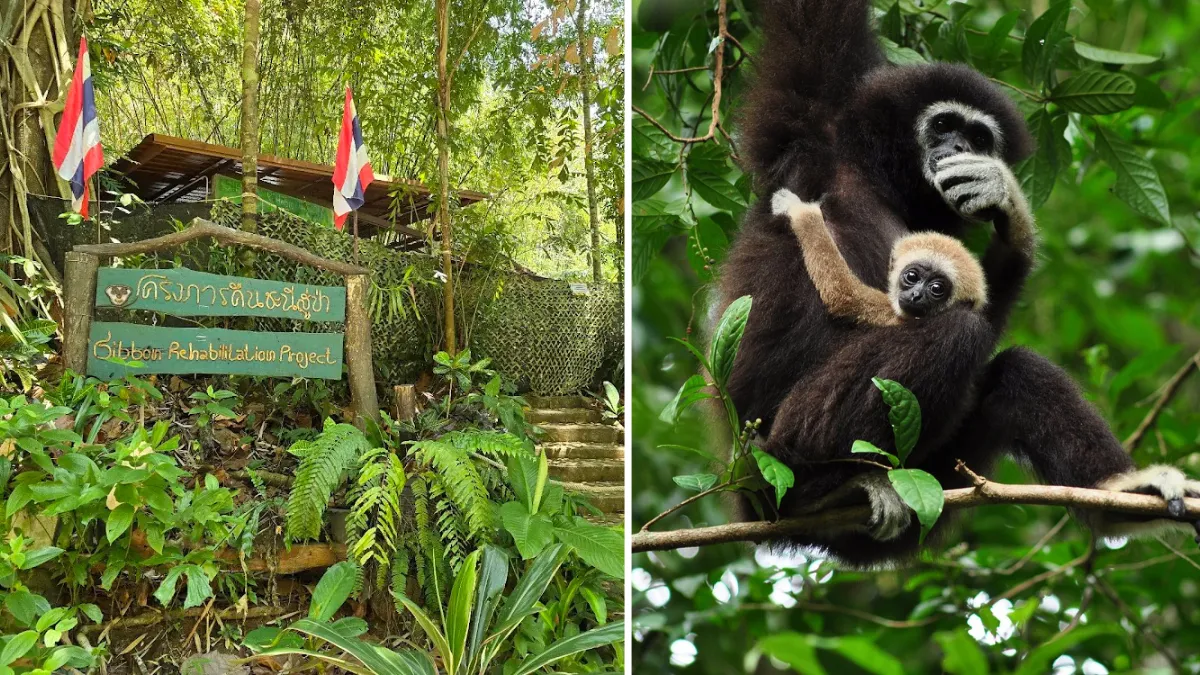
Bang Pae Waterfall and Gibbon Rehabilitation Center
Northeast Phuket. Inside Khao Phra Thaeo National Park. A 45-minute drive from Phuket Town.
The waterfall is small but peaceful. Good for swimming in the natural pool. More importantly, the gibbon center rescues primates from captivity.
You can’t hold or touch the gibbons. This isn’t a tourist attraction. It’s actual conservation work. Viewing platform lets you observe from distance.
Donations support the project. Entrance to the park costs 200 baht for foreigners. Worth it.
Combine this with a visit to Ton Sai Waterfall nearby. Similar vibe. Less crowded. Bring insect repellent. Jungle mosquitoes are aggressive.
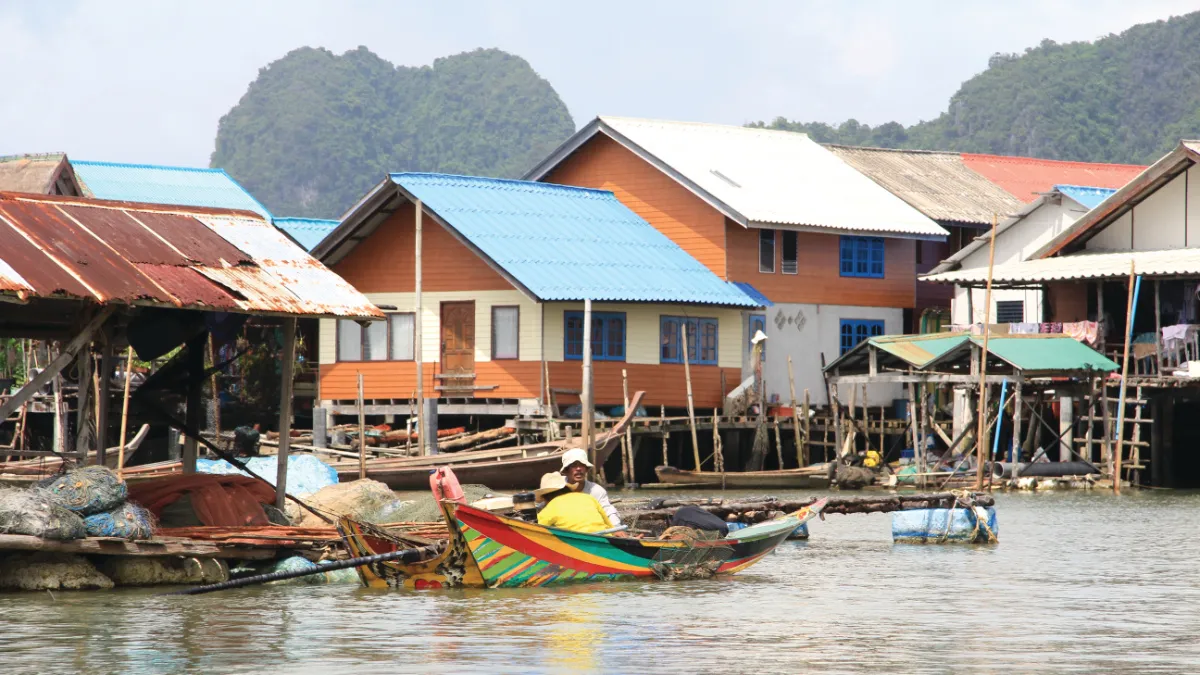
Koh Siray Sea Gypsy Village
Small island east of Phuket Town. Connected by bridge. Five minutes by scooter from the city center. Nobody goes here.
Actual sea gypsy community. They’ve lived here for generations. Fishing village. Stilt houses. Quiet temples.
Visit respectfully. This isn’t a zoo. People live their lives here. Don’t barge into houses or take photos of people without permission.
Small seafood restaurants serve fresh catch. Way cheaper than tourist areas. Try the crab. Absolutely worth it.
Koh Siray also has a reclining Buddha on the hill. Beautiful views. Free entry. Almost zero tourists.
Saphan Hin (Phuket’s Recreation Area)
Local park on the eastern coast. Phuket residents come here for exercise. Tourists never show up.
Jogging paths. Outdoor gym equipment. Food vendors in the evening. Families fly kites on weekends.
Nothing spectacular. That’s the point. You experience normal Phuket life. Where locals actually spend time.
Sunset views over Phuket Town are underrated. Bring snacks. Sit on the seawall. Watch the city light up as evening falls.
Laem Ka Beach
Tiny beach on the southeast tip. Near Rawai but barely developed. Rocky shore. Not great for swimming. Perfect for solitude.
Two small restaurants. One hosts local expats. The other caters to Thai families. Both serve excellent seafood at reasonable prices.
Sunset from here looks toward Chalong Bay. Different angle than mainstream sunset spots. Usually deserted.
Not worth traveling across the island for. But if you’re staying in Rawai area, it’s a peaceful evening option.
Shrine of the Serene Light and Incense Spiral
Chinese shrine in Phuket Town. Mentioned earlier but worth expanding on. The incense spirals hanging from the ceiling are hypnotic.
Each spiral burns for weeks. Smoke fills the interior. Prayers written on red paper dangle from coils. Atmospheric beyond description.
Entry is free. Go in the afternoon when light streams through windows. Smoke catches the sunbeams. Bring a camera. You’ll want photos.
Show respect. This is an active place of worship. Keep voices low. Don’t touch anything.
Local Boxing Gym Training
Several Muay Thai gyms welcome drop-in visitors for training sessions. Not the tourist shows. Actual gyms where Thai fighters train.
Rawai Muay Thai and Sinbi Muay Thai are reputable. Single session costs 400-600 baht. Full week packages offer better value.
You train alongside serious fighters. Early morning sessions. Brutal workouts. Authentic experience.
Come prepared to work hard. This isn’t a photo opportunity. It’s legitimate training. Bring water. Lots of water.
Finding Hidden Spots: Ask your hotel staff where they spend their days off. Local recommendations beat online guides every time. Street food vendors also know the area intimately. Communication might require Google Translate. Worth the effort.
7 Days in Phuket FAQ
Is 7 days in Phuket too long?
Not if you explore beyond the main beaches. Seven days gives you time to visit islands, explore Phuket Town, try local food, and relax without rushing. You can easily fill the time if you venture off the tourist path. If you only plan to sit on Patong Beach, three days is probably enough.
What’s the best time to visit Phuket?
November through April offers the best weather. Dry season. Calm seas perfect for island hopping. December through February is peak tourist season with higher prices and crowds. November and March provide the sweet spot with good weather and fewer tourists. Monsoon season runs May through October with afternoon rains and rough seas.
How much money do I need for 7 days in Phuket?
Budget travelers can manage on $360-400 USD (12,000-14,000 baht) total. Mid-range travelers should budget $800-900 USD (28,000-32,000 baht). This covers accommodation, food, transport, and activities. Bring extra for shopping and emergencies. ATMs are everywhere but charge withdrawal fees.
Do I need to rent a scooter in Phuket?
Highly recommended unless you only stay in one area. Public transport is limited. Taxis are overpriced. Scooters give you freedom to explore at your own pace. Costs 200-300 baht per day. You need an international driving permit legally though most shops don’t check. Wear a helmet always.
Is Phuket safe for solo travelers?
Generally yes. Violent crime against tourists is rare. Main risks are scooter accidents, petty theft, and tourist scams. Use common sense. Don’t leave valuables unattended. Avoid sketchy bars late at night. Female solo travelers report feeling safe. Stay aware of your surroundings like you would anywhere.
Can I island hop from Phuket easily?
Absolutely. Phuket is the perfect base for island hopping. Phi Phi Islands, Racha Islands, James Bond Island, and Similan Islands are all accessible on day trips. Ferries and speedboats leave from multiple piers. Book tours in Phuket Town for better prices than booking through hotels.
Where should I stay in Phuket?
Depends on your priorities. Phuket Town offers culture and authentic local life but no beach. Rawai and Chalong provide good island-hopping access. Kata and Karon balance beach and convenience. Avoid Patong unless you specifically want nightlife and crowds. Consider splitting your stay between two locations to experience both culture and beaches.
What should I eat in Phuket?
Try Southern Thai specialties like Gaeng Som Pla (sour curry), Moo Hong (braised pork), and Kanom Jeen (rice noodles with curry). Street food is safe and delicious. Night markets offer variety at low prices. Eat where locals eat for authentic food and better prices. Expect spicy food. Learn to say “mai phet” (not spicy) if needed.
Do I need travel insurance for Phuket?
Yes. Medical costs are high without insurance. Scooter accidents are common. Hospital bills can reach tens of thousands of dollars. Make sure your policy covers scooter accidents if you plan to ride. Many policies exclude motorbikes or require proper licensing. Read the fine print before buying.
Can I use credit cards in Phuket?
Major hotels and restaurants accept cards. Small shops, street vendors, and markets are cash-only. ATMs are everywhere. Withdraw larger amounts to minimize fees. Notify your bank before traveling to avoid card blocks. Carry cash for daily expenses. Most places prefer Thai baht over foreign currency.
Final Thoughts on Your 7 Days in Phuket
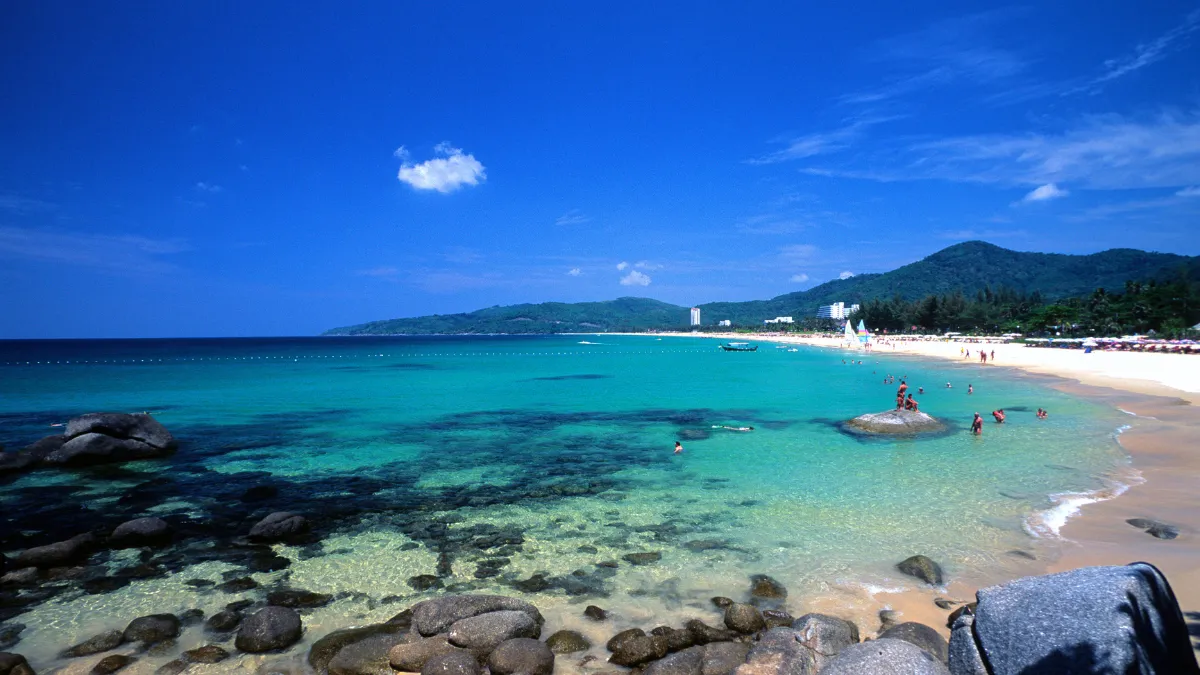
Seven days gives you enough time to see Phuket beyond the resort bubble. You experienced the cultural heart in old town. Explored islands tourists ignore. Ate food locals actually eat. Learned to navigate transportation. Avoided the worst scams.
You probably got sunburned. Maybe had an upset stomach. Definitely sweated through your clothes multiple times. That’s part of it.
The best moments weren’t on the itinerary. They happened when you got lost. When a street vendor invited you to try something weird. When sunset hit just right from an unexpected viewpoint.
Phuket isn’t perfect. Tourist infrastructure dominates some areas. Prices inflate near beaches. Scams target the unaware. But authentic experiences still exist if you know where to look.
You walked through Sino-Portuguese architecture in old town. Swam in clear water around Racha Yai. Cooked actual Thai food with local ingredients. Rode a scooter through jungle roads to hidden waterfalls. Watched sunset from places without tour groups.
That’s the real Phuket. Not the resort buffets or ping pong shows. The island exists beyond the tourist facade. You just have to venture off the beaten path.
Take what you learned here. Apply it to your next destination. Independent travel gets easier with practice. You figure out patterns. Develop instincts. Build confidence.
Phuket was your starting point. Where you go next is up to you.
Safe travels.