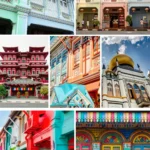
Singapore hits different than most Asian cities. You’ll find jungle walks ten minutes from skyscrapers. Michelin-starred hawker stalls serve meals for three dollars. Spotless streets wind through neighborhoods where temples, mosques, and churches stand blocks apart. This isn’t your typical Southeast Asia backpacker route. Singapore blends efficiency with chaos, tradition with innovation. You can explore on any budget if you know where to look. This Singapore travel guide breaks down everything. When to go. What to see beyond Marina Bay Sands. Where locals actually eat. How much you’ll really spend. The hidden corners tourists miss.
Ready to plan your Singapore adventure? Let’s do it!
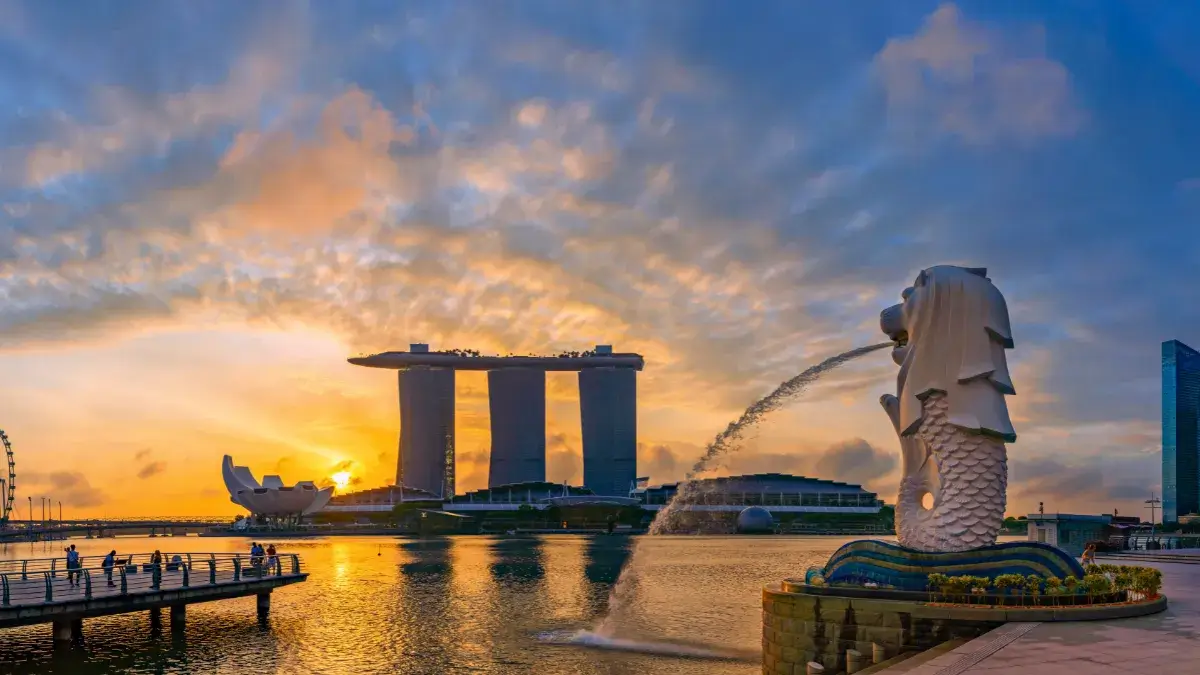
When to Visit Singapore: Timing Your Trip Right
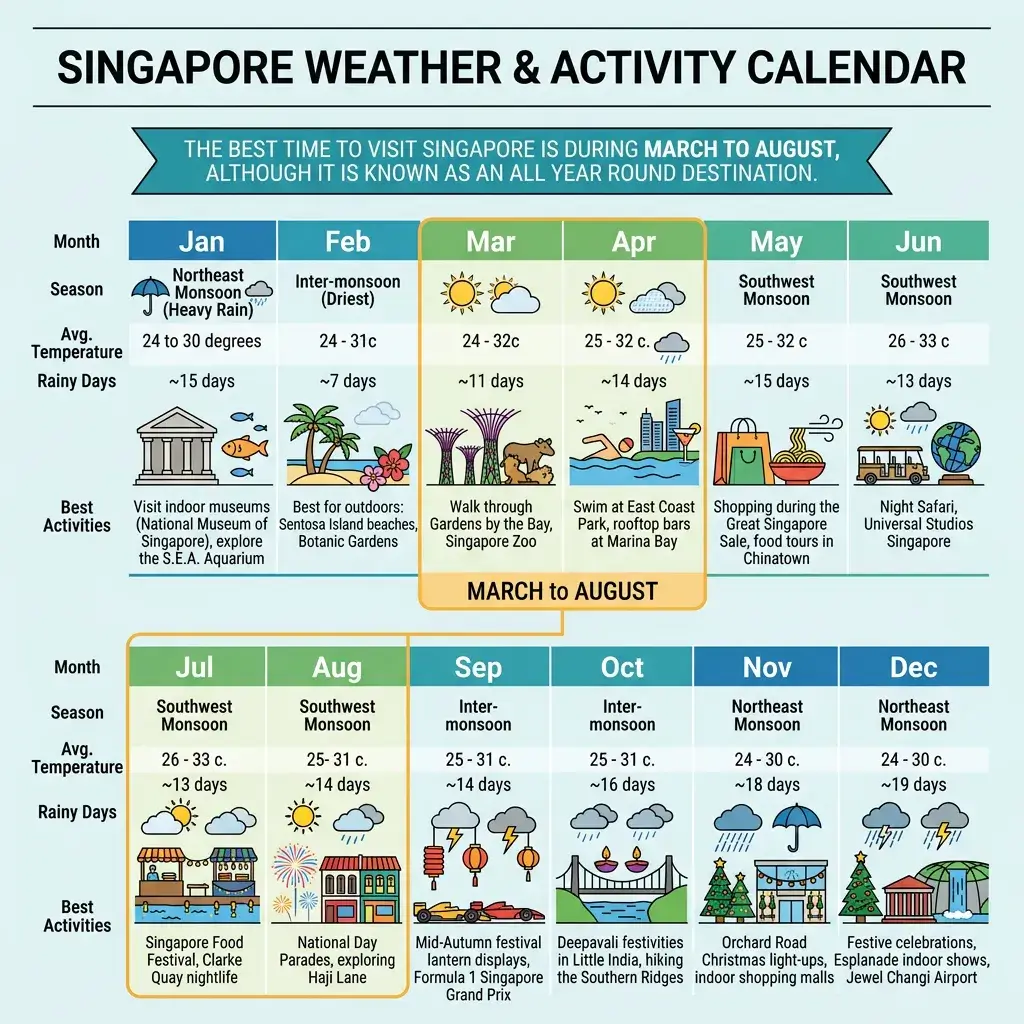
Singapore doesn’t have traditional seasons. You get hot and humid year-round with two monsoon patterns.
The weather stays consistent. Temperatures hover between 77-90°F daily. Humidity sits around 80%. Rain can hit any month.
Understanding Singapore’s Climate Patterns
Singapore experiences two main monsoon periods that affect your visit.
The Northeast Monsoon runs from December through early March. Expect more frequent rain, especially in December and January. Mornings often stay clear. Afternoons bring heavier downpours.
The Southwest Monsoon arrives June through September. You’ll see less intense rainfall compared to winter months. Brief afternoon showers cool things down.
Inter-monsoon periods fall between monsoons. April-May and October-November bring the most unpredictable weather. Thunderstorms pop up suddenly. Heat peaks during these transition months.
Best Months for Weather and Crowds
February through April offers the sweet spot. Rain eases up after the wet December-January period. Temperatures stay manageable. Tourist crowds thin out after Chinese New Year.
July and August bring school holidays. Locals travel during these months. Popular attractions get packed. Hotel prices climb. The weather stays hot and humid with occasional rain relief.
November through January sees the highest tourist numbers. Cooler temperatures attract visitors escaping winter elsewhere. Rain increases but doesn’t typically ruin plans if you stay flexible.
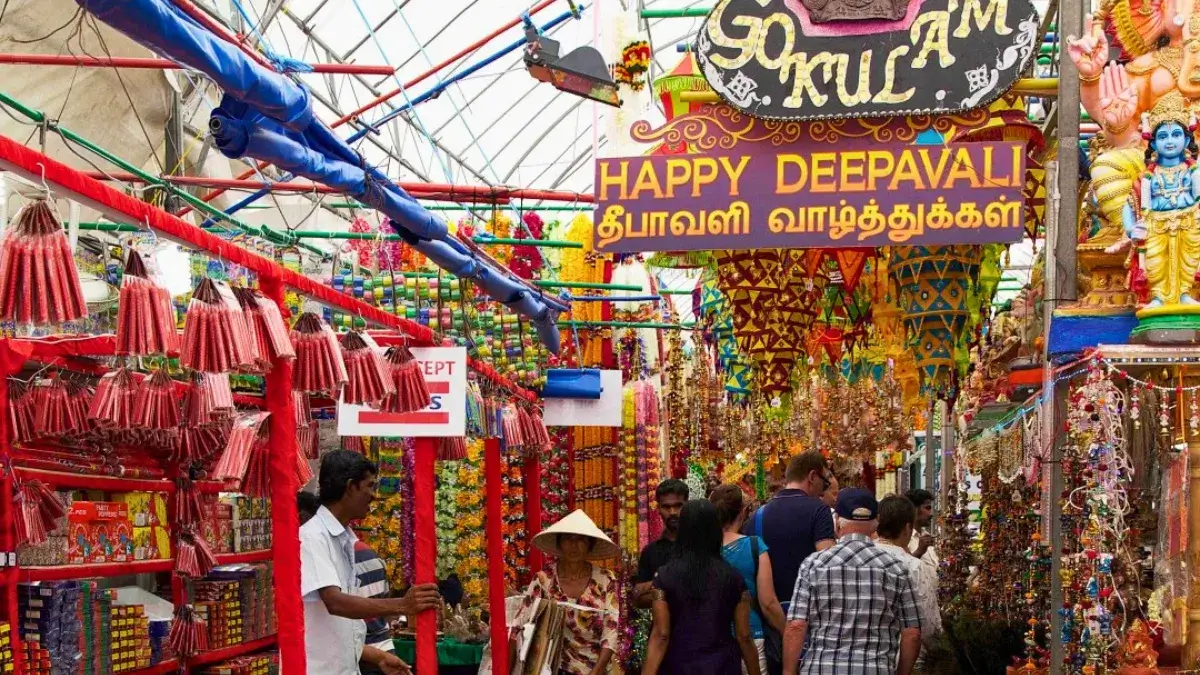
Singapore Festivals Worth Planning Around
Singapore celebrates diverse cultural festivals throughout the year.
Chinese New Year transforms the city in January or February. Chinatown explodes with decorations. Streets close for parades. Expect crowds and higher prices. Many restaurants shut for several days.
Deepavali lights up Little India in October or November. The neighborhood drapes itself in colorful decorations. Street markets sell traditional foods and goods. Hindu temples host special ceremonies.
Hari Raya Puasa marks the end of Ramadan. Kampong Glam becomes a night market. Geylang Serai hosts a massive bazaar with local food and crafts. Dates shift annually based on the lunar calendar.
The Singapore Food Festival runs in July. You’ll find special menus, cooking demonstrations, and food tours across the city. Perfect timing if food drives your travel.
Formula 1 Singapore Grand Prix happens in September. The night race takes over Marina Bay for a weekend. Hotel prices triple. The city energy peaks. Book months ahead if you want to attend.
Budget Considerations by Season
Peak season pricing hits during November-January and July-August. Hotels charge 30-50% more than low season rates. Popular restaurants require advance bookings.
Shoulder months offer the best value. February-March and September-October bring lower accommodation costs. You’ll still enjoy good weather with fewer crowds.
The rainy season (December-January) sometimes brings deals. Some travelers avoid these months. Smart hotels drop prices to fill rooms. Pack an umbrella and you’ll save money.
When To Visit Singapore
Singapore Travel Guide Plan For Perfect Timing
Download our free Singapore weather and events calendar. Monthly breakdowns of temperature, rainfall, festivals, and things to so and see.
Get Your Free CalendarSingapore Travel Visa Requirements and Entry
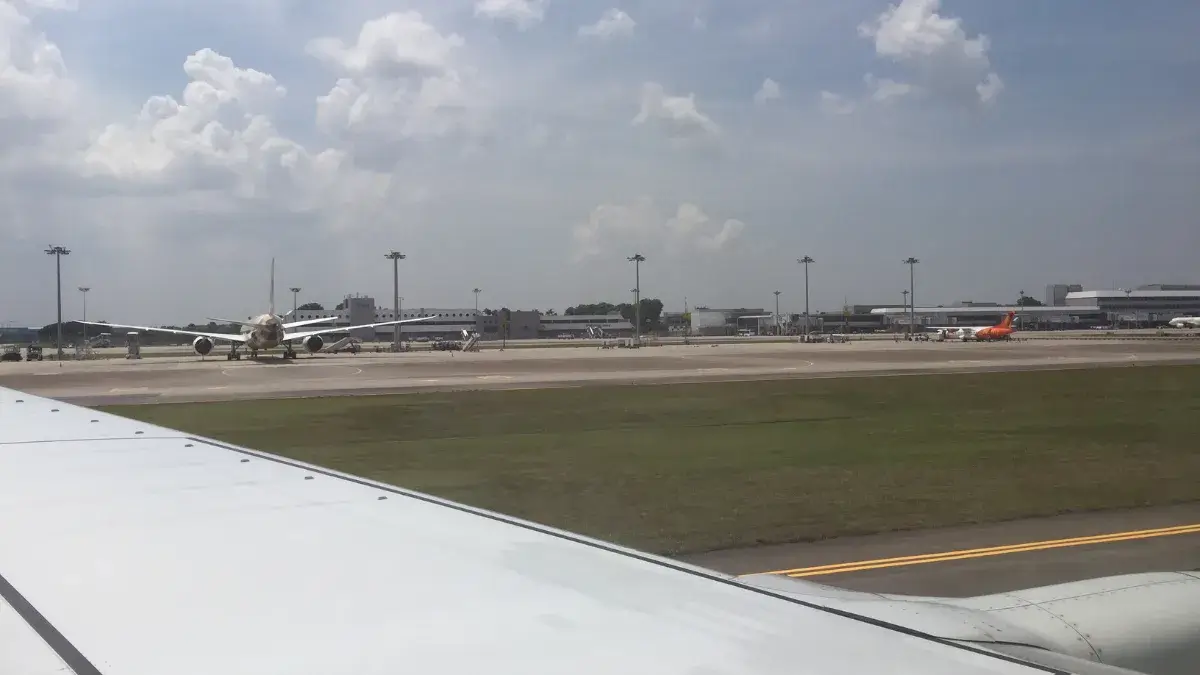
Most visitors breeze through Singapore immigration. The city-state makes entry straightforward for tourism.
Visa-Free Entry for US Citizens and Others
US passport holders don’t need a visa for stays up to 90 days. You get stamped in at the airport. Simple.
Many other countries enjoy visa-free access. UK, Canada, Australia, New Zealand citizens can stay 90 days. Most European Union nationals get the same treatment.
Your passport needs six months validity from your entry date. Immigration checks this strictly. Airlines won’t let you board without sufficient validity.
Countries Requiring Visas
Some nationalities need to apply for a visa before arrival. India, China, and Russia require pre-approved visas. Check Singapore’s Immigration and Checkpoints Authority website for your specific country.
The application process happens online. You’ll need a sponsor in Singapore or go through a local travel agent. Processing takes 3-5 business days typically.
Visa fees vary by nationality. Budget around $30-50 USD for the application. Some agents charge service fees on top.
Arrival Card and Entry Process
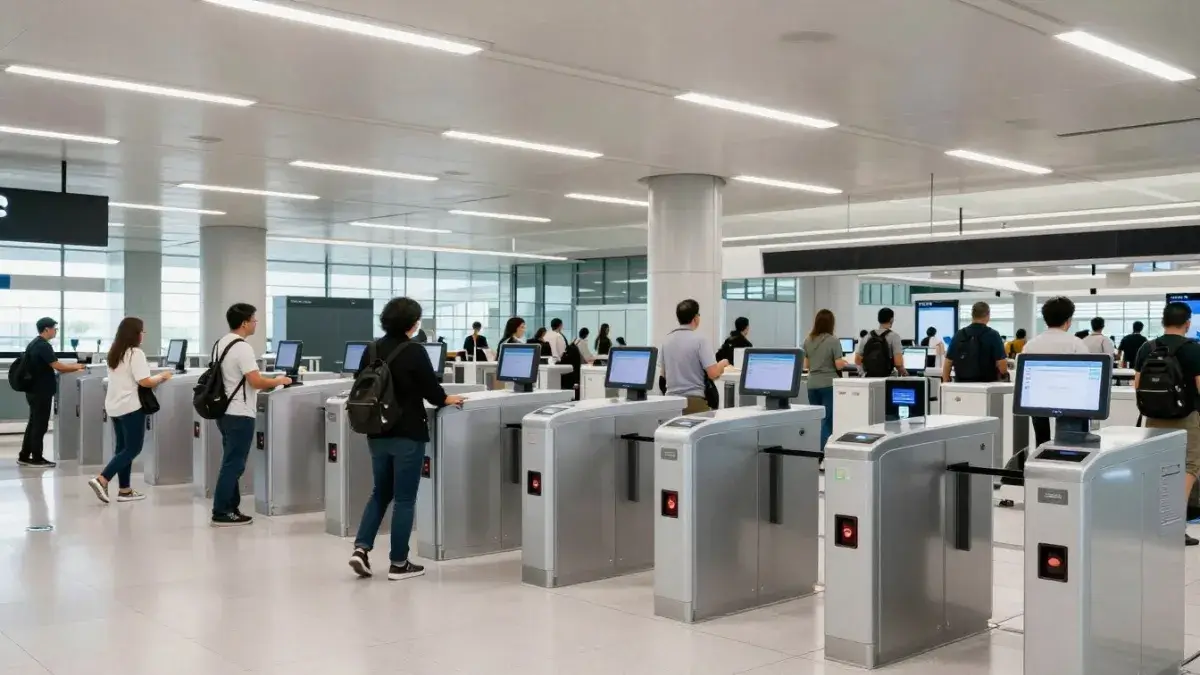
Everyone completes a Singapore Arrival Card. You can fill it online before your flight or use the electronic kiosks at Changi Airport.
The process takes two minutes. Basic information: passport details, accommodation address, contact number. Keep your departure flight details handy.
Immigration officers might ask about your plans. Have your hotel booking ready on your phone. Show proof of onward travel if you’re on a one-way ticket.
Extending Your Stay
Need more time? You can apply for an extension at the Immigration and Checkpoints Authority building. Visit at least a week before your stamp expires.
Extensions aren’t guaranteed. You’ll need justification for staying longer. Medical treatment or family emergencies work. “I like it here” doesn’t.
The fee runs around $40 SGD. Bring your passport and supporting documents. Processing happens same-day if you arrive early.
Transit Visa Information
Transiting through Changi Airport? Most nationalities don’t need a visa if you’re staying airside. You can remain in the transit area up to 96 hours.
Want to leave the airport during your layover? The same visa rules apply as regular entry. Check if your nationality gets visa-free access.
Changi offers free Singapore tours for transit passengers with layovers over 5.5 hours. You’ll need to clear immigration. Make sure your nationality qualifies for visa-free entry first.
Working Holiday Visas
Singapore offers working holiday agreements with select countries. Australia, France, Germany, Hong Kong, Japan, New Zealand, Switzerland, and UK citizens can apply.
Age limits range from 18-25 depending on your country. You can work for up to six months. The visa costs around $150 SGD.
Applications happen through Singapore’s Ministry of Manpower website. You’ll need proof of funds, travel insurance, and a return ticket.
Getting to Singapore: Your Entry Options

Changi Airport handles nearly all international arrivals. It’s one of the world’s best airports. Getting from there to the city takes 30 minutes.
Flying into Singapore Changi Airport
Changi Airport operates four terminals. Most airlines use Terminals 1, 2, or 3. Budget carriers like Scoot and AirAsia fly from Terminal 4. A free Skytrain connects all terminals.
Direct flights reach Singapore from most major cities worldwide. Flight times from the US West Coast run 15-17 hours. Europe connects in 12-13 hours. Regional Asian flights take 2-5 hours.
Budget airlines offer the cheapest fares. Scoot, AirAsia, and Jetstar serve regional routes. Expect to pay extra for checked bags and seat selection.
Full-service carriers include Singapore Airlines, Emirates, Qatar Airways. You’ll pay more but get better comfort and included baggage.
The Jewel Changi Airport Experience
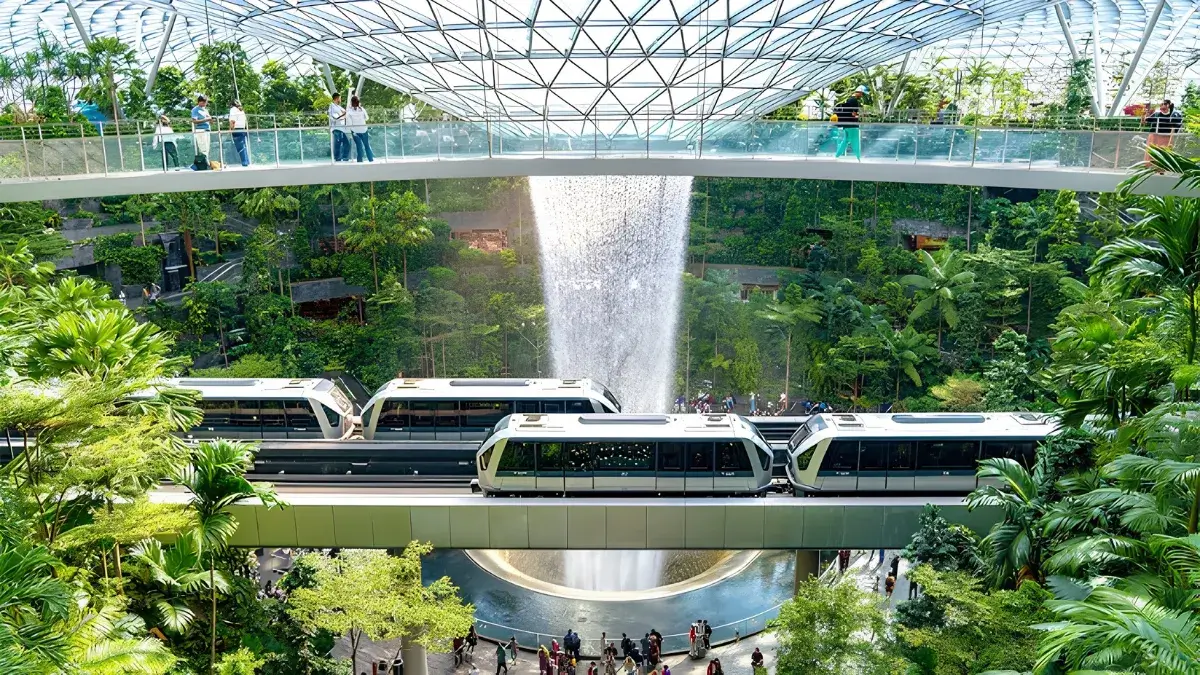
Jewel Changi Airport sits between Terminals 1, 2, and 3. This isn’t your typical airport mall.
The centerpiece Rain Vortex waterfall drops 40 meters through a glass dome. It’s the world’s tallest indoor waterfall. Free to see. Runs light shows at night.
Canopy Park on the top floor offers walking trails, hedge mazes, and sky nets. You need tickets for some attractions. The basic forest walk stays free.
Shops and restaurants fill five levels. You’ll find everything from fast food to sit-down restaurants. Prices match city center rates.
Early morning arrivals? Jewel Changi Airport opens 24 hours. Kill time before your hotel check-in here.
Airport to City Transportation
The MRT (subway) connects Changi Airport to the city. Take the East West Line from Terminals 2 and 3. The ride to downtown takes 35-40 minutes. Costs around $2.50 SGD.
Terminal 4 requires a free shuttle bus to Terminal 2 first. Then catch the MRT. Add 15 minutes to your journey.
Trains run from 5:30am to midnight. Early or late arrivals need alternative transport.
Airport buses serve different city areas. Routes 36 and 36A go to Orchard Road and Marina Bay. Journey takes 45-60 minutes depending on traffic. Fare costs $2 SGD.
Taxis queue outside all terminals. Fixed-price rides to the city center cost $20-30 SGD depending on your destination. Surge pricing applies during peak hours and midnight-6am.
Grab (Southeast Asia’s Uber) works from the airport. Often cheaper than taxis. Request from the designated pickup points. The app shows exact fares upfront.
Arriving by Land from Malaysia
Two land borders connect Singapore to Malaysia. The Causeway at Woodlands sees heavy traffic. The Second Link at Tuas offers a less crowded alternative.
Buses cross the border regularly. From Johor Bahru, Malaysia, take Causeway Link buses. They run every 10-15 minutes. Cost around $1.50 SGD one-way.
The bus drops you at Kranji MRT station or Queen Street Terminal. From there, connect to the MRT network.
Border crossing can take 30 minutes to 2 hours depending on the time and day. Weekend mornings and evenings see the longest waits. Weekday mid-afternoons move fastest.
Private cars need to pay toll fees and vehicle entry permits. Renting a car in Malaysia to drive to Singapore creates paperwork headaches. Stick with buses or trains.
Train Connections
The Johor Bahru Sentral station in Malaysia connects to Woodlands Train Checkpoint in Singapore. KTM trains run this route.
You’ll need to disembark for immigration clearance at both sides. The process adds 30-45 minutes to your journey.
From Woodlands, take the MRT into the city. The connection works smoothly once you clear customs.
Long-distance trains from Thailand and northern Malaysia terminate at Johor Bahru. You’ll then need to cross the border separately via bus or taxi.
Getting Around Singapore: Master the Transport System
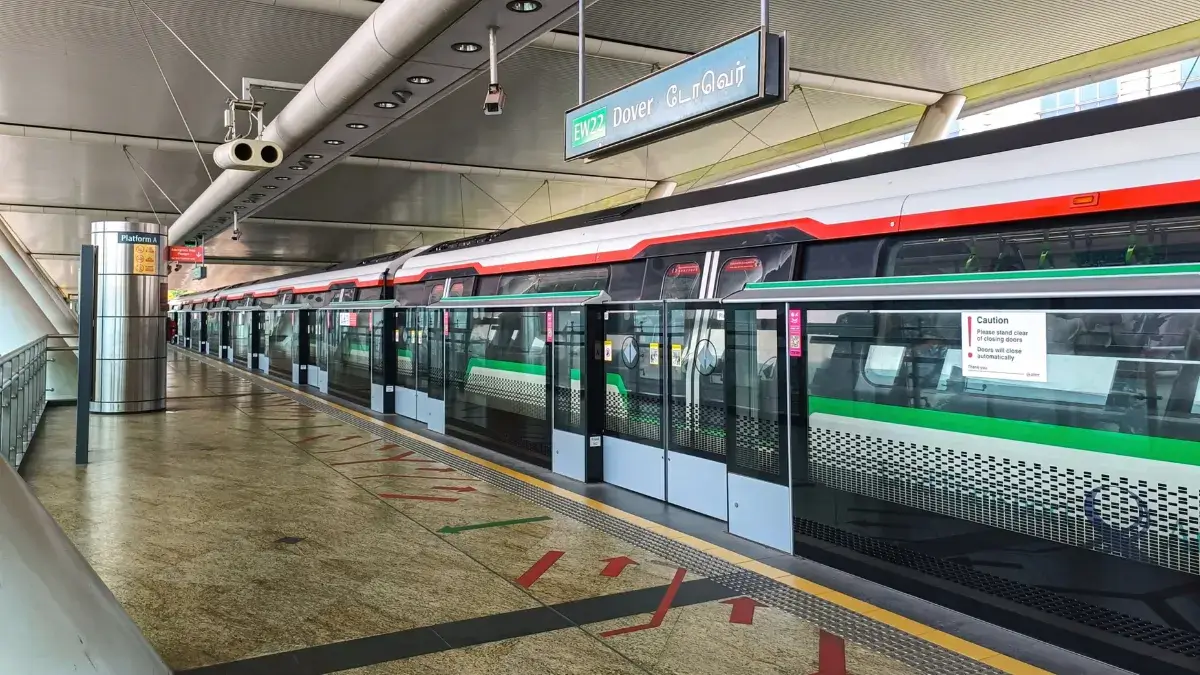
Singapore’s public transport ranks among the world’s best. Clean. Reliable. Covers the entire city. You won’t need taxis much.
The MRT System Explained
The Mass Rapid Transit (MRT) network has six main lines. Trains run frequently from 5:30am to midnight. Stations connect all major areas and attractions.
Color-coded lines make navigation simple. Red line (North-South). Green line (East-West). Purple line (Northeast). Orange line (Circle). Yellow line (Downtown). Blue line (Thomson-East Coast).
Download the Singapore MRT map or grab a physical copy at any station. Google Maps shows real-time train schedules and connections.
Stations stay impeccably clean. Air conditioning keeps you comfortable. Platform screen doors prevent accidents. Announcements play in English and Mandarin.
Buses: Reaching Where MRT Doesn’t Go
The bus network fills gaps between MRT stations. Routes cover every neighborhood. Google Maps shows exact bus numbers and arrival times.
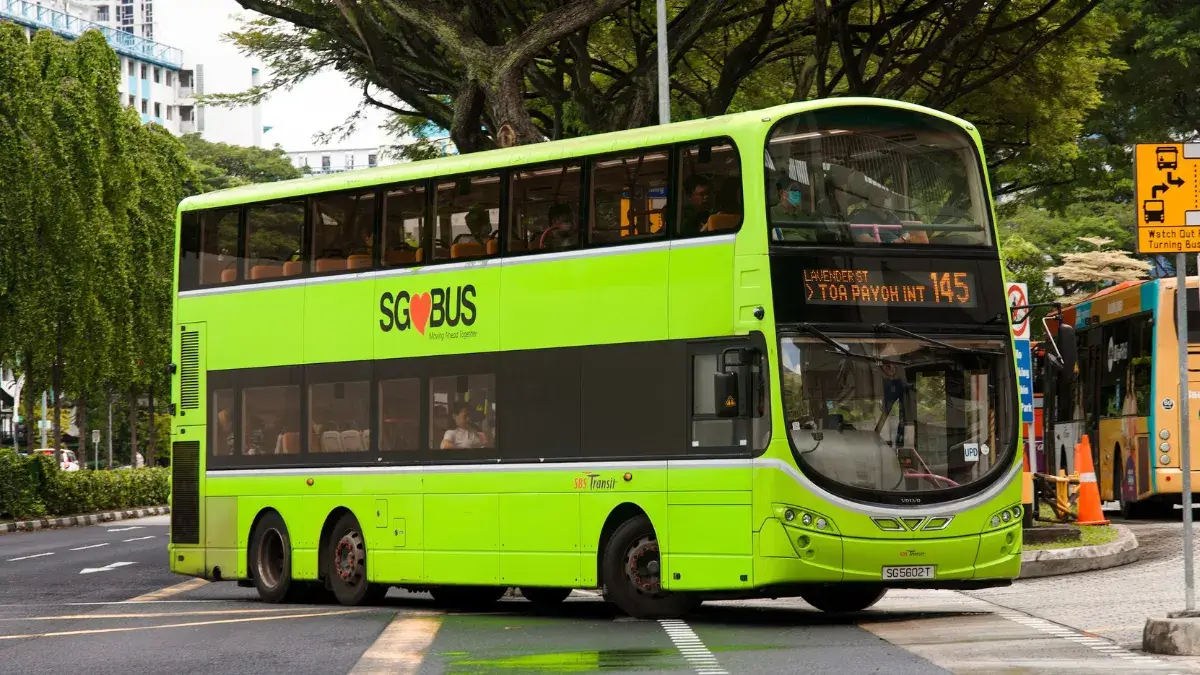
Buses display their route number and final destination clearly. Most stops have digital boards showing arrival times. Pay when boarding using the same card you use for MRT.
Push the stop button one stop before yours. Exit through the rear door. Tap your card again when exiting—bus fares charge based on distance.
Night buses operate after MRT closure. Route numbers have “N” prefix. They run hourly from midnight to 2am on weekends.
Getting a Transit Card
Skip single tickets. Get an EZ-Link or NETS FlashPay card immediately. Both work on MRT, buses, and even some taxis.
Buy cards at any MRT station. Cost $12 SGD ($5 deposit + $7 stored value). Top up at station machines or 7-Eleven stores.
Card fares run cheaper than single tickets. You save about 15-20% per trip. Cards never expire. Use leftover value on your next visit.
SimplyGo lets tourists use contactless credit cards instead. Tap your Visa or Mastercard at MRT gates and bus card readers. Charges appear on your statement later. No need to buy a separate card.
The Singapore Tourist Pass offers unlimited rides. Costs $20 for one day, $26 for two days, $30 for three days. Worth it only if you take more than 8-10 rides daily.
Taxis and Ride-Hailing Services
Taxis roam everywhere but can be tricky to flag during peak hours. Download the Grab app instead. It’s Southeast Asia’s version of Uber.
Grab shows upfront pricing. You’ll know the cost before booking. Payment happens through the app. No cash needed. Drivers arrive within 5-10 minutes.
Taxi flagfall starts at $3.90 SGD. Meters add distance and time charges. Expect to pay $10-20 for most cross-city trips.
Surcharges apply for airport trips, midnight hours, and peak periods. The meter shows all additions clearly.
Gojek offers an alternative to Grab. Usually slightly cheaper. Both apps work well. Compare prices before booking.
Walking and Cycling Around Singapore
Singapore’s humid weather challenges long walks. Break up walking with MRT or bus segments. Cover short distances on foot.
Neighborhoods like Chinatown, Little India, and Kampong Glam work perfectly for walking exploration. Covered walkways connect many buildings in the CBD and Orchard Road areas.
Park Connector Network creates cycling paths across the island. Rent bikes from bike-sharing services like Anywheel or SG Bike. Download their apps to locate and unlock bikes.
Expect to pay around $1 SGD per 30 minutes for bike rentals. Leave bikes at designated parking zones. Random street parking incurs fines.
Marina Bay area offers scenic cycling routes. East Coast Park has dedicated bike paths along the beach. Both areas rent bikes from physical shops too.
Singapore Travel Guide Water Transport Options
Bumboats ferry passengers between Clarke Quay, Robertson Quay, and Marina Bay. Think of them as tourist attractions more than practical transport. Rides cost $5-25 SGD depending on route length.
Regular ferry services connect Singapore to nearby islands. Pulau Ubin ferries leave from Changi Point Ferry Terminal. Cost $4 SGD round trip. Ferries to Kusu Island and St. John’s Island depart from Marina South Pier.
Cable cars link Mount Faber to Sentosa Island. Great views. Costs $35 SGD for a round trip. Sentosa Express monorail offers a cheaper alternative at $4 SGD.
Want this article for reference later?
Download Our Ultimate Singapore Travel Guide
Get our comprehensive guide to Singapore with all the travel information you need for planning your perfect Singaporean getaway, including a 3-day, 5-day and 7-day itinerary, where to go, what to see, what to eat, budget and off the beaten path recommendations.
Top Singapore Attractions and Things to See
Singapore packs impressive sights into a small area. You’ll bounce between ultra-modern attractions and cultural heritage sites within minutes.
Marina Bay Sands and the Skyline
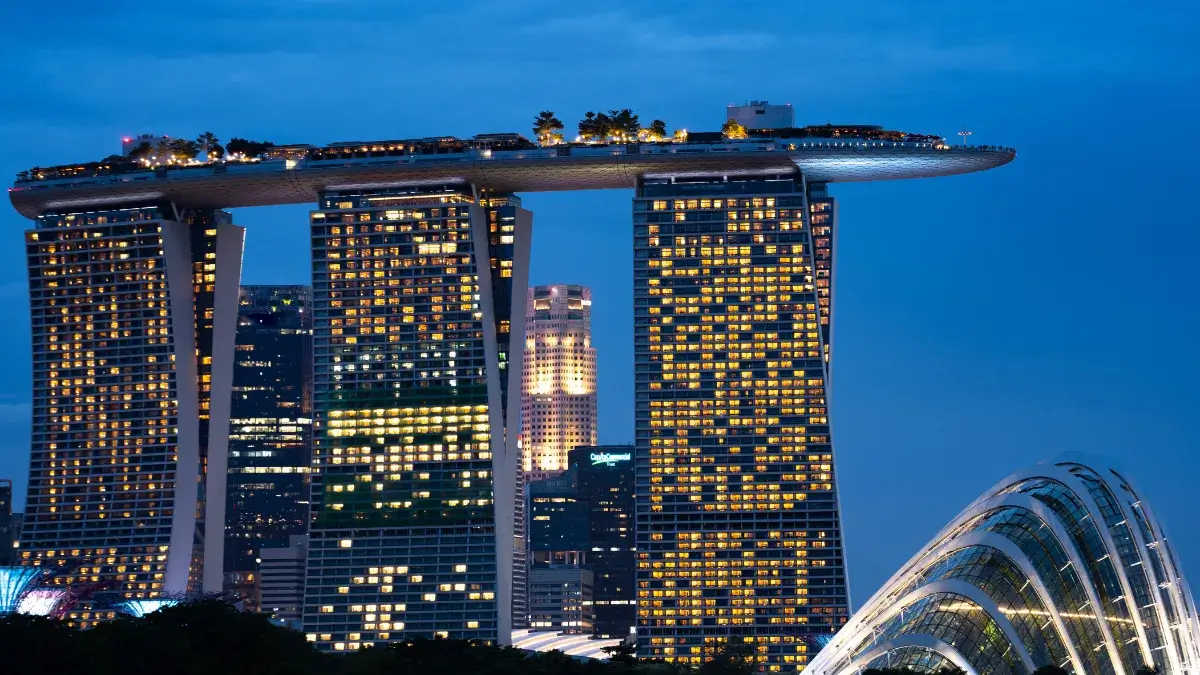
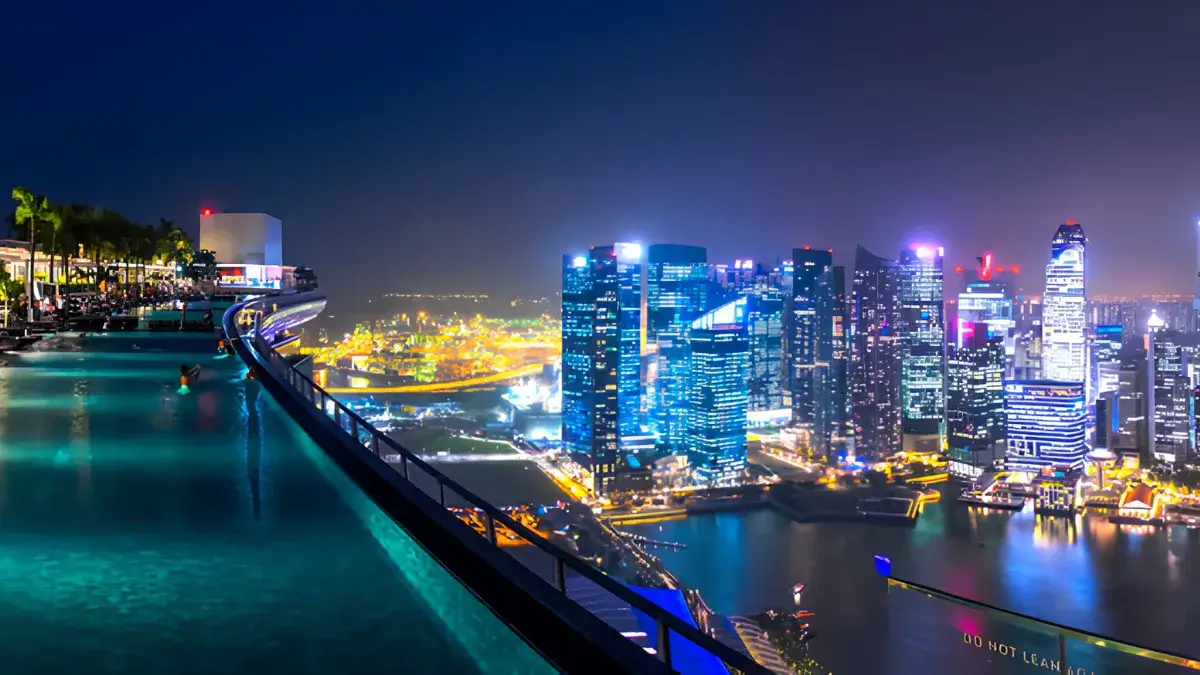
The Marina Bay Sands hotel dominates Singapore’s skyline. Three towers connected by a boat-shaped rooftop. You’ve seen it in a thousand photos.
The observation deck sits 57 floors up. Non-hotel guests can buy tickets for $32 SGD. You get 360-degree city views. Marina Bay spreads below. The port stretches to the horizon.
Hotel guests access the rooftop infinity pool free. The pool itself stays restricted to guests. Worth booking one night here if your budget allows.
The shopping mall below houses luxury brands and a canal running through it. The ArtScience Museum next door hosts rotating exhibitions. Skip both unless weather forces you indoors.
Evening brings the Spectra light and water show. Happens at 8pm and 9pm on weekends, 8pm only on weekdays. Completely free. Watch from the outdoor event plaza.
Gardens by the Bay: More Than Instagram Photos
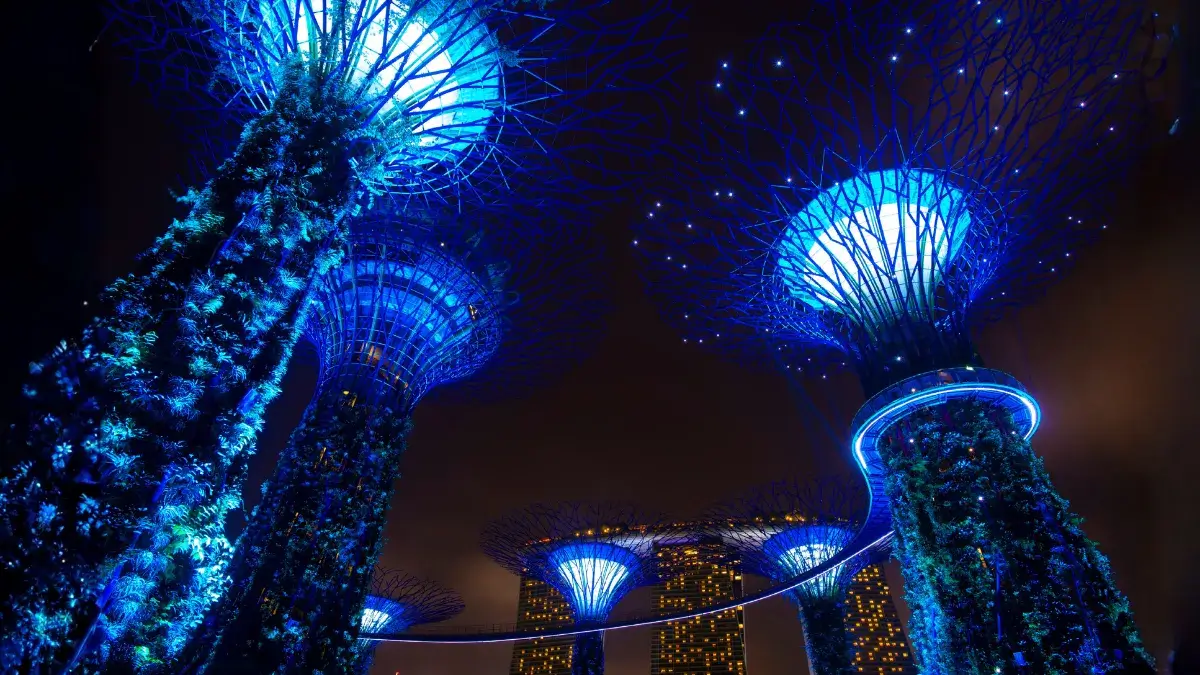
Gardens by the Bay sits behind Marina Bay Sands. The Supertree Grove grabs attention first. These vertical gardens reach 50 meters high. Free to walk around. The OCBC Skyway connecting them costs $14 SGD.
The Garden Rhapsody light show happens nightly at 7:45pm and 8:45pm. Music syncs with lights on the Supertrees. Find a spot on the ground and look up. Free entertainment.
Two climate-controlled conservatories cost $32 SGD for both. The Flower Dome recreates Mediterranean environments. The Cloud Forest houses a 35-meter indoor waterfall.
Worth the money if you enjoy botanical gardens. Skip if you’re rushing through Singapore. The outdoor gardens offer enough beauty for free.
Plan two to three hours here. Morning visits beat the heat and crowds. Late afternoon works if you want to see both daylight and the evening light show.
Sentosa Island: Theme Parks and Beaches
Sentosa Island lies just off Singapore’s southern coast. Think of it as Singapore’s dedicated fun zone.
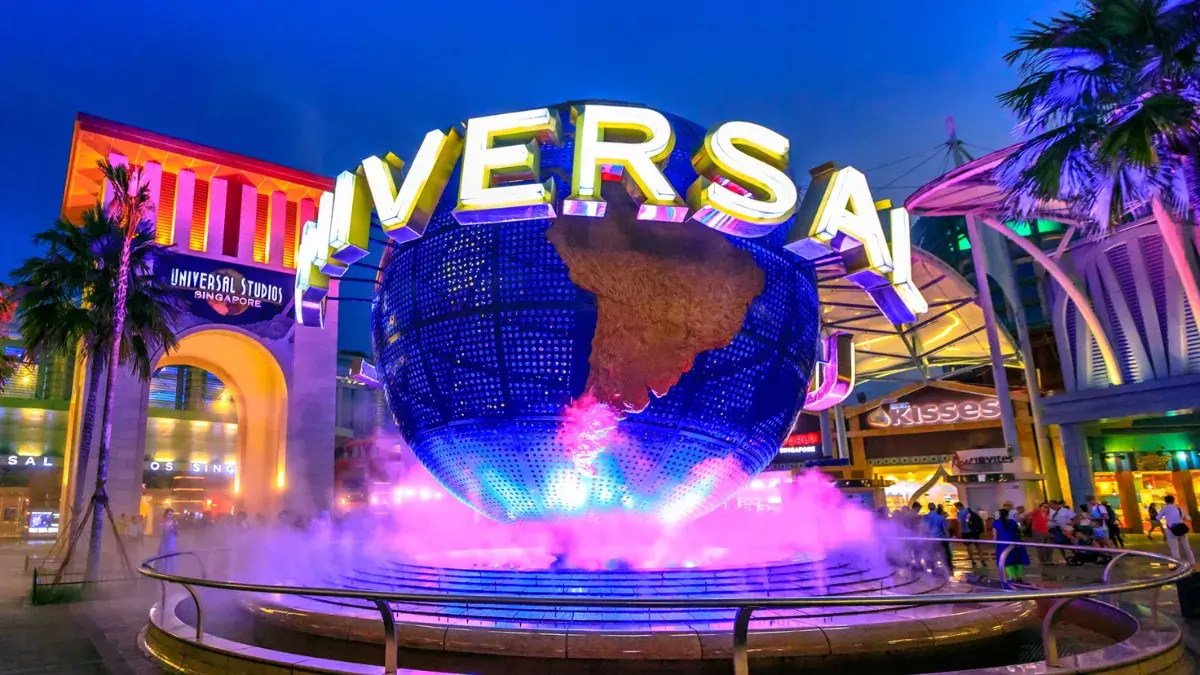
Universal Studios Singapore packs Hollywood movie themes into Southeast Asia’s only Universal park. Expect crowds on weekends. Tickets cost $81 SGD. Go on weekdays if possible.
S.E.A. Aquarium showcases 100,000 marine animals. The Open Ocean tank holds 45 million liters. Manta rays glide overhead. Entry costs $41 SGD.
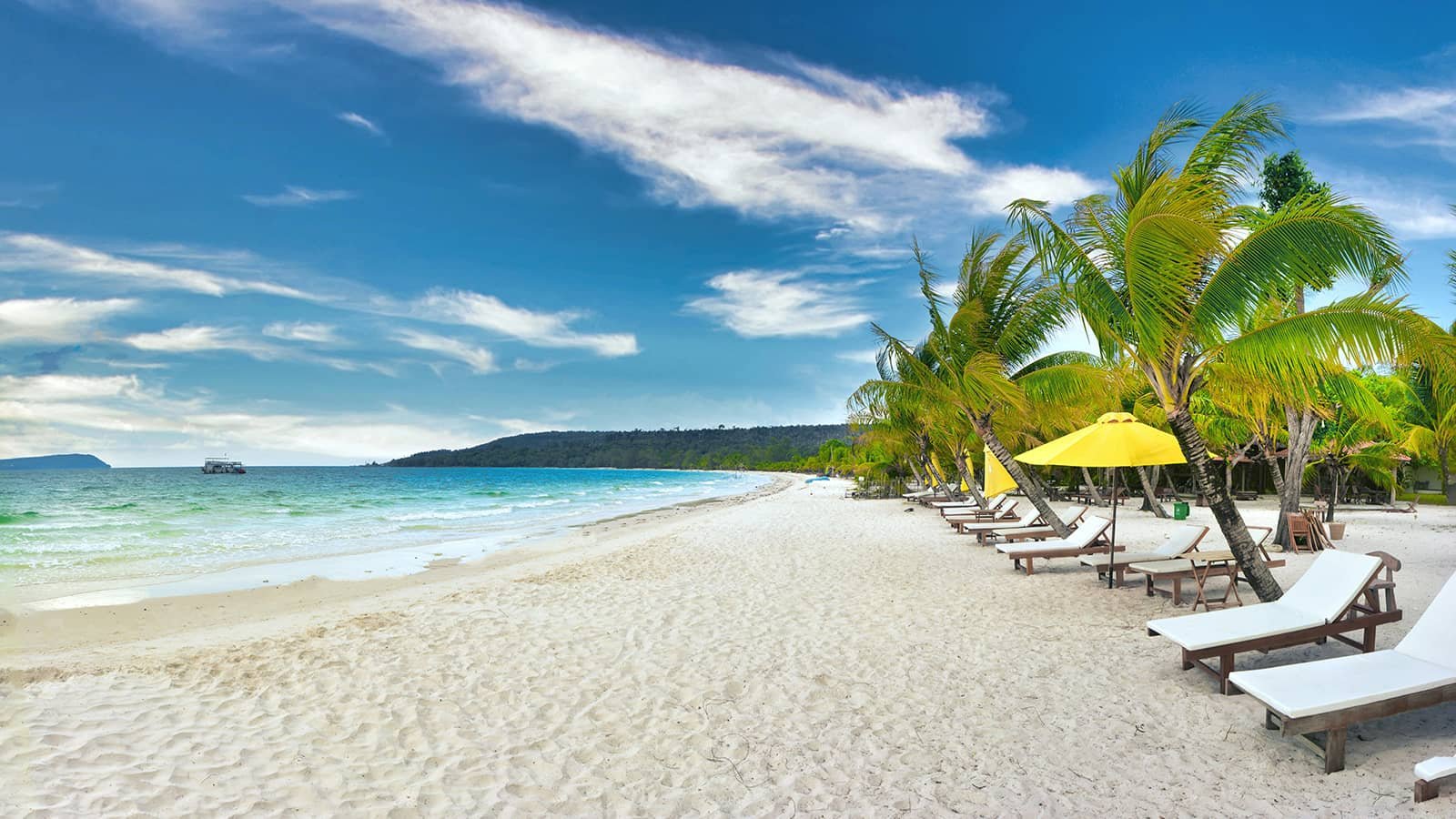
Three beaches offer swimming spots. Siloso Beach attracts the party crowd. Palawan Beach aims at families. Tanjong Beach keeps things quiet. All three have bars and restaurants.
The Sentosa Boardwalk connects to the mainland. Walk across for free. The Sentosa Express monorail costs $4 SGD. Cable cars provide scenic access for $35 SGD.
Singapore Zoo and Night Safari
The Singapore Zoo keeps animals in open enclosures. Moats and glass barriers replace cages. The orangutan breakfast show runs twice daily—catch the 9am or 10:30am session.
The zoo covers 28 hectares. You’ll need three to four hours to see everything. Wear comfortable shoes. The tropical heat intensifies by afternoon.
Tickets cost $41 SGD for adults. Get there right at opening (8:30am) to beat tour groups and heat.
The Night Safari operates next door. It’s the world’s first nocturnal zoo. Animals roam in dim lighting simulating moonlight. You ride a tram through different geographical zones.
Shows include a Creatures of the Night performance with otters, binturongs, and other animals. The tram runs every 15 minutes. Walk trails let you get closer to specific exhibits.
Night Safari tickets cost $55 SGD. Worth combining with a zoo visit if you have a full day. Buy combination tickets online for slight savings.
Chinatown’s Heritage and Temples
Chinatown preserves Singapore’s Chinese heritage in renovated shophouses. The neighborhood stretches from Chinatown MRT to Maxwell Food Centre.
Buddha Tooth Relic Temple dominates the area. Free entry. The architecture mimics Tang dynasty style. Four floors contain Buddhist art and relics. The rooftop garden offers unexpected tranquility.
Sri Mariamman Temple brings Hindu worship to Chinatown’s heart. This is Singapore’s oldest Hindu temple. Colorful gopuram tower shows South Indian architectural style. Remove shoes before entering.
Chinatown Heritage Centre costs $15 SGD. Three shophouses recreate 1950s living conditions. Interesting if you want historical context. Skippable if museums aren’t your thing.
Streets fill with medicinal halls, tea shops, and dumpling restaurants. Pagoda Street and Temple Street sell tourist souvenirs. Smith Street becomes a food street after 5pm.
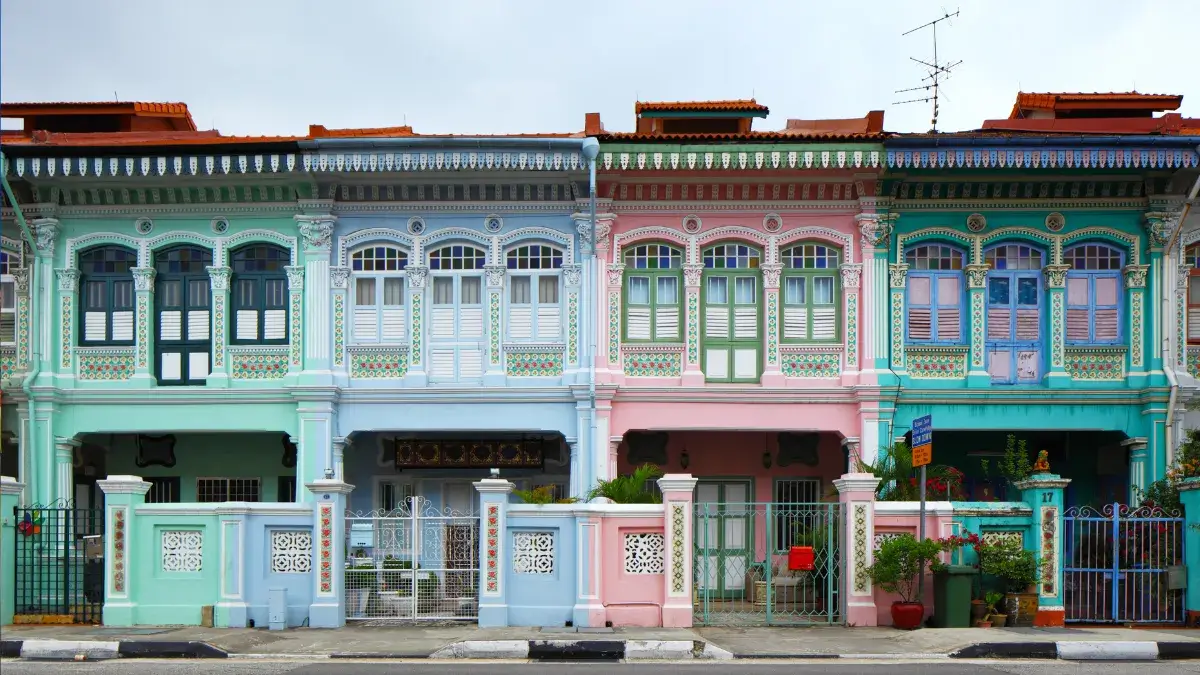
Little India: Sensory Overload in the Best Way
Little India explodes with color, incense, and Bollywood music. The neighborhood centers around Serangoon Road.
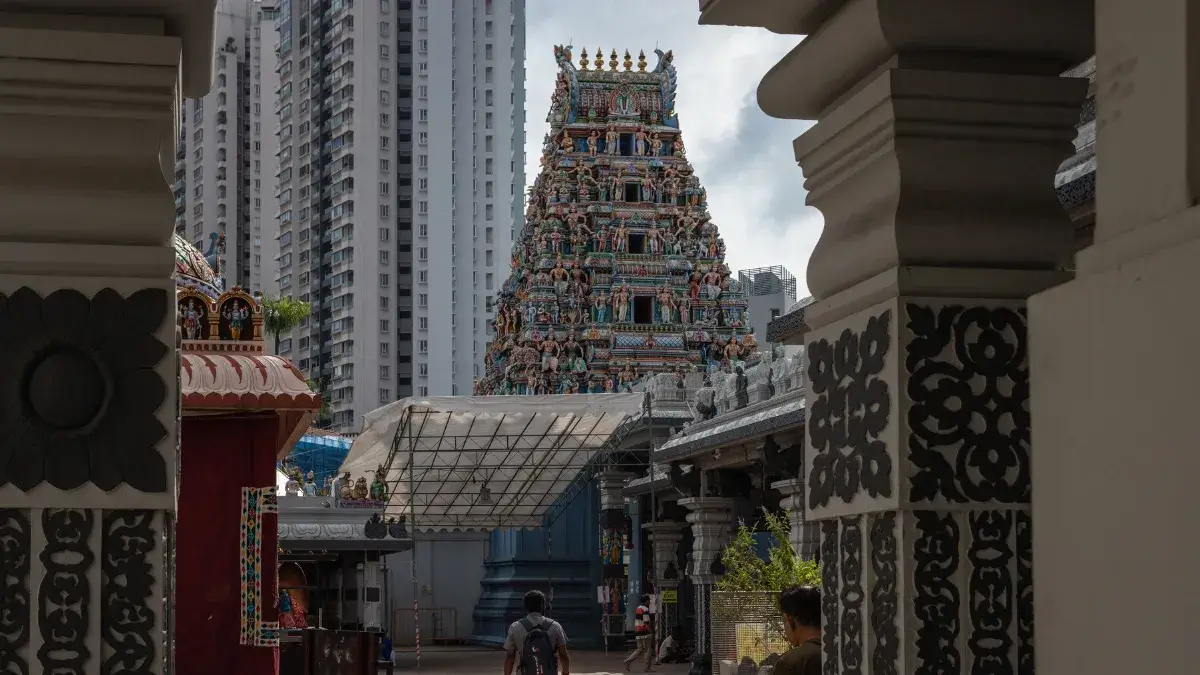
Sri Veeramakaliamman Temple honors the goddess Kali. The main shrine sits under an ornate gopuram. Free to enter. Modest clothing required.
Tekka Centre houses a wet market downstairs and a hawker center upstairs. Ground floor sells fresh produce, spices, flowers. Upstairs serves South Indian vegetarian food.
Indian Heritage Centre opened in 2015. The building itself wins design awards. Inside covers the Indian diaspora story in Southeast Asia. Entry costs $6 SGD.
Little India Arcade shops sell colorful saris, jasmine garlands, and spices you can’t name. Bargaining expected. Start at 60% of the asking price.
Buffalo Road and Campbell Lane offer the most photogenic shophouses. Early morning brings fewer crowds. Evening fills with families shopping for dinner.
Kampong Glam and Arab Street
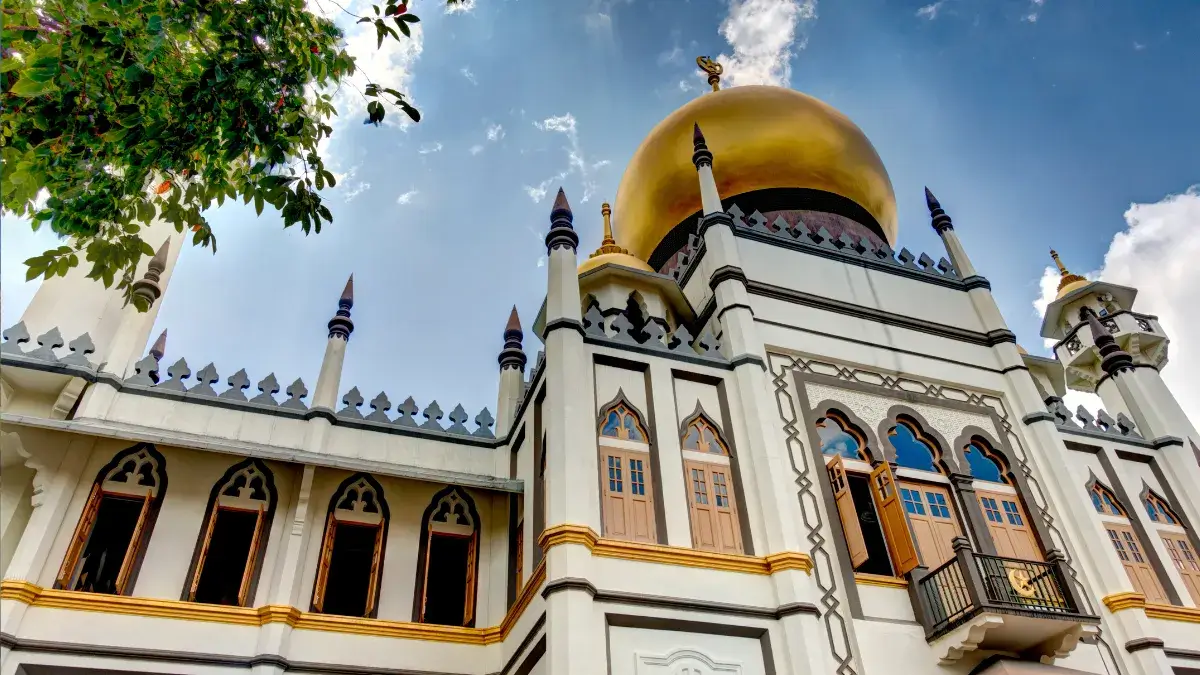
Kampong Glam served as the Malay royal district. Sultan Mosque anchors the neighborhood with gold domes visible blocks away.
The mosque allows visitors outside prayer times. Cover up (long pants, shoulders covered). Robes available at entrance for free. The interior’s Persian carpets came as gifts from Saudi Arabia.
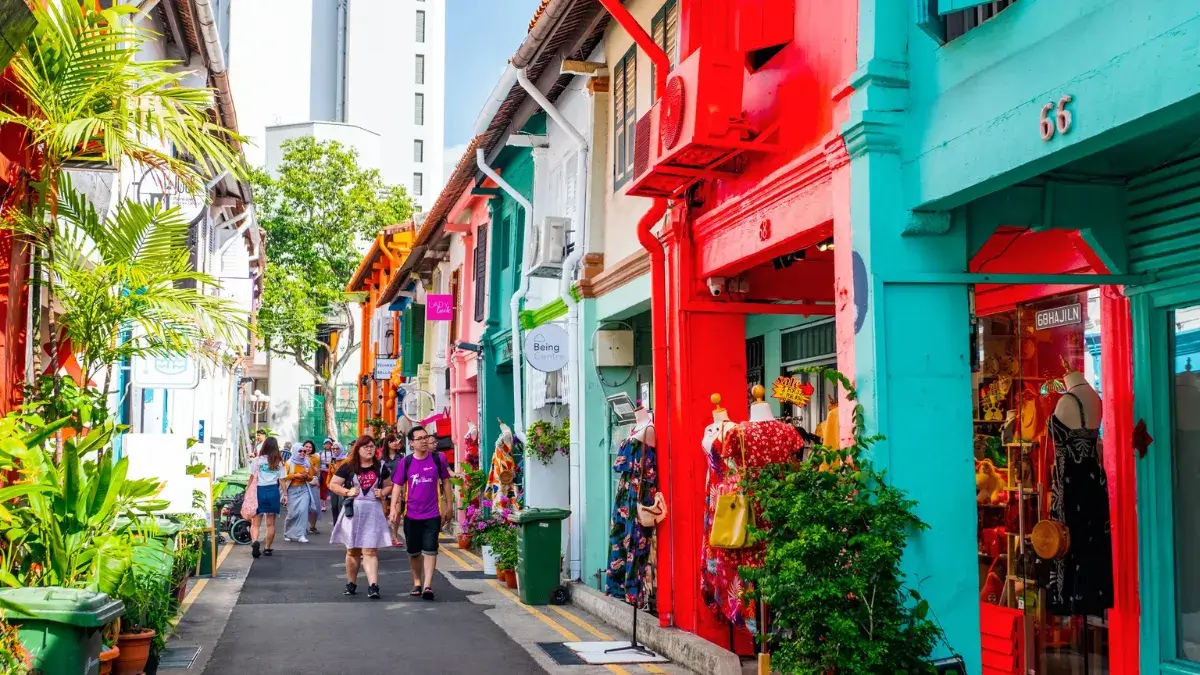
Arab Street shops sell Turkish lamps, Persian rugs, and textiles from across the Middle East. Haji Lane branches off with narrow alley filled with independent boutiques and cafes.
Malay Heritage Centre occupies the former sultan’s palace. Learn about Malay culture through exhibits covering marriage customs, traditional weapons, and royal ceremonies. Costs $6 SGD.
The neighborhood transitions well into evening. Restaurants serve Middle Eastern and Malay food. Bars line Haji Lane. Weekend nights bring crowds.
Singapore Botanic Gardens and National Orchid Garden
The Singapore Botanic Gardens spans 82 hectares of green space, making it a perfect place to visit Singapore, especially in the hot humid climate. UNESCO World Heritage status. Free entry to most areas.
The park dates to 1859. Rain trees shade walking paths. Swan Lake sits at the center. Locals jog early morning and evening.
The National Orchid Garden requires paid entry ($5 SGD). Over 1,000 orchid species bloom year-round, including stunning varieties found in the flower dome. Climate-controlled sections house the most delicate varieties.
VIP Orchid Garden displays hybrid orchids named after visiting dignitaries. Each plant has a plaque explaining which world leader it honors.
Plan 90 minutes for a casual walk. Bring water. Scattered cafes sell drinks and snacks but at premium prices.
Raffles Hotel: Colonial Heritage
Raffles Hotel represents Singapore’s colonial past. The white building dates to 1887. It’s where the Singapore Sling cocktail was invented.
You can visit without staying. The arcade shopping area stays open to public. The Long Bar serves Singapore Slings for $32 SGD each.
Is the drink worth it? Debatable. You’re paying for the setting and history. The cocktail tastes like alcoholic fruit punch.
The hotel museum on the third floor tells Raffles’ story. Free entry. Takes 20 minutes to see.
Walking the halls gives you a glimpse of old-world luxury. Worth 30 minutes if you’re nearby. Not worth a special trip unless you’re a history buff.
Singapore Travel Guide Unique Things to Do Beyond the Usual
Tourist guides push the same attractions repeatedly. Dig deeper and Singapore reveals unexpected experiences.
Explore Pulau Ubin Island
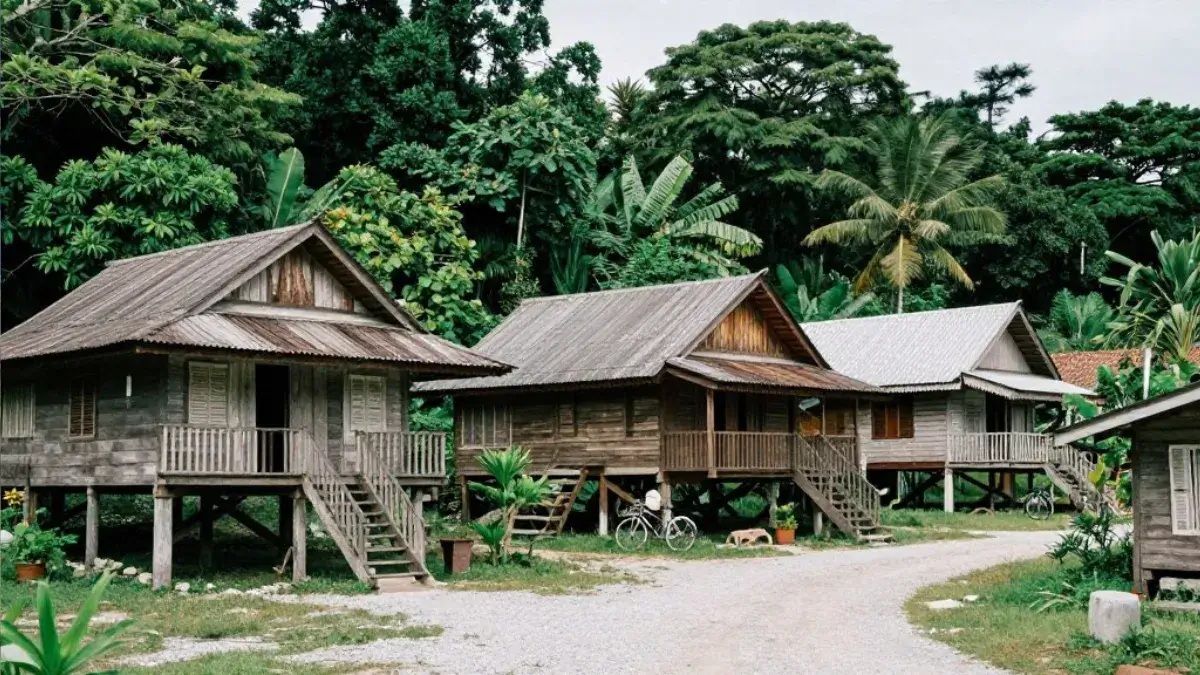
Pulau Ubin remains Singapore’s last kampong (village). No development. Rustic houses. Unpaved roads. Nature everywhere.
Ferries leave from Changi Point Ferry Terminal. Cost $4 SGD round trip. Boats depart when 12 passengers gather. Weekends see frequent departures. Weekdays require patience.
Rent a bike immediately upon arrival. Shops cluster near the jetty. Rates run $10-15 SGD for the day. The island’s too big to walk comfortably.
Chek Jawa Wetlands sits at the island’s eastern end. One hour cycling from the jetty. Boardwalks cross mangroves. You might spot otters, monitor lizards, or wild boars.
Pack water and snacks. Limited food options on the island. A few small shops sell drinks and basic meals near the jetty.
Plan four to five hours total. Last ferry returns around 6pm. Miss it and you’re camping (not officially allowed).
Southern Ridges Trail
The Southern Ridges connects several parks via elevated walkways. Ten kilometers of trails. Some sections rise above the forest canopy.
Start at Mount Faber. Walk to Kent Ridge Park, then Labrador Nature Reserve. The route takes three to four hours at a comfortable pace.
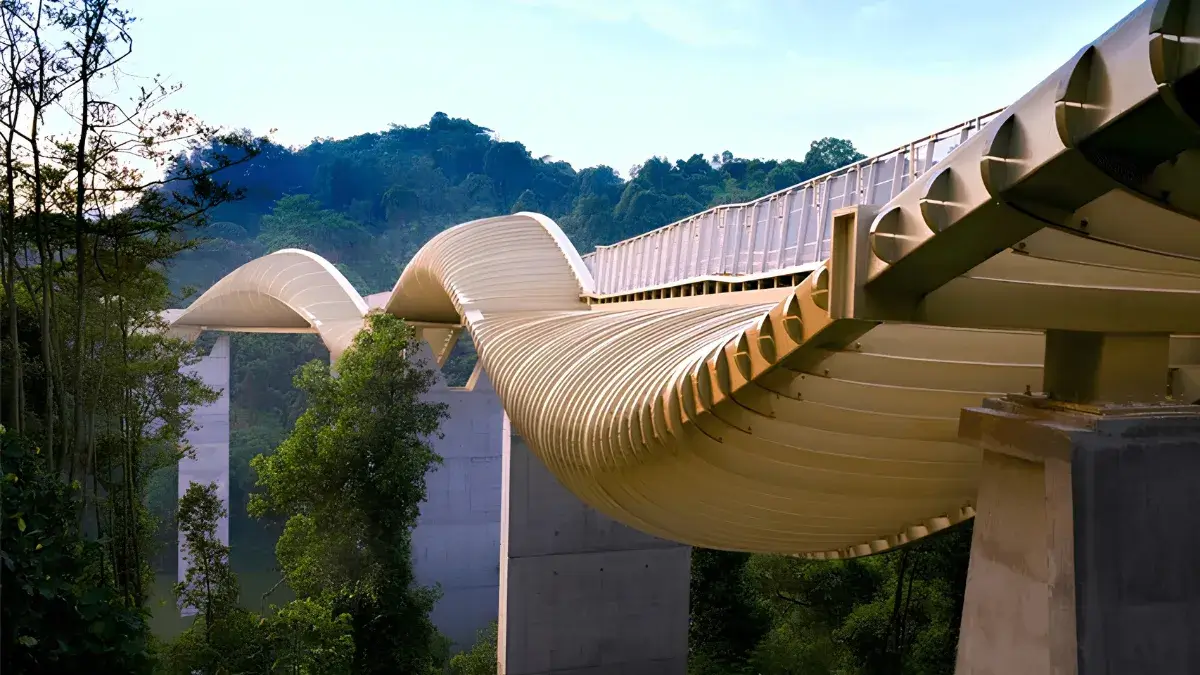
Henderson Waves bridge stands out as the highlight. It’s Singapore’s highest pedestrian bridge. Waves of curved wood create Instagram moments.
Forest Walk at Telok Blangah Hill Park takes you through treetops. The canopy walkway gives jungle views usually reserved for birds.
Go early morning to beat heat. Bring water. Some sections have zero shade. Wear real shoes, not flip-flops.
Hawker Center Food Tours
Skip organized food tours. Create your own hawker center crawl. Singapore has over 100 hawker centers, making it one of the best places for singapore food. You’ll never try them all.
Maxwell Food Centre serves famous chicken rice at Tian Tian. Expect 45-minute waits during lunch. Go at 10am when they open or after 2pm.
Old Airport Road Food Centre houses 200+ stalls. Try char kway teow, rojak, and carrot cake (not the Western dessert). Prices stay low. $3-5 SGD per dish.
Tekka Centre in Little India specializes in South Indian food. Get paper-thin dosa or spicy fish head curry. Most vendors speak Tamil. Point at what looks good.
Lau Pa Sat transforms into satay street after 6pm. Boon Tat Street closes to cars. Grills smoke up the road. Satay sticks cost $0.70 each. Order 20-30 sticks minimum.
Bring cash. Most hawkers don’t take cards. Seats fill up during meal times. Share tables with strangers—it’s expected.
Tiong Bahru: Singapore’s Hip Neighborhood
Tiong Bahru blends old and new Singapore. Art deco housing from the 1930s. Indie cafes next to traditional businesses.
The wet market and hawker center open early. Fried you tiao (Chinese donuts) disappear by 9am. Braised duck rice draws long lines.
Booksactually sells independent publications. Reading Room stocks design magazines and art books. Both shop spaces double as hangout spots.
Tiong Bahru Bakery brews excellent coffee. Croissants sell out before lunch. The space gets packed on weekends.
Street art decorates walls throughout the neighborhood. Painted murals show old Singapore scenes. Some shopkeepers commission pieces for their building facades.
Spend two to three hours wandering. No specific agenda needed. The neighborhood rewards aimless exploration.
Bumboat River Cruise
Bumboats traditionally transported goods along Singapore River. Now they carry tourists. But going at the right time makes it worthwhile.
Book sunset departures. Watching the city light up beats daytime tours. Boats leave from Clarke Quay or Robertson Quay.
The route passes historic bridges and colonial buildings. Audio guides explain landmarks. Boat captains sometimes share better stories than recordings.
40-minute trips cost around $25 SGD. Look for discount tickets online. Some credit cards offer dining packages that include boat rides.
Evening departures pair well with dinner at Clarke Quay afterwards. Time it for the 7pm departure slot.
MacRitchie Reservoir TreeTop Walk
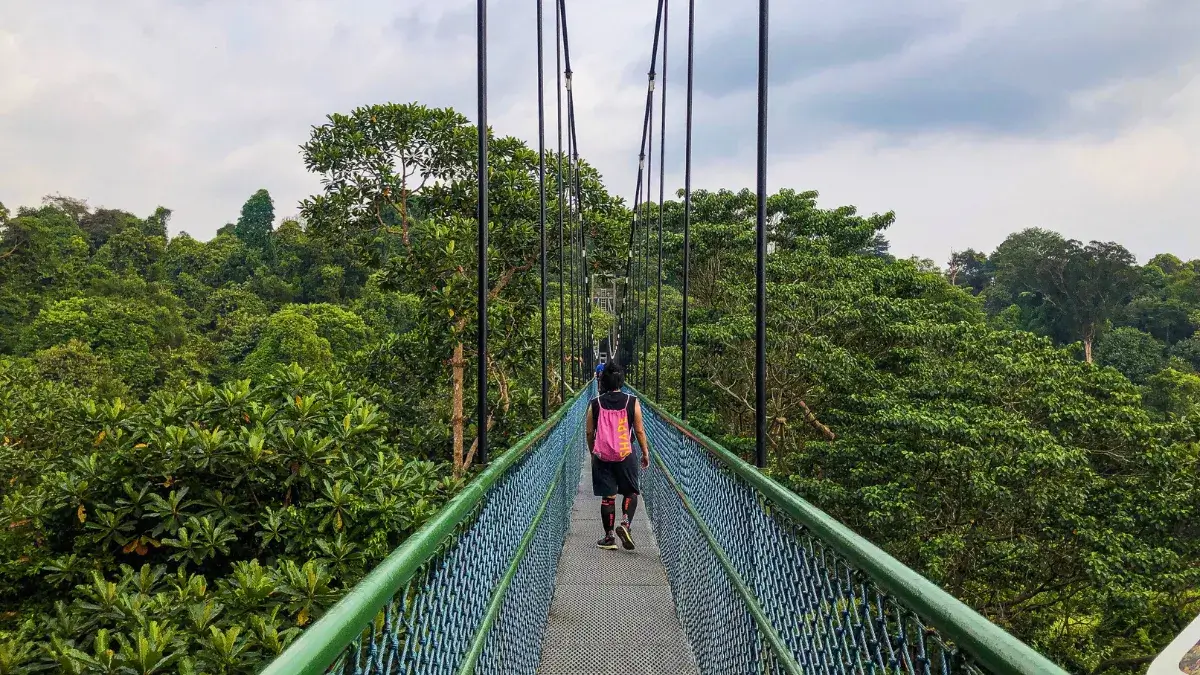
MacRitchie Reservoir sits in the center of Singapore. The TreeTop Walk suspension bridge hangs 25 meters above ground.
The trailhead starts from Venus Drive or MacRitchie Reservoir car park. The full loop covers 11 kilometers. Takes four to five hours.
You can short-cut directly to TreeTop Walk. About 4 kilometers each way. Two hours total including bridge time.
The suspension bridge sways slightly when others walk. Not for people afraid of heights. The view spans the forest canopy.
Go early. Singapore’s heat makes jungle walking brutal after 10am. Monkeys occasionally appear. Don’t feed them—it’s illegal and dangerous.
Bring mosquito repellent. The reservoir area breeds bugs. Wear closed-toe shoes. Trails can get slippery after rain.
Katong and Joo Chiat: Peranakan Culture
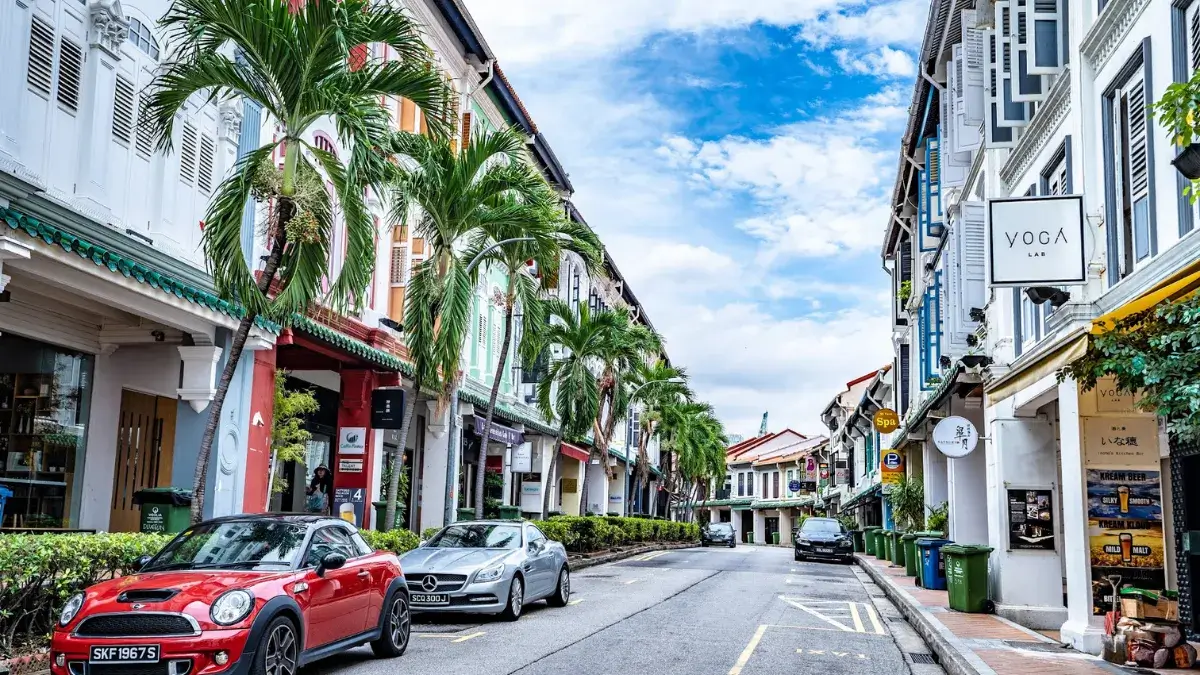
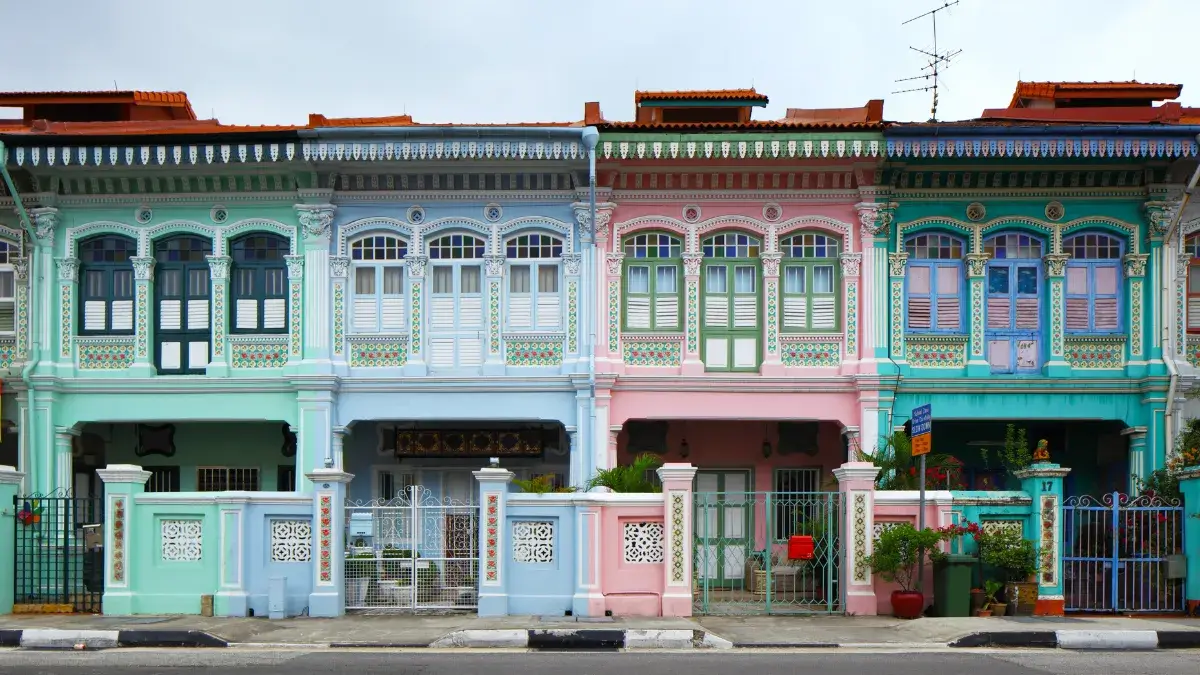
The Katong and Joo Chiat neighborhoods preserve Peranakan (Straits Chinese) heritage. Colorful shophouses line every street.
Koon Seng Road has the most photographed shophouses. Pastel colors. Ornate tiles. Each building slightly different from its neighbor.
The Intan houses a private Peranakan museum. Mr. Alvin Yap opens his family home for tours. Book ahead via email. Donation-based entry.
Try laksa at 328 Katong Laksa or Marine Parade Laksa. The Peranakan version uses thick coconut curry broth. Different from Penang’s tamarind-based laksa.
Kim Choo Kueh Chang sells traditional Peranakan snacks. Nonya dumplings wrapped in pandan leaves. The shop runs dumpling-making workshops.
East Coast Park sits nearby. Rent bikes and cycle the coastal path. The beach isn’t pristine but offers seafood restaurants and sunset views.
Singapore’s Street Art Scene
Street art hides throughout Singapore despite strict vandalism laws. Haji Lane has the most concentrated collection.
Armenian Street in the Kampong Glam area features rotating murals. Artists change pieces every few months. Some buildings commission works directly.
Aliwal Arts Centre supports local artists. Gallery space downstairs. Studios upstairs. Sometimes hosts open house events where you can meet artists.
Everton Road in Chinatown displays works by Ernest Zacharevic. His pieces interact with the architecture. Kids appearing to swing from real windows.
Graffiti tours operate on weekends. They cost $40-60 SGD. You can DIY with a street art map downloaded online for free.
Personalized recommendations based on your preferences
Want a Personalized Singapore Itinerary?
Overwhelmed by options? We’ll craft a custom Singapore adventure matching your interests, budget, and travel style. Get detailed day-by-day plans with hidden gems, transport instructions, and booking links.
Singapore Food Guide: What to Eat and Where
Singapore’s food scene justifies the trip alone. Chinese, Malay, Indian, and Peranakan cuisines blend together. Michelin-starred meals cost less than a movie ticket.
Understanding Hawker Centers
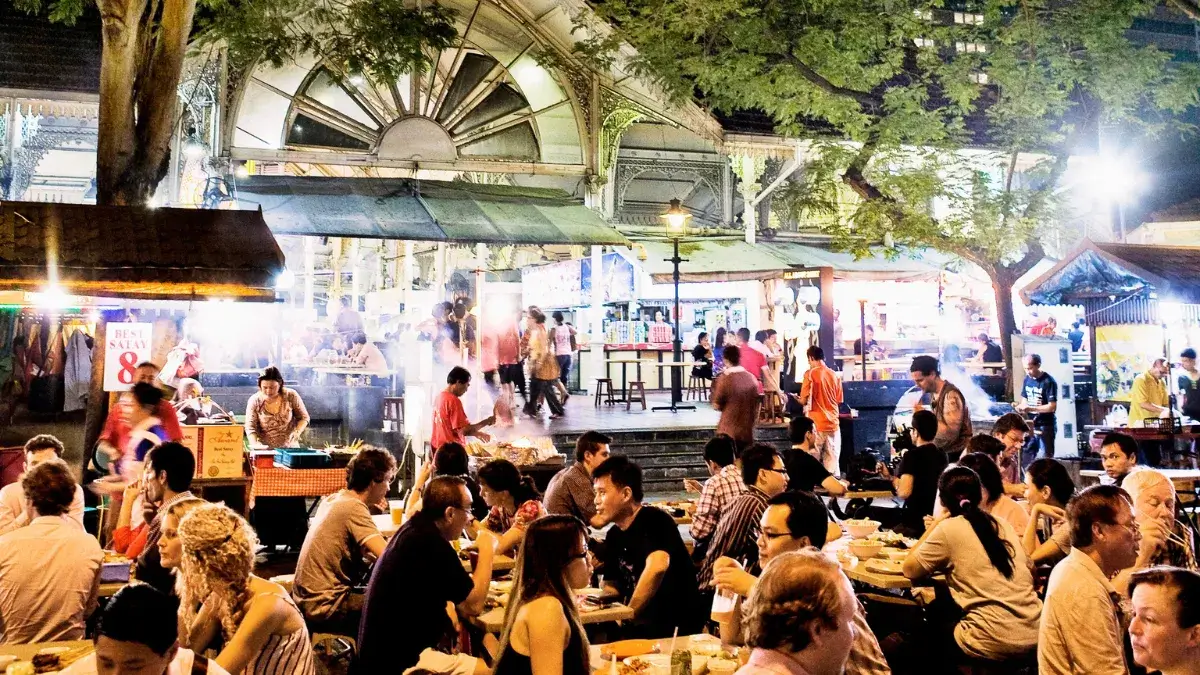
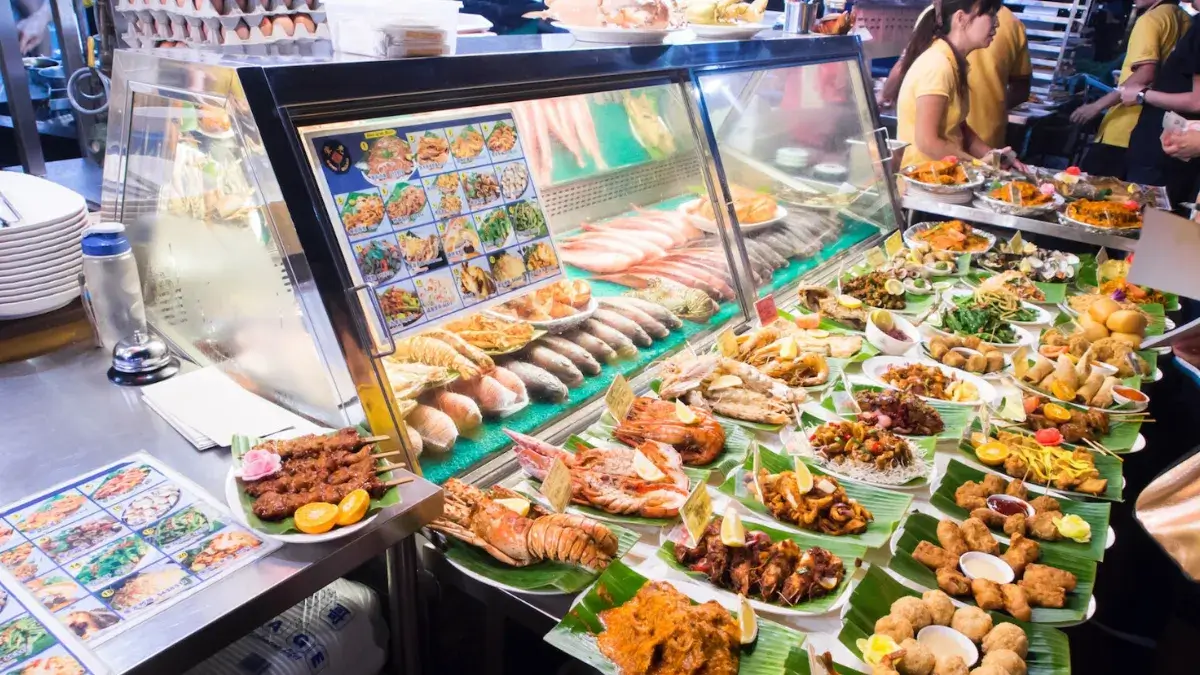
Hawker centers are Singapore’s communal dining halls. Dozens of stalls surround shared seating. You order from multiple vendors and eat together.
Each stall specializes in one or two dishes. The cook has perfected that recipe for decades. Quality beats most restaurants.
How it works: Find a table first. Leave a pack of tissues to “chope” (reserve) your seat. Order from different stalls. Vendors bring food to your table or you collect it.
Prices range $3-6 SGD per dish. Cash preferred though some stalls now accept cards. Bring small bills.
Popular centers get packed during lunch (12-2pm) and dinner (6-8pm). Go at off-peak hours or embrace the chaos.
Must-Try Singapore Dishes
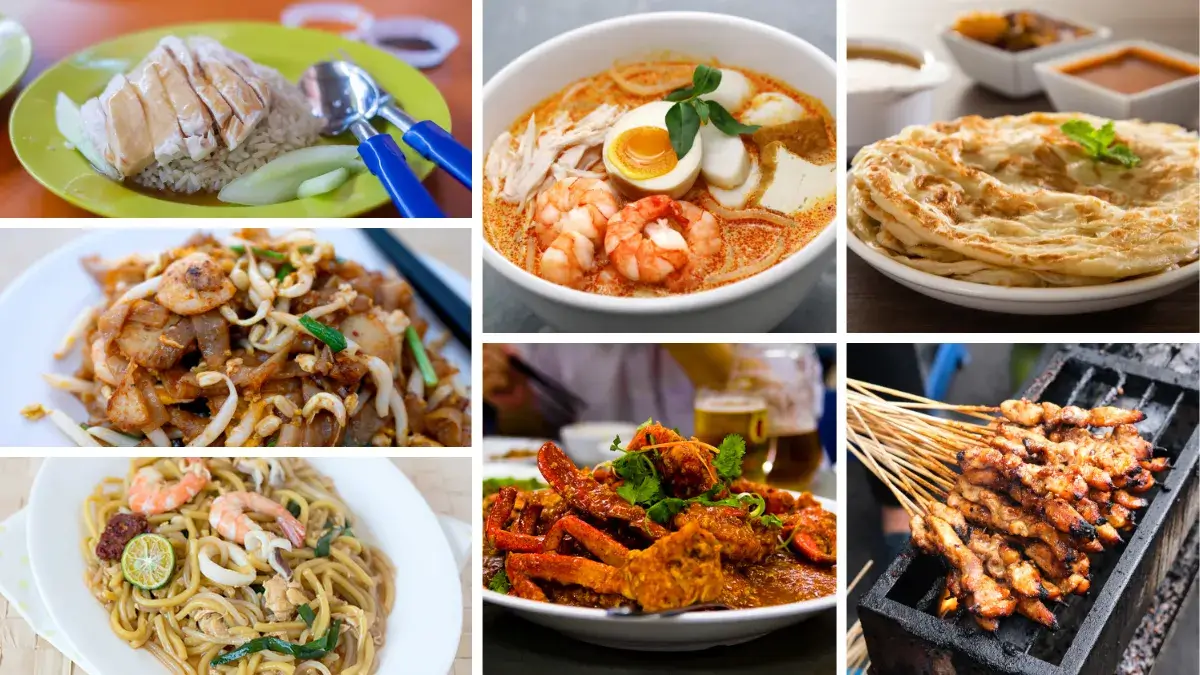
Chicken rice seems simple—poached chicken over rice cooked in chicken fat. It’s Singapore’s national obsession. Try Tian Tian at Maxwell Centre or Boon Tong Kee for Cantonese-style roasted version.
Laksa combines thick rice noodles in spicy coconut curry broth. Prawns, fish cake, and tau pok (fried tofu) complete it. 328 Katong Laksa and Sungei Road Laksa battle for supremacy.
Char kway teow translates to stir-fried rice noodles. Wok breath (the smoky flavor from high heat) makes or breaks this dish. Hill Street Char Kway Teow does it right.
Hokkien mee comes in two styles. The Singapore version fries thick yellow noodles with prawns and squid in dark soy sauce. Try it at Tian Tian Lai or Geylang Lorong 29.
Satay means grilled meat skewers with peanut sauce. Lau Pa Sat transforms into satay street evenings. Order chicken, mutton, and beef. Skip the vegetables.
Chili crab requires getting messy. Sweet and spicy tomato-based sauce coats whole mud crabs. Use fried mantou buns to soak up sauce. Jumbo Seafood or Long Beach Seafood do it well.
Roti prata is Indian flatbread cooked on a griddle. Plain prata costs $1.20. Add egg, cheese, or banana for variations. Best eaten at 2am after drinking.
Best Hawker Centers by Area
Maxwell Food Centre sits in Chinatown. Tian Tian chicken rice draws the crowds. Try Zhen Zhen porridge or Rojak Ah Seng.
Old Airport Road Food Centre has everything. Over 200 stalls. Char kway teow, oyster omelet, Hokkien mee. You could eat here for a week.
Tekka Centre serves Little India specialties. Dosa, biryani, fish head curry. Most vendors speak Tamil. Point and nod works fine.
Newton Food Centre attracts tourists but prices inflate accordingly. Skip the aggressive touts. If you go, agree on prices before ordering seafood.
Tiong Bahru Market blends old-school hawkers with hipster cafes. Fried you tiao (Chinese donuts) and chwee kueh (steamed rice cakes) sell out early.
Chomp Chomp Food Centre opens evenings only. Famous for satay, BBQ stingray, and carrot cake. Located in Serangoon. Worth the trek.
Peranakan Cuisine Explained
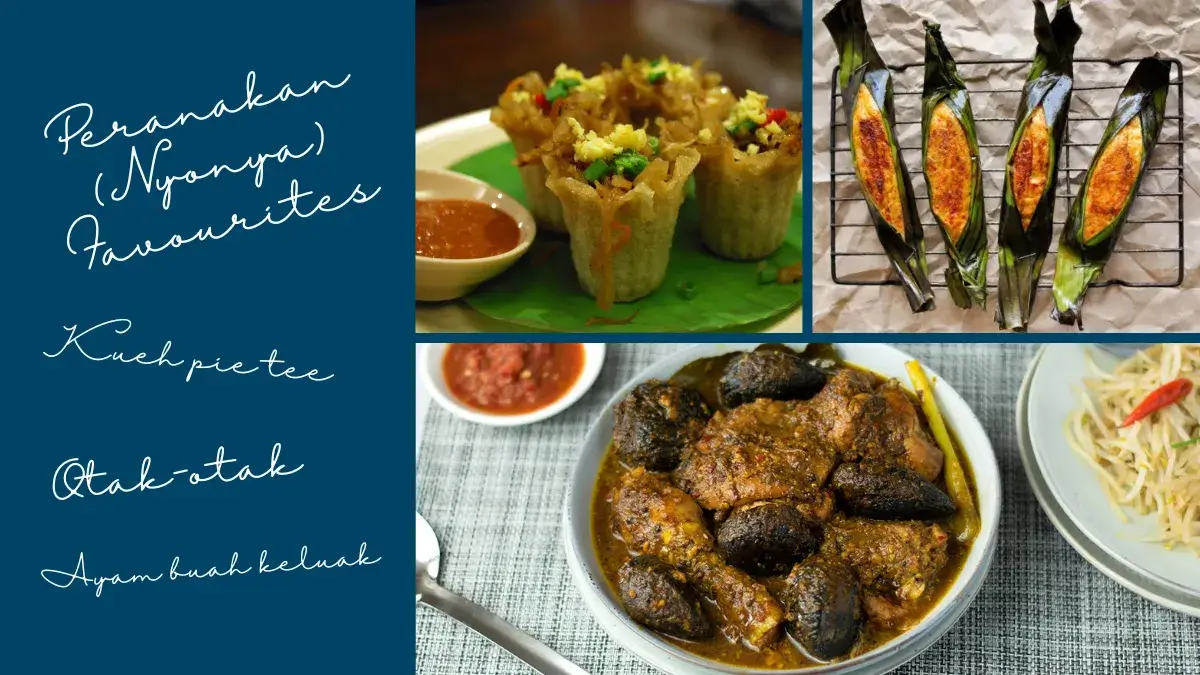
Peranakan (Nyonya) food blends Chinese ingredients with Malay spices. The cuisine developed from Chinese-Malay marriages centuries ago.
Ayam buah keluak is the signature dish. Chicken braised with Indonesian black nuts. The nuts taste like bitter chocolate mixed with mushrooms. Acquired taste territory.
Kueh pie tee are crispy cups filled with vegetables and prawns. Eat in one bite or the cup shatters everywhere.
Otak-otak is fish mousse wrapped in banana leaf and grilled. Slightly spicy. Great beer food.
Try Peranakan cuisine at Kim Choo Kueh Chang in Katong. Or visit The Blue Ginger in Tanjong Pagar for sit-down meals. Expect to pay $15-25 SGD per person.
Indian Food Beyond Chicken Tikka Masala
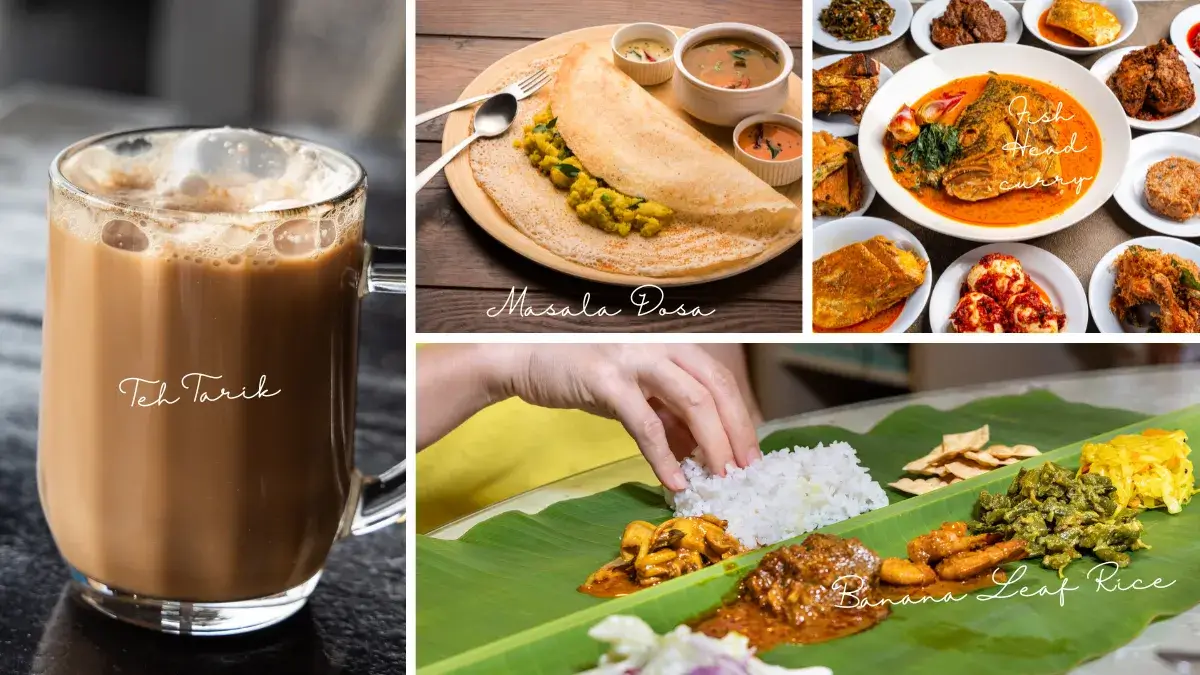
Singapore’s Indian food reflects South Indian cuisine more than North Indian. Expect dosa, idli, and banana leaf rice.
Banana leaf rice means rice served on a banana leaf with various curries and sides. You eat with your right hand. Mix rice with curries. Add more curry if needed—it’s unlimited.
Try Ananda Bhavan in Little India for vegetarian South Indian food. The masala dosa stretches two feet long.
Muthu’s Curry offers fish head curry—Singapore’s unique Indian contribution. The fish head sits in spicy curry gravy. Scoop out the cheek meat (the best part).
Teh tarik (“pulled tea”) is sweet milk tea poured between cups to create froth. Watch vendors stretch the pour two feet high without spilling.
Malay Cuisine That Must Be Tasted
Malay food often gets overshadowed by Chinese options. Don’t make that mistake.
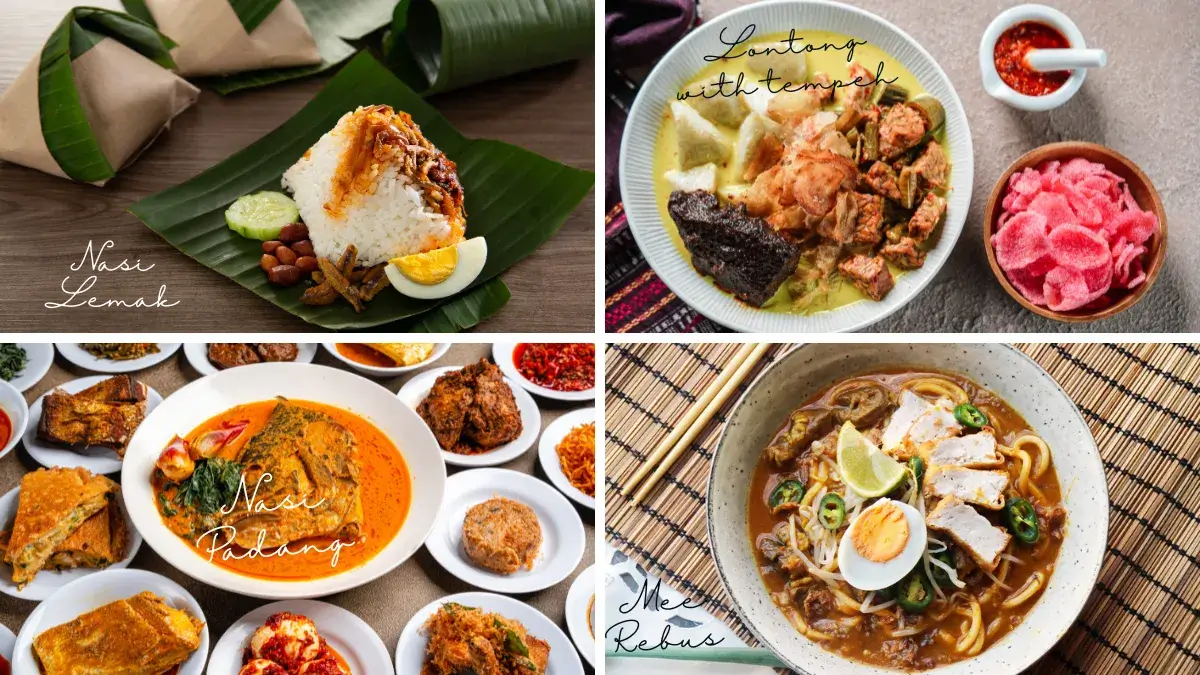
Nasi lemak is breakfast. Coconut rice with fried chicken, egg, ikan bilis (anchovies), peanuts, and sambal. Costs $2.50 at hawker centers. Simple and perfect.
Mee rebus features yellow noodles in thick gravy. The sauce gets its body from sweet potato. Topped with egg, green chilies, and fried shallots.
Nasi padang displays pre-cooked dishes buffet-style. Point at what looks good. They price it by the items you choose. Plates run $5-8 SGD.
Lontong serves rice cakes in vegetable curry. Served with sambal and fried tempeh. Hearty and filling.
Geylang Serai has the highest concentration of Malay food. Ramadan night market transforms the area into food paradise during the fasting month.
Unique Singapore Drinks
The Singapore Sling cocktail was invented at Raffles Hotel’s Long Bar. It costs $32 SGD there. You’re paying for history, not taste. Get one drink for the experience, then go elsewhere.
Kopi (coffee) and teh (tea) come in specific variations. Kopi O means black coffee. Kopi C uses evaporated milk. Kopi Peng is iced. The combinations go on forever.
Order by saying the full code. “Kopi C Siew Dai” means coffee with evaporated milk and less sugar. Kopitiam (coffee shop) uncles will respect your local knowledge.
Sugarcane juice sold at hawker centers costs $1.50 per cup. Fresh-pressed. Sweet and refreshing. Perfect for Singapore’s heat.
Milo Dinosaur is chocolate malt drink topped with extra Milo powder. Kids love it. Adults order it anyway.
Where to Find Michelin-Starred Hawker Food
Singapore has two Michelin-starred hawker stalls. Both serve inexpensive meals.
Hawker Chan (now called Liao Fan Hong Kong Soya Sauce Chicken Rice & Noodle) earned one Michelin star. Soy sauce chicken rice costs $2.50 SGD. Expect 45-minute waits. Find it at Chinatown Complex.
Hill Street Tai Hwa Pork Noodle also holds one star. The bak chor mee (minced pork noodles) runs $5-8 SGD depending on portion size. Located at Crawford Lane.
Are they worth the hype? The food tastes excellent. The waits test patience. Go if you have time. Skip if you’re rushing.
Where to Stay in Singapore: Neighborhoods and Accommodations
Singapore’s compact size means everywhere sits within 30 minutes of everywhere else. Your neighborhood choice shapes your experience more than distance to attractions.
Marina Bay and CBD: Luxury and Convenience
Marina Bay delivers iconic Singapore. You’ll wake up to skyscraper views. Walk to Gardens by the Bay. Everything costs more.
Marina Bay Sands is the splurge option. Rooms start at $400 USD per night. You get infinity pool access. The breakfast buffet costs extra ($40+ USD).
The Fullerton Hotel occupies a heritage building. Former post office turned five-star hotel. Less flashy than Marina Bay Sands. More understated luxury.
Business hotels cluster in the CBD. Cheaper on weekends when corporate travelers leave. Brands like Fairmont, Conrad, and Westin offer points redemptions.
Budget options are scarce in this area. Capsule hotels like The Pod and Bunc exist but cost nearly as much as regular hotels elsewhere.
Chinatown: Budget Base with Character
Chinatown packs hostels and budget hotels into heritage shophouses. You’ll find the best value for money here.
Hostels start at $15 USD per night for dorm beds. Private rooms run $50-80 USD. Many operate from renovated shophouses—more character than sterile hotels.
Wink Capsule Hostel offers pod-style accommodation. $25 USD per night. Clean. Modern. Good social atmosphere.
Hotel 1929 and The Scarlet Hotel provide boutique options. Art deco design meets heritage architecture. Rooms start around $120 USD.
The neighborhood stays lively until late. Hawker centers within walking distance. MRT stations on two different lines provide excellent connectivity.
Noise can be an issue on weekends. Club Street’s bars blast music until 2am. Book rooms facing internal courtyards.
Little India: Immersive Cultural Stay
Little India immerses you in South Asian culture. Spice markets. Hindu temples. Banana leaf restaurants. Not everyone’s cup of teh tarik.
Budget hostels are plentiful. Prices match Chinatown. The Hive Backpackers and Betel Box Hostel run around $20 USD for dorms.
Wanderlust Hotel pushes design boundaries. Each room follows different themes. Some love it. Others find it overwhelming. Rooms start at $100 USD.
The neighborhood gets busy and loud. Weekends bring workers from South Asia on their day off. Serangoon Road becomes pedestrian-only Sunday afternoons.
Vegetarians thrive here. Restaurants serve extensive meat-free menus. 24-hour shops sell essentials.
Kampong Glam: Hip Neighborhood with Soul
Kampong Glam blends Malay heritage with modern cafes. Arab Street’s shops and Haji Lane’s boutiques provide endless wandering.
The Vagabond Club is boutique luxury. Gentleman’s club aesthetics. Rooms start at $250 USD. The bar downstairs crafts excellent cocktails.
Village Hotel Bugis offers mid-range comfort. Part of a local chain. Reliable and clean. Rooms around $100 USD.
Hostels are limited in this area. Space is tight. Options that exist fill up quickly.
Weekend nightlife brings crowds. Haji Lane bars get packed Thursday through Saturday. Lighter sleepers should request rooms away from the party streets.
Orchard Road: Shopping Hub Accommodation
Orchard Road means malls. Luxury shopping. Chain restaurants. Convenient but generic.
High-end hotels line the street. Marriott, Hilton, Four Seasons. Standard international luxury. Rooms start at $200 USD.
YMCA Singapore sits right on Orchard Road. Budget option with great location. Rooms around $80 USD. Books up fast.
Lloyd’s Inn offers minimalist design. Concrete walls and wooden furniture. Not for everyone. Rooms start at $120 USD.
The area lacks local character. You’ll eat at chain restaurants unless you walk 15 minutes to neighboring areas.
MRT access is excellent. Three stations serve Orchard Road. You can reach anywhere quickly.
Sentosa Island: Resort Bubble
Sentosa keeps you separate from Singapore proper. Beach resorts and theme parks. Families love it. Independent travelers often feel trapped.
Capella Singapore and Sofitel Singapore Sentosa represent luxury options. Infinity pools overlooking the South China Sea. Rooms start at $400 USD.
Hard Rock Hotel and Festive Hotel connect to Universal Studios. Convenient for theme park visits. Less appealing otherwise.
Beach accommodation includes Siloso Beach Resort. More affordable at $150 USD per night. Direct beach access.
Leaving Sentosa requires planning. The island’s monorail runs until midnight. After that, taxis or Grab only.
Geylang: Authenticity and Contradictions
Geylang divides opinions sharply. It’s Singapore’s red light district. Also home to incredible food and Malay culture.
Budget hotels and hostels offer the cheapest rates. Rooms start at $40 USD. Facilities are basic but functional.
The neighborhood is safe despite its reputation. Police presence stays high. Keep to main streets late at night.
Food here operates 24 hours. Frog porridge at 3am? Available. Durian season brings stalls to every corner.
Not recommended for families or first-time visitors uncomfortable with red light districts.
Booking Tips and Strategies
Book directly with hotels in Singapore. Many offer rate guarantees. You’ll often find better prices than booking sites.
Hostels frequently run promotions on their own websites. Check before booking through aggregators.
Consider Airbnb for longer stays. Entire apartments in residential areas cost less than hotels. HDB (public housing) rentals are illegal but enforcement is sporadic.
Singapore Tourism Board occasionally runs hotel deals. Check their website for packages bundling accommodation with attraction tickets.
Weekend rates drop at business hotels. Sunday night stays cost 30-40% less than Wednesday.
Singapore Travel Budget: Real Costs and Money-Saving Tips
Singapore’s expensive reputation is partly earned, partly myth. Budget travelers can survive on $50 per day. Luxury seekers spend $500+ easily.
Daily Budget Breakdown by Travel Style
Budget travelers ($50-70 USD per day) stay in hostel dorms. Eat exclusively at hawker centers. Use public transport. Skip paid attractions mostly.
Breakdown: Hostel bed $20, meals $15 (three hawker meals), transport $5, attractions $10 (one or two paid sites), miscellaneous $10.
Mid-range travelers ($120-180 USD per day) book budget hotels or private hostel rooms. Mix hawker meals with casual restaurants. Take some taxis. Visit major paid attractions.
Breakdown: Hotel $80, meals $40 (hawkers plus one restaurant), transport $15 (mostly MRT with occasional taxi), attractions $30, miscellaneous $15.
Luxury travelers ($300+ USD per day) stay in four or five-star hotels. Dine at restaurants. Take taxis everywhere. Do everything without checking prices.
Breakdown: Hotel $200+, meals $80+ (restaurants with wine), transport $30 (taxis and Grab), attractions $50+, shopping and extras $100+.
Accommodation Costs Reality Check
Hostel dorms range $15-30 USD depending on season and location. Capsule pods cost $25-40 USD. Private hostel rooms run $50-80 USD.
Budget hotels start around $60 USD. Three-star hotels cost $80-120 USD. Four-star properties run $150-250 USD. Five-star luxury begins at $300 USD.
Prices spike during Grand Prix weekend (September), Chinese New Year, and December holidays. Book months ahead or expect to pay double.
Airbnb entire apartments run $60-100 USD per night in residential areas. Technically illegal for stays under three months but widely available.
Worried about accurate costs?
Use The Costs and Budgeting Comparison Calculator
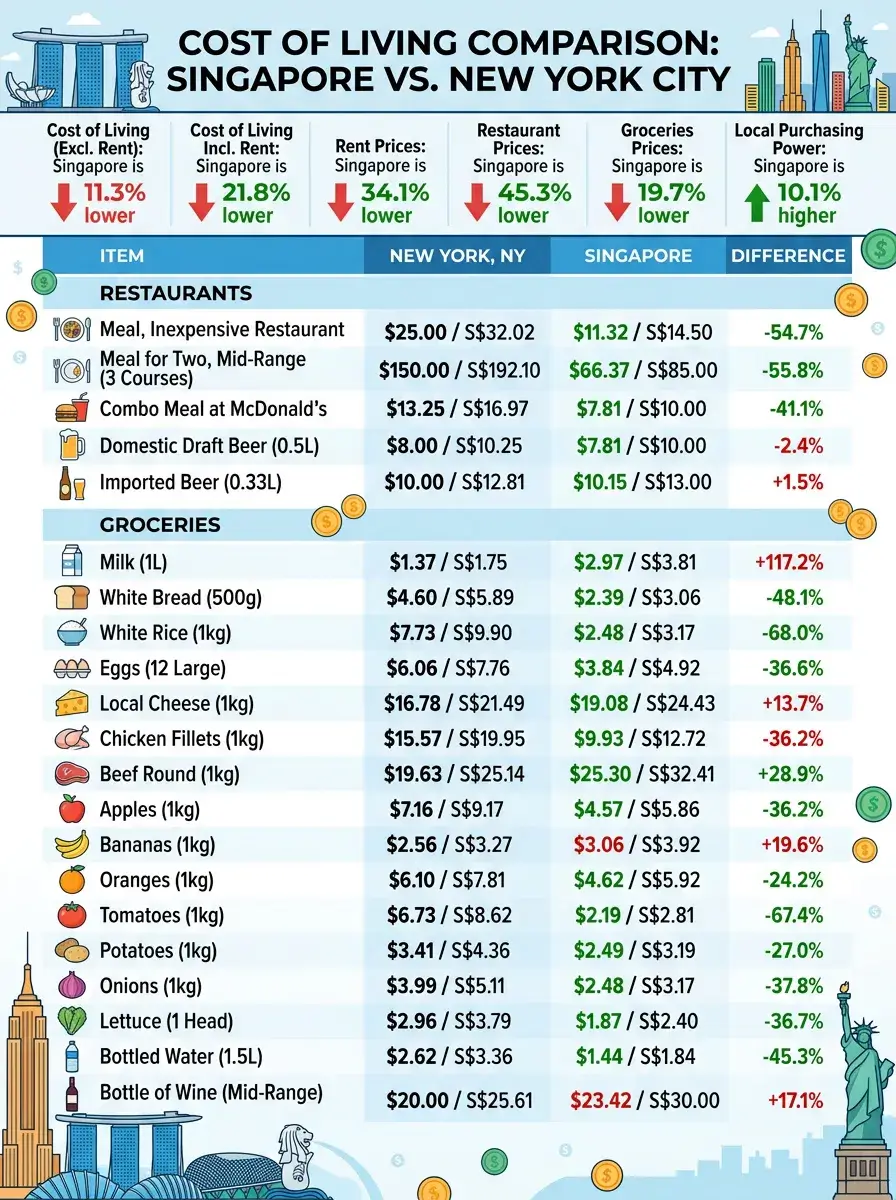
Numbeo’s cost of living calculator can show the costs of items at your destination compared to your place of residence. Just enter your hometown and then your intended destination and get the associated costs compared. You’ll easily see if you can afford to splurge or tighten your belt.
Go To The Budgeting and Costs CalculatorFood Budget Expectations
Hawker center meals cost $3-6 SGD ($2.25-4.50 USD). Three meals daily runs $10-15 USD total. Add drinks and you’re at $12-18 USD.
Coffee shops (kopitiams) charge slightly more. Breakfast sets cost $5-8 SGD. Still far cheaper than hotel breakfasts ($20-40 SGD).
Mid-range restaurants run $15-30 SGD per person before drinks. Add alcohol and bills climb to $40-60 SGD easily.
Fine dining starts at $80 SGD per person. Michelin-starred restaurants charge $200-400 SGD for tasting menus.
Supermarkets help budget travelers. Cold Storage and FairPrice chains sell ready-made meals for $4-7 SGD. Not exciting but functional.
Transportation Budget
MRT and bus fares cost $1-2.50 SGD per trip. Daily spending on public transport averages $5-8 SGD if you’re active.
The Singapore Tourist Pass ($20 for one day, $26 for two days, $30 for three days) only makes sense if you take 8+ rides daily. Most travelers don’t.
Taxis from airport to city center cost $20-30 SGD. Cross-city trips run $10-20 SGD. Late-night surcharges add 50% to fares.
Grab often beats taxis by 10-20%. Compare prices in the app before booking.
Bike-sharing costs $1 SGD per 30 minutes. Good for short distances. Tropical heat limits cycling appeal.
Attraction Entrance Fees
Many top sights stay free. Gardens by the Bay outdoor areas, Botanic Gardens (except orchid garden), temples, walking trails, beaches, and most parks charge nothing.
Paid attractions range widely. Marina Bay Sands observation deck $32 SGD. Gardens by the Bay conservatories $32 SGD. Singapore Zoo $41 SGD. Night Safari $55 SGD. Universal Studios $81 SGD.
Combination tickets save money. Zoo plus Night Safari package costs $85 SGD versus $96 SGD separately.
Museums often offer free entry hours. National Museum has free evening entry on Fridays. Check individual museum websites for current promotions.
Money-Saving Strategies That Actually Work
Eat breakfast at hawker centers. Hotel breakfasts cost $20-40 SGD. Hawker centers serve better food for $3-5 SGD.
Fill water bottles at hawker centers and malls. Singapore’s tap water is perfectly safe. Buying bottled water adds $2-3 SGD daily unnecessarily.
Walk between nearby attractions instead of taking transit for one stop. Singapore’s compact size makes walking feasible. Use covered walkways when possible.
Visit Gardens by the Bay conservatories after 8pm. Not cheaper but less crowded. You see both gardens and get the evening light show outside included.
Book attraction tickets online. Many sites offer 10-15% discounts for advance purchases. Klook and KKday run promotions regularly.
Shop at supermarkets for snacks and drinks. 7-Eleven and Cheers convenience stores charge tourist prices. FairPrice supermarkets cost 30% less.
Use credit cards with no foreign transaction fees. The 2-3% fee adds up quickly on a week-long trip.
Things That Cost More Than Expected
Alcohol taxes make drinking expensive. A pint of beer costs $12-18 SGD at bars. Cocktails run $20-30 SGD. Supermarket beer costs $3-4 SGD per can—still pricey by Southeast Asian standards.
Sentosa Island charges an entry fee ($1-5 SGD depending on entry method) before you even visit attractions. Beach access included but everything else costs extra.
Taxis and Grab surge during peak hours and rain. A normal $10 SGD ride can jump to $20 SGD when demand spikes.
Clothing and electronics cost more than in the US despite Singapore’s shopping reputation. Tourist-focused shops charge international retail prices.
Tips aren’t required but some restaurants add 10% service charge. Check bills carefully—you might be tipping on top of included service charge.
Best Value Experiences
Free walking tours operate daily. Tips-based model. You pay what you think it’s worth. Quality varies by guide.
Sunset at Marina Barrage costs nothing. Locals fly kites here. City skyline views rival paid observation decks.
Pulau Ubin island day trip costs $4 ferry + $10-15 bike rental. Full day of exploration for under $20 total.
Southern Ridges trail provides jungle walking and city views. Completely free. Beats paying for gardens or parks.
Neighborhood exploration (Tiong Bahru, Katong, Kampong Glam) costs nothing except food. More authentic than tourist attractions.
Safety in Singapore: What You Need to Know
Singapore ranks among the world’s safest cities. Low crime rates. Strict laws. Heavy enforcement. You’ll feel safer here than most places.
Crime and Personal Safety
Violent crime barely exists in Singapore. Walking alone at 3am may be hot humid and sticky but feels safer than midday in many other cities.
Petty theft happens occasionally. Watch your belongings in crowded areas like hawker centers and markets. Don’t leave phones unattended on tables.
Scams targeting tourists are rare compared to regional neighbors. Taxi drivers use meters. Restaurants display prices. Street touts mostly disappeared.
Women traveling solo face minimal harassment. The city’s safety record and cultural norms make Singapore one of Asia’s best destinations for solo female travelers.
Geylang’s red light district stays safe despite its nature. Police patrol constantly. Stick to main streets late at night. Avoid interactions with touts.
Laws to Know and Respect
Singapore’s strict laws aren’t a joke. Enforcement is real. Fines hurt your budget.
Littering costs $300 SGD for first offense. Includes cigarette butts. The city stays clean partly because people fear the fines.
Smoking is banned in most public areas. Only smoke in designated yellow boxes. Fines start at $200 SGD. Includes electronic cigarettes.
Chewing gum is legal to chew but illegal to import or sell (medical gum excepted). Don’t bring packs in your luggage. Not worth the hassle.
Jaywalking within 50 meters of a crossing costs $50 SGD fine. Wait for the green man even if no cars are coming.
Drug laws carry severe penalties including death. Don’t bring any illegal substances. Not even small amounts “for personal use.”
Eating or drinking on MRT trains incurs $500 SGD fine. Water included. Wait until you exit the station.

Scams to Watch For
Lucky Plaza money changers sometimes shortchange tourists. Count your money before leaving the counter. If shorted, report immediately to building management.
Some touts at Bugis Street night market inflate prices for tourists. Bargain aggressively or shop elsewhere. Fixed-price malls often cost less.
Accommodation scams exist on Airbnb. Some rentals are illegal. Book with Superhosts or verified properties only. Hotels remain safest option legally.
Taxi drivers at tourist hotspots occasionally suggest longer routes. Use Google Maps to track your journey. Report license numbers if obviously cheated.
Credit card skimming is rare but possible. Use chip-enabled cards. Check ATMs for suspicious devices before inserting cards.
Health and Medical Safety
Singapore’s healthcare ranks among the world’s best. Also among the most expensive without insurance.
Travel insurance is essential. Medical bills run high. A simple clinic visit costs $50-100 SGD. Hospital emergency rooms start at $150 SGD before treatment.
Pharmacies stock most medications. Watson’s and Guardian chains operate everywhere. Bring prescriptions for controlled substances.
Tap water is safe to drink citywide. No need to buy bottled water for safety reasons. Save money and plastic.
Dengue fever risks increase during rainy seasons. Use mosquito repellent especially near parks and reservoirs. Most hotels provide DEET-free repellent.
Food hygiene standards are high. Government inspectors grade every food establishment. A/B grades are safe. C grades raise questions.
Heat and humidity cause dehydration quickly. Drink water constantly. Convenience stores sell electrolyte drinks cheap.
Natural Hazards and Weather Safety
Singapore has no earthquakes, tsunamis, or typhoons. Natural disasters don’t happen here.
Lightning strikes during tropical storms. Seek shelter immediately when thunder sounds. Don’t stand under isolated trees.
Flash floods hit low-lying areas during heavy rain. Orchard Road floods occasionally. Water recedes within hours. Avoid walking through flood water.
Heat exhaustion affects travelers unused to tropical weather. Take breaks. Stay hydrated. Don’t pack too much into one day.
Emergency Numbers and Resources
Police: 999. Ambulance/Fire: 995. Both services respond quickly. English-speaking operators.
Your embassy can help with lost passports and emergencies. US Embassy operates 24/7 hotline: +65 6476-9100.
Singapore Tourism Board Visitor Centre at Orchard Road provides assistance during business hours. Staff speak multiple languages.
Hospitals with emergency departments: Singapore General Hospital, Tan Tock Seng Hospital, National University Hospital. All provide excellent care at high cost.
24-hour clinics operate in most neighborhoods. Raffles Medical Group has locations throughout the city.
Staying Connected Safely
Free WiFi exists in many public spaces. Connection quality varies. Shopping malls offer best reliability.
Consider buying a local SIM card. Changi Airport sells tourist SIM cards ($15-30 SGD for 7-30 days). Simpler than relying on spotty WiFi.
WhatsApp works for international calls over data. Better than expensive roaming charges.
Public computers at libraries and hotels pose security risks. Don’t access banking or enter passwords on shared devices.
Keep digital copies of important documents. Email yourself passport photos, visa copies, insurance details. Access anywhere if needed.
Practical Singapore Travel Tips for Independent Travelers

These practical tips come from actual experience. They are small things that make Singapore easier to navigate.
Packing for Singapore’s Climate
Light breathable clothing is essential. Cotton and linen work best. Synthetics trap heat and smell quickly.
Pack extra underwear and socks. The humidity makes everything damp. You’ll change clothes more frequently.
One light rain jacket or small umbrella. Rain happens suddenly. Usually brief. Heavy rain gear unnecessary.
Comfortable walking shoes with good ventilation. Your feet will sweat. Waterproof isn’t necessary—they’ll get wet from sweat anyway.
Modest clothing for temple visits. Shoulders and knees covered. Bring one long-sleeve shirt and long pants or skirt.
Sunscreen and hat for outdoor activities. Equatorial sun burns quickly. Reapply every two hours.
Small daypack for daily outings. Keep hands free. Store water, umbrella, and purchases.
Cultural Etiquette to Follow
Remove shoes when entering homes, some shops, and all temples. Look for shoe racks outside as indicators.
Use your right hand for giving and receiving items. Left hand is considered unclean in Muslim and Hindu cultures.
Don’t point with your index finger. Use an open hand or thumb to indicate direction.
Queuing culture is strong. Never cut lines. People will call you out publicly.
Chopsticks shouldn’t stick upright in rice. This symbolizes death in Chinese culture.
Loud talking annoys locals. Keep voices moderate in public spaces especially on public transport.
Tipping isn’t expected. Service charges are usually included. Tipping can sometimes confuse staff.
Language and Communication
English is an official language. Nearly everyone speaks it to some degree. Street signs, menus, and announcements use English.
Singlish (Singaporean English) adds local flavor. Sentences end with “lah,” “lor,” or “leh.” Grammar gets creative. Meaning stays clear usually.
Common Singlish terms: “Can” means yes or okay. “Cannot” means no or not possible. “Chope” means to reserve (like using tissues to save a table).
Mandarin, Malay, and Tamil are also official languages. Older residents might prefer these languages. Younger Singaporeans speak English more fluently.
Translation apps rarely needed. Google Translate helps occasionally with Chinese menus in traditional restaurants.
Money Matters
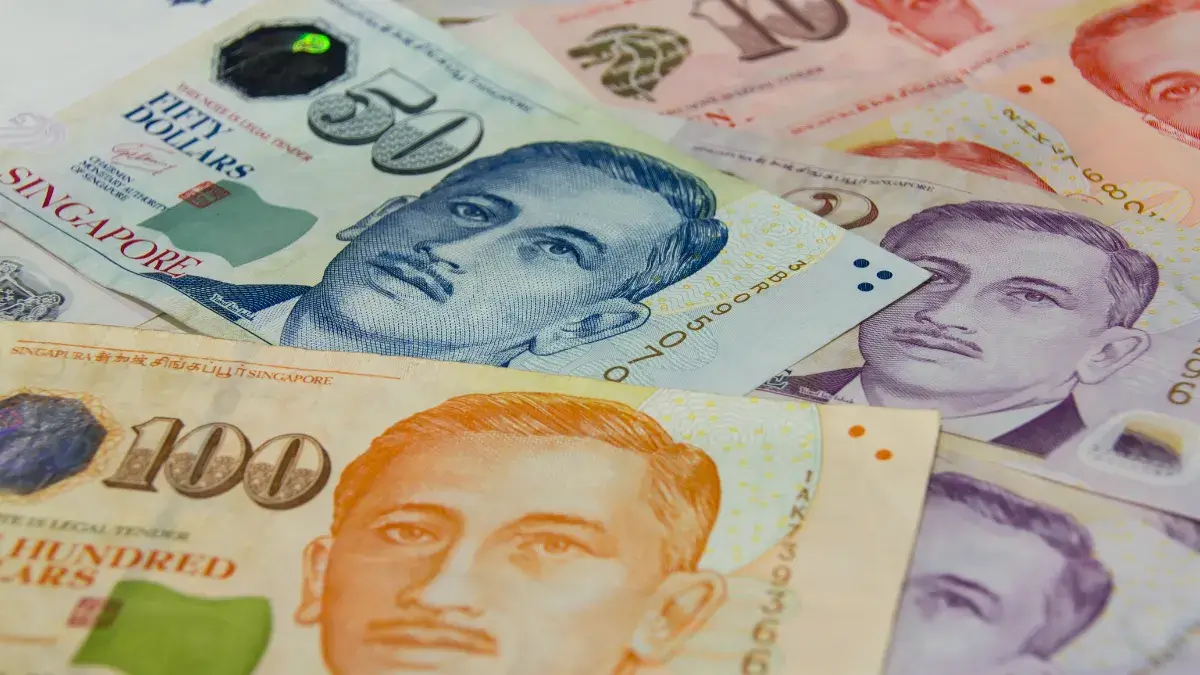
The Singapore dollar (SGD) divides into 100 cents. Exchange rate hovers around 1.35 SGD to 1 USD.
ATMs appear everywhere. Banks don’t charge withdrawal fees but your home bank might. Check before you travel.
Credit cards work almost everywhere except hawker centers and small shops. Visa and Mastercard widely accepted. American Express less common.
Money changers offer better rates than airport exchange counters. Lucky Plaza and Peninsula Plaza have competitive rates. Count money before leaving.
Notify your bank before traveling. International charges might trigger fraud alerts and freeze your card.
Internet and Connectivity
Free WiFi exists at Changi Airport, shopping malls, many cafes, and tourist attractions. Look for “Wireless@SG” network.
Tourist SIM cards work better than relying on WiFi. Get one at the airport immediately after arrival. Singtel, StarHub, and M1 offer tourist packages.
Data packages: 100GB costs around $15 SGD for 7 days. Plenty for navigation, communication, and social media.
WhatsApp, Google Maps, and Grab are essential apps. Download before arriving.
Facebook and Instagram work without VPN. Google services function normally. No internet censorship like neighboring countries.
Best Times to Visit Attractions
Visit Gardens by the Bay conservatories after 7pm. Crowds thin out. You still see everything plus the evening light show outside.
Singapore Zoo opens at 8:30am. Arrive right at opening. Animals are more active before heat sets in. Tour groups arrive around 10am.
Marina Bay Sands observation deck at sunset. Book the 6pm slot. Watch the city transition from day to night.
Hawker centers around 11am or 2:30pm. Avoid peak lunch (12-1:30pm) and dinner (6-8pm) crowds.
Haji Lane and Arab Street come alive evenings after 6pm. Shops open late. Bars fill up. Daytime visits feel dead.
Chinatown markets operate all day but morning shopping offers better selection before popular items sell out.
Dealing with the Heat and Humidity
Schedule outdoor activities for early morning (before 10am) or late afternoon (after 4pm). Midday heat is brutal, hot humid and sticky.
Take regular breaks in air-conditioned spaces. Shopping malls exist everywhere. Duck in to cool off.
Drink water constantly. Carry a refillable bottle. Fill up at hawker centers, malls, and MRT stations.
Bring a small towel or bandana. You’ll sweat through clothes quickly. Pat down periodically.
Indoor attractions work well during hottest hours. Museums, galleries, and shopping centers provide respite.
Don’t fight the pace. Singapore’s heat forces slower movement. Accept it and adjust expectations.
Photography Guidelines
Photography is generally allowed everywhere except military installations and private property with posted signs.
Some museums prohibit flash photography. Follow posted guidelines.
Ask permission before photographing people directly. Most locals don’t mind environmental shots where they happen to appear.
Drone flying requires permits. Don’t fly drones without authorization. Fines start at $20,000 SGD.
Best photo locations: Marina Bay Sands rooftop, Henderson Waves bridge at sunset, Supertree Grove at night, Haji Lane street art, Chinatown shophouses.
Bargaining and Shopping
Fixed prices apply at malls, restaurants, and chain stores. Don’t try to bargain.
Bargaining works at markets, some independent shops, and with touts. Start at 50-60% of asking price.
Electronics and branded goods rarely offer bargains despite Singapore’s shopping reputation. Better prices exist online or in home countries.
Local products worth buying: Tiger Balm, kaya jam, traditional textiles, local tea brands, TWG tea (expensive but good quality).
Orchard Road sales happen during Great Singapore Sale (late May-July). Actual discounts vary. Some genuine deals exist but research prices first.
Laundry and Practical Services
Laundromats exist in most neighborhoods. Self-service costs $5-8 SGD per load wash and dry.
Many hostels offer laundry service. Prices range $8-15 SGD per load.
Hotels charge extortionate laundry prices. $5-10 SGD per item. Use laundromats instead.
Hand-washing in sinks works for small items. Everything dries overnight in the humidity with a fan.
Sustainable Travel Tips
Carry reusable water bottles and bags. Singapore encourages reducing single-use plastic.
Support local hawkers and independent restaurants over chains. Money goes directly to families.
Use public transport over taxis when time allows. The MRT system is efficient and reduces traffic.
Visit lesser-known neighborhoods. Tourism concentrated in a few areas. Spread your spending and experience more.
Respect wildlife. Don’t feed monkeys or buy products from illegal wildlife trade.
Singapore Itineraries: Sample Plans for Different Trip Lengths
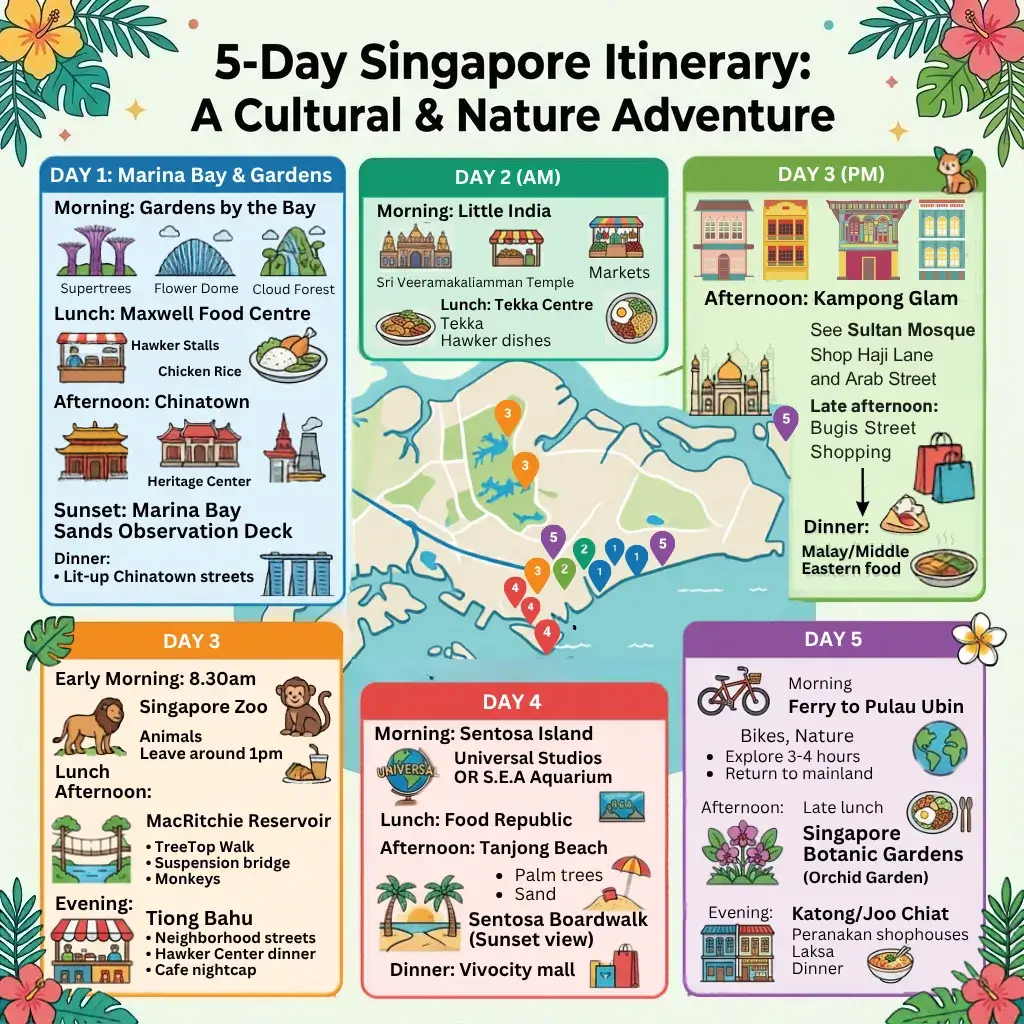
Here are realistic itineraries based on common visit lengths. Adjust based on your interests and energy levels.
24 Hours in Singapore (Layover or Quick Visit)
Start at Gardens by the Bay. Arrive when it opens at 9am. Walk the outdoor gardens first. Skip the paid conservatories if you’re rushed.
Walk to Marina Bay Sands. Take photos from below. Decide if you want to pay for the observation deck ($32 SGD).
Grab lunch at a nearby hawker center. Lau Pa Sat or Maxwell are close. Get chicken rice or laksa.
Take MRT to Chinatown. Walk through Buddha Tooth Relic Temple. Browse the streets for 90 minutes.
Head to Clarke Quay for late afternoon. Walk along the river. Watch the city transition to evening.
Return to Marina Bay for the evening light show at Gardens by the Bay (7:45pm or 8:45pm).
Late dinner at a hawker center. Try satay at Lau Pa Sat’s evening street market.
If you have energy, explore one nightlife area—Clarke Quay bars or Haji Lane for something different.
Three Days in Singapore
Day 1: Marina Bay and Gardens
Morning at Gardens by the Bay. See both conservatories. Budget three hours.
Lunch at Maxwell Food Centre. Try multiple stalls.
Afternoon in Chinatown. Visit temples and heritage center.
Sunset from Marina Bay Sands observation deck.
Dinner in Chinatown. Evening walk through the lit-up streets.
Day 2: Cultural Neighborhoods
Morning in Little India. Visit Sri Veeramakaliamman Temple. Explore the markets.
Lunch at Tekka Centre hawker center.
Afternoon in Kampong Glam. See Sultan Mosque. Shop Haji Lane and Arab Street.
Late afternoon walk to Bugis Street for shopping.
Dinner in Kampong Glam. Try Malay or Middle Eastern food.
Day 3: Nature and Unique Experiences
Early morning at Singapore Zoo. Arrive at opening (8:30am).
Leave zoo around 1pm. Lunch nearby or pack food.
Afternoon at MacRitchie Reservoir. Do the TreeTop Walk (4km round trip takes 2 hours).
Evening in Tiong Bahru. Explore the neighborhood. Dinner at the hawker center.
Nightcap at a Tiong Bahru cafe or bar.
Five Days in Singapore
Days 1-3 follow the three-day itinerary above. Add these two days:
Day 4: Sentosa Island
Morning at Universal Studios (if theme parks interest you) OR S.E.A. Aquarium (if not).
Lunch at Sentosa’s Food Republic or bring picnic.
Afternoon beach time. Try Tanjong Beach for quieter atmosphere.
Walk back via Sentosa Boardwalk (free). Stop for sunset photos.
Dinner at Vivocity mall before heading back to your accommodation.
Day 5: Off-Beaten-Path and Chill
Take morning ferry to Pulau Ubin. Rent bike. Explore the island for 3-4 hours.
Return to mainland. Late lunch in the city.
Afternoon at Singapore Botanic Gardens. Relaxed walking. See the orchid garden.
Evening in Katong/Joo Chiat. Peranakan architecture walk. Dinner at a Peranakan restaurant.
Try laksa at 328 Katong Laksa.
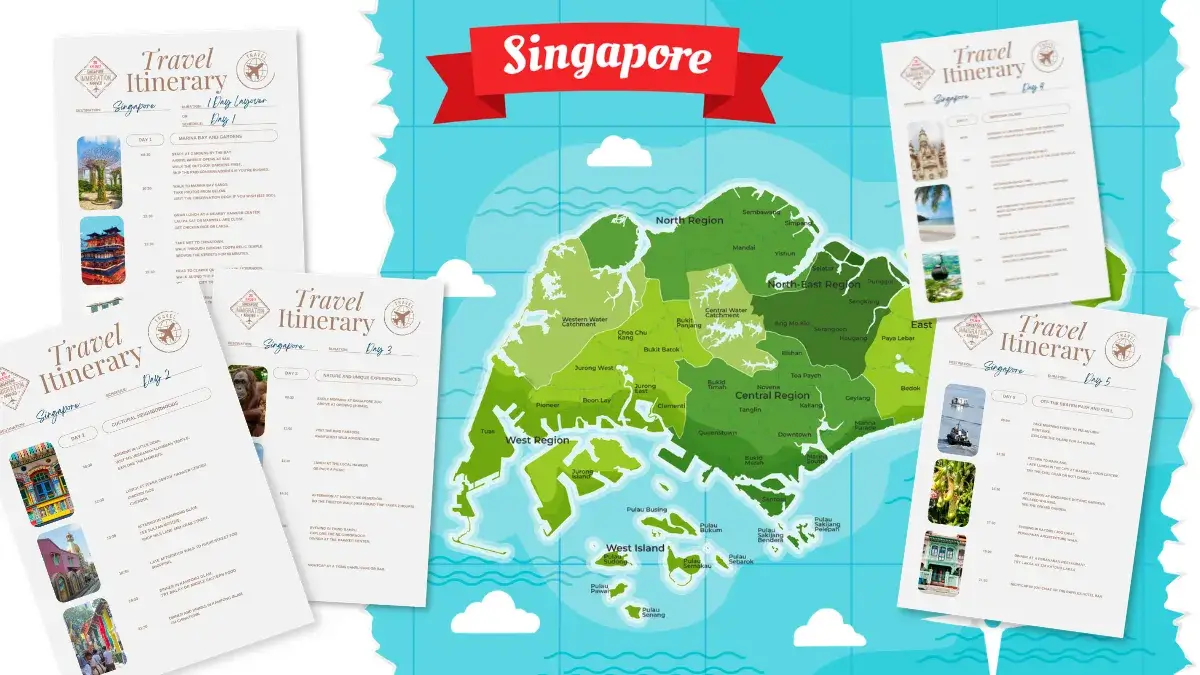
One Week in Singapore
Days 1-5 follow the five-day itinerary. Add these two days:
Day 6: Southern Ridges and Deeper Exploration
Morning walk the Southern Ridges trail. Start at Mount Faber. End at Labrador Nature Reserve. Takes 3-4 hours.
Lunch in Tiong Bahru (near the trail’s end).
Afternoon revisit your favorite neighborhood or explore one you missed. Options: Geylang for food, Orchard Road for shopping, or East Coast Park for cycling.
Dinner at a neighborhood you haven’t tried yet.
Evening river cruise if you haven’t done it yet.
Day 7: Flex Day and Final Experiences
Sleep in. You’ve earned it.
Revisit favorite hawker stalls for specific dishes you want to eat again.
Do any missed attractions that interest you.
Shopping for souvenirs if needed.
Farewell dinner at a special restaurant (if budget allows) or one more round of hawker favorites.
Evening at Jewel Changi Airport if your flight leaves the next day. See the waterfall lit up at night.
Customizing Your Itinerary
These itineraries favor cultural experiences and food. Adjust based on your interests.
Theme park enthusiasts: Swap a cultural day for Sentosa’s attractions. Universal Studios needs a full day.
Nature lovers: Add Sungei Buloh Wetland Reserve, Coney Island, or more reservoir parks.
Shoppers: Dedicate more time to Orchard Road, Bugis Street, and neighborhood markets.
Foodies: Book food tours, visit more hawker centers, try restaurant hopping in different neighborhoods.
Architecture fans: Focus on colonial district, modern Marina Bay, heritage shophouses in various neighborhoods.
With kids: Zoo, Night Safari, Sentosa beaches, and interactive museums need more time.
Free Travel Guides?
Get Your 1 day, 3 day and 5 day Singapore travel guide Itineraries
Where to Go and stay, What to see, eat and do
Download Your Free Singapore ItinerariesDay Trips and Nearby Islands from Singapore
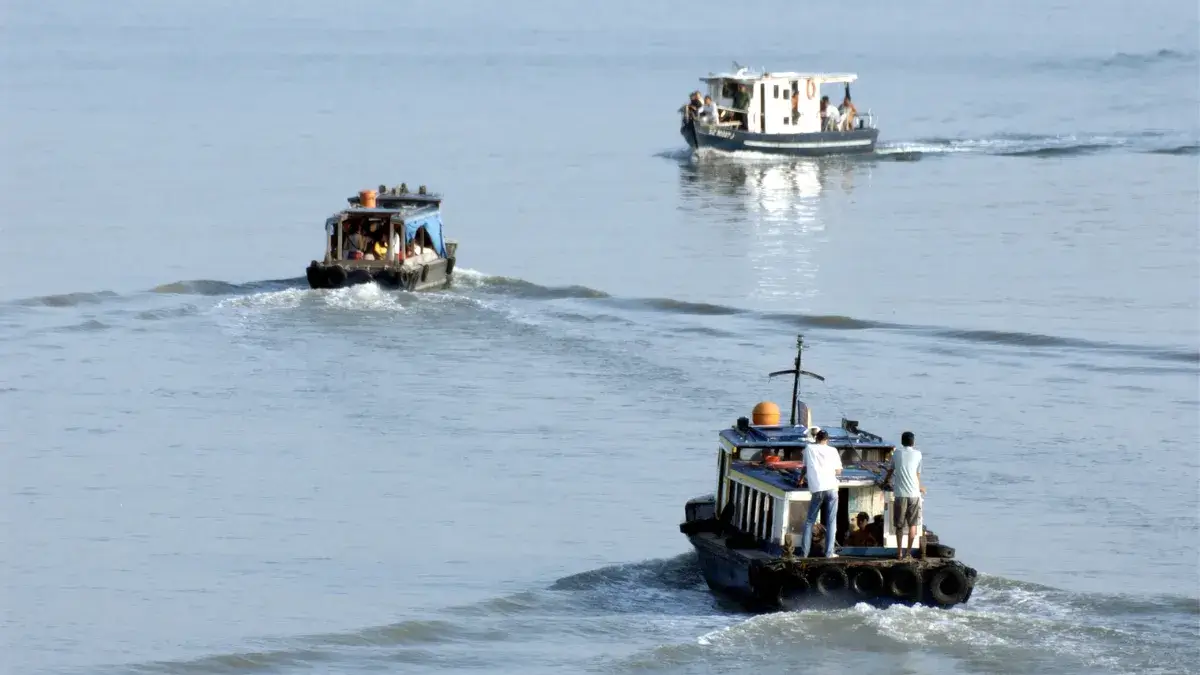
Singapore’s small size means you can see everything quickly. Nearby islands and Malaysian destinations add variety to longer trips.
Pulau Ubin: Singapore’s Last Kampong
Already covered in the activities section but worth repeating. Pulau Ubin offers the only glimpse of pre-development Singapore.
The island has no paved roads. Houses sit on stilts. Jungle covers most areas. Cycling is the primary way to explore.
Chek Jawa Wetlands at the eastern end provides boardwalk access through mangroves. Wildlife spotting opportunities increase early morning or late afternoon.
Bring cash. Limited ATMs on the island. Pack water and snacks. Food options are basic.
Ferry from Changi Point runs when 12 passengers gather. Weekends see frequent departures. Weekdays require patience. Last ferry returns around 6pm.
Southern Islands: St. John’s, Kusu, and Lazarus
Three small islands south of Singapore offer beach escapes and temple visits.
St. John’s Island has a small beach and calm waters for swimming. Former quarantine station history adds interesting context. Walking trail circles the island in 45 minutes.
Kusu Island (Tortoise Island) houses Chinese and Malay shrines. Pilgrims visit during the ninth lunar month. The island is tiny—explore in 30 minutes.
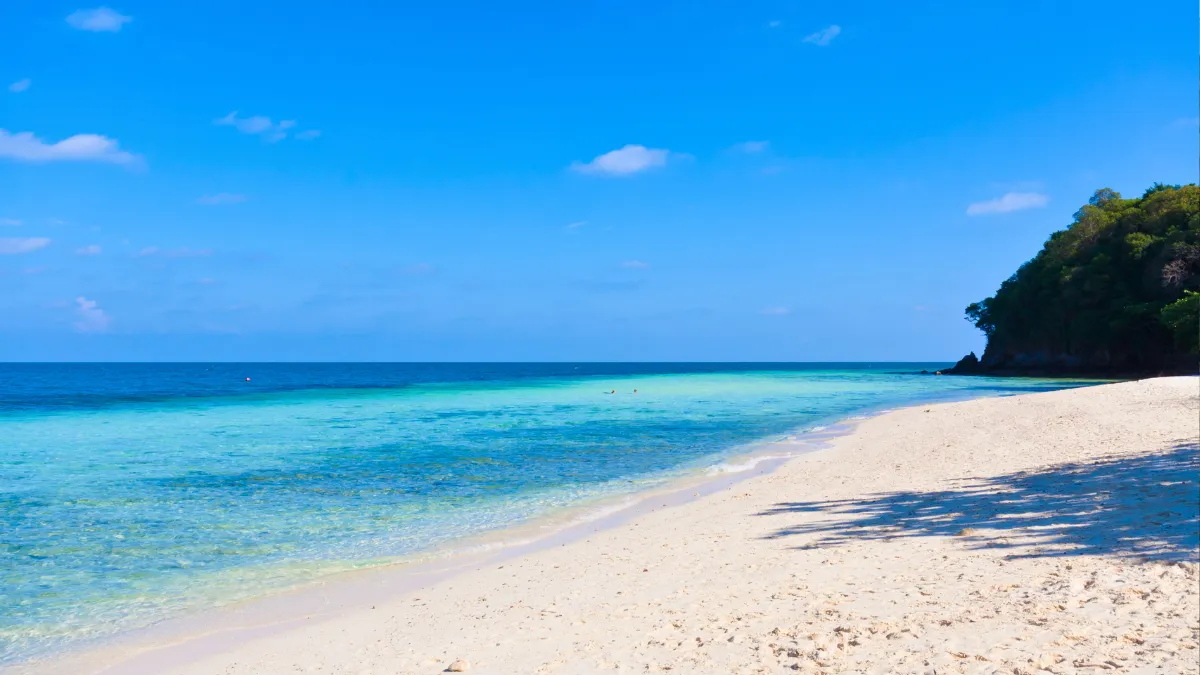
Lazarus Island connects to St. John’s via bridge. Better beach than St. John’s. Fewer facilities. Bring food and water.
Ferries depart Marina South Pier on weekends and public holidays only. Check schedule before planning. Round-trip costs $18 SGD adults.
Bring sun protection. Limited shade on all three islands. Snorkeling possible but water clarity varies.
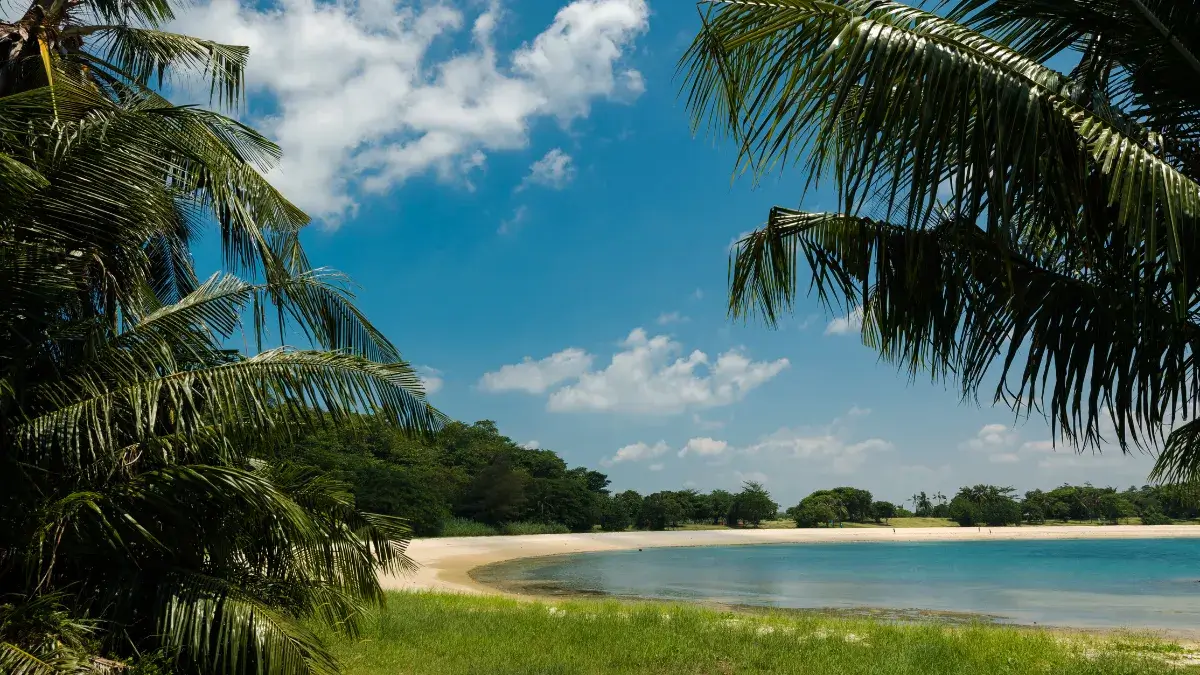
Johor Bahru, Malaysia: Cross-Border Shopping and Food
Johor Bahru (JB) sits just across Singapore’s northern border. Same culture, cheaper prices.
Shopping draws most visitors. Johor Premium Outlets offers brand names at 30-40% discounts. Midvalley Southkey mall provides air-conditioned browsing.
Food costs half of Singapore prices. Hawker centers serve identical dishes for $2-3 versus $4-6 in Singapore.
Border crossing takes 30 minutes to 2 hours depending on time and day. Weekday mid-afternoons move fastest. Weekend mornings and evenings create long waits.
Take Causeway Link bus from Kranji MRT or Queen Street. Costs $1.50 SGD to the border. Walk across immigration. Take another bus or taxi on the Malaysian side.
Bring passport. Immigration stamps required both sides. Currency exchange available after crossing.
Return before 8pm to avoid evening crowds. Last bus back runs around 11pm but earlier is better.
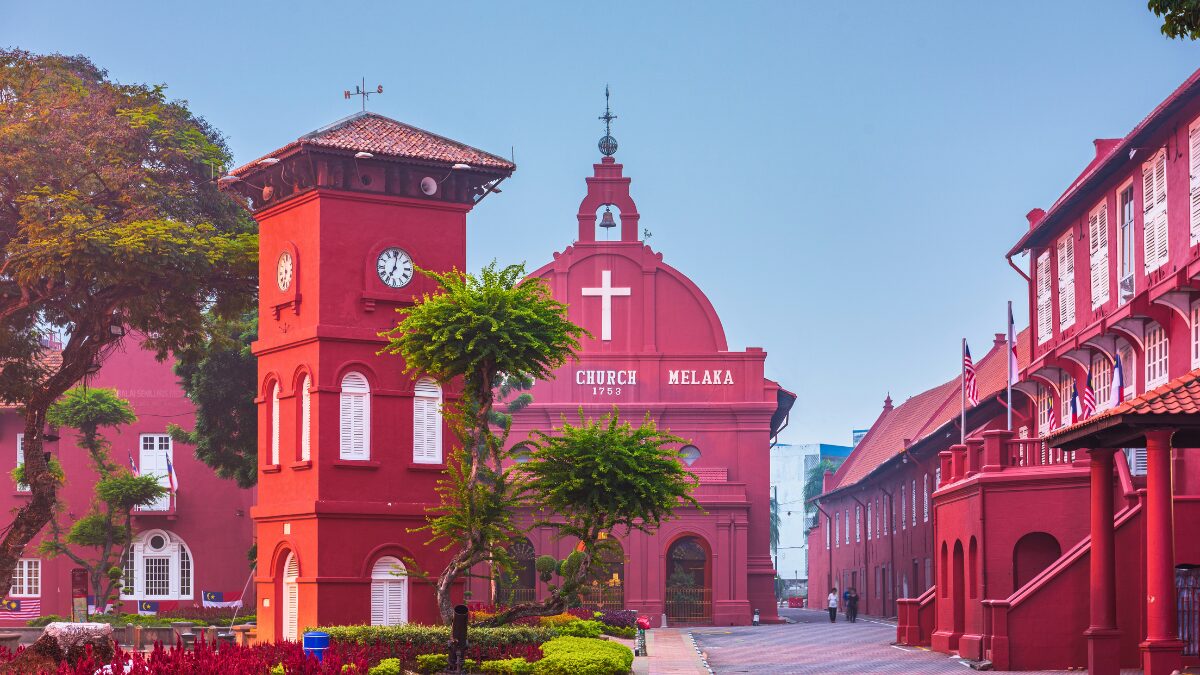
Malacca (Melaka), Malaysia: UNESCO Heritage City
Malacca sits two hours from Singapore by bus. Portuguese, Dutch, and British colonial history layers throughout the city.
Jonker Street night market operates Friday-Sunday evenings. Food stalls, antiques, and street performances fill the pedestrian street.
Christ Church and Stadthuys represent Dutch colonial architecture. Both are photogenic but interiors are basic.
Baba Nyonya Heritage Museum explains Peranakan culture. More detailed than Singapore’s versions.
Buses leave from Golden Mile Complex or Lavender Street. Cost $15-20 SGD one-way. Book return ticket immediately upon arrival.
Day trip possible but rushed. Better as overnight trip to enjoy the evening atmosphere and morning heritage walk.

Travel to Melaka from Singapore
Jason Baigent
Travel writer, researcher and publisher
“I loved living in Malaysia, the quality of life was amazing and the cost of living second to none. One of my very favorite places in Malaysia in Melaka. And while in Singapore it’s reachable with very little effort. So if you have a little time left on your itinerary why not spend some time in Malaysia checking out Melaka.
Bintan Island, Indonesia: Beach Resort Escape
Bintan Island offers beach resorts 55 minutes by ferry from Singapore. Indonesian island with developed tourist zone.
Resorts cater to Singaporean weekenders. Angsana, Banyan Tree, and Club Med operate beachfront properties.
Water sports include jet skiing, kayaking, and snorkeling. Quality varies by season and location.
The Pujasera food court serves Indonesian food at reasonable prices. Resort restaurants charge Singapore-like rates.
Ferries depart Tanah Merah Ferry Terminal. Round-trip tickets cost $50-70 SGD. Book online for better rates.
Visa-free entry for most nationalities for up to 30 days. Bring passport and completed arrival card.
Day trips feel rushed. Overnight or weekend stays make more sense given ferry time.
Desaru, Malaysia: Quieter Beach Alternative
Desaru sits on Malaysia’s southern tip. Less developed than Bintan. Authentic Malaysian beach town feel.
Beaches stretch for kilometers. Weekdays see almost no crowds. Weekends bring Malaysian families.
Hard Rock Hotel Desaru Coast and One&Only resort represent the high-end options. Local hotels cost fraction of the price.
Desaru Fruit Farm offers tours and fruit tasting. Best during durian season (June-August).
Getting there requires private car or organized tour. No direct public transport from Singapore. Car rental works if you’re comfortable driving in Malaysia.
Border crossing via Second Link (Tuas) usually faster than Causeway.
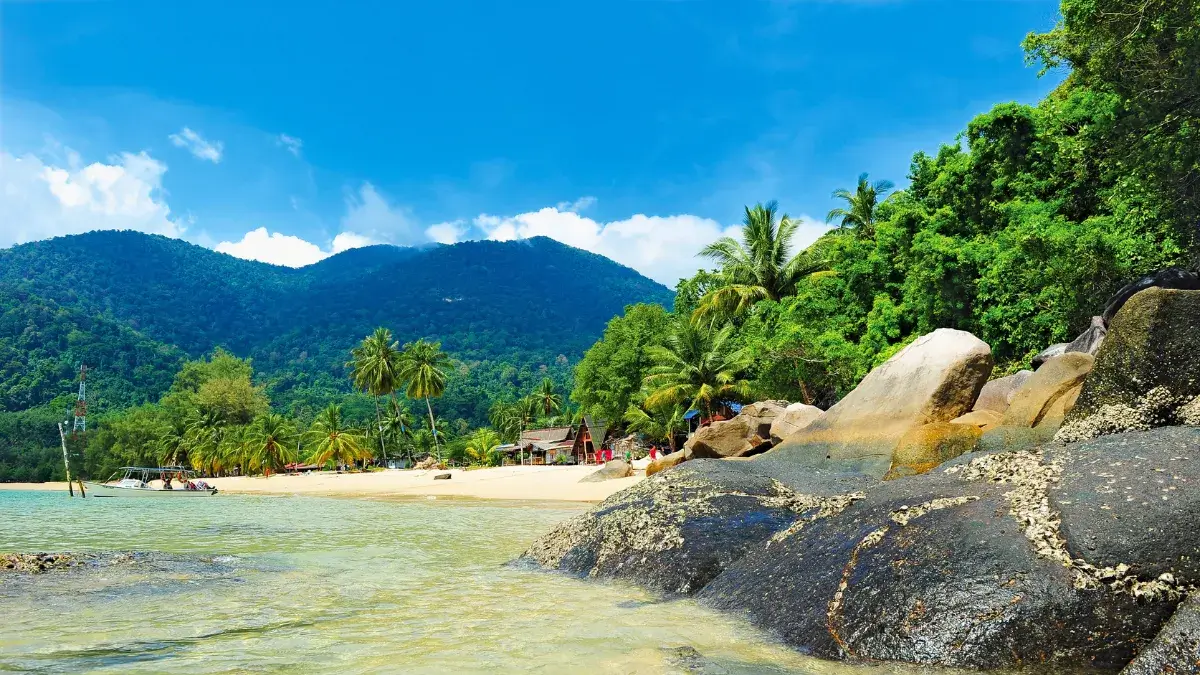
Tioman Island, Malaysia: Diving and Snorkeling
Tioman Island is Malaysia’s premier diving destination. Clear waters. Coral reefs. Sea turtles.
Getting there takes effort. Bus to Mersing (4-5 hours), then ferry (2 hours). Full-day journey. Not suitable for quick trips.
Plan minimum 2-3 nights to justify the travel time. Budget accommodations exist alongside resorts.
Best diving months are March-October. Monsoon season (November-February) brings rough seas and resort closures.
ABC Beach and Salang Beach offer the best backpacker atmosphere. Juara Beach provides quieter isolation.
Snorkeling gear rentals cost $5-10 USD per day. Diving packages run $80-100 USD for two dives.
Looking for other Island Destinations why not check out our 5 day itinerary to the Perhentian Islands or the ultimate guide to Bali.
Final Thoughts on Your Singapore Adventure
Singapore defies simple categorization. It’s Southeast Asian but distinctly itself. Expensive but manageable. Modern but culturally rooted.
The city rewards independent exploration. Step beyond Marina Bay Sands. Eat where locals eat. Walk neighborhoods without specific agendas. Talk to hawker stall owners. Get lost in Little India’s side streets.
Your Singapore experience differs from everyone else’s. Some travelers love the efficiency and cleanliness. Others find it sterile compared to grittier Southeast Asian destinations. Both perspectives are valid.
Give Singapore at least three full days. The city reveals itself slowly. First impressions rarely tell the complete story.
Budget travelers can absolutely thrive here. Hawker centers provide incredible food cheap. Public transport works flawlessly. Free attractions outnumber paid ones.
The weather will challenge you. Accept sweating. Dress appropriately. Schedule around the heat. You’ll adjust after a day or two.
Singapore works as a stopover, main destination, or Southeast Asia starting point. Each approach offers different experiences.
Don’t try to see everything. The city isn’t going anywhere. Leave some experiences for next time.
Most importantly: eat everything. Singapore’s food scene justifies the trip alone. Try dishes you can’t pronounce. Trust the crowded hawker stalls. Ask locals for recommendations.
Now you have the information. The neighborhoods. The food. The budget breakdowns. The practical tips. Time to plan your Singapore adventure.
Looking for great destination ideas?
Don’t Miss Weekly Travel Tips and Hidden Gems
Subscribe to our newsletter for budget hacks, off-beaten-path discoveries, and practical travel advice. Written by independent travelers, for independent travelers.
5 Works Cited
Choo, D. Scams account for over half of crime reports in first half of 2022, with victims losing S$228m. 2024, www.todayonline.com/singapore/scams-job-scams-crime-higher-1979131.
Gov UK. Foreign travel advice Singapore – Illegal Drugs. 2026, www.gov.uk/foreign-travel-advice/singapore.
The Straits Times. Rule of law index 2022. 2022, static1.straitstimes.com.sg/s3fs-public/articles/2022/10/27/221027seruleONLINE_1.jpg.
Wikipedia. Crime in Singapore. 2023, en.wikipedia.org/wiki/Crime_in_Singapore.
World population review. Singapore 14th Best Healthcare in the World 2026. 2026, worldpopulationreview.com/country-rankings/best-healthcare-in-the-world.