Imagine standing on a mountain, surrounded by the whispers of ancient trees and the distant sounds of a bustling city. You feel a sense of peace wash over you as you gaze at the horizon. This is the experience waiting for you at one of northern Thailand’s most revered sites. Located just 15 kilometers from the city, the temple Wat Phra That Doi Suthep offers more than just stunning views; it’s a spiritual journey.
At an elevation of 1,073 meters, this sacred site invites you to explore its rich history and breathtaking architecture. As you ascend, you’ll discover the intricate details of the temple, which holds a special place in the hearts of locals and travelers alike. Whether you’re seeking a moment of reflection or simply want to soak in the panoramic vistas, this destination promises a unique experience.
Discovering the History and Legends
Planning your visit is straightforward. The road leads you directly to this cultural landmark, ensuring your journey is both accessible and memorable. Prepare to be captivated by the beauty and significance of this temple, a true gem in the heart of Thailand –Wat Phra That Doi Suthep Chiang Mai.
Wat Phra That Doi Suthep Key Takeaways
5 Wat Phra That Doi Suthep highlights
- Wat Phra That Doi Suthep is a premier spiritual destination.
- The temple is located 15 kilometers from the city center.
- It sits at an elevation of 1,073 meters, offering stunning views.
- The site is rich in cultural significance for visitors.
- Accessible by road, making it easy to visit.
Perched on a majestic mountain, the legends of this spiritual haven come alive. Wat Phra doi suthep as it is affectionately known by locals was founded in 1383 by King Kue Na of the Lanna Kingdom. It was established to house a sacred relic buddha discovered by a monk. This marked the beginning of a rich history filled with cultural significance.
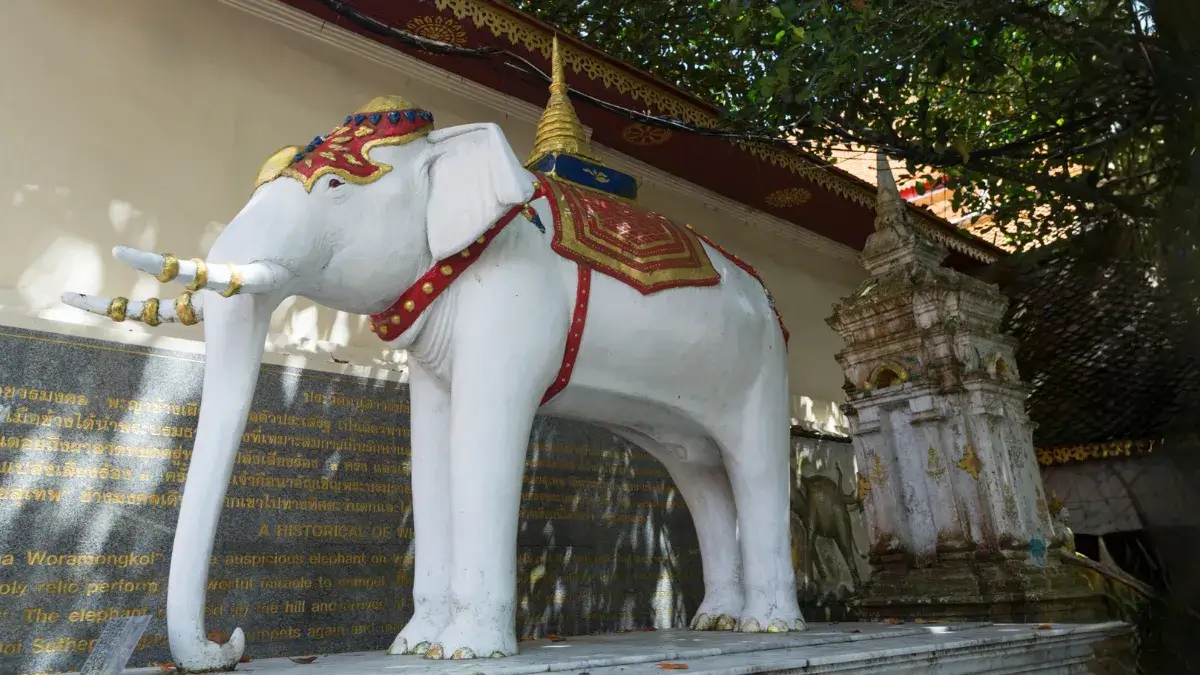
The Story Of The White Elephant.
According to legend, a monk named Sumanathera from the Sukhothai Kingdom had a dream. He was told to go to Pang Cha (Mueang Bang Khlang sub-district) and find a relic. Sumanathera went there and found a bone, believed by many to be Gautama Buddha’s shoulder bone. The relic showed magical powers: it glowed, disappeared, moved, and duplicated itself. Sumanathera gave the relic to King Lue Thai (Maha Thammaracha II) of Sukhothai. The king made offerings and held a ceremony, but the relic showed no special signs. Doubting its power, the king told Sumanathera to keep it.
King Kue Na (Dhammikaraja) of Lan Na heard about the relic and asked the monk to bring it to him. In 1368, with King Lue Thai’s permission, Sumanathera took the relic to Lamphun in northern Thailand. There, the relic broke into two pieces. The smaller piece was kept at Wat Suan Dok. The larger piece was placed on a white elephant that was released into the jungle. The elephant climbed Doi Suthep, then stopped, trumpeted three times, and died. This was seen as a sign. King Kue Na ordered the construction of the temple on the site.
The name Wat Phra That Doi Suthep explains what the temple holds. “Phra” refers to an honored Buddha image, and “That” means a relic. Together, they mean the temple holds a relic of the Buddha, specifically half of his shoulder bone. This relic is kept in the rounded part of the Chedi, above the octagonal section and below the ringed section.
Exploring the Architecture and Spiritual Significance
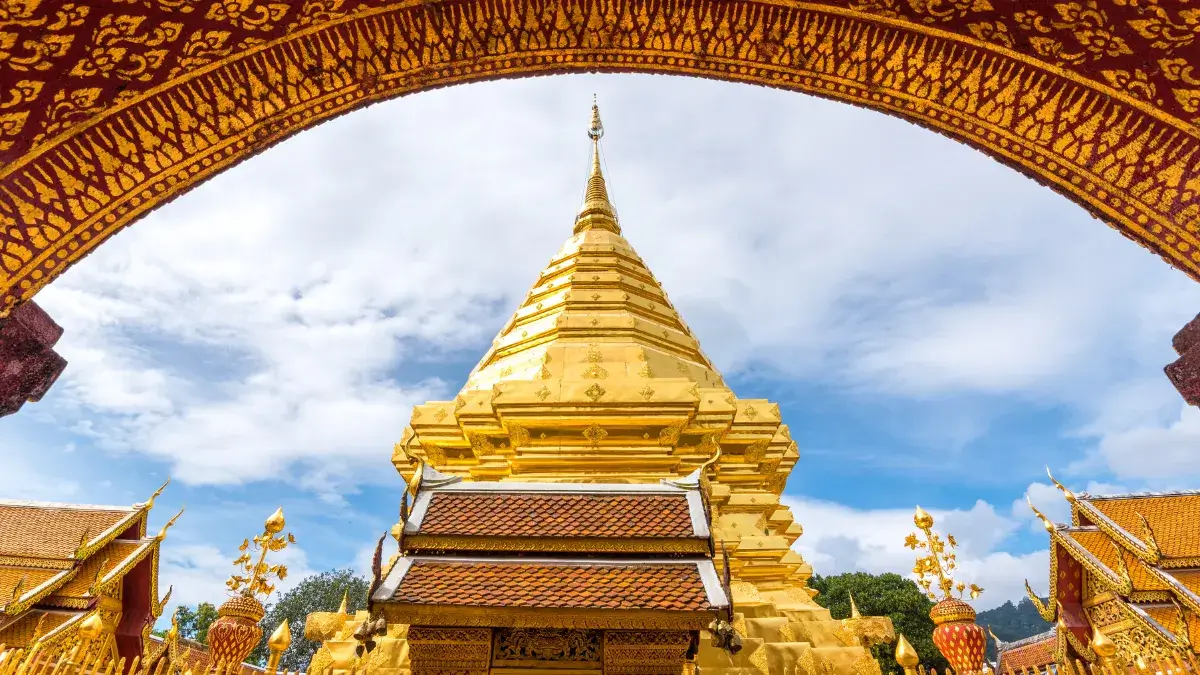
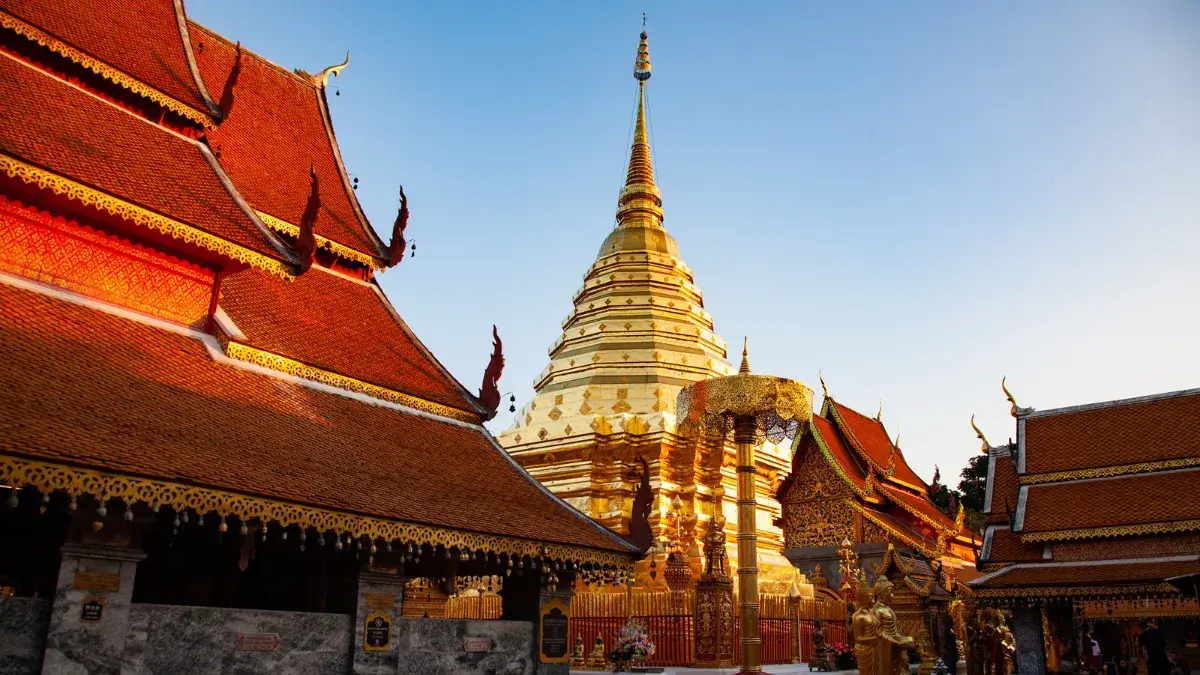
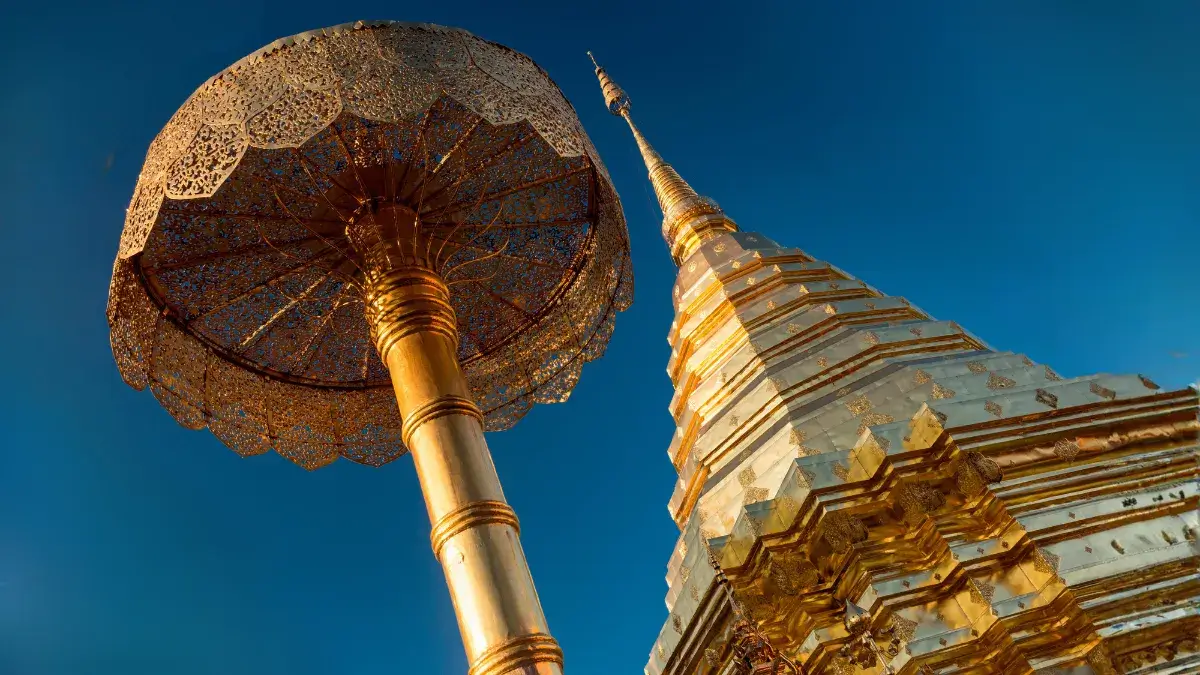
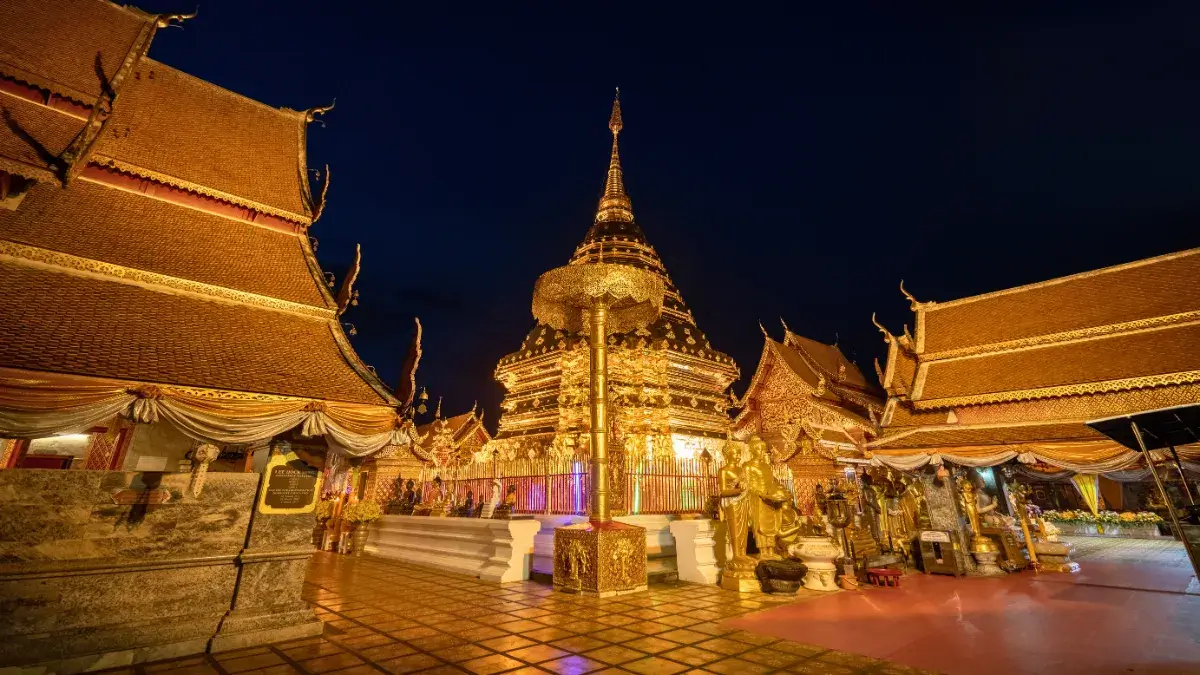
As you step into this sacred space, the architecture reveals stories of the past. The golden chedi at the heart of the temple stands an impressive 24 meters tall. This magnificent structure is a testament to the architectural mastery of the Lanna Kingdom.
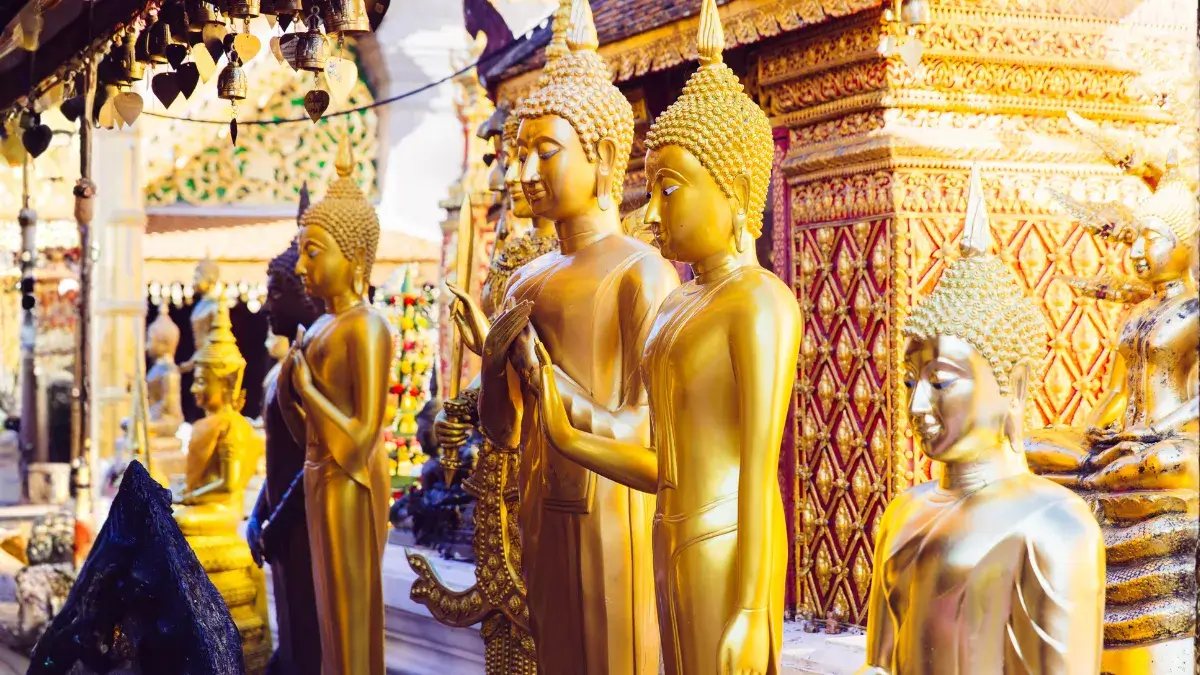
Surrounding the chedi, you’ll find intricate statues and shrines. These elements reflect the diverse artistic influences that have shaped the region. As you walk around, take a moment to appreciate how the temple integrates various styles, creating a unique spiritual atmosphere.
The long Naga staircase is a defining feature of this site. It leads pilgrims up to the main courtyard, enhancing the journey to the temple. Every statue and detail within this sacred space honors the relic Buddha, showcasing the dedication of those who built these temples.
Don’t miss the stunning view from the terrace. It provides a breathtaking perspective of the landscape, deepening your spiritual experience. Observing the statues and the chedi allows you to appreciate the historical significance that makes this site a cornerstone of the culture.
How to Get to Wat Phra That Doi Suthep Chiang Mai
Venturing up a winding road, you’ll find both adventure and spirituality awaiting you. The modern road to the temple was constructed in 1935, making it easier for visitors to access this sacred site. Whether you choose to drive or take a local taxi, the journey offers stunning views of the surrounding landscape.
For those seeking a more traditional experience, you can ascend the 306 steps of the Naga staircase. Hiking the Monks Path has been used by pilgrims for generations, adding a sense of connection to the site. Alternatively, the funicular ride provides a quick and scenic way to reach the main chedi of the temple.
Many tourists prefer the road temple route, which allows you to appreciate the engineering marvel that connects the mountain to the city Chiang Mai. Regardless of how you arrive, the journey culminates at the beautiful golden chedi, promising a rewarding experience for all visitors.
| Option | Description | Duration |
|---|---|---|
| Road | Modern road access for vehicles | 15-30 minutes |
| Naga Staircase | Traditional path with 306 steps | 20-40 minutes |
| Funicular | Scenic ride to the temple | 10 minutes |
Experiencing the Pilgrimage and Local Traditions
Every visit to this temple offers a glimpse into the rich tapestry of cultural practices and beliefs. With around 120,000 visitors each month, this site is a vibrant hub where both pilgrims and tourists gather to honor the sacred relic.
You can observe the story of the white elephant reflected in the offerings made by locals who visit the temple to pay their respects. The monk trail is a popular way for those seeking a deeper connection to the mountain to reach the temple on foot.
As you walk around the chedi, you join other pilgrims in a ritual that has been practiced for centuries. This temple is a place where the tale of the elephant that trumpeted three times is kept alive through daily rituals and prayers.
Many pilgrims travel from Wat Suan Dok to the Phra Doi, demonstrating the enduring legacy of the relic. The atmosphere at this buddhist temple is enhanced by the presence of monks who guide visitors through their spiritual practices.
Whether you are a tourist or a pilgrim, the time spent at this mountain site offers a rare glimpse into the heart of Chiang Mai and Northern Thailand.
Essential Visitor Tips for Wat Phra That Doi Suthep Chiang Mai
As you prepare for your visit, you’ll find these essential tips will enhance your experience. Knowing what to expect can make your journey even more enjoyable.
Best Times to Visit and Entrance Details
The best time to visit the sacred site of Wat Phra Doi Suthep, is early in the morning. Arriving at this hour helps you avoid the crowds and enjoy a clear view of the city of Chiang Mai. The entrance fee is approximately 30 baht for foreigners. This small fee grants you access to the Phra Doi Suthep Temple and its stunning surroundings, making it a worthwhile experience for all visitors to the temples.
Dress Code, Etiquette, and Practical Advice
When visiting, remember to dress modestly to respect the temple’s sanctity. This is an important aspect of your visit.
If you’re feeling adventurous, consider taking the monk trail to reach the temple. This path offers a unique experience and connects you to the local traditions.
As you explore the site, keep in mind the legend of the white elephant, a key part of its history. The beautiful staircase leading to the chedi is a highlight, but be prepared for the climb if you choose not to use the funicular.
Following the etiquette of this temple ensures a respectful experience for all pilgrims and tourists. The road to the temple is well-maintained, making it easy to reach this iconic landmark.
Conclusion
Reflecting on your visit to the city Chiang Mai, the temple’s stories resonate deeply within you. Wat Phra That Doi Suthep stands as a significant spiritual landmark, bridging the rich history of the Lanna Kingdom with the vibrant culture of modern Chiang Mai, including the legend of the white elephant and the iconic statue at the shrine.
By exploring this sacred site, you’ve gained insight into the legends, architecture, and traditions that define this mountain temple, including the monk trail that many choose to hike. Whether you traveled by road or hiked the trails, your experience offers a profound connection to northern Thailand’s culture.
The enduring legacy of the relic and the beauty of this temple continue to attract travelers from around the globe. As you reflect on your journey, remember to respect local customs and the sanctity of this site.
We hope this guide has empowered you to explore the area with confidence, ensuring your visit to Chiang Mai is both authentic and memorable.
Wat Phra That Doi Suthep Chiang Mai FAQ
What is the best time to visit the temple?
The ideal time to visit is during the cooler months from November to February, when the weather is pleasant and comfortable for exploring.
Are there any entrance fees?
Yes, there is a small entrance fee for visitors of approx 300 Baht. It’s best to check the current rates before your visit, as they may change.
How do I get there from the city?
You can take a Songthaew (shared taxi), rent a motorbike, or join a guided tour. The ride offers beautiful views of the surrounding area. You can also hike along the famous Monks trails.
Is there a dress code for visitors?
Yes, modest attire is required. Make sure to cover your shoulders and knees as a sign of respect while visiting.
Can I interact with the monks?
Yes, visitors are encouraged to engage with monks, but it’s important to be respectful and follow their guidelines during interactions.
What should I bring for my visit?
Bring water, sunscreen, and a camera. If you plan to participate in rituals, consider bringing offerings like flowers or incense.
Are there any local traditions I should be aware of?
Be mindful of local customs, such as removing your shoes before entering sacred areas and being quiet in prayer spaces.
4 Works Cited
Beek, Steve Van. The Arts of Thailand. 1991, amzn.to/4uMwe4b.
Kyle, C. How to hike up to the Doi Suthep Temple (along Monk's Trail). 2019, web.archive.org/web/20220607180408/https://www.thetravelbrief.com/briefs/doi-suthep-temple-how-to-hike-up-to-the-doi-suthep-temple-along-monks-trail.
Station, RailTravel. Doi Suthep Cable Car & Wat Phra That Doi Suthep. 2023, railtravelstation.com/doi-suthep-cable-car/.
Wikipedia. Doi Suthep. 2026, en.wikipedia.org/wiki/Doi_Suthep.