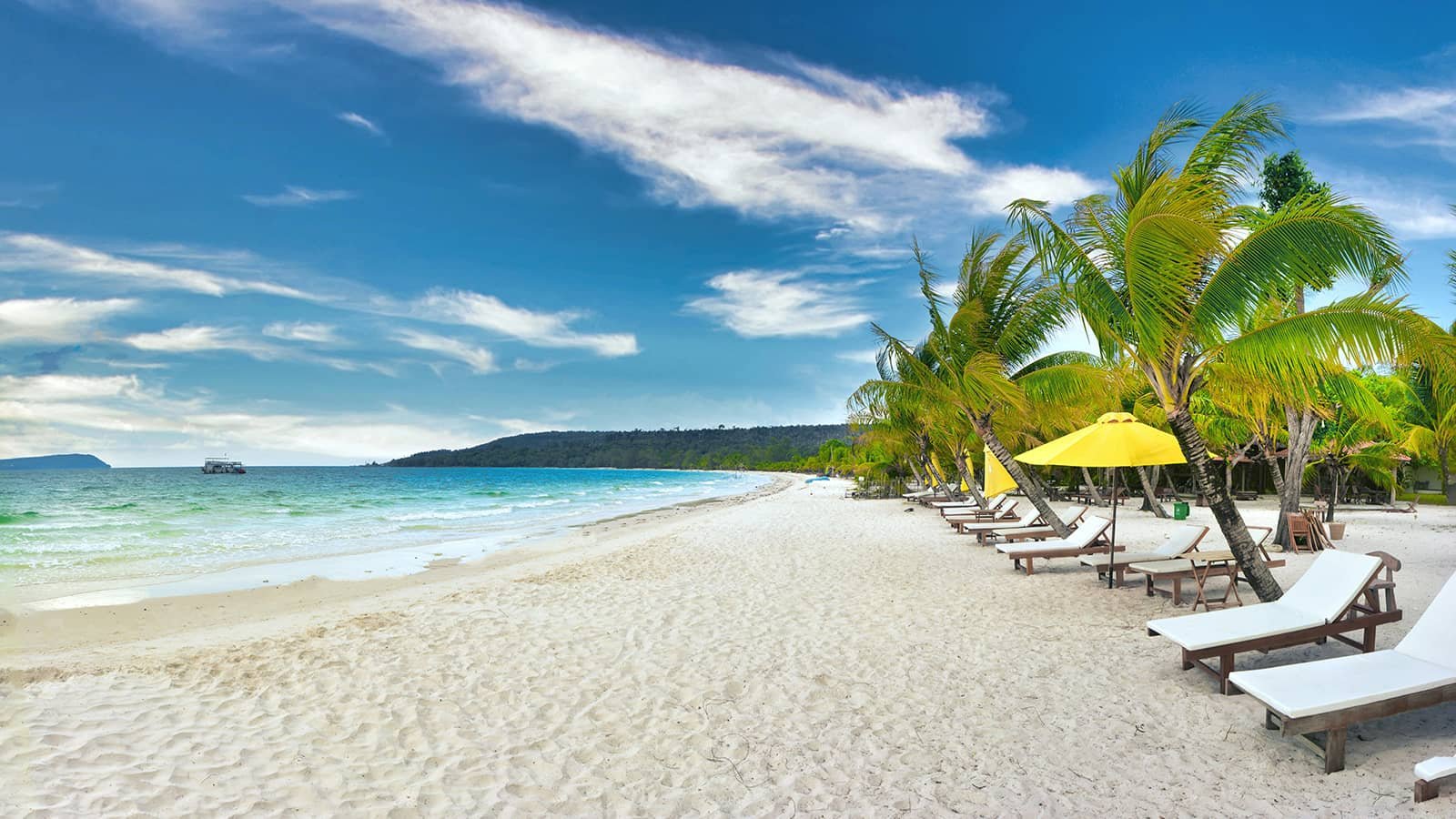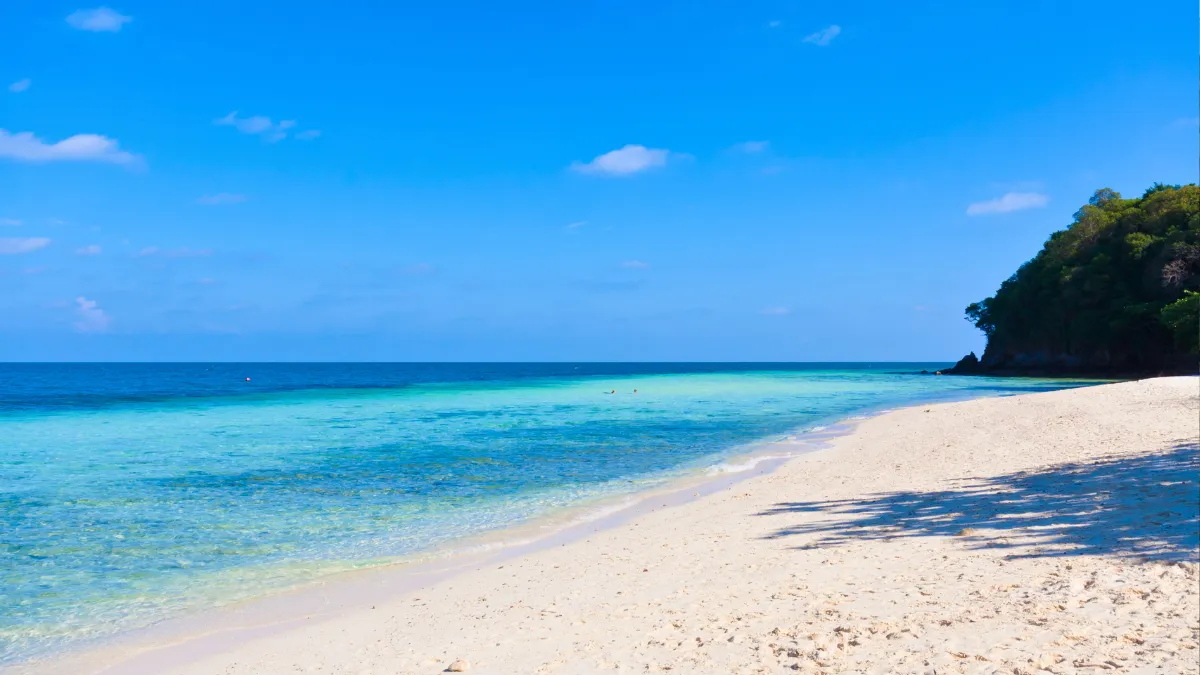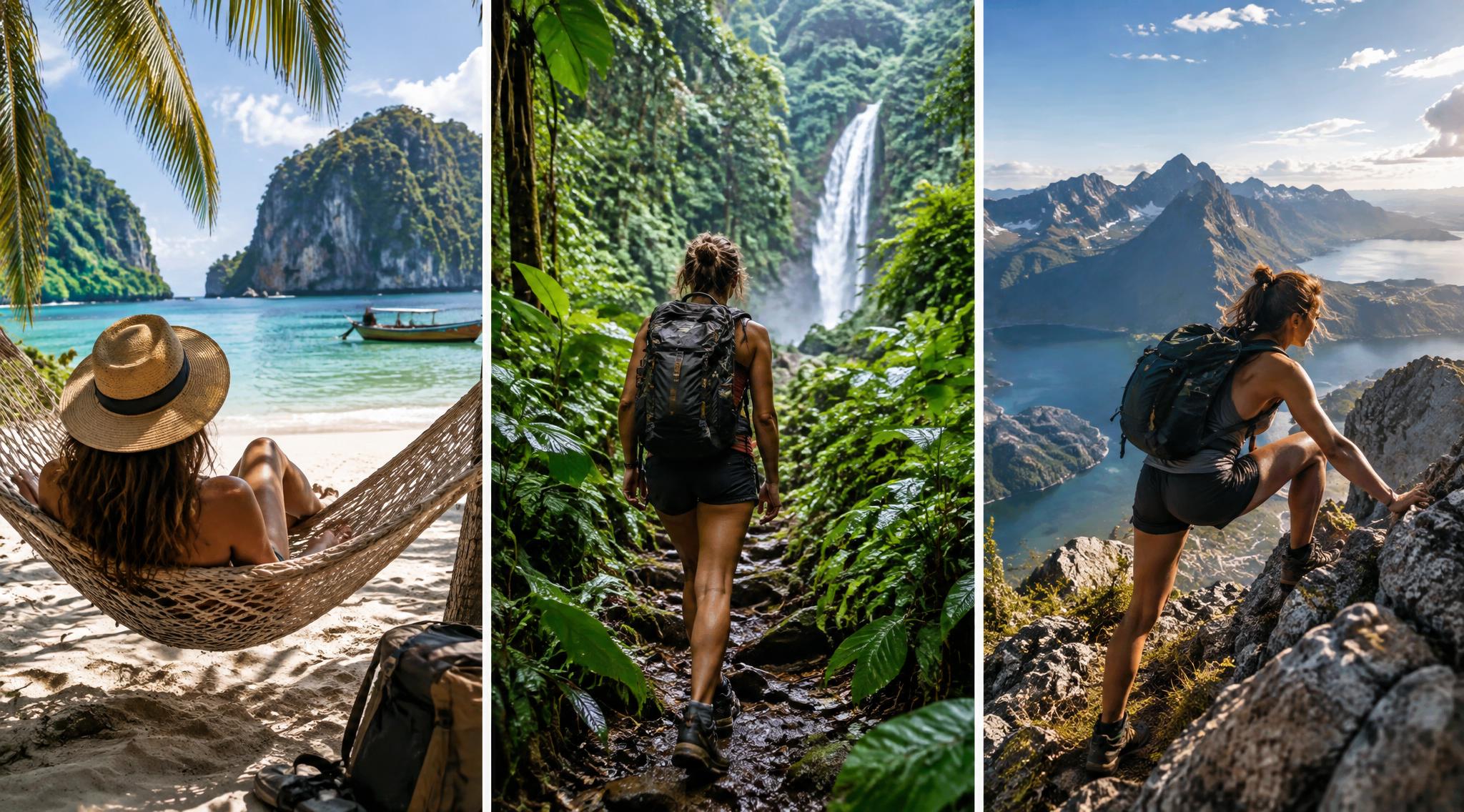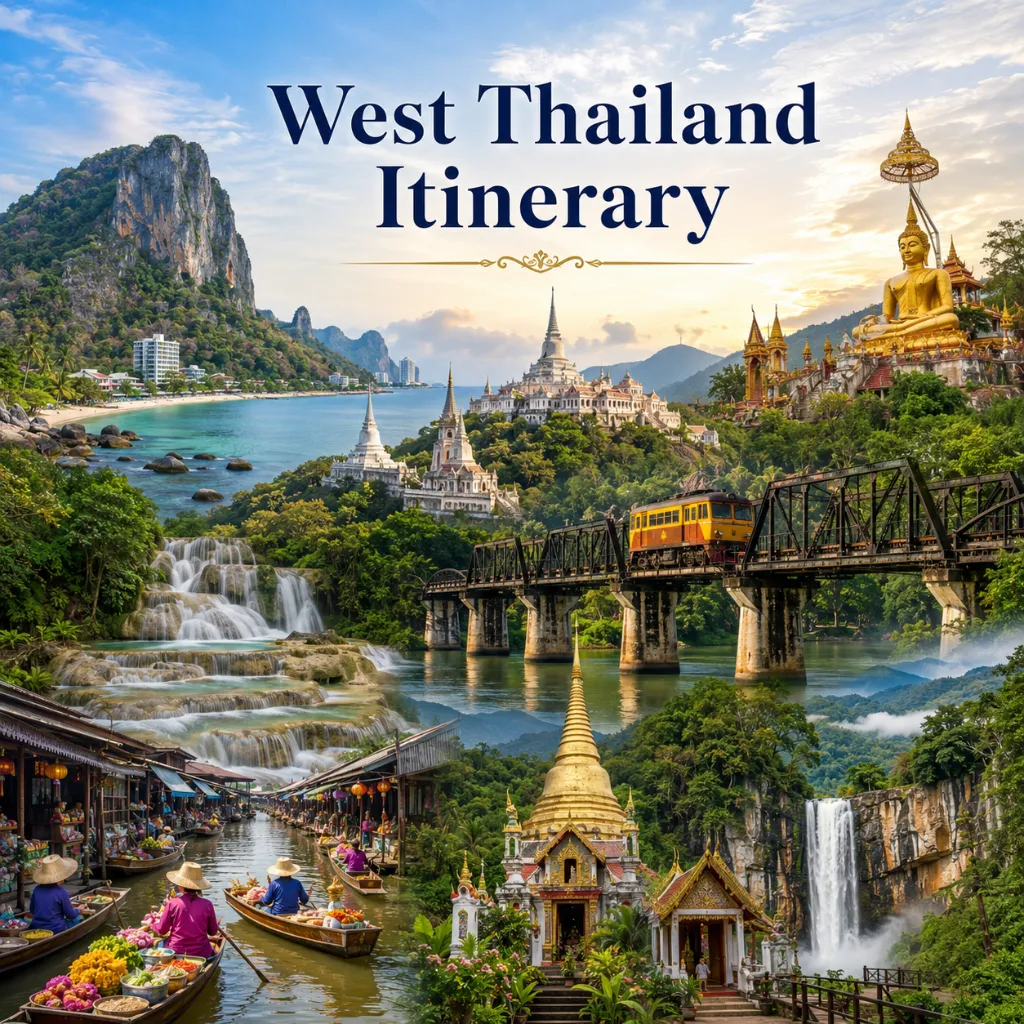
This West Thailand Itinerary explores one of the country’s most authentic and least explored regions. While millions flock to Chiang Mai, Koh Phi Phi, and the bustling streets of Bangkok, the western provinces offer something far more precious. This is where you’ll find Thailand as it once was. Ancient temples stand guard over river valleys. Limestone cliffs rise dramatically from emerald rice fields. Hill tribe villages maintain centuries-old traditions.
I spent several trips exploring these hidden corners. This West Thailand itinerary takes you through five remarkable provinces over seven unforgettable days. You’ll discover what makes this region truly special. The journey begins in the mountainous borderlands of Tak and moves through the historic landscapes of Kanchanaburi. Then you’ll explore the artistic heritage of Ratchaburi before reaching the coastal beauty of Phetchaburi and Prachuap Khiri Khan.
This isn’t your typical Thailand trip. You’ll see landscapes and experiences that few travelers encounter. Make sure you’re ready for an adventure that goes beyond the ordinary.
Why Choose West Thailand for Your Next Adventure
The western provinces offer experiences you simply won’t find elsewhere in Thailand. This region escaped the mass tourism development that transformed other areas. That means more authentic encounters and fewer crowds.
Authentic Cultural Experiences
West Thailand maintains strong connections to traditional ways of life. Karen and Mon communities still practice ancient customs. You’ll find markets where locals outnumber tourists ten to one.
The temples here receive genuine worshippers rather than tour groups. Monks still follow daily routines unchanged for generations. Village festivals celebrate agricultural cycles and Buddhist holidays with authentic enthusiasm.
Dramatic Natural Landscapes
The western region showcases Thailand’s most diverse topography. Mountain ranges give way to river valleys and agricultural plains. Limestone formations create otherworldly scenery.
National parks protect pristine forests and waterfalls. The Gulf of Thailand coastline offers quiet beaches far from resort development. You’ll see landscapes that photographers dream about.
Best Time to Visit: The dry season from November through February offers the most comfortable weather. Temperatures stay moderate and rainfall remains minimal. March through May brings intense heat. The wet season from June through October can make some mountain roads challenging.
Historical Significance
West Thailand played crucial roles in Southeast Asian history. Ancient trading routes passed through these valleys. Wars between kingdoms left remarkable monuments.
- World War II historical sites including the Death Railway
- Ancient Mon and Khmer temple complexes
- Royal palaces and summer residences
- Traditional crafts villages preserving centuries-old techniques
Adventure Opportunities
The varied terrain creates perfect conditions for outdoor activities. Rivers offer rafting and kayaking. Mountains provide hiking and wildlife watching.
- Jungle trekking through pristine national parks
- Cave exploration in massive limestone formations
- River activities from bamboo rafting to kayaking
- Wildlife encounters including elephants and gibbons
Budget-Friendly Travel
West Thailand offers exceptional value compared to tourist hotspots. Accommodation costs less. Food prices remain reasonable. Activities charge fair rates.
- Guest houses from $15-30 per night
- Local restaurant meals for $2-5
- National park entrance fees around $10
- Private transportation at reasonable rates
Culinary Heritage
Western Thai cuisine blends influences from Burma, Mon communities, and traditional Thai cooking. You’ll find dishes rarely seen elsewhere.
- Mon-style curries with unique spice profiles
- River fish prepared in traditional methods
- Palm sugar production villages
- Regional specialties unknown outside the area
Essential Planning Information for Your West Thailand Itinerary
Getting to West Thailand
Most travelers begin their West Thailand itinerary from Bangkok. The capital provides the main international gateway. From there, you’ll need to arrange transportation westward.
Direct international flights arrive at Suvarnabhumi Airport. Budget carriers use Don Mueang Airport. Both airports offer good connections to western provinces.
Transportation Options
Several transportation methods connect Bangkok to West Thailand. Each offers different advantages depending on your schedule and budget.
Rental cars provide maximum flexibility. You’ll find major agencies at both Bangkok airports. Driving allows you to explore at your own pace and reach remote locations.
Buses run regularly from Bangkok’s Southern Bus Terminal to all major western cities. They’re affordable and comfortable. Journey times range from two to five hours.
Budget Breakdown
West Thailand accommodates various budget levels. Costs remain significantly lower than tourist areas like Chiang Mai or Koh Phi Phi. Here’s what to expect across three budget categories.
Recommended Starting Point
I recommend renting a car for this itinerary. Public transportation exists but limits your access to remote sites. A rental car costs $30-50 daily and provides freedom to explore.
Book your rental in advance through international agencies. Make sure you have an International Driving Permit. Thai traffic drives on the left side.
| Category | Budget | Mid-Range | Luxury |
| Accommodation (per night) | $15-25 | $35-60 | $80-150 |
| Meals (per day) | $10-15 | $20-35 | $45-70 |
| Transportation (daily) | $5-10 | $40-50 | $60-100 |
| Activities & Entrance Fees | $10-20 | $25-40 | $50-80 |
| Total Daily Cost | $40-70 | $120-185 | $235-400 |
| 7-Day Trip Total | $280-490 | $840-1,295 | $1,645-2,800 |
What to Pack
West Thailand’s diverse terrain requires thoughtful packing. You’ll encounter everything from mountain trails to beach resorts. Weather varies by elevation and season.
Essential Clothing
- Lightweight, breathable shirts and pants
- Long sleeves for temple visits and sun protection
- Comfortable walking shoes with good grip
- Sandals for beaches and casual wear
- Light jacket for air-conditioned transport
- Swimwear for beaches and waterfalls
Important Gear
- Daypack for daily excursions
- Reusable water bottle with filter
- Headlamp or flashlight
- Power bank for devices
- Universal travel adapter
- Dry bag for water activities
Health & Safety Items
- Sunscreen with high SPF
- Insect repellent with DEET
- Basic first aid supplies
- Prescription medications in original containers
- Hand sanitizer and wet wipes
- Photocopies of passport and travel insurance
Safety Considerations
West Thailand presents minimal safety concerns for travelers. The region sees little crime targeting tourists. Most visitors complete their trips without incidents.
Road safety requires attention. Thai drivers can be unpredictable. Motorcycles weave through traffic unexpectedly. Always wear seatbelts and drive defensively.
Safety Strengths
- Low violent crime rates
- Friendly local populations
- Good medical facilities in larger towns
- Reliable emergency services
- Well-maintained major roads
Precautions to Take
- Avoid driving at night in rural areas
- Watch for aggressive dogs in villages
- Be cautious near border regions
- Check weather forecast before mountain travel
- Guard against petty theft in markets
Travel Insurance: Purchase comprehensive travel insurance before departure. Make sure it covers medical evacuation and adventure activities. The western provinces have limited medical facilities. Serious conditions require evacuation to Bangkok.
Day 1: Tak Province – Gateway to the Mountains
Your West Thailand itinerary begins in Tak Province. This mountainous region borders Myanmar and offers stunning natural beauty. The drive from Bangkok takes approximately six hours.
Tak sees relatively few international visitors. Most travelers pass through without stopping. That’s their mistake. This province has some of Thailands most remarkable natural attractions and historical sites.
Morning: Arrive and Explore Tak City
Start early from Bangkok to maximize your first day. The drive follows Highway 1 through central Thailand’s agricultural heartland. You’ll pass rice fields and small farming communities.
Arrive in Tak City by late morning. This riverside town serves as the provincial capital. It maintains a quiet, authentic atmosphere despite its administrative importance.
Head straight to the Old City area. The wooden shophouses date from the early 20th century. Several buildings show Chinese architectural influences reflecting the town’s trading history.
Wat Bot Mani Si Phum
This temple complex sits along the Ping River. The main prayer hall features beautiful murals depicting Buddhist stories. Local devotees come here daily for merit-making.
The temple grounds remain peaceful throughout the day. You’ll find monks going about their daily routines. The riverside location provides cooling breezes even during hot weather.
Afternoon: Bhumibol Dam
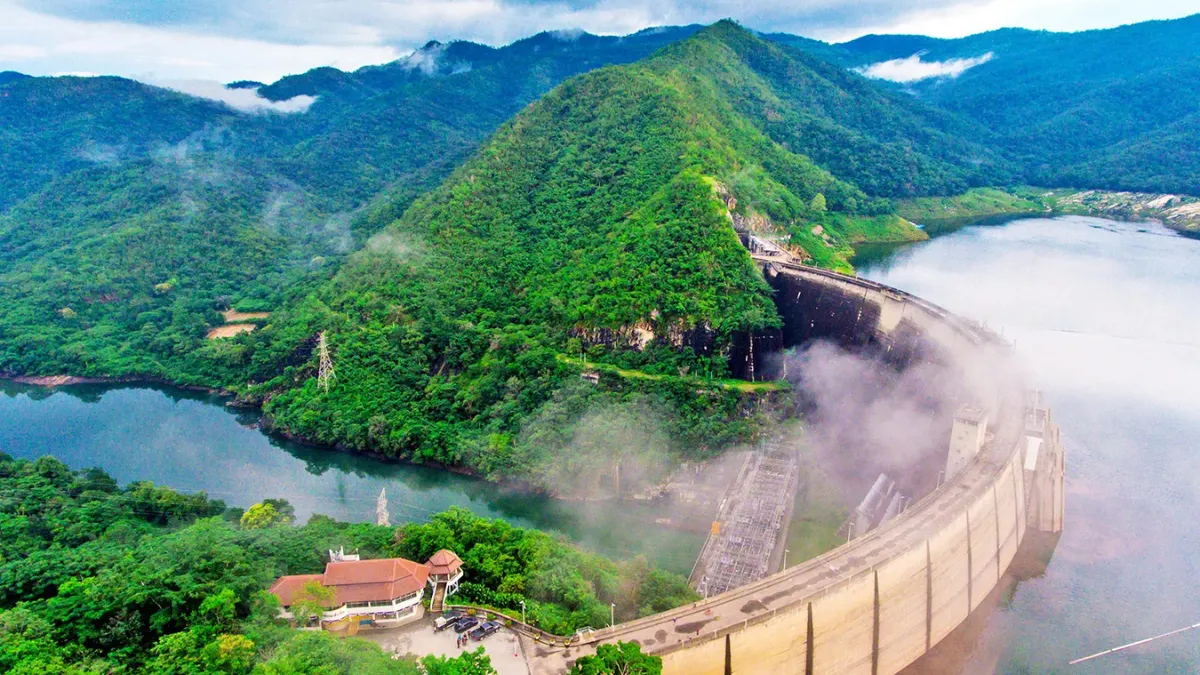
Drive 40 minutes north to Bhumibol Dam. This massive structure ranks among Thailand’s largest dams. The reservoir behind it stretches for miles into the mountains.
The dam viewpoint offers spectacular vistas across the lake. Forested mountains rise on all sides. The scale of the engineering project becomes apparent from this perspective.
You can walk across the top of the dam. Informational displays explain its construction and importance. The visitor center provides historical context about the project.
Taksin Maharat National Park
Continue into Taksin Maharat National Park. The park protects pristine mountain forests and several impressive waterfalls. Wildlife includes barking deer, wild boar, and numerous bird species.
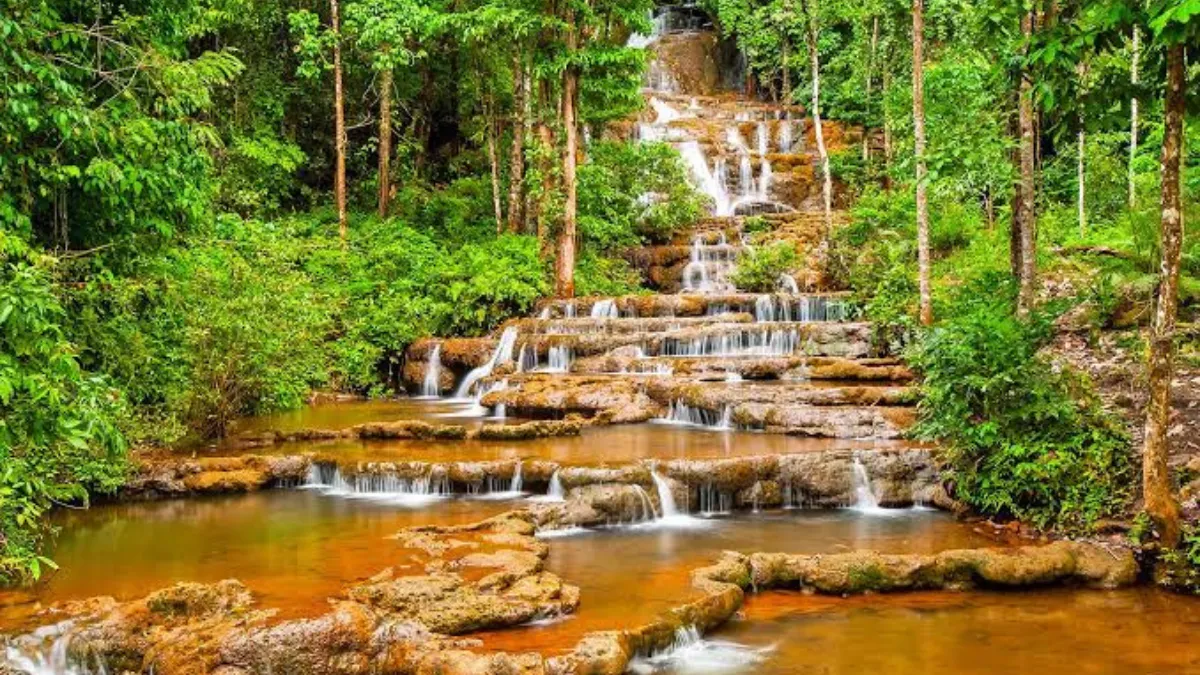
The Pha Charoen Waterfall flows year-round. A short trail leads from the parking area. The waterfall drops in multiple tiers through limestone formations.
Allow two hours for hiking and swimming. The pools below the falls offer refreshing dips. Bring water shoes as rocks can be slippery.
Evening: Lahu Hill Tribe
Return toward Tak and visit a Lahu Hill Tribe community. Several communities welcome respectful visitors. They maintain traditional lifestyles while engaging with modern Thailand.
The Lahu people originated in Tibet and migrated south over centuries. They practice animism alongside Buddhism. Women wear distinctive black clothing with colorful trim.
Because the Lahu communities in Tak province are largely self-governed and quite isolated, they are less commercialized than the tourist-centered villages in Chiang Rai or Chiang Mai. If you want to visit a Lahu community or a diverse hill tribe settlement:
Plan a guided trek: The best way to safely reach and understand these communities is to book a socially responsible trekking tour. Local guides from organizations like Green Trails can facilitate cultural exchanges respectfully.
Support local artisans: The Lahu are highly skilled in back-strap weaving and delicate patchwork. Purchasing handmade shawls or baskets directly from the villagers helps sustain their traditional livelihoods.
Village Etiquette: Always ask permission before taking photos of individuals, and be mindful of communal spaces (like the village spiritual center marked by strings of flags)
Where to Stay in Tak
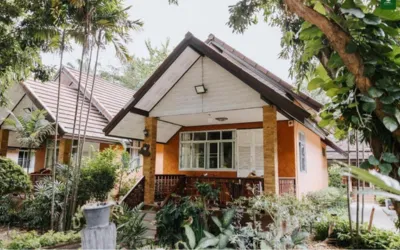
Budget – Pingview Villa Resort
- Comfortable Accommodations: Pingview Villa Resort in Tak offers family rooms with modern amenities. Each room includes air-conditioning, a private bathroom, and free WiFi.
- Dining and Leisure: Guests can enjoy a restaurant serving Thai cuisine and a serene garden. The resort provides free WiFi throughout the property, ensuring connectivity.
- Convenient Facilities: The resort features a shared kitchen, minimarket, and full-day security. Menus cater to special diets, and room service is available for added comfort.
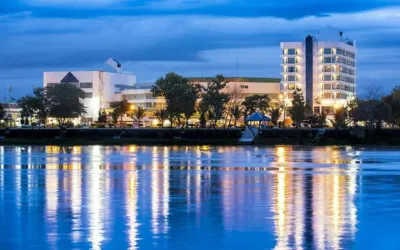
Luxury – Viang Tak Riverside Hotel
- Comfortable Accommodations: Viang Tak Riverside Hotel in Tak offers family rooms with air-conditioning, private bathrooms, and river views. Each room includes a dining table, work desk, and free WiFi.
- Exceptional Facilities: Guests can enjoy a garden, terrace, open-air bath, outdoor swimming pool, and free bicycles. Additional amenities include a restaurant, bar, and kids’ pool.
- Dining Experience: The family-friendly restaurant serves Thai cuisine for lunch and dinner in a welcoming ambiance.
- Convenient Location: Located 55 mi from Mae Sot Airport, the hotel provides free on-site private parking and is 1.2 mi from Tak River.
- Couples in particular like the location – they rated it 9.4 for a two-person trip.
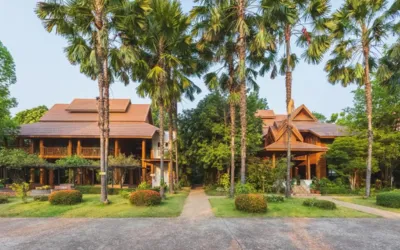
Midrange – Vanasin Residence
- Comfortable Accommodations: Vanasin Residence in Tak offers family rooms with air-conditioning, private bathrooms, and garden views. Each room includes a balcony, bathrobes, and free toiletries.
- Exceptional Facilities: Guests enjoy free WiFi, a terrace, and a garden. The resort provides free bicycles, a restaurant serving local cuisine, and a bar. Additional amenities include a mini-bar, TV, and electric kettle.
- Convenient Location: Located 55 mi from Mae Sot Airport, the resort offers free on-site private parking. Nearby attractions include Tak City and the Tak Province Museum.
- Guest Satisfaction: Highly rated for its garden, attentive staff, and room cleanliness, Vanasin Residence ensures a pleasant stay for all visitors.
What to Eat in Tak
Tak cuisine reflects its border location. You’ll find Burmese influences alongside traditional Thai dishes. The province produces excellent coffee from mountain plantations.
Must-Try Dishes
- Kaeng Hang Lay: Burmese-style pork curry with ginger and tamarind
- Khao Soi Tak: Local version of northern curry noodles
- Pla Ping: Grilled river fish with herbs
- Nam Prik Ong: Northern Thai tomato and pork dip
- Tak Coffee: Strong, locally-grown mountain coffee
Recommended Restaurants
Rim Ping Restaurant: Riverside location with excellent local specialties. Try their whole grilled fish.
Muslim Restaurant: Near the old mosque, serves fantastic curries and roti. Very affordable.
Night Market: Opens at 5 PM near the bus station. Wide variety of street food and local snacks.
Day 1 Budget Estimate: Budget travelers: $45-60 | Mid-range travelers: $130-180 | Luxury travelers: $240-320 (including accommodation, meals, transportation, and activities)
Day 2: Mae Sot and the Myanmar Border
Day two takes you to Mae Sot, one of Thailand’s most fascinating border towns. This multicultural hub sits directly across from Myanmar. The town buzzes with cross-border trade and diverse communities.
The drive from Tak city takes approximately 90 minutes. The road winds through mountains and agricultural valleys. You’ll pass several Karen and Burmese villages along the way.
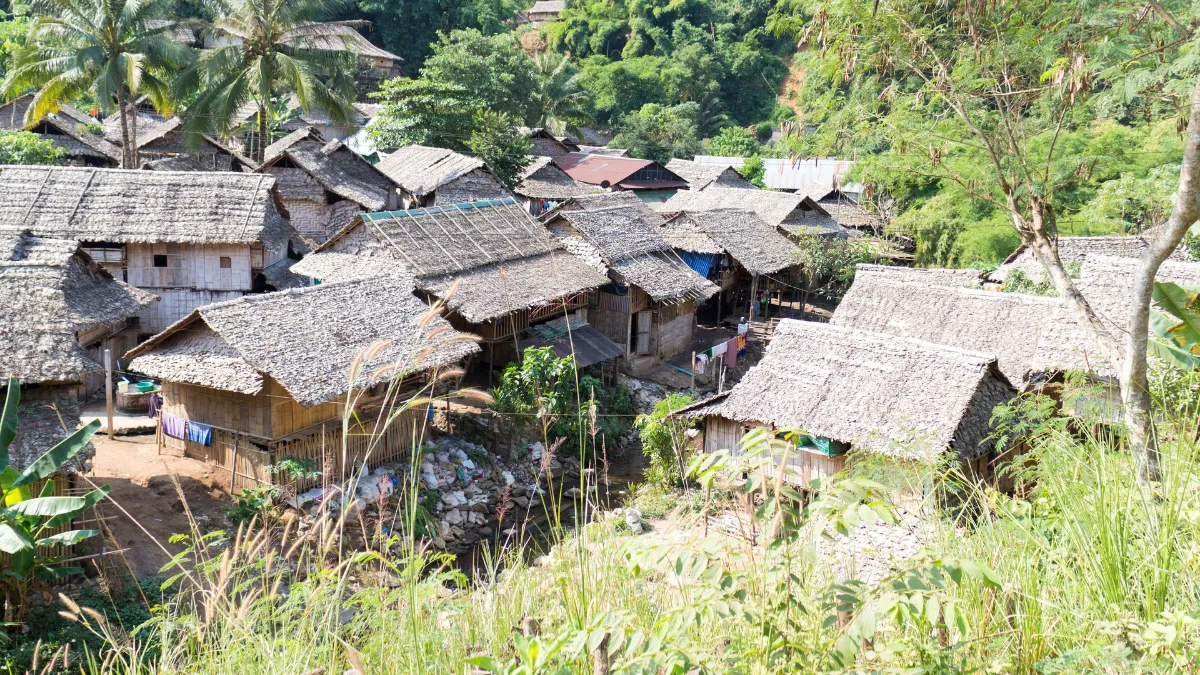
Morning: Mae Sot Town Exploration
Mae Sot feels different from typical Thai towns. Burmese tea shops outnumber Thai restaurants. You’ll hear multiple languages in the markets. The architecture shows mixed influences.
Start at the morning market near the town center. It opens at dawn and runs until noon. Vendors sell produce from both sides of the border. The variety exceeds what you’ll find elsewhere in Thailand.
Wat Thai Wattanaram
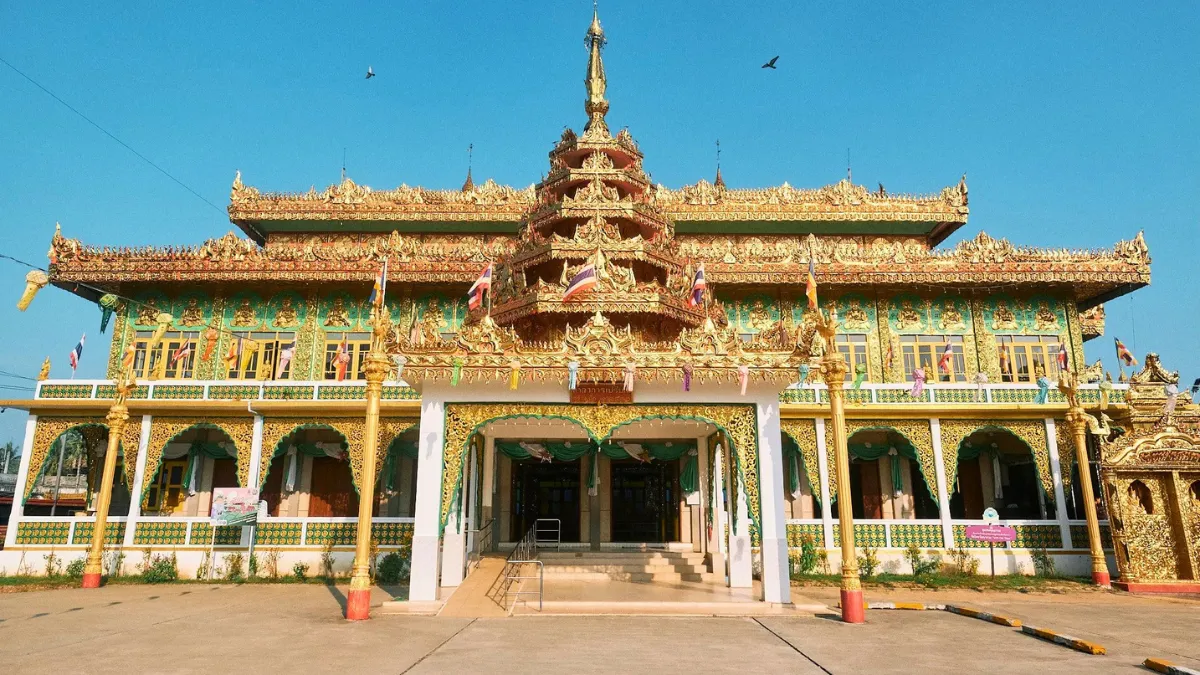
Visit this beautiful Burmese-style temple on the western edge of town. The architecture differs significantly from typical Thai temples. The main chedi shows clear Burmese influences in its design.
The temple compound remains active throughout the day. Burmese migrants come here to pray and make merit. The monks welcome visitors interested in learning about Burmese Buddhism.
Mid-Morning: Border Market
The border market operates daily at the Friendship Bridge checkpoint. This bustling area showcases the cross-border trade that sustains Mae Sot’s economy.
Vendors sell Burmese handicrafts, gemstones, and traditional textiles. You’ll find thanaka paste, longyis, and jade jewelry. Prices require negotiation but remain reasonable.
Walking to the actual border gate is possible with your passport. You can’t cross without a Myanmar visa, but the views into the neighboring country provide interesting perspectives.
Afternoon: Ethnic Minority Villages
Several Karen and Burmese villages surround Mae Sot. These communities maintain distinct cultural identities. Visiting requires cultural sensitivity and often a local guide.
Karen Village Experience
Drive 30 minutes to a traditional Karen village. The Karen people are Thailand’s largest hill tribe group. They practice both Christianity and animism.
The village maintains traditional wooden houses on stilts. Women weave textiles using backstrap looms. You’ll see traditional dress worn daily rather than for tourists.
Engage with community members through a responsible tour operator. They ensure visits benefit villagers directly. Activities might include textile demonstrations and traditional meal preparation.
Late Afternoon: Wat Phra That Doi Din Kiu
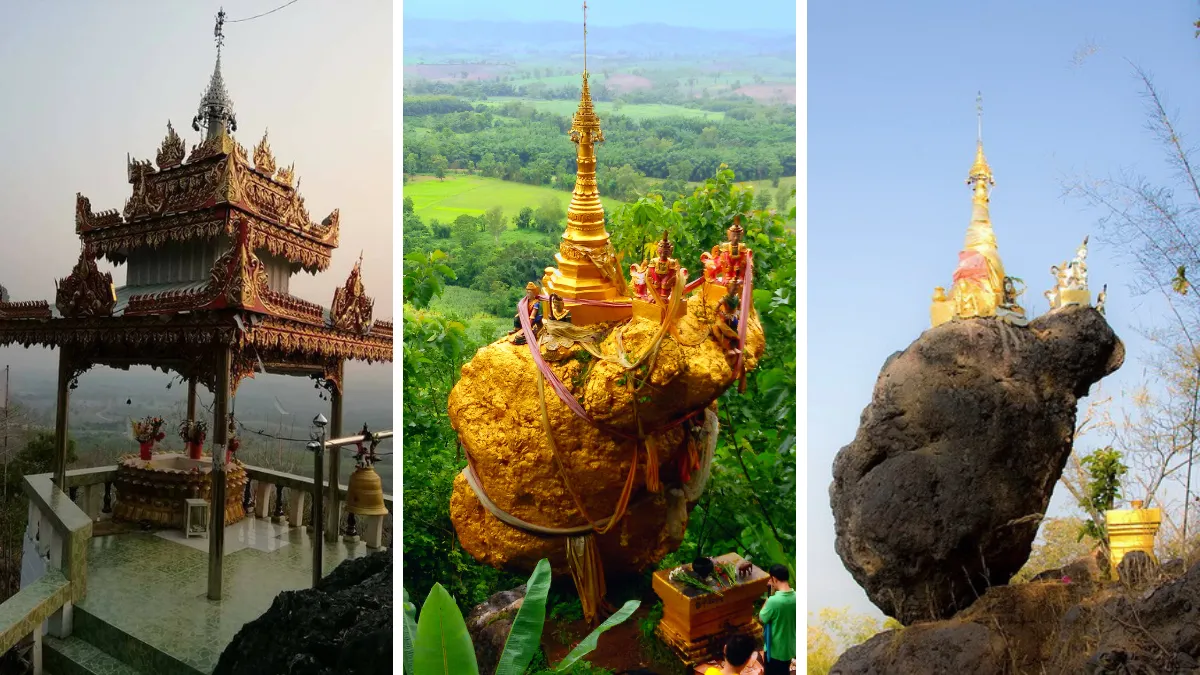
This temple sits atop a hill overlooking Mae Sot and Myanmar beyond. The climb involves steep stairs but rewards effort with spectacular views.
The temple complex features Burmese, Thai, and Chinese architectural elements. The central chedi contains Buddha relics. Smaller shrines dot the hillside.
The Balancing Rock: The precarious position of the rocks has earned the temple the local nickname “Chedi Hin Phra Indra Kwaen,” meaning the rock pagoda hung by Indra. It is highly revered by both Thai and Burmese worshippers and is viewed as a natural wonder.
Arrive before sunset for the best light. The views stretch across the valley to mountains in Myanmar. The border winds through the landscape below.
Evening: Border Sunset
Return to the border area as evening approaches. The Friendship Bridge area offers excellent sunset viewing. Watch as workers and traders cross between countries before the checkpoint closes.
The evening market sets up near the border gate. This offers different items than the morning market. Food vendors prepare excellent Burmese snacks and tea.
Where to Stay in Mae Sot
Budget – Baifern Guesthouse
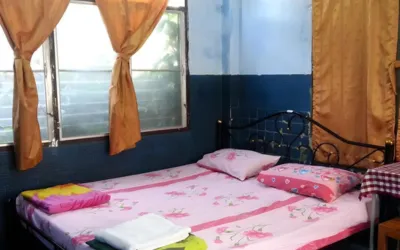
- Nestled in the picturesque province of Tak, Thailand, Baifern Guesthouse is a hidden gem that offers a delightful retreat for travelers seeking tranquility and comfort.
- With its cozy atmosphere and warm hospitality, this 1.5-star hotel promises a memorable stay for guests of all ages.
- Check-in time begins at 02:00 PM, allowing ample time for travelers to settle in and start their vacation on a relaxed note.
- The friendly staff are always ready to assist with any requests or inquiries, ensuring a hassle-free experience from the moment you step foot in the hotel.
- Boasting a total of 10 well-appointed rooms
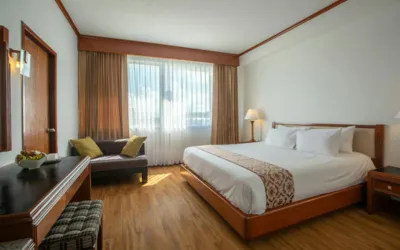
Midrange – Centra by Centara Hotel
- Centra by Centara Hotel Mae Sot, a charming 4-star hotel located in the heart of Tak, Thailand.
- With its convenient location just 10 minutes away from the airport, this hotel offers a perfect blend of comfort, convenience, and warm Thai hospitality.
- A total of 113 well-appointed rooms, each designed to provide a relaxing and enjoyable stay for every guest.
- Whether you are traveling for business or leisure, you can expect to find all the modern amenities and comforts you need right at your fingertips.
- Check-in begins at 03:00 PM, allowing you to settle in and start your vacation or business trip at your own pace.
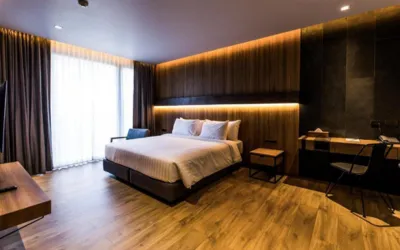
Luxury – The Teak Hotel
- The Teak Hotel offers a perfect blend of modern comfort and warm Thai hospitality.
- Just a 15-minute drive from the airport, this hotel provides an ideal starting point for travelers seeking both relaxation and exploration.
- 115 well-appointed rooms, guests can enjoy spacious accommodations designed to meet a variety of needs, whether for leisure or business stays.
- Check-in at The Teak Hotel begins at 2:00 PM, allowing guests ample time to settle in and unwind after their journey.
- Check-out is conveniently scheduled until 12:00 PM, making it easy to plan your departure.
What to Eat in Mae Sot
Mae Sot offers Thailand’s best Burmese food. The town’s diverse population creates a rich culinary scene. Don’t miss the Burmese tea shops that line the main streets.
Signature Dishes
- Mohinga: Burmese fish noodle soup breakfast
- Tea Leaf Salad: Fermented tea leaves with nuts and seeds
- Shan Noodles: Thin rice noodles in savory sauce
- Burmese Curry: Oil-based curry with multiple side dishes
- Samosas: Crispy Indian-style pastries with curry filling
Top Restaurants
Khaomao-Khaofang Restaurant: Mae Sot institution serving excellent Burmese curries and shan noodles. Always crowded with locals.
Borderline Tea Shop: Authentic Burmese tea shop experience. Try the milk tea and samosas.
Ban Thai Restaurant: Good Thai food if you need a break from Burmese cuisine. Their pad thai and green curry excel.
Border Area Safety:
Mae Sot is generally safe but exercise normal precautions.
Don’t attempt to cross the border without proper documentation. Respect photography restrictions near military installations. Some areas near the border have periodic tensions.
Day 2 Budget Estimate: Budget travelers: $40-55 | Mid-range travelers: $125-165 | Luxury travelers: $220-290 (including accommodation, meals, transportation, and activities)
Day 3: Kanchanaburi – History and Natural Beauty
Leave Mae Sot early for the drive to Kanchanaburi. This journey covers approximately 330 kilometers and takes six to seven hours. The route passes through beautiful countryside and several small towns.
Kanchanaburi province combines World War II history with stunning natural landscapes. The famous Bridge on the River Kwai draws most visitors. But the province offers much more for those willing to explore.
Morning: Arrival and Bridge on the River Kwai
Arrive in Kanchanaburi town around midday. Check into your accommodation before heading out. The town sits at the confluence of the Kwai Yai and Kwai Noi rivers.
The Bridge on the River Kwai remains Kanchanaburi’s most famous landmark. This railroad bridge formed part of the Death Railway built during World War II. Allied prisoners and Asian laborers died by the thousands during construction.
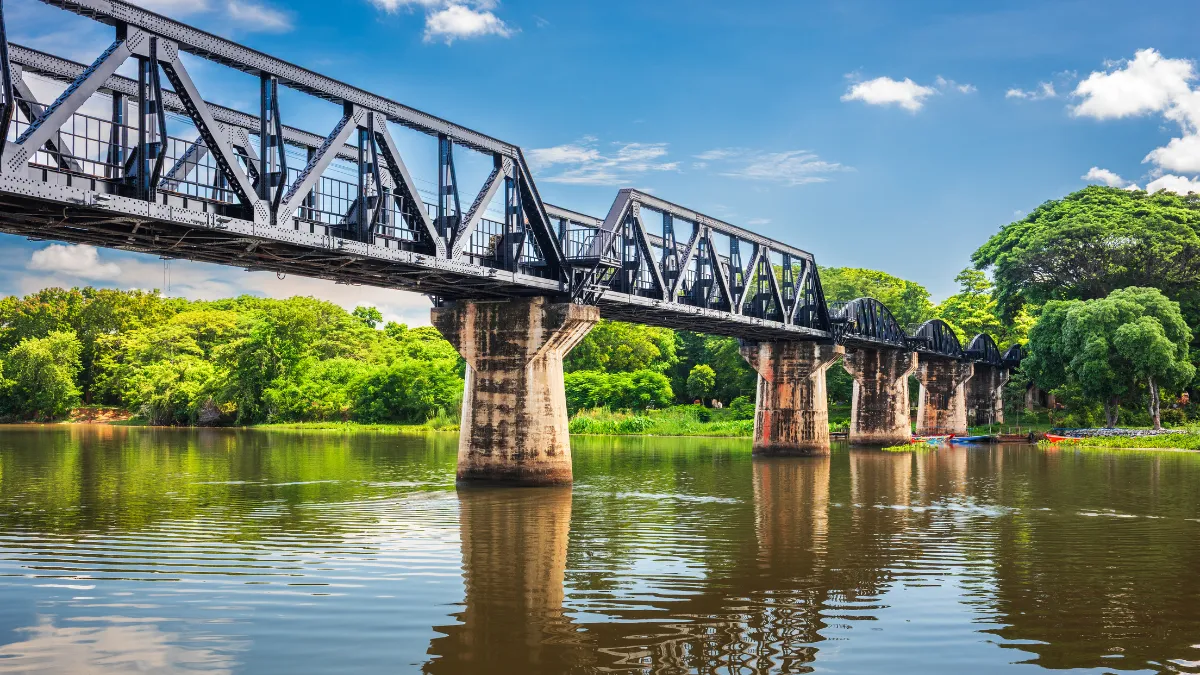
You can walk across the bridge. Trains still use it regularly. Wooden walkways along the sides allow pedestrians to step aside when trains pass. The experience provides powerful historical context.
JEATH War Museum
Visit this museum to understand the bridge’s history. JEATH stands for Japan, England, America, Thailand, and Holland – the nations involved in the railway’s story.
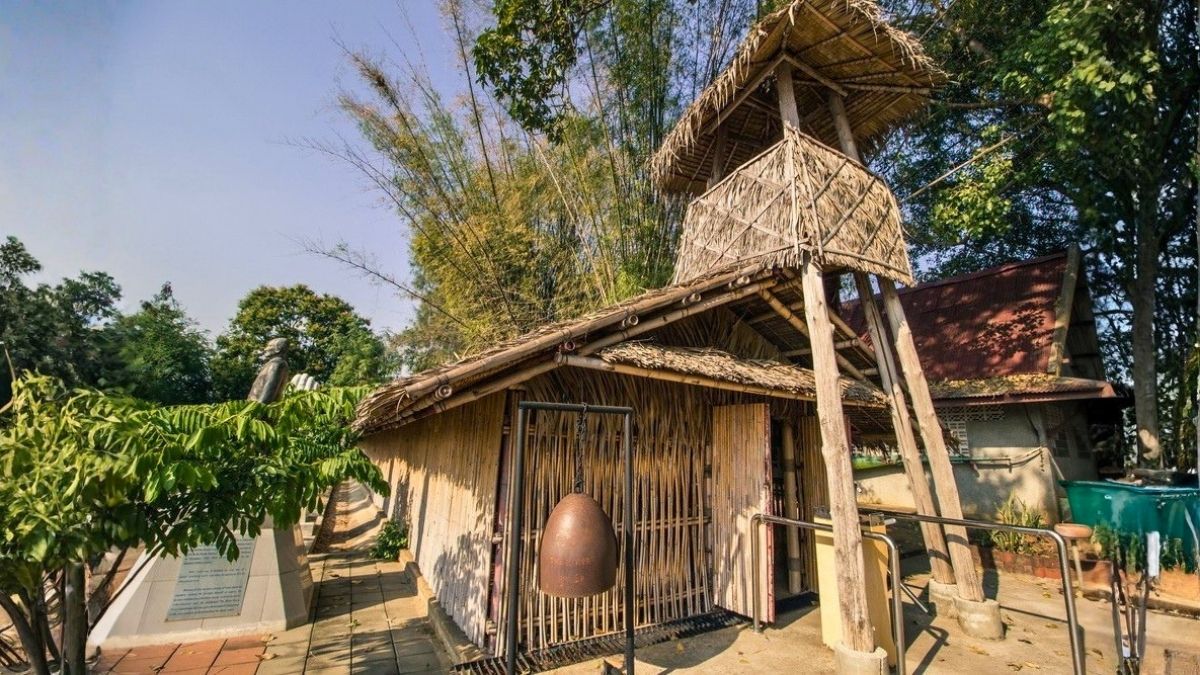
Walk through a meticulously recreated prisoner-of-war detention barracks. Constructed entirely from bamboo, with a thatched roof, woven walls, and a raised bamboo floor, the structure provides a realistic and sobering glimpse into the cramped, harsh conditions in which the POW soldiers slept and lived.. Photographs and personal accounts document the railway’s construction. The exhibits present sobering realities without sensationalism.
Afternoon: War Cemetery and Allied Museum
The Kanchanaburi War Cemetery contains 6,982 graves of Allied prisoners who died building the railway. The immaculate grounds honor their sacrifice. Row upon row of white headstones stretch across manicured lawns.
Take time to read individual headstones. Many died very young. The cemetery provides a place for quiet reflection on war’s human cost.
The Thailand-Burma Railway Centre nearby offers comprehensive historical context. Interactive displays explain the railway’s construction and the conditions prisoners endured. Plan ninety minutes here.
Late Afternoon: Erawan National Park Preview
If time permits, take a quick trip to Erawan National Park. The park sits 65 kilometers north of Kanchanaburi town. The drive takes about ninety minutes each way.
Erawan Waterfall ranks among Thailand’s most beautiful waterfalls. Seven tiers cascade down the mountain over 1,500 meters. The turquoise pools invite swimming at multiple levels.
The first three tiers require minimal hiking. Higher levels involve steeper trails. Fish in the pools will nibble your feet – a natural spa treatment.
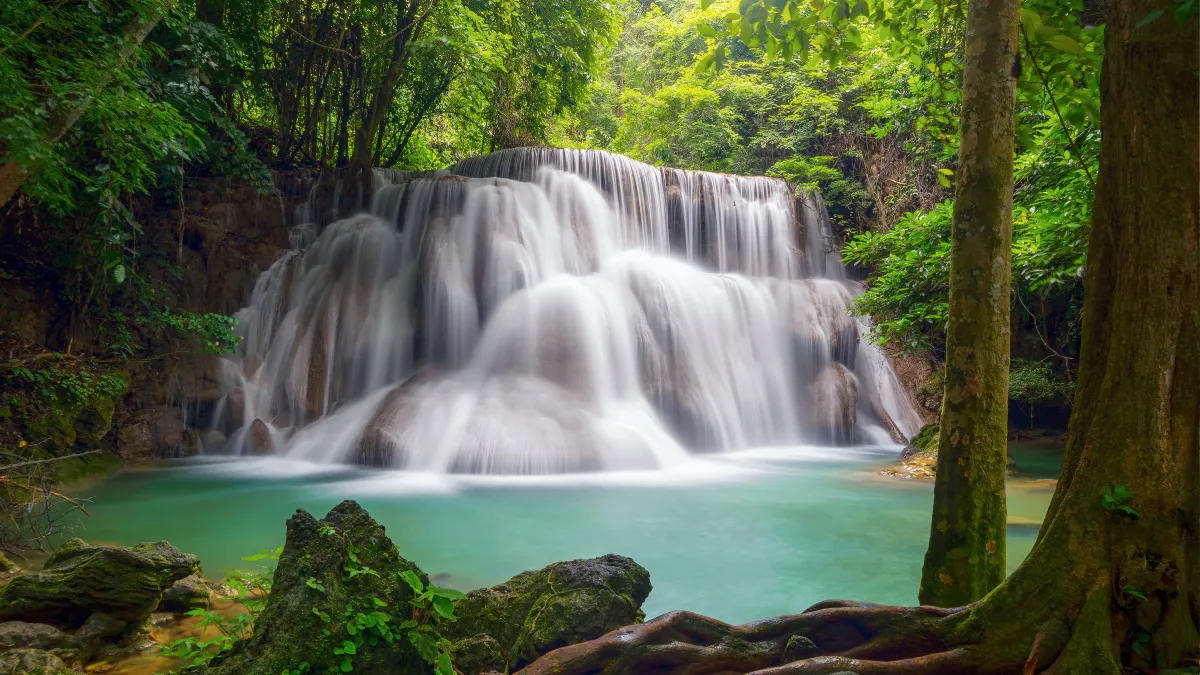
Erawan Falls Tip: Start early to beat crowds. Weekends get very busy with Thai visitors. Bring water shoes for better traction on rocks. Swimming is allowed in designated pools. The trail to tier seven takes 60-90 minutes each way.
Evening: River Kwai Experience
Return to Kanchanaburi town for the evening. Many restaurants sit along the river with floating platforms. These offer atmospheric dining as the sun sets over the water.
Consider a river cruise if available. Several operators run dinner cruises with Thai food and cultural performances. The perspective from the water provides different views of the bridge and town.
Where to Stay in Kanchanaburi
Budget – Good Times Resort
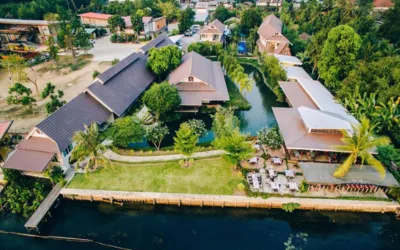
- Situated 3 km to The Bridge on the River Kwai, Good Times Resort Kanchanaburi features free Wi-Fi throughout. An outdoor pool and free public parking on site.
- It takes 10 minutes to drive to Kanchanaburi city centre. Bangkok is 3 hours’ drive away.
- Each air-conditioned room is fitted with a flat-screen TV, fridge and en suite bathroom with shower facilities.
- To unwind, guests can enjoy a soothing massage. Travel arrangements, sightseeing and boat trips can be made at the tour desk. Thai cooking classes can also be arranged for an additional charge.
- The on-site restaurant serves a wide range of Thai cuisine.
- Couples particularly like the location — they rated it 9.4 for a two-person trip.
Midrange – Felix River Kwai Resort
- Felix River Kwai Resort – SHA Plus Certified is situated along the banks of the River Kwai Yai, just a 5-minute walk from the famous River Kwai Bridge.
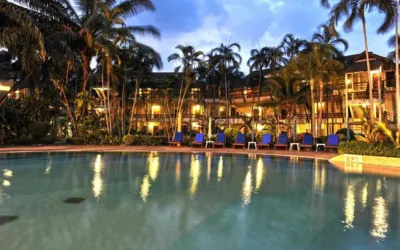
- The resort offers two outdoor pools, a spa center, free WiFi, and up to seven dining options.
- Kanchanaburi city center is a 10-minute drive away, while Bangkok is about 2 hours and 30 minutes from the property.
- The well-appointed rooms feature Thai décor and furnishings, along with a flat-screen TV, minibar, and safety deposit box. Private bathrooms include complimentary toiletries, a hairdryer, and a bathrobe.
- The Palm Garden Restaurant serves Thai and international dishes, while the Terrace Café offers fresh pastries, coffee, and baked goods.
- During their stay in Kanchanaburi, guests can enjoy activities such as bamboo rafting, longtail boat cruises, and visits to nearby waterfalls.
- Couples particularly appreciate the location, giving it a rating of 9.2 for two-person trips.
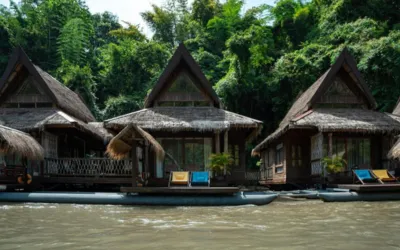
Luxury – The Float House River Kwai
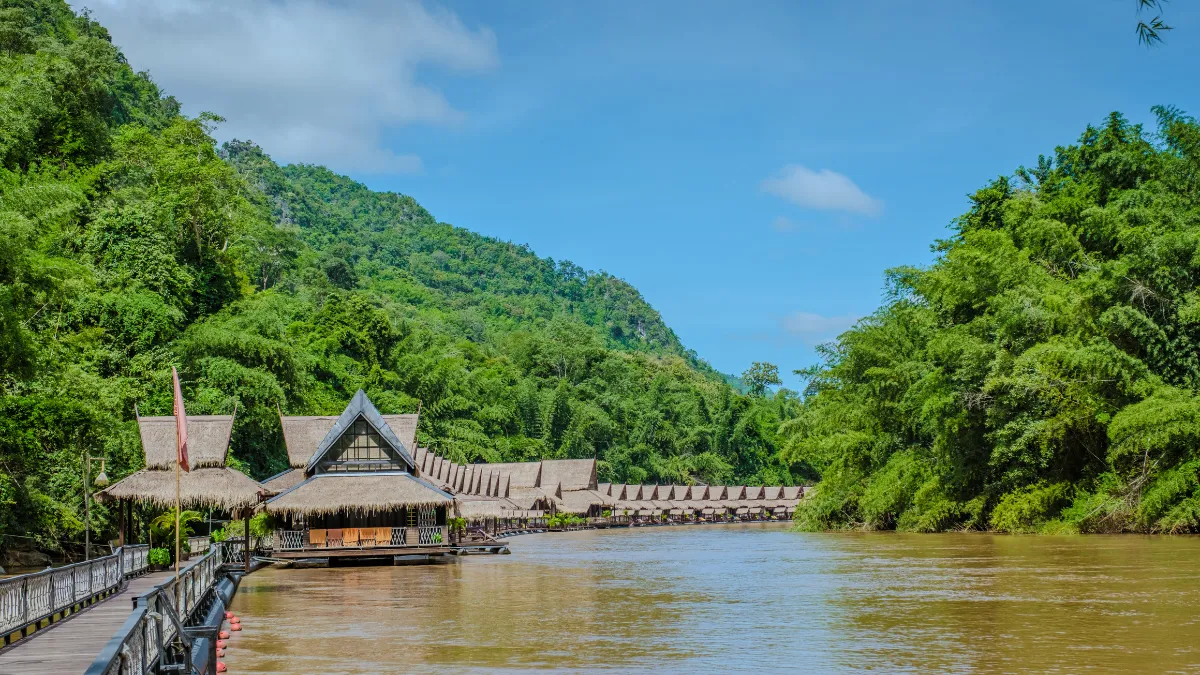
- Floating on the picturesque River Kwai, this distinctive Thai folk-style resort is nestled among the tropical forests and mountains of Saiyoke.
- It offers free Wi-Fi and features private villas equipped with a 32-inch flat-screen TV and a private sun deck with day beds.
- The spacious, air-conditioned villas at The FloatHouse River Kwai blend rustic charm with comfort, featuring cozy beds with large pillows and soft duvets. Each villa includes a well-stocked mini-bar, a personal safe, and an umbrella. The bathrooms are fitted with luxurious rain showers.
- The FloatHouse River Kwai is located 1.2 miles from Lawa Cave, 3.1 miles from Mon Village, and 4.3 miles from the Elephant Camp. It is 16 miles from Sai Yok Yai National Park, 31 miles from Erawan Waterfall, and 43 miles from Erawan National Park.
- Guests can relax by sunbathing outside their villa or take a swim in the river. The resort also offers activities such as bamboo rafting, jungle trekking, and bird watching. Traditional Thai massage services are available as well.
- Pontoon Restaurant serves both Thai and European dishes alongside buffet options. The Moon Lounge & Bar has an open-air wooden deck, ideal for enjoying a cocktail and relaxing.
- Couples especially appreciate the location, giving it a rating of 9.5 for a two-person getaway.
What to Eat in Kanchanaburi
Kanchanaburi cuisine focuses on river fish and Mon influences. The province’s sugar cane production also influences local sweets and desserts.
Local Specialties
- Pla Chon Lui Suan: Snake head fish in herb garden broth
- Khao Neeo Dam: Black sticky rice with coconut cream
- Khao Lam: Bamboo-cooked sticky rice with beans
- Som Tam River Prawn: Papaya salad with fresh river prawns
- Kaeng Khanun: Young jackfruit curry
Restaurant Recommendations
Floating Restaurant: Several floating restaurants line the river near the bridge. Apple’s Retreat and Jolly Frog offer good food with atmosphere.
Keeree Mantra: Upscale riverside dining with excellent Thai fusion. Beautiful sunset views. Reservations recommended.
Blue Rice Restaurant: Local favorite serving authentic central Thai cuisine at reasonable prices.
Day 4: Deep Kanchanaburi – Caves and Remote Temples
Dedicate your fourth day to exploring Kanchanaburi’s natural wonders and remote historical sites. This province offers far more than most visitors see. Today takes you off the beaten path to discover hidden gems.
Morning: Hellfire Pass Memorial
Drive 80 kilometers northwest to Hellfire Pass. This section of the Death Railway involved the most brutal working conditions. Prisoners carved through solid rock using primitive tools.
The memorial museum tells individual prisoner stories through photographs and personal items. Audio guides feature survivor testimonies. The exhibits provide deeply moving historical context.
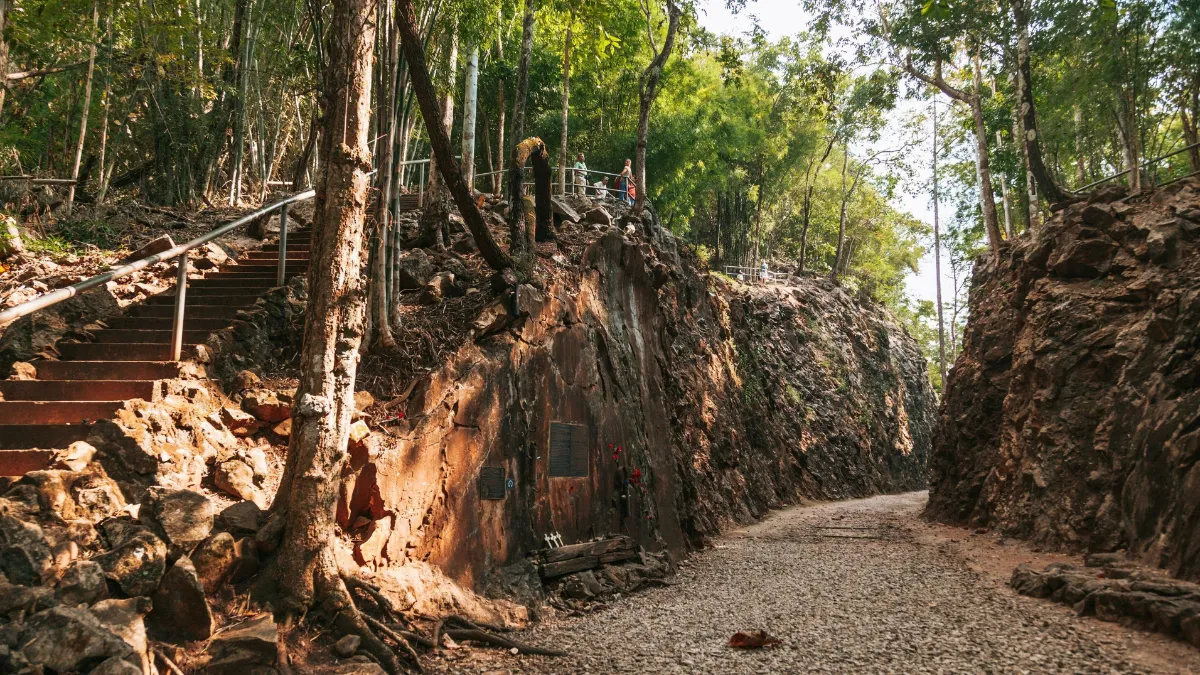
A walking trail follows the old railway bed through the cutting. The path extends 4 kilometers through jungle. You’ll see original railway sleepers and understand the enormous physical challenge.
The walk takes two to three hours return. Bring water and sun protection. The trail can be hot and humid even in cooler months.
Late Morning: Sai Yok National Park
Continue to Sai Yok National Park. This park protects riverside forests and limestone caves. The Kwai Noi River flows through the park creating scenic landscapes.
Sai Yok Yai Waterfall
This broad waterfall drops directly into the river. The falls flow strongest during rainy season but remain impressive year-round. Swimming is possible in designated areas.
The waterfall appeared in the famous movie “The Bridge on the River Kwai.” Though the actual bridge sits elsewhere, the location provided dramatic scenery for filming.
Cave Exploration
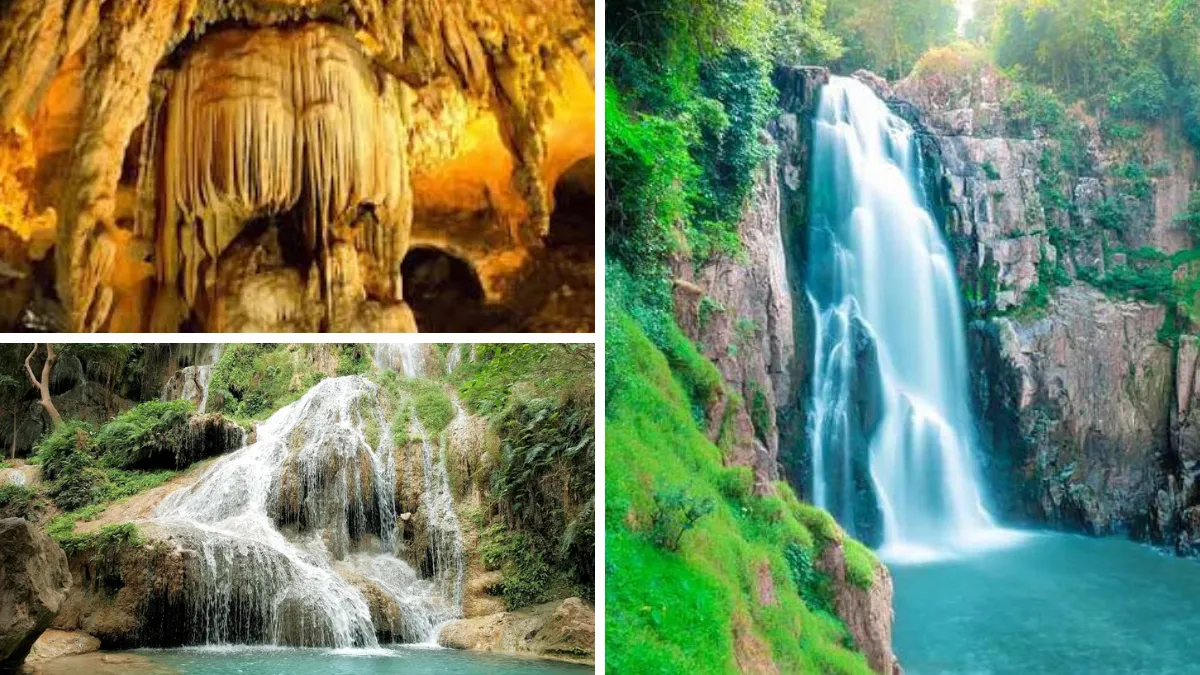
The park contains several impressive caves. Lawa Cave requires a guide but rewards exploration with spectacular formations. Stalactites and stalagmites create otherworldly chambers.
Bring a flashlight even though guides have lighting. Wear shoes with good grip. Cave floors can be slippery from water seepage and bat guano.
Afternoon: Wat Tham Sua and Wat Tham Khao Noi
Return toward Kanchanaburi town to visit two remarkable hilltop temples. These sister temples sit on adjacent peaks offering contrasting experiences.
Wat Tham Sua (Tiger Cave Temple)
This Chinese-Thai Buddhist temple features a giant golden Buddha visible from far away. The climb involves 157 steps up a steep hillside. The effort brings panoramic views across Kanchanaburi.
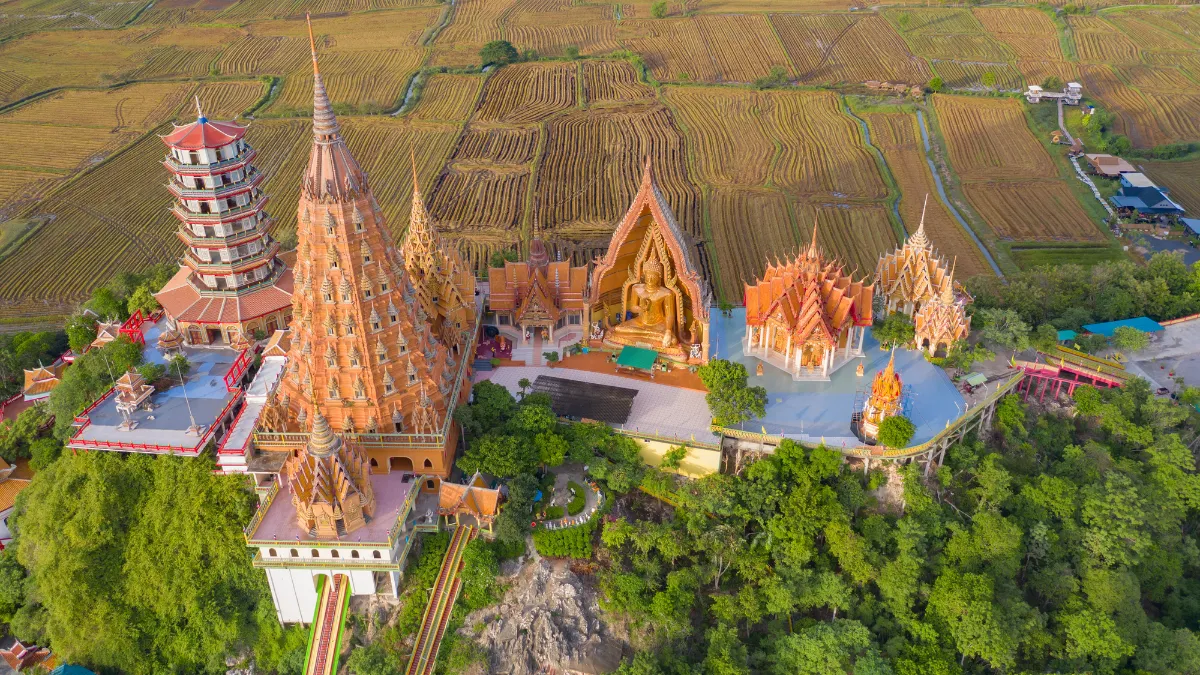
The nine-story pagoda next to the Buddha contains relics and art. Each level features different Buddhist imagery. The top floor provides additional viewpoints.
The temple grounds also contain a Chinese shrine and meditation caves. Allow ninety minutes to explore fully. Visit in late afternoon for best light and cooler temperatures.
Wat Ban Tham
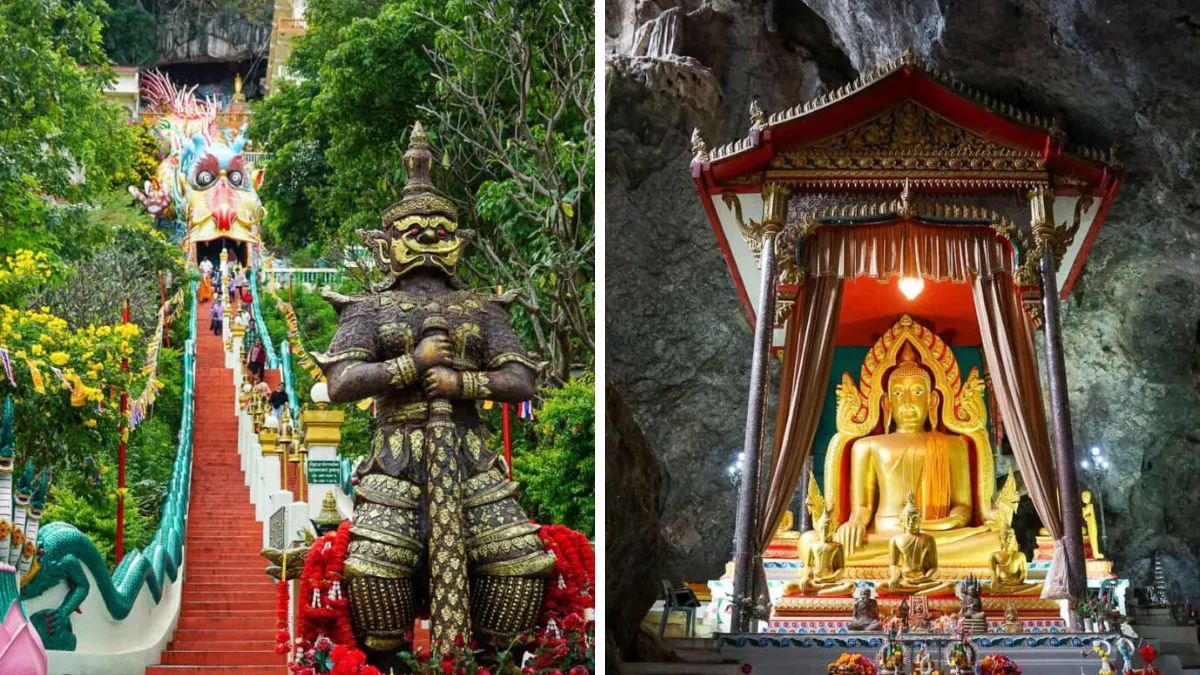
The second most visited temple in Kanchanaburi is Wat Ban Tham, known for its vibrant dragon tunnel staircase that leads to a cave temple carved into the mountain. There’s no elevator to reach the top, so be prepared to climb a LOT of stairs. I didn’t count the exact number since I was sweating and struggling to catch my breath during the climb, but I’d estimate there are nearly 1,000 steps in all.
However, don’t let that put you off, as you don’t have to make it all the way up. You can stop at the Heavenly Dragon Cave to see the golden Buddha statue and enjoy the view from there. If you’re up for more stairs, you can keep going to the summit, where a gold chedi offers a 180-degree view of Kanchanaburi.
Evening: River Activities
Spend the evening enjoying Kanchanaburi’s river culture. Several activities let you experience the Kwai River firsthand.
Kayaking tours depart in late afternoon. Paddle past floating restaurants and under the historic bridge. The calm water suits beginners. Tours last two hours and include sunset viewing.
Alternatively, rent a bicycle and ride the riverside paths. The flat terrain makes cycling easy. Stop at small temples and local villages along the way.
Need an itinerary?
Need Help Planning Your West Thailand Route?
Our Thailand travel experts can customize this itinerary to your interests and timeline. We handle all bookings and logistics so you can focus on enjoying the journey.
What to Do – Day 4 Activity Options
Adventure Activities
- White water rafting on Kwai River (seasonal)
- Zip-lining through jungle canopy
- Mountain biking forest trails
- Rock climbing limestone cliffs
Cultural Experiences
- Mon village homestays
- Traditional bamboo raft building
- Buddhist meditation retreats
- Thai cooking classes riverside
Nature Exploration
- Wildlife watching in national parks
- Bird watching tours early morning
- Elephant sanctuary visits (ethical only)
- Botanical garden exploration
Day 4 Budget Estimate: Budget travelers: $45-60 | Mid-range travelers: $115-155 | Luxury travelers: $210-285 (including meals, transportation, activities, and entrance fees – accommodation already booked from Day 3)
Day 5: Ratchaburi – Art, Pottery and Floating Markets
Today you’ll travel from Kanchanaburi to Ratchaburi Province. This journey covers approximately 110 kilometers and takes two hours. Ratchaburi offers a different character – less about war history, more about traditional Thai culture and crafts.
Ratchaburi excels in traditional arts. The province produces ceramics, pottery, and palm sugar. Several floating markets showcase regional life. You’ll also find some of Thailand’s most impressive caves.
Morning: Damnoen Saduak Floating Market
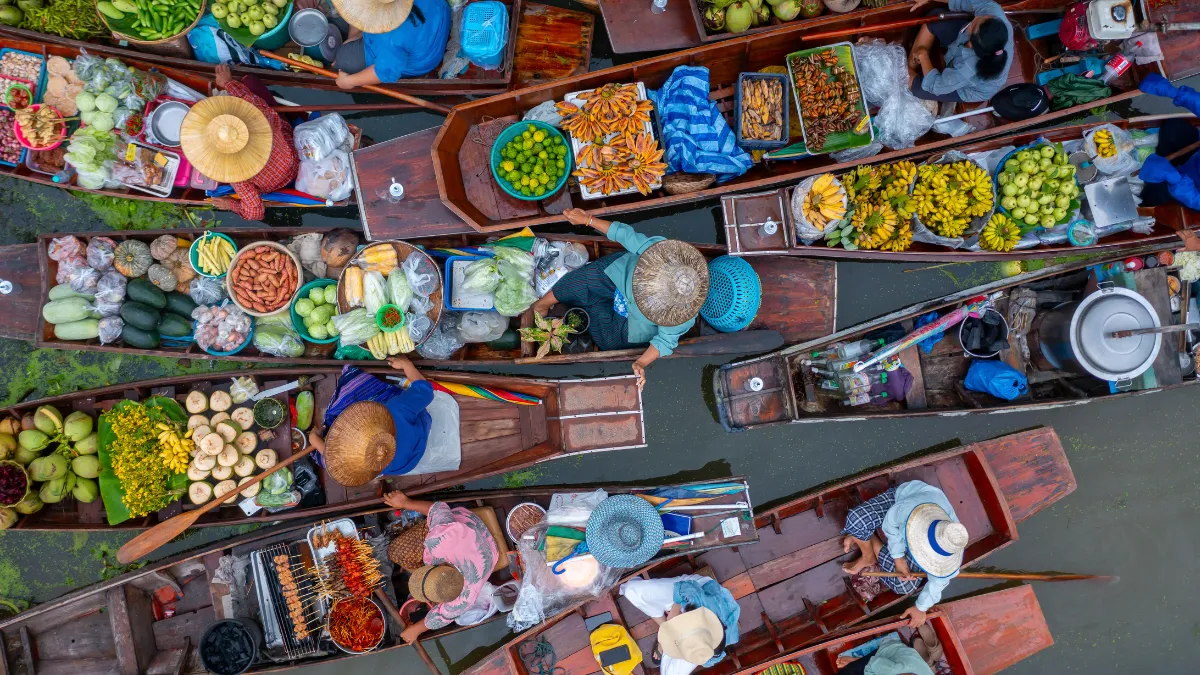
Start early at Damnoen Saduak, Thailand’s most famous floating market. Arrive by 7 AM before tour groups descend. Early morning captures the market at its most authentic.
Vendors paddle wooden boats loaded with fruits, vegetables, and prepared foods. The canals buzz with activity as boats jostle for position. The scene creates fantastic photo opportunities.
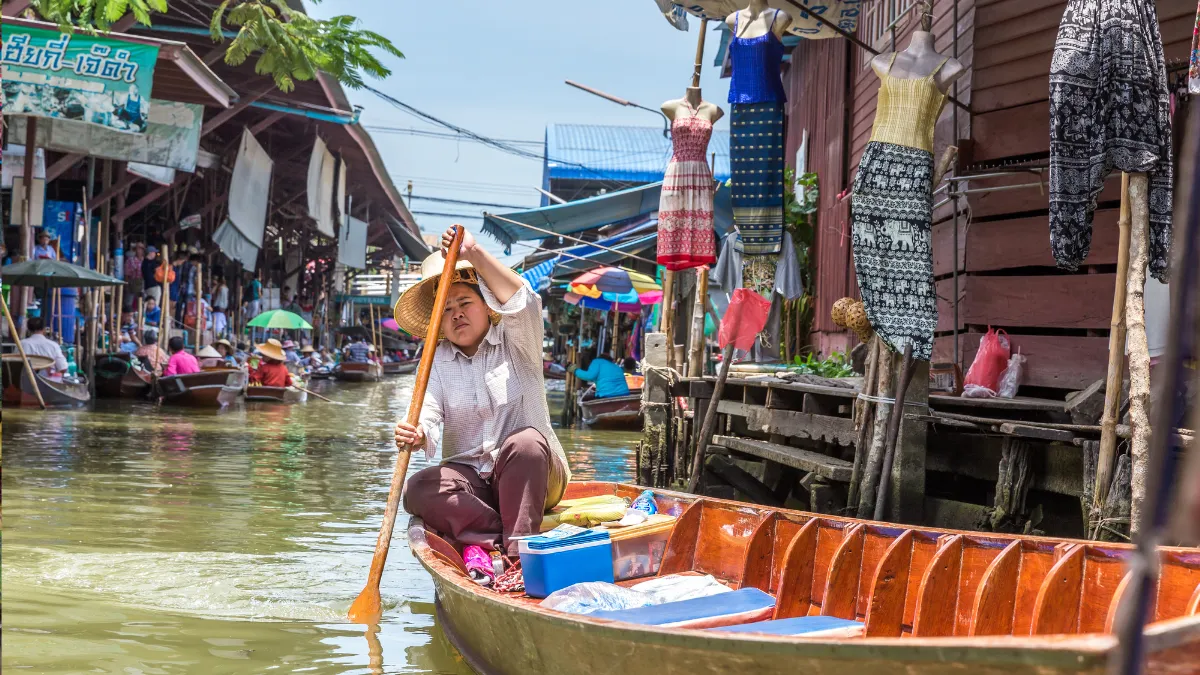
You can hire a long-tail boat to explore the canals. Boat drivers navigate the narrow waterways skillfully. The ride provides access to less touristy sections where locals shop.
The market has become quite touristy but remains worth visiting. Arrive early and venture beyond the main tourist section. The outer canals maintain more authenticity.
What to Buy
The market sells everything from fresh produce to handicrafts. Bargaining is expected for non-food items. Quality varies so examine purchases carefully.
- Fresh tropical fruits cut and ready to eat
- Thai sweets and coconut desserts
- Handwoven textiles and clothing
- Wooden crafts and souvenirs
- Thai silk scarves and bags
Mid-Morning: Pottery Villages
Drive to Ratchaburi’s famous pottery villages. This region produces traditional Thai ceramics using techniques unchanged for generations. Several villages welcome visitors to their workshops.
Ban Pong Pottery
This village specializes in traditional water jars and storage containers. Potters work outdoors shaping clay on manual wheels. The firing kilns use wood rather than gas or electricity.
You can watch demonstrations and try your hand at the wheel. Finished pieces take several days to complete but shops sell ready-made items. Prices remain very reasonable.
The pottery makes excellent functional souvenirs. Consider buying serving bowls or planters. Most potters can arrange shipping for larger pieces.
Afternoon: Khao Ngu Stone Park
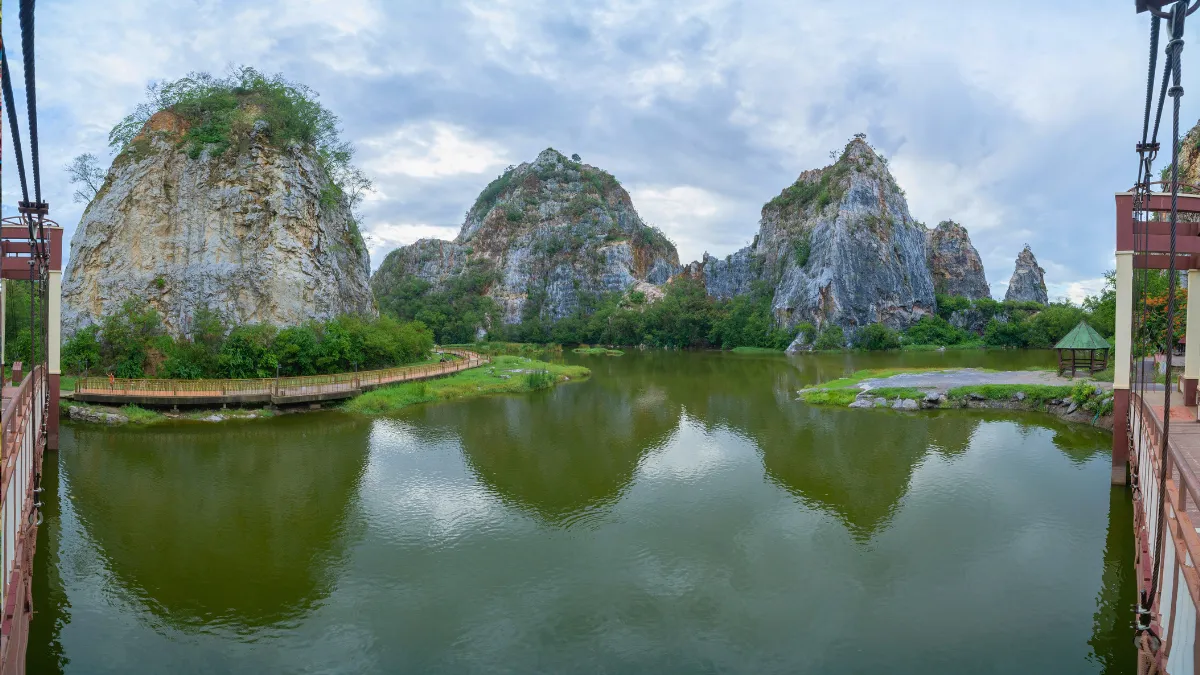
Visit this limestone mountain park in Ratchaburi city. Several caves penetrate the mountain. The most impressive contain Buddhist shrines and interesting rock formations.
Cave Temples
Multiple caves house Buddha images and meditation spots. Bring a flashlight to explore thoroughly. Some caves require crawling through tight passages.
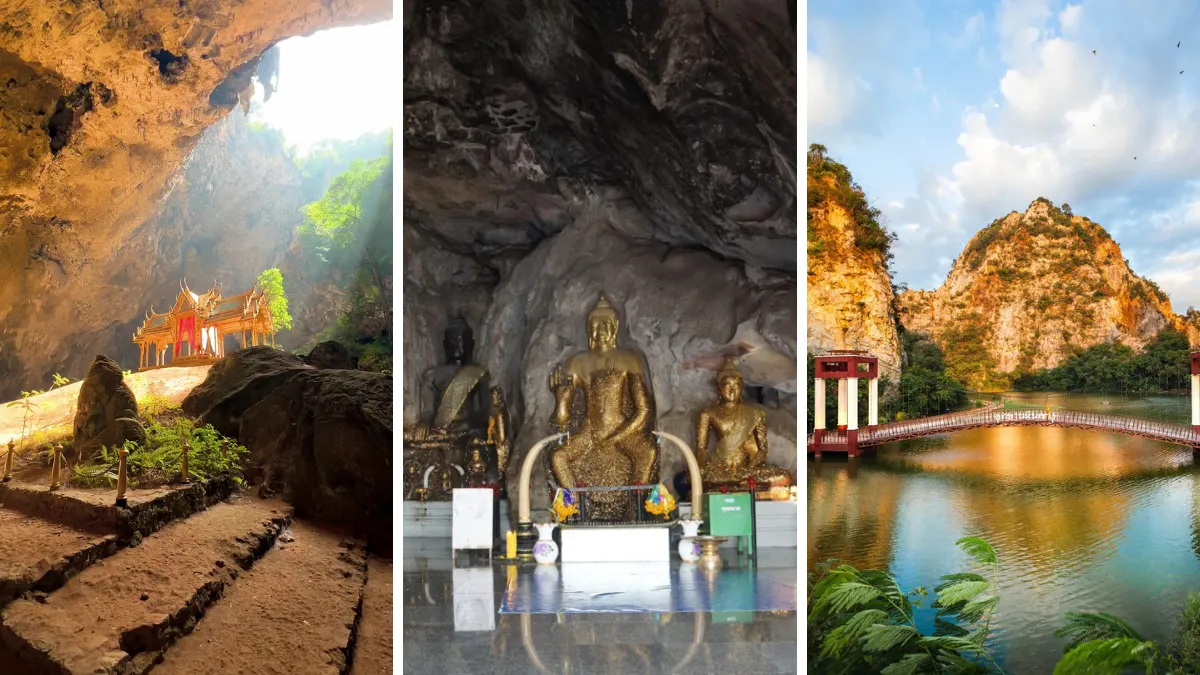
The main cave features a large reclining Buddha. Natural light filters through openings in the cave roof. The interplay of light creates magical effects.
Monkeys inhabit the park. They can be aggressive if they think you have food. Keep bags closed and don’t feed them.
Late Afternoon: Wat Mahathat Worawihan
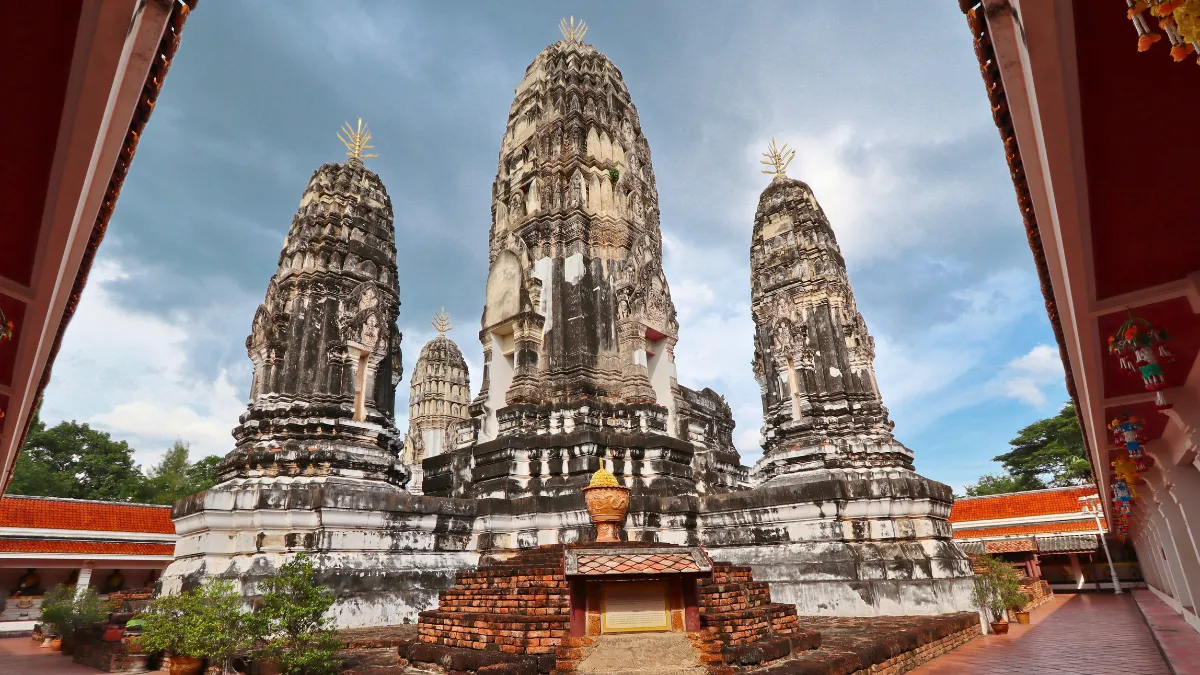
This ancient temple in Ratchaburi city dates to the Ayutthaya period. The white prang (tower) dominates the skyline. The architecture shows Khmer influences.
The temple remains an active place of worship. Local devotees come throughout the day. The compound includes several smaller buildings worth exploring.
Climb the stairs for city views. The elevated position provides panoramic perspectives across Ratchaburi’s urban landscape.
Evening: Ratchaburi Night Market
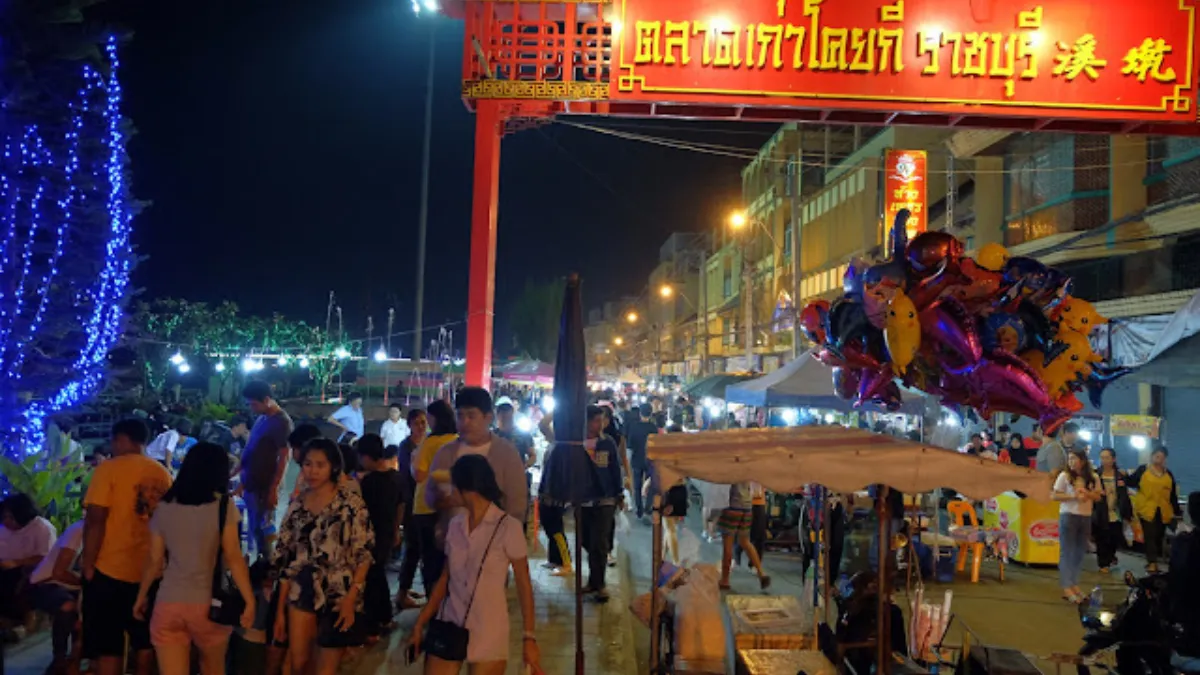
The city’s night market offers excellent street food. It opens around 5 PM and runs until late. This local market sees few tourists.
Food stalls serve regional specialties rarely found elsewhere. Try the palm sugar desserts that Ratchaburi does better than anywhere. The market atmosphere remains authentic and unpretentious.
Where to Stay in Ratchaburi
Budget – Space 59
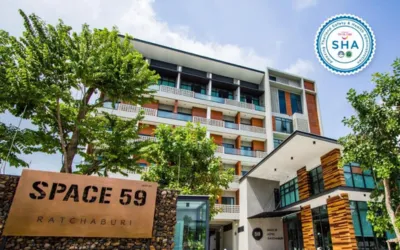
- Comfortable Lodging: Space59 Hotel in Ratchaburi provides family rooms equipped with air conditioning, private bathrooms, and complimentary WiFi.
- Each room features a balcony with views of the mountains or city, a kitchenette, and a work desk.
- Excellent Amenities: Guests can take advantage of free bicycles, a terrace, and a lounge area.
- Ideal Location: Situated 70 miles from Hua Hin Airport, the hotel is close to Ratchaburi National Museum (1.1 miles) and Wat Mahathat (1.7 miles). Other nearby attractions include View Ngarm Narm Suay Learning Park and Khao Kaen Chan View Point, both approximately 5 miles away.
- Guest Praise: The hotel receives high marks for room cleanliness, attentive staff, and a convenient location.
- Solo Travelers especially appreciate the setting, giving it a rating of 8.4 for their stay.
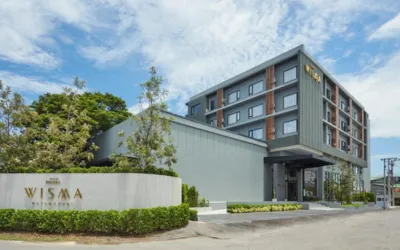
Midrange – Centara Life Wisma Hotel
- Comfortable Lodging: Centara Life Wisma Hotel Ratchaburi in Ratchaburi offers family rooms equipped with air conditioning, private bathrooms, and views of the city.
- Each room features a work desk, TV, and sofa to ensure a comfortable stay.
- Dining and Amenities: Guests can dine at the on-site restaurant serving lunch and relax at the bar. The hotel offers a 24-hour front desk, room service, and complimentary private parking. Additional conveniences include a hairdryer and fresh pastries served at breakfast.
- Nearby Attractions: The hotel is situated 1.4 miles from Ratchaburi National Museum and 2.1 miles from Wat Mahathat. It’s also near View Ngarm Narm Suay Learning Park (3.7 miles) and Khao Kaen Chan View Point (4.3 miles). Hua Hin Airport is 70 miles away. The hotel is highly rated by guests.
- Solo Travelers especially appreciate the location, giving it a score of 8.6 for their stay.
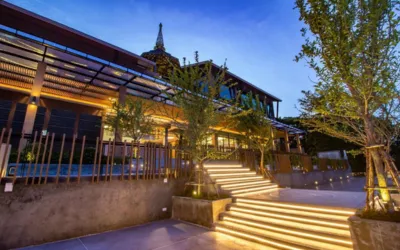
Luxury – Rachabhura Hotel
- Stylish Lodging: Rachabhura Hotel in Ratchaburi delivers a 5-star stay featuring a fitness center, garden, terrace, restaurant, bar, and an outdoor swimming pool open year-round. Free WiFi is accessible throughout the entire property.
- Comfortable Features: Guests benefit from air conditioning, a TV, electric kettle, wardrobe, and complimentary off-site parking. Additional amenities include a hot tub, spa bath, private bathroom, and a workspace.
- Dining Choices: The family-friendly restaurant offers Italian, Asian, and international dishes for brunch, dinner, and high tea. The bar provides a cozy setting for evening drinks.
- Excellent Location: Situated 73 miles from Hua Hin Airport, the hotel is close to attractions like Ratchaburi National Museum (3 miles) and Wat Mahathat (3.7 miles). Visitors praise the attentive staff and the spotless rooms.
- Solo Travelers especially appreciate the location, giving it a rating of 9.0 for their stay.
What to Eat in Ratchaburi
Ratchaburi specializes in dishes using palm sugar and coconut. The province’s agricultural output influences local cuisine significantly.
Regional Dishes
- Khao Chae: Rice soaked in jasmine water with side dishes
- Khanom Tan: Palm sugar cakes wrapped in banana leaves
- Khao Lam: Sticky rice with coconut cooked in bamboo
- Pla Thong Ko: Deep-fried dough sticks with sweet milk
- Ratchaburi Noodles: Thin rice noodles in pork broth
Best Places to Eat
Ratchaburi Night Market: Multiple food stalls offering authentic local dishes. Try everything from grilled meats to exotic desserts.
Pa Nueng Restaurant: Specializes in traditional Ratchaburi cuisine. Their khao chae is exceptional during hot season.
Khao Tom Pla Kimpo: Famous rice soup restaurant. Open 24 hours. Popular with locals.
Day 5 Budget Estimate: Budget travelers: $45-58 | Mid-range travelers: $125-170 | Luxury travelers: $230-310 (including accommodation, meals, transportation, and activities)
Day 6: Phetchaburi – Royal Palaces and Cave Temples
Travel from Ratchaburi to Phetchaburi, a journey of about 60 kilometers taking roughly one hour. Phetchaburi blends history, architecture, and natural beauty. The city served as a royal retreat for Thai kings.
Ancient temples dot the landscape. Royal palaces crown hillsides. Caves shelter Buddhist shrines. The Gulf of Thailand lies nearby offering beach access.
Morning: Phra Nakhon Khiri Historical Park
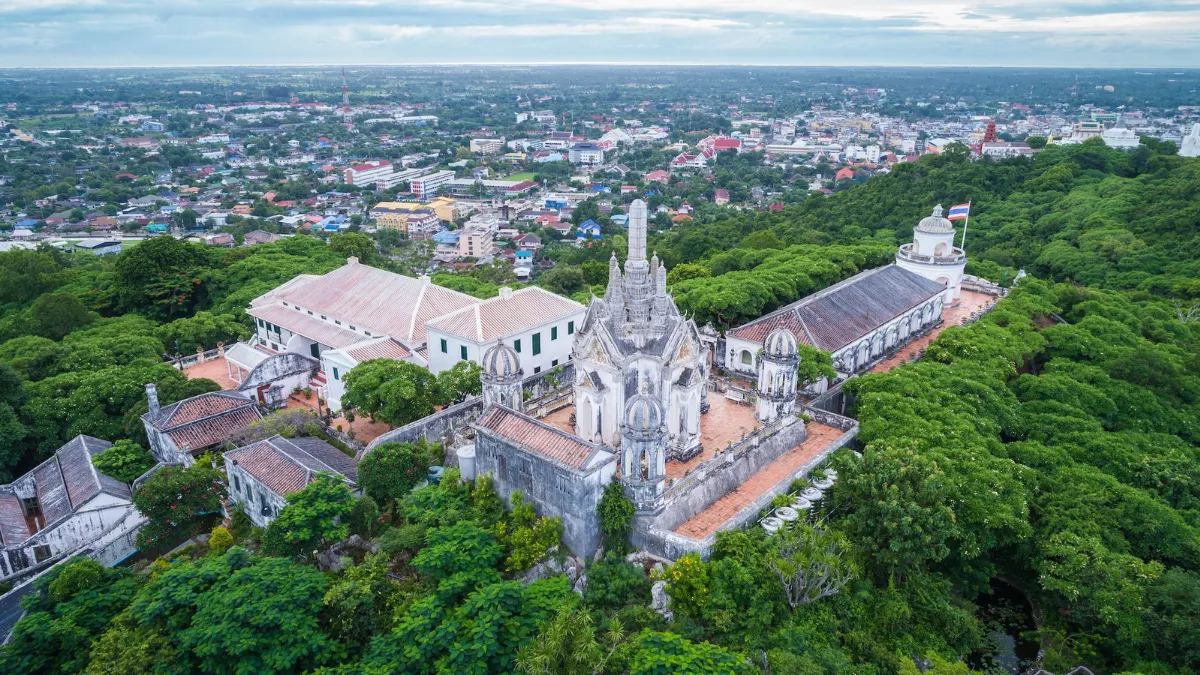
Start at this hilltop palace complex known locally as Khao Wang. King Rama IV built this summer palace in 1860. The buildings combine Thai, Chinese, and European architectural styles.
A cable car transports visitors up the steep hill. Alternatively, walk the staircase for exercise and better views during the ascent. The walk takes 20-30 minutes.
The complex includes three peaks. The highest contains a white chedi visible from town. The main palace buildings sit on the middle peak. Observatory equipment occupies the third peak.
Palace rooms display period furnishings and royal artifacts. The throne hall impresses with decorative details. Windows frame spectacular views across Phetchaburi.
Allow two to three hours to explore thoroughly. Bring sun protection as shade is limited. Early morning visits avoid the heat and crowds.
Mid-Morning: Cave Temples
Phetchaburi contains several remarkable cave temples. These sacred sites demonstrate how Buddhism adapts to natural landscapes.
Wat Tham Khao Luang
This cave temple ranks among Thailand’s most photogenic. Natural light pours through an opening in the cave roof. The light beam illuminates Buddha images in dramatic fashion.
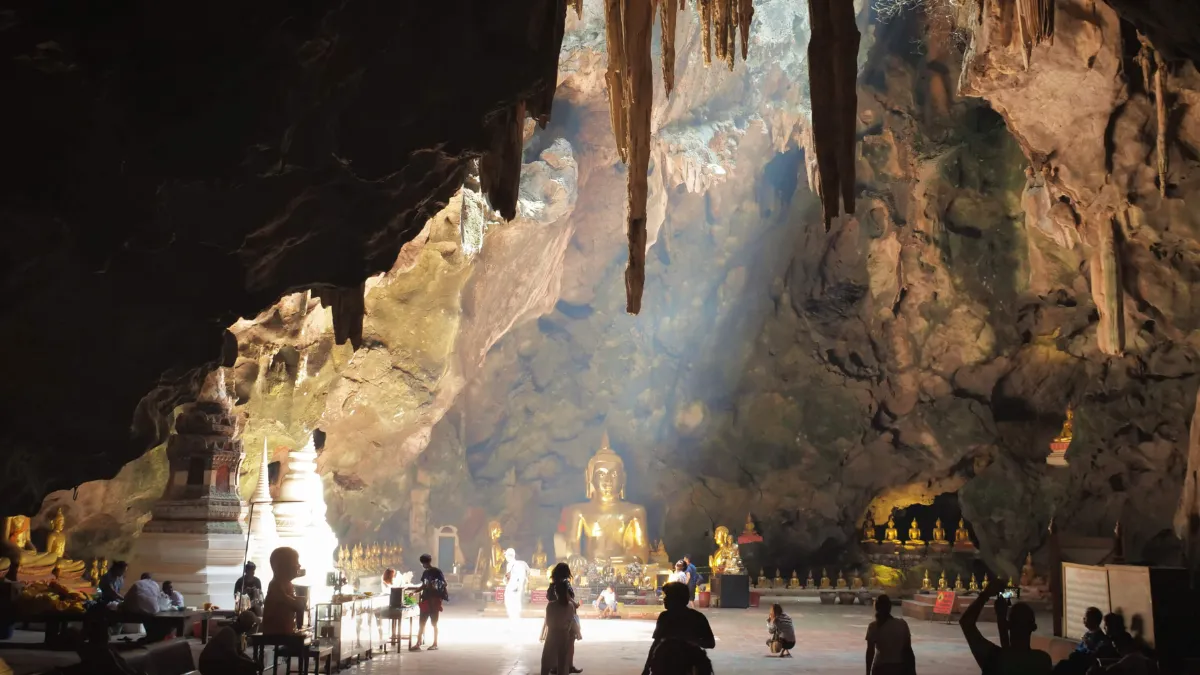
The main chamber contains numerous Buddha images of various sizes. The golden statues gleam when light hits them. Stalactites hang from the cave ceiling adding natural decoration.
Visit between 10 AM and 2 PM when sun angle creates the famous light shaft. Monkeys inhabit the cave entrance. Keep belongings secure as they steal items.
Wat Tham Klaep
This smaller cave temple sees fewer visitors. The cave extends deeper into the mountain. Bring a flashlight to explore the back chambers.
Monks use the cave for meditation retreats. The quiet atmosphere contrasts with busier tourist sites. Respect meditation areas by remaining silent.
Afternoon: Historical Temples
Phetchaburi city contains numerous ancient temples. Several date to the Ayutthaya period. The concentration of historical architecture makes walking tours rewarding.
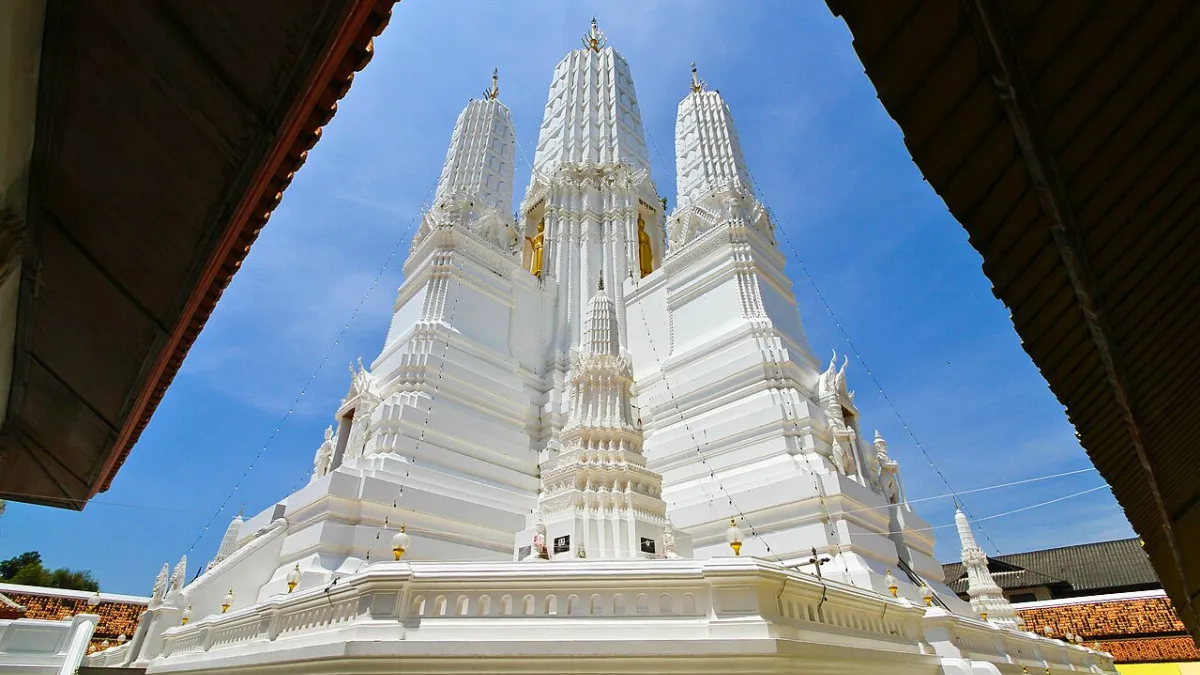
Wat Mahathat Worawihan
This temple’s five prangs (towers) create an impressive silhouette. The central prang rises 42 meters. Khmer architectural influences show clearly in the design.
The temple compounds includes multiple buildings. The ordination hall features beautiful murals. The wooden structures showcase traditional Thai carpentry.
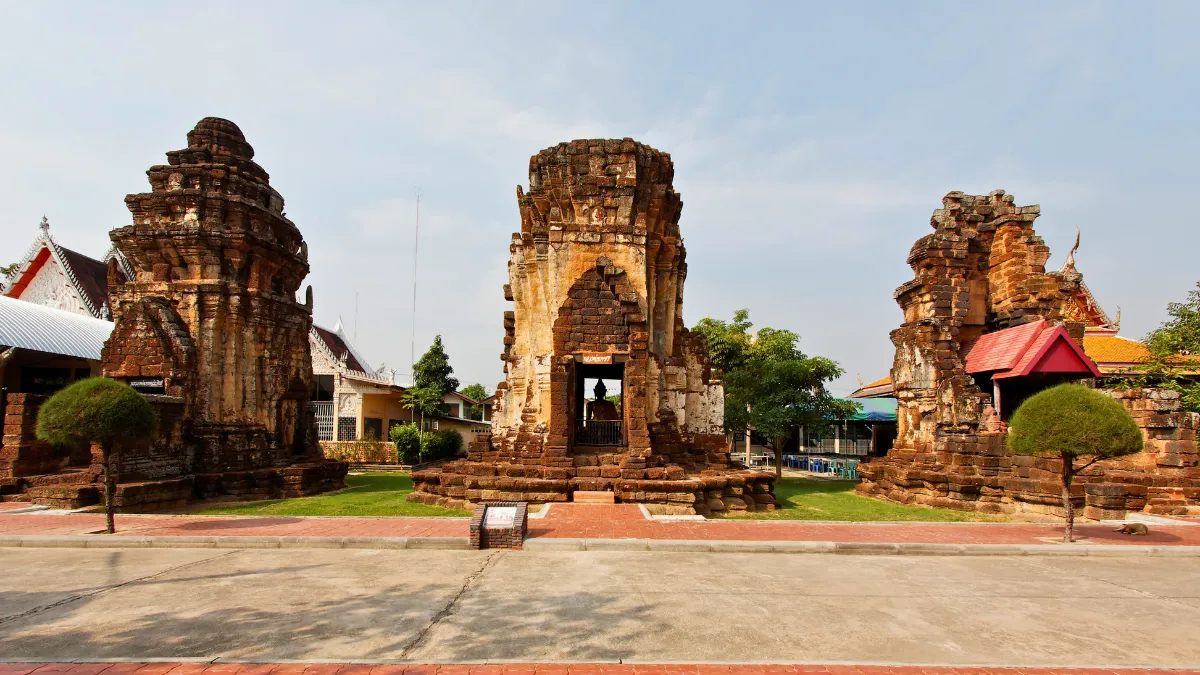
Wat Kamphaeng Laeng
This unusual temple began as a Khmer Hindu shrine. Laterite blocks form the structure. The building predates Ayutthaya, possibly dating to the 12th century.
The architecture differs completely from typical Thai temples. You can see Hindu elements adapted for Buddhist use. The site provides insights into religious transitions.
Late Afternoon: Kaeng Krachan National Park
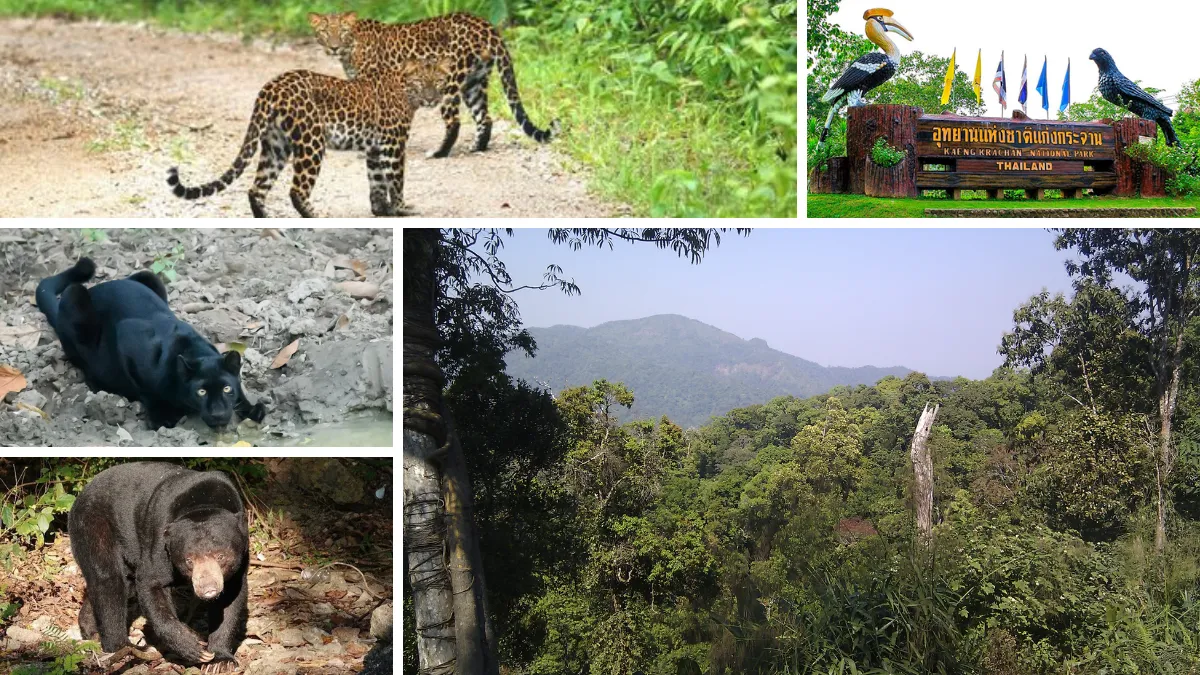
If time allows, visit Thailand’s largest national park located 40 kilometers from Phetchaburi. The park protects montane forests and the country’s most biodiverse ecosystems.
A day trip allows limited exploration but provides impressive natural scenery. The reservoir offers boat tours. Short hiking trails lead to viewpoints.
The park requires early morning for wildlife viewing. Afternoon visits focus on scenery. Consider staying overnight to experience the park properly.
Evening: Phetchaburi Walking Street
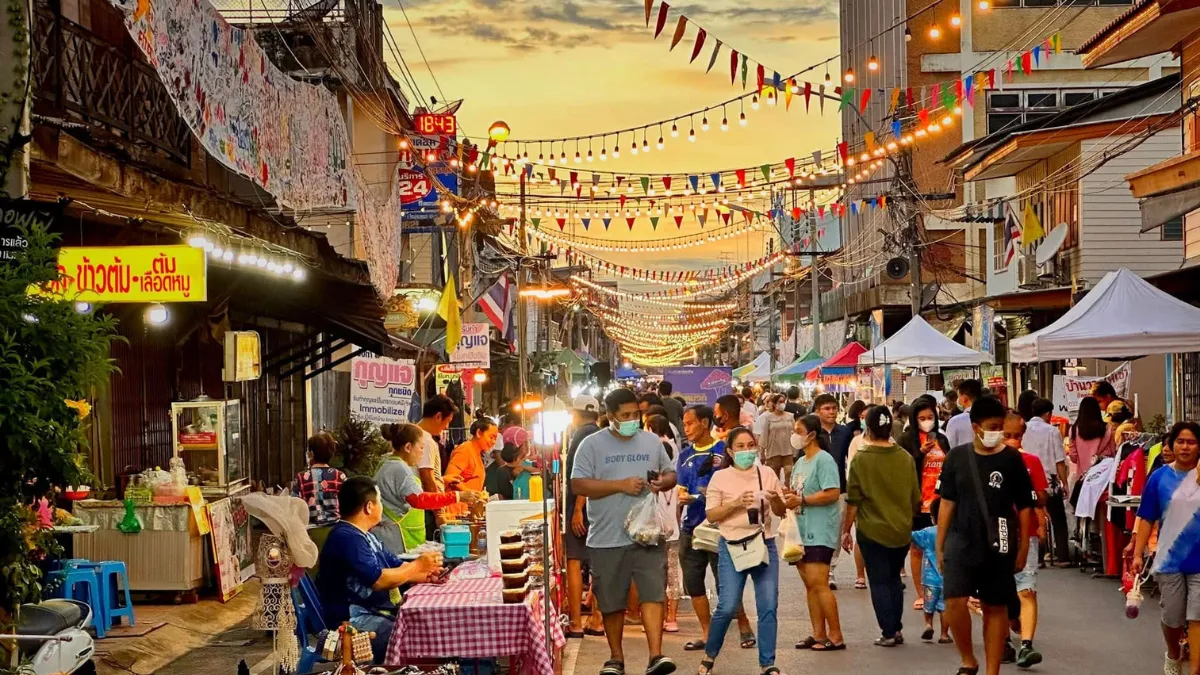
The old town comes alive in the evening. Traditional wooden shophouses line narrow streets. Local businesses sell everything from street food to textiles.
The atmosphere remains authentically Thai. Few tourists venture into these neighborhoods. You’ll experience local life unfiltered by tourism infrastructure.
Where to Stay in Phetchaburi
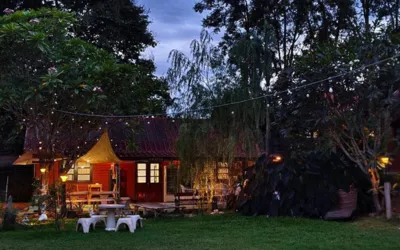
Budget – La Atta Kaeng Krachan
- Elegant Lodging: La Atta Kaeng Krachan in Phetchaburi features a tranquil garden and terrace. Guests can enjoy mountain views and a calm inner courtyard atmosphere.
- Comfortable Facilities: This bed and breakfast offers air conditioning, private bathrooms, and free private parking on site. Additional features include a balcony, terrace, and outdoor seating area.
- Tasty Breakfast: A daily buffet breakfast with Asian dishes is available. The dining space includes a table and outdoor furniture, making for a pleasant morning experience.
- Nearby Attractions: Kaeng Krachan dam lake is 2.8 km away, Kaeng Krachan National Park is 21 km distant, Phra Nakhon Khiri Historical Park is 47 km away, and Cha-am Railway Station is 49 km from the property. Hua Hin Airport lies 67 km away. Highly praised by guests.
- Solo Travelers especially appreciate the location, rating it 9.5 for their stay.
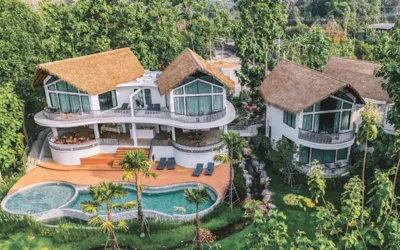
Midrange – Villa De Leaf River Kaeng Krachan
- Sophisticated Stay: Villa De Leaf River Kaeng Krachan in Phetchaburi provides a 4-star hotel experience featuring a swimming pool with scenic views, a verdant garden, terrace, restaurant, bar, and complimentary WiFi.
- Comfortable Features: Guests benefit from private check-in and check-out, concierge services, an electric vehicle charging station, pool bar, coffee shop, family rooms, in-room breakfast, room service, and a tour desk.
- Dining Choices: The family-friendly restaurant offers Thai and international dishes for lunch and dinner, while breakfast options include continental, à la carte, and Asian selections with hot dishes, juices, and fresh fruits.
- Excellent Location: Situated 18 km from Kaeng Krachan dam lake, 24 km from Kaeng Krachan National Park, and 47 km from Hua Hin Airport. Nearby points of interest include Phra Nakhon Khiri Historical Park and Black Mountain Water Park.
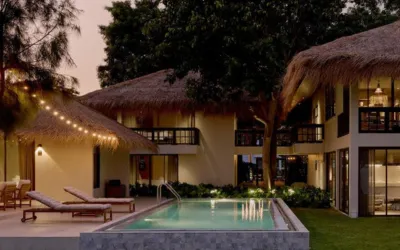
Luxury – Mola-Mola Beachfront Villa
- Beachfront Living: Mola-Mola Beachfront Villa by Yudee Assets in Phetchaburi features a private beach and direct access to the shore. Guests can relax by the pool while enjoying beautiful views or unwind on the sun terrace. The property also offers a lush garden and complimentary WiFi throughout.
- Spacious Accommodation: This villa has five bedrooms and four bathrooms, providing plenty of space for families. Each room comes with air conditioning, a balcony, and a terrace for added comfort and privacy.
- Leisure Facilities: Visitors can make use of the outdoor seating area, barbecue amenities, and lounge. The villa also includes a pool with a view, a kitchenette, and a dining space to meet all relaxation needs.
- Convenient Location: Situated 34 km from Hua Hin Airport, the villa is near attractions like Cha-am Railway Station (18 km) and Maruekkhathaiyawan Palace (28 km). Free private parking is available on-site.
What to Eat in Phetchaburi
Phetchaburi excels at traditional Thai desserts. The city supplies sweets to Bangkok’s best restaurants. Palm sugar and coconut feature heavily in local recipes.
Famous Dishes
- Khanom Mo Kaeng: Sweet custard squares
- Khanom Tan: Palm sugar cakes
- Khao Chae: Rice in jasmine water (seasonal)
- Pla Thong Ko: Chinese-Thai fried dough
- Thong Yib and Thong Yod: Golden egg yolk sweets
Where to Find Them
Rabiang Rim Nam Restaurant: Riverside dining with traditional Phetchaburi cuisine. Their dessert selection is outstanding.
Hua Hin Dessert Shop: Despite the name, it’s in Phetchaburi. Specializes in traditional sweets. Take some home as gifts.
Day Market: Morning market near the main temple. Vendors sell fresh desserts and breakfast dishes.
Day 6 Budget Estimate: Budget travelers: $40-55 | Mid-range travelers: $120-165 | Luxury travelers: $220-295 (including accommodation, meals, transportation, and activities)
Day 7: Prachuap Khiri Khan – Coastal Beauty and Serenity
Your final day takes you to Prachuap Khiri Khan, the southern-most province on this West Thailand itinerary. The drive from Phetchaburi covers 80 kilometers and takes about 90 minutes along the Gulf of Thailand coast.
Prachuap Khiri Khan offers a perfect conclusion to your journey. Quiet beaches stretch along the bay. Limestone mountains rise dramatically from the water. The small town maintains authentic Thai character despite being on the coast.
Morning: Ao Prachuap Bay
Start at Prachuap Bay, the main beach area. The horseshoe bay provides calm swimming conditions. Limestone cliffs bookend the sandy beach creating a natural amphitheater.
The beach remains relatively quiet even on weekends. Local families come for picnics. Fishermen prepare their boats. The atmosphere stays relaxed and unhurried.
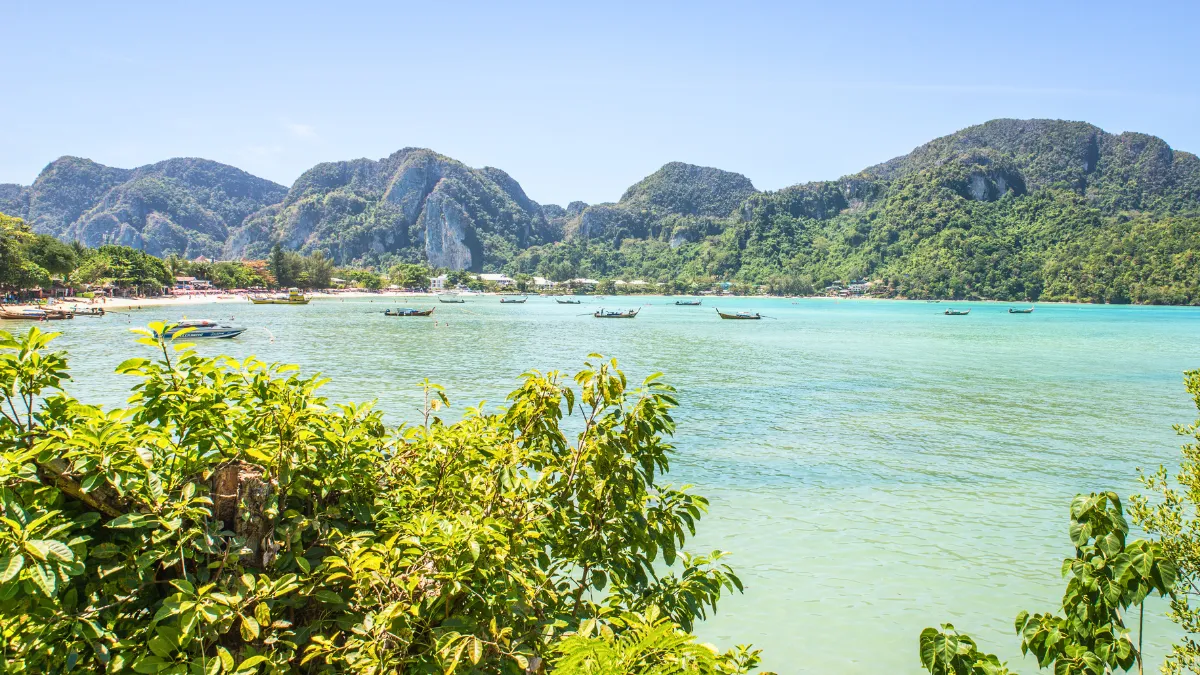
A walking path follows the shoreline. Restaurants and cafes line the beach road. The seafood comes directly from boats moored in the bay.
Mid-Morning: Khao Chong Krajok (Mirror Mountain)
Climb this iconic limestone peak rising 300 meters from the town. The path includes 395 steps winding up the mountain. Macaque monkeys inhabit the hillside.
The climb takes 30-40 minutes. Rest areas provide breaks. The steps pass through a temple gateway before continuing through forest.
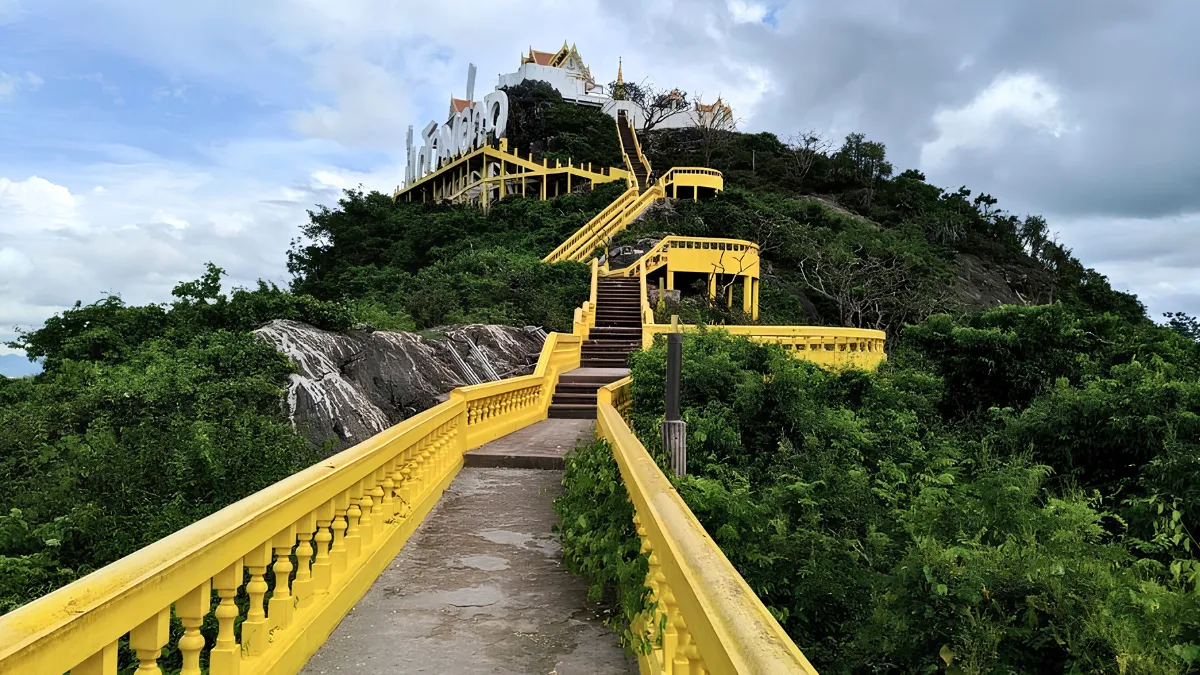
The summit rewards climbers with 360-degree views. One side overlooks Prachuap town and bay. The other reveals military airbases and mountains extending south. On clear days, you’ll see Myanmar’s coast across the water.
A small shrine occupies the peak. Locals come to pray and make merit. The peaceful atmosphere contrasts with the dramatic views.
Afternoon: Ao Manao Beach
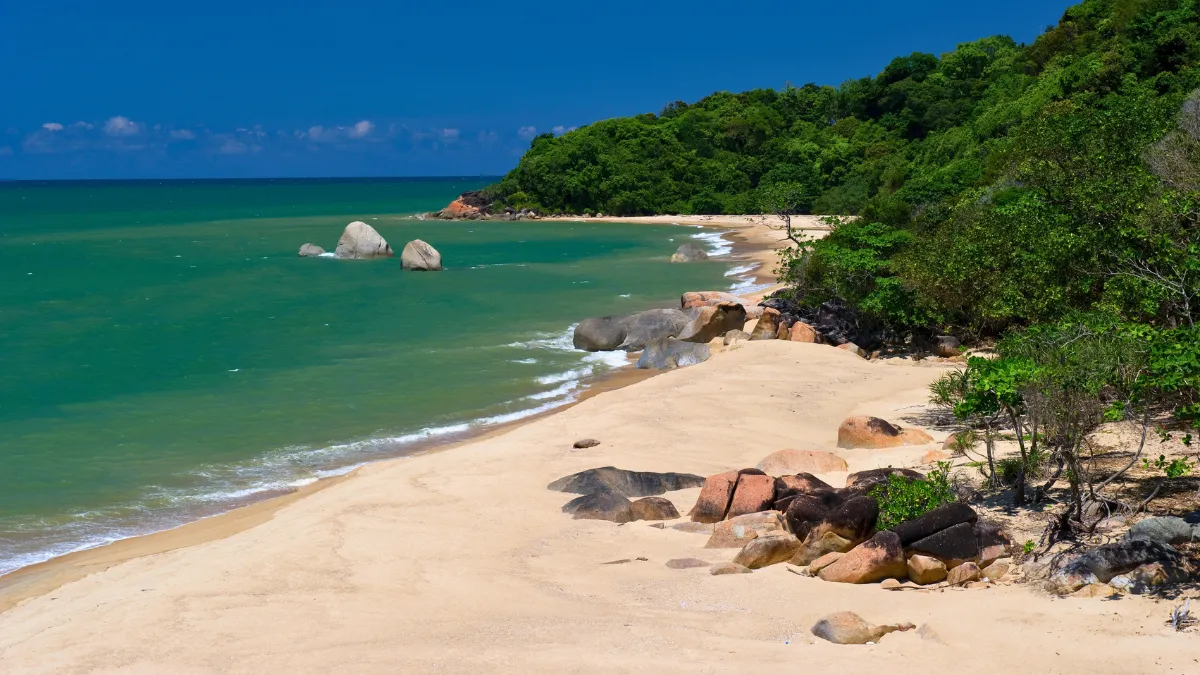
Visit this pristine Thai beach located within Wing 5 Royal Thai Air Force Base. Despite the military setting, civilians can enter. The beach ranks among Thailand’s most beautiful.
The perfectly curved bay features white sand and turquoise water. Casuarina trees provide natural shade. The military presence keeps the beach clean and prevents overdevelopment.
Swimming conditions are excellent. The water stays calm year-round. Beach chairs rent for minimal cost. Small restaurants serve fresh seafood and Thai dishes.
The beach attracts Thai tourists on weekends but stays quiet weekdays. Military regulations prohibit alcohol and loud music creating family-friendly atmosphere.
Late Afternoon: King Mongkut Memorial Park
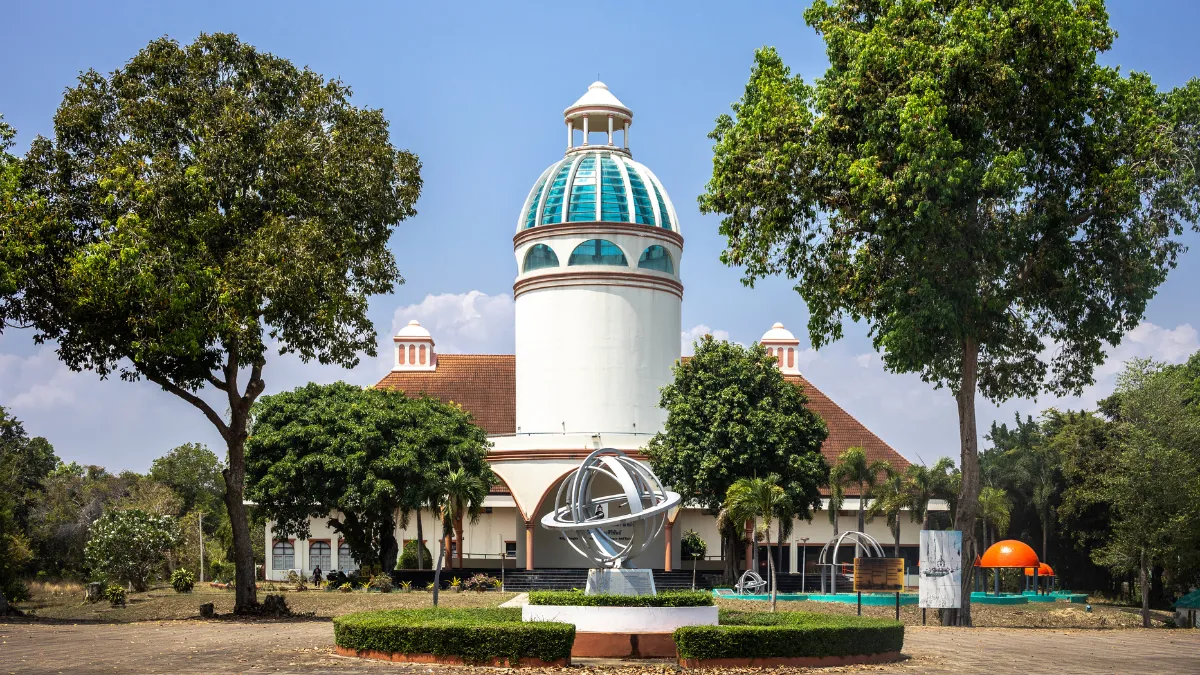
Visit this park dedicated to King Rama IV who correctly predicted a solar eclipse here in 1868. The event established Thailand’s scientific credibility internationally.
The park contains the King Mongkut Memorial Building displaying royal history and scientific instruments. The exhibits explain the eclipse prediction and its significance.
Walking trails wind through coastal forest. Observation platforms overlook the Gulf of Thailand. The quiet setting invites reflection on your West Thailand journey.
Evening: Sunset at Khao Ta Mong Lai
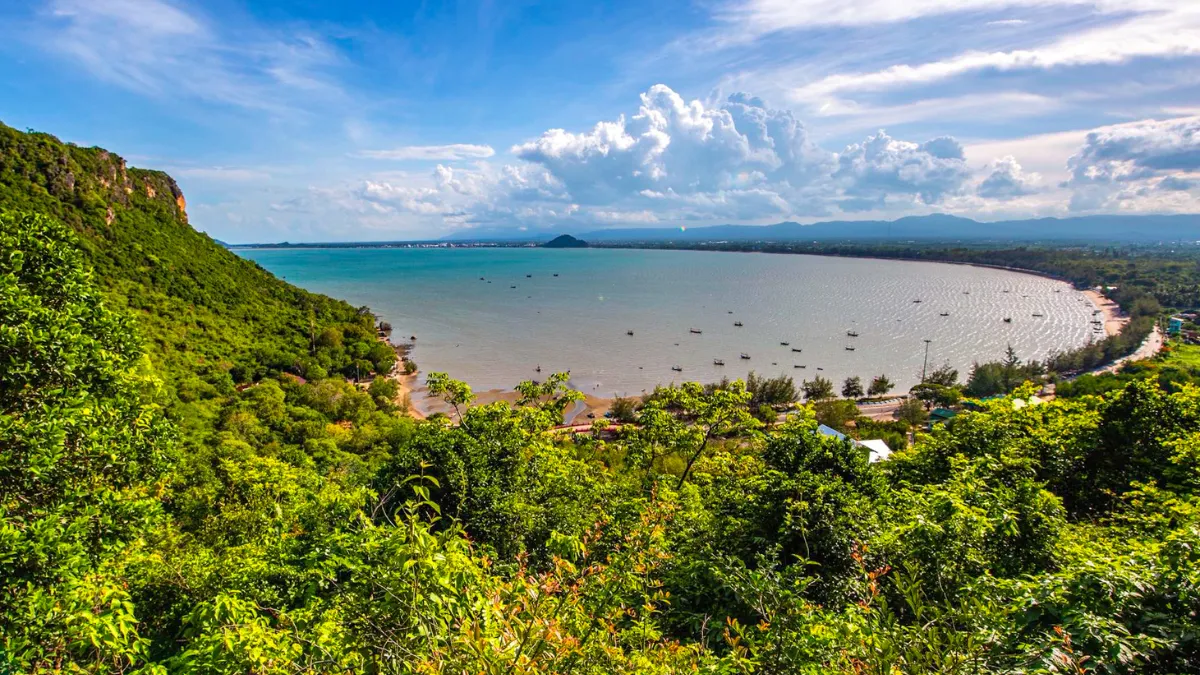
End your trip watching sunset from this smaller peak south of town. The climb is easier than Mirror Mountain. The sunset views rival any in Thailand.
The sun sets over the bay creating golden light across the water. Fishing boats return to harbor. The limestone cliffs glow in the fading light.
Small restaurants operate at the base. Order fresh seafood and Thai beer. Watch as stars emerge over the Gulf of Thailand. This peaceful conclusion perfectly caps your West Thailand adventure.
Where to Stay in Prachuap Khiri Khan
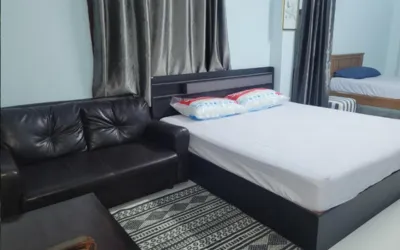
Budget – Happy home
- Comfortable Living: Happy Home in Hua Hin features a one-bedroom apartment with a living area and a balcony.
- The unit comes with air conditioning, a washing machine, a minibar, and a TV.
- Essential Facilities: Guests have access to free WiFi, keeping them connected throughout their stay. The apartment is outfitted with modern conveniences for a comfortable and hassle-free experience.
- Prime Location: Hua Hin Beach is just a 16-minute walk away, and attractions like Klai Kangwon Palace and Hua Hin Railway Station are within 5 km. The airport is located 3 km from the property.
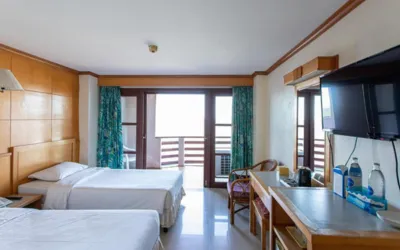
Midrange – Hadthong Hotel
- Situated along Prachuab Bay, Hadthong Hotel provides rooms with balconies that overlook the sea. The hotel includes an outdoor pool and a 24-hour front desk.
- Complimentary Wi-Fi is available throughout the property.
- Hadthong Hotel is just a 5-minute drive from Prachuap Kiri Khan Railway Station and 10 minutes from Manao Bay by car. It takes about 30 minutes to reach the Thai-Burmese Singkhon Border Market, King Mongkut Memorial Park of Science and Technology Waghor, and Waghor Aquatic Museum. Hua Hin City is an hour’s drive away.
- All rooms come with air conditioning, a seating area, and a TV. Private bathrooms include shower facilities. For added convenience, the hotel offers laundry services, massage treatments, and meeting rooms.
- Hadthong Restaurant is open all day and serves a variety of Thai dishes.
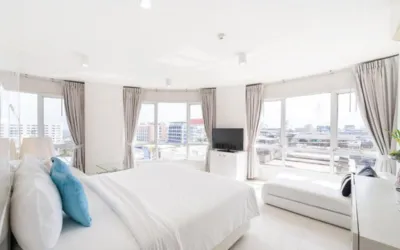
Luxury – Mola-Mola Beachfront Villa
- Located just a 5-minute drive from Hua Hin Night Market, Royal Pavilion Huahin offers comfortable rooms with complimentary Wi-Fi. The hotel features an outdoor pool and an on-site restaurant. Guests can take advantage of the free shuttle service to Hua Hin Beach, Cicada Night Market, and the railway station. Royal Pavilion Huahin is a 10-minute drive from Cicada Night Market, while Hua Hin Beach is about 15 minutes away by car. Bangkok City is accessible within a 2-hour drive from the hotel.
- Each room is stylishly decorated and includes air conditioning, a flat-screen cable TV, and a seating area with a sofa. Private bathrooms come with hot and cold shower options.
- For added convenience, the hotel provides a 24-hour front desk, luggage storage, and laundry services. Guests can also use the business center facilities.
- The Recipes and Bluesky Bar offer a variety of Thai and European dishes along with fresh seafood. A selection of cocktails and other drinks is also available.
- Solo Travelers especially appreciate the location, giving it a rating of 9.2 for their stay.
What to Eat in Prachuap Khiri Khan
Being a coastal town, Prachuap Khiri Khan specializes in seafood. The catch comes straight from the Gulf of Thailand. Prices remain reasonable compared to more touristy beach destinations.
Seafood Specialties
- Pla Kapong Neung Manao: Steamed sea bass with lime
- Kung Pad Pongali: Prawns in curry powder
- Hoi Lai Pad Nam Prik Pao: Clams in chili paste
- Pla Meuk Tod Kratiem: Fried squid with garlic
- Tom Yum Talay: Spicy seafood soup
Best Restaurants
Ploy Talay: Beachfront restaurant with fresh seafood. Watch fishing boats while you eat. Reasonable prices for excellent quality.
Sailom Restaurant: Family-run spot favored by locals. Their crab curry and grilled fish are exceptional.
Night Market: Opens near the pier at 5 PM. Multiple seafood stalls offer grilled fish and shellfish.
Day 7 Budget Estimate: Budget travelers: $40-55 | Mid-range travelers: $125-175 | Luxury travelers: $240-330 (including accommodation, meals, transportation, and activities)
Off the Beaten Path Highlights of West Thailand
This West Thailand itinerary covers major destinations. But the region contains countless hidden gems. These lesser-known spots reward adventurous travelers willing to explore further.
Hidden Waterfalls and Natural Wonders
Beyond the famous falls, West Thailand conceals spectacular natural sites. These locations see minimal tourist traffic. You’ll often have them entirely to yourself.
Huai Mae Khamin Waterfall
Located in Kanchanaburi’s Srinakarin National Park. This seven-tier waterfall rivals Erawan but sees far fewer visitors. The turquoise pools invite swimming. The surrounding forest teems with wildlife.
Access requires a longer drive from the main highway. The journey takes you through pristine forest. Plan a full day trip including hiking between tiers.
Phu Toei National Park
Situated in Kanchanaburi near the Myanmar border. This remote park protects montane forests and stunning viewpoints. The park sees fewer than 100 visitors monthly.
Hiking trails lead to panoramic vistas. Morning mist creates ethereal landscapes. Camping facilities allow overnight stays for serious nature enthusiasts.
Authentic Village Experiences
Many ethnic minority villages welcome respectful visitors. These encounters provide genuine cultural insights far removed from staged tourist performances.
Mon Communities in Sangkhla Buri
The Mon people maintain distinct cultural identity in villages around Sangkhla Buri. Their morning alms-giving ceremonies on the longest wooden bridge in Thailand create unforgettable scenes.
Visit Mon Mon Lai Restaurant for authentic Mon cuisine. Stay in village homestays to understand daily life. The Mon New Year celebration in April showcases traditional music and dance.
Karen Hill Tribe Villages
Numerous Karen villages dot the mountains of Tak and Kanchanaburi. Some maintain traditional animist beliefs. Others blend Christianity with Karen customs.
Trekking tours connect multiple villages. You’ll sleep in traditional houses and share meals with families. Responsible operators ensure tourism benefits communities directly.
Historical Sites Beyond the Tourist Trail
West Thailand’s history extends far beyond the Death Railway. Ancient kingdoms left remarkable monuments. Many remain virtually unknown to foreign visitors.
Muang Sing Historical Park
Khmer ruins in Kanchanaburi dating to the 12th century. The laterite structures show typical Khmer architecture. The site receives minimal visitors despite its significance.
The main prang resembles Angkor Wat in miniature. Bas-reliefs depict Hindu deities. The park provides quiet contemplation of ancient history.
Ban Kao Museum
Archaeological museum in Kanchanaburi displaying prehistoric artifacts. Excavations revealed Neolithic settlements. The exhibits document human habitation spanning thousands of years.
The small museum sees few visitors. Staff provide detailed explanations. The site offers perspectives on pre-historical Thailand.
Tham Than Lot National Park
Ratchaburi cave system with prehistoric rock art. Ancient inhabitants left paintings on cave walls. The artwork depicts animals and human figures.
Accessing the caves requires guides from nearby villages. The journey involves forest hiking and stream crossings. Bring headlamps for cave exploration.
Adventure Activities for Thrill Seekers
West Thailand’s diverse terrain creates opportunities for adventure sports. These activities take you deep into landscapes rarely seen by casual tourists.
Multi-Day Jungle Trekking
Several national parks offer extended trekking routes through pristine Thai jungle. Guides lead groups through untouched forests. Nights are spent camping under the canopy.
The trails pass through remote areas where wildlife thrives. You might encounter elephants, bears, or big cats. The physical challenge and isolation create transformative experiences.
Cave Exploration Beyond Tourist Sites
West Thailand contains thousands of unexplored caves. Adventure tour companies organize spelunking expeditions. These involve crawling through tight passages and swimming underground rivers.
Proper equipment and experienced guides are essential. The challenges exceed typical tourist activities. The rewards include seeing formations few people ever witness.
Safety Note: Off-the-beaten-path exploration requires preparation. Hire qualified guides for remote areas. Inform someone of your plans. Carry adequate supplies and emergency equipment. Some areas have limited cell phone coverage.
Practical Travel Tips for West Thailand
Successful travel in West Thailand requires some practical knowledge. These tips help you navigate challenges and maximize your experience.
Transportation Logistics
How to get around Thailands provinces efficiently requires planning. Public transportation exists but often involves connections and delays.
Renting Vehicles
A rental car provides maximum flexibility. International car rental agencies operate in major cities. Local companies offer lower rates but varying vehicle conditions.
- Book in advance for best rates and vehicle selection
- Obtain International Driving Permit before arriving in Thailand
- Purchase full insurance coverage including liability
- Photograph vehicle condition before departing rental lot
- Keep rental agreement and insurance documents accessible
- Download offline maps as GPS and cell coverage can be spotty
Driving in West Thailand
Thai traffic drives on the left. Roads vary from excellent highways to challenging mountain routes. Defensive driving prevents most problems.
Watch for motorcycles appearing unexpectedly. Thai drivers often ignore traffic regulations. Speed limits are suggestions rather than rules. Avoid driving at night in rural areas where unlit vehicles pose hazards.
Money and Banking
ATMs are available in all provincial capitals. Smaller towns may have limited banking facilities. Credit cards see acceptance at hotels and large restaurants but cash dominates.
| Service | Typical Cost (THB) | USD Equivalent |
| Local Restaurant Meal | 60-120 | $1.80-3.60 |
| Tourist Restaurant Meal | 150-350 | $4.50-10.50 |
| Gasoline (per liter) | 35-40 | $1.05-1.20 |
| National Park Entry | 300-400 | $9-12 |
| Temple Admission | 20-100 | $0.60-3 |
| Guided Tour (half day) | 1500-3000 | $45-90 |
Communication and Internet
Purchase a Thai SIM card upon arrival. Major carriers offer tourist packages with data and calling minutes. Coverage extends to most areas but mountains can have dead zones.
WiFi is available at most hotels and many restaurants. Connection speeds vary. Download maps and important information before traveling to remote areas.
Cultural Etiquette
Respecting local customs ensures positive interactions. Thai culture values politeness and proper behavior.
Do These Things
- Remove shoes before entering temples and homes
- Dress modestly at religious sites (cover shoulders and knees)
- Wai (slight bow with hands together) when greeting people
- Show respect to Buddha images and monks
- Ask permission before photographing people
- Learn basic Thai phrases (sawatdee, khop khun)
Avoid These Actions
- Never touch anyone’s head (considered most sacred)
- Don’t point feet at people or Buddha images
- Avoid public displays of anger or frustration
- Don’t touch monks if you’re female
- Never criticize the Thai royal family
- Don’t step on money (bears king’s image)
Health Considerations
West Thailand presents minimal health risks with proper precautions. The region’s hospitals can handle most medical issues.
Vaccinations and Medications
Consult travel health clinics before departure. Recommended vaccinations include Hepatitis A and B, Typhoid, and Tetanus. Japanese Encephalitis is optional for rural areas.
Malaria risk exists in remote forested areas near Myanmar. Prophylaxis is generally unnecessary but consult your doctor. Dengue fever poses more common risk – use insect repellent consistently.
Food and Water Safety
Drink bottled water exclusively. Ice in restaurants is generally safe in cities but questionable in villages. Street food from busy vendors is typically safe – high turnover means fresh food.
Wash hands frequently. Carry hand sanitizer. Avoid raw vegetables unless you know they’re properly washed. Peel fruits yourself when possible.
Emergency Contacts
Important Numbers: Tourist Police: 1155 | General Emergency: 191 | Ambulance: 1669 | Fire: 199 | Your embassy contact should be saved in your phone before traveling.
Best Time to Visit West Thailand
Timing your visit significantly impacts your experience. West Thailand’s weather varies by season. Each period offers different advantages and challenges.
Seasonal Weather Patterns
West Thailand experiences three distinct seasons. Understanding each helps you choose the ideal travel period.
Cool Season (November-February)
Best Time
The ideal period for visiting. Temperatures range from 20-32°C (68-90°F). Minimal rainfall and comfortable humidity. This is peak tourist season though West Thailand still sees fewer crowds than mainstream destinations.
- Perfect weather for hiking and outdoor activities
- Clear skies ideal for photography
- Waterfalls still flowing from previous rains
- Accommodation prices slightly higher
Hot Season (March-May)
Challenging
Temperatures soar to 35-42°C (95-108°F). Low humidity makes heat more bearable than wet season. This is off-peak season with cheaper rates and fewer visitors.
- Intense heat limits midday activities
- Early morning and late afternoon best for sightseeing
- Waterfalls reduce to trickles
- Significant discounts on accommodations
Wet Season (June-October)
Variable
Monsoon brings regular afternoon rains. Temperatures moderate to 25-33°C (77-91°F). High humidity can be uncomfortable. This is low season with best rates.
- Waterfalls at maximum flow and beauty
- Lush green landscapes
- Some mountain roads impassable
- Lowest accommodation prices
Monthly Breakdown
| Month | Avg Temp | Rainfall | Crowds | Recommendation |
| November | 25-30°C | Low | Moderate | Excellent – Cool and dry |
| December | 22-30°C | Minimal | High | Excellent – Best weather |
| January | 20-32°C | Minimal | High | Excellent – Peak season |
| February | 23-34°C | Low | Moderate | Very Good – Warming up |
| March | 26-36°C | Low | Low | Good – Getting hot |
| April | 27-38°C | Moderate | Low | Fair – Very hot |
| May | 27-36°C | High | Very Low | Fair – Hot and wet |
| June-September | 25-33°C | Very High | Very Low | Variable – Rainy season |
| October | 25-32°C | High | Low | Good – Rains decreasing |
Festival and Event Calendar
Thailand’s festivals add cultural richness to any visit. Planning around major celebrations enhances your experience.
Major Festivals
- Loy Krathong (November): Float decorated baskets on rivers under full moon
- Songkran (April 13-15): Thai New Year water festival
- Chinese New Year (January/February): Celebrated in Mae Sot and Ratchaburi
- Mon New Year (April): Traditional celebration in Sangkhla Buri
- King’s Birthday (July 28): National celebrations and ceremonies
Festival Tips
Festivals create wonderful experiences but affect logistics. Accommodations book solid weeks in advance. Transportation becomes crowded. Prices increase.
Book early if visiting during festivals. Embrace the celebratory atmosphere. Participate respectfully in public events. These cultural experiences create unforgettable memories.
Traveling Sustainably in West Thailand
West Thailand’s pristine nature and authentic culture deserve protection. Sustainable travel practices ensure these treasures survive for future generations. Your choices make a real difference.
Environmental Responsibility
The region’s national parks and natural areas face increasing pressure. Thoughtful visitors minimize their environmental impact.
Best Practices
- Carry reusable water bottles and refuse single-use plastics
- Stay on marked trails to prevent erosion
- Take all trash with you from natural areas
- Use reef-safe sunscreen in waterways
- Choose accommodations with environmental policies
- Support restaurants using local ingredients
Wildlife Encounters
West Thailand protects diverse wildlife. Observe animals without disturbing their natural behaviors. Never feed wild animals as it disrupts ecosystems.
Choose elephant sanctuaries that don’t offer rides. Support ethical operations where elephants live naturally. Avoid any facility offering photo opportunities with wild animals.
Supporting Local Communities
Tourism can benefit or harm local communities. Responsible travelers ensure their spending helps rather than hurts.
Economic Impact
- Buy directly from artisans rather than middlemen
- Eat at family-owned restaurants instead of chains
- Hire local guides for cultural experiences
- Stay in locally-owned guesthouses when possible
- Purchase handicrafts made by community members
- Ask permission and offer payment for photographs of people
Cultural Preservation
West Thailand’s ethnic minority communities maintain unique traditions. Tourism should support rather than commodify their cultures.
Ethical Village Visits: Choose operators who work directly with communities. Ensure tourism benefits residents fairly. Avoid “human zoo” style tours. Respect community rules about photography and behavior. Learn about cultures rather than just photographing them.
Extending Your West Thailand Itinerary
Seven days provides excellent coverage of West Thailand highlights. But the region rewards longer exploration. Consider these extensions if you have additional time.
Northern Extension: Sangkhla Buri
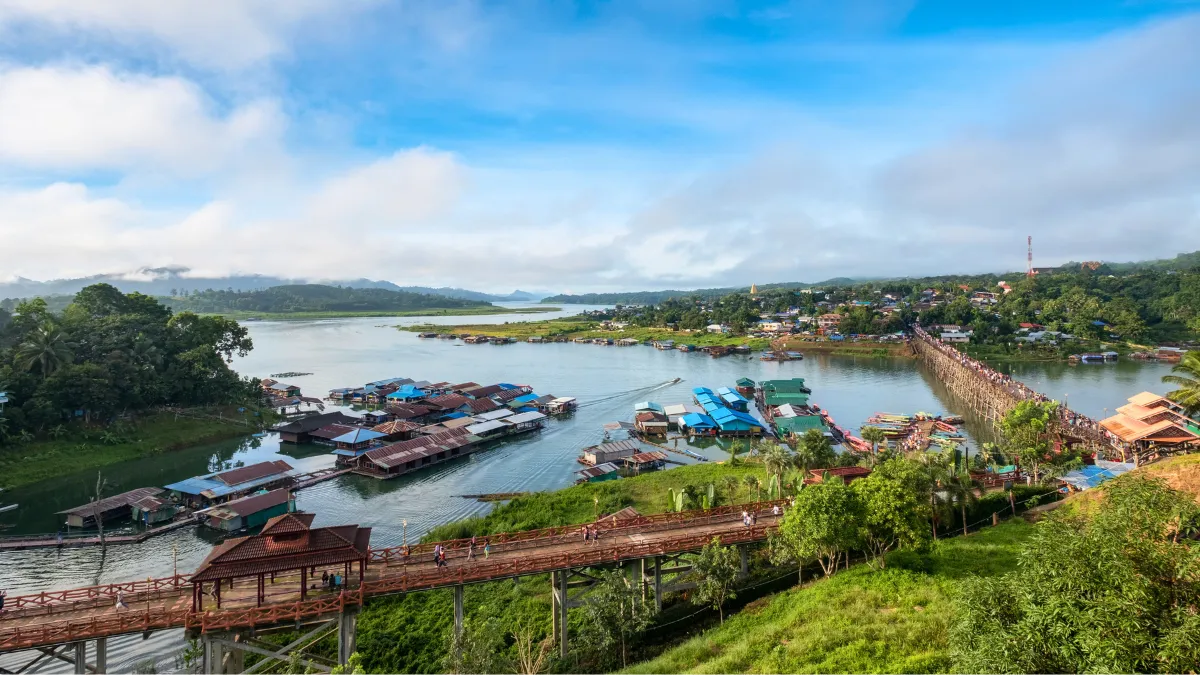
Add two to three days to visit this remote town near Myanmar. Sangkhla Buri offers stunning lake scenery and Mon culture. The famous wooden bridge and floating temples create unique experiences.
The drive from Kanchanaburi takes four hours through mountains. Accommodations are basic but charming. The area remains delightfully undeveloped.
Coastal Extension: Hua Hin and Cha-Am
Extend south from Prachuap Khiri Khan to these beach resort towns. While more developed than Prachuap, they offer good beaches and nightlife. Add two to three days for beach relaxation.
Hua Hin features the royal Klai Kangwon Palace. The night market ranks among Thailand’s best. Nearby Khao Sam Roi Yot National Park protects dramatic coastal landscapes.
Deep Nature Extension: Remote National Parks
Serious nature enthusiasts can explore lesser-known parks. Kaeng Krachan, Thong Pha Phum, and Sai Yok offer pristine wilderness. Add three to five days for proper exploration.
These extensions require more adventurous mindset. Facilities are basic. Guides are often necessary. The rewards include incredible nature and solitude.
Combining with Other Regions
West Thailand connects well with other destinations. Consider these combinations:
- Bangkok (2-3 days): Add the capital before or after West Thailand
- Chiang Mai (4-5 days): Fly from Bangkok to northern Thailand
- Southern Islands: Fly from Bangkok to Koh Samui, Koh Tao, or Phuket
- Central Thailand (3-4 days): Visit Ayutthaya and Sukhothai historical parks
Ultimate West Thailand Packing Checklist
Proper packing ensures comfortable travel through West Thailand’s varied environments. This comprehensive list covers all essential items.
Clothing Essentials
- Lightweight, breathable shirts (3-4)
- Long pants for temples (2)
- Shorts for casual wear (2)
- Comfortable walking shoes
- Sandals or flip-flops
- Swimwear
- Light jacket or fleece
- Sun hat or cap
- Sunglasses with UV protection
Tech and Documents
- Passport with 6 months validity
- Passport photocopies
- Travel insurance documents
- International Driving Permit
- Smartphone with camera
- Power bank (10,000+ mAh)
- Universal travel adapter
- Headphones
- Offline maps downloaded
Health and Hygiene
- Prescription medications
- Basic first aid kit
- Sunscreen SPF 50+
- Insect repellent with DEET
- Hand sanitizer
- Wet wipes
- Toiletries in travel sizes
- Quick-dry towel
- Reusable water bottle with filter
Travel Gear
- Daypack (20-30L)
- Packing cubes
- Dry bag for water activities
- Travel locks
- Headlamp or flashlight
- Binoculars for wildlife
- Reusable shopping bags
Money and Security
- Credit/debit cards (2+)
- Cash in USD for exchange
- Money belt or hidden wallet
- Photocopy of important cards
- Travel insurance card
- Emergency contact list
Nice to Have
- Lightweight rain jacket
- Travel journal and pen
- Book or e-reader
- Laundry detergent packets
- Earplugs for light sleepers
- Collapsible trekking poles
- Portable wifi device