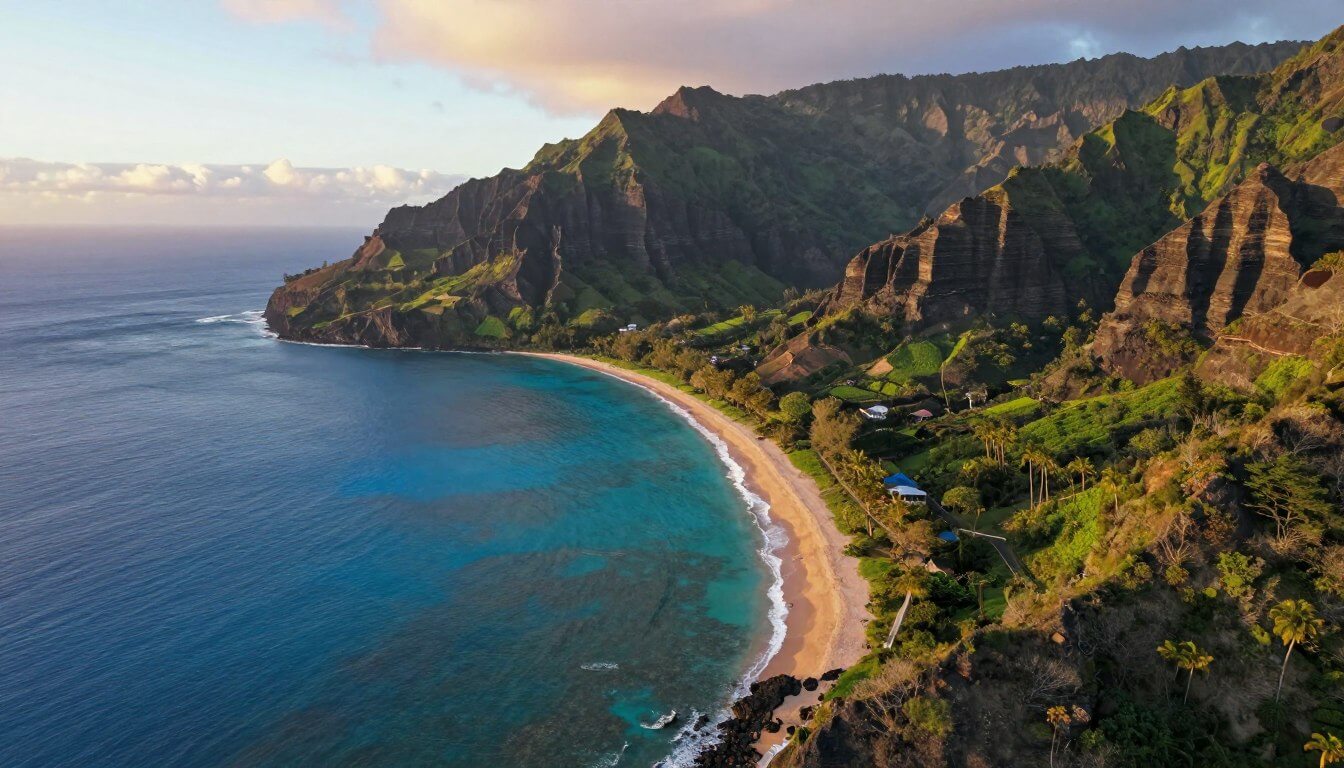

You’re planning a Hawaii vacation. Smart move.
But here’s what most package deals won’t tell you: the best experiences happen beyond the crowded resort pools and tour bus routes.
This guide cuts through the marketing noise. You’ll get honest breakdowns of costs, hidden beaches locals actually visit, and practical strategies for exploring Hawaii independently—even within a package framework.
No fluff. Just the information you need to plan an authentic Hawaiian adventure that fits your budget and avoids the tourist traps. Before we dive deep, grab our free planning checklist to track everything as you read. Download Hawaii Planning Checklist
Where to Go: Choosing Your Hawaiian Islands
Hawaii isn’t one destination. It’s six distinct islands, each with different vibes, landscapes, and experiences.
Most vacation packages focus on Oahu and Maui because they’re tourist-friendly. But limiting yourself to only these islands means missing spectacular alternatives.
Oahu: The Gathering Place

Oahu gives you everything in one package. Waikiki Beach serves up classic resort experiences. Honolulu delivers urban energy. North Shore offers legendary surf breaks.
Pearl Harbor remains the most visited historical site in Hawaii. Over 1.8 million visitors annually pay respects at the USS Arizona Memorial.
Diamond Head crater provides accessible hiking—just 1.6 miles roundtrip with panoramic views of the island and ocean. Start early. The trail gets packed after 8 AM.
Best for First-Timers
Oahu packages offer the widest infrastructure. Hotels range from budget to luxury. Public transportation actually works here.
- International airport with most flight options
- Rental car optional in Honolulu
- English spoken everywhere
- Restaurant diversity beyond Hawaiian food
Oahu’s Hidden Side
Most package tours skip the windward coast. That’s where locals actually spend time.
- Lanikai Beach for turquoise perfection
- Kailua town for local restaurants
- Makapuu tide pools for easy snorkeling
- Waimanalo Beach for crowd-free stretches
Package Deal Reality
Waikiki hotels dominate package offerings. You’ll find good deals but prepare for crowds.
- Ocean view often means partial view
- Resort fees add $25-45 per night
- Beach access through hotel properties
- Walking distance to everything touristy
Time Investment
Three days minimum. Five days ideal for mixing tourist sites and hidden spots.
- Full day for Pearl Harbor and surrounding sites
- Full day for North Shore exploration
- Half day for Diamond Head hike
- Two days for windward coast adventures
Maui: The Valley Isle

Maui balances resort luxury with natural adventure better than any Hawaiian island.
The Road to Hana tops everyone’s bucket list. This 64-mile drive takes 3-4 hours one way with 620 curves and 59 bridges. Start at sunrise. Return via the backside through Upcountry Maui.
Haleakala National Park offers two experiences in one visit. Sunrise from the summit (10,023 feet) requires reservations months ahead. The bamboo forests and waterfalls at sea level need no reservations.
Snorkeling at Molokini Crater gets hyped in every package brochure. It’s genuinely spectacular—a partially submerged volcanic crater three miles offshore. But weather determines visibility. Winter months bring rougher conditions.
Big Island: Hawaii Island

The Big Island gives you the most diverse landscape in Hawaii. Active volcanoes. Snow-capped mountains. Black sand beaches. Desert-like lava fields.
Hawaii Volcanoes National Park lets you witness earth creation in real time. Kilauea remains one of the world’s most active volcanoes. The park stays open 24 hours daily for lava viewing when flows are accessible.
Manta ray night snorkeling at Kona ranks among the planet’s best wildlife encounters. Dozens of gentle giants glide inches from your face. Every major tour operator offers this experience.
Coffee plantations line the Kona coast. You’re in the only state growing coffee commercially. Free tours and tastings happen daily at most farms.
Kauai: The Garden Isle

Kauai offers the most dramatic scenery. It’s also the quietest major Hawaiian island—no building taller than a palm tree by law.
Na Pali Coast represents Hawaii’s most iconic landscape. Towering green cliffs plunge 4,000 feet into the Pacific. Access requires helicopter, boat, or the brutal 11-mile Kalalau Trail.
Waimea Canyon earns its “Grand Canyon of the Pacific” nickname. The 10-mile-long, 3,000-foot-deep gorge shows layers of volcanic history in red and green striations.
Fewer vacation packages include Kauai. That’s actually good news. You’ll encounter fewer tourists than on Oahu or Maui.
Molokai and Lanai: The Quiet Islands

These islands rarely appear in package deals. That’s precisely why they matter.
Molokai has more native Hawaiian residents per capita than any island. No traffic lights. No buildings over two stories. Limited accommodations mean you’ll stay in small inns or vacation rentals.
Lanai offers luxury resort experiences at Four Seasons properties, but the island’s 3,000 residents maintain small-town vibes. Golf, beaches, and off-road adventures define the experience.
Neither island works for first-time Hawaii visitors. Come here on your second or third trip when you crave authentic local culture.
Multi-Island Packages: Worth It?
Most Hawaii vacation packages focus on single islands. Multi-island packages exist but add complexity. Inter-island flights run $80-150 each way per person. Packing and unpacking gets tedious. Our recommendation: stick to one or two islands maximum for trips under 10 days. Save island-hopping for longer adventures.
What to See: Major Attractions and Must-Visit Sites
Hawaii’s top attractions get crowded for a reason. They deliver.
But timing, preparation, and realistic expectations separate disappointing tourist experiences from memorable ones.
Pearl Harbor: History That Changed the World

The December 7, 1941 attack brought America into World War II. Over 2,400 Americans died. The memorial preserves this history.
Free admission doesn’t mean easy access. Reserve tickets online at recreation.gov 60 days in advance. Walk-up tickets run out by 7 AM during peak season.
The experience takes 2-3 hours minimum. You’ll watch a documentary film, take a boat to the memorial over the sunken USS Arizona, and walk through museum exhibits.
Security rivals airport screening. No bags larger than pocket-size allowed. Storage lockers cost extra.
Hanauma Bay: Snorkeling in a Protected Marine Reserve

This curved bay on Oahu’s southeast coast ranks among the world’s best snorkeling spots for beginners.
The catch: it’s incredibly popular. The bay limits daily visitors to 3,000 and requires advance reservations. Tickets open online two days before your visit at 7 AM Hawaii time. They sell out in minutes.
Entrance costs $25 per person for non-Hawaii residents, plus $3 parking. You must watch a 9-minute conservation video before beach access.
Water clarity peaks during summer months. Winter brings larger waves and murkier conditions. Go early—before 9 AM—when fish are most active and crowds smallest.
Road to Hana: The Journey Matters More Than Destination

Fifty-two miles of winding coastal road. Over 600 curves. Dozens of waterfalls. Hidden beaches. Fruit stands. This drive defines Maui for many visitors.
Start at sunrise. Seriously. Leaving Paia by 6 AM means you’ll hit major stops before the tour buses arrive around 10 AM.
Download a GPS audio tour app. They mark every waterfall, swimming hole, and food stand with historical context. Cell service disappears for most of the drive.
The town of Hana itself disappoints most tourists. The magic happens in the journey and the stops you make along the way.
Waikiki Beach: Tourist Central for Good Reasons

Yes, Waikiki is crowded. Yes, it’s touristy. And yes, it still delivers quintessential Hawaii beach experiences.
The two-mile beach handles crowds well because it’s actually several beaches connected. Duke Kahanamoku Beach at the Hilton offers calmer waters. Kuhio Beach provides protected swimming areas perfect for kids.
Surf lessons happen daily with dozens of instructors. Rates run $50-75 for group lessons, $150-200 for private instruction. The gentle waves and sandy bottom make Waikiki ideal for first-time surfers.
Diamond Head anchors the eastern end of Waikiki, providing postcard views from every angle. Sunset viewing from the beach never gets old, despite crowds.
Volcanoes National Park: Witnessing Earth’s Creation

Kilauea has been erupting almost continuously since 1983. The 2018 eruption reshaped the park dramatically.
The park covers 335,259 acres from sea level to 13,681 feet. You’ll drive through multiple climate zones—from tropical rainforest to alpine desert—in a single visit.
Crater Rim Drive circles Kilauea Caldera, offering overlooks of active volcanic vents. The 11-mile loop takes 2-3 hours with stops. Some sections close when volcanic activity intensifies.
Thurston Lava Tube lets you walk through a 500-year-old tunnel created by flowing lava. It’s accessible, paved, and lit—perfect for all fitness levels.
Night viewing of glowing lava provides the most dramatic experience. The park stays open 24 hours daily. Bring warm layers. Summit temperatures drop 30-40 degrees below coastal areas.
Na Pali Coast: Kauai’s Legendary Coastline

Fifteen miles of coastline. Cliffs rising 4,000 feet. Valleys accessible only by foot, boat, or helicopter.
The 11-mile Kalalau Trail ranks among America’s most dangerous hikes. Permits required. Two-day minimum. Not suitable for casual hikers.
Most visitors experience Na Pali by boat or helicopter. Zodiac raft tours ($130-180 per person) get closest to sea caves and waterfalls. Helicopter tours ($250-350 per person) reveal valley interiors invisible from sea level.
Winter months (November-March) bring rougher seas. Boat tours cancel frequently. Summer offers calmer conditions and higher tour completion rates.

Haleakala Sunrise
Summit temperatures hover around 40°F before dawn. Reservations required months ahead. Arrive 30 minutes early for parking.

Kona Coffee Farms
Free tours at most plantations. Tastings included. Buy beans directly for 30-40% less than retail. Greenwell Farms and Mountain Thunder offer best experiences.

Polynesian Cultural Center
Full-day experience covering six Pacific island cultures. Shows, demonstrations, luau dinner. Packages range $90-250 per person. Worth it for culture enthusiasts.


Local Foods: Traditional Hawaiian Cuisine You Must Try
Hawaiian food reflects the islands’ multicultural history. Native Hawaiian, Japanese, Chinese, Portuguese, and Filipino influences create unique fusion dishes.
Resort restaurants serve watered-down versions. Real Hawaiian food happens at mom-and-pop shops, food trucks, and local markets.
Essential Hawaiian Dishes

Poke: Pronounced “poh-keh.” Raw fish (usually ahi tuna) cubed and marinated in soy sauce, sesame oil, and seaweed. Every grocery store has a poke counter. Prices range $12-18 per pound.
Best spots: Foodland grocery stores (Oahu/Maui), Suisan Fish Market (Big Island), Koloa Fish Market (Kauai).
Plate Lunch: Hawaii’s working-class meal—two scoops rice, one scoop macaroni salad, and your choice of protein. Portions feed you for 6-8 hours. Costs $10-14.
Classic proteins: teriyaki chicken, kalua pork, loco moco, katsu chicken, beef stew.
Loco Moco: Rice topped with hamburger patty, fried egg, and brown gravy. Sounds weird. Tastes amazing. Born in Hilo in 1949.
Kalua Pork: Whole pig slow-roasted in underground oven (imu) with Hawaiian salt. Authentic versions take 8-12 hours. Meat falls apart, smoky flavor.
Spam Musubi: Slice of grilled Spam on rice wrapped in nori (seaweed). Available at every 7-Eleven in Hawaii. Perfect beach snack. Costs $2-3.
Must-Try Fresh Seafood

Island location means incredible seafood access. Fishing culture runs deep here.
Ahi Tuna: Both yellowfin and bigeye tuna swim Hawaiian waters. Restaurants serve it seared, raw, or in poke. Expect to pay $15-30 for quality preparations.
Mahi Mahi: Mild white fish, versatile preparation. Grilled, blackened, or in fish tacos. Most restaurants offer it. $18-28 typical pricing.
Ono: Hawaiian name for wahoo. Firm texture, mild flavor. Excellent grilled. Considered premium fish at $25-35 per entree.
Opihi: Limpets harvested from wave-battered rocks. Locals consider them delicacies. Served raw with salt. Challenging to find—and expensive when you do.
Fish markets offer better value than restaurants. Buy fresh, have it grilled to go. Many shops cook purchases for small fees ($3-5).
Tropical Fruits You’ve Never Tried

Hawaii grows fruits you can’t buy on the mainland. Farmers markets provide the adventure.
Lilikoi: Passion fruit. Tart and intensely flavored. Used in desserts, juices, and sauces. Buy by the dozen at markets—$5-8 per bag.
Rambutan: Hairy red exterior hides sweet white flesh. Southeast Asian import that thrives in Hawaii. Tastes like lychee’s sweeter cousin.
Dragonfruit: Vibrant pink exterior, white or red flesh with tiny black seeds. Mildly sweet. Beautiful but flavor disappoints some tasters.
Mountain Apple: Small, bell-shaped fruit. Crisp texture, subtle flavor. Locals eat them fresh off trees. Season runs summer through fall.
Papaya: Hawaiian papayas are smaller and sweeter than mainland varieties. Rainbow variety has reddish flesh. Costs $2-4 each at markets.
Avoid buying fruit from tourist areas. Prices triple compared to farmers markets or grocery stores.
Shave Ice vs. Snow Cones

These aren’t snow cones. The ice is shaved thinner than paper. Syrups absorb rather than pool.
Ice cream or azuki beans on the bottom upgrade the experience. Costs $5-8 depending on toppings.
Best spots: Matsumoto’s (Oahu North Shore), Ululani’s (Maui), Scandinavian Shave Ice (Kauai), Just Chill (Big Island).
Go during off-hours. Popular shops have 30-45 minute waits during peak times.
Food Trucks and Lunch Wagons

Hawaii’s best food often comes from trucks and roadside wagons.
Giovanni’s Shrimp Truck (Oahu): North Shore landmark covered in graffiti signatures. Garlic shrimp plates cost $14. Worth the hype and wait.
Tin Roof (Maui): Sheldon Simeon’s casual spot in Kahului. Elevated local plates. Mochiko chicken and kalua pork pasta fusion. $12-18 plates.
Konos Northshore (Oahu): Breakfast burritos, acai bowls, fish tacos. Multiple Oahu locations. Quality ingredients, reasonable prices ($10-14).
Kalapawai Market (Oahu): Technically a market with café. Kailua location serves excellent sandwiches and salads. Tourist-friendly but locals approve. $12-16.
Follow trucks on social media for location updates. Many operate on rotating schedules.
Budget Food Strategy
- Shop at Foodland or Times Supermarket poke counters
- Buy fruit at farmers markets, not resort shops
- Lunch at food trucks, dinner at local restaurants
- Bring packable snacks from mainland to avoid convenience store markups
- Scope out early bird dinner specials (4-6 PM) for 20-30% savings
Foods to Skip
Some “Hawaiian” foods target tourists without delivering authentic experiences:
- Macadamia nut anything in Waikiki (overpriced, better at grocery stores)
- Resort luau buffets ($150+ for mediocre food and commercial show)
- Pineapples from roadside stands ($12-15 when grocery stores charge $4)
- Kona coffee from gift shops (inflated prices, buy at farms or Costco)
Where to Stay: Best Areas and Accommodation Options
Location determines your Hawaii experience more than hotel quality.
Package deals bundle flights and hotels, typically limiting you to specific properties. Understanding area differences helps you negotiate better packages or know when to book separately.
Oahu Accommodation Zones

Waikiki: Most package deals default here. Walking distance to everything. High-rise hotels dominate. Ocean views cost premium rates.
Budget options ($100-150/night): Aston Waikiki Beach Hotel, Waikiki Beachside Hostel (private rooms available).
Mid-range ($150-250/night): Outrigger Waikiki Beach Resort, Hyatt Regency Waikiki.
Luxury ($300+/night): Royal Hawaiian, Halekulani, Moana Surfrider.
Resort fees add $25-50 daily. Parking costs another $30-60 daily. Factor these into total costs.
North Shore: Opposite vibe from Waikiki. Small towns, surf culture, vacation rentals dominate. Forty-five minutes from airport.
Best for: Surfers, families seeking laid-back atmosphere, second-time visitors wanting authentic local vibes.
Ko Olina: West Oahu resort area. Lagoons with calm swimming. Disney’s Aulani and Four Seasons anchor the area. Thirty minutes from airport but isolated from island activities.
Maui Accommodation Zones

Wailea: Maui’s luxury resort zone. Pristine beaches, championship golf, upscale shopping. Everything costs more here—but quality matches prices.
Package deals often include Grand Wailea, Fairmont Kea Lani, or Four Seasons properties.
Kihei: More affordable alternative south of Wailea. Condo complexes dominate. Beach access through public parks. Better restaurant value.
Vacation rentals run $125-200 nightly for one-bedroom condos. Grocery stores and budget dining nearby.
Ka’anapali: West Maui resort area. Beautiful beach, oceanfront hotels, Whalers Village shopping. More crowded than Wailea but still upscale.
Hyatt Regency Maui and Sheraton Maui Resort anchor most package deals here.
Lahaina: Historic town with character. Fewer resort hotels, more boutique properties. Walking distance to restaurants, shops, activities. Can get touristy during cruise ship days.
Big Island Accommodation Zones

Kailua-Kona: West coast town with best weather. Resort hotels, condos, and vacation rentals mix together. Good restaurant selection. Can feel crowded during peak season.
Most Big Island packages base here. Airport 15 minutes away.
Waikoloa: Resort area 30 minutes north of Kona airport. Hilton Waikoloa Village and Marriott properties dominate. Great for families—less so for experiencing authentic Hawaii.
Hilo: East coast town, wet climate. Budget accommodation option. Access to Volcanoes National Park (45 minutes). Fewer tourists, more local character.
Rain falls 278 days annually. Bring expectations of green landscapes and afternoon showers.
Volcano Village: Near national park entrance. Bed and breakfasts, small inns, vacation rentals. Cool mountain climate. Perfect for multi-day park exploration.
Kauai Accommodation Zones

Princeville: North shore resort community. Dramatic mountain backdrops. The St. Regis Princeville and timeshare condos define the area. Rainy season brings spectacular waterfalls—and wet weather.
Poipu: South shore with best weather. Resort hotels and condo complexes. Family-friendly beaches. Most Kauai packages include Poipu properties.
Grand Hyatt Kauai and Sheraton Kauai Resort anchor package deals.
Kapaa: East coast town. More affordable than resort areas. Vacation rentals dominate. Good restaurant selection. Central location for exploring the island.
Lihue: County seat near airport. Budget hotel options. Not a destination—more like a convenient base for exploring.
Vacation Rentals vs. Hotels

Package deals typically include hotels. But vacation rentals often provide better value—especially for families or longer stays.
Vacation Rental Advantages:
- Full kitchens (massive food cost savings)
- More space for similar or lower cost
- Laundry facilities
- Often better locations in residential neighborhoods
- Local host recommendations
Hotel Advantages:
- Daily housekeeping
- On-site restaurants and activities
- Front desk services
- Usually better beach access
- Easier booking through packages
Hawaii regulates vacation rentals strictly. Use legitimate platforms (VRBO, Airbnb) and verify properties have proper permits. Unlicensed rentals risk cancellation.
Ready to Book Your Hawaii Trip?
Compare current Hawaii vacation package deals from trusted booking platforms. We’ve partnered with top travel sites to help you find competitive rates on flights, hotels, and bundled packages.
Package Deal Hotel Quality Reality Check
What Packages Actually Include
- Standard room categories (upgrades cost extra)
- Usually minimum 3-night stays
- Round-trip flights from select cities
- Sometimes rental car included
- Occasional resort credits or activity vouchers
Hidden Costs Not Included
- Resort fees ($25-50 per night)
- Parking ($30-60 per night)
- Taxes (approximately 13-15%)
- Baggage fees on flights
- Activities and excursions
- Food and beverages
Calculate total costs including these fees before committing. Sometimes booking separately costs less despite package “savings.”
Traveler Safety: Health Considerations and Common Risks
Hawaii is remarkably safe compared to most vacation destinations.
But the islands present unique environmental hazards tourists frequently underestimate.
Ocean Safety: The Biggest Risk Factor

Drowning kills more Hawaii visitors than all other causes combined.
The ocean here is not a swimming pool. Waves, currents, and sharp coral create hazards even strong swimmers underestimate.
Key Safety Rules:
- Never turn your back on the ocean (waves come in sets, larger ones surprise you)
- Swim only at beaches with lifeguards
- Check daily surf forecasts before beach activities
- Heed warning signs and flags
- When in doubt, don’t go out
Dangerous Conditions:
Shorebreak occurs when waves break directly on beach. Even small shorebreak can slam you into sand, causing neck and back injuries. Watch waves before entering. If they break right at the shoreline, find another beach.
Rip currents pull swimmers away from shore in channels. If caught, swim parallel to shore until free of the current, then angle back to beach. Don’t fight the current directly—you’ll exhaust yourself.
High surf advisories get issued when wave heights exceed safe swimming conditions. Winter months bring the biggest north shore surf—beautiful to watch, deadly to enter.
Sun Exposure and Heat Illness

Hawaii’s latitude (21°N) puts you closer to the equator than any mainland state. UV radiation intensity increases accordingly.
You can burn in 15-20 minutes without protection. Cloudy days don’t reduce burn risk significantly.
Sun Protection Essentials:
- Reef-safe sunscreen (SPF 30+ minimum) – Hawaii bans certain chemical sunscreens that damage coral
- Reapply every 90 minutes and after swimming
- Wear rash guards or UV-protective clothing for extended ocean time
- Wide-brim hat for hiking and beach days
- Seek shade during peak UV hours (10 AM – 3 PM)
Heat exhaustion and heat stroke risk increases during summer months (May-September) and in leeward (dry) areas. Drink water constantly. If you feel thirsty, you’re already dehydrated.
Hiking Hazards

Flash flooding kills hikers in Hawaii every year. Valleys funnel rain from miles away, creating deadly walls of water with no warning.
Hiking Safety Protocol:
- Check weather forecasts before starting
- Never cross flooded streams (most drownings happen this way)
- Start early to avoid afternoon rain and heat
- Tell someone your plans and expected return time
- Carry way more water than you think you need (1 liter per 2 hours minimum)
- Download offline maps (cell service disappears quickly)
Leptospirosis, a bacterial infection spread through animal urine in freshwater, poses risks in Hawaii streams and waterfalls. Avoid swimming in streams if you have open cuts. Symptoms include fever, headache, and muscle aches appearing 2-30 days after exposure.
Marine Life Encounters

Most Hawaiian marine life avoids humans. But some encounters require awareness.
Sea Turtles (Honu): Protected by federal law. Maintain 10 feet distance. Never touch or ride them. Fines reach $100,000 plus jail time.
Monk Seals: Critically endangered. Give 150 feet distance. They’re surprisingly fast and can bite if threatened.
Jellyfish: Box jellyfish swarm certain beaches 8-12 days after full moon. Stings are painful but rarely dangerous. Vinegar helps neutralize venom. Lifeguards post warnings and provide vinegar bottles.
Sea Urchins: Spines cause painful puncture wounds. Shuffle feet in shallow water to avoid stepping on them. Black spines are more venomous than white.
Portuguese Man o’ War: Not actually jellyfish but equally painful. Float on surface with long tentacles dangling below. Stings require medical attention.
Crime and Personal Safety

Violent crime against tourists remains rare. Property crime causes most problems.
Car Break-Ins: Rental cars with tourist plates get targeted at remote beaches and trailheads. Don’t leave anything visible. Take valuables with you or lock in hotel safe.
Popular break-in locations: North Shore beaches (Oahu), Waianapanapa Black Sand Beach (Maui), Green Sand Beach (Big Island).
Hotel Room Security: Use room safes. Don’t leave valuables in open view. Most Hawaii hotels are very safe, but why risk it?
Nighttime Safety: Tourist areas remain safe after dark. Use common sense: stick to lit, populated areas. Call Uber/Lyft rather than walking alone late at night.
Health Care Access
Every major Hawaiian island has full-service hospitals. Urgent care clinics operate in tourist areas.
Travel insurance makes sense for Hawaii trips. Medical evacuation from remote areas or between islands costs tens of thousands without coverage.
Pharmacies (CVS, Walgreens, Longs Drugs) operate across all islands. Bring adequate prescription medications—getting refills requires local doctor visits.
Emergency Numbers
911: Emergency services (police, fire, ambulance)
808-973-9300: Honolulu Police non-emergency
808-935-3311: Big Island Police non-emergency
808-244-6400: Maui Police non-emergency
808-241-1711: Kauai Police non-emergency
Ocean Safety: Dial 911 for any ocean emergency
Costs and Budgets: Real Daily Expenses Breakdown
Hawaii costs more than mainland vacations. Period.
But smart planning dramatically reduces expenses without sacrificing experience quality.
Flight Costs to Hawaii

Flight costs fluctuate dramatically based on departure city, season, and booking timing.
West Coast departures: $300-600 roundtrip typical. Los Angeles, San Francisco, Seattle, San Diego, Portland offer most competitive rates.
Midwest departures: $500-800 roundtrip. Denver, Chicago, Dallas serve as connection hubs with reasonable pricing.
East Coast departures: $600-1,000+ roundtrip. Direct flights from New York, Boston, Washington DC cost premium rates.
Booking Timeline: Best prices appear 4-6 months before travel. Prices increase steadily as departure dates approach. Last-minute deals rarely happen for Hawaii flights.
Package vs. Separate Booking: Sometimes vacation packages offer flight savings. Compare total package price against separately booked flight plus hotel to verify actual savings.
Accommodation Costs
| Accommodation Type | Oahu | Maui | Big Island | Kauai |
| Hostel (dorm) | $40-60 | N/A | $35-50 | N/A |
| Budget Hotel | $100-150 | $125-175 | $90-140 | $110-160 |
| Mid-Range Hotel | $150-300 | $200-400 | $140-280 | $180-350 |
| Vacation Rental (1BR) | $125-250 | $150-300 | $110-220 | $140-280 |
| Luxury Resort | $300-800+ | $400-1000+ | $350-900+ | $400-1000+ |
Add resort fees ($25-50/night) and taxes (13-15%) to these rates. Parking adds another $30-60/night at most hotels.
Daily Food Costs

Food expenses vary wildly based on where and how you eat.
Budget Daily Food ($30-50 per person):
- Breakfast: Grocery store pastries and coffee ($5-8)
- Lunch: Food truck or plate lunch ($10-14)
- Dinner: Casual local restaurant ($15-22)
- Snacks: Farmers market fruit, grocery store poke ($5-8)
Mid-Range Daily Food ($60-100 per person):
- Breakfast: Café or hotel breakfast ($12-18)
- Lunch: Casual restaurant ($18-28)
- Dinner: Mid-range restaurant ($30-45)
- Drinks/Snacks: Beer, shave ice, coffee ($10-15)
Splurge Daily Food ($120-200+ per person):
- Breakfast: Resort restaurant ($20-35)
- Lunch: Beachfront dining ($35-55)
- Dinner: Fine dining with drinks ($60-120)
- Mai tais, wine, desserts ($15-30)
Money-Saving Food Strategies:
- Book accommodations with kitchens, cook some meals
- Shop at Costco (Oahu, Maui, Big Island) for groceries and prepared foods
- Eat big lunch at restaurants (often cheaper than dinner menus)
- Happy hour specials typically run 3-6 PM (appetizers $5-8, drinks $6-9)
- Grocery store poke and prepared foods beat restaurant prices
Activity and Tour Costs
| Activity | Average Cost | Duration |
| Snorkel Tour | $80-150 | 3-4 hours |
| Helicopter Tour | $250-400 | 45-60 min |
| Luau | $120-250 | 3-4 hours |
| Surf Lesson | $50-80 (group) | 2 hours |
| Zipline Tour | $100-200 | 2-3 hours |
| Sunset Cruise | $70-150 | 2-3 hours |
| Manta Ray Night Snorkel | $100-140 | 2.5 hours |
| Pearl Harbor Tour | Free-$90 | 3-5 hours |
Many best Hawaii experiences cost little or nothing: hiking, beach time, snorkeling from shore, scenic drives, watching sunsets.
Transportation Costs

Rental Cars: $45-90 per day depending on vehicle size and season. Compact cars suffice for most island exploration. SUVs or Jeeps make sense for Big Island or Maui if tackling rough roads.
Book directly through rental companies, not third-party consolidators. Hidden fees and insurance complications arise with consolidators.
Gas: $4.50-5.50 per gallon typical. Islands are small—full tanks last days for most travelers. Budget $30-60 weekly for gas.
Parking: Beach parking is usually free. Hotel parking costs $30-60 nightly at resorts. Downtown Honolulu meters run $1-3 per hour.
Uber/Lyft: Available on Oahu and Maui. Limited on Big Island. Nonexistent on Kauai. Airport to Waikiki runs $35-50. Cheaper than renting a car if staying in walkable resort areas.
Public Transportation: TheBus on Oahu offers $7.50 all-day passes. Covers most of the island. Free with some hotel packages. Other islands have minimal public transit.
Sample Daily Budgets
- Hostel or budget hotel ($50-75)
- Food from grocery stores and food trucks ($30-50)
- Free activities (hiking, beaches, scenic drives)
- Rental car split with travel partners ($10-15)
- One paid activity weekly ($15-20 daily average)
Budget Traveler ($100-150/day)
- Mid-range hotel or vacation rental ($125-200)
- Mix of restaurants and self-catering ($60-100)
- Rental car ($20-30)
- Tours and activities ($50-80)
- Drinks and entertainment ($20-40)
Mid-Range Traveler ($250-400/day)
- Luxury resort ($300-500+)
- Restaurant dining all meals ($120-200)
- Premium rental car ($40-70)
- Multiple tours and activities ($100-200)
- Spa, drinks, shopping ($100-200)
Luxury Traveler ($500-1000+/day)
These budgets assume per-person costs with couples or groups splitting accommodation and transportation.
Get Our Hawaii Budget Calculator
Stop guessing what your trip will cost. Download our interactive budget calculator with real expense breakdowns from 10,000+ Hawaii travelers. Input your preferences and get customized daily cost estimates.
Money-Saving Strategies
Travel During Shoulder Season: April-May and September-November offer lower prices and fewer crowds. Avoid summer (peak family travel), December-February (winter escapes), and major holidays.
Book Packages Strategically: Compare package prices against separate bookings. Sometimes packages save money; sometimes they don’t. Factor in all fees before deciding.
Use Credit Card Points: Many credit cards offer Hawaii as redemption option. Sign-up bonuses frequently cover flights or multiple hotel nights.
Stay Longer: Weekly vacation rental rates often discount 15-25% compared to nightly rates. Longer stays justify higher upfront flight costs.
Cook Some Meals: Book accommodation with kitchen. Shopping at Safeway, Foodland, or Costco cuts food costs 50-70% compared to restaurants for every meal.
Free Activities: Hawaii’s best experiences often cost nothing. Beaches, hiking, scenic drives, sunsets, snorkeling from shore, tide pools.
Visa Requirements and Entry Regulations
Hawaii is part of the United States. Entry requirements mirror mainland rules.
US Citizens and Residents

Required Documents:
- Government-issued photo ID (driver’s license for domestic flights)
- Real ID compliant identification after May 2025
- Passport not required for US citizens but accepted as ID
Hawaii counts as domestic travel for US citizens. No customs clearance required when arriving from mainland United States.
TSA PreCheck and Clear services work at Hawaii airports, expediting security screening.
International Visitors
Visa Requirements: Same as visiting any US destination.
Visa Waiver Program (VWP) allows citizens of 40 countries to visit US for up to 90 days without visa. Requires ESTA (Electronic System for Travel Authorization) approval before departure. ESTA costs $21 and remains valid for two years.
VWP countries include: UK, France, Germany, Japan, South Korea, Australia, New Zealand, and others. Check travel.state.gov for complete list.
Visitors requiring visas must apply through US embassy or consulate in home country. Tourist B-2 visas typically allow stays up to six months.
Required Documents:
- Valid passport (must be valid for at least six months beyond stay)
- ESTA approval or US visa
- Return ticket or proof of onward travel
- Proof of sufficient funds for stay
Customs and Immigration

International flights to Hawaii clear customs and immigration at first US entry point. If connecting through Los Angeles, San Francisco, or other gateway cities, you’ll clear there before continuing to Hawaii.
Direct international flights (from Japan, South Korea, Australia, New Zealand) clear customs at Honolulu International Airport.
Agricultural Restrictions: Hawaii maintains strict agricultural inspection. Bringing in fruits, plants, or live animals requires permits and inspections. Don’t risk it—fines start at $300.
Leaving Hawaii, agricultural inspection checks all luggage. You can bring most items back to mainland, but certain fruits and plants are restricted.
COVID-19 Requirements (Subject to Change)
As of 2024, Hawaii has removed most COVID-19 travel restrictions.
International travelers follow federal US requirements for entry. Check CDC website (cdc.gov) for current rules before departure.
Requirements change. Verify current regulations weeks before your trip. Hawaii specific rules appear at hawaiitourismauthority.org.
Travel Insurance and Medical Coverage
US health insurance typically covers Hawaii as domestic destination. Verify with your provider.
International visitors need travel insurance covering medical care. US healthcare costs are extremely high. A hospital visit without insurance can cost thousands of dollars.
Travel insurance should cover: medical emergencies, medical evacuation, trip cancellation, lost luggage, and travel delays. Costs run $50-150 per week depending on coverage levels and age.
Entry Process for International Visitors
1. ESTA/Visa: Obtain approval weeks before departure
2. Complete Forms: Fill out customs declaration form on flight
3. Immigration: Present passport, answer questions about visit purpose and duration
4. Collect Baggage: Retrieve checked luggage
5. Customs: Declare any goods exceeding duty-free limits ($800 for most visitors)
6. Agricultural Inspection: All bags subject to inspection for prohibited items
7. Exit to Ground Transportation: Head to rental cars, taxis, or ride shares
When to Travel: Best Time to Visit Hawaii
Hawaii has good weather year-round. But “good” varies by what matters most to you.
Understanding Hawaii’s Seasons

Hawaii has two seasons: summer (May-October) and winter (November-April). Both remain warm by mainland standards.
Summer (May-October):
- Temperatures 75-88°F across most areas
- Less rain on most islands
- Calmer ocean conditions
- Higher accommodation prices June-August
- More family travelers during summer vacation
Winter (November-April):
- Temperatures 65-78°F across most areas
- More rain, especially windward coasts
- Larger surf (great for watching, dangerous for swimming)
- Whale watching season (December-April)
- Peak prices December-February
Month-by-Month Breakdown
| Month | Weather | Crowds | Prices | Key Events |
| January | Cool & rainy | Heavy | High | Whale season begins |
| February | Cool & rainy | Heavy | High | Peak whale watching |
| March | Warming up | Heavy | High | Spring break crowds |
| April | Warm & pleasant | Moderate | Moderate | Merrie Monarch Festival |
| May | Warm & dry | Light | Low | Best value month |
| June | Hot & dry | Building | Rising | Summer season starts |
| July | Hot & dry | Heavy | High | Peak summer travel |
| August | Hot & dry | Heavy | High | Peak summer travel |
| September | Warm & pleasant | Light | Low | Best value month |
| October | Warm & pleasant | Moderate | Moderate | Ironman World Championship |
| November | Cooling & wetter | Light | Low | Pre-holiday bargains |
| December | Cool & rainy | Heavy | High | Holiday premium pricing |
Best Times for Different Priorities

Best Weather: June-September. Driest months with calmest ocean conditions and warmest water temperatures (78-80°F).
Best Value: April-May and September-November. Shoulder seasons offer 20-40% lower prices than peak periods with good weather.
Fewest Crowds: September and first half of November. Post-summer, pre-holiday period sees lowest visitor numbers.
Best Whale Watching: January-March. Humpback whales migrate from Alaska to breed in Hawaiian waters. Peak viewing happens mid-season.
Best Surf: November-February for North Shore Oahu and Maui. Summer (May-September) brings better surf to south shores.
Best Snorkeling Visibility: May-September. Calmer conditions and less rain create clearer water.
Peak Season Reality Check

Peak season (late December through March, plus July-August) means:
- Flight prices 30-50% higher than shoulder seasons
- Hotels at capacity, limited availability
- Beaches crowded, especially Waikiki and Wailea
- Popular restaurants require reservations days ahead
- Tours and activities book weeks in advance
- Traffic worse on Oahu and Maui
- Parking challenges at trailheads and beaches
If traveling during peak season, book everything months ahead. Early morning starts help avoid worst crowds.
Hurricane Season Considerations
Official Pacific hurricane season runs June 1 through November 30. August-September see highest risk.
Hawaii hurricane strikes remain rare. The islands’ location and ocean conditions deflect most storms. Last major hurricane to hit Hawaii was Iniki in 1992.
Tropical storms bring heavy rain and rough ocean conditions more frequently. Monitor weather forecasts if traveling during peak hurricane months.
Travel insurance covering weather-related cancellations makes sense for late summer/fall bookings.
Special Events and Festivals

Merrie Monarch Festival (April – Big Island): Week-long hula competition. Hawaii’s premier cultural event. Hotels in Hilo book a year ahead. Worth attending if you secure accommodation.
Triple Crown of Surfing (November-December – Oahu North Shore): World championship surfing. Massive waves, pro surfers, huge crowds. Incredible to watch if you’re not hoping for calm swimming.
Ironman World Championship (October – Big Island): Legendary triathlon in Kona. Hotels fill early. Traffic impacts significant on race day.
Honolulu Marathon (December): One of world’s largest marathons. 25,000+ runners. If not participating, avoid Waikiki on race morning (starts 5 AM).
Maui Film Festival (June): Film screenings under stars at Wailea resort. Mix of mainstream and independent films. Tickets sell individually or as packages.
How to Explore Hawaii Without the Crowds – Hawaii Travel Package Deals
Millions visit Hawaii annually. But smart timing and route choices let you experience the islands without constant elbow-rubbing.
Timing Strategies That Work

Start Early. Seriously Early.
Most tourists sleep in. You shouldn’t.
Diamond Head at 6:30 AM: fifteen people on trail. Diamond Head at 9:30 AM: three hundred people.
Road to Hana starting 6 AM: you’ll hit every waterfall and swimming hole with minimal company. Starting 9 AM: you’ll join the caravan.
Beaches hit stride around 10 AM as families arrive. Get there by 7:30 AM for peaceful morning swims and best light for photography.
Eat Off-Schedule:
- Lunch at 11 AM or 2 PM skips noon rush
- Dinner at 5:30 PM or 8:30 PM avoids prime-time crowds
- Popular restaurants turn tables—late lunch often beats dinner for same food, fewer people
Weekday vs. Weekend:
Locals hit beaches and trails on weekends. You’re competing with 1.4 million Hawaii residents plus tourists.
Tuesday through Thursday offer quietest conditions at popular spots. Mondays see spillover from weekend crowds.
Alternative Destinations to Tourist Magnets
Instead of Waikiki Beach…
Try these alternatives with fraction of the crowds:
- Lanikai Beach (Oahu windward): turquoise perfection, residential area
- Bellows Beach (Oahu): locals’ favorite, open weekends and holidays
- Waialae Beach (Oahu): Kahala neighborhood, excellent swimming
Instead of Road to Hana…
Explore these scenic drives with better crowd ratios:
- Kahekili Highway (Maui west side): equally dramatic, 90% fewer cars
- Waimea Canyon Drive (Kauai): epic canyon views without Hana traffic
- Chain of Craters Road (Big Island): active volcano zone, minimal crowds
Instead of Pearl Harbor…
Discover these historical sites without massive tour groups:
- Battleship Missouri (same location, smaller crowds)
- Pacific Aviation Museum (often overlooked, fascinating)
- National Memorial Cemetery of the Pacific (peaceful, significant)
Instead of Haleakala Sunrise…
Experience these summit alternatives without reservation battles:
- Haleakala sunset (no reservations required, equally beautiful)
- Mauna Kea sunset (Big Island, stargazing afterward)
- Mid-morning Haleakala (crowds gone, no reservations, still amazing)
Lesser-Known Islands and Regions

Oahu’s North Shore Off-Season: May through September, North Shore transforms. Surf dies down. Crowds disappear. You’ll have legendary beaches nearly to yourself.
Big Island’s Puna District: East side near Volcanoes National Park sees minimal tourist traffic. Black sand beaches, tide pools, lava trees—and maybe a dozen other visitors.
Maui’s Upcountry: Kula, Makawao, and surrounding areas offer farm tours, hiking, and local restaurants without coastal resort crowds. Cooler climate, pastoral landscapes.
Kauai’s West Side: Most visitors cluster on north and south shores. The west side (Waimea town, Polihale Beach, Koke’e State Park) feels empty by comparison.
Activities That Avoid Peak Crowds

Self-Guided Adventures:
Tours gather crowds by definition. Rent equipment and explore independently when possible.
- Rent snorkel gear ($10-15/day) and hit beaches off tour routes
- Rent kayaks ($40-60/day) and paddle your own schedule
- Rent bikes and explore at your pace
- Download hiking apps and trail maps, skip guided groups
Boat Tours with Small Groups:
Choose small boat tours (6-12 people) over large catamarans (40-100 people). Costs more but delivers better experiences and crew attention.
Private charters cost 2-3x more but split among 4-6 people becomes reasonable for special occasions.
Unpopular Hours for Popular Activities:
Night snorkeling with manta rays (Big Island): last tour departure (usually 8 PM) has smallest groups.
Helicopter tours: first flight of the day (typically 6-7 AM) offers best visibility before afternoon clouds.
Luaus: Monday and Tuesday shows see fewer attendees than weekend performances.
Hawaii Travel Package Deals Accommodation Location

Where you stay determines how many tourists you’ll encounter daily.
Avoid Staying Where Tours Start: Waikiki, Wailea, Kaanapali serve as tour departure hubs. You’ll swim in tourist density constantly.
Residential Neighborhoods Work Better: Kailua (Oahu), Kihei (Maui), Hilo (Big Island), Kapaa (Kauai) offer better local vibes and easier parking.
Trade Some Convenience for Solitude: Staying 20 minutes from major attractions dramatically reduces crowds at your accommodation while still providing access.
Shoulder Season Deep Dive
April-May and September-November offer the sweet spot: good weather, low crowds, reasonable prices.
September specifically delivers best value. Kids return to school. Summer travelers gone. Holiday travelers haven’t arrived. Hotels drop rates 30-40%.
November before Thanksgiving week offers similar advantages with bonus: waterfalls flow better after early winter rains.
April and May provide excellent weather with spring break crowds departed and summer vacation not yet started.
Ultimate Crowd-Avoidance Checklist
- Travel September or November
- Book accommodations outside major resort zones
- Start every day by 7 AM
- Choose Tuesday-Thursday for popular activities
- Drive scenic routes in reverse direction from most traffic
- Eat meals at off-peak hours
- Seek out beaches and trails without parking lots full of tour vans
- Rent equipment rather than booking tours when possible
- Visit secondary attractions instead of only hitting famous spots
- Embrace less-visited islands (Molokai, Lanai, Big Island)
Your Hawaii Adventure Starts Now

You’ve got the information. The complete breakdown of costs, details, destinations, hidden spots, and practical logistics.
Hawaii delivers different experiences based on your choices. Resort packages provide convenience and predictability. Independent exploration offers mre natural beauty, authenticity and flexibility.
The best approach? Mix both strategies.
Book a package for flights and hotel baseline. Then venture beyond the itinerary using the hidden gems and local insights from this guide.
Start planning three to six months out for best prices and availability. Shoulder seasons (April-May, September-November) offer ideal balance of weather, crowds, and costs.
Remember the core strategies:
- Start days early before crowds arrive
- Seek beaches and trails beyond tour bus routes
- Eat where locals eat for authentic food at real prices
- Balance resort comfort with independent exploration
- Prioritize experiences over possessions
- Respect Hawaiian culture and environment
- Leave beaches cleaner than you found them
Hawaii rewards travelers who venture beyond the obvious. The authentic experiences happen when you follow local recommendations, explore side roads, and spend time in communities rather than just resorts.
Your Hawaii vacation should leave you changed. Not just tanned and rested, but genuinely connected to these islands’ beauty, culture, and spirit.
The beaches will be there. The volcanoes keep flowing. The waterfalls keep falling.
Your adventure starts when you stop planning and start booking.
Ready to Make Hawaii Happen?
Download our complete Hawaii planning toolkit: budget calculator, packing checklist, hidden gems map with GPS coordinates, and insider tips from local experts. Everything you need to plan an authentic Hawaiian adventure.
Aloha awaits. Go explore it.