Vietnam off the beaten path is a call to those who seek more than postcard views. Beyond the bustling streets of Ho Chi Minh City and the crowded waters of Ha Long Bay lies a country rich with hidden treasures waiting to be discovered.
This guide reveals the secret corners of Vietnam where rice paddies stretch endlessly without interruption. You’ll find villages where time moves slowly and authentic culture thrives untouched by mass tourism.
Every destination in this article offers genuine experiences that transform ordinary trips into extraordinary adventures. From remote mountain trails to secluded coastal villages, these hidden gems showcase the real heart of Vietnamese life and culture.
Looking for new experiences?
Planning Your Off-the-Beaten-Path Vietnam Adventure?
Get our free comprehensive guide with detailed itineraries, insider tips, and local contacts for exploring hidden Vietnam. Download now and start planning your authentic journey.
Get The Free Vietnam Travel GuideMu Cang Chai: Vietnam’s Most Spectacular Rice Terraces
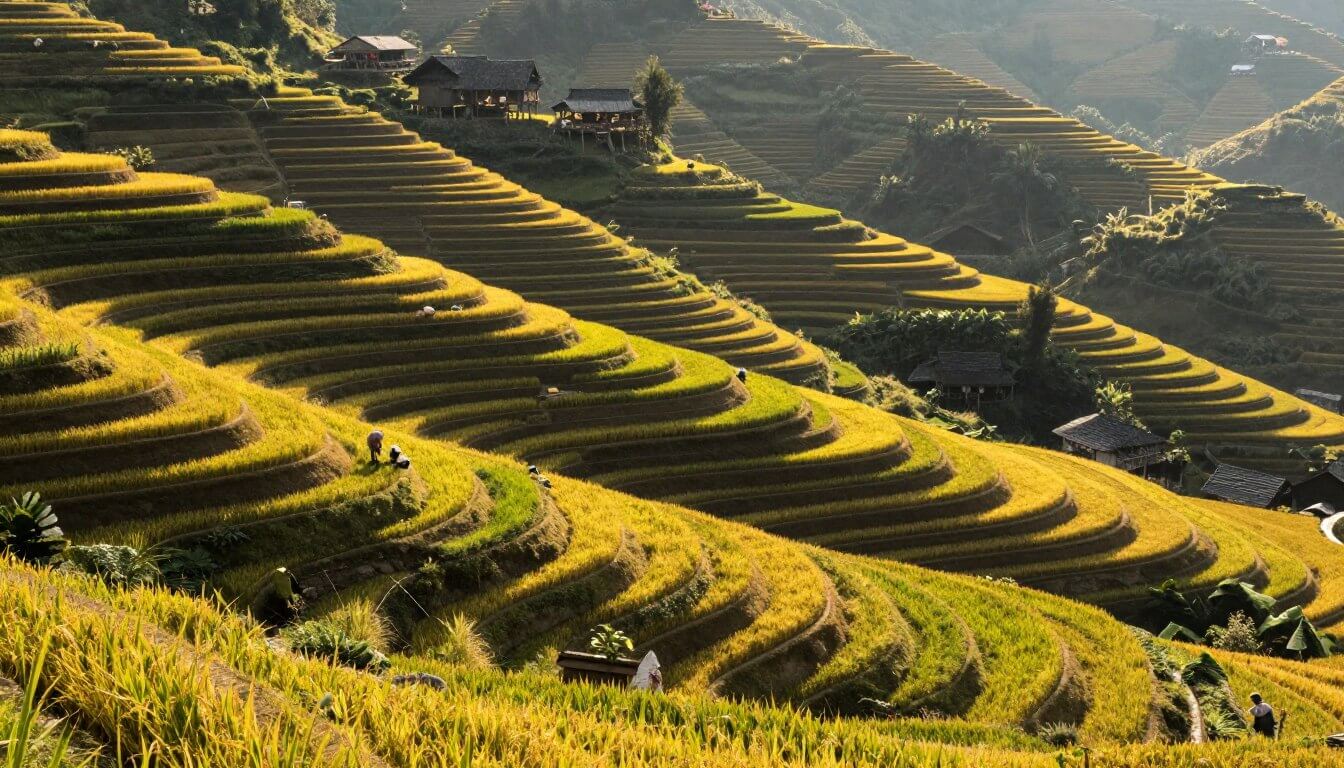
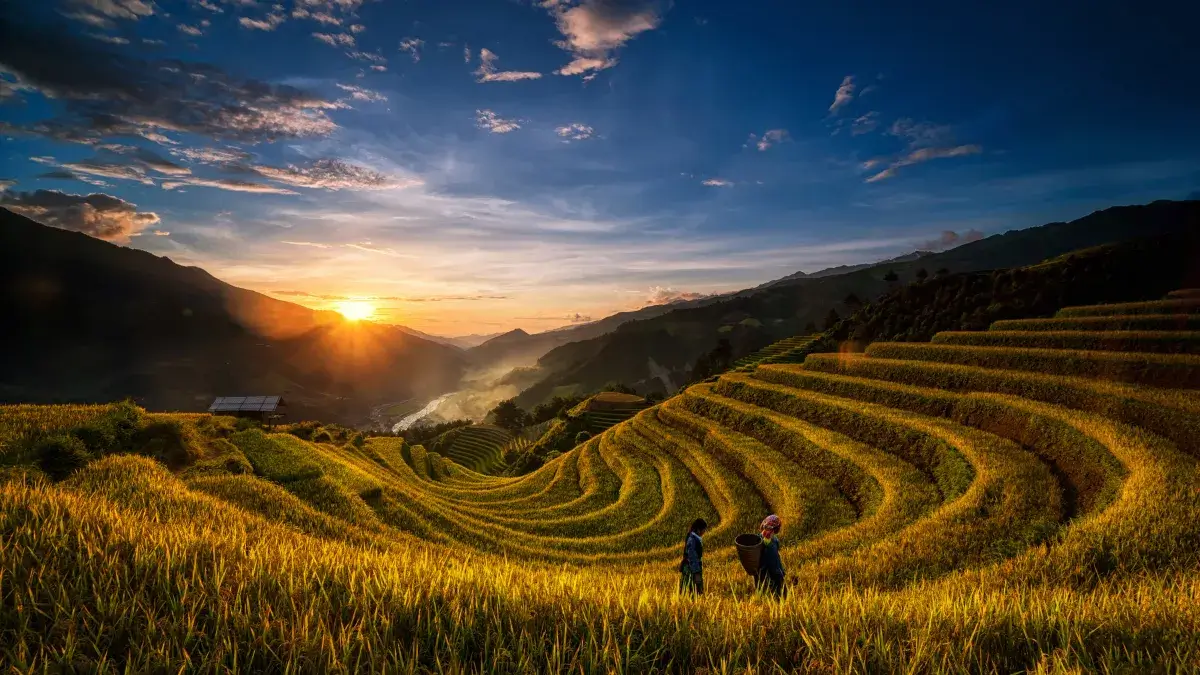
Mu Cang Chai transforms into a masterpiece each harvest season. The terraced rice paddies cascade down mountainsides like giant steps carved by nature and human hands working together over centuries.
This remote region in Yen Bai Province remains largely unknown to international travelers. The journey requires effort, but rewards visitors with some of the most breathtaking landscapes in the entire country.
Best Time to Visit Mu Cang Chai
September and October bring the golden rice harvest season to Mu Cang Chai. The entire landscape glows amber as farmers prepare to gather their crops.
June offers a different beauty when farmers flood the paddies for planting. The terraces become mirrors reflecting clouds and sky, creating surreal photographic opportunities.
Getting to Mu Cang Chai
The trip from Hanoi takes approximately six hours by car or motorbike. The route winds through spectacular mountain passes with viewpoints that demand frequent stops.
Local buses run daily but require patience and flexibility with schedules. Many travelers choose to rent a motorbike for complete freedom to explore side roads and hidden villages.
Transportation Options
- Private car hire from Hanoi (6-7 hours)
- Motorbike rental for adventurous riders
- Local bus from My Dinh station
- Organized tour groups with experienced guides
What to Bring
- Warm layers for cool mountain evenings
- Sturdy hiking boots for rice paddy trails
- Camera with extra batteries and memory cards
- Cash (limited ATM availability in remote areas)
Where to Stay in Mu Cang Chai
Local homestays provide the most authentic experience in Mu Cang Chai. Families open their traditional stilt houses to guests, sharing meals and stories about life in the mountains.
La Pan Tan village offers several well-established homestays with basic but comfortable accommodations. Hosts prepare traditional meals using ingredients from their own gardens and rice fields.
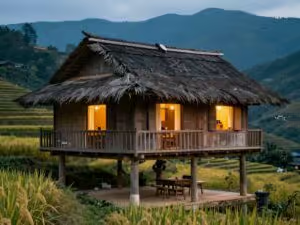
Traditional Homestay Experience
Stay with local families in authentic stilt houses. Experience daily life, share home-cooked meals, and learn about rice farming traditions passed down through generations.
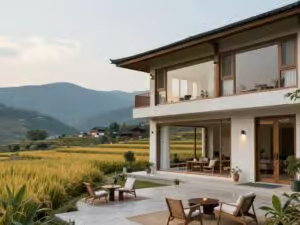
Eco-Lodge Comfort
Small eco-lodges combine modern comfort with environmental responsibility. Enjoy panoramic terrace views while supporting sustainable tourism in the region.

Budget Guesthouses
Town center guesthouses provide clean, affordable rooms with basic amenities. Perfect for budget travelers who want a comfortable base for daily explorations.
Activities and Experiences
Hiking through the rice terraces connects you directly with the landscape. Local guides lead treks to remote villages where daily life continues unchanged by modern tourism.
Khau Pha Pass ranks among Vietnam’s most dramatic mountain roads. The bike ride or drive offers endless curves with viewpoints revealing valleys filled with terraced fields.
- Trek to Hmong and Thai ethnic minority villages
- Photograph sunrise over golden rice terraces
- Join local farmers during harvest activities
- Visit weekly markets in La Pan Tan village
- Cycle through valley roads connecting small communities
Ha Giang Loop: The Ultimate Northern Adventure
The Ha Giang Loop represents Vietnam’s final frontier for adventurous travelers. This mountainous region along the Chinese border offers some of the most dramatic scenery in Southeast Asia.
Motorbike riders from around the world tackle this legendary route. The loop typically takes three to four days, passing through remote villages and over mountain passes that touch the clouds.
Planning Your Ha Giang Route
Most travelers start and end in Ha Giang town. The classic loop covers approximately 350 kilometers through some of Vietnam’s most challenging terrain.
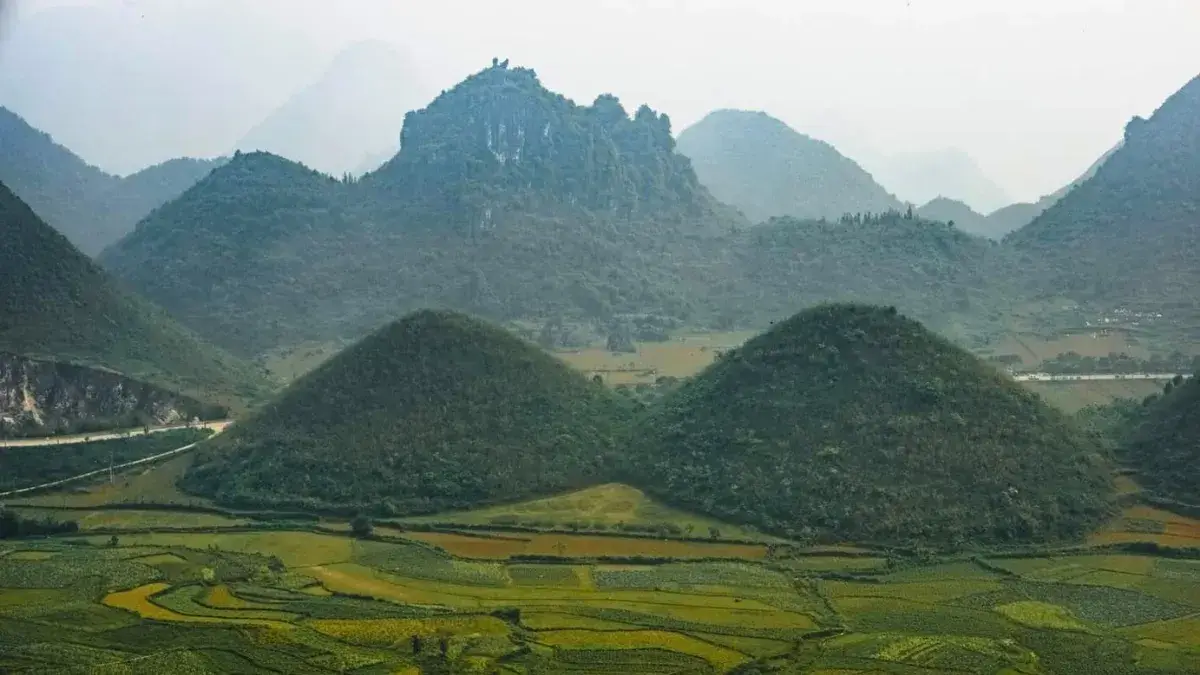
Day one typically reaches Quan Ba and Yen Minh, where twin peaks called the Fairy Bosom Mountains dominate the skyline. The landscape shifts constantly as you ride through different ethnic regions.
3-Day Express Route
Day 1: Ha Giang to Yen Minh (80km)
Day 2: Yen Minh to Meo Vac via Dong Van (120km)
Day 3: Meo Vac to Ha Giang via Du Gia (150km)
Less time in each location
More riding hours per day
Best for experienced riders
4-Day Recommended Route
Day 1: Ha Giang to Quan Ba to Yen Minh (70km)
Day 2: Yen Minh to Dong Van (60km)
Day 3: Dong Van to Meo Vac (90km)
Day 4: Meo Vac to Ha Giang (150km)
More time to explore and photograph
Ideal pace for most travelers
5-Day Leisurely Loop
Includes all 4-day stops plus extras
Add Du Gia village overnight
Extra day in Dong Van for markets
Short riding days (50-80km)
Time for side trips and hiking
Perfect for photographers
Essential Riding Tips
Road conditions vary dramatically throughout the loop. Some sections feature smooth pavement while others present rough gravel or mud during rainy season.
The Ma Pi Leng Pass stands as the route’s most spectacular and challenging section. Narrow roads hug cliff faces with drops of hundreds of meters to the Nho Que River below.
Insider Knowledge
Important: International tourists need a permit to travel in Ha Giang province due to its proximity to the Chinese border. Most hotels and tour operators can arrange this documentation quickly and easily.
Local Culture and Villages
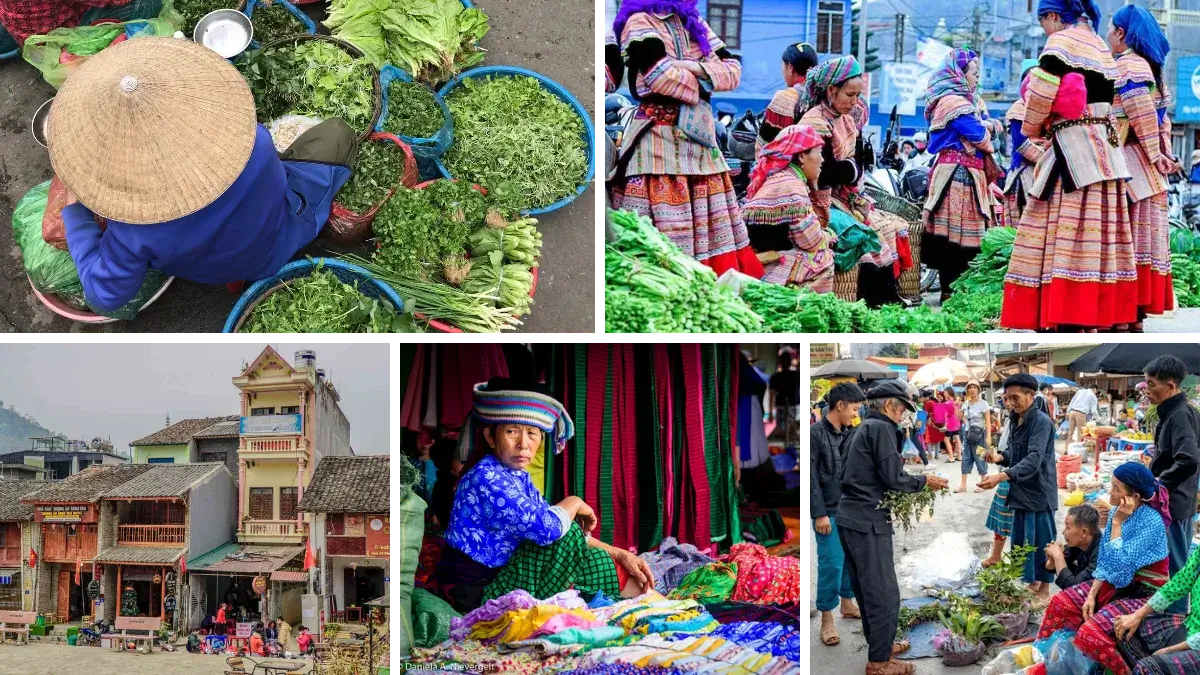
The region supports numerous ethnic minority groups including Hmong, Tay, Dao, and Lo Lo people. Each community maintains distinct traditions, clothing styles, and architectural approaches.
Sunday markets in Dong Van and Meo Vac bring villagers from surrounding mountains. These gatherings serve as social events where people trade goods, share news, and maintain cultural connections.
Where to Stay Along the Loop
Homestays dominate accommodation options throughout Ha Giang. These family-run establishments offer simple rooms and hearty meals prepared with local ingredients.
Dong Van has the most diverse lodging options, including restored French colonial buildings and modern guesthouses. The old quarter’s stone houses create an atmospheric setting for evening walks.
Want to travel by motorbike?
Book Your Ha Giang Motorcycle Adventure
Join expert-led motorbike tours through Ha Giang with experienced guides who know every curve, viewpoint, and hidden village. All equipment, permits, and accommodations included.
Phong Nha-Ke Bang: Exploring the World’s Largest Caves
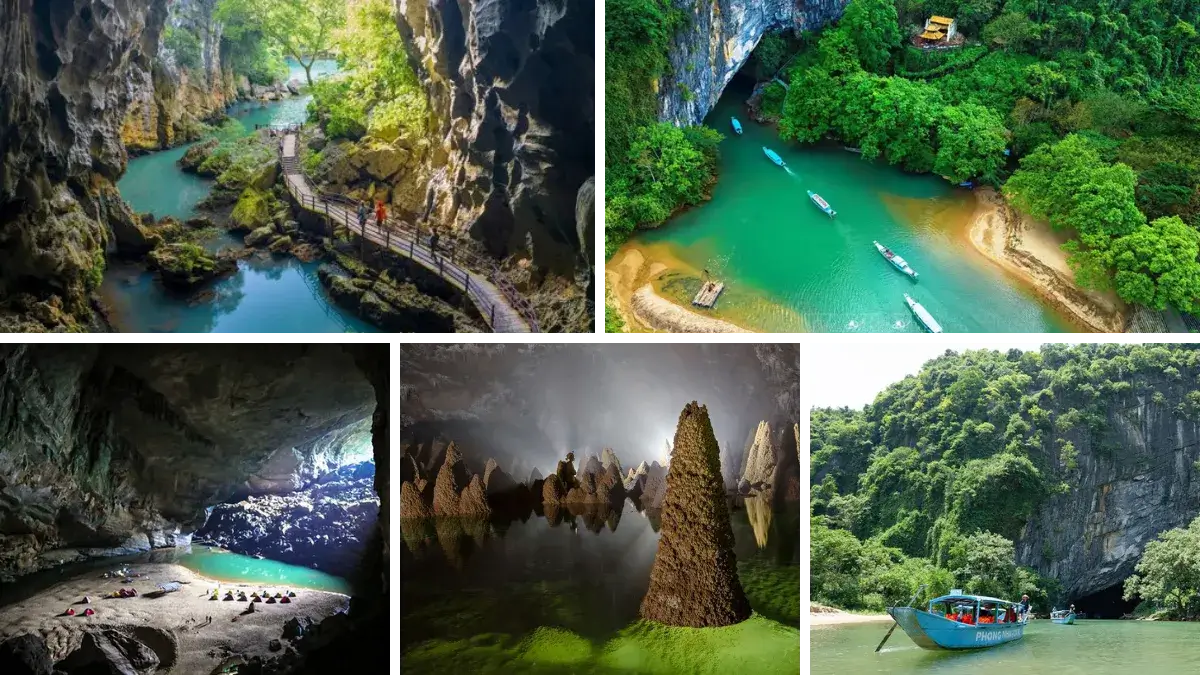
Phong Nha-Ke Bang National Park harbors some of Earth’s most extraordinary cave systems. This UNESCO World Heritage site remains far less crowded than Vietnam’s beach destinations despite its world-class natural wonders.
Son Doong Cave, discovered only in 2009, holds the title as the world’s largest cave passage. Its chambers reach heights exceeding 200 meters with spaces large enough to fit entire city blocks.
Cave Adventures for Every Level
Paradise Cave stretches seven kilometers underground with boardwalks allowing easy access to spectacular formations. Stalactites and stalagmites create natural sculptures illuminated by subtle lighting.
Dark Cave offers adventure-focused exploration. Visitors swim through the entrance, then zip-line across a river before kayaking and hiking through muddy passages in complete darkness.
| Cave Name | Difficulty Level | Duration | Highlights | Price Range |
| Paradise Cave | Easy | 2-3 hours | Spectacular formations, boardwalk access | $8-12 |
| Dark Cave | Moderate | 3-4 hours | Zip-lining, mud baths, kayaking | $25-35 |
| Phong Nha Cave | Easy | 1-2 hours | Boat tour, underground river | $6-10 |
| Hang En Cave | Challenging | 2 days/1 night | Jungle trekking, camping inside cave | $250-300 |
| Son Doong Cave | Very Challenging | 5 days/4 nights | World’s largest cave, underground jungle | $3000+ |
Beyond the Caves
Phong Nha town itself provides a relaxing base with riverside restaurants and friendly guesthouses. The pace here moves slowly, with locals greeting visitors warmly and time for conversation.
Bike rides through the countryside reveal rice fields, water buffalo, and villages where children wave enthusiastically. The Botanical Gardens offer peaceful trails through primary forest with swimming holes along the route.
- Rent a bicycle and explore rural roads
- Take boat trips on the Son River at sunset
- Visit the Phong Nha Botanical Gardens
- Try local specialties at countryside restaurants
- Join conservation projects and community initiatives
Practical Information
Phong Nha lies approximately 500 kilometers south of Hanoi and 200 kilometers north of Hue. Buses run regularly from both cities, with the journey from Hue taking about four hours.
The town offers accommodations ranging from backpacker hostels to upscale farmstays. Many properties operate with environmental consciousness, supporting local communities and conservation efforts.
Caving Adventures
Discover Phong Nha’s Underground Wonders
Reserve your cave adventure with certified guides. Choose from day trips to multi-day expeditions. Limited permits available for Son Doong Cave.
Book your Phong Nha guided tourBa Be National Park: Vietnam’s Mountain Lake Paradise
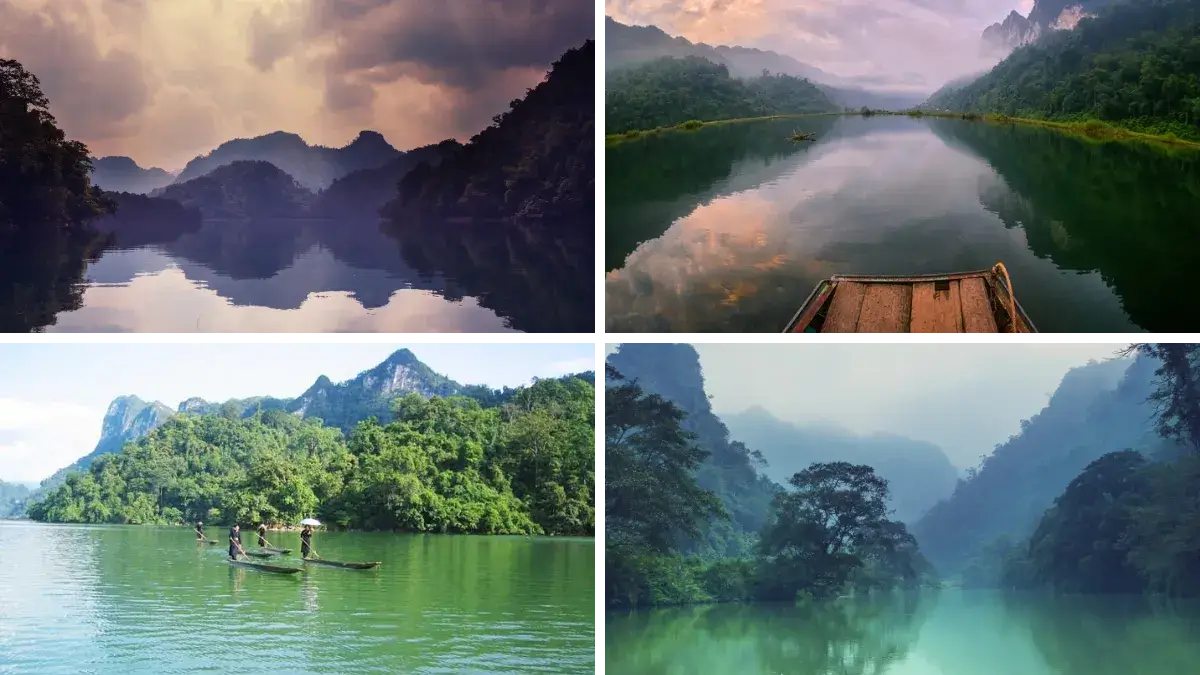
Ba Be Lake stretches as Vietnam’s largest natural lake, surrounded by towering limestone mountains and pristine forest. This remote national park in Bac Kan province sees few international visitors despite its remarkable beauty.
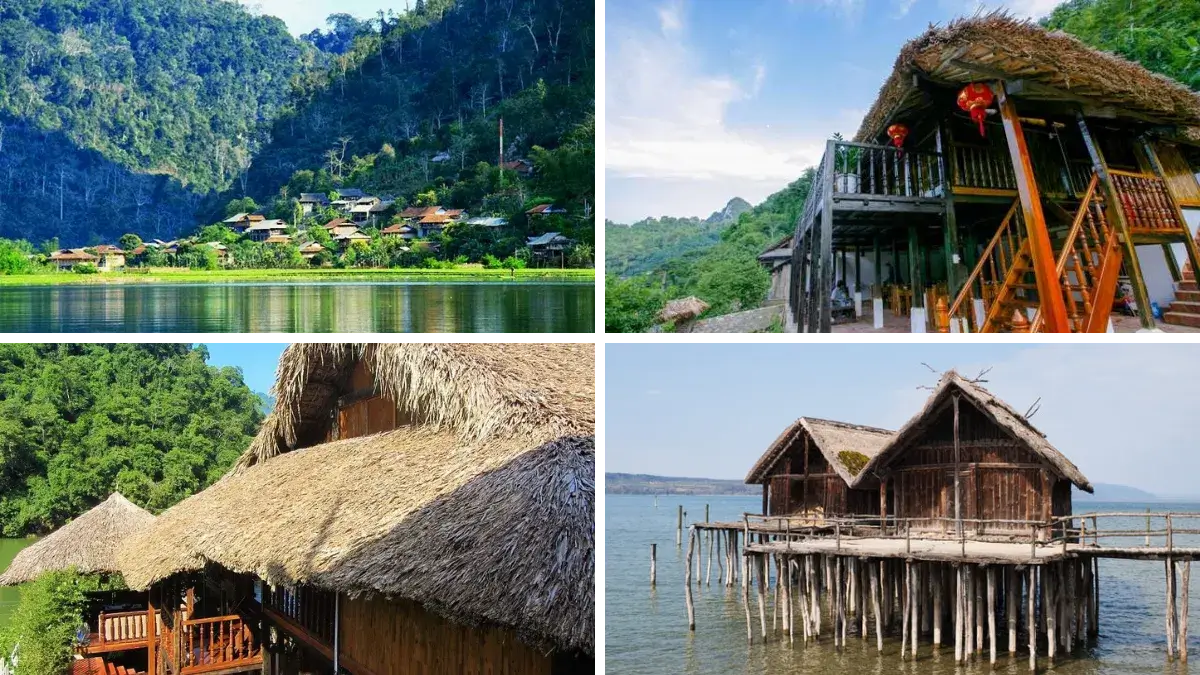
The region supports Tay ethnic minority communities who have lived along the lake shores for centuries. Their stilt houses perch above the water, offering homestay experiences that showcase traditional lakeside life.
Lake Activities and Boat Tours
Boat trips across Ba Be Lake reveal hidden caves, waterfalls, and quiet coves perfect for swimming. Local guides navigate traditional wooden boats, sharing stories about the lake’s history and ecology.
Puong Cave cuts through a mountain near the lake’s northern end. Boats pass through this water-filled passage where thousands of bats cling to the ceiling and swallows nest in rocky crevices.
Trekking and Village Visits
Trails wind through the national park’s forests, connecting Tay villages where life follows seasonal rhythms. Farmers cultivate rice in valley paddies while fishing provides daily protein from the lake.
Pac Ngoi village offers the most developed homestay network. Families welcome guests into their homes, preparing meals from garden vegetables and lake fish caught that same day.
What to Do in Ba Be
- Take boat tours to Puong Cave and Dau Dang Waterfall
- Kayak along quiet lake shores and inlets
- Trek to remote Tay and Hmong villages
- Swim in natural pools below waterfalls
- Experience traditional net fishing with locals
- Photograph wildlife including rare bird species
Best Time to Visit
October through April brings the most pleasant weather to Ba Be. Temperatures stay comfortable for hiking and water levels remain ideal for boat trips.
Summer months see heavier rainfall but fewer tourists. The landscape glows bright green and waterfalls flow at their most powerful.
Avoid major Vietnamese holidays when domestic tourists fill available homestays and boat capacity.
Getting There and Staying
Ba Be sits approximately 250 kilometers north of Hanoi, requiring six to seven hours by road. Public buses run to Cho Ra town, then local transport covers the final 18 kilometers to the lake.
Most visitors arrange homestays in advance through tour operators or directly with village families. Accommodations remain basic but clean, with shared bathrooms and family-style meals included.
Con Dao Islands: Vietnam’s Secret Beach Paradise
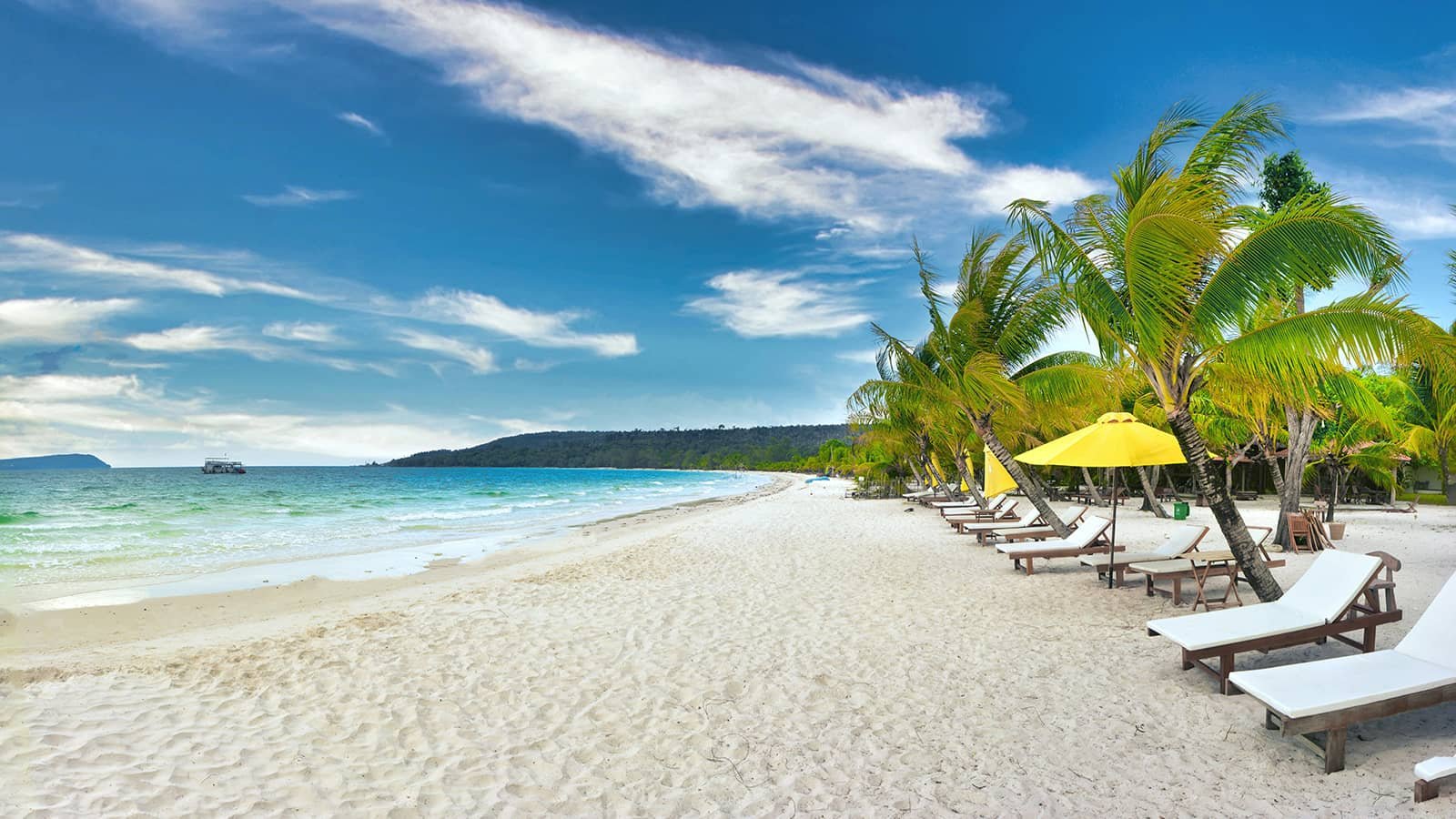
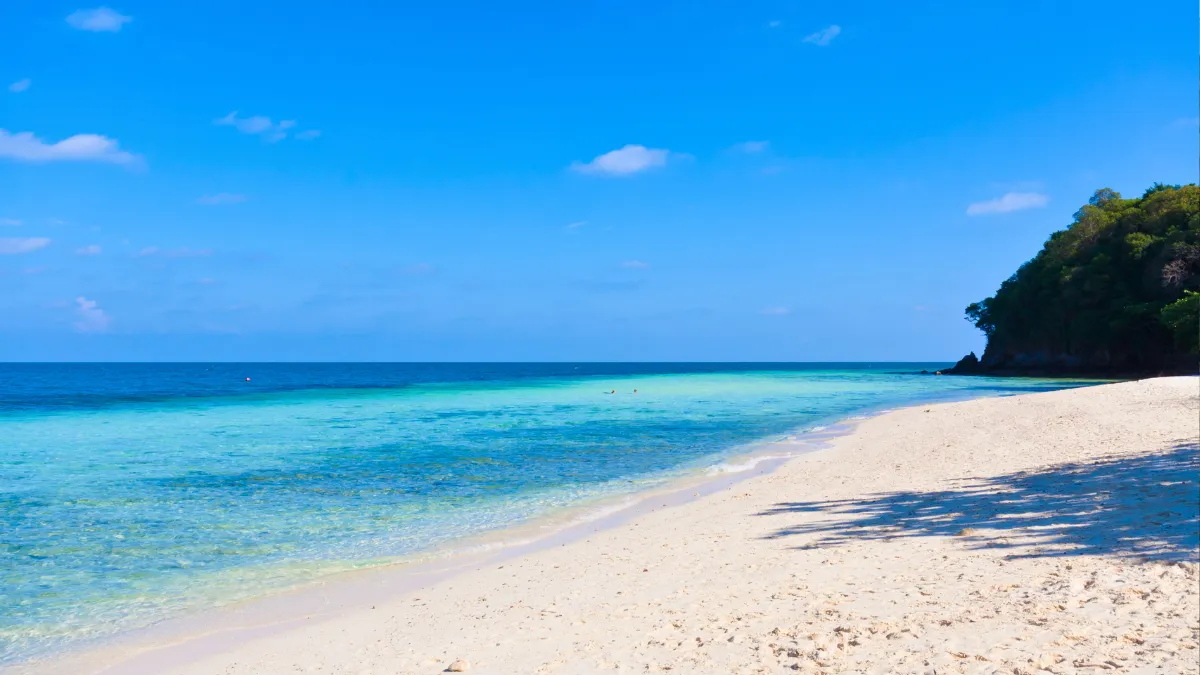
Con Dao archipelago floats off Vietnam’s southern coast, far from the country’s main tourism circuit. These sixteen islands offer pristine beaches, coral reefs, and a fascinating history that adds depth to their natural beauty.
Once home to Vietnam’s most notorious prison, Con Dao has transformed into a protected national park. Sea turtles nest on quiet beaches while dugongs graze in seagrass meadows offshore.
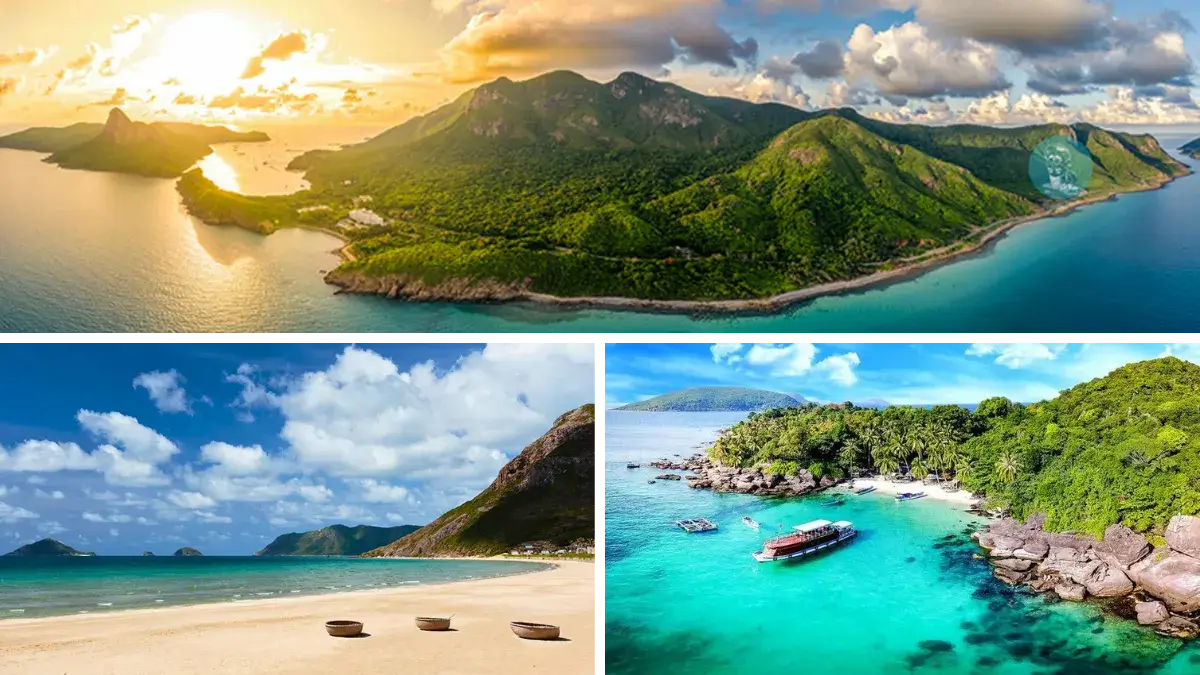
Best Beaches and Snorkeling Spots
Ong Dung Beach curves along the eastern coast with calm waters perfect for swimming. Coconut palms provide shade, and the sand stays clean thanks to limited visitor numbers.
Dam Trau Beach requires a short hike through forest but rewards effort with complete solitude. The bay’s protected waters host colorful coral gardens ideal for snorkeling without boat transport.
Why Visit Con Dao
- Uncrowded beaches even during high season
- Excellent diving and snorkeling conditions
- Protected marine life including rare species
- Historical sites add cultural dimension
- High-end resorts maintain environmental standards
- Easy day trips to uninhabited islands
Challenges to Consider
- Limited flight options increase costs
- Fewer budget accommodation choices
- Some attractions require tour booking
- Restaurant options limited outside resorts
- Rainy season weather unpredictable
Marine Life and Conservation
Con Dao National Park protects both terrestrial and marine environments. Rangers monitor sea turtle nesting sites and enforce fishing restrictions to preserve coral ecosystems.
Diving reveals healthy reefs populated by reef sharks, rays, and countless tropical fish species. Visibility often exceeds 30 meters, making underwater photography exceptional.
Historical Sites – Vietnam Off The Beaten Path
The former prison complex stands as a sobering reminder of Vietnam’s colonial and wartime past. Guides explain the harsh conditions prisoners endured while fighting for independence.
Hang Duong Cemetery contains graves of revolutionaries who died in captivity. The site attracts Vietnamese visitors paying respects to those who sacrificed for their country’s freedom.
Getting to Con Dao
Vietnam Airlines operates daily flights from Ho Chi Minh City and Can Tho. The flight takes approximately one hour, with small aircraft providing aerial views of the archipelago.
Ferry services from Vung Tau offer a budget alternative but run less frequently. The journey takes twelve hours overnight, arriving at Con Son island in the morning.
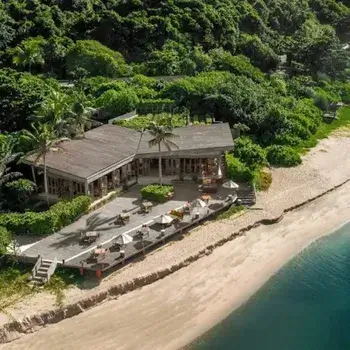
Six Senses Con Dao
Luxury beachfront villas with private pools. Exceptional dining, spa services, and environmental commitment make this Con Dao’s premier resort.
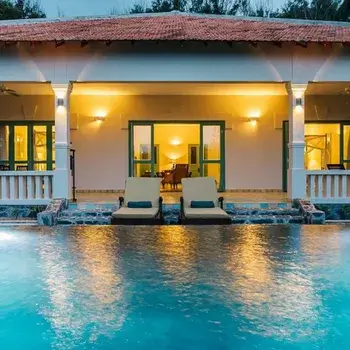
Poulo Condor Boutique Resort
Mid-range resort with ocean-view bungalows. French colonial architecture, beachfront restaurant, and diving center on-site.
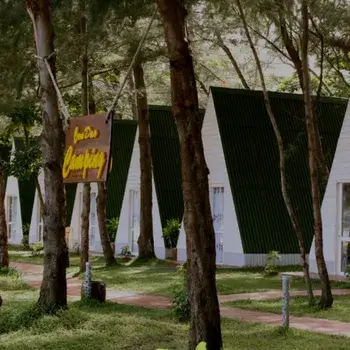
Con Dao Camping
Beachside camping experience with tent rentals and facilities. Budget-friendly option for adventurous travelers seeking authentic island nights.
Bac Ha: Vietnam’s Most Colorful Mountain Market
Bac Ha Sunday Market explodes with color every week as ethnic minority groups descend from surrounding mountains. Flower Hmong women wear elaborate embroidered clothing while trading livestock, produce, and handicrafts.
This market town in Lao Cai province sees far fewer tourists than nearby Sapa. The authentic market experience continues largely unchanged by tourism, with locals conducting business in their traditional languages.
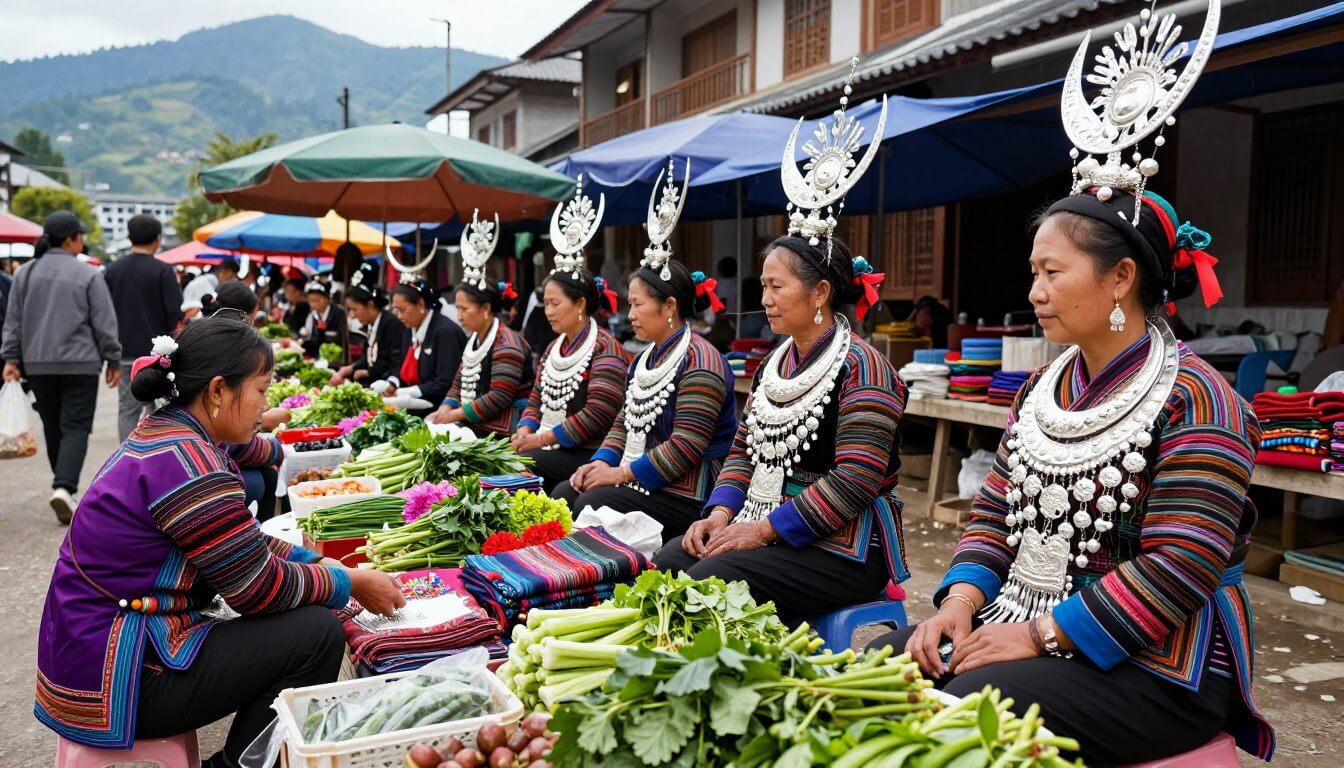
Market Day Experience
Trading begins early Sunday morning as villagers arrive on foot, motorbike, and horseback. Livestock sections buzz with negotiations over buffalo, pigs, and chickens.
Food stalls serve traditional mountain dishes including thang co, a horse meat stew that locals consume with corn wine. Vendors cook over charcoal fires, creating aromatic clouds that drift through market lanes.
Surrounding Villages and Treks
Ban Pho village sits about twelve kilometers from Bac Ha town. This Flower Hmong community welcomes visitors for homestays and guided walks through rice terraces and corn fields.
Na Hoi village offers a less-visited alternative with stunning valley views. The trek passes through diverse landscapes where different ethnic groups maintain distinct farming traditions.
- Explore Can Cau Market on Saturday (more remote, less touristy)
- Visit Flower Hmong villages on weekdays
- Trek to Hoang A Tuong Palace ruins
- Sample local rice wine at village homes
- Photograph traditional weaving and embroidery

Travel Writer, Researcher and Publisher
Jason Baigent
Founder: Destinations Uncovered
“Getting off the beaten path is always rewarding and provides a far more accurate insight into the everyday life and culture of the local people. However it also has its challenges – driving 3 hours to find the “amazing waterfall” is dry or “the ethnic village artisan shop” is a tourist trap. That’s why we develop our ultimate guides – you know that they are up to date and one of our team has actually been there in the last 3-6 months”
When to Visit
Every Sunday brings the main market, but arriving Saturday allows exploration of nearby Can Cau Market. This smaller gathering maintains an even more traditional atmosphere.
September through November offers ideal weather with clear skies and comfortable temperatures. Rice harvest season adds golden colors to valley landscapes.
Local Tip:
Arrive at Bac Ha Market before 8 AM for the most active trading period.
By noon, many vendors begin packing up to start their journey home to remote villages.
Ninh Binh: Ha Long Bay on Land Without the Crowds
Ninh Binh province offers karst landscapes rivaling Ha Long Bay but accessible by bicycle instead of cruise ship. Limestone peaks rise from rice paddies, creating the nickname “Ha Long Bay on Land.”
While more tourists discover Ninh Binh each year, it remains significantly less crowded than coastal attractions. The region rewards early risers who explore before tour groups arrive.
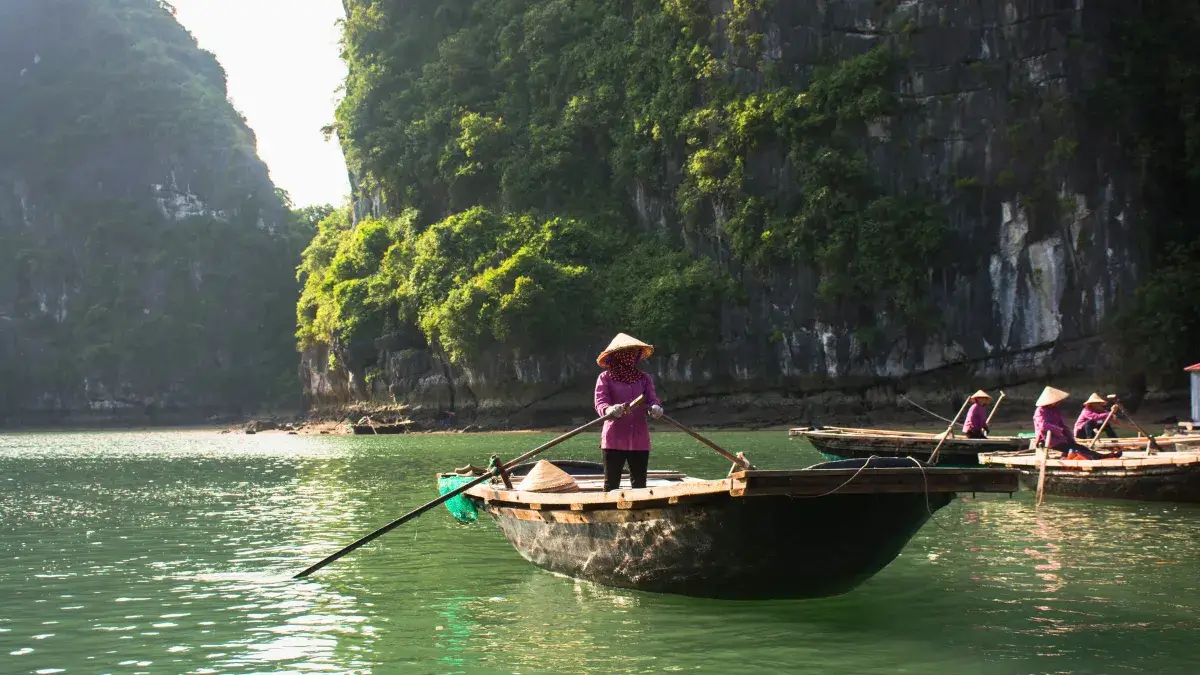
Top Attractions in Ninh Binh
Tam Coc boat ride glides along the Ngo Dong River through three caves carved by water through limestone mountains. Rowers use their feet to paddle, leaving hands free for phones and cameras.
Trang An complex presents a larger boat tour network with longer routes through cave systems. UNESCO recognition as a World Heritage site acknowledges both natural beauty and cultural significance.
Mua Cave Viewpoint
The climb to Hang Mua viewpoint demands effort with nearly 500 steps ascending the limestone peak. Views from the top reveal the entire Tam Coc valley with its winding river and rice fields.
Sunrise visits avoid heat and crowds while providing soft light perfect for photography. The peaceful morning atmosphere transforms the experience completely.
Bai Dinh Pagoda
This massive temple complex ranks among Vietnam’s largest Buddhist sites. Bronze Buddha statues reach impressive heights while courtyards sprawl across hillsides with views over surrounding countryside.
Electric carts transport visitors between temple buildings spread over several kilometers. The scale impresses, though some find the modern construction less charming than ancient pagodas.
Cycling Through the Countryside
Bicycle routes connect villages, temples, and natural attractions throughout Ninh Binh. Quiet roads pass through rice paddies where farmers work using traditional methods unchanged for generations.
Van Long Nature Reserve offers boat rides through wetlands home to endangered primates. The ride penetrates quiet channels where bird watching opportunities abound.
Best Cycling Routes
- Tam Coc to Bich Dong Pagoda (8 km loop)
- Ninh Binh town to Van Long Reserve (15 km)
- Trang An to Hoa Lu ancient capital (12 km)
- Village circuits through Thung Nham bird park area
Most hotels and guesthouses rent bicycles for minimal fees. The flat terrain suits all fitness levels, making cycling the ideal way to explore at your own pace.
Where to Stay
Tam Coc village provides the most accommodation options with everything from backpacker hostels to boutique hotels. Staying here puts you within walking distance of boat departure points.
Ninh Binh city offers more dining choices and local atmosphere but requires transport to reach main attractions. The trade-off brings authentic Vietnamese town life.
Vietnam off the beaten track adventures
Book Your Ninh Binh Experience
Reserve boat tours, bicycle rentals, and unique homestays in Ninh Binh. Skip the lines with advance booking and get local guide recommendations.
Browse ActivitiesPhu Quoc Island: Beyond the Beach Resorts
Phu Quoc has developed rapidly with new resorts lining popular beaches. Yet the island’s northern and eastern coasts maintain quiet fishing villages and jungle trails far from development.
Exploration beyond resort areas reveals pepper plantations, fish sauce factories, and local markets where tourism remains secondary to daily island life.
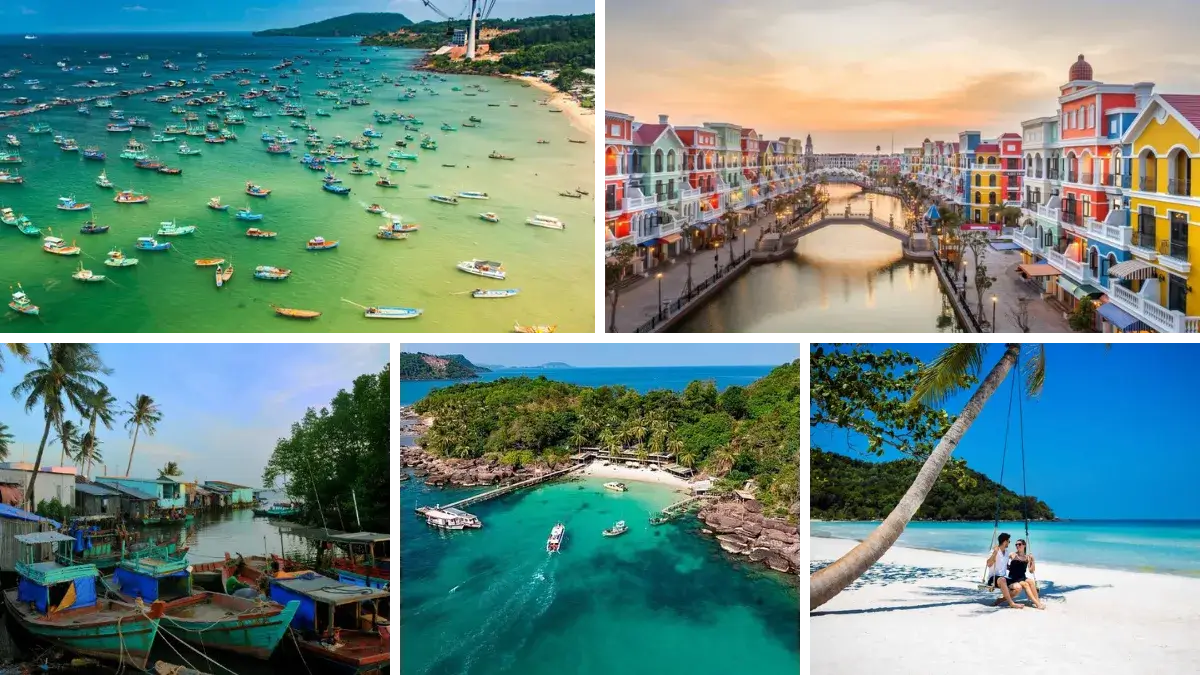
Off-the-Beaten-Path Beaches
Bai Thom beach stretches along the northeastern coast with shallow turquoise waters and almost no development. The rough road accessing this area keeps visitor numbers low.
Ganh Dau village sits at the island’s northwestern tip where you can see Cambodia across the water. Local seafood restaurants serve catches brought in by village fishing boats.
Pepper Farms and Fish Sauce Factories
Phu Quoc pepper ranks among the world’s finest with protected geographical status. Farm tours explain cultivation methods while allowing visitors to purchase directly from producers.
Fish sauce production defines much of the island’s economy. Factory visits reveal the fermentation process creating Vietnam’s essential cooking ingredient, though the strong smell overwhelms some visitors.
National Park Exploration
Phu Quoc National Park covers over half the island with dense jungle protecting endangered species. Trails vary from easy walks to challenging full-day treks requiring guides.
The Suoi Tranh waterfall hike takes about twenty minutes through forest. During rainy season, the falls cascade with force while dry months reduce flow significantly.
North Island Highlights
Ganh Dau fishing village and sunset views
Rach Vem fishing harbor (early morning best)
Suoi Da Ban stream hiking trail
Bai Thom pristine beach
Pepper farm tours
East Coast Experiences
Bai Vong beach snorkeling
Ham Ninh fishing village seafood
Fish sauce factory visits
Mangrove forest kayaking
Quiet guesthouse stays
Central Island Activities
Phu Quoc National Park trekking
Suoi Tranh waterfall swimming
Countryside motorbike routes
Local market exploration
Organic farm visits
Getting Around
Renting a motorbike provides freedom to explore beyond main tourist zones. Roads vary from smooth pavement to rough dirt tracks requiring careful riding.
The island’s size allows day trips to reach any point, though starting early helps avoid midday heat. Fuel stations cluster near Duong Dong town with limited options in remote areas.
Pu Luong Nature Reserve: Pristine Rice Terraces and Valley Views
Pu Luong remains one of northern Vietnam’s best-kept secrets despite its proximity to Hanoi and Ninh Binh. This nature reserve protects some of the country’s most beautiful rice terraces and traditional Thai ethnic villages.
The landscape rivals Sapa and Mu Cang Chai in beauty but sees a fraction of their visitor numbers. Bamboo water wheels still irrigate rice fields using engineering methods passed down through centuries.
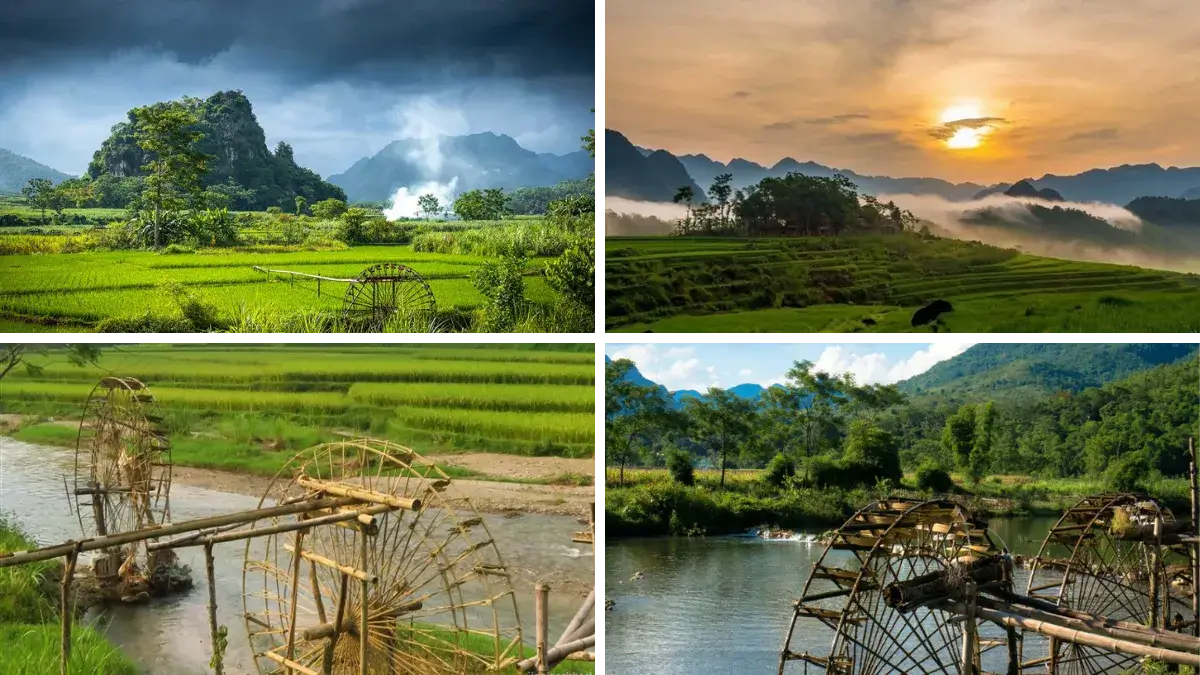
Village Homestays
Thai villages throughout Pu Luong offer homestay experiences in traditional stilt houses. Families share their homes, meals, and daily routines with guests seeking authentic cultural exchange.
Kho Muong village provides excellent homestay options with views over terraced valleys. Evening meals bring multiple families together, sharing food and conversation around low tables.
Trekking Routes
Trails connect villages through rice terraces, bamboo forests, and along mountain streams. Routes vary from short two-hour walks to full-day treks requiring good fitness levels.
The hike from Kho Muong to Lan village takes about four hours through changing landscapes. Water breaks at village homes along the way provide chances to meet locals and rest.
Best Experience:
Visit during rice planting season (May-June) when terraces fill with water, or harvest time (September-October) when fields turn golden. The bamboo water wheels work most impressively during these peak agricultural periods.
Natural Swimming Holes
Mountain streams create natural pools perfect for cooling off after morning hikes. Locals know the best swimming spots and guide visitors to hidden locations.
Hieu waterfall sits about five kilometers from main accommodation areas. The trail follows a river through forest before reaching the falls and swimming area.
Getting to Pu Luong
The reserve lies approximately 170 kilometers from Hanoi, requiring four hours by car. Most visitors combine Pu Luong with Ninh Binh in multi-day itineraries.
No public buses serve the area directly. Private transport or organized tours provide the most practical access options for independent travelers.
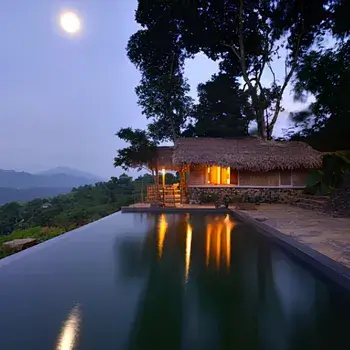
Pu Luong Retreat
Luxury eco-lodge with infinity pool overlooking rice terraces. Sustainable design incorporates traditional architecture with modern comfort. Excellent restaurant serving Thai and Vietnamese cuisine.
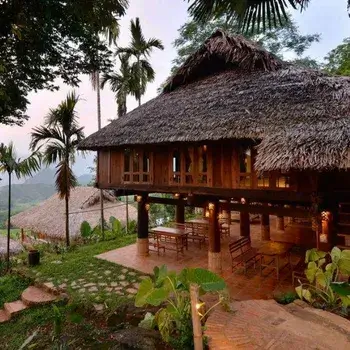
Village Homestay
Traditional Thai stilt house accommodation in Kho Muong village. Family-run with home-cooked meals included. Basic facilities but authentic cultural immersion and stunning valley views.
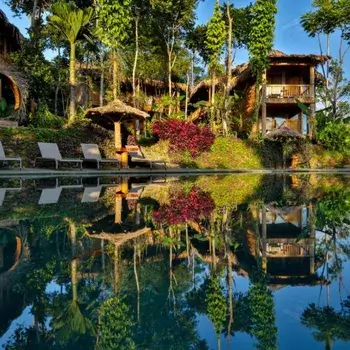
Pu Luong Natura Bungalow
Mid-range bungalows with private terraces facing rice terraces. Swimming pool, bicycle rentals, and trekking guides available. Good balance of comfort and nature connection.
Cao Bang: Ban Gioc Waterfall and Border Highlands
Cao Bang province stretches along Vietnam’s northern border with China, offering dramatic landscapes and ethnic minority cultures. The region sees few Western tourists despite containing Ban Gioc, one of Asia’s most impressive waterfalls.
Mountain roads wind through stunning scenery connecting remote villages where Tay, Nung, and Hmong communities maintain traditional lifestyles. The area rewards adventurous travelers willing to handle challenging roads and basic infrastructure.
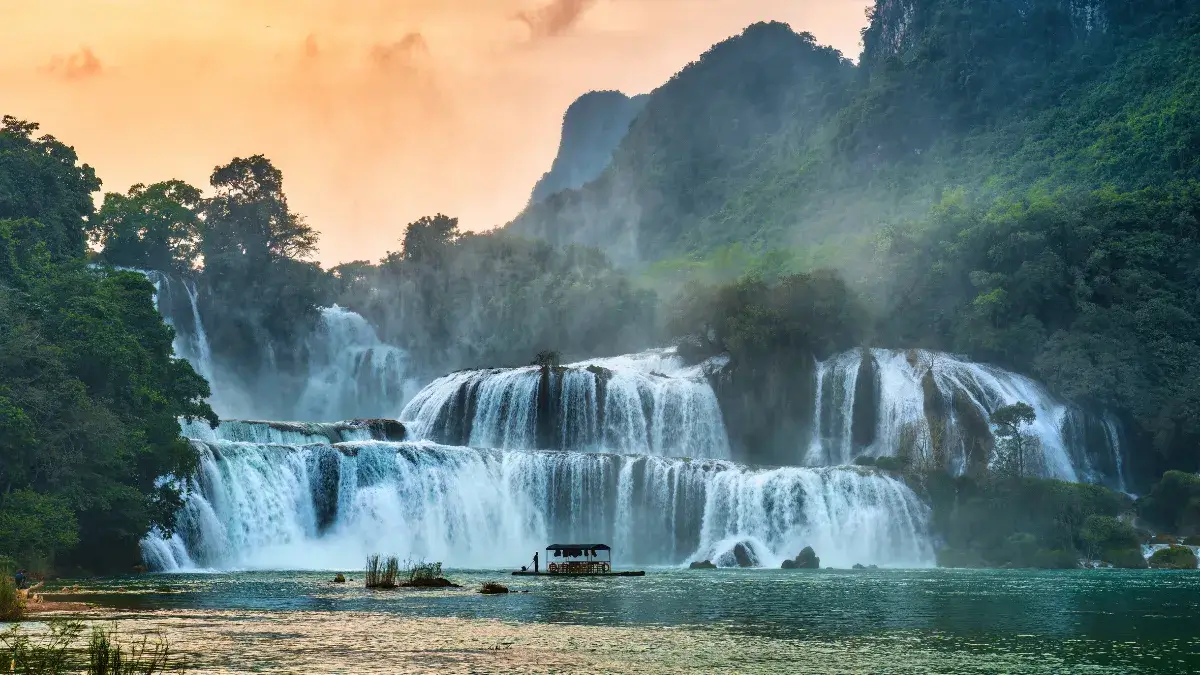
Ban Gioc Waterfall
Ban Gioc splits between Vietnam and China, with both countries claiming portions of the spectacular cascade. The falls drop 30 meters across a 300-meter-wide front, creating thunderous noise and cooling mist.
Bamboo raft rides bring visitors close to the falls’ base. The turquoise water and limestone backdrop create scenes worthy of extensive photography time.
Nguom Ngao Cave
This massive cave system sits just three kilometers from Ban Gioc waterfall. Well-lit pathways allow exploration of chambers filled with impressive stalactite and stalagmite formations.
The cave stretches over two kilometers with multiple levels accessible via concrete steps and walkways. Underground streams add sound effects to the already dramatic environment.
Ba Be to Cao Bang Route
The road connecting Ba Be Lake with Cao Bang ranks among northern Vietnam’s most scenic drives. Approximately 160 kilometers of mountain roads pass through changing landscapes and ethnic villages.
Most travelers dedicate a full day to this journey, stopping frequently for photography and village visits. The route works well as part of a northeastern Vietnam loop itinerary.
- Start early from Ba Be to allow time for stops
- Visit Pac Bo Cave where Ho Chi Minh stayed in 1941
- Stop in Cao Bang town for lunch and supplies
- Continue to Ban Gioc for overnight near waterfall
- Explore Nguom Ngao Cave the following morning
Practical Considerations
Accommodations near Ban Gioc remain basic with simple guesthouses and homestays. The area’s remoteness means limited restaurant options outside your accommodation.
Road conditions vary significantly, especially during rainy season. Motorbike riders should have experience handling rough terrain and steep grades.
Border Zone Notice:
Cao Bang’s proximity to China means travelers need proper documentation. Register your presence with local authorities upon arrival and avoid wandering into restricted border areas without permission.
Authentic Vietnamese Food Off the Tourist Trail
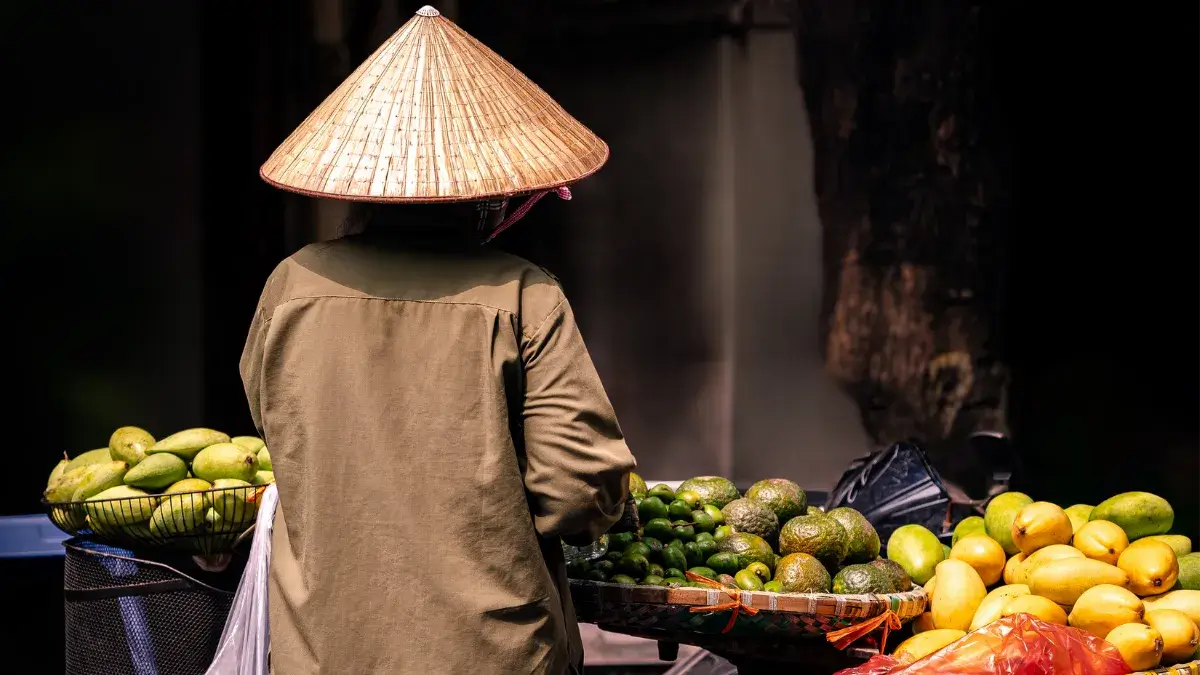
Vietnam’s best food often hides in places tourists rarely visit. Small town markets and village eateries serve regional specialties that never appear on tour group itineraries.
Each region brings distinct flavors and cooking techniques reflecting local ingredients and cultural influences. Adventurous eaters discover dishes that expand understanding of Vietnamese cuisine beyond pho and banh mi.
Northern Mountain Specialties
Thang co appears at mountain markets throughout the north. This Hmong dish combines horse meat with organs and bones, simmered for hours with special herbs creating complex flavors.
Xoi ngu sac, or five-color sticky rice, uses natural plant extracts to dye rice different colors. Each color carries symbolic meaning while the sticky texture provides energy for mountain farmers.
Central Vietnam Hidden Dishes
Banh beo features small steamed rice cakes topped with shrimp and crispy pork skin. This Hue specialty requires skill to create the perfect texture and balance of toppings.
Bun bo Hue packs more spice than its northern pho cousin. The beef noodle soup incorporates lemongrass and shrimp paste, creating bolder flavors that reflect central Vietnamese preferences.
| Regional Specialty | Location | Main Ingredients | Best Place to Try |
| Thang Co | Ha Giang, Bac Ha | Horse meat, organs, mountain herbs | Sunday markets, village homes |
| Banh Cuon Cao Bang | Cao Bang province | Thin rice crepes, ground pork, wood ear mushrooms | Morning street stalls in Cao Bang town |
| Ca Kho To | Mekong Delta villages | Catfish, caramelized sauce, clay pot | Family restaurants along canals |
| Bun Rieu Cua | Small northern towns | Rice vermicelli, freshwater crab, tomato broth | Local market food stalls |
| Banh Xeo | Central and southern Vietnam | Crispy rice pancake, pork, shrimp, bean sprouts | Countryside restaurants with herb gardens |
Island and Coastal Seafood
Phu Quoc’s fish sauce factories produce nuoc mam using traditional fermentation methods. Local restaurants incorporate this essential ingredient in ways highlighting its complexity beyond simple seasoning.
Con Dao seafood comes straight from boat to table. Morning markets sell catches hours old, which restaurants prepare simply to showcase freshness.
Market Food Adventures
Small town markets open early with vendors preparing traditional breakfast dishes. Point at what locals eat and trust that popular stalls serve quality food.
Evening markets in places like Ninh Binh and Pu Luong offer different specialties. Grilled meats, fresh spring rolls, and regional snacks appear as workers finish their day.
Food Safety Tips
- Choose busy stalls with high turnover
- Watch food being cooked fresh to order
- Avoid dishes sitting out for extended time
- Drink bottled or boiled water only
- Start with small portions of unfamiliar foods
- Pack basic stomach medications just in case
Ordering Without Vietnamese
Point at dishes other customers are eating. This non-verbal communication works effectively in markets and small restaurants.
Learn basic food vocabulary like ga (chicken), bo (beef), tom (shrimp), and chay (vegetarian). These words help communicate dietary needs.
Translation apps provide backup but pointing and smiling often work better for simple food orders.
Practical Tips for Vietnam Off The Beaten Path Travel
Exploring remote Vietnam requires more preparation than following standard tourist routes. Infrastructure varies significantly, and language barriers increase outside major cities.
These practical considerations help ensure smooth travel while maintaining flexibility for unexpected discoveries and changes in plans.
Transportation in Remote Areas
Local buses serve most provincial towns but run on unpredictable schedules. Departures often occur when the bus fills rather than at posted times.
Renting motorbikes provides maximum flexibility but requires experience handling mountain roads and varied conditions. International driving permits technically needed though enforcement varies.
Motorbike Travel Benefits
- Complete route flexibility and spontaneous stops
- Access to locations unreachable by bus
- Lower cost than private car hire
- Immersive experience of Vietnamese road culture
- Easy parking and maneuvering in villages
Motorbike Challenges
- Requires riding experience and confidence
- Weather exposure in rain or intense sun
- Mechanical issues possible in remote areas
- Higher accident risk on mountain roads
- Limited luggage capacity
Accommodation Booking
Popular destinations like Mu Cang Chai and Ha Giang fill quickly during peak seasons. Booking ahead ensures accommodation, especially for specific homestays with limited capacity.
More remote locations lack online booking systems. Calling ahead or having Vietnamese speakers make reservations prevents arrival without options.
Money and Banking
ATMs disappear in remote areas. Withdraw sufficient cash in provincial capitals before heading into countryside regions.
Small bills prove essential as village shops and homestays rarely have change for large denominations. Bring plenty of 50,000 and 100,000 dong notes.
Communication
Vietnamese SIM cards cost little and provide data coverage in surprisingly remote areas. Providers like Viettel offer the most extensive rural network coverage.
Download offline maps and translation apps before leaving cities. These tools function without internet access, proving invaluable in areas without reliable signals.
Essential Apps
Maps.me for offline navigation
Google Translate with Vietnamese downloaded
Grab for motorcycle taxi booking
Weather app for mountain conditions
Packing Essentials
Basic first aid and medications
Power bank for device charging
Headlamp for rural accommodations
Quick-dry clothing and rain gear
Cultural Courtesy
Learn basic Vietnamese greetings
Dress modestly in ethnic villages
Ask permission before photographing people
Remove shoes entering homes
Health and Safety
Medical facilities in remote areas offer basic care only. Serious issues require evacuation to provincial hospitals or return to major cities.
Travel insurance covering medical evacuation provides peace of mind when exploring far from advanced medical care. Verify coverage includes motorbike riding if planning to rent.
Best Time to Travel
Weather patterns vary dramatically across Vietnam’s length. Northern mountains see cold winters while southern regions stay warm year-round.
October through April generally provides the most reliable weather for northern destinations. Southern areas and islands shine during this period too, making it Vietnam’s peak travel season.
| Region | Best Months | Avoid Months | Weather Notes |
| Northern Mountains | September-November, March-May | December-February (cold), July-August (rain) | Rice harvest Sept-Oct, planting May-June |
| Central Coast | February-August | September-January (rain, storms) | Typhoon season peaks October-November |
| Central Highlands | November-March | May-October (heavy rain) | Coffee harvest season November-February |
| Southern Vietnam & Islands | November-April | May-October (monsoon) | Dry season most reliable for islands |
Start Your Off-the-Beaten-Path Vietnam Adventure
Vietnam rewards travelers who venture beyond standard itineraries. The destinations covered in this guide offer authentic experiences that reveal the country’s genuine character and incredible diversity.
From Mu Cang Chai’s golden rice terraces to Con Dao’s pristine beaches, these hidden gems showcase Vietnam’s natural beauty without the crowds. Village homestays and local markets connect visitors with Vietnamese culture in meaningful ways impossible in tourist centers.
The journey requires more planning than following tourist trails. Road conditions challenge, language barriers exist, and infrastructure varies. Yet these very factors create the sense of discovery that makes travel memorable.
Start with one or two destinations from this guide. Combine them with more established stops to balance adventure with comfort. Each trip builds confidence for exploring further off the beaten path next time.
Vietnam’s hidden corners await those willing to ride the rough roads and embrace uncertainty. The rewards include landscapes that take your breath away, food that explodes with unfamiliar flavors, and encounters with people whose warmth transcends language.
The best time to discover off-the-beaten-path Vietnam starts now. Pack your sense of adventure, download those offline maps, and prepare for the trip that changes how you see this remarkable country.
Vietnam Off The Beaten Path FAQ
Is it safe to travel to remote areas of Vietnam?
Remote Vietnam is generally very safe for travelers. Violent crime remains rare, and locals often go out of their way to help lost tourists. The main risks involve traffic accidents on mountain roads and minor health issues from food or water. Exercise normal precautions like securing valuables, avoiding night driving on unfamiliar roads, and maintaining awareness of surroundings. Solo female travelers report feeling safe throughout Vietnam, including off-the-beaten-path areas.
How much Vietnamese do I need to speak?
You can navigate remote Vietnam with zero Vietnamese language skills, though learning basic phrases improves experiences significantly. Key phrases include greetings, thank you, numbers for prices, and food vocabulary. Translation apps work well for complex communication. In homestays and villages, hosts often find creative ways to communicate through gestures, drawing, and phone translators. Patience and humor overcome most language barriers.
What’s the best way to get around remote Vietnam?
Motorbike rental offers the most flexibility for exploring off-the-beaten-path destinations. Experienced riders enjoy complete freedom to stop at viewpoints and access remote villages unreachable by car. Alternatives include hiring a car with driver, joining organized tours, or combining buses with local transport. Each method has trade-offs between cost, flexibility, and comfort. Choose based on your riding experience, budget, and time available.
How much should I budget for off-the-beaten-path Vietnam travel?
Budget travelers can explore remote Vietnam for under $40 per day including basic homestays, local food, and motorbike rental. Mid-range budgets of -100 daily allow better accommodations and organized tours. Costs stay lower than tourist hotspots, though reaching remote areas may require expensive private transport. Homestays cost -20 per person including meals, while boutique eco-lodges run -200 per night.
Can I visit these destinations independently or do I need a guide?
Most destinations mentioned work perfectly for independent travel. Roads have improved, and basic navigation with offline maps proves sufficient. Homestays welcome direct bookings, and villages are accustomed to self-guided visitors. Guides add value for cultural insights, language assistance, and accessing truly remote areas. Trekking in national parks often requires certified guides for safety and environmental protection. Son Doong Cave permits only allow guided expeditions.
What should I pack for remote Vietnam destinations?
Pack versatile clothing for varied climates. Northern mountains need warm layers year-round, especially evenings. Rain gear proves essential during monsoon months. Quick-dry fabrics work best as washing facilities vary. Bring sturdy walking shoes, basic first aid supplies, headlamp, power bank, and reusable water bottle with purification method. Small bills, photocopies of documents, and offline maps round out essentials. Modest clothing respects local cultures in ethnic minority villages