Tamil Nadu, a land rich in history and culture, offers travelers a remarkable experience through its vibrant cities and serene towns. From ancient temples that showcase exquisite architecture to colonial-era landmarks and tranquil hill stations, Tamil Nadu presents a diverse tapestry of traditions and natural beauty. Whether you are drawn to spiritual sanctuaries, bustling urban life, or peaceful landscapes, the state’s must-visit destinations reveal the essence of South India’s heritage and living culture. This guide highlights the best places to visit in Tamil Nadu, each with its own story waiting to be discovered.
Exploring the Cultural Heart: Must-Visit Cities and Towns
Tamil Nadu’s urban landscape offers a fascinating journey through centuries of history, architecture, and living traditions.
Each city presents a unique character shaped by dynasties, religions, and cultural movements that have left their mark on South India.
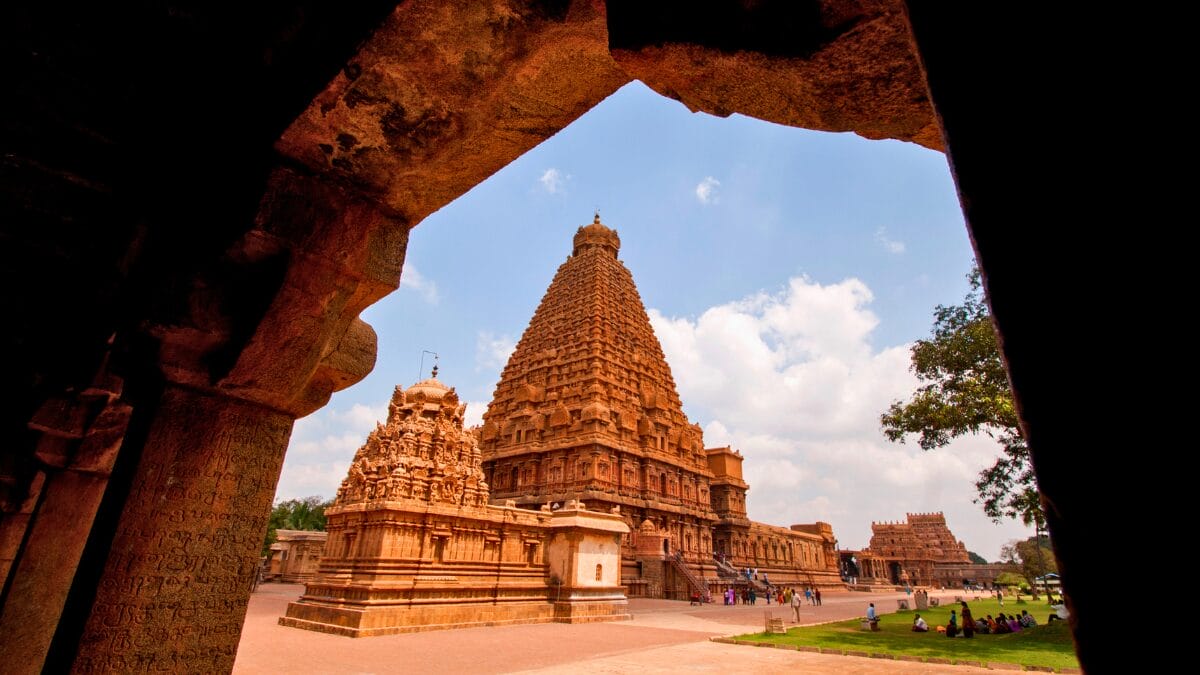
Chennai, the vibrant capital, serves as your gateway to the state. Beyond its modern skyline, you’ll discover colonial-era landmarks like Fort St. George and the Government Museum housing one of Asia’s finest bronze collections.
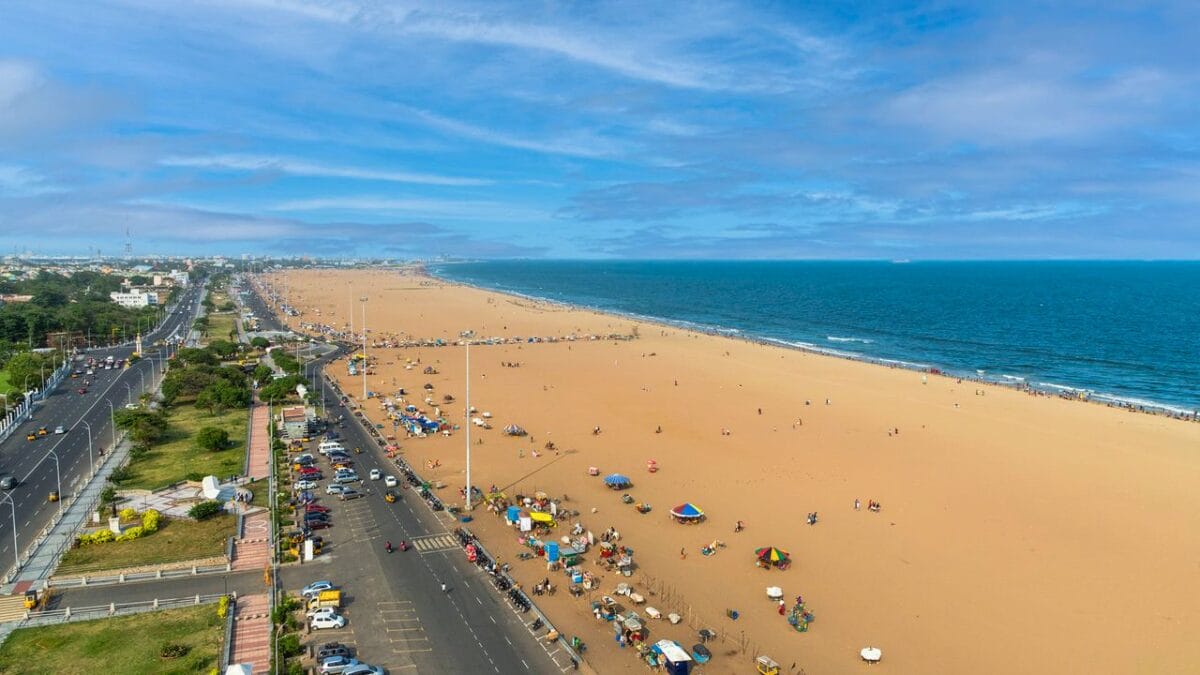
According to Wikipedia, Marina Beach stretches for 13 kilometers, making it one of the world’s longest urban beaches where locals gather at sunset. The Kapaleeshwarar Temple in Mylapore showcases Dravidian architecture with its towering gopuram covered in colorful deities.
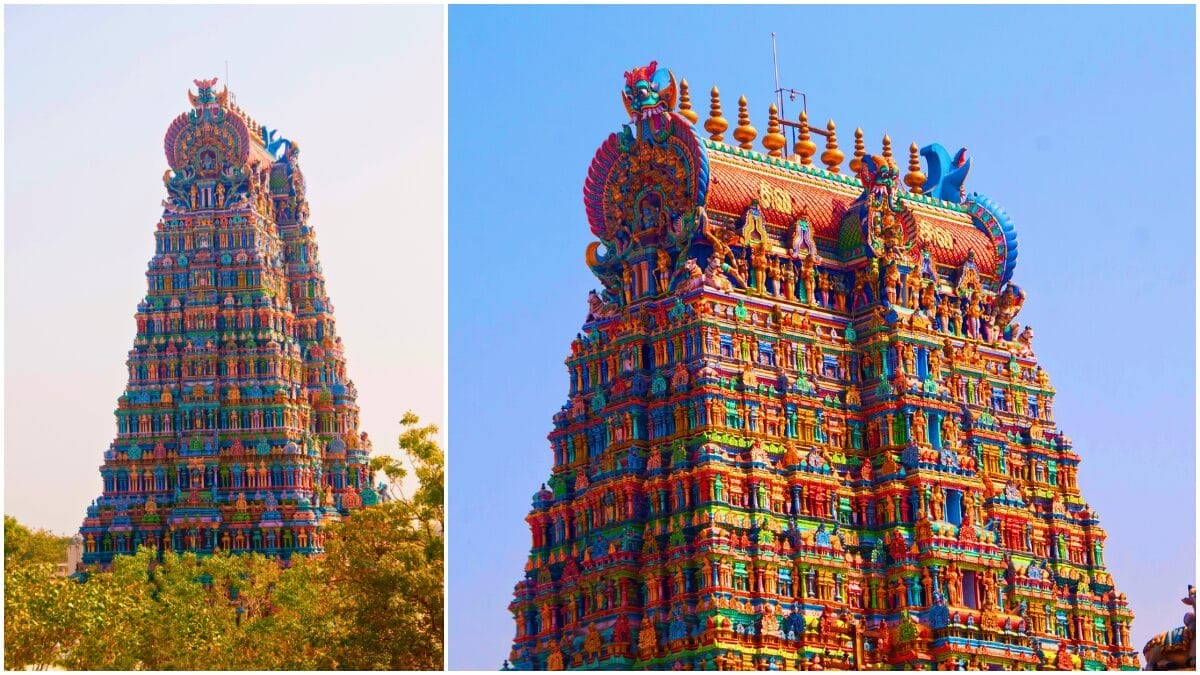
Madurai pulses with spiritual energy around the Meenakshi Amman Temple, a masterpiece where 14 gopurams rise toward the sky, each adorned with thousands of painted sculptures.
The temple complex covers 5.7 hectares (14 acres), and witnessing the evening ceremony when Lord Shiva is carried to Goddess Meenakshi’s chamber offers an unforgettable cultural immersion.
The nearby Thirumalai Nayakkar Palace displays Indo-Saracenic architecture with massive pillars and a courtyard that once hosted royal celebrations.
Temple Towns with Living Heritage
Thanjavur earned its place as a UNESCO World Heritage site through the magnificent Brihadeeswarar Temple.
According to the Tamil Nadu Tourism Department, this architectural marvel was built around 1010 AD by the Chola king Rajaraja Chola I. The temple features a 66-meter tower topped with a single 80-ton granite capstone.
The city’s Saraswathi Mahal Library preserves ancient manuscripts, while the Art Gallery displays Chola bronzes that set the standard for South Indian sculpture.
Rameswaram holds profound significance as one of Hinduism’s holiest pilgrimage sites.
The Ramanathaswamy Temple contains the longest corridor among all Hindu temples in India, with the outer corridors measuring approximately 3,850 feet in total length with ornate pillars.
You’ll find devotees performing rituals at 22 sacred wells within the complex. The Pamban Bridge connecting the island to mainland Tamil Nadu offers stunning views across the strait.
Colonial Influences and Hill Stations
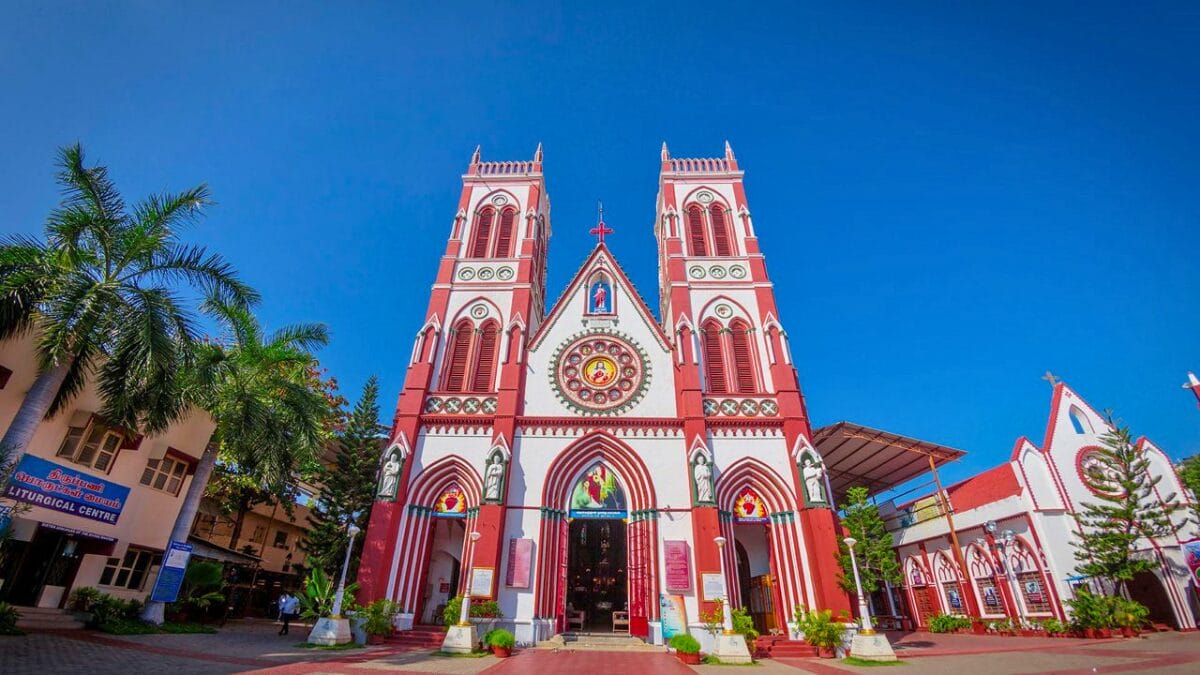
Pondicherry (Puducherry) blends French colonial charm with Tamil culture.
The French Quarter’s yellow buildings, tree-lined boulevards, and bakeries serving croissants create a European atmosphere. Sri Aurobindo Ashram attracts spiritual seekers, while Auroville, the experimental township, embodies universal harmony through its distinctive Matrimandir meditation center.
Ooty (Udhagamandalam) provides respite from tropical heat at 2,240 meters elevation.
According to UNESCO, the Nilgiri Mountain Railway, a UNESCO World Heritage site since 2005, climbs through 16 tunnels and 250 bridges on its journey from Mettupalayam.
The Botanical Gardens display rare plant species, and boat rides on Ooty Lake offer peaceful moments surrounded by eucalyptus groves.
Sacred Spaces: Temples That Define Tamil Architecture
Tamil Nadu’s temple architecture represents one of humanity’s greatest artistic achievements.
These aren’t merely places of worship—they’re living museums where rituals performed daily haven’t changed for centuries.
Temple Visit Experience
Entry Preparation
Remove shoes, cover shoulders and knees
Outer Corridors
Admire gopuram sculptures and pillared halls
Inner Sanctum
Observe priests performing abhishekam rituals
Evening Ceremony
Witness deity procession with Vedic chants
The Brihadeeswarar Temple in Thanjavur demonstrates Chola engineering genius. The main tower (vimana) was constructed without mortar, with each granite block precisely cut to fit.
The Nandi bull statue carved from a single stone weighs 25 tons. Visit during early morning when priests perform abhishekam (ritual bathing) to the lingam accompanied by Vedic chants.
Architectural Marvels Across Dynasties
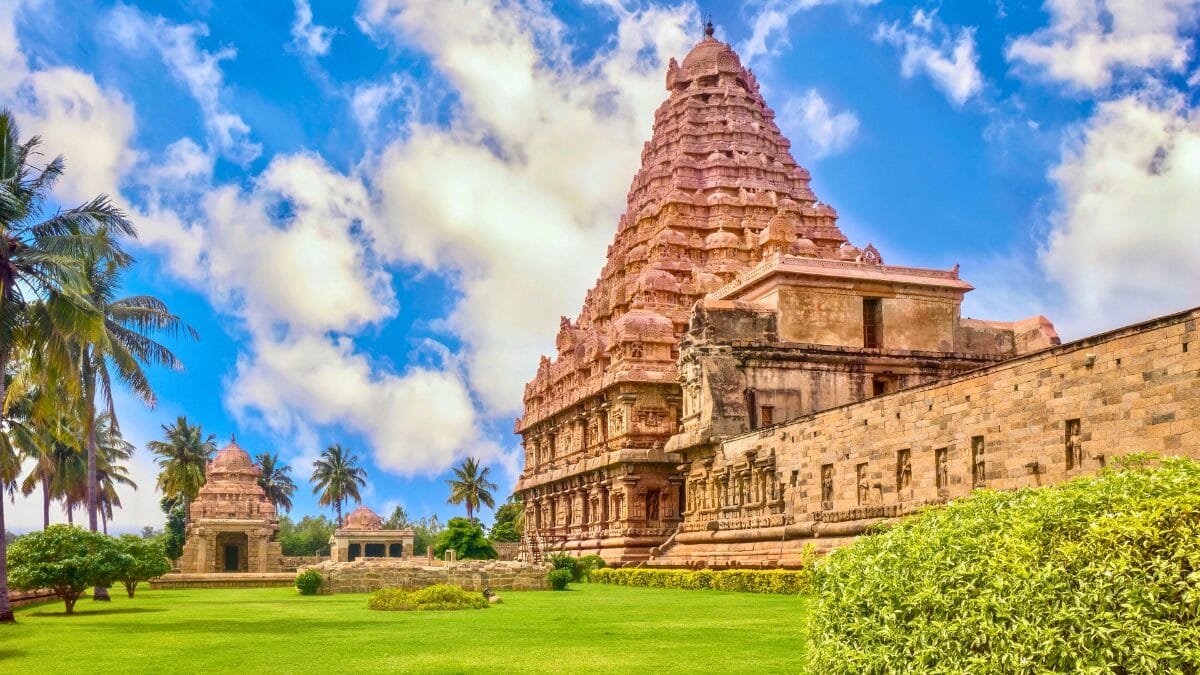
Gangaikonda Cholapuram showcases another Chola masterpiece built by Rajendra Chola I after his Ganges expedition.
Though less visited than Thanjavur, its temple rivals the capital’s grandeur with intricate sculptures depicting celestial beings and mythological scenes. The site offers a quieter, more contemplative experience.
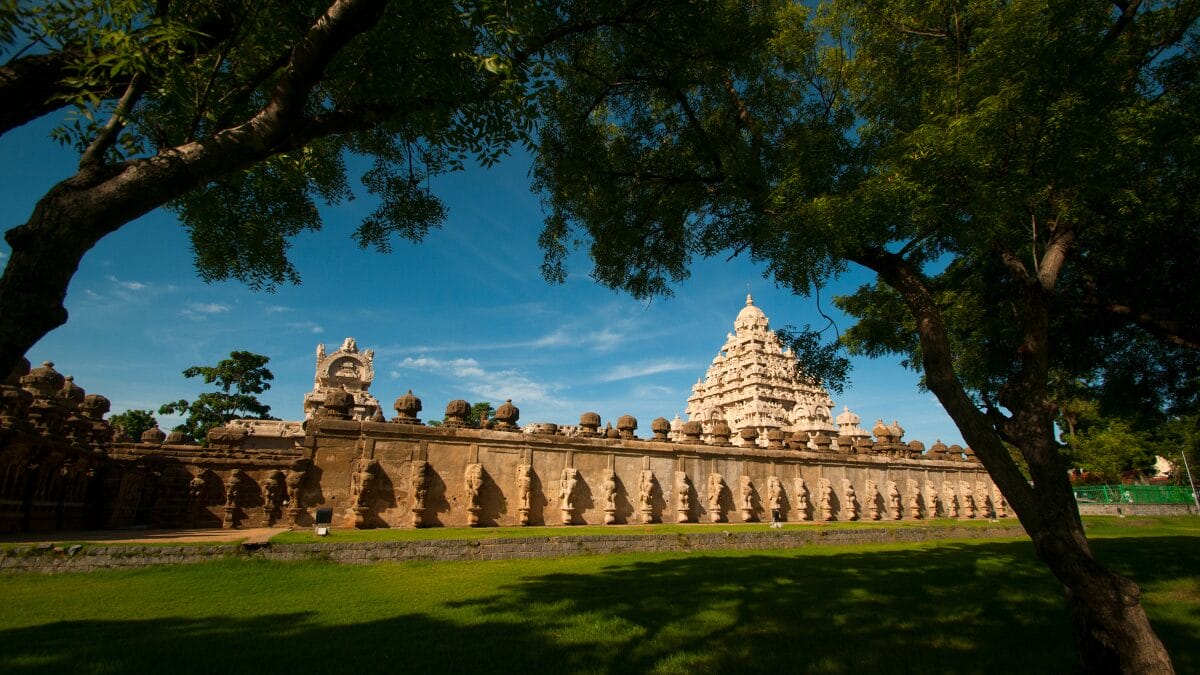
The Shore Temple at Mahabalipuram faces the Bay of Bengal, its silhouette iconic against sunrise.
Built in the 8th century, it’s one of India’s oldest structural temples. The complex includes two shrines, one dedicated to Shiva facing east to catch the first light, another to Vishnu facing west.
Salt air has weathered the sandstone, adding character to the detailed carvings.
Pilgrimage Centers with Unique Traditions
Chidambaram’s Nataraja Temple celebrates Shiva as the cosmic dancer.
The sanctum’s roof is covered with golden tiles, and the temple follows unique rituals maintained by hereditary priests called Dikshitars. The annual dance festival attracts classical dancers who perform in the thousand-pillared hall.
The Ekambareswarar Temple in Kanchipuram houses a 3,500-year-old mango tree believed to represent the four Vedas through its branches, each supposedly yielding fruit with distinct tastes.
The South First
Thiruchendur Murugan Temple stands directly on the seashore, waves sometimes reaching its outer walls during high tide.
Devotees believe Lord Murugan vanquished demons here, making it one of six sacred abodes (Arupadaiveedu) dedicated to this deity. The temple’s seaside location creates a powerful spiritual atmosphere.
Natural Wonders: From Mountains to Coastlines
Tamil Nadu’s geography transitions dramatically from coastal plains to mountain ranges, creating diverse ecosystems that support unique wildlife and breathtaking landscapes.
Kodaikanal sits in the Palani Hills at 2,225 meters, surrounded by shola forests found only in South India’s high elevations.
Natural Ecosystems Contrast
Hill Stations†
VS
Coastal Areas†
Most popular
The star-shaped Kodaikanal Lake offers pedal boating, while Coaker’s Walk provides panoramic views across valleys. Bryant Park displays hybrid plant species in meticulously maintained gardens.
The Pillar Rocks—three giant rock formations standing 122 meters high—create an impressive geological formation.
Wildlife Sanctuaries and National Parks
Mudumalai National Park protects 321 square kilometers of deciduous forests where you might spot elephants, gaur (Indian bison), and if fortunate, tigers.
The park lies in the Nilgiri Biosphere Reserve, part of a larger conservation landscape. Safari tours operate early morning and late afternoon when animals are most active near water sources.
Anamalai Tiger Reserve (Indira Gandhi Wildlife Sanctuary) encompasses 958 square kilometers of †Western Ghats biodiversity.
Beyond tigers and leopards, the reserve shelters lion-tailed macaques, Nilgiri tahrs, and over 250 bird species. The Topslip area offers trekking opportunities through dense forests where ancient trees tower overhead.
Coastal Treasures and Marine Life
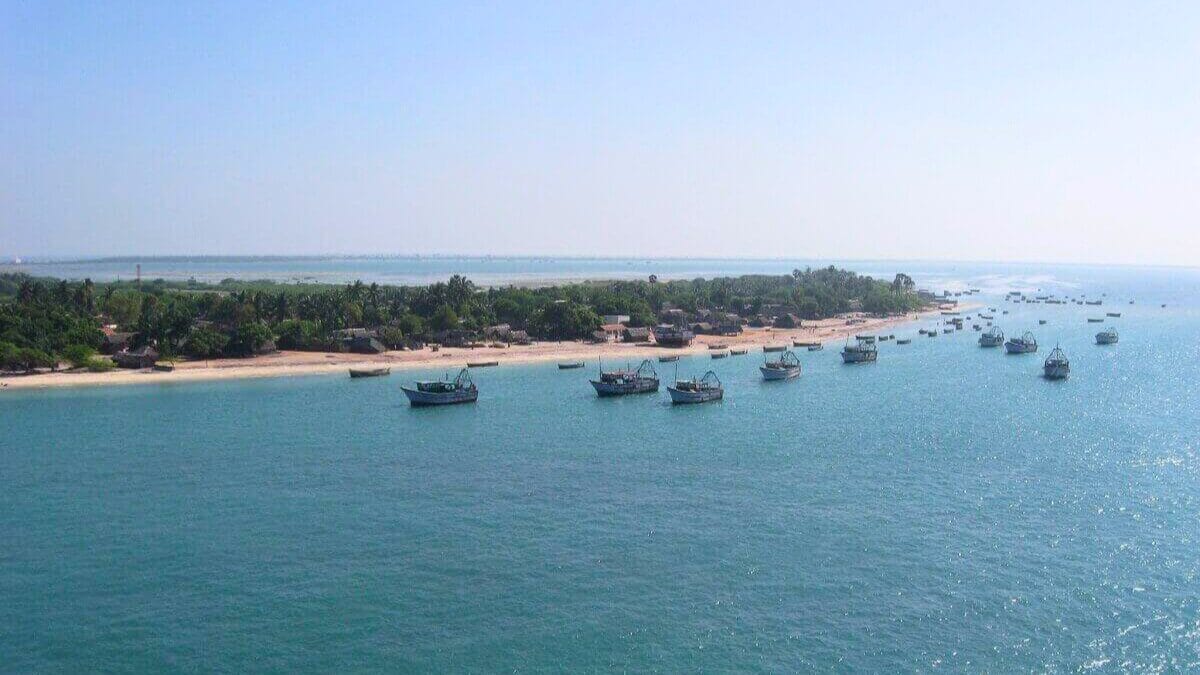
Gulf of Mannar Marine National Park protects 21 islands with coral reefs, seagrass beds, and mangrove forests.
According to Wikipedia, you’ll discover 117 coral species, dugongs (sea cows), and sea turtles in these protected waters.
Glass-bottom boat rides from Rameswaram reveal underwater gardens without getting wet, while certified divers can explore deeper reef systems.
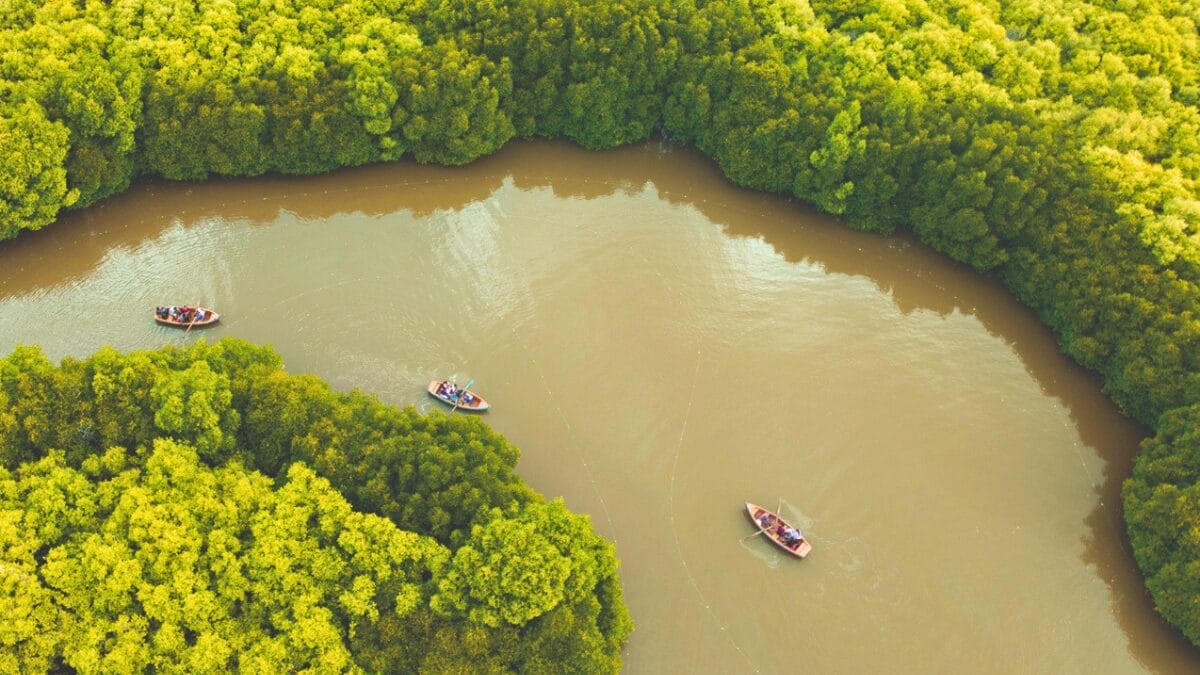
The Pichavaram Mangrove Forest creates a labyrinth of waterways threading through dense mangrove trees.
According to official sources, the forest covers approximately 45 square kilometers, making it one of India’s largest mangrove forests.
Rowing through these narrow channels in a small boat reveals an ecosystem where roots rise from water, birds nest in branches, and fish dart between submerged roots.
Point Calimere Wildlife Sanctuary attracts migratory birds from Siberia and Europe between October and March, with flamingos creating pink carpets across shallow waters.
Ramsar Sites Information Service
Historical Monuments and Archaeological Sites
Tamil Nadu’s historical sites chronicle kingdoms that shaped South Asian culture, trade, and architecture over two millennia.
Mahabalipuram (Mamallapuram) presents an open-air gallery of 7th-century Pallava art.
Coral Species Diversity
Top Marine Park the Gulf of Mannar
Coral Species Diversity: 117/150†
The Five Rathas are monolithic temples carved from single granite outcrops, each representing different architectural styles.
Arjuna’s Penance, a massive rock relief measuring 27 meters long and 9 meters high, depicts hundreds of figures including gods, humans, and animals in a scene from the Mahabharata. The Varaha Cave Temple shows Vishnu rescuing Earth from cosmic waters through detailed bas-reliefs.
Fortifications and Palaces
Gingee Fort (Senji Fort) earned the title “Troy of the East” from British forces who struggled to capture it.
The fortification spreads across three hills—Rajagiri, Krishnagiri, and Chandrayandurg—connected by massive walls. Climbing to the citadel rewards you with 360-degree views and insights into medieval military architecture.
The granary, built to withstand sieges, could store provisions for years.
Thirumalai Nayakkar Palace in Madurai blends Dravidian and Islamic architectural elements.
Italian architect commissioned by King Thirumalai Nayak created the massive Swargavilasa (Celestial Pavilion) with stucco work on arches and domes. The sound and light show narrates the palace’s history through projections on its ancient walls.
Ancient Trade and Cultural Centers
Poompuhar (Kaveripattinam) served as the Chola dynasty’s chief port where Roman ships arrived for spices and silk.
Archaeological excavations revealed structures submerged by the sea, suggesting the town described in ancient Tamil literature Silappatikaram actually existed. The museum displays artifacts including Roman coins and amphorae.
Karaikudi represents Chettinad heritage through its mansion architecture.
The region’s wealthy merchant community built homes with Burmese teak pillars, Italian marble floors, and Belgian glass. Chettinad Palace (Chidambara Vilas) opens sections to visitors, showcasing antique collections and traditional craftsmanship.

Don’t Forget Kerala – From Tamil Nadu You’re So Close!
Jason Baigent
Founder – Destinations Uncovered
“I’ve found that the best Kerala experiences happen when you venture beyond the standard circuit. My detailed Kerala guide reveals lesser-known backwater routes, secret beaches, and authentic cultural experiences that transformed my understanding of this incredible state.”
Cultural Experiences and Local Traditions
Immersing yourself in Tamil Nadu’s living culture reveals traditions maintained through generations, from classical arts to culinary heritage.
Bharatanatyam performances in Chennai’s Kalakshetra Foundation offer authentic classical dance in its purest form.
Founded by Rukmini Devi Arundale, the institution maintains traditional teaching methods. Evening performances during the December music season transform Chennai into India’s cultural capital, with concerts and dance recitals across venues like Music Academy and Narada Gana Sabha.
Textile Heritage and Craftsmanship
Kanchipuram silk sarees represent textile artistry perfected over centuries.
Visiting weaver cooperatives lets you watch artisans create intricate patterns on handlooms, threads of gold zari interwoven with silk. Each saree requires 10-20 days of work, with traditional motifs like peacocks, temples, and chariots woven into borders and pallus.
Thanjavur paintings use gold foil and vibrant colors on wooden boards, creating devotional art with raised surfaces.
Workshops in Thanjavur demonstrate the multi-step process: preparing the base with limestone and glue, sketching the deity, applying gold foil, and finally painting with natural pigments. You can commission custom pieces depicting specific deities.
Culinary Journeys
Tamil cuisine varies dramatically across regions.
Chettinad cuisine from Karaikudi uses 16 different spice blends, creating fiery curries with chicken, mutton, and seafood. Traditional meals served on banana leaves include sambhar, rasam, multiple vegetable preparations, and payasam (sweet pudding).
Kumbakonam degree coffee refers to the traditional South Indian filter coffee perfected here.
The “degree” indicates the quality of milk and coffee beans used. Watching baristas pour coffee between vessels from height to create froth demonstrates skill passed through generations.
Participating in a traditional Tamil Nadu feast (virundhu) means experiencing hospitality where hosts serve unlimited portions and refusing food can offend—pace yourself for 15-20 different preparations.
Off-the-Beaten-Path Destinations
Beyond famous landmarks, Tamil Nadu hides treasures where you’ll encounter authentic local life and undiscovered natural beauty.
Coonoor, Ooty’s quieter neighbor, offers tea estate experiences without tourist crowds.
Sim’s Park displays roses, tree ferns, and magnolias across terraced gardens. Dolphin’s Nose viewpoint provides vertiginous views 1,000 meters down to the plains.
The Heritage Train from Mettupalayam stops here, allowing exploration before continuing to Ooty.
Hidden Temples and Spiritual Retreats
Gangaikonda Cholapuram, despite its historical significance, receives few visitors compared to Thanjavur.
This allows peaceful contemplation of Chola architecture without crowds. The surrounding village maintains rural Tamil Nadu character—farmers tending rice paddies, bullock carts on roads, and small tea stalls serving authentic snacks.
Courtallam (Kutralam) waterfalls cascade from Western Ghats during monsoon, creating natural spa experiences.
Locals believe the water has medicinal properties due to flowing through forest herbs. Main Falls, Five Falls, and Old Courtallam Falls each offer different settings, from powerful cascades to gentle streams.
Unique Geological and Natural Sites
Yelagiri Hills provide budget-friendly hill station experiences with pleasant climate year-round.
Jalagamparai Waterfalls requires trekking through forest, rewarding hikers with swimming opportunities in natural pools. Paragliding from Swamimalai Hill offers aerial views across valleys and lakes.
Hogenakkal Falls on the Kaveri River creates a spectacle where water plunges across carbonatite rocks, splitting into multiple streams.
The name means “smoking rocks” in Kannada, referring to mist rising from the falls. Coracle boat rides navigate through channels between rocks, bringing you close to the cascading water.
Coastal Villages and Fishing Communities – Places To Visit In Tamil Nadu
Tranquebar (Tharangambadi) preserves Danish colonial architecture from when it served as their Indian trading post.
The Dansborg Fort, built in 1620, contains a museum explaining Nordic presence in India. Walking through the town reveals colonial-era churches, cemeteries, and the Danish Governor’s Bungalow facing the sea.
Mahabalipuram fishing village, separate from the monument zone, shows traditional maritime life.
Early morning at the beach, you’ll see fishermen hauling nets, sorting catches, and auctioning fish right on the sand. The community maintains boat-building traditions using techniques unchanged for generations.
| Destination Type | Best Examples | Ideal Duration | Best Season |
|---|---|---|---|
| Temple Towns | Madurai, Thanjavur, Rameswaram | 2-3 days each | October-March |
| Hill Stations | Ooty, Kodaikanal, Coonoor | 3-4 days | April-June, Sept-Oct |
| Coastal Areas | Mahabalipuram, Pondicherry, Rameswaram | 2-3 days | November-February |
| Wildlife Sanctuaries | Mudumalai, Anamalai | 2 days | October-May |
| Heritage Cities | Thanjavur, Kanchipuram | 1-2 days | Year-round |
| Offbeat Destinations | Tranquebar, Hogenakkal, Yelagiri | 1-2 days | October-March |
Practical Travel Information and Tips – Places To Visit In Tamil Nadu
Planning your Tamil Nadu journey requires understanding regional variations in climate, transportation networks, and cultural practices that enhance your experience.
Transportation options vary by region.
Essential Cultural Etiquette
5 essential rules
- Cover shoulders and knees at temples
- Remove shoes before entering sacred spaces
- Ask permission before photographing rituals
- Eat with right hand only (left considered unclean)
- Learn basic Tamil phrases for better interactions
Chennai Metro connects airport to city center efficiently. Indian Railways operates extensive networks—the Nilgiri Mountain Railway offers scenic journeys, while express trains connect major cities overnight.
State-run buses (TNSTC) reach even remote villages affordably. Hiring drivers for multi-day trips provides flexibility, with costs typically ranging based on distance and vehicle type.
Climate Considerations and Timing
Tamil Nadu experiences three distinct seasons.
Summer (March-June) brings intense heat to plains, making hill stations ideal destinations. Coastal areas remain hot but sea breezes provide relief.
Monsoon (July-September) sees moderate rainfall in most regions, with Western Ghats receiving heavy precipitation.
Winter (October-February) offers pleasant weather statewide, making it peak tourist season—book accommodations early.
The Chennai Music Season (December-January) transforms the city with 1,500+ classical music and dance performances, but accommodation prices double and availability becomes scarce.
Cultural Etiquette and Customs – Places To Visit In Tamil Nadu
Temples enforce strict dress codes—shoulders and knees must be covered, and many require removing shoes before entering.
Some temples restrict non-Hindus from inner sanctums. Photography rules vary; always ask permission before photographing rituals or priests.
Friday evenings and full moon days see increased crowds at temples.
Tamil Nadu predominantly vegetarian culture means many restaurants serve only vegetarian food.
Non-vegetarian restaurants exist but may close during religious festivals. Eating with your right hand is traditional—left hand is considered unclean.
When invited to homes, removing shoes at the entrance shows respect.
Language and Communication
Tamil is the primary language, with English understood in tourist areas and cities.
Learning basic Tamil phrases enhances interactions: “Vanakkam” (hello), “Nandri” (thank you), “Evvalavu?” (how much?). Younger generations speak English more fluently than older residents.
Translation apps help in rural areas where English proficiency decreases.
Safety and Health Considerations
Places To Visit In Tamil Nadu are generally safe for travelers, including solo female travelers.
Standard precautions apply—avoid isolated areas after dark, keep valuables secure, and use registered taxis. Drinking bottled water prevents waterborne illnesses.
The tropical climate requires sun protection and staying hydrated. Mosquito repellent is essential, especially near water bodies and during monsoon.
Medical facilities in Chennai, Madurai, and Coimbatore meet international standards.
Smaller towns have basic healthcare. Travel insurance covering medical emergencies is advisable. Pharmacies stock common medications, but bring prescription medicines with you.
Accommodation Options
Heritage hotels in Chettinad and Thanjavur offer stays in restored mansions with period furnishings.
Temple towns provide budget lodges near major shrines, often run by temple trusts. Hill stations feature colonial-era bungalows and modern resorts.
Coastal areas offer beachfront properties ranging from backpacker hostels to luxury resorts. Booking platforms show options, but calling properties directly sometimes yields better rates.
Homestays provide authentic cultural immersion—families share meals, explain traditions, and offer local insights impossible in hotels.
These work especially well in Coonoor, Kodaikanal, and rural areas around Thanjavur.
Not sure where in India you should go?
Get Our Top Places To Visit In Hyderabad!
Where to Go and Stay, What to See, Eat and Do
Get The Guide To Hyderabad HerePlaces To Visit In Tamil Nadu FAQ
Which is the most visited place in Tamil Nadu?
Chennai stands out as one of the most visited tourist places in Tamil Nadu, drawing both domestic and international travelers. The city attracts millions of visitors annually and is among India’s top tourist destinations. Beyond Chennai, popular attractions include Sri Ramanathaswamy Temple in Rameswaram, the Meenakshi Amman Temple in Madurai, and Marina Beach in Chennai. Each destination offers you a unique blend of spiritual heritage, stunning architecture, and coastal beauty that keeps visitors coming back.
Which place is best for a 3 day trip in Tamil Nadu?
Several destinations work perfectly for a 3-day escape. Madurai and Rameswaram combine temples, spirituality, and coastal winds in a tight 3-4 day schedule. Other excellent combinations include Chennai with Mahabalipuram, Ooty with Coonoor, Madurai city walks, or Rameswaram with Dhanushkodi. The sacred trail spanning approximately 170km features the magnificent Meenakshi Temple, Thirumalai Nayakkar Palace, Ramanathaswamy Temple, and Dhanushkodi ghost town with two nights at premium hotels. Choose based on whether you crave temple architecture, hill station serenity, or beach relaxation.
Which is the best tourist place in Tamil Nadu?
Tamil Nadu offers diverse “best” destinations depending on your interests. Chennai, being the capital and home to beautiful temples, churches, and beaches, lets you have a real glimpse of South India and its lifestyle. Ooty, nestled amidst Nilgiri hills and once the summer capital of the Madras Presidency, is known as the Queen of the hills and a picturesque getaway. Madurai, the cultural capital of Tamil Nadu, is one of the oldest continuously inhabited cities of India, called the ‘Lotus City’ as it was planned and built in the shape of a lotus. Your perfect destination depends on whether you seek cultural immersion, natural beauty, or historical exploration.
What is the best time to visit Tamil Nadu?
The best time to visit Tamil Nadu is from October to February, offering pleasant weather and comfortable temperatures across the state with lower humidity levels, making it ideal for adventure activities and exploring diverse attractions. The winter season, between November and February, is considered the best season to visit Tamil Nadu. This time coincides with various festivals like Pongal and Diwali, providing an opportunity to experience the vibrant culture and traditions of the region. Avoid the scorching summer months (March-June) unless you’re heading to hill stations, which remain pleasantly cool year-round.
How many days do you need to explore Tamil Nadu properly?
The ideal duration depends on how deeply you want to explore. At least 10 days are required to explore Tamil Nadu tourism properly. If you have a week to 10 days, plan a deeper dive into temple towns and hill stations, while spending more than 15 days allows you to truly experience Tamil Nadu’s varied landscapes. Popular routes include a 5-day itinerary covering Chennai, Mahabalipuram, Pondicherry, and Kanchipuram, or a 7-day plan exploring Chennai, Mahabalipuram, Tanjore, Madurai, Rameshwaram, and Kanyakumari. For a comprehensive experience covering temples, beaches, and hill stations, allocate at least two weeks to your journey.
What makes Tamil Nadu unique compared to other South Indian states?
Tamil Nadu stands apart through its exceptional Dravidian temple architecture and cultural continuity. Archaeological evidence points to the region being inhabited for more than 400 millennia and having more than 5,500 years of continuous cultural history. The best reason to visit Tamil Nadu is its awe-inspiring temples, architectural marvels that exemplify the state’s spiritual legacy. A coastline of approximately 1,076 km features natural wonders like Pichavaram’s mangroves and iconic landmarks such as the Valluvar Statue in Kanyakumari, offering breathtaking coastal views. The state seamlessly blends ancient traditions with modern vibrancy, creating an unforgettable travel experience.
2 Works Cited
Calimere. Point Calimere Wildlife and Bird Sanctuary. rsis.ramsar.org/ris/1210.
South First. Southern Splendour: Sri Ekambareswarar Temple’s journey through 3,500-year-old legendary tales. 2024, thesouthfirst.com/featured/where-the-five-elements-combine-sri-ekambareswarar-temples-journey-through-3500-year-old-legendary-tales/.