Jaipur, the vibrant capital of Rajasthan, India, is a city where history, culture, and color come alive at every corner. Known as the “Pink City” for its distinct rosy-hued buildings, Jaipur offers a rich tapestry of majestic forts, intricate palaces, bustling markets, and delicious cuisine. Whether you’re a history buff, an architecture enthusiast, or someone looking to experience the lively spirit of Indian traditions, Jaipur has something special to offer. In this blog post, we’ll explore the best places to visit in Jaipur that capture the essence of this remarkable city and make your trip unforgettable.
The Magnificent Amber Fort: A Journey Through Rajput Grandeur
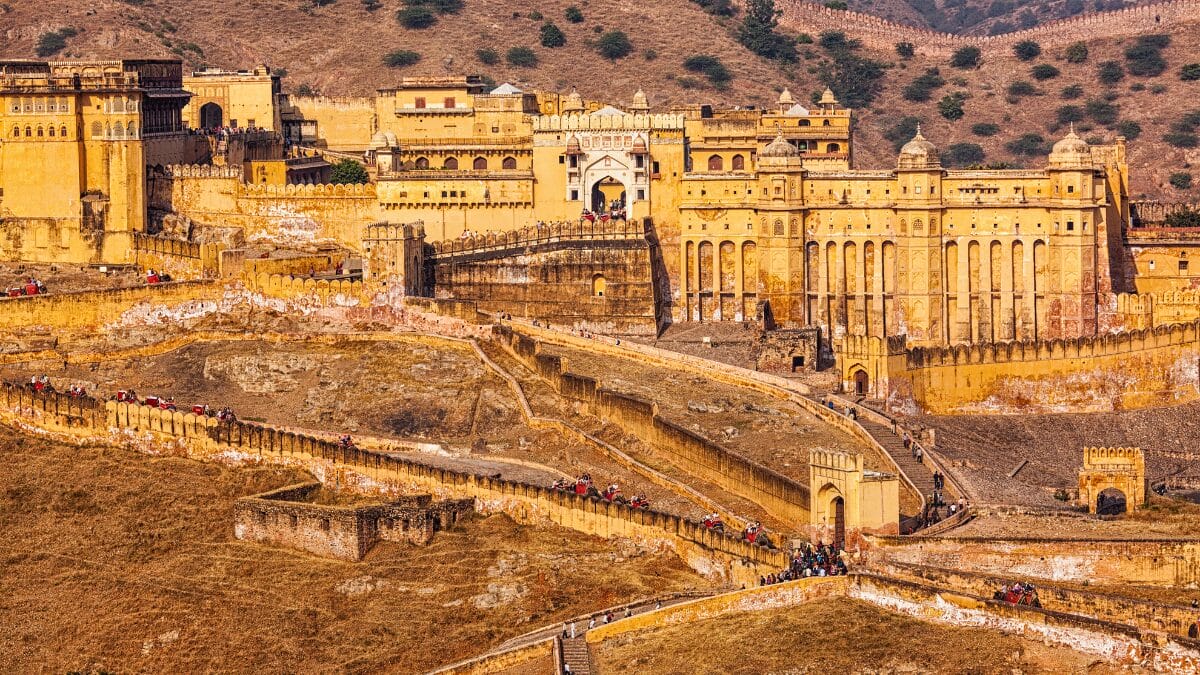
Perched on a hilltop overlooking Maota Lake, Amber Fort stands as Jaipur’s most spectacular monument and your absolute must-visit destination. This 16th-century fortress palace combines Mughal and Rajput architectural styles in a breathtaking fusion of red sandstone and white marble that glows golden at sunset.
In 2013, Amber Fort, along with five other forts of Rajasthan, was declared a UNESCO World Heritage Site as part of the Hill Forts of Rajasthan. This recognition celebrates the fort’s exceptional architectural and historical significance.
You’ll enter through the imposing Suraj Pol (Sun Gate) into the main courtyard, where elephant rides traditionally carried royalty up the winding path. The fort’s four levels each reveal distinct courtyards and palaces that showcase the opulence of Rajput rulers.
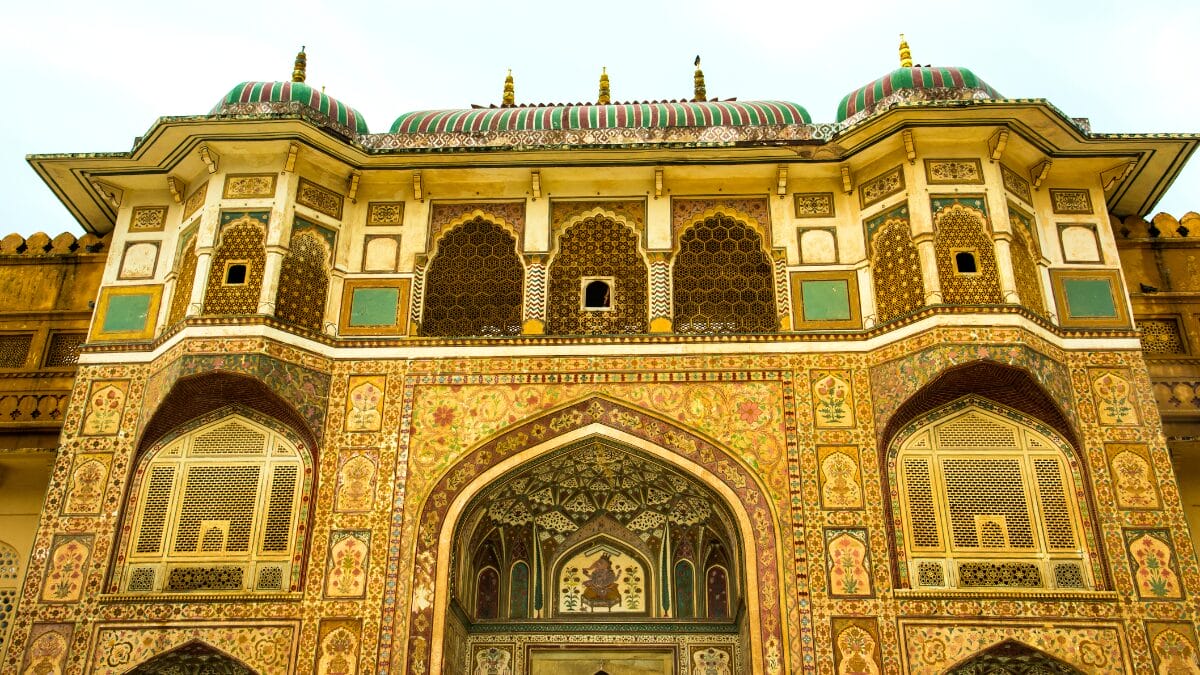
Sheesh Mahal: The Palace of Mirrors
The Sheesh Mahal represents the pinnacle of artistic achievement within Amber Fort. Thousands of tiny mirrors embedded in the walls and ceiling create a mesmerizing effect—light a single candle and watch the entire chamber illuminate like a starry night sky. The intricate mirror work combines with colored glass to create patterns that have captivated visitors for centuries.
Diwan-i-Aam and Diwan-i-Khas
The Diwan-i-Aam (Hall of Public Audience) features rows of pillars where the maharaja addressed common citizens. In contrast, the Diwan-i-Khas (Hall of Private Audience) showcases delicate floral designs inlaid with precious stones, where the ruler held confidential meetings with nobles and foreign dignitaries.
Sound and Light Show Experience
After sunset, the fort transforms into an open-air theater. The sound and light show narrates the history of Amber through dramatic lighting effects and compelling storytelling. The show runs year-round and brings the fort’s stones to life with tales of valor, romance, and intrigue.
Pro Tip: Visit Amber Fort early morning (8-9 AM) to avoid crowds and experience the complex in peaceful solitude. The morning light creates perfect photography conditions.
Places To Visit In Jaipur – Destinations Uncovered
| Amber Fort Essentials | Details |
|---|---|
| Best Time to Visit | Early morning (8-9 AM) or late afternoon (4-5 PM) |
| Time Required | 2-3 hours for thorough exploration |
| Elephant Ride | Available 8 AM-11 AM (book in advance) |
| Sound & Light Show | Evening (timing varies by season) |
| Photography | Unlimited allowed, tripods permitted |
Practical Visiting Tips – Places To Visit In Jaipur
Wear comfortable walking shoes—you’ll climb stairs and walk through multiple levels. The fort complex spans a massive area, and exploring thoroughly requires stamina. Hire a knowledgeable guide at the entrance to understand the historical significance of each section, or download an audio guide for a self-paced tour.
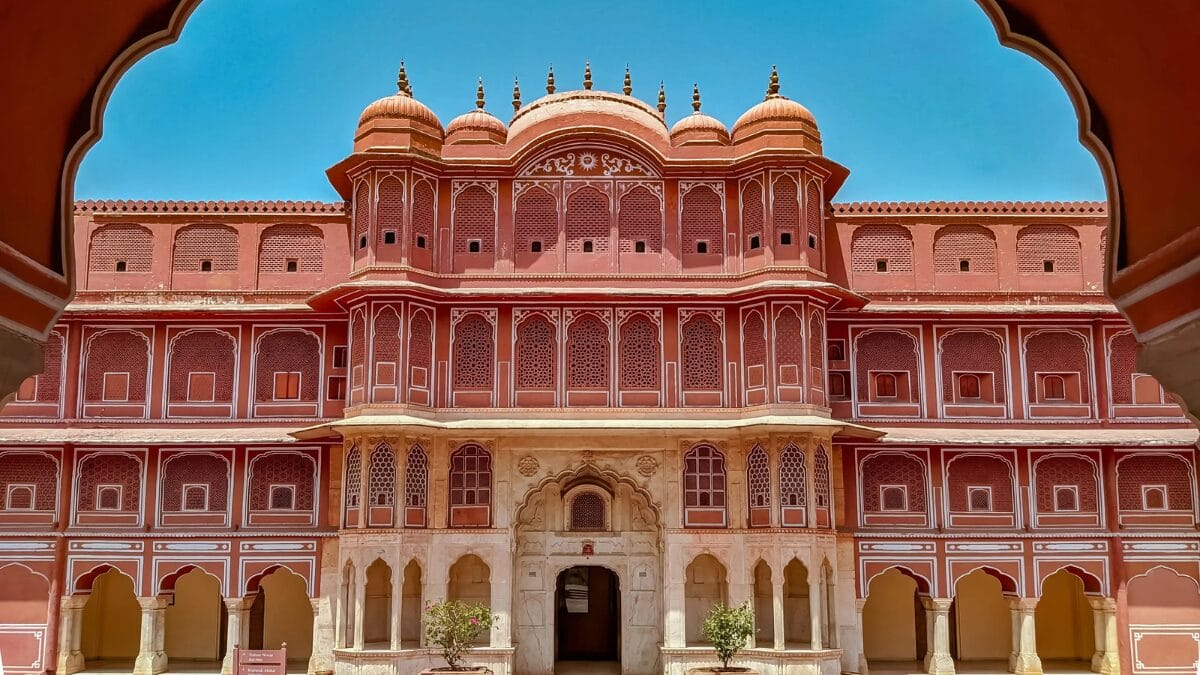
City Palace: The Living Heritage of Jaipur’s Royal Family
The City Palace remains a functioning royal residence where descendants of Jaipur’s maharajas still live in private quarters. This sprawling complex in the heart of the old city blends Rajasthani and Mughal architecture across courtyards, gardens, and buildings that span different eras.
You’ll access the palace through the Virendra Pol gate, entering a world where history continues to unfold. Unlike many Indian palaces converted entirely into museums, City Palace maintains its royal character with active ceremonial functions still held in certain halls.
Mubarak Mahal and Textile Museum
The Mubarak Mahal (Welcome Palace) now houses an exceptional textile museum displaying royal costumes, including voluminous garments worn by Maharaja Sawai Madho Singh I, who reportedly stood seven feet tall and weighed around 225 kilograms. The collection includes embroidered shawls, silk saris, and ceremonial garments that demonstrate the sophisticated textile traditions of Rajasthan.
Chandra Mahal: The Moon Palace
Chandra Mahal, the seven-storied palace, dominates the complex with its distinctive architecture. The ground floor opens to visitors as a museum, while upper floors remain the private residence of the current royal family. Each floor bears a unique name and served specific purposes—from administrative functions to pleasure pavilions.
Diwan-i-Khas Art Gallery
The Diwan-i-Khas contains two massive silver vessels that hold the Guinness World Record as the world’s largest sterling silver vessels. These vessels were specially commissioned by Maharaja Sawai Madho Singh II to carry water from the Ganges to drink on his trip to England in 1902 for Edward VII’s coronation.
Each silver urn weighs 345 kg and stands 1.6 metres tall, with a capacity of 4,000 liters. They were created over a two-year period between 1894 and 1896 by two Jaipur silversmiths and were fashioned from 14,000 silver coins.
Insider Knowledge
The City Palace ticket includes entry to Jantar Mantar observatory. Purchase the composite ticket to save money and time.
Pritam Niwas Chowk: The Peacock Courtyard
This inner courtyard features four stunning gates representing the seasons, each decorated with distinct themes. The Peacock Gate showcases intricate peacock motifs symbolizing autumn, while the Lotus Gate represents summer with delicate floral patterns. These gates demonstrate the artistic mastery of Jaipur’s craftsmen through detailed stonework and vibrant colors.
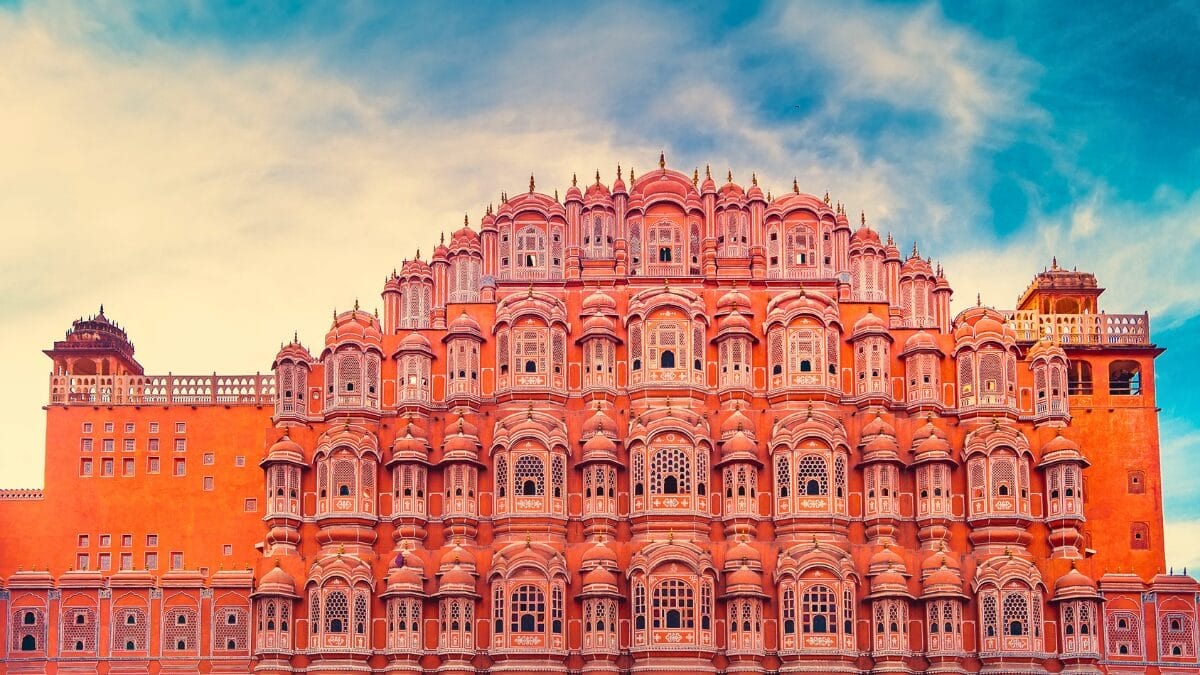
Hawa Mahal: The Palace of Winds and Royal Voyeurism
How Many Jharokha Windows in the Hawa Mahal
953
Architectural Marvel Built in 1799
The Hawa Mahal stands as Jaipur’s most photographed landmark—a five-story pink sandstone facade with 953 small windows called Jharokhas decorated with intricate latticework. The original intent of the lattice design was to allow royal ladies to observe everyday life and festivals celebrated in the street below without being seen.
Built in 1799 by Maharaja Sawai Pratap Singh, this architectural marvel served a specific purpose for royal women practicing purdah. The palace allowed royal ladies to observe street festivals and daily life without being seen by the public. The intricate lattice work provided ventilation—hence the name “Palace of Winds”—while maintaining privacy. The structure’s unique design creates a natural cooling system through the numerous windows, making it comfortable even during Jaipur’s scorching summers.
Architectural Innovation and Design
From the street, Hawa Mahal appears as an elaborate facade, but it’s actually a thin structure with walls less than a foot thick, making it more of an ornate screen than a traditional palace. This innovative design maximizes the number of viewing windows while minimizing construction materials and space.
The pyramid shape rises five stories, each level narrowing as it ascends. The top three floors consist entirely of single-room chambers with windows, while the bottom two floors contain courtyards and more substantial rooms.
Best Viewing and Photography Spots
Most tourists photograph Hawa Mahal from street level, but you’ll capture better shots from the rooftop cafe of buildings across the street. Several cafes offer elevated perspectives that showcase the palace’s full grandeur against the blue sky.
Inside the palace, climb to the top floor for panoramic views of the City Palace complex and Jantar Mantar. The early morning light bathes the pink facade in warm golden tones, creating ideal photography conditions.
Photography Tip:
Visit at sunrise (6-7 AM) when the pink sandstone glows in morning light and the streets remain relatively empty of traffic and crowds.
Exploring the Interior
While the exterior captivates everyone, the interior reveals the practical genius of the design. You’ll climb steep staircases connecting the floors, with each level offering different vantage points over the bustling bazaar below. The small chambers demonstrate how royal women could observe public life while remaining invisible behind the jharokha screens.
Kerala deserves more than a quick overview—there are hidden gems beyond the famous spots that most travelers miss.

International Education Expert
Jason Baigent
International Education Expert
“I’ve found that the best Kerala experiences happen when you venture beyond the standard circuit. My detailed Kerala guide reveals lesser-known backwater routes, secret beaches, and authentic cultural experiences that transformed my understanding of this incredible state.”
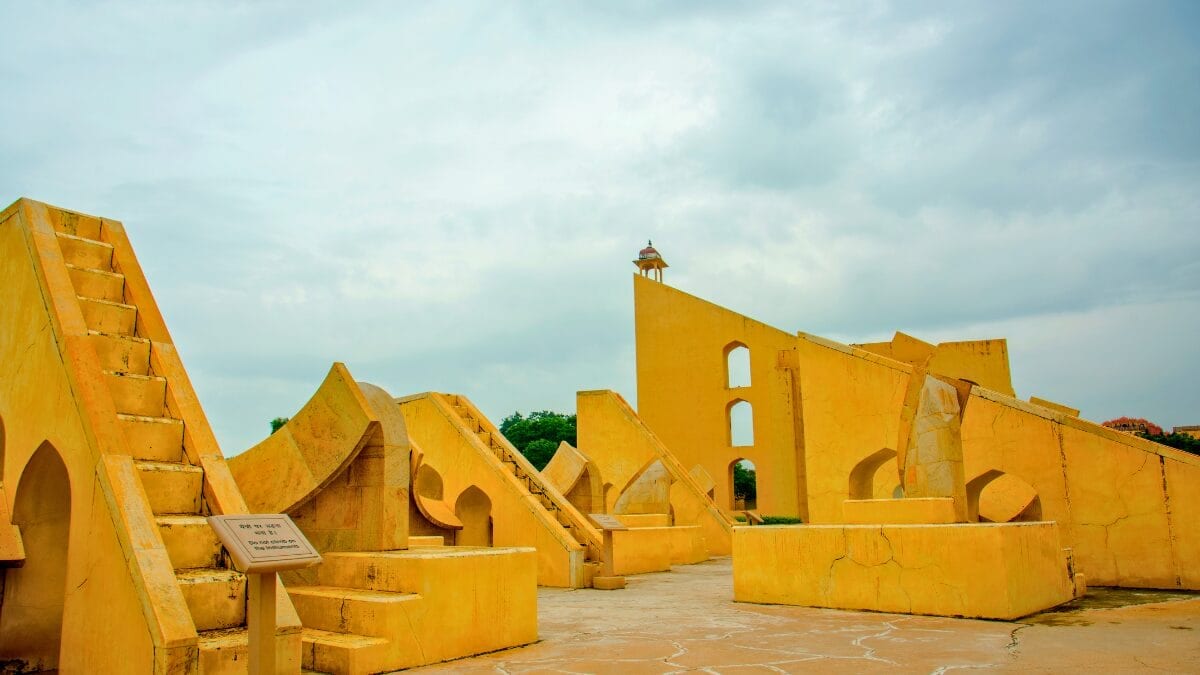
Jantar Mantar: The World’s Largest Stone Astronomical Observatory
Observatory Exploration
Samrat Yantra
World’s largest sundial
Jai Prakash
Celestial sphere mapping
Ram Yantra
Altitude measurement
Rashivalaya
Zodiac tracking
Jantar Mantar is a collection of 19 astronomical instruments built by Rajput king Sawai Jai Singh, the founder of Jaipur. The monument was completed in 1734. It features the world’s largest stone sundial and is a UNESCO World Heritage Site.
The Jantar Mantar in Jaipur is an astronomical observation site built in the early 18th century. It includes a set of some 20 main fixed instruments. These aren’t decorative monuments—they’re functional scientific instruments that still work accurately today.
The Samrat Yantra: World’s Largest Sundial
The Samrat Yantra (Supreme Instrument) dominates the complex as the world’s largest sundial, standing 27 meters tall. Its shadow moves visibly across the curved quadrants, measuring time with precision down to two seconds. The instrument demonstrates ancient Indian astronomical knowledge that rivaled contemporary European science.
You can watch the shadow move in real-time, an experience that connects you directly to the celestial mechanics governing our planet. The massive gnomon (the triangular structure casting the shadow) aligns perfectly with Earth’s axis.
Specialized Instruments for Celestial Tracking
The Jai Prakash Yantra consists of two hemispherical bowls with crosswire markings that map the celestial sphere. Observers could determine the position of the sun and other celestial bodies by noting where their image fell on the marked surfaces.
The Ram Yantra measures altitude and azimuth of celestial objects through cylindrical structures with precise degree markings. The Chakra Yantra calculates the declination of celestial bodies and their hour angles.
| Major Instruments | Function | Unique Feature |
|---|---|---|
| Samrat Yantra | Measures time and sun’s position | World’s largest sundial (27m) |
| Jai Prakash | Maps celestial sphere | Hemispherical bowls with crosswires |
| Ram Yantra | Measures altitude/azimuth | Cylindrical structures with degree marks |
| Rashivalaya | Tracks zodiac positions | 12 instruments for each zodiac sign |
| Digamsa Yantra | Determines azimuth | Pillar-based sighting instrument |
Understanding the Scientific Context
Maharaja Sawai Jai Singh II studied Islamic, Hindu, and European astronomical traditions before designing these instruments. He recognized errors in existing astronomical tables and built Jantar Mantar to create more accurate calculations for religious and agricultural purposes.
The instruments predate modern telescopes but achieved remarkable accuracy through massive scale and precise construction. The larger the instrument, the more precise the measurements—a principle Jai Singh exploited brilliantly.
Visit Smart:
Hire a guide or join a guided tour to understand how the instruments work. The astronomical concepts aren’t immediately obvious, and a knowledgeable explanation transforms the experience from confusing to fascinating.
Nahargarh Fort: Sunset Views Over the Pink City
Sunset Viewing Tip
60 minutes before sunset
Secure the best viewing spots along fort walls before crowds arrive!
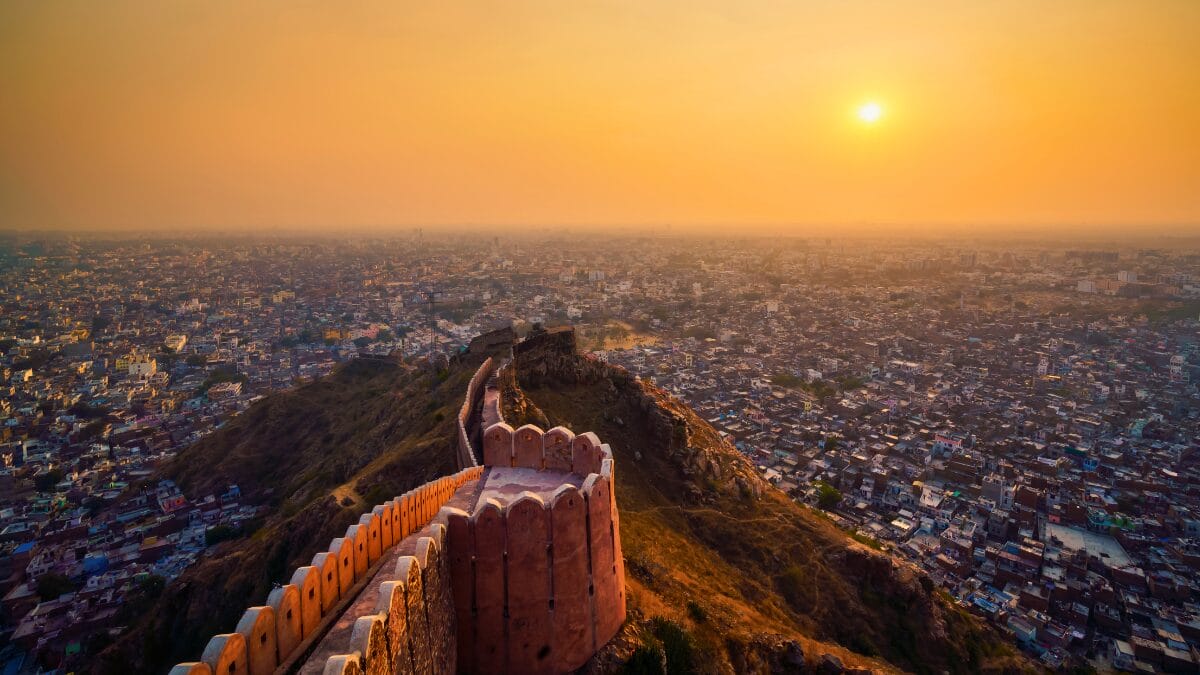
Nahargarh Fort crowns the Aravalli Hills, offering the most spectacular panoramic views of Jaipur spread below. Built in 1734 as a defensive retreat, the fort’s name means “Abode of Tigers,” though locals also call it the “Tiger Fort.” The structure served as a summer retreat for the royal family and a defensive stronghold protecting Amber Fort.
You’ll reach Nahargarh via a winding road that climbs through the hills, with viewpoints along the way offering glimpses of Jaipur’s expanding urban landscape. The journey itself becomes part of the experience as the city gradually reveals itself below.
Madhavendra Bhawan: The Royal Retreat
The Madhavendra Bhawan palace within the fort complex features nine identical apartments built for the king and his queens. Each suite maintains identical design and decoration, demonstrating the maharaja’s attempt at impartiality among his consorts. The suites connect through corridors decorated with delicate frescoes and traditional Rajasthani artwork.
The architecture incorporates European and Indian elements, with arched doorways, decorative balconies, and cooling systems designed for the intense Rajasthani heat. You’ll notice the clever ventilation design that creates natural air circulation throughout the palace.
The Sunset Experience – Places To Visit In Jaipur
Nahargarh has become Jaipur’s premier sunset destination. As the sun descends behind the Aravalli range, the entire Pink City bathes in golden light that gradually shifts to amber and rose. The fort’s ramparts provide multiple vantage points, each offering different perspectives on the city below.
The Padao Restaurant within the fort serves refreshments with sunset views, though it gets crowded during peak tourist season. Arrive at least an hour before sunset to secure a good viewing spot along the fort walls.
The Wax Museum and Sculpture Park
Recent additions include a wax museum featuring figures from Rajasthan’s history and a sculpture park displaying contemporary art. While not historically significant, these attractions add variety to your visit, particularly if you’re traveling with children who might tire of India’s historical monuments.
Trekking and Adventure Options
Adventure enthusiasts can trek from the city to Nahargarh Fort through marked trails that wind through the Aravalli Hills. The trek takes approximately 1.5-2 hours and offers a different perspective on the fort’s strategic hilltop location. Several adventure companies organize guided treks with stops at viewpoints along the route.
Evening Magic:
Stay until the city lights begin twinkling below. The transition from sunset to night creates a magical atmosphere as Jaipur transforms into a sea of lights.
Jal Mahal: The Floating Palace in Man Sagar Lake
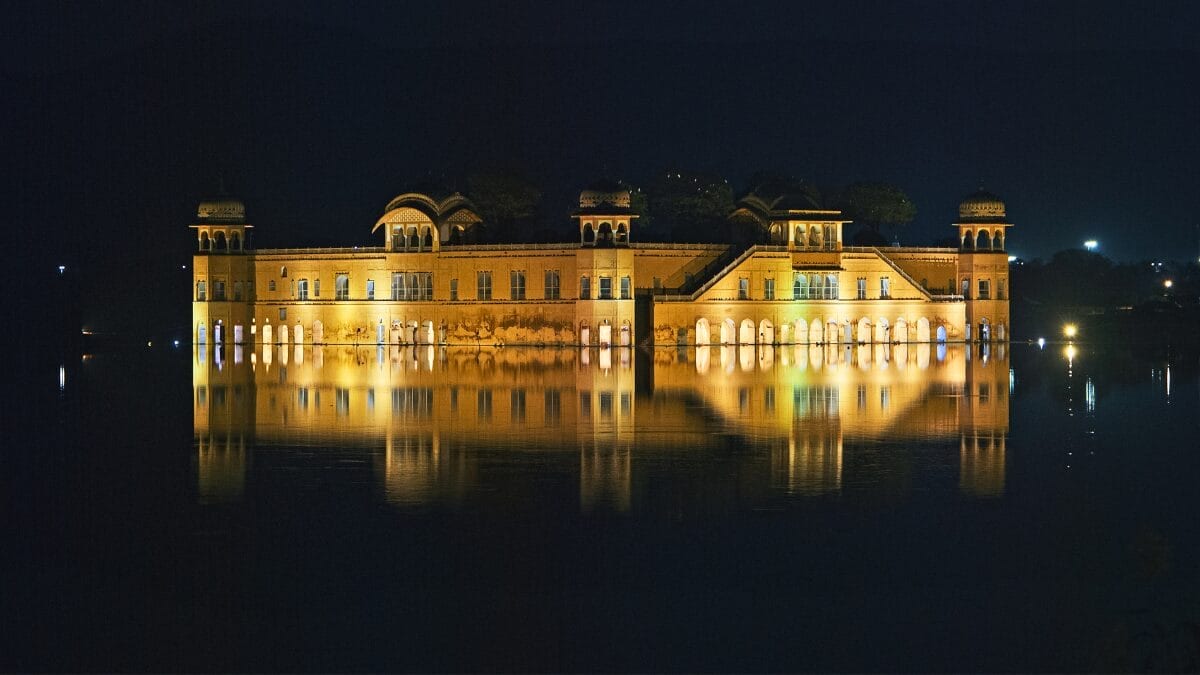
Jal Mahal appears to float ethereally in the middle of Man Sagar Lake, creating one of Jaipur’s most romantic and photographed scenes. This five-story palace reveals only its top floor above water during the monsoon season, with four floors submerged beneath the lake’s surface.
Built in the 18th century as a hunting lodge and summer retreat, the palace showcases Rajput and Mughal architectural styles in red sandstone and elegant proportions. The structure served as a pleasure palace where royalty escaped the city’s heat and enjoyed the cool lake breezes.
Viewing and Photography
You cannot enter Jal Mahal—it remains closed to the public while undergoing conservation efforts. However, the view from the lakeside promenade provides excellent photography opportunities, especially during early morning and late afternoon when the light creates stunning reflections on the water.
The palace looks particularly magical during sunset when the pink sandstone glows against the darkening sky. The surrounding Aravalli Hills create a dramatic backdrop that enhances the palace’s fairy-tale appearance.
The Ecological Restoration Project
Man Sagar Lake underwent extensive restoration to improve water quality and revive the ecosystem. The project introduced wetland plants, improved water circulation, and created habitats for migratory birds. You’ll now see various bird species around the lake, particularly during winter months when migratory birds arrive from colder regions.
Nearby Attractions and Activities – Places To Visit In Jaipur
The lakeside area has developed into a pleasant promenade with walking paths, gardens, and small cafes. Local vendors sell handicrafts and refreshments, creating a lively atmosphere during evenings. The area offers a peaceful escape from Jaipur’s busy streets while remaining easily accessible from the city center.
Street food stalls near the lake serve local specialties, and the area becomes particularly vibrant during festivals when cultural programs and performances take place on the lakeside.
| Jal Mahal Visit Planning | Recommendations |
|---|---|
| Best Viewing Time | Early morning (6-8 AM) or sunset (5-7 PM) |
| Photography | Lakeside promenade offers best angles |
| Time Required | 30-45 minutes for viewing and photos |
| Combine With | Nahargarh Fort (visible from lake) or Amber Fort (nearby) |
| Bird Watching | Winter months (November-February) |
Albert Hall Museum: Rajasthan’s Oldest Museum and Architectural Gem
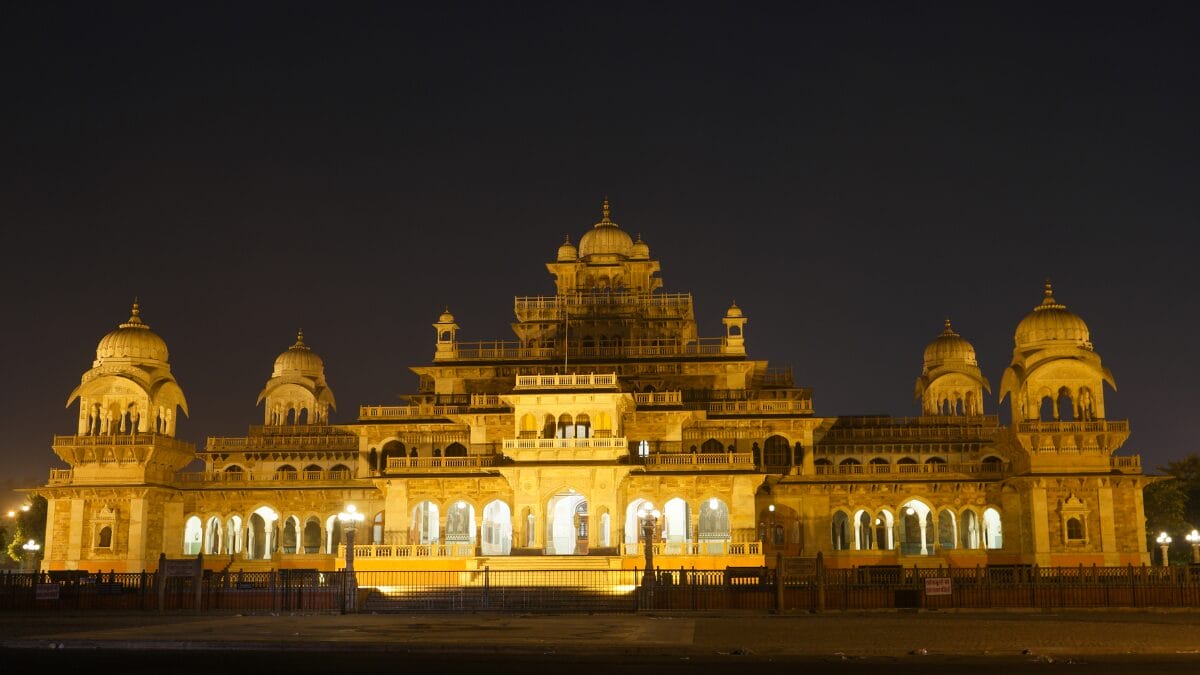
The Albert Hall Museum stands as Rajasthan’s oldest museum and one of Jaipur’s most beautiful buildings. Designed by Sir Samuel Swinton Jacob in the Indo-Saracenic style, the structure combines elements of English and North Indian architecture in a harmonious blend that reflects the colonial era’s architectural experimentation.
Built in 1876 and opened to the public in 1887, the museum houses an extensive collection spanning decorative arts, weapons, costumes, jewelry, pottery, and miniature paintings. The building itself rivals the collections inside, with intricate stone carvings, decorative arches, and elegant proportions.
The Egyptian Mummy
The museum’s most famous exhibit remains an Egyptian mummy dating back to the Ptolemaic period—one of only a few authentic mummies on display in India. This unexpected artifact draws curious visitors who wonder how an Egyptian mummy ended up in Rajasthan. The museum acquired the mummy through colonial-era connections when British officials facilitated cultural exchanges between regions.
Collections Spanning Centuries
You’ll explore galleries dedicated to different aspects of Rajasthani culture and history. The textile gallery displays traditional costumes, embroidered fabrics, and royal garments that demonstrate the region’s rich textile heritage. The weapons gallery showcases swords, daggers, armor, and firearms used by Rajput warriors.
The miniature painting collection represents various Rajasthani schools of art, with detailed works depicting court scenes, religious narratives, and daily life. These paintings demonstrate the sophisticated artistic traditions that flourished under royal patronage.
Architectural Details Worth Noting
The central hall features a magnificent dome supported by elegant pillars, with natural light filtering through colored glass creating atmospheric interior lighting. The arcaded corridors surrounding the central courtyard provide shaded walkways decorated with detailed stonework and geometric patterns.
The exterior showcases the Indo-Saracenic style through domed pavilions, pointed arches, and decorative elements borrowed from Islamic architecture combined with Hindu motifs. The building demonstrates how colonial architects synthesized different architectural traditions into distinctive hybrid styles.
Evening Illumination and Gardens
The museum looks particularly stunning when illuminated after dark, with lights highlighting the architectural details and creating dramatic shadows. The surrounding Ram Niwas Garden provides a green oasis in the city center, with walking paths, fountains, and seating areas where locals gather during evenings.
The garden hosts a small zoo, though animal welfare concerns make this less recommended for visitors. The botanical sections and landscaped areas offer pleasant strolling opportunities.
Cultural Immersion – Places To Visit In Jaipur:
Visit during evening hours when the museum hosts occasional cultural performances, including traditional Rajasthani music and dance programs in the courtyard.
Exploring Jaipur’s Vibrant Bazaars and Shopping Districts
Bazaar Comparison
Johari Bazaar
Recommended
VS
Bapu Bazaar
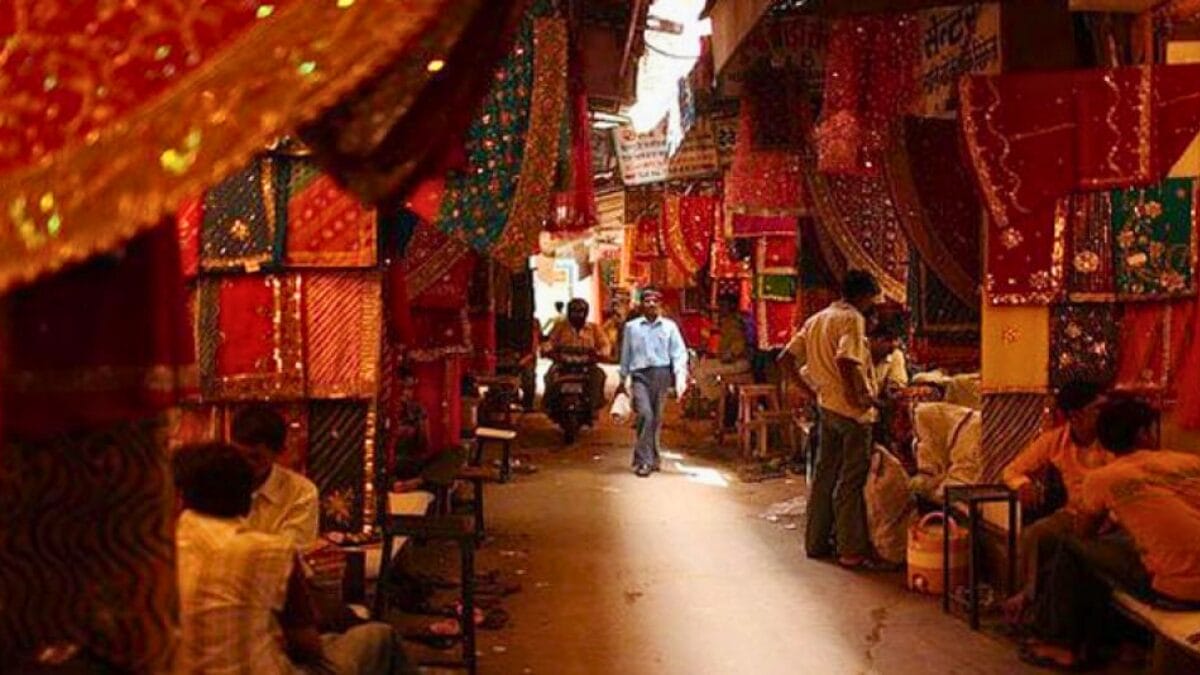
Jaipur’s bazaars represent living museums where traditional crafts, vibrant colors, and centuries-old trading practices continue thriving. The city earned fame as a center for jewelry, textiles, blue pottery, and handicrafts, with skilled artisans maintaining traditions passed through generations.
Johari Bazaar: The Jeweler’s Paradise
Johari Bazaar specializes in precious and semi-precious stones, gold jewelry, and traditional Rajasthani kundan and meenakari work. You’ll find everything from affordable silver pieces to expensive diamond-studded ornaments in shops lining both sides of the narrow street.
The bazaar operates on trust and reputation built over decades. Many jewelry businesses have served families for multiple generations, with sons learning the craft from fathers. Don’t hesitate to bargain—it’s expected and part of the shopping experience. Start at 40-50% of the quoted price and negotiate from there.
Bapu Bazaar: Textiles and Handicrafts
Bapu Bazaar offers textiles, mojari (traditional Rajasthani footwear), tie-dye fabrics, and handicrafts at more reasonable prices than tourist-focused shops. The bazaar caters to both locals and tourists, creating a more authentic shopping atmosphere.
You’ll find block-printed fabrics, bandhani (tie-dye) textiles, quilts, and ready-made garments. The mojari shops display hundreds of colorful handcrafted shoes in traditional and contemporary designs. Skilled craftsmen still stitch these shoes by hand using time-honored techniques.
Tripolia Bazaar: The Iron Market
Tripolia Bazaar specializes in ironware, brassware, and lac bangles. The street comes alive with color from thousands of lac bangles displayed in vibrant hues. Women shop for bangles in sets matching their outfits, a tradition deeply embedded in Rajasthani culture.
The metalwork shops sell everything from decorative items to functional kitchenware. You’ll see artisans working in small workshops behind their shops, hammering brass and iron into intricate designs.
| Major Bazaars | Specialties | Best For |
|---|---|---|
| Johari Bazaar | Jewelry, gems, kundan work | High-end jewelry, precious stones |
| Bapu Bazaar | Textiles, mojari, handicrafts | Fabrics, traditional footwear, souvenirs |
| Tripolia Bazaar | Lac bangles, brassware, ironwork | Bangles, metal crafts, decorative items |
| Chandpol Bazaar | Marble statues, handicrafts | Stone carvings, home décor |
| Kishanpol Bazaar | Textiles, wooden items | Block prints, wooden crafts |
Blue Pottery Shopping
Jaipur’s distinctive blue pottery uses a Persian technique adapted by local artisans. Unlike traditional pottery, blue pottery uses no clay—instead, it’s made from quartz stone powder, glass, and natural gum. The characteristic blue dye comes from copper oxide.
Visit workshops in areas like Kripal Kumbh or Neerja International to watch artisans create these pieces. You’ll see the entire process from shaping to painting to firing. Prices vary dramatically based on size and detail, from small coasters to large decorative plates and vases.
Bargaining Tips and Shopping Etiquette
Bargaining isn’t just accepted—it’s expected in Jaipur’s bazaars. Shop owners quote higher initial prices anticipating negotiation. However, maintain respect and friendliness during the process. Aggressive or rude bargaining offends shopkeepers and creates negative interactions.
Research approximate prices before shopping to understand reasonable ranges. Ask your hotel staff or local guides about fair prices for items you’re interested in purchasing. Many shops accept credit cards, but cash often secures better discounts.
Places To Visit In Jaipur Shopping Strategy:
Visit bazaars in the late afternoon when shops are less crowded. Shopkeepers have more time to show you products and discuss prices without rushing to serve other customers.
Culinary Journey Through Jaipur’s Food Scene
Must-Try Dishes
5 Dishes
- Dal Baati Churma – signature Rajasthani dish
- Laal Maas – fiery red mutton curry
- Ghewar – honeycomb-textured sweet
- Pyaaz Kachori – spiced lentil pastries
- Gatte ki Sabzi – gram flour dumplings
Jaipur’s culinary landscape blends traditional Rajasthani flavors with influences from across India. The city’s food scene ranges from street stalls serving local specialties to heritage restaurants offering royal cuisine in palatial settings.
Must-Try Traditional Dishes
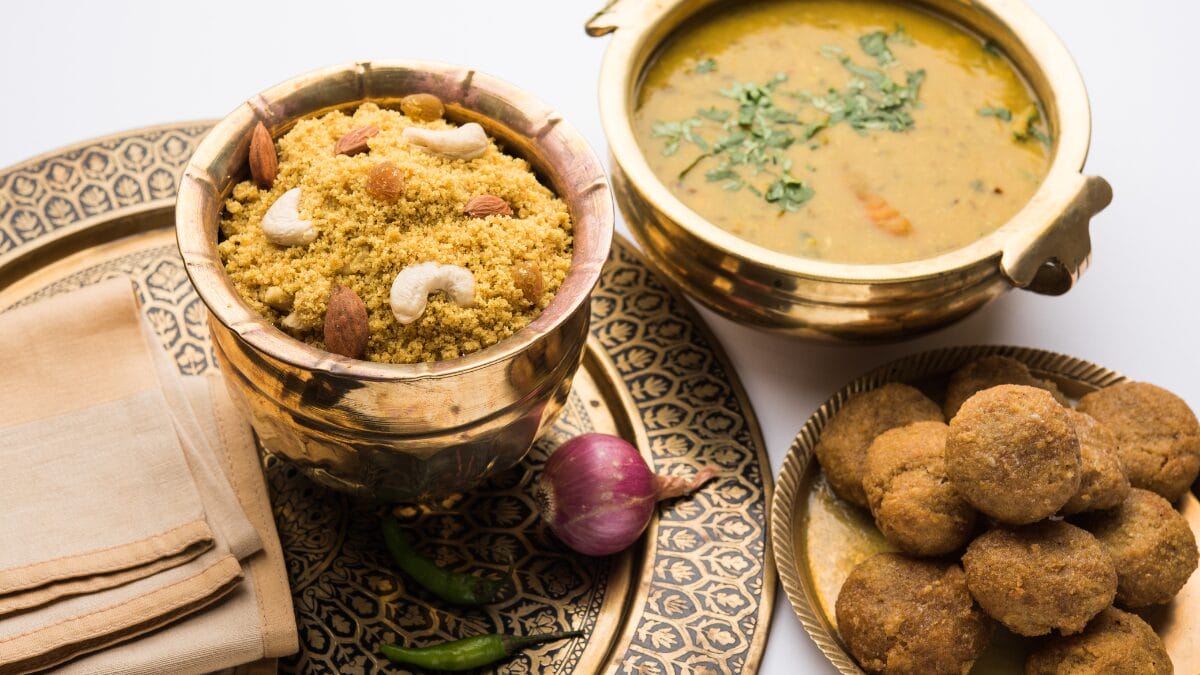
Dal Baati Churma is the signature dish of Rajasthan. A combination of three delights—crispy baatis (wheat rolls), spicy dal (lentil curry), and sweet churma—this dish offers a balanced mix of flavors and textures. The baati traditionally bakes in desert sand or charcoal, creating a crispy exterior with a soft interior. This hearty dish sustained desert dwellers through harsh conditions and remains a staple of Rajasthani cuisine.
Laal Maas is one of the most famous foods of Rajasthan. This fiery mutton curry gets its signature red color from red chillies, garlic, and a blend of aromatic spices. Traditionally cooked in mustard oil, Laal Maas is a dish that represents the bold and rich flavors of Rajasthan. This dish originated among Rajput warriors who needed protein-rich, long-lasting food. The intense spice level isn’t for timid palates—it’s authentically hot.
Ghewar stands as Jaipur’s most famous sweet, particularly during the Teej festival. This disc-shaped dessert made from flour, ghee, and sugar syrup has a honeycomb texture that’s both crunchy and syrupy. Variations include plain, mawa (milk solids), and paneer ghewar.
Street Food Hotspots
MI Road offers numerous street food options, particularly near Panch Batti. You’ll find vendors selling kachori (fried pastries filled with spiced lentils), samosas, and mirchi vada (stuffed chili fritters). The kachoris here achieve legendary status among locals who’ve eaten them for decades.
Johari Bazaar transforms into a food paradise during evenings when vendors set up stalls selling pyaaz kachori, samosas, and various chaat items. The area around Chandpol serves excellent lassi (yogurt drink) in traditional clay cups that add an earthy flavor.
Heritage Dining Experiences
1135 AD restaurant operates inside Amber Fort, offering royal Rajasthani cuisine in an authentic setting. The menu features dishes historically served to maharajas, prepared using traditional recipes and cooking methods. Dining here combines exceptional food with an unforgettable ambiance of stone walls and period décor.
Chokhi Dhani creates a Rajasthani village experience on the city’s outskirts. This cultural resort serves traditional thali (platter) meals with unlimited servings while performers present folk dances, puppet shows, and traditional music. The experience immerses you in Rajasthani culture through food, entertainment, and village-style settings.
Sweet Shops and Dessert Destinations
LMB (Laxmi Misthan Bhandar) has served sweets and snacks since 1954, becoming a Jaipur institution. Their pyaaz kachori draws crowds throughout the day, while the sweet shop section displays dozens of traditional Indian sweets. The attached restaurant serves vegetarian Rajasthani thalis.
Rawat Mishtan Bhandar specializes in pyaaz kachori that locals consider the city’s best. The shop operates from early morning, with fresh batches prepared continuously. Arrive early to avoid long queues that form during peak hours.
| Dining Category | Recommendations | Signature Dishes |
|---|---|---|
| Traditional Thali | Chokhi Dhani, LMB | Dal Baati Churma, Gatte ki Sabzi |
| Street Food | MI Road, Johari Bazaar | Pyaaz Kachori, Mirchi Vada |
| Heritage Dining | 1135 AD, Suvarna Mahal | Laal Maas, Royal Rajasthani cuisine |
| Sweets | LMB, Rawat Mishtan Bhandar | Ghewar, Mawa Kachori |
| Modern Cafes | Tapri Central, Café Palladio | Fusion cuisine, international coffee |
Vegetarian Paradise – Places To Visit In Jaipur
Rajasthan’s predominantly vegetarian culture creates incredible variety in vegetable-based dishes. Gatte ki Sabzi uses gram flour dumplings in a spiced yogurt gravy, while Ker Sangri combines desert beans and berries in a tangy preparation. These dishes demonstrate how Rajasthani cooks created flavorful cuisine despite limited vegetable availability in desert regions.
Papad ki Sabzi transforms simple papad (crispy lentil wafers) into a curry, showcasing the ingenious resourcefulness of desert cooking. These dishes might sound simple but deliver complex flavors through expert spice blending.
Food Adventure:
Join a food walking tour through old city bazaars. Local guides take you to hidden gems that tourists rarely discover independently, explaining dishes’ history and cultural significance while you taste.
Planning Your Visit to Jaipur
Best Time to Visit – Places To Visit In Jaipur
The best time to visit Jaipur is from October to March, which offers pleasant weather making it ideal for sightseeing and outdoor activities. Temperature during these months varies between 25°C (77°F) during the day and 10°C (50°F) during the night.
The coldest month in Rajasthan is January with an average high-temperature of 22°C (72°F) during the day and an average low-temperature of 9°C (48°F) during the night. This makes winter the most comfortable season for exploring outdoor attractions like forts and palaces.
For more information on planning your Rajasthan trip, visit the official Rajasthan Tourism website.
Places To Visit In Jaipur FAQ
What is the most famous thing to see in Jaipur?
Amber Fort stands as Jaipur’s most iconic attraction. This magnificent hilltop fortress features the stunning Sheesh Mahal (Hall of Mirrors), intricate courtyards, and breathtaking views over Maota Lake. Hawa Mahal, the Palace of Winds with its honeycomb design and 953 lattice windows, is equally famous and instantly recognizable. These architectural masterpieces capture the essence of Rajasthan’s royal heritage and should be at the top of your Jaipur bucket list.
Is 2 days sufficient for Jaipur
Yes, 2 days is enough to visit all the major places in Jaipur. You can cover the top 8 attractions comfortably in this timeframe. With two days, you’ll have just enough time to see the city’s highlights including Amber Fort, Hawa Mahal, City Palace, and Jantar Mantar. Plan your first day exploring the forts outside the city and dedicate your second day to the historic center and bazaars for a well-rounded experience.
What is the number one tourist attraction in Jaipur?
The most loved attractions in Jaipur are Amber Fort, Hawa Mahal, and Nahargarh Fort. Other top-tier destinations include the iconic 953-window Palace of Winds, City Palace with its Guinness-record silver urns, and Jantar Mantar UNESCO astronomical observatory. Amber Fort, recognized as a UNESCO World Heritage Site, is among the most magnificent architectural wonders of India. Don’t miss the vibrant bazaars and the stunning Jal Mahal floating palace for a complete Jaipur experience.
Is 3 days in Jaipur enough?
Yes, 3 days is ideal for exploring Jaipur at an easy pace. Three days allows for a comprehensive visit including Galtaji Temple, Jaigarh Fort, Albert Hall Museum, and shopping opportunities. With 3 full days and a guide, you’ll have time to fit in all the major sights comfortably. This duration gives you flexibility to explore beyond the usual tourist spots, enjoy cultural experiences like Chokhi Dhani, and truly soak in the Pink City’s vibrant atmosphere without rushing.
What is the best time to visit Jaipur?
The best time to visit Jaipur is from October to March, when temperatures are cool and pleasant. The peak season months offer moderate sunlight during the day with temperatures ranging from 8°C to 25°C. Winter months provide the most comfortable conditions for exploring outdoor attractions like forts and palaces. January is particularly popular as it coincides with the annual Jaipur Literature Festival. April to June are the hottest months with temperatures exceeding 40°C, making them less suitable for visiting Jaipur.
How do you get around Jaipur?
Auto-rickshaws, taxis, and app-based services like Uber and Ola are your best options for navigating Jaipur. For sightseeing within Jaipur, private cabs or tuk-tuks are economical choices, though attractions like City Palace, Jantar Mantar, and Hawa Mahal can be conveniently explored on foot. For visiting forts outside the city, hire an auto-rickshaw or taxi for the whole day. The city isn’t very walkable due to traffic and distances, so plan your transport accordingly to maximize your sightseeing time.
What should you buy in Jaipur?
Jaipur is famous for its handcrafted jewelry, textiles, and traditional handicrafts. Johari Bazaar specializes in gemstones and jewelry, Bapu Bazaar offers textiles and block prints, while Tripolia Bazaar features bangles and metalwork. You’ll find handcrafted jewelry, juttis (traditional footwear), gemstones, and the classic Jaipuri quilt. These vibrant bazaars offer an authentic shopping experience where you can bargain for unique souvenirs and experience 300 years of craftsmanship traditions.