

Did you know that 33% of travelers report experiencing crime while abroad? That single number should reframe how every solo adventurer thinks about solo travel safety costs, because “winging it” on safety isn’t a budget line, it’s a gamble.
We’ve spent over 20 years of combined independent travel experience figuring out where that gamble pays off and where it doesn’t. This guide cuts through the noise on what solo travel safety costs actually look like, region by region, so you can budget with confidence instead of anxiety.
Solo Travel Safety Costs Key Takeaways
| Question | Quick Answer |
|---|---|
| How much should I budget for solo travel safety costs? | Plan for an extra 10-20% on top of your base trip budget, mostly for insurance, safer accommodation, and reliable transport. |
| What’s the single biggest safety cost for solo travelers? | Travel insurance and emergency evacuation coverage, typically $50-$150 per month depending on destination and activities. |
| Do safer destinations cost more overall? | Not always. Thailand and Malaysia offer strong safety-to-cost ratios compared to Western capitals. |
| What do most solo travelers actually spend? | 63% spend between $1,000 and $3,000 per trip excluding airfare, with safety-related costs baked into accommodation and transport choices. |
| Is safety a bigger worry for female solo travelers? | Yes. 65% of solo female travelers say expenses tied to feeling safe (better hotels, private transfers) are a specific concern. |
| Where can I find practical, tested advice? | Our solo travel hub and travel tips section cover real logistics, not theory. |
| Does gear reduce ongoing safety costs? | Yes. A one-time investment in things like a money belt or portable door lock can cut your daily safety spending significantly. |
Why Solo Travel Safety Costs Deserve Their Own Line Item
Most first-time solo and independent travelers budget for flights, hotels, and food. Very few budget separately for safety, and that’s a mistake we see repeated constantly.
41% of independent travelers say safety worries are their single biggest source of hesitation before departure. That hesitation has a price tag: better insurance, smarter transport choices, and accommodation in vetted neighborhoods instead of the cheapest hostel bed available.
41% of independent travelers say safety is their single biggest concern, and the gender gap is real. 55% of women say safety is a concern, while only 18% of men.
We are not scare mongering telling you to “just be careful.” Solo travel safety costs are real, calculable, and worth planning for before you book anything.
What Actually Drives Solo Travel Safety Costs Up or Down
Four factors move the number more than anything else: destination, accommodation type, transport choices, and insurance coverage level.
- Destination baseline crime and infrastructure: A country with reliable public transport and low petty crime costs less to navigate safely.
- Accommodation: A private room with 24-hour reception costs more than a dorm bed, but it’s often the smarter safety trade-off.
- Transport: Grab or Bolt rides at night versus walking back alone is a real cost difference, and it’s usually only a few dollars.
- Insurance tier: Basic medical-only policies are cheap. Policies with theft, evacuation, and adventure activity riders cost more but close real gaps.
64% of solo travelers name safety in unfamiliar cities as a significant challenge, and that challenge almost always translates into spending more on the neighborhood you sleep in.
Solo Travel Safety Costs by Region: Asia vs the Americas vs Europe
Not every region prices safety the same way. Southeast Asia remains one of the best value plays for solo adventurers precisely because safety infrastructure (well-lit tourist areas, cheap and available ride-hailing, English-speaking hospitals) is strong without the Western price tag.
Compare that to New York or Western Europe, where the baseline cost of living already assumes a certain safety floor, but where you’ll still pay a premium for well-located accommodation in the right neighborhoods.
Did You Know? 64% of solo travelers say safety in unfamiliar cities is a significant challenge, often pushing them toward pricier neighborhoods and transport.
Source: Wingman
Thailand: Where Solo Travel Safety Costs Stay Low Without Cutting Corners
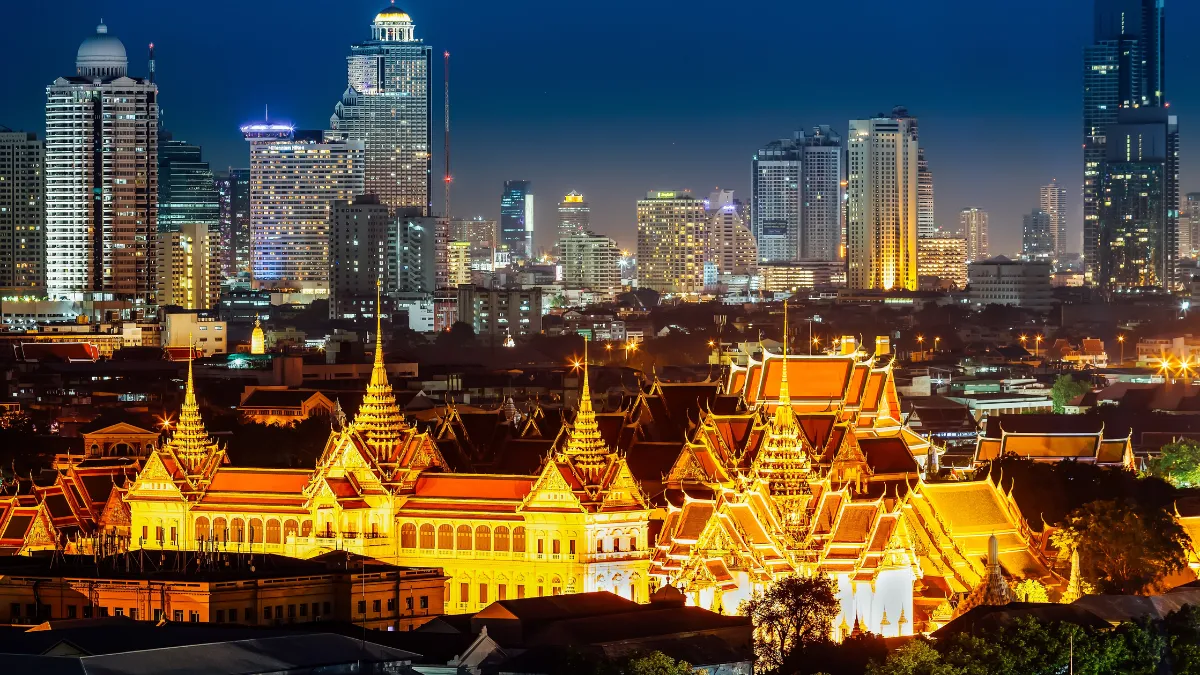
Bangkok, Chiang Mai, and Phuket remain some of the most tested solo travel bases in our own on-the-ground experience. The infrastructure for solo travelers here is mature: 24-hour convenience stores on every corner, cheap and plentiful taxis, and hospitals that regularly treat foreign travelers.
Bangkok Solo Travel Safety Costs/
A private room in a well-reviewed guesthouse in Sukhumvit or Silom runs $25-$40 a night, well within the safer accommodation range. Grab rides at night rarely exceed $5, which removes the need to walk unfamiliar sois after dark.
Baseline crime and infrastructure
Bangkok is not generally characterised by violent crime against tourists, but petty theft, ATM skimming, drink spiking, tourist scams and late-night assault are recognised concerns. Thailand’s road environment is the larger statistical risk.
Bangkok’s economic advantage is its BTS and MRT network. A traveller staying near a station can reduce both cost and exposure.
Where the money goes
- Paying more to stay close to a BTS or MRT station.
- Using Grab or a licensed taxi after the trains stop.
- Pre-arranging transport home from nightlife rather than accepting an unlicensed lift.
- Choosing reputable tours instead of street-sold “special deals”.
- Using bank-based ATMs and keeping a backup card separately.
Ignored costs
Tuk-tuk detours, gem and tailor scams, ATM fees, card replacement, private-hospital deposits and missed flights caused by traffic are more likely financial problems than violent robbery. The false economy is a cheap hotel down an isolated lane that produces two or three additional taxi journeys every day.
Read our full Bangkok travel guide for neighborhood-by-neighborhood breakdowns.
Chiang Mai
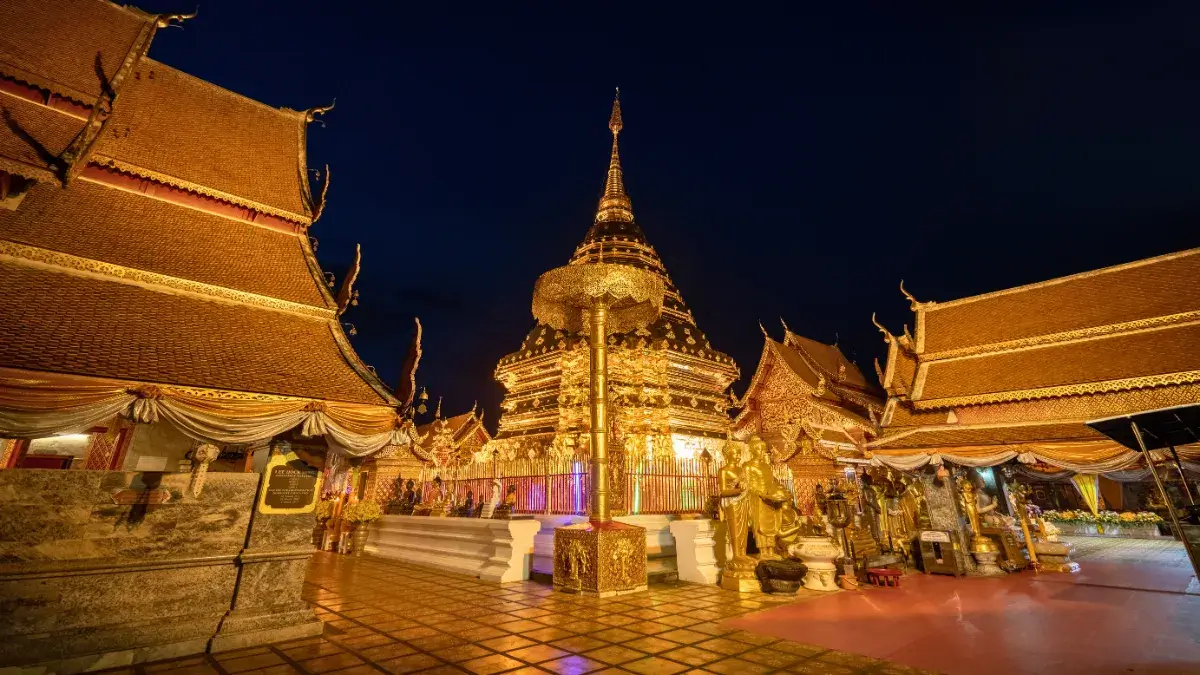
Chiang Mai’s Old City is one of the easiest places in Southeast Asia to navigate solo, day or night. Safety costs here are minimal because the tourist infrastructure (songthaew shared trucks, well-marked streets) does most of the work for you.
Baseline crime and infrastructure
Chiang Mai usually feels calmer than Bangkok and has lower accommodation costs. Its weakness is transportation: the city does not have Bangkok’s rail network, and cheap scooter rental is often presented as the obvious solution. The scooter is also the largest avoidable safety liability. A licence or helmet breach, intoxication or an excluded engine size can leave an insurer refusing a claim.
The hidden environmental cost
From roughly February to April, agricultural burning and regional fires can produce severe air pollution. During bad periods, a traveller may need:
- N95 masks.
- A hotel with sealed rooms and effective air conditioning.
- An air purifier.
- Indoor activities.
- Medical treatment for respiratory symptoms.
- A last-minute flight and replacement accommodation elsewhere.
During the 2026 haze period, health specialists again warned of significant effects, particularly for people with underlying conditions. That relocation risk can turn one of the cheapest destinations into an unexpectedly expensive one.
Our Chiang Mai guide covers where to base yourself for the best safety-to-cost ratio.
Phuket
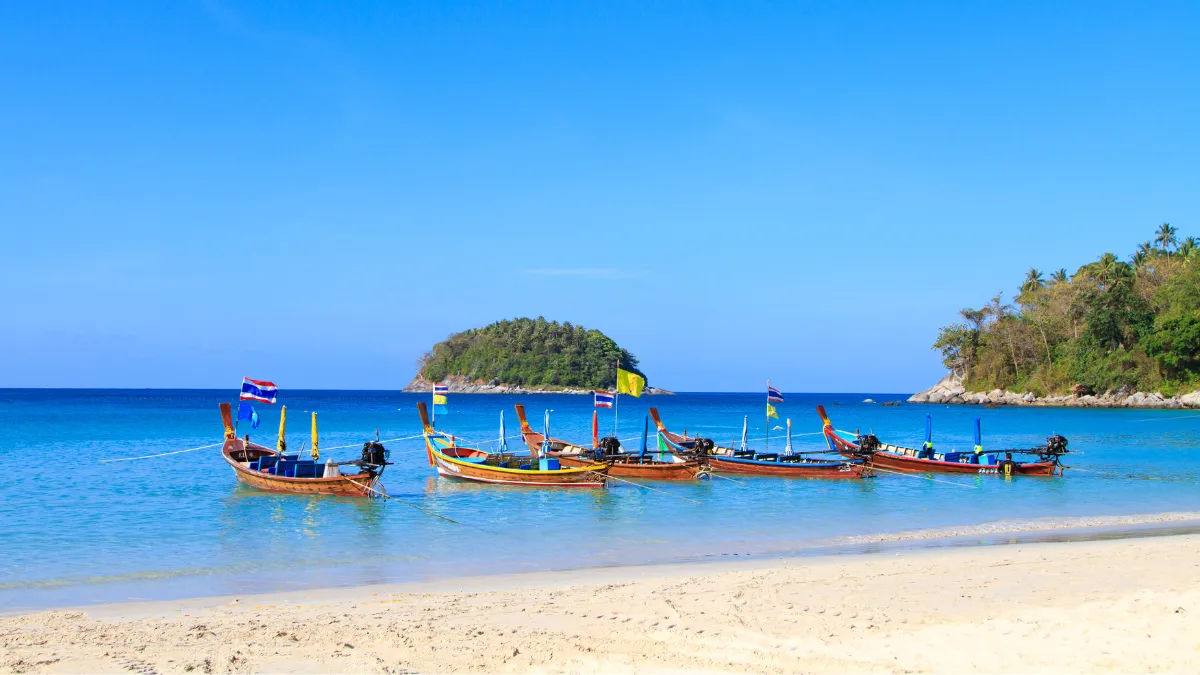
Phuket carries a slightly higher safety cost than Bangkok or Chiang Mai, mostly due to nightlife-heavy zones like Patong. Booking accommodation just outside the main strip, and budgeting an extra $10-$15 a day for taxis instead of scooters, is the trade-off we’d make every time.
Baseline crime and infrastructure
Phuket combines Thailand’s road risks with a dispersed island layout. Attractions, beaches and nightlife areas are separated, public transport is limited and taxi prices are high. This encourages travellers to rent scooters even when they have little experience.
Where the money goes
- Staying within walking distance of the beach or area you plan to use.
- Paying for taxis rather than riding a scooter after dark.
- Using licensed boat, diving and watersports operators.
- Buying insurance that explicitly covers intended activities.
- Avoiding passport deposits for scooters or jet skis.
Thailand’s official travel guidance records disputes in which rental operators retain passports over alleged damage and advises travellers not to surrender a passport as security. Phuket therefore has one of the highest gaps between its advertised backpacker cost and its responsible solo-travel cost.
See the full Phuket travel guide for beach-by-beach safety notes.
Malaysia’s Solo Travel Safety Costs: Kuala Lumpur Case Study
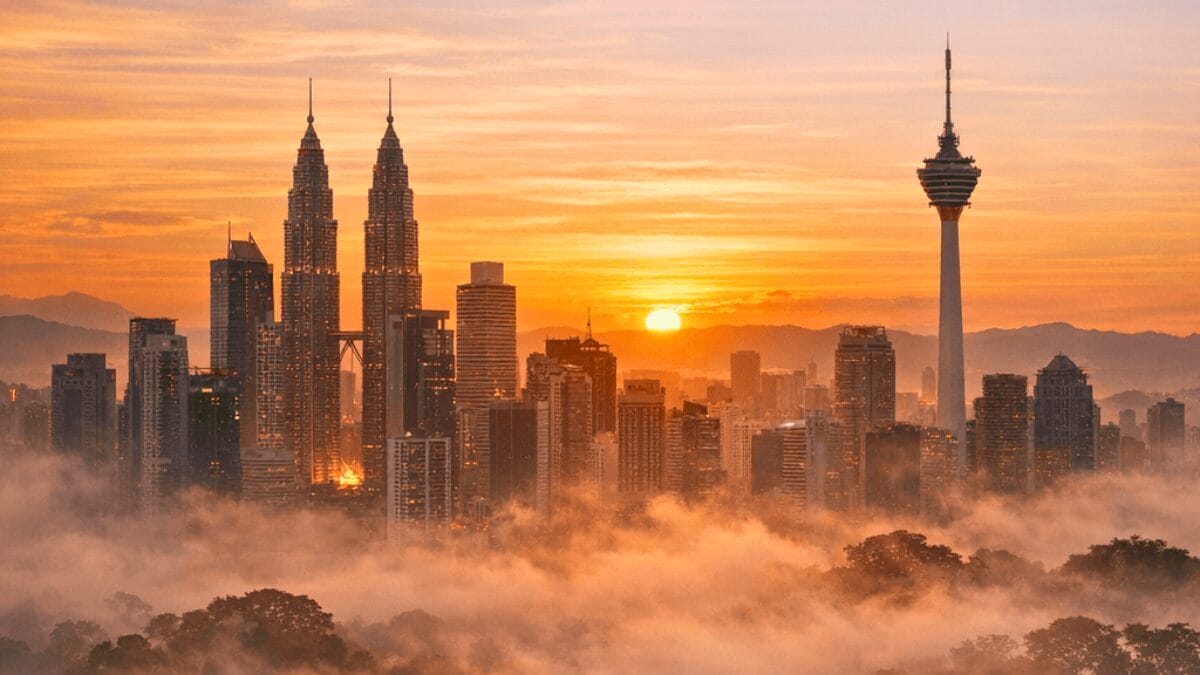
Kuala Lumpur consistently ranks as one of the more affordable big-city bases for solo adventurers in Southeast Asia. The LRT and monorail network means you rarely need a taxi after dark, which keeps solo travel safety costs meaningfully lower than in car-dependent cities.
Baseline crime and infrastructure
Kuala Lumpur offers arguably the best safety-to-cost ratio in this group. Rail connections, inexpensive Grab rides, modern shopping precincts and a broad supply of good hotels make risk reduction relatively affordable.
The principal concerns are pickpocketing, bag snatching, card fraud, late-night isolation and traffic that does not always yield to pedestrians. Malaysian travel guidance notes that motorcycles may not stop at crossings and recommends reputable operators for road journeys.
Where the money goes
- Staying near an MRT or monorail station.
- Using Grab after dark rather than walking through quiet connecting streets.
- Booking airport transport through an official counter or app.
- Avoiding very cheap overnight buses.
The additional cost of making these choices is modest, which is why Kuala Lumpur performs so well economically.
Bukit Bintang and KLCC are the two areas we’d point solo travelers toward first, both for the walkability and the density of well-lit, 24-hour options. Our Kuala Lumpur city guide has the full neighborhood breakdown.
Bali: When Solo Travel Safety Costs Climb With the Terrain
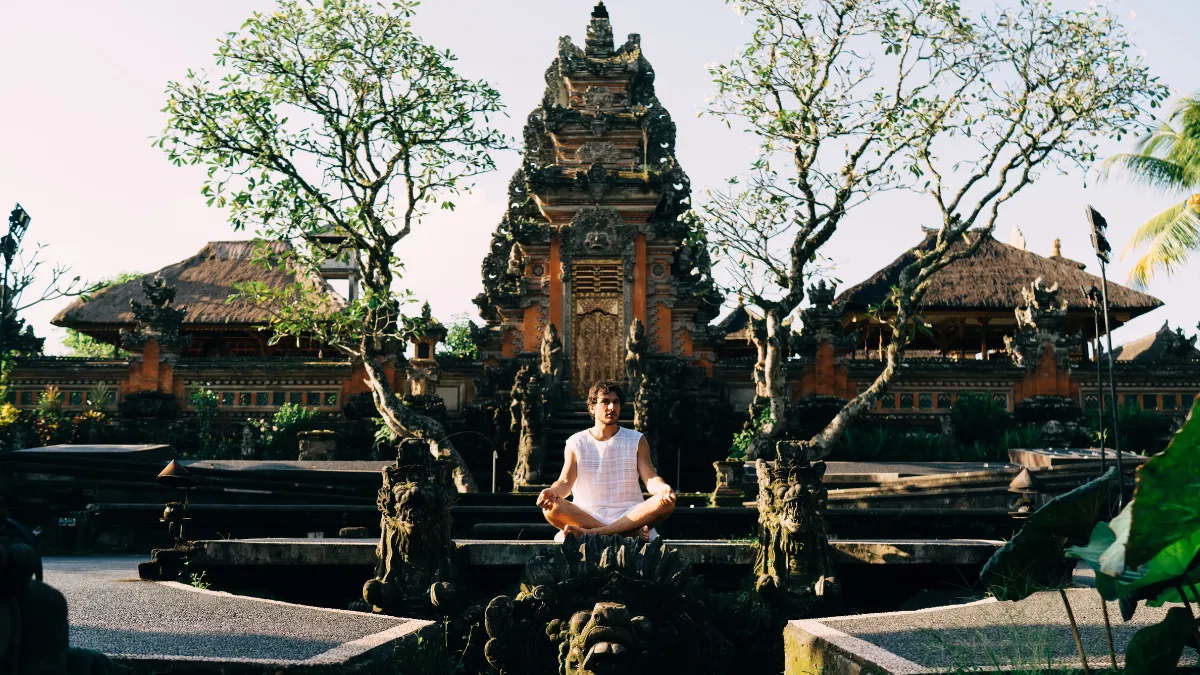
Bali is a slightly different equation. Traffic, scooter culture, and less consistent street lighting outside Canggu and Seminyak push solo travel safety costs a bit higher than mainland Southeast Asia.
Baseline crime and infrastructure
Bali’s largest everyday risk is traffic rather than violent crime. Poor pedestrian infrastructure, congested roads and cheap scooter rental create an unusually high exposure to injury.
Official advice reports a large increase in moped and motorcycle accidents, including fatalities, and suggests considering a car with a driver. It also notes that foreigners involved in even minor accidents may be exposed to extortion.
Where the money goes
- A driver or app-based ride rather than a self-ridden scooter.
- A hotel near restaurants and daily activities.
- A reputable clinic rather than the nearest informal provider.
- Medical evacuation cover.
- Flexible bookings in case of volcanic or weather disruption.
- Food and water precautions to reduce gastrointestinal illness.
Indonesia’s risks also include earthquakes, volcanic activity, unsafe boats and uneven medical access. New Zealand advises cover for medical evacuation and relevant adventure activities. Bali also charges international visitors a compulsory IDR150,000 tourism levy—about US$9–10—per visit.
Booking a Gojek car instead of hopping on the back of a scooter taxi at night is a small cost that buys real peace of mind. Our full Bali travel guide breaks down where solo travelers feel most comfortable staying.
Costa Rica and New York: Solo Travel Safety Costs in Higher-Spend Destinations
Not every solo trip is a budget backpacking loop through Southeast Asia. Costa Rica and New York represent two very different higher-cost scenarios, and both carry their own safety cost logic.
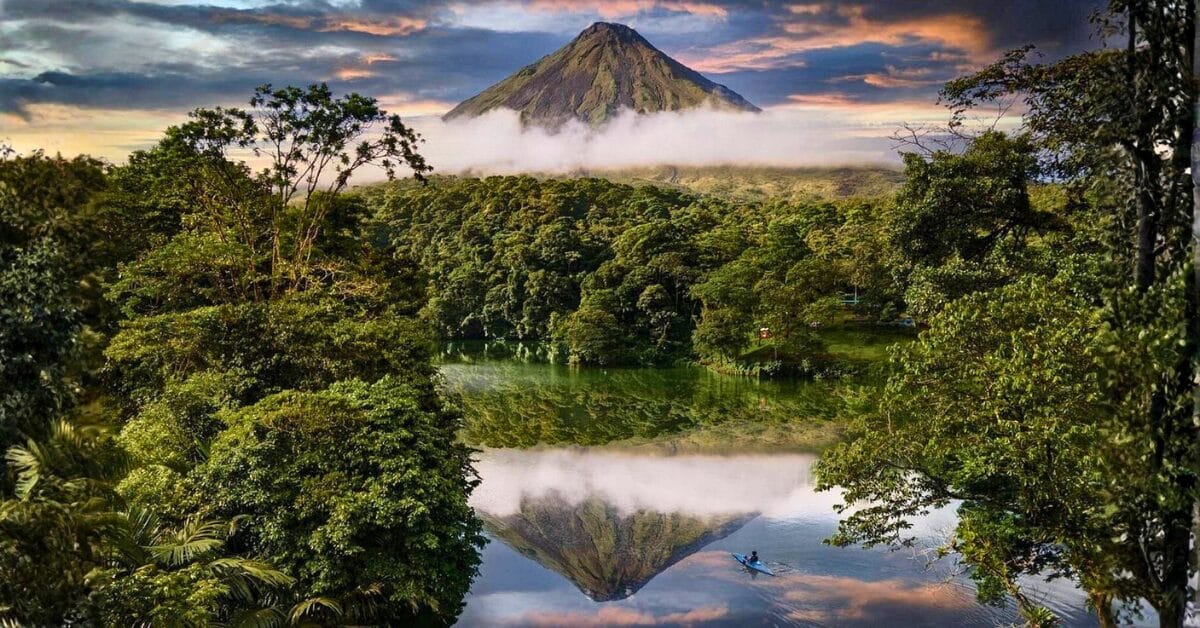
For this comparison, Costa Rica means a typical circuit involving San José, La Fortuna, Monteverde and a Pacific beach destination. Costs in one compact town will be lower.
Baseline crime and infrastructure
Costa Rica has a strong tourism industry and generally good private medical care, but property crime, theft from vehicles, isolated beaches, sexual assault and uneven rural emergency access need to be taken seriously. Official guidance notes that women travelling alone may need to exercise additional care. Rip currents are common, many beaches lack lifeguards, and drowning is a significant accidental-death risk.
Where the money goes
- Private or shared tourist shuttles rather than poorly timed public buses.
- Lodging close to town instead of an isolated hillside property.
- Guarded parking and never leaving luggage in a vehicle.
- Reputable guides for rainforest, volcano and water activities.
- A local SIM or eSIM because help may not be nearby.
The rental-car trap
Cheap headline rental rates frequently exclude compulsory local liability insurance. This can add approximately $13–25 a day, while deposits and collision-cover decisions create additional cash-flow exposure.
Costa Rica provides good private care, but visitors are charged beyond initial emergency treatment, and ambulance coverage in remote regions is variable.
Costa Rica is safe enough for solo travel, but it is not the inexpensive Central American destination people often assume it to be.
In Costa Rica, safety costs skew toward guided transport between remote eco-lodges, since public transport thins out fast once you leave San José. Our Costa Rica travel guide covers realistic transfer pricing between national parks.
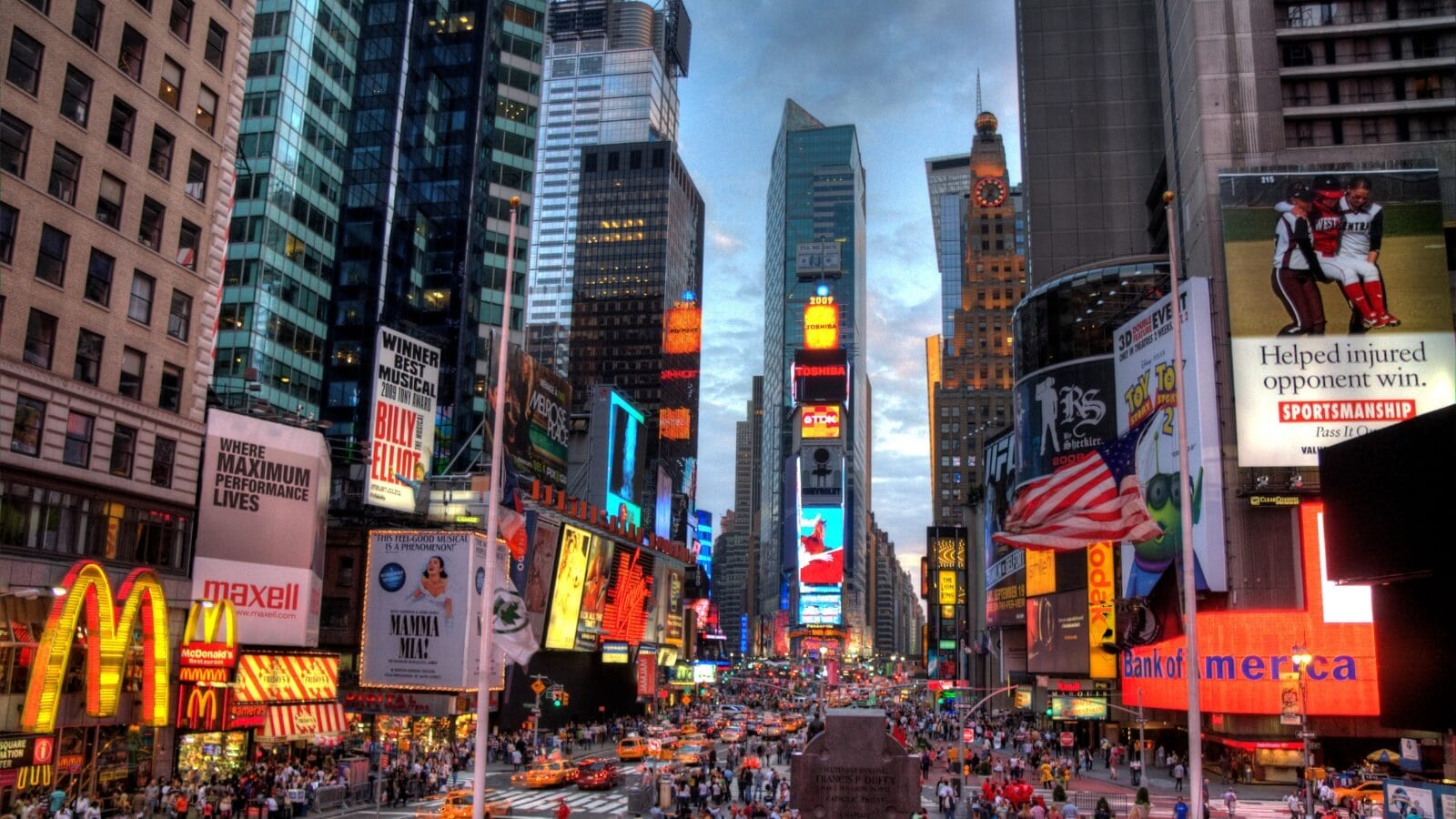
In New York, safety costs are less about crime rate and more about location. Staying in a well-connected neighborhood near a subway hub adds to the nightly rate, but it removes hours of walking alone at night. Our New York city guide has neighborhood-specific advice.
Baseline crime and infrastructure
New York has extensive 24-hour transportation, well-resourced emergency services and busy streets. However, theft on public transport and around tourist areas remains a concern. New Zealand’s United States advisory also highlights the country’s higher incidence of violent crime and firearm possession.
For many visitors, however, the greatest safety-related financial risk is healthcare rather than crime.
Where the money goes
- A legitimate hotel in a connected neighbourhood.
- Hotel taxes, deposits and potentially mandatory property fees.
- An app-based ride when arriving late with luggage.
- High-limit medical and liability insurance.
- Protecting a high-value phone, which is also the traveller’s map, payment tool and authentication device.
A government insurance example puts treatment and possible repatriation for a US stomach infection at £150,000 or more without suitable cover.
New York is therefore the most financially dangerous destination in the comparison if a traveller is uninsured, even if the probability of a serious medical event is low.
Gear That Actually Lowers Your Ongoing Solo Travel Safety Costs
Here’s where a bit of upfront spending saves money later. A $20 portable door lock, a $15 money belt, and a $30 luggage lock aren’t glamorous purchases, but they cut down on the daily anxiety tax that leads travelers to overspend on “safer” options out of nerves alone.
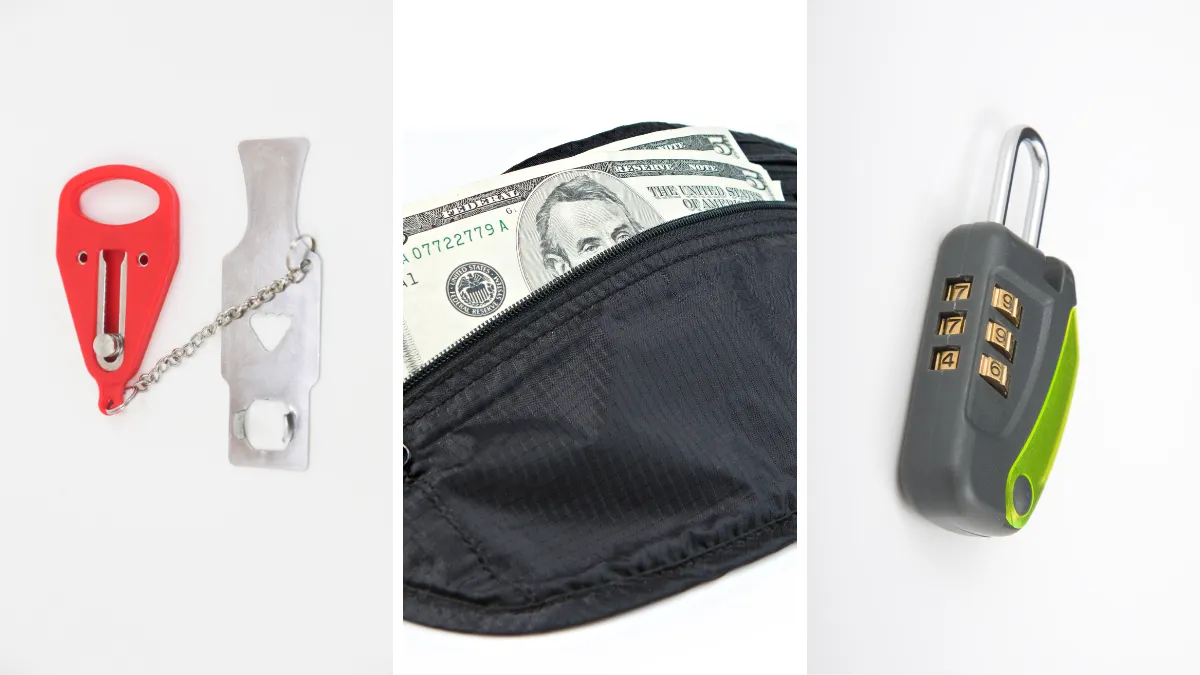
45% of solo travelers already use finance apps to manage budgets on the road, and pairing that with basic physical security gear closes most of the everyday risk gap for far less than an unexpected replacement passport or emergency clinic visit would cost.
Our solo travel equipment guide lists the exact gear we personally carry on every trip.
Realistic Solo Travel Safety Costs: A Weekly Breakdown
Nearly half of solo travelers report spending under $2,000 per week total, and safety-related spending is typically a smaller slice than people expect once accommodation and insurance are locked in.
Safety-adjusted cost comparison
These are planning ranges, not fixed quotations. Peak-season accommodation can be 30–60% higher.
| Destination | Practical risk picture | Secure private room | Safer transport per day | Insurance per day | Safety-linked core cost for 7 days |
|---|---|---|---|---|---|
| Chiang Mai | Generally manageable; road danger and seasonal smoke are bigger issues than violent crime | $30–70 | $5–15 | $5–9 | $280–658 |
| Bangkok | Petty theft, scams, drink spiking and serious road exposure; excellent central transit | $40–90 | $5–18 | $5–9 | $350–819 |
| Kuala Lumpur | Relatively good infrastructure; theft, pedestrian risk and late-night exposure remain | $40–90 | $5–18 | $5–9 | $350–819 |
| Bali | Traffic, scooters, weak pedestrian infrastructure, theft and uneven medical access | $45–120 | $12–35 | $5–10 | $434–1,155 |
| Phuket | Dispersed layout, expensive taxis, scooter accidents, nightlife and water-activity risks | $55–130 | $15–40 | $5–10 | $525–1,260 |
| Portugal | Low violent-crime exposure; pickpocketing, car break-ins, heat and wildfire disruption | $75–170 | $8–30 | $7–13 | $630–1,491 |
| Costa Rica | Property crime, isolated roads and beaches, variable emergency access and costly transfers | $75–170 | $25–65 | $7–13 | $749–1,736 |
| London | Excellent infrastructure; phone theft and high accommodation costs dominate | $150–320 | $10–35 | $7–13 | $1,169–2,576 |
| New York City | Strong transport and emergency services, but extremely expensive lodging and healthcare | $220–420 | $8–40 | $10–18 | $1,666–3,346 |
The weekly total is accommodation, local transportation and insurance. It does not include food, activities, flights or the emergency reserve.
The incremental solo safety premium
Compared with an aggressive rock-bottom budget, a prudent solo traveller should expect approximately:
| Destination | Additional safety spending per day (USD) |
|---|---|
| Chiang Mai | $10–30 |
| Kuala Lumpur | $10–35 |
| Bangkok | $13–40 |
| Portugal | $20–40 |
| Phuket | $20–55 |
| Bali | $20–65 |
| Costa Rica | $25–75 |
| London | $15–85 |
| New York City | $35–100 |
The premium is greatest where accommodation location is expensive or where cheap transport exposes the traveller to disproportionate risk.
Did You Know? 25% of solo travelers avoid walking alone late at night and 23% share travel plans/location
Source: State of Solo Travel Report
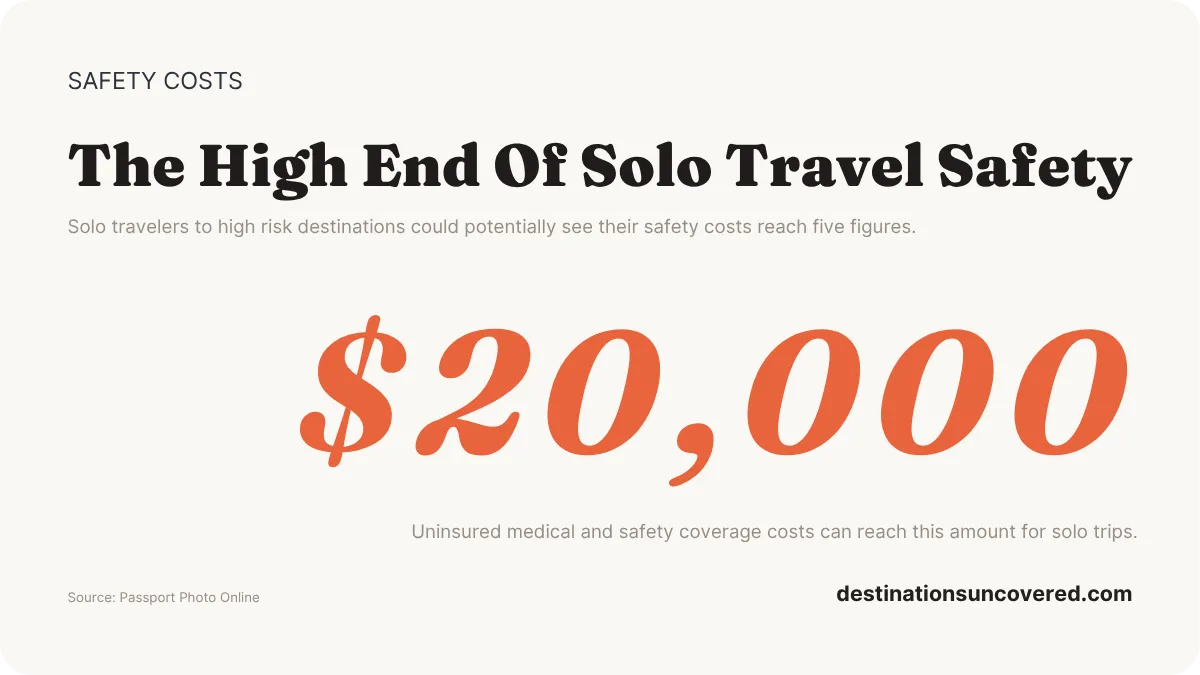
On the extreme end, travelers who skip insurance or downgrade accommodation to save money are those who potentially end up paying far more in an emergency. In fact solo travelers visiting extreme destinations have seen their safety costs reach five figures.
The costs most travelers forget
Insurance excess – Buying insurance does not eliminate out-of-pocket costs. A traveller may still face a $100–500 excess for each type of claim.
Excluded activities – Standard policies frequently exclude or restrict:
- Scooters and motorcycles.
- Jet skis and quad bikes.
- Diving beyond specified depths.
- Trekking above specified elevations.
- Alcohol-related incidents.
- Undeclared medical conditions.
- Unlicensed drivers or inadequate helmets.
Government guidance specifically warns that mopeds, quad bikes and some sports are commonly excluded.
The “single point of failure” phone
Losing a phone can mean losing access to maps, boarding passes, ride-hailing, banking authentication and emergency contacts. The real cost is not simply the replacement handset; it can include taxis, missed reservations, communications and emergency accommodation.
Hotel deposits and medical pre-authorisations
A solo traveller has only their own credit limit. Hotel deposits, rental-car holds and hospital pre-authorisations can temporarily consume thousands of dollars even when insurance will eventually reimburse the expense.
Escape money
Every solo traveller should maintain an accessible reserve sufficient for:
- Two nights in alternative accommodation.
- A private transfer to an airport.
- A replacement domestic flight.
- Emergency food and communications.
- Insurance excess.
A sensible reserve is approximately:
- $250–500: Thailand, Malaysia or Bali.
- $500–1,000: Portugal or Costa Rica.
- $1,000–2,000: London or New York.
This is liquidity, not planned spending.
How Female Solo Travelers Budget Differently for Safety
65% of solo female travelers name expenses tied to feeling safe as a specific concern, separate from general trip cost worries. That usually shows up as choosing hotels over hostels, booking daytime flights and transfers, and paying for private transport over shared shuttles.
45% of women prioritize low crime rates and well-lit, safe areas above almost every other factor when picking a destination. That’s not paranoia. That’s a rational solo travel safety cost calculation, and it’s one we respect and plan around in every guide we write.
Whether it’s sharing a meal with locals or joining group activities, solo travelers often return with richer stories and meaningful connections that might not happen when traveling with others. That freedom is worth protecting with a proper safety budget, not risking it with a bargain and fingers crossed.
Overall Comparison Costs Verdict
Best safety-adjusted value: Kuala Lumpur. Good infrastructure and inexpensive ride-hailing allow a solo traveller to reduce risk without dramatically increasing the budget.
Cheapest prudent option: Chiang Mai outside the smoke season. It remains inexpensive if the traveller avoids scooters and stays centrally.
Best major-city balance: Bangkok. The rail system keeps safety costs down, but road and nightlife risks must be actively managed.
Safest conventional environment: Portugal. Its safety premium is relatively low, although accommodation is no longer especially cheap.
Most misleading budget destinations: Phuket, Bali and Costa Rica. Their headline prices omit the cost of safe transportation, activity cover and reliable medical access.
Highest financial tail risk: New York. Accommodation is expensive and an uninsured medical event can be financially catastrophic.
The core economic lesson is simple: spending $15–50 a day to reduce a foreseeable risk is usually rational; attempting to self-insure against a six-figure medical or evacuation loss is not.
Conclusion: Budgeting Realistically for Solo Travel Safety Costs
Solo travel safety costs aren’t a scare tactic, they’re a planning tool. Whether you’re basing yourself in Bangkok for $30 a night or splitting time between Bali and New York, the same rule holds: budget for safety before you leave, not after something goes wrong.
No fluff, no impossible Instagram fantasies, just tested advice from people who’ve actually made these calls on the road. Get your solo travel safety costs sorted early, and the rest of the trip takes care of itself.
Solo Travel Safety Costs FAQ
How much extra should I budget for solo travel safety costs in 2026?
Plan for roughly 10-20% above your base trip budget to cover insurance, safer accommodation, and reliable night transport. This range holds true whether you’re traveling through Southeast Asia or a major Western city.
Is travel insurance worth the added solo travel safety cost?
Yes, almost always. A policy costing $50-$150 a month is far cheaper than an uninsured emergency room visit or evacuation, and it’s the single highest-value line item in any solo travel safety budget.
Which destinations offer the best value for solo travel safety costs?
Thailand and Malaysia consistently offer strong safety infrastructure at low prices, making cities like Bangkok, Chiang Mai, and Kuala Lumpur some of the best-value bases for solo adventurers in 2026.
Do solo female travelers really pay more for safety?
Many do, since 65% report specific concerns about safety-related expenses. This typically means choosing private rooms over dorms and paid transport over walking, both of which raise the daily budget slightly.
What’s the biggest mistake solo travelers make with safety budgeting?
Skipping insurance or downgrading accommodation purely to save money upfront. This is the exact gap that turns a manageable solo travel safety cost into an unmanageable emergency bill.
Are solo travel safety costs higher in cities like New York than in Southeast Asia?
Generally yes, mostly because the baseline cost of living and accommodation is higher, not because the safety risk itself is greater. The actual safety premium (better neighborhood, transit access) follows local pricing.
Can gear purchases actually lower my solo travel safety costs?
Yes. A one-time investment in items like a portable door lock or money belt, usually under $50 total, reduces the daily spending many travelers do out of anxiety rather than necessity.
13 Works Cited
Foreign, Commonwealth & Development Office. Foreign travel insurance. 2026, www.gov.uk/guidance/foreign-travel-insurance.
gov.uk. Foreign travel advice, Costa Rica. 2026, www.gov.uk/foreign-travel-advice/costa-rica/safety-and-security.
—. Foreign travel advice, Costa Rica. 2026, www.gov.uk/foreign-travel-advice/costa-rica/health.
—. Foreign travel advice, Malaysia. 2026, www.gov.uk/foreign-travel-advice/malaysia/safety-and-security.
GOV.UK. Foreign travel advice, Thailand. 2026, www.gov.uk/foreign-travel-advice/thailand/safety-and-security.
gov.uk. Foreign travel insurance. 2026, www.gov.uk/guidance/foreign-travel-insurance.
Hostel World. Solo travel & safety. 2025, www.hostelworld.com/state-of-solo-travel#safety.
Love Bali. Trusted partners helping you pay the Bali Foreign Tourist Levy safely. 2026, lovebali.baliprov.go.id/.
Ministry of Foreign Affairs and Trade. `Safe Travel Indonesia. 2026, www.safetravel.govt.nz/destinations/indonesia.
—. `Safe Travel Indonesia. 2026, www.safetravel.govt.nz/destinations/indonesia.
—. Safe Travel Thailand. 2026, www.safetravel.govt.nz/destinations/thailand.
—. Safe Travel United States of America. 2026, www.safetravel.govt.nz/destinations/united-states-of-america.
Ratcliffe R. Chiang Mai’s New Year revelry hit by smog and war-related price spikes. 2026, www.theguardian.com/world/2026/apr/15/thailand-chiang-mai-tourism-air-pollution-war-price-spikes.