Planning your trip to New Zealand in 2026 feels overwhelming. You’re staring at dozens of blog posts. Everyone promises the “perfect” New Zealand travel itineraries. Nobody tells you what it actually costs. Here’s what you actually need: tested routes that work for real budgets. Hidden spots the tour buses skip. Practical advice from someone who’s driven these roads.
This guide breaks down exactly where to go, when to visit, and how much to budget for your New Zealand adventure in 2026. You’ll get specific itineraries for two weeks, three weeks, and one month. Real costs. Off-beaten-path alternatives. Everything you need to explore confidently.
No fluff. Just actionable information from a local New Zealander.
Why 2026 Is the Perfect Year to Visit New Zealand
2026 hits a sweet spot for New Zealand travel.
Tourism numbers have stabilized after the pandemic chaos. Infrastructure upgrades completed in 2024-2025 are now fully operational. New hiking huts opened in Fiordland. Better road access to remote West Coast locations.
The exchange rate favors budget travelers right now. Airlines added more direct routes from the US, cutting flight costs by 15-20% compared to 2023.
Shoulder seasons (April-May, September-October) offer the best value in 2026. Fewer crowds at Milford Sound and Mount Cook. Accommodation prices drop 30-40% outside peak summer.
New conservation initiatives mean better access to previously restricted areas. The Department of Conservation expanded permits for backcountry camping. More freedom for independent explorers.
Climate patterns favor 2026 for outdoor activities. Weather models predict stable conditions during traditional shoulder seasons. Better hiking weather. More clear days for glacier visits.
Essential Planning Basics Before You Book
2026 hits a sweet spot for New Zealand travel.
Tourism numbers have stabilized after the pandemic chaos. Infrastructure upgrades completed in 2024-2025 are now fully operational. New hiking huts opened in Fiordland. Better road access to remote West Coast locations.
The exchange rate favors budget travelers right now. Airlines added more direct routes from the US, cutting flight costs by 15-20% compared to 2023.
Shoulder seasons (April-May, September-October) offer the best value in 2026. Fewer crowds at Milford Sound and Mount Cook. Accommodation prices drop 30-40% outside peak summer.
New conservation initiatives mean better access to previously restricted areas. The Department of Conservation expanded permits for backcountry camping. More freedom for independent explorers.
Climate patterns favor 2026 for outdoor activities. Weather models predict stable conditions during traditional shoulder seasons. Better hiking weather. More clear days for glacier visits.
Essential Planning Basics Before You Book
How Much Time You Need for Different Routes
Two weeks covers either North or South Island properly. Not both.
Three weeks lets you hit highlights on both islands without feeling rushed. You’ll spend time in each location instead of just driving past.
One month opens up off-beaten-path exploration. You can take that side trip to Stewart Island. Spend extra days hiking in Abel Tasman. Actually relax and enjoy traveling through New Zealand.
Much time you spend depends on your travel style. Fast-packers can see more destinations. Slow travelers dig deeper into fewer places. Neither approach is wrong.
Reality Check:
Travel Distances and Time
Most travelers underestimate driving times. That 200km drive takes 4 hours on winding mountain roads, not 2 hours. Factor in photo stops, bathroom breaks, and spontaneous detours.
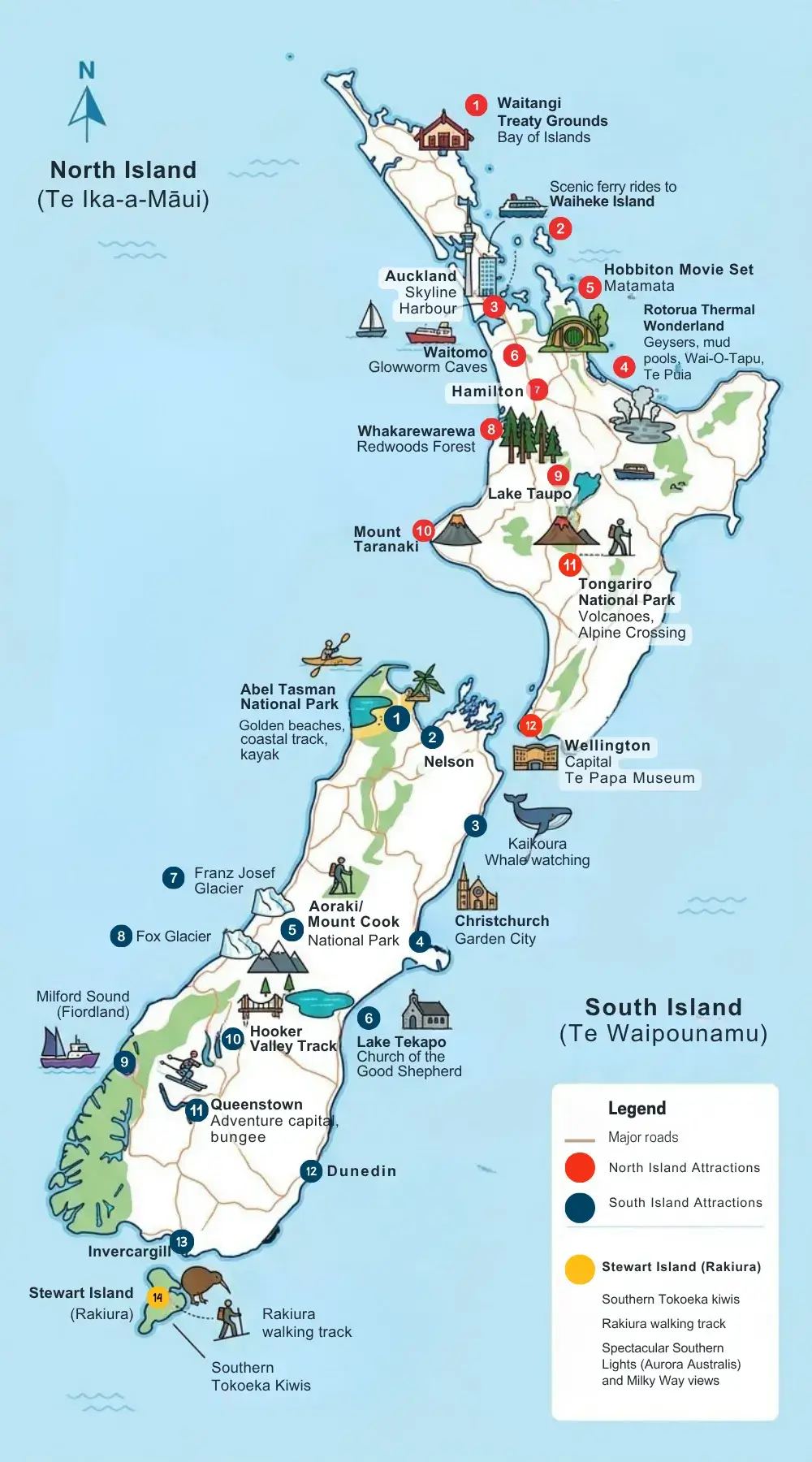
North vs South Island: Which Deserves Your Limited Time
South Island wins for dramatic landscapes. Mountains, glaciers, fjords. This is what you picture when you imagine New Zealand.
North Island offers geothermal wonders and Māori culture. Rotorua’s bubbling mud pools. Waitomo’s glowworms. Vibrant cities.
First-timers usually choose South Island. The scenery justifies the flight halfway around the world. You can always return for the North Island later.
Week road trip works better on South Island too. Attractions sit closer together. Less backtracking. More time exploring, less time driving.
South Island Strengths
Most popular
VS
North Island Strengths
Getting Around: Rental Cars, Campervans, and Public Transport
Rental cars give you the most flexibility. Park anywhere. Change plans spontaneously. Cheapest option for two people or more.
Book early for 2026. Rental car shortages hit New Zealand hard recently. Prices spike if you wait until a month before arrival.
Campervans combine transport and accommodation. They make sense for budget travelers doing a full month. Less practical for week road trip itineraries.
Public transport exists but limits your route options. Buses connect major towns. They skip the best roadside viewpoints and hidden valleys. You’ll miss half the good stuff.
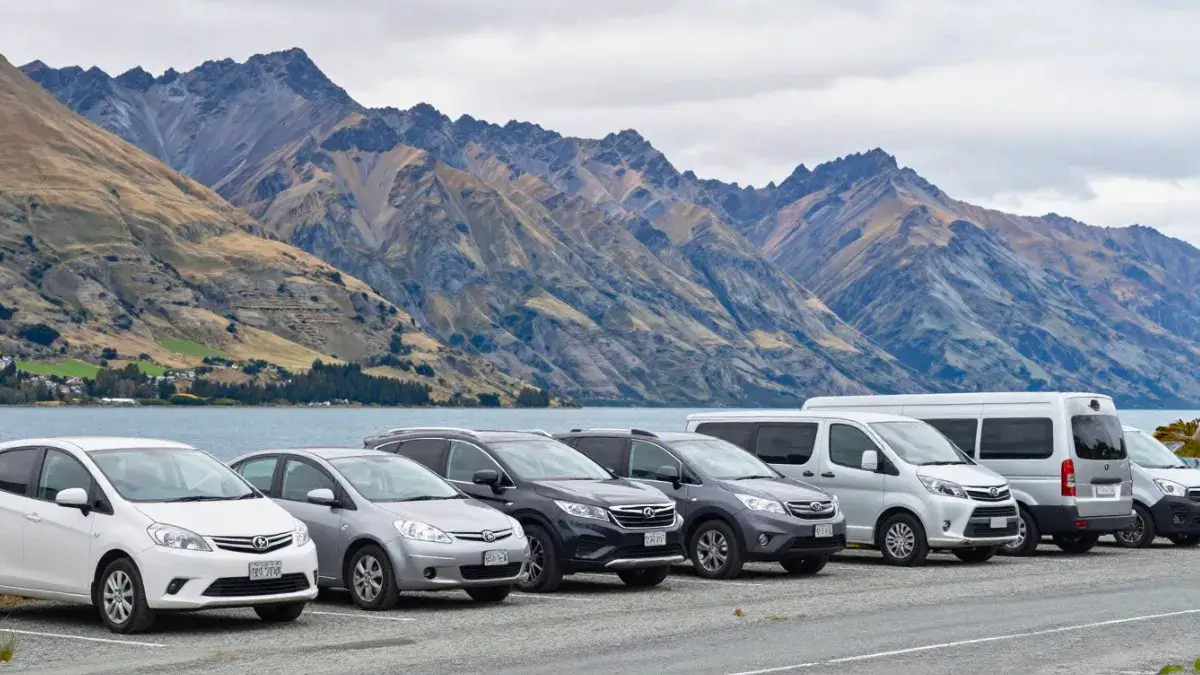
2026 Rental Tips:
International license valid for 12 months. Drive on the left side. Gas costs NZD 2.80-3.20 per liter. Budget NZD 150-200 weekly for fuel on South Island routes.
Booking Accommodation: When and Where to Reserve
Book summer accommodations (December-February) six months ahead. Popular spots like Queenstown and Wanaka sell out early.
Shoulder seasons need less advance booking. Two months usually works fine for April-May and September-October travel.
Mix accommodation types to save money. Hostels in expensive towns. Motels in cheaper areas. Department of Conservation huts for backcountry nights.
Where to stay matters more than where you sleep. Choose towns positioned for easy day trips. Franz Josef works for glacier visits. Mount Cook Village puts you in Aoraki Mount Cook National Park.
Join 12,000+ independent travelers planning their NZ adventures. Unsubscribe anytime.
Get Your Free 2026 NZ Planning Checklist
Download our complete planning checklist with booking timelines, packing essentials, and pre-trip preparation steps. Plus, get monthly updates on 2026 travel conditions and new route options.
When to Visit New Zealand in 2026: Season-by-Season Breakdown
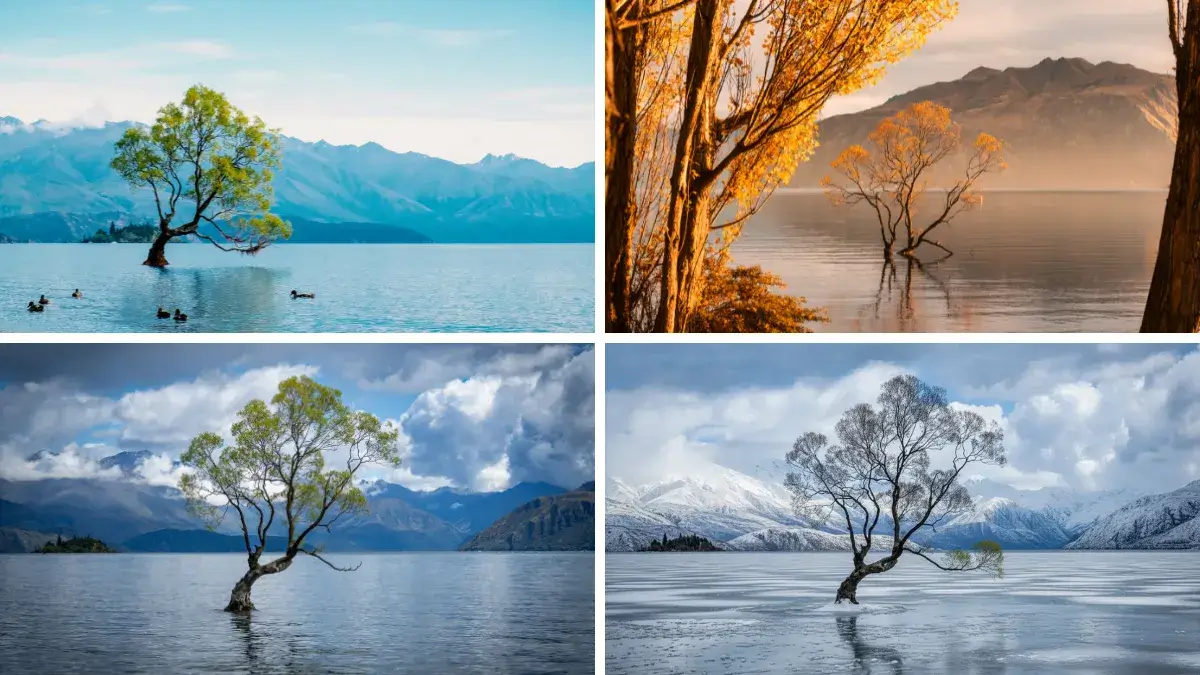
Summer (December-February): Peak Season Realities
Summer brings the warmest weather and biggest crowds. Temperatures hit 20-30°C (68-86°F) on both islands. Perfect beach weather in the north. Comfortable hiking conditions in the south.
Everyone visits during summer. Accommodation costs double. Popular hikes require advance bookings. The Milford Track fills up months ahead.
You’ll wait in lines at Franz Josef Glacier. Traffic jams happen in Queenstown. Summer crowds hit Nelson, Tasman and Marlborough. Tourist spots like Wānaka feel touristy.
But summer offers the most stable weather for outdoor activities. Longer daylight hours mean more time exploring. Mountain passes stay open. All facilities operate.
Summer Advantages
- Best weather for hiking and camping
- All roads and facilities fully open
- Warmest swimming conditions
- Longest daylight hours (until 9:30pm)
- Most tour options available
Summer Drawbacks
- Highest accommodation prices
- Largest tourist crowds
- Advance bookings essential
- Popular hikes require permits
- Some spots lose their magic
Autumn (March-May): The Sweet Spot for Smart Travelers
Autumn delivers New Zealand at its best. Crowds thin out after Easter. Prices drop 30-40% compared to summer. Weather stays reliably good through April.
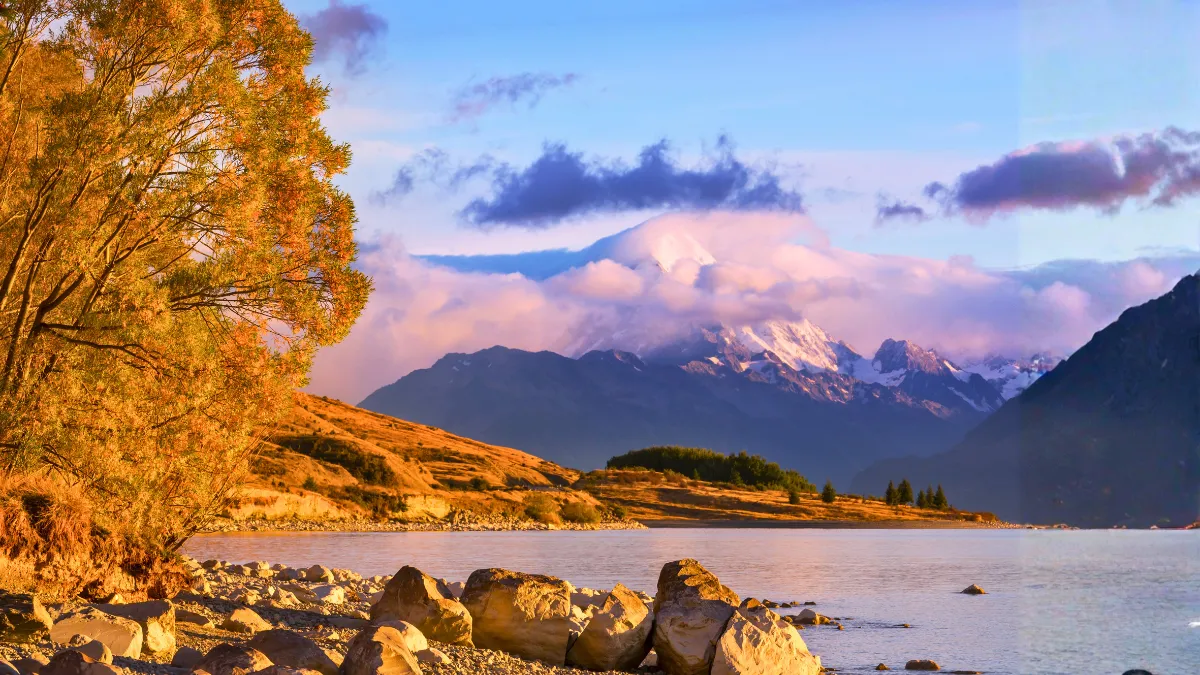
The landscape transforms into gold and red. Arrowtown near Queenstown becomes a photographer’s dream. Lake Wanaka’s trees reflect perfectly in calm water.
March still feels like summer with fewer people. April offers the best balance of good weather and low prices. May brings cheaper rates but more rain risk.
Two weeks in April maximizes value. You’ll find available accommodation everywhere. No queues at popular attractions. Better deals on rental cars.
Winter (June-August): Budget Travel and Snow Sports
Winter attracts two groups: skiers and budget travelers. Queenstown transforms into a ski resort town. Accommodation prices rise near ski fields but drop everywhere else.
You can explore the south coast for cheap in winter. Fewer than 20% of summer crowds. Accommodation costs half of peak season. Franz Josef glacier trips still operate.
Weather gets unpredictable. Mountain passes close frequently. Some roads shut down completely. You need flexibility in your itinerary.
North Island offers a better winter alternative. Warmer temperatures. More reliable weather. Rotorua’s geothermal attractions work in any season.
Spring (September-November): Wildflowers and Bargains
Spring brings the best deals of the year. Tourism infrastructure opens after winter. Prices haven’t climbed to summer levels yet. You’ll find availability everywhere.
October hits the sweet spot. Weather improves significantly. Alpine flowers bloom. Days get longer. Snow melts from hiking trails.
November edges toward summer conditions without summer prices. Excellent choice for budget-conscious travelers who want good weather.
Book spring trips with weather backup plans. A rainy week can dampen outdoor activities. Build flexibility into your schedule.
| Month | Weather | Crowds | Price Level | Best For |
| January-February | Hot, dry (25-30°C) | Very High | Highest | Beaches, all activities |
| March | Warm, stable (20-25°C) | High | High | Autumn colors, hiking |
| April | Mild, pleasant (15-20°C) | Medium | Medium | Best value overall |
| May | Cool, wetter (10-15°C) | Low | Low | Budget travel |
| June-August | Cold, variable (5-12°C) | Low (except ski areas) | Low | Skiing, South Island coast |
| September | Cool, improving (10-15°C) | Low | Low | Spring flowers, deals |
| October | Mild, variable (15-18°C) | Medium | Medium | Value and weather balance |
| November | Warm, pleasant (18-22°C) | Medium | Medium | Pre-summer conditions |
| December | Warm, dry (20-25°C) | High | High | Summer without peak crowds |
2026 Special Events Worth Planning Around
New Zealand hosts several events worth timing your visit for in 2026.
The Queenstown Winter Festival runs late June. Ice sculptures, live music, mountain parties. Book accommodation three months ahead if you want to attend.
Marlborough Wine Festival happens in February. Sample wines from 50+ wineries. Tickets sell out months before.
WOW (World of WearableArt) show in Wellington occurs late September. Bizarre fashion show unlike anything else. International visitors book specifically for this event.
Avoid New Zealand during school holidays unless you enjoy crowds. Late December through late January sees domestic tourism spike. Easter week gets packed too.
Two-Week South Island Itinerary: Maximum Impact Route
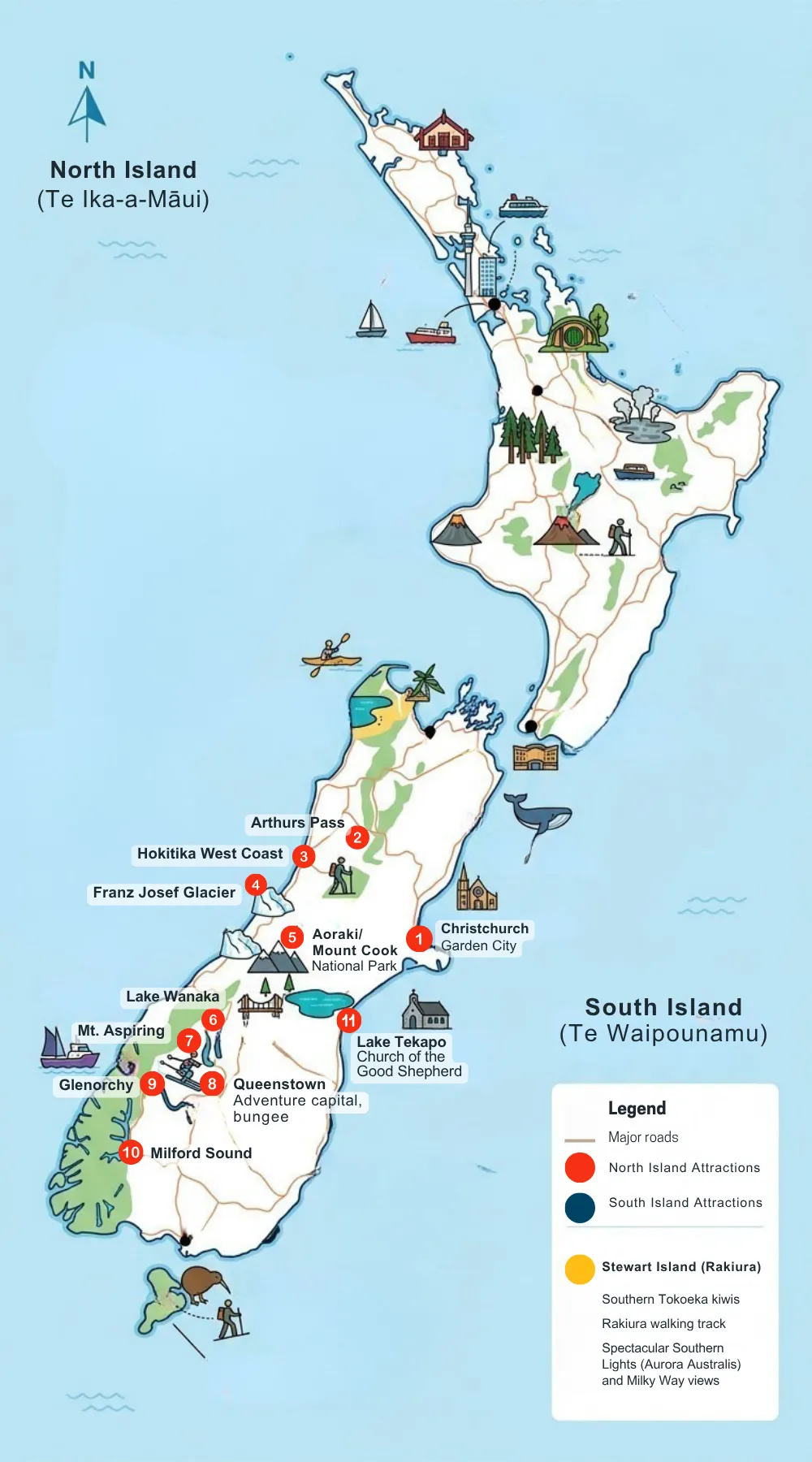
Two weeks south island gives you enough time to see the highlights without feeling rushed. This route covers the essential South Island experiences plus a few off-beaten-path stops.
You’ll drive roughly 2,500 kilometers total. Average 200-250 kilometers per day. Plenty of time for stops along the way.
Days 1-2: Christchurch and Arthur’s Pass
Day 1: Christchurch: Land in Christchurch. Pick up your rental car. Spend half a day exploring the rebuilt city center. The Christchurch rebuild transformed the city. New container mall. Innovative architecture. Better than pre-earthquake honestly. For those returning to Christchurch it is bittersweet. I spent my university years at Canterbury University in Christchurch. I also lived there and worked at Linwood college. So returning post earthquakes was a joy and a sadness. Great to see the new infrastructure and city center. Sad because every landmark I associated with Christchurch was gone.
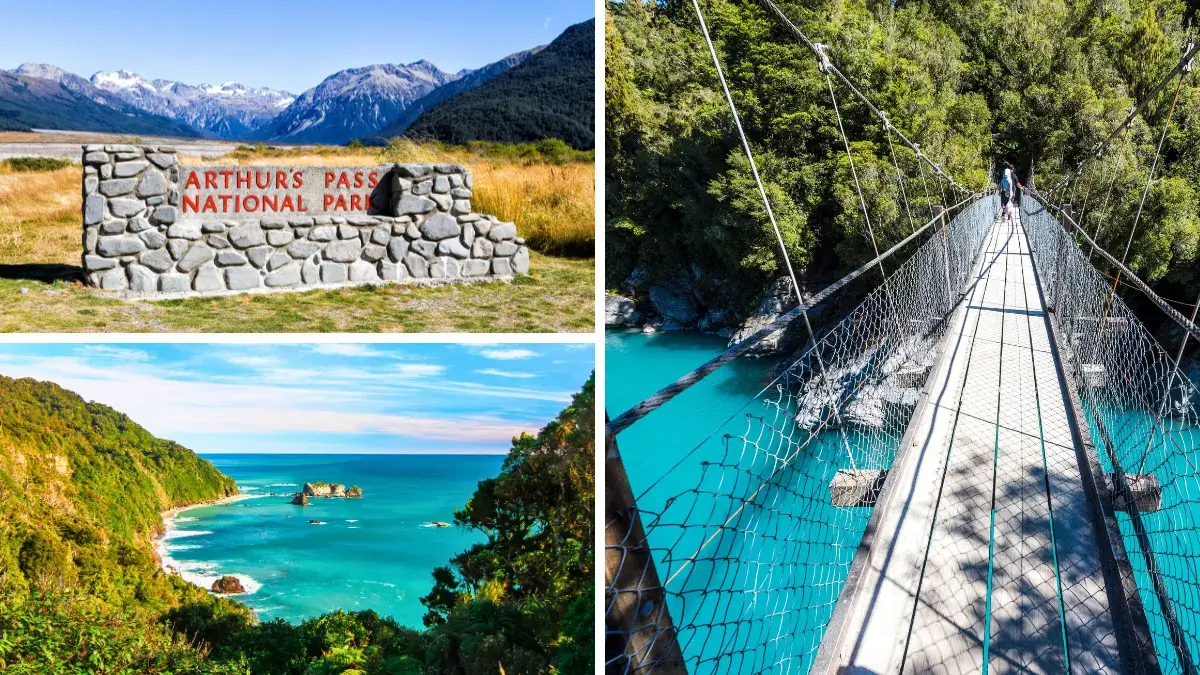
Day 2: Arthurs Pass: Drive to Arthur’s Pass on day two (2.5 hours drive). This mountain crossing offers your first taste of South Island landscapes. Stop at Castle Hill for bizarre limestone formations. Stay in Arthur Pass village. Small settlement with a few accommodation options. Basic but well-positioned for early morning hiking.
Days 3-4: West Coast and Franz Josef Glacier
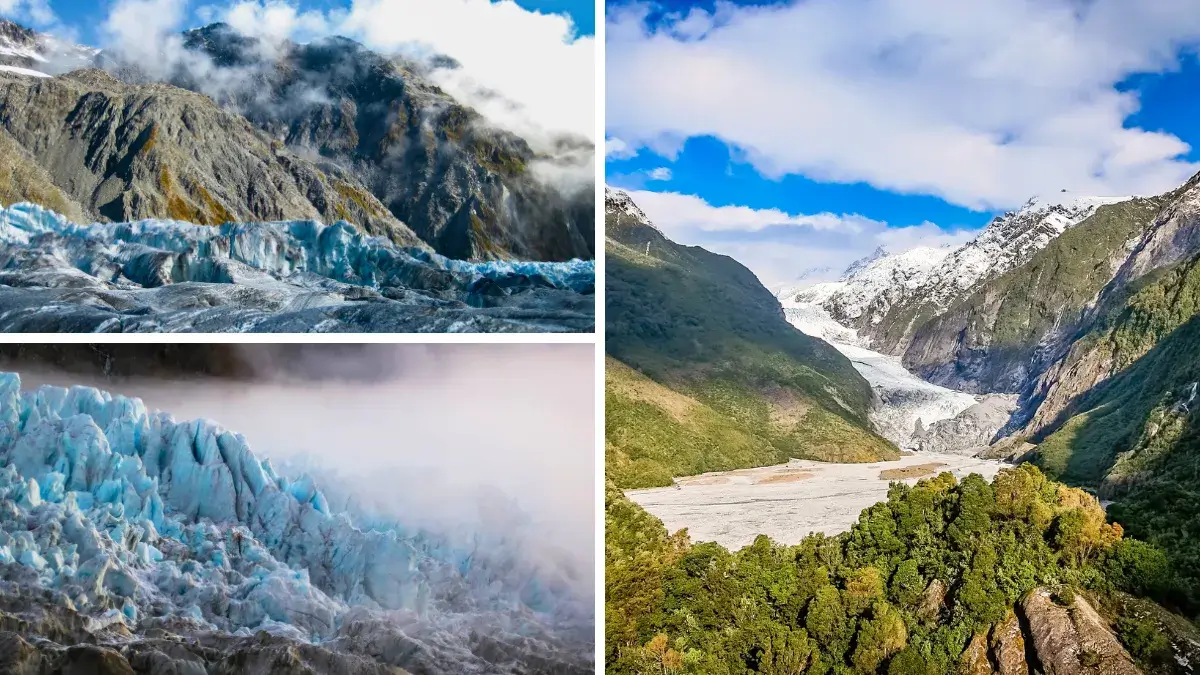
Day 3 Franz Joseph: Drive from Arthur Pass down the West Coast of the South Island to Franz Josef (4 hours drive along west coast). Stop at Hokitika for lunch. Browse the jade workshops. Franz Josef gives you access to glacier hiking. Book a guided walk onto the ice. Weather permitting, you’ll see blue ice caves and crevasses.
Day 4: Lake Matheson or West Coast: Alternative if weather turns bad: visit Lake Matheson. The mirror lake reflects Mount Cook on clear mornings. Get there at sunrise for the best photos. Spend two full days here. Glacier trips book out quickly in peak season. Having a backup day improves your chances of clear weather. Use the first day for the Glacier if its a good day weather wise. If its raining – try for the second day! The West coast of New Zealand has rain most days and sometimes weeks on end.
Days 5-6: Wanaka and Mount Aspiring
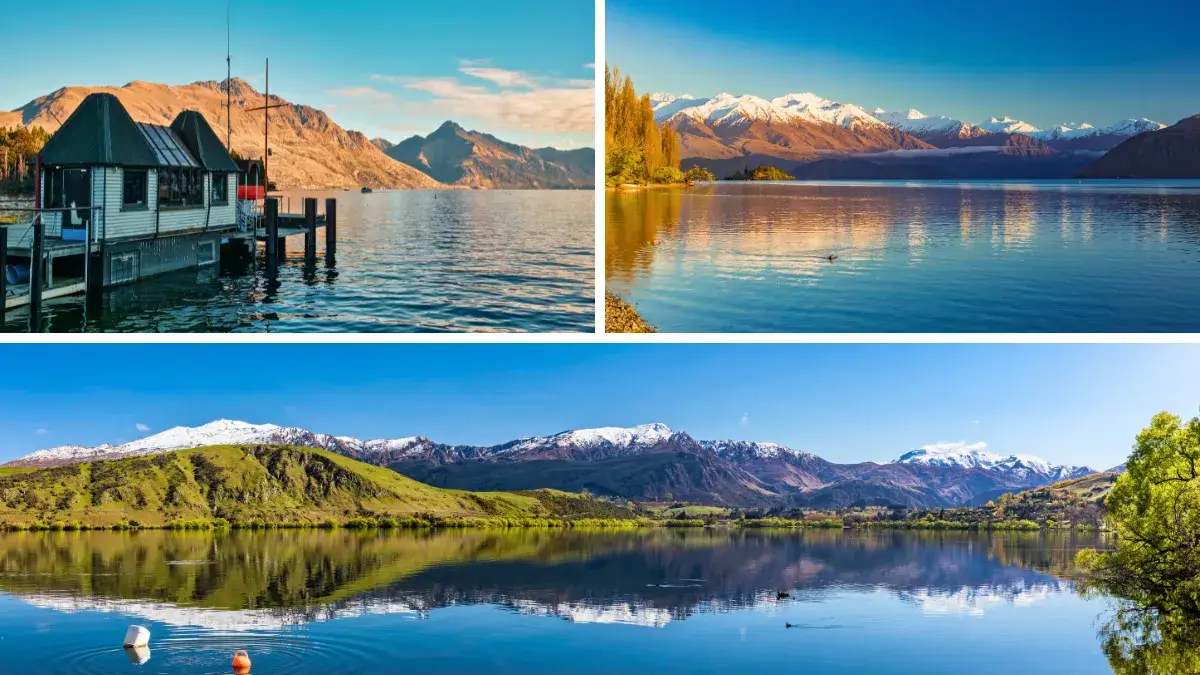
Day 5: Wanaka and Thunder Creek: Drive from Franz Josef to the alpine lake township of Wanaka (4 hours drive). Stop at Thunder Creek Falls for a quick photo. 5-minute walk from the road. Wanaka feels more relaxed than Queenstown. Smaller town. Less commercial. Better value accommodation.
Day 6: Mount Aspiring: Day trip to Mount Aspiring National Park. Hike to Blue Pools (1 hour return). The water looks unnaturally blue. No filter needed for Instagram. Rob Roy Glacier track offers a longer day hike option (3-4 hours return). Stunning valley views the glacier hanging above. One of New Zealand’s best day hikes.
Days 7-8: Queenstown Hub
Day 7: Queenstown: Drive from Wanaka to Queenstown (1 hour). Short drive means you arrive with time to explore. Use Queenstown as your base for three nights. The town itself deserves maybe half a day. The surrounding region needs more time.
Day 8: Day trip to Glenorchy (45 minutes each way). Drive along Lake Wakatipu. Stop every few kilometers for photos. The road itself is the attraction. Take ferry to Walter Peak for a farm tour. Or skip the commercial stuff and just enjoy the lakefront. Book bungy jumping or canyon swing if that’s your thing. Queenstown invented adventure tourism. They do it well.
Day 9: Milford Sound Day Trip
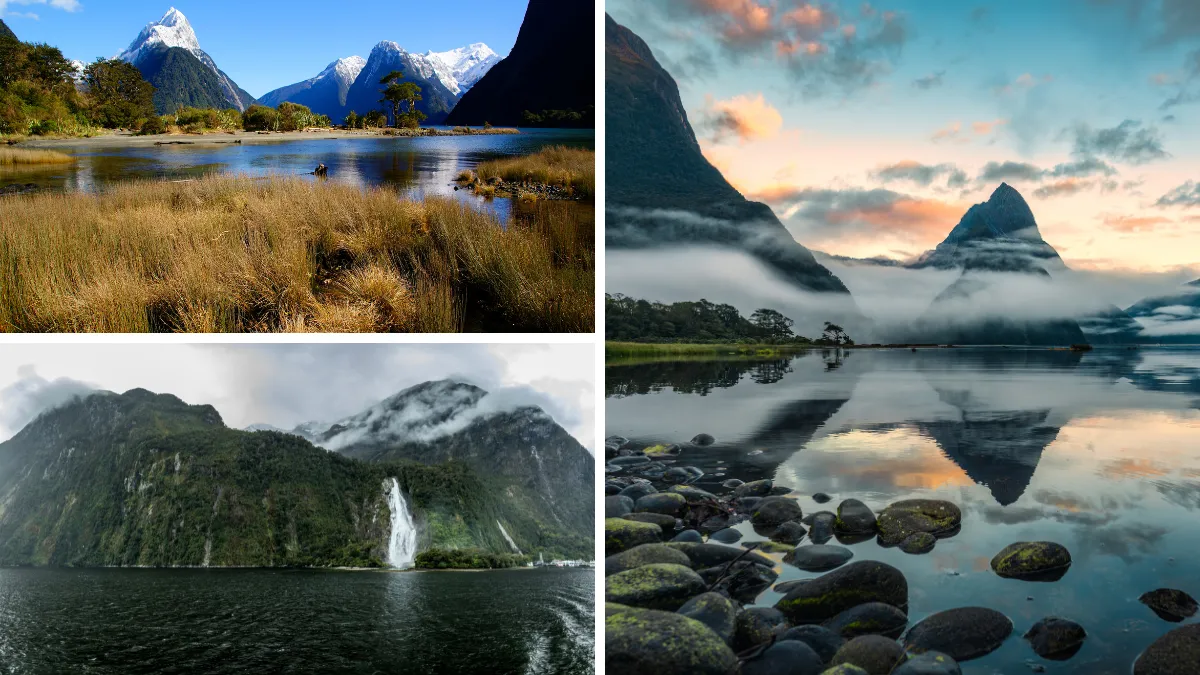
Wake at 5am for Milford Sound day trip. It’s a long day (12 hours round trip) but worth it. The drive takes 4 hours each way from Queenstown. Stop at Mirror Lakes and Monkey Creek. Take the 2-hour cruise through the sound. Book your cruise in advance. Tours fill up months ahead in summer. Shoulder seasons give you more flexibility. Pack snacks and water. Food options are limited and expensive at Milford Sound. Back to Queenstown for the night.
Alternative option: Doubtful Sound offers a quieter, more remote experience. Requires overnight stay or very early departure.
Days 10-11: Lake Tekapo and Mount Cook National Park
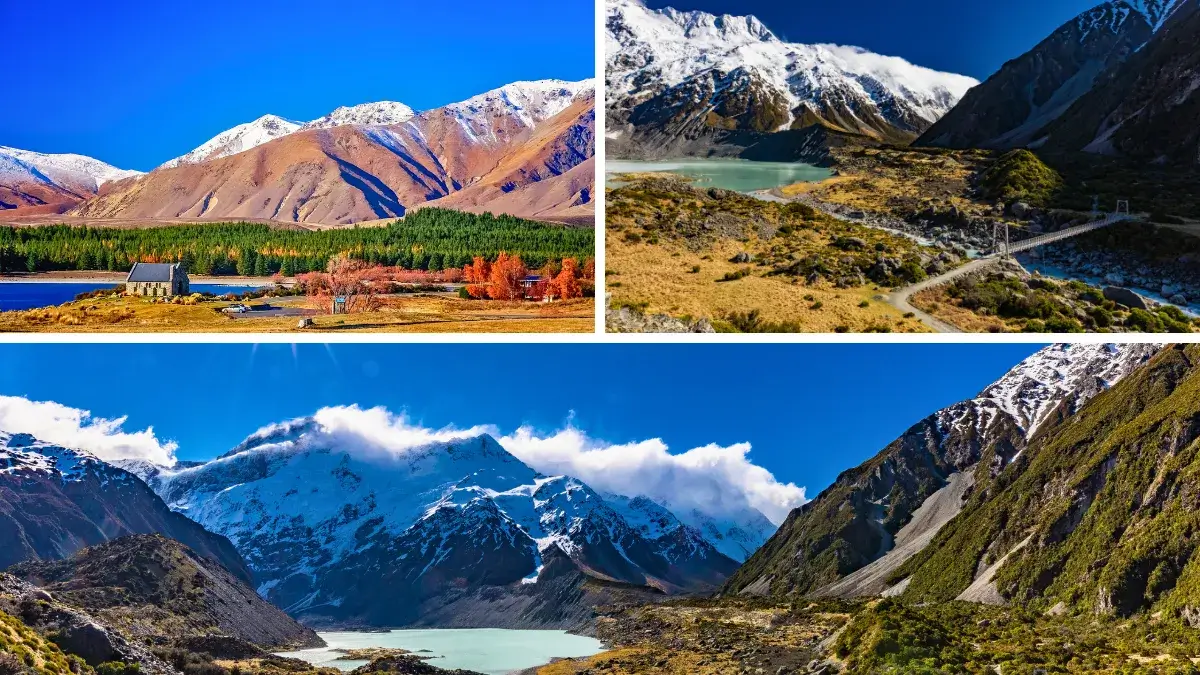
Day 10: Lake Tekapo: Drive from Queenstown to Lake Tekapo (3 hours drive). Stop at Cromwell for fruit if you’re traveling in summer. Lake Tekapo offers the iconic Church of the Good Shepherd. Small stone church by the lake. Photographed to death but still worth seeing. The area has International Dark Sky Reserve status. On clear nights, the stars blow your mind. Book a stargazing tour or just lie outside your accommodation.
Day 11: Mount Cook Aoraki: Drive to Mount Cook village on day 11 (1 hour from Tekapo). Stay in the village if possible. Waking up with views of Aoraki Mount Cook National Park beats driving in. Hike the Hooker Valley Track (3-4 hours return). Best day hike in Mount Cook National Park. Ends at glacier lake with icebergs. Relatively easy walk.
Weather Reality:
Mount Cook has its own weather system.
Clear morning can turn to storms by afternoon. Start hikes early. Always carry rain gear even if the forecast looks perfect.
Days 12-14: Return via Christchurch
Day 12 – Christchurch: Drive from Mount Cook village to Christchurch (3.5 hours drive). Take your time along the way. Stop in Geraldine for lunch. Spend your afternoon in Christchurch
Day 13 – Banks Peninsula and Akaroa: Akaroa is a charming, historic French-influenced town located in the heart of an ancient volcano on the Banks Peninsula, just 90 minutes (approx. 86km) from Christchurch. Famous for its stunning harbour, rare Hector’s dolphins, and French-inspired cuisine, it is a premier coastal destination in New Zealand’s South Island, featuring iconic landmarks like the Akaroa Lighthouse.
Day 14:- Christchurch: How much time you get to explore depends on your flight schedule. The city improved dramatically post-earthquake so head in to the city center if you just have the morning. If you have the full day take a drive into Amberley and Rakaia (1 hour) for the vineyards, the driver will need to take photos only! New Zealand has a zero tolerance policy when it comes to alcohol and driving. Or drive a bit further to Hanmer (1 hour 45 mins) to soak in the thermal springs.
Two-Week Essentials
Total driving: approximately 2,500km
Average daily drive: 200-250km
Accommodation nights: 13
Recommended pace: relaxed
Best season: April or October
Fuel budget: NZD 600-800
Must-Do Activities
Franz Josef glacier walk
Milford Sound cruise
Hooker Valley track hike
Queenstown lakefront
Lake Tekapo stargazing
Rob Roy Glacier hike
Where to Stay
Christchurch: Budget hostels or airport motels
Arthur Pass: Mountain House YHA or Motels
Franz Josef: Te Waonui Forest Retreat
Wanaka: Lakeside apartments
Queenstown: Downtown hostels or lakeside Hotel
Mount Cook: White Horse Hill camping
New Zealand Travel Itineraries: 3 Weeks North and South Islands
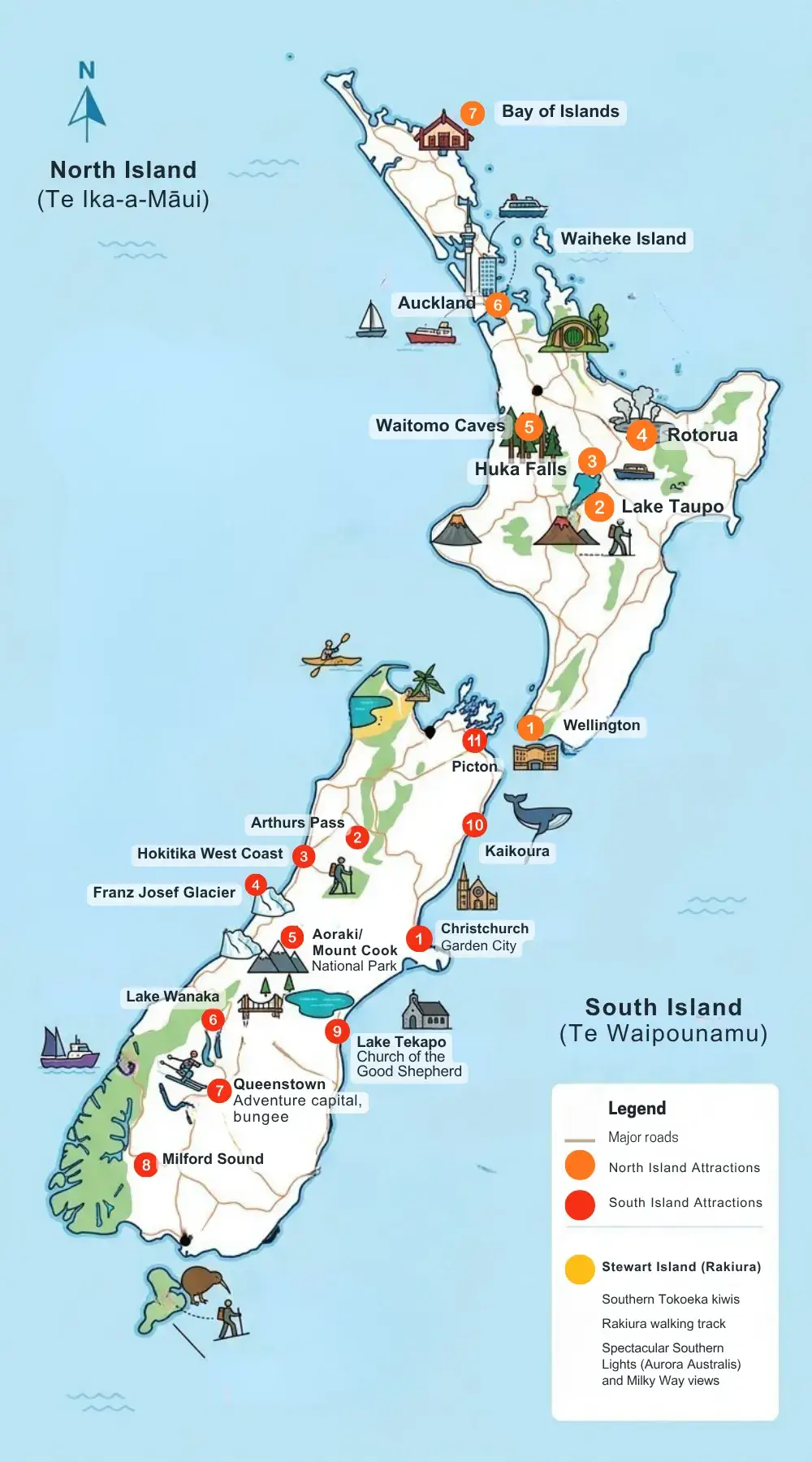
Three weeks lets you explore both north and south islands properly. You’ll cover the South Island highlights plus North Island’s unique attractions.
This itinerary requires an inter-island ferry or short domestic flight. Factor in the travel day when planning your route.
Week 1: South Island Highlights (Days 1-7)
Follow the first seven days of the two-week itinerary above. Christchurch through Queenstown hits the essential South Island stops.
You’ll cover Christchurch, Arthur Pass, Franz Josef, Wanaka, and Queenstown in your first week. Fast pace but manageable.
Week 2: Completing South Island (Days 8-14)
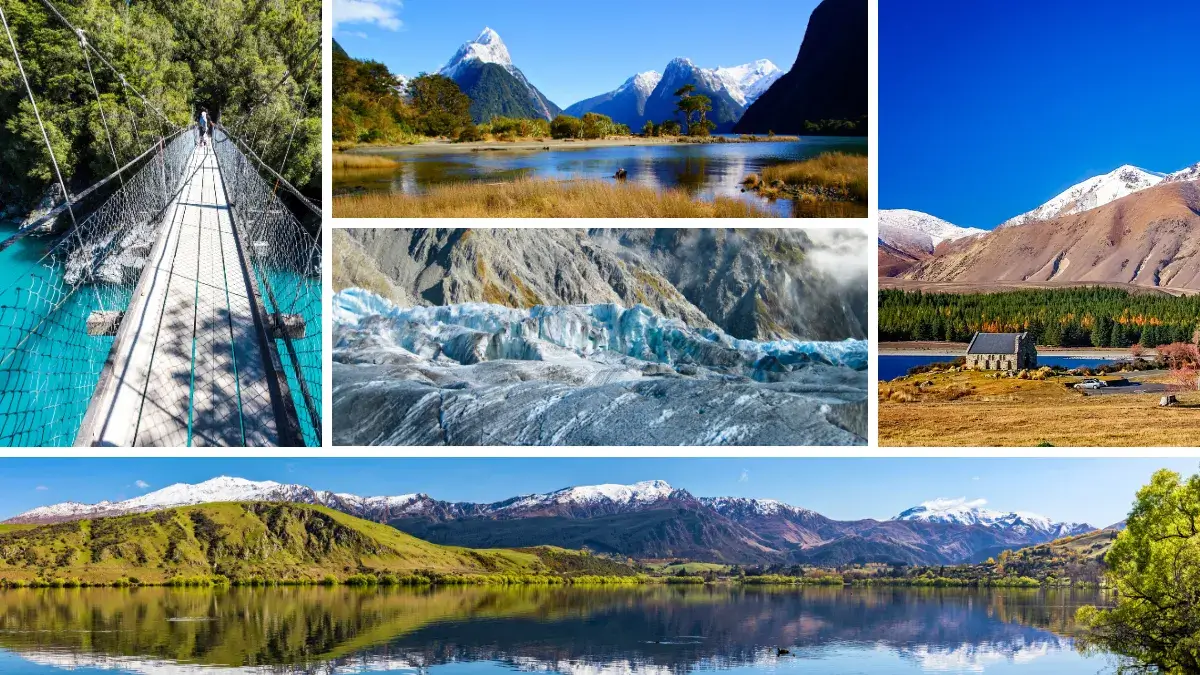
Continue with Milford Sound, Lake Tekapo, and Aoraki Mount Cook as outlined in the two-week itinerary.
Add an extra day in the Catlins region if you have time. Underrated coastal area between Queenstown and Dunedin. Waterfalls, wildlife, rugged coastline.
Drive to Picton for the ferry crossing (6-7 hours drive from Mount Cook). Break the journey in Kaikoura for whale watching if marine life interests you.
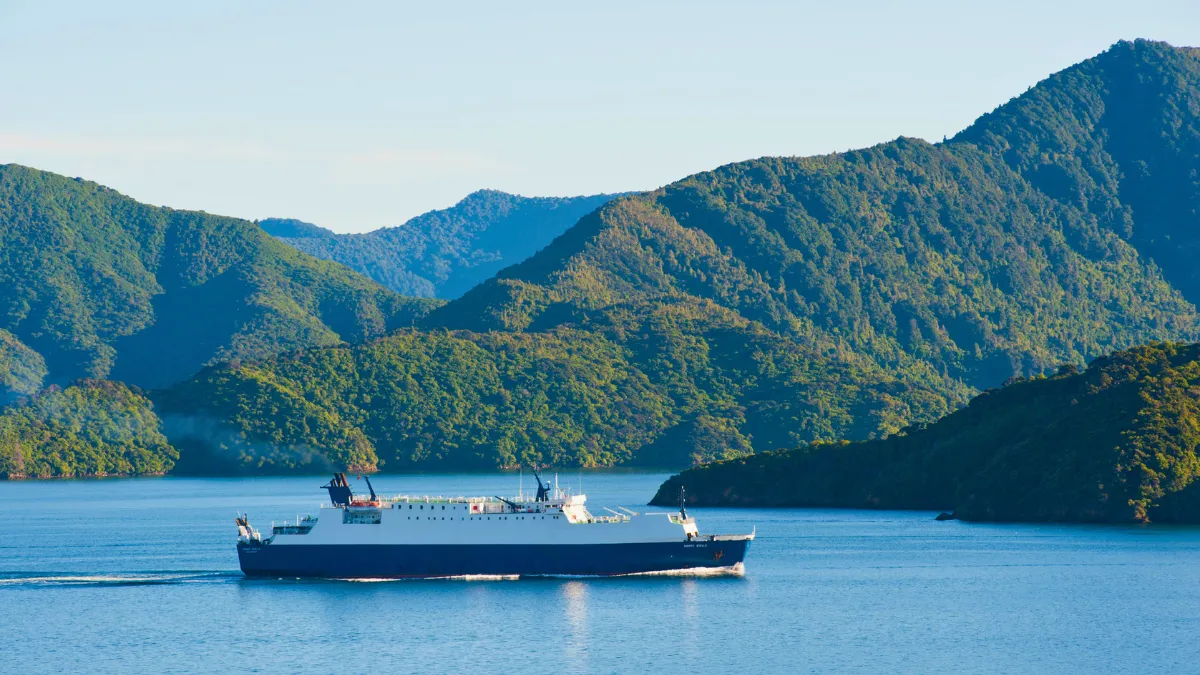
Take ferry from Picton to Wellington (3.5 hours). Book the ferry weeks in advance if traveling in summer. The crossing often sells out.
Week 3: North Island Itinerary (Days 15-21)
Arrive in Wellington. New Zealand’s capital deserves a full day. Te Papa museum (free entry). Cuba Street cafes. Mt Victoria lookout.
Drive to Rotorua (5 hours drive). Stop at Lake Taupo on the way. Quick photo at Huka Falls (15-minute detour).
Spend two nights in Rotorua. Visit geothermal parks. The sulfur smell takes getting used to. Wai-O-Tapu offers the most photogenic thermal features.
Book a Māori cultural experience for evening. Traditional hangi dinner cooked underground. Cultural performance. Better than it sounds.
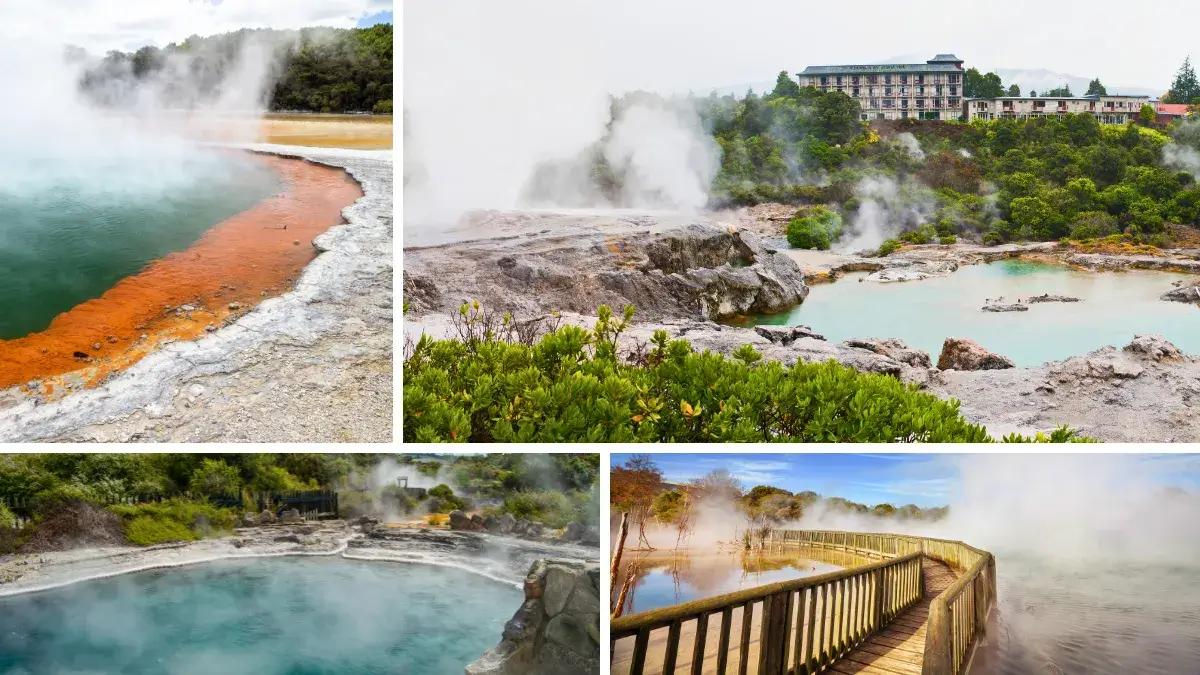
Day trip to Waitomo Caves from Rotorua (2.5 hours each way). Glowworm cave tours create magical experiences. Thousands of glowworms light up the cave ceiling.
Adventure option: black water rafting through the caves. You’ll tube through underground rivers wearing a wetsuit. Unique experience you can’t do anywhere else.
Drive to Auckland on your final days (3 hours from Rotorua). Use Auckland as a base for day trip to Waiheke Island.
Take ferry to Waiheke from Auckland (40 minutes). Rent bikes or scooters to explore the island. Visit 3-4 wineries. Beautiful beaches if weather permits.
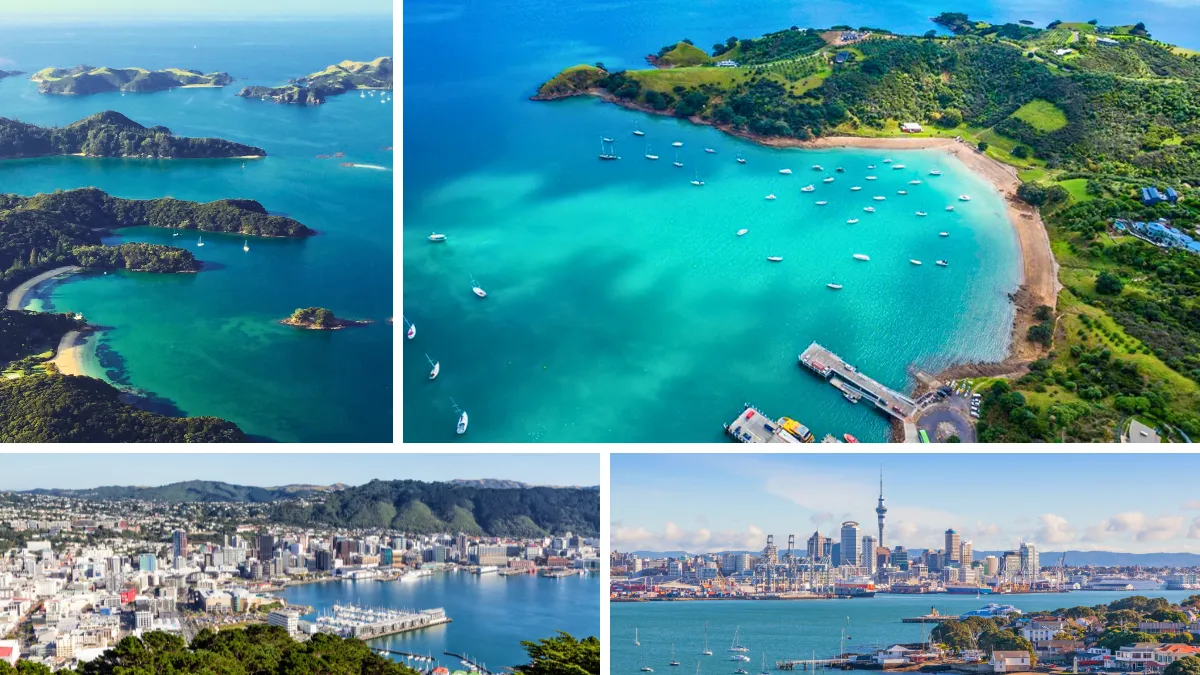
Spend your last night in Auckland near the airport. Early flights make this practical. The city itself works better as a transit point than a destination.
North Island Alternative:
Replace Auckland/Waiheke with Bay of Islands if you prefer beaches over wine.
Add 3 hours driving each way from Rotorua. Worth it for pristine beaches and island-hopping opportunities.
Three-Week Itinerary Key Considerations
You’ll drive approximately 3,800 kilometers total. More driving than the two-week route but spread across more days.
Budget extra for the inter-island ferry. NZD 250-350 per person with vehicle. Book early for better rates.
North island roads feel busier than south island. More traffic near cities. Leave extra time for urban driving.
Weather varies more between islands. South Island gets colder, especially in mountain areas. North Island offers warmer conditions year-round.
Three-Week Budget Breakdown
- Accommodation (20 nights): NZD 2,000-3,500
- Rental car (21 days): NZD 900-1,400
- Fuel: NZD 800-950
- Ferry crossing: NZD 250-350
- Activities and tours: NZD 800-1,200
- Food (groceries + eating out): NZD 1,400-2,100
- Total: NZD 5,950-9,300 (USD 3,600-5,600)
Three-Week Packing Essentials
- Layered clothing for temperature changes
- Waterproof jacket (essential year-round)
- Hiking boots and casual shoes
- Swimwear for thermal pools
- Power adapter (Type I NZ plug)
- Reusable water bottle
- Sandfly repellent (critical for west coast)
- Sunscreen (UV levels higher than Northern Hemisphere)
Updated with real 2026 price data.
Download Your Free NZ Budget Calculator
Use our interactive budget calculator. Calculate daily expenses based on your travel style, accommodation preferences, and planned activities.
Get The CalculatorOne-Month New Zealand Road Trip: The Complete Experience
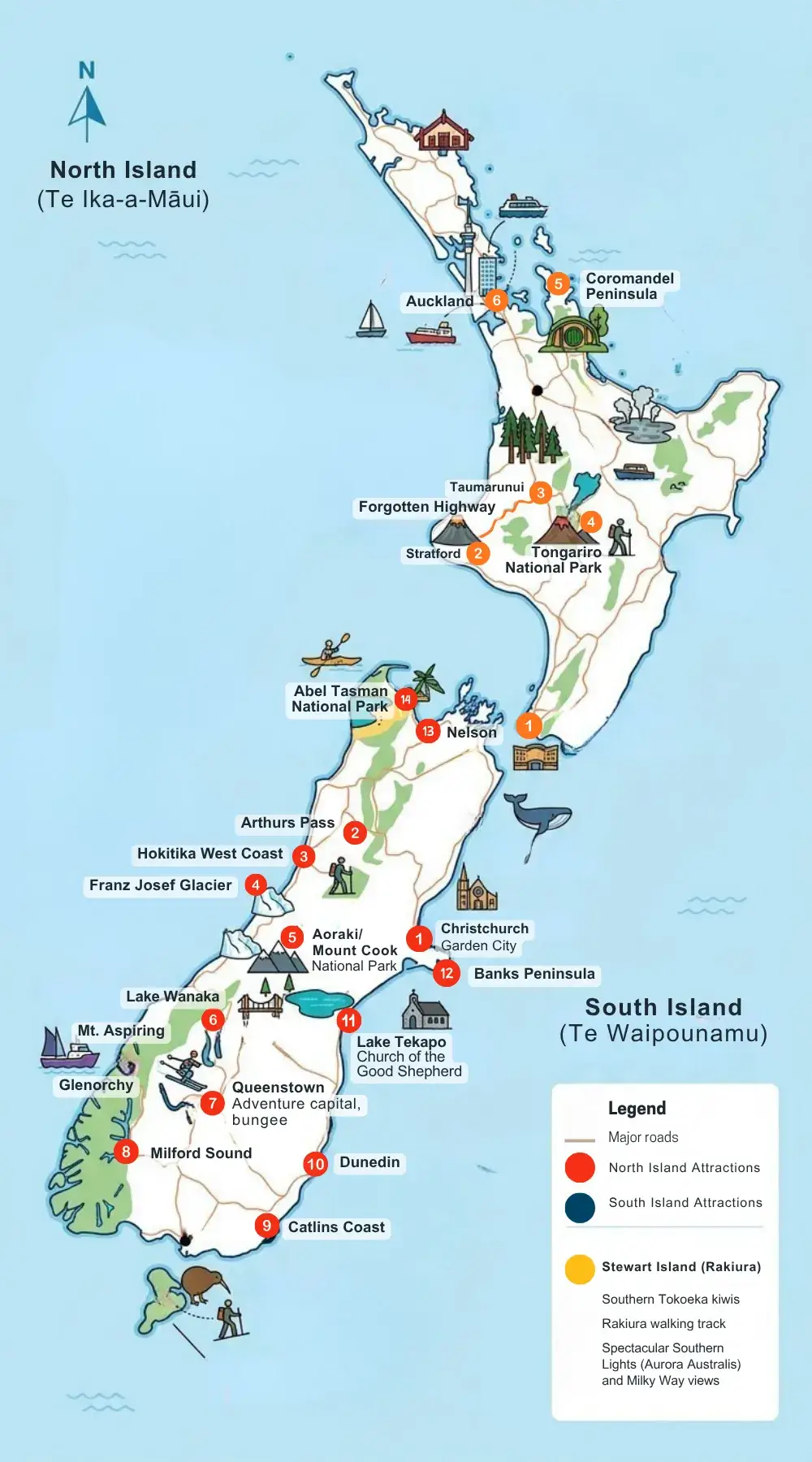
One month opens up New Zealand properly. You can explore off-beaten-path locations without rushing. Take spontaneous detours. Spend time in places instead of just driving through.
This itinerary balances popular spots with hidden gems. You’ll visit the must-sees but also discover places most tourists skip.
South Island Deep Dive (Weeks 1-3)
Start with the two-week South Island route but add these extensions:
Catlins Coast (3 days): Drive from Queenstown to Dunedin via the southern coastal route. Stop at Nugget Point lighthouse. Walk to Purakaunui Falls. Watch sea lions at Cannibal Bay.
The Catlins see maybe 5% of tourists who visit Queenstown. You’ll have beaches to yourself. Wildlife everywhere. Feels like discovering secret New Zealand.
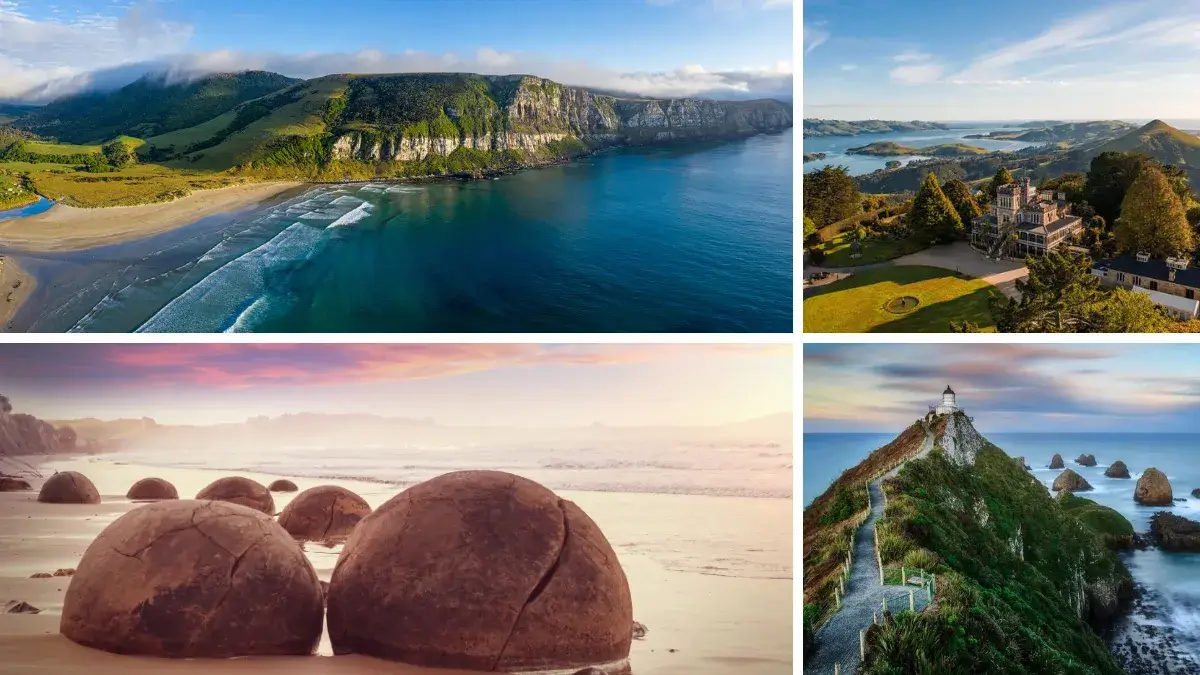
Dunedin (2 days): Scottish-influenced city with beautiful architecture. Day trip to Dunedin and Otago Peninsula for albatross and penguins. The only mainland royal albatross colony in the world.
Banks Peninsula (2 days): Drive from Christchurch to Akaroa. French colonial history. Swimming with dolphins. Harbor cruises. Completely different from the rest of South Island.
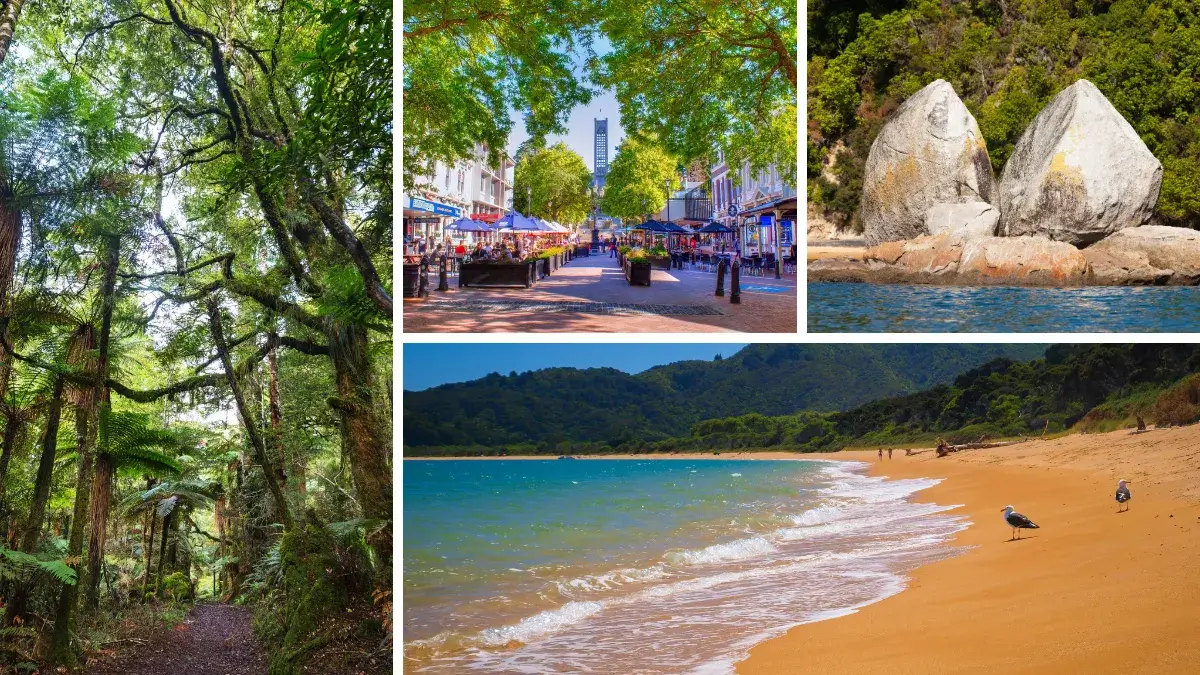
Nelson and Abel Tasman (4 days): Add this northern region to your South Island exploration. Nelson Bays and Tasman including the Abel Tasman National Park offers the best coastal hiking in New Zealand. Walk the Abel Tasman Coast Track. You don’t need to hike the whole 60km. Day sections work perfectly. Golden beaches. Clear water. Kayaking opportunities.
Stay in Marahau (park entrance) or Kaiteriteri (nearby beach town). Book water taxis to access different track sections. Drop-off and pick-up service makes day hikes easy.
North Island Extended (Week 4)
Your fourth week covers North Island highlights plus lesser-known areas.
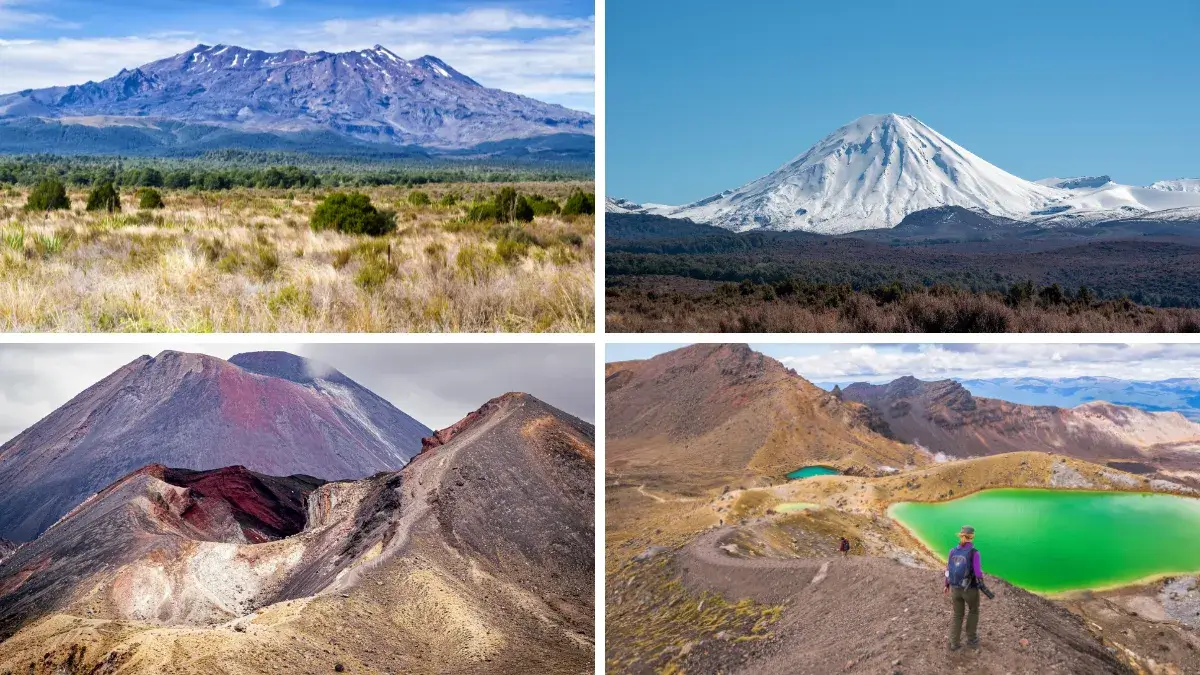
Tongariro National Park (3 days): Base yourself in National Park Village. Hike the Tongariro Alpine Crossing (7-8 hours). One of New Zealand’s best day hikes.
The crossing needs good weather. Book a shuttle from your accommodation. Start at 6am to beat crowds and afternoon weather changes.
Alternative if weather turns bad: shorter hikes to Taranaki Falls or Tama Lakes. Both offer volcano views without the full crossing commitment.
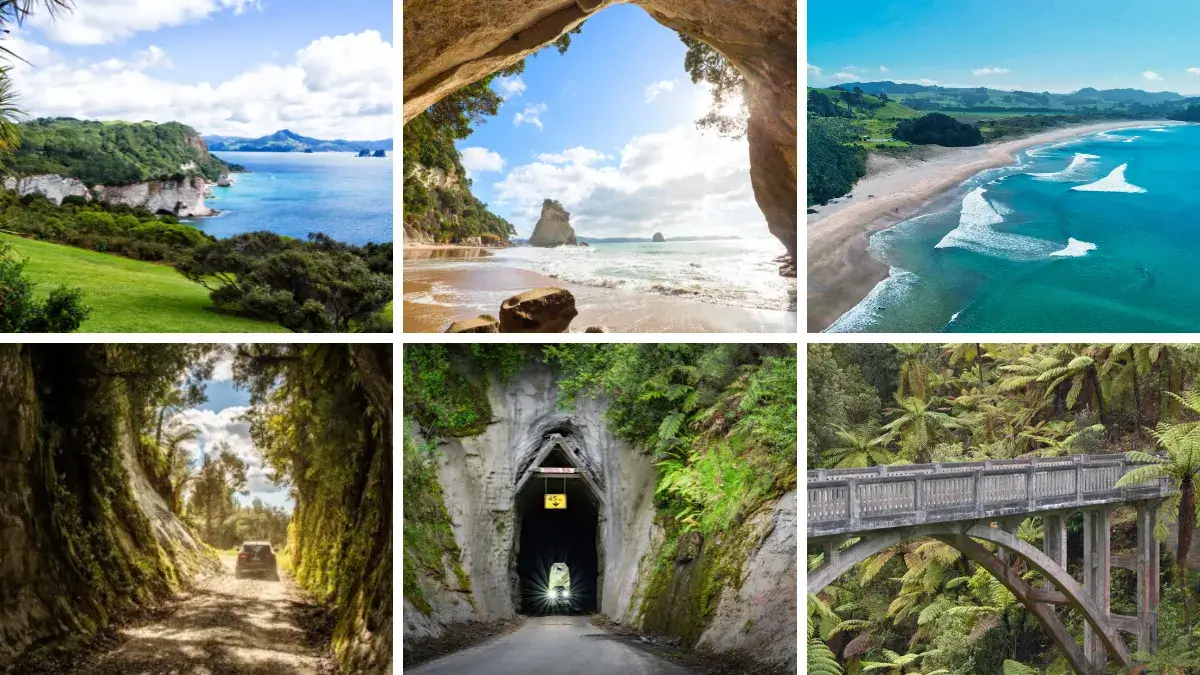
Coromandel Peninsula (3 days): Skip this if you’re tight on time. Include it if you want beaches and coastal scenery.
Cathedral Cove and Hot Water Beach top the attraction list. Both get crowded in summer. Visit at sunrise for fewer people.
Dig your own hot pool at Hot Water Beach. Only works at low tide. Check tide times before planning your visit.
Forgotten World Highway (1 day): Remote road between Stratford and Taumarunui. Unsealed sections. Single-lane tunnels. Middle of nowhere vibes.
This route takes commitment. 150km of winding road. 4-5 hours driving. Almost no facilities. But you’ll see New Zealand few tourists experience.
One-Month Itinerary Flexibility
One month gives you buffer days for weather. Rained out at Milford Sound? Stay an extra day and try again.
You can adjust this itinerary based on interests. Love hiking? Spend more time in national parks. Prefer culture? Add extra days in Wellington and Rotorua.
Week road trip extensions work anywhere in this itinerary. Mount Cook deserves 3 days if you’re serious about hiking. Wanaka could fill a week with all the surrounding areas.
One-Month Cost Breakdown
Budget travelers spending a month in New Zealand need NZD 8,000-12,000 total (USD 4,800-7,200). This includes everything from rental car to activities.
Accommodation costs vary wildly based on choices. Hostels average NZD 35-50 per night. Budget motels run NZD 80-120. Freedom camping cuts costs dramatically for vanlifers.
Food budget depends on cooking versus eating out. Groceries for self-catering run NZD 60-80 daily for two people. Restaurant meals add NZD 40-60 per person daily.
Activities and entry fees add up over a month. Budget NZD 1,500-2,500 total for glacier walks, boat tours, park passes, and cultural experiences.
| Expense Category | Budget Option | Mid-Range Option | Comfort Option |
| Accommodation (30 nights) | NZD 1,200-1,500 | NZD 2,700-3,600 | NZD 4,500-6,000 |
| Rental Car (30 days) | NZD 1,200-1,500 | NZD 1,500-1,800 | NZD 1,800-2,400 |
| Fuel (5,000km) | NZD 850-1,000 | NZD 850-1,000 | NZD 850-1,000 |
| Food | NZD 1,800-2,400 | NZD 2,700-3,600 | NZD 3,600-4,800 |
| Activities | NZD 1,000-1,500 | NZD 1,500-2,500 | NZD 2,500-4,000 |
| Ferry & Transport | NZD 300-400 | NZD 350-450 | NZD 400-600 |
| Total Budget | NZD 6,350-8,300 | NZD 9,600-13,000 | NZD 13,650-18,800 |
Off the Beaten Path: Hidden Gems Worth the Detour
The famous spots deserve their reputation. But New Zealand’s best experiences often hide on back roads.
These locations see fewer tourists. Some require extra driving. Others just get overlooked. All offer something special.
South Island Hidden Gems
Mount Sunday (Edoras): Lord of the Rings filming location in the middle of nowhere. The set got removed but the landscape remains epic.
Drive from Lake Tekapo to Mount Sunday (1.5 hours). Unsealed road for the last section. Not suitable for small rental cars. Worth it for LOTR fans.
Mavora Lakes: Two alpine lakes north of Te Anau. Basic Department of Conservation campsite. No facilities. No crowds. Just mountains and water.
The unsealed road deters most tourists. You’ll share the lakes with maybe 5 other campers. Free camping if you’re self-contained.
Lake Ohau: Smaller lake near Twizel. Gets ignored because everyone drives straight to Lake Tekapo. Better swimming. Fewer people.
The Lake Ohau Lodge offers the only commercial accommodation. Otherwise, it’s Department of Conservation camping. Mountain biking trails starting at the lake.
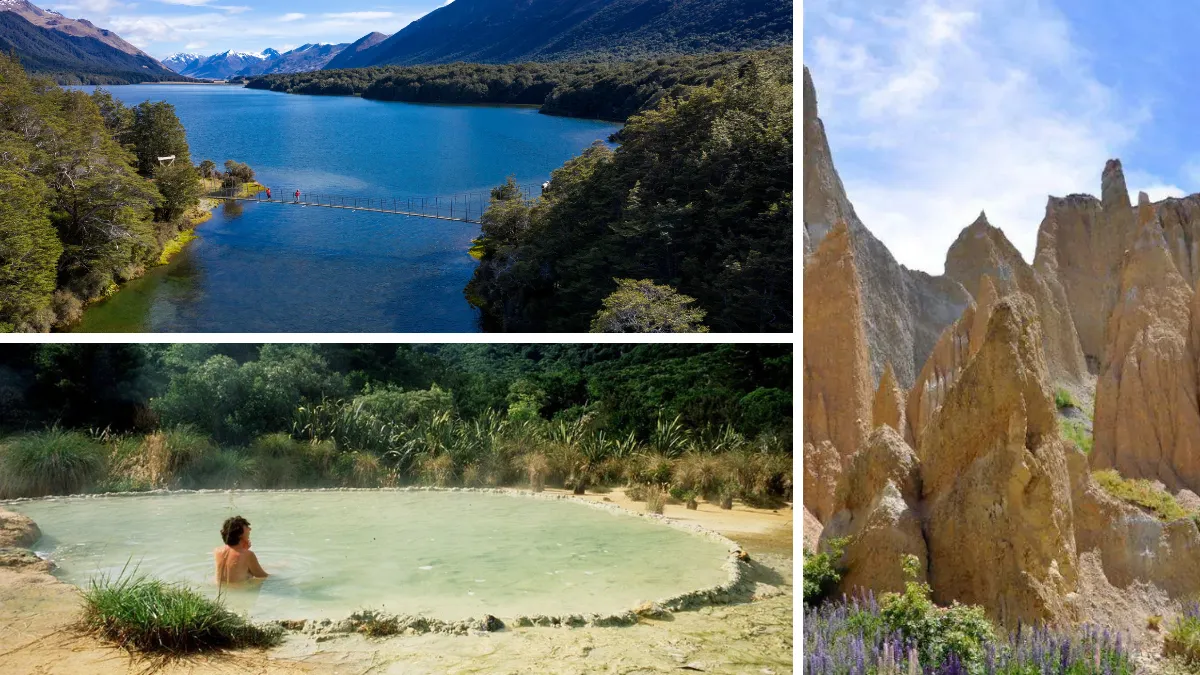
Omarama Clay Cliffs: Bizarre badlands scenery created by erosion. Looks like it belongs in Arizona, not New Zealand.
Quick detour from the main road between Twizel and Queenstown. Access through private farmland. NZD 5 honesty box payment. Worth 30 minutes of your time.
Petrified Forest: Ancient fossilized tree stumps on Curio Bay beach. 180 million years old. Only visible at low tide.
Located in the Catlins region. Time your visit with low tide. The forest emerged from rock over millions of years. Surreal experience walking among fossilized trees.
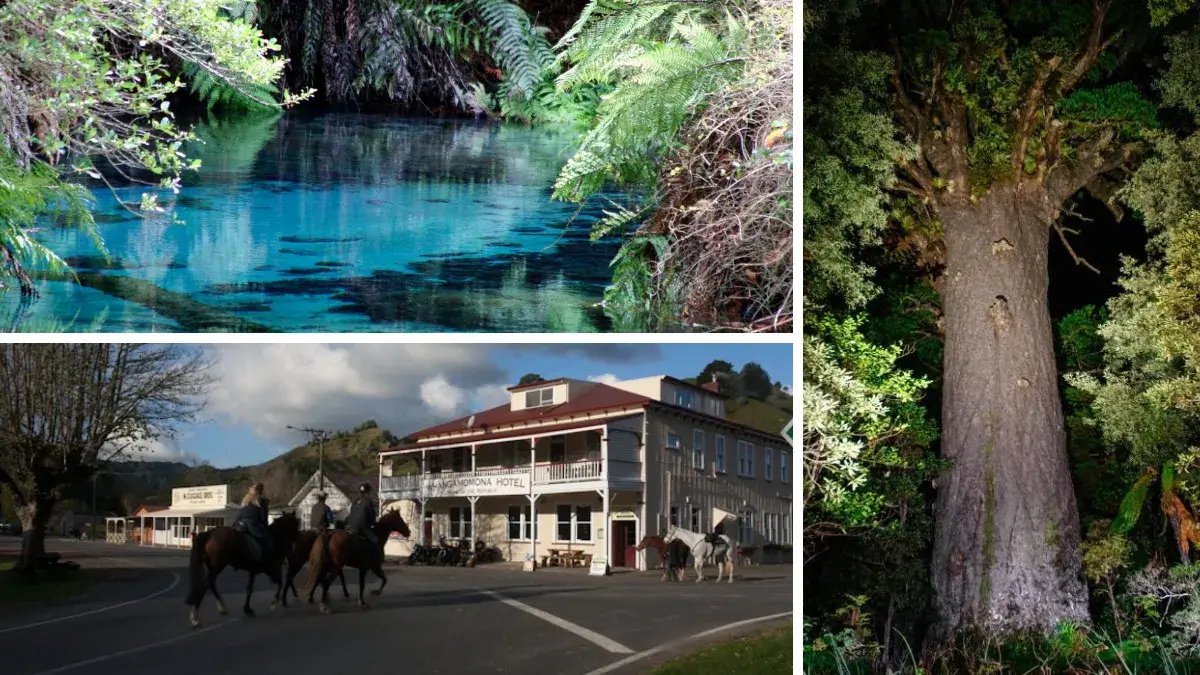
North Island Secret Spots – New Zealand Travel Itineraries
Whangamomona: Self-declared republic in the middle of nowhere. Tiny settlement that proclaimed independence in 1989 after boundary disputes.
Located along the Forgotten World Highway. The hotel serves as republic headquarters. Get your passport stamped. Meet the goat president (seriously).
Blue Spring: Incredibly clear spring feeding the Waihou River. Water so pure that 60% of New Zealand’s bottled water comes from here.
Located near Putaruru (1.5 hours from Rotorua). Easy 4km walk along the river. The spring pumps out 42 million liters daily. You can see 70 meters deep through the water.
Waipoua Forest: Ancient kauri trees in Northland. Tane Mahuta stands 51 meters tall and over 2,000 years old. Largest kauri tree in New Zealand.
The forest sits 4 hours drive north of Auckland. Most tourists skip it. That’s a mistake. Walking among these giants feels humbling.
Mount Taranaki: Perfect cone volcano on the west coast. Egmont National Park surrounds the mountain. Looks like Mount Fuji.
Summit climb takes 8-10 hours return. Serious undertaking requiring fitness and good weather. Lower slopes offer easier hikes with spectacular views.
Castlepoint: Dramatic coastal lighthouse on the Wairarapa coast. Limestone reef. Seal colony. Rugged coastline.
Located 3 hours drive from Wellington. Makes a good detour if you’re driving between Wellington and Napier. Powerful ocean views. Strong winds add to the atmosphere.
Adventure-Level Hidden Locations
These spots require more effort. 4WD access only. Backcountry hiking. Remote locations. Not for everyone but unforgettable for those willing to go the distance.
Welcome Flat Hot Pools: Natural hot springs in South Westland. Requires 4-6 hour hike each way. Helicopter access available for those with budget.
The Department of Conservation hut at Welcome Flat accommodates hikers. Book months ahead. The hot pools sit right next to a cold glacial river. Alternate between hot and cold.
Denniston Plateau: Abandoned coal mining settlement on the West Coast. Crumbling infrastructure. Eerie atmosphere. Dramatic coastal views.
Steep unsealed road to access the plateau. The Denniston Incline was an engineering marvel in its time. Now it’s a deteriorating relic. Fascinating industrial archaeology.
Steepest Street In the world – Baldwin Street): Everyone knows Baldwin Street in Dunedin. Baldwin Street’s fame has seen it claim the Guinness world record and now is a firm quad-burning experience with the tourist crowds. Local bragging rights for those who actualy get to the top
Off-Path Reality Check:
Hidden gems stay hidden for reasons. Poor road access. Limited facilities. Changeable weather.
Bring extra food, fuel, and patience. Download offline maps. Don’t rely on cell coverage.
Easy Access Hidden Gems
Omarama Clay Cliffs
Blue Spring
Lake Ohau
Castlepoint
Petrified Forest
Moderate Effort Required
Mount Sunday
Mavora Lakes
Whangamomona
Waipoua Forest
Mount Taranaki lower slopes
Advanced Adventure Only
Welcome Flat Hot Pools
Denniston Plateau
Mount Taranaki summit
Remote Fiordland valleys
Backcountry hut networks
Where to Stay: Accommodation Guide for Every Budget
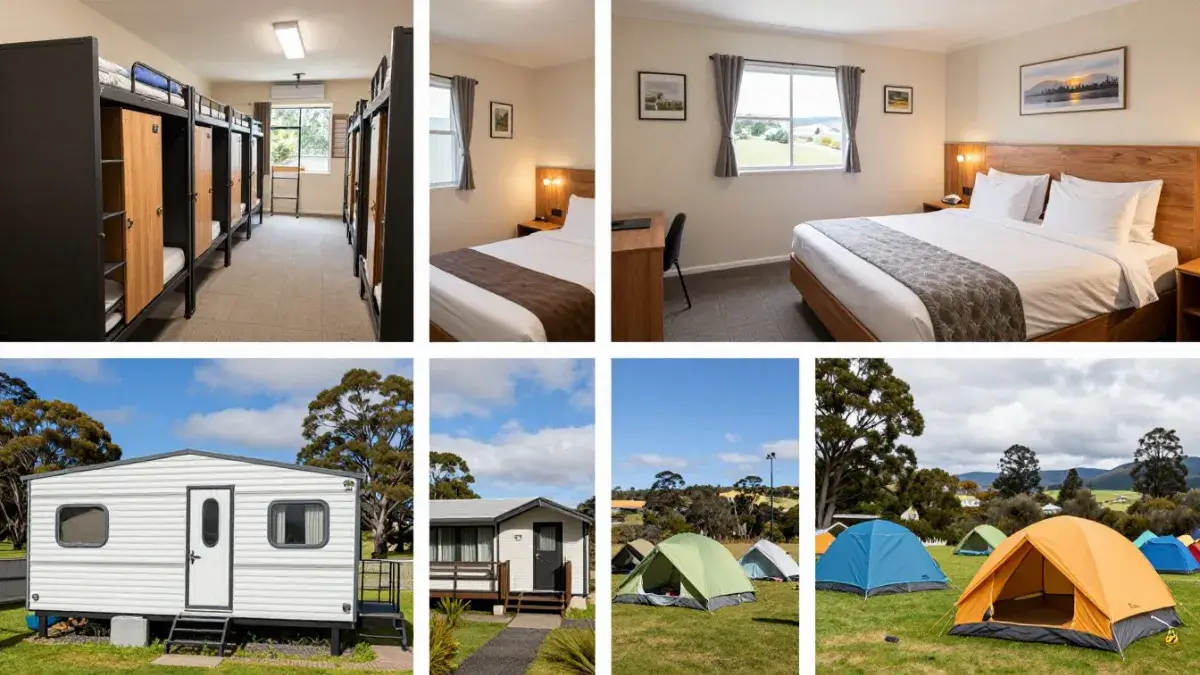
Accommodation eats the biggest chunk of your budget after flights. Choose wisely and you’ll save thousands on a month-long trip.
New Zealand offers every accommodation type imaginable. From luxury lodges to free camping. Your choice affects both budget and experience.
Budget Accommodation Options
Hostels (NZD 35-55 per night): Best value for solo travelers. Dorm beds run NZD 35-45 in most towns. Private rooms cost NZD 80-110.
YHA hostels maintain consistent quality standards. BBH (Budget Backpacker Hostels) network offers more variety. Both require membership for discount rates.
Hostel kitchens let you cook your own meals. This single feature saves NZD 40-60 daily compared to eating out. Over a month, that’s NZD 1,200-1,800 in savings.
Best hostel locations: Queenstown Central YHA, Franz Josef Montrose, Wanaka Purple Cow, Wellington Cambridge Hotel.

Holiday Parks (NZD 40-120): New Zealand’s holiday parks combine camping, cabins, and powered sites. Perfect for campervans and families.
Powered sites for campervans cost NZD 40-50 nightly. Basic cabins run NZD 80-100. Kitchen cabins with private bathroom reach NZD 120-150.
Top 10 Holiday Parks maintain the highest standards. Facilities include full kitchens, hot showers, laundry, and often pools or hot tubs.
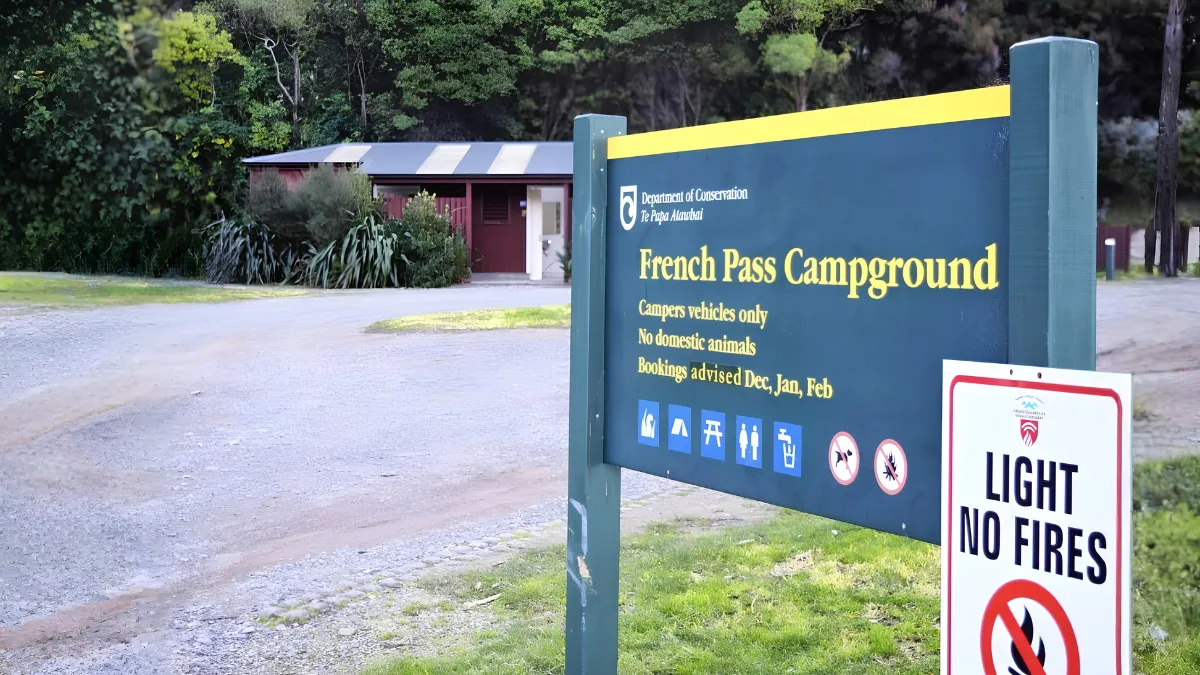
Department of Conservation Campsites (NZD 0-15): DOC maintains hundreds of campsites nationwide. Most cost NZD 6-15 per person.
Basic sites offer just a toilet and water. Serviced sites add cooking shelters and showers. Scenic sites provide the best locations at the lowest prices.
Freedom camping (completely free) works only with self-contained vehicles. You need a certificate proving your vehicle has toilet and wastewater facilities.
Popular DOC sites fill quickly in summer. Arrive early or book ahead where possible. White Horse Hill campground near Mount Cook village books out months ahead.
Mid-Range Accommodation
Motels (NZD 100-180): New Zealand motels differ from American roadside motels. These self-contained units typically include full kitchens.
Most motels occupy prime locations in town centers. Free parking. Kitchens with cooking equipment. More space than hotel rooms at lower prices.
Expect basic furnishings and dated decor. You’re paying for location and facilities, not luxury. Perfect for couples or small groups.
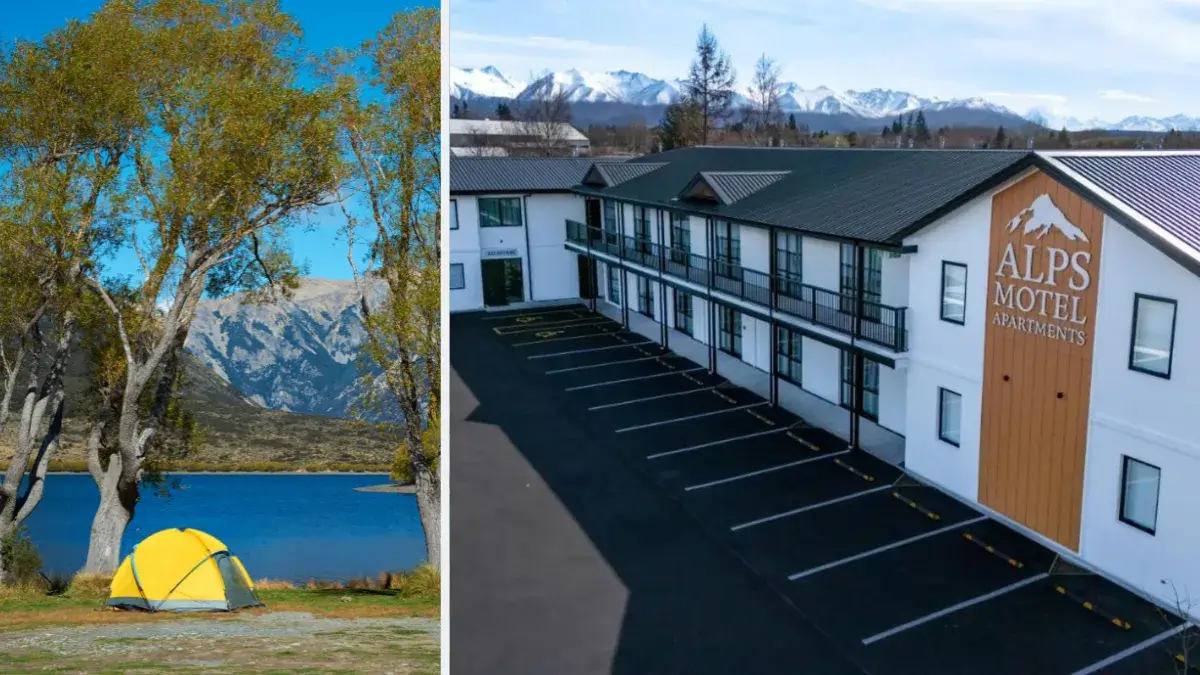
Airbnb and Holiday Rentals (NZD 80-250): Entire apartment rentals compete price-wise with motels for groups. Four people splitting NZD 200 beats individual motel rooms.
Book early for summer travel. The best properties disappear 4-6 months ahead. Shoulder season offers more availability and lower rates.
Read reviews carefully. Distance from attractions matters. That cheap rental 20km from Queenstown costs extra in driving time and fuel.
Boutique Lodges (NZD 200-400): Small luxury properties offering unique experiences. Often include breakfast. Sometimes dinner too.
These properties justify higher costs with exceptional locations and service. Punakaiki Cottage on the West Coast. Matakauri Lodge near Queenstown. Hapuku Lodge near Kaikoura.
Book one special night during your trip. Make it memorable. Then return to budget accommodation after.
Regional Accommodation Strategies
Different regions require different booking approaches.
Queenstown: Book 4-6 months ahead for summer. Prices peak December-February. Stay in Arrowtown or Frankton for better value. Quick drive to Queenstown.
Mount Cook Village: Limited accommodation options. The Hermitage Hotel dominates with high prices. White Horse Hill camping offers budget alternative. Book both well ahead.
Franz Josef: Small town with limited beds. Budget travelers should book hostel beds months ahead. Alternatively, stay in Fox Glacier (30 minutes south) for more availability.
Rotorua: Plentiful accommodation at all price points. You can usually book 2-4 weeks ahead. Thermal motel rooms with hot pools cost NZD 150-200 (worth it).
Wellington: City accommodation runs expensive. Cambridge Hotel hostel offers best budget value. Airbnb apartments work well for groups.
| Accommodation Type | Solo Budget | Couple Budget | Booking Window | Best For |
| Hostel Dorm | NZD 35-50 | NZD 70-100 | 1-2 weeks | Solo travelers, social atmosphere |
| Hostel Private | NZD 80-110 | NZD 80-110 | 2-4 weeks | Budget couples, kitchen access |
| Holiday Park Cabin | NZD 80-120 | NZD 80-120 | 2-4 weeks | Families, longer stays |
| DOC Campsite | NZD 6-15 | NZD 12-30 | 1-2 weeks | Campervan travelers, nature lovers |
| Motel | NZD 100-180 | NZD 100-180 | 2-6 weeks | Couples, self-catering |
| Airbnb Entire Place | NZD 120-200 | NZD 120-200 | 4-8 weeks | Groups, longer stays |
| Boutique Lodge | NZD 250-500 | NZD 250-500 | 3-6 months | Special occasions, luxury seekers |
Booking Platforms and Strategies
Booking.com dominates New Zealand accommodation. Most properties list there. Free cancellation options common outside peak season.
Hostelworld specializes in backpacker accommodation. Better hostel selection than general booking sites. User reviews more relevant for budget travelers.
Direct booking sometimes beats platform prices. Check property websites after finding options on booking sites. Some offer 10% direct booking discounts.
Holiday parks book through individual websites or Top 10 network. Membership costs NZD 49 annually and provides 10% discount at all Top 10 parks.
DOC campsites book through the DOC website. Summer sites need booking months ahead. Off-season camping often works with same-day bookings.
Cancellation Insurance:
Book refundable rates when possible. New Zealand weather changes plans frequently. That Milford Sound trip you booked might get canceled due to road closure. Flexible accommodation lets you adjust.
What to Eat: New Zealand Food Guide for Travelers
New Zealand food won’t blow your mind like Southeast Asian cuisine. But you’ll eat well if you know where to look.
The country does fresh seafood, quality lamb, and creative fusion food. Skip the tourist traps. Eat where locals eat.
Must-Try New Zealand Foods
Meat Pies: The national grab-and-go food. Bakeries everywhere sell meat pies. Quality varies dramatically.
Good pies have flaky pastry and plenty of filling. Avoid gas station pies. Find proper bakeries instead. Fergbaker in Queenstown serves legendary pies but expect queues.
Best pie varieties: steak and cheese, mince and cheese, bacon and egg. Costs NZD 5-8 each. One pie makes a filling lunch.
Fish and Chips: Coastal towns do fish and chips properly. Fresh blue cod or snapper. Proper chips (not fries).
Expect to pay NZD 12-18 for fish and chips serving one person. Shared portions feed two for NZD 20-25. Eat on the beach for the full experience.
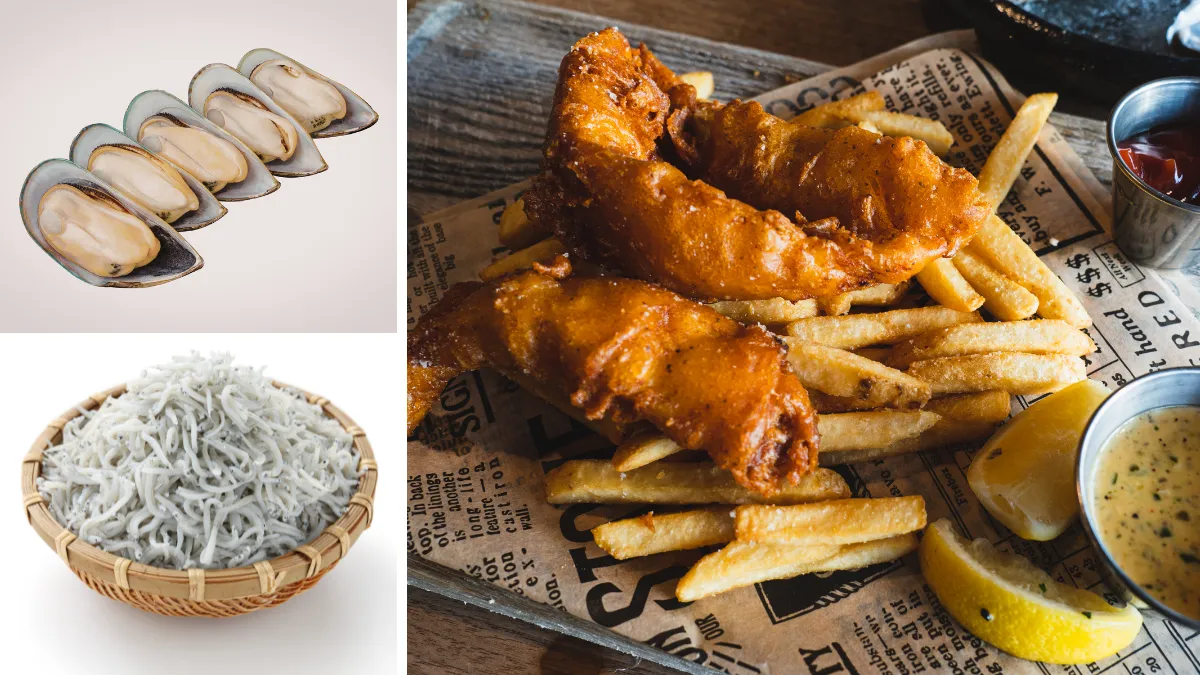
Whitebait Fritters: Seasonal delicacy available September through November. Tiny fish formed into patties and fried.
Controversial price point (NZD 20-30 for one fritter). Worth trying once. West Coast towns serve the best whitebait due to local rivers.
Hokey Pokey Ice Cream: Vanilla ice cream with honeycomb toffee pieces. Uniquely Kiwi flavor. Find it in any supermarket or ice cream shop.
Pavlova: Meringue dessert topped with cream and fruit. New Zealand and Australia both claim to have invented it. Try it regardless of political stance.
Green-Lipped Mussels: Large mussels found only in New Zealand waters. Served steamed, baked, or in chowder. Havelock (top of South Island) calls itself the green-lipped mussel capital.
Lamb: New Zealand lamb actually tastes better than most countries. Less gamey. More tender. Try it roasted or in a pie.
Regional Food Specialties
Different regions offer unique food experiences worth seeking out.
Bluff Oysters (Southland): Available May through August. Considered New Zealand’s best oysters. Sweet, creamy, distinctive flavor.
The town of Bluff hosts an annual oyster festival in May. Otherwise, find them in Invercargill or Dunedin restaurants during season.
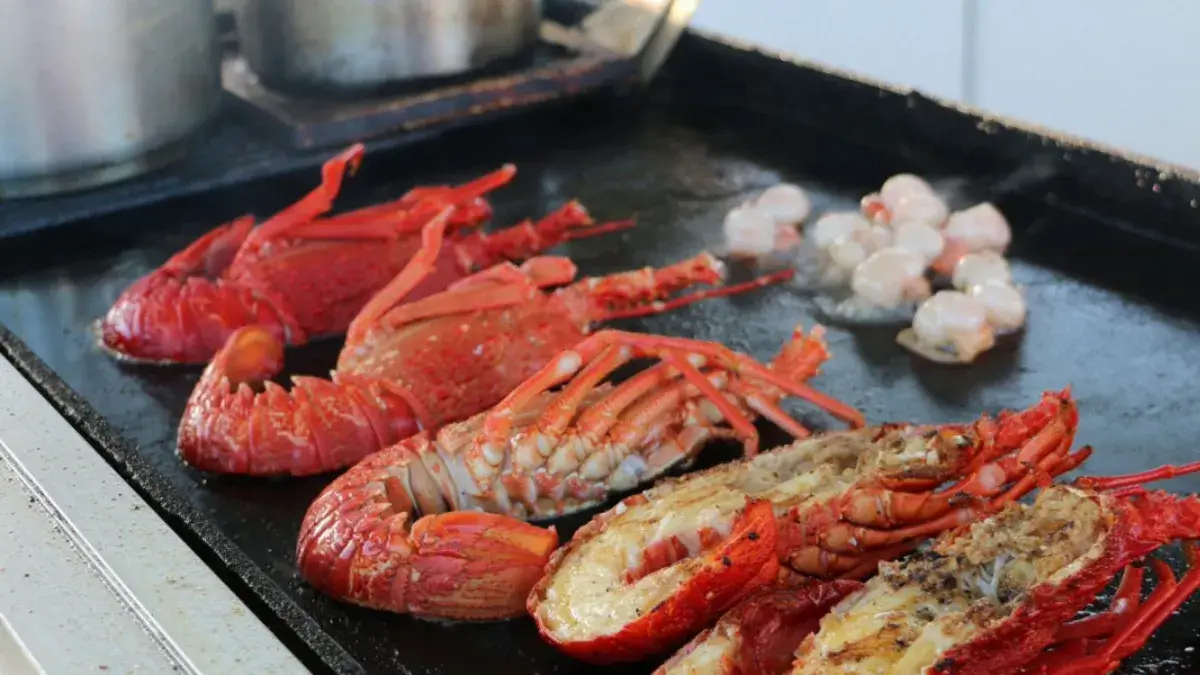
Crayfish (Kaikoura): Kaikoura means “to eat crayfish” in Māori. The town lives up to its name.
Roadside stands sell fresh-cooked crayfish along the coast. Expensive (NZD 40-60 for one) but incredibly fresh. Split one between two people.
Marlborough Sauvignon Blanc (Marlborough): New Zealand wine country produces world-class Sauvignon Blanc. Marlborough region dominates production.
Wine tours from Blenheim visit 4-5 wineries. Tastings cost NZD 5-15 per winery. Or buy bottles from supermarkets (NZD 12-25 for decent quality).
Hangi (Rotorua): Traditional Māori cooking method using underground ovens. Meat and vegetables cooked slowly in earth ovens.
Book a cultural experience to try authentic hangi. Tourist versions work fine. The unique cooking method creates distinctive smoky flavors.
Whitestone Cheese (Oamaru): Award-winning cheese from North Otago. Factory shop in Oamaru offers tastings and sales.
Budget Eating Strategies
Eating out every meal destroys budgets quickly. Restaurant meals cost NZD 25-40 per person. That’s NZD 150-240 daily for three meals.
Self-catering cuts food costs to NZD 60-80 daily for two people. Here’s how to eat well without breaking the budget:
Supermarket Shopping: Countdown, New World, and Pak’nSave operate nationwide. Pak’nSave offers lowest prices. New World stocks better quality produce.
Buy groceries for breakfast and lunch. Eat out for dinner occasionally. This balance costs about NZD 80-100 daily for two people including 2-3 restaurant meals weekly.
Hostel Kitchens: Free cooking facilities in hostel kitchens save thousands over a month. Previous travelers often leave staples (oil, spices, pasta).
BBQ Facilities: Holiday parks and DOC sites provide free BBQ facilities. Buy meat from supermarkets. Cook your own steaks for NZD 8-12 per person instead of NZD 35-45 at restaurants.
Bakeries for Lunch: Bakery lunch (pie + drink) costs NZD 7-10. Restaurant lunch runs NZD 18-25. Over a month, the savings add up significantly.

Budget Food Shopping List
Where to shop
- Breakfast: Oats (NZD 3), milk (NZD 3), bread (NZD 2.50), eggs (NZD 6)
- Lunch: Bakery pies (NZD 6 each), fruit (NZD 8-12)
- Dinner: Pasta (NZD 2), sauce (NZD 3), meat (NZD 12-18), vegetables (NZD 8-12)
- Snacks: Crackers (NZD 3), cheese (NZD 8), cookies (NZD 3)
- Daily total: NZD 60-80 for two people
Must Try Kiwi Snacks
If tummy rumbles
- Wakefield Bakery (Wakefield, Nelson): Baked goods
- Fergbaker (Queenstown): Pies and baked goods
- Cookie Time (Christchurch): Famous cookies and ice cream
- Speight’s Ale House (various): Good pub meals
- Lone Star (chain): American-style ribs and steaks
- Hell Pizza (chain): Creative pizza options
- Fish and chip shops: Fresh seafood meals
Coffee Culture
New Zealanders take coffee seriously. Flat whites originated here (or in Australia, depending who you ask).
Every town has multiple cafes serving quality espresso drinks. Expect to pay NZD 4.50-6 for a flat white or cappuccino.
Gas station coffee tastes terrible. Find proper cafes instead. The coffee quality justifies the extra dollar or two.
Alcohol and Drinking
Craft beer scene exploded in New Zealand over the past decade. Every region has local breweries.
Supermarkets sell beer and wine but close alcohol sales at 9pm. Bottle shops (liquor stores) stay open later. Expect to pay NZD 12-20 for a six-pack of craft beer.
Wine offers better value than beer. Quality Sauvignon Blanc starts at NZD 12 per bottle in supermarkets. Restaurant markups reach 200-300%.
Drinking in public is legal in most areas. BYO beaches and parks. Check local bylaws in city centers.
Budget and Costs: Real Numbers for 2026 Travel
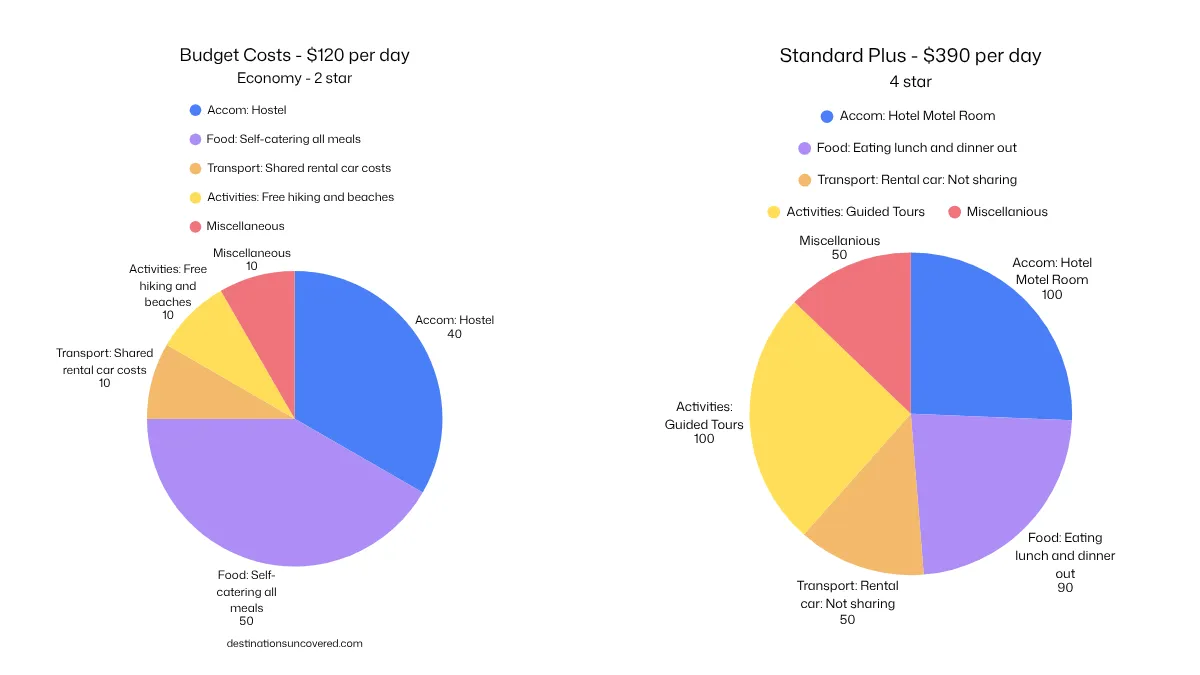
Everyone asks how much New Zealand costs. The answer depends entirely on your choices.
Budget backpackers spend NZD 80-120 daily. Mid-range travelers burn through NZD 200-300 daily. Luxury seekers easily drop NZD 500+ daily.
Here’s what you’ll actually spend in 2026 based on different travel styles.
Daily Budget Breakdowns
Ultra-Budget Backpacker (NZD 80-100 daily):
- Accommodation: Hostel dorm (NZD 40) or free camping (NZD 0-15)
- Food: Self-catering all meals (NZD 25-30)
- Transport: Shared rental car costs (NZD 15-20)
- Activities: Free hiking and beaches (NZD 0-10)
- Miscellaneous: (NZD 10-15)
This budget requires discipline. You’ll cook every meal. Choose free activities. Share rental car costs with other travelers. Skip expensive tours.
Standard Budget Traveler (NZD 120-180 daily):
- Accommodation: Hostel private room or budget motel (NZD 50-70 per person)
- Food: Self-catering plus occasional meals out (NZD 40-50)
- Transport: Rental car split between two (NZD 25-35)
- Activities: Mix of free and paid experiences (NZD 20-40)
- Miscellaneous: (NZD 15-25)
Most independent travelers fall into this category. Comfortable but not extravagant. You’ll eat out a few times weekly. Do some paid activities. Sleep in decent places.
Mid-Range Comfort (NZD 250-350 daily):
- Accommodation: Motel or Airbnb (NZD 100-140 per person)
- Food: Mix of dining out and self-catering (NZD 70-100)
- Transport: Rental car (NZD 40-60 per person)
- Activities: Most paid experiences included (NZD 50-80)
- Miscellaneous: (NZD 30-50)
This budget lets you enjoy New Zealand without constant money stress. Book tours when you want. Eat at good restaurants. Stay in comfortable accommodations.
Luxury Experience (NZD 500+ daily):
- Accommodation: Boutique lodges and luxury hotels (NZD 250-400 per person)
- Food: Fine dining experiences (NZD 120-200)
- Transport: Premium rental or private transfers (NZD 60-100)
- Activities: Helicopter tours, premium experiences (NZD 100-200+)
- Miscellaneous: (NZD 50-100)
Luxury travelers experience New Zealand at its finest. Helicopter to remote locations. Stay in award-winning lodges. Dine at top restaurants. Money becomes less of a concern.
Major Expense Categories
Flights to New Zealand: Your biggest single expense. West Coast USA to Auckland runs USD 800-1,400 return depending on season and booking time. Book international flights 3-6 months ahead for best prices. Shoulder season (April-May, September-October) offers cheapest fares. December-February sees prices spike 40-60%. Domestic flights within New Zealand cost NZD 80-200 one-way. Auckland to Christchurch or Wellington to Queenstown. Budget airlines Jetstar offers cheapest rates.
Rental Cars: Essential for independent exploration. Compact cars cost NZD 40-70 daily depending on season and company. Book early for summer travel. Last-minute rentals cost 50-100% more. One-month rentals often include discount rates (NZD 35-45 daily).
Add insurance costs (NZD 15-35 daily for comprehensive coverage). Excess reduction important given narrow, winding roads. One accident wipes out your savings from cheaper insurance.
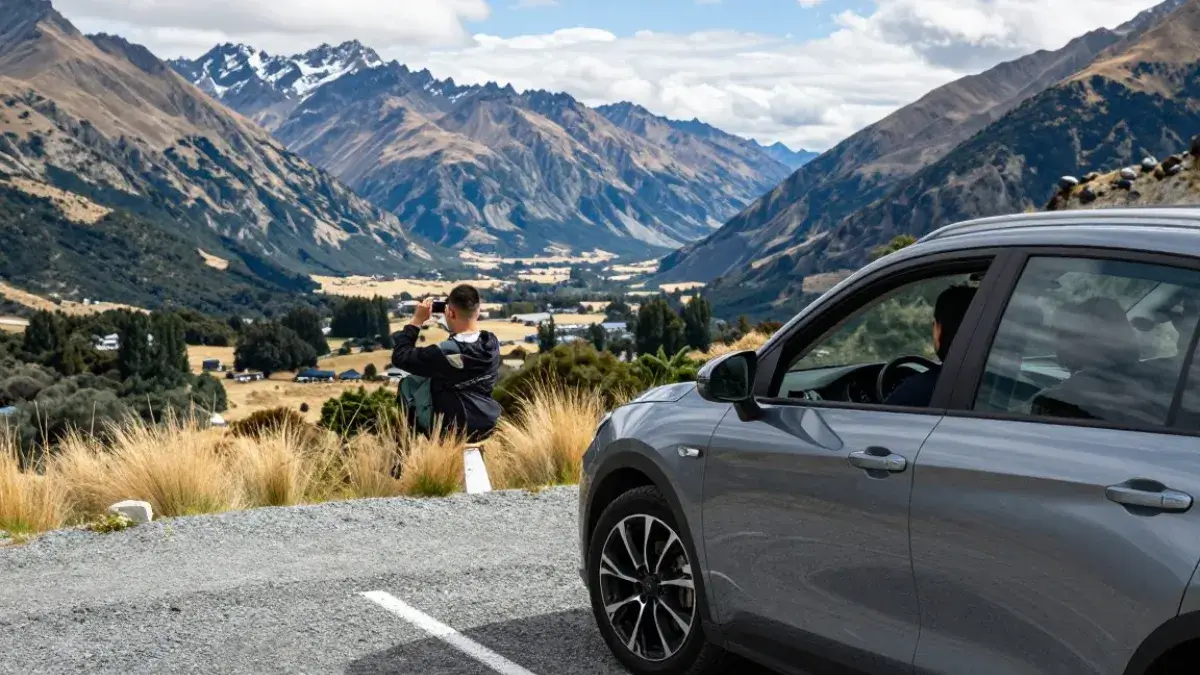
Fuel Costs: Budget NZD 2.80-3.20 per liter for 2026. Average rental car uses 7-9 liters per 100km. Two-week South Island trip covers roughly 2,500km. That’s NZD 175-250 in fuel for a small car. Three-week both islands reaches 3,800km or NZD 270-350 fuel cost. Fuel prices vary by region. South Island West Coast runs 10-15% higher than main centers. Fill up in larger towns when possible.
Activities and Tours: Where your budget really varies.
- Milford Sound cruise: NZD 90-120
- Glacier hiking: NZD 180-350
- Bungy jumping: NZD 180-275
- Skydiving: NZD 300-450
- Jet boat ride: NZD 150-200
- Māori cultural evening: NZD 120-180
- Department of Conservation hut passes: NZD 15-60 per night
Free activities save thousands. Most hiking costs nothing. Beaches are free. Scenic drives cost only fuel. National parks charge no entry fees.
| Trip Duration | Ultra Budget | Standard Budget | Mid-Range | Luxury |
| Two Weeks | NZD 1,120-1,400 (USD 675-850) | NZD 1,680-2,520 (USD 1,000-1,525) | NZD 3,500-4,900 (USD 2,100-3,000) | NZD 7,000+ (USD 4,250+) |
| Three Weeks | NZD 1,680-2,100 (USD 1,000-1,275) | NZD 2,520-3,780 (USD 1,525-2,300) | NZD 5,250-7,350 (USD 3,175-4,450) | NZD 10,500+ (USD 6,375+) |
| One Month | NZD 2,400-3,000 (USD 1,450-1,825) | NZD 3,600-5,400 (USD 2,175-3,275) | NZD 7,500-10,500 (USD 4,550-6,375) | NZD 15,000+ (USD 9,100+) |
Money-Saving Strategies That Actually Work
Travel in Shoulder Season: April-May or September-October cuts accommodation costs 30-40%. Activities cost the same. Attractions stay open. You just avoid peak crowds and prices.
Cook Your Own Meals: Self-catering saves NZD 40-60 daily per person. Over two weeks, that’s NZD 560-840 in savings. Over a month, NZD 1,200-1,800.
Share Rental Car Costs: Four people splitting a car pay NZD 15-20 daily each instead of NZD 60-80. Even couples save significantly versus tour buses.
Book Accommodation Ahead: Last-minute bookings in popular towns cost 30-50% more. Queenstown, Franz Josef, and Mount Cook all punish late bookers.
Skip Helicopter Tours: Scenic flights cost NZD 300-600 per person. Drive to viewpoints instead. You’ll see 80% of the same scenery for free.
Use DOC Campsites: NZD 6-15 per night versus NZD 40-50 for holiday parks. Over a month of camping, savings reach NZD 800-1,000.
Bring Your Own Alcohol: Restaurant wine costs 3-4 times supermarket prices. BYO restaurants let you bring your own. Some charge NZD 5-10 corkage fee but you still save significantly.
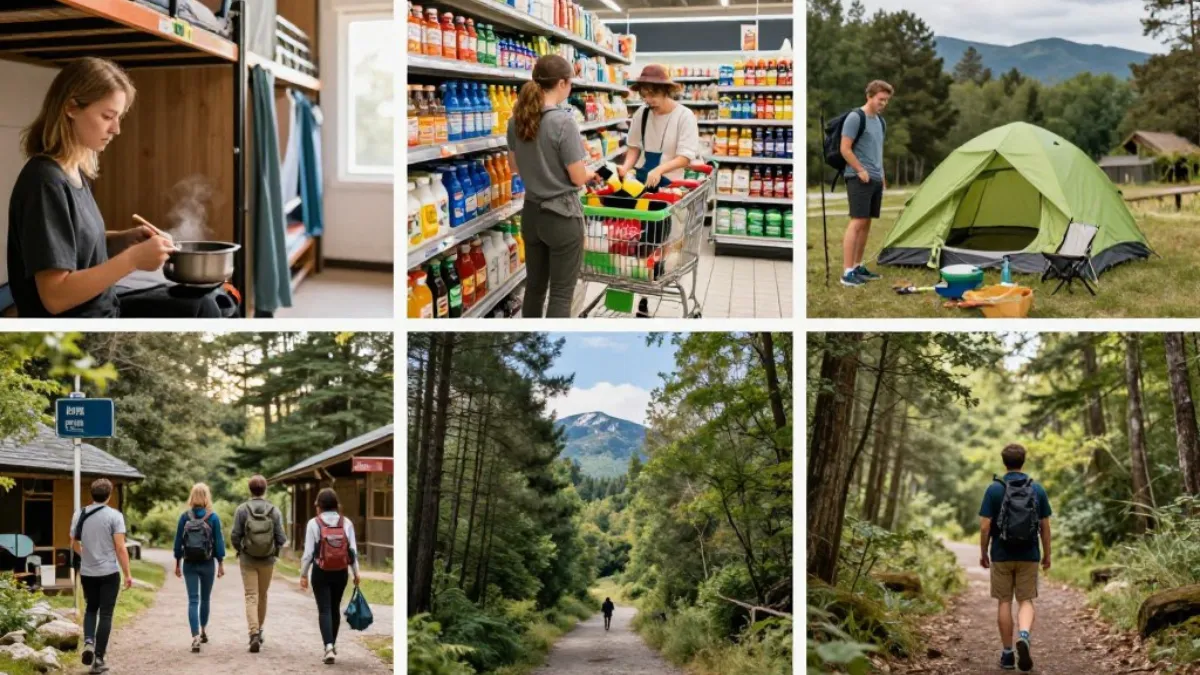
2026 Price Increases to Expect
Tourism prices increased 8-12% annually post-pandemic. This trend should stabilize by 2026 but expect slight increases from current rates.
Accommodation will likely cost 3-5% more in 2026 versus 2025. Activities and tours follow similar patterns. Fuel prices remain volatile and unpredictable.
The New Zealand dollar exchange rate significantly impacts your budget. USD 1 = NZD 1.65 as of late 2024. Favorable exchange rate makes New Zealand more affordable for American travelers than it was in 2019.
Budget Reality:
Add 20% buffer to all budget estimates. Unexpected expenses always appear.
Car repairs. Weather-delayed ferry bookings. That activity you didn’t plan on but can’t resist. Flexibility requires financial cushion.
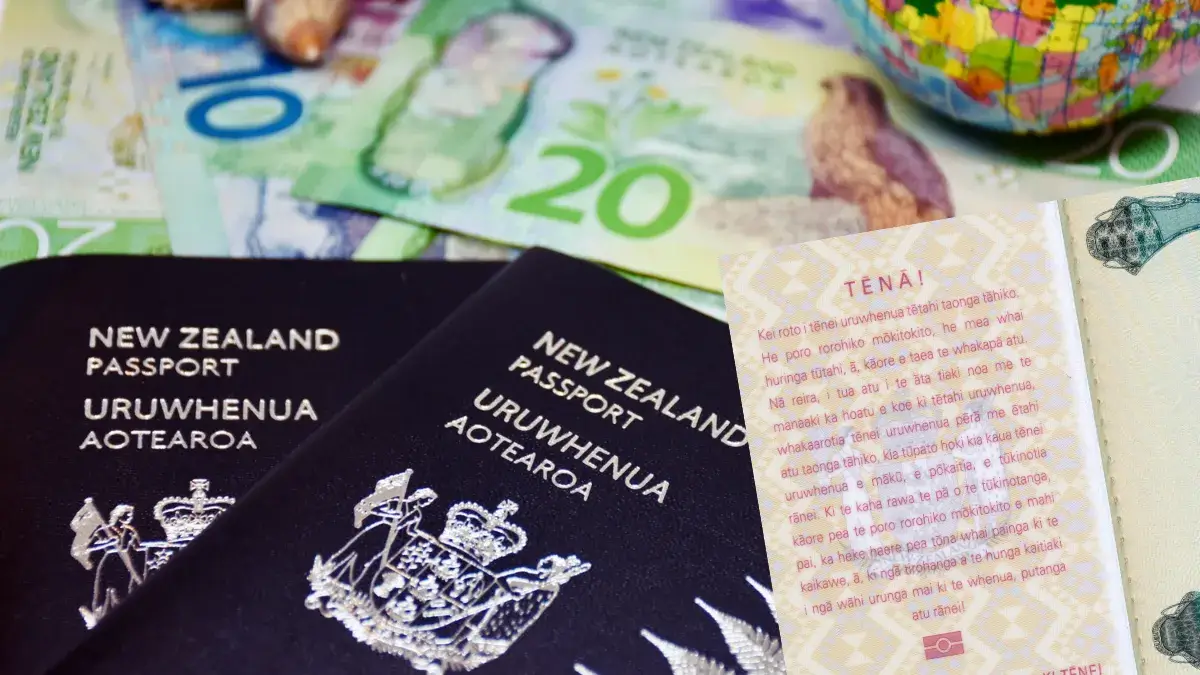
New Zealand visa requirements depend on your nationality. Most Western visitors get visa-free entry. Some nationalities require electronic travel authority.
Entry requirements changed significantly in recent years. Here’s what you need to know for 2026.
Visa-Free Countries
Citizens of 60+ countries can visit New Zealand visa-free for up to 90 days1. This includes USA, Canada, UK, Australia, most EU countries, Japan, and Singapore.
Visa-free doesn’t mean permission to enter automatically. Immigration officers can still deny entry if they have concerns about your plans or finances.
Requirements for visa-free entry include valid passport (6 months beyond planned departure), proof of onward travel, and evidence of sufficient funds (NZD 1,000 per month or NZD 400 per month with prepaid accommodation)2.
New Zealand Electronic Travel Authority (NZeTA)
Starting in 2019, visa-free visitors must obtain an NZeTA before travel. This electronic authorization costs NZD 17 if applied through the app or NZD 23 through the website.
The NZeTA3 remains valid for two years. You can make multiple visits during this period as long as each stay doesn’t exceed 90 days Apply for your NZeTA at least 72 hours before departure. Most applications process within minutes but some take up to 72 hours. Application requires valid passport, credit card for payment, and email address. The process takes 10-15 minutes online.
International Visitor Conservation and Tourism Levy (IVL)
Along with the NZeTA, visitors pay an International Visitor Conservation and Tourism Levy of NZD 35. This fee funds conservation and tourism infrastructure.
The levy applies to most visitors arriving by air. Australian citizens and permanent residents are exempt. Some Pacific Island visitors are also exempt.
You pay this levy when applying for your NZeTA. Total cost becomes NZD 52-58 depending on application method.
Work and Extended Stay Visas
The 90-day visa-free stay doesn’t permit work. Working requires a separate work visa.
Working Holiday Visas allow people aged 18-30 (35 for some countries) to work while traveling. These visas last 12-23 months depending on nationality.
Application process takes 4-8 weeks. Some nationalities face quota limits. Applications open at specific times each year. Check Immigration New Zealand website for your country’s details.
Long-term visitor visas exist for stays exceeding 90 days without working. Requirements include proof of funds, health insurance, and detailed travel plans.
Customs and Biosecurity
New Zealand has strict biosecurity laws. You must declare all food, plant material, animal products, and outdoor equipment.
Hiking boots require cleaning and declaration. Even clean-looking boots get inspected. Failure to declare items results in instant fines (NZD 400) or prosecution.
You can bring personal effects and goods up to NZD 700 value duty-free. Alcohol limit is 4.5 liters of wine or beer plus three bottles of spirits. Tobacco limit is 50 cigarettes or 50 grams of tobacco.
Prohibited items include fresh fruits, vegetables, meat products, honey, and many plant materials. When in doubt, declare it. Officials prefer honest declarations over hidden violations.
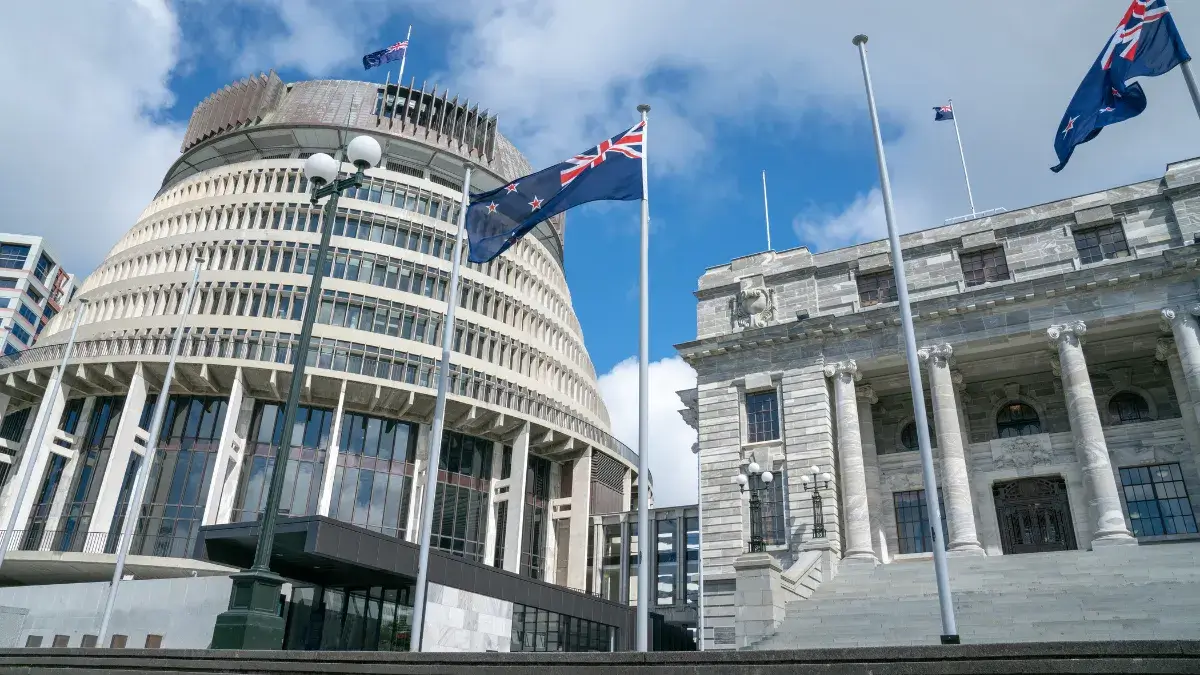
COVID-19 and Health Requirements
As of 2024, New Zealand dropped COVID-19 entry requirements. No vaccination proof needed. No testing required. No quarantine.
This situation could change if new variants emerge. Check official New Zealand immigration website 2-4 weeks before departure for current requirements.
Travel insurance should cover medical emergencies. New Zealand healthcare costs run high for visitors. A broken bone can cost NZD 5,000-10,000 without insurance.
Extending Your Stay
You can apply to extend your stay beyond 90 days while in New Zealand. Application costs NZD 360 and requires proof of funds, health insurance, and valid reasons for extension.
Apply at least 30 days before your current permission expires. Processing takes 4-8 weeks. You can remain in New Zealand while waiting for a decision.
Approval isn’t guaranteed. Immigration New Zealand assesses each application individually. Strong financial position and clear travel plans improve approval chances.
New Zealand Travel Itineraries FAQ
Do I need travel insurance for New Zealand?
Not legally required but strongly recommended. Medical costs for visitors are high. Comprehensive travel insurance covering medical emergencies, evacuation, and cancellations costs USD 50-150 for two weeks depending on coverage level and age.
Can I work on a tourist visa in New Zealand?
No. Tourist visas and visa-free entry prohibit any work, paid or unpaid. Working requires an appropriate work visa. Violations can result in deportation and future entry bans.
How much money should I show at immigration?
Immigration New Zealand recommends showing access to NZD 1,000 per month of stay (or NZD 400 per month with prepaid accommodation). Bank statements, credit cards, or traveler’s checks work. Digital banking apps showing account balance accepted.
What happens if I overstay my visa?
Overstaying results in immediate unlawful status. You face deportation, fines, and potential ban from returning to New Zealand. Even one day overstay creates serious consequences. Always depart before your authorized stay expires or apply for an extension in advance.
How long should I spend in New Zealand?
A minimum of two weeks is recommended to see the highlights of both the North and South Islands. Three weeks allows for a deeper exploration of culture and geothermal wonders, while a month can uncover remote corners often missed by tourists.
What are the must-see attractions?
Don’t miss the stunning landscapes of Fiordland, the geothermal areas of Rotorua, and the vibrant cities of Auckland and Wellington. However, also take time to discover hidden gems like the Catlins or the Coromandel Peninsula.
How can I balance my itinerary between popular sites and lesser-known locations?
Plan your itinerary to include a mix of both. Allocate days for well-known attractions but leave space for spontaneous detours to off-the-beaten-path locations based on recommendations from locals or fellow travelers.
What is the best time to visit New Zealand?
It depends on your priorities. Summer offers warm weather but at peak prices. The shoulder seasons (spring and autumn) provide a balance of good weather and lower costs, while winter is perfect for budget travelers seeking adventure.
How do I handle changes in my travel plans due to weather?
Be flexible with your itinerary. If the weather changes, embrace the opportunity to explore new places or activities that you hadn’t initially considered. This adaptability can lead to unexpected adventures.
Essential Travel Tips and Tricks for New Zealand
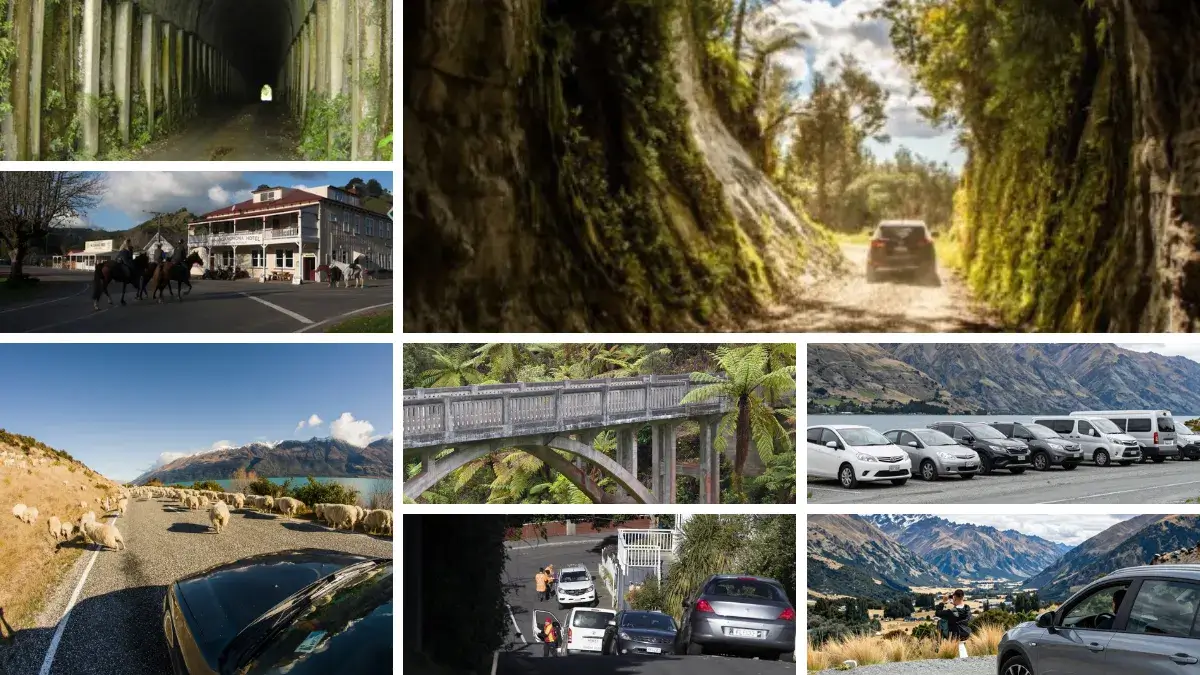
New Zealand looks easy on paper. Reality involves quirks that catch first-timers off guard.
These practical tips come from experience. Some learned the easy way. Others learned the hard way.
Driving Tips
Drive on the left side: Obvious but critical. Americans and Europeans struggle initially. Most accidents involve foreign drivers on rural roads.
The biggest danger comes at intersections after stops. Your instinct pulls you back into the right lane. Stay left. Always.
Roads are slower than they look: GPS estimates rarely account for New Zealand’s winding roads. A 200km drive takes 3-4 hours, not the 2 hours you’d expect.
Mountain passes involve dozens of hairpin turns. One-lane bridges appear frequently. Narrow shoulders mean pulling over for oncoming traffic. Factor these delays into your schedule.
Watch for tourists doing stupid things: Other travelers cause accidents by stopping suddenly for photos, driving too slowly while sightseeing, or making unexpected turns.
Defensive driving matters more in tourist areas. Expect the unexpected around every scenic corner.
Fill up fuel in larger towns: Rural gas stations cost 10-20 cents more per liter. Some remote areas have limited fuel options. Fill up when you see reasonable prices.
The West Coast has fewer gas stations than you’d expect. Don’t let your tank drop below quarter-full in remote areas.
Weather and Packing
Weather changes instantly: Morning sunshine becomes afternoon storms within an hour. This happens year-round but especially in mountain areas.
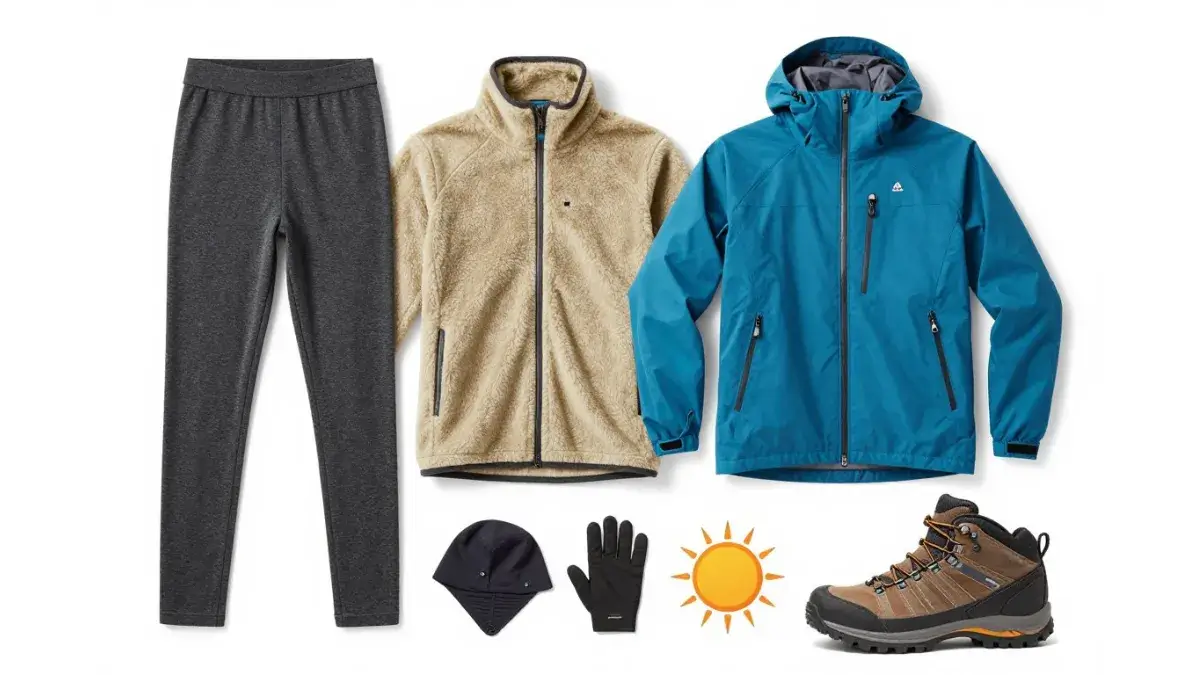
Always carry a waterproof jacket. Even on perfect blue-sky days. The weather will turn when you least expect it.
Layer your clothing: Temperature swings of 15-20°C throughout a day are normal. Start mornings cold. Afternoons get hot. Evenings turn cold again.
Bring thermal base layers, mid-layers for warmth, and waterproof outer layers. Leave cotton at home. Merino wool works infinitely better.
Sun strength surprises people: New Zealand’s ozone hole creates intense UV radiation. You’ll burn faster than in the Northern Hemisphere even when temperatures feel cool.
SPF 50 sunscreen minimum. Reapply every 2 hours when outdoors. Wide-brimmed hats help significantly. Locals take sun protection seriously for good reason.
Traveling solo? No worries we have you covered with our essential equipment for solo travelers.
Safety and Emergencies
Cell coverage is limited: Major highways have decent coverage. Back roads and hiking trails often have zero signal. Don’t rely on phones for navigation or emergencies in remote areas. Download offline maps before leaving towns. Paper maps work better as backup than most people admit.
Tell someone your plans: Department of Conservation maintains intention books at major trailheads. Fill them out. This helps search and rescue find you if something goes wrong. For serious hikes, use the AdventureSmart website to log detailed trip plans. Free service that could save your life.
Sandflies are evil: West Coast sandflies make mosquitoes look friendly. They bite through thin clothing. Repellent barely slows them down. Cover exposed skin in sandfly areas. Long sleeves and pants help. Deet-based repellent with 30%+ concentration provides some protection. Avoid dawn and dusk when they’re most active.
Rivers kill people: New Zealand rivers look innocent but change rapidly. Rain upstream creates flash floods. Glacier melt raises water levels each afternoon.
Never cross rivers above your knees. Early morning offers safest crossing times before glacier melt. When in doubt, don’t cross.
Emergency number is 111: This connects you to police, fire, or ambulance. Works from any phone, even without cell coverage in some areas.
Money and Payments
Cards work everywhere: Credit and debit cards accepted at 95% of businesses. Even small cafes and farm stalls take cards.
Notify your bank before traveling. International transaction fees vary. Some cards charge 3% per transaction. Others charge nothing. Check before you leave.
ATMs are common: Every town has ATMs. Withdrawal fees run NZD 3-5 for international cards. Withdraw larger amounts less frequently to minimize fees.
Tipping isn’t expected: New Zealand doesn’t have tipping culture. Service staff earn living wages. Leaving 10% for exceptional service is appreciated but not expected.
Tour guides and activity instructors don’t expect tips either. If you want to tip, NZD 10-20 per person for full-day guides works fine.

Cultural Considerations
Māori pronunciation matters: Place names use Māori language. “Wh” sounds like “f”. “Ng” makes a soft sound like in “singing”.
Whanganui = “Fung-a-noo-ee”. Ngauruhoe = “Nah-oo-roo-hoe-ay”. Locals appreciate effort even if you get it wrong.
Conservation is serious business: New Zealanders protect their environment fiercely. Pack out all trash. Stay on marked trails. Don’t feed wildlife.
The “Leave No Trace” philosophy isn’t just suggested. It’s expected. Violators face social judgment and sometimes legal consequences.
Kiwis are friendly but reserved: New Zealanders will help if you ask but won’t impose. They respect personal space and privacy.
Don’t expect constant small talk. Silence doesn’t mean rudeness. Direct communication works better than hints.
Shopping and Supplies
Supermarkets close early on Sundays: Most close by 9pm. Some smaller towns close at 7pm or don’t open at all on Sundays. Stock up Saturday night.
Camping gear costs more than renting: Buying camping equipment in New Zealand makes no sense for short trips. Rent from outdoor shops in major cities.
Hiking boots, sleeping bags, and tents all available for rent. Costs less than buying. Saves luggage space.
Pharmacies for minor issues: Pharmacists can provide medical advice and treatment for minor ailments. Saves money versus seeing a doctor. Every town has at least one pharmacy.

Communication
Get a local SIM card: Tourist SIM cards from Spark, Vodafone, or 2degrees cost NZD 20-30 for 1GB data plus calling. Buy at airports or any convenience store. Free WiFi exists at most accommodations and many cafes. Data coverage varies significantly between providers. Spark generally offers best rural coverage.
Download offline resources: Maps, hiking trail guides, and accommodation information. Don’t count on internet access in remote areas.
Essential Apps for New Zealand
- Maps.me: Offline maps with hiking trails
- DOC Track Intentions: Register hiking plans
- MetService: Accurate weather forecasts
- CamperMate: Find camping and facilities
- Gaspy: Locate cheapest fuel prices
- Rankers: Local reviews and recommendations
What NOT to Do in New Zealand
- Don’t compare NZ to Australia constantly
- Don’t litter or leave trash anywhere
- Don’t expect American-style service speed
- Don’t underestimate driving times
- Don’t skip travel insurance
- Don’t assume cell coverage everywhere
Responsible Tourism
Freedom camping rules are strict: You can only freedom camp in certified self-contained vehicles at designated spots. Fines for illegal camping reach NZD 200.
Apps like CamperMate show legal freedom camping locations. When in doubt, pay for a proper campsite.
Respect private property: That beautiful spot you see isn’t necessarily public access. New Zealand has significant private land. Ask permission before entering or camping.
Book popular hikes early: Great Walks like Milford Track and Routeburn Track require bookings months ahead. Don’t show up expecting to walk without reservation.
Support local businesses: Choose locally-owned accommodation and tour operators over international chains when possible. Your money stays in communities you’re visiting.
Ready to plan your Aotearoa experience?
Ready to Plan Your Perfect NZ Adventure?
Join our community of independent travelers and get New Zealand travel tips, hidden gem discoveries, and exclusive budget hacks. Plus, instant access to our complete resource library including route planners, budget calculators, and off-the-beaten-path guides.
Your New Zealand Adventure Starts Here
New Zealand rewards independent travelers who do their research.
You now understand the North South islands and have the New Zealand travel itineraries. You understand the costs. You know the hidden gems worth finding.
Two weeks South gives you the Island highlights. Three weeks adds North Island culture and geothermal wonders. One month opens up both the North South Islands remote corners most tourists never see.
Your budget shapes your experience but doesn’t limit it. Backpackers can access the same landscapes as luxury travelers. The mountains don’t care about your accommodation choice.
The best time to visit depends on your priorities. Summer offers reliable weather at peak prices. Shoulder seasons balance value and conditions perfectly. Winter works for adventurous budget travelers.
Book your flights early. Reserve accommodation in popular spots months ahead. But leave room for spontaneity in your itinerary.
Weather will change your plans. You’ll discover places not mentioned here. Other travelers will share tips that reshape your route.
That flexibility separates good trips from great ones.
Traveling around New Zealand in 2026 offers the same raw landscapes that made it famous. Better infrastructure makes independent travel easier than ever. Fewer crowds in shoulder seasons give you those landscapes almost to yourself.
Start planning now. Book that rental car. Mark those DOC campsites. Choose the day trip, plot the road trip. Download those offline maps.
Your New Zealand adventure is waiting. You just need to take the first step. Looking to extend your travels? Make sure to check out our Ultimate solo travel guide to Malaysia, Bali and Thailand.
3 Footnotes
- Visitor Visa – People travelling on a passport from some countries must apply for a Visitor Visa to visit New Zealand. You can stay for up to either 6 months or 9 months. You cannot work, but you can study for up to 3 months. Length of stay – Up to either 6 months or 9 months https://www.immigration.govt.nz/visas/ ↩
- To apply you must have plans to leave New Zealand at the end of your stay, have enough money to pay your living expenses or have an acceptable sponsor, not plan to work in New Zealand, unless you work remotely for a business overseas, meet the other requirements of this visa. – New Zealand Immigration Service – https://www.immigration.govt.nz/ ↩
- As of early 2026, a New Zealand passport provides visa-free or visa-on-arrival access to approximately 182–183 countries and territories, ranking it among the top 10 most powerful passports globally. ↩