Nestled along Costa Rica’s Pacific coast, Manuel Antonio National Park stands as one of the country’s most beloved wildlife destinations. This compact yet incredibly biodiverse park offers first-time visitors an unforgettable introduction to Costa Rica’s natural wonders. From playful monkeys swinging through the canopy to colorful birds flitting between branches, Manuel Antonio provides wildlife encounters that will leave you breathless.
Whether you’re a seasoned nature enthusiast or someone taking their first steps into wildlife watching, Manuel Antonio is the kind of place where you can have adventure, wildlife, rainforest and beach all within arms reach. You wake to the bark-like roar of howler monkeys, walk under a ceiling of giant leaves glittering with last night’s rain, and within minutes find yourself standing on white sand looking into a warm Pacific bay. The magic of this area is not only that it is beautiful. It is that the transitions are immediate: jungle to ocean, monkeys to macaws, mangroves to waterfalls, soft romance to real adventure.
The park itself is open 7 a.m. to 4 p.m., Tuesday to Sunday, and official ticket sales are handled through Costa Rica’s SINAC system; the tourism board also notes that the park has no on-site parking, that ID/passport is required, and that single-use plastics are not allowed. This guide will help you make the most of your Manuel Antonio National Park adventure. You’ll discover the best times to visit, essential gear to pack, and get some insider tips for spotting the park’s most spectacular creatures.
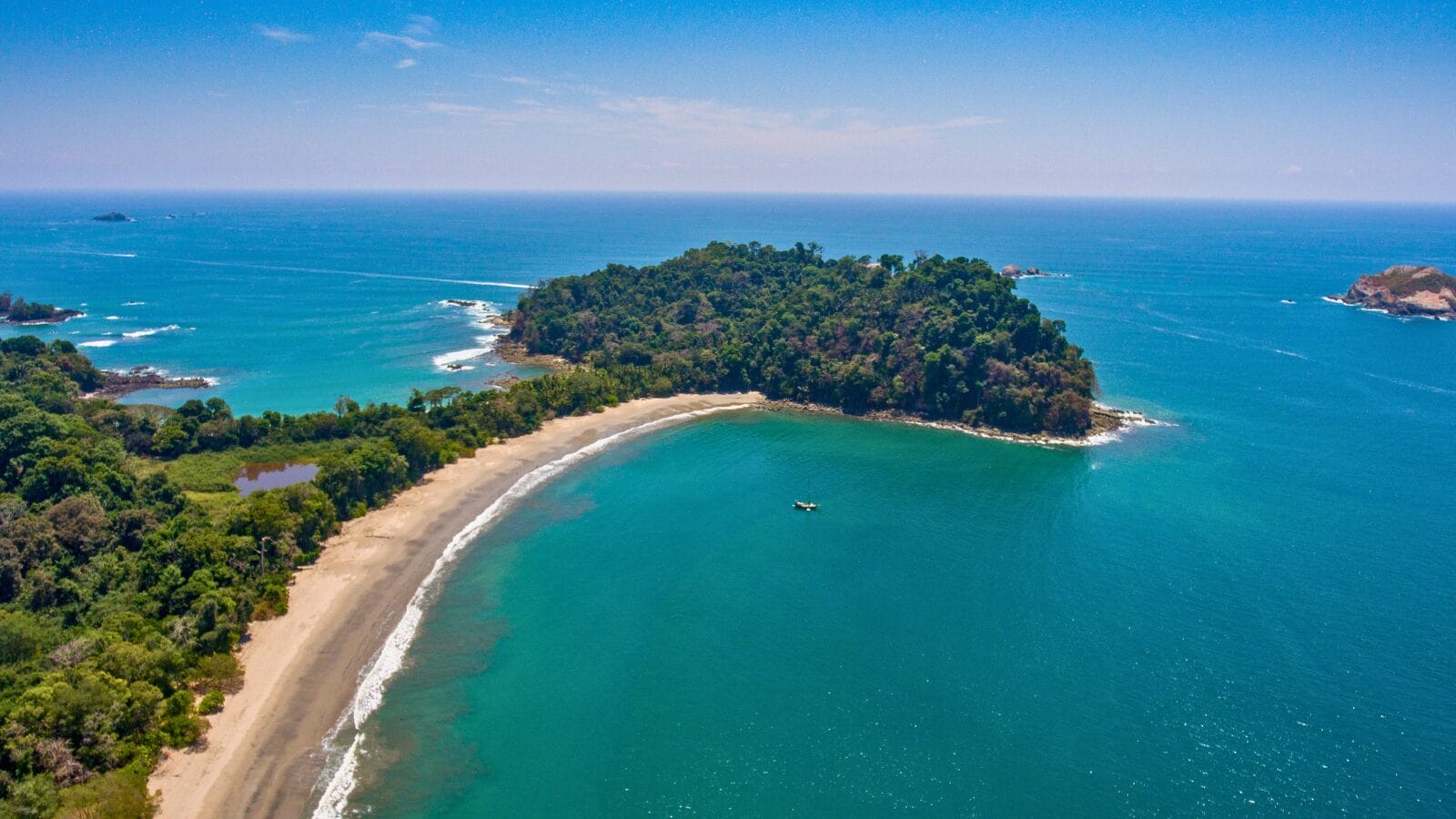
What Makes Manuel Antonio National Park So Special?
Manuel Antonio’s unique position where tropical rainforest meets pristine beaches creates an extraordinary ecosystem that supports an impressive variety of wildlife. The park’s relatively small size of just 1,983 hectares makes it incredibly accessible for first-time visitors, while its well-maintained trail system ensures you can explore comfortably without extensive hiking experience.
The park’s success as a wildlife watching destination stems from its protection of critical habitats. Primary and secondary forests provide homes for mammals, while coastal areas support marine life and shorebirds. This diversity means you can potentially spot dozens of species during a single visit, making every moment an exciting discovery.
Conservation efforts have helped maintain healthy populations of iconic Costa Rican species, including three of the country’s four monkey species. The park’s accessibility from San José, combined with its incredible biodiversity, makes it an ideal starting point for anyone new to Central American wildlife watching.
What are the top activities and attractions in Manuel Antonio National Park?
Inside the Park: Things to See and Do
- Main Trail (Sendero Principal): This 2.2 km accessible trail winds through the jungle to the beaches.
- Punta Catedral: A 1.4 km coastal path with spectacular ocean views and scenic lookout points.
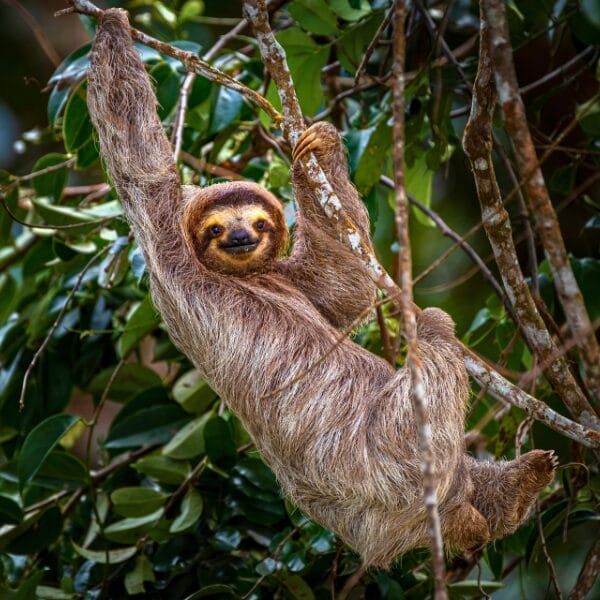
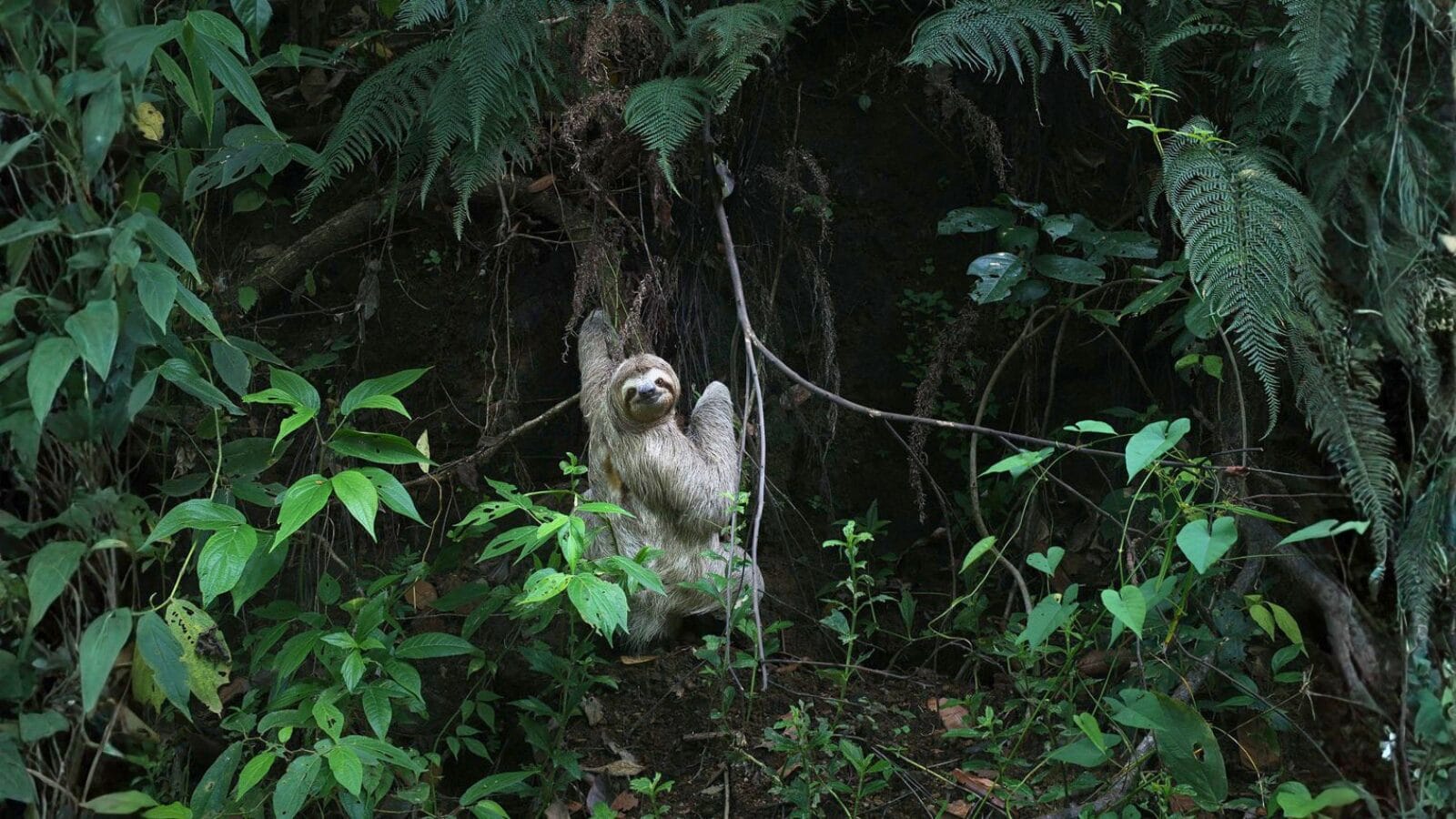
- Wildlife Watching: Guided hikes, ideally with telescopes, offer chances to see sloths, white-faced capuchin and squirrel monkeys, iguanas, and toucans.
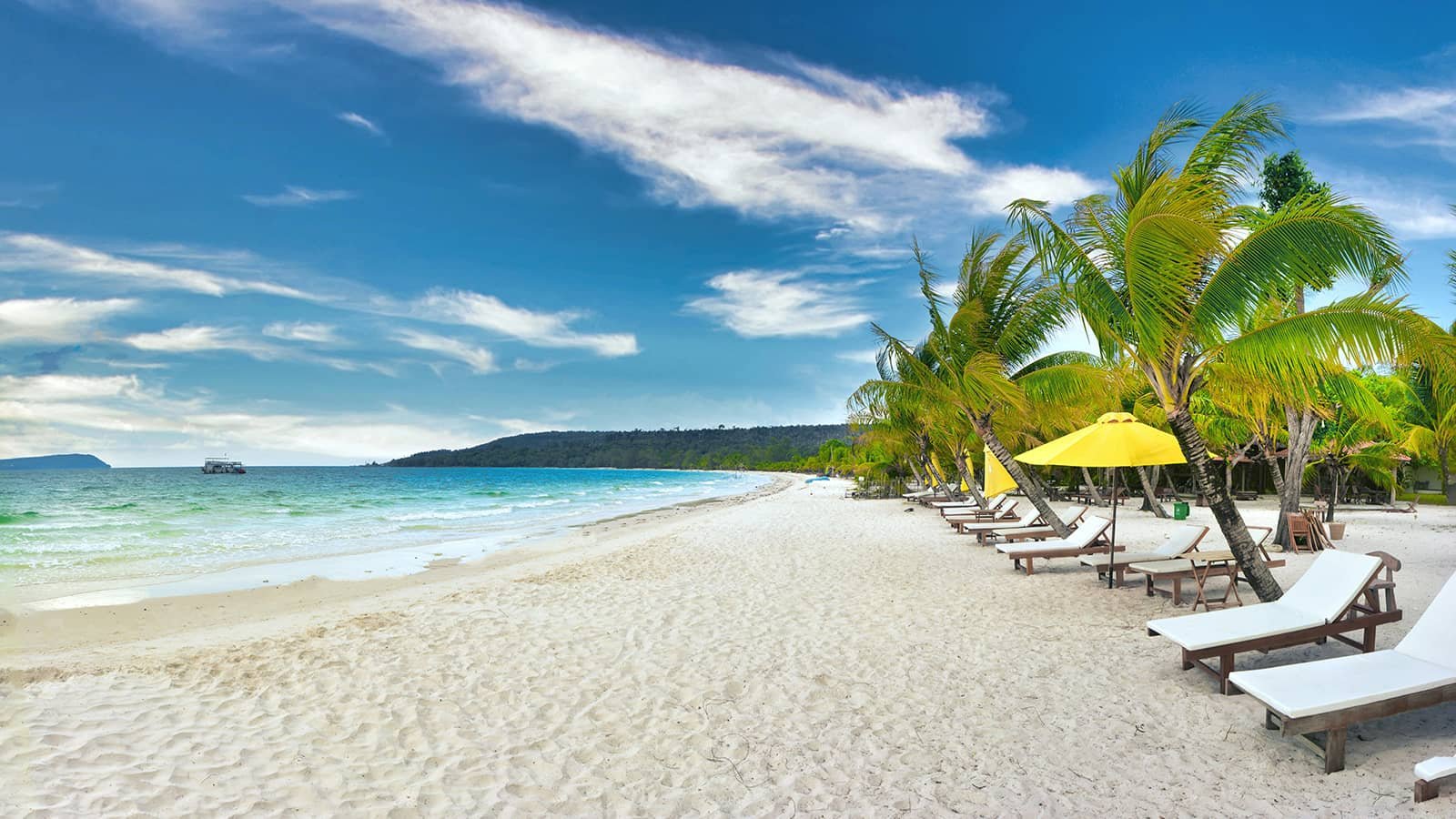
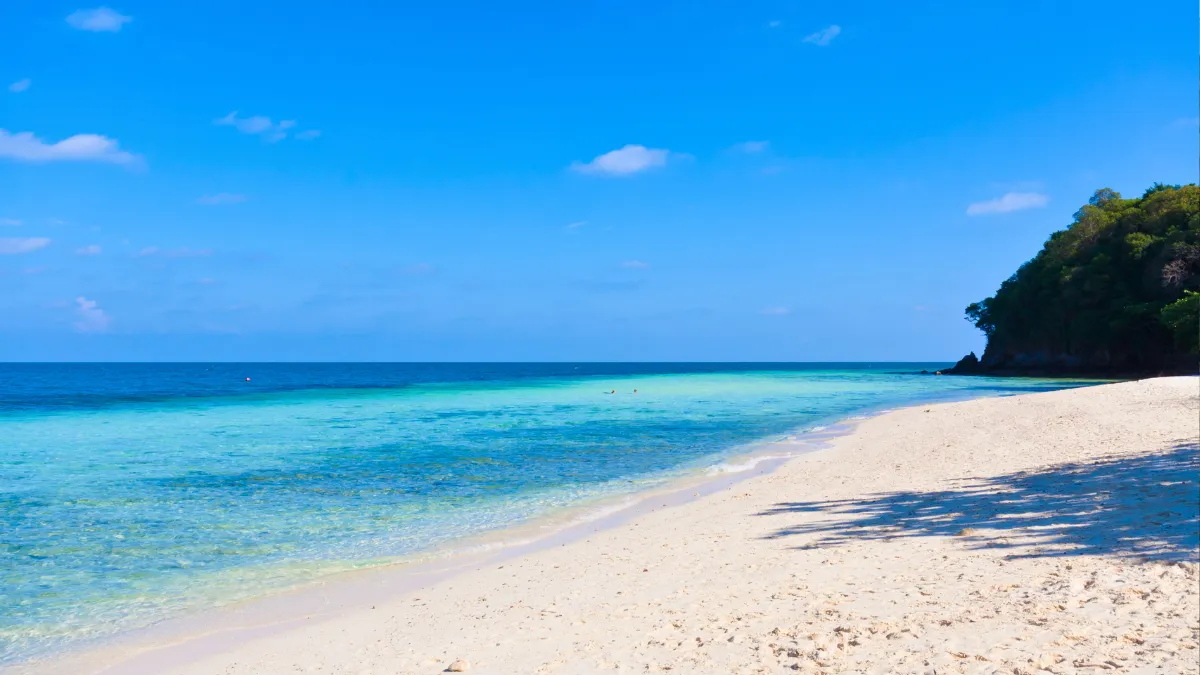
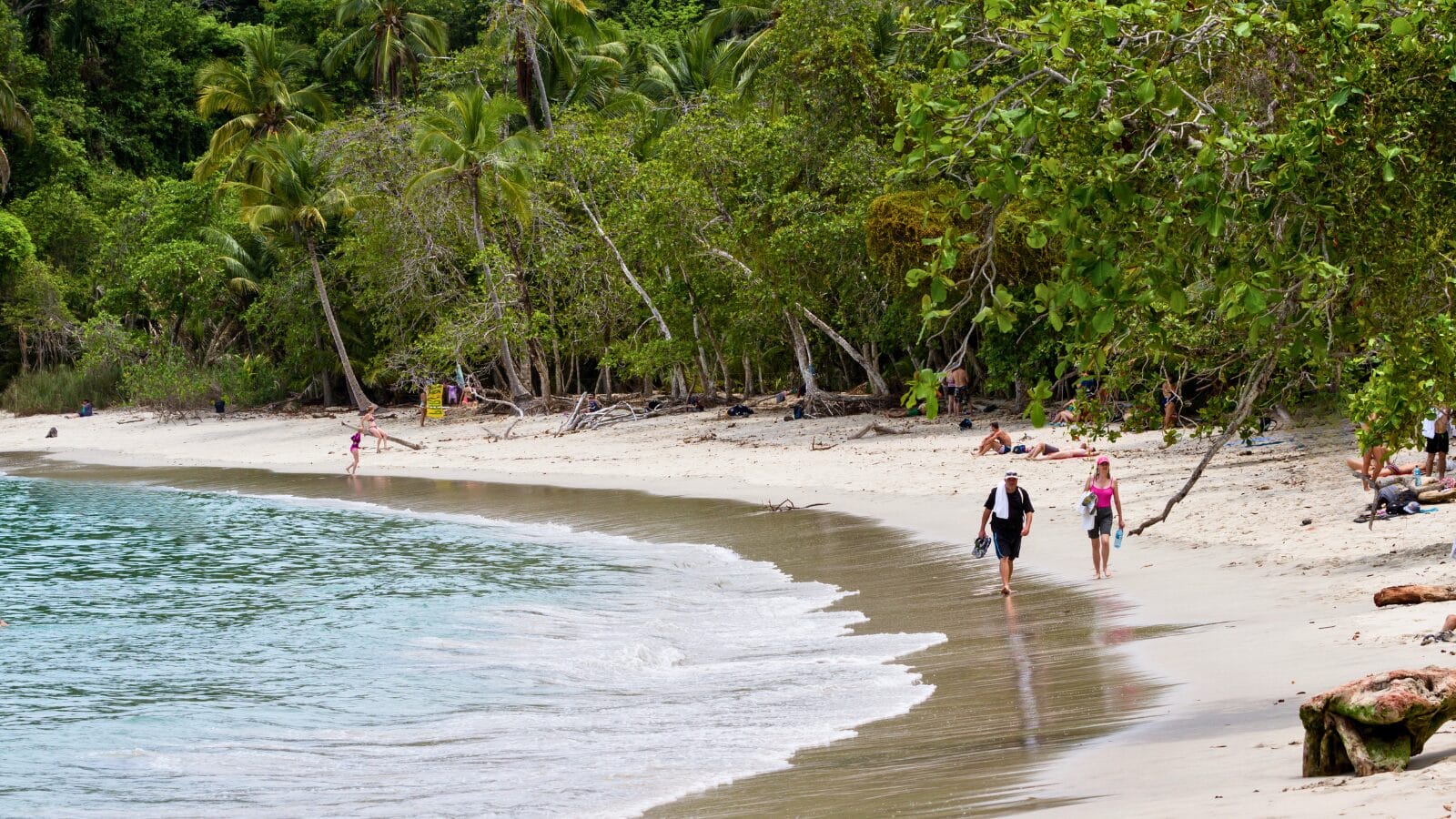
- Beach Relaxation: Unwind at Playa Manuel Antonio, a protected cove within the park, or visit Playa Espadilla Sur.
Around the Area: Best Activities
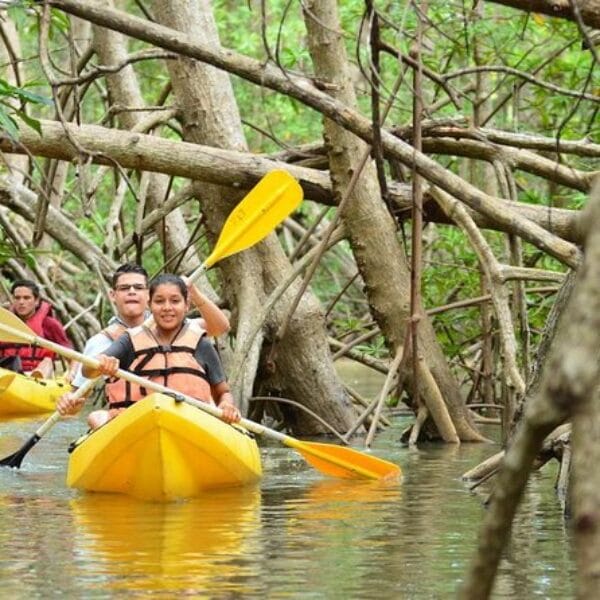
- Damas Island Mangroves: Explore the mangroves by guided boat or kayak tour while looking for waterbirds, snakes, and monkeys.
- Ziplining and Adventure: Try canopy ziplining, cross hanging bridges, or go white-water rafting on nearby rivers such as the Naranjo and Savegre.
- Night Walks: Take a guided evening tour through the rainforest to spot insects, frogs, and other nocturnal wildlife.
- Day Trips: Discover Nauyaca Waterfalls or join a whale-watching tour in Uvita or Marino Ballena.
- Sunset Views: Watch the sunset while enjoying a drink at cliffside locations like El Avión or Ronny’s Place.
Manuel Antonio National Park Best Travel Dates: When to go and why.
Timing your visit to Manuel Antonio can significantly impact your wildlife watching success. The park experiences two distinct seasons, each offering unique advantages for spotting different species.
The dry season, running from December through April, provides excellent conditions for wildlife observation. Clear skies and minimal rainfall mean animals are more active during daylight hours, and you’ll have better visibility through the forest canopy. Early morning visits during this period often reward patient observers with increased animal activity as creatures emerge to feed and socialize.
Costa Rica’s green season, from May through November, brings afternoon rains that can limit visibility but also creates lush conditions that attract diverse species. Many animals become more active during the cooler, humid conditions that follow rain showers. Bird activity particularly increases during this period, as abundant insects and fruits provide rich feeding opportunities.
Regardless of the season you choose, arriving at the park’s opening time of 7:00 AM gives you the best chance for wildlife encounters. Animals are most active during the cooler morning hours, and you’ll avoid the crowds that typically arrive later in the day.
For most travelers, the best overall dates are:
- January to March for the cleanest beach days, lower odds of rain disrupting tours, easier trail conditions, and postcard sunsets. This is the classic choice for a first visit.
- Late April to early June for a sweet spot: the forest begins to look richer and greener, showers are more likely but not yet at full rainy-season intensity, and this is often a better balance of scenery, comfort, and price than peak dry season. That “balance” is an inference from the official season pattern and the typical transition months.
- November for another strong shoulder-season window. The official tourism board identifies November as a transition month, which often makes it attractive for travelers who want lusher scenery without the full weight of peak rainy-season conditions.
My practical recommendation by travel style
- For the most comfortable first trip: late January through March.
- For photographers and couples who like dramatic skies and greener landscapes: May, early June, or November. This is the strongest compromise between atmosphere and practicality.
- For travelers prioritizing lower lodging costs over flawless weather: the broader green season is usually better value than the dry-season high period. Costa Rica Experts notes the dry season is also the high season, while the green season often offers better value.
Essential Wildlife Species You’ll Encounter
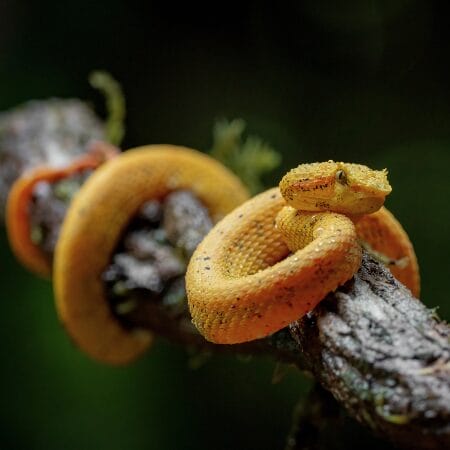
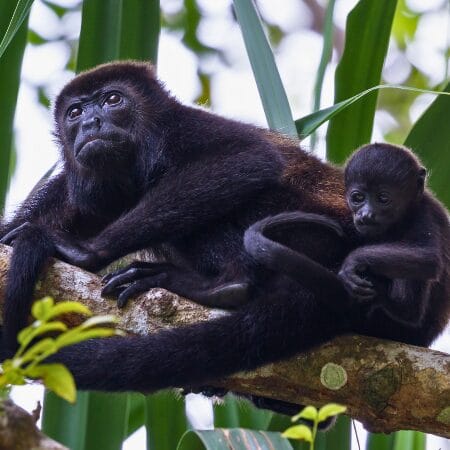
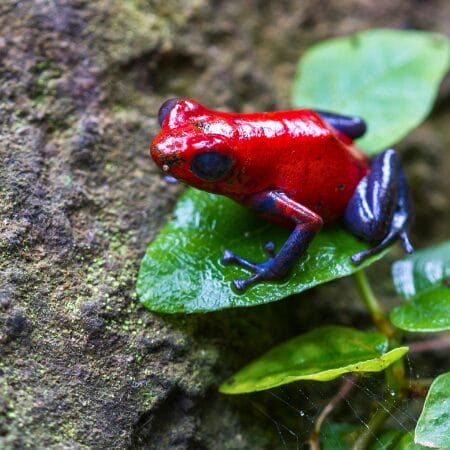
Primates: Manuel Antonio National Park Star Attractions
Manuel Antonio hosts three monkey species that have become the park’s most famous residents. White-faced capuchin monkeys are perhaps the most commonly spotted, known for their intelligence and curious nature. These charismatic primates often approach visitors, though feeding them is strictly prohibited for their health and safety.
Mantled howler monkeys announce their presence with distinctive calls that can be heard from over a mile away. These larger primates spend much of their time in the upper canopy, feeding on leaves and fruits. Their sedentary nature makes them excellent subjects for photography when you can spot them through the trees.
Central American squirrel monkeys represent the park’s most endangered primate species. These small, agile monkeys with distinctive orange and black coloring travel in large troops and move quickly through the forest. Spotting them requires patience and a bit of luck, making encounters especially rewarding.
Avian Diversity: A Birdwatcher’s Paradise
Manuel Antonio National Park bird life includes over 180 documented species, ranging from tiny hummingbirds to impressive raptors. Scarlet macaws, though less common than in other Costa Rican parks, occasionally grace visitors with their presence, their brilliant red, blue, and yellow plumage unmistakable against the green canopy.
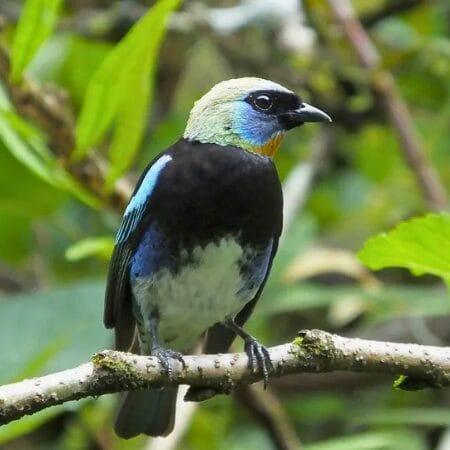
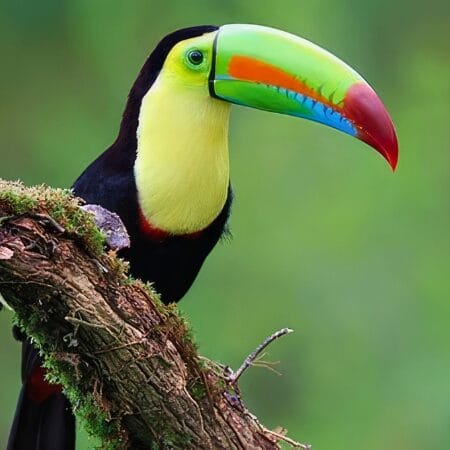
More commonly observed species include various tanager species, whose bright colors add splashes of blue, red, and yellow throughout the forest. Toucans, with their oversized beaks and playful personalities, often appear in fruiting trees, while various hummingbird species dart between flowers in search of nectar.
Brown pelicans and magnificent frigatebirds patrol the coastal areas, providing excellent opportunities for marine bird observation. These species often interact dramatically as they compete for fishing spots and nesting territories along the park’s beaches.
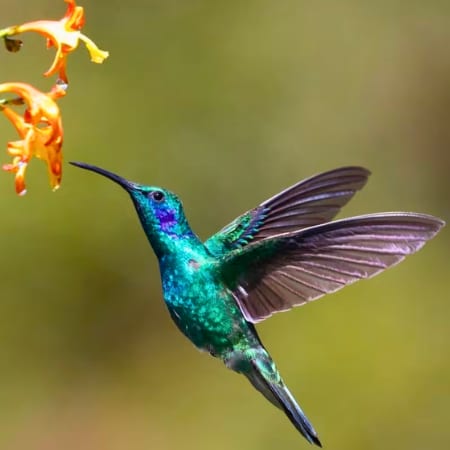
Reptiles and Other Wildlife – Manuel Antonio National Park
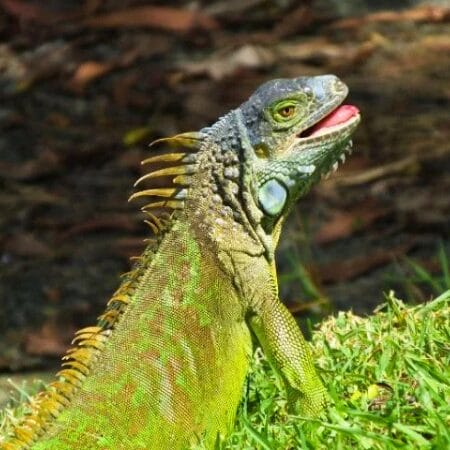
Manuel Antonio’s reptile population includes several iguana species that bask on rocks and tree branches throughout the park. Green iguanas can grow quite large and are often spotted sunning themselves near the beaches, while smaller anole species dart across trails and tree trunks.
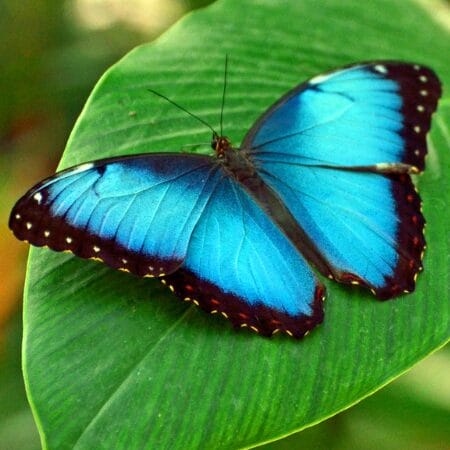
Various snake species inhabit the park, though most remain hidden during daylight hours. Experienced guides can help visitors spot these often-camouflaged creatures safely. Additionally, the park hosts numerous butterfly species, including the spectacular blue morpho, whose iridescent wings create flashes of electric blue as they flutter through shaded forest areas.
Best Wildlife Seasons Within the Park
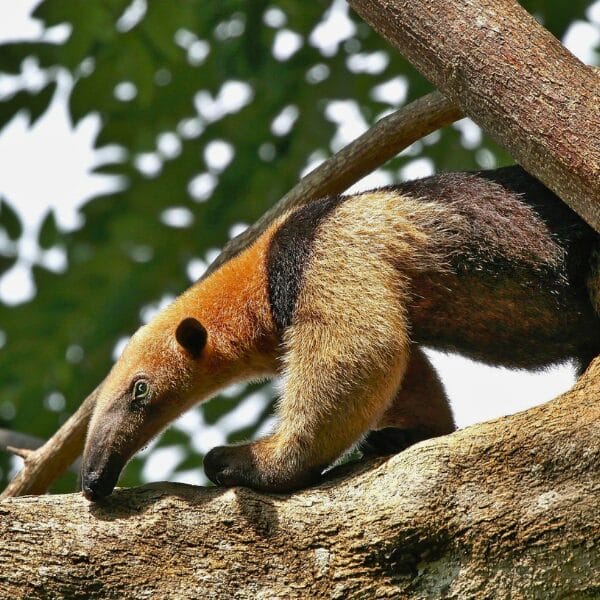
Manuel Antonio National Park is rewarding year-round. The park’s official and destination sources highlight frequent sightings of sloths, white-faced capuchins, howler monkeys, squirrel monkeys, raccoons/coatis, toucans, and other birds.
The single most important wildlife rule is not seasonal but daily: go early. Multiple reputable guides consistently recommend entering at or near 7 a.m., when temperatures are cooler and wildlife activity is higher.
Wildlife timing by interest
- For sloths, monkeys, and general mammal sightings: go year-round, with your strongest odds in the early morning.
- For birdwatching: the area is productive year-round, and the best sessions are generally early morning and sometimes late afternoon. Around Manuel Antonio National Park and the Central Pacific, you can expect tropical species such as toucans, hummingbirds, and other forest/coastal birds; nearby birding areas such as Carara are especially well regarded for bird diversity.
- For marine wildlife: dolphins are found in Pacific waters year-round, and whale watching on the Central Pacific coast is seasonal. The International Whaling Commission handbook notes that whale-watching activity extends to Manuel Antonio/Quepos, with humpbacks on the Pacific coast in migration seasons and common dolphin species present year-round. Visit Costa Rica specifically highlights July to October as a major humpback window on the Pacific, and reputable Costa Rica sources also note a smaller December to April migration season.
Manuel Antonio National Park Best Wildlife Months At A Glance
- If your dream is classic park wildlife plus the easiest weather, choose January to March.
- If your dream is lush rainforest, dramatic photography, and a chance to pair Manuel Antonio with stronger Pacific whale season farther south or on Central Pacific waters, choose July to October and accept more rain.
- If you want the broadest all-round wildlife rhythm with fewer weather extremes than deep rainy season, choose May/early June or November. This is my inference from the seasonal pattern plus the year-round wildlife profile.
Essential Gear and Preparation Tips
Proper preparation significantly enhances your wildlife watching experience while ensuring your comfort and safety. Quality binoculars represent the most important piece of equipment for any wildlife observer. Choose binoculars with 8×42 or 10×42 magnification for optimal viewing of distant animals while maintaining a wide field of view.
A camera with a telephoto lens allows you to capture wildlife memories without disturbing animals. Even smartphone cameras with zoom capabilities can produce excellent results when combined with patience and proper positioning. Remember that the best wildlife photographs often result from observing animal behavior rather than simply documenting their presence.
Comfortable, quiet footwear is essential for navigating trails without disturbing wildlife. Lightweight hiking shoes or sturdy sneakers with good traction work well for the park’s maintained trail system. Avoid bright colors that might startle animals, instead opting for neutral tones that help you blend into the forest environment.
Sun protection becomes crucial during extended outdoor observation periods. A wide-brimmed hat, high-SPF sunscreen, and lightweight long-sleeved shirts protect against intense tropical sun while allowing comfortable wildlife watching throughout the day.
5 days / 4 nights Manuel Antonio National Park Itinerary.
Day 1: Arrival, first sounds of the rainforest
You arrive from San José after the long bend south toward the Central Pacific. The road unspools past palms and roadside fruit stands, and gradually the air changes. It becomes softer, wetter, heavier with green. By the time you reach Manuel Antonio or Quepos, the jungle is not a backdrop anymore. It presses close to balconies, roadsides, hotel pools, stairways.
This first day should stay intentionally light. Check into your hotel, take a slow lunch with a sea view, and spend the afternoon at Biesanz Beach or relaxing at your lodge. At sunset, do nothing ambitious. Listen. This region introduces itself through sound first: cicadas, surf, geckos, then the strange prehistoric call of howler monkeys somewhere in the trees.
Day 2: Manuel Antonio National Park at first light
Set the alarm early. This is the most important morning of the trip.
You enter the park right around opening, while the air is still cool and the leaves still hold droplets. A good naturalist guide changes the experience completely, not because the park lacks beauty on its own, but because the forest hides in plain sight. Suddenly a knot in a tree becomes a sleeping sloth. A moving vine becomes a squirrel monkey. A guide’s spotting scope reveals eyelashes, claws, feather detail, sleeping bats, camouflaged frogs.
You spend the morning moving slowly through the trails, then emerge onto one of the park’s beaches for a swim. The most memorable Manuel Antonio National Park hours are often those first three: the forest waking up, animal movement in the canopy, light still angled and soft.
In the afternoon, return to the hotel, swim, nap, and let the day breathe. Do not overfill it.
Day 3: Ocean adventure day
Today the horizon replaces the trail.
Choose ocean kayaking, a catamaran or boat trip, or snorkeling/coastal cruise depending on your comfort level. Around Manuel Antonio and Quepos, operators commonly run marine tours, and the wider Pacific coast around this area supports year-round dolphin encounters with seasonal whale possibilities.
This is the day for movement and openness: salt on skin, cliffs seen from the sea, frigatebirds overhead, maybe dolphins breaking the surface ahead of the bow.
Day 4: Mangroves, waterfall, or zipline
This is your customization day.
If wildlife is the priority, do a mangrove boat or kayak tour near Damas. If adrenaline is the priority, do a zipline/canopy tour. If romance and photography matter more, choose a waterfall excursion or a slower birding session paired with a scenic lunch.
By now, the area starts to feel readable. You know the shape of the hills, the rhythm of the heat, the hour when the forest becomes loud again.
Day 5: One last dawn, then departure
Your final morning is not for collecting one more checklist item. It is for remembering the trip properly. Coffee on a balcony. Macaws or toucans in flight if you are lucky. The sea still gray-blue before the sun fully strikes it. Then the road back.
Notable Manuel Antonio National Park Activities.
Rainmaker Canopy Bridge Expedition (Hidden Jungle Immersion)
Why this stands out:
This is what Manuel Antonio used to feel like—before the crowds.
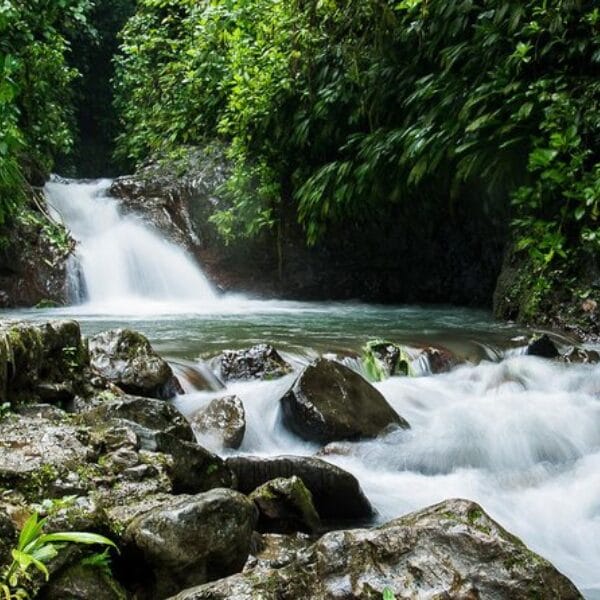
Just 30–40 minutes inland, Rainmaker Reserve offers:
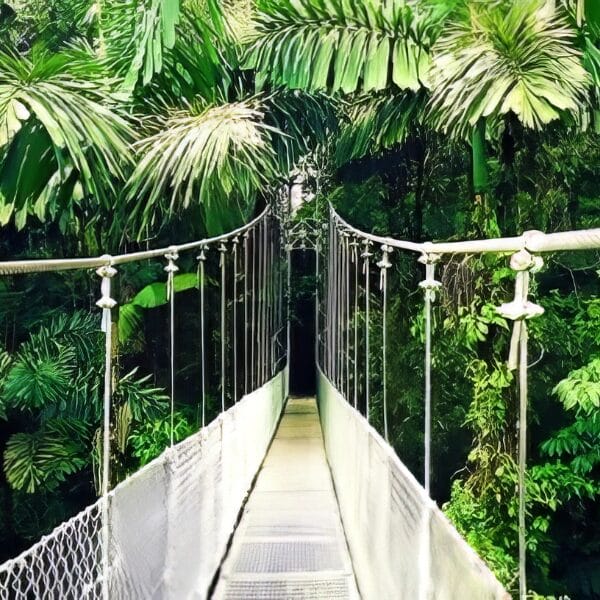
- Elevated suspension bridges deep in primary rainforest
- Waterfall swimming holes with near-zero crowds
- Exceptional sightings of frogs, snakes, and rare birds
Unlike the main park, this is:
- Less curated, more raw
- Ideal for photographers and nature purists
Insider tip: Go at dawn or after rain—amphibians and birdlife explode into activity.
Mangrove Night Safari (Bioluminescent Jungle After Dark)
Why this stands out:
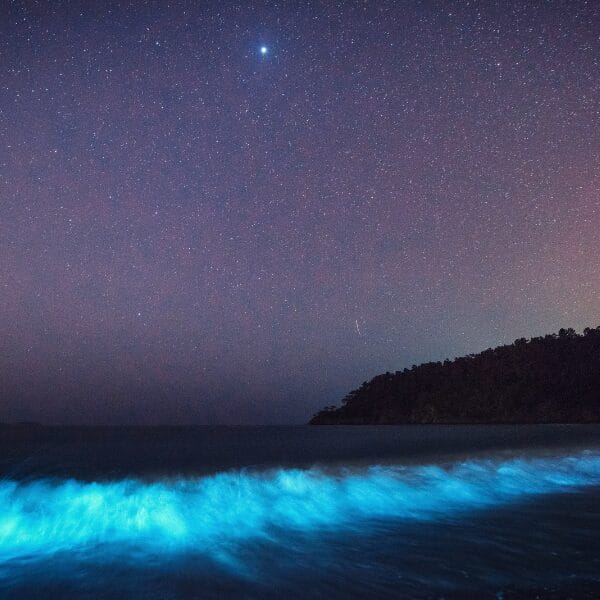
This is one of the most surreal eco-experiences in Costa Rica. Drift silently through mangrove tunnels at night and encounter:
- Glowing bioluminescent plankton
- Sleeping birds and stealthy predators
- Crocodiles, bats, and tree-dwelling snakes
Mangrove ecosystems are among the most biodiverse coastal habitats, and tours here reveal hidden wildlife often missed during the day .
Best for: Couples wanting a romantic and slightly eerie adventure. Wildlife lovers chasing rare nocturnal encounters
Budget planning for 2 travelers – Manuel Antonio National Park
Actual totals vary a lot by season and room type, but this will offer you a realistic planning framework.
Luxury
Think boutique eco-luxury resort, private transfers, guided park tour, spa time, premium dining, and one or two private excursions. This is the version where the trip feels cinematic and effortless.
A sensible working range is often high three figures to well over $1,000 per night for the room in peak periods, depending on property and suite class, with tours and transfers extra. This range is an estimate based on current market positioning, not a quoted official rate.
Best for couples wanting privacy, views, concierge service, and polished logistics.
Mid-range
This is the sweet spot for many travelers: comfortable room, pool, breakfast, easy access to the park, guided wildlife tour, one sea or mangrove excursion, and good local dining.
Expect roughly moderate hotel spend plus paid tours, usually offering the strongest value-to-comfort ratio. Again, that is a market estimate rather than a fixed tariff.
Best for couples who want a memorable, easy trip without paying luxury premiums.
Eco-budget
This works well in Quepos or simple Manuel Antonio properties: basic but clean room, shared or compact facilities, public bus/taxi or partial self-drive, park tickets booked directly, and a mix of guided and self-guided activities.
Best for travelers who care more about wildlife and experience than resort polish.
Manuel Antonio National Park FAQ
What time should I arrive at Manuel Antonio National Park for the best wildlife viewing?
Arrive at the park’s opening time of 7:00 AM for optimal wildlife viewing. Animals are most active during cool morning hours, and you’ll avoid crowds that arrive later in the day. Early arrival also provides better parking availability and trail access.
Do I need a guide to see wildlife in Manuel Antonio National Park?
While guides aren’t required, they significantly enhance your wildlife viewing experience. Professional naturalist guides spot camouflaged animals, identify species, explain behaviors, and provide educational context that transforms casual observation into meaningful learning experiences.
What should I bring for a day of wildlife watching in the park?
Essential items include binoculars, camera with telephoto lens, comfortable walking shoes, sun protection (hat, sunscreen, long sleeves), plenty of water, and snacks. Avoid bright colors and choose neutral-toned clothing that won’t startle wildlife.
Is it safe to get close to monkeys in Manuel Antonio?
Maintain a safe distance of at least 10 feet from all monkeys. While they may appear friendly, monkeys can become aggressive, especially when protecting young or competing for food. Never feed monkeys, as this creates dangerous behavioral changes and dependency on humans.
What’s the best season for wildlife watching in Manuel Antonio?
Both dry season (December-April) and green season (May-November) offer excellent wildlife viewing opportunities. Dry season provides clear weather and increased animal activity, while green season brings lush conditions and active bird populations. Choose based on your weather preferences and travel schedule.
How long should I plan to spend in Manuel Antonio National Park?
Plan a full day (6-8 hours) for comprehensive wildlife viewing. This allows time for slow, patient observation, multiple trail exploration, and breaks for meals and rest. Rushing through the park significantly reduces your chances of meaningful wildlife encounters.
Manuel Antonio National Park offers an unparalleled introduction to Costa Rica’s incredible wildlife diversity. With proper preparation, patience, and respect for the natural environment, your first visit will create lasting memories and inspire a deeper appreciation for Central America’s remarkable biodiversity. The park’s accessible trails, abundant wildlife, and stunning coastal setting provide the perfect backdrop for beginning your journey into the fascinating world of tropical wildlife observation.
6 Works Cited
Boinski, S. “Uncertain Conservation Status of Squirrel Monkeys in Costa Rica, Saimiri oerstedi oerstedi and Saimiri oerstedi citrinellus. Folia Primatologica, 68(3–5), 181–193.” Oryx, vol. 32, no. 1, 1997, pp. 45–58, https://doi.org/10.1017/S0030605300029756.
Julie Earthtrekkers. Manuel Antonio National Park. 2025, www.earthtrekkers.com/manuel-antonio-national-park/.
Kauffman, L. “Interactions between tourists and white-faced monkeys (Cebus capucinus) at Manuel Antonio National Park, Quepos, Costa Rica. In Primate Tourism (pp. 230–244). Cambridge University Press.” Neotropical primates, 4th ed., vol. 23, no. 5, Cambridge University Press, 2014, pp. 230 – 244, https://doi.org/10.13057/biodiv/d230520.
PORRAS-MURILLO, L. P. Human-wildlife interactions in a major tourist destination: Manuel Antonio National Park, Costa Rica. Biodiversitas Journal of Biological Diversity, 23(5). 2022, doi.org/10.13057/biodiv/d230520.
Rica, V. C. manuel antonio national park. 2025, www.visitcostarica.com/where-to-go/protected-areas/manuel-antonio-national-park.
Tafoya, K. A. “Effectiveness of Costa Rica’s Conservation Portfolio to Lower Deforestation, Protect Primates, and Increase Community Participation. Frontiers in Environmental Science, 8.” Frontiers in Environmental Science, vol. 8, no. 580724, 2020, https://doi.org/10.3389/fenvs.2020.580724.