Best Time to Visit USA
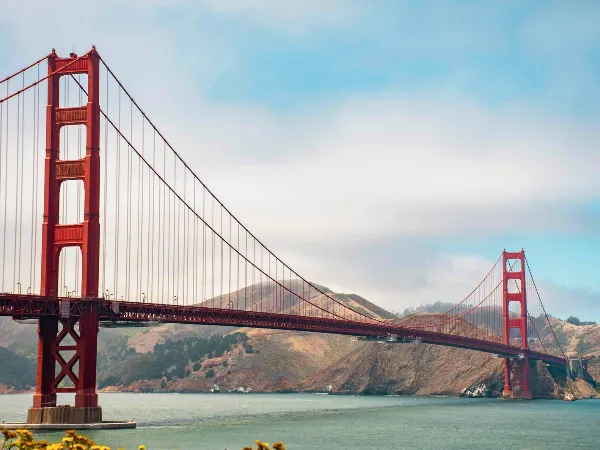
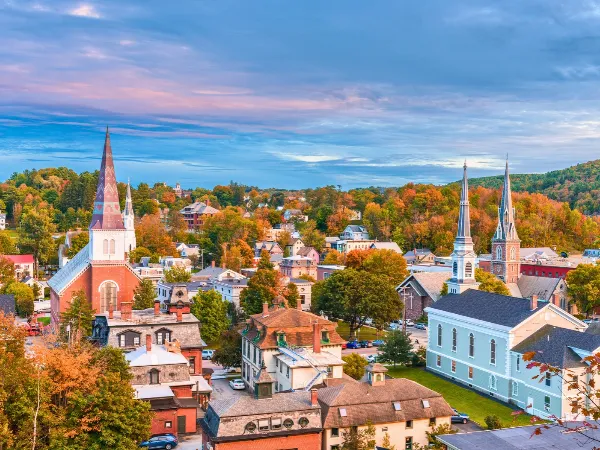
In California, the weather and climate differ depending on the region. The southern and eastern parts are usually much warmer than the northern and western areas. California’s Indian summer (mid-September to mid-October) is beautiful, with less fog and milder heat.
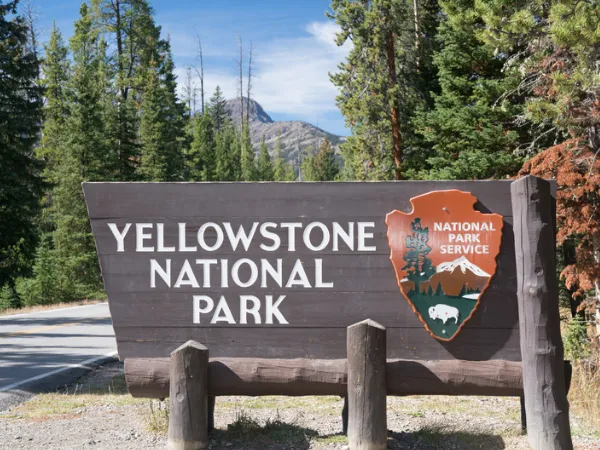
If you want to see bears like those in Yellowstone National Park, March, April, and May are ideal, as are the fall months—especially in Alaska when bears come out to catch migrating salmon.
Public holidays are a big deal in the USA, so be sure to book early if your trip overlaps with major holidays like Independence Day (July 4), Memorial Day (last Monday in May), Labor Day (first Monday in September), or Thanksgiving (fourth Thursday in November).
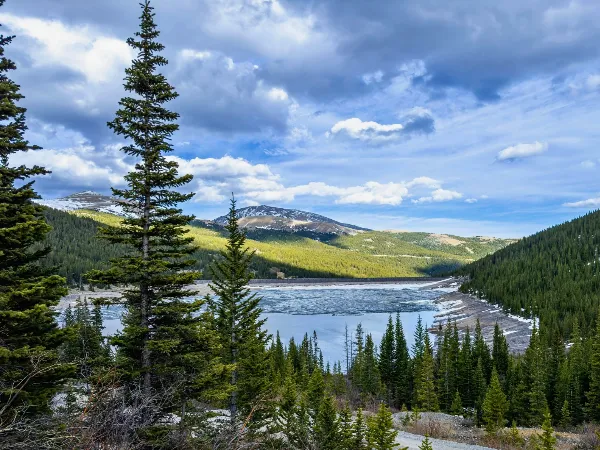
f you plan to visit high mountain areas such as the Rocky Mountains in Colorado or the White Mountains in New Hampshire, some peaks still have snow in early summer—check trail reports if you want to hike or ride at high altitudes. But don’t let that stop you; hiking up to the snowline when it’s around thirty degrees outside can be a fantastic experience.
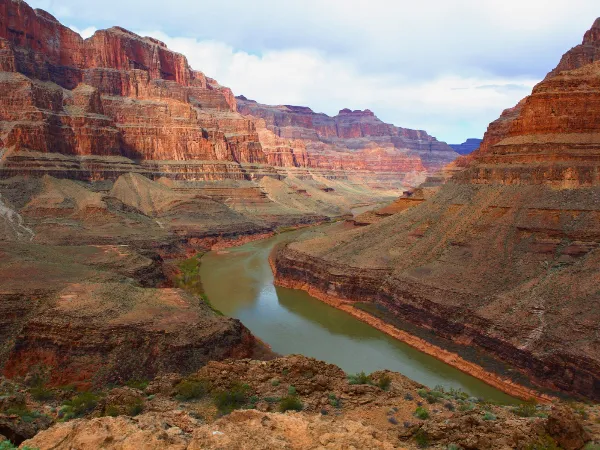
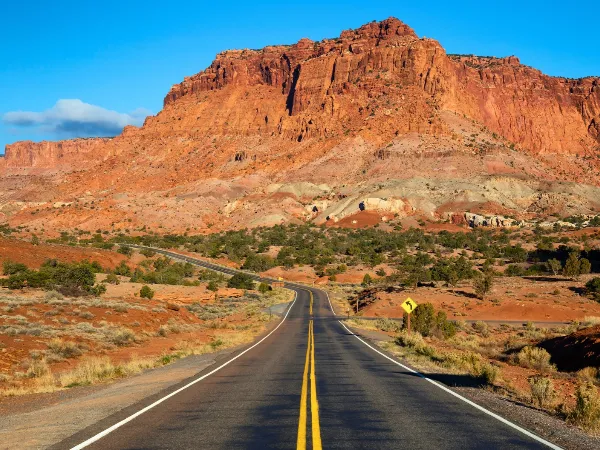
For serious hiking in famous canyons like the Grand Canyon or Bryce, avoid July and August since the heat can be overwhelming and even dangerous. So, try to steer clear of peak summer unless you’re well-prepared to handle extreme heat.
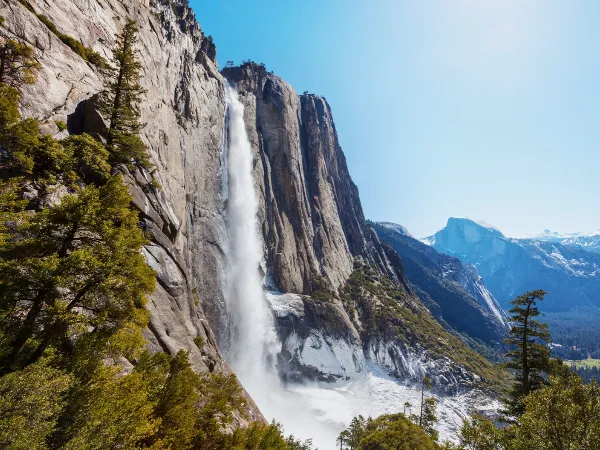
One of the most stunning times to visit the canyons is winter, when they’re often dusted with snow in December, January, or February—and there are far fewer visitors then.
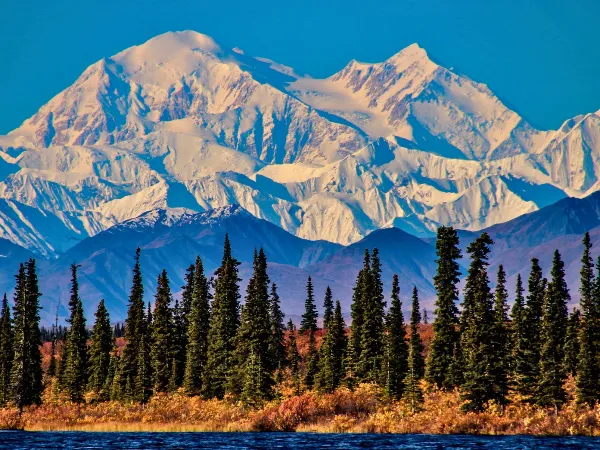
Alaska’s winters are cold and dark, perfect for Northern Lights trips. May is great for wildflowers and is mosquito-free, while mid-June through July is known for heavy mosquito activity, so take precautions. By August, nighttime frost usually reduces their numbers, and you’ll also see more moose as rutting season begins.
National parks generally remain open year-round, but some roads close during heavy snow—for example, Trail Ridge Road in Rocky Mountain National Park usually shuts down from November until late May or June.
Hurricanes can occur in southern states like Florida from June to November, and tornadoes sometimes strike states east of the Rockies such as Texas, Colorado, Kansas, and Oklahoma, mostly in spring. Always stay updated by following local weather alerts.