Explore Kuala Lumpur’s standout sights with practical advice on parks, heritage areas, skyline districts, and route planning. This guide explains the top sights and landmarks, what each landmark offers, how to pair attractions effectively, and how to connect sightseeing with transport and food stops, so your time in the city feels balanced, manageable, and genuinely interesting.
For most travelers, this is where the practical side of a trip becomes fun: choosing the best places you actually want to see. In this section of your Kuala Lumpur travels, the focus is on the best places to visit in Kuala Lumpur, the cultural attractions, and how to get around while moving between major landmarks and green spaces.
Kuala Lumpur works well for mixed-interest travel. You can start the day in a garden, spend the afternoon around a historic district, and end with skyline views and street food. That flexibility is part of why the city fits both short visits and longer stays. The key is not trying to see everything at once. Instead, group nearby sights and expect weather, traffic, and opening hours to shape the day.
How to approach the best places to visit in Kuala Lumpur
The city’s landmarks fall into a few clear categories. There are major skyline icons, colonial-era and civic sites, religious and cultural attractions, and green escapes that feel surprisingly calm for a capital city. If you are building your Kuala Lumpur itinerary, it helps to mix one or two headline attractions with one slower stop. That makes the day feel less rushed and more memorable.
Top Sights and Landmarks
Choose skyline landmarks for first-time orientation and city views.
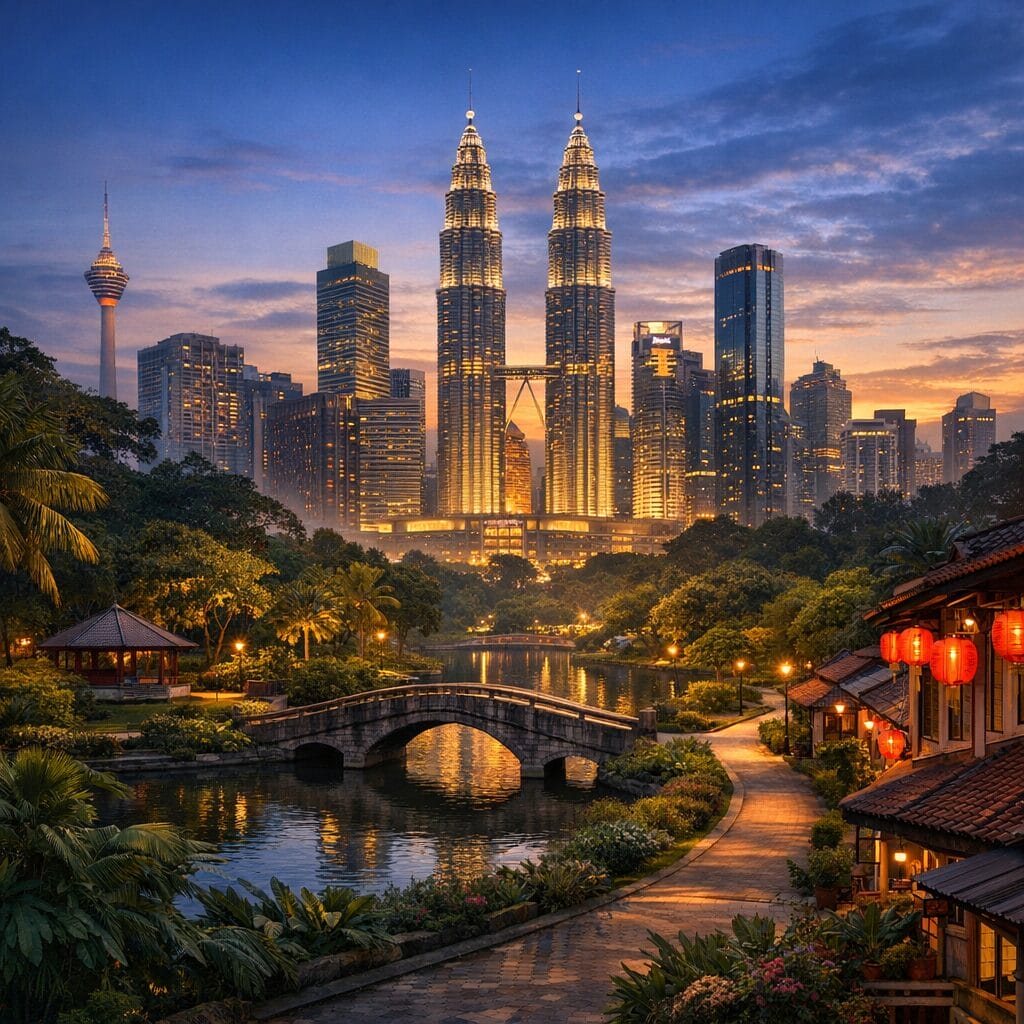
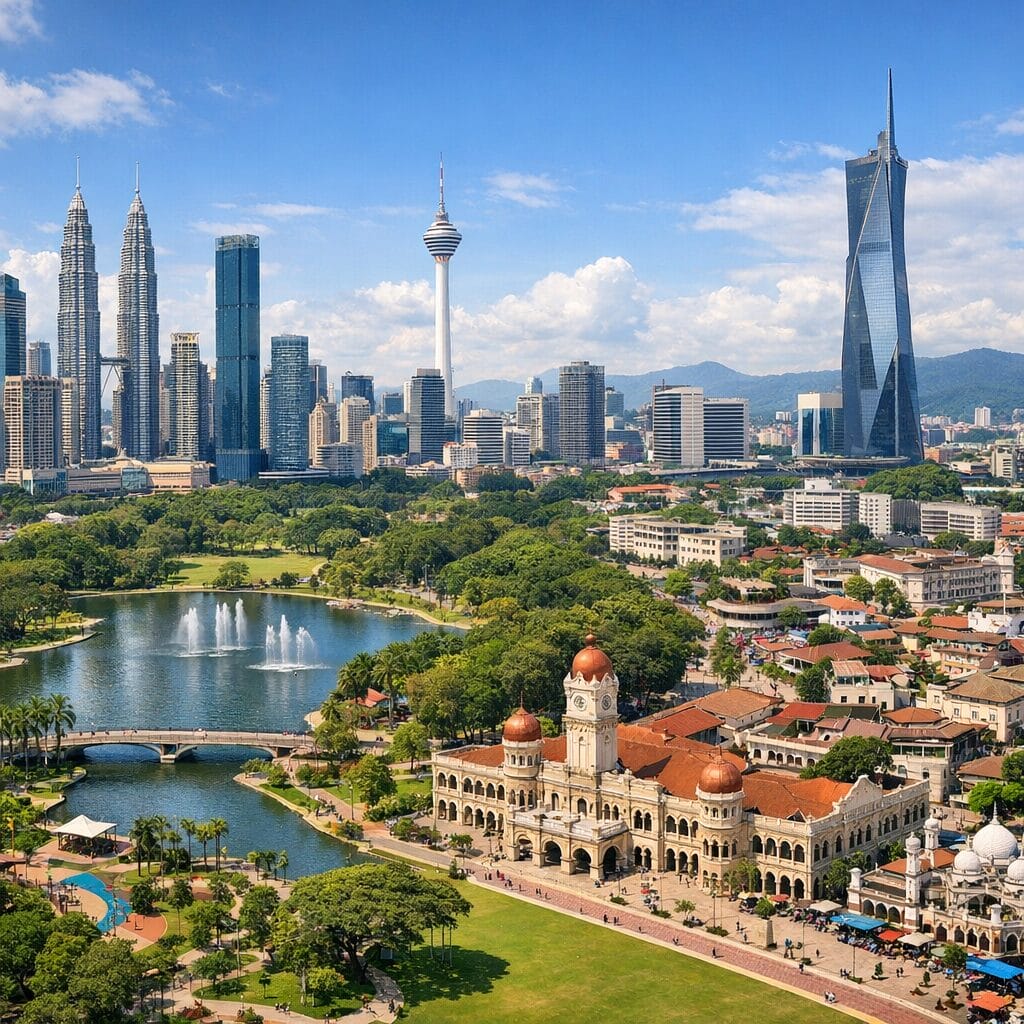
Petronas Twin Towers, KL Tower (Menara KL), Merdeka 118, The Exchange 106, Oxley Towers
Add one heritage area for context, walking, and food.
Merdeka Square, Chinatown (Petaling Street), Chan See Shu Yuen Temple, Sultan Abdul Samad Building, Royal Selangor Club
Set aside time for urban nature
Perdana Botanical Gardens, Forest Eco Park, KL Butterfly Park, KL Bird Park, Taman Tugu
Link sightseeing with food stops instead of treating meals as separate from the itinerary
Bukit Bintang, Petaling Street (Chinatown), KLCC (Petronas Twin Towers), Makan Kitchen, Nasi Lemak Tanglin
Official tourism information can help with opening times and current access conditions. The Malaysia travel site is a useful reference for major attractions, while the Rapid KL network is the practical source for public transport connections. For green attractions and urban conservation areas, the Kuala Lumpur tourism portal can also be helpful.
If you only have a short stay, focus on sights that tell you something different about the city. Kuala Lumpur is not just a skyline stop. Its appeal comes from contrast: modern towers beside pockets of rainforest, formal gardens near busy roads, and cultural districts that shift in language, architecture, and food within a few train stops.
Building The Perfect Day with Top Sights and Landmarks
KL Tower (Menara KL)
Skyline Area for Orientation
Central Market
Central heritage zone
Perdana Botanical Gardens
Time for Urban Nature
Chinatown
Heritage and Food combination
Nature in the city
Urban green space is one of Kuala Lumpur’s better surprises. These places are useful when you want a break from malls, traffic, and heat, but they are also real attractions in their own right. They fit especially well on slower mornings, family trips, or rainy-season itineraries where you may need flexible indoor-outdoor plans.

1. KL Butterfly Park
KL Butterfly Park is a compact, easy stop near several other Lake Gardens attractions. It is best approached as part of a wider half-day rather than as a standalone destination unless you are traveling with children or have a specific interest in insects and landscaped tropical enclosures. The setting is humid, leafy, and photogenic, with bridges, ponds, and planted walkways.
What works well here is the pace. You do not need a complicated plan. Arrive early if possible, walk slowly, and pair the visit with nearby gardens or museums. It is one of those attractions that feels more enjoyable when expectations are realistic. Come for a gentle hour, not an all-day outing.
Time needed: about 45 to 90 minutes.
Best for: families, photographers, and relaxed morning visits.
Practical tip: combine it with Perdana Botanical Gardens to avoid extra transport.
2. Perdana Botanical Gardens
Perdana Botanical Gardens is one of the easiest ways to see another side of the city. The grounds are broad enough to feel open, and the landscaping gives you a break from the dense commercial core. This is a good place to walk before the midday heat builds. If your Kuala Lumpur itinerary has been heavy on shopping streets and transport connections, this area resets the pace.
The gardens also work well because they sit near other cultural and civic sights. That means you can create a practical route instead of backtracking across the city. Some visitors treat the area as a full morning stop, while others use it as a short break between museums and central neighborhoods. Both approaches make sense.
Time needed: 1 to 3 hours depending on how much you explore.
Best for: walkers, couples, families, and first-time visitors needing a calmer stop.
Practical tip: wear light clothing, carry water, and expect some uphill sections.
3. Forest Eco Park
Forest Eco Park gives you something unusual in a city-center setting: a patch of preserved tropical forest close to major business and tourist districts. It is not a wilderness experience, but that is not the point. The appeal is contrast. Within a short distance of central Kuala Lumpur, you can walk among tall trees, hear fewer engines, and get a more textured sense of the city’s terrain.
This stop works particularly well if you are already visiting the KL Tower area. The canopy-style walkways and forest paths are manageable for many travelers, though conditions can be slippery after rain. Good shoes matter. If your trip includes several dense urban days, this is one of the more worthwhile breaks from the built environment.
Time needed: around 45 to 90 minutes.
Best for: travelers wanting nature without leaving the center.
Practical tip: avoid the hottest part of the afternoon and check weather before going.
Landmarks that pair well with nearby neighborhoods
The smartest sightseeing in Kuala Lumpur often comes from pairing landmarks with districts that are already in the same orbit. This saves time and makes transport simpler. It also helps connect major sights with what to eat in Kuala Lumpur and the broader local atmosphere, rather than reducing the city to a checklist of photo stops.
KLCC and the city center
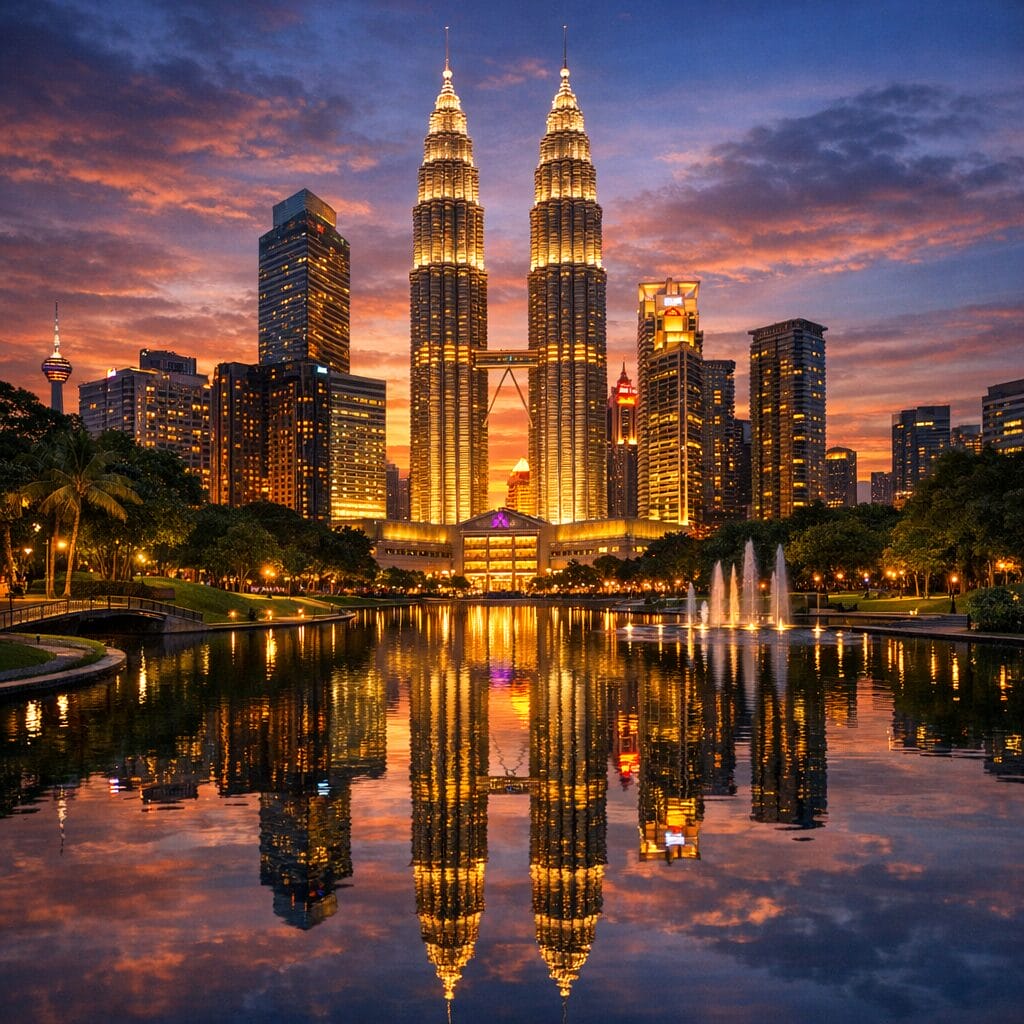
For many travelers, KLCC is the obvious starting point. It is clean, legible, and well connected by rail. The area gives you a polished introduction to Kuala Lumpur, with landmark architecture, shopping, and easy evening views. Even if you are not planning a luxury-heavy trip, it remains one of the best places to visit in Kuala Lumpur because of how accessible it is.
What makes this area useful is not just the skyline. It is also a practical anchor for first-time navigation. If you are learning how to get around Kuala Lumpur, starting at Petronas Twin Towers and KLCC helps. Stations are clear, ride-hailing pickup points are common, and nearby pedestrian links make short transfers easier than in some other districts.
Best time: sunset to evening for skyline atmosphere.
KLCC in the late afternoon, then dinner in Bukit Bintang or Jalan Alor.
Transport note: use rail for arrival and ride-hailing only if weather is poor or you are tired.
Chinatown and Central Market
If KLCC shows one face of the city, Chinatown and the Central Market area show another. This part of Kuala Lumpur is better for browsing, eating, and noticing small details. Street signs, temple entrances, old shophouses, and market corridors create a layered feel that many travelers remember more clearly than a tower observation deck.
This area also connects strongly to kuala lumpur cultural attractions. It is one of the best zones for combining heritage streets with snack stops, cafes, and everyday street life. If you are interested in a more grounded kuala lumpur travel guide experience, this district deserves time, especially in the morning or early evening.
Best time: morning for lighter crowds or evening for more atmosphere.
Petaling Street, Central Market, and a nearby temple or cafe stop.
Food angle: useful stop for local snacks before moving on to a fuller dinner destination.
Brickfields and Little India
Brickfields is often treated as a transit zone because of its links around KL Sentral, but that undersells it. For travelers who want a city that feels lived in rather than staged, this is a rewarding area. Streetscapes, temples, restaurants, and shops create a neighborhood that is practical to visit and easy to combine with arrival, departure, or rail-based sightseeing days.
It also matters for food planning. If you are thinking about what to eat in kuala lumpur, this district should be on the list for South Indian meals, snacks, and sweets. In that sense, it links directly with a broader kuala lumpur street food guide and makes sense as part of a half-day route rather than a rushed pass-through.
Best time: Late afternoon to early evening (around 4:00 PM – 7:00 PM)
Little India Brickfields, Sri Karpaga Vinayagar Temple, Vivekananda Ashram and Banana Leaf Rice
Explore the area for traditional clothing, jewelry, and authentic food.
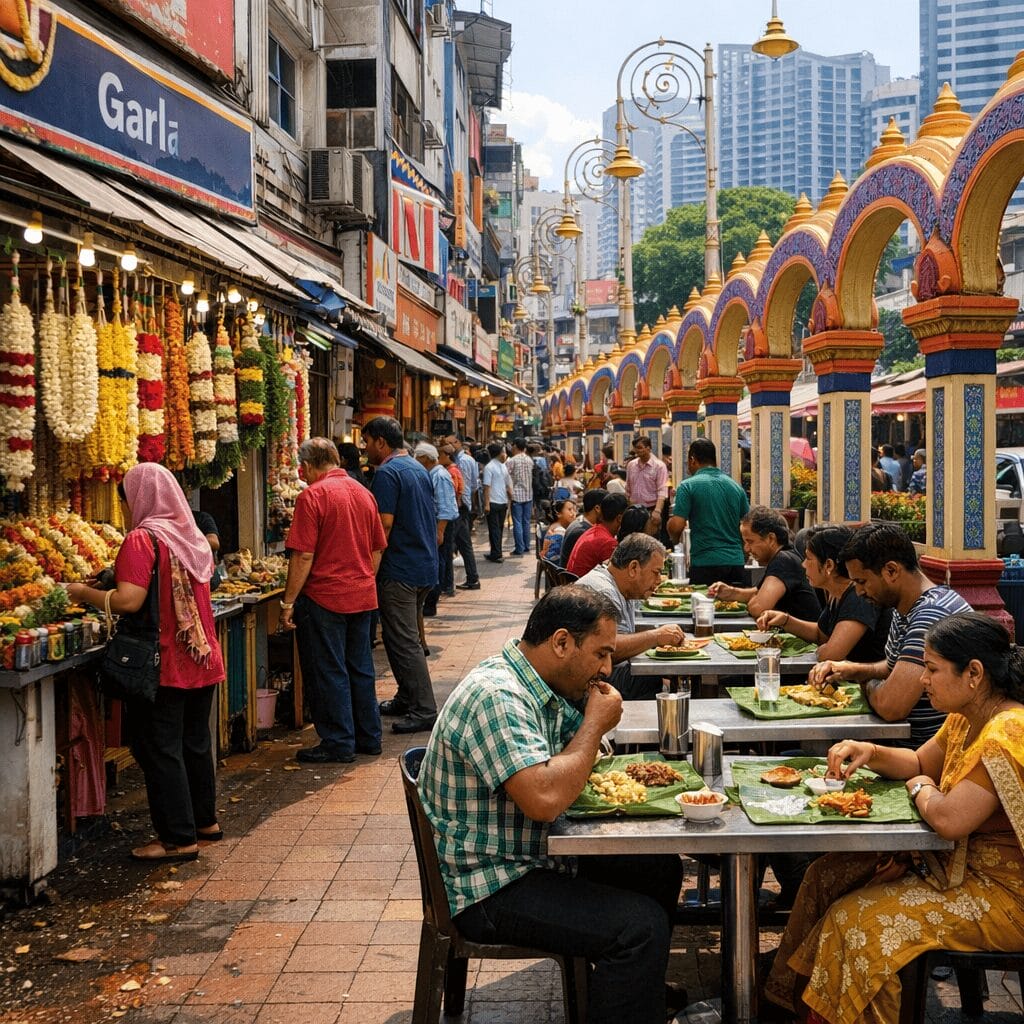
Top Sights and Landmarks – Building a practical sightseeing route.
A lot of frustration in Kuala Lumpur comes from poor sequencing rather than from the attractions themselves. Distances that look short on a map can take longer than expected once heat, road layouts, and station transfers are involved. Good sightseeing here depends on grouping places by area and deciding in advance which trips are best by rail and which are easier by car.
- Morning: choose outdoor places such as Perdana Botanical Gardens or Forest Eco Park.
- Midday: move indoors or into covered heritage and market areas.
- Late afternoon to night: shift to KLCC, Bukit Bintang, or food streets.
- Rain backup: museums, malls, markets, and food courts nearby each major district.
Insider Knowledge
A balanced first-time day could start at Perdana Botanical Gardens, continue to the Butterfly Park, move to Chinatown for lunch and walking, then finish around KLCC for the evening. That is a stronger route than jumping from one side of the city to another because it respects weather, energy, and transit logic.
How these sights fit with food and transport planning
A good Kuala Lumpur itinerary should connect sights to meals and transport. That means using a park morning before lunch in a heritage area, or pairing skyline views with a nearby evening food stop instead of crossing the city again.
For example, travelers often ask whether they should choose between sightseeing and eating. In Kuala Lumpur, that is the wrong question. The better approach is to connect them. A day near Chinatown can flow into local cafes and market snacks. A city-center evening can end with street food in Bukit Bintang or Jalan Alor. That is one reason the city works so well for mixed-interest travel.
Kuala Lumpur itinerary
Getting Around
- Use MRT, LRT, and monorail for the main structure of the day.
- Use ride-hailing for awkward final connections or during heavy rain.
- Keep walking segments realistic in midday heat.
- Leave room for food stops; they are part of the destination, not a distraction from it.
Common mistakes when visiting major sights
The most common mistake is overloading the day. Kuala Lumpur looks compact in itinerary summaries, but real movement takes time. Another mistake is treating green spaces as optional filler. In practice, they often make the trip feel better because they break up long stretches of transit, shopping, and city traffic.
- Do not schedule too many districts in one day.
- Do not assume all central attractions are walkable from one another.
- Do not leave outdoor stops for the hottest part of the afternoon.
- Do not overlook neighborhood character in favor of only headline landmarks.
Quick recommendations by travel style
- First-time visitors: KLCC, Chinatown, Perdana Botanical Gardens – Book City Center Hotels here
- Families: Butterfly Park, botanical areas, easy-access city-center attractions.
- Budget travelers: Heritage districts, public parks, rail-linked landmarks, food streets.
- Photography-focused trips: Skyline at dusk, market areas in the morning, forest and gardens after rain clears.
- Short stays: One nature stop, one heritage stop, one evening skyline stop.
If you keep those combinations in mind, the city becomes easier to read. The best places to visit in kuala lumpur are not always the most famous individual sights. Often, the strongest day comes from how well two or three places connect. That is the practical center of good trip planning.
Top Sights and Landmarks FAQ
What are the best places to visit in Kuala Lumpur for first-time travelers?
For a first visit, start with KLCC for skyline orientation, Chinatown and Central Market for heritage and street life, and either Perdana Botanical Gardens or Forest Eco Park for a slower outdoor stop. That combination gives a balanced view of the city without trying to do too much in one day.
Is Kuala Lumpur good for nature and green spaces?
Yes. Kuala Lumpur has several worthwhile green spaces inside or near the central area. Perdana Botanical Gardens is the easiest all-around choice, Forest Eco Park offers a forest setting close to downtown, and KL Butterfly Park works well as a short, family-friendly stop within a larger garden itinerary.
How many sights can I realistically see in one day?
Three main stops is a reasonable target for most travelers, especially if they are in different areas. A stronger plan is one morning attraction, one neighborhood-based afternoon section, and one evening skyline or food district. Trying to do much more often leads to time lost in transfers and heat-related fatigue.
What is the best way to get around major landmarks in Kuala Lumpur?
Use MRT, LRT, or monorail for the main structure of your day, then take short ride-hailing trips when the final connection is awkward or when rain is heavy. This is usually the most practical answer to how to get around kuala lumpur efficiently while sightseeing.
Are Chinatown and Central Market worth visiting if I am already seeing KLCC?
Yes. They offer a very different experience. KLCC gives you the modern city image, while Chinatown and Central Market provide heritage streets, local food options, and a more grounded sense of everyday urban character. Together, they create a much better first-time overview of Kuala Lumpur.
Which landmark area works best with food-focused travel?
Chinatown, Brickfields, and Bukit Bintang are the easiest landmark-adjacent areas for food-focused travel. They connect well to broader questions about what to eat in kuala lumpur and fit naturally into a kuala lumpur street food guide because meals, walking, and local atmosphere all come together in the same area.