Kuala Lumpur is easy to love if you land with a plan: combine headline sights with simple transport moves and timeouts for food. This Kuala Lumpur City Guide gives you the places to see, timing tips, rail know-how, and eating strategies for first-timers and repeat visitors. Kuala Lumpur (KL) is compact at the core, but neighborhoods spread out. You’ll bounce between gleaming malls, leafy parks, mosques, temples, and the odd hidden food lane. English is widely understood, Malay is the national language, and you’ll also hear Cantonese, Mandarin, and Tamil.
Weather is equatorial: Hot, humid, and often stormy in the late afternoon. Pack breathable clothing, a light rain jacket, and comfortable walking shoes. Air-conditioning runs strong indoors—carry a layer if you chill easily.
Money and connectivity: ATMs are common, cards are widely accepted, and e-wallets like GrabPay are popular. Prepaid SIMs from major telcos are inexpensive; airport kiosks and city malls sell traveler packs. If you plan heavy public transport use, consider a Touch ‘n Go (TnG) card or a MyCity pass.
Etiquette is straightforward: Dress modestly for religious sites, remove shoes where requested, and be mindful of prayer times on Fridays around mosques. Alcohol is available but pricier; many eateries are halal.
Kuala Lumpur City Guide: Must-See Sights and Local Favorites
KL mixes modern glass and steel with historic shop houses and leafy neighborhoods. Expect hot, humid days and sudden showers. Pack breathable clothing, carry water, and plan indoor air-conditioned breaks in malls, museums, or cafes during midday heat. Cashless works well (Grab, most cafes), but smaller hawker stalls still prefer cash. A Touch ’n Go card makes public transport simpler and speeds up station gates.
1. Petronas Twin Towers, KLCC Park, and Suria: When to Go
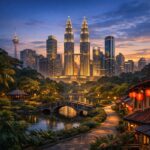
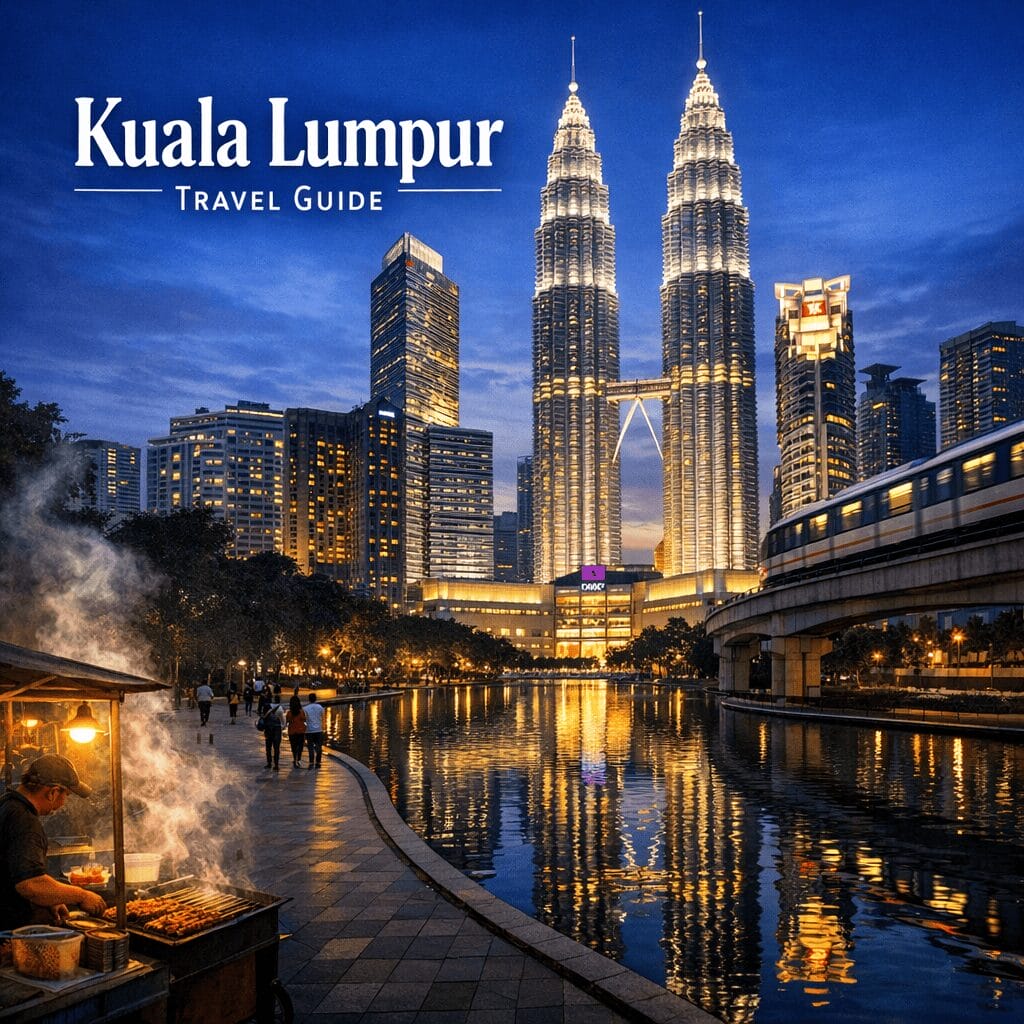
The Petronas Twin Towers are busiest at sunset and early evening. For crowd-light views, arrive right before opening or after 8:30 p.m. The Skybridge/Observation Deck ticketing is timed and the tickets sell out in peak seasons and weekends. Book ahead via the official Petronas Twin Towers site.
If tickets are gone, the KLCC Park lake symphony area still delivers postcard shots, and the KL Tower (Menara KL) offers an alternative skyline view. KLCC Parknearby offers a photogenic lake symphony light show after dark. For crowd-free photos, arrive just after sunrise when soft light hits the towers and the park is quiet. Blue-hour (about 20–40 minutes after sunset) is the sweet spot for dramatic sky color and lit facades.
Kuala Lumpur City Guide To KLCC
KLCC Park and Suria KLCC
- Best time: early morning for space, blue-hour for drama.
- Tickets: Limited daily slots; book ahead via the official Petronas Twin Towers website.
- Budget tip: Skip the sky deck and enjoy free views from KLCC Park.
- Suria KLCC (the mall under the towers) is your retreat for coffee, lunch, or a cool-down.
- Walk the air-conditioned pedestrian link from KLCC to Bukit Bintang to explore more in one go.
- Best views: From the KLCC Esplanade by the lake, the Skybridge, or the nearby W Hotel rooftop bar.
- Evenings sometimes include fountain light shows; arrive early for railingside spots.
- Rain plan: duck into Suria KLCC for food courts and galleries while storms pass.
2. Batu Caves Without the Crowds
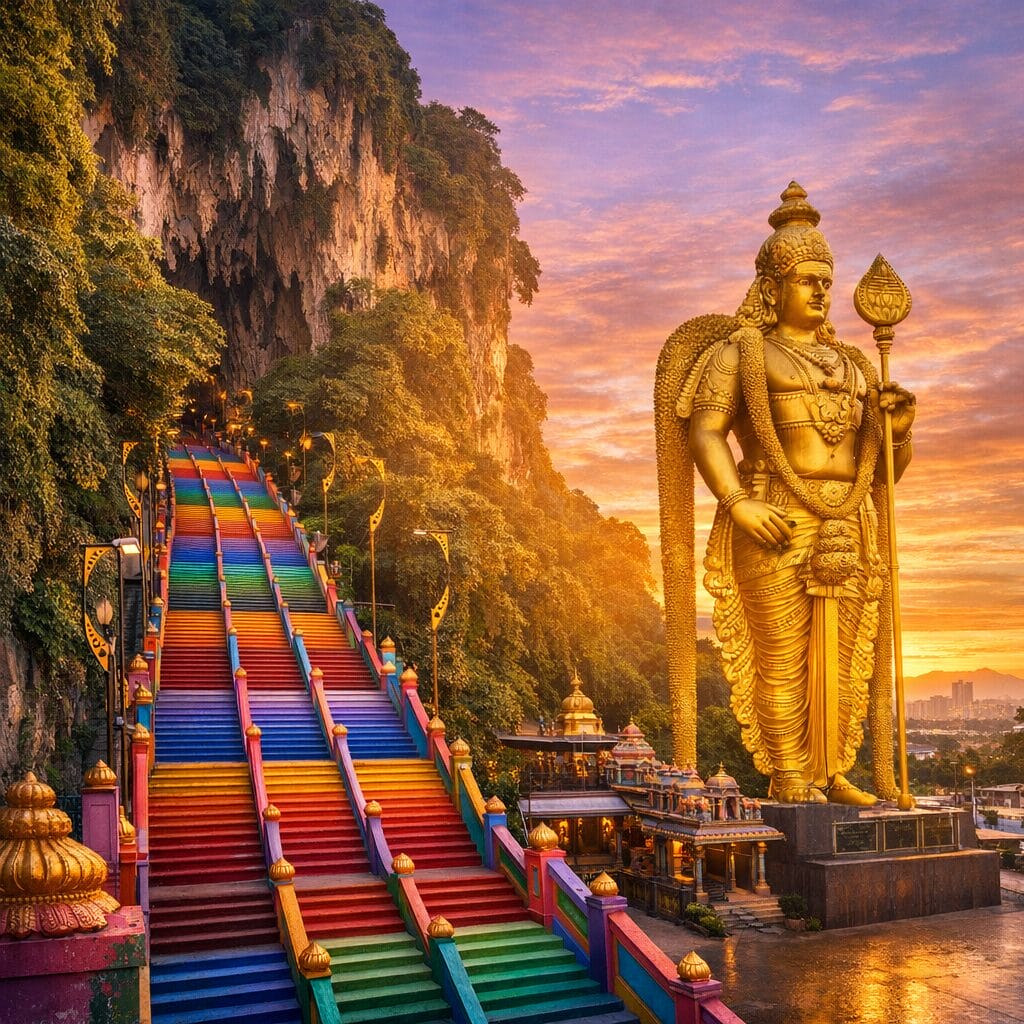
Visit Batu Caves as early in the day as possible. Be at the base by 7:00–7:30 AM. You’ll beat the heat and you might hear morning prayers. Beware of monkeys; don’t carry visible snacks. Trust me don’t carry any snacks. They can smell chocolate from 100 paces. And once those macaques have decided you have food stashed it’s all over. You will have a thoroughly miserable time. While everyone else is “oohing and aahing” at all the amazing sights, you will be scanning the surrounds waiting for the next guaranteed macaque attack.
You’ll spend the entire time trying to protect your bag from the monkeys. Let me help you here. The best thing to do is to admit defeat. Take your camera out, stash money in your pockets, and if you get time throw that food as far away from you as possible. Because when the macaque attack happens the monkey wins 100% of the time, every time. You have even warned. And now you will have a lovely time. And, you can laugh at the other tourist who didn’t read this post having a bag tug-o-war with the macaque.
You want to be already on your way up the steps by 8 a.m. This is when the main buses arrive. The bonus is the stairs are cooler, the macaques calmer, and the shrine quieter. Wear modest clothing (knees and shoulders covered) to enter temple areas. Keep small items zipped—monkeys are fast.
Getting there is simple: Take KTM Komuter from KL Sentral to Batu Caves station (end of the line). Trains are frequent; buy a return to avoid the ticket queue later.
Stairs total 272. Take your time and pause at landings. The main cave is free; smaller caves may charge. During Thaipusam, the area is extremely crowded and transport reroutes—go prepared or choose another day.
3. Merdeka Square, River of Life, and the Colonial Core
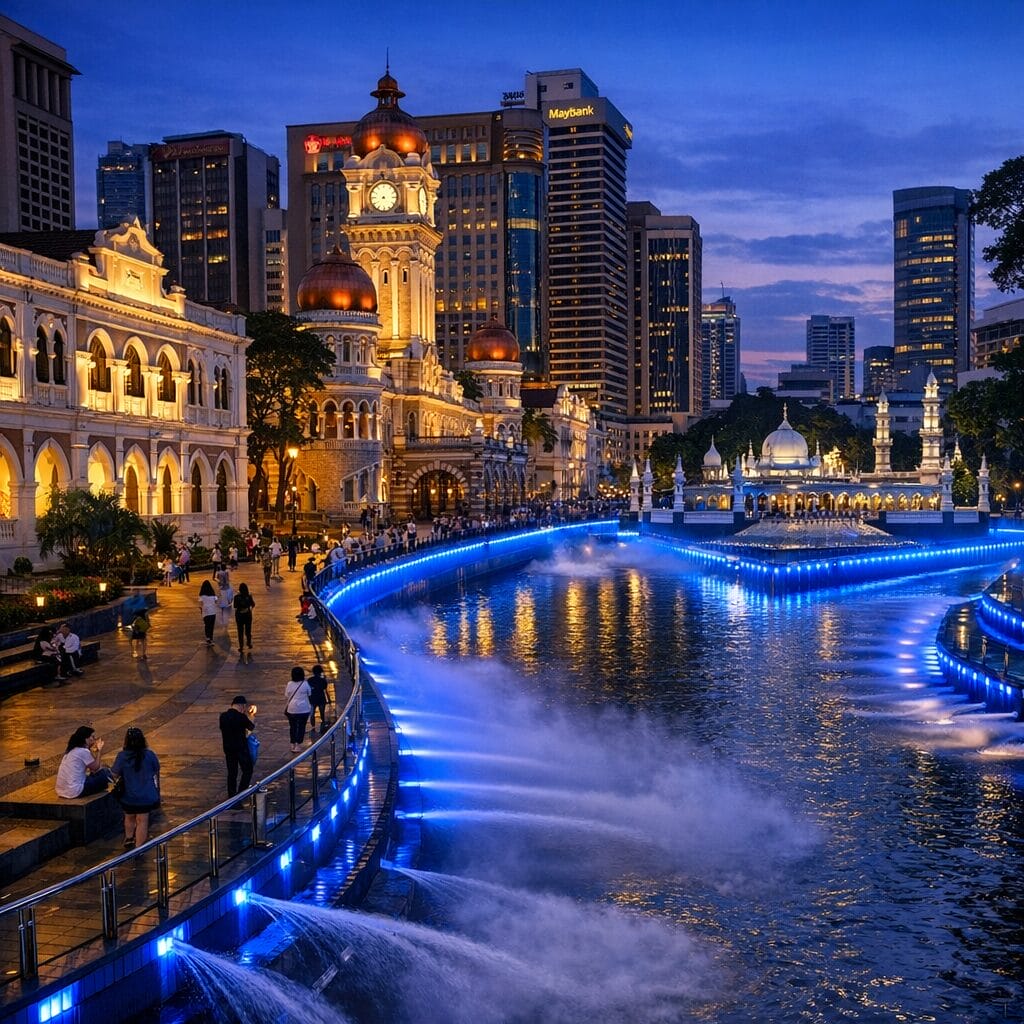
Merdeka Square (Dataran Merdeka) is Kuala Lumpur’s historic civic center and one of the city’s best places for first-time visitors to get their bearings. The broad green field is where Malaya’s independence was declared in 1957, and it is surrounded by distinctive colonial-era buildings, including the Sultan Abdul Samad Building with its clock tower and copper domes. Nearby are the Kuala Lumpur City Gallery, the former National Textile Museum, St. Mary’s Cathedral, and the old Kuala Lumpur Railway Station area. The square is especially photogenic in the early morning or late afternoon, when the light is softer and the weather is usually more comfortable.
From Merdeka Square, visitors can easily walk toward the River of Life, Masjid Jamek, Central Market, and Petaling Street in Chinatown. The area combines major landmarks with museums, heritage architecture, cafés, and streets that are pleasant to explore on foot, although shade can be limited around the open field. Wear comfortable shoes, carry water, and check access arrangements before visiting, since public ceremonies, festivals, or road closures may occasionally affect the square.
The Colonial Core
Start at Masjid Jamek station
LRT Station
Walk the River of Life Promenade
For restored bridges and mist effects
Cut to Merdeka Square
For the Sultan Abdul Samad Building’s Moorish arches and the towering flagpole.
Kuala Lumpur City Gallery
End with a museum stop and watch the sunset
Good light Photography
Late afternoon for warm tones on historic facades.
Walking Footwear
Several uneven sections; so wear supportive shoes.
Chinatown (Petaling Street)
Dinner in Chinatown is an ideal way to end the day
4. Neighborhoods Worth the Walk: Bukit Bintang, Chow Kit, and Brickfields
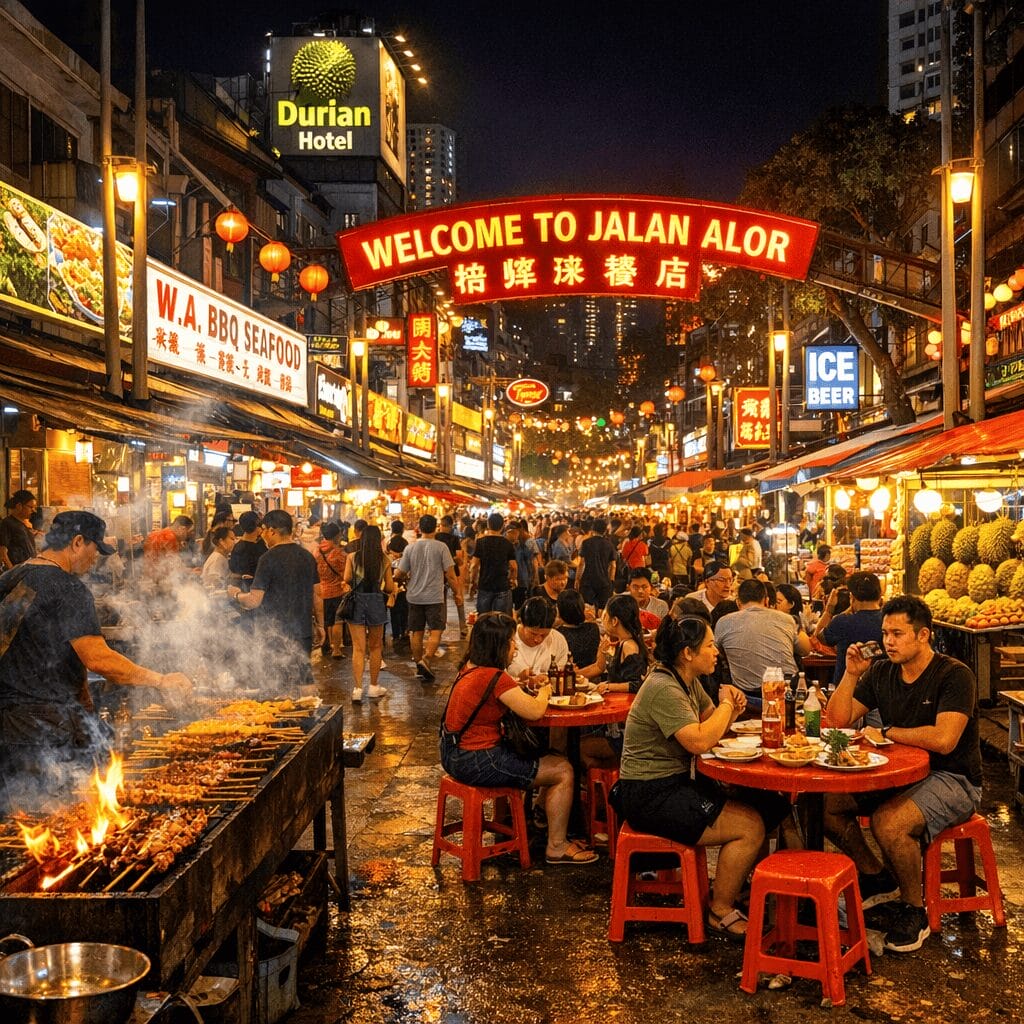
Bukit Bintang: Pairs malls with back-street eats. Pavilion meets Lot 10 Hutongfor stalls in a tidy basement. At night, Jalan Alor becomes a neon food street; go for grilled stingray or Siu Mai and wander till you find an open seat. Walk the covered link to KLCC, dip into Lot 10 Hutong for heritage hawker stalls, and cut across to Jalan Alor after dark.
Chow Kit is a working neighborhood with a bustling market. It’s great for produce, spice photos, and a taste of daily KL away from tour buses. Keep belongings close; pickpockets prefer crowded lanes. Head there first thing in the morning for piles of fresh herbs, fishmongers calling out prices, and fruit stands stacked with dragon fruit and rambutan. It’s raw KL—go early and keep valuables close.
Brickfields (Little India) is an easy, spice-scented stroll from KL Sentral. Expect garland shops, banana leaf rice restaurants, and colorful archways. Visit mid-morning for gentler light and fewer cars. Work in a vegetarian banana-leaf meal and a quick temple visit. Side streets hide small bakeries with warm curry puffs.
Getting Around KL Without the Headache
LRT, MRT, and Monorail: Lines, Fares, and Transfers
KL’s rail network covers the backbone of sightseeing. Use the LRT Kelana Jaya Line for KLCC and Masjid Jamek, MRT Putrajaya Line for Bukit Bintang (via interchange) and Museum Negara area, and KL Monorail for Bukit Bintang–Chow Kit. Buy a Touch ‘n Go card for tap-in convenience.
Journey planner and operating notices: Rapid KL official route planner. Typical fares range from RM1.40 to RM6+ depending on distance and line changes. Interchanges are signed in English and Malay; look for overhead wayfinding.
- Payment: Touch ’n Go card or token. Consider the MyCity Pass (1-day or 3-day) for unlimited Rapid KL rides.
- Frequency: ~3–7 minutes peak on busy lines; 7–10 minutes off-peak.
- Core lines: LRT Kelana Jaya (red), LRT Ampang/Sri Petaling (yellow/green), MRT Kajang (brown), MRT Putrajaya (cyan), and KL Monorail (green).
- Fares: Typically low—expect a few ringgit per ride depending on distance. RM1.20–RM6.40 for most city trips. Longer cross-city journeys can be slightly higher.
- Passes: The MyCity pass offers unlimited Rapid KL rides for 1 or 3 days. Check details at Rapid KL (official).
- Transfers: Key interchanges include KL Sentral, Pasar Seni (MRT-LRT), Masjid Jamek (LRT-LRT), and Bukit Bintang (MRT-Monorail via a short walk).\
Transit cheat sheet (examples)
KL Sentral → KLCC: LRT Kelana Jaya Line (no transfer), ~15 min
KLCC → Bukit Bintang: Walk via air-conditioned pedestrian link (~15–20 min) or LRT/MRT interchange
KL Sentral → Batu Caves: KTM Komuter (Port Klang Line branch), ~30–45 min
Check routes and service updates on the official Rapid KL site. When in doubt, use station maps and follow the color-coded overhead signs. Most stations and trains are air-conditioned and accessible.
Kuala Lumpur Travel Pro tip:
KLCC–Bukit Bintang has an air-conditioned pedestrian walkway that beats traffic and heat. Look for clear wayfinding signs; they’re generally accurate.
- Peak hours: 7:00–9:30 and 17:00–19:30; platforms fill quickly. Let people alight first.
- Accessibility: Most stations have elevators; some older stops require stairs.
- Tickets: Machines accept cash and cards; queues shorten with Touch ‘n Go or a travel pass.
Using Grab, Taxis, and Airport Transfers
Grab is reliable citywide and usually cheaper than metered taxis, especially off-peak. For airport runs, expect RM65–RM120 depending on time, car type, and tolls. Official taxi coupons at KLIA/KLIA2 are straightforward if you prefer a set fare and a queue.
- Peak traffic: 7:30–9:30 AM and 5–8 PM. Budget extra time.
- Airport hotel shuttles: convenient but verify pickup point (KLIA vs KLIA2).
- Late-night: Grab coverage remains decent in core areas; surge pricing can apply.
Walking Routes and Pedestrian Pitfalls
KL is walkable in pockets. The air-conditioned KLCC–Bukit Bintang pedestrian walkway links malls and shields you from heat and storms. In older districts, sidewalks can be narrow or interrupted. Cross at lights, use overhead bridges where available, and avoid canal-side paths when it’s raining heavily.
- Best walks: KLCC Park loops; Merdeka–River of Life circuit; Bukit Bintang back lanes after dusk.
- Hydration: carry a bottle—refill when you stop for coffee or tea.
- Storm plan: hop into an MRT or duck into a mall until rain eases.
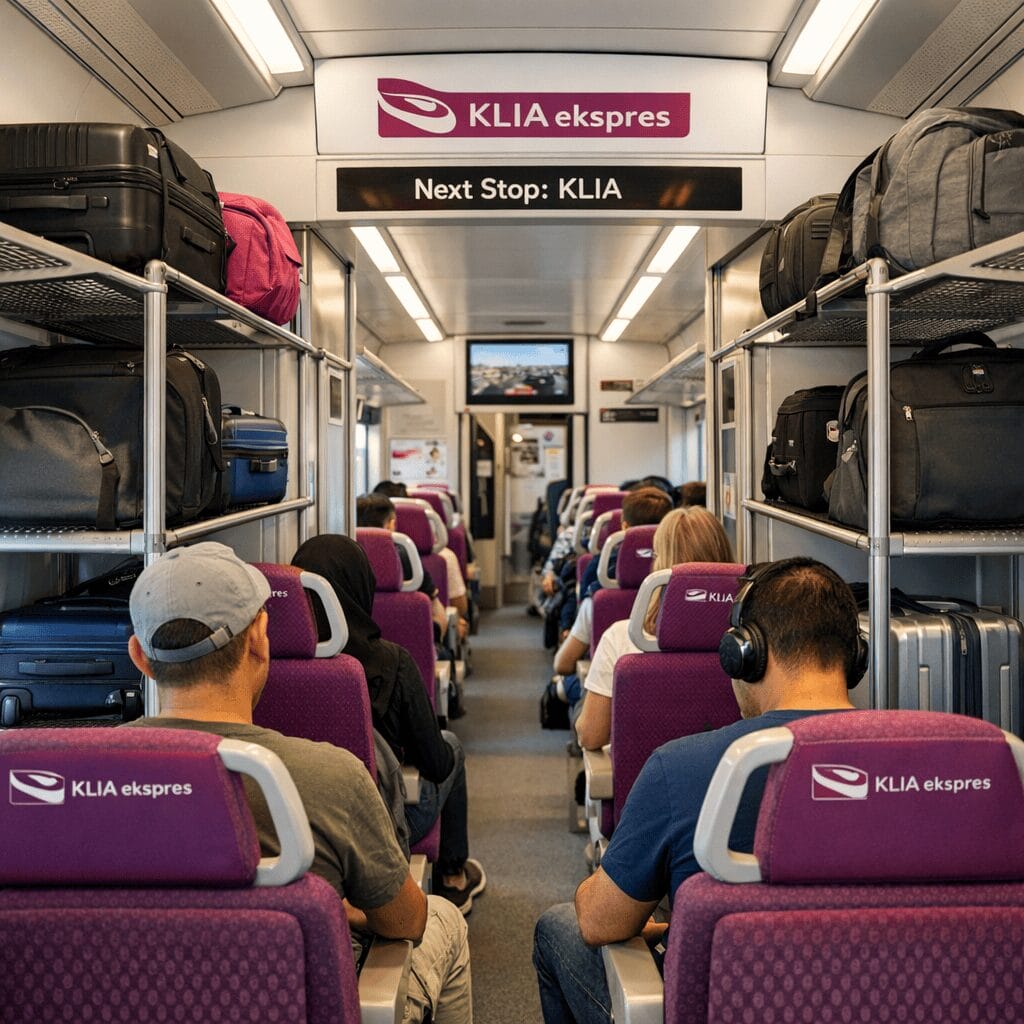
Rail to KLIA: KLIA Ekspres vs KLIA Transit
From KL Sentral, the non-stop KLIA Ekspres reaches KLIA and KLIA2 in about 35 minutes. The KLIA Transit uses the same track but stops at Salak Tinggi and others, adding a few minutes. Trains run roughly every 15 minutes at peak times.
- Typical adult fares: around RM55 one-way (check current prices; promos appear often).
- First/last trains: confirm schedules on the KLIA Ekspres official site.
- On-airport: free inter-terminal transfer between KLIA and KLIA2 using the Transit.
Eat Like You Live Here
Hawker Hits: Jalan Alor, Lot 10 Hutong, and Hidden Kopitiams
Jalan Alor is the easy first stop. It’s touristy but still fun—follow the smoke and go where locals line up. For a curated old-school food court, Lot 10 Hutong pulls beloved stalls under one roof, from Hokkien mee to curry laksa, with cleaner seating and efficient turnover.
Kopitiams (traditional coffee shops) hide in Chinatown and older suburbs. Order a kaya-butter toast set with soft-boiled eggs and a cup of kopi or teh tarik. It’s a small ritual that locals treat as a daily pause button.
Kuala Lumpur City Guide Must Try Dishes
6 Delicious Dishes
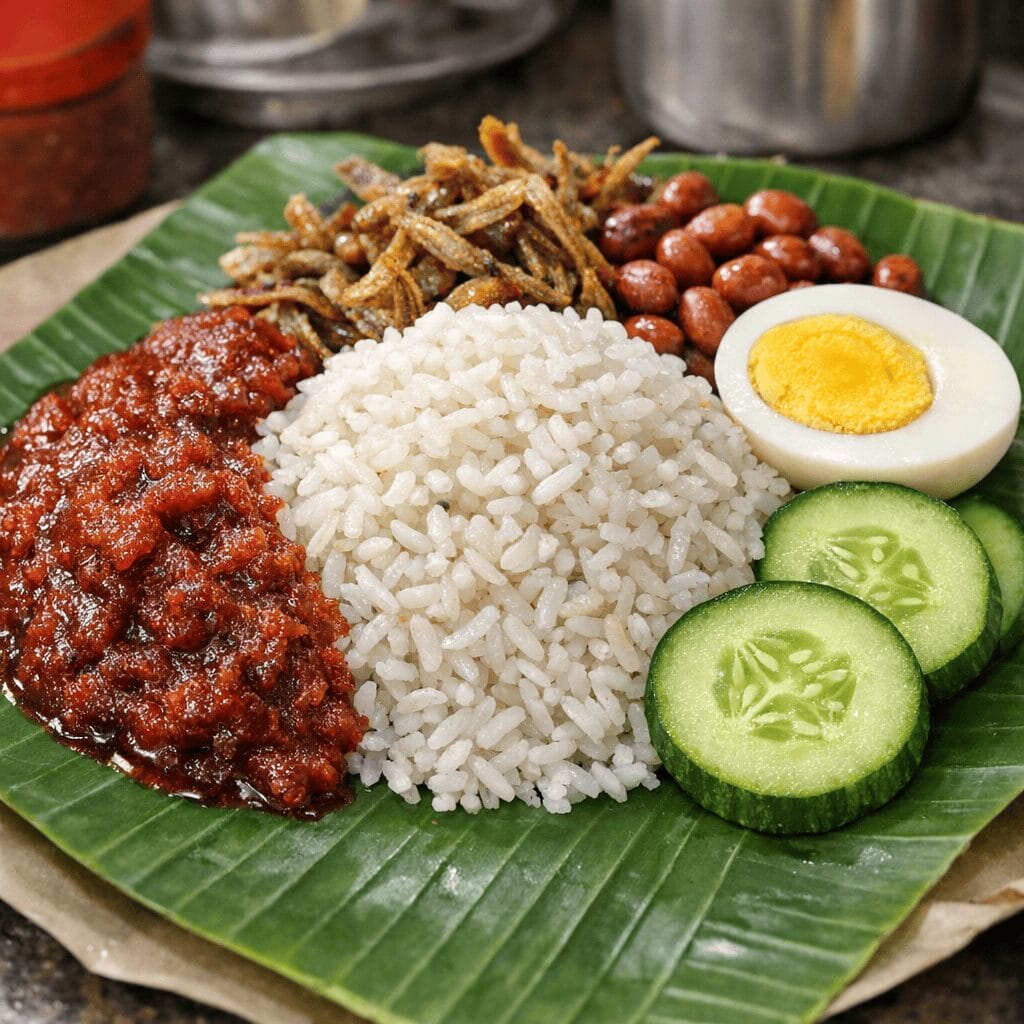
- Nasi Lemak: Coconut rice with sambal, fried anchovies, peanuts, cucumber, and egg.
- Nasi Lemak Extras: Add fried chicken or beef rendang if you’re hungry. Breakfast or late-night snack—both work.
- Char Kway Teow: Flat rice noodles stir-fried over fierce heat for that smoky “wok hei.” Expect prawns, egg, chives, and cockles at many stalls.
- Roti Canai: Flaky griddled flatbread served with dhal or curry. Order extra crisp (garing) if you like it shatter-thin; try roti telur for an eggy upgrade.
- Hokkien Mee (KL style): Thick, dark soy wok-fried noodles—best at dinner.
- Cendol: Shaved ice, palm sugar syrup, coconut milk, and green rice jelly—your antidote to afternoon heat.
Beyond these: satay with peanut sauce, Hokkien mee (dark soy noodles), banana leaf rice in Brickfields, and ikan bakar (grilled fish). If sweetness isn’t your thing, ask for your drinks “kurang manis” (less sweet).
Cafes, Night Markets, and Late-Night Suppers
Chinatown and Bangsar host third-wave coffee spots that double as cooling stations between walks. For night markets, Taman Connaught (Wednesdays) is massive, but even smaller neighborhood pasar malam deliver skewers, fried snacks, and sweet drinks. Mamak eateries (Indian-Muslim) serve roti, maggi goreng, and teh tarik until late—or 24/7.
Etiquette and Culture at the Table
Handy Hints for Hawkers
- Tissues/napkins may be minimal—carry your own.
- Queue politely; at busy stalls, ordering might be at the counter with self-seating.
- Halal considerations: Many venues are halal; pork appears mainly in Chinese eateries. When unsure, ask.
- Cash is still common at hawkers; small bills help.
- Tipping isn’t expected, but rounding up is appreciated.
- Right hand for eating: In Malay and Indian meals, use your right hand for shared dishes.
- Self-serve norms: At kopitiams, grab a seat and order at the stall or from roaming servers. Return trays where indicated.
- Sharing space: It’s fine to share big tables at hawker centers—just ask first.
Kuala Lumpur Two Day Itinerary


Day 1: Icons and Old KL
- Morning: KLCC Park laps and Petronas shots. If you booked, observation deck slot mid-morning.
- Lunch: Food court at Suria KLCC or Lot 10 Hutong.
- Afternoon: Masjid Jamek to Merdeka Square and River of Life walk; KL City Gallery if rain hits.
- Evening: Jalan Alor food crawl and a short Monorail ride just for the skyline peeks.
Day 2: Caves and Neighborhoods
- Early morning: Batu Caves before crowds; return by KTM Komuter or Grab.
- Late breakfast: Kopitiam set in Brickfields; mini temple stop.
- Afternoon: Chow Kit market wander; cold drink reset.
- Evening: Bukit Bintang back-street eats; finish with dessert or a cafe stop in Chinatown.

Travel Writer, Researcher and Publisher
Jason Baigent
Founder: Destinations Uncovered
“I’ve found that the best KL experiences happen when you venture beyond the standard circuit. Grab our detailed 3 day Kuala Lumpur Itinerary that reveals the best attractions, routes, local secrets and authentic cultural experiences. Visit the real KL.”
Kuala Lumpur Money, Safety, and Practicalities
For trip-planning specifics and regional context, scan the official Tourism Malaysia site. It’s a reliable first stop for events, public holidays, and seasonal notes.
Religious sites: Dress modestly and remove shoes where posted. Scarves and sarongs are often available to borrow or rent. Photography rules vary; check signs before shooting indoors.
Safety: Kuala Lumpur is generally safe, but bag snatching and pickpocketing happen in dense crowds. Keep valuables zipped, be alert when crossing roads, and use official rides at night.
Connectivity and power: Most hotels have reliable Wi‑Fi. Malaysia uses Type G sockets with 240V voltage. Universal adapters are easy to find in malls.
Public holidays and Fridays: Expect heavier mosque traffic on Fridays around noon. Chinese New Year and Hari Raya bring special markets, temporary closures, and travel surges—book transport and tables in advance.
Language: KL’s culture is a mix of Malay, Chinese, Indian, and many others. English is widely understood, especially in tourism and retail. Dress modestly when visiting mosques and temples; many provide robes or shawls at entry. Remove shoes in prayer areas and avoid pointing feet at shrines.
Useful references: Transit routes and passes are detailed at Rapid KL (official). For city events, heritage walks, and updated attractions, check Visit KL. Airport train timings and prices live at KLIA Ekspres.
Weather is humid year-round. Expect quick, heavy showers in the afternoon; carry a compact umbrella. Air-conditioning can be cold on trains and in malls—a light layer helps. For connectivity, buy a local SIM/eSIM at the airport or in malls; speeds are generally reliable in the city core.
Kuala Lumpur City Guide Key Considerations
Travel Tips
- Money: ATMs are common; exchange booths in malls offer competitive rates. Contactless cards and mobile wallets work widely.
- Connectivity: Local SIMs and eSIMs are inexpensive and fast. Buy at the airport or major malls.
- Safety: Pickpocketing is uncommon but possible in crowds. Keep bags zipped, especially at night markets.
- Dress: Light fabrics. For places of worship, carry a light scarf or shawl.
- Health: Tap water is treated but many locals still boil or use filters; bottled water is everywhere.
- Emergencies: 999 is the national emergency number.
- Friday mid-day: Some eateries pause for prayers; plan meals accordingly in certain neighborhoods.
Common Snags & The Quick Fixes – Kuala Lumpur City Guide
- Long queues at attractions: Go at opening time or late evening. Buy tickets online where possible.
- Transport confusion: Screenshot interchange maps and station names you’ll use (Pasar Seni, Masjid Jamek, TRX, KL Sentral).
- Rained-out: Shift outdoor sights to early morning; use museums and cafes as buffers.
- Food overwhelm: Pick one dish goal per stop. If a stall has a short, fast-moving queue, it’s usually worth it.
- Overstuffed days: Limit to two zones per day. You’ll spend more time eating and seeing, less time commuting.
- Heat shock: Plan outdoor sights early; keep midafternoon for museums, malls, or cafes.
- Cash crunch: ATMs can run out near markets; withdraw in malls before you go.
- No backup ride: When rain hammers down, hail Grab from a sheltered spot or wait it out with dessert.
- If weekend traffic thickens, lean on rail. MyRapid’s official updates help route around service changes: Rapid KL network and updates.
KLCC and Ampang
- Why go: Big views, groomed park paths, quick mall breaks.
- Good for: Families, photographers, first-timers.
- Getting there: LRT Kelana Jaya Line to KLCC.
- Pair with: Aquaria KLCC if rain hits; late drinks with skyline views.
Old KL and Masjid Jamek
- Why go: Moorish arches, independence history, easy walking circuit.
- Good for: Architecture hunters, city history in one compact loop.
- Getting there: LRT to Masjid Jamek or Pasar Seni.
- Pair with: Textile shopping and a riverside pause after sunset.
Changkat Bukit Bintang
- Why go: Nightlife, food streets, and cafe-hopping.
- Good for: Groups and solo travelers looking for variety in one area.
- Getting there: Monorail to Bukit Bintang or MRT to Bukit Bintang/Pavilion.
- Pair with: Lot 10 Hutong lunch or Jalan Alor supper.
Kuala Lumpur City Guide FAQ
What’s the best time of day to visit the Petronas Twin Towers?+
Weekday mornings have the best availability. Sunset and early evening slots sell fastest—book online several days ahead on the official site, and arrive 15–20 minutes before your time.
What time is best for the KLCC Lake Symphony fountain show?
Plan for the 20:00 show, which aligns with blue hour turning to night. Additional shows often run at 21:00 and 22:00. Arrive 10–15 minutes early for front-row railing space.
Is Monday a good day to visit the Petronas Towers?
Not for the observation experience. The towers are typically closed on Mondays, though Suria KLCC and the park remain open. If Monday is your only option, focus on the park and exteriors around golden hour.
Can I use a tripod in KLCC Park or on the Skybridge?
Tripods are not allowed during the skybridge observation visit. In the park, small tripods may be tolerated when it’s quiet, but staff can restrict them if they block paths or crowd flow. A compact clamp or handheld stabilization is safer.
Should we continue with plans if it rains?
If in the city or indoors activity then Yes definitely. Most rain is tropical in nature meaning it passes quickly, and post-rain temperatures can be wonderfully refreshing. Take cover where you are and once it clears continue. If you are in an outdoor activity take a rain coat.
How long do I need at Petronas Twin Towers Observation Deck and Skybridge?
Allow 60–90 minutes, including security, elevator rides, time on the Skybridge, and browsing exhibits. Add a buffer before or after if you want to catch the fountain show.
Is there a quieter time to visit Suria KLCC for families to take meals?
Yes—mid-afternoon (15:00–17:00) is reliably calmer. Early dinners around 17:30 also beat the evening crowd, especially on weekdays.