
Direct Transfer from Koh Lipe to Phuket by Speedboat
Secure a seamless journey from the tropical shores of Koh Lipe with a smooth check-in before boarding a high-speed speedboat, then travel…
See More Details →Travel Guide Destination Hub
Discover Koh Lipe, Thailand’s stunning island paradise with pristine beaches, vibrant snorkeling, and laid-back vibes. Plan your perfect trip today.
Use our Koh Lipe travel planners to build your route, compare itinerary ideas and find practical travel tips for your trip.
Browse our latest Koh Lipe itineraries and destination planning guides.
Tours & Activities
Ko Lipe (Thai: เกาะหลีเป๊ะ), sometimes spelled Koh Lipe, is an island located in Satun Province along Southern Thailand’s Andaman Coast.
It lies 50km northwest of Langkawi, Malaysia, 67km west of Pak Bara, and 200km southeast of Phuket. The island is part of the Butang / Adang Archipelago.
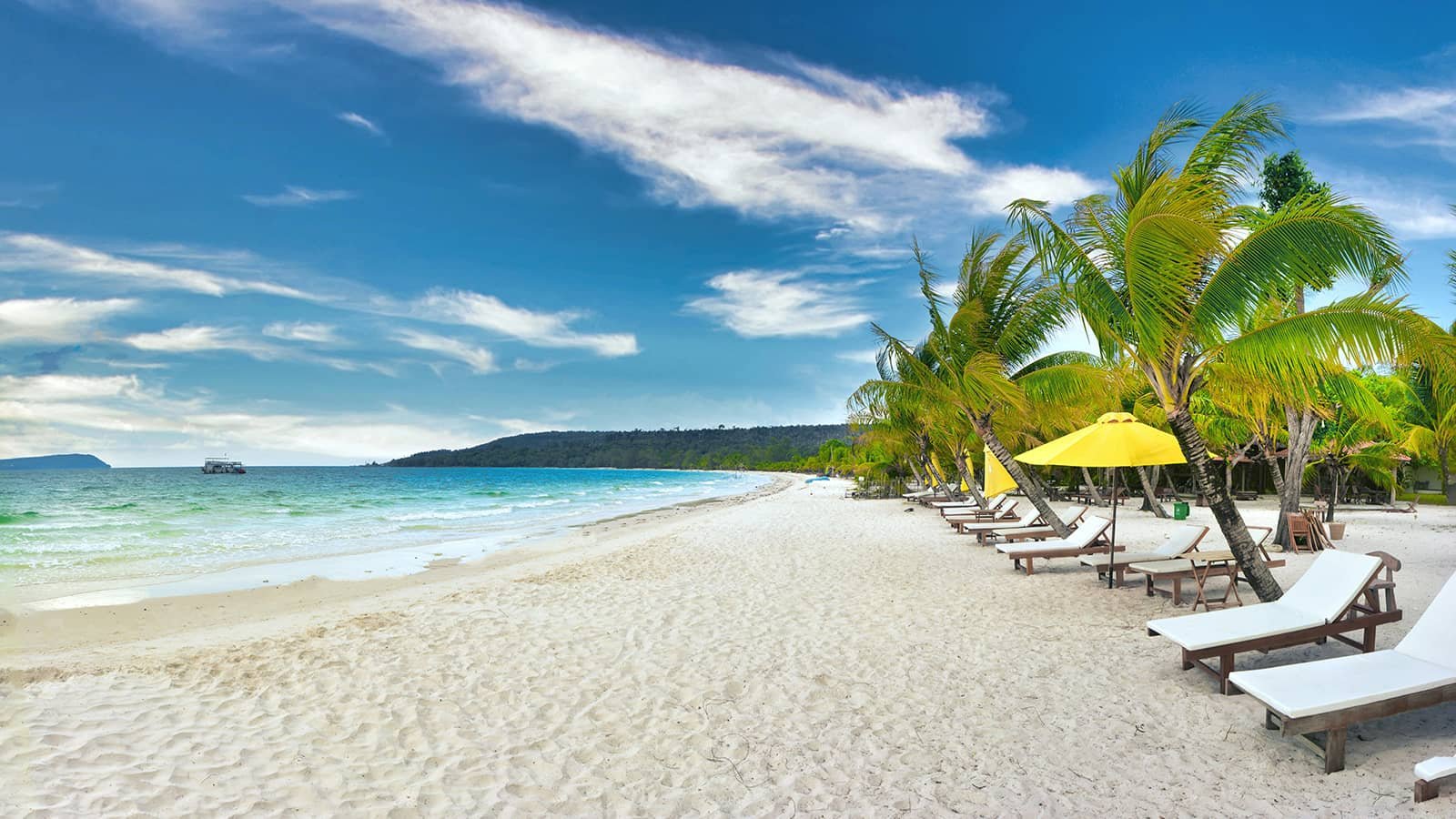
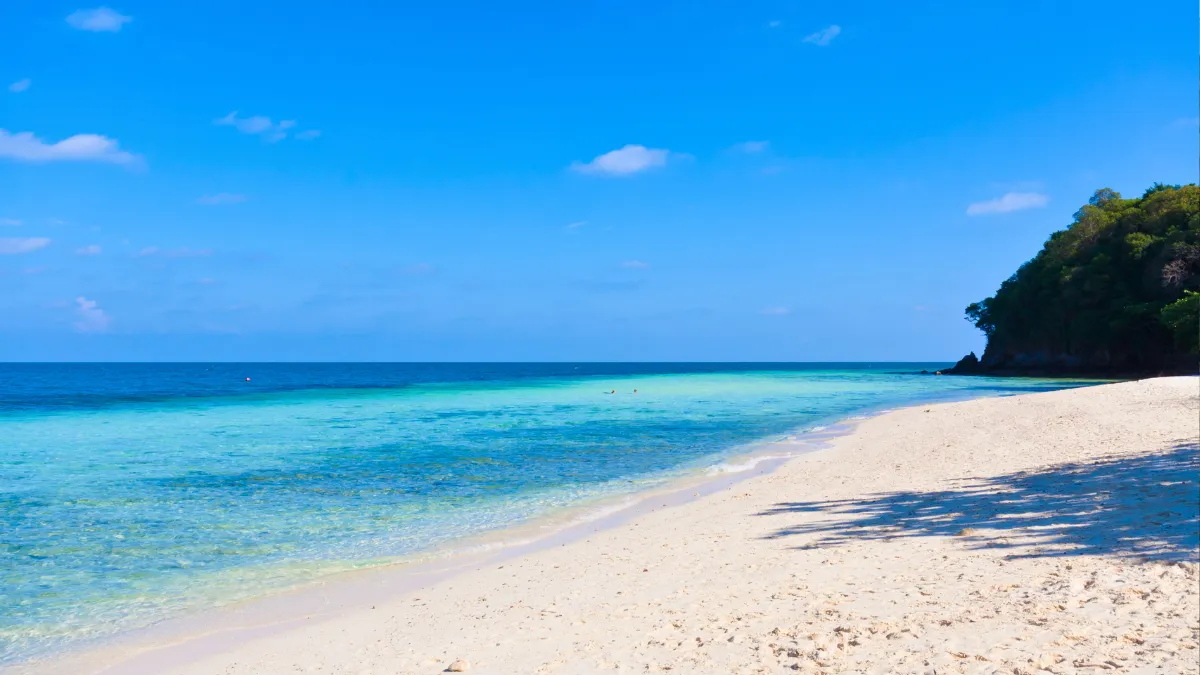
Ko Lipe is famous for its diving, snorkeling, stunning white sandy beaches, and laid-back vibe. It has often been called “The Maldives of Thailand.”
The name “Ko Lipe” is a distorted form of the Malay name Pulau Nipis, which means “thin island.”
Although Tarutao National Park was created in 1973, Ko Lipe is not included within the area covering the 51 nearby islands under the park’s control, so development is allowed on the island.
About 500 Urak Lawoi people live on the island. Known as “chao leh” in Thai and “orang laut” in Malay, and often called “sea gypsies” in English, they are descendants of the island’s original settlers from 300 years ago.
Many left in the late 1800s when Dutch forces mistakenly identified them as pirates because of their nomadic way of life. Since the island was uninhabited for a time and ownership was disputed, the Urak Lawoi were granted half of the island to prevent Malaysian claims.
They mostly reside in small villages on the far east side near Sunrise Beach. While some work in tourism, many still rely on fishing and growing rice and vegetables. They maintain animist beliefs honoring the spirits of their ancestors, the island, and the sea.
Twice yearly, during the full moon in late May or early June and again in late October or early November, they hold a three-day spiritual festival called pla juk or loy rua to honor their ancestors.
Secure a seamless journey from the tropical shores of Koh Lipe with a smooth check-in before boarding a high-speed speedboat, then travel…
See More Details →
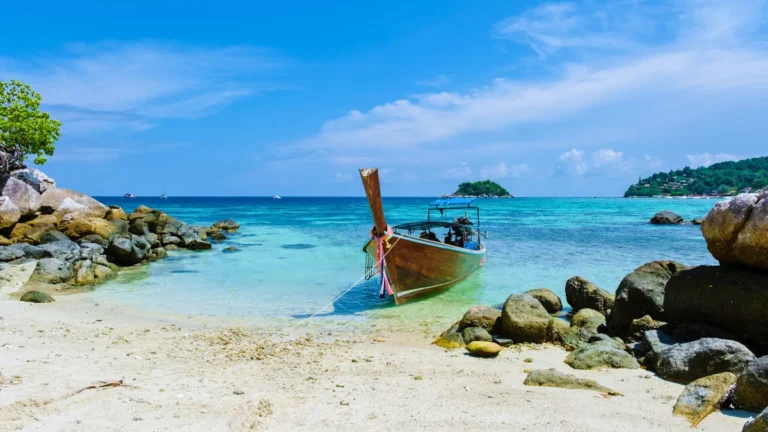
Experience a traditional long-tail boat ride operated by a professional service operator. Enjoy a snorkeling adventure around the beautiful island
See More Details →
Strap on your snorkel and fins and set sail on a thrilling snorkeling tour of the 5 islands around Koh Lipe in…
See More Details →
A relaxed half-day morning snorkeling trip from 9:00–13:30, visiting Koh Lipe’s best coral reefs with calm sea conditions, small groups, full snorkeling…
See More Details →
Experience the definitive spirit of the Andaman with the Golden Odyssey, a masterfully curated longtail voyage that weaves together the raw beauty…
See More Details →
Breathe in the extraordinary with a private longtail boat tour through Koh Lipe’s hidden inner zone. Snorkel over glowing coral reefs at…
See More Details →
Set sail on a romantic sunset yacht cruise around Koh Lipe, designed for couples and dreamers seeking beauty and serenity. Begin with…
See More Details →
Discover the best of Koh Lipe during the low season on a traditional longtail boat tour. Visit beautiful snorkeling spots around Koh…
See More Details →
The 7 islands tour from Koh Lipe is a day trip by longtail boat that takes you to some of the most…
See More Details →
Whisk yourself away on a private longtail boat tour to 7 stunning islands around Koh Lipe—an unforgettable day of adventure and beauty.…
See More Details →
Treat yourself to a VIP on arrival and board a private van and head straight to Hatyai Airport, Songkhla, Thailand. When making…
See More Details →
Travel daily from Koh Lipe to Hat Yai Airport with a stopover at Pak Bara Pier in Satun to switch from speed…
See More Details →