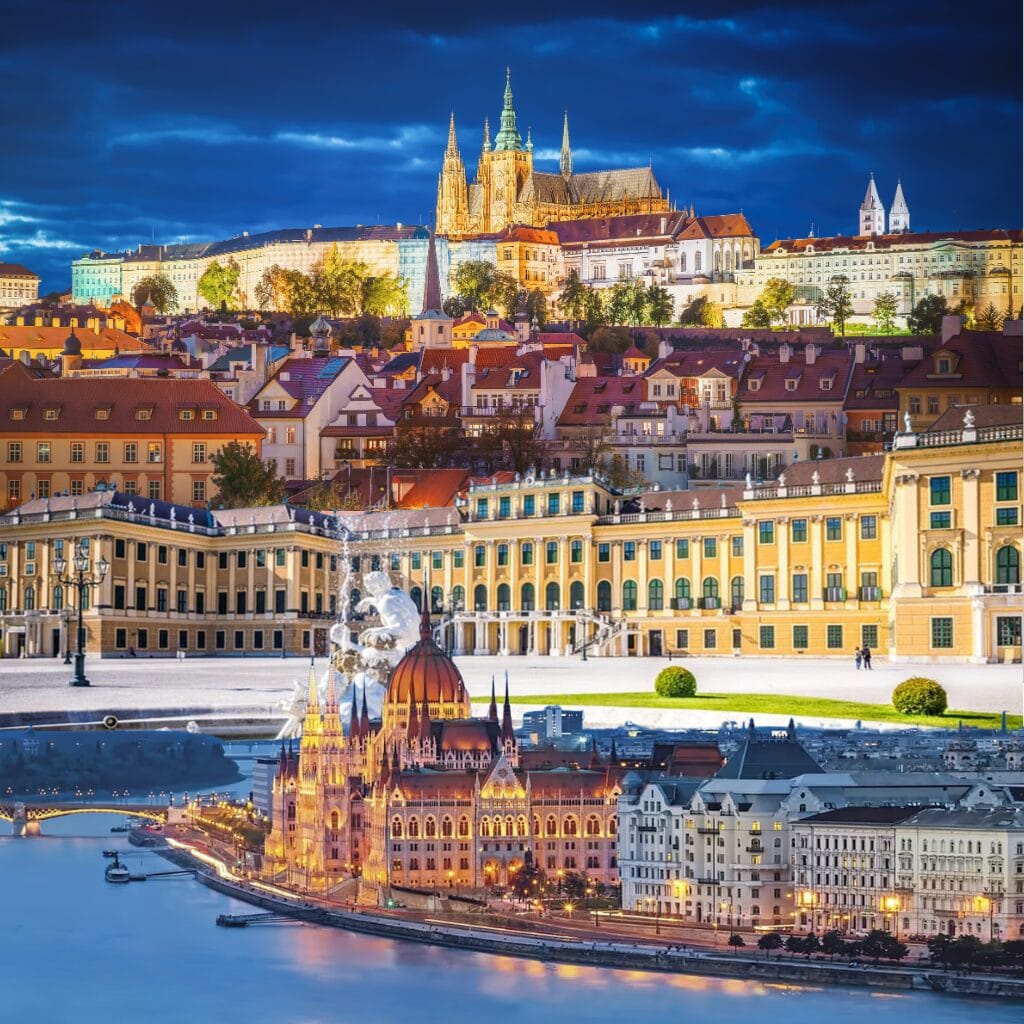
Welcome to Destinations Uncovered and our 12-day Eastern Europe itinerary and travel guide for first-time visitors. We trace a path through the vibrant capitals of Hungary, Austria, and the Czech Republic. This travel planner provides a day-by-day narrative, meticulously blending iconic historical landmarks with curated, lesser-known local experiences.
I hope you will find it an inspirational guide and a practical resource, integrating logistics like transport and accommodation with immersive cultural commentary. The primary goal is to provide a rich, multi-layered perspective on these remarkable cities, capturing not only their celebrated beauty but also the unique spirit born from decades of political change and cultural evolution. Our 2026 Eastern Europe itinerary begins in journey begins in Budapest.
Budapest, City of Contrasts: Eastern Europe Itinerary Days 1-4
Budapest, where the Buda hills meet the Danube River, presents itself as a city of profound contrasts. Its skyline is a tapestry woven from Ottoman minarets and Art Nouveau masterpieces, while its streets buzz with the energy of world-class thermal baths and some of the globe’s most famous ruin bars. For a first-time visitor, the initial days should duality, moving seamlessly from imperial grandeur to underground creativity. The city rewards exploration, revealing hidden gems in its winding alleys and quiet courtyards that tell a story far beyond the postcards. This four-day segment of your Eastern Europe itinerary is designed to navigate these layers, balancing the essential sights with authentic local flavor.
Day 1 – Arrival in Budapest
Your arrival in Budapest sets the stage for discovery. After settling into your accommodation, start your Eastern Europe itinerary with a visit to the bustling Váci utca shopping street or within the historic Jewish Quarter, before beginning your exploration on the Pest side of the river.
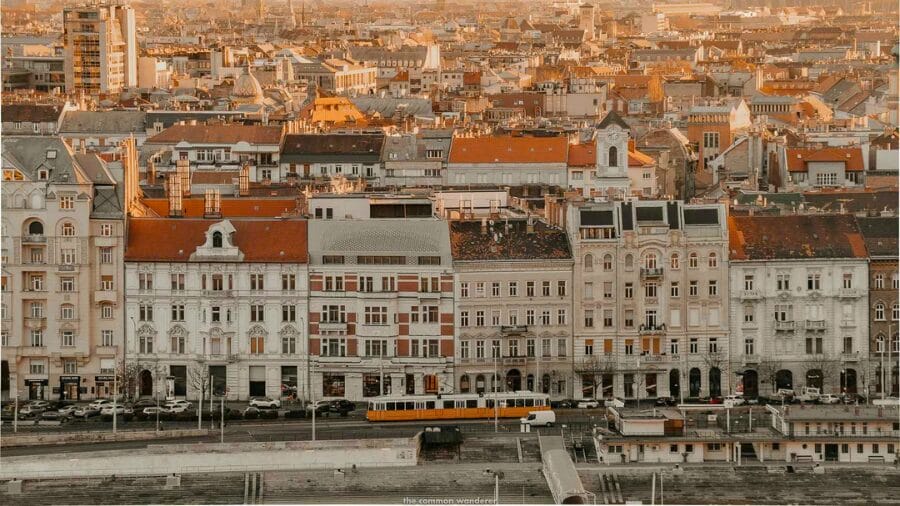
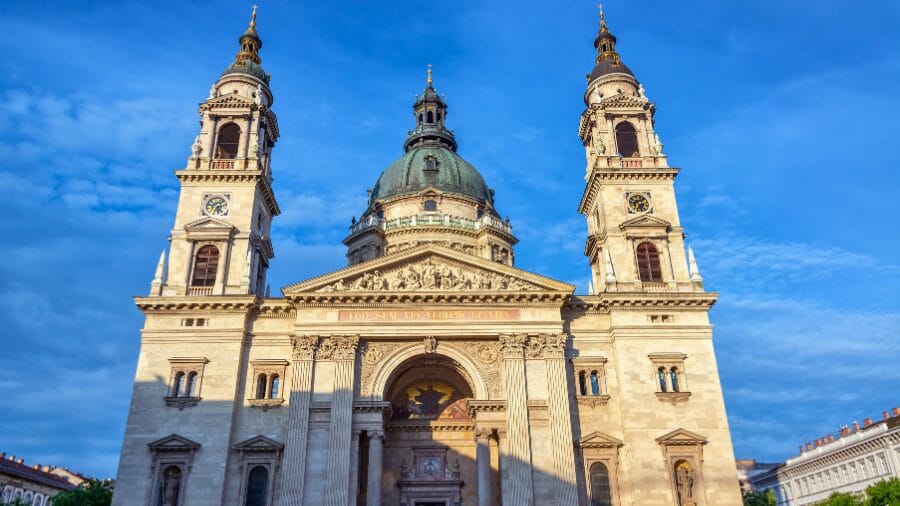
Your first major landmark will be St. Stephen’s Basilica, whose dome offers one of the best panoramic views of the city. Ascend to the top to witness the breathtaking vista of the Parliament Building glittering across the Danube, the fisherman’s huts of the Chain Bridge, and the terracotta rooftops of Buda Castle sprawling up the hillside. This single view encapsulates the city’s defining geographical split.
Descend and wander towards the Danube Embankment, where you can absorb the solemn beauty of the Shoes on the Danube memorial, a poignant reminder of the Holocaust.
For lunch, venture into the heart of the Jewish Quarter. Here, you’ll find a culinary scene as diverse as the history of the area. While exploring, consider visiting Nagy Vásárcsarnok (Central Market Hall) at the end of Váci utca, which offers affordable prices on various goods. In the afternoon, cross the iconic Széchenyi Chain Bridge to enter the Buda side.
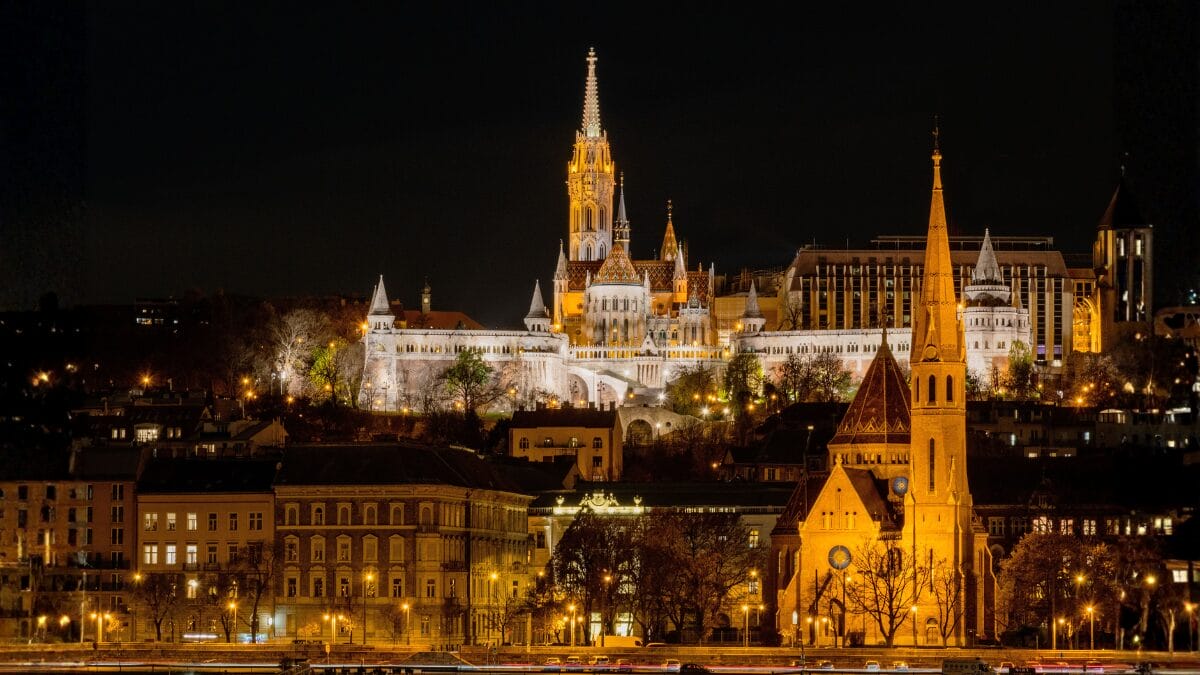
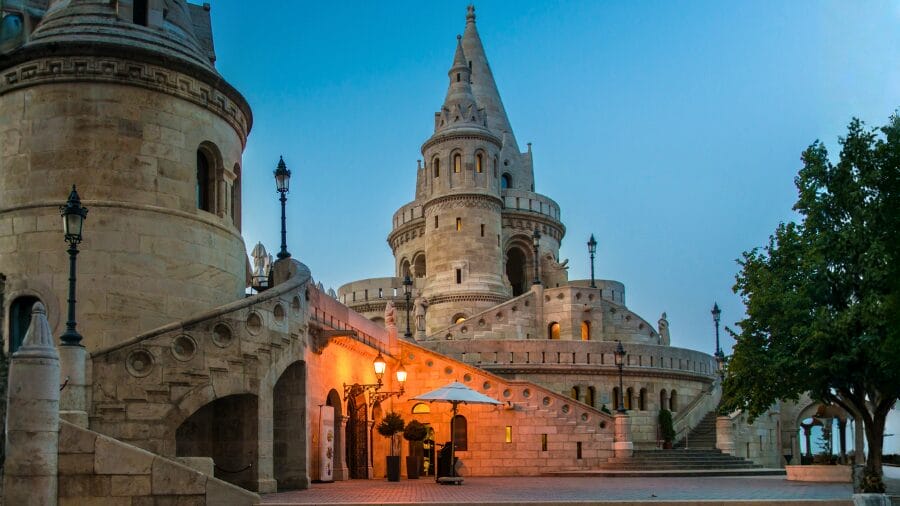
Your next stop is the formidable Buda Castle. Inside, you can explore the Hungarian National Gallery and the Budapest History Museum to understand the city’s tumultuous past. Following your visit, walk up the steep cobbled streets to Fisherman’s Bastion. This whimsical, turreted viewpoint offers photogenic vistas over the Danube and Pest, particularly at sunset. Nearby, Matthias Church stands as a masterpiece of Gothic and Renaissance architecture, its colorful tiled roof a striking feature.
As evening falls, Budapest truly comes alive, and it’s time to experience one of its most unique cultural exports: the ruin bar. These establishments, situated in the abandoned pre-war buildings of the old Jewish Quarter, have taken the city by storm. They are non-negotiable for any visitor seeking an authentic taste of Budapest’s contemporary spirit.
A popular starting point is Szimpla Kert, arguably the most famous ruin bar, which is full of super instagrammable corners and even particular bathrooms. Other notable spots offer different vibes, from Punk-Rock concert rooms to more laid-back lounges. Many tour operators offer guided ruin bar crawls that often include local drinks and street food, making it easy for solo travelers or couples to dive into this vibrant scene. This evening experience provides a stark, exhilarating contrast to the day’s historical explorations.
Day 2 – Castle to Baths
On your second day, start your focus in the castle district making your way to the city’s famed thermal baths. While many visitors head to the large and well-known Széchenyi Thermal Bath, a more intimate and less-crowded experience awaits atCsillaghegyi Fürdő. Located in Óbuda (District III)1, this hidden gem is a magnificent 1935 dark stone building, a true architectural relic.
Soaking in its warm waters feels like a step back in time, offering tranquility away from the main tourist hubs. Afterward, spend the afternoon exploring Ecseri Bolhapiac,2 a major flea market catering to vintage enthusiasts. This sprawling market is a treasure trove of antiques, records, furniture, and other unique items that showcase Budapest’s eclectic history, providing a perfect opportunity to find a quirky souvenir like a Rubik’s Cube or a piece of Herendi porcelain.
Day 3 – Winding Waterways To The Underground
The third day is dedicated to experiencing the city from the water. A prosecco cruise along the Danube offers a relaxed way to see the illuminated landmarks from a new perspective. In the late afternoon, delve into Budapest’s underground art scene. One fascinating example of post-communist urban transformation is Bakáts Bunker, a former air defense cellar turned cultural venue. It represents how the city has repurposed its industrial and military past into vibrant spaces for art and culture. For a more interactive daytime activity, challenge your problem-solving skills at an escape room like Mystique Room, an Egyptian-themed game set in downtown Budapest.
Day 4 – Exploring the Duality of History
Your final day in Budapest blends high culture with accessible local life. Beginning with the Hospital in the Rock Nuclear Bunker Museum, a former top-secret emergency hospital and later a nuclear bunker, now showcasing wartime medical equipment. If you have the time make sure to visit Cave Church (Gellért Hill) a chapel built inside a cave system, formerly sealed during the Communist era, now restored.
Head for lunch in District 8 – Józsefváros, named after the radically enlightened Habsburg, Joseph II3. Visit the National Museum, lined with grand apartment palazzos that were built for Hungarian blue bloods like the Esterházy, Festetics, and Pálffy families. Finally, take in the Metropolitan Szabó Ervin Library, inside the former Baron Wenckheim Palace.
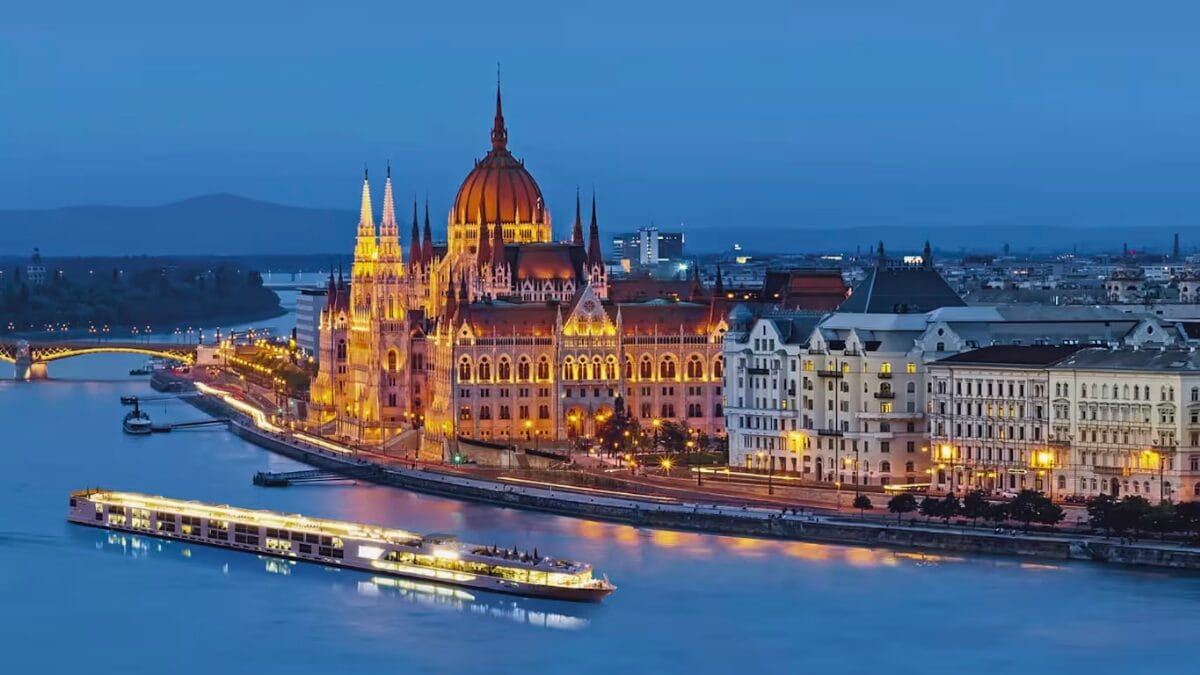
As you prepare to leave for Vienna, reflect on a city that masterfully blends centuries of history with an irrepressible, modern joie de vivre. The short train ride to the Austrian capital promises a transition to a different, yet equally compelling, chapter of your Eastern Europe itinerary.
Vienna, The Imperial Capital – Eastern Europe itinerary Days 5-8
Leaving the dynamic contrasts of Budapest, your Eastern Europe itinerary continues north to Vienna, a city that embodies refinement, classical music, and imperial grandeur. Where Budapest pulses with a raw, creative energy, Vienna exudes a sense of timeless elegance. Your four days here should be a careful blend of strolling through opulent palaces and parks, savoring world-renowned coffee and pastries, and discovering the charming, down-to-earth traditions that lie just beyond the Ringstraße. The city invites you to slow down and appreciate its layered history, from the Habsburg dynasty to its influential role in the world of music.
Day 5 – Innere Stadt, Volksgarten and Naschmarkt
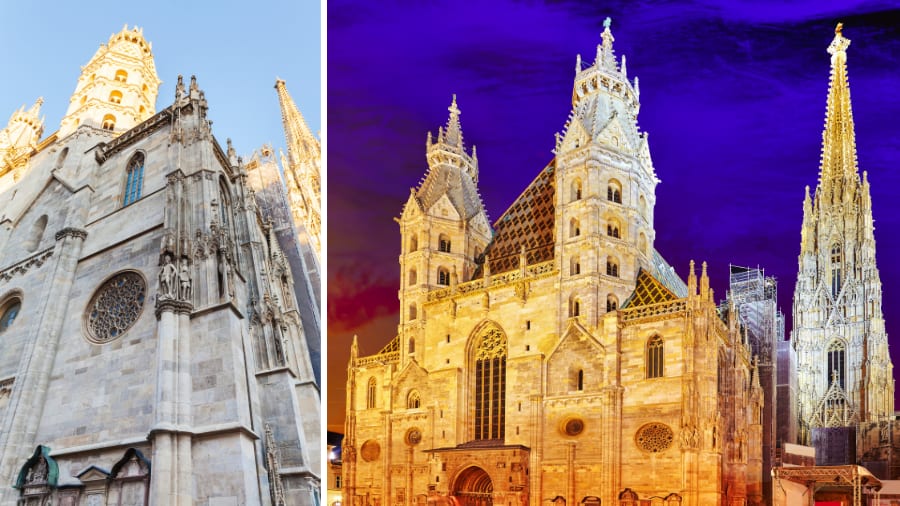
Your arrival in Vienna places you in the heart of Innere Stadt, the historic first district. Start your exploration with a visit to Stephansdom, St. Stephen’s Cathedral, a stunning example of Gothic architecture. Climb its tower for a rewarding view over the red-tiled roofs of the old town. Just a short walk away is the Naschmarkt, Vienna’s most famous open-air market. Here, you can sample local produce, cheeses, spices, and international delicacies, offering a delicious introduction to Viennese daily life. For lunch, pick up fresh ingredients or head to Heise & Kalte Wurstwaren a famous Viennese Wurst4 House.
In the afternoon, immerse yourself in the city’s artistic soul at the MuseumsQuartier (MQ), a vast complex of museums, galleries, shops, and restaurants housed in former imperial stables. The Kunsthistorisches Museum (Art History Museum) is a highlight, but the MQ itself is a destination. For a dose of nature and imperial history, take a leisurely stroll through the adjacent Prater park, home to the original Giant Ferris Wheel, or relax in the beautiful Volksgarten gardens. If you’re an architecture enthusiast, a walk along the Ringstraße reveals monumental buildings like the Town Hall (Rathaus) and the Austrian Parliament Building.
Day 6 – Becoming Viennese
The quintessential Viennese experience isn’t just about sightseeing; it’s about participation. Today the Eastern Europe Itinerary is all about taking part, so instead of merely listening to waltzes, why not dance them? Vienna is famous for its Viennese Waltz5, and workshops are readily available for beginners.
Several schools, such as Waltz In Vienna, offer carefully crafted workshops for couples or individuals, led by certified instructors who guide you through this century-old social movement. It’s a tangible, joyful way to connect with the city’s cultural heartbeat. Then its on to Therme Wien, a unique thermal spa offering a transformative and much more laid back participation experience. This is focused on peace and quiet, a welcome respite from the bustle of the city center.
Day 7 – Tram To Mauer For Wine Tasting
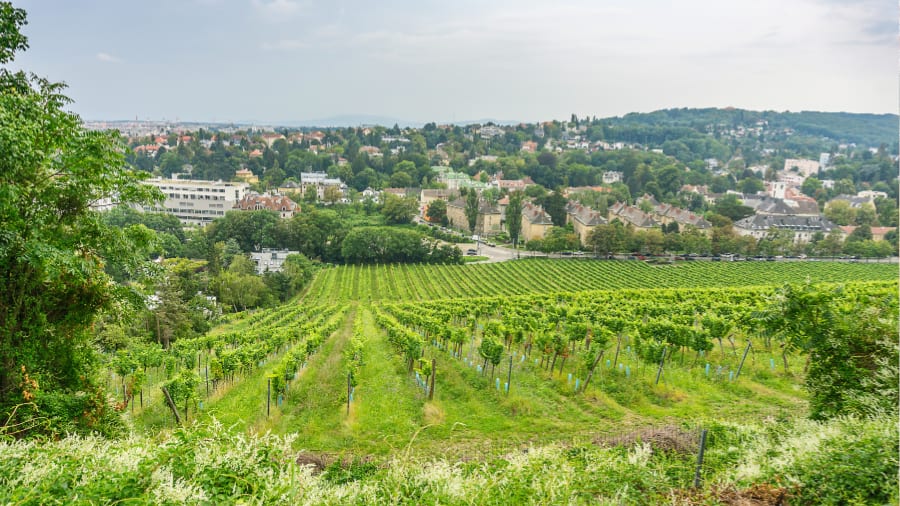
One of the most authentic ways to experience Viennese culture is by visiting a Heuriger. These are traditional wine taverns located among the vineyards on the outskirts of the city. A typical Heurigen experience involves enjoying freshly tapped wine—often a local specialty called “Gemischter Satz”—paired with a hearty buffet of homemade food, all in a cozy, rustic atmosphere.
For the real experience take the tram to a district like Mauer. Its a gentle ride through the suburbs and allows you to escape the tourist trail and engage with a centuries-old tradition. Reviews for some Heurigen can be mixed, but our Eastern Europe itinerary has you sorted! Choose the Hofer or Steinklammer for an excellent experience with food and wine that is superb.
Day 8 – The Crown and Sound
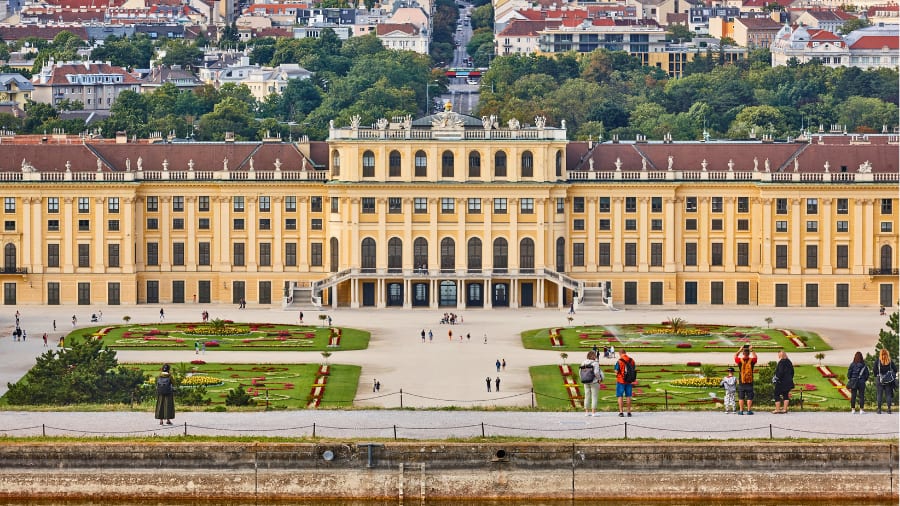
Your final Eastern Europe itinerary day in Vienna should be dedicated to the city’s crown jewels. A trip to Schönbrunn Palace and its expansive gardens is a must. This former summer residence of the Habsburg family is a UNESCO World Heritage site, and taking a guided tour reveals the opulence of imperial life.
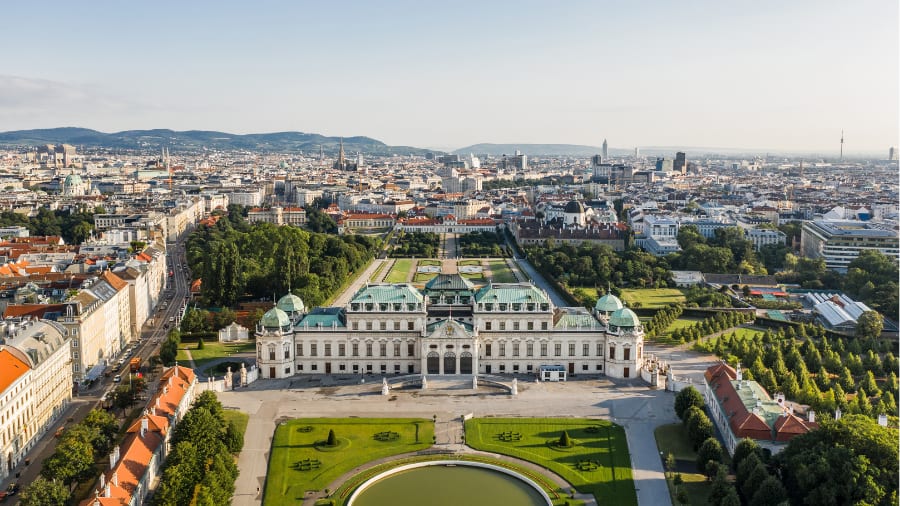
Book an evening concert at Schönbrunn to experience classical music in the very halls where Mozart once performed6. Another key attraction is the Belvedere Palace, an architectural masterpiece housing an impressive collection of Austrian art, including Gustav Klimt’s famous painting, “The Kiss”.7 For a break from palaces, explore the leafy confines of Stadtpark, located across the street from the Parkview Boutique Apartments.
As you prepare to depart for Prague, you’ll carry with you the refined elegance of Vienna. The city demonstrates how history and culture can be preserved and celebrated without stifling modern life. Whether it was a morning spent browsing books and newspapers at the historic Cafe Central or an afternoon dancing the waltz, Vienna leaves an indelible mark of grace and sophistication, perfectly setting the stage for the medieval magic of your next destination.
Prague – The Bohemian Metropolis: Eastern Europe Itinerary Days 9-12.
Your journey concludes in Prague, a city so steeped in history and legend that it feels like stepping into a storybook. With its densely packed skyline of spires, churches, and castles, and its cobblestone streets whispering tales of centuries past, Prague is a visual feast. Yet, beneath this timeless facade lies a surprisingly modern and bohemian spirit.
This final four-day segment of your Eastern Europe itinerary is about embracing both the fairy-tale charm and the contemporary pulse of the city. You’ll navigate the crowds at Charles Bridge, stand in awe before Prague Castle, and then retreat to hidden neighborhoods to discover a vibrant, local Prague that few tourists ever see.
Day 9 – Historic Old Town & Landmarks
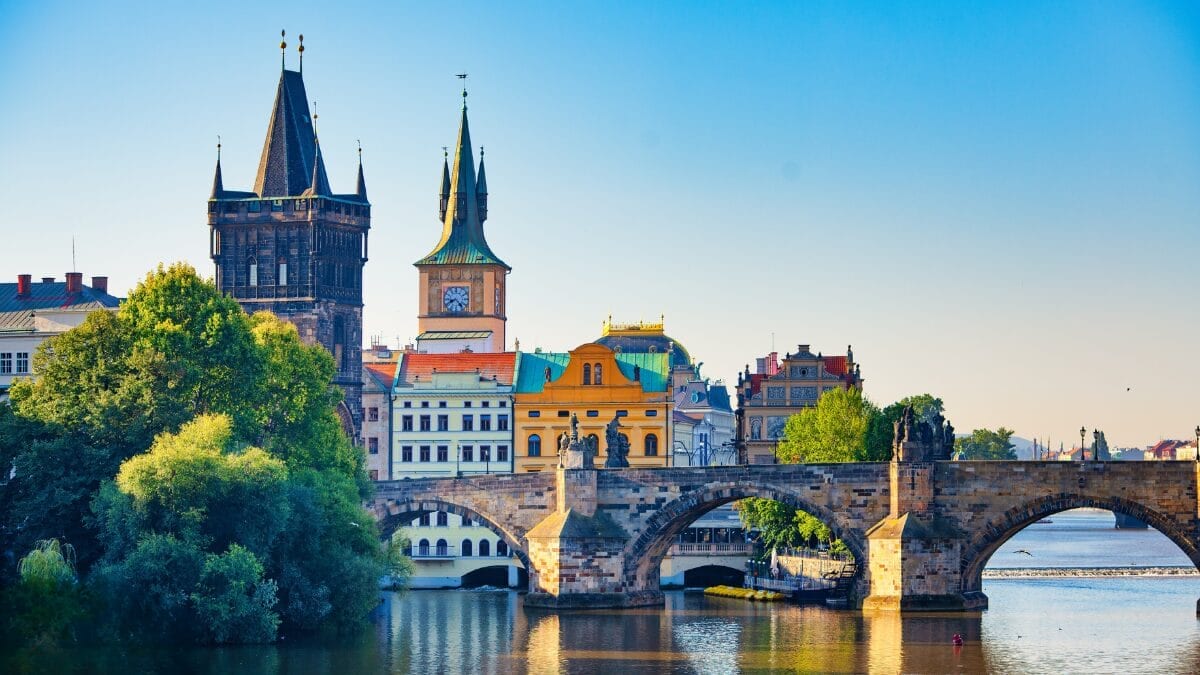
Upon arrival, make your way to one of the city’s historic districts, such as . Your first morning should be dedicated to one of the most iconic images in Europe: crossing Charles Bridge at sunrise to avoid the worst of the crowds. As you walk, admire the Baroque statues lining the bridge and take in the views of the Vltava River and the Prague Castle complex on the hill. For breakfast, try a traditional trdelník8, a chimney cake often sold by street vendors.
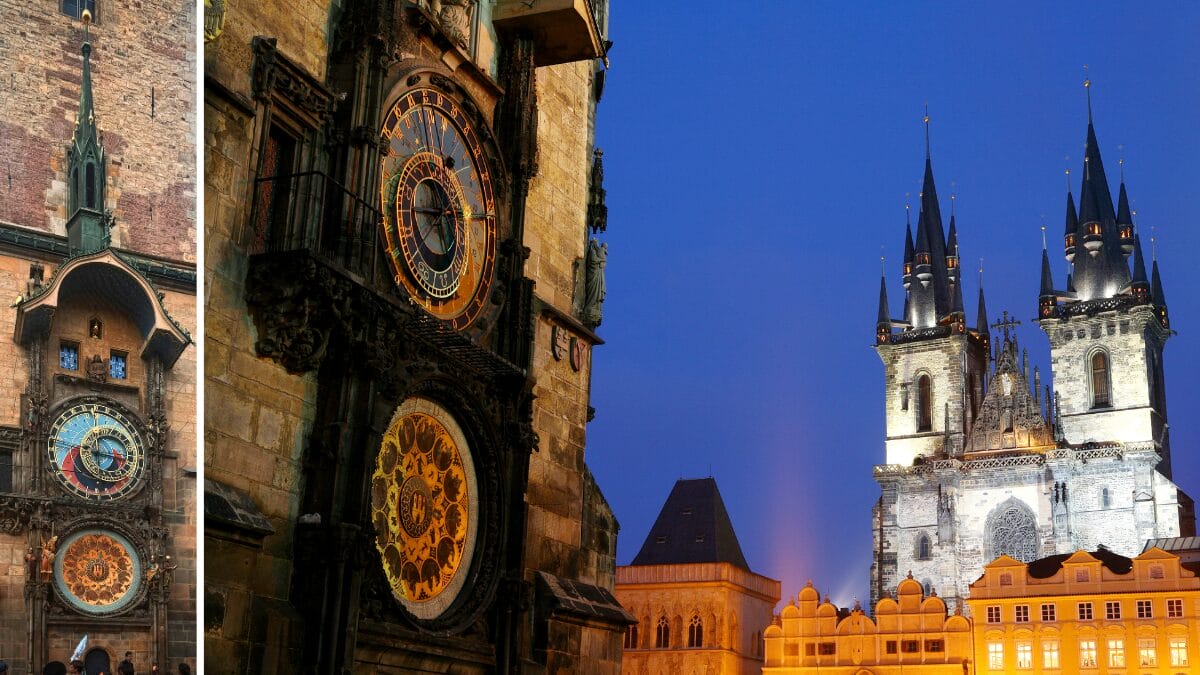
From the bridge, descend into Old Town Square. Here, you can marvel at the Astronomical Clock, which famously chimes every hour with a display of the Apostles. Spend some time exploring the square’s lively atmosphere and the surrounding historic buildings, including the Gothic Tyn Church. Finish Day 9 exploring the Jewish Quarter (Josefov), including the Old-New Synagogue and the Old Jewish Cemetery.
Day 10 – Prague Castle & Malá Strana
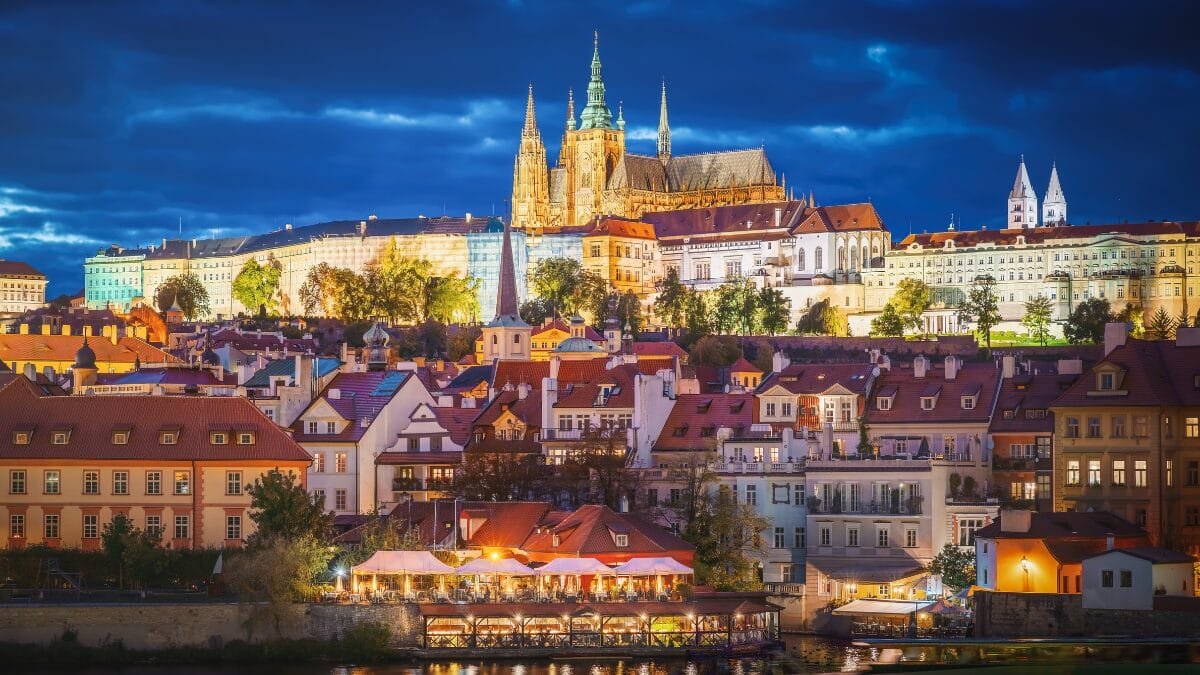
From Old Town, climb the hill to the colossal Prague Castle complex. Inside, you can tour St. Vitus Cathedral, the Royal Palace, and St. George’s Basilica. The scale of the complex is overwhelming. It is best to allocate a significant portion, if not the entire day, to exploring its courtyards, chapels, and halls. Make sure not to miss the castles colorful houses on Golden Lane. If time permits spend some time in Malá Strana (Lesser Town), or the student-heavy Žižkov.
To escape the intensity of the castle, take a late afternoon walk through Malá Strana to the funicular railway at Petřín Hill. At the summit, enjoy the sunset from Petřín Lookout Tower, a smaller, 20% scaled-down replica of the Eiffel Tower. Climbing the 299 steps or riding the funicular offers a fantastic vantage point over the entire city.
Day 11 – New Town & Local History
While the classic sights are essential, Prague’s true character is found in its neighborhoods. To experience the city beyond the tourist center, explore areas like Vinohrady, known for its beautiful architecture and excellent food festivals. Visit the Museum of Communism to understand the city’s 20th-century history as well as the National Museum, one of the city’s most iconic cultural institutions, for a deeper understanding of the country’s history and art.
Admire the modern architecture of the Dancing House and walk along the Náplavka riverside promenade. before making your way to the quieter Vyšehrad Fortress for stunning river views and a historic cemetery where many famous Czechs are buried
Then for a taste of something entirely unexpected, head to Sapa Market on the city’s edge. This sprawling Vietnamese market, sometimes called ‘Little Hanoi,‘ is one of the largest of its kind outside Vietnam, a legacy of the guest worker program during the communist era. It’s a sensory explosion of sights, sounds, and smells, offering everything from pho to Vietnamese egg coffee (cà phê trứng).
Finally chose from two truly unconventional experiences, seek out the Anonymous Bar in Old Town. This mysterious cocktail bar features a completely black interior, and the menu is revealed only under a black light after you’ve ordered your first drink. And for a touch of theatrical dining, book a “Dinner Off the Bone” event at Kantyna, a butcher shop restaurant that serves a multi-course feast featuring unusual meats like crispy pig’s ears and tripe.
Day 12 – Off the Beaten Path Eastern Europe Itinerary.
The last day calls for something special and we have plenty for you. For those inner Bohemians interested in art and architecture, Prague offers tours focused on Art Nouveau styles. Alternatively, you could learn a craft yourself at a traditional Czech baking class, glass blowing workshop, or a chocolate museum visit with a workshop. And I recommend doing all of them if you find the time. But that my friends is not on your menu today!
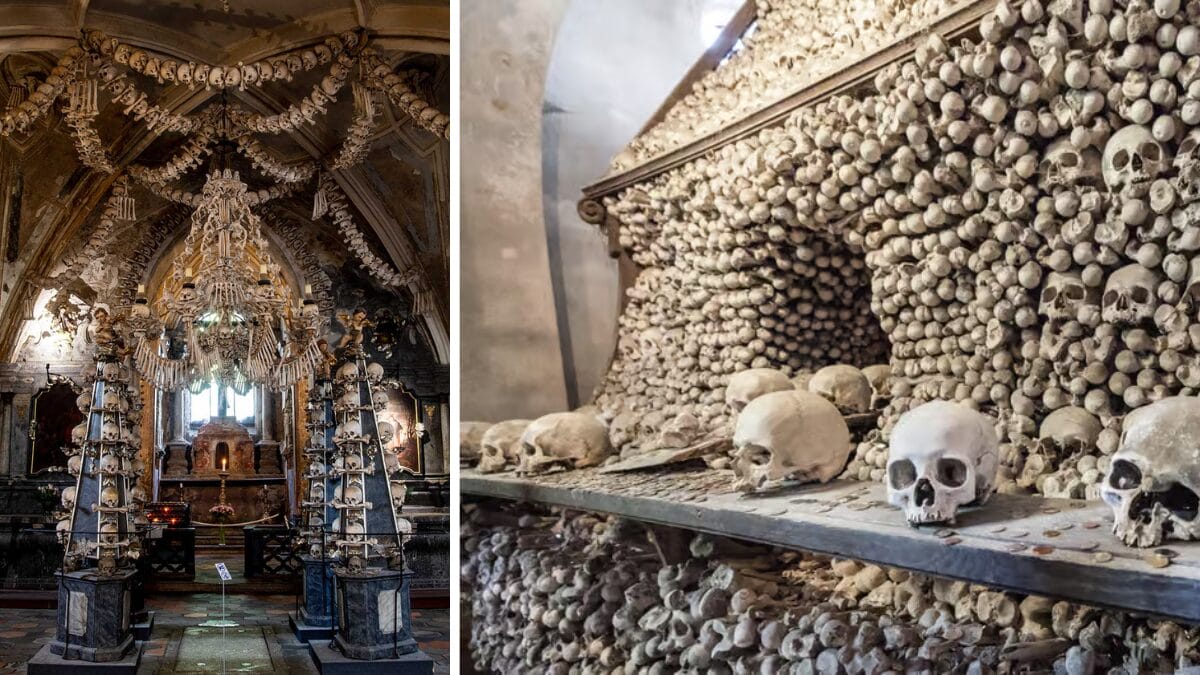
Today you take a short 1 hour train ride to Kutná Hora to see the Sedlec Ossuary (Bone Church). When you return to Prague you have your final bizarre, but truly memorable experience. Welcome to the Beer Spa, where patrons bathe in brewer’s yeast while drinking Krušovice beer. What could be a more fitting way to end your Eastern Europe Itinerary than soaking in beer. If it doesn’t restore youth and vitality it will at least help you sleep on your flight home!
So, as your 12-day Eastern Europe itinerary of three remarkable capitals draws to a close, you will have experienced the rich tapestry of Central European culture. From the bold, chaotic energy of Budapest’s ruin bars to the refined elegance of Vienna’s waltz halls and the timeless magic of Prague’s medieval streets, each city has offered a unique lens through which to view Eastern Europe. All designed not just to show you the sights, but to immerse you in the local life, the history, and the enduring spirit of a region reborn.
Jump to Eastern Europe Itinerary
Navigating Central Europe by Rail
A cornerstone of a seamless and enjoyable Eastern Europe itinerary is efficient and comfortable inter-city travel. For the route from Budapest to Vienna and finally to Prague, the train is unequivocally the superior mode of transport. It is not only economical and frequent but also offers scenic journeys that allow you to transition smoothly between the distinct landscapes and cultures of these three nations. Planning your rail travel is straightforward, with numerous options available to suit different budgets and schedules.
The first leg of your journey, from Budapest to Vienna, is exceptionally convenient. The train connection is one of the shortest and most frequently serviced routes in the region. Trains depart from Budapest-Kelenfoeld station, with services operated by companies like RegioJet and Hungarian Railways (MÁV).
The average travel time is impressively brief, ranging from approximately 2 hours and 25 minutes to just under 3 hours. Tickets are highly affordable, with cheap fares starting at around $11 US (€9) if booked in advance. Standard tickets generally cost between €11 and €13. With trains running as often as 17 times per day, there is ample flexibility to fit this journey into your schedule. This makes Vienna very accessible from Budapest.
From Vienna to Prague, the rail connection is still excellent, though the journey is longer. The train ride takes just over four hours, making it a viable alternative to flying when you factor in the time required to travel to and from airports and clear security. The main train stations for this route are Wien Hauptbahnhof (Wien Hbf) in Vienna and Praha hlavní nádraží (Prague Main Station) in Prague.
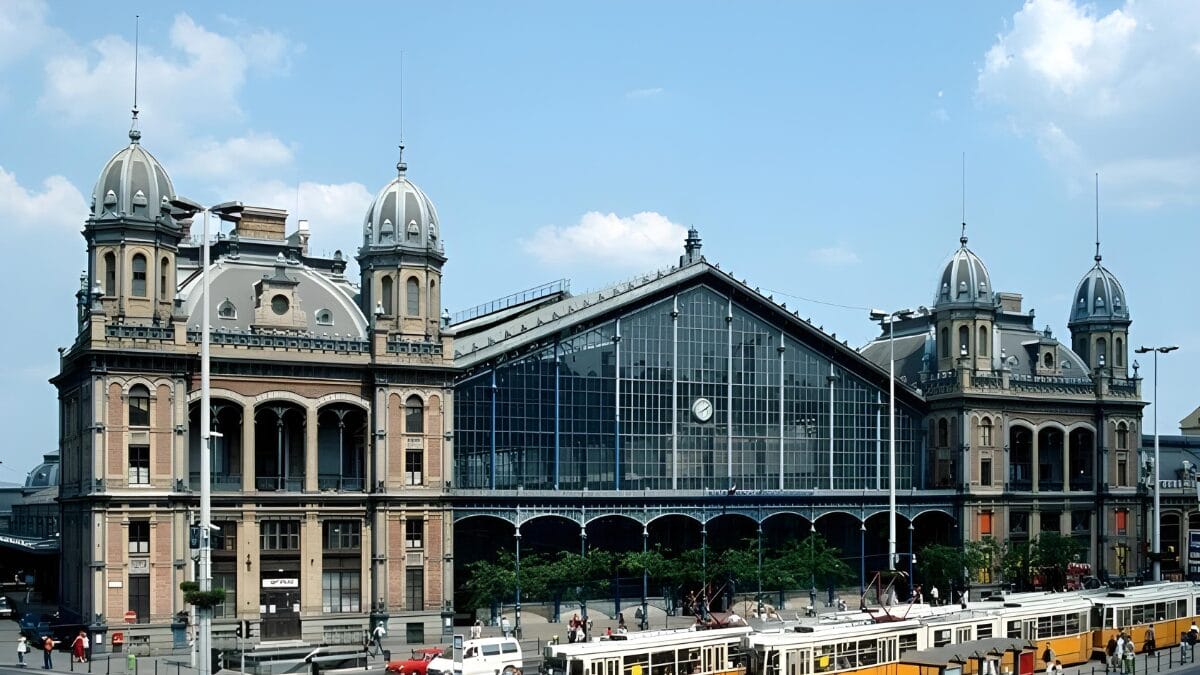
Several operators provide this service, ensuring good connectivity. Train ticket prices vary more widely than on the Budapest-Vienna line, typically ranging from 550 Kč to 2,400 Kč (approximately $23 to $100 USD), depending on the operator and how far in advance you book. For added flexibility, overnight sleeper trains are also an option, and are what we recommend for your Eastern Europe Itinerary. They depart from Budapest-Nyugati station and arriving in Prague. They take slightly longer than the day trains but you are sleeping and save yourself the cost of a night in a hotel!
To maximize convenience and save money, it is highly advisable to purchase your train tickets online in advance through platforms like Omio or Rome2Rio, which compare prices and schedules from all operators. When traveling between these cities, ensure you have your passport, or for Europeans a valid form of identification, as ticket checks can occur on board. Having your tickets either printed or ready on your phone is standard procedure. The combination of speed, comfort, affordability, and scenic value makes train travel the ideal method for weaving together your 12-day Eastern Europe itinerary, connecting the imperial capitals of Central Europe with ease and style.
| Route | Average Travel Time | Frequency | Approximate Cost (Economy) | Key Departure/Arrival Stations |
|---|---|---|---|---|
| Budapest to Vienna | 2 hours 25 minutes – 2 hours 47 minutes | ~17 times per day | From €9 (~$11 USD) | Budapest-Kelenfoeld / Wien Hbf. |
| Vienna to Prague | ~4 hours | Multiple daily services | €23 – €100+ (~$23 – $100+) | Wien Hbf / Praha hl.n. |
| Budapest to Prague | ~7 hours (by day train) | Multiple daily services | From €19 (~$23 USD) | Budapest-Nyugati / Praha hl.n. |

Travel Writer, Researcher & Publisher
Jason Baigent
Founder Destinations Uncovered
“Before you head off on your 12 Day Eastern Europe Itinerary make sure you think through packing. I found on many occasions what I needed wasn’t necessarily what I packed and ended up using travel cash for shoe cash or blister care. That’s why we built the travel packing list generator. Just tell it where you are going and when and it will give you a full list of everything that is needed (including the visas)”
Accommodation: From Historic Pensions to Modern Apartments
Choosing the right place to stay is fundamental to shaping your travel experience. For a 12-day journey through Budapest, Vienna, and Prague, your accommodation choices can range from grand historic hotels to charming self-catering apartments, each offering a unique way to engage with the local environment. Understanding the options available in each city is crucial for creating a comfortable and authentic base of operations for your Eastern Europe itinerary.
In Vienna, your lodging options are extensive, particularly in the city center (Innere Stadt). For a quintessentially Viennese experience, consider staying in a historic pension or boutique hotel.
- The Hotel Kaiserin Elisabeth, located just a few steps from Stephansdom, offers classic Viennese charm.
- The Hotel Ambassador is situated on the prestigious Kärntner Straße shopping mile, placing you right in the heart of the action.
- For a touch of luxury combined with history, the Hotel Astoria Vienna, Curio Collection by Hilton, is housed in a building from 1912 on the Kärntnerstraße shopping street.
- The DO&CO Hotel Vienna, located directly opposite Stephansdom in a unique Haas-Haus, blends modern design with central location.
- Budget-conscious travelers have plenty of excellent options too, such as the family-run City Pension Stephansplatz I Self Check In, just a two-minute walk from the cathedral.
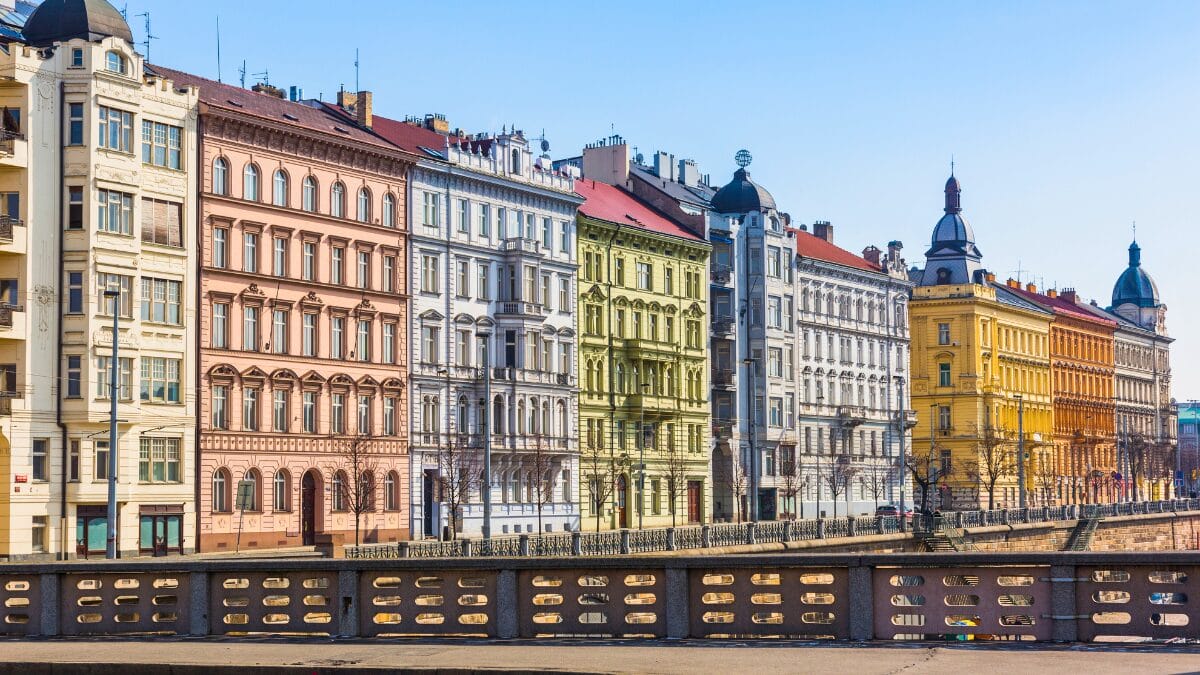
Prague offers a wide array of accommodations catering to all tastes and budgets. For those who prefer to have a kitchen and more space, self-catering apartments are a popular choice. Rivendell Apartments, for example, are located in Prague and offer amenities like free Wi-Fi, a garden with a terrace, and city views. Staying in an apartment can be a great way to experience the city like a local, especially when exploring neighborhoods beyond the main tourist centers. For those seeking a more traditional hotel experience, Prague’s historic center provides numerous options.
- For those looking for luxury (5+ star) you have the Art Nouveau Palace Hotel, Grand Hotel Bohemia, Buddha-Bar Hotel, or the Art Deco Imperial Hotel.
- Mid-Range (4-star) examples: Grand Majestic Hotel, Grandior Hotel, Hotel Julian, and Hotel Certovka.
- Budget & Value (3-star/Pensions) examples: Pension Brezina, The Cloud One Prague, Hotel City Inn.
Budapest also provides a diverse selection of lodging. For a central location with access to major attractions, consider staying in the 1st or 7th districts. Apartments are a common and practical choice, offering a home base from which to explore the city’s two sides. Given the prominence of the Jewish Quarter in the local experience, staying in or near the 6th or 7th districts would be an excellent strategic choice, putting you close to ruin bars, street art, and the historic synagogues. The key is to choose a neighborhood that aligns with the type of experience you want, whether it’s the imperial grandeur of the Castle District or the bohemian energy of the Jewish Quarter.
- For those looking for luxury (5+ star) you have the Kempinski Hotel Corvinus Budapest, Kimpton BEM Budapest by IHG, Kozmo Hotel Suites & Spa, and the Corinthia Budapest.
- Mid-Range (4-star) examples: Prestige Hotel Budapest, Emerald Hotel by Continental Group, Hilton Garden Inn Budapest City Centre, and the Continental Hotel Budapest
- Budget & Value (3-star/Pensions) examples: Hampton By Hilton Budapest City Centre, Timeless Boutique Suites by BQA, Bo18 Hotel Superior, and the Dob Street Central Residence with Balcony.
Regardless of your choice, booking in advance, especially during peak season, is recommended to secure the best options and prices for your Eastern Europe itinerary.
Cultural Commentary: Post-Communist Identity in Budapest, Vienna, and Prague
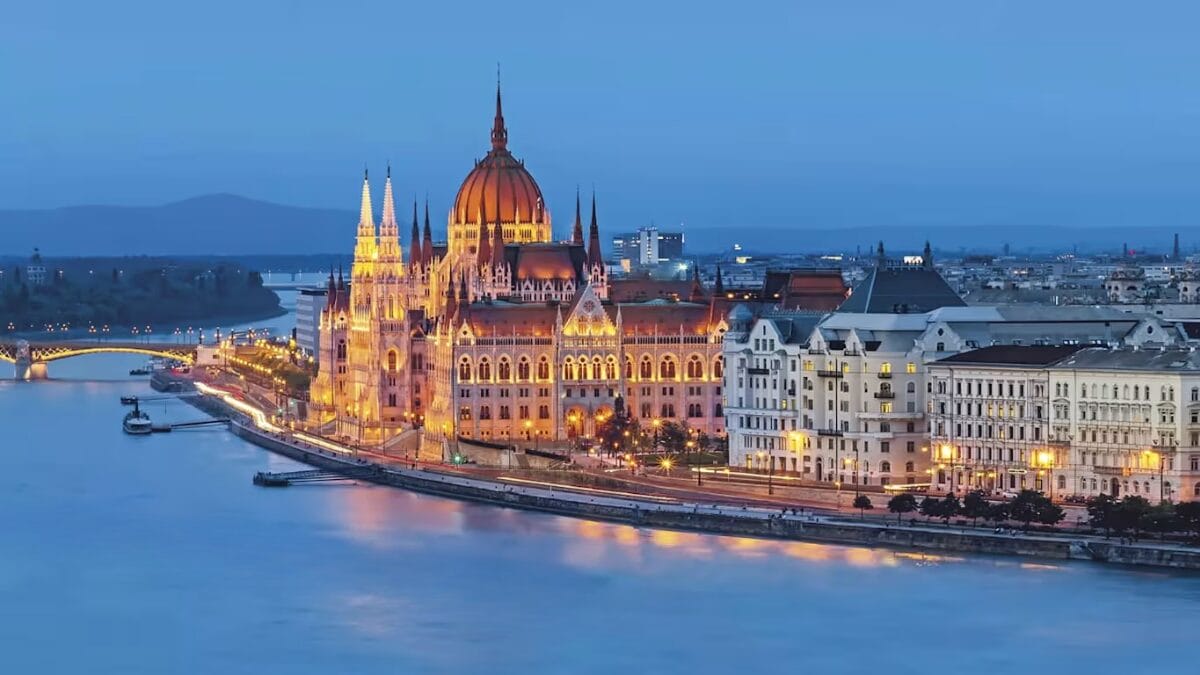
A journey through Budapest, Vienna, and Prague is more than a tour of architectural wonders; it is an exploration of cities shaped profoundly by their histories, particularly the period of communist rule and the subsequent transformations of the post-communist era. Understanding this shared past, and the different ways each city has processed it, adds a layer of depth to your Eastern Europe itinerary. The contrasts you observe—from Budapest’s gritty, adaptive creativity to Vienna’s preservationist elegance and Prague’s resilient, almost defiant, spirit—are direct products of these divergent paths.
During the communist period in Eastern Europe, consumption patterns were often characterized by a mix of state-promoted ideals and private appropriations of Western goods and ideas. This era left a lasting mark on the urban landscape. In Budapest, for instance, post-communist development inherited a “hopelessly run-down historic housing stock” that bore the marks of several decades of neglect. This decay, however, did not lead to uniform redevelopment. Instead, it created the canvas for phenomena like the ruin bars, which transformed abandoned buildings into vibrant cultural hubs—a testament to a resourceful, bottom-up approach to urban renewal. The city’s character today reflects this tension between grand historical ambition and pragmatic, often improvised, survival.
Vienna, geographically and politically removed from the Eastern Bloc, followed a different trajectory. Its history is more closely tied to the Austro-Hungarian Empire and its own distinct Central European identity. While it was impacted by the broader geopolitical shifts of the 20th century, it did not experience the same system of state socialism as its neighbors.
Consequently, Vienna’s post-war and post-communist development has focused more on preserving its imperial heritage and maintaining its status as a hub of high culture and international diplomacy. The city’s urban identity reflects a continuity of an established European tradition rather than a radical break from a recent past. The Heuriger culture, for example, represents a deeply rooted tradition that persisted through political changes, offering a glimpse into a rural, pre-industrial way of life that coexists with the modern metropolis.
Prague’s experience is perhaps the most dramatic. As the capital of a nation behind the Iron Curtain, it underwent a process of national identity construction that was heavily influenced by the communist regime and its eventual overthrow in the Velvet Revolution. The post-communist transformation involved grappling with a troubled heritage and forging a new national identity. This is palpable throughout the city.
The presence of Sapa Market, a large Vietnamese market reflecting the guest worker program of the communist era, is a direct, living artifact of that period. The vibrant, unpolished energy of neighborhoods like Žižkov, described as the city’s “beating heart,” can be seen as a manifestation of a local identity that resisted homogenization and thrived in the margins of official, tourist-oriented narratives. The city’s ability to blend medieval splendor with avant-garde concepts like the Beer Spa speaks to a creative resilience and a willingness to embrace the absurd and the unconventional, a spirit forged in the crucible of political change.
You begin to see Budapest’s ruin bars not just as a quirky nightlife scene, but as a symbol of post-socialist urban creativity. You appreciate Vienna’s Heurigen not just as a wine tasting, but as a preservation of a centuries-old rural culture within an imperial capital. And you understand Prague’s hidden courtyards and markets not just as off-the-beaten-path discoveries, but as tangible expressions of a nation’s complex and ongoing process of self-definition. This awareness transforms your Eastern Europe itinerary from a simple travel plan into a meaningful cultural exploration. Enjoy!