
Imagine wandering through cobblestone streets, where every corner reveals a story. The city’s rich history whispers from ancient walls, inviting you to explore. With its stunning architecture and vibrant culture, this destination promises to leave an indelible mark on your heart. Planning your visit can feel overwhelming, especially if it’s your first time. You want a reliable plan that balances must-see sights with hidden gems. This Prague 4 day itinerary is crafted just for you, breaking down your experience into manageable, exciting days. You’ll find detailed stops, walking routes, and tips gathered from years of exploration.
Four days is the sweet spot to soak in the atmosphere, allowing you to appreciate both the iconic landmarks and the lesser-known neighborhoods. You’ll learn what’s worth your time and what to skip, ensuring you avoid the crowds. By the end of this journey, you’ll have a clear plan that empowers your independent exploration.
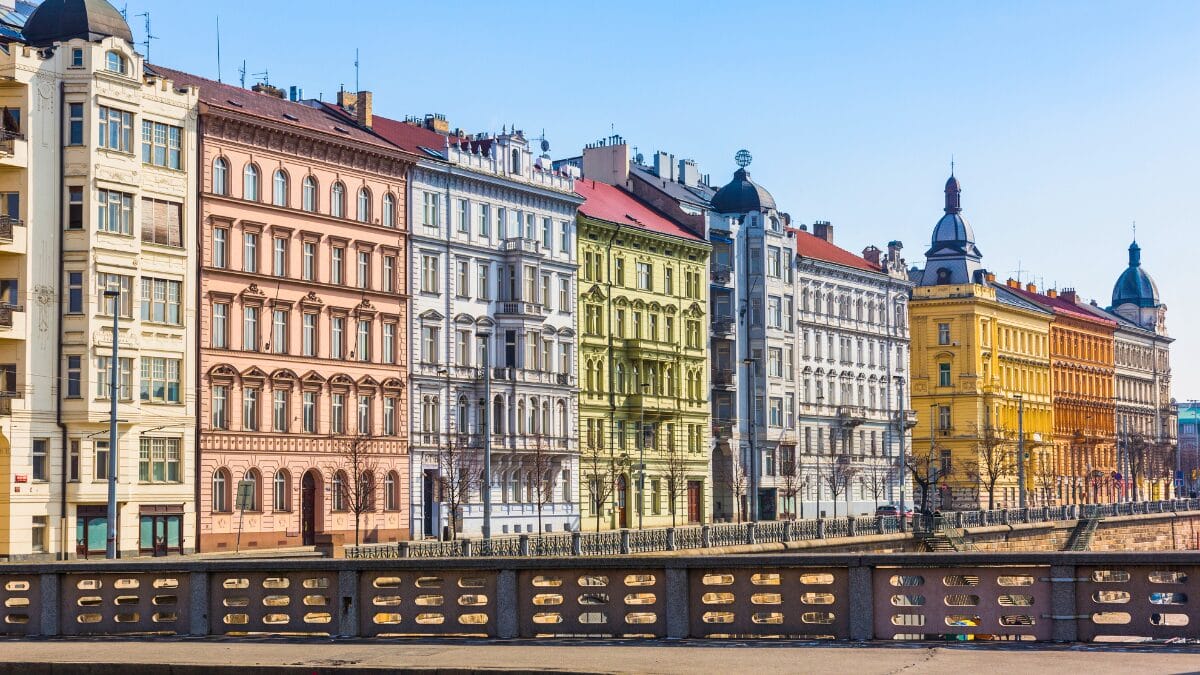
Prague 4 day Itinerary Key Takeaways
- Experience a well-rounded visit with a detailed plan for each day.
- Discover both famous landmarks and hidden neighborhoods.
- Enjoy practical tips to navigate the city like a local.
- Balance your schedule to avoid feeling rushed.
- Empower your adventure with firsthand insights and recommendations.
Introduction: Discover Your Perfect Prague 4 Day Itinerary
Picture yourself strolling along ancient pathways, where each step takes you deeper into a story. This city feels like a real-life fairytale.
Enchanting cobblestone streets and gothic architecture create a magical atmosphere. As you explore, you’ll discover delicious local cuisine that adds to the experience.
Beneath the undeniable historic charm, there’s an exciting vibe. This city is still finding its unique rhythm and spirit. The food is incredible, and the beer is so tasty it has even converted wine enthusiasts.
Plus, the locals are some of the warmest and most welcoming people you’ll meet.
- You’ve seen the photos of Charles Bridge at sunrise and heard about the cheap, excellent Czech beer — now you want the real thing.
- This introduction cuts through the Instagram hype and tells you exactly what to expect from your trip.
- The city blends medieval fairytale aesthetics with a post-communist energy that continues to evolve.
- The compact historic core means you can walk almost everywhere, but the efficient tram and metro system extends your range.
- You’ll encounter crowds in peak season, but this itinerary shows you how to find quiet moments even on the busiest days.
- The food scene has exploded beyond heavy dumplings and goulash — think inventive brunches, degustation dinners, and craft beer bars.
- This guide draws on nearly 20 years of visits, ensuring recommendations reflect what’s genuinely good.
- Whether you’re a solo traveler, a couple, or a small group, the day-by-day structure adapts to your pace.
- Expect practical details: ticket prices in CZK, opening hours, tram numbers, and which tours are worth your money.
Your perfect itinerary starts here. Let’s dive into why four days is the ideal length for your adventure.
Why Spend 4 Days Exploring Prague?
To truly immerse yourself in the beauty and vibrancy of this destination, four days is the ideal timeframe. This period strikes a balance between exploring the iconic sights and discovering the city’s hidden gems.
With just two days, you would race through landmarks like Prague Castle and Charles Bridge. You might miss the charming neighborhoods that give the city its unique character. Three days would allow you to cover the main historic districts, but you’d still feel rushed.
Spending five or more days opens up options for day trips to places like Kutná Hora or Český Krumlov. However, four days offers a complete experience without overwhelming your schedule.
This timeframe allows you to explore all five historic districts:
- Hradčany (Castle District)
- Malá Strana (Lesser Quarter)
- Staré Město (Old Town)
- Josefov (Jewish Quarter)
- Nové Město (New Town)
Four days means you can enjoy both guided tours and independent exploration. This combination unlocks the layered history of the city.
Additionally, you’ll have time to savor the local food scene, from street-level trdelník to exquisite sit-down dinners. The pace allows for late mornings after enjoying the nightlife or early starts to experience the quiet of Charles Bridge.
Ultimately, you’ll leave with a genuine sense of the city’s culture, not just a checklist of sights. In short, four days in this remarkable city provides depth without burnout — exactly what a great city trip should deliver.
| Duration | What You Miss | What You Gain |
|---|---|---|
| 2 Days | Neighborhood exploration | Iconic landmarks |
| 3 Days | Spontaneous wandering | Main historic districts |
| 4 Days | None | Complete experience |
| 5+ Days | Overwhelm | Day trips |
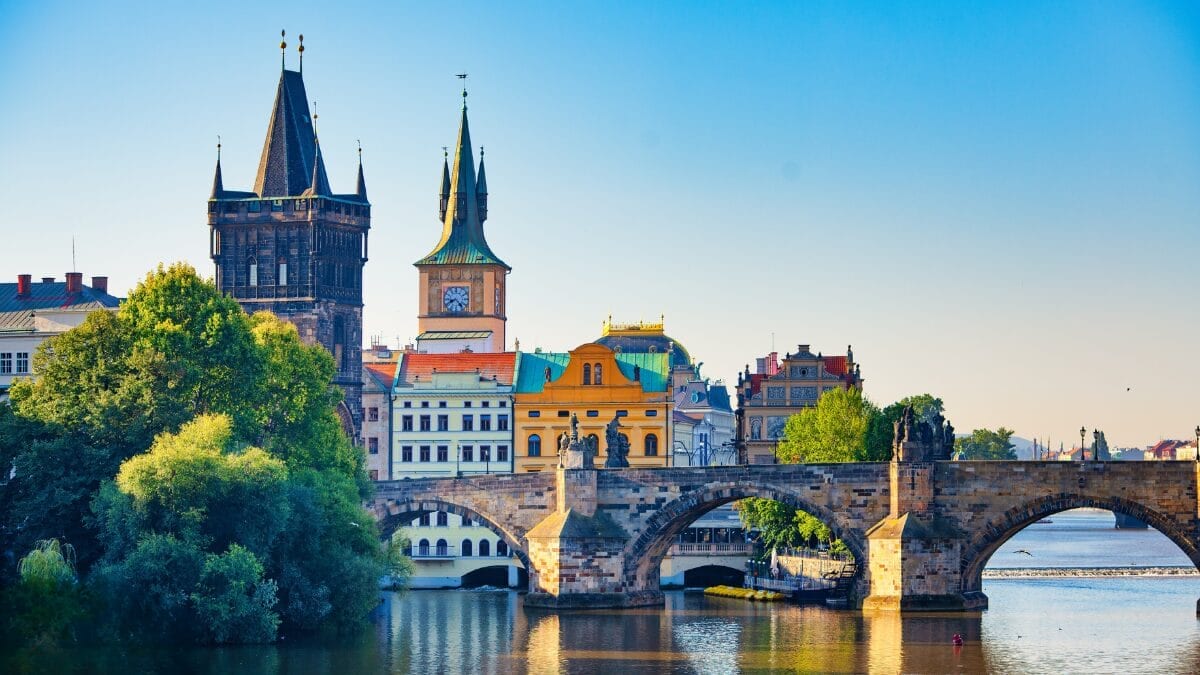
Essential Travel Tips for Your Prague Adventure
Before you embark on your adventure, there are a few essential tips to consider. These insights will help you navigate the city like a pro and enjoy every moment.
The Czech Republic uses the Czech Koruna (CZK), not the Euro. It’s wise to have some cash on hand for small purchases, like market stalls and tips. Most restaurants and shops accept cards, but a few charming spots, like Bockem, are cash-only. They do offer a QR code payment workaround, though!
Download the PID Lítačka app before you land. This app covers all public transport tickets, real-time departures, and route planning in English.
A single 30-minute ticket costs around 30 CZK, while a 24-hour pass runs between 120 and 150 CZK. This pass covers trams, metro, buses, the Petřín funicular, and some ferries.
Always validate your ticket immediately upon boarding. Plainclothes inspectors check frequently, and fines can be steep. To save time, book major attraction tickets online in advance. This simple step can save you hours of queueing at places like the castle and the Jewish Quarter.
The city center is extremely walkable, but tram lines 22 and 23 are your best friends for reaching the castle without the uphill slog. English is widely spoken in tourist areas, but learning a few Czech phrases, like “dobrý den” (hello) and “děkuji” (thank you), can go a long way with locals.
Pack comfortable walking shoes. Those cobblestone streets are charming but can be tough on your feet after a full day of exploring.
Also, make restaurant reservations for dinner, especially at popular spots like Terasa U Zlaté Studně. Booking a few days ahead is essential.
| Transport Pass | Duration | Price (CZK) |
|---|---|---|
| Single Ticket | 30 minutes | 30 |
| 24-Hour Pass | 24 hours | 120-150 |
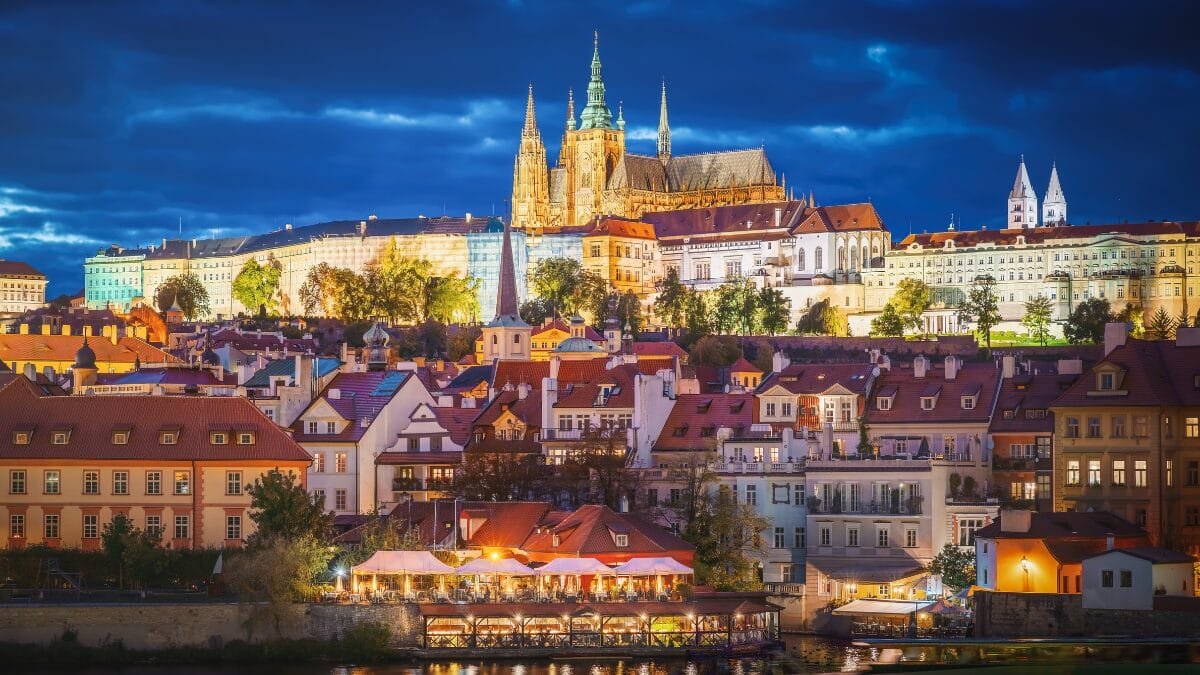
Best Time to Visit Prague for an Optimal Experience
Timing your visit can greatly enhance your experience in this enchanting city. Understanding the seasons can help you enjoy this vibrant destination to the fullest. The ideal months to explore are spring (April to May) and autumn (September to October). These seasons offer a wonderful balance of mild weather and manageable crowds.
Summer is beautiful, with long, sunny days. However, it also brings peak tourist density. Around the Astronomical Clock and Charles Bridge, you’ll find a slow-moving river of people from mid-morning onward.
If you visit in July or August, consider starting your days at sunrise. This way, you can plan indoor activities during the midday crush. Winter transforms the city into a quieter, more atmospheric place.
The Christmas markets in Old Town Square are genuinely magical. From December through February, you’ll encounter fewer tourists and lower accommodation prices, although temperatures hover around freezing. The wind off the Vltava River can be sharper than expected, so packing layers is wise.
Here are some key points to consider:
- Spring and autumn deliver the best combination of pleasant weather and manageable crowds.
- Late September is a personal favorite: golden light, harvest-season food, and thinning crowds after summer.
- Avoid Easter weekend if you dislike crowds, as the city is a popular short-break destination for Europeans during holidays.
- Rain showers are common in spring and fall, so a compact umbrella is handy.
- No matter when you visit, the city rewards early risers. Sunrise on Charles Bridge with only a handful of people is worth every lost hour of sleep.
| Season | Pros | Cons |
|---|---|---|
| Spring (April-May) | Mild weather, fewer crowds | Occasional rain |
| Summer (June-August) | Long days, vibrant atmosphere | High tourist density |
| Autumn (September-October) | Beautiful foliage, manageable crowds | Cooler temperatures |
| Winter (December-February) | Quieter city, Christmas markets | Cold temperatures |
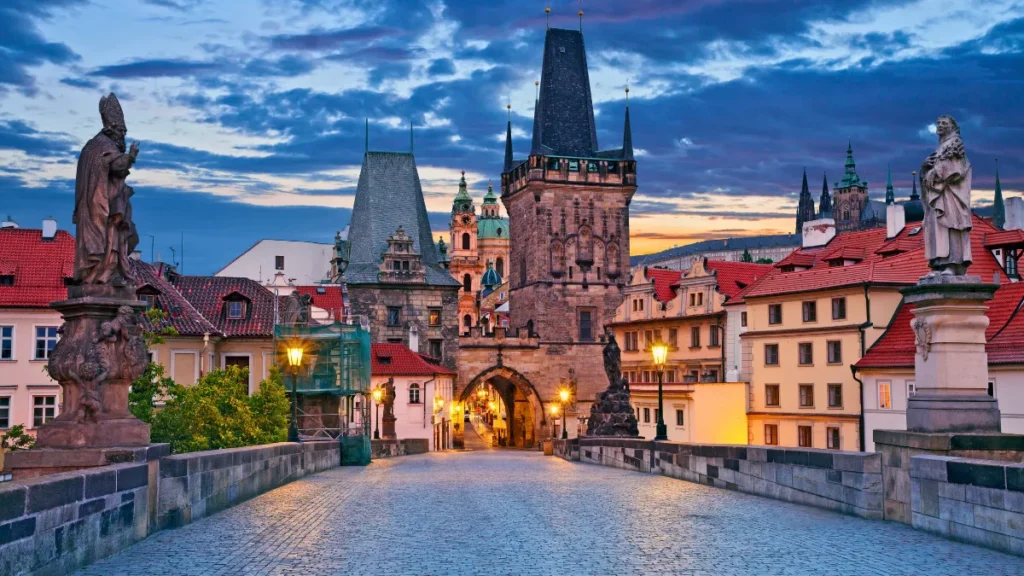
Where to Stay in Prague: Neighborhoods and Accommodation Recommendations
Choosing the right place to stay can significantly enhance your experience in this vibrant city. Each neighborhood offers a unique atmosphere, catering to different types of travelers. Here’s a breakdown of the best areas and some accommodation options to consider.
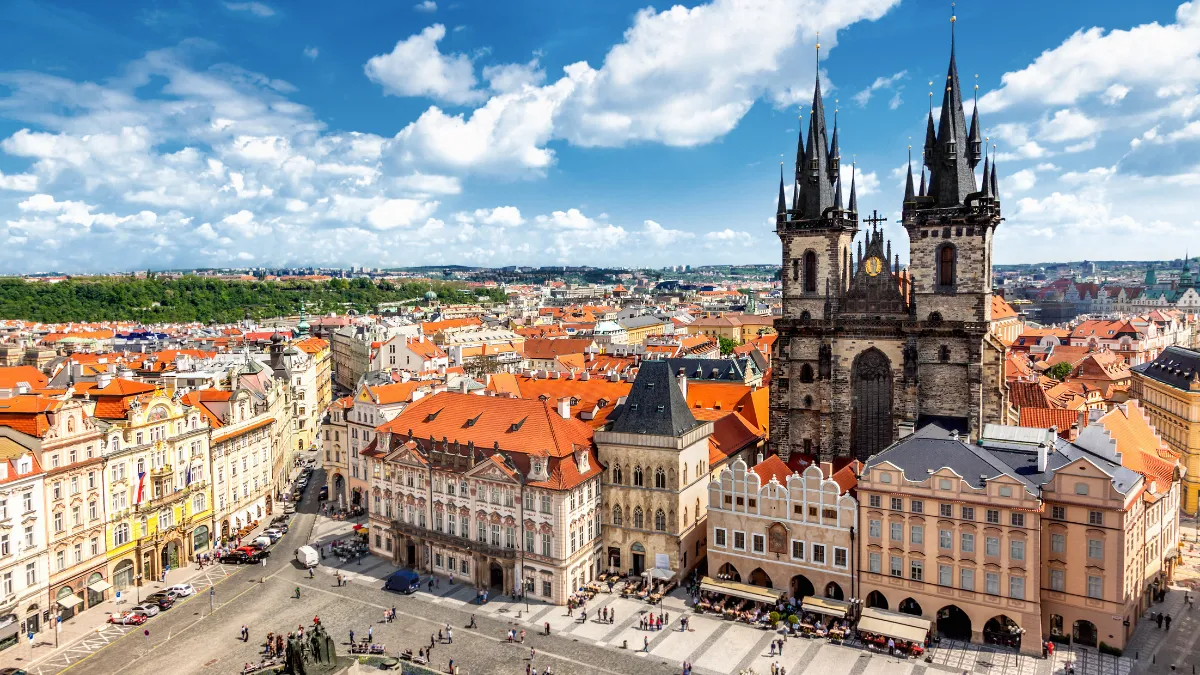
Old Town (Staré Město) is the heart of the city. It puts you steps from the Astronomical Clock and Charles Bridge. This area is perfect for first-timers who want the postcard view of the city right at their doorstep. Here are some recommended places:
- Old Prague Hotel: A no-frills option with simple rooms in an unbeatable location.
- Hotel Century Old Town: A Neo-Baroque building near tram stops and the subway, making it easy to explore.
Malá Strana (Lesser Town) offers a quieter, more romantic base beneath Prague Castle. The Baroque architecture and narrow alleyways create a charming atmosphere. Consider these accommodations:
- Augustine: A luxury choice set in a working medieval monastery, featuring beer brewed from the monks’ original recipe.
Josefov (Jewish Quarter) sits between Old Town and the river. Staying here immerses you in one of the city’s most historically rich areas. This neighborhood is perfect for history buffs.
Vinohrady is where you stay to live like a local. Tree-lined streets and Art Nouveau facades abound, along with some of the best cafes and wine bars. A recommended spot is:
- Sophie’s Hostel: A budget-friendly option with modern furnishings and clean bathrooms.
Žižkov suits night owls and alternative spirits. This bohemian district is packed with street art, dive bars, and the iconic TV tower. It’s an eclectic area with a lively nightlife.
Wherever you stay, prioritize proximity to a tram stop. This ensures easy access to the city’s attractions without relying on taxis or ride-shares.
With these recommendations, you can find the perfect area that matches your travel style and budget.
How to Get to Prague and Navigate the City
Getting to this beautiful city is easier than you might think. Whether you’re arriving by air or train, you’ll find that the connections are straightforward. Once you land, navigating the city is a breeze, thanks to its excellent public transport system.
The Václav Havel Airport is about 30-45 minutes from the city center. There’s no direct metro line, but bus connections are simple and efficient. The best options include:
- Bus 119: This bus takes you to Nádraží Veleslavín, where you can transfer to metro line A. Your standard public transport ticket covers this ride.
- Airport Express Bus: This bus goes directly to the main train station (Hlavní nádraží) but costs extra and isn’t covered by regular tickets.
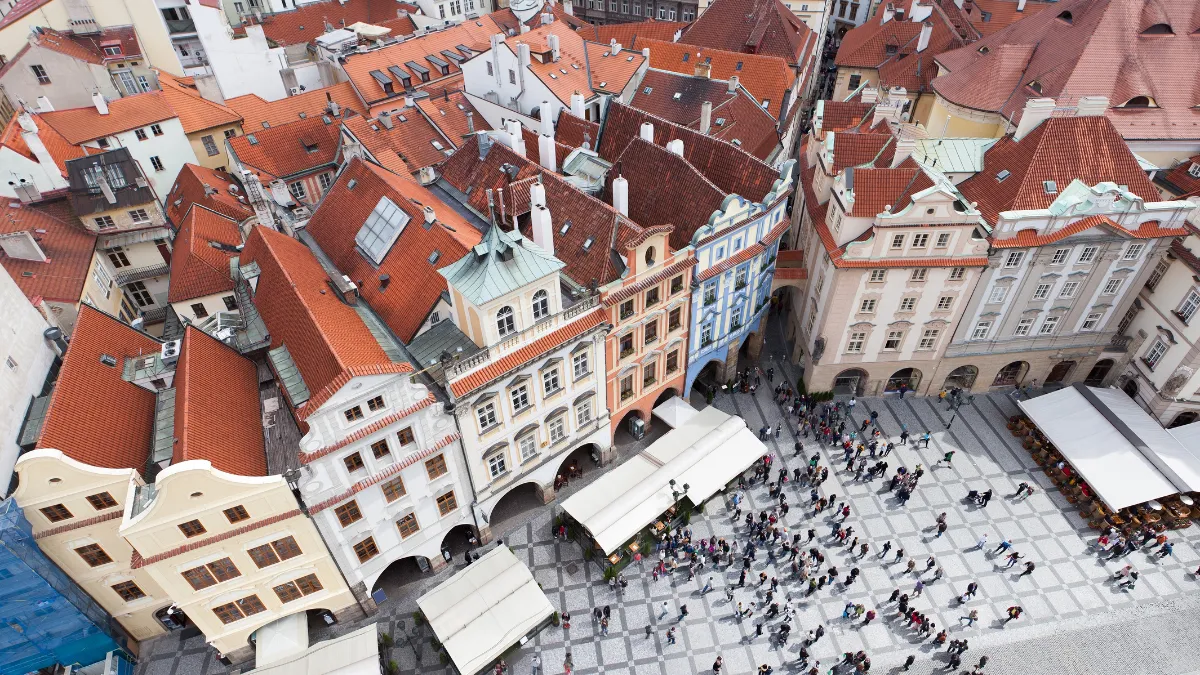
Once you’re in the city center, your feet are your best transport. The historic core is compact and almost entirely pedestrianized, making it easy to explore on foot. You’ll find that walking between neighborhoods is part of the experience.
For longer distances, the public transport system is fantastic. The metro has three lines — A (green), B (yellow), and C (red) — running from early morning until after midnight. Trams fill in the gaps that the metro misses. Lines 22 and 23 are particularly useful for reaching the castle without the uphill climb.
To navigate effectively, download the PID Lítačka app before you arrive. This app allows you to buy tickets, check real-time departures, and plan routes all in English.
A 24-hour pass pays for itself after about four rides, so grab one if you plan to use trams or the metro frequently.
Remember to validate your paper tickets in the yellow machines on trams and buses or at metro station entrances. Unvalidated tickets can lead to instant fines. Here’s a quick overview of public transport options:
| Transport Type | Details | Price (CZK) |
|---|---|---|
| Single Ticket | 30 minutes on all transport | 30 |
| 24-Hour Pass | Unlimited travel for 24 hours | 120-150 |
Lastly, don’t miss the riverside path from Vyšehrad back into town. It’s a local favorite that most tourists never discover, providing a scenic route filled with charm.
Day 1: Explore Historic Old Town and Iconic Charles Bridge
Your first day in this enchanting city sets the stage for an unforgettable adventure. You’ll dive right into the heart of the historic core, where each corner tells a story. A logical walking route will guide you through the Old Town, revealing its iconic sights and hidden gems.
Join a Free Walking Tour to Orient Yourself – Prague 4 day Itinerary
Start your first day in the city with a free walking tour. It’s the single best way to orient yourself, learn the layout, and gain historical context you’d miss on your own. My favorite company is New Europe, which meets near the Astronomical Clock in Old Town Square around 10 AM. Their upbeat guides cover the Old Town, Jewish Quarter, and Charles Bridge in about 2.5 hours.
If New Europe is fully booked, consider Tours by Foot, another solid option. Both companies operate on a tips-only basis, so you pay what you think the tour was worth.
Visit Old Town Square and the Astronomical Clock
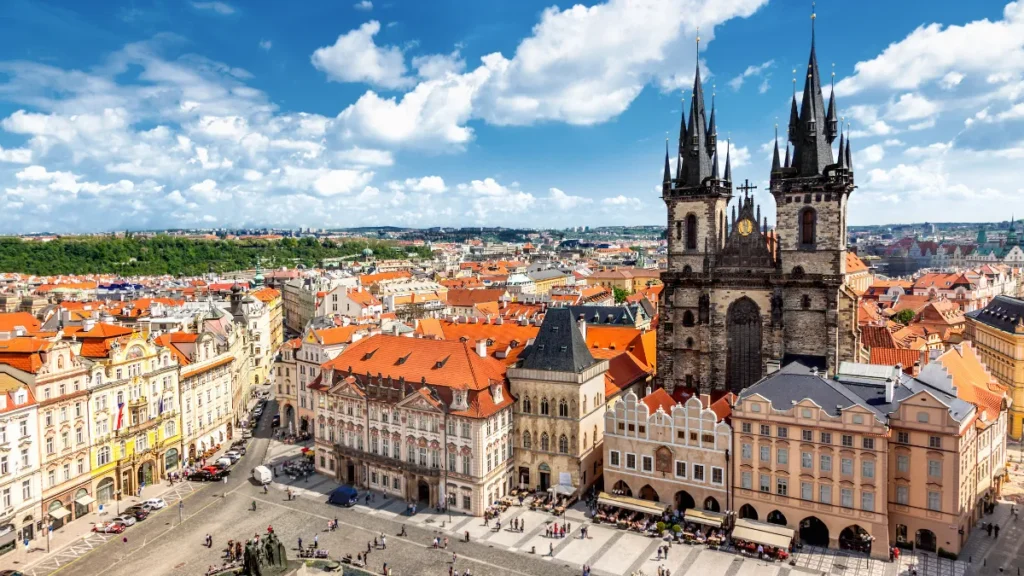
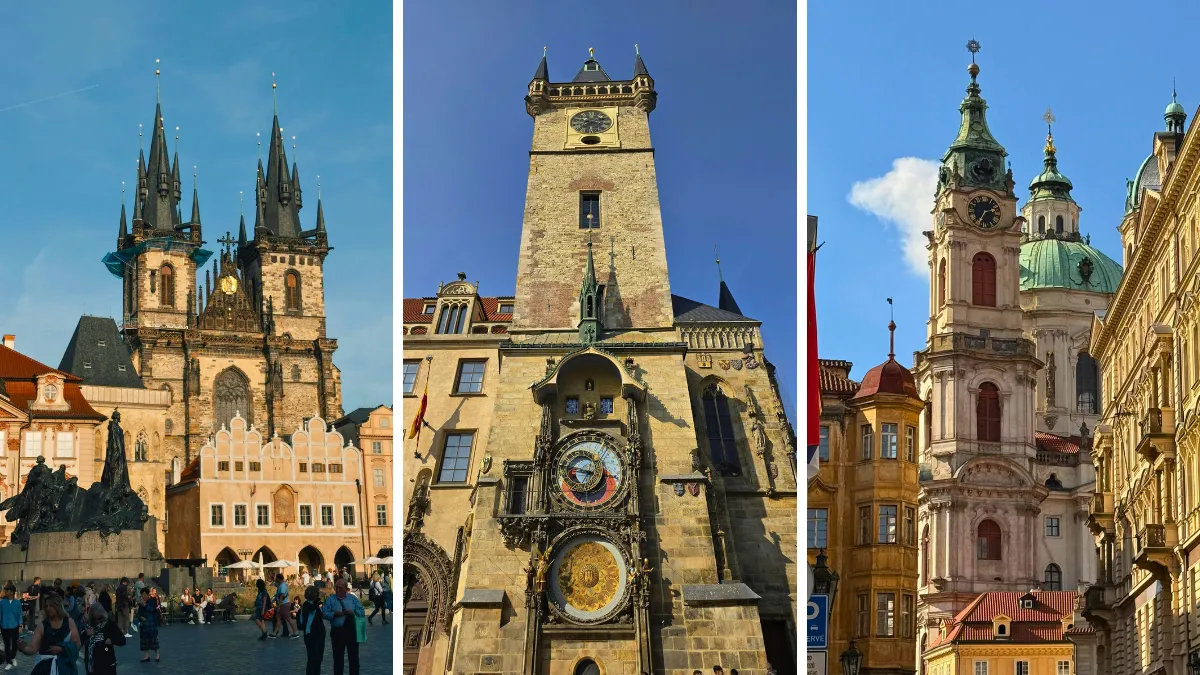
After the tour, linger in Old Town Square. The people-watching here is unbeatable, with musicians performing throughout the day. The Astronomical Clock draws a crowd every hour for its chiming display. While the show itself can be anticlimactic, the clock’s medieval craftsmanship is genuinely stunning.
- Don’t miss Tyn Church and St. Nicholas Church, which line the square and offer a quiet contrast to the bustle outside.
- Explore the medieval catacombs beneath the Old Town Hall, showcasing the first levels of houses that once stood in the square.
- Seek out the Paternoster Elevator inside Prague City Hall — this doorless, continuously moving lift is free to ride and feels like stepping into a steampunk novel.
Stroll Across Charles Bridge and Discover John Lennon Wall
As the day winds down, cross Charles Bridge in the late afternoon when the light turns golden. This pedestrian-only bridge, built by Charles IV in 1357, features 30 Baroque statues and Gothic towers at each end, creating one of Europe’s most iconic views.
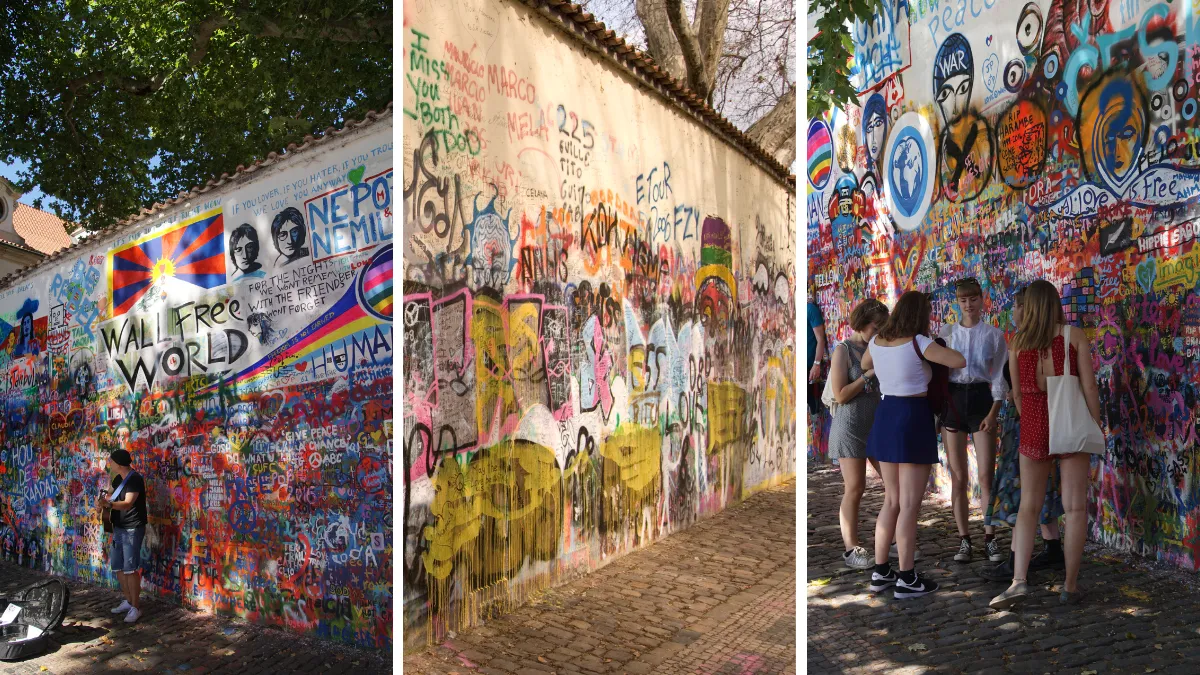
From the bridge’s Lesser Town end, walk to the John Lennon Wall. This living symbol of resistance and peace allows you to add your own message to decades of graffiti. It’s a unique spot to reflect on the city’s history.
Continue to Kampa Island for a riverside drink. Kampa Park Restaurant offers a sit-down option, but there are plenty of casual spots to rest your feet.
If you still have energy, consider a 75-minute tour with Prague Underground Tours, exploring medieval houses beneath the city center. This fascinating look at the history below the cobblestones is a perfect way to end your first day.
Day 2: Discover the Majesty of Prague Castle and Surroundings
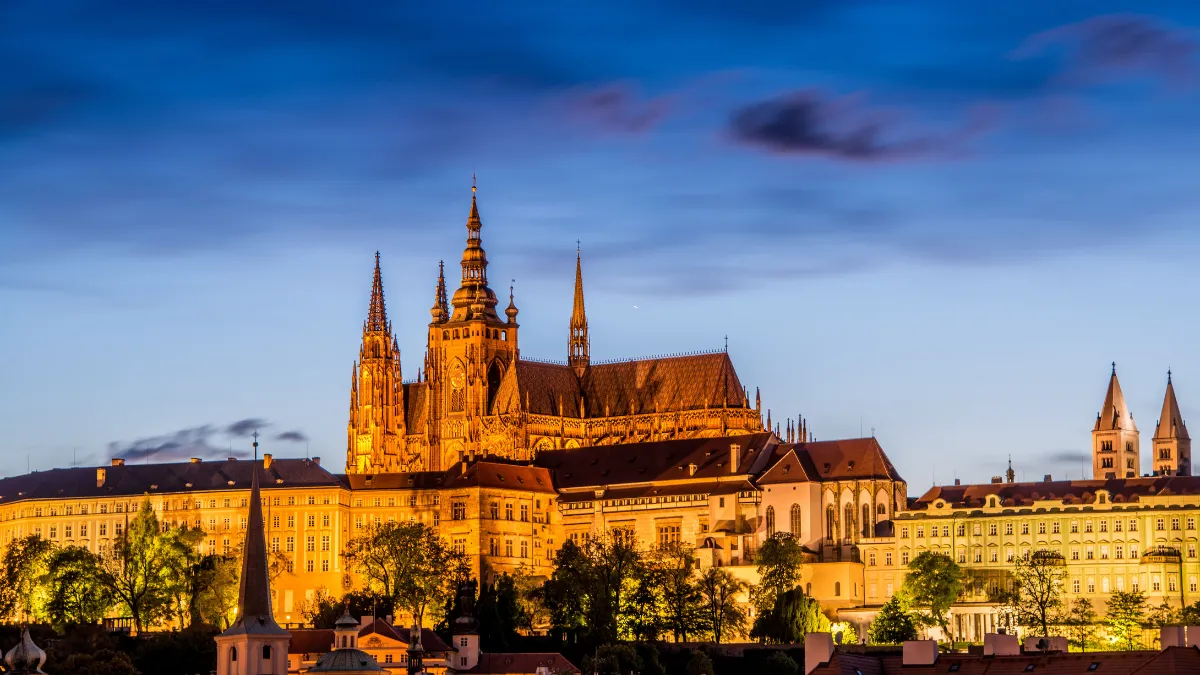
On day two, immerse yourself in the grandeur of the largest castle complex in the world. This iconic site is a must-visit, demanding at least half a day to explore properly. The sprawling grounds offer a glimpse into centuries of history and stunning architecture.
Consider booking a guided tour that meets at Malostranská metro station at 11 AM. This 2.5-hour tour boasts a 4.7/5 rating from over 3,000 reviews and includes tram tickets and skip-the-line entry. If you prefer to explore independently, purchase your castle circuit tickets online in advance. They are valid for two days and cover key attractions.
Tour the Prague Castle Complex and Its Highlights
The castle complex features several notable buildings:
- St. Vitus Cathedral: The highlight of the complex, construction began in 1344 and took nearly 600 years. Don’t miss the stunning Mucha-designed stained glass window.
- The Old Royal Palace: Marvel at the vast vaulted hall from the 14th century, an engineering marvel of its time.
- St. George’s Basilica: This historic building was reconstructed in 1142 and showcases beautiful Romanesque architecture.
- Golden Lane: While it may feel overhyped during the day, knowing that Kafka wrote in house number 22 adds a layer of literary history.
Be sure to time your visit to catch the Changing of the Guard at midday in the first courtyard. This colorful ceremony is a brief but delightful experience.
Relax and Enjoy Views from Petrín Park and Tower
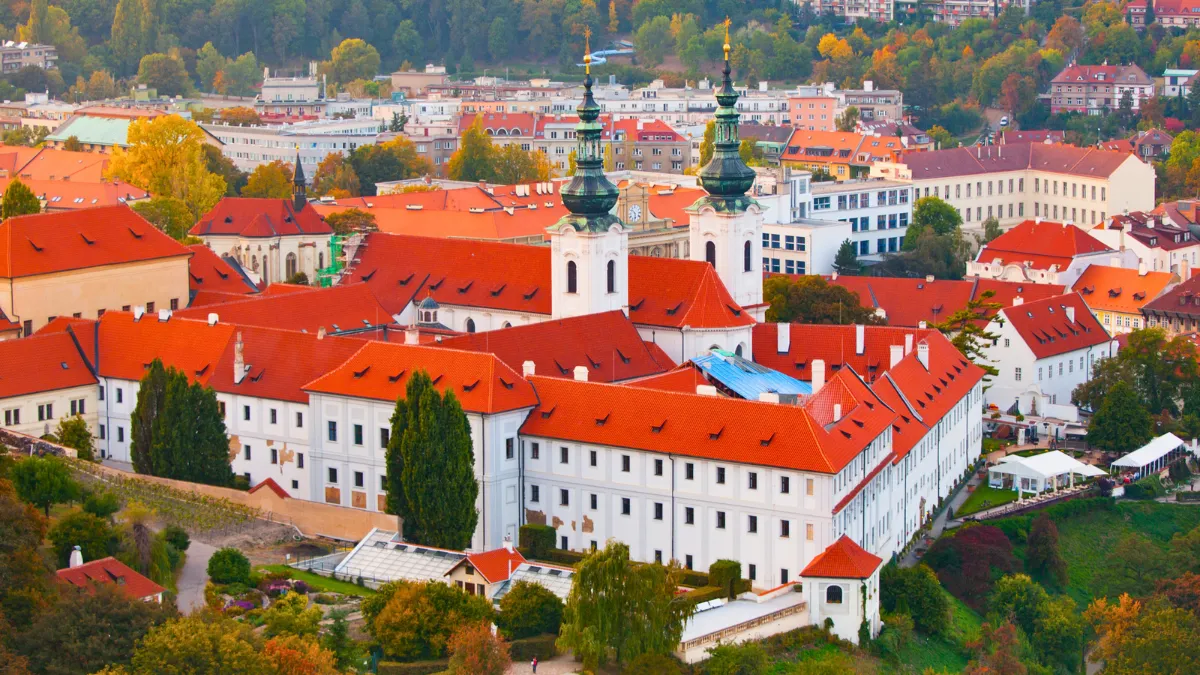
After exploring the castle, take a leisurely walk through the charming Nový Svět street to Strahov Monastery. The monks here have been brewing beer since 1400, and the craft brewery reopened in 2000.
Grab lunch and a house-brewed beer at the monastery brewery before heading to Petrín Park.
Petrín Tower, built in 1891 as a miniature Eiffel Tower, rewards those who climb its 299 steps with panoramic views. On clear days, you can see Snezka, the Czech Republic’s highest peak, 150 kilometers away. Tickets start from 220 CZK, and the lift is available for an extra charge.
Visit Strahov Monastery and the Scenic Vrtba Gardens
Next, make your way to the stunning Baroque Library at Strahov Monastery, which houses 200,000 volumes across two impressive halls.
The Theological Hall dates back to the 17th century, while the Philosophical Hall was completed in the 18th century. Library tickets cost 150 CZK.
Afterward, descend through the park to Vrtba Gardens, a hidden Baroque gem on three terraces. The entrance is easy to miss, just a small archway on Karmelitská Street.
The top terrace offers one of the best views of the castle’s profile, so bring your camera and take your time enjoying the sights.
Day 3: Uncover History in the Jewish Quarter and Cultural Parks
Your third day invites you to delve into the rich history of the Jewish Quarter and enjoy the serenity of cultural parks. This area, known as Josefov, is one of the best-preserved Jewish historical complexes in Europe. It’s a sobering yet essential visit that you won’t want to miss.
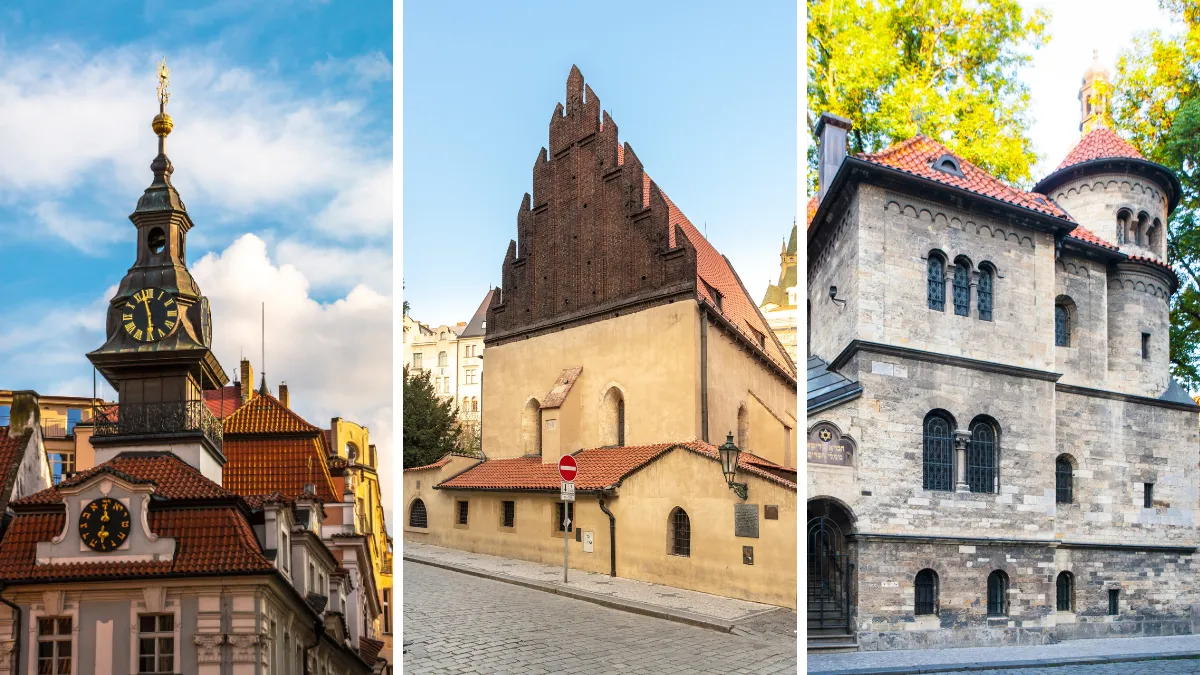
The Jewish Quarter contains six synagogues, the Jewish Ceremonial Hall, and the Old Jewish Cemetery. Here, tombstones crowd together in a hauntingly beautiful jumble.
This area was preserved by Hitler, who had a chilling plan to turn it into a museum of an extinct people. Today, it stands as a place of memory and education.
To access all the sites efficiently, buy a combined ticket for the synagogues and cemetery. This option costs less than individual entries.
The Pinkas Synagogue features walls inscribed with the names of nearly 80,000 Czech Holocaust victims. It’s one of the most powerful memorials you’ll ever encounter.
Plan about three hours to move through the quarter at a respectful pace. Rushing through feels wrong, and you’ll miss the depth of the exhibits.
Explore Jewish Quarter’s Synagogues and Cemeteries
As you walk through the quarter, take your time to appreciate the significance of each site. Each synagogue tells a story of resilience and culture. The Old Jewish Cemetery is particularly poignant, with its layered tombstones that reflect centuries of history.
Walk Through Letná Park and Visit the National Monument at Vitkov
After exploring the Jewish Quarter, cross the Vltava River to Letná Park. The climb up the stairs rewards you with sweeping views back across the Old Town. This park is a local favorite, where you can relax and enjoy a pint of Pilsner Urquell at the beer garden.
Letná’s walking trails connect to Chotkovy sady, where you’ll find quieter gardens and rear views of the castle that most tourists never see. Continue east to Vitkov Park and the National Monument. The colossal equestrian statue of Jan Žižka dominates the hilltop, commemorating his victory over Catholic forces in 1420.
The monument houses a detailed exhibit on 20th-century Czech history and the Tomb of the Unknown Soldier. The view from Vitkov stretches across Žižkov and the New Town, offering a perspective on the city that few visitors bother to seek out.
This day balances heavy history with open-air walking, creating a rhythm that makes your journey feel complete rather than exhausting.
| Site | Highlights | Tickets (CZK) |
|---|---|---|
| Jewish Quarter | Six synagogues, Old Jewish Cemetery | Combined ticket available |
| Letná Park | Beer garden, sweeping views | Free entry |
| Vitkov Park | National Monument, Tomb of the Unknown Soldier | Free entry |
Day 4: Experience Offbeat Prague and Modern Neighborhoods
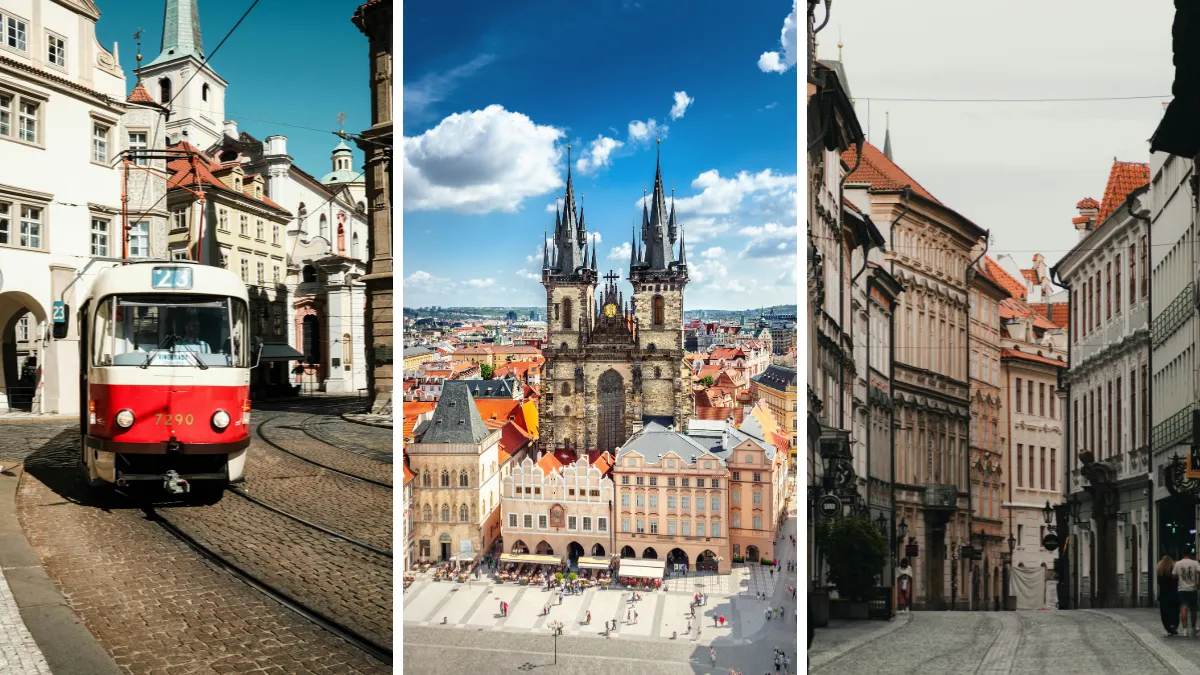
On your final day, dive into the lesser-known corners of the city that reveal a different side of its charm. You’ll explore areas where locals spend their time, such as Vyšehrad, Žižkov, and Karlín. These neighborhoods offer a unique perspective of the city beyond the usual tourist attractions.
Explore Vyšehrad Fortress and Its Historical Significance
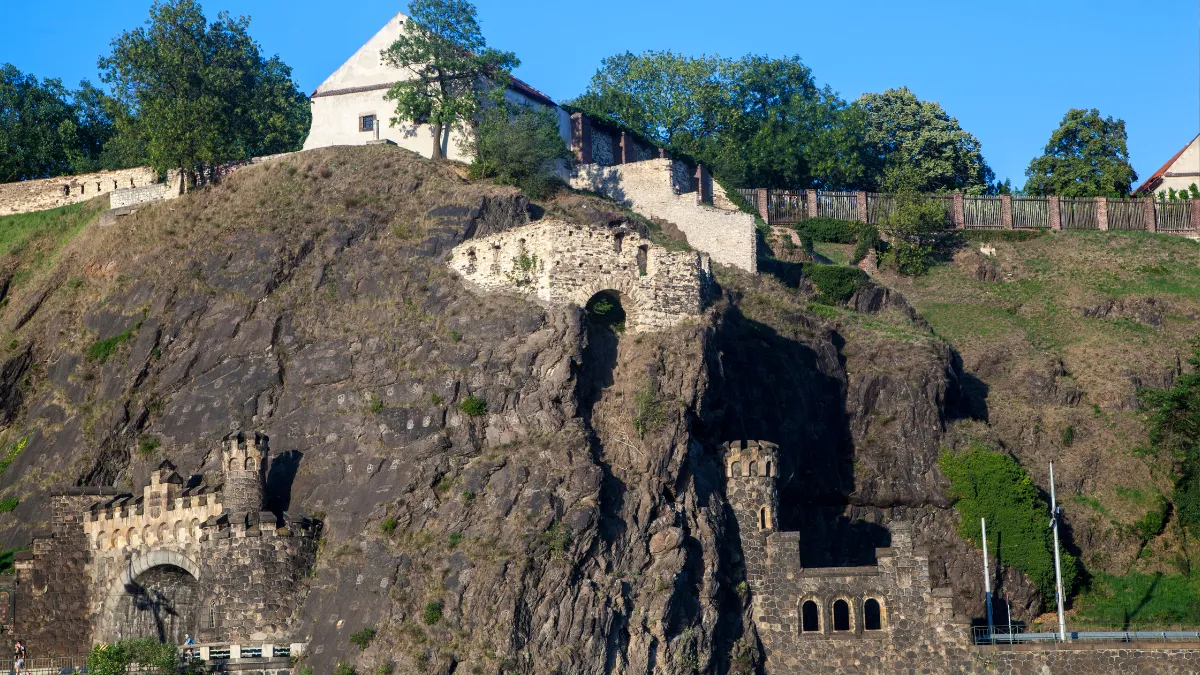
Vyšehrad is one of the original castles of the kings of the city, built around the 10th century. It’s perched on a rocky bluff above the Vltava River, offering stunning views and a rich history. The fortress contains the Rotunda of St. Martin, Prague’s oldest surviving building, which remains largely ignored by the typical tourist crowds.
Few tourists venture here, so you can enjoy the ramparts and views almost to yourself. A guided tour costs around 830 CZK, providing context since signage is sparse.
After your visit, take a scenic walk along the riverside path back toward the city center. This flat, picturesque route is perfect for spotting locals jogging, cycling, and walking their dogs.
Discover Modern Architecture and Vibrant Districts like Žižkov and Karlín
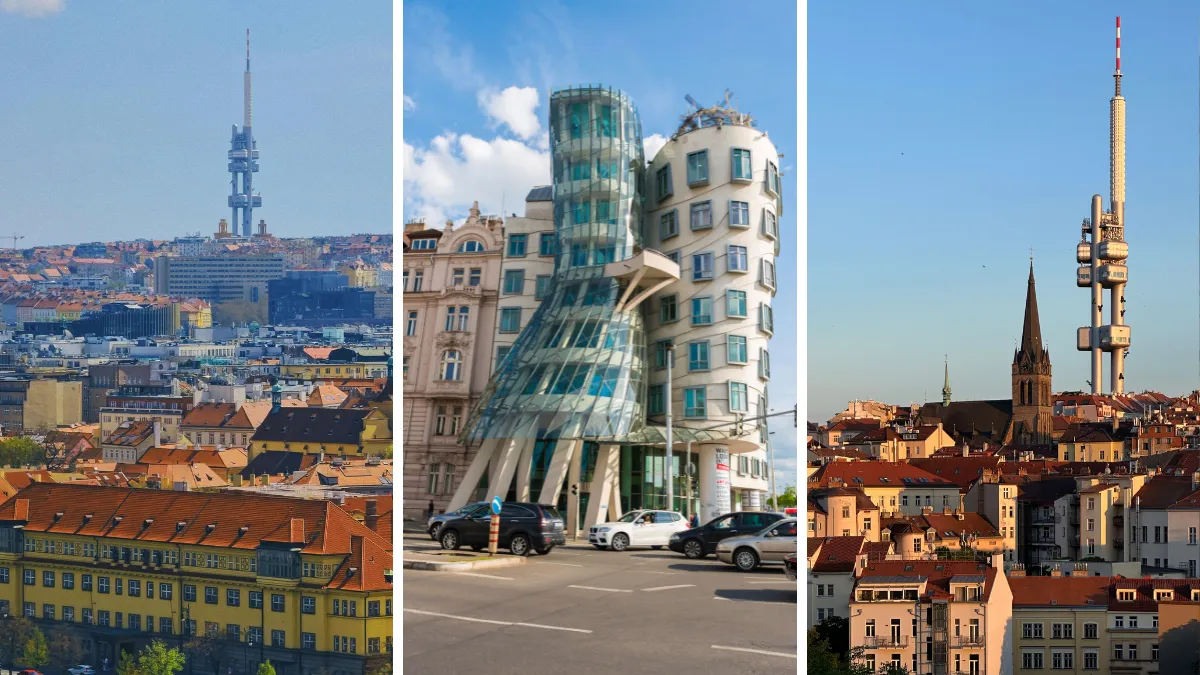
Next, head to Žižkov, a bohemian district known for its eclectic street art and lively nightlife. This area rebels against the polished image of the city, offering quirky bars, cafes, and music venues.
Don’t miss the Žižkov TV Tower, a controversial yet iconic building adorned with crawling baby sculptures by David Černý. The observation deck provides panoramic views of the city.
After Žižkov, make your way to Karlín. Once devastated by floods in 2002, this neighborhood has transformed into one of the city’s trendiest areas. You’ll find excellent restaurants, specialty coffee shops, and converted industrial spaces that showcase the area’s revival.
As you wander, keep an eye out for the unique Cubist architecture that emerged between 1911 and 1914. You can spot these angular facades around Vyšehrad and the New Town. If you’re interested in learning more, consider joining an Art Nouveau and Cubist Architecture walking tour, which lasts about three hours.
End your day with dinner in Karlín, where the culinary scene reflects the neighborhood’s transformation. This final day shows you the city that exists beyond the selfie sticks and souvenir shops — the one that might just convince you to return.
Suggested Day Trips from Prague to Enrich Your Journey
For those looking to extend their adventure, day trips from the city offer a wealth of history and beauty. If you have a fifth day or want to swap one of the itinerary days, these trips add a different dimension to your experience.
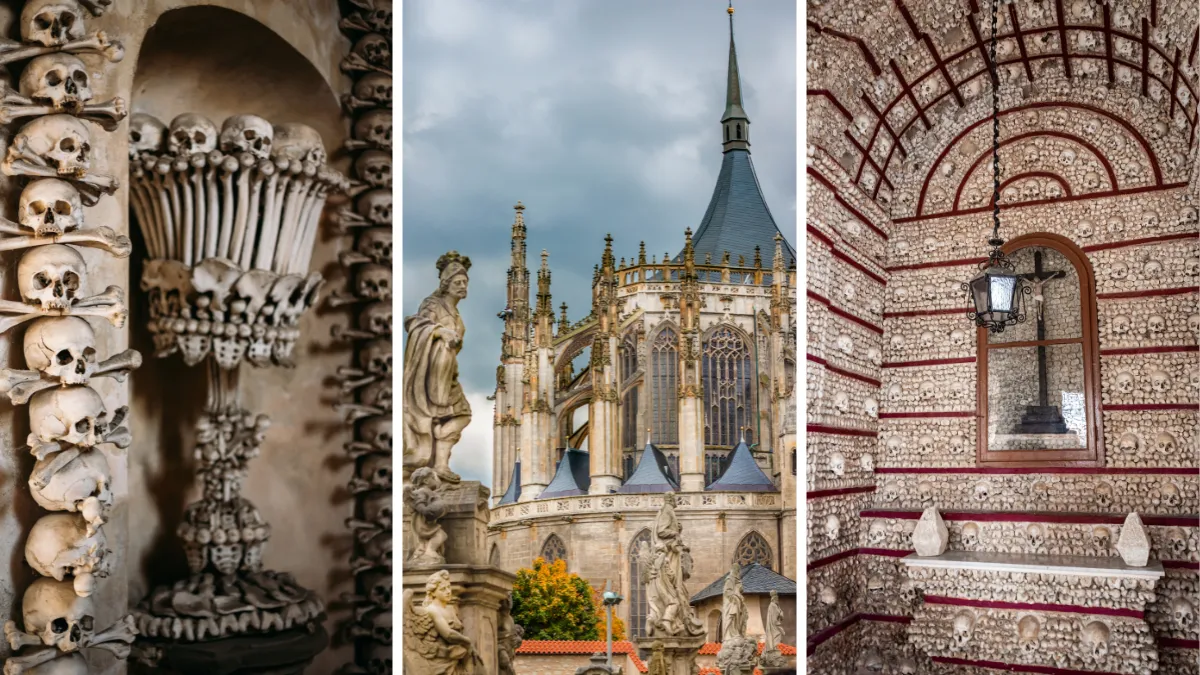
- Kutná Hora: This town is a center for silver mining in medieval Bohemia. It’s famous for the Sedlec Ossuary, also known as the Bone Church, which contains the bones of 40,000-70,000 people arranged into stunning displays. The town itself is a UNESCO site with marvelous medieval churches and well-preserved streets. It feels like the city without the crowds. A half-day tour is available, or you can visit independently, making it about an 8-hour round trip by train.
- Český Krumlov: This picturesque town is known for its well-preserved medieval old town and stunning castle overlooking a river bend. It’s a fairytale destination, but it requires a longer commitment of 10-12 hours for a day trip. Consider an overnight stay to fully enjoy its charm.
- Karlovy Vary: Renowned for its thermal springs and colorful architecture, this famous spa town offers spa treatments and relaxation. The round trip takes about 10-12 hours, making it a perfect getaway for those seeking wellness and beauty.
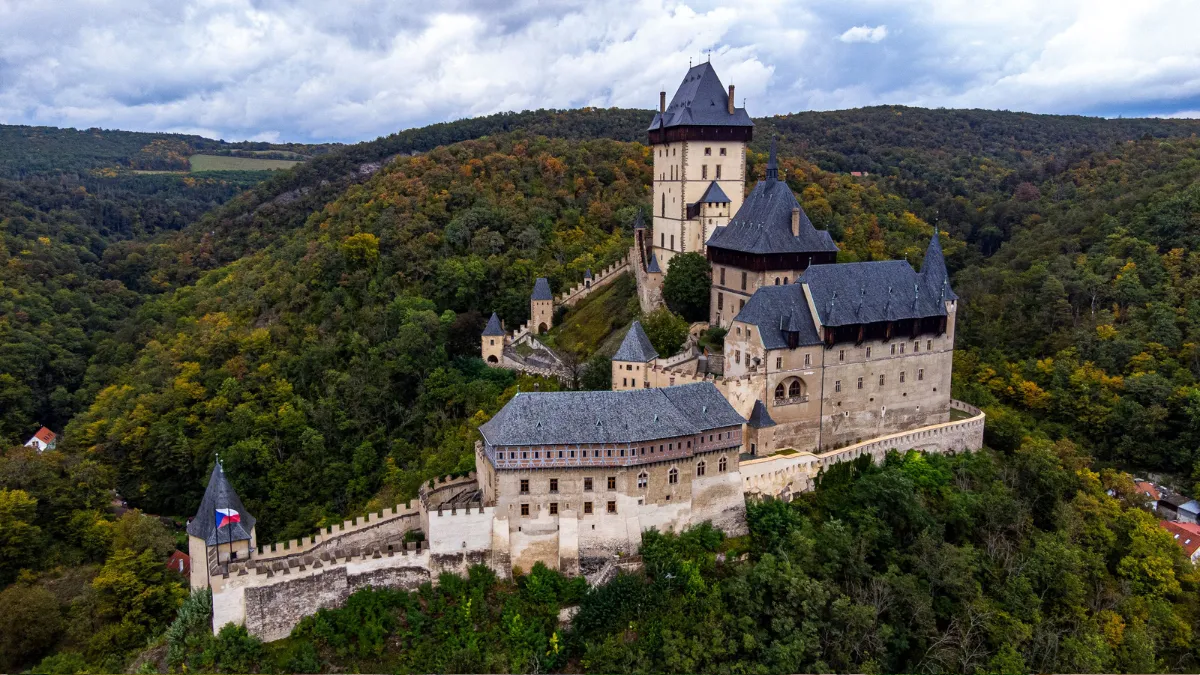
- Karlštejn Castle: Founded by Emperor Charles IV, this magnificent Gothic castle is surrounded by beautiful Czech countryside. The trip lasts about 6-8 hours round trip, making it an easy and rewarding excursion.
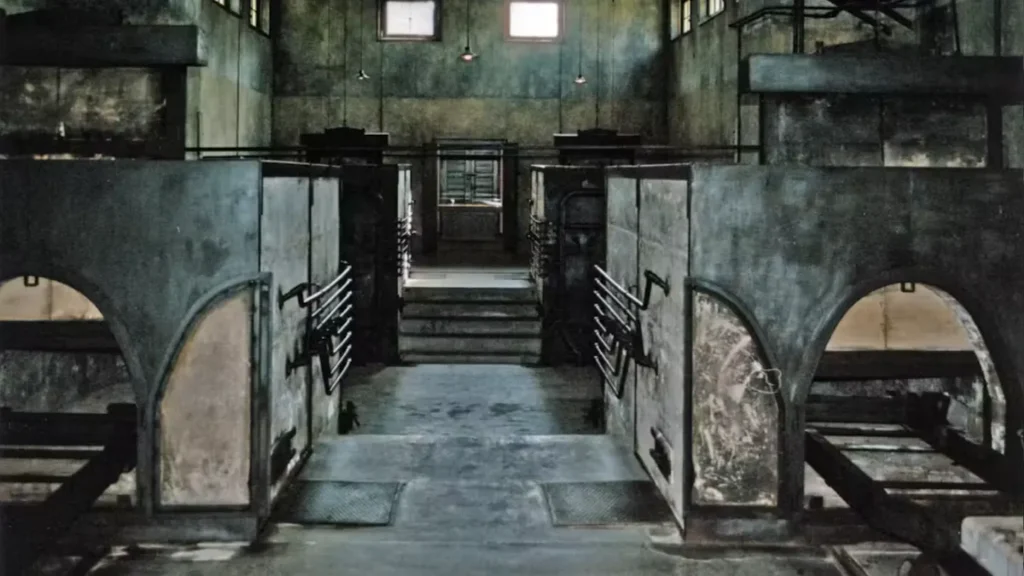
- Terezín Concentration Camp: This sobering memorial to the victims of Nazi persecution is a half-day trip, taking about 6-8 hours round trip. The memorial and museum confront visitors with the harsh realities of history.
All these destinations are reachable by train or bus from the city’s main stations. There’s no need to rent a car or book an expensive private tour.
Guided day tours are available for each destination if you prefer someone else to handle the logistics, and prices are reasonable compared to Western European equivalents.
Choose one day trip that matches your interests. History buffs may lean toward Kutná Hora or Terezín, while those seeking scenic beauty might gravitate to Český Krumlov or Karlštejn.
Top Food and Dining Experiences to Taste in Prague
The culinary landscape of this city has transformed into a vibrant tapestry of flavors. Food lovers will find an exciting array of dining options that go beyond traditional dishes like trdelník and goulash.
Bockem is a must-visit brunch spot located at Elišky Peškové 1095/5. This cash-only restaurant offers a QR code payment option. It’s open Wednesday to Friday from 8 AM to 1 PM and weekends from 9 AM to 2 PM.
Their menu features standout dishes like soufflé eggs Benedict and mushroom cream. Don’t miss the breakfast gin and tonic — it’s a refreshing twist with cucumber and citrus-steeped gin.
If you’re looking for a backup brunch option, Café Savoy provides a similar elegant vibe and is open on Mondays and Tuesdays when Bockem is closed.
For dinner with a view, Terasa U Zlaté Studně is an upscale choice overlooking the red rooftops of Malá Strana. Be sure to book ahead for a table on the terrace.
Kampa Park Restaurant offers a delightful riverside dining experience, perfect for a relaxing meal after a day of exploring.
A local food tour is a fantastic way to sample specialties while learning about the neighborhood’s history. Many tours boast thousands of 5-star reviews, ensuring a memorable experience.
Don’t forget to visit the Strahov Monastery Brewery, which has been brewing since 1400. Enjoy their house-brewed beer with a lunch of Czech classics after touring the castle.
Letná Park’s beer garden is another scenic spot to grab a pint of Pilsner Urquell and watch the sun set over the Old Town’s spires.
Finally, the trendy neighborhood of Karlín is home to some of the best degustation restaurants, natural wine bars, and specialty coffee roasters. This area has truly emerged as a top place for food enthusiasts.
Make sure to try svíčková (marinated beef with cream sauce) and smažený sýr (fried cheese). And don’t leave without sampling at least one craft beer from a local microbrewery.
Restaurant reservations are essential for dinner, especially from Thursday to Saturday. Be sure to book a few days in advance for popular spots.
Do
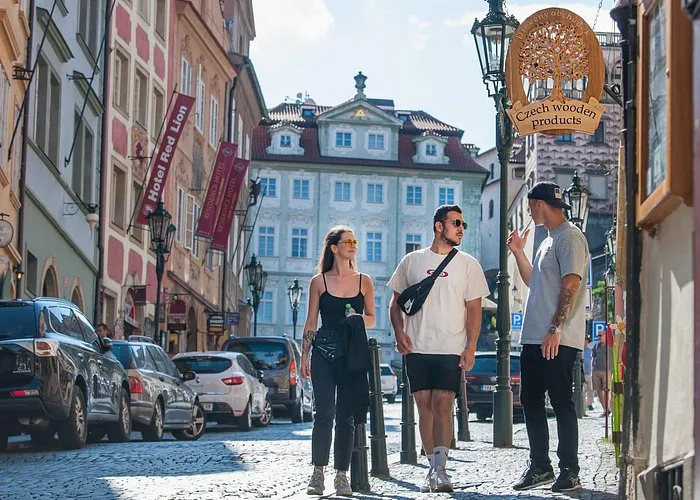
One Day See-It-All Prague Tour & River Boat Cruise
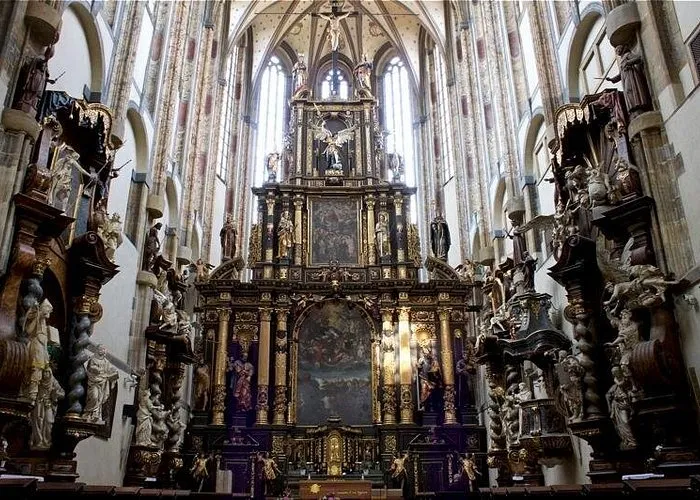
Prague Old Town New Town and Jewish Quarter
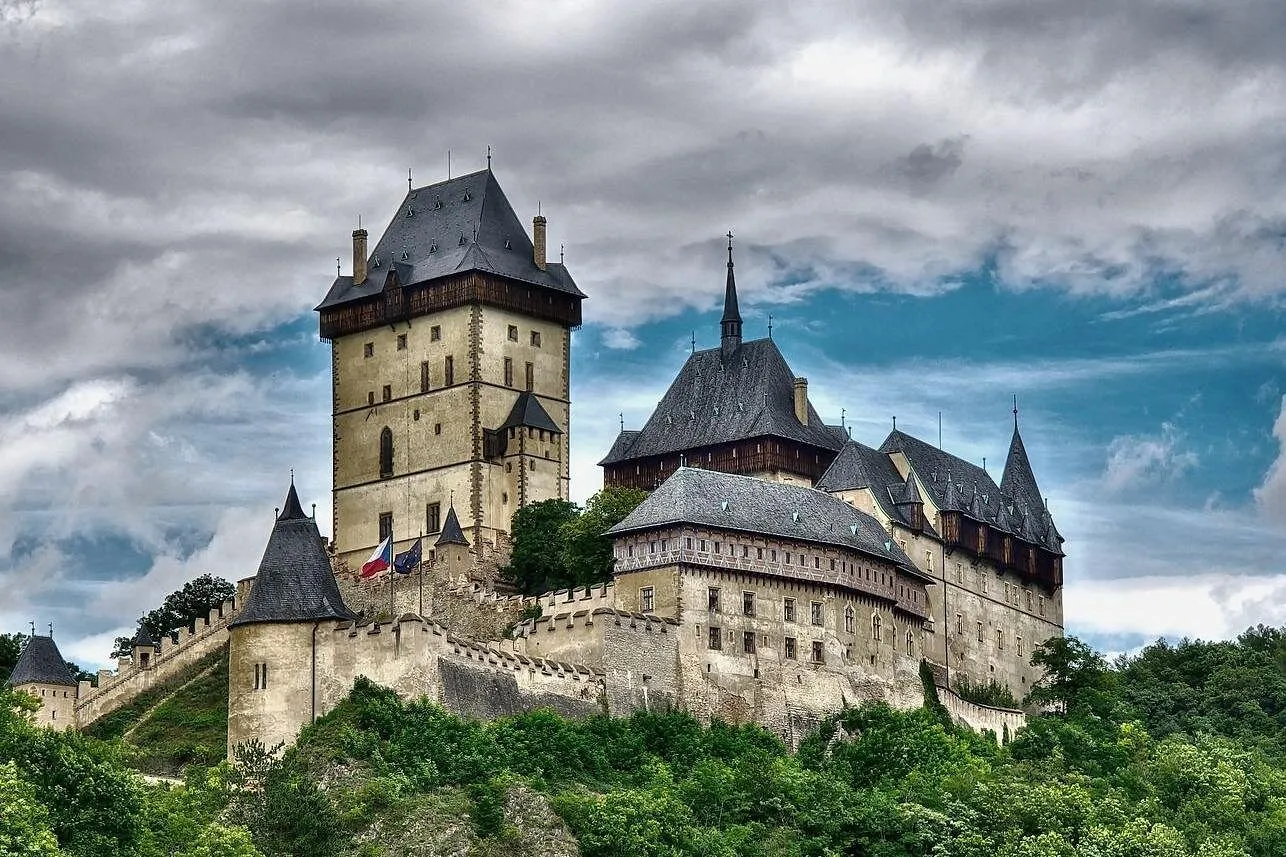
Karlstejn Castle & Koneprusy Caves Trip
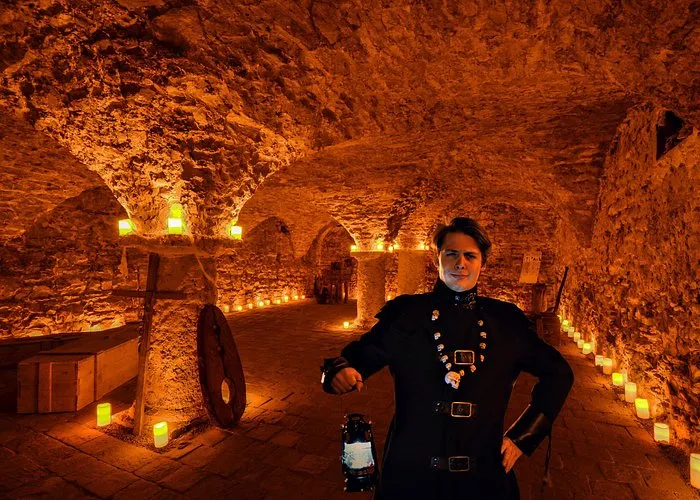
Prague Ghosts, Legends, Medieval Underground and Dungeon Tour
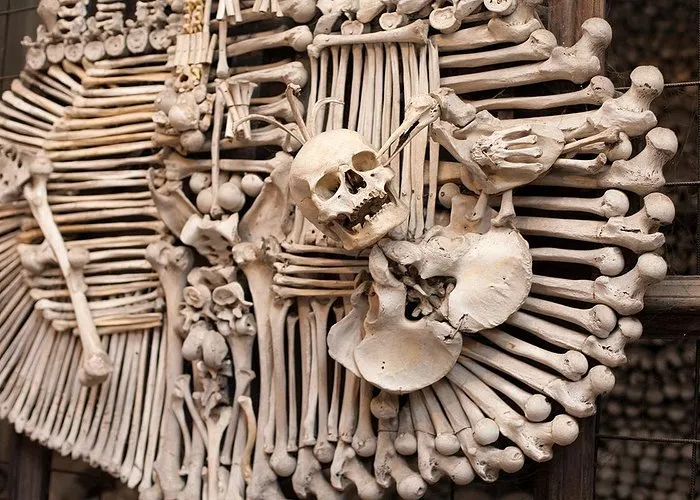
Day Trip to Kutná Hora by train
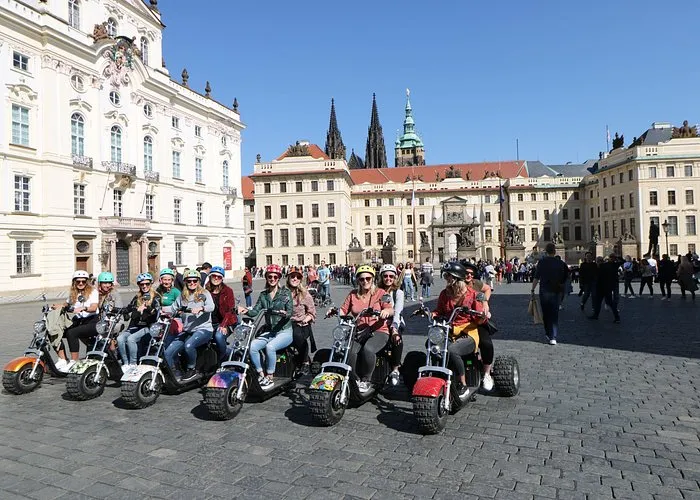
Electric Trike Tour of Prague, live guide included
Best Tours and Activities to Enhance Your Prague 4 Day Itinerary
Enhancing your journey through this captivating city is easier than you might think. While free walking tours cover the basics, consider diving deeper with paid experiences that offer unique insights. Here’s a curated list of top tours and activities to complement your trip.
-
- Prague Alternative Tours: Run by local artists, these tours focus on street art and the contemporary creative scene. They provide a fresh perspective that contrasts with traditional history tours.
-
- Ghosts and Legends Tour: If you enjoy spooky tales, this niche-focused tour explores the city’s haunted history, including stories of alchemists and restless spirits.
-
- Prague Underground Tours: This 75-minute tour takes you through medieval catacombs beneath the city. Discover the hidden levels of houses that once stood at street level.
-
- Classical Music Concerts: Experience the city’s musical heritage with nightly performances. Enjoy Mozart classics in historic theaters or attend a concert by the Prague Symphony Orchestra in the stunning Spanish Synagogue.
-
- Communism and Nuclear Bunker Tour: Walk through a real Cold War bunker and learn about life behind the Iron Curtain. This unique experience connects you to the city’s 20th-century history.
-
- Medieval Dinner with Live Performance: Enjoy a fun evening with costumed servers and period music while dining on traditional fare.
-
- Walking Tour and Vltava River Cruise: This combo tour offers a relaxing way to see the city from the water while enjoying an authentic Czech lunch.
-
- Art Nouveau and Cubist Architecture Tour: This 3-hour walking tour covers essential highlights of Prague’s unique architectural styles from 1911 to 1914.
To make the most of your experience, consider booking tours online before your trip. Popular options fill up quickly, especially during peak seasons like summer and the Christmas market season.
| Tour/Activity | Duration | Highlights |
|---|---|---|
| Prague Alternative Tours | 2-3 hours | Street art, contemporary culture |
| Ghosts and Legends Tour | 2 hours | Spooky tales, haunted sites |
| Prague Underground Tours | 75 minutes | Medieval catacombs |
| Classical Music Concerts | 2 hours | Historic venues, live performances |
| Communism and Nuclear Bunker Tour | 2 hours | Cold War history, real bunker |
| Medieval Dinner | 2-3 hours | Costumed servers, live music |
| Walking Tour & Cruise | 3-4 hours | Czech lunch, scenic views |
| Art Nouveau & Cubist Architecture Tower | 3 hours | Architectural highlights |
Managing Crowds, Tickets, and Using the Prague Card
As you plan your adventure, understanding how to manage crowds and tickets will enhance your experience. This city’s popularity means queues are a reality. But a few smart moves can save you hours of standing in line.
Start by booking tickets online for major attractions like the Castle Complex and the Jewish Quarter. This allows you to skip long lines. The Prague Castle circuit ticket is valid for two days, so you can split your visit across two mornings if the crowds are overwhelming on day one.
The Prague Card is another option worth considering. It bundles free entry to multiple sites, discounts on tours, and unlimited public transport.
This can pay off if you plan to visit several ticketed attractions independently. However, if you’re taking guided tours, the card may be redundant since tour prices often include admission. Do the math based on your specific itinerary.
Here’s a quick list of things to keep in mind:
-
- Buy tickets for the Jewish Quarter at the ticket office or online. The combined ticket covers all six synagogues and the cemetery at a lower price than individual entries.
-
- A multi-ticket for all of Prague’s towers costs 990 CZK and covers Petřín Tower, both Charles Bridge towers, the Old Town Hall tower, and the Powder Tower.
-
- The Powder Tower, one of the original 13 city gates, offers a less crowded alternative to the Old Town Hall tower.
-
- Visit popular sights at opening time or in the late afternoon. Midday is when tour groups and day-trippers peak.
-
- The Astronomical Clock show draws a dense crowd every hour. Watch it once, then appreciate the clock’s artistry from a distance during quieter moments.
With these tips, you can navigate the city’s attractions efficiently, ensuring a memorable experience without the stress of long waits.
| Attraction | Ticket Type | Price (CZK) |
|---|---|---|
| Prague Castle | Circuit Ticket | Online purchase recommended |
| Jewish Quarter | Combined Ticket | Lower price than individual entries |
| All Towers | Multi-Ticket | 990 |
| Powder Tower | Individual Ticket | Check online for pricing |
Safety Tips and Cultural Etiquette for Visitors in Prague
When exploring a new city like Prague, understanding safety and cultural etiquette is crucial. This city is generally safe, but being aware of your surroundings can enhance your experience. Here are some essential tips to keep in mind for your day in Prague.
While violent crime against tourists is rare, pickpocketing can occur in crowded areas like Charles Bridge and Old Town Square. To minimize risks, keep your wallet in a front pocket or a zipped bag. These are prime spots for opportunistic thieves.
Another important aspect is validating your public transport ticket immediately upon boarding. Plainclothes inspectors check frequently, and the fines for unvalidated tickets can be steep. This small step can save you from unexpected costs during your itinerary.
Tipping is customary in restaurants, with 10% being standard if the service was good. You can round up the bill or leave cash on the table. Service charges are rarely included, so it’s good to keep this in mind when dining at top places.
Learning a few basic Czech phrases can earn you genuine appreciation from locals. Simple words like “dobrý den” (hello), “děkuji” (thank you), and “prosím” (please) can go a long way in fostering positive interactions with the world around you.
When visiting the Jewish Quarter, it’s essential to show respect. Photography may be restricted in certain areas, and modest dress is appreciated. This sensitivity is crucial in maintaining the area’s dignity, especially in such a historical place.
For solo female travelers, the city is quite safe. You can walk alone at night in central areas without much concern. The public transport system is well-lit and reliable, adding to the overall sense of security. You’ll find it easy to navigate.
Avoid exchanging money at “0% commission” booths in the city center, as they often offer terrible rates. Instead, use ATMs attached to banks for better exchange rates, ensuring you get the most out of your budget for museums and attractions.
Taxi scams are less common now, thanks to ride-sharing apps. However, always confirm that the meter is running or agree on a price before getting in to avoid surprises.
Finally, remember that Czechs can seem reserved at first. This isn’t rudeness; it’s simply a cultural norm. A warm smile and a friendly “dobrý den” can help break the ice.
Conclusion
Your adventure through this enchanting city has come to a close, but the memories will linger. Four days in this vibrant destination is just the right amount of time to experience its magic. You’ve walked across Charles Bridge at sunrise, explored the Prague Castle, and uncovered neighborhoods where locals thrive.
This journey has taken you from the medieval heart to the layered history of the Jewish Quarter and the lively energy of Žižkov. Each corner holds a story, from the hidden gardens to the unique architecture. You’ll find that today, you’ll leave with sore feet and a camera roll full of golden-hour shots.
Book the tickets, pack your walking shoes, and go. This city has been waiting for you since the 9th century. Your itinerary is ready — now it’s your turn to walk the cobblestones and write your own chapter in this city’s long, layered story, a top place in the world for travelers and people alike.