Sky Lagoon Entrance Ticket Including 7-Step Ritual
Sky Lagoon, a scenic geothermal lagoon that opened in 2021, is a relaxing passage through Icelandic bathing culture. There you are surrounded…
See More Details →Travel Guide Destination Hub
Discover Reykjavik, Iceland through an informative lens — exploring culture, geothermal landscapes, and sustainable travel practices that make this capital city a model for responsible, meaningful tourism.
Use our Reykjavik travel planners to build your route, compare itinerary ideas and find practical travel tips for your trip.
Browse our latest Reykjavik itineraries and destination planning guides.
Browse our latest articles, hotel guides, food guides and practical travel tips for Reykjavik.

Discover the best international destinations for first-time solo travelers with practical, tested advice from a traveler who has visited 47 countries. This guide compares 10 beginner-friendly countries, including Portugal, Japan, New Zealand, Thailand, Scotland, Vietnam, Costa Rica, and Iceland, with safety ratings, budget breakdowns, navigation tips, and social travel advice.
Read guide →
A data-backed guide to the best destinations for first-time solo travelers, comparing six cities on safety, cost, infrastructure, language, and solo-friendliness. From budget-friendly Chiang Mai and social Lisbon to safe, easy-to-navigate Edinburgh, Iceland, and Kyoto, it helps readers choose the right first solo trip based on their comfort level and travel style.
Read guide →Tours & Activities
I’ve traveled to many capital cities and Reykjavik doesn’t disappoint. It’s small, you can walk most of it in a day, and it has massive character. Iceland’s capital offers something different to many capitals and that’s a front-row seat to raw nature. Pair that with a culture that takes sustainability very, very seriously and who have a decidedly wacky sense of fun
I still remember my first morning there and looking up at a sky that couldn’t decide between gray and gold. Reykjavik rewards curiosity, It asks you to slow down and pay attention.
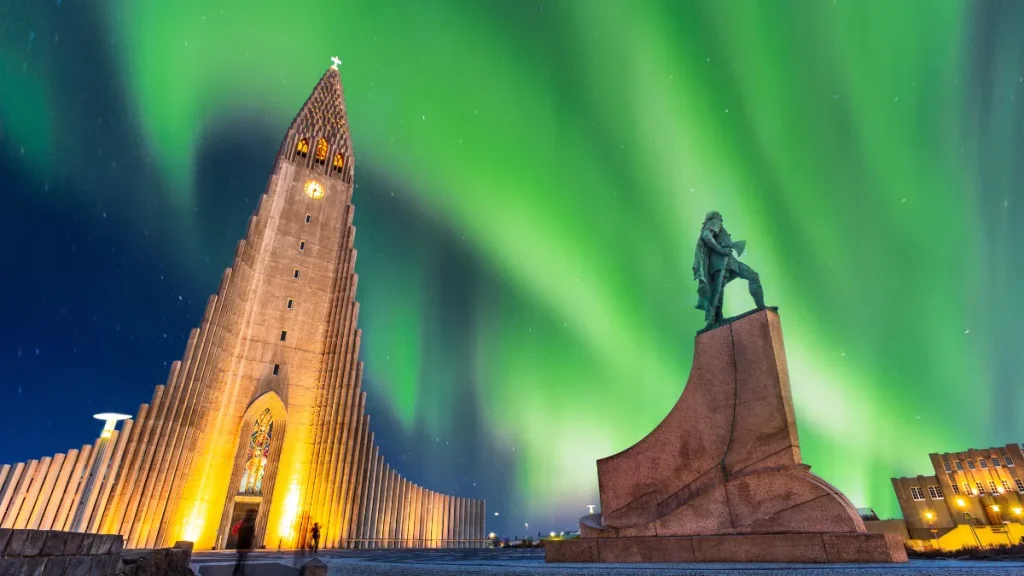
Reykjavik’s downtown core is compact and filled with character. Hallgrímskirkja, the church that dominates the skyline, is the first thing you’ll notice. Well worth the wait and the climb is the church tower. It offers panoramic views of the city and the mountains beyond.. From up there, you can see how close Reykjavik is to the raw wilderness. You can see where the city ends and nature begins.
Take a walk through the streets andf you’ll find a city packed with local art and designer everything. Laugavegur, the main shopping street, is lined with boutiques and bookstores. The cafés prioritize local and sustainable sourcing.
A lot of Reykjavik’s charm is its design. Businesses that have fully engaged sustainably. They use Icelandic wool and driftwood, and this is often upcycled and recycled materials. This not just marketing to increase profits, its a way of life for people who truly believe that conservation as as important as commerce.
The Harpa Concert Hall deserves a visit. Its glass façade reflects the harbor and the sky showing constantly shifting patterns. It’s a hub for Icelandic music and cultural events. Even if you don’t catch a performance, walk through the building for the architecture. It gives you insight into Icelandic design, and how they blend function with environmental awareness.
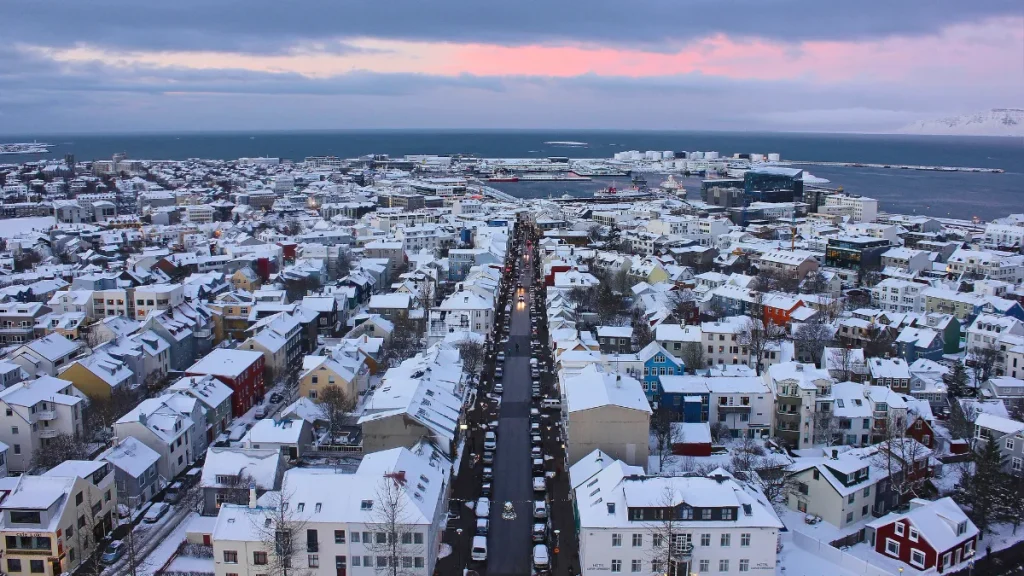
Once you leave Reykjavik it doesnt take long to go from café culture to isolated geothermal landscapes. That’s because the city sits on the edge of volcanic terrain. And the proximity to that terrain shapes the architecture and daily routines.
One of my favorite stops is the Reykjavik Grótta Lighthouse area. Only a short walk from downtown Reykjavik the Grotta lighthouse is a nature reserve. Its a great spot to watch seabirds and their nesting. Its also a great place to catch views of the Northern Lights during winter.
Iceland’s geothermal energy allows the city to be a city. It is almost entirely powered by renewable energy from geothermal or hydroelectric sources. You get a much better understanding when you visit Perlan Museum. It combines interactive exhibits about glaciers and volcanoes and also tackles climate change from a man-made ice cave. The thing it does very well is demonstrating how fragile and interconnected Iceland’s ecosystems really are.
For those needing a nature fix, take advantage of the day trips to the Golden Circle. You’ll see Þingvellir National Park, Geysir geothermal area, and Gullfoss waterfall. These sites showcase geological activity most people never witness firsthand. This inckudes tectonic plates pulling apart, geysers erupting on schedule, and waterfalls carving through rock.
Sustainability isn’t an afterthought in Reykjavik. It is embedded into daily infrastructure. Public buses run efficiently. Bike lanes connect most of the city. Most hotels have strict environmental certifications.
As a visitor you have little to no chance of opting out of this. The city makes it very easy, and desirable, to walk, bike, or use public transport.
Locals take waste reduction and water conservation seriuosly. Most restaurants emphasize farm-to-table sourcing. Team that with Icelandic lamb, fish, and foraged ingredients and you get Iceland on a plate. It’s not done to be trendy. It’s done to reduce emissions and support local agriculture.
Reykjavik has excellent accessibility. It offers accessible walkways, around the major attractions like Hallgrímskirkja and the harbor area. They have done a lot to ensure that mobility doesn’t limit you from an experience.
If you’re planning a visit, I recommend booking Blue Lagoon or Golden Circle tours in advance.
Visiting Reykjavik means engaging with a city that treats its relationship with nature seriously and genuinely. Climb the church tower, walk along the volcanic coastline, sit in geothermically powered cafes, and eat at ethically sourced restaurants. And be curious!
Sky Lagoon, a scenic geothermal lagoon that opened in 2021, is a relaxing passage through Icelandic bathing culture. There you are surrounded…
See More Details →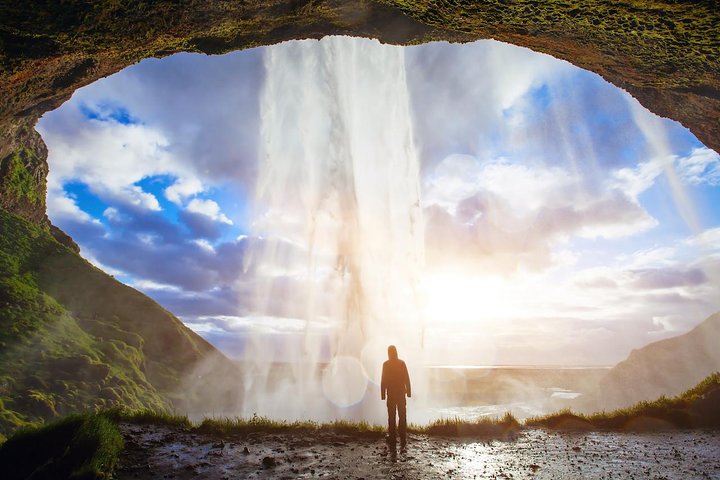
Visit the natural wonders of Iceland on this 10-hour tour from Reykjavik. Travel in a minibus to the black sand beaches of…
See More Details →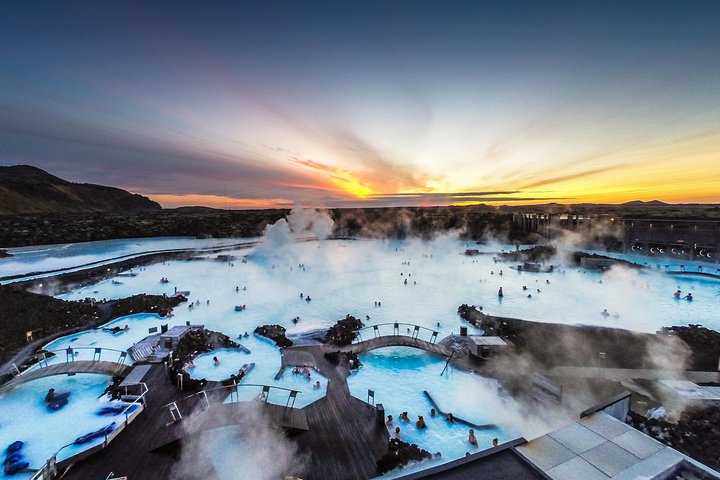
Experience the best of Iceland's natural wonders on this one day mini bus tour. Join us for this magnificent combination of of…
See More Details →
The Northern Lights bus tour takes you out of Reykjavik city to see the bright dancing lights of the aurora. The Northern…
See More Details →
Discover some of the best sites in Iceland on the the Golden Circle Tour, in the company of a professional guide who…
See More Details →
Local food, city & history tour of Reykjavik. In the tastiest sight seeing tour in Iceland, we explore down town Reykjavik through…
See More Details →
Discover the magic of Iceland at Sky Lagoon, geothermal oasis where nature meets luxury. Feel the warmth of the water as you…
See More Details →
The Golden Circle and the Blue Lagoon are the two most popular sights to visit in Iceland. Book this small group day…
See More Details →
Encounter whales, dolphins, porpoises and birds on this cruise from Reykjavik and see the wildlife in their natural habitat off the capital’s…
See More Details →
We are the highest rated Northern Lights tour in Iceland because we have realized that entertainment is a crucial part of the…
See More Details →
A journey through Iceland’s glacial heart. Discover the stunning beauty of Jökulsárlón Glacier Lagoon, where ancient icebergs drift silently through Iceland’s deepest…
See More Details →
The Icelandic Highlands is a unique area with some rugged landscape and that is exactly where this tour takes you. This 4-hour…
See More Details →