
6 days Trekking Camp in Umphang
One of the best places to trek in Thailand is in the area around Umphang Wildlife Sanctuary, located in the northwest. Umphang…
See More Details →Travel Guide Destination Hub
Plan your trip to Um Phang with curated itineraries, travel guides, route ideas and practical trip planning resources.
Use our Um Phang travel planners to build your route, compare itinerary ideas and find practical travel tips for your trip.
Browse our latest Um Phang itineraries and destination planning guides.
Browse our latest articles, hotel guides, food guides and practical travel tips for Um Phang.
Tours & Activities
I first heard about Umphang from a guide in Chiang Mai who shrugged when I mentioned it. “You won’t find crowds there,” she said. “That’s the point.” She was right.
Tucked into the mountainous western edge of Tak Province, Umphang remains one of Thailand’s least-visited yet most rewarding destinations — a place where the Myanmar border presses close, the forests stay thick, and the pace of life hasn’t caught up to the rest of the country’s tourism machine. If you’re looking for Thailand without the filter, this is where you go.
Let me be honest about this upfront: reaching Umphang isn’t simple, and that’s exactly why it stays special. The journey from Mae Sot takes roughly four hours along Highway 1090, a route locals call the “Sky Highway” because of its 1,219 curves winding through mountain passes.
I remember gripping the seat during the first hour, then slowly relaxing into the rhythm of switchbacks and valley views that opened up at every turn. Bring snacks, download music beforehand, and expect limited phone signal — this drive demands patience, not distraction.
Once you arrive in Umphang town, infrastructure shifts into a more rustic, community-based model. Local guesthouses and family-run operators handle most tourism here, which means your spending directly supports the Karen, Hmong, and Thai communities who call this region home.
I’d encourage booking through local operators rather than Bangkok-based agencies whenever possible. The economic difference ripples outward in ways that matter — supporting conservation efforts, village schools, and sustainable land practices that keep this region intact for the next traveler.
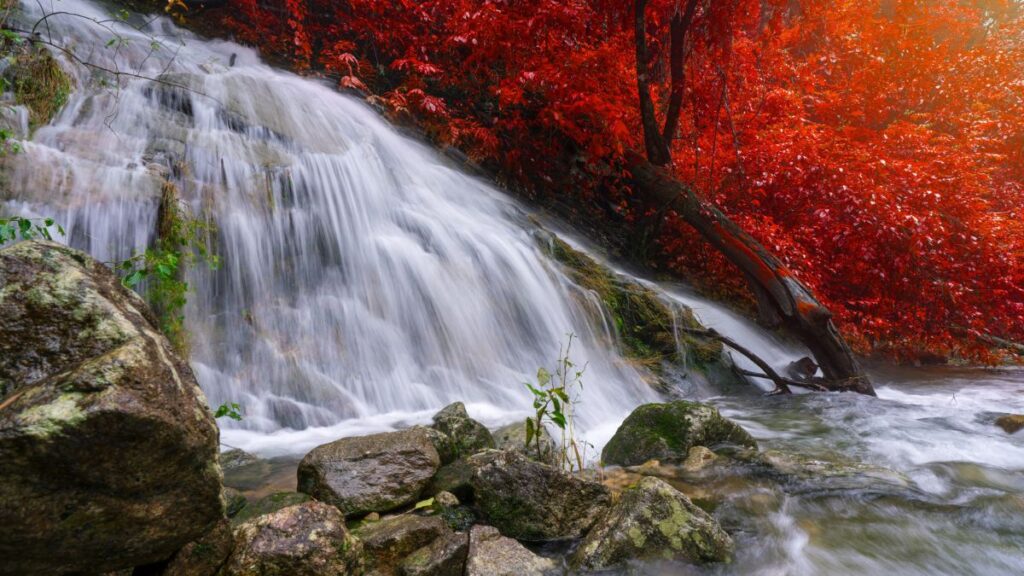
Tee Lor Su Waterfall anchors every Umphang itinerary, and for good reason. This limestone cascade drops across multiple tiers into turquoise pools, and during peak flow season (roughly August through November), it transforms into one of Thailand’s most powerful natural displays.
I stood at the base during my visit and genuinely struggled to process the scale — water thundering down in sheets, mist rising high enough to catch sunlight, the whole scene framed by old-growth forest that’s survived largely because this corner of Tak remains difficult to exploit commercially.
Getting to the falls requires a short trek through Umphang Wildlife Sanctuary, which doubles as valuable orientation to the ecosystem you’re walking through. Rangers and local guides point out medicinal plants, explain forest regeneration patterns, and discuss the sanctuary’s role in protecting watershed areas critical to communities downstream.
This isn’t just sightseeing — it’s learning in motion. The sanctuary itself holds UNESCO World Heritage status as part of the larger Thungyai-Huai Kha Khaeng complex, protecting one of mainland Southeast Asia’s last substantial wildlife corridors.
Swimming is permitted in designated areas, though water levels and currents shift seasonally, so always check with local guides before entering. During dry season (February through April), flow decreases significantly, revealing more of the limestone structure beneath. Both experiences offer something different; neither is objectively better, just distinct.
Bamboo rafting down the Mae Klong River gives visitors a completely different perspective on Umphang’s landscape — slower, quieter, more attuned to the river’s actual rhythm. Local operators construct these rafts from bamboo harvested sustainably from nearby groves, and the entire experience runs at the pace of the current rather than a motor.
I spent close to six hours on the water during my trip, drifting past limestone cliffs, small Karen villages, and sections of forest so dense that sunlight barely reached the water’s surface.
What struck me most was how the rafting experience connects directly to broader conservation messaging in the region. Guides explain how the river system supports both human communities and wildlife populations, including several endangered species that depend on riparian habitats.
The Mae Klong isn’t just scenery — it’s infrastructure, in the truest ecological sense. Understanding that context changes how you experience the float, transforming it from passive relaxation into something closer to a moving classroom.
Combine the rafting trip with a stop at a nearby Karen village, where community-based tourism initiatives allow visitors to purchase handwoven textiles or learn about traditional agricultural methods still practiced along the riverbanks.
These visits work best when approached with genuine curiosity rather than extraction — ask questions, buy directly from artisans, and recognize that you’re a guest in someone’s long-standing home, not a spectator at a cultural display.
Multi-day treks through Umphang Wildlife Sanctuary offer the most immersive way to understand why this region matters so much ecologically. Trails range from moderate day hikes to challenging multi-day expeditions requiring overnight camps, and most require a certified guide — both for safety and because local knowledge genuinely enhances the experience.
I joined a two-day trek that included a night camping near the sanctuary’s interior, waking up to birdsong I couldn’t identify and a silence that felt almost unfamiliar after months in cities.
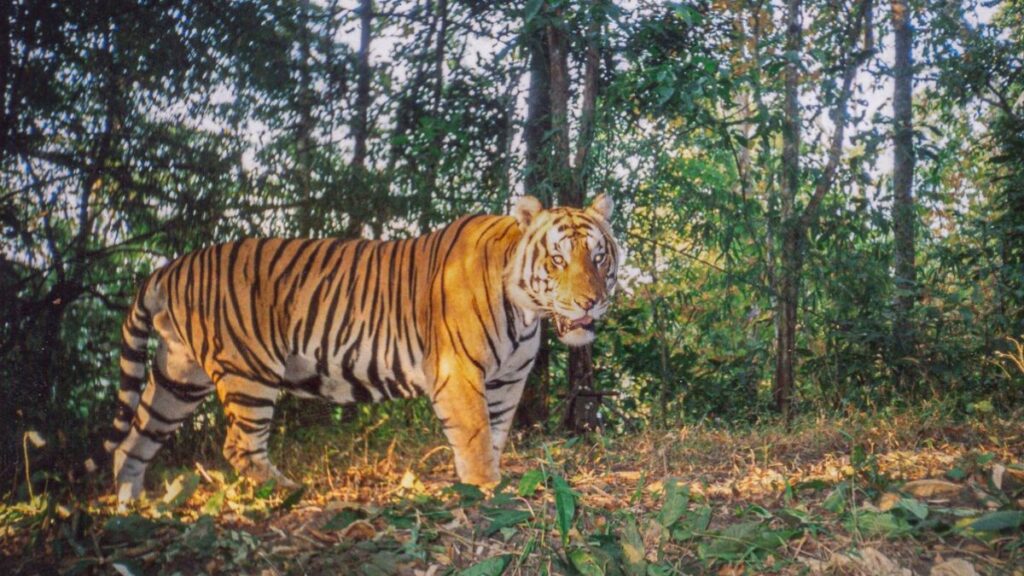
The sanctuary protects habitat for tigers, elephants, and numerous endangered bird species, though sightings remain rare and shouldn’t be the primary expectation. Instead, focus on what you can reliably observe: diverse plant life, insect ecosystems, and the sheer density of the forest canopy.
Guides frequently discuss ongoing conservation challenges, including poaching pressures and the delicate balance between tourism revenue and habitat preservation. These conversations matter — they’re not an afterthought appended to a nature walk, but central to understanding why protected status exists here at all.
Accessibility varies by trek difficulty, so communicate your fitness level and any mobility concerns honestly when booking. Many operators offer modified routes for travelers who want meaningful sanctuary access without extreme physical demands.
Umphang rewards those willing to move slowly, listen carefully, and accept that this landscape operates on its own timeline — one that predates tourism and, with continued conservation support, will hopefully outlast it too.
Showing tours and activities related to umphang.
One of the best places to trek in Thailand is in the area around Umphang Wildlife Sanctuary, located in the northwest. Umphang…
See More Details →