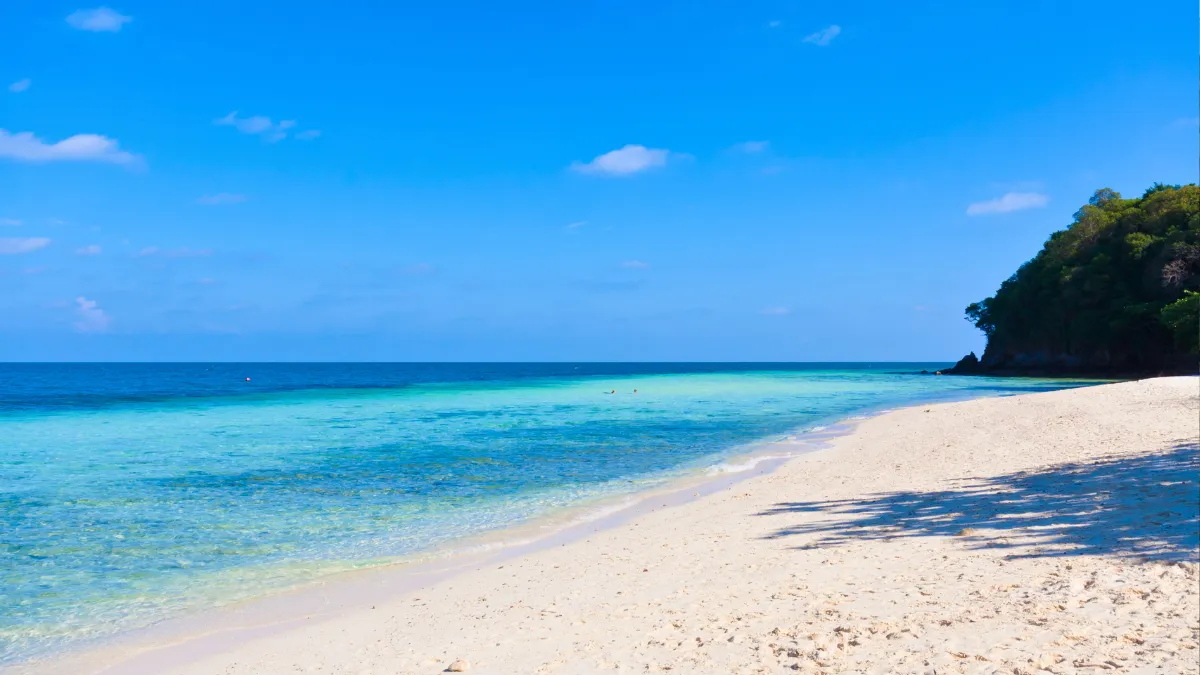
Kanchanaburi Tour Hellfire Pass History tour
Discover Kanchanaburi’s rich history and scenic beauty on this immersive day tour. Explore Hellfire Pass and the Death Railway, ride the historic…
See More Details →Travel Guide Destination Hub
Discover Kanchanaburi with our travel guides, itineraries, and practical tips. Explore WWII history, scenic routes, temples, markets, and hidden gems in West Thailand.
Use our Kanchanaburi travel planners to build your route, compare itinerary ideas and find practical travel tips for your trip.
Browse our latest Kanchanaburi itineraries and destination planning guides.
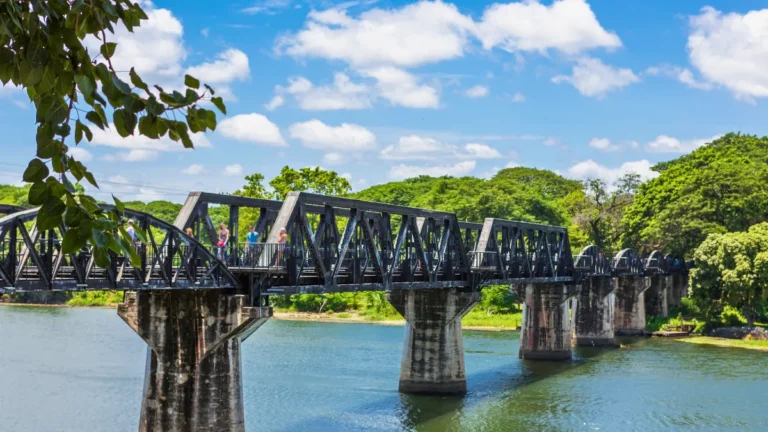
Discover Kanchanaburi in 3 days with this budget-friendly Thailand itinerary, blending wartime history, river scenery, jungle rail journeys, and waterfall hikes. Visit the Bridge on the River Kwai, the Death Railway, Hellfire Pass, war cemeteries, and Erawan Falls, then unwind with floating restaurants, temple visits, and peaceful boat rides through western Thailand’s landscapes.
View itinerary →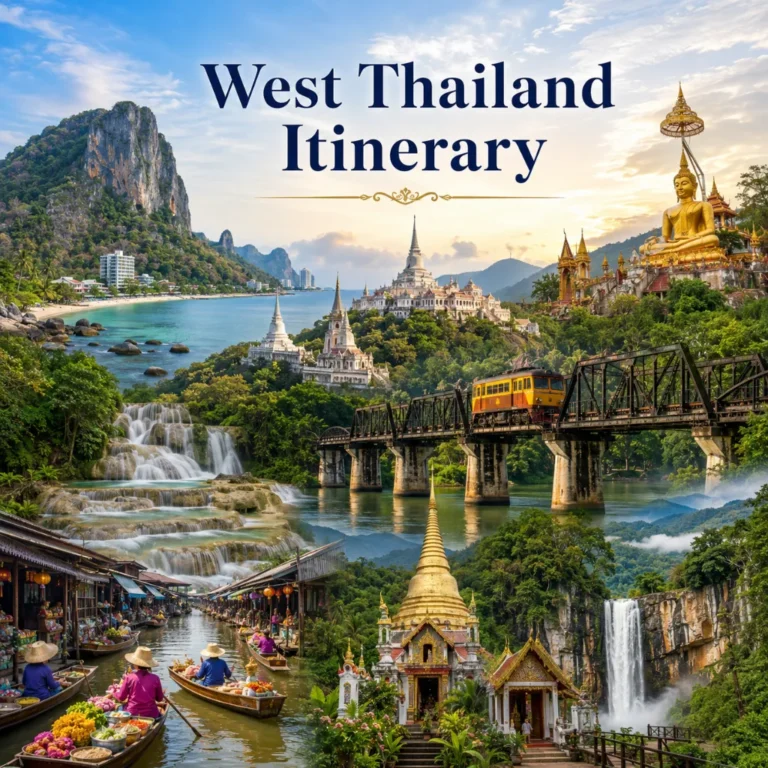
Discover an authentic side of Thailand on this 7-day West Thailand itinerary, from mountain villages in Tak and border-town culture in Mae Sot to Kanchanaburi’s WWII history, Ratchaburi’s floating markets, Phetchaburi’s royal palaces, and Prachuap Khiri Khan’s quiet beaches. Packed with scenic drives, temples, food, and budget-friendly travel tips.
View itinerary →Browse our latest articles, hotel guides, food guides and practical travel tips for Kanchanaburi.
Tours & Activities
The morning mist rising from the River Kwai carries the scent of diesel from the 06:43 Bangkok train and the sweet smoke of sugar-cane fields being burned across the water. Kanchanaburi wakes slowly; the train arrives promptly at 09:05, and vendors at the station are already wrapping sai ua sausage in banana leaves for 20 baht ($0.55) each.
Head north past the backpacker bars on Mae Nam Kwai Road, where 80 baht ($2.20) buys a Singha beer and a front-row view of the sunset over the famous bridge, and you’ll reach the heart of town.
At Talad Nat night market, locals line up for khao kha moo served from aluminum pots simmering since 4 AM. The war cemeteries on Saeng Chuto Road hit harder than the bridge ever will—6,982 perfectly aligned headstones in an area smaller than a football field, marking young lives lost building a railway no one wanted.
Most visitors treat Kanchanaburi as a day trip from Bangkok. That’s a mistake. Spend three nights here. The jungle waterfalls at Erawan are empty before 8 AM.
Floating guesthouses on the River Kwai Noi cost 400 baht ($11) and come with the sound of silence. The Death Railway train to Nam Tok still follows the original 1943 route through Hellfire Pass, where the mountain drops away and the track seems to hang in midair above the jungle canopy.
Kanchanaburi still echoes with the sound of wartime steel whistles, limestone cliffs crash into emerald rivers, and the air is filled with the scent of grilled prawns, frangipani, and 1940s diesel.
First-time visitors expect to see just one bridge but leave after exploring caves, hiking to seven-tiered waterfalls, and listening to monks chant inside mountain temples.
The town remains low-rise, stretching along the River Kwai Yai. At dawn, temple roofs shimmer as long-tail boats roar, casting petrol rainbows across the water.
Locals, descendants of Thai, Mon, and Chinese laborers, have transformed wartime tragedy into living history: crackling recordings at Hellfire Pass, rusted spikes lodged between teak sleepers, and Mon curries thickened with roasted rice powder.
Be ready for sudden downpours from April to October, songthaew drivers who quote fares with a smile, and the quick geography lesson that “River Kwai” is actually the Kwai Noi and Kwai Yai rivers joining to form the Mae Klong—a fact every guide will correct you on within five minutes.
Discover Kanchanaburi’s rich history and scenic beauty on this immersive day tour. Explore Hellfire Pass and the Death Railway, ride the historic…
See More Details →
Experience the Best of Khao Yai: Nature, Adventure & Wildlife! Discover the wonders of Khao Yai National Park, Thailand’s first and most…
See More Details →
A balanced mix of culture, relaxation, and nature — this private tour takes you from breathtaking temple views to a tranquil café…
See More Details →
If you’re looking to soak up the best that Mother Nature has to offer around the Kanchanaburi area, join this Erawan Waterfall…
See More Details →
Feel the freedom of the wild at Tree Top Zipline Adventure Kanchanaburi, Thailand’s ultimate outdoor experience. Soar through the rainforest canopy on…
See More Details →
Our agency is specialized in the discovery of fauna and flora through the activities we offer. We take you away from the…
See More Details →
Experience Erawan Waterfall, Hellfire Pass, and the historic Death Railway in one unforgettable day. Swim in emerald pools, walk through WWII history,…
See More Details →
This tour offers an in-depth journey through Kanchanaburi’s most significant World War II sites, including the Thailand-Burma Railway Centre, Hellfire Pass, and…
See More Details →
Immerse yourself with nature with the full-day trekking tour that brings you to discover the evergreen forest of Kanchanaburi. We will trek…
See More Details →
Step into the soul of Kanchanaburi, where emerald forests whisper stories of the past. Begin your adventure with a seamless hotel pick-up…
See More Details →
Depart from Bangkok and drive to Kanchanaburi City. Visit the Bridge over the River Kwai, a significant part of the Death Railway…
See More Details →
Immerse yourself with nature with the full-day trekking tour that brings you to discover the evergreen forest of Kanchanaburi. We will trek…
See More Details →