Chiang Mai to Pai Shared Minivan Transfer with Hotel Pickup
Experience a smooth and hassle-free journey from Chiang Mai to Pai with a convenient minivan transfer. Enjoy hotel pickup from Chiang Mai…
See More Details →Travel Guide Destination Hub
Explore Pai and beyond with inspiring Thailand travel guides, scenic routes, cultural experiences, and practical tips for independent adventurers.
Use our Pai travel planners to build your route, compare itinerary ideas and find practical travel tips for your trip.
Browse our latest Pai itineraries and destination planning guides.
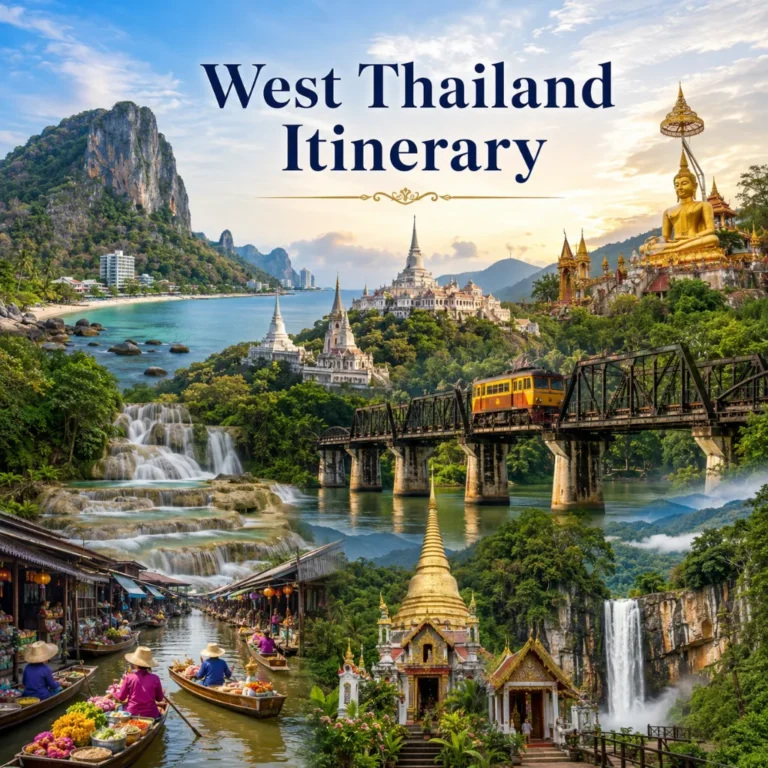
Discover an authentic side of Thailand on this 7-day West Thailand itinerary, from mountain villages in Tak and border-town culture in Mae Sot to Kanchanaburi’s WWII history, Ratchaburi’s floating markets, Phetchaburi’s royal palaces, and Prachuap Khiri Khan’s quiet beaches. Packed with scenic drives, temples, food, and budget-friendly travel tips.
View itinerary →
Plan a 14-day luxury self-drive journey through northern Thailand for Loy Krathong, from Chiang Mai and Doi Inthanon to Mae Hong Son, Ban Rak Thai, Pai, Lampang, and Sukhothai. The itinerary blends mountain roads, temples, caves, hot springs, and cultural highlights, with driving tips, seasonal advice, and festival timing included.
View itinerary →
Embark on a solo adventure through Thailand with this 14-day North to South itinerary. Explore vibrant cities, ancient temples, lush jungles, and stunning beaches while enjoying the freedom of traveling alone. This itinerary combines adventure with relaxation, offering a taste of Thailand’s rich culture and diverse landscapes.
View itinerary →Browse our latest articles, hotel guides, food guides and practical travel tips for Pai.
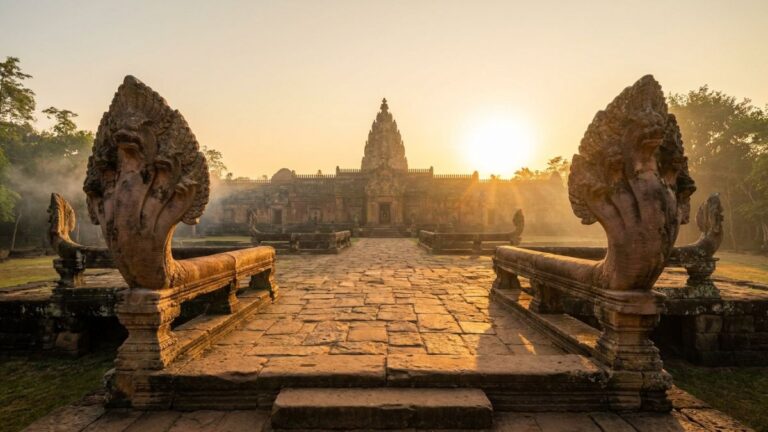
A practical guide to Thailand beyond the usual tourist trail, covering seven under-visited regions for independent travelers, from Isaan’s Khmer temples and Nan’s quiet mountain valleys to the Mae Hong Son Loop, Sangkhlaburi, Um Phang, and the tranquil Trat and Trang islands. Includes visa updates, transport tips, seasonal advice, safety notes, and border considerations for 2026.
Read guide →
Thailand solo travel is answering the call to explore the exotic, the golden temples, pristine beaches, and warm hospitality. This Southeast Asian gem offers…
Read guide →Tours & Activities
If you’re looking for a place that rewards slow travel over checklist tourism, Pai deserves a real spot on your Thailand itinerary. It definitely is not just a quick stopover between Chiang Mai and the border.
Most travelers hear “Thailand” and picture Bangkok’s skyline or Phuket’s beaches. Pai offers neither. Instead, this small town sits in a valley surrounded by forested hills, rice fields, and a slow-moving river that cuts through the center of town. The scale is smaller, the pace is slower, and the crowds thin considerably once you get outside the main walking street.
Pai is a destination where you see Thailand in its truest form. This is a place to rent a scooter, follow dirt roads, and explore the canyons. That’s the real appeal. Pai rewards curiosity.
Getting to Pai requires some advance thinking, because the journey itself is part of the experience. The most common route runs from Chiang Mai, roughly 135 kilometers away, along a mountain road famous for its 762 curves.
A minivan takes about three to four hours and costs between 150 and 250 baht one way. If you prefer control over your schedule, renting a motorbike in Chiang Mai and riding yourself takes longer, usually four to five hours, but it lets you stop at viewpoints along the way.
Before you commit to either option consider the following. If you’re a passenger consider your tolerance for winding roads. If you’re driving make sure to budget extra time, because the road surface varies and the curves are hairpin.
Pai Canyon stands out as the single most recommended outdoor experience, and for good reason. Thin ridgelines drop steeply on both sides, and the views stretch across layered hills that turn orange and pink at sunset.
Beyond the canyon, Mo Paeng Waterfall offers a cooler, calmer alternative. The pools here are swimmable, and the rock formations create natural slides that locals and visitors use for fun.
Afterward, the Tha Pai Hot Springs give your muscles a break, especially useful after a day of motorbiking the valley’s back roads. For a different pace, bamboo rafting on the Pai River lets you move slowly downstream through farmland and forest, with a guide who typically shares context about the river’s role in local agriculture.
The hill tribe villages surrounding Pai, including Lisu and Karen communities, offer a window into life that predates the town’s tourism boom. Visiting requires a local guide with existing relationships within the community. Community-based tourism initiatives in the area funnel income directly to residents.
Back in town, the Pai Walking Street market opens each evening and fills with food stalls, local crafts, and live music. I spent more evenings there than I expected, mostly because the food is genuinely excellent and very inexpensive
The Memorial Bridge, a short ride outside town, tells a different story: built during World War II, it now serves as a quiet reminder of the region’s history, and the walk across it gives you a good view of the surrounding rice fields. Both stops balance each other well — one lively and present-focused, the other quiet and historical.
Accommodation in Pai ranges widely, which makes it accessible regardless of your budget. Basic guesthouses in town run 300 to 500 baht per night, while riverside bungalows with more privacy cost 600 to 1,200 baht. If you want something quieter, several eco-lodges sit just outside town and offer views of the valley without the noise of the walking street.
As a rough daily budget, expect to spend 800 to 1,500 baht total covering accommodation, food, and scooter rental, which typically costs 150 to 250 baht per day.
November through February brings the coolest, driest weather and the biggest crowds, while the rainy season from June through October offers lower prices and a greener landscape
Showing tours and activities related to Pai.
Experience a smooth and hassle-free journey from Chiang Mai to Pai with a convenient minivan transfer. Enjoy hotel pickup from Chiang Mai…
See More Details →
Hop from Pai to Chiang Mai with a reliable minivan transfer designed for a smooth, stress-free ride. Depart from AYA Service Pai…
See More Details →
Wake up your Pai trip with a flight through the canopy! Experience one of the most thrilling things to do in Pai…
See More Details →
Small Group 4 - 9 people only :D - Be escorted by our professional and friendly Tour Guide - See the Twin…
See More Details →
Swap city stress for mountain vibes, hop on a Chiang Mai to Pai shared minivan transfer with pickup in Chiang Mai City…
See More Details →
You are welcome to customize your day based on your own interests and travel style. Our private guide will gladly recommend the…
See More Details →
Travel smoothly from Pai to Chiang Mai with a convenient one-way AYA minivan transfer. Depart from the minivan office with multiple daily…
See More Details →
Trade Pai’s busy streets for open countryside on a scenic ATV ride that makes the journey part of the sightseeing. Choose a…
See More Details →
Explore a full-day jungle trekking adventure with transfer from Pai to the remote Soppong jungle, starting at an authentic Black Lahu Village.…
See More Details →
Elevate your evening with a "Must-Do" Bangkok experience at the Baiyoke Sky Hotel. This all-inclusive package combines a massive international seafood buffet…
See More Details →
Leave Pai’s paved roads behind and power into its wild countryside on a real off-road ATV quad bike ride. Venture beyond regular…
See More Details →
Enjoy a safe, comfortable, and hassle-free private transfer between Suvarnabhumi Airport and your hotel in Bangkok, or vice versa. This service operates…
See More Details →