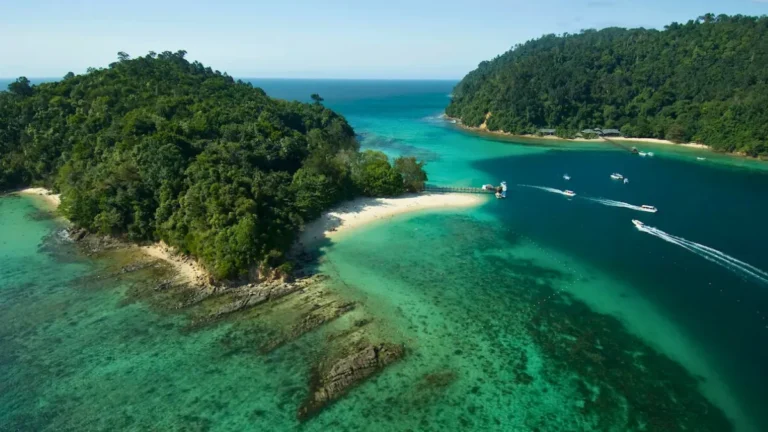

Semenggoh Wildlife Centre Tour: Discover Sarawak’s Orangutans
The Semenggoh Wildlife Centre is the biggest Orangutan Rehabilitation Centre in Sarawak; established in 1975 as a sanctuary for the injured and orphaned…
See More Details →Travel Guide Destination Hub
Discover the best of Sarawak with our comprehensive travel guides and itineraries. Plan your adventure in Malaysia’s diverse and vibrant destination today.
Use our Sarawak travel planners to build your route, compare itinerary ideas and find practical travel tips for your trip.
Browse our latest Sarawak itineraries and destination planning guides.
Browse our latest articles, hotel guides, food guides and practical travel tips for Sarawak.
Tours & Activities
I remember getting off the plane in Kuching for the first time. You’re hit with heat and if you’re like me, mosquitos. Having arrived from KL I was unsure what to really expect from Malaysian Borneo. Three trips later and Sarawak is one of the places I recommend most to friends.
It isn’t a great destination if you are seeking shopping, night life or trendy bars and glamor (although Kuching has some of that). But it is a destination that will challenge you and change how you think about isolated wild spaces and the people who protect them.
What follows is my take on what you may want to prioritize when you visit. It’s not everything, but it’s what’s I think is worth the time once you’re there.
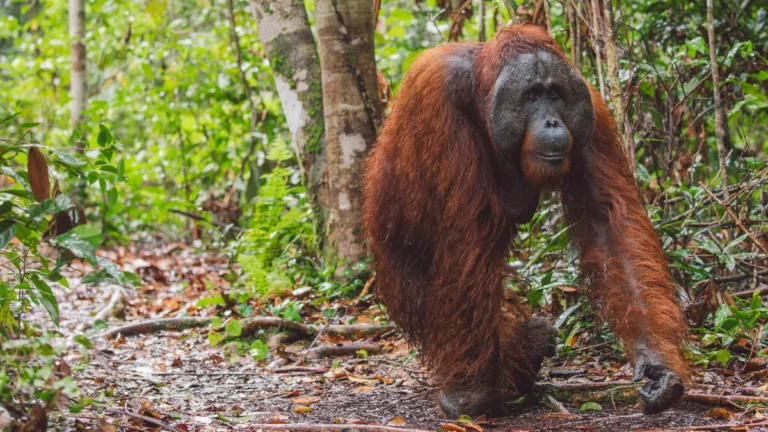
Semenggoh Wildlife Centre is about 45 minutes outside Kuching. It is a must visit destination for anyone curious about orangutans. Semenggoh is a rehabilitation center for organutans who have been injured, orphaned, or kept as illegal pets.
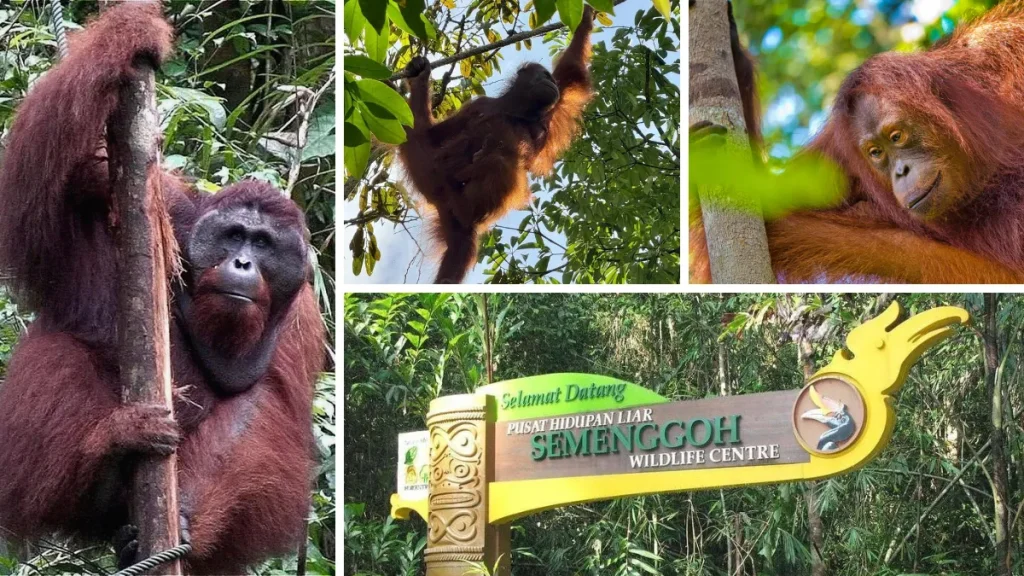
Rangers feed the semi-wild orangutans that choose to return during specific windows. Check the timings but when i visited they had a morning and afternoon feeduing time. This does means that sightings aren’t guaranteed. The orangutans forage independently, so when there is plenty of fruit available in the forest they may not feel the need to come back for food.
I’ve visited twice and seen orangutans on both occasions. I have friends who visited four times and saw them three of those times.
Another unmissible experience is Batang Ai National Park. Getting there takes effort. It’s a few hours by road followed by a boat journey. The payoff? Keep your eyes on the trees. This is one of the places where you might spot fully wild orangutans in their natural habitat.
Lodge accommodations are basic by design. Most of them are run in partnership with local Iban communities who also serve as guides. I highly recommend staying in Batang Ali, but you’ll need at least three days to do it properly. Depending on where you choose to stay it could be almost a full day getting there, and another day getting out.
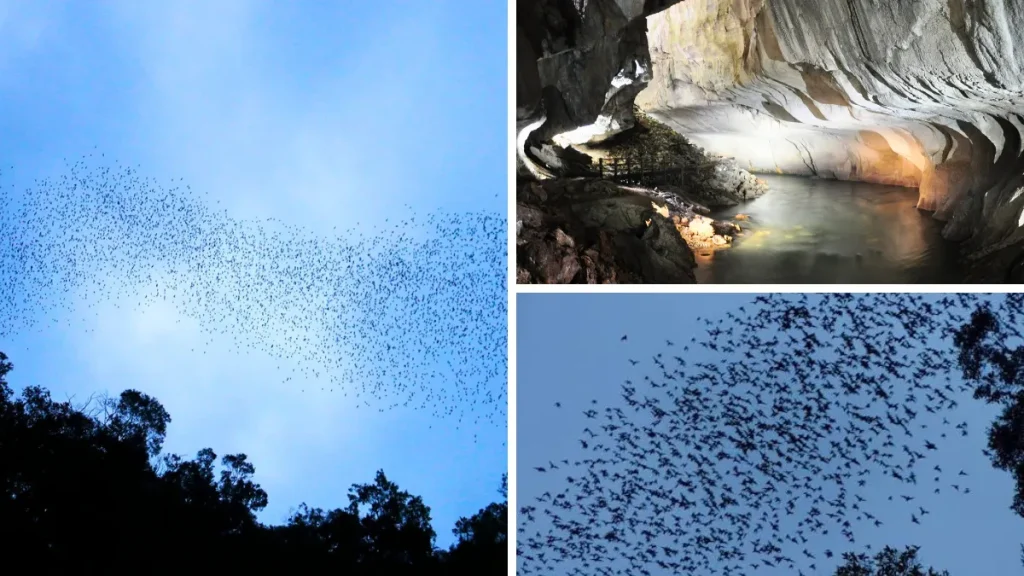
Gunung Mulu National Park is one of Sarawak’s most significant natural attractions. The Clearwater Cave system alone extends over 200 kilometers. It’s one of the longest cave networks on earth.
Deer Cave houses millions of bats and their nightly exodus creates a spectacle that really is worth timing your visit around. Watching a massive cloud of bats pirouette out at dusk is pretty cool.
I know I gained a greater understanding of why conservationists fight hard to protect this ecosystem. I remember the guano (bat poop) smell especially! But that poop supports the entire food web within the cave.
Getting to Mulu requires flying in. Why? There are no roads connecting it to the rest of Sarawak. But, this isolation is one of the main reasons the park is so well protected from the development pressures affecting other parts of Borneo.
Guides will often be from the local Berawan and Penan communities. Their tours and treks range from easy 2 hour walks all the wayn through to very demanding. The most demanding is the Pinnacles trek. It’s a steep climb through jagged limestone formations, and one I didn’t do, opting instead for a shorter, and frankly less terrifying, experience.
You do need time here as well. One day is doable, but you’ll need to decide in advance the one thing you really want to see or do. Bring worn in hiking shoes. Even on my “not challenging trek” the terrain can include ankle deep mud, ankle height vines covering the jungle paths and sharp limestone climbs.
The Rejang River is Sarawak’s main river highway. It cuts through the landscape and is the main way to access the more isolated communities. The river journey into these communities isn’t curated for tourists. So don’t expect jet or cruise boats, but do expect a genuine experience of how goods and people travel in this part of the world.
Staying in an Iban longhouse along the Skrang or Batang Ai river is one you’ll never forget. True bucket list stuff!. You’re walking into a community and a way of living that has existed for generations. Spending time with the families that live here and watching them as they harvest, hunt, cook and raise kids is a massive privilege.
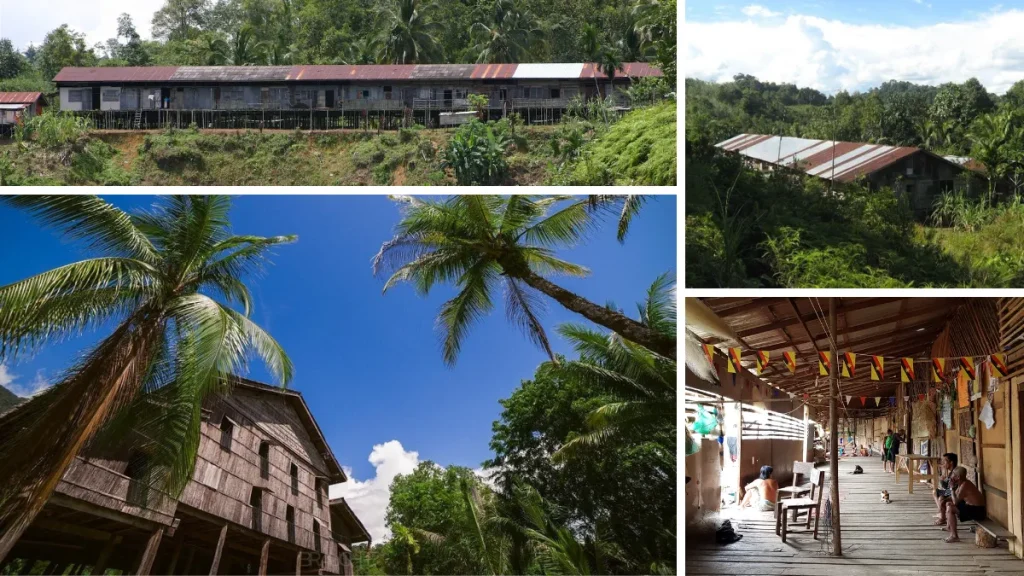
Even though we mainly focus on independent travel, this is not one of those experiences, and you will want to organise a stay through local tour operators. They have the relationships with the Iban. The accommodation is basic, and expect to be in communal sleeping areas.
I visited with a friend and we had a room to ourselves. Did they know I snore? When I woke up the next morning the room had gained 2 kids and a cat!
Expect a nervous first hour when you realise you don’t know the language and suddenly you’re alone in a very isolated place! However not long after you will find you are feeling like one of the locals.
It helps that you’ve mastered thumbs up, and are an expert at head knodding or shaking, plus your glass has been topped up constantly with local booze. The people are wonderful.
In the evening you’ll get lots of food, with traditional music and storytelling that you probably won’t understand.And in many ways the understanding doesn’t matter because you are living the experience.You’ll also get plastered on the local booze. I swear there is no way to refuse the 80 year old man who brewed it. And its fun. Hangover inducing, but fun!
The stay isn’t boutique or luxury, but it is real. And that distinction mattered to me more.
Kuching is the most sensible base for exploring Sarawak. You can get flight connections to Mulu and road access to Semenggoh and Bako National Park.
Weather is hot and humid every day for 365 days.
The monsoon season is November to February. As well as the heavier rainfall it brings humidity you won’t believe. But there is a positive, because of all the rain it provides some relief from the mosquitos big enough to carry off small children.
Monsoon can also disrupt your river travel and the cave access. So between March and October is probably your best choice.
Accessibility varies:
Showing tours and activities related to Sarawak.
The Semenggoh Wildlife Centre is the biggest Orangutan Rehabilitation Centre in Sarawak; established in 1975 as a sanctuary for the injured and orphaned…
See More Details →
Get a special perspective on Malaysia's local peoples and traditions with a visit to Sarawak Cultural Village. This living museum showcases the…
See More Details →
Semenggoh Rehabilitation Center, a temporary home for displaced Orang Utans that have been rescued from captivity and young orphaned primates. These animals…
See More Details →
The Sarawak River Cruise provides a unique and different experience for you event. Embrace the change! Sarawak River Cruise is the best…
See More Details →
The Semenggoh Wildlife Centre is the biggest Orangutan Rehabilitation Centre in Sarawak; established in 1975 as a sanctuary for the injured and…
See More Details →
Sarawak Cultural Village is an award-winning Living Museum that spans across 17-acres of land just across from Damai Beach Resort and Hotels.…
See More Details →
Join us for an unforgettable adventure through Sarawak’s breathtaking mangrove wilderness! Glide along serene waterways as you search for the rare Irrawaddy…
See More Details →
Discover Kuching’s rich culinary heritage on this half-day walking tour. Begin at the historic Hong San Si Temple, then sample local favourites…
See More Details →
Discover the natural beauty and rich culture of Borneo with a Royal Kuching Cruise. Enjoy a unique experience combining scenic views, historical…
See More Details →
Kuching, described as one of the most attractive cities in Southeast Asia, is the State capital of Sarawak. It is a city…
See More Details →
Experience the best of Sarawak in one unforgettable trip. Begin at Semenggoh Orangutan Rehabilitation Centre, where you may watch semi-wild orangutans emerge…
See More Details →
Morning & Evening Sessions Explore the tranquil waterways where the Santubong and Salak rivers meet, discovering Sarawak’s rich mangrove ecosystems and fascinating…
See More Details →