Bongawan River Cruise Proboscis Monkey, SkyMirror, Fireflies
Bongawan River Cruise – A Hidden Gem of Borneo! Please note on Fridays Mosque is not available. Meeting Point for Pick Up…
See More Details →Travel Guide Destination Hub
Explore Borneo with curated travel guides, itineraries, and practical tips for an unforgettable adventure in Malaysia’s rainforest paradise.
Use our Borneo travel planners to build your route, compare itinerary ideas and find practical travel tips for your trip.
Browse our latest Borneo itineraries and destination planning guides.
Discover the best of Sarawak on this 8-day Borneo adventure, from Kuching’s heritage waterfront and Bako’s rainforest wildlife to Semenggoh orangutans, Iban longhouse stays, and Mulu’s UNESCO-listed caves. This guide blends nature, culture, and practical travel tips for an authentic, budget-friendly journey through Malaysian Borneo.
View itinerary →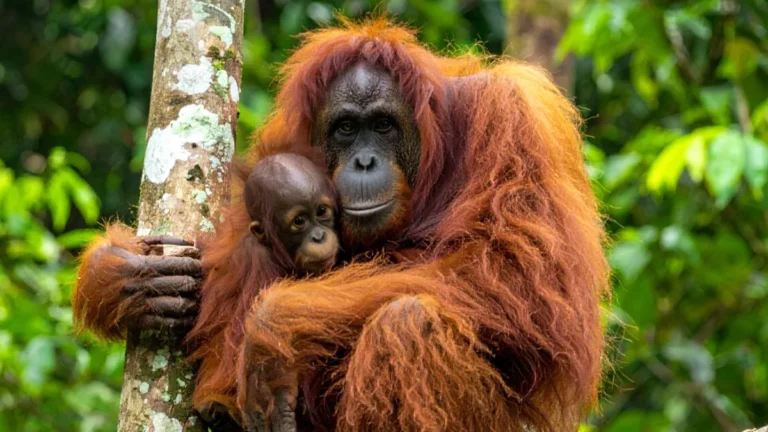
This seven-day Malaysian Borneo itinerary focuses on Sabah’s rainforests, wildlife, and local food, starting in Sandakan and ending in Kota Kinabalu. Designed for travelers who want depth over a rushed checklist, it combines orangutan encounters, national parks, and scenic highlights like Southeast Asia’s tallest peak and riverbank pygmy elephants.
View itinerary →Browse our latest articles, hotel guides, food guides and practical travel tips for Borneo.

The world's tropical rainforests hold some of the planet's most extraordinary biodiversity. These vital ecosystems face constant threats from deforestation and climate change. Choosing…
Read guide →
Plan a 10-day Malaysian Borneo adventure through Sabah and Sarawak, from Kota Kinabalu island hopping and Kinabatangan River wildlife cruises to Mount Kinabalu, Kuching’s heritage streets, and Bako National Park. Expect orangutans, proboscis monkeys, pygmy elephants, rainforest treks, cultural sites, practical travel tips, and essential planning advice for a rewarding trip.
Read guide →Tours & Activities
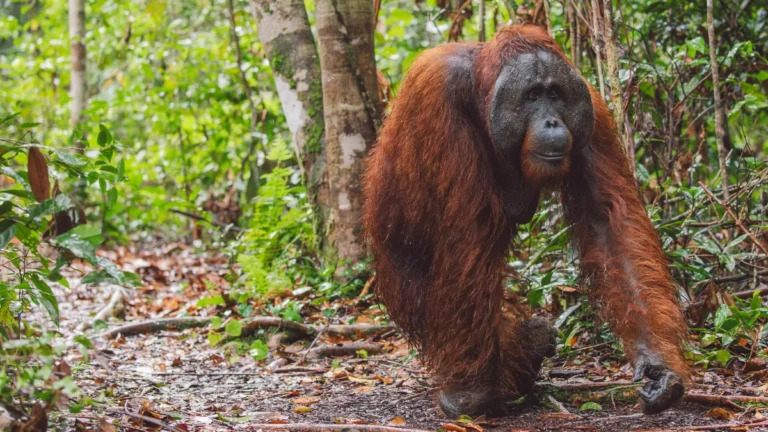
Visiting the Sepilok Orangutan Sanctuary is one of the most popular things to do in Sabah, Borneo. Although there is no guarantee you will see the orangutans, as they are free to wander into the wild if they choose, the chances are good—especially at the feeding platforms.
However, my best experience was watching them swing freely through the trees just a few metres away as we walked along the boardwalk. One of the orangutans we saw was wild, while the other was still being rehabilitated.
Watching them become friends, swing through the trees, and play-fight was one of the most magical wildlife experiences I have ever had.
Staying at a jungle resort on the banks of the Kinabatangan River was one of the highlights of my trip and one of my favourite things to do in Malaysian Borneo.
For three days, I went on river safaris twice daily, spotting proboscis monkeys with their enormous noses, huge crocodiles, and even a wild orangutan. We also took daytime hikes through the rainforest and explored the jungle after dark, discovering creatures such as tree frogs and colourful sleeping birds.
Between safaris, relax at the rainforest lodge, enjoying views of the river and watching the resident mischievous monkeys get into trouble with the hotel staff.
See the world’s smallest bears, native to Borneo, at the Sun Bear Sanctuary. Rescued sun bears are rehabilitated here with the aim of releasing them back into the wild.
As an endangered species, they are difficult to spot in their natural habitat, making this a wonderful opportunity to see them up close.
The sanctuary features elevated wooden boardwalks, multi-level observation platforms, and spotting scopes/binoculars to watch the bears forage, climb, and relax in large natural forest enclosures.
Unlike fixed-time feeding sessions at other wildlife spots, sun bears do not have strict scheduled public feedings here, rewarding quiet observation and patience.
Stay at Danum Valley Conservation Area
Borneo Rainforest Lodge is one of the few places offering accommodation within the Danum Valley Conservation Area, one of the last remaining expanses of untouched rainforest in Borneo.
You can feel the jungle’s ancient presence. Towering trees, draped in thick vines and supported by enormous buttress roots, provide a habitat for red leaf monkeys, metre-long monitor lizards, and, of course, the orangutans for which Borneo is famous.
A stay at the lodge includes daily guided jungle hikes. The trails lead past an ancient burial site to a viewpoint overlooking the lodge far below, as well as to a waterfall where you can cool off after walking through the steamy rainforest.
You can also enjoy a fish foot spa, during which tiny fish nibble away at the dead skin on your feet.
A canopy walk consists of bridges, platforms, and towers woven through the treetops, making it easier to spot a variety of birds, including hornbills.
Guided night walks and nighttime drives in the back of an open truck, equipped with a powerful spotlight, offer the chance to see flying frogs, giant flying squirrels, flying lemurs, and, if you’re as lucky as I was, a rare non-flying clouded leopard.
All meals are included and served in a large, open-air lodge with wonderful views of the river and a jungle-covered escarpment. This is roughing it in style!
The capital of Sawarak, Kuching, is a wonderfully easy introduction to Borneo. Sarawak’s capital is compact, walkable and richly multicultural, with Chinese temples, Malay kampungs, colonial buildings and Indigenous traditions all woven throughout the city centre. Make sure to check out the Borneo Cultures Museum and follow the heritage walk afterwards.
Bako National Park is absolutely a place that needs to be on your agenda when visitng Sarawak. It is Borneo’s oldest national park, it features seven unique ecosystems, dramatic sea stacks, and rare wildlife like the pot-bellied proboscis monkey.
Staying overnight is recommended if you have the time, it helps avoid crowds, enjoy cooler morning hikes, and join guided night walks to spot nocturnal animals.
Set off esarly in the morning for an Iban longhouse. The journey takes you deep into the remote Bornean jungle, where winding roads lead away from urban development. Rice paddies fill the valleys, while small villages appear along the hillsides.
The Iban are Sarawak’s largest indigenous group. For centuries, their traditional longhouses have provided shelter for entire communities. These remarkable structures can accommodate dozens of families beneath one roof. Each family has its own living quarters, while a shared veranda extends along the length of the building.
The overnight stay longhouses are incredibly remote and isolated. Don’t expect running water or electricity, except for a few fortunate families who have a generator running for a few hours each night, you’re likely to be cooking on flames and using a lantern. I’ve traveled extensively and try to immerse myself in local cultures, but this experience was on a whole different level.
Naturally, there was some initial awkwardness—you definitely feel like an outsider, you are much larger in size (me especially), and it can be uncomfortable, almost like you’re intruding on people’s lives.
But that’s our own self consciousness and once you get past it, life becomes much easier. The Iban people are renowned for their hospitality, and it’s clear why.
Dancing, drinking, and partying are central to their way of life, and you’re encouraged to join in—and of course I readily did so. In the morning, albeit hungover, you have become part of the family.
Gunung Mulu National Park is one of the few places where the landscape feels truly monumental. Beneath its rainforest-clad mountains lies an extensive network of underground rivers, vast chambers and winding limestone passages.
At dusk, millions of bats stream from the caves, creating one of the park’s most spectacular natural displays.
The park was added to the UNESCO World Heritage List in 2000 in recognition of its remarkable caves, tropical karst formations, biodiversity and ecological significance.
UNESCO describes Mulu as the world’s most extensively studied tropical karst area. It contains 17 vegetation zones, approximately 3,500 species of vascular plants and at least 295 kilometres of explored caves.
On your itinerary needs to be Mulu’s four main show caves, Deer Cave, Lang Cave, Wind Cave and Clearwater Cave, along with its rainforest, rivers, canopy and renowned bat exodus.
Bongawan River Cruise – A Hidden Gem of Borneo! Please note on Fridays Mosque is not available. Meeting Point for Pick Up…
See More Details →
We offer a more guided and higher-quality island experience with a PADI certified guide who ensures smoother access, safer deeper-water snorkeling (no…
See More Details →
Join this full day tour with your friends or family member to explore several Attraction near Sandakan. You will get chance to…
See More Details →
Tanjung Bulat Jungle Camp is far unique from other lodges in kinabatangan is because this jungle camp is totally own and operated…
See More Details →
Experience the enchanting Kinabatangan River with an unforgettable river cruise. Don't miss this chance to create cherished memories amidst the natural wonders…
See More Details →
enjoy your ride to the world famous Sepilok Orang Utan Rehabilitation Centre where situated in the Kabili-Seppilok Forest Reserve. Take a boardwalk…
See More Details →
Meet gentle, shy orangutans in their natural habitat at a unique wildlife sanctuary on this delightful full-day tour. The Orangutan Rehabilitation Center…
See More Details →
Uncover the real taste and culture of Sabah on this guided 2-hour walking food and history tour in Kota Kinabalu. Escape tourist…
See More Details →
Join this afternoon fireflies cruise with your friends and family. Also get introduction of local village and play with village kids which…
See More Details →
Tanjung Bulat Jungle Camp is far unique from other lodges in kinabatangan is because this jungle camp is totally own and operated…
See More Details →
See the highlights of the west coast of Sabah without the hassle of a hiring a car on this full-day guided tour.…
See More Details →
● Lunch at Sepilok Jungle Resort: Begin the day with a delicious lunch amidst the lush surroundings of Sepilok Jungle Resort. ●…
See More Details →